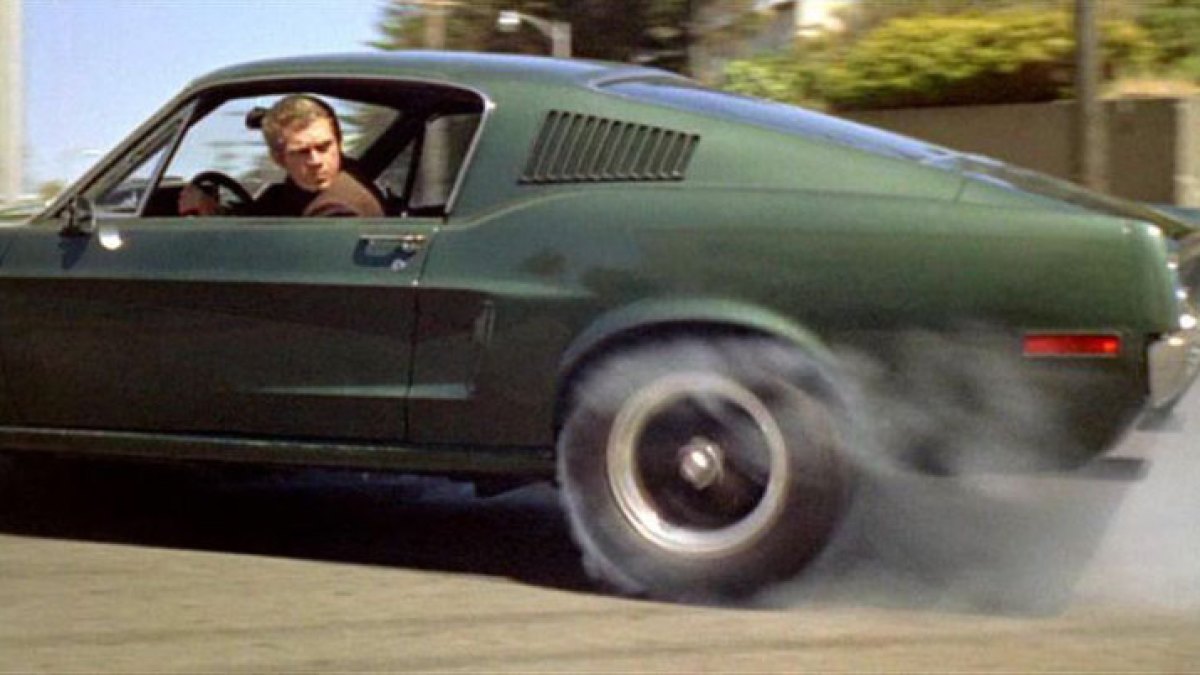
After Bullitt finished filming, the car was sold to a studio executive in Los Angeles, who kept it briefly before selling it, coincidentally, to a police detective. The officer shipped the car to New York and kept it for about three and a half years before placing a for-sale ad in the back of Road & Track magazine in 1974. His $6,000 asking price was somewhat steep, but Robert Kiernan, a New Jersey insurance executive, and Mustang fan went out to look at it. He bought it for his wife, Robbie to use as a daily driver.
The Kiernans kept the car a secret, mainly to ward off thieves and gawkers. Steve McQueen found out that the Kiernans owned the car and he tried to buy it but insisted that the price had to be right. Apparently, it never was right. McQueen never did buy the car.
Robert and Robbie’s son, Sean Kiernan decided to sell the car in 2020.
It stayed in the garage for decades after it was driven by his mother, Robbie, back in the day to St. Vincent’s parish, where she taught third grade. Her husband took a train to work in New York City. This month, Robbie Kiernan went to the auction with her 7-week-old grandchild.
The car will be inducted into the Historic Vehicle Association roster this year—kind of like the National Register of Historic Places, but for cars. It’s only the 21st car to be so honored.
“I am OK with any price. But I would like it to be the most valuable Mustang ever,” he said… he succeeded.
Before he sold the Mustang, he brought it home in October for his mother’s birthday and put it in the garage where the car had been hidden for four decades.
“I had never prepped the car to sell, so I changed all the fluids and did all the car stuff to it,” Kiernan said. “My sister, my mom, my wife, Sam’s dad came down from Dearborn and sat in the car. That car had been in the garage forever. It was her spot. I think everybody cried at some point or another.”
They all said goodbye to the car….But… hello to 3.74 million dollars to an unknown buyer on January 10, 2020.
Thanks to everyone who has read my “Where Is” posts…here are the rest:
I thought I would continue the theme that many of us are going through. Hopefully, we have our family around to be alone with…or if you are by yourself do something that makes you happy….but don’t linger on this song long…it is damn depressing.
I remember this mostly in the eighties when I worked at a printing place and listened to the oldies channel…99.6 in Nashville.
This song peaked at #1 in the Billboard 100, #1 in Canada, #2 in New Zealand, and #3 in the UK in 1972.
I do respect Gilbert for this quote: ‘Alone Again (Naturally)’ has no comic purpose at all, and it is not a song that people can dismiss like ‘Get Down’ or ‘Clair.’ Because it means so much to some people, I will not allow it to be used for karaoke or commercials.”
One of the most depressing songs ever written, “Alone Again (Naturally)” tells a rather sad tale of a lonely, suicidal man being left at the altar and then telling the listener about the death of his parents. The song connected with listeners on various levels: the downtrodden could commiserate with the singer, and the lucky ones who were not in this position were reminded of their good fortune.
This was Irish-born singer Gilbert O’Sullivan’s only American #1. It sold 2 million copies, spent six weeks at the summit in America and earned him three Grammy Award nominations (Best Male Pop Vocal Performance, Song of the Year, and Record of the Year). It was the second best-selling single of the year in America behind Don McLean’s “American Pie.”
Gilbert O’Sullivan has denied that this song is autobiographical or about the death of his father when he was 11. O’Sullivan said: “Everyone wants to know if it’s an autobiographical song, based on my father’s early death. Well, the fact of the matter is, I didn’t know my father very well, and he wasn’t a good father anyway. He didn’t treat my mother very well.”
O’Sullivan charted in UK with “Nothing Rhymed” from his first album, but didn’t make in impact in America until “Alone Again (Naturally)” was released as the first single from his second album. In the first half of the ’70s, O’Sullivan enjoyed a succession of hits in the UK, including two #1s that show his considerable range as a songwriter. The first was “Clair,” inspired by Clair Mills, the 3-year-old daughter of his manager Gordon Mills, whom O’Sullivan baby-sat. The second was “Get Down,” which shows off his soulful side. O’Sullivan was the first Irish-born recording artist with two UK #1 hits.
In a Songfacts interview with O’Sullivan, he explained how this song came together. “‘Alone Again’ was written with two other songs in a writing period when I was 22 years of age. I had been a postal clerk in London, so I was only able to write after work in the evening. When Gordon Mills managed me – he managed Tom Jones and Engelbert Humperdinck – when he took me on, he allowed me to quit my job and move into a bungalow that he owned where I could write every day. So, therefore, I was in a writing mode, and ‘Alone Again’ was just one of the songs I’d written. I was really pleased with it, happy with it, but I didn’t see it as being any more special than other songs. Suffice it to say, I was happy.”
The guitar solo was performed by Big Jim Sullivan, one of the most prolific session guitarists in the UK. He used a guitar with nylon strings to get the distinctive sound.
At the end of the 1980s this was used as the opening theme song and “Get Down” the closing theme song of Masion Ikkoku, a Japanese animated series. They were used without authorization, which caused some controversy at the time. However the net result was that a new Japanese generation discovered Gilbert’s music and his popularity grew in Japan. Some of his 1990s albums have only been released in Japan, where he has continued to enjoy some success.
In 1982 O’Sullivan took his former manager Gordon Mills to court over his original contract, ultimately winning back the master tapes to his recordings as well as the copyrights to his songs. Nine years later in 1991, O’Sullivan went to court again to sue the rapper Biz Markie, who used an unauthorized sample from this song in his track “Alone Again,” which appeared on Markie’s third album, I Need A Haircut. The judge made a landmark ruling in O’Sullivan’s favor that the rapper’s unauthorized sample was in fact theft. From this point on, artists had to clear samples or be subject to costly lawsuits.
O’Sullivan talked about the case in 2010 at a screening for the movie Out On His Own: Gilbert O’Sullivan. He said Biz Markie’s record company approached him about sampling the song, and O’Sullivan asked to hear it before granting permission. “Then we discovered that he was a comic rapper,” said Gilbert. “And the one thing I am very guarded about is protecting songs and in particular I’ll go to my grave in defending the song to make sure it is never used in the comic scenario which is offensive to those people who bought it for the right reasons. And so therefore we refused. But being the kind of people that they were, they decided to use it anyway so we had to go to court.”
O’Sullivan won’t let this song be used in commercials, but he often authorizes it for movies and TV shows, which typically use it for comic effect. Movies to use it include:
Gloria Bell (2018) Napoleon Dynamite (2012) Skylab (2011) Megamind (2010) Ice Age: Dawn of the Dinosaurs (2009) Stuart Little 2 (2002) Osmosis Jones (2001) The Virgin Suicides (1999)
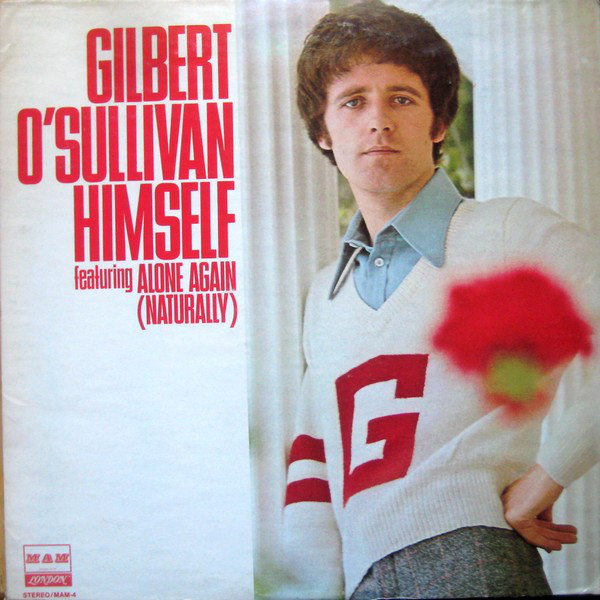
O’Sullivan had an unusual image in the early ’70s, performing in an outfit of pants and a flat cap. With his pudding-bowl haircut, he resembled a Depression-era street urchin. Around the time of the release of “Alone Again (Naturally),” he switched his outfit in favor of an endless series of collegiate-styled sweaters embossed with the letter “G.”
Sugar Ray borrowed the line “my mother, god rest her soul” for their 1997 hit “Fly.”
At least 100 artists have covered this song, including Anita Bryant, Sarah Vaughan, Johnny Mathis, Shirley Bassey and Neil Diamond. Pet Shop Boys did a version with Elton John, and Diana Krall and Michael Bublé recorded it together for Krall’s 2015 album Wallflower.
Alone Again (Naturally)
In a little while from now If I’m not feeling any less sour I promise myself to treat myself And visit a nearby tower And climbing to the top Will throw myself off In an effort to Make it clear to whoever Wants to know what it’s like When you’re shattered
Left standing in the lurch at a church Were people saying, My God, that’s tough She stood him up No point in us remaining We may as well go home As I did on my own Alone again, naturally To think that only yesterday
I was cheerful, bright and gay Looking forward to who wouldn’t do The role I was about to play But as if to knock me down Reality came around And without so much as a mere touch Cut me into little pieces Leaving me to doubt Talk about, God in His mercy
Oh, if he really does exist Why did he desert me In my hour of need I truly am indeed Alone again, naturally It seems to me that There are more hearts broken in the world That can’t be mended
Left unattended What do we do What do we do Alone again, naturally Looking back over the years And whatever else that appears I remember I cried when my father died Never wishing to hide the tears
And at sixty-five years old My mother, God rest her soul Couldn’t understand why the only man She had ever loved had been taken Leaving her to start With a heart so badly broken Despite encouragement from me
No words were ever And when she passed away I cried and cried all day Alone again, naturally Alone again, naturally
I always liked this song. It is defiant and cocky and in times like these, we need it.
Before recording Full Moon Fever, an arsonist burned down Tom Petty’s house while he was in it with his family and their housekeeper. They escaped and spent much of the next few months driving between hotel rooms and a rented house, but Petty was badly shaken.
It was on these drives that he came up with many of the songs for the album, and the fire was a huge influence, especially on this song. Petty felt grateful to be alive, but also traumatized – understandable he could have been killed. According to a report, an arsonist had drenched the house’s back staircase in lighter fluid. Petty and his family was deeply disturbed by the fact that someone had wanted to kill them. The case remains unsolved.
The song was on Full Moon Fever which I bought as soon as it was released. The song peaked at #12 in 1989 in the Billboard 100. Full Moon Fever peaked at #3 in the Billboard Album Charts that same year. The song was written by Petty and producer Jeff Lynne.
Tom Petty: “At the session George Harrison sang and played the guitar. I had a terrible cold that day, and George sent to the store and bought a ginger root, boiled it and had me stick my head in the pot to get the ginger steam to open up my sinuses, and then I ran in and did the take.”
I remember loving the video to this song. George Harrison and Ringo appear and guitar player Mike Campbell plays George’s guitar “Rocky” for the solo.
Songfacts
“I Won’t Back Down” was his way of reclaiming his life and getting past the torment – he said that writing and recording the song had a calming effect on him.
The arsonist was never caught, which made Petty’s plight even more challenging. As for motive, there was no direct connection made, but 11 days earlier, Petty won a lawsuit against the B.F. Goodrich tire company for $1 million. Goodrich wanted to use Petty’s song “Mary’s New Car” in a TV commercial, and when he wouldn’t let them, their advertising agency commissioned a copycat song that the judge felt was too similar.
This was the first single from Full Moon Fever, which was produced and co-written by Jeff Lynne. Petty and Lynne worked on the album at Mike Campbell’s house. As guitarist for the Heartbreakers, Mike has written and produced many songs with Petty.
He told us what happened when they brought the album to MCA Records: “We thought it was really good, we were real excited about it. We played it for the record company and they said, ‘Well, we don’t hear any hits on here.’ We were very despondent about the whole thing and we went back and recorded another track, a Byrds song called ‘I’ll Feel A Whole Lot Better,’ thinking at the time that maybe they’ll like this one. In the interim, they changed A&R departments and a whole new group of people were in there. We brought the same record back like six months later and they loved it – they said ‘Oh, there’s three hits on here.’ We were vindicated on that one. It was the same record. We played the same thing for them and they went for it. I guess it’s a situation of timing and the right people that wanted to get inspired about it. At the end of the line, if the songs are good and if the public connects with certain songs, that really is the true test, but you’ve got to get it out there.” (Read more in our interview with Mike Campbell.)
This was Petty’s first single without the Heartbreakers credited as his backing band. Members of the band did play on the album.
The video, directed by David Leland, features Ringo Starr on drums, with George Harrison and Jeff Lynne on guitar. Harrison did play on the track and contributed backing vocals, but Ringo had nothing to do with the song itself – a session musician named Phil Jones played drums on the Full Moon Fever album.
In some shots, Mike Campbell is playing George Harrison’s Stratocaster guitar, which he called “Rocky.” It was Harrison’s suggestion for Campbell to play it.
Around this time, Petty was active in the group The Traveling Wilburys with Lynne, Harrison, Bob Dylan and Roy Orbison.
This is perhaps Tom Petty’s most personal song. In a 2006 interview with Harp, he said, “That song frightened me when I wrote it. I didn’t embrace it at all. It’s so obvious. I thought it wasn’t that good because it was so naked. So I had a lot of second thoughts about recording that song. But everyone around me liked the song and said it was really good and it turns out everyone was right – more people connect to that song than anything I ever wrote. I’ve had so many people tell me that it helped them through this or it helped them through that. I’m still continually amazed about the power a little 3-minute song has.”
Many fans have felt a connection with this song. “The one that most strangers come up and tell me about is ‘I Won’t Back Down,'” Petty told Mojo. “So many people tell me it meant something in their lives.”
Petty played this on September 21, 2001 as part of a telethon to benefit the victims of the terrorist attacks on America. Celebrities at the event included Julia Roberts, Tom Hanks, Bruce Springsteen, and Tom Cruise. Almost 60 million people watched the special in the US.
In response to this being used as a patriotic anthem after September 11th, Petty said: “The song has also been adopted by nice people for good things, too. I just write them, I can’t control where it ends up.”
This was one of four songs Tom Petty and the Heartbreakers played at the halftime show of the Super Bowl in 2008. The others were “American Girl,” “Runnin’ Down A Dream” and “Free Fallin’.”
Tom Petty died on October 2, 2017, the day after a mass shooting at the Route 91 Harvest festival in Las Vegas that killed 58. On October 7, Jason Aldean, who was on stage during the shooting, opened Saturday Night Live with a performance of this song, which served as both a tribute to Petty and a call for togetherness. “When America is at its best, our bond and our spirit is unbreakable,” he said before playing it.
When the shooting took place, Aldean was performing “When She Says Baby,” which was inspired by Petty’s “Here Comes My Girl.”
I Won’t Back Down
Well, I won’t back down No I won’t back down You can stand me up at the gates of hell But I won’t back down
No I’ll stand my ground Won’t be turned around And I’ll keep this world from draggin’ me down Gonna stand my ground
And I won’t back down (I won’t back down) Hey baby, there ain’t no easy way out (I won’t back down) Hey I will stand my ground And I won’t back down Well I know what’s right I got just one life In a world that keeps on pushin’ me around But I’ll stand my ground And I won’t back down (I won’t back down) Hey baby, there ain’t no easy way out (I won’t back down) Hey I will stand my ground (I won’t back down) Hey baby, there ain’t no easy way out (I won’t back down) Hey I won’t back down (I won’t back down) Hey, baby, there ain’t no easy way out (I won’t back down) I will stand my ground And I won’t back down No I won’t back down
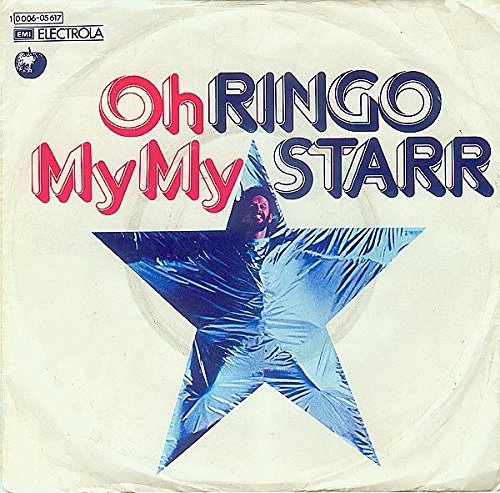
I had this single as a kid from a cousin. The song was off of the 1973 Ringo album that was his most successful album. Three of his former bandmates helped contribute to this album. It contained Photograph, You’re Sixteen, and this one that were hit.
Lennon jokingly sent a telegram to Ringo after the success of this album and said: “Congratulations. How dare you? And please write me a hit song.”
The song peaked at #5 in 1974 in the Billboard 100.
Oh My My
One, two, three, four!
I phoned up my doctor to see what’s the matter, He said, “come on over.” I said, “do i have to?” My knees started shakin’, my wrist started achin’ When my doctor said to me:
“oh my my, oh my my, can you boogie, can you slide? Oh my my, oh my my, you can boogie if you try. Oh my my, oh my my, it’s guaranteed to keep you alive.”
The head nurse she blew in, just like a tornado, When they started dancin’, i jumped off the table. I felt myself healin’ and as i was leavin’, This is what they said to me:
“oh my my, oh my my, can you boogie, can you slide? Oh my my, oh my my, you can boogie if you try. Oh my my, oh my my, it’s guaranteed to keep you alive.”
(oh – yeah hey! All right! Oh! Yeah! Yeah! Yeah! Yeah! Yeah! All right now! Ooh!)
Now if you should slow down and you’re feelin’ low down, Don’t call up your doctor, just grab you a partner. It’s what you’ve been missin’, i’ve got your prescription, That boogie woogie remedy.
“Oh my my, oh my my, you can boogie, you can slide? Oh my my, oh my my, we can boogie ’til we die. Oh my my, oh my my, it’s guaranteed to keep you alive, alright.”
“oh my my, oh my my, watch me boogie, watch me slide, Oh my my, (ow!) Oh my my, born to boogie, born to slide. (can you boogie?) Oh my my, oh my my, oo-wee, boogie, oo-wee, aye. (can you boogie?) Oh my my, oh my my, play that boogie, play that slide. (can you boogie?) Oh my my, oh my my, love that boogie, love that slide. (can you boogie?) Oh my my, oh my my, oh, my boogie, oh, my slide. (can you boogie?) Oh my my, oh my my, come on, baby, come on now. (can you boogie) Oh my my, oh my my, come on, baby, i’m willing to die. (can you boogie?) Oh my my, oh my my, come on, baby, come on, try. (can you boogie?) Oh my my, oh my my.”
One thing that strikes me about this song is the constant guitar. The song was on perhaps the most famous rock album…or album ever released. Sgt Peppers Lonely Hearts Club Band was released on May 26, 1967. No singles were pull off of this album when it was released.
Paul McCartney: “It’s an optimistic song,” “I often try and get on to optimistic subjects in an effort to cheer myself up and also, realizing that other people are going to hear this, to cheer them up too. And this was one of those. The ‘angry young man’ and all that was John and I filling in the verses about schoolteachers. We shared a lot of feelings against teachers who had punished you too much or who hadn’t understood you or who had just been bastards generally. So there are references to them.”
John Lennon had a bad acid trip during the recording. While doing the overdubs, John began to get very sick. He said, “I suddenly got so scared on the mike. I thought I felt ill and I thought I was going to crack. I said I must get some air.” George Martin took him up on the roof of the studios for air and John started walking towards the edge. Martin panicked, thinking that John would fall or leap off and that would be it. On the roof, when John saw Martin looking at him “funny,” he realized he was on acid. John decided he couldn’t do anymore that night, so he sat in the booth and watched the others record. Paul eventually took him home and stayed to keep him company, and he decided to drop some acid with John. It was Paul’s first LSD experience.
John Lennon: “I thought I was taking some uppers and I was not in the state of handling it. I took it and I suddenly got so scared on the mike. I said, ‘What is it? I feel ill.’ I thought I felt ill and I thought I was going cracked. I said I must go and get some air. They all took me upstairs on the roof, and George Martin was looking at me funny, and then it dawned on me that I must have taken some acid. I said, ‘Well, I can’t go on. You’ll have to do it and I’ll just stay and watch.’ I got very nervous just watching them all, and I kept saying, ‘Is this all right?’ They had all been very kind and they said, ‘Yes, it’s all right.’ I said, ‘Are you sure it’s all right?’ They carried on making the record.”
The idea of “Getting Better” came to Paul McCartney while he was walking his dog, Martha. The sun started to rise on the walk and he thought “it’s getting better.” It also reminded him of something that Jimmy Nichol used to say quite often during the short period when he was The Beatles drummer. This song was a true collaborative effort for Lennon and McCartney, with Lennon adding that legendary part about being bad to his woman. He later admitted to being a “hitter” when it came to women. He said “I was a hitter. I couldn’t express myself, and I hit.”
George Harrison played the tamboura, a large Indian string instrument. It is the droning noise about 2/3rds of the way through.
The string sound at the end was Beatles producer George Martin hitting the strings inside a piano.
Lennon contributed the pessimistic viewpoint, coming up with the line, “It can’t get no worse.” McCartney usually wrote much happier lyrics than Lennon. Lennon revisited this song when he used the lyrics, “Every day, in every way, it’s getting better and better” for his 1980 track “Beautiful Boy (Darling Boy).” This time, instead of taking the cynical side, he was affirming that life does just get keep getting better and better.
This was used in commercials for Phillips television sets in 1999. The living Beatles resent the use of their songs in advertisements, but cannot prevent it because they do not own the publishing rights; Michael Jackson does.
The Beatles had stopped touring by the time this was released. The first time McCartney played it live was on his 2002 “Back In The US” tour. That tour was made into a CD and a 2-hour concert film that aired on ABC and was released on DVD.
This was used in the 2003 movie The Cat in the Hat starring Mike Myers.
Getting Better
It’s getting better all the time I used to get mad at my school The teacher’s that taught me weren’t cool You’re holding me down Filling me up with your rules
I’ve got to admit it’s getting better A little better all the time I have to admit it’s getting better It’s getting better since you’ve been mine
Me used to be angry young man Me hiding me head in the sand You gave me the word I finally heard I’m doing the best that I can I’ve got to admit it’s getting better
I used to be cruel to my woman I beat her and kept apart from the things that she loved Man I was mean but I’m changing my scene And I’m doing the best that I can
I admit it’s getting better A little better all the time Yes I admit it’s getting better It’s getting better since you’ve been mine…
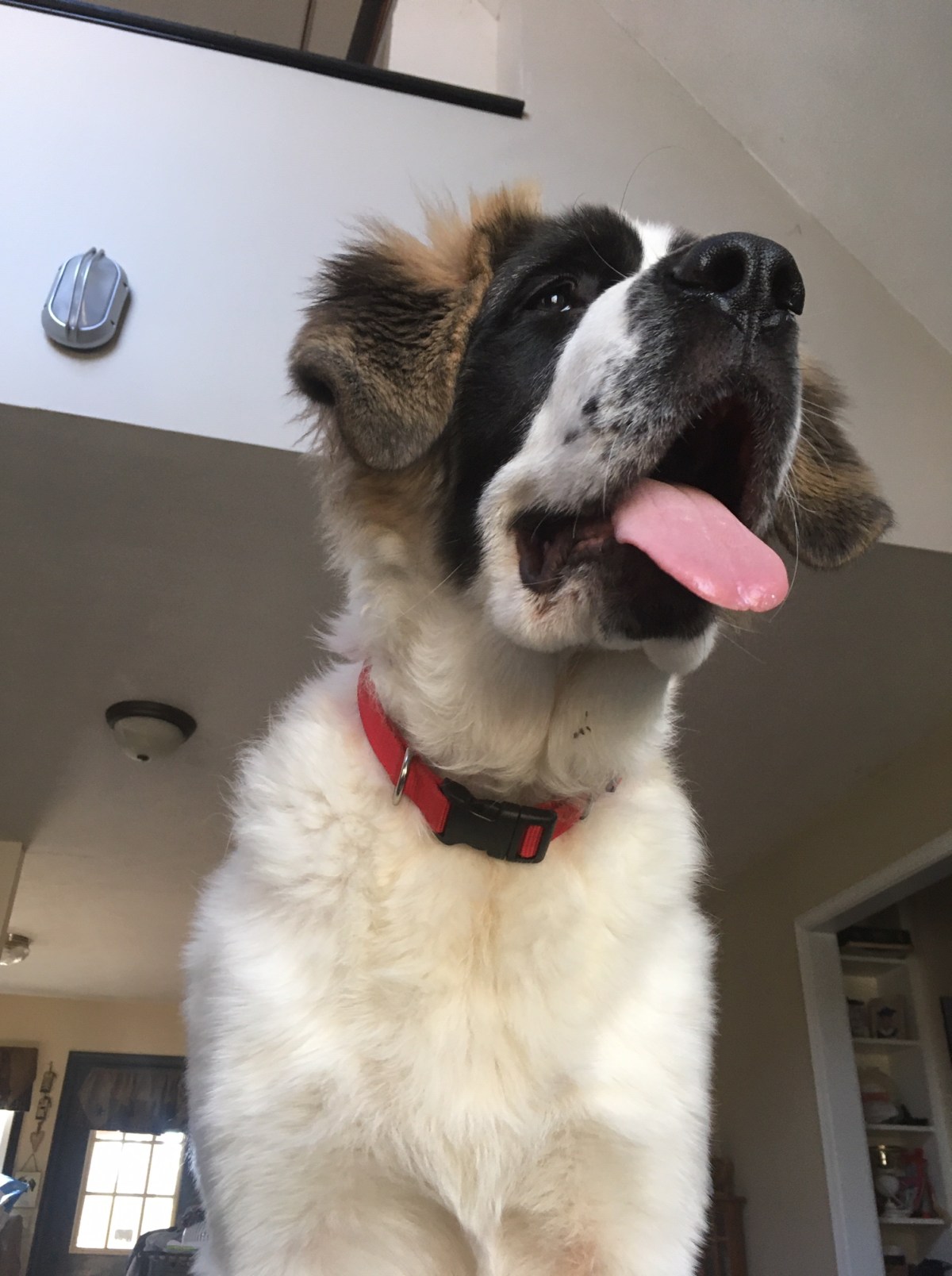
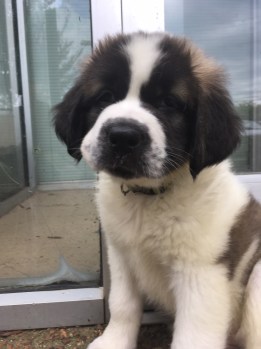
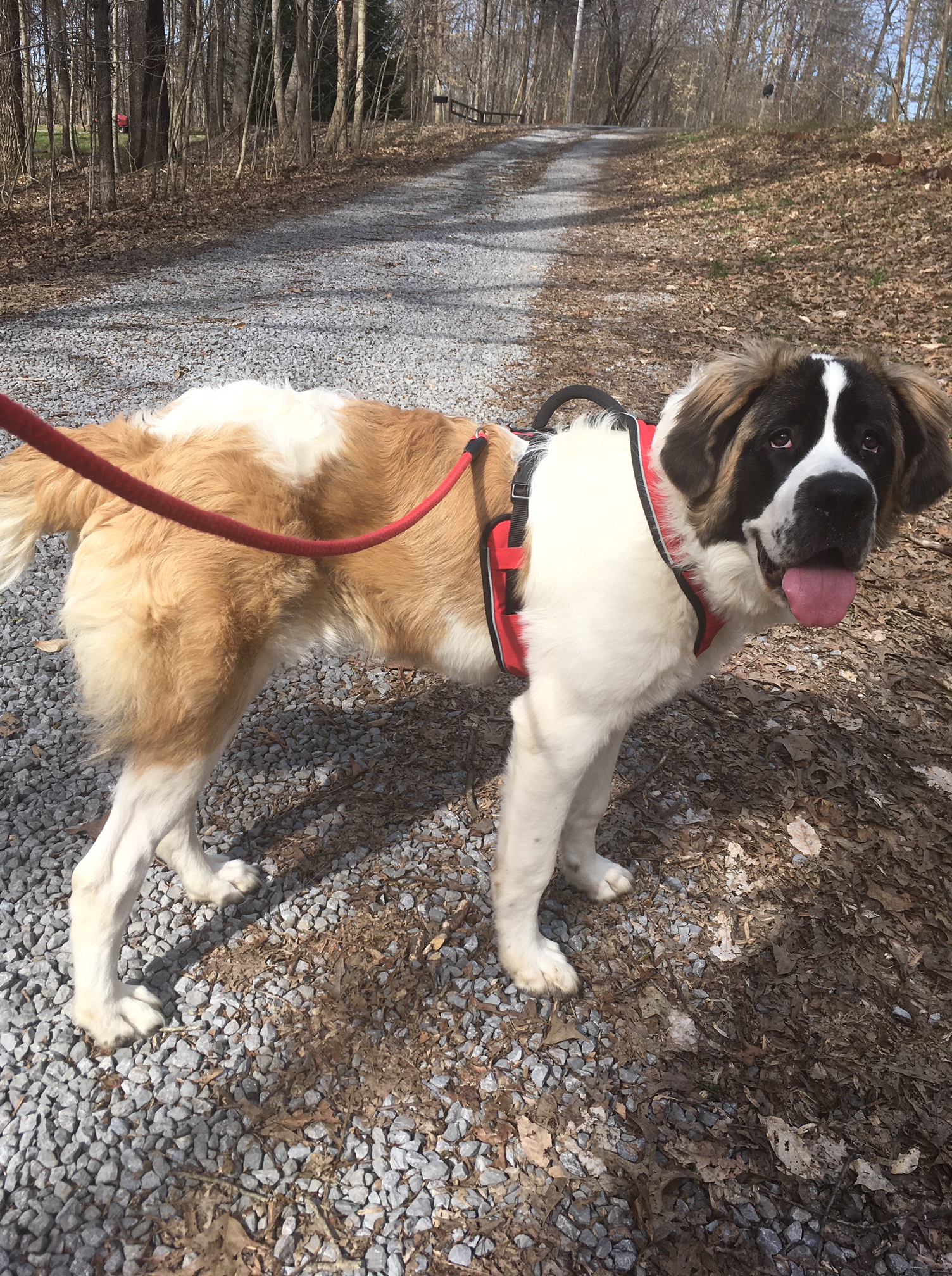
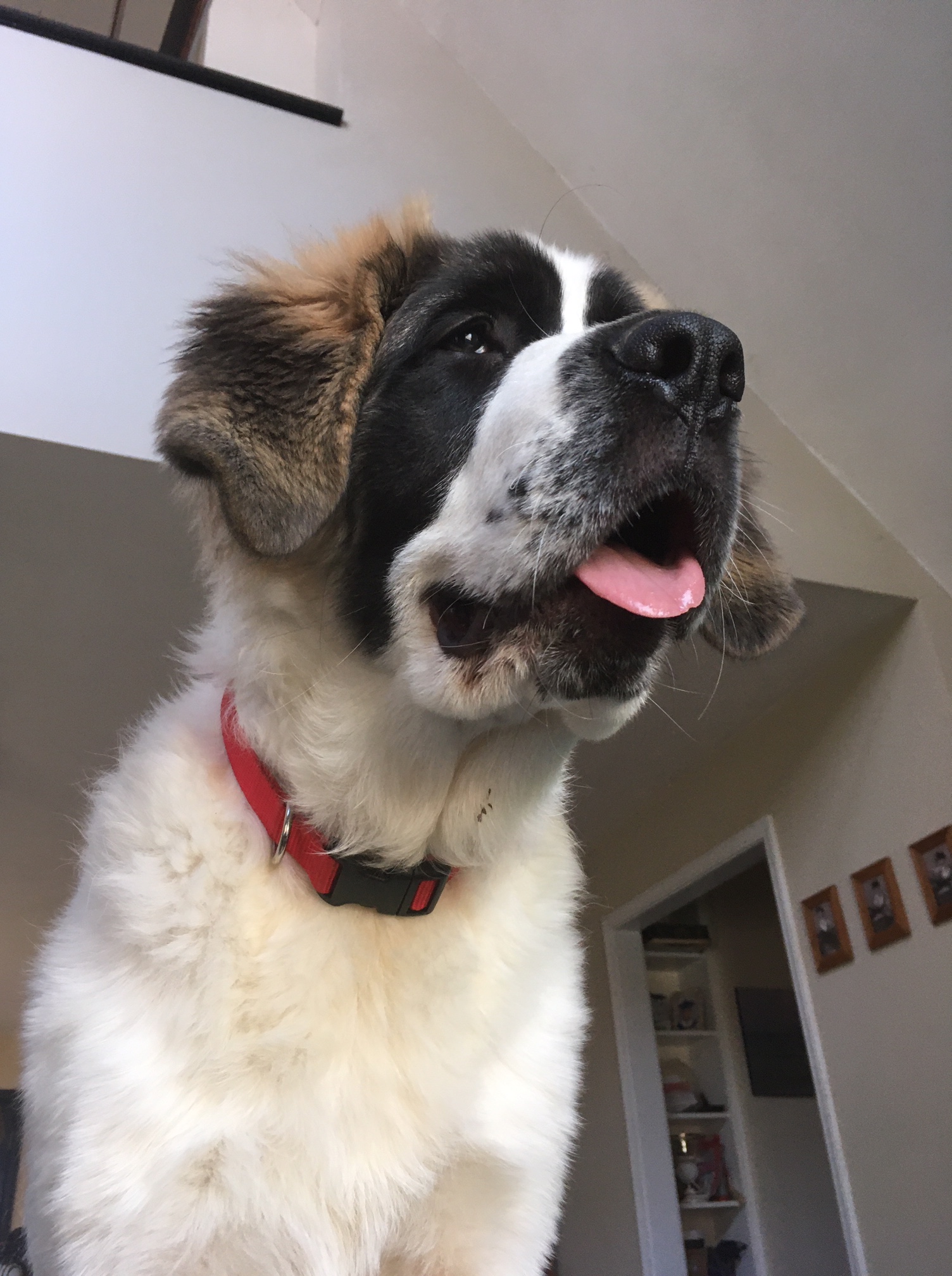
We got her October the 4th and she was 7 months old March 18, 2020. She is like a teenager right now….a big body with a toddler’s mind. She loves grabbing a shoe…not both but one…taking off with it. Many mornings I’ve had to search for my other shoe because of her shenanigans. She is getting much better about chewing…she doesn’t do it much if any now.
She wants to play 24 hours a day though. Our other Saints were much calmer when they were her age but she is starting to slowly calm down just a little bit. Sometimes though when she is full of energy you brace yourself and get ready for the adventure. She still has a lot of growing to do and so far so good.
I will update again when she is a year old.
Martha at 2 months old…Oct 4
Martha at 3 Months old
Martha at 4 Months old
Martha at 7 months and 8 days in our driveway…March 26, 2020
I was riding with my uncle in the summer of 1975 going to Florida to see relatives. I remember this song was big that summer and I heard it quite a few times all the way down there.
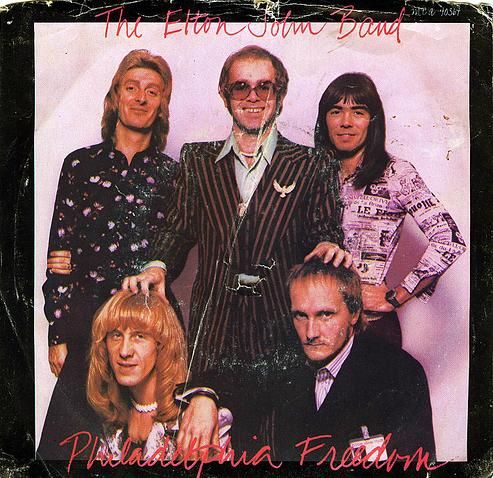
Elton owned the early to mid-seventies. this song peaked at # in the Billboard 100, #1 in Canada, #2 in New Zealand, #12 in the UK in 1975.
Elton had an interesting B-side on this single. The B-side was a live duet of The Beatles hit “I Saw Her Standing There” that Elton recorded with his friend John Lennon. Elton had previously sung on Lennon’s “Whatever Gets You Through The Night” and also released a version of “Lucy In The Sky With Diamonds,” which was written by Lennon.
Elton John: “In America, I’ve got ‘Philadelphia Freedom’ going up the charts again. I wish the bloody thing would piss off. I can see why people get sick and tired of me. In America, I get sick and tired of hearing myself on AM radio. It’s embarrassing.”
From Songfacts
Bernie Taupin wrote the lyrics to most of Elton John’s songs, but Elton would occasionally suggest titles. Elton requested a song with the title “Philadelphia Freedom” in honor of his friend, the tennis player Billie Jean King. At the time, there was a professional tennis league in America called World Team Tennis, and in 1974 King coached a team called the Philadelphia Freedoms, becoming one of the first women ever to coach men. Taupin had no obligation to write lyrics about King, and he didn’t – the song was inspired by the Philadelphia Soul sound of groups like The O’Jays and Melvin & The Blue Notes, and also the American bicentennial; in 1976 the US celebrated 200 years of independence.
Elton John and Billie Jean King became good friends after meeting at a party. Elton tried to attend as many of her matches as he could, and he promised King a song after she gave him a customized track suit. Elton and Billie Jean King would become icons of the gay and lesbian community, but at the time, they were both still in the closet, since athletes and entertainers faced a backlash if they revealed their homosexuality. Elton was often answering questions about why he hadn’t settled down with a girl, and King avoided the subject as best she could, but was forced to come out in 1981 when a former lover sued her for palimony. King was married to a man up until her outing, and Elton was married to a woman from 1984-1988.
On the single, it said this song was dedicated to “B.J.K.” (Billie Jean King) and “The Soulful Sounds Of Philadelphia.”
This song was a huge hit in America, following up another #1 single from Elton John, his cover of “Lucy In The Sky With Diamonds.” Elton dominated the charts at this time, but it didn’t always make him happy, as he felt he was being overexposed.
Running 5:21, this was one of the longest dance hits of the ’70s. A few months earlier, a national radio programer declared that he would no longer play any Elton John song over 4 minutes long because they were screwing up his playlists (Program directors liked short songs because they could play more of them. Elton’s opuses like “Daniel” and “Funeral For A Friend” had a way of screwing up the “14 Hits In A Row” format). Elton knew this would be a hit, and was happy to screw the programmer by making it long, knowing he would have to play it anyway.
Elton said this was “one of the only times I tried to deliberately write a hit single.”
On May 17, 1975, Elton become one of the first white performers to appear on the TV show Soul Train, which was an honor for him. He performed this song and “Bennie And The Jets.”
Depending on where he was performing, Elton would sometimes alter the lyrics of the song, swapping “Philadelphia” for his present location. He would only do it if he could make it fit, so “Cincinnati Freedom” was a go, but Cleveland didn’t get customized.
Philadelphia Freedom
I used to be a rolling stone you know If a cause was right I’d leave to find the answer on the road I used to be a heart beating for someone But the times have changed The less I say the more my work gets done
‘Cause I live and breathe this Philadelphia freedom From the day that I was born I’ve waved the flag Philadelphia freedom took me knee high to a man, yeah Gave me a piece of mama, daddy never had
Oh Philadelphia freedom, shine on me, I love you Shine the light, through the eyes of the ones left behind Shine the light, shine the light Shine the light, won’t you shine the light Philadelphia freedom, I love-ve-ve you, yes I do
If you choose to you can live your life alone Some people choose the city (some people the city) Some others choose the good old family home (some others choose a good old) I like living easy without family ties (living easy) Till the whippoorwill of freedom zapped me Right between the eyes
‘Cause I live and breathe this Philadelphia freedom From the day that I was born I’ve waved the flag Philadelphia freedom took me knee high to a man Mm mm, gave me a piece of mama, daddy never had
Oh Philadelphia freedom, shine on me, I love you Shine the light, through the eyes of the ones left behind Shine the light, shine the light Shine the light, won’t you shine the light Philadelphia freedom, I love-ve-ve you, yes I do
Oh, Philadelphia freedom, shine on me, I love you Shine the light, through the eyes of the ones left behind Shine the light, shine the light Shine the light, won’t you shine the light Philadelphia freedom, I love-ve-ve, You know I love-ve-ve , you know I love-ve-ve you Yes I do, Philadelphia freedom I love-ve-ve you Yes I do, Philadelphia freedom You know that I love-ve-ve you Yes I do, Philadelphia freedom Don’t you know that I love-ve-ve you Yes I do, Philadelphia freedom Don’t you know that I love-ve-ve you Yes I do, Philadelphia freedom
Love the beginning riff in this song. This song was the B side to Run Through The Jungle.
It was written by lead singer and guitarist John Fogerty, this is a very upbeat Creedence Clearwater Revival, giving a hint that, as bad as things were in the early ’70s, there might be some hope for the future: Things would improve “Around The Bend.” Bass player Stu Cook described the song as “Kind of the opposite of ‘Run Through The Jungle.'”
This song required a bit of translation for British audiences. In England, if you go “around the bend” it means you go crazy. Then the band toured the UK, they had to explain to the British press that the song was not about dementia or mental problems.
The song peaked at #4 in the Billboard 100, #1 in Canada, #1 in New Zealand, and #3 in the UK in 1970.
From Songfacts
In his memoir Fortunate Son: My Life, My Music, John Fogerty said that this song came to him when he was riding his motorcycle through the California hills.
Movies this song has appeared in include Michael (1996), Remember the Titans (2000) and Invincible (2006). It was also used in a 2008 episode of the TV show My Name Is Earl.
Elton John covered this song shortly after it was released, and his version appears on several compilation albums. Hanoi Rocks recorded it for their 1984 Two Steps From The Move album.
In 2016, Wrangler used this in a commercial for their jeans, surprising after John Fogerty lashed out at the company when they used “Fortunate Son” in ads without his permission beginning in 2000. Fogerty doesn’t control the rights to the songs he wrote for CCR, so they can be used without his consent.
Up Around The Bend
There’s a place up ahead and I’m goin’ Just as fast as my feet can fly Come away, come away if you’re goin’ Leave the sinkin’ ship behind
Come on the risin’ wind, We’re goin’ up around the bend
Oh
Bring a song and a smile for the banjo Better get while the gettin’s good Hitch a ride to the end of the highway Where the neon’s turn to wood
Come on the risin’ wind, We’re goin’ up around the bend
Oh
You can ponder perpetual motion, Fix your mind on a crystal day, Always time for a good conversation, There’s an ear for what you say
Come on the risin’ wind, We’re goin’ up around the bend.
Yeah
Oh
Catch a ride to the end of the highway And we’ll meet by the big red tree, There’s a place up ahead and I’m goin’ Come along, come along with me
Come on the risin’ wind, We’re goin’ up around the bend
Yeah
Do do do do Do do do do Do do do do Do do do do yeah Do do do do Do do do do
James Taylor and Linda Ronstadt sang backup on this song. They don’t come in until the end of the song. Like Young, Taylor and Ronstadt were in town to appear on The Johnny Cash Show (the song’s producer Elliot Mazer had produced Ronstadt’s 1970 Silk Purse album). Young convinced them to lend their voices to this track, and they came in the day after the rest of the song was completed.
This song was recorded in Nashville in just two takes. The musicians were not familiar with Young or the song. This spontaneity created just the right feel for the track…something that would have never come about through additional tweaking. This style of recording, where top-tier studio musicians are asked to give total focus to a take with little instruction, is something Bob Dylan often did.
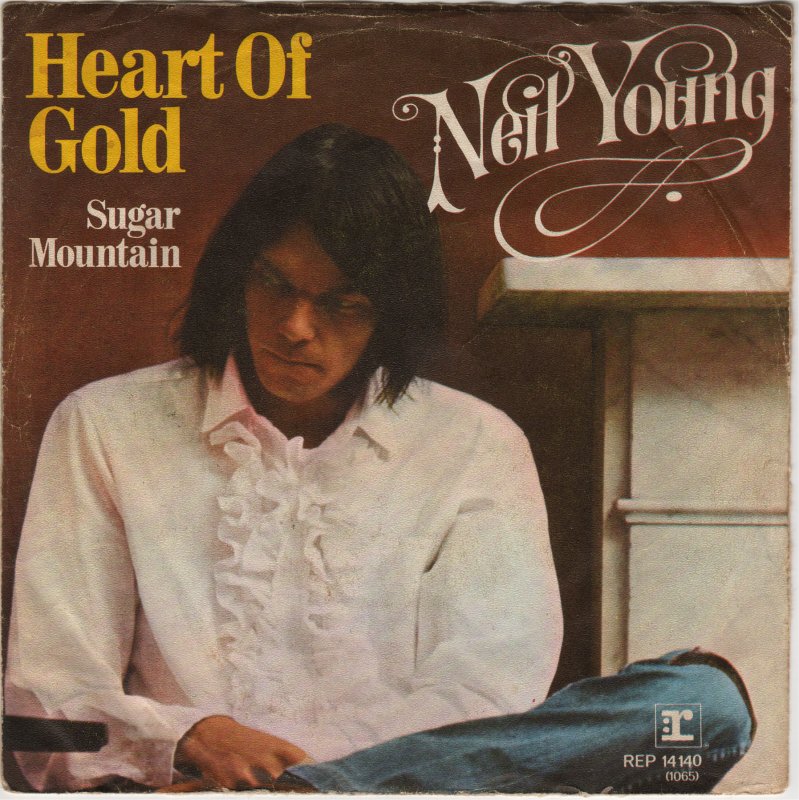
By far, this was the biggest hit for Young as a solo artist, Peaking at #1 on the Billboard 100 in 1972…the Harvest album peaked at #1 a week earlier,
Linda Ronstadt: “We were sat on the couch in the control room, but I had to get up on my knees to be on the same level as James because he’s so tall. Then we sang all night, the highest notes I could sing. It was so hard, but nobody minded. It was dawn when we walked out of the studio.”
From Songfacts
With a straightforward metaphor and complete lack of pathos, this is not a typical Neil Young song. It finds him mining for a “heart of gold,” which depending on your perspective, is either a touching and heartfelt sentiment, or a mawkish platitude. Rolling Stone took the churlish view, complaining that the album evoked “superstardom’s weariest clichés.” The listening public and Young’s fans were far more accepting, and the song became his biggest hit.
Young wrote this in 1971 after he suffered a back injury that made it difficult for him to play the electric guitar, so on the Harvest tracks he played acoustic. Despite the injury, Young was in good spirits (possibly thanks to the painkillers), which is reflected in this song. The next few years were more challenging for Young, as he suffered a series of setbacks: His son Zeke was born with cerebral palsy, his friend Danny Whitten died, and he split with his girlfriend, Carrie Snodgress. His next three albums, which became known as “The Ditch Trilogy,” expressed these dark times in stark contrast to “Heart of Gold.”
This song was recorded at the first sessions for the Harvest album, which took place on Saturday, February 6, 1971 and were set up the night before.
Neil Young was in Nashville to record a performance for The Johnny Cash Show along with Tony Joe White, James Taylor and Linda Ronstadt. Elliot Mazer, a producer who owned nearby Quadrafonic Studios, set up a dinner party on February 5, inviting the show’s guests and about 50 other people. Mazer was friends with Young’s manager Elliot Roberts, who introduced the two at the gathering. Young and Mazer quickly hit it off when Neil learned that Elliot has produced a band called Area Code 615. Young asked if he could set up a session the next day, and Mazer complied.
Nashville has an abundance of studio musicians, but getting them to work on a Saturday could be a challenge. Mazur was able to get one member of Area Code 615: Drummer Kenny Buttrey. The other musicians he found were guitarist Teddy Irwin, bass player Tim Drummond, and pedal steel player Ben Keith. All were seasoned pros.
Keith, who had never heard of Neil Young, recalls showing up late and sitting down to play right away. He says they recorded five songs before they stopped for introductions.
A very influential musician, he was never too concerned about making hit records. His next-highest Hot 100 entry was his next single, “Old Man,” which reached #31.
At the time, Taylor and Young were huge stars, but Ronstadt had yet to land a big hit. Her talent was obvious to those around her, but poor song selection and promotion kept her from the top ranks. Young exposed her to arena crowds when he brought her along as the opening act on his Time Fades Away tour in early 1973, but it was another two years before she landed that elusive hit, going to #1 with “You’re No Good.”
In the liner notes to his Decade collection, Young said: “This song put me in the middle of the road. Traveling there soon became a bore so I headed for the ditch.”
This statement reflected Young’s aversion to fame, and was not meant to demean the song. In a later interview with NME, he clarified: “I think Harvest is probably the finest record I’ve made.”
Before separating them into two songs, Young wrote this together with “A Man Needs A Maid” as a piano piece – he described it as “like a medley.”
This was the song that tweaked Bob Dylan; Young had made no secret that he idolized Dylan, but when Dylan heard “Heart of Gold” he thought this was going too far. As quoted in Neil Young: Long May You Run: The Illustrated History, Dylan complained, “I used to hate it when it came on the radio. I always liked Neil Young, but it bothered me every time I listened to “Heart of Gold.” I’d say, that’s me. If it sounds like me, it should as well be me.”
“Heart Of Gold” is the name of the spaceship stolen by Zaphod Beeblebrox in Douglas Adams’ book, The Hitchhiker’s Guide to the Galaxy.
Young became the first Canadian to have a #1 album in the US when Harvest topped the Billboard 200 for two weeks in April 1972.
This song appears in the 1984 film Iceman, and on the soundtrack of the 2010 movie Eat Pray Love.
Lady Gaga references this in her song “You and I.” The line goes, “On my birthday you sung me ‘Heart of Gold,’ with a guitar humming and no clothes.”
In 2005, the CBC Radio One series 50 Tracks: The Canadian Version declared “Heart of Gold” to be the third best Canadian song of all time.
Stryper frontman Michael Sweet covered this for his 2014 I’m Not Your Suicide album. He also recorded a second duet version with country artist Electra Mustaine, who is the daughter of Megadeth frontman Dave Mustaine.
Young revived the guitar riff for this song on CSN&Y’s “Slowpoke” in 1999.
Young has made it clear that the musicians who played on his tracks had a lot to do with their success. In an interview with the Musicians Hall of Fame, he said that “Heart of Gold” would not have been a hit without drummer Kenny Buttrey.
Tori Amos covered this on her 2001 album Strange Little Girls. She was trying to demonstrate how men and women hear different meaning in the same songs.
Heart of Gold
I want to live I want to give I’ve been a miner for a heart of gold. It’s these expressions I never give that keep me searching for a heart of gold and I’m getting old.
I’ve been to Hollywood I’ve been to Redwood I crossed the ocean for a heart of gold I’ve been in my mind, it’s such a fine line, that keeps me searching for a heart of gold and I’m getting old.
Oi, oi, oi Oi, oi, oi Oi, oi, oi Oi, oi, oi Oi, oi, oi
Let’s wake up everyone on this Monday morning with this raw guitar lick by AC/DC. If you are living in an apartment complex or you want to surprise your significant other…all of a sudden just turn this baby up loud! Her/Him and your neighbors will later shake your hand, pat your back, and thank you for your fine selection on this beautiful Monday morning!
Well…no… probably not…but they would not get six feet near you right now at this time we live in…so that gives you time to run! What a way to start the morning!
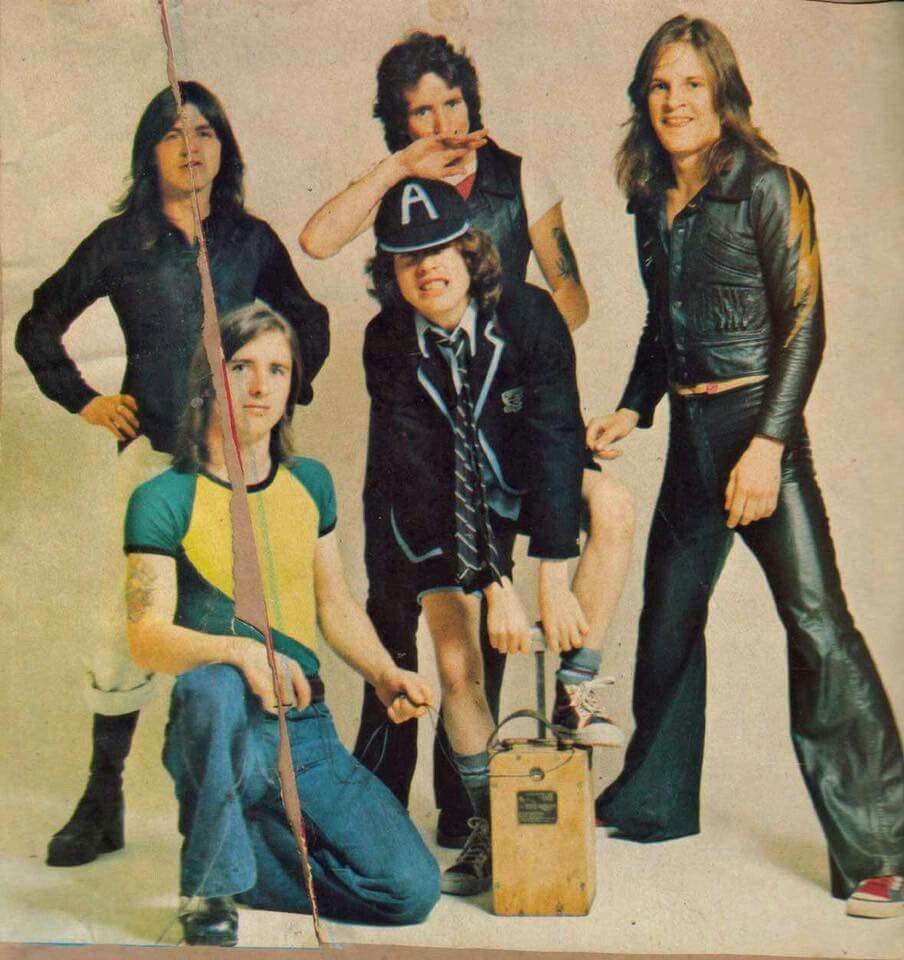
This was one of AC/DC’s first singles with Bon Scott on lead vocals. Originally a roadie, he took over lead vocals when their first singer, Dave Evans, didn’t show up for a gig.
This was originally released in 1975 in AC/DC’s home country Australia on their second album, which was also called T.N.T.
Their first two Australian releases were combined to form High Voltage, which was released worldwide. The album fared well in Europe but met stiff resistance in America where Rolling Stone Magazine in their infinite wisdom called it an “all-time low” for hard rock in their scathing review.
The album High Voltage didn’t chart in America until 1982 at #146 in the Billboard 100.
From Songfacts
AC/DC found a good way to capture the energy of their live shows for the High Voltage album: they went into the studio and recorded right after gigs. The result was a very raw, but energetic sound, smoothed out with production by Harry Vanda and George Young (brother of Angus and Malcolm), who were members of the group The Easybeats, best known for their hit “Friday On My Mind.”
T.N.T. stands for Trinitrotoluene, an explosive compound. It was popularized in Road Runner cartoons when the Coyote would buy explosive items (from Acme) labeled “T.N.T.” in an attempt to blow up the Road Runner. To this date, the coyote has not been able to harm the Road Runner in any way, and has done much more damage to himself through careless use of Acme products.
T.N.T
Oi, oi, oi Oi, oi, oi Oi, oi, oi Oi, oi, oi Oi, oi, oi
See me ride out of the sunset On your color TV screen Out for all that I can get If you know what I mean Women to the left of me And women to the right Ain’t got no gun Ain’t got no knife Don’t you start no fight
‘Cause I’m T.N.T. I’m dynamite T.N.T. and I’ll win the fight T.N.T. I’m a power load T.N.T. watch me explode
I’m dirty, mean and mighty unclean I’m a wanted man Public enemy number one Understand So lock up your daughter Lock up your wife Lock up your back door And run for your life The man is back in town Don’t you mess me ’round
‘Cause I’m T.N.T. I’m dynamite T.N.T. and I’ll win the fight T.N.T. I’m a power load T.N.T. watch me explode
Anyone who knows me knows I’m not a big Journey fan. However, I do like some of their earlier music before Jonathan Cain joined and took Gregg Rolie’s place. That is when they turned into a giant radio commercial juggernaut with the album Escape.
This band was huge in my generation. I just never got into them like my school peers…but those earlier songs I liked.
Journey had songs such as Lovin, Touchin, Squeezing, Wheel in the Sky, Anytime, and this one that I really liked. Their first three albums had a prog-rock sound and didn’t contain any chart hits. The three singles from Infinity reached the lower half of the Hot 100.
This song peaked at #68 in the Billboard 100 in 1978.
From Songfacts
This is about San Francisco, the “City by the bay.” Journey formed there and became popular in that area before hitting it big. If you haven’t seen a sunset in San Francisco you don’t know what you’re missing.
This was one of the first Journey songs featuring lead singer Steve Perry. He was accepted into the band after the group’s manager listened to his audition tape for only 15 seconds.
Even though this is about San Francisco, it was written in Los Angeles, where the band had relocated. Steve Perry explained in an interview with Joe Benson of Arrow 93.1 FM: “I had the song written in Los Angeles almost completely except for the bridge and it was written about Los Angeles. It was ‘when the lights go down in the city and the sun shines on LA.’ I didn’t like the way it sounded at the time. And so I just had it sitting back in the corner. Then life changed my plans once again, and I was now facing joining Journey. I love San Francisco, the bay and the whole thing. ‘The bay’ fit so nice, ‘When the lights go down in the city and the sun shines on the bay.’ It was one of those early morning going across the bridge things when the sun was coming up and the lights were going down. It was perfect.”
Perry finished writing the song with Journey guitarist Neal Schon, who says they “banged it out in about 20 minutes.”
All three songs grew in popularity over the years, with “Lights” and “Wheel In The Sky” played at just about every Journey concert.
Infinity was the last album with drummer Aynsley Dunbar, who was kicked out for “incompatibility” and replaced with Steve Smith.
In 2017, Neal Schon started dedicating this song to Steve Perry at Journey concerts, telling the story of how they wrote it together. This was an olive branch to Perry, who was furious when the band moved on without him in 1999 when he was unable to tour. A reunion seemed inevitable, but Perry never returned to the band.
Lights
When the lights go down in the city And the sun shines on the bay I want to be there in my city Ooh, ooh
So you think you’re lonely Well my friend I’m lonely too I want to go back to my city by the bay Ooh, ooh
It’s sad, oh there’s been mornings Out on the road without you Without your charms, Ooh, my, my, my
This song is not one of John’s big hits but it’s a damn good song. It’s off the Scarecrow album. In my opinion, this was John’s best album and arguably the peak of his career.
To prepare for this album Mellencamp had a good idea. He had his band run through old rock songs for a month. They learned them inside and out and applied the knowledge on the new songs they were working on for the Scarecrow album.
You can hear it in songs like R.O.C.K in the U.S.A. and through the complete album.
Minutes to Memories peaked at #14 on the Top Rock Tracks in 1986. It was not released as a single.
Minutes to Memories
On a Greyhound thirty miles beyond Jamestown He saw the sun set on the Tennessee line He looked at the young man who was riding beside him He said I’m old kind of worn out inside I worked my whole life in the steel mills of Gary And my father before me I helped build this land Now I’m seventy-seven and with God as my witness I earned every dollar that passed through my hands My family and friends are the best thing I’ve known Through the eye of the needle I’ll carry them home
[Chorus:] Days turn to minutes And minutes to memories Life sweeps away the dreams That we have planned You are young and you are the future So suck it up and tough it out And be the best you can
The rain hit the old dog in the twilight’s last gleaming He said Son it sounds like rattling old bones This highway is long but I know some that are longer By sunup tomorrow I guess I’ll be home Through the hills of Kentucky ‘cross the Ohio river The old man kept talking ’bout his life and his times He fell asleep with his head against the window He said an honest man’s pillow is his peace of mind This world offers riches and riches will grow wings I don’t take stock in those uncertain things
[Chorus]
The old man had a vision but it was hard for me to follow I do things my way and I pay a high price When I think back on the old man and the bus ride Now that I’m older I can see he was right
Another hot one out on highway eleven This is my life it’s what I’ve chosen to do There are no free rides No one said it’d be easy The old man told me this my son I’m telling it to you
Rarely if ever do I say a song is a piece of art. This one would qualify in my opinion. I can’t imagine being a peer at the time and having to compete with this.
Paul McCartney wrote most of this song. It is said he got the name “Eleanor” from actress Eleanor Bron, who appeared in the 1965 Beatles film Help!. “Rigby” came to him when he was in Bristol, England and spotted a store: Rigby and Evens Ltd Wine and Spirit Shippers. He liked the name “Eleanor Rigby” because it sounded natural and matched the rhythm he wrote.
There is also a gravestone for an Eleanor Rigby in St. Peter’s Churchyard in Woolton, England. Woolton is a suburb of Liverpool and Lennon first met McCartney at a fete at St. Peter’s Church. The gravestone bearing the name Eleanor Rigby shows that she died in October 1939, aged 44. McCartney has denied that that is the source of the names, though he has agreed that they may have registered subconsciously.
This song was on the great Revolver album that peaked at #1 in the Billboard Album Charts in 1966. Eleanor Rigby peaked at #11 in 1966. This was on a double A-sided single paired with Yellow Submarine.
The Beatles didn’t play any of the instruments on this track. All the music came from the string players, who were hired as session musicians. A string section scored by Beatles producer George Martin consisting of four violins, two violas, and two cellos were used in the recording.
Paul McCartney:“When I was really little I lived on what was called a housing estate, which is like the projects – there were a lot of old ladies and I enjoyed sitting around with these older ladies because they had these great stories, in this case about World War II. One in particular I used to visit and I’d go shopping for her – you know, she couldn’t get out. So I had that figure in my mind of a sort of lonely old lady.
Over the years, I’ve met a couple of others, and maybe their loneliness made me empathize with them. But I thought it was a great character, so I started this song about the lonely old lady who picks up the rice in the church, who never really gets the dreams in her life. Then I added in the priest, the vicar, Father McKenzie. And so, there was just the two characters. It was like writing a short story, and it was basically on these old ladies that I had known as a kid.”
From Songfacts
McCartney explained at the time that his songs came mostly from his imagination. Regarding this song, he said, “It just came. When I started doing the melody I developed the lyric. It all came from the first line. I wonder if there are girls called Eleanor Rigby?”
McCartney wasn’t sure what the song was going to be about until he came up with the line, “Picks up the rice in a church where a wedding has been.” That’s when he came up with the story of an old, lonely woman. The lyrics, “Wearing the face that she keeps in a jar by the door” are a reference to the cold-cream she wears in an effort to look younger.
The song tells the story of two lonely people. First, we meet a churchgoing woman named Eleanor Rigby, who is seen cleaning up rice after a wedding. The second verse introduces the pastor, Father McKenzie, whose sermons “no one will hear.” This could indicate that nobody in coming to his church, or that his sermons aren’t getting through to the congregation on a spiritual level. In the third verse, Eleanor dies in the church and Father McKenzie buries her.
“Father Mackenzie” was originally “Father McCartney.” Paul decided he didn’t want to freak out his dad and picked a name out of the phone book instead.
After Eleanor Rigby is buried, we learn that “no one was saved,” indicating that her soul did not elevate to heaven as promised by the church. This could be seen as a swipe at Christianity and the concept of being saved by Jesus. The song was released in August 1966 just weeks after the furor over John Lennon’s remarks, “Christianity will go. It will vanish and shrink. I needn’t argue about that; I’m right and I will be proved right. We’re more popular than Jesus now.”
For the most part, the song eluded controversy, possibly because the lilting string section made it easier to handle.
In Observer Music Monthly, November 2008, McCartney said: “These lonely old ladies were something I knew about growing up, and that was what ‘Eleanor Rigby’ was about – the fact that she died and nobody really noticed. I knew this went on.”
This was originally written as “Miss Daisy Hawkins.” According to Rolling Stone magazine, when McCartney first played the song for his neighbor Donovan Leitch, the words were “Ola Na Tungee, blowing his mind in the dark with a pipe full of clay.”
The lyrics were brainstormed among The Beatles. In later years, Lennon and McCartney gave different accounts of who contributed more of the words to the song.
Microphones were placed very close to the instruments to create and unusual sound.
Ray Charles reached #35 US and #36 UK with his version in 1968; Aretha Franklin took it to #17 US in 1969. A year later, an instrumental by the group El Chicano went to #115. The song reached the chart again in 2008 when David Cook of American Idol fame took it to #92.
Because of the string section, this was difficult to play live, which The Beatles never did. On his 2002 Back In The US tour, Paul McCartney played this without the strings. Keyboards were used to compensate.
This song was not written in a normal chord, it is in the dorian mode – the scale you get when you play one octave up from the second note of a major scale. This is usually found in old songs such as “Scarborough Fair.”
Vanilla Fudge covered this in a slowed-down, emotional style, something they did with many songs, including hits by ‘N Sync and The Backstreet Boys. Their version of “You Keep Me Hangin’ On” was a #6 US hit in 1968. Fudge drummer Carmine Appice told Songfacts: “Most of the songs we did, we tried to take out of the realm they were in and try to put them where they were supposed to be in our eyes. ‘Eleanor Rigby’ was always a great song by The Beatles. It was done with the orchestra, but the way we did it, we put it into an eerie graveyard setting and made it spooky, the way the lyrics read. Songs like ‘Ticket To Ride,’ that’s a hurtin’ song, so we slowed it down so it wouldn’t be so happy. We would look at lyrics and the lyrics would dictate if it was feasible to do something with it or not.”
In 1966, this song took home the Grammy Award for Best Contemporary Pop Vocal Performance, Male. It was awarded to Paul McCartney.
In August 1966, the long-defunct British music magazine Disc And Music Echo asked Kinks frontman Ray Davies to review the then newly released Revolver album. This is how he reacted to this song: “I bought a Haydn LP the other day and this sounds just like it. It’s all sort of quartet stuff and it sounds like they’re out to please music teachers in primary schools. I can imagine John saying: ‘I’m going to write this for my old schoolmistress’. Still it’s very commercial.”
The chorus of this song was sampled as part of Sinead O’Connor’s 1994 song “Famine,” which is based on the story of the potato famine in Ireland. >>
In 2008 a document came to light that showed that McCartney may have had an alternative source for the Eleanor Rigby name. In the early 1990s a lady named Annie Mawson had a job teaching music to children with learning difficulties. Annie managed to teach a severely autistic boy to play “Yellow Submarine” on the piano, which won him a Duke of Edinburgh Silver Award. She wrote to the former Beatle telling him what joy he’d brought. Months later, Annie received a brown envelope bearing a “Paul McCartney World Tour” stamp. Inside was enclosed a page from an accounts log kept by the Corporation of Liverpool, which records the wages paid in 1911 to a scullery maid working for the Liverpool City Hospital, who signed her name “E. Rigby.” There was no accompanying letter of explanation. Annie said in an interview that when she saw the name Rigby, “I realized why I’d been sent it. I feel that when you’re holding it you’re holding a bit of history.”
When the slip went up for auction later that year, McCartney told the Associated Press: “Eleanor Rigby is a totally fictitious character that I made up. If someone wants to spend money buying a document to prove a fictitious character exists, that’s fine with me.”
This was released simultaneously on August 5, 1966 on both the album Revolver and as a double A-side with “Yellow Submarine.”
The thrash band Realm covered this song on their 1988 album Endless War. It is a speed metal version of the song that got them signed to Roadrunner Records.
McCartney told Q magazine June 2010 that after recording the song, he felt he could have done better. He recalled: “I remember not liking the vocal on Eleanor Rigby, thinking, I hadn’t nailed. I listen to it now and it’s… very good. It’s a bit annoying when you do Eleanor Rigby and you’re not happy with it.”
Former US President Bill Clinton has stated that this is his favorite Beatles song. >>
Richie Havens covered this on his 1966 debut album, Mixed Bag, and again on his 1987 Sings Beatles and Dylan album.
Eleanor Rigby
Ah look at all the lonely people Ah look at all the lonely people
Eleanor Rigby, picks up the rice In the church where a wedding has been Lives in a dream Waits at the window, wearing the face That she keeps in a jar by the door Who is it for
All the lonely people Where do they all come from? All the lonely people Where do they all belong?
Father McKenzie, writing the words Of a sermon that no one will hear No one comes near Look at him working, darning his socks In the night when there’s nobody there What does he care
All the lonely people Where do they all come from? All the lonely people Where do they all belong?
Ah look at all the lonely people Ah look at all the lonely people
Eleanor Rigby, died in the church And was buried along with her name Nobody came Father McKenzie, wiping the dirt From his hands as he walks from the grave No one was saved
All the lonely people Where do they all come from? All the lonely people Where do they all belong?
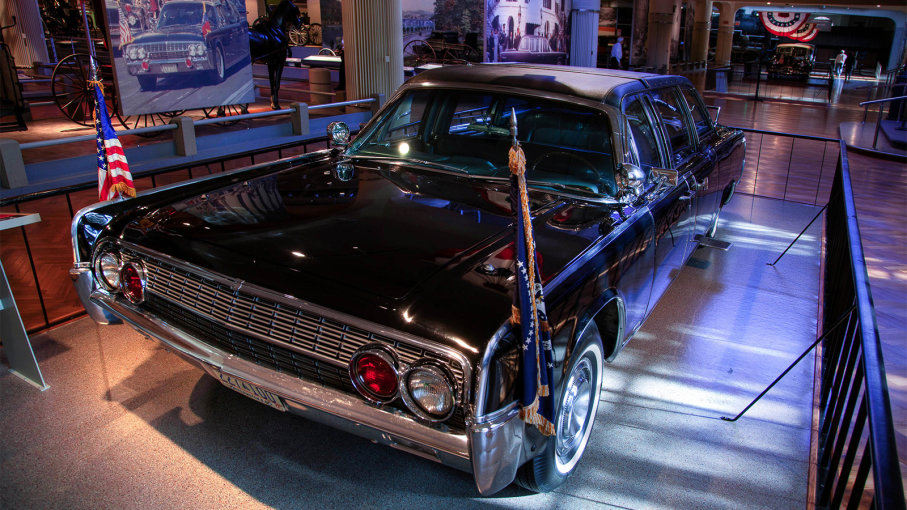
I would have thought this car would have been preserved and never touched after the Kennedy assassination on November 22, 1963…I was completely wrong.
The car started out as a standard 1961 Lincoln that had some upgrades of course. The changes and upgrades made to the car cost nearly $200,000 in 1961. After the changes, the car was known as the X-100.
The car’s special features included the removable steel and transparent plastic roof panels; a hydraulic rear seat that could be raised 10-1/2 inches to elevate the president; a massive heating and air conditioning system with auxiliary blowers and dual control panels; dark blue broadcloth lap robes with gray plush linings and hand-embroidered presidential seals housed in special door pockets; four retractable steps for Secret Service agents; two steps on the rear bumper for additional agents; flashing red lights; a siren; a blue mouton rug in the rear compartment; lamps that indicated when the door was ajar or the steps were out; dual flagstaffs and spotlights; auxiliary jump seats for extra passengers; two radio telephones; and interior floodlights.
I thought the car was retired after the assassination. But no… the X-100 was given a $500,000 redesign, complete with bullet-resistant glass, a roof and 1,600 pounds of armor.
The car got additional modifications in 1967 and was used by Presidents Johnson, Nixon, Ford, and Carter before it was retired in 1977.
It’s now on display at the Henry Ford Museum in Dearborn, Michigan
Well, this post isn’t about pop culture…but come to think of it… in time, this will be part of it. In years to come, anniversary articles of the coronavirus of 2020 will be posted. We are living in a time that will be in history books one day.
You sure learn a lot about human nature in times like this. Go into a grocery store and if someone coughs… it’s like the old EF Hutton commercials…everyone stops and looks. In the south where I live…I can see people wanting to be nice and expressive…but they stop themselves and move on. It’s like we are living in a TV Movie of the Week right now.
Who would think that going shopping would take a tactical military movement? I guess at this time we do have future pop-culture items like Lysol, wipes, and toilet paper (if you’re lucky) that will remind us of the spring of 2020…hopefully the memory will stop there.
We have learned… Don’t touch your face (that can be hard), be sure to cough in the bend of your arm… not your hand (really hard), and you need to wash your hands before you…do anything…we are learning all sorts of new things.
How long will this go on? Will we learn to appreciate things? Like going to a movie, baseball game, concert, or even a…I don’t know…a simple trip to a store without avoiding everyone.
This is allergy season for some people like me. Itchy eyes, runny nose, sore throat equals instant paranoia…hmmm is this a symptom? Is that a symptom? This makes you long for the old days… uh…about 3 weeks ago. Traveling without a worry. When this ends…what is the first thing you will do?
Right now…I’m breaking out my 1970s tv shows, movies, books, music, and…washing my hands.
I’ll leave you with the Steelers – Cowboys Superbowl from 1979… Why? Because it was one of the great Superbowls and just to see people gathered together again without that other phrase we have learned… social distancing.













 PowerPop... An Eclectic Collection of Pop Culture