This was made during a period where Eric was doing some country-inspired songs. I love the intro and the guitar in the song.
The song was written by Eric Clapton, Marcy Levy, and George Terry. This was released as a single with Cocaine as the B side.
Marcy Levy, one of Clapton’s backup singers, wrote this with him and sang on it. Also getting a songwriting credit on this track is George Terry, who also played guitar on the track. Terry was a member of Clapton’s band.
Lay Down Sally is one of Clapton’s biggest American hits. He wrote it in the style of one of his favorite songwriters, the Oklahoma musician J.J. Cale…Clapton said the song was as close as an Englishman could get to being J.J. Cale.
The song peaked at #3 in the Billboard 100, #3 in Canada, and #39 in the UK in 1978. The song was on the album Slowhand.
From Songfacts
In this song, Clapton tries to convince a girl to hang out with him in bed instead of leaving. The song is not typical of Clapton’s work, which is often based on the blues.
“Lay Down Sally” is grammatically incorrect, as it would mean taking Sally and actually placing her horizontally. When asking Sally to join him in bed, Clapton’s correct grammar would be “Lie Down Sally.” He’s in good company: Bob Dylan also ignored this rule of grammar in “Lay Lady Lay.”
Eric Clapton once had his hand slammed in a car door by a member of the band The Blues Project. As told in Al Kooper’s Backstage Passes and Backstabbing Bastards, during the landmark 1967 concert “Murray the K’s Easter Rock Extravaganza,” Clapton, Steve Katz, and Kooper headed out to a local music store between sets and were a little late getting back. Hurrying out of the cab, “Steve was right behind me and as he left the cab he accidentally slammed the door right on Clapton’s hand! Eric began to scream in pain, and Steve turned around, ran back, and opened the door. Miraculously, Eric hadn’t broken any bones or even punctured his skin for that matter. Steve felt like a jerk, however. Can you imagine that kind of guilt?”
This is the first track on the album. Depending on who you ask, “Slowhand” was either a nickname given to Clapton by the group’s manager when he was with The Yardbirds (because of his laid-back guitar style), or derived from what would happen when Clapton would break a string on stage: the audience would do a “slow hand clap” while he fixed it.
Lay Down Sally
There is nothing that is wrong In wanting you to stay here with me I know you’ve got somewhere to go But won’t you make yourself at home and stay with me? And don’t you ever leave
Lay down, Sally, and rest you in my arms Don’t you think you want someone to talk to? Lay down, Sally, no need to leave so soon I’ve been trying all night long just to talk to you
The sun ain’t nearly on the rise And we still got the moon and stars above Underneath the velvet skies Love is all that matters Won’t you stay with me? And don’t you ever leave
Lay down, Sally, and rest you in my arms Don’t you think you want someone to talk to? Lay down, Sally, no need to leave so soon I’ve been trying all night long just to talk to you
I long to see the morning light Coloring your face so dreamily So don’t you go and say goodbye You can lay your worries down and stay with me And don’t you ever leave
Lay down, Sally, and rest you in my arms Don’t you think you want someone to talk to? Lay down, Sally, no need to leave so soon I’ve been trying all night long just to talk to you
Lay down, Sally, and rest you in my arms Don’t you think you want someone to talk to? Lay down, Sally, no need to leave so soon I’ve been trying all night long just to talk to you
When I hear jangly Rickenbacker guitars I’m automatically happy … The Byrds influence everyone from Tom Petty to Cheap Trick to Big Star to new bands now. If I could go back to any era… it would be the mid-sixties. Much of the music we hear today has elements of this period.
Bob Dylan wrote “Mr. Tambourine Man,” which was originally released on his fifth album Bringing It All Back Home in early 1965. His version wasn’t released as a single, but when The Byrds released their cover later in 1965, it was a massive hit.
It peaked at #1 in the Billboard 100, #1 in the UK, and #2 in Canada in 1965. topping the charts in both the US and UK. It’s the only song Dylan ever wrote that went to #1 in America.
Roger Mcguinn said he was trying for a vocal between John Lennon and Bob Dylan.
David Crosby:“He came to hear us in the studio when we were building The Byrds. After the word got out that we gonna do ‘Mr. Tambourine Man’ and we were probably gonna be good, he came there and he heard us playing his song electric, and you could see the gears grinding in his head. It was plain as day. It was like watching a slow-motion lightning bolt.”
From Songfacts
Dylan wrote this on a road trip he took with some friends from New York to San Francisco. They smoked lots of marijuana along the way, replenishing their stash at post offices where they had mailed pot along the way.
The Byrds version is based on Bob Dylan’s demo of the song that he recorded during sessions for his 1964 album Another Side of Bob Dylan (Dylan’s version was not yet released when The Byrds recorded it). It was The Byrds manager Jim Dickson who brought in the demo and asked them to record it – the group refused at first because they thought it didn’t have any hit potential. When The Byrds did record it, they took some lyrics out and added a 12-string guitar lead.
Only three of the five members of the Byrds performed on this song: Roger McGuinn sang lead and played lead guitar; Gene Clark and David Crosby did the vocal harmonies.
Session musicians were brought in to play the other instruments, since the band was just starting out and wasn’t deemed good enough yet by their management. The session musicians who played on this song were the Los Angeles members of what came to be known as “The Wrecking Crew” when drummer Hal Blaine used that term in his 1990 book. This group of about 50 players ended up on many hit songs of the era.
The Byrds who didn’t play on this one were bass player Chris Hillman and drummer Michael Clarke.
This was the Byrds’ first single. In a 1975 interview with Let It Rock, Roger McGuinn explained how the unrefined sound of this song came about. Said McGuinn: “To get that sound, that hit sound, that ‘Mr. Tambourine Man’ sound, we just ran it through the electronics which were available to us at that time, which were mainly compression devices and tape delay, tape-sustain. That’s how we got it, by equalizing it properly and aiming at a specific frequency.
For stereo-buffs out there who noticed that ‘Mr. Tambourine Man’ in stereo isn’t really stereo, by the way, that’s because when Terry Melcher, the producer, first started mixing records he didn’t know how to mix stereo, and so he made all the singles up to ‘Turn Turn Turn’ mono. The label is misrepresentative. See, when Columbia Records signed us, they didn’t know what they had. So they gave production to someone low on the totem-pole-which was Terry Melcher who was Doris Day’s son who was getting a token-job-in-the-mailroom sort of thing. They gave him the Byrds and the Byrds were supposed to flunk the test.”
This was inspired by a folk guitarist named Bruce Langhorne. As Dylan explained: “Bruce was playing with me on a bunch of early records. On one session, [producer] Tom Wilson had asked him to play tambourine. And he had this gigantic tambourine. It was, like, really big. It was as big as a wagon wheel. He was playing and this vision of him playing just stuck in my mind.”
Dylan never told Langhorne about it (Bruce had to read about it in the Biograph album liner notes, like the rest of us). He wrote the song and recorded a version with Rambling Jack Elliot that got to the Byrds (known as the Jet Set at the time) before it was ever put on a record.
Dylan claims that despite popular belief, this was not about drugs: “Drugs never played a part in that song… ‘disappearing through the smoke rings in my mind,’ that’s not drugs; drugs were never that big a thing with me. I could take ’em or leave ’em, never hung me up.” >>
This was the first of many Bob Dylan songs recorded by the Byrds. Others include: “You Ain’t Goin’ Nowhere,” “The Times They Are a-Changin’,” “It’s All Over Now Baby Blue,” and “Chimes of Freedom.”
The production style was based on The Beach Boys song “Don’t Worry Baby,” which was the suggestion of producer Terry Melcher. Bill Pitman, Leon Russell and Hal Blaine had all played on that Beach Boys song, so it wasn’t hard for them to re-create the sound on this track.
This was the first influential folk-rock song. All of the characteristics of that genre are present, including chorus harmonies, a rock rhythm section and lots of thought-provoking lyrics.
This was discussed in the 1995 movie, Dangerous Minds. In the movie, they talked about the underlying drug references this song might entail… Example: “Mr. Tambourine Man”=Drug Dealer; “Play a song for me”=give me a joint. The basis for this theory was that music was heavily censored at that time, so musicians would share their feelings about drugs and unallowed subject material through coded songs. >>
Although the Byrds didn’t write this or play most of the instruments, they would later write the song “Rock N’ Roll Star,” which made fun of The Monkees for not writing their own songs and not playing their own instruments.
In the movie Austin Powers: International Man of Mystery, Austin Powers (Mike Myers) attempts to play the CD of this album on a record player.
While many interpreted the song as a thinly veiled drugs record, McGuinn had other ideas. Having joined the Eastern cult religion Subud just 10 days prior to entering the studio, he saw the song as “a prayer of submission.” McGuinn told The Byrds’ biographer, Johnny Rogan, in 1997: “Underneath the lyrics to ‘Mr. Tambourine Man,’ regardless of what Dylan meant, I was turning it into a prayer. I was singing to God and I was saying that God was the Tambourine Man and I was saying to him, ‘Hey God, take me for a trip and I’ll follow you.'”
Chris Hillman admitted to Mojo that he’s never been a fan of The Byrds’ version. “Even though it opened the floodgates, I never liked that track,” he said. “I loved the song, but I never liked the track – it was too slick. I always wonder what would have happened if we cut it ourselves. But in a business sense Columbia were hedging their bets, because we were a pretty crude sounding band then.”
Bob Dylan didn’t make it to Woodstock, but four of his songs did, including “Mr. Tambourine Man,” which Melanie included in her set on the first day. Joan Baez and The Band both did “I Shall Be Released,” and Joe Cocker sang two Dylan songs: “Just Like A Woman” and “Dear Landlord.”
Roger McGuinn admitted to Uncut magazine he was petrified going into the studio to record “Mr. Tambourine Man.” “I was playing with the big boys, the Wrecking Crew. I was so nervous that Hal Blaine kept saying to me, ‘Settle down kid. Why don’t you go out and have a couple of beers?'”
Mr. Tamourine Man
Hey, Mr. Tambourine man, play a song for me I’m not sleepy and there ain’t no place I’m going to Hey, Mr. Tambourine man, play a song for me In the jingle jangle morning, I’ll come followin’ you
Take me for a trip upon your magic swirling ship All my senses have been stripped And my hands can’t feel to grip and my toes too numb to step Wait only for my boot heels to be wandering
I’m ready to go anywhere, I’m ready for to fade Into my own parade Cast your dancing spell my way I promise to go under it
Hey, Mr. Tambourine man, play a song for me I’m not sleepy and there ain’t no place I’m going to Hey, Mr. Tambourine man, play a song for me In the jingle jangle morning, I’ll come followin’ you
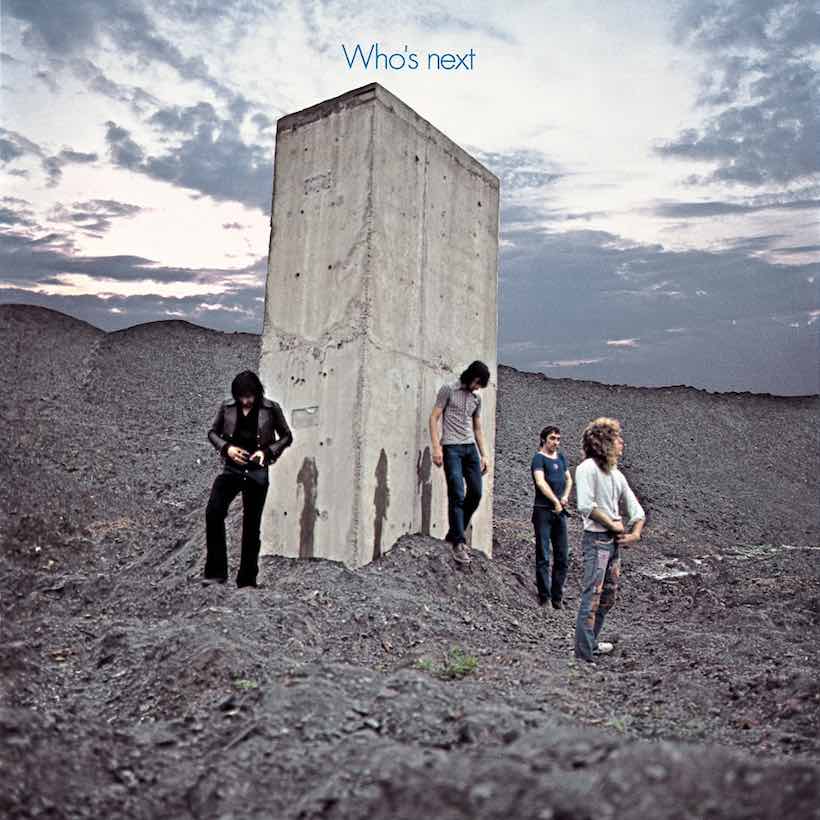
This is my second round choice from Hanspostcard’s album draft…100 albums in 100 days.
I bought this album when I was 14. I had a few albums by The Who…Face Dances, Big Meaty Big and Bouncy, and a greatest hits package called Hooligans. Hooligans was a 4 album set and had four songs from Who’s Next and that sample was enough to know I wanted the complete album.
With headphones on, I placed needle to vinyl and could not get over the sound…the sonic boom. The biggest sound I have ever heard before on record. I listened to every song three times through in the first sitting. I knew I finally found a band that moved me like no other except The Beatles. After this came Tommy, Quadrophenia, and The Who Sell Out…but this album left me speechless. Before this record. I liked the Who…after the album they were THE WHO.
It was 1981 and this album had been out for 10 years but that made no difference. As with the Beatles, I was late to the fan party but when I arrived… I arrived in style with Who’s Next under my arm.
There is not one clinker on the album. Forty-three minutes and thirty-eight seconds of pure bliss.
I have a Glyn Johns quote on recording the album to start this off.
I have a residing memory of sitting in the truck, my hair being parted by what was coming out of the speakers, a massive amount of adrenaline coursing through my veins. There have been a few occasions over the years when I have been completely blown away, believing without a doubt that what I was listening to would become much more than just commercially successful but also a marker in the evolution of popular music, and this was one of those moments.
Won’t Get Fooled Again… this is the best concert song I’ve witnessed on film or live in person. It has drama, action, suspense, and aggression… just as much as any movie. Every member of the band is at the top of their game. You have Pete’s thick power chords, John Entwistle’s rolling basslines, Keith Moon’s controlled chaos, and Roger holding it down and keeping it grounded.
When your bookends on an album are Baba O’Riley and Won’t Get Fooled Again you have a great album.
My favorite song on the album is Bargain. Moon’s drumming on this song alone makes it worth a listen. Pete Townshend has said the subject of the song is God…as one critic put it… it may be the angriest message God ever received.
Goin’ Mobile is a great vehicle for Townshend’s voice…and how could you not like the line..Play the tape machine, make the toast and tea, When I’m mobile.
Behind Blue Eyes is a song that lulls you with a beautiful melody with sparse accompaniment (probably the longest Moon ever sat on his hands while recording) and then it happens…all hell breaks loose and Roger sings…no correction…he doesn’t sing…he demands When my fist clenches, crack it open, Before I use it and lose my cool… it’s like getting hit by a bus that you didn’t see coming…and then it’s over.
My Wife is a song John Entwistle wrote for the album and one of his best songs. A rocking and hilarious look at marriage by a desperate man. Love Aint For Keeping is a song that gets a lot of play at my home and car. It has a great message. Getting In Tune…this song starts off as a slow ballad and then The Who kicks it up a notch as usual.
The Song Is Over is a beautiful song with Pete and Roger taking turns singing.
Baba O’Riley…One of the most well-known intros in rock ever. Not much else to say about this song except dynamic and exhilarating…that about sums it up.
Who’s Next was released on August 14, 1971. It started off as a rock opera called Lifehouse. The problem was that Pete could not get the idea across to other band members, journalists, or even his producer Glyn Johns. It was suggested to dump the story and make a great standalone album of the songs. The Who did just that.
This album kicked down the door to the seventies and future. The mixture of synthesizers and guitars are perfect. The synthesizers still sound fresh and vibrant today. 1971 was an extraordinary year for great albums…this one helped lead the way.
So far on Max’s Desert Island, I have the White Album and Who’s Next. Life is good…I think I will pick up my guitar and play…just like yesterday.
Introgroove did a 50th-anniversary post on the great Cosmo’s Factory album and it got me thinking about this song again. This song has a gospel feel with soul. It’s the closest thing to a love song that John wrote while still with Creedence Clearwater Revival.
It was the B side to “Looking Out My Back Door.” This continued the great double A sided singles that they released.
Lookin’ Out My Back Door/Long As I Can See The Light peaked at #2 in the Billboard 100 and #1 in Canada in 1970.
John Fogerty:“About the loner in me. Wanting to feel understood, needing those at home to shine a light so that I can make my way back.”
Cosmo’s Factory peaked at #1 in the Billboard Album Charts in 1970.
Long As I Can See The Light
Put a candle in the window, ’cause I feel I’ve got to move. Though I’m going, going, I’ll be coming home soon, ‘Long as I can see the light.
Pack my bag and let’s get movin’, ’cause I’m bound to drift a while. When I’m gone, gone, you don’t have to worry long, ‘Long as I can see the light.
Guess I’ve got that old trav’lin’ bone, ’cause this feelin’ won’t leave me alone. But I won’t, won’t be losin’ my way, no, no ‘Long as I can see the light.
Yeah! Yeah! Yeah! Oh, Yeah!
Put a candle in the window, ’cause I feel I’ve got to move. Though I’m going, going, I’ll be coming home soon, Long as I can see the light. Long as I can see the light. Long as I can see the light. Long as I can see the light. Long as I can see the light.
Sorry…I have a short personal story…we will soon get back to music and pop culture.
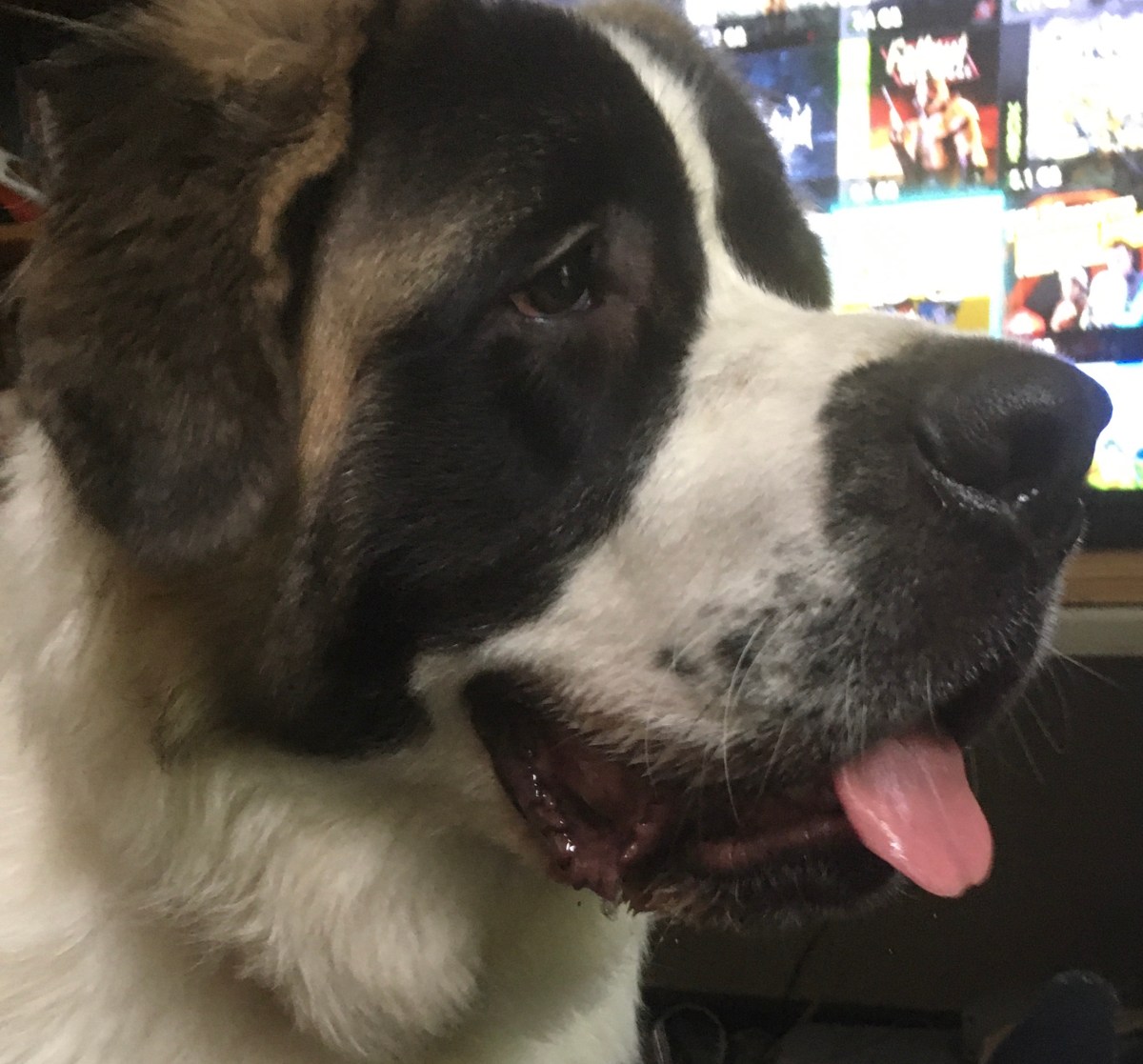
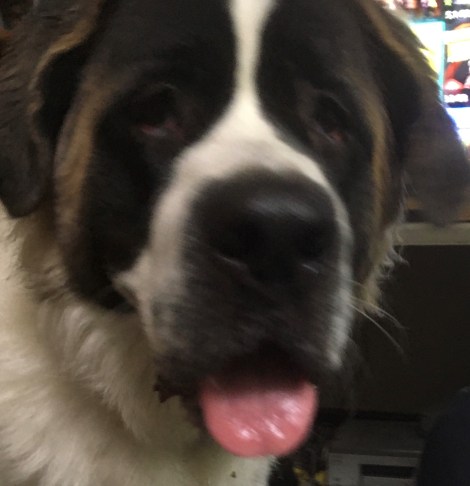
It was an ordinary Sunday until 10-month-old Martha… our dog and family entertainer came in from the backyard. She came in and suddenly opened her mouth…when she did I saw another mouth in hers.
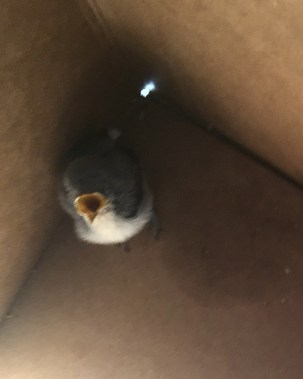
She dropped it on the floor. She had picked it up outside and it was still moving about. The bird must have fallen out of a nest (we looked and saw no nest but the tree is huge) or got kicked out a little too early by mom.
I put it in a box…it didn’t appear hurt just understandably scared. In the box, it hardly moved and we googled on what to do. I called a friend and he told me about a wildlife animal refuge called “Waldens Puddle”and we called them. They could take the bird later in the afternoon.
I went outside and found a cricket and tried to feed the bird at least part of it. It was still too scared to move much. After a few hours the bird started to make a little noise like it was hungry…we ended up taking it down to Waldens and on the way, it finally took the cricket from my hand and started to eat…after that it wanted more. Then it would not shut up and made it clear it wanted food now. Part of us wanted to keep it at this point but we did the right thing and dropped it off.
The lady that took the bird was extremely nice and thanked us for bringing it in. We called back a few days later and the bird is doing great and is now “a favorite of the staff.” We found out what kind of bird it was…I wanted to say “lucky” but the correct name is a Blue-Gray Gnatcatcher.
Here is what our visitor will look like when he or she grows up.
I’ve always liked the flow of the guitar intro in this song. Many of the 1970’s southern rock bands were influenced by Cream, Free, and The Stones but they put their own spin on it.
The song peaked at #34 in the Billboard 100 in 1975.
This song’s chorus was written by Outlaws drummer Monte Yoho, and lead guitarist/singer Hughie Thomasson filled out the rest of the words.
Clive Davis of Arista Records discovered them and signed the group to their first record deal; they became the fledgling label’s first rock band. Their self-titled debut album quickly went gold on the success of hits like “Green Grass and High Tides,” and this song.
Guitar Player Henry Paul:“‘There goes another love song,’ that specific line, ‘Someone’s singing about me again, now I need more than a friend,’ was written by Monte. He was a man of very few words, our drummer. He was a very smart and sharp, witty guy, but he wasn’t the most poetic character. I’m not trying to say that he was a dumb guy, just that his sense of poetry was on the target, but it wasn’t close to the center. But he wrote that, and then Hughie sort of rounded out the song with the verses.”
From Songfacts
Henry Paul, founding member of The Outlaws, says this is another in their repertoire of songs about being on the road: “‘Trying to get back to where I know I belong,’ there we are again, sitting in some stupid Days Inn in Tuscaloosa, Alabama, 1974.” And even though they were doing something they loved, and on the edge of serious success, it didn’t assuage the caged feeling of not being able to see their loved ones. Says Paul, “Even as much as you love your job, there’s things about that lifestyle that’ll make you do things you don’t want to admit that you did. That’s why they throw TVs out of window. That’s why the rock and roll thing is so violent and self-destructive.It’s kind of like being a lab rat stuck in some treadmill hell, that in order to keep your sanity you’ve got to lash out at what’s right immediately there, whether it’s your hotel room or shooting a TV or being Keith Moon over and over again. But that’s where that song came from, and it had a very commercial appeal, and it was a single for us. And although it didn’t chart particularly high, it was obviously and definitely a cornerstone in our musical career.”
There Goes Another Love Song
Sometimes I feel like I’m getting kinda low Thoughts that I’m thinkin’ are the reason So I try to remember without talkin’ to myself Things that I said or maybe things that I felt about you
Sittin’ in a corner of a crowded bar room People all around me and I still feel alone Just when I know I’m gonna break down and cry Someone played a tune that dried the tear from my eye
There goes another love song Someone singin’ about me again There goes another love song Now I need more than a friend
Lonesome and lonely, far from my home Tryin’ to get back to where I know I belong Wishin’ and hopin’ I was already there I just heard a voice whispered in my ear, singin’
There goes another love song Someone singin’ about me again There goes another love song Now I need more than a friend
There goes another love song Someone singin’ about me again There goes another love song Now I need it more than a friend
There goes another love song Someone singin’ about me again There goes another love song Now I need more than a friend
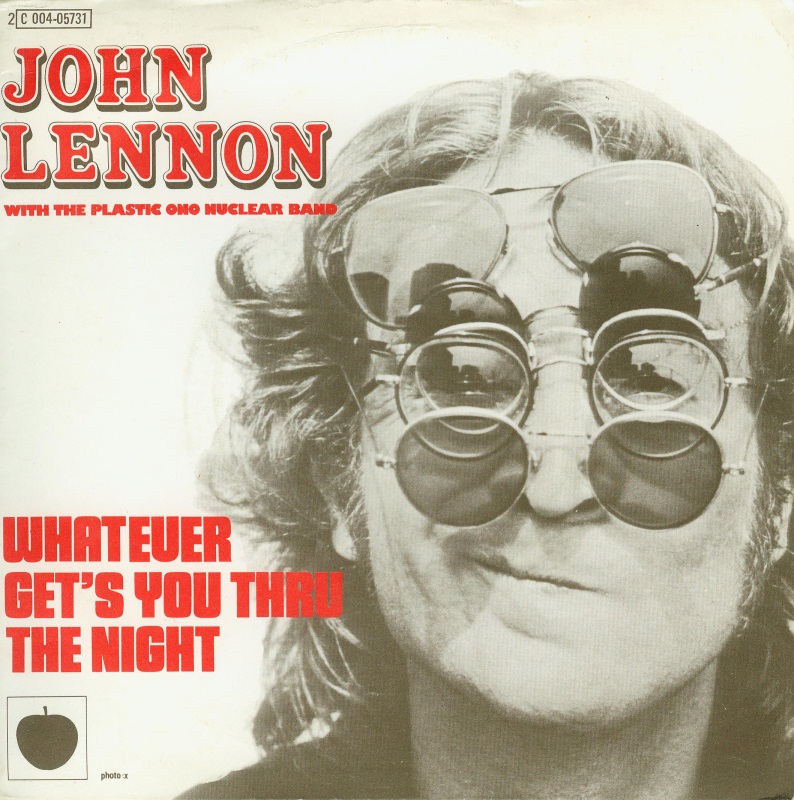
Heard this before I knew who John Lennon was and it is a good song…just not one of his best songs to me. It was his first solo number-one single. Many times the charts are about timing and it was the right time for this one to hit. In the video, you can see John walking around New York interacting with different people
Elton John sang backing vocals and also played piano on this track. He had a bet with Lennon that “Whatever Gets You Thru The Night” song would become a #1 hit. If it did Lennon would have to appear in concert with Elton. Lennon never thought it would be a #1 hit.
When it did reach number 1, Lennon made good on the wager by making a guest appearance at an Elton John concert on Thanksgiving night 1974 at Madison Square Garden in New York City. It turned out to be Lennon’s last live concert performance.
This very upbeat John Lennon song has a simple message…do whatever works for you. It was his first US #1 hit as a solo artist… he had another with “(Just Like) Starting Over,” which topped the chart in 1980 after his death.
John got the phrase by watching late-night TV. He was watching Reverend Ike, a famous black evangelist, who was saying, “Let me tell you guys, it doesn’t matter, it’s whatever gets you through the night.” Lennon loved it, wrote it down, and wrote a song about it.
This song peaked at #1 in the Billboard 100, #2 in Canada, and #36 in the UK. in 1974
From Songfacts
In December 2005, John and Yoko’s personal assistant May Pang told Radio Times: “At night he (John Lennon) loved to channel-surf, and he would pick up phrases from all the shows. One time, he was watching John loved it and said, “I’ve got to write it down or I’ll forget it.” He always kept a pad and pen by the bed. That was the beginning of Whatever Gets You Thru The Night.”
With this song, Lennon became the last of the Beatles to hit #1 US in their respective post-Beatles careers. By this time Paul McCartney had hit #1 three times, and George Harrison and Ringo Starr twice each.
Structurally, this is a rather unusual song: it’s really all chorus, separated by blasts of saxophone. Lennon alters the lines a bit in the various sections though:
Whatever gets you through the night
Whatever gets you through your life
Whatever gets you to the light
Don’t need a sword to cut through flowers
Don’t need a watch to waste your time
Don’t need a gun to blow you mind
These little lyrical alterations keep the song from sounding repetitive, even without verses.
In 1975 Lennon helped out on Elton’s John’s #1 cover of “Lucy In The Sky With Diamonds.” Lennon played guitar on that track and was credited as “Dr. Winston O’Boogie.”
In 1975 Lennon helped out on Elton’s John’s #1 cover of “Lucy In The Sky With Diamonds.” Lennon played guitar on that track and was credited as “Dr. Winston O’Boogie.”
What was it like recording the Walls And Bridges album? When we asked David Thoener, who was an engineer at the sessions, he told us: “It was amazing. Despite all of the personal pain John Lennon was in, (it was during his lost weekend) he was a consummate professional in the studio. Almost as if working kept him sane, through those difficult times. Working with him was quite an experience and something I am very glad to have been part of.”
This hit the top of the US charts, but it fell fast. It spent just three weeks in the Top 10 before dropping from 2-16 in November 1974. In 2004 Fantasia broke this record when after two weeks in the Top 10, “I Believe” dropped from #6-18.
Bobby Keys, who appears on many Rolling Stones recordings, played the tenor saxophone on this track. Ken Ascher played the Clavinet.
Whatever Gets You Thru The Night
Whatever gets you through the night It’s all right, it’s all right It’s your money or your life It’s all right, it’s all right Don’t need a sword to cut through’ flowers Oh no, oh no
Whatever gets you through your life It’s all right, it’s all right Do it wrong, or do it right It’s all right, it’s all right
Don’t need a watch to waste your time Oh no, oh no
Hold me, darlin’, come on, listen to me I won’t do you no harm Trust me, darlin’, come on, listen to me Come on, listen to me; come on, listen, listen
Whatever gets you to the light It’s all right, it’s all right Out of the blue, or out of sight It’s all right, it’s all right Don’t need a gun to blow you mind Oh no, oh no
Hold me, darlin’, come on, listen to me I won’t do you no harm Trust me, darlin’, come on, listen to me Come on, listen to me, come on, listen, listen
I remember hearing this before I knew who Paul McCartney was…it was unbelievably catchy but I had no clue what it was about…still don’t.
Paul combined pieces of various unfinished songs to create this… in the later years of The Beatles, he helped do this for the Abbey Road Medley. As a result, Uncle Albert – Admiral Halsey contains 12 different sections over the course of its 4:50 running time.
This jumble of character voices, sound effects, and changing tempos turned off a lot of listeners, but many others thought it was brilliant. The song wasn’t released as a single in the UK, but in America, it became McCartney’s first #1 hit as a solo artist.
Albert was Albert Kendall, who married Paul’s aunt Milly (becoming “Uncle Albert”) and provided inspiration for a portion of this song suite. Albert had a habit of getting drunk and reading from The Bible; the only time he read from the Bible was when he was drinking.
The song peaked at #1 in the Billboard 100 and #1 in the UK in 1971.
Stella, the McCartneys’ daughter, would be born a week and a half after “Uncle Albert/Admiral Halsey” topped the charts.
This song won the Grammy Award for Best Arrangement Accompanying Vocalists in 1971.
From Songfacts
Linda McCartney is credited as a co-writer on this song with Paul. She sang background and contributed some of the vocal ideas, but how much she actually wrote on the song is questionable. Paul had some incentive to credit her as a songwriter: under a deal he signed with The Beatles, songs he wrote until 1973 were owned by Northern Songs publishing and Maclen Music. By splitting the credits with his wife, he could keep half the royalties in the family. The publishers brought a lawsuit against Paul for this practice, which was settled out of court.
The flugelhorn solo that leads into the “Hands across the water” section was played by American bebop trumpeter Marvin Stamm.
Uncle Albert – Admiral Halsey
We’re so sorry, Uncle Albert We’re so sorry if we caused you any pain We’re so sorry, Uncle Albert But there’s no one left at home And I believe I’m gonna rain. We’re so sorry but we haven’t heard A thing all day We’re so sorry, Uncle Albert, But if anything should happen We’ll be sure to give a ring
Yeah, yeah,
We’re so sorry, Uncle Albert But we haven’t done a bloody thing all day We’re so sorry, Uncle Albert, But the kettle’s on the boil And we’re so easily called away
Hands across the water (water) Heads across the sky Hands across the water (water) Heads across the sky
Admiral Halsey notified me He had to have a berth or he couldn’t get to sea I had another look and I had a cup of tea and butter pie (butter pie?) The butter wouldn’t melt so I put it in the pie
Hands across the water (water) Heads across the sky Hands across the water (water) Heads across the sky
Live a little, be a gypsy, get around (get around) Get your feet up off the ground Live a little get around Live a little, be a gypsy, get around (get around) Get your feet up off the ground Live a little, get around
Hands across the water (water) Heads across the sky Hands across the water (water) Heads across the sky Ooo——ooo—–
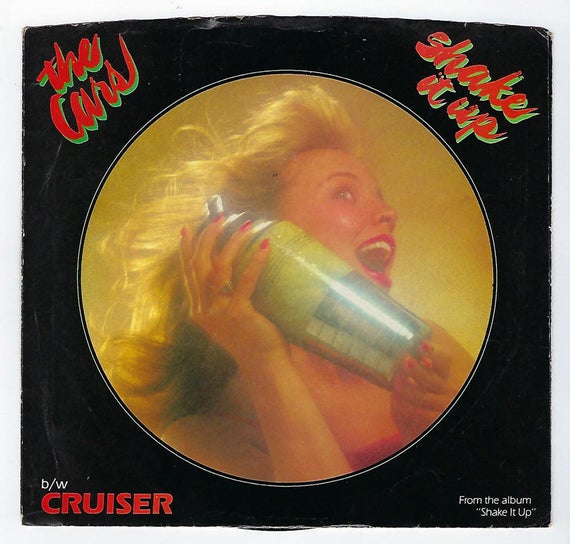
Shake It Up was the title track to The Cars’ fourth album. This was their first top 10 hit which is surprising with all of the well-known songs they had released to this point.
They had been playing around with this song for a few years but they didn’t like the sound of it. They basically started all over and changed the song completely and then worked it out.
The Shake It Up album came out in 1981, just a few months after the first MTV broadcast. The release became a big hit for the Cars, a top 10 album that would eventually go multi-platinum… aided by this song.
The song peaked at #4 in the Billboard 100, #7 in Canada, and #26 in New Zealand in 1982.
The album peaked at #9 in the Billboard Album Chart.
The song is typical Cars…catchy chorus and full of hooks. Ric Ocasek wrote the song but did say he was never too thrilled about the lyrics.
Drummer David Robinson: “We recorded [‘Shake It Up’] a couple of times in the studio and dumped it, and we were going to try it one more time, and I was fighting everybody,” “So we thought, let’s start all over again, like we’ve never even heard it – completely change every part – and we did. Then, when it was through and all put back together, it was like a brand-new song.”
From Songfacts
Written by frontman Ric Ocasek, it’s an outlier in that it’s very straightforward, simply encouraging us all to get on the dance floor and boogie like nobody’s watching. Ocasek’s songs were generally far more enigmatic.
This song has some throwback elements, like the “ooo ooo ooo” backing vocals and references to a “quirky jerk” and “night cats” – lingo that was hep in the ’60s when songs about dancing were in vogue. At the same time, “Shake It Up” as a futuristic sound, with synthesizers and drum machines that were part of the new wave.
Released as the lead single from the album, “Shake It Up” was a big American hit for The Cars, getting them into the Top 10 for the first time. Some fans accused them of “selling out,” but the band insisted they were simply progressing (one point in their defense: they continued to live in Boston instead of relocating to New York or Los Angeles). The jabs came mostly from the UK, where the band got lots of positive press early on but faced the wrath of a finicky press when they released this song about dancing. In the UK, “Shake It Up” wasn’t released as a single.
The Cars are one of the groups who can be credited with opening the New Wave sound up to the mainstream. As noted in Seventies Rock: The Decade of Creative Chaos, “The fact that new music was getting airplay at all – New Wave or not – was somewhat remarkable.” When The Cars came on the scene in 1978, the Bee Gees and all the disco craze they brought with them dominated the charts. While mainstream radio was reluctant to put a punk record on the air, it found New Wave less intimidating.
Meanwhile, Ken Tucker muses about the New Wave movement in The Rolling Stone Illustrated History of Rock and Roll: “Kids all over the country decided to play Record Promotion: if the big boys wouldn’t sign up their local bands, the fans would, with a vengeance. Mimeographed manifestos and homemade rock magazines multiplied as ways to push burgeoning local scenes; they plugged cherished unknowns and finessed an ad hoc network for distributing their records.” Notice any similarities with 1978 music culture and the Internet-fostered music scene now?
Shake It Up Demo
Shake It Up Studio Version
Shake It Up
Uh well, dance all night, play all day Don’t let nothin’ get in the way Dance all night, keep the beat Don’t you worry ’bout two left feet
Shake it up Shake it up, oo yeah Shake it up Shake it up
Dance all night and get real loose You don’t need no bad excuse Dance all night with anyone Don’t let nobody pick your fun
Shake it up, oo, oo Shake it up, yeah yeah Shake it up, oo, oo Shake it up
That’s right, I said Dance all night Go go go Dance all night Get real low Go all night Get real hot Well, shake it up now, all you’ve got, woo
Dance Oo dance
Uh well, dance all night and whirl your hair Make the night cats stop and stare Dance all night, go to work Do the move with a quirky jerk
Just shake it up, oo oo Shake it up, oo yeah Shake it up Shake it up
Uh well, dance all night Go go go Get so light Get real low Dance all night Get real hot Shake it up, with all you’ve got, woo
Shake it up, make a scene Let them know what you really mean And dance all night, keep the beat And don’t you worry ’bout two left feet
Just shake it up, oo, oo Shake it up, oo oo, yeah Shake it up, oo, oo Shake it up, oh, yeah
Shake it up, shake it up babe Shake it up, oo, oo Shake it up, shake it up babe Shake it up, oo, oo
Shake it up, shake it up, yeah yeah, shake it up Oo oo, shake it up Shake it up, shake it up babe Shake it up, oo, oo
This is one of the best songs from the White Album. George stated that the song was written at his mother’s home in Warrington in the north of England.
Harrison was reading I Ching, the Chinese book of changes, and decided to write a song about the first words he saw, which were “Gently Weeps.”
George wanted a sound he wasn’t getting so he called his friend Eric Clapton to play on the song. It also served another purpose. Much like bringing in Billy Preston on Let It Be…John and Paul behaved much better when a visitor came into the picture. Eric declined at first because he said that no one plays on Beatle records and the others wouldn’t like it. George told him it was his song and he wanted him on it. According to George, the atmosphere changed and the song took off from there.
After hearing the playback Eric said that there was a problem…his guitar wasn’t Beatley enough.’ So it was put through the ADT (Artificial Double Tracking) to wobble it up a bit.
George Harrsion:‘Eric’s going to play on this one,’ and it was good because that then made everyone act better…It’s interesting to see how nicely people behave when you bring a guest in, because they don’t really want everybody to know that they’re so bitchy…Paul got on the piano and played a nice intro and they all took it more seriously…Also it left me free to just play the rhythm and do the vocal…It was a similar situation when Billy Preston came later to play on ‘Let It Be’ and everybody was arguing. Just bringing a stranger in amongst us made everybody cool out.”
Mick Jagger:“It’s lovely, plaintive. Only a guitar player could write that. I love that song.”
George Harrison:“‘While My Guitar Gently Weeps’ was just a simple study based on the theory that everything has some purpose for being there at that given moment…So I open this book and I saw ‘gently weeps.’ I shut the book and then I started the tune.”
From Songfacts
Harrison often had to fight to get his songs on the albums. John Lennon and Paul McCartney were not interested in this song at first, but came around when Harrison brought Clapton to the studio.
This was the first song Ringo played on after leaving the band in frustration a few weeks earlier. He returned to find flowers on his drums to welcome him back.
Clapton used a Les Paul guitar on this track. Later in his career, he switched to a Fender Stratocaster.
Even though this was not a hit, it is one of the most enduring Beatles songs. It remains popular on classic rock radio.
When George Harrison arranged a trip to India for The Beatles to study Transcendental Meditation, they were joined by their good friend Donovan, a singer-songwriter who had hits with “Sunshine Superman” and “Mellow Yellow.” They shared a lot of ideas on this trip, many of which influenced The White Album. In our interview with Donovan, he said that John Lennon wanted to learn the clawhammer guitar style, while Harrison was interested in Donovan’s chord structures. The A minor descents Donovan showed him ended up in “While My Guitar Gently Weeps.”
After working on this song, Eric Clapton became good friends with John Lennon, and played with him on some of his solo work. When George Harrison threatened to leave The Beatles in 1969, Lennon was ready to replace him with Clapton.
This was originally recorded as an acoustic ballad with just Harrison on acoustic guitar and Paul McCartney on organ. This version can be found on some bootlegs and on The Beatles Anthology 3.
The Demo Version
The Studio Version
While My Guitar Gently Weeps
I look at you all, see the love there that’s sleeping While my guitar gently weeps I look at the floor and I see it needs sweeping Still my guitar gently weeps
I don’t know why nobody told you How to unfold your love I don’t know how someone controlled you They bought and sold you
I look at the world and I notice it’s turning While my guitar gently weeps With every mistake we must surely be learning Still my guitar gently weeps
I don’t know how you were diverted You were perverted too I don’t know how you were inverted No one alerted you
I look at you all, see the love there that’s sleeping While my guitar gently weeps Look at you all Still my guitar gently weeps
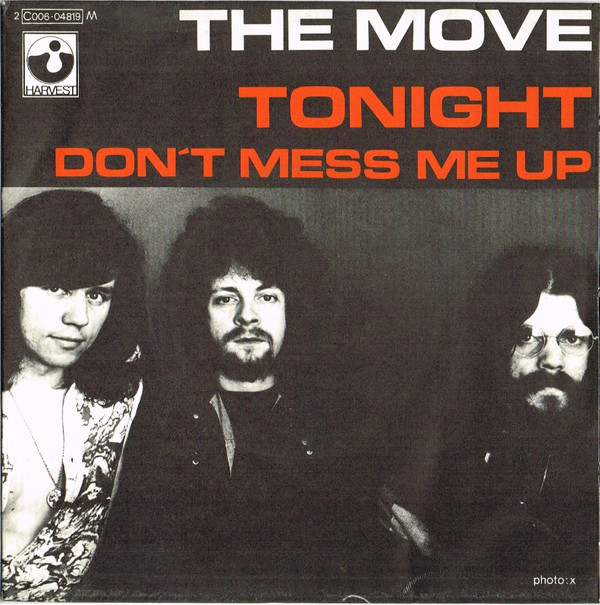
The Move was a successful UK band in the sixties that morphed into ELO. Roy Wood is singing and you will see a young Jeff Lynne on guitar without his trademark aviators. They only charted one song in the US and that was Do Ya.
This song was written by Roy Wood originally for the vocal group The New Seekers. The Move released this song in 1971 and it peaked at #11 in the UK.
Their style ranged from pop to psychedelic, blues, progressive, and 1950s style rock ‘n’ roll. Roy Wood’s talent as an original songwriter helped propelled the band for UK success.
If you want to know about the Move…the below link is a good start.
That’s the road It’s over there And leading down to nowhere. This is the age when you’re allowed To have your own care If you were half so bright You’d plan your life ahead Instead of waiting ’til you’re old in your bed.
I’ll be over tonight If you say you might I’ll be over tonight Need to put you right.
I’m so used to waiting that’s entirely Your decision don’t be restricted By the weightless views you’re given If you were half so bright you fight them From the head Instead of saving ’til your young heart is dead. I’ll be over tonight
Well I know what you wrote in your overcoat But don’t want to take it too far Oh I think you won’t but I know that you don’t You always say that you are
Never let the riches that my endless need will give you Show some concern for all the love That you must live through If you were half so bright You’d plan your life ahead Instead of waiting ’til you’re old in your bed.
Trying to figure out Elton’s lyrics has always been interesting…not what they mean…I won’t even try that. No, it’s,,, what is he singing? “he’s got electric boots a mohair suit You know I read it in a magazine, oh” I wasn’t even close. I thought “masseuse” was in there. I don’t think I can even spell what I’ve been singing along with for years. Mick Jagger does this well also.
Regardless of the hard to decipher words…I love the song.
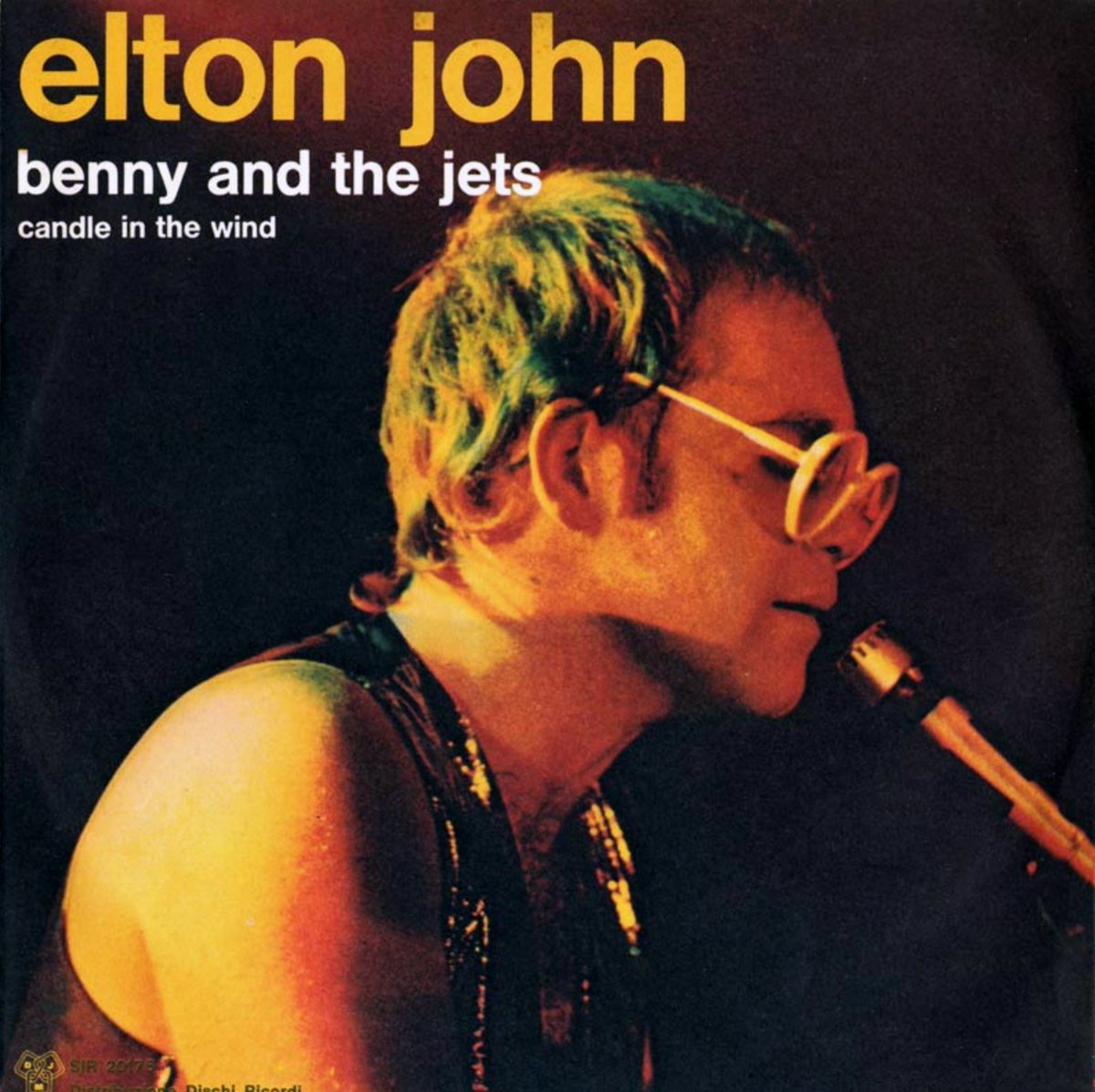
Elton wrote the music to this song as an homage to glam rock, a style that was popular in the early ’70s, especially in the UK…and of course Bernie Taupin co-wrote it with Elton.
This wasn’t released as a single in the UK, where it was released as the B-side of “Candle In The Wind.” In the US, “Candle In The Wind” was not released as a single because MCA records thought this was better. Elton protested but came around when black radio stations started playing it and it became a hit.
This was also a hit on the R&B charts as it peaked at #15. Elton was surprised at that and wasn’t considering it for a single. He did not think this would be a hit. He was shocked when it went peaked at #1 in the Billboard 100, #1 in Canada, and #13 in New Zealand in 1974. It charted at #37 in the UK in 1976.
Elton’s producer Gus Dudgeon wanted a live feel on this recording, so he mixed in crowd noise from a show Elton played in 1972 at Royal Festival Hall. He also included a series of whistles from a live concert in Vancouver B.C., and added handclaps and various shouts.
I do remember seeing Elton perform this song when he appeared on The Muppet Show in 1977, with a group of Muppets singing along with him at the piano.
From Songfacts
“Bennie” is a female character who Elton has described as a “sci-fi rock goddess.” Bernie Taupin, who wrote the lyrics, told Esquire, “‘Bennie And The Jets’ was almost Orwellian – it was supposed to be futuristic. They were supposed to be a prototypical female rock ‘n’ roll band out of science fiction. Automatons.”
It was Elton’s idea to stutter the vocal: “B-B-B-Bennie…” Bernie Taupin thought this worked very well with the futuristic, robotic theme of his lyrics. Said Taupin: “That’s a little quirk of the song which I’m sad to say I had nothing to do with. That and that wonderful big chord at the beginning. I think those two things are what probably made that song so popular. Neither of which I had anything to do with.”
Comic books, movies, and the German photographer Helmut Newton were some of the influences Bernie Taupin threw into the pot when writing the lyrics to this song. Said Taupin: “I’d always had this wacky science fiction idea about a futuristic rock and roll band of androids fronted by some androgynous kind of Helmut Newton style beauty, which was depicted to little great effect on the Yellow Brick Road album cover. I’m not sure if it came to me in a dream or was some way the subconscious of effect of watching Kubrick on drugs. Either way, it was definitely something that was totally formed as a concept, and something that could have morphed into any number of populist items. Could have been comic books or movies. In fact, I can’t help but believe that that Robert Palmer video with all the identical models somehow paid a little lip service to The Jets.”
The falsetto vocal is Elton trying to sound like Frankie Valli. He was a fan of Frankie Valli And The Four Seasons growing up, and went to at least one of their concerts when he was young.
Elton tried to record the Goodbye Yellow Brick Road album in Jamaica, since The Rolling Stones had just recorded their Goats Head Soup album in a studio there and encouraged him to try it. Instead of the relaxing tropical paradise they expected, Elton and his crew encountered hostile locals and faulty equipment. They ended up recording the album at the studio in France (The Chateau) where they recorded their two previous albums.
Bernie Taupin says that when he saw the Robert Palmer video for “Addicted To Love,” it portrayed when he envisioned Bennie And The Jets looking like: a dapper frontman backed by robotic models.
Elton performed this on Soul Train, becoming the first white superstar to appear on the show (he was the third white performer overall, following Dennis Coffey and Gino Vannelli). His episode aired May 17, 1975, beating David Bowie by six months. Elton asked to appear on the show, as he was a big fan. He explained on the program that he and his band would often watch it while they were on tour.
Miguel covered this as part of the 40th edition expanded reissue of Goodbye Yellow Brick Road in 2014, with Wale contributing vocals. Elton John had Peter Asher produce the nine cover versions, which also included Ed Sheeran’s take on “Candle In The Wind” and Fall Out Boy’s “Saturday Night’s Alright (For Fighting).” Asher, who produced the most successful albums by James Taylor and Linda Ronstadt, put the track together based on the sound of Miguel’s album Kaleidoscope Dream. Getting Miguel in the studio to record it proved challenging though.
In a Songfacts interview with Asher, he explained: “There was a period when I was hardly in touch with Miguel. I ended up meeting with him backstage at an Alicia Keys concert he was opening, and I said, ‘Did you ever get a chance to listen to the demo I sent you?’ He said, ‘No, I’m sorry, I don’t know what happened to it.’
So, we sat backstage and listened to it for the first time. He plugged in his in-ear monitors into my laptop and I played it to him and he said, ‘I love it. That’s great. Go ahead.’ And he just arranged time to come into the studio and sing it.
And then, he made some suggestions and changed some stuff and added some brilliant background parts and so on. So, it ended up being a combination of the ideas I’d started with, with some ideas he had on top.”
Benny and the Jets
She’s got electric boots a mohair suit You know I read it in a magazine, oh B-B-B-Bennie and the Jets
Hey kids, shake it loose together The spotlight’s hitting something that’s been known to change the weather We’ll kill the fatted calf tonight So stick around You’re gonna hear electric music solid walls of sound
Say, Candy and Ronnie, have you seen them yet Uh but they’re so spaced out, B-B-B-Bennie and the Jets Oh but they’re weird and they’re wonderful Oh Bennie she’s really keen She’s got electric boots a mohair suit You know I read it in a magazine oh B-B-B-Bennie and the Jets
Hey kids, plug into the faithless Maybe they’re blinded But Bennie makes them ageless We shall survive, let us take ourselves along Where we fight our parents out in the streets To find who’s right and who’s wrong
Say, Candy and Ronnie, have you seen them yet? Oh, but they’re so spaced out B-B-B-Bennie and the Jets Oh but they’re weird and they’re wonderful Oh Bennie, she’s really keen
She’s got electric boots A mohair suit You know I read it in a magazine oh yeah B-B-B-Bennie and the Jets Bennie, Bennie, Bennie, and the Jets, yeah, oh
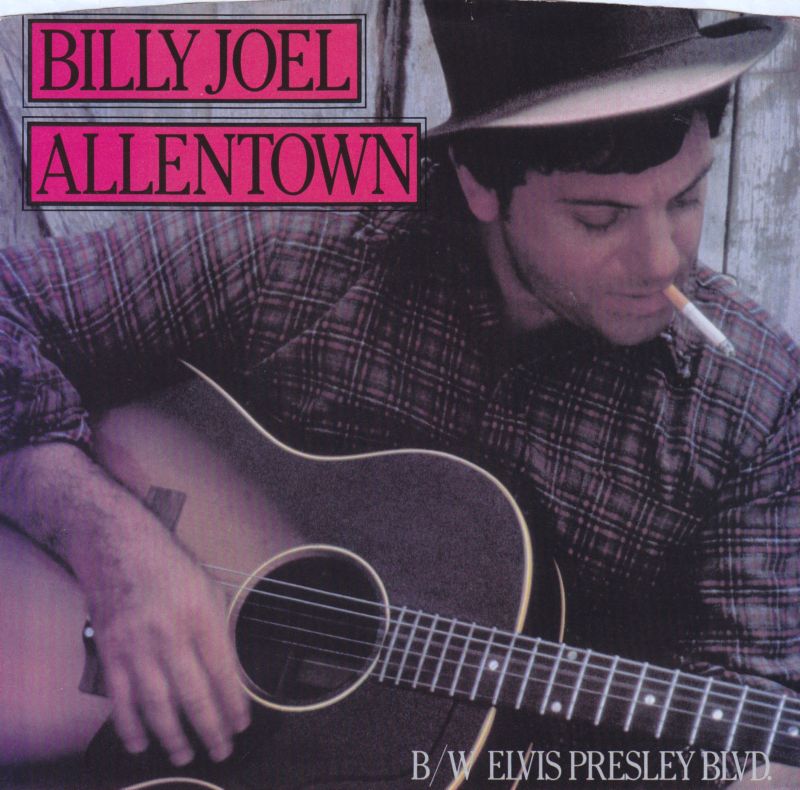
A great single by Billy Joel with a song off of the Nylon Curtain album.
Allentown is a town in Northeast Pennsylvania about 45 minutes away from the Pocono mountains. An industrial town, many of the once-thriving factories and mills had fallen on hard times when Joel wrote the song, and unemployment in the area was at an all-time high of 12%.
Also mentioned in the song is nearby Bethlehem, Pennsylvania, whose main employer, Bethlehem Steel, had been closing operations. Joel sings about the unemployed workers in the line, “Out in Bethlehem they’re killing time, filling out forms, standing in line.”
When the album and single were released in 1982, the Mayor of Allentown PA was Joe Dadonna, who had the difficult job of promoting the image of his city during the worst economic crisis of its history. While many locals viewed “Allentown” as a put-down of their declining city, Mayor Dadonna saw it as an opportunity for some publicity and promotion.
The song was on the Nylon Curtin released in 1982.
The song peaked at #17 in the Billboard 100 and #21 in Canada, and #1 in New Zealand in 1982.
The steel mill this song is written about is now a casino.
From Songfacts
Billy Joel did not grow up in Allentown – he grew up in Levittown, on Long Island. In an interview with James Lipton on Inside the Actors Studio, he compared Allentown with his hometown while he was growing up, noting the similarities. Joel stated that the original title was “Levittown,” and the original lyrics seemed kind of bland, and he felt that they would possibly be considered boring to the listeners.
Some of the original lyrics included lines like, “Well we’re living here in Levittown. And there’s really not much going down. I don’t see much when I look around. The grass is green, the trees are brown. And we’re living here in Levittown.” So, during the time of the upcoming studio sessions for The Nylon Curtain, Billy took a trip to Pennsylvania. It was here that he came up with the idea for new lyrics. At that time, he had Bethlehem in mind, but was worried people would suddenly get the impression that the song was religious (the birth of Christ was said to have happened was Bethlehem, Israel). It is worth noting that Bethlehem and Allentown are right next to each other. So, he started writing down some lyrics for what later became the song “Allentown.”
The distinctive chord at the beginning was originally a mistake, but Joel decided he liked the way it sounded and left it in.
The song starts with the blowing of a steam whistle in a factory. This was common in the days of steel mills and lumber companies. Usually, whistles were blown at the beginning of a work day, to summon workers to their duties, to announce shift changes, to call them to their lunch hour at noon, and at the end of a work day, to let them know that it was 5:00 and it was time to go home. Also, when listened to carefully, in the background with the music, one can hear the rhythmic pounding of a pile driver, a machine for delivering repeated blows to the top of a pile for driving it into the ground. The machine consists of a frame which supports and guides a hammer weight, together with a mechanism for raising and dropping the hammer or for driving the hammer by air or steam.
Joel played a benefit concert in Allentown, Pennsylvania on December 27, 1982 as this song was climbing the charts.
The video was directed by Russell Mulcahy, whose work was all over MTV in their early years, with many videos to his credit by Fleetwood Mac, Elton John and Duran Duran. Billy Joel had little interest in music videos, so he let the directors control them. The “Allentown” video stays true to the song in the sense that we see young men coming back from the war and struggling to find work, but these men are far more shirtless and muscular than you would expect. In I Want My MTV by Craig Marks, Joel said: “It’s really gay. There’s a shower scene with all these good-looking, muscular young steel workers who are completely bare assed. And then they’re all oiled up and twisting valves and knobs. I’d missed this completely when I was doing the video. I just thought it was like The Deer Hunter.”
This is the biggest hit to mention the state of Pennsylvania in the lyric (“for the Pennsylvania we never found”). Darryl Worley’s “Have You Forgotten?,” a 2003 song about the September 11 attacks, was the next hit to mention the state.
Allentown
Well we’re living here in Allentown And they’re closing all the factories down Out in Bethlehem they’re killing time Filling out forms Standing in line Well our fathers fought the Second World War Spent their weekends on the Jersey Shore Met our mothers in the USO Asked them to dance Danced with them slow And we’re living here in Allentown
But the restlessness was handed down And it’s getting very hard to stay
Well we’re waiting here in Allentown For the Pennsylvania we never found For the promises our teachers gave If we worked hard If we behaved So the graduations hang on the wall But they never really helped us at all No they never taught us what was real Iron and coke And chromium steel And we’re waiting here in Allentown
But they’ve taken all the coal from the ground And the union people crawled away
Every child had a pretty good shot To get at least as far as their old man got But something happened on the way to that place They threw an American flag in our face
Well I’m living here in Allentown And it’s hard to keep a good man down But I won’t be getting up today
And it’s getting very hard to stay And we’re living here in Allentown
My mom overheard me sing this to myself when I was around 7…I had just heard it on the radio. I then heard my first.middle.last name being called. Whenever I heard all three names…it usually wasn’t a good thing. She wasn’t strict on me at all but she didn’t exactly like her 7-year-old kid sing about raising hell.
The song was written by band members Steve Cash and John Dillon and released on their first album. Ozark Mountain Daredevils were from Springfield, Missouri, and sported some of the same attitude of the song.
“If You Wanna Get To Heaven” peaked at #25 on the Billboard 100 and #23 in Canada in 1973; two years later Jackie Blue peaked at #3 on the Billboard 100.
Their two big hits sound like two different bands. You have the rough-edged If You Want To Get To Heaven and the very pop Jackie Blue.
During their peak years, few bands could draw a bigger crowd in Kansas City. The Daredevils were seen by Glyn Johns at Kansas City’s Cowtown Ballroom and then produced them. Glyn worked with about every big name in the business including The Beatles, Stones, Who, Led Zeppelin, and many others.
The band still tours and released an album in 2018.
If You Want To Get To Heaven
I never read it in a book I never saw it on a show but I heard it in the alley on a weird radio if you want a drink of water you got to get it from a well if you want to get to heaven you got to raise a little hell
I never felt it in my feet I never felt it in my soul but I heard it the alley now it’s in my rock and roll if you want to know a secret you got to promise not to tell if you want to get to heaven you got to raise a little hell
I never thought it’d be so easy I never thought it’d be so fun but I heard it in the alley now I got it on the run if you want to see an angel you got to find it where it fell if you want to get to heaven you got to raise a little hell
if you want to get to heaven if you want to get to heaven if you want to get to heaven if you want to get to heaven
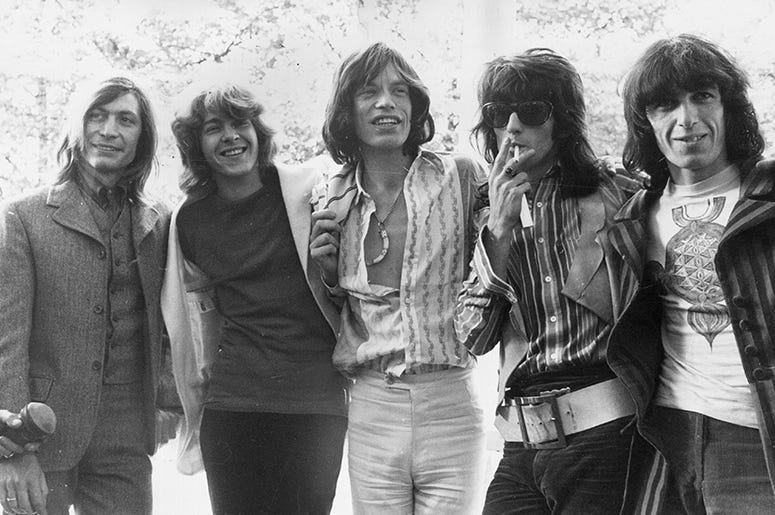
A new old song from the Stones. This song has been in the vault…it will be included with the reissued “Goats Head Soup,” out Sept. 4. Two more unheard tracks will be on the reissue. Thanks to Deke for pointing this song out last week.
It’s a cool funky track produced by Jimmy Miller.
“The remastered “Goats Head Soup” box set and deluxe editions will all feature 10 bonus tracks, including “Criss Cross,” the previously unheard “Scarlet,” featuring guitar by Jimmy Page, and a third newly unearthed song, “All The Rage.” All three songs were recorded more than 40 years ago but were never officially released until now. ”
Baby. Ooh! Baby Save me. Ooh! Save me. Ah! Yeah, here come a woman Givin’ me a criss cross mind Save me Save me. Ooh! Yeah, here come a woman Giving me a criss cross mind Oh I got a lotta knots in my hair I can’t seem to straighten out Ah, I think I need a blood transfusion Yeah, here come a lady Giving’me a criss cross mind
Darling Darling Ooh! Touch me Ooh, yeah! Kiss me Ooh, yeah! Ooh, yeah! Lip to lip Fingertip Skin to skin Ring to ring Tongue to tongue Thigh to thigh Oh baby Yeah All the time Baby Save me Yeah here come a lady Giving’ me a criss cross mind Mama walkin’ around in the rain She want you every night An’ think I need a blood transfusion Yeah here come a woman Givin’ me a criss cross mind Yeah, yeah Darling Darling Baby Save me. Save me. Save me. Save me And feed me, yeah Baby. Baby. Baby Save me Cheek to cheek Ohh yeah Tounge to tounge












 PowerPop... An Eclectic Collection of Pop Culture