If I had to pick a favorite song of Creedence Clearwater Revival it would be hard… but this song would be a contender and probably my overall favorite. It’s the way Fogerty wearily sings the lyrics, he sounds so much older than he was at the time. The song is off of the “Green River” album.
Sometimes lines grab my attention and these did. Met myself a comin’ county welfare line. I was feelin’ strung out, Hung out on the line.
The album did very well…the Green River album peaked at #1 in the Billboard Album Charts, #2 in Canada, and #20 in the UK in 1969. If you want proof that life isn’t fair… Green River the title track was kept from #1 because of the novelty bubblegum song “Sugar, Sugar” by The Archies.
With Creedence…you won’t hear any “alternative takes” with the band. Fogerty destroyed all copies of the first version of songs because he never wanted any of his outtakes to make it into the public’s hands. This has been a regular practice of him throughout his career.
The album ended up charting 4 different songs. Green River, Lodi, Bad Moon Rising, and Commotion. John Fogerty released a new version of the song on his ninth solo studio album, also titled Wrote a Song for Everyone. This version features Miranda Lambert and Tom Morello.
Jeff Tweedy of Wilco has cited this as a song that had a profound influence on him. A huge Fogerty fan, Wilco credits him with forming the foundation of the Americana genre.
John Fogerty:“Inspired by my young wife at the time. It was early ’69, and I was 23 years old. We had our first child, who, at the time, was two and a half. I was sitting in my room, writing the songs, pushing my career. Without the songs, the career ends. You might be a great band, but without the songs, you’re not going anywhere. At one point, my wife and I had a mild misunderstanding, I wouldn’t even call it a fight, She was miffed, taking our young son out, wishing I would be more involved. But there I was, the musician manic and possessed the only guy holding things up. Without me, it all collapses, so I’m feeling quite put upon. As she walks out the door, I say to my self, “I wrote a song for everyone, and I couldn’t even talk to you.” I looked at my piece of paper and changed gears. How many great leaders can’t even manage their own families? So I went with that. “Pharaohs spin the message/Round and round and true/Richmonds about to blow up” referring to nearby Richmond, California. It was actually a true emotion that took on a larger meaning. It’s still a special song in the sense that it keeps my feet on the ground. You sit and write these songs, yet you try to talk to your own son and daughter and maybe you’re totally inadequate, trying to explain life to a child. We used to record our album very quickly and I remember finishing five different songs in one afternoon. The fifth one didn’t work, and that was “Wrote A Song For Everyone.” I had to start over on that one.”
“Wrote A Song For Everyone”
Met myself a comin’ county welfare line. I was feelin’ strung out, Hung out on the line. Saw myself a goin’, down to war in June. All I want, All I want is to write myself a tune.
[Chorus:] Wrote a song for ev’ryone, Wrote a song for truth. Wrote a song for ev’ryone And I couldn’t even talk to you.
Got myself arrested, Wound me up in jail. Richmond ’bout to blow up, communication failed. If you see the answer, now’s the time to say. All I want, All I want is to get you down to pray.
[Chorus]
[Chorus]
Saw the people standin’ thousand years in chains. Somebody said it’s diff’rent now, look, it’s just the same. Pharoahs spin the message, round and round the truth. They could have saved a million people, How can I tell you?
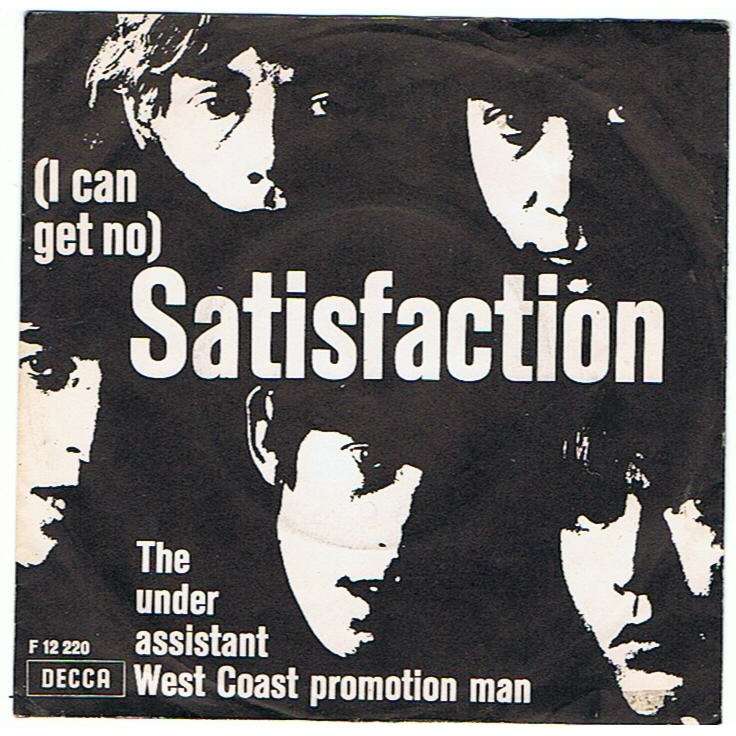
What if I told you this was one of The Rolling Stone’s largest selling singles in America? It was… but it was a package deal…the song on the other side of the single was Satisfaction.
Not the most well-known song by the Stones but a lot of Americans owned it. I bought the single Satisfaction in 1979 and flipped it over and found this oddly named likable song. This was the American B side to Satisfaction. Not exactly Day Tripper/We Can Work It Out but a likable single all the same. The song was released in 1965.
The song is about George Sherlock who was the London Records promotions man who accompanied the Stones to California. This was their response to having a chaperone who was a music executive in the early 60s. The Stones did not hide their disdain for him, giving him the nickname Surfer Baby, and they crystallized their feelings in the song.
The Stones recorded this in Chess studios in Chicago. This song was written by Mick Jagger and Keith Richards who were becoming a great songwriting team. They likely borrowed the lick from Buster Brown’s song Fannie Mae.
Fannie Mae peaked at #1 in the R&B Charts and #38 in the Billboard 100 in 1960. He received more attention in 1973 when his song “Fannie Mae” was included in the film American Graffiti Soundtrack.
Buster Brown – Fannie Mae
Well, I’m waiting at the bus stop in downtown L.A. Well, I’m waiting at the bus stop in downtown L.A. But I’d much rather be on a boardwalk on Broadway
Well, I’m sitting here thinkin’ just how sharp I am Well, I’m sitting here thinkin’ just how sharp I am I’m an under assistant west coast promo man
Well, I promo groupswhen they come into town Well, I promo groups when they come into town Well they laugh at my toupee, they’re sure to put me down
Well, I’m sitting here thinking just how sharp I am Yeah, I’m sitting here thinking just how sharp I am I’m a necessary talent behind every rock and roll band
Yeah, I’m sharp I’m really, really sharp I sure do earn my pay Sitting on the beach every day, yeah I’m real real sharp, yes I am I got a Corvette and a seersucker suit Yes, I have
Here comes the bus, uh oh I thought I had a dime Where’s my dime I know I have a dime somewhere I’m pretty sure
I remember this song on the radio in the seventies. Of all places, it was played a lot at our local skating rink. It’s high on the list of my favorite songs. It wasn’t the best song written by Garcia and Hunter but I can listen to it at any time. Probably the first Dead…or close to a Dead song I ever heard. The song has stuck with me my entire life.
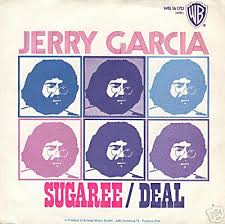
Jerry Garcia played most of the instruments on this album except drums and Dead drummer Bill Kreutzmann handled those. Sugaree was on the Garcia album released in 1972. He had teamed up with other players in the past but this was his first solo album. The song peaked at #94 on the Billboard 100 in 1972. I always liked the vague lyrics to this song. I first thought it was about death… you can take it a lot of ways.
The Grateful Dead did this live many times…Jerry Garcia and Robert Hunter wrote this song. The Dead made their reputation live. They got very little radio play and didn’t sell many albums, but they are one of the top-grossing concert acts of all time.
Like the Allman Brothers, they formed a family atmosphere with their crew and it extended to their audience. From the early Kool-Aid acid tests to later on allowing the audience to tape their shows drew their audience closer. They would later give them their own section to record in…while other bands like Led Zeppelin would send people to bust their tape recorder or head. Garcia commented:Well, my feelings are, the music is for the people…I mean after it leaves our instruments it’s of no value to us, ya know what I mean? it’s like, ya know…what good is it? So it might as well be taped, my feeling is that..and if people enjoy taping it and enjoy having the tapes to listen to, that’s real great. “
They never played the same show twice. They would take songs in different directions and Garcia has said that he couldn’t play something twice the same. He just wasn’t built like that. That made every show unique…not that every show was great. The Dead has admitted they had their share of bad ones.
On Deadheads following them around the country: “Well, it’s obviously very important to them. And more than that, it’s giving them an adventure. They have stories to tell. Like, “Remember that time we had to go all the way to Colorado and we had to hitchhike the last 400 miles because the VW broke down in Kansas.” Or something like that. Y’know what I mean? That’s giving them a whole common group of experiences which they can talk about. For a lot of people, going to Grateful Dead concerts is like bumping into a bunch of old friends.”
Bill Kreutzmann…if you get a chance read his book Deal: My Three Decades of Drumming, Dreams, and Drugs with the Grateful Dead. I covered it here a while back. It’s an education in the rock world…or the Dead world of the 60s through the 90s. If you are offended by drugs, sex, and great music…pass it by.
Robert Hunter: “Sugaree was written soon after I moved from the Garcia household to China Camp. People assume the idea was cadged from Elizabeth Cotten’s ‘Sugaree,’ but, in fact, the song was originally titled ‘Stingaree,’ which is a poisonous South Sea manta. The phrase ‘just don’t tell them that you know me’ was prompted by something said by an associate in my pre-Dead days when my destitute circumstances found me fraternizing with a gang of minor criminals. What he said, when departing, was: ‘Hold your mud and don’t mention my name.’
“Why change the title to ‘Sugaree’? Just thought it sounded better that way, made the addressee seem more hard-bitten to bear a sugar-coated name. The song, as I imagined it, is addressed to a pimp. And yes, I knew Libba’s song, and did indeed borrow the new name from her, suggested by the ‘Shake it’ refrain.”
Bill Kreutzmann Drummer for the Dead:The album, Garcia, was cut at Wally Heider Studios in July 1971 and released by Warner Brothers the following January. There are a lot of songs on there that became Grateful Dead mainstays, in addition to “Deal”—we’re talking about straight-up classics like “Sugaree,” “Loser,” and “The Wheel.” Also, “Bird Song” is on there, which, to this day, is one of my all-time favorite Dead songs and one of my absolute favorite songs to play live (along with “Dark Star” and “The Other One”).
When I want musicians I’m playing with to learn any of those songs, I give them the Garcia versions. They’re just so good. I had a really great time making that album. Dealing exclusively with Jerry was the most effortless thing in the world. I didn’t have to do anything other than be myself. And play.
Cocaine was our special guest throughout those recording sessions, but you’d never be able to tell because everything was very laid back. I have no idea how we were able to do that, because cocaine isn’t exactly known for its relaxing properties. Maybe it was just the dynamic between us that made it all so … easy.
Sugaree
When they come to take you down When they bring that wagon round When they come to call on you and drag your poor body down
Just one thing I ask of you Just one thing for me Please forget you knew my name My darlin Sugaree
Shake it, shake it Sugaree Just don’t tell them that you know me
You thought you was the cool fool Never could do no wrong Had everything sewed up tight How come you lay awake all night long?
Just one thing I ask of you Just one thing for me Please forget you knew my name My darlin Sugaree
Shake it, shake it Sugaree Just don’t tell them that you know me
You know in spite of all you gained you still have to stand out in the pouring rain One last voice is calling you and I guess it’s time you go
Just one thing I ask of you Just one thing for me Please forget you knew my name My darlin Sugaree
Shake it, shake it Sugaree Just don’t tell them that you know me
Shake it up now, Sugaree I’ll meet you at the Jubilee If that Jubilee don’t come Maybe I’ll meet you on the run
One thing I ask of you Just one thing for me Please forget you knew my name my darling Sugaree
Shake it, shake it Sugaree but don’t tell them that you know me Shake it, shake it Sugaree Just don’t tell ’em that you know me
This is a good George Harrison song off of Revolver. This song held the distinction of the first Beatles song where the bass was overdubbed after recording. it’s a great opening riff…a very underrated riff.
The first time I heard the song…what jumped out at me was the alarming flat-ninth notes played by Paul on the piano. It jars you but not in a bad way. The song has a strange structure and The Beatles had some trouble recording it. The timing was hard to nail down. Even artists that covered it later…one being Ted Nugent had a lot of trouble recording it because he kept jumping the time up.
Paul McCartney: “This track proved very difficult for us to learn, I kept on getting it wrong, because it was written in a very odd way. It wasn’t 4/4 or waltz time or anything. Then I realized that it was regularly irregular, and, after that, we soon worked it out.”
Three Harrison compositions on a single Beatles album was unheard of at that time. George’s quality started to rise during this period.
With the sessions for the Revolver album winding down, The Beatles only needing four more songs to complete the album, George offered up his third composition for recording. He actually offered 4…his other song Isn’t It A Pity was rejected. I’m sure though that the song wasn’t the seven-minute opus we know today at that time.
I always thought with a little more work on this song…it could have been a single. It has the element of edgy power pop. Revolver had everything you could ask for from a band. Revolver peaked at #1 in the US, Canada, and the UK in 1966.
George Harrison:“The mind is the thing that hops about telling us to do this and do that. What we need is to lose the mind.”
George Harrison: “About the avalancheof thoughts that are so hard to write down or say or transmit.”
George Harrison:“All I needed to do was keep on writing and maybe eventually I would write something good,” George Harrison once stated. “It’s relativity. It did, however, provide me with an occupation.”
George Martin:“I think the trouble with George was that he was never treated on the same level as having the same quality of songwriting, by anyone – by John, by Paul or by me, I’m as guilty in that respect. I was the guy who used to say: ‘If he’s got a song, we’ll let him have it on the album’ – very condescendingly. I know he must have felt really bad about that…George was a loner and I’m afraid that was made the worse by the three of us. I’m sorry about that now.”
I Want To Tell You
Iwant to tell you My head is filled with things to say When you’re here All those words they seem to slip away
When I get near you The games begin to drag me down It’s all right I’ll make you maybe next time around
But if I seem to act unkind It’s only me, it’s not my mind That is confusing things I want to tell you I feel hung up and I don’t know why I don’t mind I could wait forever, I’ve got time
Sometimes I wish I knew you well Then I could speak my mind and tell Maybe you’d understand
I want to tell you I feel hung up and I don’t know why I don’t mind I could wait forever, I’ve got time I’ve got time I’ve got time
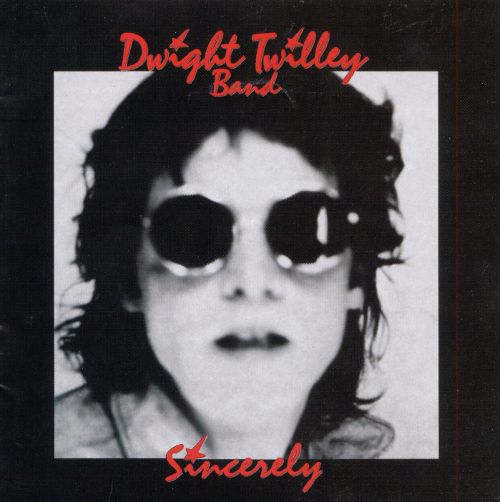
You know…I haven’t been living up to my page’s name. I’ve had very little power pop on powerpop.blog lately. I hope to solve that coming up. Here is a song I’ve always liked from the mid-seventies. Dwight Twilley is one of those artists who had great songs but only had 2 hits in his career…and this is one of them.
This is a great power pop song from 1975. It peaked at #16 in 1975 on the Billboard 100. The band was formed by Dwight Twilley and Phil Seymour. I always thought Twilley should have been more popular.
This was his first single from the album Sincerely. The song was released in 1975 and it did quite well. There was one big problem… the label he was on was Leon Russell’s Shelter Records and they were barely making it. Shelter Records could not release the album until a year after this single was out which killed the momentum of the single.
Shelter Records was formed by Leon Russell and Denny Cordell in 1969 and ran until 1981 but Leon Russell left in 1976 as it was falling apart. Tom Petty was also part of the label for a while. It seems like many power pop artists are accompained by a story similiar to this.
Dwight Twilley: We thought we were indestructible. And we were proven wrong really quick! We had so many problems right from the get-go. The album didn’t even come out until a year after “I’m On Fire,” and it would have gone gold if it had come out then. They believed in it so much they were going to release two more singles before it came out. They released the second single and then the company went under.
Dwight Twilley on knowing Leon Russell: “I learned a lot from Leon. We were a Tulsa-based band when we were originally signed, and Leon lived here. And we ended up being signed to his label. A lot of people thought that Leon was the driving force behind it. But we didn’t really meet Leon until after we’d had our hit single ‘I’m On Fire.’ And I guess the surprising thing was just what a kind man he was, and how generous he was. He invited us into his own home studio and had us recording in his 40-track studio. And for little kids who six months ago had only been in a 4-track studio, that was a big deal. He was very kind and super talented, and he really didn’t say much. Just by following and by example we could see some of the things that he did that were just amazing. And I think he’s a terrific talent. I’m really proud of the way that he has sustained, that he’s out there still doing it.”
I’m On Fire
Got your lady on the line Got your name on the cover Though your friends are ninety-nine Honey you ain’t got no lover And you ain’t, you ain’t, you ain’t got no lover And you ain’t, you ain’t, you ain’t got no other
I remember the feelin’ that I could be free Now I know it could never ever be me ‘Cause I’m on fire Got myself on fire
Got your joker on the table You’ve been told from time to time I’ll be willin’, I’ll be able You could read between the lines
But you ain’t, you ain’t, you ain’t got no lover, lover, lover And you ain’t, you ain’t, you ain’t got no other
I remember the feelin’ that I could be free Now I know it could never ever be me ‘Cause I’m on fire I’m-a I’m on fire
But you ain’t, you ain’t, you ain’t got no lover, lover, lover, lover And you ain’t, you ain’t, you ain’t got no other, other, other, other And you ain’t, you ain’t, you ain’t got no lover, lover, lover
I’m on fire I’m on fire (and you ain’t, you ain’t, you ain’t got no lover, lover, lover) I’m on fire (lover, lover, lover, lover) I’m on fire (lover, lover, lover)
Welcome to the Hanspostcard TV Draft. I hope you will enjoy it! Today’s post was written by Lisa at https://tao-talk.com/
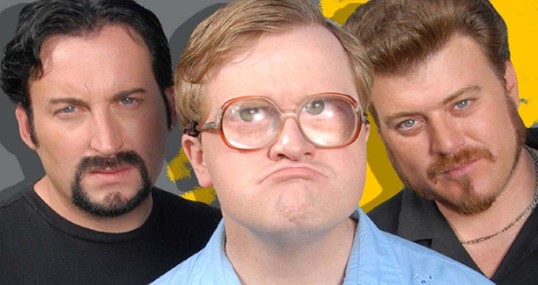
l.-r.: Julian, Bubbles, Ricky
I know that originally I was going to write about the mixed martial arts series, Kingdom, but it had too much of a Ray Donovan vibe, so I decided to write about Trailer Park Boys, a beloved series that I haven’t watched all episodes of but have watched dozens of them. The series started out with a movie pilot first in 1999, where the boys are introduced. Between 2001 and 2018, twelve seasons were made. Set mostly in Nova Scotia, Canada with also some in New Brunswick; but to be honest it doesn’t matter what geographical location it is set at because what matters is that it is set a trailer park. There is a wealth of very cool trivia on the show at imdb. This is one piece about “the” trailer park :
The first 4 seasons were filmed in different trailer parks in Nova Scotia, Canada. The pilot was filmed in Spryfield, Nova Scotia. The first season was filmed in Sackville, the second in Dartmouth, the third in Lakeside, the fourth in Dartmouth again (in a different park than the second). For the Christmas special and season 5 and onward, they have used a park they purchased in Dartmouth.
OK, where do I begin to talk about the varied residents of the fictional Sunnyvale Trailer Park?It’s probably best to introduce the three main characters, Ricky, Julian, and Bubbles, best friends from way back, all of them pretty shiftless petty criminals who love to smoke weed and scheme their harebrained schemes. Around them revolves an endlessly entertaining cast of characters. You wouldn’t think life in Sunnyvale could sustain a pilot movie and twelve seasons, but the comedic genius of creator, Mike Clatterburg, and through the comedic skills of the cast, its shine has not only been sustained but rebooted for new audiences to love and laugh with when Netflix added it to the roster.
Characters
John Paul Tremblay plays Julian. Dark hair, handsome, and always carrying a glass of rum and coke with clinking ice. He often comes up with ideas that sound like they might work if he had a crew that wasn’t so bat-sh*t crazy in their various ways. Inevitably, the plan goes awry, and if he and the crew are lucky all they get out of it is caught. Several times though, Julian is sent back to prison. He knows his boys will wait for him to get things going again once he’s out. Julian is fairly unlucky in love. He’s tried a few relationships but they aren’t sustained.
Rob Wells plays Ricky. Ricky is hands-down the most outrageous and shifty one of the three guys. Ricky has a potty mouth, and I’ll admit it took me a bit to get used to his profanity. Another bit of trivia from imdb about that:
Throughout Season 1 to Season 7, including the Christmas Special, but not the movies, the word “fuck” is said a total of 1,284 times (averaging 46 times an episode). The word “shit” is said a total of 967 times (averaging 31 an episode). From all uses of the words, 74.3% of the time, it is said from Ricky.
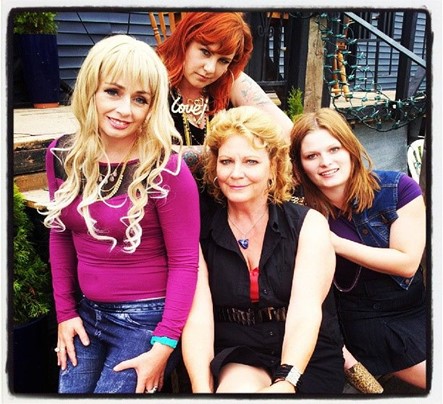
l.-r.: Lucy, Sarah (in the back,) Mrs. Leahy, and Trinity
Ricky is the only one of the three that has a family. His on again, off again girlfriend, Lucy, played by Lucy Decoutere, lives most of time with her friend, Sarah, played by Sarah Dunsworth, who is always trying to talk Lucy out of having anything to do with Ricky; yet the chemistry is strong between Ricky and Lucy and they always keep getting back with each other, if only for a night. Ricky and Lucy have a daughter, Trinity, played by Jeanna Harrison. Ricky adores Trinity and makes it his mission – when he’s not scheming with his buddies or in prison – to teach Trinity the ropes about life in the trailer park. The things he teaches her are wildly inappropriate for a child or anyone who hopes to lead a law-abiding lifestyle. Ricky’s dad, Ray, played by Barrie Dunn, also lives in the park. Ray is in a wheelchair and collects disability checks from the government, but at some point you begin to wonder just how disabled Ray is. Another aspect of Ricky is his educational aspiration. Ricky has only made it to Grade 6, and his dream is to go on and get his Grade 7. Finally, Ricky is a smooth talker extraordinaire. You will be amazed at the things Ricky is able to talk his way out of!
Mike Smith plays Bubbles. I think part of the reason Bubbles has the nickname he does is his thick coke bottle bottom glasses which look like big bubbles over his eyes; the glasses give the effect of blowing his eyes way out of proportion to his face through magnification. He has a particularly humorous and endearing way of talking. Bubbles lives in a garden shed in somebody’s yard and has two great passions: shopping carts and kitties. He nabs the beat up carts that have rolled into the gully from the edge of the mall parking lot. I know he fixes them up and I think he sells them back to the mall. Bubbles is a soft touch for kittens and has turned his shed into both a sanctuary and a shrine to them. Bubbles has a strict moral sense about things and often speaks the voice of reason when it comes to some of Ricky and Julian’s schemes. Even so, he can be convinced to bend a little, and when he’s in, he’s in all the way. His love for his buddies is consistent and unshakable. In a later season, we meet Bubbles’ alter ego in the form of wise-cracking and cruel ventriloquist puppet named Conky.
Now that the three “boys” and a few others are introduced, it is time to meet some of the other residents of the park.
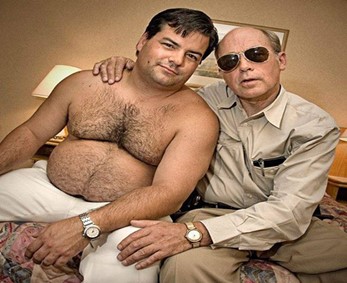
Randy and Mr. Jim Leahy
John Dunsworth (Sarah’s real-life dad) plays Mr. Jim Leahy. Jim is married to the owner of Sunnyvale, Mrs. Barb Leahy, played by Shelley Thompson. Jim is a “whole hog” functional alcoholic that is seldom, if-ever, sober. Jim is the manager of the trailer park, who is ever-vigilant about trying to bust the boys while they are carrying out their schemes, but is also extremely unsuccessful in doing so. They are just too wily for him. Jim is also gay. Jim’s somewhat younger lover is Randy, played by Patrick Roach. Randy has been a gigolo in the past, regardless of gender. He’s an opportunist. Randy’s trademark is white pants that ride under his big beer gut, which is always in view as Randy seldom (never?) wears a shirt. I can’t remember if Randy drinks, and it seems he’s trying to get Jim to slow down. Randy gets very sexually adventurous with Mr. Leahy. He also acts as Mr. Leahy’s joined-at-the-hip (in more ways than one!) sidekick in trying to bust the boys. When Mrs. Leahy catches on about Jim and Randy, they break up and she starts a relationship with Sam, played by Sam Tarasco. Sam is a veterinarian that can be handy to patch the boys up when they get into scrapes. Sam likes to grill out and have picnics.
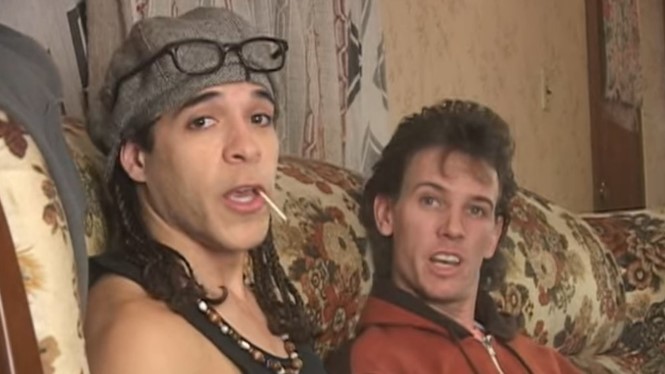
Cory and Trevor
Just when you think Ricky, Julian, and Bubbles have reached the bottom (or is it the top?) of the trailer park food chain, there is Cory, played by Cory Bowles, and Trevor, played by Michael Jackson. Cory and Trevor idolize Ricky and Julian and are on stand-by to assist in carrying out scams with them. Most of the time they don’t question their roles; yet even when something tells them it’s not a good idea, it doesn’t take much convincing to get their help.
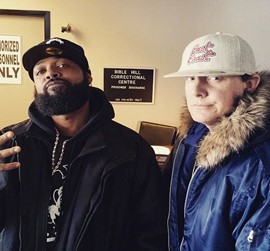
Tyrone and J-Roc
Aspiring rappers J-Roc, played by Jonathan Torrens and Tyrone, played by Tyrone Parsons, have their own entrepreneurial side schemes going on which are usually separate from the boys’ but sometimes they intersect.
Last but not least are law enforcement who keep getting called by Mr. Leahy, who used to be a police officer and so has somewhat of an “in” with them, to investigate the crimes the boys are involved with, but again, the boys are too slick for the law. Officer George Green, played by George Green is one; Detective Ted Johnson, played by Jim Swansburg, is another.
The format of the show is that a camera crew follows the boys around to document what living in a trailer park is like. Without going into the nitty gritty of the plots, now that you’ve met the characters you can imagine what kinds of hilarious plots they get engaged in. Although the show clearly is making fun of people who live in trailer parks, and with the folks in this show, they are definitely worthy of being made fun of, you also get to love each and every one of them.
I don’t think you can find these DVDs at your local library. They are being streamed on Netflix. You can probably find some out on YouTube. They are well-worth hunting down.
Genre: Comedy Grade: 10 Etc.: Warning: extreme profanity; drug (weed) and crime-oriented themes; LGBTQIA+ friendly; some crazy gun play Awards: 4 wins and 22 nominations
Warning: lots of profanity in the video
Sources: imdb trivia
Julian, Bubbles, Ricky image
Lucy, Sarah, Mrs. Leahy, Trinity image
Randy and Mr. Leahy image
Many people posted this song during the lockdown and I can see why.
I always liked the song and understood that isolation doesn’t equate to loneliness. You can be in a crowd of people and yet feel isolated or alone. You can be physically isolated from others yet still feel very much connected to others.
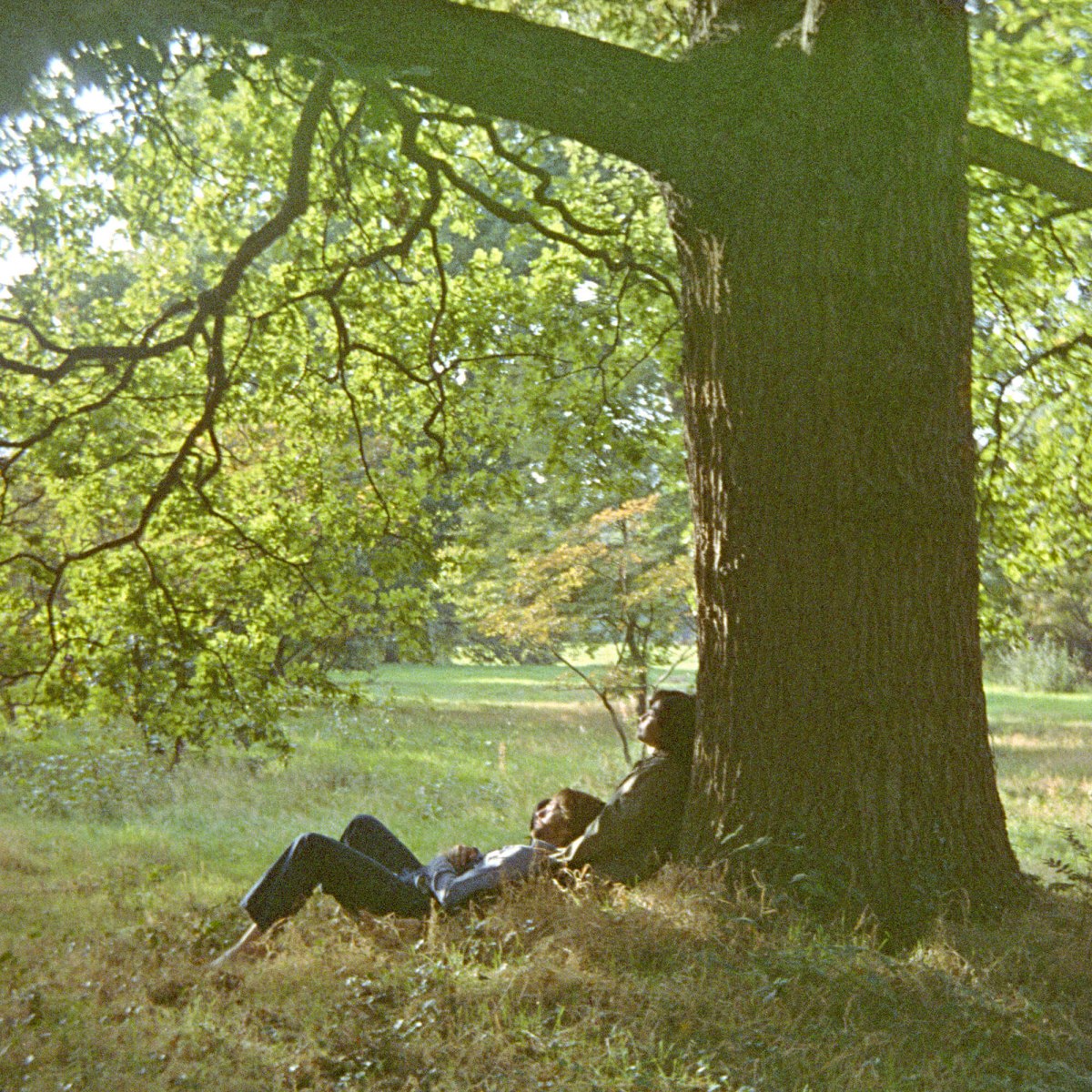
The bass player on this track was Klaus Voormann, who was a friend of the Beatles from their Hamburg days. He was also an artist… he is the artist who designed the cover of Revolver. Ringo Starr also lends a hand with drums on this track.
The song was released on his true debut album John Lennon/Plastic Ono Band in 1970. Arguably one of if not his best album. Like Paul’s debut this one was not big in production but unlike Pauls…this album was not light pop songs. You can feel John releasing his inner feelings for everyone to see on this album. Not an album to play to get a party going. You can hear John’s disillusionment with life, fame, and his three former bandmates.
This was during the time John Lennon went to see Doctor Arthur Janov in scream therapy. A way to bare his soul for his feelings like his mom that was killed when he was a teenager.
John Lennon:‘Isolation’ and ‘Hold On John’, they’re the rough remixes. I just remixed them that night on seven-and-a-half [inches per second tape] to take them home to see what else I was going to do with them. And then I didn’t really, I didn’t even put them onto fifteen [IPS], so the quality is a bit hissy on ’em too. By the time I’d done everything, I started listening. I found out it’s better that, with ‘Instant Karma’ and other things, you remix it right away that night. I’d known that before, but never followed it through.
I usually don’t pay much attention to covers. I ignore actors turn singers but I did find a very good version of this song out there. In 2020 Jeff Beck and Johnny Depp recorded this song and Beck’s guitar work is great. Depp also does the vocals justice in this.
Isolation
People say we got it made Don’t they know we’re so afraid Isolation We’re afraid to be alone Everybody got to have a home Isolation
Just a boy and a little girl Trying to change the whole wide world Isolation The world is just a little town Everybody trying to put us down Isolation
I don’t expect you, to understand After you caused so much pain But then again, you’re not to blame You’re just a human, a victim of the insane
We’re afraid of everyone Afraid of the sun Isolation The sun will never disappear But the world may not have many years Isolation
I always liked trios and the Canadian band Triumph was a great one. I’ve come to appreciate Rik Emmett’s guitar playing more and more through the years. Whenever I post a Canadian band…I can’t help but think of my Canadian friends Dave and Deke. Deke has this review of the 40th anniversary of Allied Forces, the album this song was on. Deke also hosts a video show Scotch on the Rocks with some great authors, musicians, producers, and everyone else in between. Check it out if you can.
You know this song has some age to it when a person in the song is waiting for their favorite DJ to play their favorite song. Those days have been gone for a long time with streaming music, unfortunately…but the spirit remains. This song makes me feel 16 again listening to it.
This song was written by the band… drummer Gil Moore, bassist/keyboard Mike Levine, and guitar/singer Rik Emmett. Along with Rush and Saga, Triumph was one of the big Canadian rock bands with progressive leanings. Triumph was popular in America and Canada in the 70s and 80s. In some parts more popular than Rush.
This song was on their fifth studio album Allied Forces. The song peaked at #14 in Canada, #51 in the Billboard 100, and #8 in the Mainstream Rock Charts. The album peaked at #13 in Canada, #23 in the Billboard Album Charts, and #64 in the UK. This was the highest-charting song in the US and Canada.
Rik Emmett left the band in 1988 and it took 20 years for the trio to play again, which took place in shows in Sweden and Oklahoma in 2008. They did reunite for an invitation-only three-song reunion show in 2020, which will be featured in the documentary Triumph: Rock and Roll Machine… it was released on May 13th…I have a trailer below.
Rik Emmett:“I wrote it about myself as a 9-year-old with a transistor radio, and then I changed the pronouns to ‘she’ and ‘her.’ If there hadn’t been a John Sebastian ‘Do You Believe in Magic?’ and a Pete Townshend ‘Won’t Get Fooled Again’/Who’s Next, ‘Magic Power’ might not have ever been born.
Magic Power
Something’s at the edge of your mind, you don’t know what it is Somethin’ you were hopin’ to find but your not sure what it is Then you hear the music and it all comes crystal clear The music does the talkin’ says the things you want to hear
I’m young, I’m wild and I’m free Got the magic power of the music in me I’m young, I’m wild and I’m free Got the magic power of the music in me
She climbs into bed, she pulls the covers overhead and she turns her little radio on She’s had a rotten day so she hopes the DJ’s gonna play her favorite song It makes her feel much better, brings her closer to her dreams A little magic power makes it better that it seems
She’s young now, she’s wild now, she wants to be free She gets the magic power of the music from me She’s young now, she’s wild now, she wants to be free She gets the magic power of the music from me
If you’re thinkin’ it over but you just can’t sort it out Do you want someone to tell you what they think it’s all about Are you the one and only who’s sad and lonely, reachin’ for the top Well the music keeps you goin’ and it’s never gonna stop Never gonna stop Never gonna, never gonna, never gonna stop
The world is full of compromise, and infinite red tape But the music’s got the magic, it’s your one chance for escape So turn me on turn me up it’s your turn to dream A little magic power makes it better than it seems
I’m young now, I’m wild now I want to be free I got the magic power of the music in me I’m young now, I’m wild and I’m free Got the magic power of the music in me
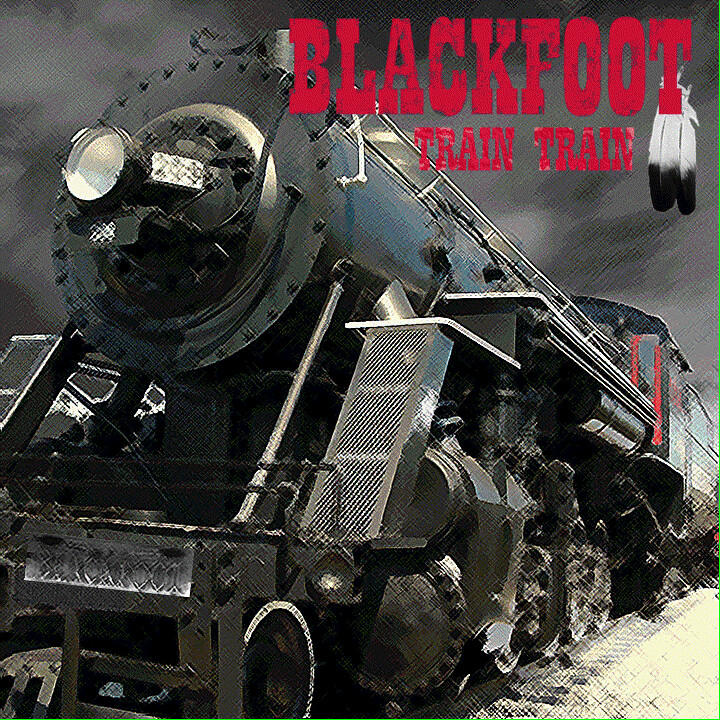
How many grandfathers write your biggest hit song? This one was written by Shorty Medlocke and later covered by his grandson Rickey Medlocke’s band Blackfoot. Shorty was a bluegrass and Delta blues musician and played the blues harp intro on the track. This song doesn’t play around…it’s straight seventies boogie rock and comes straight at you.
On a side note…train songs. There are so many great ones. Big Train From Memphis, Love Train, Midnight Train to Georgia, Peace Train, Train In Vain, Downbound Train, Train Kept a Rollin’ and I could go on and on but I’ll stop.
Before founding Blackfoot, Rickey Medlocke was also an early member of Lynyrd Skynyrd as a second drummer. Blackfoot had a number of hit albums but proved to be more popular in Europe than in the United States. Blackfoot Strikes was their first platinum album and produced their only Top 40 hits: “Highway Song” and this one.
They named themselves Blackfoot because they decided to change their name to represent the American Indian heritage of its members. Jakson Spires had a Cheyenne/French father and a Cherokee mother. Rickey Medlocke’s father was Lakota Sioux and Blackfoot Indian, and his mother’s side is Creek/Cherokee, Scottish and Irish. Greg “Two Wolf” Walker is part of Eastern (Muskogee) Creek. Charlie Hargrett was the only one without Native American heritage in the original, classic line-up.
Train Train peaked at #38 in the Billboard 100 in 1979. While this song was in the Charts, they opened up for the Who in 1979. The album Blackfoot Strikes peaked at #42 in the Billboard Album Charts.
The group disbanded in the early 1980s but has reunited a few times since then, the second time including all the original members except Medlocke, who had rejoined Lynyrd Skynyrd in 1996.
This song has been covered by hard rock band Warrant and… Dolly Parton.
They did go through different names as many bands do… Fresh Garbage, Hammer, and Free.
Charlie Hargrett (guitar player): The band found out there was another Hammer already in operation. We needed a new name quick, Since we were moving up north to start a big recording career, we thought, ok, we’ll call it ‘Free’, because we’re free now. And then AllRight Now came out, and we were like, ‘Shit’. So Jakson came up with Blackfoot, because of his Native American heritage.”
Train Train
Oh, here it comes
Well, train, train, take me on out of this town Train, train, Lord, take me on out of this town Well, that woman I’m in love with, Lord, she’s Memphis bound
Well, leavin’ here, I’m just a raggedy hobo Lord, I’m leaving here, I’m just a raggedy hobo Well, that woman I’m in love with, Lord, she’s got to go
Well, goodbye pretty mama, get yourself a money man Goodbye, pretty mama, Lord, get yourself a money man You take that midnight train to Memphis Lord, leave me if you can Oh, take that midnight train to Memphis Lord, leave me if you can Oh, take that train, baby
Such an underrated band. What made this band real to me was their live album with John Lee Hooker called Hooker ‘n Heat…it is incredible. They also represent part of the Woodstock era well. When I think of Woodstock…this song and Going Up Country come to mind.
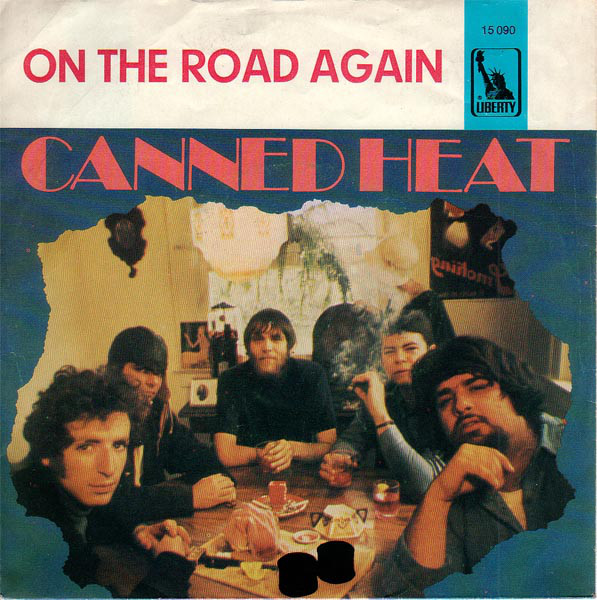
Their appearance there raised their stock higher. They had two hit singles Going Up Country and On The Road Again. They were both written by Alan “Blind Owl” Wilson and based on old blues songs. His unusual voice came from him trying to mimic the voice of old blues singers. Wilson was not the lead singer of Canned Heat but did sing on some songs.
Wilson’s nickname, “Blind Owl,” was bestowed upon him by friend John Fahey during a road trip in 1965 from Boston to Los Angeles and was a reference to the extra-thick lenses Wilson wore.
He had an encyclopedic knowledge of the blues. Wilson and Bob Hite founded the band in 1965. Lead singer Bob “The Bear” Hite was extroverted and a terrific 300lb showman. Wilson was just the opposite. He was very intelligent, awkward, suffered from depression, and was not a prototypical rock star. He was a great guitar and harp player.
Alan “Blind Owl” Wilson and Bob “The Bear” Hite
The song peaked at #16 in the Billboard 100, #8 in the UK and #8 in Canada in 1968. This song was on Canned Heat’s album “Boogie with Canned Heat.”Alan Wilson played a tamboura on this song to get the droning effect. Wilson’s falsetto was in the style of Skip James. The song was written by Alan Wilson and Floyd Jones.
Alan Wilson died on September 3, 1970. No one knows if it was a suicide or an accidental overdose of Seconal… Later in 1981 Bob “The Bear” Hite would also die of an overdose in 1981.
The band is still touring. They have drummer Adolfo de la Parra who has been with them since the sixties as the only long term member.
On The Road Again
Well, I’m so tired of crying But I’m out on the road again I’m on the road again Well, I’m so tired of crying But I’m out on the road again I’m on the road again I ain’t got no woman Just to call my special friend
You know the first time I traveled Out in the rain and snow In the rain and snow You know the first time I traveled Out in the rain and snow In the rain and snow I didn’t have no payroll Not even no place to go
And my dear mother left me When I was quite young When I was quite young And my dear mother left me When I was quite young When I was quite young She said “Lord, have mercy On my wicked son”
Take a hint from me, mama Please don’t you cry no more Don’t you cry no more Take a hint from me, mama Please don’t you cry no more Don’t you cry no more ‘Cause it’s soon one morning Down the road I’m going
But I ain’t going down That long old lonesome road All by myself But I ain’t going down That long old lonesome road All by myself I can’t carry you, baby Gonna carry somebody else
After re-reading Gregg Allman’s biography My Cross To Bear I noticed this book about his brother Duane… the founding member of the Allman Brothers Band. It’s a good read and an informative book. Its forward is written by one of his friends…ZZ Top’s guitarist Billy Gibbons.
The Allman Brothers Band formed in 1969 and they lost their leader Duane Allman in 1971. They continued on to be one of the most successful American bands ever. They finally called it quits in 2014.
I saw this book about Duane and I was excited to read it. Going in… I had read Gregg’s bio, Duane’s daughter’s (Galadrielle Allman) book Please Be With Me: A Song for My Father, Duane Allman, and One Way Out: The Inside History of the Allman Brothers Band so I was well rounded on the Allman Brothers. Duane lived a short life but Poe seemed to find many of the musicians he played within the 60s and 70s.
Duane believed in brotherhood…not just with his brother but the band and the entire cast around them. Phil Walden was the president of Capricorn Records, The Allman Brothers record label. He would call for a meeting with the band…he really only wanted to see Duane. Duane not only brought everyone in the band but he brought the roadies also. He told Walden flatly.. .you will not talk with just me but with all of us. Walden would reply …but Duane why are the roadies in here? Duane said they were just as important as the band…without them, we can’t play. The roadies would stay. Duane’s lack of ego in his vision for the Allman Brothers Band made them who they were even after he was gone.
He created a family atmosphere with the Allman Brothers organization. Their 3rd album At Fillmore East was their breakthrough…the album cover shows the band against a brick wall. On the other side of the album shows the roadies in front of the wall also…and a picture of one roadie Twiggs Lyndon who couldn’t be there that day. Another band that shared that same philosophy was the Grateful Dead where the roadies were family. Modern businesses would be wise to take this philosophy and use it.
Duane worked with many musicians and touched their lives. Many that drifted in and out of his bands were not forgotten. The original keyboard player for the Allman Brothers was Reese Wynans until Greg joined. Duane broke it to Reese that the band didn’t need two keyboard players.
In a short time, Duane met Boz Scaggs and recommended Reese to play with him and he did. That started his successful career and he would play with many musicians in his career and was the keyboard player in Stevie Ray Vaughan’s band Double Trouble.
This book doesn’t stop at Duane’s death. It follows the band all the way up to their end in 2014. In the end, he gives a good discography of Duane’s studio recordings. It’s really incredible how many sessions the man was on and he didn’t even reach the age of 25.
The book goes over why he turned Eric Clapton down on joining Derek and the Dominos. This was before the Allman Brothers had made it. He remained loyal to his band because it took him so long to find the right mix of musicians to get the sound he wanted. They didn’t have a hit until the Live At Fillmore East album was released in July of 1971. It would go gold 5 days before Duane was killed.
I would recommend this book to anyone wanting to know more about Duane and The Allman Brothers. It is full of great information. After you read it you will want to look up all of the recordings he was on. His playing was edgy, tasteful, and like great jazz…takes you on a journey.
At the end of the book, you have to wonder how far he would have gone if he would have lived.
One passage from the book:“In September 2003 ‘Rolling Stone’ published its list of the “100 Greatest Guitarists of All Time”, placing Duane at #2 just behind Jimi Hendrix. Gregg Allman commented that he thought it was a very wonderful gesture and said “…I thought ‘You made your mark man. You didn’t make any money, but you made your mark.”‘ Rounding out the top five were B.B. King, Eric Clapton and Robert Johnson—pretty impressive company for a kid from the South who didn’t even live to see his 25th birthday.”.
If you want to read about the Allman Brothers I would recommend these books also.
My Cross To Bear by Alan Light and Gregg Allman
One Way Out: The Inside History of the Allman Brothers Bandby Alan Paul
For a more personal view and her journey to know her dad…
Please Be With Me: A Song for My Father, Duane Allman by Galadrielle Allman
I first heard about Elmore James from a Rolling Stones book…Brian Jones was a huge fan of the blues artist. The song also helped bring Keith Richards, Mick Jagger, and Brian Jones together to form the Stones.
On November 23, 1936, Robert Johnson was in San Antonio Texas for his debut recordings. The first song he did was “Kind Hearted Woman Blues” in two versions, his second song was “I Believe I’ll Dust My Broom” and his third was “Sweet Home Chicago.” Johnson is usually credited with writing all three songs. Elements of this song can be traced back to several other blues songs. In 1934 Kokomo Arnold was in the studio in Chicago. He recorded Sagefield Woman Blues at a session, which contains maybe the first mention of the phrase “Dust My Broom” in the lyrics.
Elmore recorded and released his version in 1951. On the single, the song was credited to Elmo James. The song peaked at #9 in the R&B Charts in 1952. Elmore James’s version is probably the most popular version of the song. James’ “Dust My Broom” was inducted into the Blues Foundation Blues Hall of Fame in 1983… it was stated that it received more votes than any other record in the first year of balloting for singles.
Artists who have covered this song include Johnny Winter, Derek Trucks, ZZ Top, Ike and Tina Turner, Robert Jr. Lockwood, John Littlejohn, Hound Dog Taylor, Homesick James and Frank Zappa.
Bill Wyman (bass player for the Rolling Stones): “The very first time Brian heard it, he played Elmore James’ ‘Dust My Broom.’ And Brain said the earth shattered and seemed to go off its axis, it was such an important moment in his life. He just went away and just tried to learn to play like Elmore James. And he sat in with the band, the Alexis Korner band, and played ‘Dust My Broom.’
By pure chance, that day Mick and Keith and a couple of their mates who’d been trying to put a band together in Dartford – unsuccessfully – went to see the Alexis Korner show as well, after reading about it in the music press. And they saw Brian Jones sitting onstage, this little white cat, sitting onstage and doing Elmore James, and it blew them away! So that was the Stones. Elmore James was a very, very important part, and if that hadn’t happened – that moment – maybe the Rolling Stones wouldn’t be here.”
Derek Trucks: “You can remember almost every Elmore James solo by heart because he was playing songs. Nothing’s wasted. Nothing’s throwaway. It doesn’t feel like somebody’s practicing in front of you, or running scales; these are melodies that are pouring out, and those are the players that I listen to. They move me.
Dust My Broom
I’m gettin’ up soon in the mornin’ I believe I’ll dust my broom I’m gettin’ up soon in the mornin’ I believe I’ll dust my broom Out with the best gal I’m lovin’ Now my friends can get in my room
I’m gonna write a letter, telephone every town I know I’m gonna write a letter, telephone every town I know If I don’t find her in Mississippi She be in East Monroe I know
And I don’t want no woman Want every downtown man she meets No I don’t want no woman Want every downtown man she meets Man, she’s a no good doney They shouldn’t allow her on the street, yeah
I believe, I believe my time ain’t long I believe, I believe my time ain’t long I ain’t gonna leave my baby And break up my happy home
We are going in a different direction today…some older country from 1980. Don’s voice is just so good…he doesn’t have an exaggerated southern drawl…it’s just quality.
My friend Matt (observationblogger) posted two songs (Amanda and I Recall A Gypsy Woman) by Don Williams and it reminded me of my memories of meeting Don Williams as a pre-teen and teenager. His popularity was much more international than I ever knew at the time. This song for instance was very popular in New Zealand, Australia, and the UK. During that time I thought country music was only popular in the southern US.
I was around 10-12 and I played baseball at the city ballpark. I would go there after school and practice. There were days I would just hang around and talk to people. I saw this man mowing the grass that had this old cowboy hat on. After a little while, he stopped and talked to me and asked me how I was doing. I knew the guy’s face and it came to me… I was talking to Don Williams. The reason I knew him was because of my mom’s country albums. I wasn’t into country music but some songs I did like.
I would see him off and on throughout my teenage years and he always was as nice as can be. I went to school and played baseball with his son. Don would mow the city park and the high school field. I’m not sure if he was bored or just wanted to help the community…he was a super guy either way.
This song was released as the first single and title track from Don Williams’ I Believe in You album, this became his 11th #1 on the Country chart. It also peaked at #1 in Canada on the Country Charts. It ended up being Don Williams’ only Top 40 song on the Billboard 100, the song peaked at #24 in the Billboard 100, #4 in New Zealand, and #20 in Australia.
All together Williams had 21 #1 singles on the Country Charts and a total of 25 studio albums and 62 singles.
Eric Clapton and Pete Townshend were admirers of Don Williams and both covered his songs. Eric Clapton would cover Tulsa Time and take it to #30 in the Billboard 100.
I Believe In You
I don’t believe in superstars Organic food and foreign cars I don’t believe the price of gold The certainty of growing old That right is right and left is wrong That north and south can’t get along That east is east and west is west And being first is always best
But I believe in love I believe in babies I believe in mom and dad And I believe in you
Well I don’t believe that heaven waits For only those who congregate I like to think of God as love He’s down below, he’s up above He’s watching people everywhere He knows who does and doesn’t care And I’m an ordinary man Sometimes I wonder who I am
But I believe in love I believe in music I believe in magic And I believe in you
I know with all my certainty What’s going on with you and me Is a good thing It’s true, I believe in you
I don’t believe virginity Is as common as it used to be In working days and sleeping nights That black is black and white is white That Superman and Robin Hood Are still alive in Hollywood That gasoline’s in short supply The rising cost of getting by
But I believe in love I believe in old folks I believe in children I believe in you
I believe in love I believe in babies I believe in mom and dad And I believe in you
I saw The Alarm open up for someone and I think it was Dylan in the late eighties. At that time I didn’t know who they were but I liked them right away. I kept up with them after that concert. This song stood out from all the ones they did.
When they first started out…like most rock bands they were rebellious. “Sixty Eight Guns” was their battle cry, a call to arms against the establishment. This attitude was formed in their hometown of Rhyl, North Wales, where they grew up in bleak economic times and fought naysayers who saw no need for another rabble-rousing rock band.
The song was written by bass player Eddie Macdonald and lead singer Mike Peters. Many reviews at the time compared them to U2…also calling them U3 at times. The Alarm gained a huge audience by opening up for…guess who? They opened for U2 on a large 1983 tour. This song was released in 1983 and peaked a #39 on the Billboard Top Rock Tracks and #17 in the UK.
In 1991 The Alarm was doing a concert and lead singer Mike Peters suddenly said “We’ve shared some great moments in time over the last ten years and tonight I would like to thank all the people who have supported me from the beginning to the end. Tonight this is my last moment with the Alarm, I’m going out in a Blaze of Glory – my hands are held up high”…… It would have been nice if he would have shared this little bit of info with his bandmates before the concert!
They did regroup occasionally and they have switched up members but have continued to release albums in the 21st century under the name The Alarm MM++.
Mike Peters:“It was about young people at that difficult age where you’re too cool for school, but not wise enough or eligible enough for adult life, So, it’s about people like that – like I was, once. We hung around on street corners, we started bands, we bought clothes, we identified with each other, and we credit these very bonded groups of individuals. And that’s how the Alarm grew.”
“It was a gang that made The Alarm special, ‘Sixty Eight Guns’ is really the description of the feeling that you could make change for yourself and make your life a better place to be in.”
Sixty Eight Guns
And now they’re trying to take my life away Forever young I cannot stay Hey On every corner I can see them there They don’t know my name they don’t know my kind They’re after you with their promises (Promises of love) They’re after you to sign your life away (Yeah, yeaoh)
Sixty-eight Guns will never die Sixty-eight Guns our battle cry Sixty-eight Guns Sixty-eight Guns Oh, the Sixty-eight
Living in the backstreets That’s our home from home The painted walls were all we’ve ever known ?he Guns Forever’ that’s our battle cry It is the flag that we fly so high For every day they’ll try and drag us down (Drag us down and down) I cry with anger I have done no crime No (Yeah, yeaoh)
Sixty-eight Guns will never die Sixty-eight Guns our battle cry Sixty-eight Guns will never die Sixty-eight Guns our battle cry Sixty-eight Guns Sixty-eight Guns The Sixty-eight
Up on the terrace I can hear the crowd roar Sixty Eight Guns And in the subway I can hear them whisper Sixty Eight Guns Through all the raging glory of the years We never once thought of the fears For what we’d do when the battle cry was over . Nothing lasts forever is all they seem to tell you when you’re young
(I, I do swear To unbreak the promise To unbreak the vow
Unbreak it)
When you’re young Have no illusion, no disillusion
Unbreak the promise Unbreak the vow Uphold the promise
SIXTY EIGHT GUNS
Sixty-eight Guns will never die Sixty-eight Guns our battle cry Sixty-eight Guns will never die Sixty-eight Guns our battle cry Sixty-eight Guns Sixty-eight Guns The sixty eight guns Sixty eight guns The sixty eight guns
I couldn’t pick between these two songs from The Fabulous Thunderbirds so I thought we would have two songs today. I love the riff that kicks off Wrap It Up. It was a minor hit for The Fabulous Thunderbirds in 1986. The band featured Jimmy Vaughan on guitar who was the older brother of Stevie Ray Vaughan. This band helped a blues revival in the 1980’s that included Robert Cray and SRV.
I must admit when I heard these songs for the first time I liked them a lot. I thought the band would have more hits.
The Fabulous Thunderbirds didn’t just hit out of nowhere. They formed in 1974 with original members Jimmie Vaughan, Kim Wilson (singer), Keith Ferguson, and Mike Buck. Austin vocalist Lou Ann Barton also performed occasionally with the group during its early years.
These two songs were on their 5th album Tuff Enuff, produced by Dave Edmunds. The album peaked at #13 on the Billboard Album charts, and eventually went platinum. It was their breakout album and one they could not duplicate.
Tuff Enuff and Wrap It Up received heavy airplay on MTV. That was the secret of success in the 1980s…if you have MTV pushing… you would probably be alright.
Tuff Enuff peaked at #10 in the Billboard 100 in 1986 and Wrap It Up peaked at #55 in the Billboard 100.
They are still touring today with Kim Wilson (lead singer) the only original member left. Jimmie left the band in 1990 to work with his brother. Stevie and Jimmie made an album together that was released in 1990 called Family Style. It was released on September 25, 1990, and Stevie died a month before on August 27, 1990.
Stevie Ray Vaughan talks about his older brother Jimmie:
“Jimmie would leave his guitars around the house and tell me not to touch ’em. And that’s basically how I got started. I actually wanted to be a drummer, but I didn’t have any drums. So I just go into what was available to me at the time.”
“I was little brother, especially then”
“What happened was he was moving ahead a little faster than me and I guess I was dragging it down a bit, so that didn’t work out too well. But I think with any brothers there’s a period of time when the little brother always gets in the way. That’s just brother-to-brother shit. It wasn’t anything between us that lasted. Hell, now we can’t see enough of each other.”
After being told that Jimmie brags on him in interviews Stevie said…”Well, I think he’s the better guitar player – so there.”
Eric Clapton just announced a tour with Jimmie Vaughan later this summer in the US.
Wrap It Up
I’ve been watchin’ you for days now baby I just love your sexy ways now baby You know our love will never stop now baby Just put your lovin’ in my box now baby
Wrap it up I’ll take it Wrap it up I’ll take it
Well no more will I shop around now baby I know I got the best thing in town now baby I’ve seen all I want to see now baby Bring your lovin’ straight to me now baby
Wrap it up I’ll take it Wrap it up I’ll take it Wrap it up I’ll take it Wrap it up I’ll take it
Well I’m gonna treat you like the queen you are Bring you sweet things from my candy jar You’ve got tricks you ain’t never used Give it, give it to me, it won’t be abused
I’ve been watchin’ you for days now baby I just love your sexy ways now baby You know our love will never stop now baby Just put your lovin’ in my box now baby
Wrap it up I’ll take it Wrap it up I’ll take it Wrap it up I’ll take it Wrap it up I’ll take it
Wrap wrap Wrap wrap Wrap
Wrap it up I’ll take it Wrap it up I’ll take it Wrap it up I’ll take it Wrap it up I’ll take it
Wrap it up I’ll take it Wrap it up I’ll take it Wrap it up I’ll take it







_1473785048.jpg)