Elvis Costello – 13 Steps Lead Down

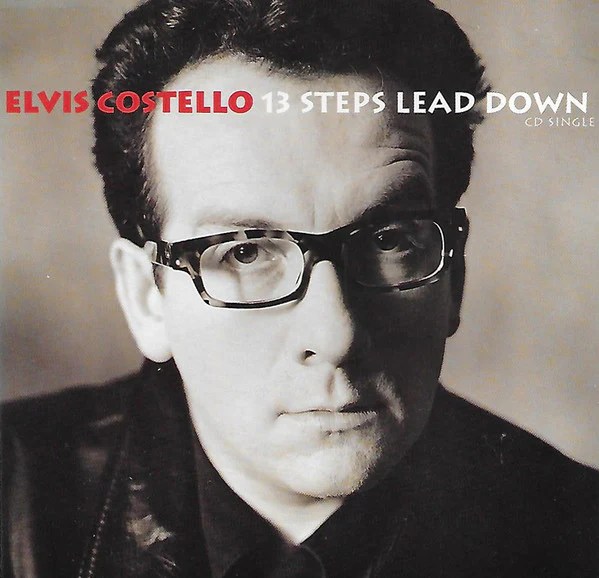
I remember being so curious when I saw Elvis Costello’s debut album. My first thought at 10 years old was, who is this skinny guy with Buddy Holly glasses named Elvis? I found out quickly who the skinny guy was…

Costello had been away from The Attractions for years in the studio. This album Brutal Youth felt like a return. An album with the band chemistry that helped make those late 70s records so sharp. The Attractions, Steve Nieve, Bruce Thomas, and Pete Thomas played on much of the album. Costello later said songs like this reminded him how powerful the band could still sound together.

The song itself came fast. Costello said he wrote it during a one-day burst where he also came up with songs like Rocking Horse Road and Pony St. He would crank up his guitar loud and ad lib and then go back and see what was worth saving. He said: “I would work for about half an hour with the guitar cranked up really loud, and make a tape of just anything that came into my head. I did it in bursts, and then I listened to see if any of it was interesting. A lot of it was gibberish.”

The title of this song came from the Tomb of the Spanish Kings at El Escorial, where thirteen steps supposedly created a feeling of dread as people descended. Some said the song poked at the growing culture of twelve-step recovery programs that were everywhere in the early 90s.

The recording captured the late seventies energy. The guitars are jagged and loud. The ending guitar solo sounds almost out of control, which I love! Critics at the time heard it as Costello reconnecting with the energy of This Year’s Model and Armed Forces.

13 Steps Lead Down

When nobody knows she puts on secret clothes
And lies in the meadow with her hands tied behind her back
I won’t refuse if you know how to use it
Just stop playing that ugly drug music

Thirteen steps lead down
There’s commoners and kings
And everyone’s a prisoner of
Paper and glue
And a decent pair of scissors
So tonight I’m drinking to your health
Because I just can’t stand myself

Thirteen steps lead down

She stands and fails
On fashion fingernails
Her lovers have her walking ’round
On instruments of torture
And one of them is poisonous
The other is a thief they say
So what one could give to her
The other cannot take away

When nobody knows she puts on secret clothes
And lies in her splendor for a picture opportunity
Cover up that bruise, put on patent leather shoes
Just stop playing that bad mood music baby

Thirteen steps lead down
There’s commoners and kings
And everyone’s a prisoner of
Paper and glue
And a decent pair of scissors
So tonight I’m drinking to your health
Because I just can’t stand myself

Thirteen steps lead down

Marah – Walt Whitman Bridge

My friend Ron (Hanspostcard) recommended this band to me not long ago. I had mentioned the V-Roys, and he asked if I had heard of these guys. This is another band that Steve Earle signed to his E-Squared Records in the 1990s. Like the V-Roys song from yesterday, this one took one listen, and I was sold. Ron had said that live, they were a lot like the Replacements but just more alt-country.

They came out of Philadelphia in the late 1990s. The band centered around brothers Dave Bielanko and Serge Bielanko. They mixed rock, folk, soul, and bar-band energy into something that sounded rough around the edges but real. Early records like Let’s Cut The Crap and Hook Up Later Tonight built a small following, but Kids in Philly in 2000 really put them on the map. That album captured city streets, broken people, late nights, and hope, all wrapped inside loud guitars and singalong choruses.

The band toured hard for years. They became known for long, wild live shows and a loyal fan base. Bruce Springsteen even praised them during that period. Marah never quite broke into the mainstream, but they built a reputation as one of those bands that people discovered and held onto like The Replacements, Big Star, and others. They kept pushing their mix of heartland rock and the personal Philadelphia stories.

This song came off the 2005 If You Didn’t Laugh, You’d Cry album. This was recorded after a difficult stretch for the band. They had dealt with industry pressure and changing lineups, and the record felt more stripped down and personal because of it. Dave Bielanko wrote songs about Philadelphia, working-class life, and trying to keep going when things were falling apart around you.

This song captured that feeling perfectly. The Philadelphia bridge itself became a symbol for movement and escape. You are tied to the city, no matter how far you drove. Acoustic guitars, rough vocals, and a live feel. The band never wanted things to be too clean. They liked records that sounded lived-in and not crystal clear. That approach gave the song its emotional weight.

The album did not sell in big numbers, but fans connected deeply with it. This song became their signature song.

Walt Whitman Bridge

Got seven dollars to my name
Got sixteen cigarettes somehow I just ain’t smoked yet
Got two shoelaces and two shoes
I should toss ‘em on the telephone wire as a monument to my blues

I’m goin’ down to get a coffee
Gonna mean one less buck
Maybe six will bring me luck
Got a little shake I kept in the fridge
Gonna drink my bean and walk out smoking on the Walt Whitman Bridge

Faraway from these winter streets
On a cloudless day
Your memory
Blows away

Got a leather wallet on a chain
Got a picture of my lover’s lips before they dried up under my kiss
A prayer in my heart I’m too scared to recite
Oughtta toss that stale loaf of words to the birds as a monument to my whole life

Faraway from these winter streets
On a cloudless day
Your memory, Your memory, Your memory
Blows away

Your memory, Your memory, Your memory
Blows away

V-Roys – How I Got To Memphis

Steve Earle signed this band to his E-Squared Records label in the 1990s. Once I heard the opening guitar, I knew this was for me. The voice followed, and it hit that alt-country sweet spot. The V-Roys came out of the mid-1990s roots-rock and alt-country scene, led by singer and songwriter Scott Miller. This is one of those bands that just are so easy to listen to. I love when they slot into that mid-90s alt-country sound.

The band formed in 1994 in Knoxville and quickly built a reputation for mixing country, rock, and Southern storytelling. They fit alongside bands like the Bottle Rockets and early Wilco. The V-Roys always seemed tied to the Tennessee backroads and small-town life. By the time they recorded All About Town in 1998, the group had tightened into a strong live band. They were originally the Viceroys, but they were forced to abandon their original name after being threatened with a lawsuit by a Jamaican reggae band that already owned the rights to it.

This song was written by Tom T. Hall. He originally released this song in 1969, and it became one of his signature songs. Instead of trying to modernize it, the V-Roys keep the original rhythm but add electric guitars and a fuller band arrangement that fits the late-1990s Americana sound without losing the song’s feel.

Steve Earle reportedly encouraged the group to trust the songs and not overplay, which worked perfectly on this one. They kept the song grounded, and it worked. That approach made the track fit naturally beside the band’s originals. The band made two studio albums in the 1990s and a compilation album in 2011. This song was an unreleased 90s track on this compilation album called Sooner or Later.

How I Got To Memphis

If you love somebody enough
You’ll follow wherever they go
That’s how I got to Memphis

If you love somebody enough
You’ll go where your heart wants to go
That’s how I got to Memphis
I know if you’d seen her you’d tell me ’cause you are my friend
I’ve got to find her and find out the trouble she’s in

If you tell me that she’s not here
I’ll follow the trail of her tears
That’s how I got to Memphis

She would get mad and she used to say
That she’d come back to Memphis someday
That’s how I got to Memphis

I haven’t eaten a bite
Or slept for three days and nights
That’s how I got to Memphis

I’ve got to find her and tell her that I love her so
I’ll never rest ’til I find out why she had to go

Thank you for your precious time
Forgive me if I start to cryin’
That’s how I got to Memphis 

Bill Wyman’s Rhythm Kings – Chicken Shack Boogie

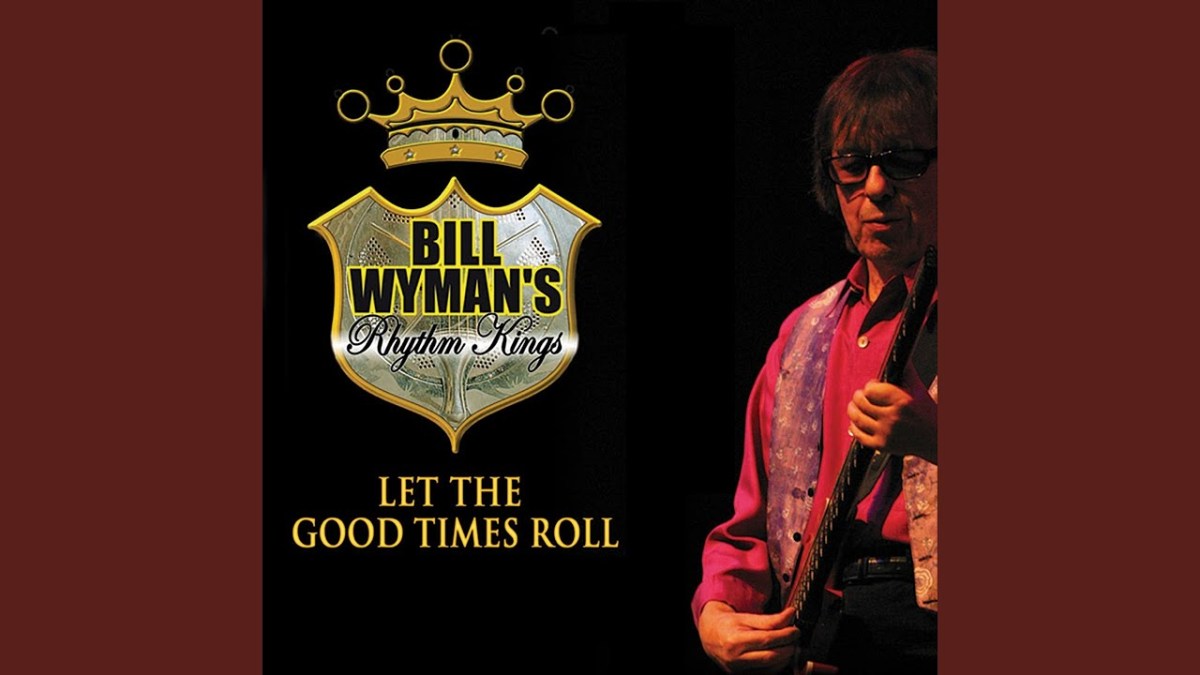
I always liked Bill Wyman’s bass playing with the Rolling Stones. Wyman never got the credit he deserved. Really good bass player and a great taste in music. When I first heard this band, I was excited by how authentic they sounded. I knew that Wyman grew up with jump-blues, and he went back to the source. 

Wyman built a band around his childhood records, which he grew up with before rock became so huge. They came together in the late 1990s as a loose group of players who loved jump blues, early R&B, boogie-woogie, and jazz. The lineup changed from tour to tour, with musicians like Mike Sanchez, Paul Carrack, Mick Taylor, Mary Wilson, Georgie Fame, Albert Lee, and Terry Taylor moving through the group. They resembled those early rock and blues package tours, with singers, horn players, and keyboard man Mike Sanchez sharing the spotlight. 

This classic song was a natural fit for that kind of band. The song dates back to 1947 when Amos Milburn recorded it during the rise of jump blues, and it was written by Lola Cullen and Amos Milburn. It was released in 1948, and it became one of Milburn’s biggest hits. The title referred to late-night clubs and roadside spots where people gathered for music and dancing. It was built around a rolling piano riff, which caught my ear right off the bat. 

They recorded and played it with respect for the original sound. Mike Sanchez usually handled the piano and vocal duties, giving the track the same driving feel that Milburn’s version had. This sound and song could have been recorded and played in 1950. Having Albert Lee in your band is like having an ace in the hole. One of the best guitar players there is. He can and has played about every type of music you can think of. 

Chicken Shack Boogie

Hello everybody this cat is back,
Looking for a place called the Chicken Shack
They only serve warm beer rice and beans
But it feels just like it’s down in New Orleans
Brace yourself baby I’m here to attack
Down at the place called the Chicken Schack
The girls at that place are mighty fine
But stay off sadie green cause that girl is mine
The moonlight shines through the holes in the wall
Everybody there is having a ball
They don’t care that the place looks like a wreck
Down at the place called the Chicken Shack
I wanna rip it, rock it, really bop it
Flip it, flop it, David Crocket
Just like Roy Montrell every time he hears hat mellow saxophone
The good old rockin’ days will never come back
Except down at the place called the Chicken Shack
The good old rockin’ days will never come back
Except down at the place called the Chicken Shack

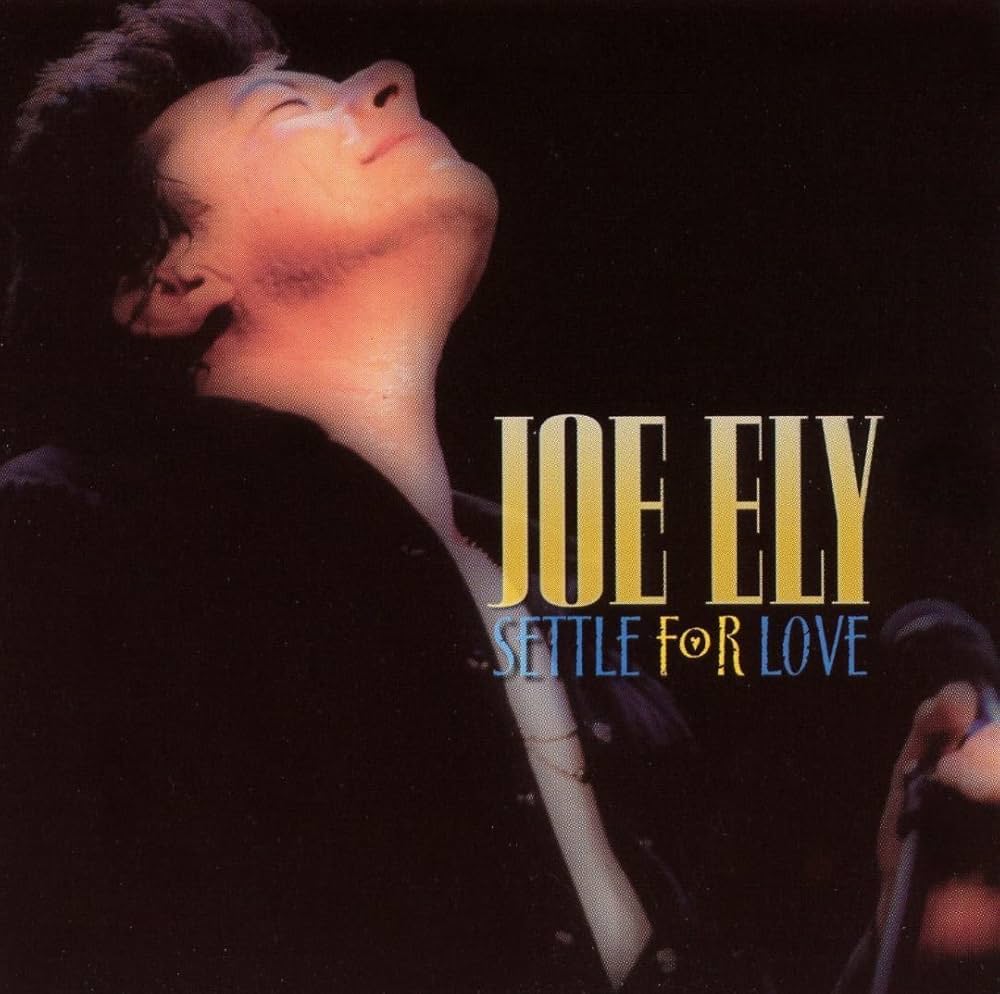
Joe Ely – Settle For Love

5-6 years ago, I had no clue who Joe Ely really was. I had heard his name but not much of his music. When I started to get into his music, I fell hard and am still falling. He opened up different artists and bands to me to enjoy. Guy Clark, Dave Alvin, and many more. Now that music is entrenched in my daily listens. I love the seesaw between the vocals and guitar in this song. It hits you with that, and that was enough to hook me. 

Ely was born in Amarillo in 1947 and raised in Lubbock, Buddy Holly’s hometown. Ely came of age surrounded by dust storms, flat horizons, and rock ‘n’ roll. He has been in many bands. The Flatlanders, The Buzzin Cousins, Los Super Seven, and more. Plus, he was good friends with The Clash, with whom he toured at one time. 

The song has the Texas storytelling with a harder rock edge that had grown through the 1980s with Ely. The song is from the 1992 album Love and Danger, and it feels like Ely standing between two worlds, part roots rock, part country song built for barrooms. I listened to the album this past week, and I would recommend it to everyone. 

The album was recorded in Nashville and produced by Ely alongside producer Tony Brown. Brown had worked with artists across country and roots music, and his approach fit Ely’s writing style. The sessions focused on clean performances and strong players rather than heavy studio production.

During the making of the record, Ely had written dozens of songs over several months, pulling ideas from travel, Texas landscapes, and years of touring. The sessions had clean arrangements that gave space to the lyrics and Ely’s voice. Guitarist David Grissom added strong electric guitar throughout the album, helping fuse all the styles together.


Settle For Love

You say you want drama
I’ll give you drama
You say you want muscle
I’ll give you nerve
You want sugar
Would you settle for honey?
You want romance
Would you settle for love?

Would you settle for love?
Would you settle for love or do you need
All that meaningless stuff
Would you settle for love?
Would it be enough?
Baby, would you settle for love?

You say you want fire
I’ll give you fever
You want kisses
I’ll give you all I got
You want diamonds
I’ll give you rhinestones
And you want romance
Would you settle for love?

Would you settle for love?
Would you settle for love or do you need
All that meaningless stuff
Would you settle for love?
Would it be enough?
Baby, would you settle for love?

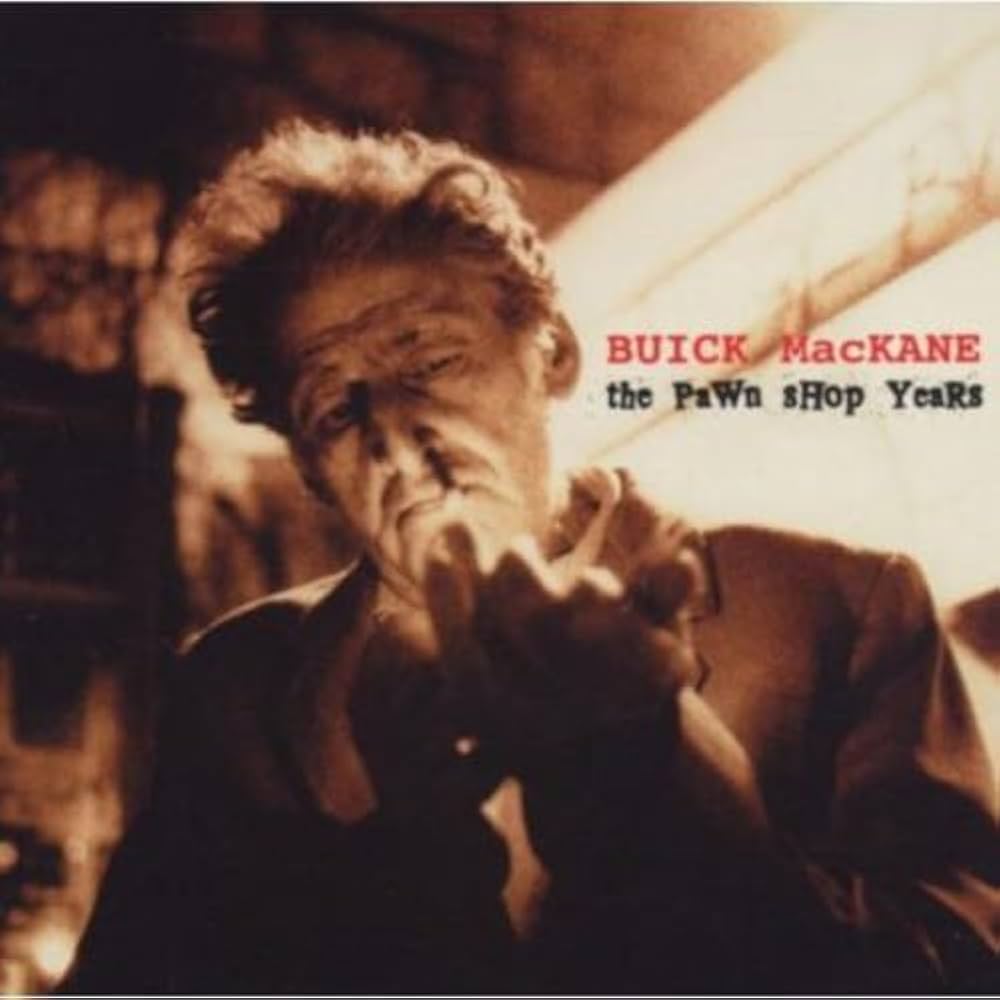
Buick MacKane – Big Shoe Head

I haven’t posted these guys in a couple of years. This one hits you from the start. With that title of the song, I had to post this one. I posted a song called The End by them in 2023, and this album has been on my playlist since. At the time, I couldn’t decide which song to write about, so I came back to this one. 

The member I have covered the most out of this band is an artist named Alejandro Escovedo, a Texas singer-songwriter who has been around since the early seventies. I’ve had their album The Pawn Shop Years on my playlist for a couple of years now, and it’s fantastic. The band was named after the T. Rex song Buick MacKane and I see the similarities.

Buick MacKane was essentially Alejandro Escovedo stepping away from the more polished feel of his solo work and into something looser and louder. The band’s album The Pawn Shop Years was recorded quickly, with a live feel, and this song fits right into that approach. Buick MacKane was a way for Escovedo to reconnect with the bar-band energy he came up with in earlier groups like Rank and File and The True Believers.

They formed in 1989 and began perfecting songs live that would be recorded and released in 1997. They mostly played around Austin, and they were a mix of garage and glam rock… and it sounds great. Escovedo had just broken up with his band The True Believers when all of this happened. They were popular in Austin, and they had some trouble getting people to accept Buick MacKane because they thought it would be The True Believers part two.

If you want to hear a 1990s rock album that sounds like the early seventies…this is the one. Instead of checking out a few songs…check out the album. I also included the album below on Spotify. 

Alejandro Escovedo – “People say, ‘Man, there aren’t bands like you guys anymore,’ and it’s nice, because there’s a lot of this kinda hippie stuff, and then every girl has a guitar and hates men. And we just wanna rock, you know.”

I can’t find a live version of this song…But The End is a great one as well. 

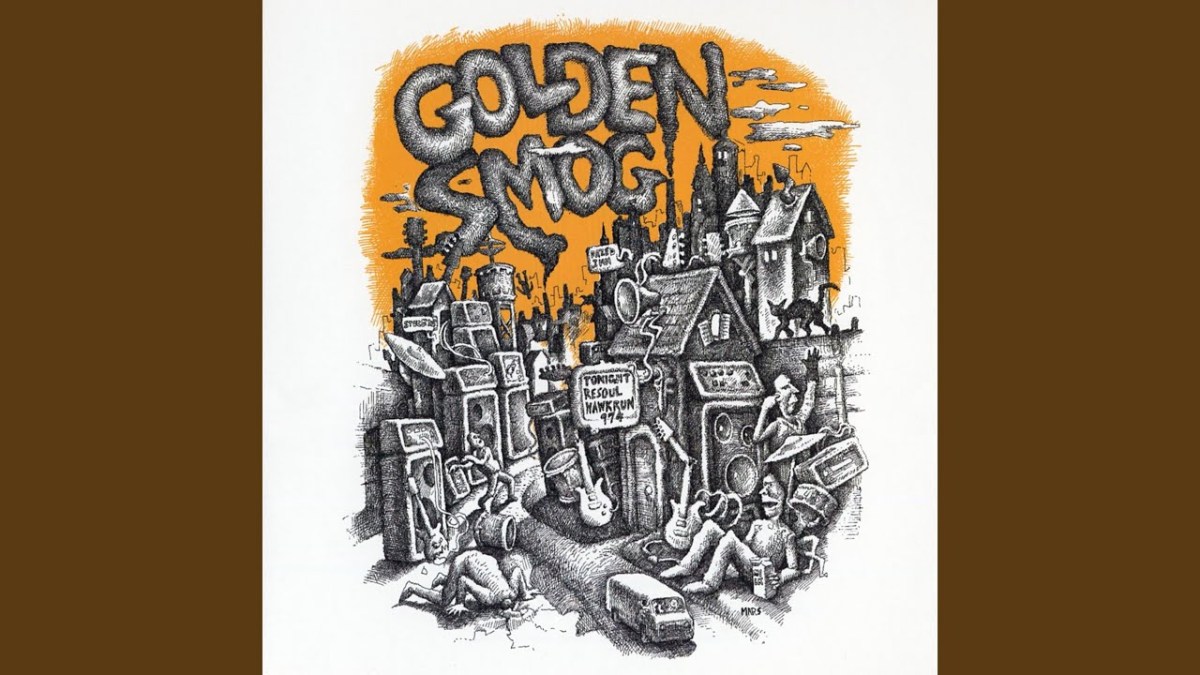
Golden Smog – Son (We’ve Kept Your Room Just the Way You Left It)

I wrote about these guys a year or so ago, and I’ve continued to listen to them. The way I describe them is 90s alt-country mixed with Big Star. You literally get Big Star, Wilco, Uncle Tupelo, and The Jayhawks in this band…plus a member of the Replacements.  

The Golden Smog started as a loose collaboration of Minneapolis-based musicians who got together to play cover songs under pseudonyms. The name Golden Smog comes from a character in a Flintstones episode. The band initially played country and rock covers, but it evolved into a serious musical project over time.

Membership in this band has been fluid. They have had Chris Mars (Replacements drummer), Jeff Tweedy (Wilco),  Louris and Perlman of The Jayhawks, Dave Primer from Soul Asylum, and more. Also in 1997, Jody Stephens became their drummer. He was an original member of Big Star. 

This song, to my surprise, was first released by a band from the early seventies called Michaelangelo. They were a baroque-folk band around that time. This song was on their 1971 album One Voice Many

Lyrically, it is very interesting. A mom sends her son a letter, and he is unsure whether to send a reply and tell her the truth about how he is doing…and it’s not good. 

This song was released on their debut EP, On Golden Smog, in 1992. Altogether, they have released 1 EP and 4 albums, with the latest one in 2007 and a “Best Of” package in 2008. They reunited in 2019 and played together last year with Jeff Tweedy. 

Son (We’ve Kept Your Room Must the Way You Left It)

Hello Mom, I’m fine, where the sun is dyin’How’s the weather around my old hometown?You seem to worry about my livin’, you say that all’s forgivenWhat’s lost is bound to be found

I hope you don’t expect to see me‘Cause you know I’m very far awayYou know I really miss youBut a man’s gotta make it on his own someday

Sue, she sends her greetings ’bout the school and civic meetingsSays she’s doin’ well in her cellYeah, her brother’s won the race nowAnd he’s proud to show his face now‘Round the corner scene in his paper-doll dreams

And me, I guess I’m livin’Takin’ what’s for the livin’Oh, Mom, you know how I really wishYou could see what’s on my mind, yeah

Yeah, I guess it’s kinda lonely, and I’ve been uptight for moneyBut I’ll make it on my own, stayin’ highYou seem upset about the drugs and thingsI guess I’ve finally found my wingsIt’s my way to be free, don’t think you failed in me

Someday, you’ll understand all thisJust what it is I mean to sayJust don’t try and love meI don’t wanna see you hurt this way

Yes, I’ll be ignorin’, makes a guy feel freeKnowin’ that somebody cares somewhere

Mama, can I mail this and let you know I failed?It’s just not right somehow, oh noI’d rather let you think I’m dead than hung on drugs insteadI’m dyin’ anyhow, and it’s too late now

And I guess there’s a moral somewhereBut I can’t seem to think just nowIf I had to do it overGuess I’d try to change the trial somehow

Lord, it’s really hell when you’re livin’ in a spellAnd nothing’s like it seems in a cocaine dream

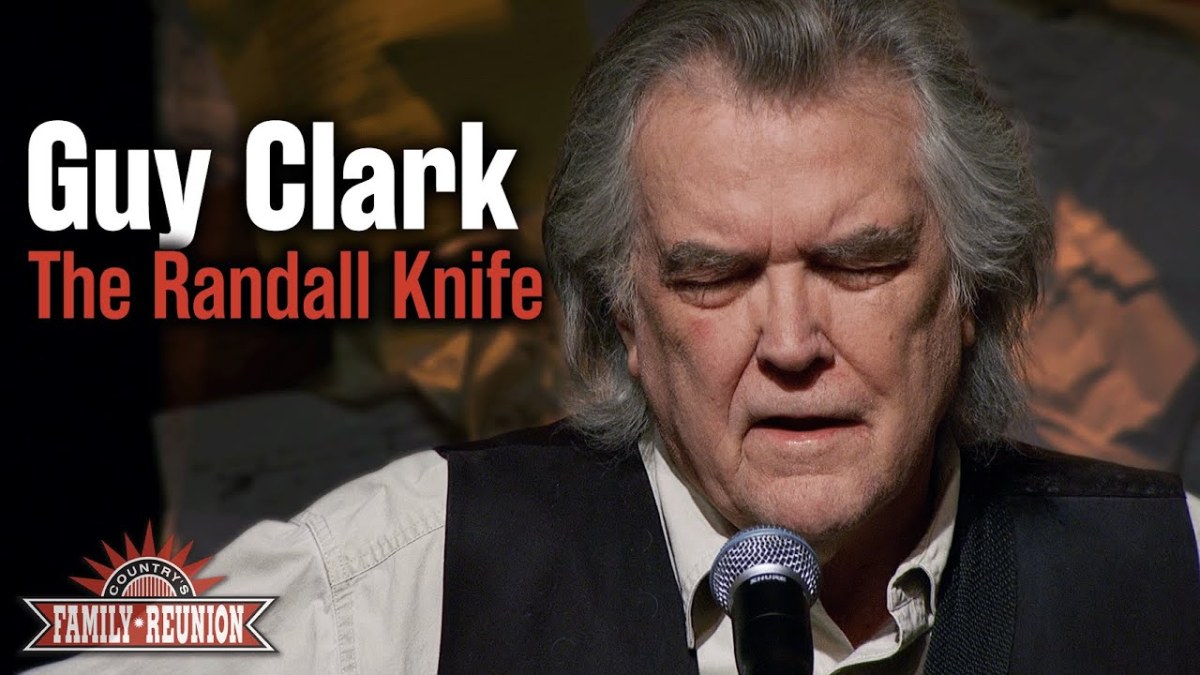
Guy Clark – The Randall Knife

Finding Guy Clark in the past few years has been amazing. Song after song that I can relate to with words that always fit. I lost my dad in 2005, so I can totally relate to this song. I have some of his tools for making guitars and an old wooden case he made for them.  This song brought back a lot of memories. This song is a true story song in every sense of the word. I’m usually a little more hesitant on partial talking songs…but this one is a winner.

The song was on the album Dublin Blues, which was released in 1995. The musicians on this album were staggering. Rodney Crowell, Ramblin’ Jack Elliot, Nanci Griffith, Emmylou Harris, Kathy Mattea, and more. This song closed the album, and that’s where it belongs because it would have been hard to follow this song. 

The song centers on a knife passed down from his father, a Randall Made Knives blade with history behind it. Clark doesn’t treat it like an object; it’s more like a stand-in for memory and loss. He talks about using it, holding it, and what it meant to his dad. By the end, the knife becomes a way of holding on to someone who’s gone.

The arrangement stays simple, and nothing pulls attention from the lyric. You can hear the same mindset in writers like Townes Van Zandt and Steve Earle, where detail matters more than volume. Every line feels and is important.

It’s about one knife, one father, one set of memories. But it doesn’t stay there. Anyone who’s held on to something after losing someone will recognize it. Clark never says more than he needs to, and that’s the reason it holds up. 

The Randall Knife

My father had a Randall knifeMy mother gave it to himWhen he went off to World War IITo save us all from ruinNow if you’ve ever held a Randall knifeYou’ll know my father wellAnd if a better blade was ever madeIt was probably forged in hell

My father was a good manHe was a lawyer by his tradeAnd only once did I ever seeHim misuse the bladeWell, it almost cut his thumb offWhen he took it for a toolThe knife was made for darker thingsYou could not bend the rules

Well, he let me take it camping onceOn a Boy Scout jamboreeAnd I broke a half an inch offTrying to stick it in a treeWell, I hid it from him for a whileBut the knife and he were oneHe put it in his bottom drawerWithout a hard word one

There it slept and there it stayedFor 20 some odd yearsSort of like ExcaliburExcept waiting for a tear

My father died when I was 40And I couldn’t find a way to cryNot because I didn’t love himNot because he didn’t tryWell, I’d cried for every lesser thingWhiskey, pain and beautyBut he deserved a better tearAnd I was not quite ready

So we took his ashes out to seaAnd poured ’em off the sternAnd then threw the roses in the wakeOf everything we’d learnedAnd when we got back to the houseThey asked me what I wantedNot the law books, not the watchI need the things he’s haunted

My hand burned for the Randall knifeThere in the bottom drawerAnd I found a tear for my father’s lifeAnd all that it stood for

Tragically Hip – Fiddler’s Green

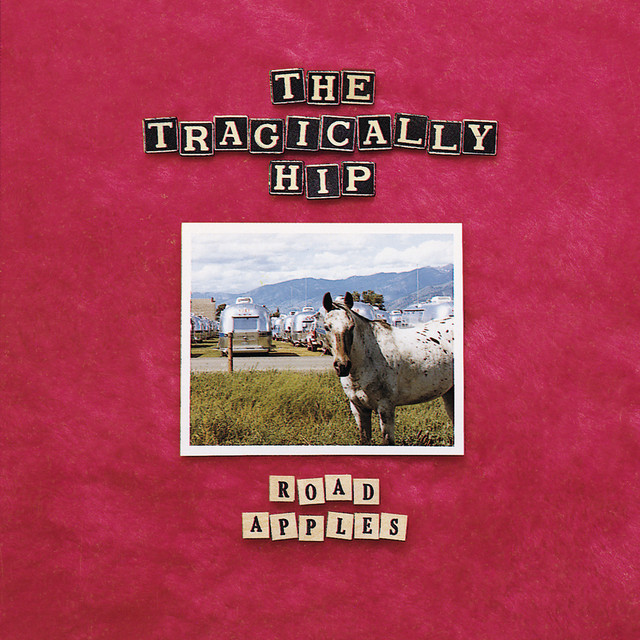
I heard this song while listening to Road Apples last year or so, and I knew I wanted to come back to it. A shout-out to deKe, who recommended this album to me.  This one is such a beautiful and sad song. When I looked up the inspiration, I sadly understood. 

There’s a quiet weight (best way I can describe it) to Fiddler’s Green that sets it apart in the catalog from what I heard of The Tragically Hip. It was released on Road Apples in 1991; it comes in soft and stays there. No huge dynamic, just a steady song that feels epic at times. 

The song was written by Gord Downie after the loss of his 3 year old young nephew. That context explains the tone and meaning without needing to be spelled out in the lyrics. The band keeps the arrangement simple, light acoustic guitar, space between the notes, and a vocal that sounds like it’s being carried more than delivered. Producer Don Smith, who had worked with Tom Petty and the Heartbreakers, helped guide the sessions toward a more direct sound, and this track benefits from that restraint.

The album was recorded in New Orleans, and the environment shaped parts of the album, but this song feels separate from the rest. While other tracks were more into groove and band interplay, this song is kept simpler. It’s closer to a live recording in spirit, one voice, one guitar, and the room around it. The band understood it didn’t need more.

I didn’t hear this one right away when I first got into Road Apples. It was one of those tracks you come back to later, and it hits you differently. The first thing I thought was how different it was. The album peaked at #1 in Canada in 1991. The album had 6 singles released from it, but this one wasn’t one of them, and that is a shame.

I’m not an expert on this band, but after listening to the debut album and then this one. It sounded like a band settling into who they were. It’s an excellent album. 

Fiddler’s Green

One, two, three, four, one, two

September seventeenFor a girl I know it’s Mother’s DayHer son has gone aleeAnd that’s where he will stayWind on the weathervaneTearing blue eyes sailor-meanAs Falstaff sings a sorrowful refrainFor a boy in Fiddler’s Green

His tiny knotted heartWell, I guess it never worked too goodThe timber tore apartAnd the water gorged the woodYou can hear her whispered prayerFor men at masts that always leanThe same wind that moves her hairMoves a boy through Fiddler’s Green

Oh, nothing’s changed anywayOh, nothing’s changed anywayOh, any time today

He doesn’t know a soulThere’s nowhere that he’s really beenBut he won’t travel long aloneNo, not in Fiddler’s GreenBalloons all filled with rainAs children’s eyes turn sleepy-meanAnd Falstaff sings a sorrowful refrainFor a boy in Fiddler’s Green

Junkhouse – Praying for the Rain

Just found this Canadian band recently. A great mid – 90s Canadian roots rock band. This song comes from their 1993 debut, Strays, and it sounds like a band already past the starting line. Just straight ahead rock that stings.

The core of the band was singer and songwriter Tom Wilson, along with Ray Farrugia and Russ Wilson. Before Junkhouse, Wilson had been part of the band Florida Razors, but Junkhouse was a shift toward something more rooted in rock, blues, and country. Junkhouse didn’t come out of nowhere with Strays. By the time they got into the studio, they had already been playing around Hamilton, Ontario, for a while. That tightness shows up in the album. These songs were shaped on stage first. Tom Wilson’s vocal carries most of the weight. You hear it once, it sticks with you.

They never became a global name, but they didn’t disappear either. Their songs stuck around, especially in Canada, and over time they’ve picked up a kind of quiet reputation. If you go back to Strays now, it still sounds tight and right. It doesn’t sound made for radio, even though it got there. It sounds like guys in a room who knew when not to add more and do too much. This is one of those tracks I came across late, not when it was new, but it didn’t matter. It plays the same either way. 

After Junkhouse wound down, Tom Wilson kept going. He formed Blackie and the Rodeo Kings with Colin Linden and Stephen Fearing, digging deeper into roots and folk. Later, he worked under the name Lee Harvey Osmond, exploring more atmospheric music.

This song peaked at #41 in Canada in 1993.

Praying For Rain

A big sun setting on the fields, I can’t sleep on this tractor wheelPut my seed into the earth, they never tell me just what it’s worthI’m praying for the rain, the open sky will seal my veinsWhen every farmer has made his grain, I’m praying for the rain, I’m stillPrayingThe road was clear the night was too, and that’s how I remember youI hop a fence, I make my bed, but I can’t make you leave my headI’m praying for the rain, just to wash away this painAnother headlight through my brain, I’m praying for the rain, I’m stillPrayingNow all my words have headed north, they rode a taxi or took a horseThe way I loved you was all in vain, I’m still praying for the rainI’m praying for the rain, beat the drum till I’m insaneGive the next dance craze a name, I’m praying for the rain, I’m stillPrayingYeah, yeah, yeah, yeah, yeah, yeah.

Terry Allen – Human Remains … album review

When I hear about a Texas singer-songwriter, I have to listen. Terry Allen is no exception, and yes, I love the styles he has and the songwriting. I couldn’t pick one from the album, so I thought, let’s go over the album. I listened to this album this week, over and over, and now while I’m writing this. It’s different, and that is a good thing. 

Terry Allen was born in 1943 in Lubbock, Texas, the same West Texas town that produced Buddy Holly. While Holly went straight into rock and roll, Allen took a different path. He studied art at Chouinard Art Institute in California during the 1960s and built a career as a respected visual artist before becoming widely known as a songwriter.

He has never really fit in one category. He came out of Texas in the 1970s, making records that mixed country, folk, and storytelling. The thing about Allen that sets him apart is that he is a songwriter who thinks like a novelist. By the mid-90s, he released this album, Human Remains, an album that sounded loose but carried the stories of people and places. He made this album with the help of Lloyd Maines, David Byrne, Joe Ely, Lucinda Williams, and many others.

It feels like a set of sketches from the American West and Southwest. The songs deal with memory, loss, odd characters, and the passing of time. It’s not a polished “Nashville” production. The record sounds live, with guitars, accordion, and rhythm sections that set the mood. The album is full of characters, wisdom, and plenty of commentary.

The first song that really caught my ear was What of Alicia. I like everything about this song and the lyrics of two people during a time frame until they met. The album kicks off with a rolling number called Gone To Texas with the lyric Hey I don’t need no chickenshit business man, tellin’ me what to do, Even if you ain’t got no business, same thing goes for you. I thought, well, this is different, and I like it. Another song that is mixed with humor is Peggy Legg. There’s a one-legged woman, On the dance floor, An that one leg’s so pretty, She don’t need no more. I mean, that is imagination and clever. 

Flatland Boogie is an enjoyable song about cruising in a Ford in the southwest. I hope you give the album a try. The songwriting is top-notch, and he has wit to spare. The lyrics fit so well together, and the music makes this album accessible to everyone. 

I saw a review by a user, and he said this. I don’t know what kind of music this is. Okay, it’s definitely country,  but it’s not normal country; it’s something different. Can’t put my finger on it. It’s not “rock & roll” country, and it’s not Neo-Traditionalist Country. It’s not folksy, and it’s not artsy. I don’t think any traditional genre would claim this stuff. It’s just Terry Allen.

That’s really close to what I think as well, and it’s a huge compliment. Allen has his own thing going on here, and I respect and enjoy it. Terry Allen, as I said, is a well-known visual artist, and you can see some of his work here. Some of his art is in museums. 

What Of Alicia

Well he just turned 17
When he left old Abilene
With his bag
And permission from the kin
Yeah but things just weren’t the same
After his Momma signed her name
And let the navy…take him in

Ahhh
What of Alicia
Española
13 years old
Child of Mexico

And he just turned 19 years
When he learned to face his fears
Of growing up
And acting like a man
He just cocked his sailor cap
Stuck his hands down in his lap
Leaned back and stroked them girls in Japan

Ahhh
What of Alicia
Española
15 years old
Girl of Mexico

An he just turned 23
When he finally took his final leave
Anchored in the port of San Diego
Yeah he met this border girl
An he fancied her body’s curl
So he married her
Then carried her to Colorado

Ahhh
What of Alicia
Española
19 years old
An old woman
But out of Mexico

Wilco – How to Fight Loneliness

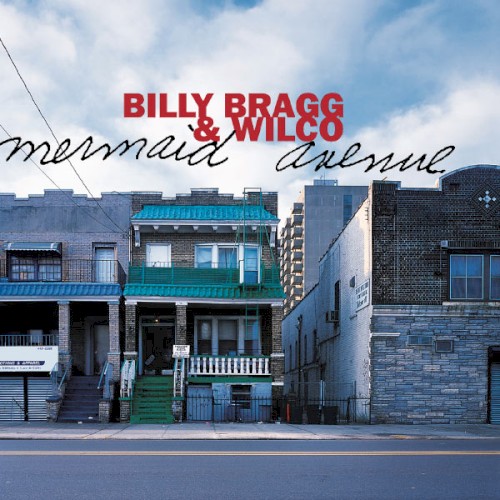
I first heard of Wilco from the song Secret of the Sea by Billy Bragg and Wilco for the album Mermaid Avenue Volume II. I started to follow them more closely and learned a lot from bloggers about them. 

Wilco was formed in 1994 in Chicago, Illinois, following the breakup of Uncle Tupelo. The band was founded by Jeff Tweedy, along with former Uncle Toledo members John Stirratt, Ken Coomer, and Max Johnston. Over the years, Wilco evolved from an alternative country sound into a more experimental and genre-blending style. After this album, their sound changed from the alt-country sound they had with Uncle Tupelo.  

What first jumps out with this song is the acoustic in front with a small amount of reverb. It takes me back a little to John Lennon’s version of Stand By Me. I can’t get enough of that sound. The song started with Tweedy at the piano. It was written around a repeating chord pattern and a vocal line that doesn’t try to do too much.

This was on the album Summerteeth, released in 1999. It was their 3rd studio album. From listening to them recently, Wilco had already moved past the alt-country tag that followed them after Uncle Tupelo. Being There opened the door. Summerteeth walked through it and didn’t look back. I really like this album.

From what I’ve read, there was tension during the making of the album. Jay Bennett’s role grew, and he and Tweedy wrote most of the album. So did the friction. Multi-tracking replaced some of the earlier live feel. Drummer Ken Coomer has said parts were built in sections rather than full takes. The band was evolving in real time, and not everyone was comfortable with the shift. Still, the focus was on getting the songs right, even if that meant reworking them again and again, and they did a great job.

The album peaked at #78 on the Billboard Album Charts and #38 in the UK in 1999. 

How To Fight Loneliness

How to fight loneliness
Smile all the time
Shine you teeth til meaningless
Sharpen them with lies

And whatevers going down
Will follow you around
Thats how you fight loneliness
You laugh at every joke
Drag your blanket blindly
Fill your heart with smoke
And the first thing that you want
Will be the last thing you ever need
Thats how you fight it

Just smile all the time

Uncle Tupelo w/Doug Sahm – Give Back The Key To My Heart

Yes, I posted Sahm recently, but here he is leading the way with Uncle Tupelo. What a great and natural combination. Running across this was just fantastic! I can’t put into words how much I love the down-home sound of this. One more legend is on this album that I will reveal at the bottom of the post…no skipping or peaking!

When Uncle Tupelo teamed up with Doug Sahm on this song, it felt less like a guest spot and more like a handoff between two generations. Sahm had already lived a lifetime in Texas blues, country, and rock and roll. Uncle Tupelo were still mapping out what roots rock could sound like in the early ’90s. The song sits right in the middle of that meeting point.

Sahm sounds relaxed, like he’s telling a story on a porch. Jay Farrar and Jeff Tweedy hang back just enough to let the song lead. I always liked Uncle Tupelo anyway, but add Doug Sahm? Oh hell yes! I could listen to this type of music all day and twice on Sunday, as the saying goes. It gives me a great feeling, and it just fits all together so well. The backup vocals are on target, but also riding around the edges; it’s such a lived-in sound that I love. There is no overdubbing or big production…just back porch sounding goodness. 

This track shows what Uncle Tupelo were always good at, connecting past and present without making it sound like a museum piece. Doug Sahm doesn’t feel like a legend that was just dropped in for credibility. He feels like part of the band, which in this he is. Doug Sahm wrote this song, and it was on the Uncle Tupelo album called Anodyne, released in 1993. He first released it as Sir Doug and the Texas Tornados in 1976. 

There is one more legend on this album doing some vocals…the one and only Joe Ely. He did the lead vocals on Are You Sure Hank Done It This Way?

Give Back The Key To My Heart

Take my picture off the wallIt don’t matter to me at allSaid I was headed for a fallBut you wanted me to crawl

Give back my TVIt don’t mean that much to meWhile you’re giving back my thingsGive me back the key to my heart

Give back the key to my heartGive back the key to my heartAnd let my love flow like a riverStraight into your heart, dear

Well, you say I was the oneTo blame for the wrong that’s been doneWell, you got a friend named cocaineAnd to me, he is to blame

He has drained life from your faceHe has taken my placeWhile you’re alone in San AntoneGive me back the key to my heart

Give back the key to my heartGive back the key to my heartAnd let my love flow like a riverStraight into your heart, dear

Whiskeytown – Faithless Street …album review

I really like this band. I spent the week living with their album Faithless Street, and what a tight album. Not just musically but vocally. It’s a true album, one song blends into another smoothly, and like I said, tight but loose in just the right spots.

Whiskeytown had one member that you might know. They were an alternative country band from Raleigh, North Carolina. They were active from 1994 to 2000. The band was led by Ryan Adams, who played a role in popularizing the alt-country genre in the 1990s. He blended traditional country with rock and indie influences. They fit in well with The Jayhawks and Wilco in that era.

Faithless Street was made fast and cheap, with a band that was still figuring itself out. It was recorded in North Carolina in 1994, and the sessions were about capturing what Whiskeytown sounded like in real time. They were limited on studio hours, so songs were often tracked live with only a few overdubs. If something felt right, it stayed, even if it wasn’t clean.

Ryan Adams was writing constantly and pushing the group to cut new material almost as quickly as it came together. Some songs had been played on stage for months. Others were nearly brand new. That mix gave the album its loose feel. You can hear moments where the band sticks to a groove and others where they’re holding it together by instinct, off the cuff.

The record opens with Midway Park, and right away, you get the blueprint. Country structure with rock volume. I love that welcoming opening riff that drives that song. Songs like 16 Days and Excuse Me While I Break My Own Heart Tonight ” go into classic barroom sound with the pedal steel and open choruses. There’s also Houses on the Hill, which would later become one of Adams’ calling cards. Even in this early version, the melody sticks. 

Songs like Lo-Fi Tennessee Mountain Angel (For Kathy Poindexter) and Too Drunk to Dream go back to roots country. You also have acoustic-driven songs like Factory Girl that to me is as close to perfect as you can get. 

The production is spare. Guitars are up front. The drums don’t dominate. The vocals aren’t smoothed out, but they are tight. That raw edge became the album’s identity. Within a few years, Whiskeytown would shift lineups, and Adams would get more well-known.

He has a successful solo career and has also produced albums for Willie Nelson and collaborated with the Counting Crows, Weezer, Norah Jones, America, Minnie Driver, Cowboy Junkies, and Toots & the Maytals. He has written a book of poems, Infinity Blues, and Hello Sunshine, a collection of poems and short stories.

I hope you all will give this album a listen.

Jam – Worlds Apart

I first heard about The Jam in the 80s, around the same time I found Big Star, The Replacements, The Clash, and REM. When I listen to The Jam, I think of the Kinks and The Who right away, and that is always a good thing. 

When people talk about the British punk explosion of the late ’70s, The Jam always stand a little apart. While others were known for being abrasive and loud, The Jam drew influence from 1960s Mod culture. Paul Weller had a knack for crafting sharp, pop-infused songwriting about everyday British life. They were formed in Woking in the early ’70s by Paul Weller, bassist Bruce Foxton, and drummer Rick Buckler. The band was a trio that was tight and direct.

They went from pub stages to one of the biggest bands in Britain, leaving behind a catalog that is very strong. There is not much information on this song out there. It wasn’t on a studio album, nor was it a B-side. It was released in 1997 for the first time on their Direction Reaction Creation album, which covered all the studio albums, non-album singles, and demos. They broke up in 1982 after releasing 6 albums in all. 

From what I found, it was recorded around 1978 for the album All Mod Cons, but never made the album. I’m sure that is the case because it was also included on the All Mod Cons (Deluxe Edition) that was released in 2002. They were an incredible band, being a tight full trio. Direction Reaction Creation peaked at #8, fifteen years after they broke up in 1997. 

Worlds Apart

Worlds apart, you and I, we’re worlds apart

The difference between every day
I can’t think of the words to say

Worlds apart, you and I, we’re worlds apart

I’ve been in some clubs where the music’s loud
‘cos I see your face in every crowd
But it’s not really you

It’s like having a cold on a summers day
Something ain’t right and I want you to stay
You must know that

Worlds apart, you and I, we’re worlds apart