I’m a bona fide sucker for a guitar tremolo effect…throw in a voice that melts into the song and yea…I’m hooked. During the last part of the first verse backup singers come in and give it a short gospel quality. That makes me warm inside.
John Hiatt did the solo whistling and backing vocals.
The song was written by singer-songwriter Ben Vaughn, off his 1990 album Dressed In Black. Vaughn grew up in the Philadelphia area. He has said that At age 6, his uncle gave him a Duane Eddy record and forever changed his life.
In 1983, he formed the Ben Vaughn Combo. The band was together five years, releasing two albums and touring the U.S. several times. They received rave reviews in Rolling Stone and People magazine and video airplay on MTV.
Vaughn started a solo career in 1988 and has released over 17 albums. He is very versatile… he plays Rock, blues, jazz, folk, soul, R & B, country, Bossa Nova, movie soundtracks, easy listening and more, all with Vaughn’s musical slant.
Too Sensitive For This World
Ev’ry day starts with a broken heart I must be too sensitive for this world Well I know it ain’t right to cry ev’ry night I must be too sensitive for this world
And the world is such a careless place It’s a wonder, hummm it’s a wonder It’s a wonder Anyone survives
The clouds in the sky just make me cry I must be too sensitive for this world I don’t think I can last until these bad times pass I must be too sensitive for this world
Solo
And the world is such a careless place The world is such a selfish place And life is such an awful fate It’s a wonder, hummm it’s a wonder It’s a wonder Anyone survives I must be
This fulfills my biographical genre. I started to get into silent movies in the late eighties. It started with a book on Clara Bow and it mushroomed from there. By 1992 I was ordering silent movies on VHS from New York and bootlegs where ever I could get them. The actors and actresses that got my attention were Clara Bow, Buster Keaton, Douglas Fairbanks Sr, Mary Pickford, and Charles Chaplin.
In 1992 I had just settled into my small Laverne and Shirley basement studio apartment when this movie was released. It was perfect timing because this was the peak of my silent movie interest. I would get USA Today everyday to check my Dodgers box scores and I read about this movie coming out. There was an advertisement where you could make a 99 cent phone call (per minute) to listen to some of the movie on the telephone. Yes I was that desperate (sucker) to do just that… to hear some of the movie…it was a different time.
I had read where Johnny Depp was up for the role and I thought he would have been the perfect person to play Chaplin. I was totally wrong…the perfect actor to play Chaplin was the one who got the role…Robert Downey Jr. He became Chaplin on the screen. He went as far as learning to play tennis left handed.
Robert Downey Jr. had a terrific cast surrounding him. Chaplin’s own daughter (Geraldine Chaplin) played Chaplin’s mom in the movie. Dan Aykroyd portrayed Mack Sennett, and Kevin Kline plays Douglas Fairbanks Sr. It was also directed by the great Richard Attenborough.
The movie starts with an 8 year old Chaplin taking the stage to sing after his mentally disturbed mom was booed off. Chaplin’s childhood was straight out of a Dickens novel. With help from his older brother Syd he got a job with a vaudeville unit ran by Fred Karno. He also met his first love Hetty Kelly who would shape his love interest for the rest of his life. His brother Syd worked as his manager when Chaplin got famous. In the beginning Syd was much more well known than Charlie…until the little tramp appeared.
The movie moves fast…sometimes a little too fast. All through the movie he is talking to an editor (Anthony Hopkins) about his then new (1964) autobiography and that is how they move the movie along. I wanted to see more about certain movies I’d enjoyed but they did have a lot to cover. They manage to touch on some of his political problems like with J. Edgar Hoover and when he made The Great Dictator.
The movie follows Chaplin through his movies, personal life, and his politically rough waters. As with any movie about a historical figure…things will be missed, wrong, and forgotten but the movie hits the high spots of his life.
If you really want to know about Chaplin read Chaplin: His Life and Art by David Robinson or watch one of the many documentaries on him. Chaplin was a complicated man…too complicated to be summed up in a two hour motion picture…but it was a great try. After reading so many books, what I wanted would have taken a 6 hour movie…so this is a good introduction to Chaplin.
The movie was very enjoyable and you do get the highs and lows of Charles Spencer Chaplin. You also get a hell of a good acting job from Robert Downey Jr. The movie also combines shots of the real Chaplin in his movies. Sitting in the theater it was magical…near the end of the movie they show real Chaplin clips as seen on an award show in 1972. The laughter in the theater was the loudest I’ve ever heard before or since… the Tramp still drew laughs in 1992 and he still does in 2021.
After watching this movie you will probably want to watch some Chaplin movies…that would be the best outcome…if you haven’t watched any…you are missing a true artist who not only starred but wrote, directed, and produced.
Cast
Robert Downey Jr. as Charlie Chaplin
Hugh Downer as Charlie age 5
Thomas Bradford as Charlie age 14
Marisa Tomei as Mabel Normand
Geraldine Chaplin as Hannah Chaplin
Paul Rhys as Sydney Chaplin
Nicholas Gatt as Sydney age 9
John Thaw as Fred Karno
Moira Kelly as Hetty Kelly, Charlie’s first love / Oona O’Neill
Whenever I hear this song… I think of David Essex’s song Rock On. It makes sense…Michael Stipe wrote this as a tribute to Rock On.
They recorded a demo version of this song at John Keane Studios, a favorite place for the band to work in their hometown of Athens, Ga. Before the bulk of the Automatic for the People sessions were to take place in March and April, the group spent a little more than a week in New Orleans, playing and recording in Daniel Lanois’ Kingsway Studio.
The ended up recording a complete demo of the song in New Orleans they would use as the basis of the song.
Automatic For the People was released in 1992. The album title comes from a sign at “Weaver D’s Delicious Fine Foods” diner in Athens, Georgia. It read, “Delicious Fine Foods – Automatic For The People.” The diner was near the university in Athens, and was a regular hangout for Stipe and his friends in the band’s early days.
The song peaked at #28 in the Billboard 100, #7 in Canada, #11, and #5 in New Zealand in 1992.
Michael Stipe:There were, before Punk, a few songs that resonated with me. One was David Essex’s ‘Rock On.’ ‘Drive’ is a homage to that. It was the first song I wrote on computer. Before, I had a typewriter. The reason is my handwriting changes dramatically day to day. I don’t trust it. I will write one of the best lyrics ever and discard it because the handwriting looks like s–t. Or the handwriting looks good but it’s a crap lyric, lo and behold, it’s in the song. Too late.”
Mike Mills about the video: “I’m not much of a symbolist. There’s something messianic about being passed over the heads of the people like that, and yet we’re anything but messiahs. That was always a strange thing to me. I mean, yes, they get to touch you, but at the same time they’re holding you up like a saint.”
Michael Stipe:“The other interesting thing about that video was what happened backstage,” he added. “We shot it in Los Angeles with a thousand people as extras. River Phoenix came, hang out in the trailer. We had a great time, until Oliver Stone showed up. I think they had both been drinking, and they got in a fist fight in my trail (gaffaws heartily). I think River won, to tell you the truth. I know he did, in fact.”
From Songfacts
The central lyric, “Hey kids, rock n’ roll,” was borrowed from “Rock On” by David Essex. The words may be the same, but the mood is completely different. This is a much more somber song.
Lead singer Michael Stipe explained in the November 12, 2009 issue of Rolling Stone: “
Guitarist Peter Buck used a nickel as a guitar pick for the mid-song guitar solo to get a sharper sound. He overdubbed the track six times.
There is a line in the song that goes, “Smack, crack, bushwhacked.” This can be seen as an indictment of then-U.S. President George Bush (the first one). Lead singer Michael Stipe had taken out ads in college newspapers in 1988 saying, “Don’t Get Bushwhacked. Get out and vote. Vote Dukakis.” They weren’t very effective.
This was released two months before the national election between George H. W. Bush and Bill Clinton. Clinton won that one, but eight years later Bush’s son became president. When the younger Bush ran for re-election in 2004, R.E.M. performed concerts to benefit his opponent, John Kerry.
This song has no chorus. That doesn’t happen very often in hit songs.
This was the first single released off the album. It was issued a few days before the album came out.
At live shows, R.E.M. played a funk-rock version of this song because its ambient atmosphere was difficult to duplicate. This version appears on a 1993 benefit album for Greenpeace called Alternative NRG.
Director Peter Care shot the black-and-white music video at Sepulveda Dam in the Sherman Oaks area of Los Angeles. The clip mostly has Stipe crowdsurfing as he performs the song.
The implication was unclear; is the audience protecting him, or ready to tear him apart? Stipe told Mojo it was both. “It’s everything. I’m about to be devoured.”
Drive
Smack, crack, bushwhacked Tie another one to the racks, baby Hey kids, rock and roll Nobody tells you where to go, baby
What if I ride, what if you walk? What if you rock around the clock? Tick-tock, tick-tock What if you did, what if you walk? What if you tried to get off, baby?
Hey, kids, where are you? Nobody tells you what to do, baby Hey kids, shake a leg Maybe you’re crazy in the head, baby
Maybe you did, maybe you walked Maybe you rocked around the clock Tick-tock, tick-tock Maybe I ride, maybe you walk Maybe I drive to get off, baby
Hey kids, shake a leg Maybe you’re crazy in the head, baby Ollie, Ollie, Ollie, Ollie, Ollie Ollie, Ollie in come free, baby Hey, kids, where are you? Nobody tells you what to do, baby
Smack, crack, shack-a-lack Tie another one to your backs, baby Hey kids, rock and roll Nobody tells you where to go, baby
Maybe you did, maybe you walk Maybe you rock around the clock Tick-tock, tick-tock Maybe I ride, maybe you walk Maybe I drive to get off, baby
Hey kids, where are you? Nobody tells you what to do, baby Hey kids, rock and roll Nobody tells you where to go, baby Baby Baby
Israel Kamakawiwoʻole, was also known as “Bruddah Iz” or “IZ.” I first heard him on the show Life On Mars with just his voice and ukulele. His name is pronounced “Ka-MA-ka-VEE-vo-oh-lay” and it means “the fearless eye, the bold face” in the Hawaiian
Kamakawiwoʻole was born in Honolulu on the island of Oahu, Hawaii. Before launching his solo career in 1990, he performed with his brother Skippy as part of the successful group The Makaha Sons of Niʻihau. .
After years of popularizing Hawaiian music, Kamakawiwo’ole recorded his solo album Ka ‘Ano’i in 1990. on the album is”Over the Rainbow/What a Wonderful World,” a medley combining the songs “Somewhere Over the Rainbow” and “What a Wonderful World,” made famous by Louis Armstrong in 1967.
Although Kamakawiwo’ole’s 1990 solo album included “Over the Rainbow/What a Wonderful World,” it’s not the version that most people remember. The acoustic version, with Kamakawiwo’ole on vocals and ukelele, was recorded a few years prior and kept in a recording studio’s archives until the release of his 1993 follow-up, Facing Future.
In 1988, recording studio manager Milan Bertosa was wrapping a long day at 3 a.m. when the phone rang. A regular client had called on behalf of Kamakawiwo’ole, who had an idea he desperately wanted to see through. Bertosa was then put on the phone with Kamakawiwo’ole, whom Bertosa remembers as “this really sweet man, well-mannered, just kind.”
“Please, can I come in?” Kamakawiwo’ole kindly asked. Bertosa relented.
About 15 minutes later, there’s a knock on Bertosa’s door. “And in walks the largest human being I had seen in my life,” Bertosa told NPR. Throughout his life, Kamakawiwo’ole suffered obesity, weighing as much as 757 pounds.
“The first thing at hand is to find something for him to sit on,” Bertosa remembered. Someone from building security gave Israel a big steel chair. “Then I put up some microphones, do a quick soundcheck, roll tape, and the first thing he does is ‘Somewhere Over the Rainbow.’ He played and sang, one take, and it was over.” The next day Bertosa gave a copy for Israel and kept the master for himself. Over time, he found himself playing Kamakawiwo’ole’s recording for family and friends. “It was that special,” he said. “Whatever was going on that night, he was inspired. It was like we just caught the moment.”
In 1993 Bertosa was working on Kamakawawiwo’ole’s next album, Facing Future. On the last few days of recording, he felt something was missing. So Bertosa dug up that 3 a.m. recording, played it for producer Jon de Mello (who was won over), and it was added to Facing Future.
The album peaked at #1 on the Billboard World Music charts. By 2002, the record had sold 500,000 copies—the first Hawaiian-produced album to go gold—and was certified platinum, selling over 1 million copies by 2005.
Israel Kamakawiwo’ole died on June 26, 1997, at the age of 38, before he gained his vast popularity. He had suffered from morbid obesity his entire life. He died of respiratory failure. He was laid in honor in Hawaii’s Capitol building, and his ashes were later scattered into the ocean. He left behind his wife and teenage daughter.
This was written by Bob Thiele and George Weiss. Thiele was a producer for ABC records, and Weiss was a songwriter who helped create the hit version of “The Lion Sleeps Tonight.”
What A Wonderful World
I see trees of green, red roses too I see them bloom for me and you And I think to myself what a wonderful world
I see skies of blue and clouds of white The bright blessed day, the dark sacred night And I think to myself what a wonderful world
The colors of the rainbow so pretty in the sky Are also on the faces of people going by I see friends shaking hands saying how do you do They’re really saying I love you
I hear babies crying, I watch them grow They’ll learn much more than I’ll never know And I think to myself what a wonderful world Yes I think to myself what a wonderful world
We are going to mix it up today. First I want to thank Keith Allen (nostalgicitalian) for being kind enough to answer 15 questions. Keith said he would be happy to answer any questions you have if we didn’t cover it. I have a link to a post of his at the bottom of the page that he elaborates on the last question.
To make this more well rounded I reached out to a few bloggers for some questions. Hanspostcard, Vic, Lisa, Run-Sew-Read, and Dave,…so thank you all. I wanted to reach out more but I didn’t want Keith to have to type a novel worth of answers.
Remember to go over to Keith’s blog and ask anything that was not covered. First a little about Keith.
Keith Allen’s Bio:
Keith Allen was born and raised in Michigan. While he was a senior in high school (1988), he became an intern at WKSG, Kiss-FM in Detroit, which would lead to his first on air job. He would next work at WMXD-FM also in Detroit. For someone with no radio experience whatsoever, starting his career in the 6th biggest market in the country (at the time) was pretty special.
In 1991, he moved to the west side of the state to work at WKZC-FM. The job was short lived, a mere 6 months. Upon moving back to Detroit, he was lucky enough to land a job at the first oldies station in the country, the historic Honey Radio (WHND-AM). It was here that he really honed his on air personality. When Honey went off the air in 1994, he started at his next country station, WWWW-FM (W4 Country) in Detroit. Yes, the same station Howard Stern is at in Private Parts.
In 1998, Keith got a call from Flint, Michigan to come work at a fairly new country station, WFBE-FM (B-95). In 2002, the station changed management and he travelled across town to WKCQ-FM. He continued his career in country music at WCEN-FM (The Moose), which was a powerhouse station that covered 27 counties in the state. He returned to WFBE-FM to do mornings after a 5 year stay at the Moose. After another management change, and another firing, Keith decided to go back to school to learn another trade.
He began working as a part-time personality on WCRZ-FM (Cars 108) in Flint. An opportunity to actually program a station came in 2009. He became program director of 103.9 The Fox (WRSR-FM) until the station was sold. He returned to WCRZ-FM part time, as well as doing part time work again for The Moose. He remained at both places until the Covid-19 pandemic. While technically still employed at both stations, he has been off the air since March.
He currently works full time as a Polysomnographic Technologist at a Sleep Evaluations Center. He helps to diagnose Sleep Apnea in adults and children.
Why did you want to be a DJ?
When I was in high school, I was a band nerd. I loved playing in band and actually aspired to be a band director. During my senior year, I worked part time at a boat marina in the Parts Department. In the fall and winter, once the boats were winterized, business was slow. So I would sit in there with the radio on and do inventory. I would listen to Jim McKenzie on Kiss-FM every day. He was a great example of what a DJ should be – the listener’s friend. Every day I listened, and I felt like he was talking to just me. He kept me company while I worked. The more I listened to him and other DJ’s, the more I began to think, “Hey, I could do that! I’d enjoy doing that!” I called the station and asked to speak to someone about getting into the business. The guy I spoke with told me that I could 1) go to broadcast school or 2) intern at the station for a while and see if I could break in that way. I chose Option #2.
I started interning for the news guy. I took news stories off the wire and rewrote stories and helped compile a newscast. I then began hanging out with the morning show (Paul Christy and the Christy Critters). I enjoyed this so much more. This was where the real action was. I got to see them plan bits, edit phone calls, and more. Eventually, I started running Paul’s Saturday show, which was all on tape. He would throw it to me from the tape and ask about the sport scores, lottery numbers, and weather. I did this for about 6 months and they let the overnight guy go. I was asked to fill in on the show temporarily. The temporary job ended up being full time. Paul believed I had some talent (although not much of it showed during my time there) and gave me my first break in radio.
Who was your personal favorite DJ and what did you like about that DJ.?
It’s hard to pick just one, because there really are so many. If I had to narrow it down, I’d say on a national scale – Wolfman Jack. He was just so fun to listen to and he always said some of the coolest stuff. I used to close my show with one of his quotes: “Keep smiling. A smile is just a light in the window letting people know your heart’s at home.” I thought that was just awesome!
Local DJ, would have to be Richard D from Honey Radio. I really found him to be a great mentor and teacher. He and I loved the same bad jokes and used to make fun of each other all the time on the radio. His show had daily benchmarks, which were so reminiscent of the “good old days” of radio when DJ’s were truly personalities. He branded everything. When somebody won a contest, he would “Richard D-clare” them the winner. He always played an obscure record every day called the “Tricky Dicky Off The Wall Record” (he had a whole intro to this). He’d read celebrity birthdays and history bits from his “Poor Richard D’s Almanac,” and so much more. He ALWAYS sounded like he was having fun and I really tried to do the same thing. He really was one of the best!
How did the business change from the time you began until the time you ended your career?
When I first got into radio, I feel like I was spoiled. We had a lot of freedom. We were creative and got to do a lot of bits on the air. Again, radio was still a place that people went to hear music, but also enjoyed listening to what the DJ’s had to say. Johnny Molson, who I followed on the air at WKSG, did some fantastic “theater of the mind” bits and had fun with them!
Somewhere in the early 90’s, research started to say that DJ’s talked too much. “More Music” became a thing, and DJ’s were told to shut up and read the cards. To ensure that DJ’s kept it short, there were liner cards placed in the studios for us to read. Talk breaks were eliminated and when we did talk it was to 1) outro the song, 2) read the liner card, 3) promote what was coming up next, and 4) play the commercials.
In truth, as another great mentor told me, it wasn’t that DJ’s talked too much – it was that they didn’t have anything to say. Jay Trachman helped me to take a bit, write it out to where it all fit together and you didn’t waste the listener’s time. Bits had a “catch” or a “hook” to peak your interest, then the “meat” of the bit, followed by the “out” or the “punchline”. Short – to the point – and still entertaining.
How much control did you have on the playlist?
Today – none. You can bet that 99% of all stations have their music scheduled in advance.
When I first started, our station was “all request.” We had a computer in the studio and as long as the song met criteria, we could pretty much play whatever listeners asked for. It was a pretty cool thing. We had to check and make sure that the song hadn’t been played before we got on the air or that it wasn’t scheduled later in the show. Even request shows today only have a few spots for request. Music is scheduled ahead of time.
When I was playing current music, in country, I had the chance to voice an opinion about which new song I thought we should add to the play list. It was something that the Music Director, Program Director, and consultant made decisions on.
Is there one song you had to play that sticks out as one you really disliked?
I could probably name one song from every station I worked at! While at country radio it was almost every song Rascal Flatts put out after their first album…LOL. They all began to sound the same to me. It always bothered me that stations would add new songs from “super stars” even though they knew the song was a piece of garbage.
Anyway, I digress. The one song that sticks out to me is The Boll Weevil Song by Brook Benton. It seemed like this always played on Honey. I’m not sure why it aggravated me so much, but I actually said how much I disliked it on the air. Johnny Molson once talked about The Elusive Butterfly by Bob Lind saying, “It sounds like someone ate a Hallmark card and threw up” regarding the lyrics.
I think all DJ’s have their favorite songs and ones they hate. That’s why there is volume control in the on air studio … I turned the speakers down a lot!
Of the musicians you met or interviewed- which one impressed you the most?
In almost 30 years, I have met so many. Let me say that country artists are usually the most generous and gracious. I found that to be true with 95% of them. George Strait, Wynonna Judd, Emily West, Jeff Bates, Reba McEntire, and SO many were just like talking to friends. They were just amazing.
Martina McBride impressed me the most. I was escorting a backstage winner to her show. She had bid like $700 on a silent auction package to see Martina, get a limo ride to the show, backstage passes, and dinner. The auction was for St. Jude Children’s Research Hospital. I introduced the winner to Martina and told her about our winner. When she heard that she had bid that much money to be there, she called someone over to her and whispered something to them. Martina was so nice to this winner. She autographed everything that the winner had with her, including the T-shirts she bought at the merchandise booth. Her guy came back with a bunch of items and gave them to our winner. There was a huge autographed window poster (like you would see in record stores), key chains, more T-shirts, bumper stickers, and all things Martina – almost all autographed. THEN she gave the listener her money back for the shirts she had bought before the show. She thanked the listener for being such a supporter of St. Jude and our station. Most meet and greets are very quick, but Martina gave this winner almost 15 minutes. It was truly amazing and speaks volumes for who Martina is.
Who was the best/worst interview?
Again, I have done so many great in person and telephone interviews, it is hard to pick the “best.” In the running would be Rainn Wilson (Dwight from the Office), as he was very funny and was familiar with our area. Also up near the top – Elmo from Sesame Street. That was such a hoot. I’m not even sure why we had him on the show, but Kevin Clash, who is the voice of Elmo, called and he had a very deep voice. We chatted for a sec before the interview and BAM – there was Elmo! My oldest son was about 2 when I did this interview and Kevin recorded a special message for him as Elmo and sent a stuffed Elmo to him at our home! Pretty cool. I also played poker with Chely Wright on the air as part of our interview because she took my money at a charity event and I told her I wanted a chance to win it back… LOL
Toss up for the top spot – Aaron Tippin and Jewel. Aaron was just amazing. He was in for a show and was a blast to talk to. He bleeds red, white, and blue! He shared some great stories from on the road and he shared his mutual love for the music of Sinatra and Dean Martin.
Jewel, was a sweetheart. She was live with me in the studio promoting her country album and show. Her life is just so fascinating that it was easy to talk with her. I asked if there was anything off limits, because I didn’t know if she really wanted to talk about the fact that she was living out of her van for a while. She told me to ask whatever I wanted. We talked about her poetry, her life in Alaska, her family, her hobbies, her pop albums, and a small role she had in a Wizard of Oz show. I felt like I knew her all my life. She was such a joy to hang out with. After she left, about an hour later, her record rep who was with her called me and told me that she said our interview was one of the best she had ever done. She had told him I made her feel so at home.
I still have a voice mail on my cell phone from her telling me she would see me at her show that night. The show she was doing that night was about an hour and a half away from me and I had tickets. However, there was a snow storm and I was unable to get out of the driveway to make it up to the show.
How would you respond if an interviewee accidentally swore during a live broadcast?
Most stations are equipped with an “oops” button just for this reason. The live feed of a station is usually broadcast on a five second delay. So if someone swears, you hit the button and it jumps ahead to the live feed and eventually goes back to 5 seconds. Yes, I have had to use this on occasion. Most folks don’t hear when it happens, but a radio guy can tell when the button was pressed.
That’s why most interviews are recorded. When an interview is recorded, you can edit out stuff you don’t necessarily want in the interview. You can also save it in pieces and play each piece over an hour or so and it sounds like the artist is hanging with you for an hour, when in reality, they were on the phone with you for 10-15 minutes. We recorded the majority of our interviews whether they were in studio or on the phone. Some, however, were broadcast live.
Was there any difference between being a DJ at a Country Station and a Rock Station besides the music?
First of all, your audience is different. Your target demo for a Country station is usually women aged 25-54. Your target for a Classic Rock station is men around that same age group or older. So when you prep for a show, you cater how you prep to those demos.
Country stations really focus on artist stuff. We had a few prep services that had all kinds of stories and sound bites from country singers about writing songs, awards, their favorite recipe, etc… Country artists, especially current artists, always have something going on – a tour, a book, a new album, etc… With Classic Rock (just like oldies) the music doesn’t change. You are a “gold” based format. You are playing only hits that have been around for decades. Many artists have passed away. So you talk about the songs themselves, the stories behind the songs (much like Max does in his blog), maybe a new biography, or a movie where a song is featured.
Depending on WHO you are talking to, you prepare a show for that. You could talk about deer hunting on a rock station, where as you would probably talk about a deer widow’s weekend on a country station. You have to know who your audience is and you go from there.
Another thing that was different for me was my vocal delivery. I found myself to be very conversational, but energetic on the country station. On the rock station, it was different. We didn’t talk up a lot of intros, so I was often talking with no music going behind me. This allowed me to slow my delivery down a bit (not quite Johnny Fever or Venus Flytrap) and it was a bit more “me,” if that makes any sense….LOL
Keith, what is your most memorable moment on radio?
I have three that I will never forget. The first was our St. Jude Radiothons. I had been to St. Jude Children’s Research Hospital in Memphis. Touring the hospital, hearing the stories, seeing all that they do, and then coming back presenting it all to our listeners was quite an emotional experience. I was lucky to meet two children whose family benefited from St. Jude and interview them on the air – Kyle and Allyson made an impact on me and our listeners.
The other was the last day that Honey Radio was on the air. That day in November of 1994, we did our morning show, and then turned it over to Boogie Brian, who was the last live jock from our studio. I recently went back and listened to the last break I did. It is hard to listen to. I felt like I could ad lib it, I wish I had written something down. I was holding back tears through the whole break. Then, when Boogie played his prerecorded 15 minute sign off, we all sat in a production room listening. We all cried. One of the most emotional days of my life, second only to ….
9/11. The planes hit the Twin Towers before I went on the air at 10am. That day, I was the eyes and ears of what developments were happening for my listeners. I remember the disbelief. I remember the fear. I remember the vivid visuals we saw on the news. Life changed that day for all of us and radio changed too. We began playing the National Anthem every day at noon. We had numerous appearances where we raised money for victim’s families. We sponsored blood drives and so much more. The events of that day and literally throwing the format out the window to broadcast the latest information will stick with me forever.
What is your most embarrassing moment on the radio?
I always say that I broadcast the worst five minutes of radio in Detroit Radio History: Short set up: My morning show partner, Rob, did a ton of voices. These characters were all part of the show and I was usually the guy who tried to keep the show (and them) in check. So, the week Honey went off the air, Rob insisted I do a voice live on the air. I had done it a couple times, but had recorded it. The character was “Mitch Wallace”, who was loosely based on a real listener who called us all the time. I had called Rob at home and used that voice and he said it was so good, he thought the guy had his number! This particular day we had a stupid bit planned. I was to enter the studio as “Mitch”. I was to be upset about the station going off the air. (Keep in mind this is long before school shootings and active shooters) I was to have a gun and Chuckie the bouncer (based on Charles Bronson) was going to beat me (Mitch) up and throw me out the window and we would then go into commercials. For the theater of the mind, this bit required some sound effects. Now, if only it had gone as smoothly as I described.…….
We had 6 cart (tape) machines. Each machine played a different thing. In #1 was the song we were talking out of. In #2 was the gunshot sound. #3 had the “fight scene” sounds (which were from an old western and had corny music playing underneath the fight). #4 had the glass breaking. #5 had the door slam for Chuckie’s exit and #6 had the first commercial. I had NEVER done the character live before. So when I did, I saw Rob start to chuckle, and that is all it took for me to start to lose it. From there on, it spirals out of control. We both began to laugh hard. I was laughing so much, I had tears in my eyes and couldn’t see the board in front of me to push the buttons to start the commercial (because by this time, it was obvious we couldn’t do the bit). We laughed all the way through the commercial set. Rob insists that we can do it so out of the commercial break, we decide to try again. As soon as I start to do the Mitch character, I started laughing again. I said to Rob (and the entire listening audience) “Aw, hell, forget it!” We were going to do the weather out of the bit this time, featuring our Scottish weatherman Lucky McCloud (another Rob voice). The first thing I did after laughing was cue up the bagpipe music we played when he did the weather….miraculously, Rob was able to jump into the Lucky character and eventually the bit happened on the air…..it was a long way to go for something that was probably only funny to us, but it remains one of my favorite moments on air with him. It was also probably the most embarrassing.
WKRP, what about it is realistic and what is not?
LOL – DJ’s and other radio people get asked this a lot! I guess it depends on who you ask. Here are my thoughts –
Are there sales people like Herb? Yes. Are they as annoying? Yes!
Are all news people like Les? No, but there are plenty other folks in the biz like him.
Do all stations have a sexy secretary/receptionist? Some of the stations I worked at did.
Are all General Managers like Mr. Carlson? No, some are actually quite bright and know their stuff.
Do DJ’s usually give their program directors (like Andy) a headache? Yes. Very much so!
Do Programmers and General Managers often not see eye to eye on what’s going on with the station? Many times this is true.
Can you get fired for saying “booger” on the air? I don’t think so. We spent an entire morning talking about how those green raisins look like boogers and we weren’t fired.
Do many DJ’s have big egos like Venus and weird idiosyncrasies like Johnny? Yes, and you know it almost immediately when you meet them.
In many ways, WKRP is very realistic and while radio people probably find the show funnier than the average viewer, we also find one thing particularly annoying – the DJ’s don’t wear headphones in the studio. When a DJ turns on the microphone, the speakers in the studio shut off so there is no feedback. The DJ can hear the music and his/her voice in the headphones, so they know when to stop talking. These guys never seem to have headphones on and it has always bothered me.
They also seem to have the uncanny ability to throw a record on the turntable and have the song cued up immediately. I never had to spin vinyl until I moved to the west side of the state. I can tell you, you have to put the needle on the start of the groove, play it through a small cue speaker and wait for the song to start. You then stop it and turn the record back a ¼ turn, so that when you hit start, it plays at the right speed and doesn’t wind up to it. Carts are a whole lot easier, but almost all the music on WKRP is on vinyl.
When did radio start to change in your eyes?
I think radio has always been changing. What I look back on as the “good old days” of radio are not for those who were in it long before I was. If I had to pick the moment it changed for the worse in my career, it would be the late 1990’s. Bill Clinton signed the Telecommunications Act of 1996 which lifted the “cap” on radio station ownership. This led to many of the locally owned stations to be bought up by the big radio corporations like Cumulus, Clear Channel, and Citadel.
With less owners and more corporate control, music programming was dictated by those corporate programmers. So music playlists became smaller – which meant you were hearing the same songs more often. It also meant that some markets were not hearing local bands. Can you imagine Detroit NOT playing any Motown artists, Bob Seger, or Kid Rock!?
With automation technology, the ability to record ahead of time became a thing. I remember a few times where I was “on air” and listening to myself as I drove to a wedding I was DJing. With big corporations trying to save money, they began eliminating DJ’s. They were replaced by syndication or DJ’s from other markets who were recording shows from their home market. Today, it is rare to find a station with more than one live LOCAL DJ. When you do, it is usually a locally owned station.
When I was in radio, the fear was that Sirius XM radio was going to be the death of terrestrial radio. In truth, terrestrial radio killed itself from the inside with automation and consolidation. I guess the more I think about it, going back to question #13 … If I could bring back something from the past, it would be the way radio used to be, because terrestrial radio today is just sad to listen to.
If you could reach back in time and revive things that DJs used to do, say or play on the air, what would you bring back?
DJ’s used to have a big say in music. Many of them were playing singles on 45 on the air. So many hits from the 50’s and 60’s became hits because a DJ decided to spin “the other side” of the record because they liked it. Elvis and the Beatles had “two-sided hits” because DJ’s played both sides. I wish that DJ’s today had a little bigger part in selecting music for airplay. They really don’t – I will explain that in the answer to your next question.
Why do stations play only a few select songs from a band to death while ignoring their other songs?
There are a lot of factors involved in this, but the simple answer is because of music testing and consultants.
Back in the 80’s and 90’s that had a format called “Album Oriented Rock” or AOR. These stations tended to play deeper cuts or songs that weren’t necessarily “singles”. This format really doesn’t exist anymore, at least the way it was back then.
So what is a single? It is the song from an album that record companies (and sometimes artists) believe would be a hit. It is a song that will get lots of airplay and sell the album. It is a song that they feel is “the hit.” Most albums have 3-4 singles and then there is a new album. The songs that were not released as singles don’t get any airplay.
Music testing happens in all formats. It happens with old and new songs. They usually do it in an auditorium. They get an audience of various ages and genders and play them 500-1000 “hooks” of songs. These hooks are the 15 seconds of a song that are most recognizable. They audience then rates the song. Is it played too much? Is it played too little? Do you love it? Do you hate it? Is it offensive? Etc…The data collected from these music tests can help a consultant decide what songs his stations need to be playing and which ones need to go away.
With new music, it works the same way. If listeners like the song and the test scores are high, that song will get more plays. If the songs tests bad, it will get less plays on the play list or just go away all together.
If you have any questions for Keith you can go to the link below and ask away! He also elaborates on this last question on the link below.
Back as promised…I know this isn’t everyone’s cup of tea so to speak but I hope you enjoy it. This is obviously the 5th edition of this series. In Part 1, Part2, Part 3, and Part 4. We covered Brian May’s Red Special, Willie Nelson’s Trigger, George Harrison’s Rocky, Eddie Van Halen’s Frankenstrat, Bruce Springsteen’s guitar, Neil Young’s Old Black guitar, John Lennon’s Casino + a Bonus, and Keith Richards Telecaster.
Today will we look at:
Paul McCartney’s Hofner Bass and Eric Clapton’s Blackie.
Paul McCartney’s Hofner Bass and the MISSING Hofner Bass
Paul’s bass is maybe the most iconic guitar/bass of all time in rock music. You see this bass and you think Beatles. I see the attraction to this bass. I have a Hofner copy and I’ve played a Hofner a few times. They are ultra light and have a nice feel to them. The Hofner is really easy to play.
Lets start with the Hofner he bought in Hamburg in 1961…we will call it The Cavern Bass or Hofner#1. It was played on some iconic Beatles recordings including their very first studio outing in June 1961 in Hamburg, their first single Love Me Do in 1962 and their first two albums, Please Please Me and With The Beatles in 1963. It’s the one you hear on “She Loves You, “Twist and Shout”, it was played in Hamburg, at The Cavern Club, and at Abbey Road.
In 1965 he sent it in to get it worked on…it was sprayed with a darker sunburst and the pickup guard removed.
It was last seen in the 1969 footage from Twickenham Studios, where the Beatles were filming “Let It Be.” Soon afterward, it was stolen, most likely from a closet at EMI’s Abbey Road studio, along with Harrison’s Gretsch Tennessean and second Ric 360-12. People are still looking for that bass guitar.
These two pictures show the same Bass…the Cavern Bass…notice the different colors and the removed pick guard…but same bass.
In 1963 Paul bought another Hofner bass that he used as his primary bass and played it from then on and still does. We will call it Hofner #2. He didn’t retire the Cavern Bass but just used it as a back up to Hofner #2.
Here are the two basses labeled…the #1 is the lost/stolen Cavern bass and the #2 is the 1963 bass he used throughout the Beatles. Paul is still looking for the Cavern Bass and the Hofner company has a webpage describing the bass and trying to get it back for Paul.
I have to wonder who has this bass. Odds are they don’t know what they have… if it survives. I hope Paul gets it back… he loves instruments and still has many of the instruments he used with The Beatles… Hey…lets go out and find this bass…that would be one way to meet him!
***From the mid-sixties on he would use a Rickenbacker bass which produced brighter and clearer bass sound. He famously used one on Sgt Pepper. He used both basses through the years.
Eric Clapton’s Blackie
Eric built this guitar in around 1970 from different Fender Strats…here is Eric telling the story.
Eric Clapton: “I was in Nashville and I went into this shop called Sho-Bud where they had stacks of Fender Strats going for virtually nothing because they were so unfashionable and unwanted,”
“I bought a big pile of them all for a song – they were really cheap, like $300 or $400 each – and I took them home and gave them out. I gave Steve Winwood one, I gave Pete Townshend one, I gave George Harrison one and I kept a few, and I made Blackie out of a group of them. I took the pickups out of one, the scratchplate off another, the neck off another and I made my own guitar, like a hybrid guitar that had all the best bits from all these Strats.”
Blackie would be the main guitar used on every one of Eric’s albums for 15 years. During that time, Eric and Blackie would rack up an impressive number of hits, including “Cocaine,” “I Shot the Sheriff,” “Wonderful Tonight,” and “Lay Down Sally.”
in 2004, Eric worked with Christie’s to auction the legendary guitar off. The winner paid $959,000 for Blackie, with most of the proceeds again supporting Eric’s Crossroads Center.
This song is for Song Lyric Sunday for Jim Adams’s blog. This week’s prompt is Odor/Scent/Smell/Taste… Good Morning to everyone!
A friend of mine moved to Seattle in the early 90s for a job. He called me at some point and told me about the music scene there and something big was happening. He said he had just seen a band in a dingy club with a left handed blonde guitar player who had a strong voice named Nirvana.
I was the same age as Kurt Cobain. When this song came out it was more than popular. It was instantly embedded into the culture. I did like the rawness of it but I would have never guessed it would have been so popular. I just didn’t click with grunge music. I did like the rawness of it…but usually not the songs as much.
When I first heard it…what did I think of? More Than a Feeling by Boston.
Kathleen Hanna, the lead singer of the group Bikini Kill, gave Cobain the idea for the title when she spray painted “Kurt Smells Like Teen Spirit” on his bedroom wall after a night of drinking and spraying graffiti around the Seattle area. In his pre-Courtney Love days, Cobain went out with Bikini Kill lead singer Tobi Vail, but she dumped him. Vail wore Teen Spirit deodorant, and Hanna was implying that Cobain was marked with her scent.
Kurt Cobain said that he was trying to write the ultimate pop song. He said he was basically trying to rip off The Pixies.
The video was just as famous as the song. The shoot took more like 12 hours, with the extras ordered to sit in the bleachers and look bored while the song played over and over. The director Samuel Bayer said that nobody wanted to be there for more than a half hour, and he needed them for 12 hours. By the 11th hour when the band had had it with the shoot and the kids were so angry, they said, ‘Can we destroy the set?'”
Bayer let the kids come down and form a mosh pit, and with all that pent-up energy they proceeded to smash up the set. This impromptu and genuine destruction provided a nice finale for the clip.
The video was inspired by the movie and song Rock And Roll High School by the Ramones, and was also influenced by a 1979 movie called Over the Edge, which was a favorite of Cobain and showed rebellious kids destroying a high school.
The song peaked at #6 in the Billboard 100, #9 in Canada, #7 in the UK and #1 in New Zealand.
Butch Vig (Producer): “Even though we’re not really sure what Kurt is singing about, there’s something in there that you understand; the sense of frustration and alienation. To me, ‘Smells Like Teen Spirit’ reminds me a little bit of how Bob Dylan’s songs affected people in the ’60s. In a way, I feel the song affected a generation of kids in the ’90s. They could relate to it.”
From Songfacts
Hanna explained that early in the night, she was Cobain’s lookout as he spray pained “God Is Gay” on the wall of a religious center that they believed was posing as an abortion clinic and telling women they would go to hell if they aborted their child. They got quite inebriated that night, and Hanna said, “We ended up in Kurt’s apartment and I smashed up a bunch of s–t. I took out a Sharpie marker and I wrote all over his bedroom wall – it was a rental so it was really kind of lame that I did that. I passed out with the marker in my hand, and woke up hung over.” Six months later she got a call from Cobain, asking her if he could use what she wrote on the wall for a lyric. Said Hanna, “I thought, how is he going to use ‘Kurt Smells Like Teen Spirit as a lyric?”
Cobain didn’t know it when he wrote the song, but Teen Spirit is a brand of deodorant marketed to young girls. Kurt thought Hanna was complimenting him on his rebellious spirit, as someone who could inspire youth. Sales of Teen Spirit deodorant shot up when this became a hit, even though it is never mentioned in the lyrics.
This was the first “alternative” song to become a huge hit, and in many ways it redefined the term, as “alternative” implies lack of popularity and the song was embraced by the mainstream. In an effort to save the label for acts like Porno For Pyros and Catherine Wheel, some industry folk referred to the genre as “modern rock,” which became a common radio format. “Alternative” became more of a catchall for music played by white people that didn’t fit the pop or country formats, and Nirvana quickly became a “classic alternative” band.
With this track, Nirvana helped ignite the grunge craze, which was characterized by loud guitars, angst-ridden lyrics, and flannel. Grunge was a look and sound that was distorted and emotive, led by bands coming out of the Northwest. Pearl Jam and Soundgarden were other top grunge bands of the era. Cobain would often dismiss the term as a meaningless label when asked about it in early interviews, but their bass player Krist Novoselic explained that it was a growling, organic guitar sound that defined it.
Cobain said he wrote this song because he was feeling “disgusted with my generation’s apathy, and with my own apathy and spinelessness.” This feeling of detachment is what led to lyrics like “Oh well, whatever, nevermind.” Krist Novoselic added: “Kurt really despised the mainstream. That’s what ‘Smells Like Teen Spirit’ was all about: The mass mentality of conformity.”
The video was a huge hit on MTV. The concept was “Pep Rally from Hell,” and it was shot at Culver City Studios in California on August 17, 1991, directed by Samuel Bayer, who was a 1987 graduate of the New York City School of Visual Arts. The kids were recruited at a show the band played two days earlier at The Roxy Theater in Los Angeles, where flyers were handed out saying, “Nirvana needs you to appear in their upcoming music video. You should be 18-25 year old and adopt a high school persona, i.e. preppy, punk, nerd, jock. Be prepared to stay for several hours. Come support Nirvana and have a great time.”
According to Bayer, Cobain was getting very frustrated with the shoot, but Bayer needed another take. Cobain channeled his frustration into the performance that you see near the end of the video, where he is screaming and mashing his face near the camera. It was great acting trigger by his real anger.
Bayer did the first edit of the video, which Cobain didn’t like – he used a principal character in a lot of shots and cut it too literal, with the music synching up to the playing. Cobain worked with him to recut the video and make it much more surreal, inserting his crazy look as the second to last shot, and making sure that for his guitar solo, his hands were in the wrong place on the guitar.
The girls who played the cheerleaders in the video were originally supposed to be very fat and unattractive (Cobain’s idea). The director Samuel Bayer did not like this idea, but still allowed the cheerleaders to have “sleeve” tattoos and the symbol for anarchy on their shirts. He says he recruited them from a local strip club, which helps explain their unorthodox cheers. >>
Weird Al Yankovic did a parody of this called “Smells Like Nirvana.” He shot his video in the same gym with the same janitor, but in his video, the janitor was wearing a tutu. Cobain said he was flattered by the parody: “I loved, it, it was really amusing.”
The distinctive bridge was originally at the end of the song. Producer Butch Vig had them move it to the middle.
A lot was made of Cobain being a spokesperson for Generation X when this song became a hit. Cobain responded by saying, “I don’t have the answers for anything. I don’t want to be a f–king spokesperson.”
Producer Butch Vig explained, “That ambiguity or confusion, that’s the whole thing. What the kids are attracted to in the music is that he’s not necessarily a spokesman for a generation. He doesn’t necessarily know what he wants but he’s pissed. It’s all these things working at different levels at once. I don’t exactly know what ‘Teen Spirit’ means, but you know it means something and it’s intense as hell.”
The line, “Here we are now, entertain us,” was something Cobain used to say when he entered a party.
In a sign of the cultural apocalypse, the February 20, 1992 issue of Rolling Stone magazine featured the cast of the TV show Beverly Hills 90210 with the tag line “Smells Like Teen Spirit,” turning Kurt Cobain’s diatribe against the culture of conformity into a convenient headline for a story about a TV series about rich kids. Here’s the cover.
For a while, MTV refused to air the video. When they finally did, it was on their alternative show 120 Minutes. When the song became a hit, the video went into hot rotation.
The album cover shows a baby swimming toward a dollar bill. Cobain and Nirvana bass player Krist Novoselic had seen a documentary on underwater birth and wanted to use that image on the cover. Pictures of babies being born underwater were too gross, so they hired a photographer to take some underwater shots during a water babies class. The baby they chose was Spencer Elden, who was 4 months old at the time.
At many of their later shows, Nirvana did not play this song, helping root out the people coming just to hear a hit.
Courtney Love deliberated a long time before allowing this to be used in the 2001 movie Moulin Rouge. Dave Grohl and Krist Novoselic, who along with Love control the Nirvana catalog, claimed Love was trying to get the title role in the movie, which went to Nicole Kidman.
The song was later used in the 2011 movie The Muppets (where it is performed to a captive Jack Black by The Muppet Barbershop Quartet), and in the 2015 film Pan, where it is sung by a large group of rebellious child slaves. It’s use in this last film was, er… panned by Entertainment Weekly, which wrote, “The song’s satirical lyrics make an already gauche movie even dorkier.”
The opening guitar part is a small variation on the main riff of Boston’s “More Than A Feeling.” This was noted by a Rolling Stone magazine writer years later, but not as an accusation of plagiarism. Influences and similarities like this are everywhere in rock music.
The Nevermind album title is taken from the song’s lyric: “And I forget just why I taste / Oh yeah, I guess it makes me smile / I found it hard, it’s hard to find / Oh well, whatever, never mind.”
Dave Grohl recalled to Mojo magazine March 2011: “‘Teen Spirit’ definitely established that quiet/loud dynamic thing that we fell back on a lot of the time. It did become that one song that personifies the band. But the video was probably the key element in that song becoming a hit. People heard the song on the radio and they thought, ‘This is great,’ but when kids saw the video on MTV they thought, ‘This is cool. These guys are kinda ugly and they’re tearing up their f–king high school.’ So I think that had a lot to do with what happened with the song.
But do I think it’s the greatest single of all time? Of course not! I don’t even think it’s the greatest Nirvana single. And compared to Revolution by The Beatles or God Only Knows by The Beach Boys?! Give me a break! Smells like Teen Spirit was a great moment in time… but there’s better.”
A version by Miley Cyrus performed by the pop singer on her Gypsy Heart tour topped Rolling Stone’s 2011 reader list of the top 10 Worst Cover Songs of All Time. It was so bad that it even outranked Britney’s much-maligned version of “I Love Rock and Roll!”
Tori Amos did a popular cover of this song in 1992 that Nirvana sometimes played as their introduction music when they took the stage.
Amos was on tour when Cobain died in 1994 and performed her version two days later at a show in Dublin. Patti Smith also recorded the song for her covers album Twelve.
The song was re-released as a limited edition 7-inch vinyl single in December 2011 for an online campaign to get it to the Christmas number one in the UK Singles Chart. However, the track only reached #11 – four places lower than the peak originally scaled by the song 20 years previously.
Jay-Z disfigured some lines from this song on his 2013 track “Holy Grail,” where he raps about the price of fame:
I know nobody to blame
Kurt Cobain, I did it to myself
And we all just entertainers
And we’re stupid and contagious
Kurt Cobain, Dave Grohl and Krist Novoselic, who are the songwriters credited on “Smells Like Teen Spirit,” were all included on the writer’s credits to “Holy Grail” because of the interpolation. When “Holy Grail” debuted at #8 on the Hot 100, it gave Cobain and Novoselic their first Top 10 writing credits since “Smells Like Teen Spirit” charted. (Dave Grohl charted a number of times with Foo Fighters.)
When Nirvana was inducted into the Rock and Roll Hall of Fame in 2014, the surviving members performed a selection of songs with various female singers. For this song, Joan Jett joined them. The following year, Jett was inducted into the Rock Hall.
Television, and particularly MTV, have always been the domain of pretty people with trendy looks. With the “Smells Like Teen Spirit” video, Nirvana made it possible for people with a less traditional look to get on the network, including Matt Pinfield, an influential disc jockey with a classic “face for radio.” Soon after this video was released, MTV started giving him gigs, and eventually make him host of their show 120 Minutes. In a Songfacts interview with Pinfield, he said: “It opened the door for people not needing to have a certain look. You could do what you wanted to do. On a personal level, it certainly opened the door for me to do television.”
How do the Pixies feel about this song, which they inspired musically? When Songfacts posed that question to their frontman, Black Francis, his answer echoed Kurt Cobain’s take on music and inspiration. “It certainly was very popular,” he said. “It was catchy. I don’t really get involved in so-called discussion or whatever, because from my point of view, it’s just band stuff. Some musicians or some bands say, ‘They were influential on me.’ Sometimes you can hear it, sometimes you can’t, but that’s just the way it works.
It’s not a big mystery. At the end of the day, everyone is just a musician. We’re all just working musicians. We all play different styles. That’s who we are: We’re just a bunch of music geeks. Or proactive music listeners that are so proactive we actually feel the need to do it ourselves.”
Smells Like Teen Spirit
Load up on guns, bring your friends It’s fun to lose and to pretend She’s over bored and self assured Oh no, I know a dirty word
Hello, hello, hello, how low? [x3] Hello, hello, hello!
With the lights out, it’s less dangerous Here we are now, entertain us I feel stupid and contagious Here we are now, entertain us A mulatto An albino A mosquito My libido Yeah, hey, yay
I’m worse at what I do best And for this gift I feel blessed Our little group has always been And always will until the end
Hello, hello, hello, how low? [x3] Hello, hello, hello!
With the lights out, it’s less dangerous Here we are now, entertain us I feel stupid and contagious Here we are now, entertain us A mulatto An albino A mosquito My libido Yeah, hey, yay
And I forget just why I taste Oh yeah, I guess it makes me smile I found it hard, it’s hard to find Oh well, whatever, never mind
Hello, hello, hello, how low? [x3] Hello, hello, hello!
With the lights out, it’s less dangerous Here we are now, entertain us I feel stupid and contagious Here we are now, entertain us A mulatto An albino A mosquito My libido
Not a famous rock guitar today. I will have the famous Rock guitars part 5 next weekend. This post is a little self-indulgent…no a lot.
I thought this guitar had an interesting story. My family made guitars for country stars in the 50s through the 70s. George Jones and Leon Rhodes are two artists that had them. They made quality acoustic guitars that compared to Martins… they also made mandolins but very few electrics. They were all high end instruments. Many were custom made for artists. They go for big prices now. My dad didn’t like making electrics because he said the craftsmanship wasn’t in them like acoustics. He told me son they are like a two-by-four with strings…ok Dad…but I got what he was saying.
What makes this guitar interesting is it was made in the mid-sixties. It then sat on a shelf for over 25 years. In 1991 I got this guitar and I was the first person to ever play the thing.
A relative gave me this hollow body electric guitar that was made by his dad. Two of the same style guitars were made at the time…the other one was sold. I have it’s sister that languished on the shelf for years.
When I got the guitar it had everything except the pickups and tuning keys…so it had never been played. I have a friend who had two Dimarzio humbucker pickups and he installed them plus Grover tuning keys…it also came with a vintage Bigsby Vibrato Tailpiece.
Now…getting a little technical… these pickups were very “hot”…I don’t mean stolen but with a very high output…very loud but clear. One guitar tech told me they were the hottest humbucker pickups he ever heard.
When you have a hollow body guitar and very hot pickups… they can make a guitar feedback at high volumes. It took me a good 2 years to really learn how to play this guitar properly without it getting away from me. It was like placing a jet engine in a car. I have some guitar friends who love it and it’s sometimes called “The Beast.”
The trim and the pickup toggle on the body had tarnished yellow by the time I got it. My favorite color is green…and good thing because this one is a very unusual sunburst green.
I’m going to alter it bit coming up soon. I’m going to replace one of the humbucker pickups with a P-90 and give it a little variety. We will see how that sounds.
The guitar compares to a Gibson ES-335 or a few Gretsch guitars. The beast has a growl like no other. Out of all of my guitars this is the one I pick for dirtier sounds…
Now we continue our quest of famous guitars and the artists cherish them… Here was Part 1 and Part 2.
Bruce Springsteen and Neil Young’s guitars
Bruce Springsteen’s Guitar
Bruce has stuck with this guitar from the first album until now. You see this guitar on his Born to Run album. When I saw him in 2000 he was playing it. Bruce bought this in 1972 in Phil Petillo’s Neptune New Jersey guitar shop for $185. Now the guitar is said to be worth between $1 million and $5 million…pretty good investment Bruce!
The guitar is a composite assembled from parts from at least two other Fender guitars. The bolt-on neck dates from a 1950s Fender Esquire guitar. The Esquire decal on the headstock indicates that the neck came from the single-pickup variant of Fender’s more-popular two-pickup Telecaster. The body is a 1950’s Telecaster
The guitar had been originally owned by a record company and was part of the payola scams of the 1960s. It was rigged with four pickups wired into extra jacks that would each plug into a separate channel on the recording console.
Petillo removed the extra pickups and returned the guitar to original Telecaster shape before he sold it Springsteen, but a huge side effect of the routing was that the Tele was now really light, giving it a sound a feel unlike any other.
Bruce had Peillo modify it over the years. He added his triangular Precision Frets, a six saddle titanium bridge, and custom hot-wound waterproofed pickups and electronics so they could better survive a sweat-soaked 4 hour show.
Bruce has now retired the Esquire from road duty, so these days Springsteen plays clones on stage, but still records with the original.
Neil Young’s “Old Black”
Neil Young is known mostly as a singer songwriter but he is a hell of a guitar player. He is one of my favorite rock guitarists. He doesn’t play lightning quick and that is a good thing…it’s playing with feel that many guitar players forget about.
Neil Young acquired Old Black in 1968 through a trade with Buffalo Springfield member Jim Messina, who traded Old Black for one of Young’s orange Gretsch guitars (Gretsch 6120 Chet Atkins).
The guitar made a humming sound so he dropped it off at a guitar shop in LA. When he came back, the shop had closed for good and lost one of the pickups. To replace the lost pickup, Neil added a Gretsh pickup that didn’t quite sound the way he wanted, but it stayed that way until Larry Cragg found an old Firebird pickup and installed it. Then Old Black was restored to its former glory and that Firebird pickup is still installed on the guitar today. It was roughly resprayed to jet black, and received a new Tune-o-matic bridge (not available when the guitar was produced) and a B-7 model Bigsby vibrato tailpiece.
The neck pickup has always been the original P-90 pickup, but it is covered by a metal P-90 cover. Neil is still playing Old Black to this day and he said he will until he dies.
Being a bass player and a love for the bizarre this song has stuck with me. Les Claypool is a terrific bass player and this 1995 song added great bass playing with the odd song and I was onboard. It’s not a song I would pop in at any time…the video for me makes this song…and I hardly ever say that…but I do like the song.
I saw the video before I ever heard the song on radio…it just kept my attention all the way through over and over again. It was a Devo kind of attention getter…video wise that is.
At the time there were rumors that this song was about the actress Winona Ryder. Les Claypool denied this in interviews, pointing out that his Wynona is spelled differently and insisting the song has nothing to do with her. Ryder’s then-boyfriend, Soul Asylum singer Dave Pirner, didn’t buy it. He took offense and renamed one of his songs “Les Claypool’s A Big F–king Asshole” in concert. The song must have hit a nerve!
The song was written by Les Claypool, Larry LaLonde, and Tim Alexander. Primus has never had a Hot 100 hit, but this is one of their most popular songs, peaking at #12 Billboard Alternative Charts and #23 on the Mainstream Rock chart.
Now the video! You just have to watch it. I will say whoever made those suits did a great job.
Les Claypool: “I was fly fishing with a friend of mine up in Lassen County (California), and the sun was going down and we were heading back to the car,” he said. “He was off in one direction, and I went off in another direction. I come around this corner and I step into the creek. And just as I spied this thing, it spied me. It was this big, furry mass coming my way. It flipped and popped its tail and scared the s–t out of me, and I scared the s–t out of it. It was this giant beaver. I mean, it was huge.”
“It just happened that I had this bass part with all these triplets in it and it kind of fit real well with those lyrics,” “So when we did Punchbowl, we put the two together and that became the ‘Wynona’s Big Brown Beaver’ that everybody came to know.”
From Songfacts
Nice beaver. Thank you. I just had it stuffed.
This exchange is from the 1988 movie The Naked Gun, where Leslie Nielsen is admiring Priscilla Presley’s taxidermied beaver.
So it kind of got in my head. This big brown beaver, big brown beaver. Okay. Well, how can I make a song out of that? And then it became, ‘Wynona’s got herself a big brown beaver.’ And from there it just built into this little mythological character that obviously had a little double entendre to it.”
The band had much more modest ambitions for the song when they conceived it, at first considering it one of the filler pieces the band sometimes puts between their proper songs for comic relief.
The video was quite a production. Shot at a time when record companies were willing to shell out big bucks for videos (which MTV still played), this one featured the band in foam rubber suits dressed like cartoon cowboys. The film was shot 25% slower than normal (18 frames-per-second instead of 24) to create a sped-up, jerky look to match the cartoon theme when it was played back. This meant that the band had to mime to the song at a slower speed, so the song was played 25% slower so they could match their movements.
The band had some trouble convincing MTV to play it – Claypool says he met with a woman at the network who asked him some questions about the song. MTV ended up nightparting it.
Claypool says this song was “the bane of my existence for a while” because it made those who weren’t au fait with Primus assume they were a joke band. He eventually realized that those who didn’t get it never will, and decided to pay them no mind.
Les Claypool’s sideband Duo de Twang recorded this song on their 2014 debut album Four Foot Shack. This version was similar to the original vision of the song, which was more stripped-down.
Wynona’s Big Brown Beaver
Wynona’s got herself a big brown beaver and she shows it off to all her friends. One day, you know, that beaver tried to leave her, so she caged him up with cyclone fence. Along came Lou with the old baboon and said “I recognize that smell,Smells like seven layers,That beaver eatin’ Taco Bell!”.
“Now Rex he was a Texan out of New Orleans and he travelled with the carnival shows. He ran bumper cars, sucked cheap cigars and he candied up his nose. He got wind of the big brown beaver So he thought he’d take himself a peek,but the beaver was quick and he grabbed him by the kiwis, and he ain’t pissed for a week.(And a half!)
Wynona took her big brown beaver and she stuck him up in the air, said “I sure do love this big brown beaver and I wish I did have a pair. Now the beaver once slept for seven days And it gave us all an awful fright, So I tickled his chin and I gave him a pinch and the bastard tried to bite me. Wynona loved her big brown beaverAnd she stroked him all the time. She pricked her finger one day and it occurred to her she might have a porcupine.
This was the second “new” song by the Beatles to be released in the 1990’s and it was on the Anthology 2 album. I liked the song but it didn’t resonate with me like Free As A Bird did. Real Love sounded more like a Lennon solo song with the Beatles backing him…but I love Lennon’s solo output so I did like it but it wasn’t as “Beatle-ly” to me than Free As a Bird.
The song was more fully realized than Free As a Bird and didn’t take as much input by the other three shaping it. This is the only Beatles song where the songwriting credit is John Lennon alone instead of Lennon-McCartney or all four Beatles.
Paul McCartney did his best John Lennon imitation to help the lead vocal because the recording of John’s voice was low and spotty in some places. The lead vocal is actually a John and Paul duet.
The song with Lennon’s early takes on “Real Love,” recorded with just guitar and vocals, had also appeared on the soundtrack of the Imagine: John Lennon documentary before the Beatles got to finish it.
The song peaked at #11 in the Billboard 100, #12 in Canada, and #4 in the UK in 1996.
From Songfacts
This was an unfinished song written by John Lennon that was completed by the remaining Beatles. It was the second “new” release for the Anthology 2 album (“Free As A Bird” was the first). Yoko Ono supplied Lennon’s demos and gave the remaining Beatles permission to use them.
Jeff Lynne from The Electric Light Orchestra put this together. He has produced albums for George Harrison and played with him in The Traveling Wilburys.
Lennon recorded his demo on a small tape recorder, which posed a challenge when Lynne tried to mix it with updated tracks. He was able to use a noise reduction system to improve the sound.
According to notes in the John Lennon album Acoustic, when Lennon wrote this song, the original title was “Girls and Boys.”
Real Love
All my little plans and schemes Lost like some forgotten dreams Seems that all I really was doing Was waiting for you
Just like little girls and boys Playing with their little toys Seems like all they really were doing Was waiting for love
Don’t need to be alone No need to be alone It’s real love, it’s real Yes, it’s real love, it’s real
From this moment on I know Exactly where my life will go Seems that all I really was doing Was waiting for love
Don’t need to be afraid No need to be afraid It’s real love, it’s real Yes, it’s real love, it’s real
Thought I’d been in love before But in my heart, I wanted more Seems like all I really was doing Was waiting for you
Don’t need to be alone Don’t need to be alone It’s real love, it’s real It’s real love, it’s real Yes, it’s real love, it’s real It’s real love, it’s real Yes, it’s real love, it’s real It’s real love, it’s real Yes, it’s real love, it’s real It’s real love, it’s real
Art Alexakis is the lead singer and songwriter of Everclear. This song is a scathing attack on his dad who left his family.
This song is about Art’s childhood when his parents split and it started a difficult life for Alexakis. After spending the first six years of his life living a in a comfortable suburb in Los Angeles area community of Redondo Beach, his parents divorced, leaving Alexakis to be raised by his mother. Left with far less income, his mother moved the family into projects near Culver City.
Alexakis, no longer had a father in his life, he struggled through childhood. At age 12, his brother, George, died of a heroin overdose. Then Alexakis’ 15-year-old girlfriend committed suicide. He also got into drugs, starting with marijuana and moving on to heroin, cocaine and alcohol before he got clean in 1989.
Everclear formed in 1991 in Portland Oregon. They released their first album World of Noise in 1993. Father of Mine was on the 1997 album So Much for the Afterglow.
The song peaked at #4 in the Billboard Alternative Charts, and #1 in the Canadian Alternative Charts in 1998.
Art Alexakis: “My feelings for my father haven’t necessarily changed, but my feelings about myself after writing that song have been much better. It was kind of a catharsis to put those feelings into words, it’s a way for me to get things out of my system. The song ‘Wonderful’ is very much like that too.”
Alexakis testified before congress on March 16, 2000 to endorse a child support bill.
From Songfacts
Art doesn’t speak with his father and can’t be sure if he’s heard this or not, but he knows that his stepsisters, who were raised by his dad, weren’t happy about this song.
As it states in the song, Alexakis really did get Christmas cards from his father containing $5.
This was remixed and included on Hope In Hockeytown, an album celebrating the Detroit Red Wings back-to-back Stanley Cup Victories.
Art talks about the song.
Father of Mine
Father of mine Tell me where have you been You know I just closed my eyes My whole world disappeared Father of mine Take me back to the day When I was still your golden boy Back before you went away
I remember the blue skies Walking the block I loved it when you held me high I loved to hear you talk You would take me to the movie You would take me to the beach You would take me to a place inside That is so hard to reach
Father of mine Tell me where did you go You had the world inside your hand But you did not seem to know Father of mine Tell me what do you see When you look back at your wasted life And you don’t see me
I was ten years old Doing all that I could It wasn’t easy for me To be a scared white boy In a black neighborhood Sometimes you would send me a birthday card With a five dollar bill I never understood you then And I guess I never will
Daddy gave me a name My dad he gave me a name Then he walked away Daddy gave me a name Then he walked away My dad gave me a name
Father of mine Tell me where have you been I just closed my eyes And the world disappeared Father of mine Tell me how do you sleep With the children you abandoned And the wife I saw you beat
I will never be safe I will never be sane I will always be weird inside I will always be lame Now I’m a grown man With a child of my own And I swear I’m not going to let her know All the pain I have known
Then he walked away Daddy gave me a name Then he walked away My dad gave me a name Then he walked away Daddy gave me a name Then he walked away My dad gave me a name Then he walked away
Webb Wilder is just different…different in a great way. He looks like he dropped out of a 50’s black and white detective show. The song peaked at #16 in the Mainstream Rock Songs in 1992.
His real name is John “Webb” McMurry and according to wiki “The Webb Wilder character was created in 1984 for a short comedy film created by friend called “Webb Wilder Private Eye.” The character was a backwoods private detective who fell out of the 1950s and happened to also be a musician. The short appeared on the television variety show “Night Flight.”[Whatever it is it works.
Webb Wilder’s quote when asked what kind of music he plays.
“I came to Nashville as kind of a hunch, an educated guess that it would be a good place for me. Rock ‘n’ roll and country have more in common than not. We don’t have the typical Nashville country sound, but we thought we could use that to our advantage. It’s sorta like we’re a roots band for rock ‘n’ roll fans and a rock band for roots fans” he also adds these phrases…“Swampadelic”, “Service-station attendant music”, “Uneasy listening”, “Psychobilly”
Psychobilly….Now that is a cool description.
By 1991 I was walking through a street fair in Nashville and there he was playing with his band. He had just put out an album called Doodad that got some local and national airplay. His music is a mixture of rock/country/rockabilly/punk and anything else he can throw in. The man has the gift of gab also.
I’ve seen him a couple of times in the 90s and he can bring the house down. He did get some MTV and VHI play nationally in 1991-92. His other known songs are my favorite “Meet Your New Landlord,” Poolside, and “Human Cannonball”. He has had some great backing bands. He also did a great cover of Steve Earle’s The Devil’s Right Hand….
I’m including my favorite song by him called Meet Your New Landlord and of course Tough it Out.
Tough It Out
When I was in the cradle Momma used to say “Now, baby Don’t ya cry cry cry” She turned on the radio And fed me rock and roll Lullaby-by-by Well it got under my skin And man it pulled me in ’cause it was strong strong strong I hit the ground runnin’ And let me tell ya somethin’ I was gone gone gone
Get offa my line ’cause I’m comin’ through I’m aimin’ high And I’m willin’ to shoot
I won’t bow, I won’t bend I won’t break, I’ll tough it out I won’t budge, I won’t deal I won’t change, I’ll tough it out (Tough it out) Keep rockin’ (tough it out) No stoppin’ ‘Til I win the prize, I’ll tough it out (Tough it out) Straight ahead (tough it out) knock ’em dead No compromise, I’ll tough it out
Now I’ve got somethin’ For ever man woman And child child child We don’t leave the hall ’til they’re bouncin’ off the walls Goin’ wild wild wild It might happen any day Might be light years away I don’t mind mind mind We got our head down, ears back Headed for the barn Feelin’ fine fine fine
Get offa my line ’cause I’m comin’ through I’m aimin’ high And I’m willin’ to shoot
I won’t bow, I won’t bend I won’t break, I’ll tough it out I won’t budge, I won’t deal I won’t change, I’ll tough it out (Tough it out) Keep rockin’ (tough it out) No stoppin’ ‘Til I win the prize, I’ll tough it out (Tough it out) Straight ahead (tough it out) knock ’em dead No compromise, I’ll tough it out(Tough it out) (tough it out)
You might catch me down But I won’t stay caught Now I might not sell But I can’t be bought
I won’t bow, I won’t bend I won’t break, I’ll tough it out I won’t budge, I won’t deal I won’t change, I’ll tough it out (Tough it out) Keep Rockin’ (tough it out) No stoppin’ ‘Til I win the prize, I’ll tough it out (Tough it out) Straight ahead (tough it out) knock ’em dead No compromise, I’ll tough it out
I won’t bow, I won’t bend I won’t break, I’ll tough it out I won’t budge, I won’t deal I won’t change, I’ll tough it out Tough it out ‘Til I win the prize, I’ll tough it out Tough it out No compromise, I’ll tough it out
I first heard this song on the Shake Your Money Maker album that I had just bought. I loved this song but it reminded of another song and I couldn’t put my finger on it. It then came to me…a song named Sway by the Rolling Stones off of Sticky Fingers.
I’m not saying the Black Crowes stole anything from it but they probably were influenced by the song. Rich Robinson the guitar player played the same 5 string G tuning that Keith Richards made famous…and he really does it well. Like the Georgia Satellites before them the Black Crowes sound was a throw back to the early seventies and it worked well.
The Black Crowes album Shake Your Money Maker was released in 1990. This album shocked me when I heard it. After longing for something with that 70’s tone…here it was with this new band. I always thought they sounded like The Stones/Faces musically with a Rod Stewart type lead singer.
Sister Luck was not released as a single but remains a favorite album track of mine.
Sister Luck
Worried sick my eyes are hurting To rest my head I’d take a life Outside the girls are dancing ‘Cause when you’re down it just don’t seem right
Feeling second fiddle to a dead man Up to my neck with your disregard Like a beat dog that’s walking on the broadway No one wants to hear you when you’re down
Sister luck is screaming out Somebody else’s name Sister luck is screaming out Somebody else’s name
A flip of a coin Might make a head turn No surprise, who sleeps Held my hand over a candle Flame burnin’ but I never weep
Sister luck is screaming out Somebody else’s name Sister luck is screaming out Somebody else’s name
Love the guitar riff, the vibe, and the artist. To my surprise this was not released as a single in the US, but in 1995 a live version was used as the B-side of Kravitz’ “Rock And Roll Is Dead” single.
I first learned of Lenny Kravitz in 1989 with Let Love Rule which is probably my favorite song by him. I do like this one because it’s aggressive and right in your face. The song was released in 1993.
The song is about Jesus Christ, whom Lenny referred to as “the ultimate rock star.” It’s about how God gives choice to man about where to turn.
Lenny Kravitz:“I thought the subject matter was really interesting, because it’s coming from the mouth of Jesus Christ, as I thought. So basically, ‘Are you gonna go my way?’ meaning ‘my way of love.’ I had no idea that that song would become what it became. No idea. There was nothing on the radio like that. And the recording is so raw, it’s ridiculous.”
The music video, directed by Mark Romanek, finds Kravitz and his band performing beneath a brilliant chandelier. The clip earned him the MTV Video Music Award for Best Male Artist.
From Songfacts
. The opening lines spell it out:
I was born long ago I am the chosen I’m the one I have come to save the day And I won’t leave until I’m done
Kravitz played this on Saturday Night Live in 1993.
In an interview posted on his website, Kravitz explained the origin of this song: “We were just jamming in the studio. You know, I was jamming with Craig Ross, who I wrote the song with. It was one of those songs that happened in 5 minutes. We were jamming. I thought there was something happening. I told Henry to turn the tape machines on, and we played it. And that was it. And then I went and wrote the lyrics on a brown paper bag, I remember at my loft on Broome Street at the time. Went in and sang it the next day. And that was it.”
This was a #2 hit on the Modern Rock chart. Because it was released as an airplay-only single in the US, it wasn’t eligible for the Hot 100. At the time, many record labels chose to only release promo singles to radio stations so listeners would have to buy the whole album to hear the song. While the strategy worked for album sales, it also kept artists off the chart until the rules changed in 1998.
Are You Gonna Go My Way was Kravitz’ first Top 20 album in the US, where it peaked at #12. It hit #1 in the UK, Switzerland, Canada, and Australia.
This earned Kravitz Grammy nominations for Best Rock Vocal Performance, Solo and Best Rock Song. He lost to Meat Loaf for “I’d Do Anything For Love (But I Won’t Do That)” and Dave Pirner for Soul Asylum’s “Runaway Train,” respectively.
Tom Jones recorded this for the 1995 comedy The Jerky Boys. It’s also been covered by Robbie Williams, Mel B, and Adam Lambert.
This was used in the 1994 movie I Love Trouble, starring Julia Roberts. It also showed up on The Simpsons (“How I Spent My Strummer Vacation” – 2002) and Sex and the City (“Ghost Town” – 2001).
A remixed version was used at the opening theme to the 2001 video game Gran Turismo 3.
Are You Gonna Go My Way
I was born long ago I am the chosen I’m the one I have come to save the day And I won’t leave until I’m done
So that’s why you’ve got to try You got to breath and have some fun Though I’m not paid I play this game And I won’t stop until I’m done
But what I really want to know is Are you gonna go my way? And I got to got to know
I don’t know why we always cry This we must leave and get undone We must engage and rearrange And turn this planet back to one
So tell me why we got to die And kill each other one by one We’ve got to love and rub-a-dub We’ve got to dance and be in love
But what I really want to know is Are you gonna go my way? And I got to got to know
Are you gonna go my way? ‘Cause baby I got to know Yeah


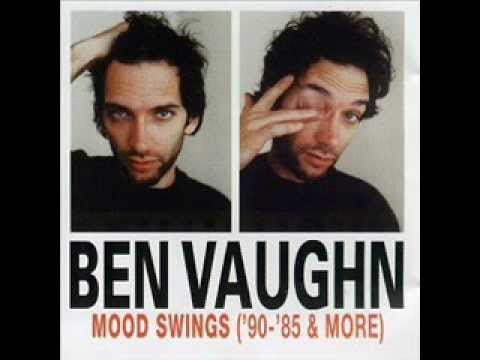
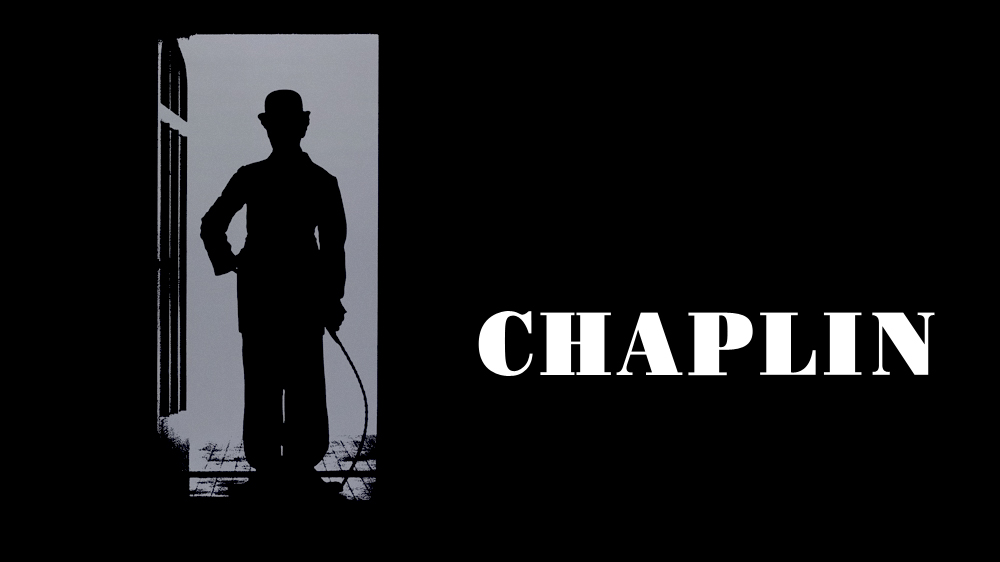
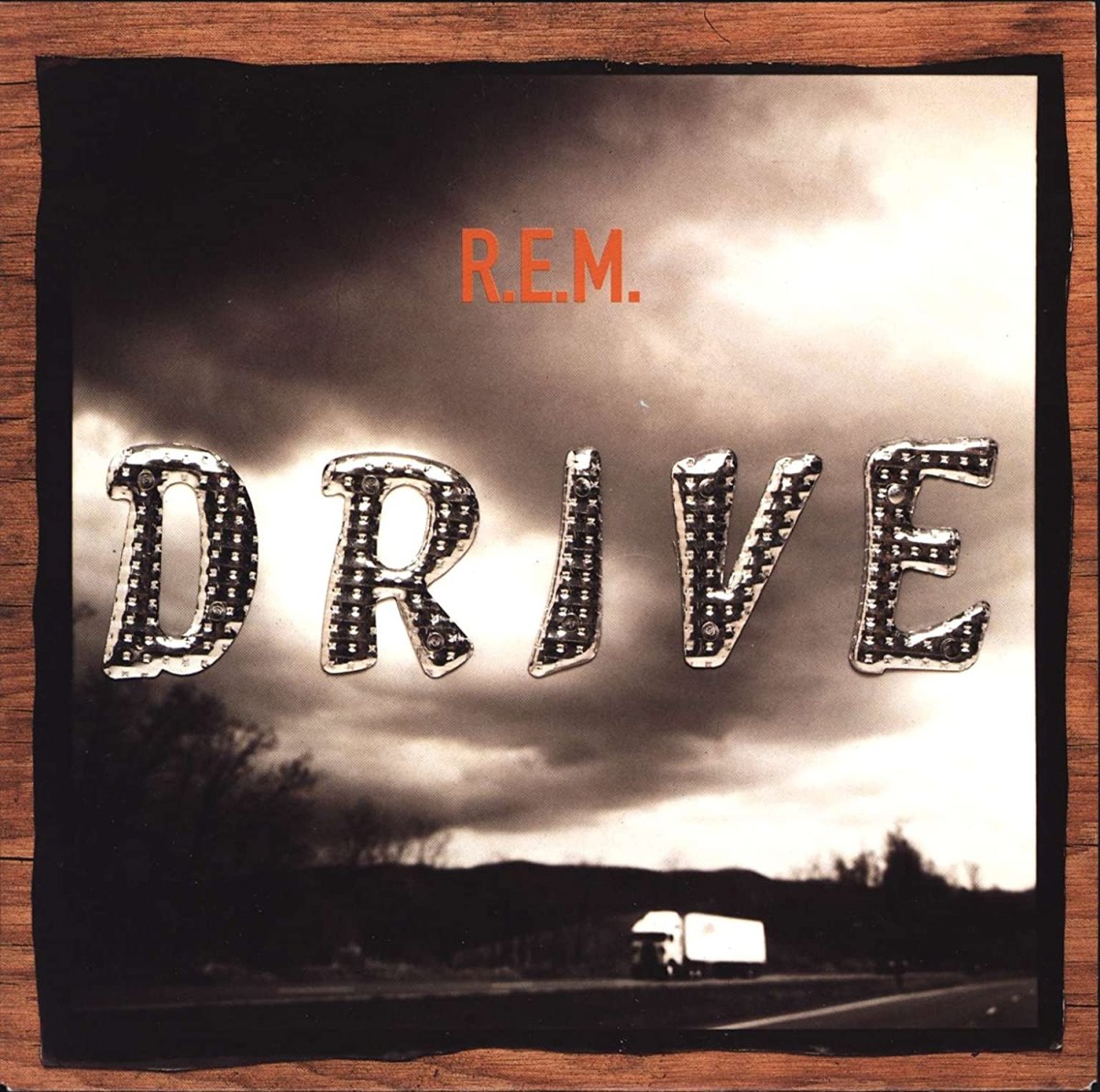
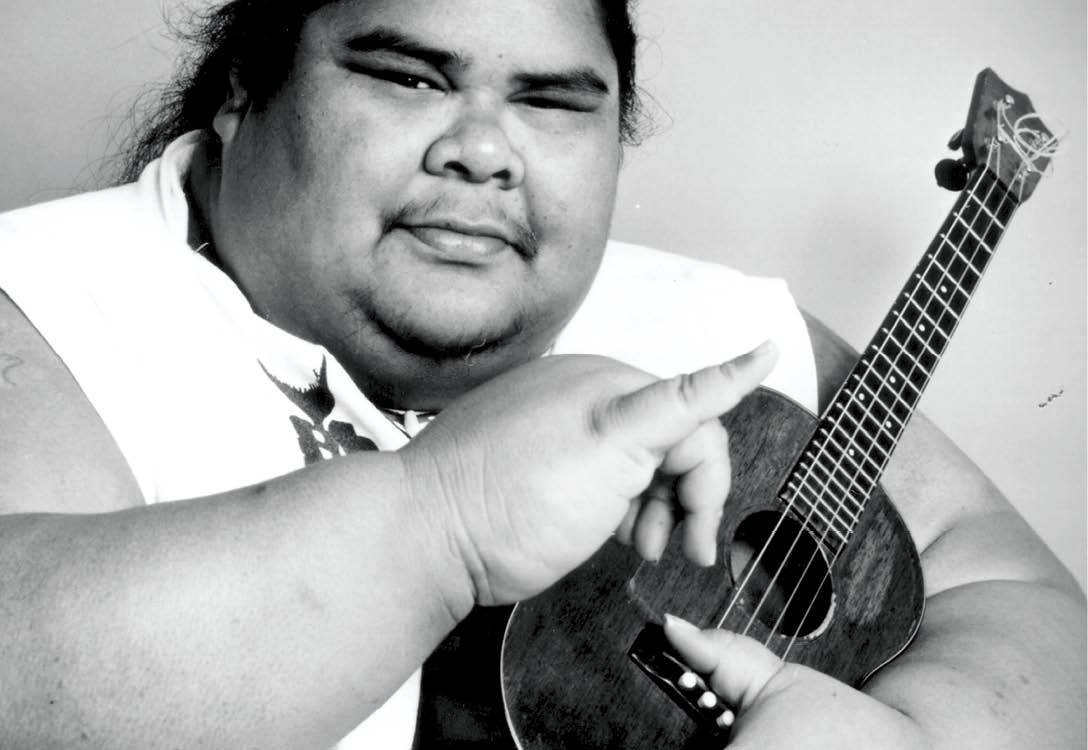
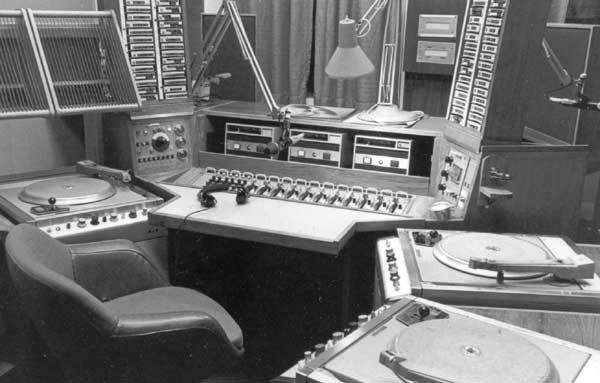


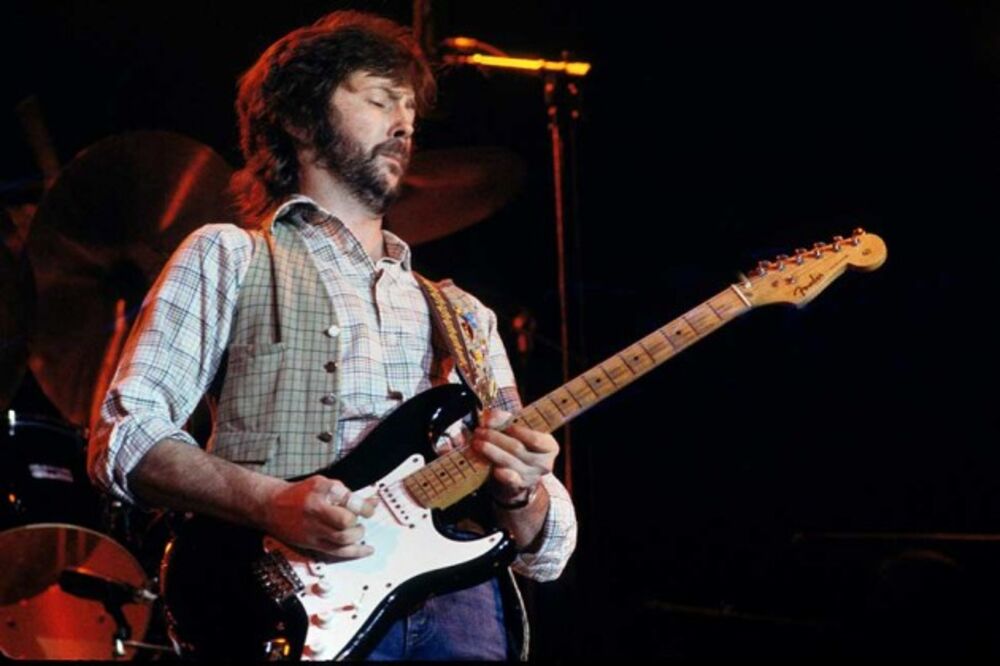
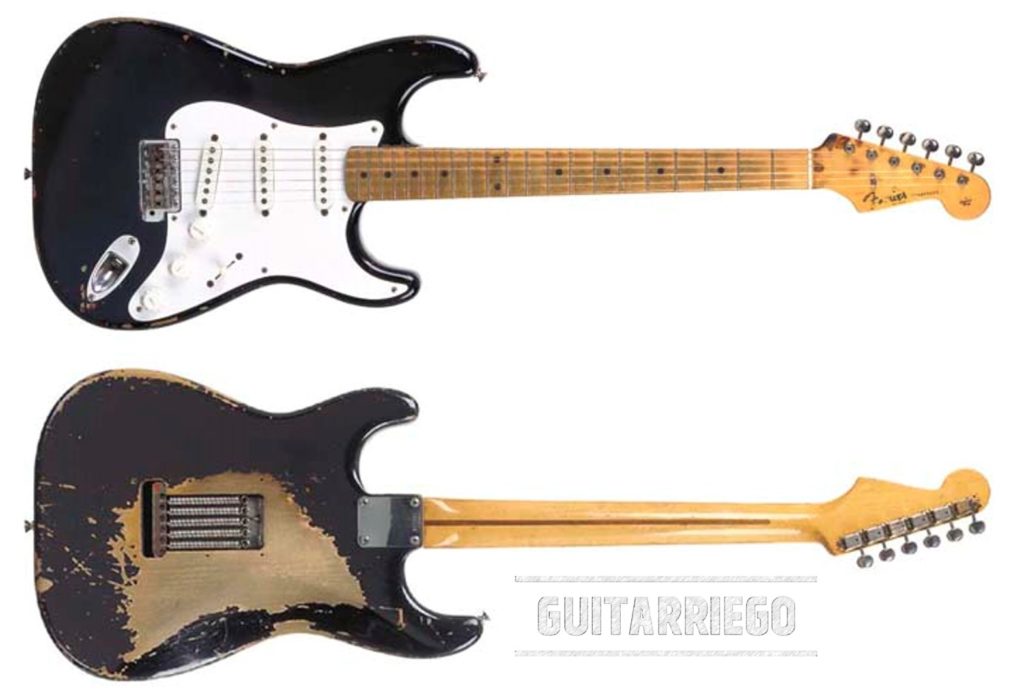

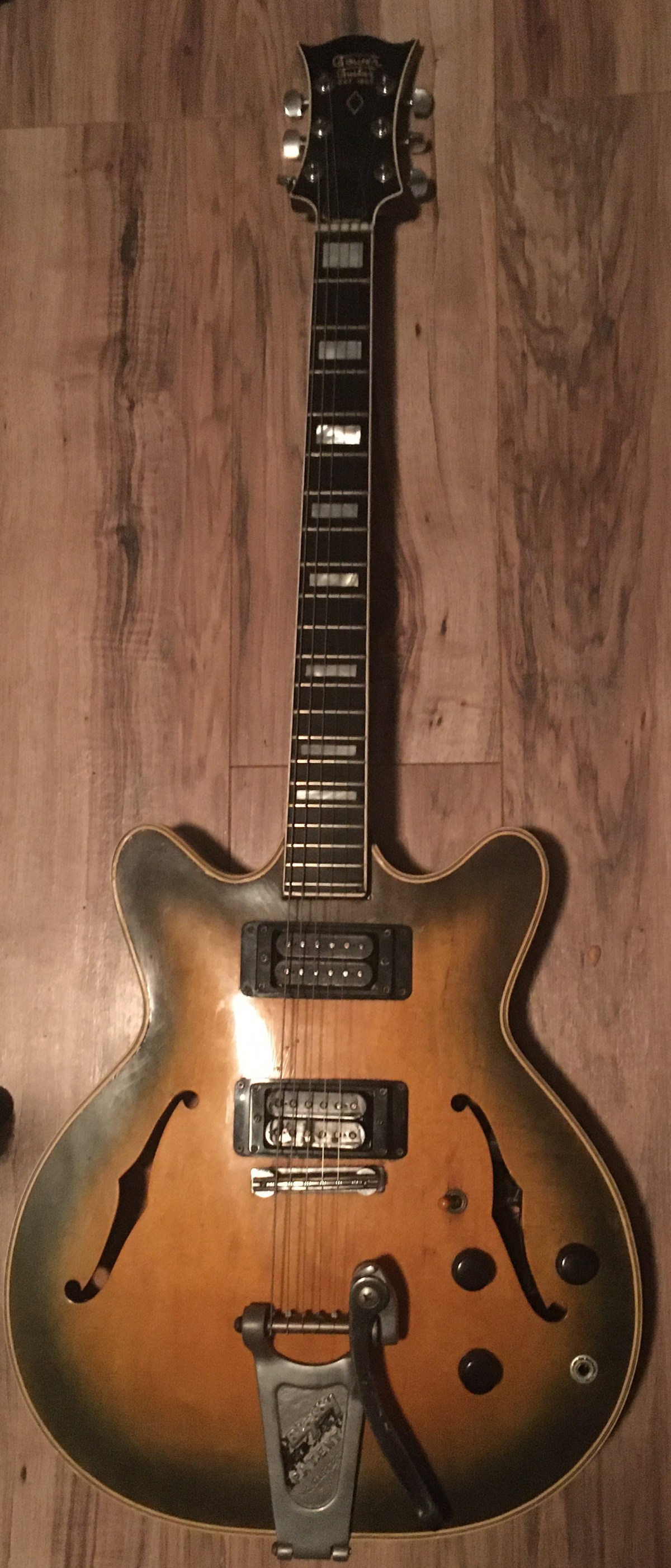
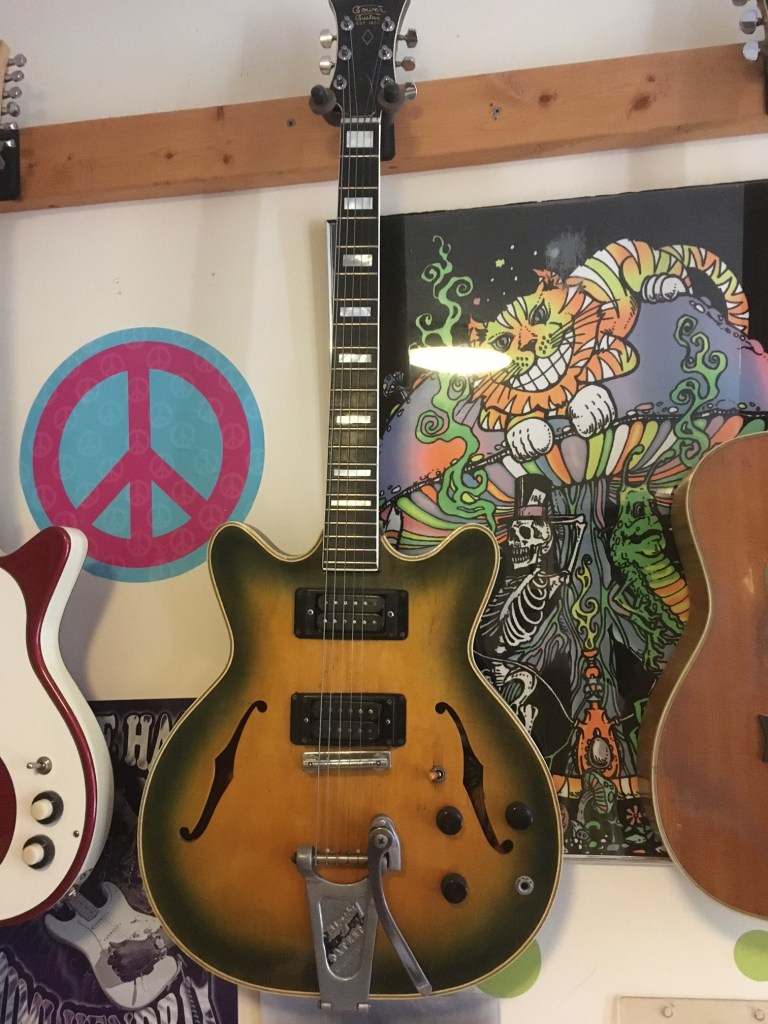
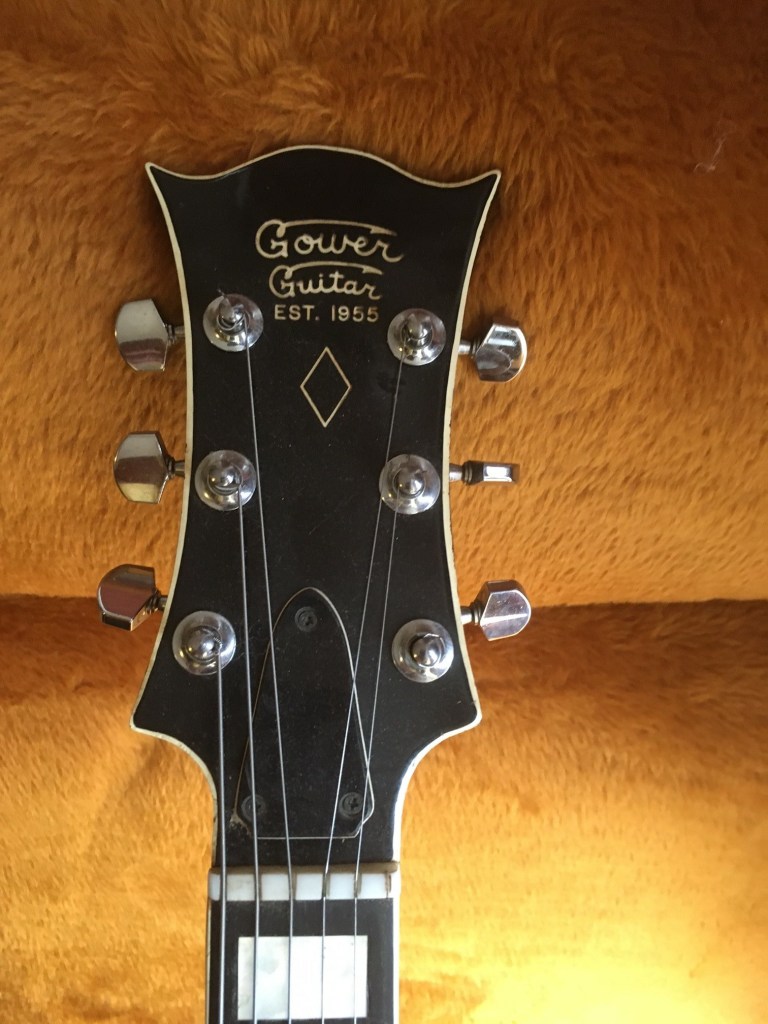
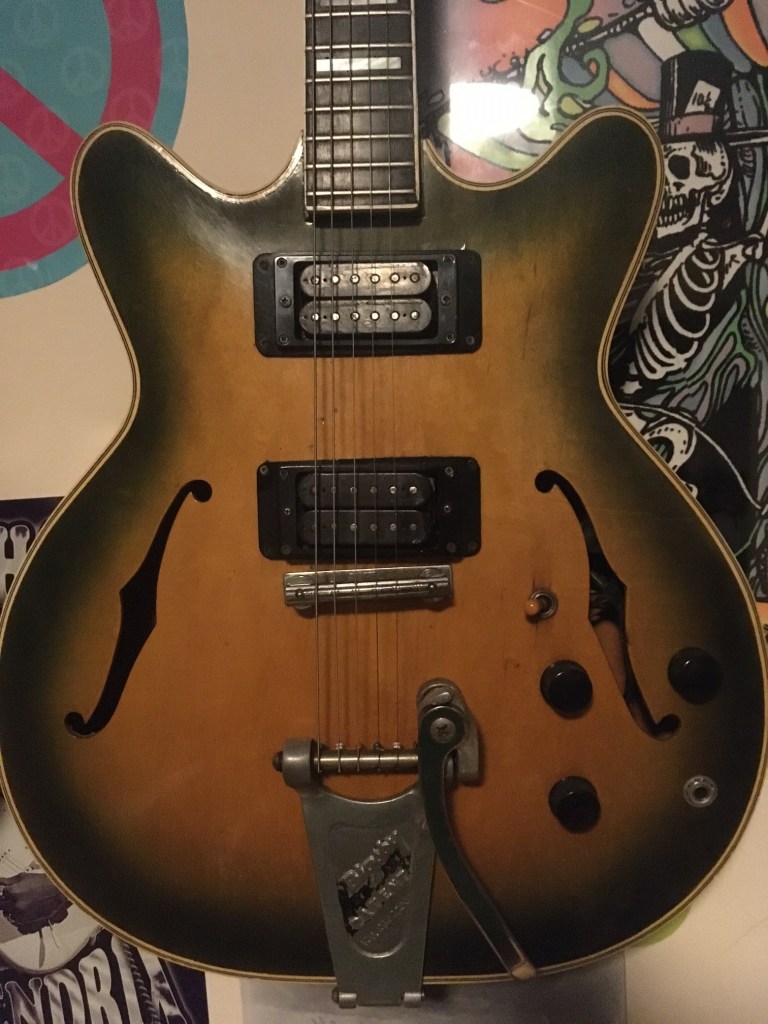
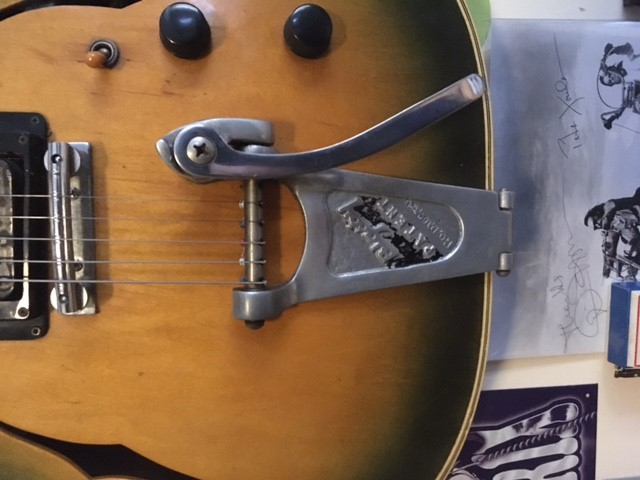
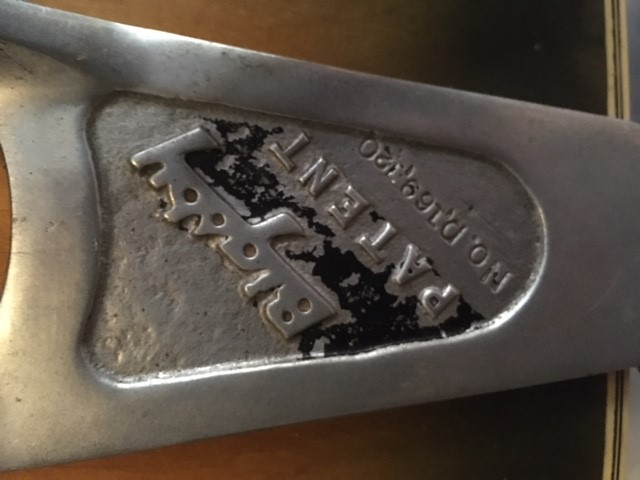
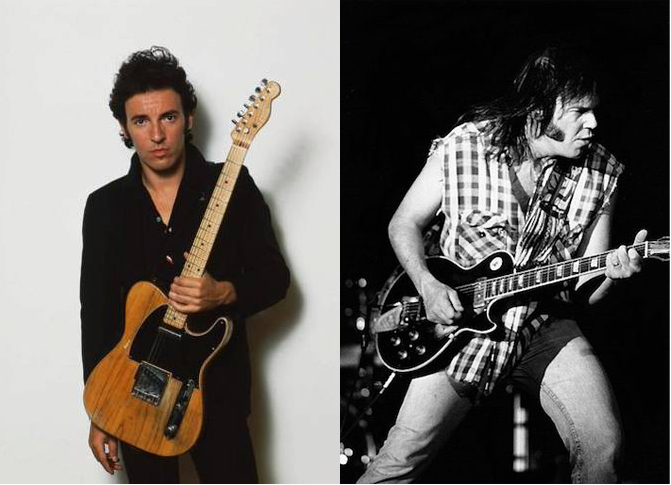


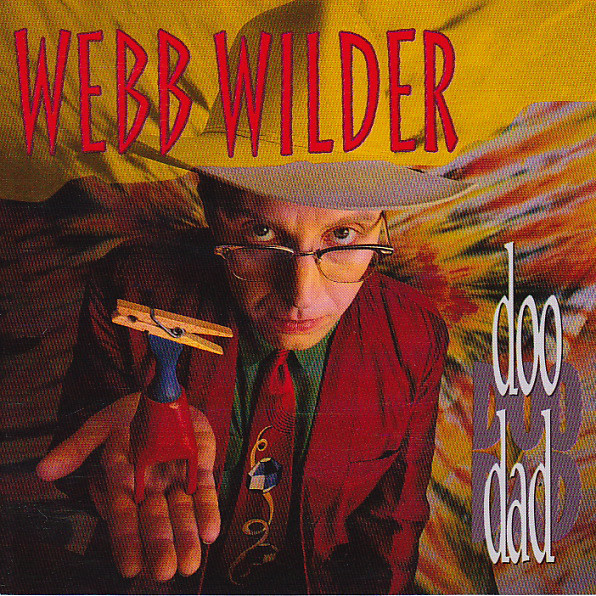


 PowerPop... An Eclectic Collection of Pop Culture