I first heard this when I was a kid and I tried wrapping my brain around it. It starts with a siren-like sound and dives into chaos…my favorite place. John famously said he wrote the first line on an acid trip on one weekend and the second line on another acid trip the next weekend and filled in the rest after he met Yoko.
This was the first song recorded after Beatle’s manager Brian Epstein’s death in 1967. After John first sang the song to Beatle’s producer George Martin…the did this before they worked on their songs so George could get a feel for it. George said: “Well, John, to be honest, I have only one question: What the hell do you expect me to do with that?” John was not happy about it but after being played a song with two notes… and singing about a Walrus and Eggman…you can’t really blame him.
The song was the B side to the Hello, Goodbye. I think…as well as John the A side should have been I Am the Walrus.
I Am the Walrus
I am he as you are he as you are me And we are all together See how they run like pigs from a gun See how they fly I’m crying
Sitting on a cornflake Waiting for the van to come Corporation T-shirt, stupid bloody Tuesday Man you’ve been a naughty boy You let your face grow long
I am the eggman They are the eggmen I am the walrus Goo goo g’ joob
Mr. City policeman sitting Pretty little policemen in a row See how they fly like Lucy in the sky See how they run I’m crying I’m crying, I’m crying, I’m crying
Yellow matter custard Dripping from a dead dog’s eye Crabalocker fishwife Pornographic priestess Boy, you’ve been a naughty girl You let your knickers down
I am the eggman They are the eggmen I am the walrus Goo goo g’ joob
Sitting in an English garden Waiting for the sun If the sun don’t come you get a tan From standing in the English rain
I am the eggman (“How do you do sir”) They are the eggmen (“The man maintains a fortune”) I am the walrus Goo goo g’ joob Goo Goo Goo g’ joob
Expert, texpert choking smokers Don’t you think the joker laughs at you (Ho ho ho hee hee hee hah hah hah) See how they smile like pigs in a sty See how they snide I’m crying
Semolina Pilchard Climbing up the Eiffel tower Elementary penguin singing Hare Krishna Man, you should have seen them kicking Edgar Allen Poe
I am the eggman They are the eggmen I am the walrus Goo goo g’ joob Goo goo goo g’ joob Goo goo g’ joob Goo goo goo g’ joob Goo goo Juba juba juba Juba juba juba Juba juba juba Juba juba
(Oh I’m tired, servicible villain Set you down father, rest you)
This one was the most fun to do. These are the songwriters that I have listened to and admired the most.
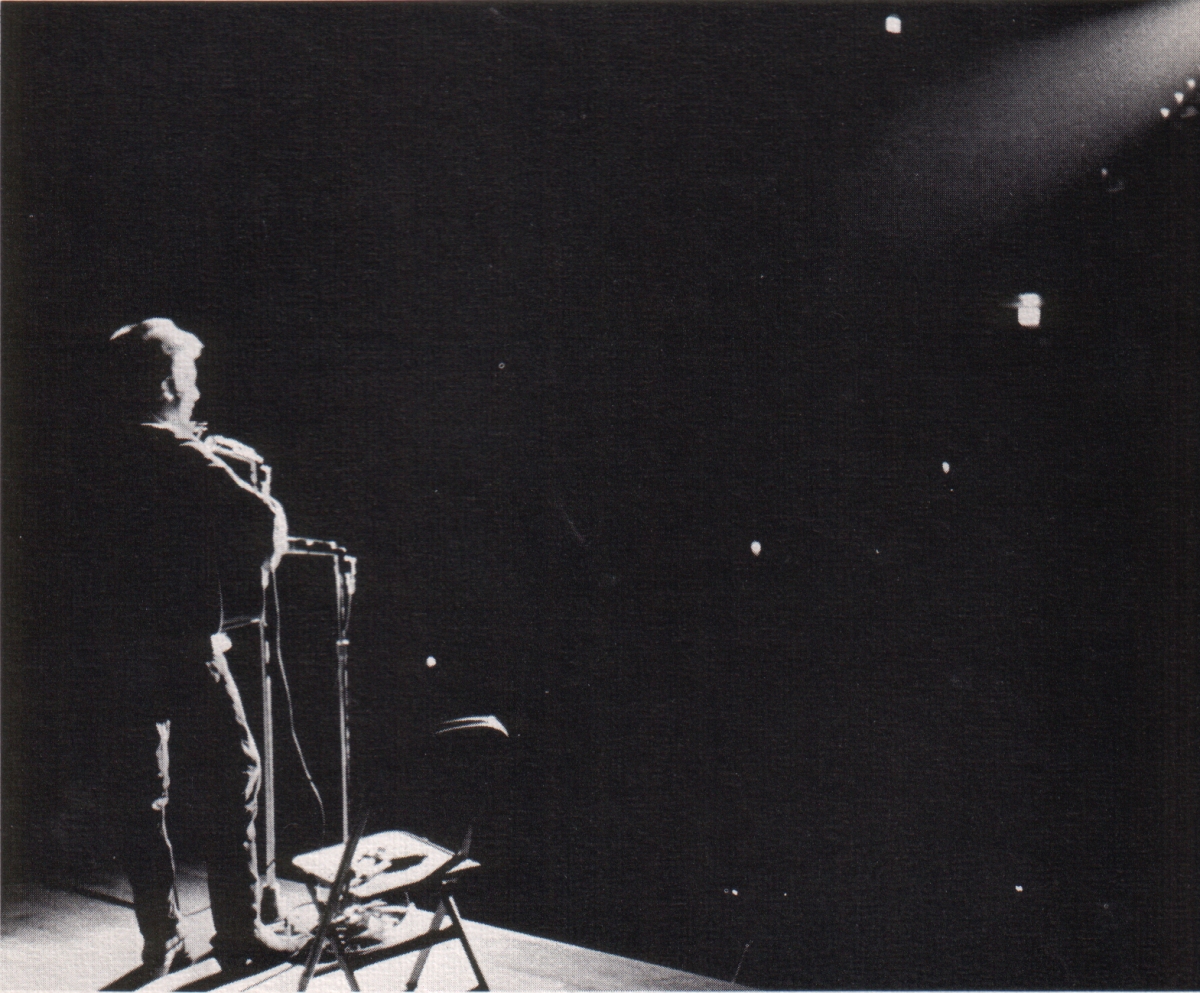
1… Bob Dylan – There was no one else I could remotely place as number 1.
2… Lennon – McCartney – As a team…it was quantity and quality. Their music will live long after we are gone.
3…Chuck Berry – He wrote the blueprint for future rockers.
4…Jagger – Richards – For blues rock it doesn’t get much better than these two.
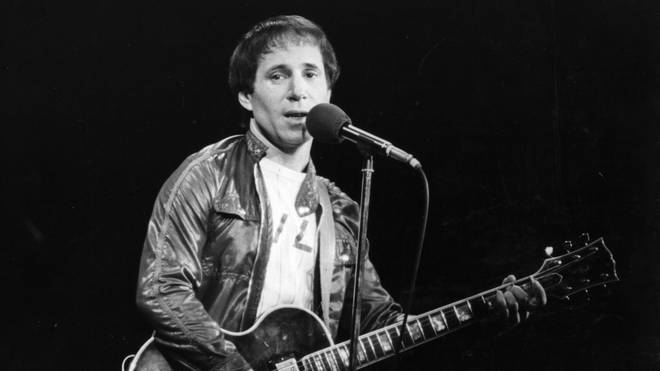
5…Paul Simon – One of the best craftsman of pop songs there is…
6…Bruce Springsteen – One of the best writers of his generation.
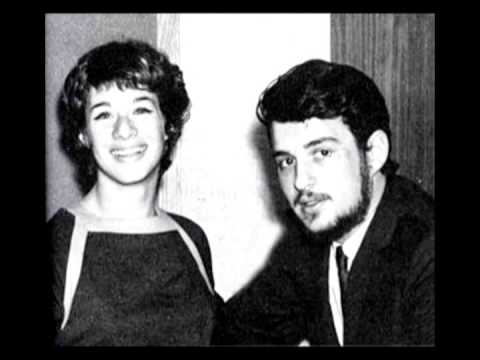
7…Goffin and King – Wrote some of the best known and successful songs of the sixties.
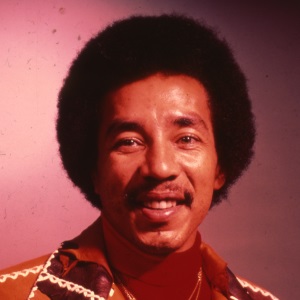
8…Smokey Robinson – Bob Dylan said of Robinson…”America’s greatest living poet”
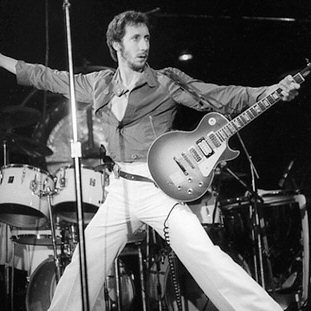
9…Pete Townshend – Took the “Rock Opera” to new levels.
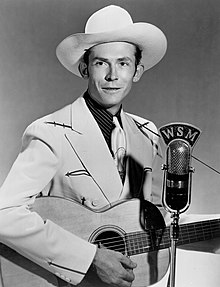
10…Hank Williams – The country poet.
Honorable Mention
Paul McCartney, John Lennon, Ray Davis, Neil Young, Townes Van Zandt, Leiber and Stoller, Elvis Costello, Randy Newman, Woody Guthrie, Merle Haggard, Robbie Robertson, Elton John and Bernie Taupin, Tom Petty, Curtis Mayfield, John Prine, George Harrison, Steve Wonder, Warren Zevon, Brian Wilson
There are so many singers that I cannot possibly list them all. I could make a top 30 and not get them all. This is my personal favorite top 10 plus some extra.
For the most part, I like singers with soul and meaning to their singing…not vocal gymnastics.
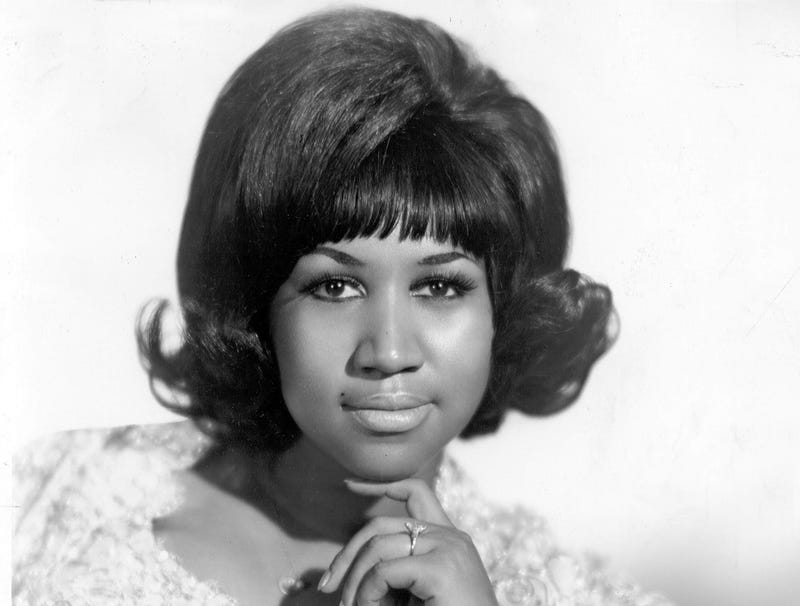
1…Aretha Franklin – Aretha could make any song better by singing it.
2…Van Morrison, Them and Solo – Probably my favorite male singer.
3…John Lennon, Beatles – John hated his voice and always wanted an effect on it…It didn’t need it…one of his best performances was “A Day In The Life”
4…Bob Dylan – Bob changed popular singing. I would rather hear Bob sing than many of the great traditional singers.
5…Elvis Presley – Hey he’s Elvis…
6…Otis Redding – Just a fantastic singer and performer and just taking off before he was killed in a plane crash.
7…Mick Jagger, Rolling Stones – Mick makes the most out of his voice.
8…John Fogerty…CCR – If I could have the voice of anyone…it would be Fogerty. The power that John has is incredible…his voice is its own instrument.
9…Janis Joplin – She put everything she had in each song. Her last producer Paul A. Rothchild was teaching Janis how to hold back and sing more traditional to save her voice for old age…which never came.
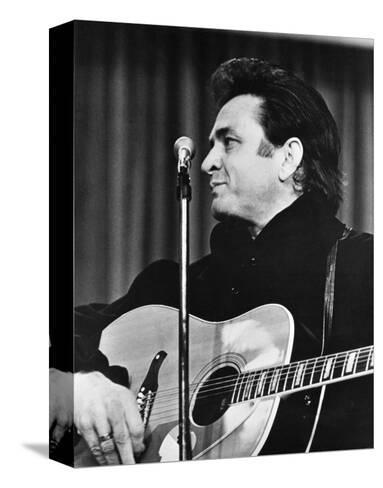
10…Johnny Cash – Last but far from least. Only one man can sound like Cash…and that is Cash
Honorable Mention…any of these could have easily been on the list.
Steve Marriott, Paul McCartney, Levon Helm, Bessie Smith, Little Richard, Roger Daltrey, Pete Townshend, Elton John, Neil Young, Roy Orbison, Smokey Robinson, Sam Cooke, Joe Cocker, Billie Holiday, Freddie Mercury, Kate Bush, Ella Fitzgerald, Paul Rodgers, David Bowie.
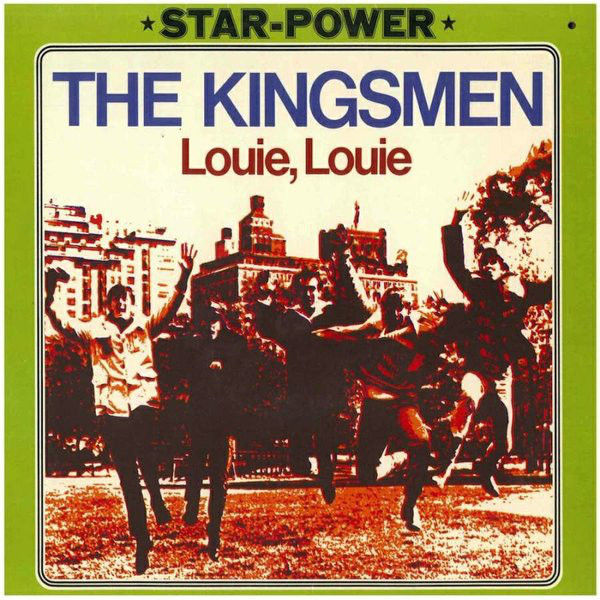
This song has been played in thousands of bars, clubs, and garages. It’s an important milestone in Rock and Roll’s history. Louie Louie caused a scandal when it was released. Many people thought the mumbled words were obscene. John Ely was the lead singer for the Kingsmen at the time. He had to sing from a distance or rather shout at a distant microphone.
The FBI got involved and started an investigation…even Robert Kennedy and J. Edgar Hoover received letters about it. The governor of Indiana, Matthew Welsh wanted it banned. Some technicians play it backward and forwards, they played it at different speeds, they spent a lot of time on it but it was indecipherable at any speed. The one person they didn’t ask about it was John Ely.
You have to wonder if the band or most likely the record company started the rumor about the lyrics. It was said some college student caused it but my money would be on the record company. The song peaked at #2 in the Billboard 100 and #27 in the UK in 1963.
This was written by an R&B singer named Richard Berry in 1955. With his group The Pharaohs, he was also the first to record it, and it got some airplay in some cities in the Western US when it was released in 1957. Various garage bands heard it and started covering the song, until it became a phenomena with the Kingsmen’s 1964 version. While much of the song’s notoriety comes from the indecipherable lyrics, in Berry’s original version words are quite clear: the song is about a sailor who spends three days traveling to Jamaica to see his girl.
Dwight Rounds, author of The Year The Music Died, 1964-1972, writes: “The words to ‘Louie Louie’ are almost impossible to understand, and are rumored to be obscene. No question that this added significantly to the sales of the single. There was probably a leak somewhere that the lyrics were obscene; otherwise no one would have realized it. This was the most ingenious marketing scheme ever. The FBI tried to track down Richard Berry, The Kingsmen, and various record company executives. They were never able to determine the actual lyrics used. The Kingsmen insisted they said nothing lewd, despite the obvious mistake at the end of the instrumental, where Jack Ely started to sing the last verse one bar too soon, and can be heard yelling something in the background. Ely also said that he sung far away from the microphone, which caused the fuzzy sound, and that the notoriety was initiated by the record company. The words sound much more like the official version seen below, especially the word “rose” instead of “bone.” The lyrics rumor was a sham. The official lyrics are listed below in plain print, with one of the many alternative versions in italics.
Chorus: “Louie, Louie, oh no. Me gotta go. Aye-yi-yi, I said. Louie Louie, oh baby. Me gotta go.”
“Fine little girl waits for me. Catch a ship across the sea. Sail that ship about, all alone. Never know if I make it home.”
“Three nights and days, I sail the sea.” Every night and day, I play with my thing. “Think of girl, constantly.” I f–k you girl, oh, all the way. “Oh that ship, I dream she’s there. On my bed, I’ll lay her there. “I smell the rose in her hair.” I feel my bone, ah, in her hair.
“See Jamaica, the moon above.” Hey lovemaker, now hold my thing. “It won’t be long, me see my love.” It won’t take long, so leave it alone. “Take her in my arms again.” Hey, senorita, I’m hot as hell. “Tell her I’ll never leave again.” I told her I’d never lay her again.
The FBI launched an extensive investigation into this song after Indiana governor Matthew Welsh declared it “Pornographic” in early 1964 and asked the Indiana Broadcasters Association to ban it. The investigation spanned offices in several states, with technicians listening to the song at different speeds trying to discern any obscene lyrics. None were found; the FBI eventually figured out what happened when they contacted the FCC. The report details this correspondence:
“She explained that for approximately two years her company has been receiving unfounded complaints concerning the recording of ‘Louie Louie.’ She advised that to the best of her knowledge, the trouble was started by an unidentified college student, who made up a series of obscene verses for ‘Louie Louie’ and then sold them to fellow students. It is her opinion that a person can take any 45 r.p.m recording and reduce its speed to 33 r.p.m. and imagine obscene words, depending upon the imagination of the listener.”
This song was prominently featured in the film Animal House, starring John Belushi, despite the fact that it wasn’t actually recorded until almost two years after the period of time in which the movie is set (1962).
Louie Louie
Louie Louie, oh no Me gotta go Aye-yi-yi-yi, I said Louie Louie, oh baby Me gotta go
Fine little girl waits for me Catch a ship across the sea Sail that ship about, all alone Never know if I make it home
Louie Louie, oh oh no Me gotta go, oh no Louie Louie, oh baby I said we gotta go
Three nights and days I sail the sea Think of girl, constantly On that ship, I dream she’s there I smell the rose in her hair.
Louie Louie, oh no Me gotta go Aye-yi-yi-yi, I said Louie Louie, oh baby Me gotta go Okay, let’s give it to ’em, right now!
See Jamaica, the moon above It won’t be long, me see me love Take her in my arms again I tell her I’ll never leave again
Louie Louie, oh no Me gotta go Aye-yi-yi-yi, I said Louie Louie, oh baby Me gotta go
I said we gotta go now Let’s take it on outta here now Let’s go!!
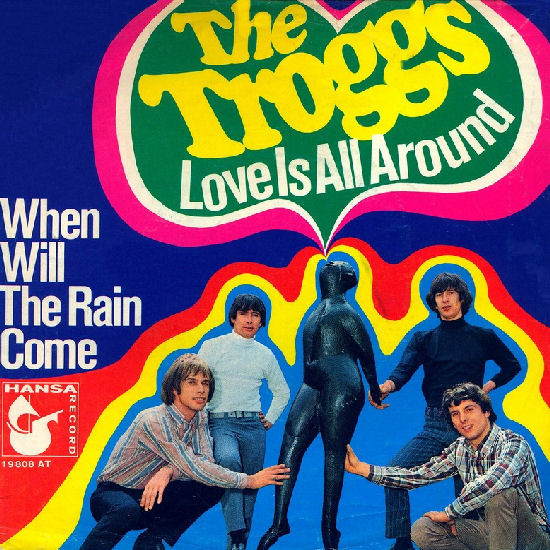
We will start off the new year with a little love from 1968. The Troggs are my favorite 60’s garage rock/punk band. Their big claim to fame was “Wild Thing” in 1966. The song peaked at #7 in the Billboard 100, #6 in Canada, and #5 in the UK.
Troggs lead singer Reg Presley wrote this in about 10 minutes. He was inspired by the Joy Strings Salvation Army band he’d seen on TV
The Troggs are not the only band to have success with this song. Wet, Wet, Wet recorded this song and it peaked at #41 and #1 in the UK in 1994.
REM and the Troggs made an album together called Athens Andover… REM later released a live version of this song.
Reg Presley’s real name is Reginald Ball, he adopted the name of Presley in 1966 as a publicity stunt.
In 1994 this became a huge hit when Wet Wet Wet covered it for the movie Four Weddings And A Funeral. The band chose it over Gloria Gaynor’s “I Will Survive” and Barry Manilow’s “Can’t Smile Without You” even though some of their members hadn’t heard it before. Their version was UK #1 for 15 weeks and became the best selling single in the UK in 1994.
The UK record for longest stay at #1 is held by Bryan Adams’ “(Everything I Do) I Do It For You).” Wet Wet Wet’s record company tried to tie this record by announcing they were pulling the single after 16 weeks, hoping people would rush out to buy it. The plan failed and Whigfield knocked them out of #1 with “Saturday Night.” Wet Wet Wet claimed they asked their record company to pull the song because they were sick of it. Their version does hold the record for most weeks at #1 for a UK based act. In the US it reached #41.
When this was revived by Wet Wet Wet, Reg Presley got massive royalties as the songwriter. He denoted the proceeds to crop circle research.
R.E.M. did a cover of this as well, which they played on an episode of MTV Unplugged. The video for this can be found on their VHS/DVD This Film Is On, featuring all the videos for the songs off their 1991 album Out Of Time.
Presley recalled the inspiration for the song in the July 2011 edition of Mojo magazine: “I got back from America, I smelt the Sunday lunch cooking (inhales deeply), phaaaaw – after about 25 years on burgers – I kissed my wife, my little daughter, four years old. We went into the lounge and those Salvation Girls, The Joystrings, were on television, banging their tambourines and singing something, ‘Love, love,’ love.’ I went over to turn it off, knelt down and hearing that ‘Love, love’ I got a bass line, (sings) ‘doom, doom doom, doom doom, doom doom, doom,’ and I got: ‘I feel it in my fingers, I feel it in my toes. My wife, my kid… And so the feeling grows.'”
Love Is All Around
I feel it in my fingers, I feel it in my toes Love is all around me and so the feeling grows It’s written on the wind, it’s everywhere I go So if you really love me, come on and let it show
You know I love you, I always will My mind’s made up by the way that I feel There’s no beginning, there’ll be no end ‘Cause on my love you can depend
I see your face before me, as I lay on my bed I kinda get to thinking of all the things you said You gave a promise to me, and I gave mine to you I need someone beside me in everything I do
You know I love you, I always will My mind’s made up by the way that I feel There’s no beginning, there’ll be no end ‘Cause on my love you can depend
It’s written on the wind, it’s everywhere I go So if you really love me, come on and let it show Come on and let it show Come on and let it show Come on and let it show Come on and let it show Come on and let it show
This list means more to me because I started off playing bass and spent a lot of time listening to records of many of these artists. Slowing the record down when I was 15 -16 trying to learn the runs. There was no youtube or tabs to show how to play songs.
These are my favorite bass players and the ones I grew up listening to.
1…John Entwistle, The Who – For my money, John was the best rock bass player. He was incredibly quick on bass and his late sixties and mid-seventies tone was great. Some of his bass playing style was developed from having Keith Moon as a rhythm partner. He would have to follow Keith all over the place.
2…James Jamerson, Motown – One of the most influential bass players without a doubt. All of those great records that Jamerson played on showed how powerful and melodic he was…
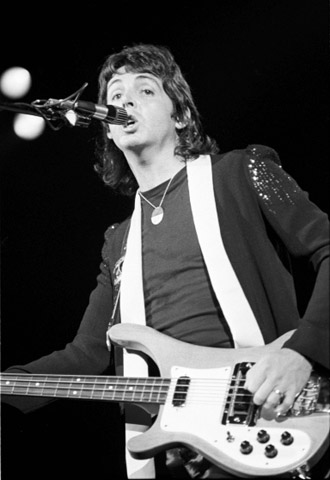
3-…Paul McCartney, Beatles – The most melodic bass player that I’ve heard. Starting with Sgt Pepper his bass playing and sound changed the way the bass was recorded and played.
4…Jack Bruce, Cream – Like John Entwistle he was incredibly fast and held the song together while singing most of the time.
5…John Paul Jones – I wish Jimmy Page would have mixed his bass louder in recordings of Zeppelin. Fantastic bass player and arranger.
6…Rick Danko, The Band – He played the perfect bass lines for all of those Robbie Robertson songs. I like his sliding style along with his very loose playing. Rick also sang either lead or backup while playing.
7…Roger Waters, Pink Floyd – Roger waters made some of the most memorable bass lines ever.
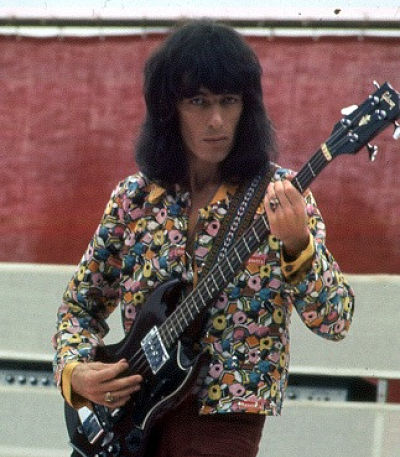
8…Bill Wyman, Rolling Stones – Part of a great rhythm section with Charlie Watts. I didn’t appreciate Bill until I started to hear him live. He is still playing now at 82 with his own group The Rhythm Kings. He was overlooked with Charlie because of Mick and Keith.
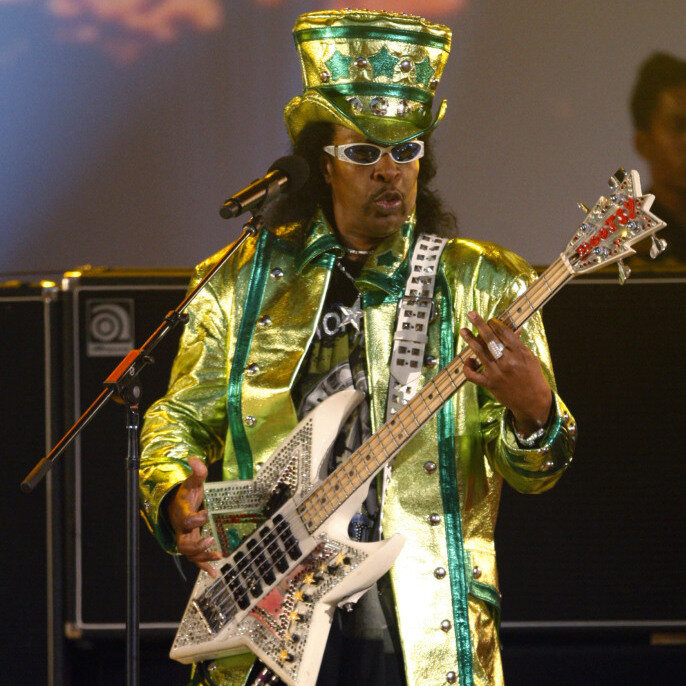
9…Bootsy Collins, James Brown, Parliament-Funkadelic – You want flashy? Bootsy is your man but he is also one of the best funk bass players ever.
10…Carol Kaye, Studio Musician (The Wrecking Crew) – If you listened to the radio in the 60s and 70s you heard Carol. I knew her bass playing long before I knew of her. She has played on thousands of sessions with artists such as the Beach Boys, Stevie Wonder…the list doesn’t end. Here is a link to what she played on.
Honorable Mention
Les Claypool, Stanley Clarke, Donald “Duck” Dunn, All those bass players on those 70s disco records, Flea, “Jaco” Pastorius, Chris Squire, Phil Lynott
I really liked the way this song is produced and the sound of it. The song peaked at #5 in the Billboard 100 and #14 in the UK Charts in 1964. This was the Shangri-Las’ first national hit single. Like their other hits “Leader Of The Pack” and “I Can Never Go Home Anymore,” the song is about young love gone wrong, as the singer remembers all the good times with the guy who left her.
Aerosmith covered this song in 1979 with Shangri-Las lead singer Mary Weiss on uncredited backup vocals.
This was the Shangri-Las’ first national hit single. Like their other hits “Leader Of The Pack” and “I Can Never Go Home Anymore,” the song is about young love gone wrong, as the singer remembers all the good times with the guy who inexplicably left her.
George “Shadow” Morton wrote this song. Morton was an aspiring songwriter who was recommended by Ellie Greenwich to her husband Jeff Barry. Barry wanted to find out if Morton could give him a song, so Morton arranged meetings with musicians and the Shangri-Las for a future demo session. However while driving to Barry’s studio for the session, Morton remembered that he forgot to write a song! So, he pulled over to the side of the road and began writing. Thus, the song was born.
This song contains the sound effects of seagull cries. Shadow Morton was once asked how these sound effects were included, as many people assumed that they were taped from a beach. His response to the question was: “sound effects record.”
A young Billy Joel played the piano on the sessions for this and The Shangri-Las’ followup (and biggest) hit “Leader of the Pack.” In a 1987 interview with Q magazine, Joel explained: “I met a guy at an Echoes gig – was about 15 and he asked me if I wanted to play piano on a recording. So I go down to this little studio in a guy’s basement in Levittown, Dynamic Studios, and they’ve got this sheet music down there. There’s two songs, one’s called ‘Leader Of The Pack’ and the other is called ‘Remember (Walking In The Sand)’ and this is pretty easy stuff to play and then Shadow comes in. He’s a pretty strange guy, Shadow. He’s wearing this big cape and dark glasses and he played the producer role to the hilt. I think he had a thing about Phil Spector. He wanted to be the Phil Spector of the East Coast. And he talked in these wild, dramatic, theatrical terms – he wanted more ‘thunder’ and he wanted more ‘purple’ in the record. He’s waving his arms in the air saying ‘give me more PURPLE’. And I’m sitting there kind a nervous – this is my first time ever in a recording studio – and I’m hissing to the other musicians, What does that mean? How do I play “purple”? And the guitar player leans over and say, Oh, just play louder, kid.
So we did these songs in a couple of hours and the singers didn’t actually sing with us, we just did the backing tracks and I was never really sure who it was for and then I heard ‘Remember (Walking In The Sand)’ by the Shangri-Las on the radio and I went Wait a minute, that’s me, and the guys in the band said, Oh, what did you get paid? I didn’t get paid anything. What did I know. I guess Shadow pulled in guys like me so he could save some money.”
Remember (Walking in the Sand)
Seems like the other day My baby went away He went away cross the sea It’s been two years or so Since I saw my baby go And then this letter came for me
He said that we were through He’s found somebody new (who?) Let me think, let me think What can I do?
Oh no Oh no Oh no no no no no
(Remember) Walking in the sand (Remember) Walking hand in hand (Remember) The night was so exciting (Remember) Smile was so inviting (Remember) Then he touched my cheek (Remember) With his finger tips (Remember) Softly, softly we’d meet with our lips
What ever happened to The boy that I once knew? The boy who said he’d be true Oh, what happened to The light I gave to you What will I do with it now?
(Remember) Walking in the sand (Remember) Walking hand in hand (Remember) The night was so exciting (Remember) Smile was so inviting (Remember) Then he touched my cheek (Remember) With his finger tips (Remember) Softly, softly we’d meet with our lips
This is my top ten favorite drummers…I’m sure I’m going to leave some great ones out. Like guitarists, I like drummers with feel more than technique. Anyone who has read this blog knows who my number 1 is without question…
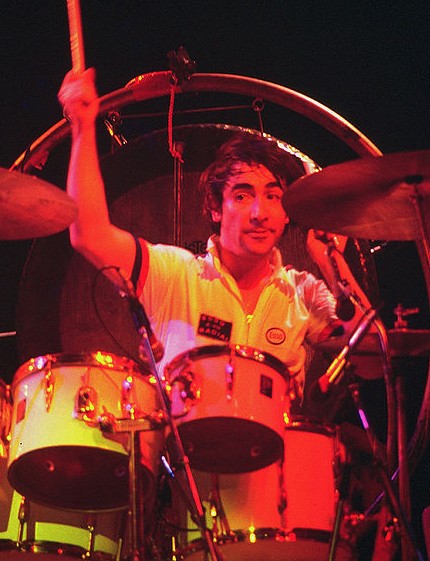
1…Keith Moon, The Who – It’s hard if not impossible to copy this man’s drumming style. He changed the Who completely and was their engine. I’m not a drummer so I really never cared like some drummers do if he played by the rules in drumming…Was he disciplined? No, but it worked well for him and for the songs. Songs like Bargain and Goin’ Mobile are great examples of Keith.
2…John Bonham, Led Zeppelin – Without Bonham, there is no Led Zeppelin as we know them. He was the ultimate groove drummer. He was a bricklayer and had hard hands and hit the drums incredibly hard but with a light touch also.
3…Levon Helm, The Band – Not only was he a great drummer but also a soulful singer. He brought something many drummers didn’t… a bit of the old south.
4…Charlie Watts, Rolling Stones – Charlie and Ringo made their respective groups swing. Charlie can play blues, rock, big band, and jazz. Charlie and his rhythm section partner Bill Wyman were overlooked being in the same band with Mick and Keith. On top of his drumming skills…Charlie grounds the band much like Ringo did for the Beatles.
5…Ringo Starr, The Beatles – He was not Moon or Bonham in flash but he played exactly what was needed…He could have gone overboard and the songs would have suffered. He played for the song. Some have called him the human metronome. I cannot imagine any other drummer for The Beatles. His tom tom work on Sgt Pepper alone is excellent.
6…Mitch Mitchell, Jimi Hendrix Experience – Any holes left in Jimi’s music would be quickly filled in by Mitch. He was a jazz drummer who fused it into rock.
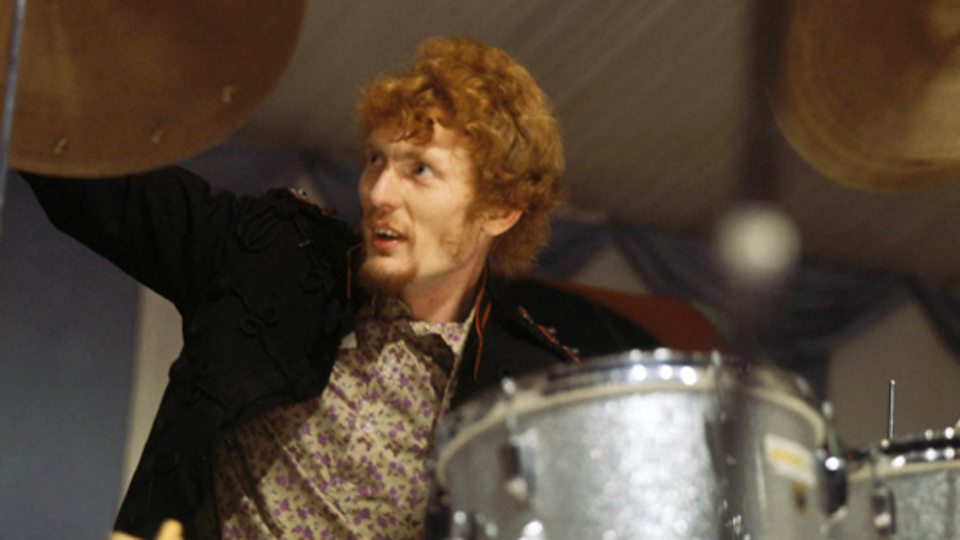
7…Ginger Baker, Cream – If this was a list of “likable people” Ginger would not be in the top 1000 but his drumming was some of the best of the sixties and I’m sure he would say “ever”… He was as big of part of Cream’s sound as Clapton or Bruce.
8…Bobby Elliot, Hollies – Drummer from the Hollies that other drummers have admired. He hit the drums hard and his fills were great… He is often overlooked but he is always spot on.
9…Dave Grohl, Foo Fighters, Nirvana – He can play anything… He fuels those Nirvana songs…and is really great at whatever instrument he plays.
10…Clem Burke, Blondie – An exciting drummer that was heavily influenced by number 1 on this list. He has played with Pete Townshend, Bob Dylan, Iggy Pop, and David Bowie.
Honorable Mention
Gene Krupa, Buddy Miles, Mick Fleetwood, Max Weinberg, “D.J.” Fontana, Benny Benjamin, Stewart Copeland, and Hal Blaine.
Yes, I know… No Neil Peart…yes he is a great drummer…just not my style of music.
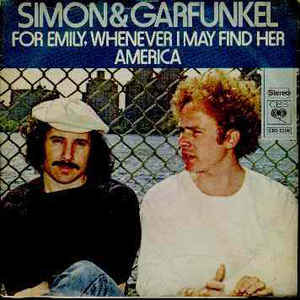
I could listen to this song on a tape loop for eons and eons and be happy. Paul Simon is on a different level than other songwriters. This song peaked at #95 in the Billboard 100 and #25 in the UK in 1972. The song was originally on the album Bookends released in 1968 but this record was released as single in 1972 to promote their Greatest Hits.
The first Simon and Garfunkel album I bought was the Greatest Hits in the 80s. None of the songs ever get old to me.
In this song, Paul Simon and his longtime girlfriend Kathy Chitty (from “Kathy’s Song”) are coming to America (moving from England). Paul is deeply confused and unsatisfied, but he doesn’t know why. He just knows that something is missing. It is also about the “American Dream” – the guarantee that you will make it if you stumble upon this country. That is why they are coming to America.
The song is a great example of Paul Simon and Art Garfunkel singing in unison, which was a hallmark of their sound. Garfunkel is especially fond of the section where they sing, “And walked off to look for America.” To told Paul Zollo in 1993: “That has a real upright, earnest quality because we both have the identical soul at that moment. We come from the identical place in our attitude, and the spine that’s holding us up, we are the same person. Same college kid, striking out.”
There are no rhymes in this song, which is quite a feat of songwriting. In his Songfacts interview, Gerry Beckley of America (no relation) broke it down: “The entire song is prose. There’s not one line that rhymes and I will tell some of the best songwriters you’ve ever met that particular element and you can see them stop and go through it in their head. We’re oblivious to that being an ingredient because we’re so involved in the story. You’re not sitting there going, ‘That didn’t rhyme, wait a second.’ It’s not an issue.”
The prolific session drummer Hal Blaine played on this, and considers it one of his favorites. Blaine also played on Simon & Garfunkel’s “Mrs. Robinson.”
Other musicians on the track include Joe Osborn on bass and Larry Knechtel on organ.
At their live show in Central Park, Simon & Garfunkel repeated the line “Counting the cars on the New Jersey Turnpike” because the home crowd could relate to the image of massive traffic on New Jersey highways.
This was used by James Leo Herlihy in his all-but-forgotten classic novel, The Season of the Witch. The story begins with a pair of teenage runaways traveling by bus to New York, riffing off the lyrics all the way. When they actually see the moon rising over an open field, they feel their journey was meant to happen.
In the movie Almost Famous, the teenaged character Anita (Zooey Deschanel) plays this song to explain why she is leaving home to explore the country. The song is included on the soundtrack to the film.
The progressive rock band Yes recorded a vastly different version which they released as a single in 1972. Their rendition, with layered vocals and musical breakdowns, made #46 in the US. The single version ran 4:06, but a full 10:28 version was also released on a sampler album called The New Age of Atlantic later that year, and included on their 1996 Keys To Ascension album.
In our interview with Yes bass player Chris Squire, he explained: “When Yes first formed, Simon & Garfunkel were very prevalent hit makers at the time and both myself and Jon Anderson were big fans of them. That’s why we covered the song ‘America.’ But we did it differently than their way. We wanted to expand things, which is basically what we did. When Pop tunes were expected to be three minutes long, our mantra was, ‘Let’s make them 10 minutes long.’ So that was really what we did.”
Paul Simon gave Bernie Sanders permission to use this song in a campaign ad when Sanders was campaigning for the Democratic nomination against Hillary Clinton in 2016. Simon told Billboard magazine: “Look, here’s a guy, he comes from Brooklyn, he’s my age. He voted against the Iraq War. He’s totally against Citizens United, thinks it should be overturned. He thinks climate change is an imminent threat and should be dealt with. And I felt: Hats off to you! You can use my song.”
America
Let us be lovers, we’ll marry our fortunes together I’ve got some real estate here in my bag So we bought a pack of cigarettes and Mrs. Wagner’s pies And we walked off to look for America Cathy, I said as we boarded a Greyhound in Pittsburgh Michigan seems like a dream to me now It took me four days to hitchhike from Saginaw I’ve gone to look for America
Laughing on the bus, playing games with the faces She said the man in the gabardine suit was a spy I said, be careful, his bowtie is really a camera Toss me a cigarette, I think there’s one in my raincoat We smoked the last one an hour ago So I looked at the scenery She read her magazine And the moon rose over an open field
Cathy, I’m lost, I said though I knew she was sleeping And I’m empty and aching and I don’t know why Counting the cars on the New Jersey Turnpike They’ve all come to look for America All come to look for America All come to look for America
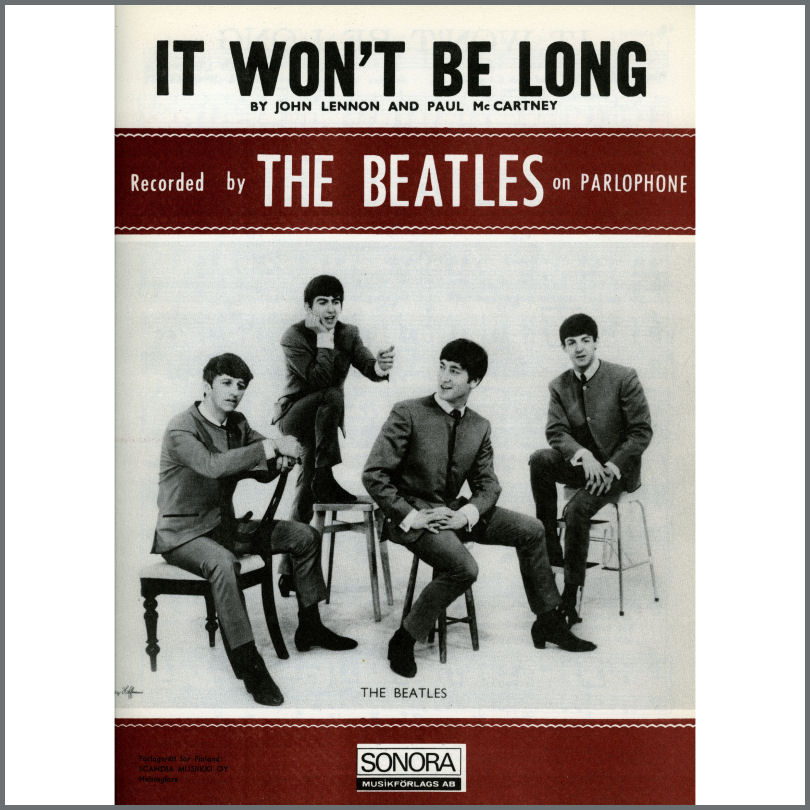
My first favorite Beatle song. The first Beatle album I was exposed to was the American album “Meet the Beatles” and I loved it. This song jumped out at me. Loved Johns voice, melody and the guitar riff. I also like the call and answer of the “yeah”. John had the chorus written and sat down with Paul in 1963 to finish it off. With the intention of writing a follow up single to the yet unreleased “She Loves You,” they put together verses and bridges in an unusual configuration with the already written chorus.
The song is a rocker and catchy but never released as a single.
It Won’t Be Long
It won’t be long yeh, yeh, yeh It won’t be long yeh, yeh, yeh It won’t be long yeh, till I belong to youEvery night when everybody has fun Here am I sitting all on my ownIt won’t be long yeh, yeh, yeh It won’t be long yeh, yeh, yeh It won’t be long yeh, till I belong to youSince you left me, I’m so alone Now you’re coming, you’re coming on home I’ll be good like I know I should You’re coming home, you’re coming home
Every night the tears come down from my eyes Every day I’ve done nothing but cry
It won’t be long yeh, yeh, yeh It won’t be long yeh, yeh, yeh It won’t be long yeh, till I belong to you
Since you left me, I’m so alone Now you’re coming, you’re coming on home I’ll be good like I know I should You’re coming home, you’re coming home
So every day we’ll be happy I know Now I know that you won’t leave me no more
It won’t be long yeh, yeh, yeh It won’t be long yeh, yeh It won’t be long yeh, till I belong to you, woo
Something light and simple today…a number one in 1969. This song was written as a throwaway B side but ended up peaking at #1 in the Billboard 100 in 1969. The song was written by Gary DeCarlo, Dale Frashuer and Paul Leka, who had been in a band together called the Chateaus in the early ’60s. One of the unfinished songs they wrote as the Chateaus was a tune called “Kiss Him Goodbye,” which they worked on in 1961.
Not a great piece of work but a memorable song that will stay with you.
In 1968, Leka co-wrote and co-produced the song “Green Tambourine,” which was a huge hit for The Lemon Pipers. The following year, he started working with DeCarlo, who was using the stage name Garrett Scott. Working for Mercury Records, they set to work writing singles for “Garrett Scott,” recording four songs, which Leka produced. The first one released was “Working On A Groovy Thing,” which was written by Roger Atkins and Neil Sedaka. The 5th Dimension also recorded the song and released it first, which tanked the Garrett Scott version (The 5th Dimension recording made #20 US; Patti Drew recorded the song a year earlier, taking it to #62).
The next single planned for DeCarlo was “Sweet Laura Lee,” a ballad written by Larry Weiss, composer of “Rhinestone Cowboy.” Needing a B-side, Leka and DeCarlo went back to the studio, where they were joined by their old bandmate Dale Frashuer, who suggested they use their 1961 song “Kiss Him Goodbye.” That song didn’t have a chorus, so Leka wrote one, lazily using “na na”s instead of actual words. They started the session around 7 p.m. and finished at 5 a.m., but when they emerged, they had the completed song.
When Bob Reno, the A&R man at Mercury, heard the song, he loved it and didn’t want to waste it as a B-side. He needed singles for the Mercury subsidiary Fontana Records, so the song was released on that label and credited to the group Steam (named because after the session to record it, the guys were crossing 7th Ave and a subway train went beneath the roadway, shooting steam up from a manhole).
From there, the story gets convoluted, but when the single was released it became a surprise hit. Another song called “Now That I Love You” was used instead on the Garrett Scott “Sweet Laura Lee” single, which went nowhere when it was released. DeCarlo had a huge hit on his hands, but not as a solo artist but as part of an anonymous group.
The most-repeated story is that the three writers were embarrassed about “Na Na Hey Hey Kiss Him Goodbye,” so they created the name Steam to hide their identities. DeCarlo told Songfacts, however, that he was never embarrassed by the song, and that he was promised more of the action. “I was supposed to be the singer and road act for ‘Na Na’ as it was my B-side,” he said. “When Paul and the company got together they decided to split the record, meaning there would be two out. Paul said I would be able to do both as Garrett Scott, which I was later told I had no group. Paul said he would get me a group from a booking agency in New York, which never happened. ‘Na Na’ was never done with a group in mind, it was the B-side of my single. The name Steam wasn’t invented until the album was being done.”
Steam – Na Na Hey Hey Kiss Him Goodbye
He’ll never love you, the way that I love you
‘Cause if he did, no no, he wouldn’t make you cry
He might be thrillin’ baby but a-my love
(My love, my love)
So dog-gone willin’, so kiss him
(I wanna see you kiss him, wanna see you kiss him)
Go on and kiss him goodbye, now
Na na na na, hey hey, goodbye
Na na na na, na na na na, hey hey, goodbye
Listen to me now
He’s never near you to comfort and cheer you
When all those sad tears are fallin’ baby from your eyes
He might be thrillin’ baby but a-my love
(My love, my love)
So dog-gone willin’, so kiss him
(I wanna see you kiss him, I wanna see you kiss him)
Go on and kiss him goodbye, na na na na, na na na
Na na na na, hey hey, goodbye
Hey hey, goodbye
Na na na na, na na na na, hey hey, goodbye
Hey hey, goodbye
Na na na na, na na na na, hey hey, goodbye
Hey hey, goodbye
Na na na na, na na na na, hey hey, goodbye
This is the last Christmas song that I will feature…because right now people have had about enough Christmas songs in every restaurant, mall, and grocery store…this one I don’t hear as much.
I also want to thank everyone for dropping by here this year.
The Beatles recorded this in 1967 and wasn’t released until 1994 paired with “Free As A Bird”. It is a fun Christmas song that will stick in your head. The Beatles did not release a Christmas song commercially… only to their fan club when they were active.
Recorded December 6, 1966, and November 28, 1967, in London, England, this song was never officially released until it appeared as the B-side to “Free As A Bird” in 1994. The original version was distributed to The Beatles fan club in 1967. It’s the only song ever written specifically for the Beatles Fan Club members.
Many upbeat Pop groups of this era like The Beach Boys and The Four Seasons released Christmas songs, but The Beatles never had an official Christmas release.
Christmas time is here again
Christmas time is here again Christmas time is here again Christmas time is here again Christmas time is here again
Ain’t been round since you know when Christmas time is here again O-U-T spells “out”
Christmas time is here again Christmas time is here again Christmas time is here again Christmas time is here again
Ain’t been round since you know when Christmas time is here again O-U-T spells “out”
Christmas time is here again Christmas time is here again Christmas time is here again Christmas time is here again
Ain’t been round since you know when Christmas time…[music continues and fades to background]
[spoken]
This is Paul McCartney here, I’d just like to wish you everything you wish yourself for Christmas.
This is John Lennon saying on behalf of the Beatles, have a very Happy Christmas and a good New Year.
George Harrison speaking. I’d like to take this opportunity to wish you a very Merry Christmas, listeners everywhere.
This is Ringo Starr and I’d just like to say Merry Christmas and a really Happy New Year to all listeners
[a John Lennon pastiche at this point, very hard to understand]
Love the tone of the guitar in this one. The song peaked at #61 in the Billboard 100 and #42 in the UK in 1968. The song is off of the album In Search of the Lost Chord.
John Lodge quote on writing Ride My See-Saw
“The song is really about growing up. It’s about what you learn at school and everything else…it’s pretty cool. But when you grow up and go into the real world, you can’t take that with you. You need to see what’s happening in the real world, and whatever you learned in life up until that time, it will give you a nice grounding so you can find your way in life. It’s really important that you’re aware of the world and what’s actually happening in it, and to try to relate to that. “Ride My See-Saw” is the fact that you’re going up and down—you learn a bit and you lose a bit. That’s what this song is about.”
“Ride My See-Saw” was written by John Lodge, bass player for The Moody Blues. It was one of two singles from their In Search of the Lost Chord album. The B-side of the single was “A Simple Game” in the UK “Voices In The Sky” in the US.
“Ride My See-Saw” has become one of the band’s most popular live tunes. It is the song regularly reserved for the finale performance in stage shows, with a lengthy keyboard and drum duet before the rest of the band comes out onstage for the encore.
This song was one of the first single releases to be recorded on 8-track multi-track tape.
In Search of the Lost Chord is a concept album around a broad theme of quest and discovery. This song found the Moodies exploring knowledge in a changing world.
Ride My See-Saw
Ride, ride my see-saw, Take this place On this trip Just for me.
Ride, take a free ride, Take my place Have my seat It’s for free.
I worked like a slave for years, Sweat so hard just to end my fears. Not to end my life a poor man, But by now, I know I should have run.
Run, run my last race, Take my place Have this number Of mine.
Run, run like a fire, Don’t you run in In the lanes Run for time.
Left school with a first class pass, Started work but as second class. School taught one and one is two. But right now, that answer just ain’t true.
The cartoon was released in 1966 and has been shown every year since. This one along with Rudolph, Charlie Brown, and a few more were a part of Christmas. These specials would prime you for the big day.
One cool thing about the cartoon was that Boris Karloff was the narrator. Thurl Ravenscroft (voice of Tony the Tiger) sang the great song “You’re a Mean One Mr. Grinch. ”
The citizens of Whoville looked and acted like the others of Dr. Suess’s universe. They were all getting ready for Christmas while a certain someone…or thing looked down from Mt. Crumpit. The Grinch has hated Christmas for years and sees the Whovillians getting ready for Christmas and is determined once and for all to put an end to it.
He dresses up as Santa Clause and makes his poor dog Max act as a reindeer to swoop down and steal Christmas. The Grinch sleds down the hill almost killing Max and they soon reach Whoville. He is busted by one kid…Cindy Lou Who, who asks him questions as the Grinch took her family tree. He lies to her and sends her to bed.
In the morning after he has everything including “The Roast Beast,” he listens for the sorrow to begin.
You need to watch the rest or rewatch…
A live action remake came out in 2000 but I still like this one the best. You cannot replicate Boris Karloff.
The Budget – Coming in at over $300,000, or $2.2 million in today’s dollars, the special’s budget was unheard of at the time for a 26-minute cartoon adaptation. For comparison’s sake, A Charlie Brown Christmas’s budget was reported as $96,000, or roughly $722,000 today (and this was after production had gone $20,000 over the original budget).
You’re a mean one Mr Grinch The famous voice actor and singer, best known for providing the voice of Kellogg’s Tony the Tiger, wasn’t recognized for his work in How the Grinch Stole Christmas. Because of this, most viewers wrongly assumed that the narrator of the special, Boris Karloff, also sang the piece in question. Upset by this oversight, Geisel personally apologized to Ravenscroft and vowed to make amends. Geisel went on to pen a letter, urging all the major columnists that he knew to help him rectify the mistake by issuing a notice of correction in their publications.