Play-Doh…not for consumption.

I’ve been music heavy lately and wanted to live up more to the “eclectic” part of the blog’s name.

In first grade…I found the wonderous invention called Play-Doh. I loved making things and the smell of play-doh… I had a friend in school named Kevin…he would eat Play-Doh at times…I didn’t go that far. Kevin would deny eating it but when he smiled the teacher would see yellow, blue, and red all between his teeth… He would also eat crayons…Lost touch with Kevin after second grade when I assigned to a different school in our area which was closer…maybe that was for the best…

Today if I ever walk by Play-Doh I have to pick it up and do something with it. When my son was a kid we would make all sorts of things. I always loved taking the top off of a new one and trying to keep the colors separated…

Kevin where ever you are now…this post is for you.

In the 1930s Noah McVicker created a substance that looked like putty out of flour, water, salt, boric acid, and mineral oil. His family’s soap company — Kutol Products — in Cincinnati, Ohio, marketed his creation as a wallpaper cleaner.

It wasn’t until after World War II that Noah McVicker’s nephew, Joseph McVicker soon realized that Kutol Products’ wallpaper cleaner also could be used as modeling clay. In 1955, he tested the product in Cincinnati-area schools and daycares. The following year, the Woodward & Lothrop Department Store in Washington, DC, began to sell the clay, which McVicker had named Play-Doh. Noah and Joseph McVicker applied for a patent for Play-Doh in 1958, but the United States Patent Office did not officially patent the clay until January 26, 1965.

Captain Kangaroo had a part in the popularity. 

When it was just a new company with no advertising budget,  Joe McVicker talked his way in to visit Bob Keeshan, better known as Captain Kangaroo. Although the company couldn’t pay the show outright, McVicker offered them two percent of Play-Doh sales for featuring the product once a week. Keeshan loved the compound and began featuring it three times weekly.

Today, Play-Doh is owned by Hasbro that continues to make and sell the product through its Playskool line. In 2003, the Toy Industry Association added Play-Doh to its “Century of Toys List,” which contains the 100 most memorable and creative toys of the last 100 years.

Since its “invention,” over 700 million pounds of Play-Doh have been sold around the world!

https://en.wikipedia.org/wiki/Play-Doh

https://www.surfnetkids.com/early/4796/history-of-playdoh


Rock and Roll…Quotes

Being honest may not get you a lot of friends but it’ll always get you the right ones.
John Lennon

The world used us as an excuse to go mad.
George Harrison

I used to think anyone doing anything weird was weird. Now I know that it is the people that call others weird that are weird.
Paul McCartney

America: It’s like Britain, only with buttons.
Ringo Starr

I’m still the best Keith Moon-style drummer in the world.
Keith Moon

I’ve never had a problem with drugs. I’ve had problems with the police.
Keith Richards

A kid once said to me “Do you get hangovers?” I said, “To get hangovers you have to stop drinking.
Ian “Lemmy” Kilmister of Motorhead

Rock ‘n’ Roll might not solve your problems, but it does let you dance all over them
Pete Townshend

I was Marilyn Manson – times 10.
Alice Cooper

In the end you become part of everything you hate, basically.
Ray Davies

I’d rather be dead than singing “Satisfaction” when I’m forty-five.
Mick Jagger

The thing about my music is, there really is no point.
Neil Young

No one is free, even the birds are chained to the sky.
Bob Dylan

If there’s one thing I know about music theory, it’s that if you don’t believe the singer, you won’t believe the song.
Tom Petty

Sometimes I am two people. Johnny is the nice one. Cash causes all the trouble. They fight.
Johnny Cash

I am the innovator. I am the originator. I am the emancipator. I am the architect of rock ‘n’ roll!
Little Richard

I grew up thinking art was pictures until I got into music and found I was an artist and didn’t paint.
Chuck Berry

I’m one of those regular weird people.
Janis Joplin

I sing to the realists. People who accept it like it is
Aretha Franklin

I don’t know where I’m going from here, but I promise it won’t be boring.
David Bowie

Music was my way of keeping people from looking through and around me. I wanted the heavies to know I was around.
Bruce Springsteen

I’m the one that’s got to die when it’s time for me to die, so let me live my life the way I want to.
Jimi Hendrix

We lived the life with Keith Moon. It was all Spinal Tap magnified a thousand times.
Roger Daltrey

Have a Nice Day Smiley Face

When you see this you probably think of the seventies. More than one person has claimed they created it. I have a friend’s dad who was a graphic artist in the sixties and seventies who claimed he came up with it. This is one of the most iconic images in the world.

50 years ago in Worcester, Massachusetts Harvey Ross Ball, an American graphic artist, and ad man created it to raise the moral of an insurance company… he was paid 45 dollars for less than 10 minutes of work. The State Mutual Life Assurance Company made posters, buttons, and signs to lift the morale of their workers.

Neither Ball nor State Mutual tried to trademark or copyright the design. That was a mistake.

In Europe, In 1972 French journalist Franklin Loufrani became the first person to register the mark for commercial use when he started using it to highlight the rare instances of good news in the newspaper France Soir. He trademarked the smile, dubbed simply “Smiley,” in over 100 countries and launched the Smiley Company by selling smiley T-shirt transfers.

In the early 1970s, brothers Bernard and Murray Spain, owners of two Hallmark card shops in Philadelphia, came across the image in a button shop, noticed that it was incredibly popular, and simply used it.

The brothers knew that Harvey Ball came up with the design in the 1960s but after adding the slogan “Have a Happy Day” to the smile, the Brothers Spain were able to copyright the revised mark in 1971, and immediately began producing their own novelty items. By the end of the year, they had sold more than 50 million buttons and countless other products, turning a profit. Despite their acknowledgment of Harvey’s design, the brothers publicly took credit for icon in 1971 when they appeared on the television show “What’s My Line.”

In 1996, Loufrani’s son Nicolas took over the family business and transformed it into an empire. He formalized the mark with a style guide and further distributed it through global licensing agreements including, perhaps most notably, some of the earliest graphic emoticons. Today, the Smiley Company makes more than $130 million a year and is one of the top 100 licensing companies in the world. The company has taken a simple graphic gesture and transformed it into an enormous business as well as a corporate ideology that places a premium on “positivity.”

Loufrani isn’t convinced that Ball came up with the design…well of course.

In 2001, Charlie Ball tried to reclaim the legacy of his father’s creation from unbridled commercialization by starting the World Smile Foundation, which donates money to grass-roots charitable efforts that otherwise receive little attention or funding.


https://www.smithsonianmag.com/arts-culture/who-really-invented-the-smiley-face-2058483/

Slang from the Seventies

I remember most of these. Once in a while when I’m in a good mood at work…I will slip some of these in just to see the reactions. I’m in IT so I can get by with it…we are viewed as weird anyway. I never realized how much out of date slang there is out there. This doesn’t even scratch the surface.

Do Me a Solid – do me a favor

To the Max – I still use this one…it contains my name so it fits.

Disco Biscuits – Quaaludes

Cool Beans – Not a side dish but it’s cool

10-4 – good buddy – an understanding

Sweet! – very cool

Psyche – To fake someone out…love this one

Groovy – Everything is cool

Stop dipping in my Kool-Aid – Stop getting into my business

Do Me A Solid – Do me a favor

Catch you on the flip-side – See you later

Far Out – Cool and groovy

Can You Dig It – Do you understand

Wicked – Awesome

The Skinny – The lowdown

Good Night Johnboy – from the Waltons…a form of goodbye

Dy-no-mite! – JJ or Jimmy Walker from Goodtimes…something that is great.

Dream On – Saying something is unrealistic

The Man – Well this one is used today…the authority, corporations, police, government… the boss

Bitch’n – very cool

Gimme Five – This one has totally vanished…I’m updating this one…many do this with kids now…so I see a comeback.

No Way, Jose – Not going to happen

That’s Bogus – Not fair


Image result for 1970s slang


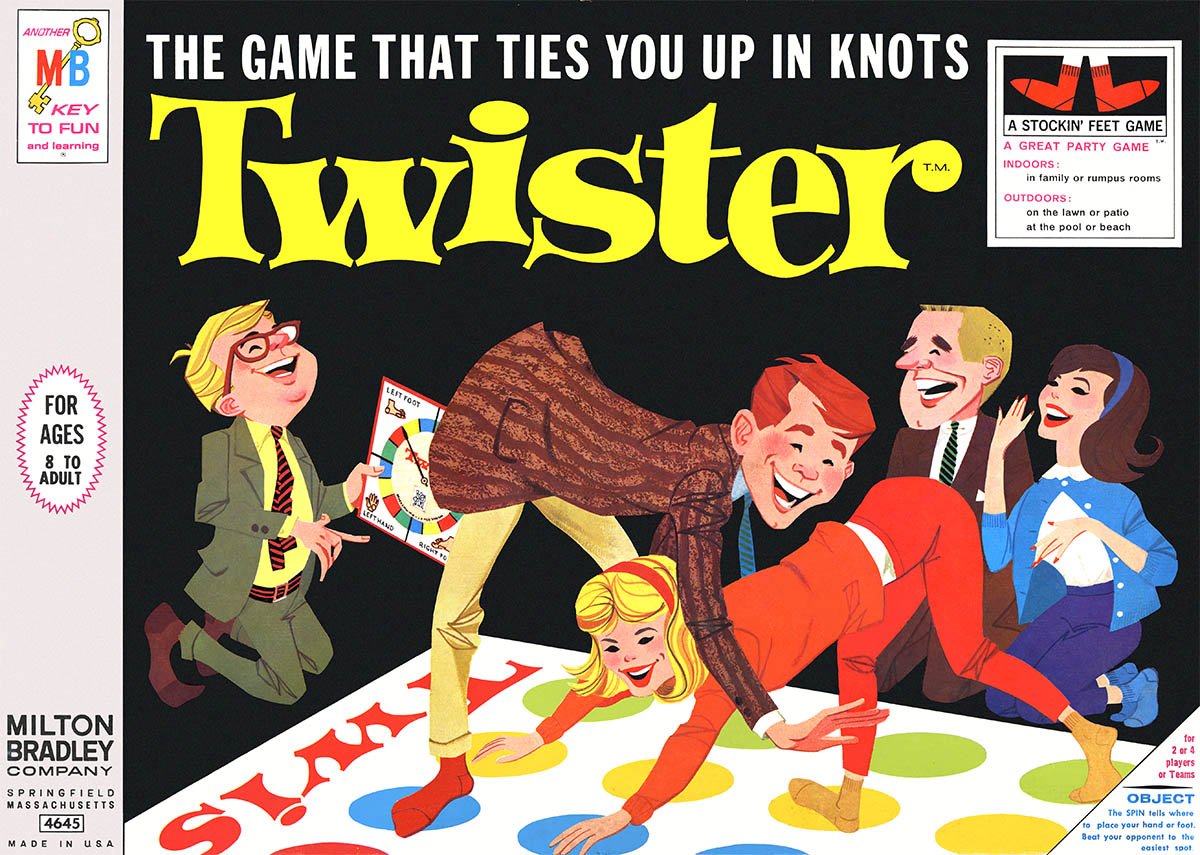
Twister…with help from Johnny Carson

If not for Johnny Carson and Eva Gabor…Twister may not have been part of our culture.

In 1965 Reyn Guyer, of the Reynolds Guyer Agency of Design had been hired to do a promo display for a shoe polish company, and he was tinkering with colored polka dot paper for ideas. He was suddenly hit with inspiration for something much different…a board game where the pieces were people not plastic.

Reyn tested it with office workers who were divided into two teams and the game was called “Pretzel”. He showed it to 3M and they turned the game down.

Reyn took the game to the Milton Bradley Company in Springfield, MA where Mel Taft, the senior vice-president of R & D, chose “Pretzel” as the best of the eight-game ideas. Mel found there was a trademark problem, so he changed the game’s name to Twister, and Milton Bradley began to market Twister in 1966.

Milton Bradley’s competitors started to call the game “SEX IN A BOX” to destroy the game before it was marketed properly.

Milton Bradley discovered that stores were refusing to stock the game so they were going to pull it from the shelves. What they didn’t know was the public relations man they hired had made an arrangement to have the game played on The Tonight Show.

On May 3, 1966, Johnny Carson, the host of the show, was enticed by the “Twister” mat and demonstrated the game along with the beautiful Eva Gabor. That helped the game to say the least. Three million were sold the next year.

Twister was named “The Game of the Year” in 1967.

In 1985 Hasbro acquired the Milton Bradley Company, becoming Twister’s parent company. The Reyn Guyer Creative Group continues to work closely with Hasbro to develop and market new additions to the line of Twister products.

The Game still is being sold today.


https://en.wikipedia.org/wiki/Twister_(game)


Digital Wristwatch

In the mid-seventies, I remember digital watches started to appear around our school. I thought they were really cool. I got one when the price came down. I had a friend named Paul who shunned me a little after I got it. He said he thought they were for only people would couldn’t tell time…no Paul.

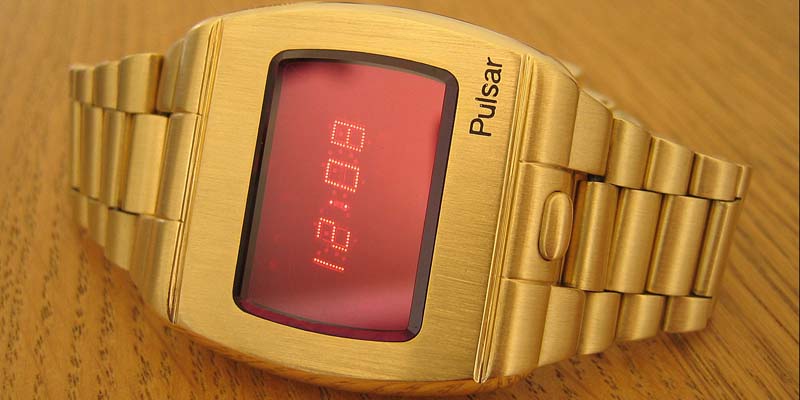
After Roger Moore was seen with one in Live and Let Die it was the thing to have. It’s hard to believe a watch could make me so excited back then with its red numbers that only lit up when you clicked it because it would drain the battery if it stayed lit.

Later on, in the early eighties, I went to the now-defunct Service Merchandise and my mom bought me a digital display wristwatch for my birthday that played the Beatles Hey Jude…midi style. I would give anything for that watch now.

In 1972, Hamilton introduced the world’s first commercial electronic digital wristwatch. It retailed for the pricey sum of $2,100.  The Hamilton Pulsar P1 was encased in 18-carat gold.

Image result for first digital watch

Roger Moore as the one and only James Bond…his arm anyway. The Pulsar II

Image result for roger moore pulsar

The very first liquid crystal display (LCD) watch was introduced in late 1972. These Dynamic Scattering LCDs were power-hungry and unstable, and the market soon moved on to TN Field Effect displays. The Seiko 06LC was one of the first to use the new effect display and it stuck for decades.

Image result for Seiko O6LC 1973

Hamilton Pulsar Calculator Watch came in 1976. The buttons were extra small but every model had an improvement.

Image result for Hamilton Pulsar Calculator Watch

By 1977 the watches really started to fall in price. Star Wars watches were everywhere and they were a more affordable 16.95. A long way from the 18-carat gold watches.

Image result for 1977 star war digital watch

In 1982 the Seiko TV Watch was released. It allowed owners to view live broadcast TV on a tiny blue/gray LCD screen embedded into the watch face. But…and there is a but…an external tuning device had to be connected to the watch. I don’t remember these but it is incredible they had these in 1982… If you had one of these please comment…were they clear at all?

Image result for 1982 seiko tv watch

Now with Apple watches that can tell you your heart rate and bank account…they have come a long way.


https://www.pcmag.com/feature/296609/the-digital-watch-a-brief-history/5


Black lights and Black Light Posters

My sister went through a phase in the seventies when she had black lights and posters. I liked the effect and love some of the blacklight poster artwork. I claimed some of her posters when I got older. I did NOT claim her Osmond posters though. I left them to rot somewhere in a 1970s crawlspace.  I loved the glowing effect of the black light posters and still do…

I’ve bought a few blacklight posters at yard sales through the years but they are getting harder to find all in one piece. 

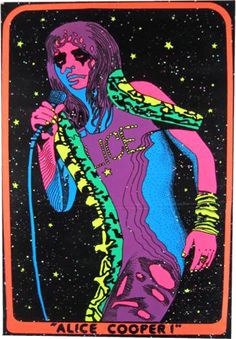
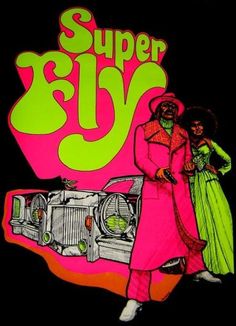
The black light poster has its roots in the 1950s with the introduction of fluorescent paint to the mass market. By the mid-1960s, fluorescent paints, and products found a massive audience in the psychedelic music scene. 

For a while, this poster art was considered a relic of the 60s and 70s but according to Wiki, sales have surged since 2007 and five different companies are producing new posters now. 

William H. Byler is credited with inventing the black light in 1935, and according to the University of Central Missouri, Byler graduated there in 1927 with a major in chemistry and physics. 

These phosphors are what make things glow while under the light.

A blacklight poster is a poster printed with fluorescent inks which glow under a black light. The inks used contain phosphors which cause them to glow when exposed to ultraviolet light emitted from black lights.

I’ve seen vintage black light posters go between 100 – 600 dollars online. 

If you have a burning desire to know more about black lights…go to the site below.

http://www.blacklightworld.com/Black%20Lights%20Everything%20You%20Need%20To%20Know.htm

blacklight2.jpgblacklight3.jpgblacklight4.jpg


blacklight5.jpg


Clackers

Clackers or… death on a string came out in the 1960s. They were also called Ker-Bangers, Klackers, Click-Clacks, Klik Klaks, Klappers, and Zonkers.

I remember a kid giving me his Clackers. The object I guess was swinging them up and down until they hit each other and made a “clack” sound. The sound I got the most was a thud sound with plastic hitting my skin. They were also known to shatter and the pieces fly in all different directions.

They were similar to Bolas…a weapon used by cowboys to throw at cattle or game to wrap around their legs…sometimes breaking them. Yep…lets redesign this and give it to kids.

I never minded somewhat dangerous toys but I didn’t get too much pleasure out of these.

The toy was recalled in 1985

https://www.cpsc.gov/Recalls/1985/dangerous-toys-seized-by-us-marshal-in-phoenix


Sea-Monkeys

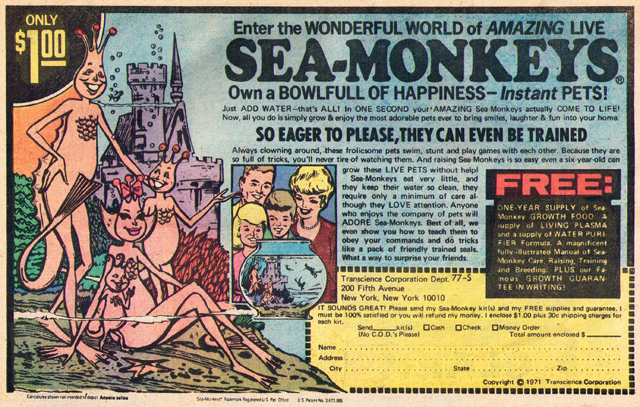
Many young kids were duped into getting these. Yes, I was fooled and fooled badly… In the back of a comic, I tore out the ad and sent a dollar in an envelope for these awesome looking beings. I was going to watch them grow and live. I wanted that “Bowlful of Happiness.”

In a few weeks I got the package and I find out the ugly truth. They are not monkeys or little creatures with three antennas on their head. Sea-Monkeys are a hybrid breed of brine shrimp called Artemia NYOS invented in 1957 by Harold von Braunhut.

Von Braunhut, with the help of marine biologist and microcrustacean expert Anthony D’Agostino, figured out a way to treat tap water with a mix of nutrients (von Braunhut called them “magic crystals” and mixed them in a barn on his property) that would revive the shrimp in a tank at home.

When you buy a packet of Sea-Monkeys, they appear to be lifeless dust. Pour the dust (which is actually brine shrimp eggs) in a tank of purified water, and the Sea-Monkeys spring to life. They grow steadily over the next few weeks, feeding on a diet of yeast and spirulina.

Yes they are alive…but instead of the picture you see in the comic book…they are this

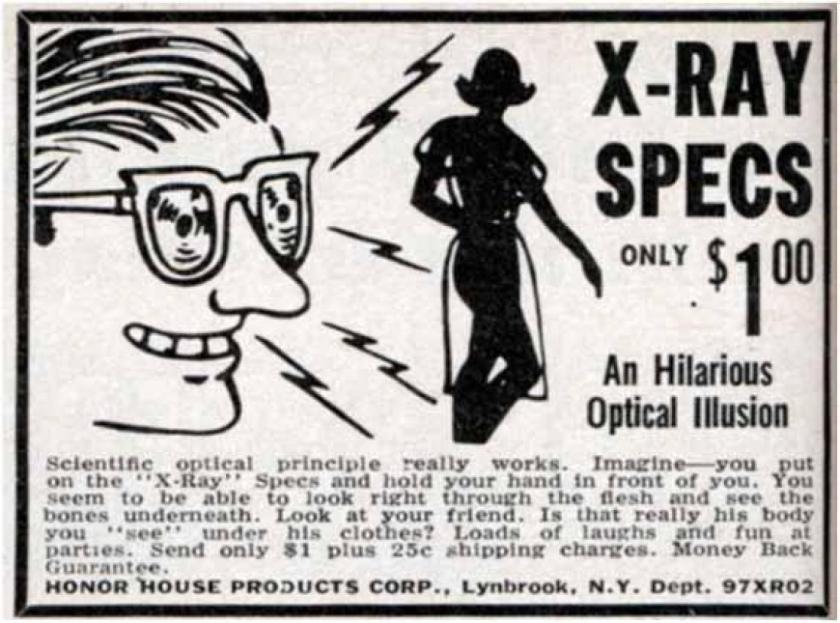
I am happy to say that my younger self-didn’t fall for the X-Ray Specs after the Sea-Monkey debacle.

xray.jpg

Ovalia Egg Chair

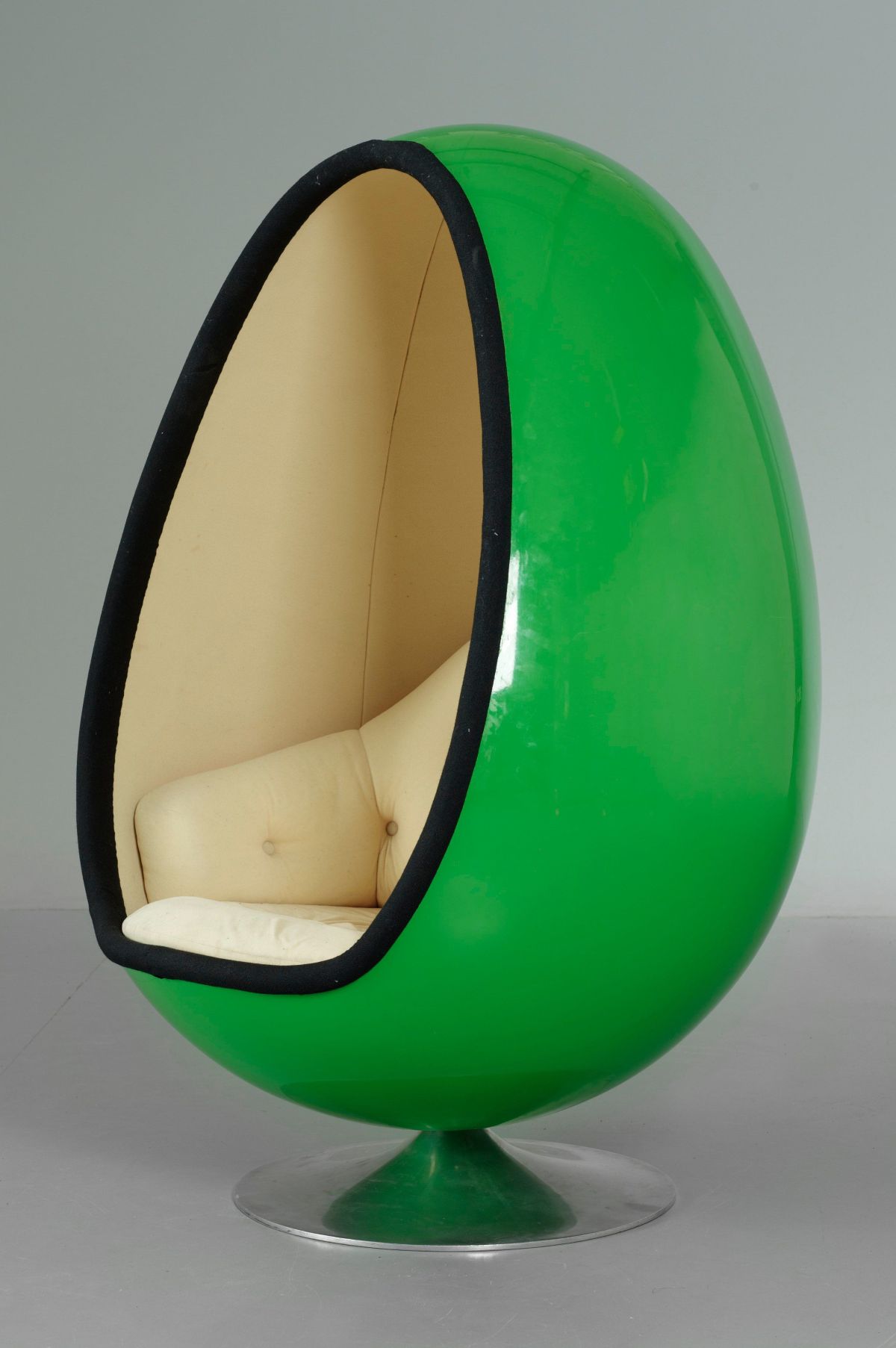
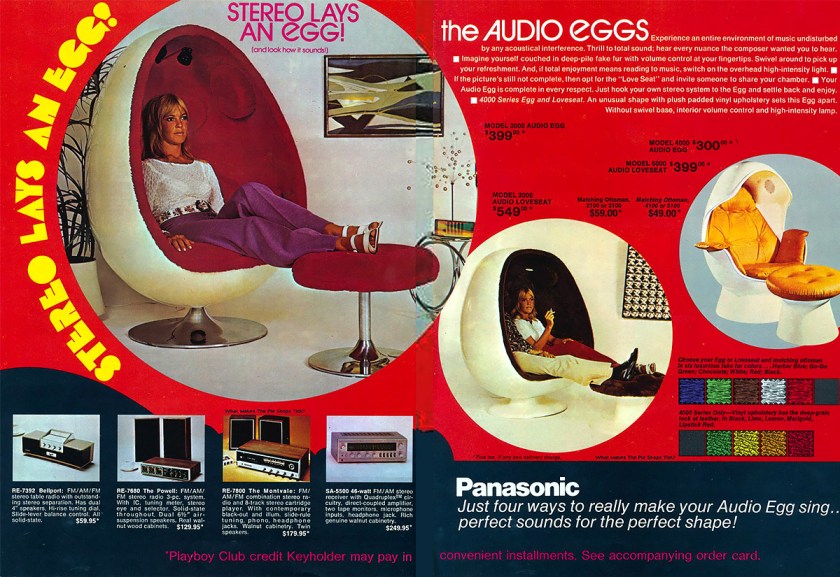
I can’t give a personal story on this chair because it’s something I’ve always wanted but never could find. I missed a chance of buying an authentic one by being a few minutes too late. You can buy new ones now but I’ve always wanted an original one with the stereo speakers.

Arne Jacobsen designed “The Egg” in 1958 and today, it’s been trademarked as the Egg™ Chair… It’s still produced in Denmark, by the original manufacturer, Fritz Hansen.
egg chairs

Henrik Thor-Larsen designed his Ovalia Egg Chair ten years after Jacobsen, in 1968. OVALIA was exhibited for the first time at the Scandinavian Furniture Fair in 1968 and was an immediate success. It caught on and became an iconic piece of furniture of the 1960 and 70s.

eggstereo.jpg

I remember seeing one on Mork and Mindy and of course, they got popular again when the movie “Men in Black” featured several egg chairs. I’ve always liked futuristic designs from the 60s and 70s.

Henrik Thor-Larsen in his creation

Henrik Thor-Larsen sat in his Ovalia Egg Chair

Image result for ovalia egg chairImage result for ovalia egg chair green

When Waterbeds were cool

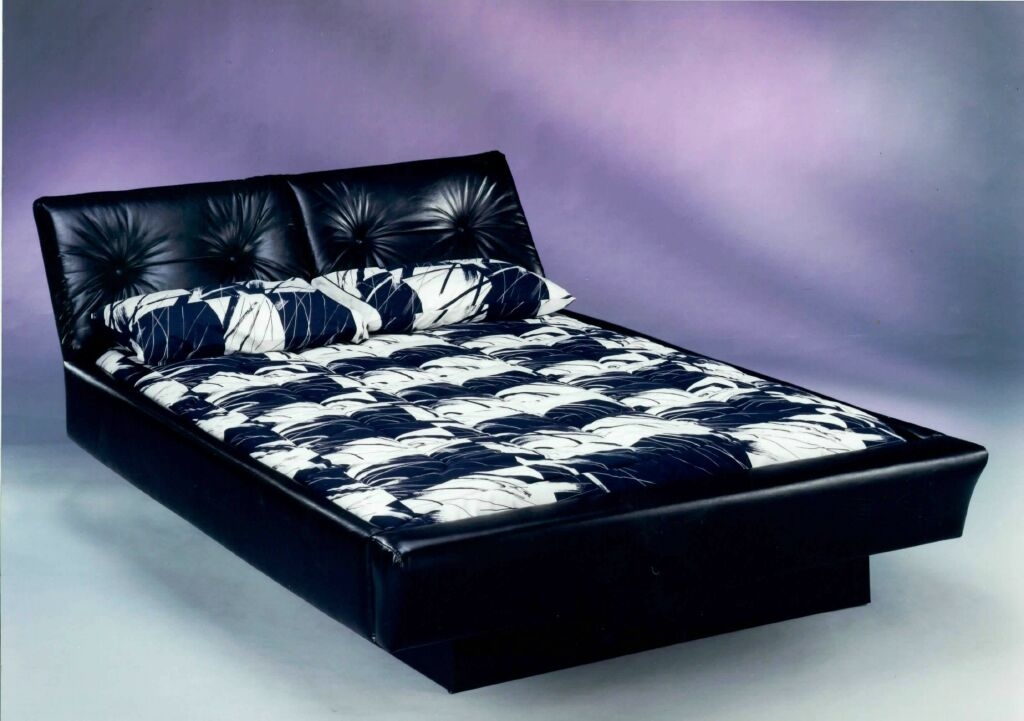
I had a waterbed in the early 80s as a young teen. I always liked it and thought it was comfortable. Two things I didn’t like about it was… if there was a leak you would not know until 2:30 am and on a school night…always. If the heater was either turned down or went out…you would wake up as a human popsicle at…you guessed it… 2:30 am. Nothing ever happened to it at noon on a Saturday.

in the early 1800s. Scottish physician Dr. Neil Arnott devised a water-filled bed to prevent bedsores in invalids.

In 1873, Sir James Paget, of St. Bartholomew Hospital in London, presented the waterbed designed by Dr. Arnott as a treatment and prevention of ulcers, a common condition at this time. Paget found that waterbeds allowed for even pressure distribution over the entire body. The only problem was that you could not regulate the water temperature.

In 1968 Charles Hall presented the waterbed as his Master’s Thesis project to his San Francisco State University design class. While showcasing their work, students rotated through workshops to see each other’s inventions. Once they reached Hall’s project – a vinyl mattress filled with heated water – the class never left. “Everybody just ended up frolicking on the waterbed,” Hall recalls.

Hall’s first waterbed mattress was called ‘the Pleasure Pit’ and it quickly gained popularity with the hippie culture of the 1960’s and 1970’s.

Time Magazine in 1971 about waterbeds. “Playboy Tycoon Hugh Hefner has one–king-size, of course, and covered with Tasmanian opossum. The growing number of manufacturers and distributors, with such appropriate names as Aquarius Products, the Water Works, Innerspace Environments, Joyapeutic Aqua Beds and the Wet Dream, can hardly meet the demand. They have sold more than 15,000 since August.”

Sex always sells… one ad stated. “Two things are better on a waterbed. One of them is sleep.” and “She’ll admire you for your car, she’ll respect you for your position, but she’ll love you for your waterbed.”

waterbedad.jpg

By the 80s waterbeds were in the suburbs and gaining in popularity. In 1987, waterbeds had achieved their peak, representing 22 percent of all U.S. mattress sales.

At the end of the 1980s waterbed sales fell off. Some say it was because they were too connected to the 70s that had fallen out of favor (the horror!)… but most think it was because of the maintenance and pain in setting them up and moving them. Also, you had to make sure your floor was braced enough to have one depending on the size and weight of it.

Today you can still buy them but most are designed thinner to hold less water in rolls instead of sleeping on a lake beneath you.

I had mine until I was 20 with plenty of patches but it still held water and me… but I left it behind when I moved.

This egg-shaped one below I would gladly take home now

waterbedegg.jpg

COME NOW! TO THE WATERBED WAREHOUSE!

Keith Moon talks about a waterbed

https://en.wikipedia.org/wiki/Waterbed

Badfinger – Baby Blue

Baby Blue never gets old to me…it is the perfect powerpop song. It has the right combination of crunch and pop with an irresistible guitar riff. I love the way they used the song in Breaking Bad that fit the scene perfectly. The song peaked at #14 in the Billboard 100 in 1972. The “Dixie” in the song was Pete Ham’s ex-girlfriend, Dixie Armstrong.

peteham&babyblue

Dixie Armstrong and Pete Ham…I got this picture from http://soref.tv/the-true-story-behind-badfingers-baby-blue/

The song came off of the album “Straight Up” that also contained the hit “Day After Day” and it is considered by many their best album. I’m happy that Breaking Bad showcased this song so that another generation knows the song and hopefully that will lead more to learn about Badfinger.

Baby Blue

Guess I got what I deserved
Kept you waiting there too long, my love
All that time without a word
Didn’t know you’d think that I’d forget or I’d regret
The special love I had for you, my baby blue

All the days became so long
Did you really think, I’d do you wrong?
Dixie, when I let you go
Thought you’d realize that I would know
I would show the special love I have for you, my baby blue

What can I do, what can I say
Except I want you by my side
How can I show you, show me the way
Don’t you know the times I’ve tried?

guitar solo

Guess that’s all I have to say
Except the feeling just grows stronger every day
Just one thing before I go
Take good care, baby, let me know, let it grow
The special love you have for me, my Dixie, dear.

Stretch Armstrong

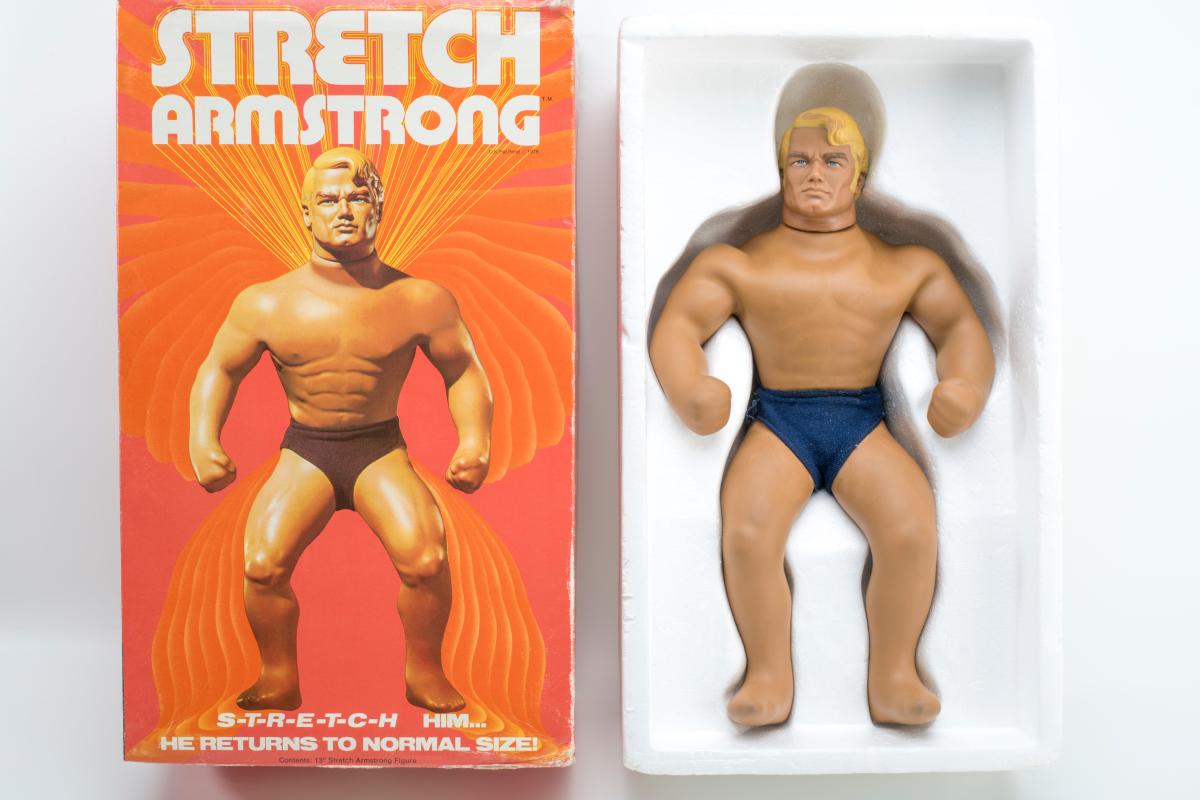
I remember having Stretch and stretch him I did. He lasted a few months before it happened. Mr. Armstrong sprung a leak and out came this gooey liquid everywhere.

Jesse Horowitz designed Stretch… he tried a sumo wrestler but it was too big and he dropped the idea. He thought about a stretch woman to rival Barbie but smartly dropped that idea.

In 1976  Stretch Armstrong was sold to the masses, and the $11 toy that made Kenner over $50 million in revenue had a secret: He was basically just a big sack of corn syrup… but to a kid…a fun $11 big sack of corn syrup.

The fad wore out after a while other companies started to do their own Stretch dolls. The Mega company started their own line with Batman, Spider-Man, and Superman stretchable figures. Kenner sued but by the time anything was done Stretch’s time in the sun was over and his popularity faded.

Maybe I shouldn’t have stretched Stretch so much…

Armstrong dolls in a box that aren’t leaking profusely from ’70s wounds can fetch over $1000 on auction sites, with especially rare versions or prototypes worth more.

8-Track Tapes

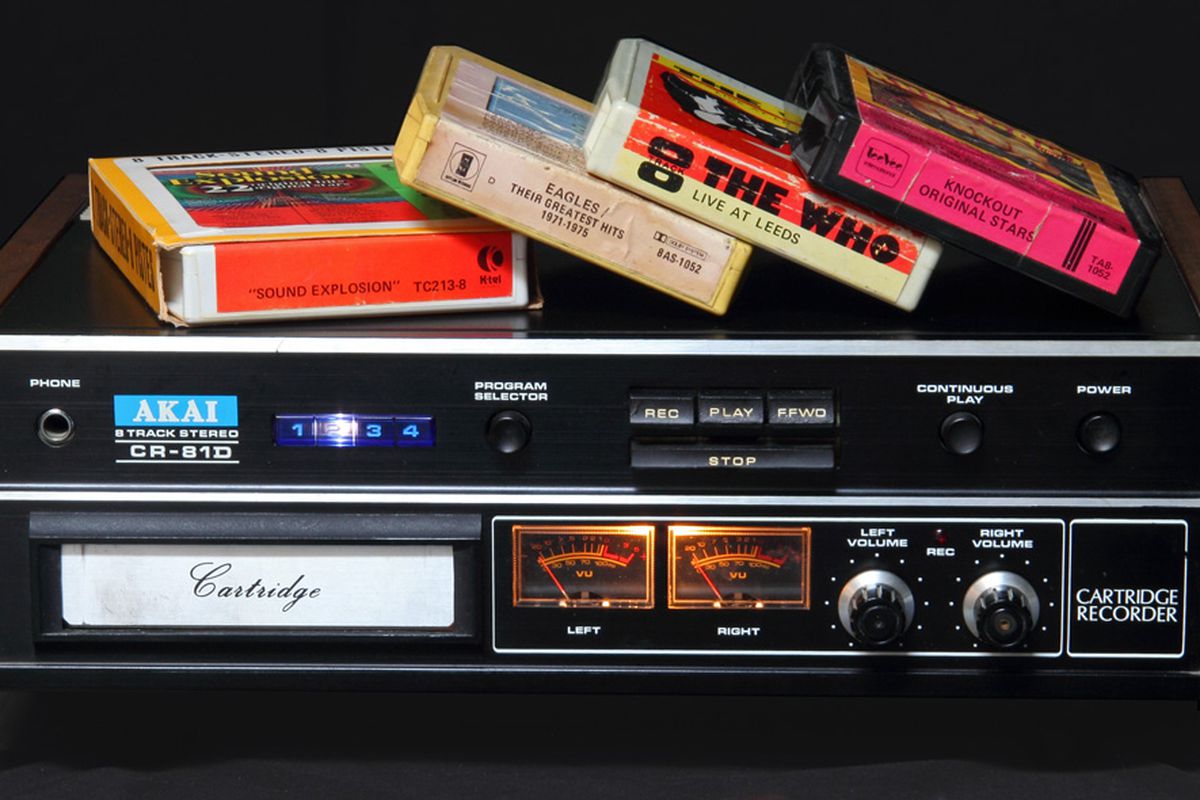
I  had a stereo that had a record-able 8-track system built in. I would record straight off the radio to the 8-track and from records. I will add that it could be a miserable format to listen to music. If you had a favorite song that you wanted to hear a couple times in a row…get ready to wait till it came back around and then for the infamous “click” and you would switch tracks…and either wait some more or miss the beginning.

But there is more… you may be listening to a song and suddenly the song fades out for a while because it’s too long for the track and then finally the “click” and it finishes out on the next track.

William Powell Lear, the man behind LearJet, was also the inventor of the 8-track cartridge tape system. In 1964 William Lear convinced Ford to install the 8-track in their cars.

In September 1965, Ford Motor Company offered 8-track players as an option in their 1966 model cars.  A Ford spokesperson reported that 65,000 players were installed in the first year.  As a result of the popularity, the 8-track player soon became standard in all Ford cars.

In 1966 home units and portable units were offered. Now people could share their tapes with each other. The peak years of the eight-track were 1967 through 1975. Then, improvements in the tape quality of smaller cassettes and decreasing quality in eight-tracks led consumers away from the eight-track tape.

The last official release on 8-track was Fleetwood Mac’s Greatest Hits in 1988. By then though Compact Disc had taken over the market.

I did have quite a collection of official 8-tracks and self-made 8-tracks. I also have an old 8-track system in my closet…hey you never know.

This video is a must. It shows an Eight Track Museum. It is interesting.


https://en.wikipedia.org/wiki/8-track_tape


CB Radio

Before chat rooms, My Space, Facebook, cell phones, WordPress, or messenger we had CB Radio. In the 1970’s this fad took off.

When Al Gross invented the CB radio in 1945, the Federal Communications Commission (FCC) quickly opened up radio services for personal users of the radio. in the 1960s businesses and hobbyist used the radio frequently.

In the early 1970s, the oil crisis caused gas to go up in price and the speed limit dropped to 55 mph. It was then people realized that CB’s could be used to spread the word about what gas stations had gas and what speed traps were set up ahead. Not only truckers were using the CB but it had caught on as a fad.

Movies such as Smokey and the Bandit helped popularize it more and also songs such as Convoy.

As a kid, I remember cars having the CB antennas and people at home. Everyone was getting into the game. People used CB slang and nicknames. Even The First Lady, Betty Ford, was on as “First Mama”…yea some cringe-worthy moments.

CB radio is still used today but the popularity is not like it was through the 70s and 80s… 10-4 (I just had to add that)