I remember watching this great 1933 movie when I was 10 and loving every minute of it. I loved monster movies and this was a classic one. I was more of a Godzilla guy but King Kong was great.
I always wondered where the model was…well there were four of them. Two survive today. Eugene Hilchey saved one model from the studio, Hilchey entrusted the model to Bison Archives/Productions who brought it to Christie’s where is sold for $200,000 in 2009. The other one is the story below.
Special effects man Willis O’Brien and sculptor Marcel Delgado created two 18-inch-high full-body miniatures of the giant ape. They began by making durable metal armatures, which were covered with sponge rubber for the ape’s muscle structure, and rabbit fur for his hair. They also made one jointed 24-inch model of the same materials for the New York scenes and a small model of lead and fur for the climactic plummeting-down-the-Empire-State-Building shot.
Two of the Kong figures were later cannibalized for parts in other creations. The other armature survived because it was used again in “Son of Kong” (1933), which went into production soon after the first film was released.
The model stayed at RKO until 1962. Animator Phil Kellison rescued the Kong model from the studio. After discovering that the remaining rubber skin was beginning to eat away at the figure’s metal hardware, he had Kong steam-cleaned to its present state – the original bare metal skeleton. Film historian and collector Bob Burns, a friend of Kellison, said that when the person was told what he was cleaning, he began exclaiming “I’m killing King Kong! I’m killing King Kong!”
In 1975, Bob found himself at the place where the artifacts from movies were stored. To Bob’s surprise, he spotted the King Kong armature in a corner, and immediately contacted Phil. After Kellison picked up the prop, Bob was surprised yet again when Phil gave him the armature for his collection – where it resides to this day.
The Smithsonian Institute has tried to borrow or purchase the skeleton from Bob. Fearful of it being lost again, he has refused.
In October of 2005, when director Peter Jackson was finishing his remake of “King Kong,” he flew Bob Burns, his wife Kathy, and the King Kong skeleton to the location in New Zealand. They spent a week as guests of the production, showing off the historic armature to the crew. The animators even filmed the model for reference (animating it probably for the first time since its use in the “Kong” sequel in 1933). And Bob and Kathy were given cameos in the film, screaming at Kong during the film’s climax.
Unlike the Partridge Family Bus, I had better luck on this one. The story on the mechanical sharks they used…approximately 25 feet long is clear.
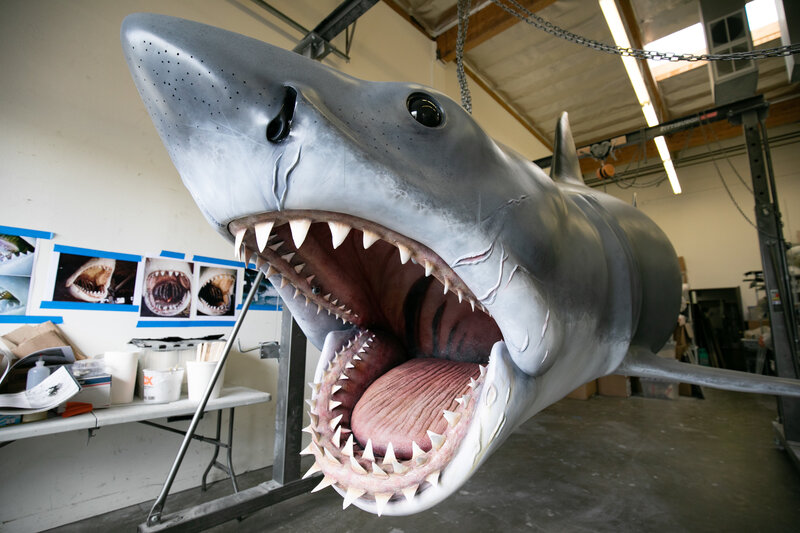
Everyone knows the great 1975 movie Jaws that made people think twice about going into the water. The movie stands up today. They had no CGI back then and had to use a mechanical shark for the scenes. All together they used 3 of them. All of them malfunctioned but they called all three of them “Bruce” after Steven Spielberg’s lawyer, Bruce Ramer.
When the movie was over they dumped all three fake sharks on the backlot and let them rot away…however they kept the mold and made a fourth Bruce out of fiberglass and hung him up at Universal Studios in 1976. It stayed there until 1990, that is when Universal cut him down and sent him away to the junkyard.
The junkyard (U Pick Parts) owner Sam Adlen didn’t consider Bruce junk and mounted him on poles until 2016 at his junkyard. Sam had died but his son Nathan Adlen sold the business and donated Bruce to the Academy Museum of Motion Pictures.
Bruce mounted at the junkyard
Greg Nicotero had been a Jaws fan since the day he watched the movie with his mom in 1975. He had his picture taken with “Bruce” at Universal Studios in 1976 before Bruce’s journey to the Junkyard. He had been inspired to be a special effects person because of it. He took the job of restoring Bruce to his former glory.
The Academy Museum of Motion Pictures plans to unveil Bruce to the public soon. Although this Bruce wasn’t in the movie he was the last made of the original mold.
1 2 3, 4 5 6, 7 8 9, 10 11 12, Ladybugs came to the Ladybug’s Picnic…wah wah wah
I first saw this on Sesame Street in the 70s. I would find it coming back to me years later.
Sometimes when I play music with the guys…I’ll suddenly break out in this song in the middle of learning something else…just have some fun. It’s one that is hard to get out of your head. I get things thrown at me but I love it.
Jim Kweskin sang the original 1971 version and it was written by Bud Luckey and Donald Hadley
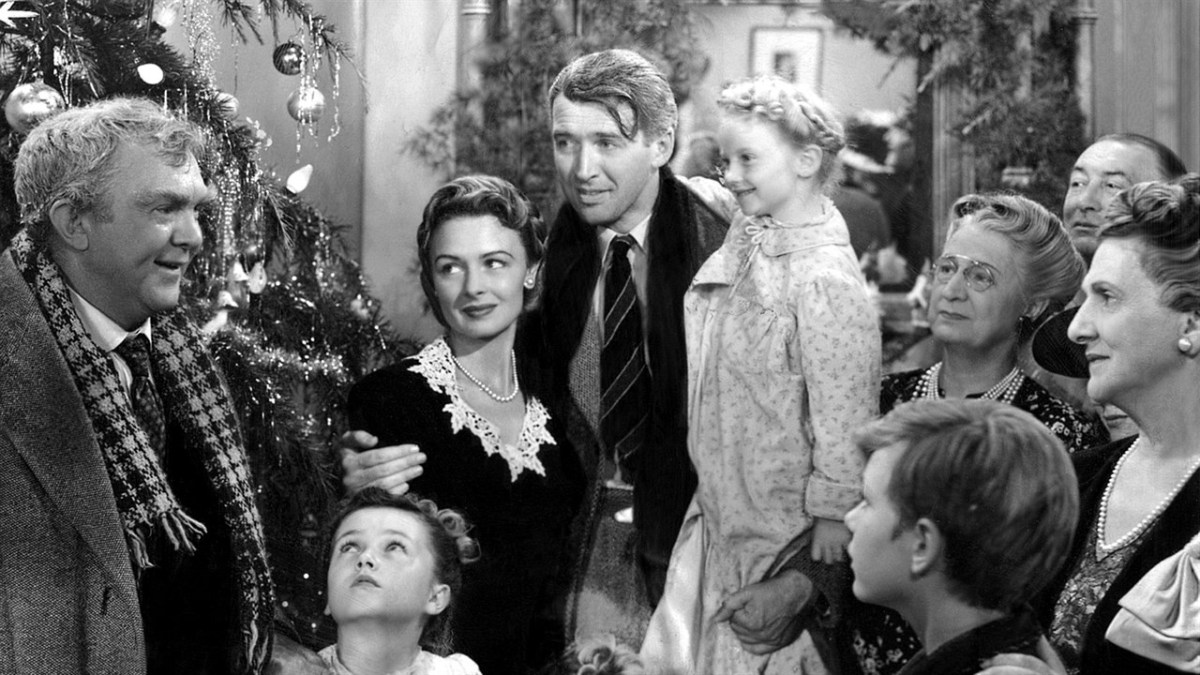
I didn’t watch this great movie until the late 80s. All it took was one time and I haven’t missed a year of watching it. I don’t tear up very easy..but it never fails at the end of the movie when Zuzu says… Every time a bell rings, an angel gets his wings…it gets me every time. This movie was released in 1946.
Poor George Bailey. All he wanted to do was travel and get out of Bedford Falls to see the world. Every single time he gets close…so close that it hurts…something happens and George ends up doing the right thing.
Bedford Falls needs George Bailey…every town needs a George Bailey but many end up with only a Mr. Potter. There is one thing about this movie which was unusual. Mr. Potter was never punished for what he did…which drew criticism at the time but it was more in line with reality to me.
This is a Christmas movie but really only the last part of the movie is about Christmas. It is a movie for any time not just for December. We were thinking of names for our unborn child and couldn’t think of one…I was watching this movie in November of 1999 and it hit me…Bailey…so the movie means more than some movies do.
Here is a small summary from IMDB…don’t read it…watch the movie instead. If you haven’t seen it…give it a shot…whether it is Christmas or July.
George Bailey has spent his entire life giving of himself to the people of Bedford Falls. He has always longed to travel but never had the opportunity in order to prevent rich skinflint, Mr. Potter, from taking over the entire town. All that prevents him from doing so is George’s modest building and loan company, which was founded by his generous father. But on Christmas Eve, George’s Uncle Billy loses the business’s $8,000 while intending to deposit it in the bank. Potter finds the misplaced money and hides it from Billy. When the bank examiner discovers the shortage later that night, George realizes that he will be held responsible and sent to jail and the company will collapse, finally allowing Potter to take over the town. Thinking of his wife, their young children, and others he loves will be better off with him dead, he contemplates suicide. But the prayers of his loved ones result in a gentle angel named Clarence coming to earth to help George, with the promise of earning his wings. He shows George what things would have been like if he had never been born.
There have been many versions of this great story. This is the version that I like the most. The great Alastair Sim plays Ebenezer Scrooge and he is the reason I like this so much. When I think of the Scrooge… I think of him.
The movie is in black and white which turns some people off but it makes it that much better to me. The effects they use are obviously not CGI but they get the point across well and serve the story. I like the scene where the ghost of Jacob Marley is warning Ebenezer of being greedy…the two were not on the set at the same time…it looked really good for being 1951…or anytime for that matter.
So get some eggnog or hot butter rum and sit back and watch this great movie.
From IMDB…spoilers
Ebenezer Scrooge (Alastair Sim) is a greedy businessman who thinks only of making money. For him, Christmas is, in his own words, a humbug. It has been seven years since his friend and partner, Jacob Marley (Sir Michael Hordern), died and on Christmas Eve. Marley’s ghost tells him he is to be visited during the night by three spirits. The Ghost of Christmas Past (Michael Dolan) revisits some of the main events in Scrooge’s life to date, including his unhappy childhood, his happy apprenticeship to Mr. Fezziwig (Roddy Hughes), who cared for his employees, and the end of his engagement to a pretty young woman due to a growing love of money. The Ghost of Christmas Present (Francis De Wolff) shows him how joyously is nephew Fred (Brian Worth) and his clerk, Bob Cratchit (Mervyn Johns), celebrate Christmas with those they love. The Ghost of Christmas Yet to Come (Czeslaw Konarski) shows him what he will leave behind after he is gone. Scrooge awakens on Christmas morning, a new man intent on doing good and celebrating the season with all of those around him.
The cartoon was released in 1966 and has been shown every year since. This one along with Rudolph, Charlie Brown, and a few more were a part of Christmas. These specials would prime you for the big day.
One cool thing about the cartoon was that Boris Karloff was the narrator. Thurl Ravenscroft (voice of Tony the Tiger) sang the great song “You’re a Mean One Mr. Grinch. ”
The citizens of Whoville looked and acted like the others of Dr. Suess’s universe. They were all getting ready for Christmas while a certain someone…or thing looked down from Mt. Crumpit. The Grinch has hated Christmas for years and sees the Whovillians getting ready for Christmas and is determined once and for all to put an end to it.
He dresses up as Santa Clause and makes his poor dog Max act as a reindeer to swoop down and steal Christmas. The Grinch sleds down the hill almost killing Max and they soon reach Whoville. He is busted by one kid…Cindy Lou Who, who asks him questions as the Grinch took her family tree. He lies to her and sends her to bed.
In the morning after he has everything including “The Roast Beast,” he listens for the sorrow to begin.
You need to watch the rest or rewatch…
A live-action remake came out in 2000 but I still like this one the best. You cannot replicate Boris Karloff.
The Budget – Coming in at over $300,000, or $2.2 million in today’s dollars, the special’s budget was unheard of at the time for a 26-minute cartoon adaptation. For comparison’s sake, A Charlie Brown Christmas’s budget was reported as $96,000, or roughly $722,000 today (and this was after production had gone $20,000 over the original budget).
You’re a mean one Mr. Grinch The famous voice actor and singer, best known for providing the voice of Kellogg’s Tony the Tiger, wasn’t recognized for his work in How the Grinch Stole Christmas. Because of this, most viewers wrongly assumed that the narrator of the special, Boris Karloff, also sang the piece in question. Upset by this oversight, Geisel personally apologized to Ravenscroft and vowed to make amends. Geisel went on to pen a letter, urging all the major columnists that he knew to help him rectify the mistake by issuing a notice of correction in their publications.
Mr Grinch
You’re a mean one, Mr. Grinch You really are a heel You’re as cuddly as a cactus You’re as charming as an eel Mr. Grinch You’re a bad banana with a greasy black peel You’re a monster, Mr. Grinch Your heart’s an empty hole Your brain is full of spiders You’ve got garlic in your soul, Mr Grinch I wouldn’t touch you with a Thirty-nine and a half foot pole
You’re a vile one, Mr. Grinch You have termites in your smile You have all the tender sweetness of a seasick crocodile Mr Grinch Given the choice between the two of you I’d take the seasick crocodile
You’re a foul one, Mr. Grinch You’re a nasty wasty skunk Your heart is full of unwashed socks Your soul is full of gunk Mr Grinch
The three best words that best describe you Are as follows, and I quote” Stink Stank Stunk
You’re a rotter Mr Grinch You’re the king of sinful sots Your heart’s a dead tomato splotched with moldy purple spots Mr Grinch
Your soul is an appalling dump heap Overflowing with the most disgraceful Assortment of deplorable rubbish imaginable Mangled up in tangled up knots
You nauseate me, Mr Grinch With a nauseous super nos You’re a crooked jerky jockey and You drive a crooked horse Mr Grinch
You’re a three-decker sauerkraut And toadstool sandwich With arsenic sauce
I always have wondered where certain pop culture items have gone. Where is the “M” hanging on the wall in Mary Tyler Moore Show (she actually kept that), Fonzie’s leather jacket (Smithsonian), the original model of the Starship Enterprise (Again Smithsonian), the… well you get the point.
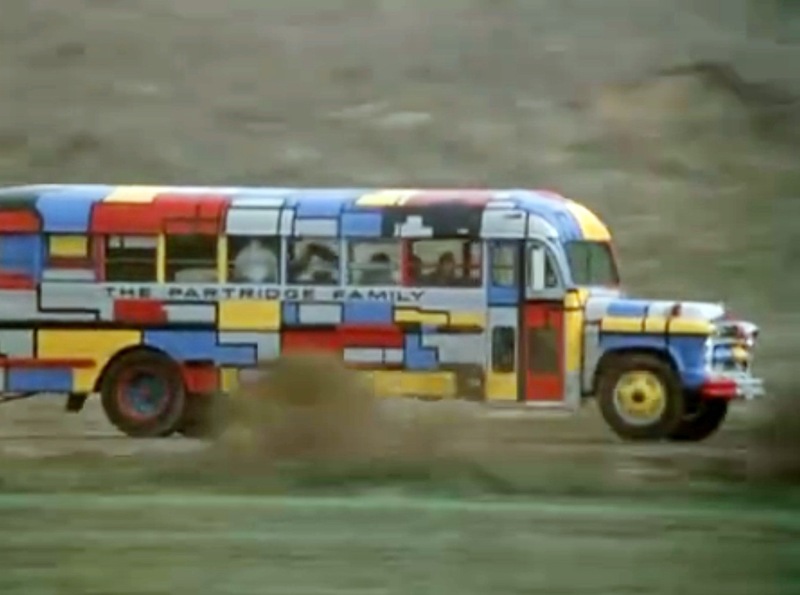
I like collecting seventies items. The Partridge Family bus would be one of the ultimate things to collect. It would be nice to find it somewhere on an old farm…but it is most likely lost to time. There are two known explanations for what happened to it.
One story is… it was last seen behind “Lucy’s Tacos” in LA in 1987. It supposedly was in the back parking lot. Then it was towed away to a junkyard into history.
But… I still have hope! Some have said the bus at Lucy’s Taco was a replica of the original because the make and model of the bus didn’t jive with the one on the show. There was only one bus…they changed the interior a bit during the later seasons but just one bus was used.
Others say it was painted white and used in a short-lived tv series called Apple’s Way in 1974. Most likely it’s gone to pop culture heaven…You never know though…somewhere it could still be out there.
What would I do with it? Tour America in the bus picking up fellow bloggers on the way? Dig up Tiger Beat magazines and look for Susan Dey? I have no clue…The closest I’ll ever get to it is this.
Two FBI agents assigned to investigate cases for which there may be only paranormal explanations. Hailed by critics, the show was one of the network’s top-rated shows.
The show was heavily influenced by Kolchak, Twilight Zone, and Twin Peaks.
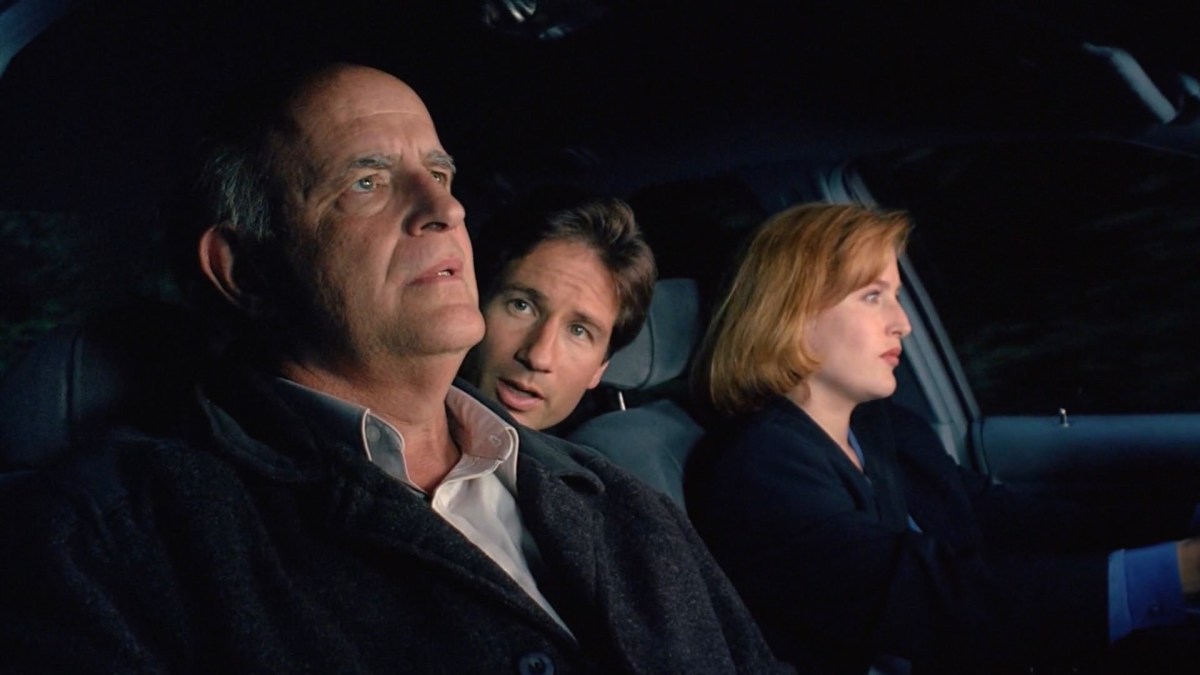
The X-Files was a show I didn’t miss in the 1990s. It was a superbly written science fiction show along with likable characters…Fox Mulder and Dana Scully. The series combined drama, science fiction, comedy, and an ongoing storyline. You could say the X-Files help define the 90s.
This episode won two Emmy Awards: Outstanding Guest Actor in a Drama Series (Peter Boyle), and Outstanding Writing for a Drama Series.
The X-Files – Clyde Bruckman’s Final Repose
The Characters: Fox Mulder, Dana Scully, Clyde Bruckman, The Puppet (as Stu Charno), Detective Cline, Detective Havez, Tarot Dealer, Madame Zelmas, Clerk
The Stupendous Yappi, Young Husband, and Photographer
The writers got the name “Clyde Bruckman” from a comedy writer that wrote for Buster Keaton in the 20s. He later fell on hard times and committed suicide in 1955.
Scully and Mulder are called into the investigation of a series of murders where the victims were all psychics of some sort. A tea leaf reader, tarot card reader and palm reader are all the apparent victims of a serial killer. The local police have brought in a well-known TV psychic that Mulder finds laughable. He does come across Clyde Bruckman, an insurance salesman who may be a genuine psychic. While Scully is appropriately skeptical, Mulder realizes that Bruckman can only see one thing – how people will die.
Clyde Bruckman is a grumpy old man with psychic powers that show him how someone will die assists the agents with the hunt for a crazed killer who targets psychics. He also cryptically reveals to Mulder and Scully their own ultimate fates
I’m not writing this to put down CD’s/Mp3’s or Vinyl…just wanted to know your opinion. There is room for both in today’s world. When we are on the go so much…the answer is easy…digital. When I take a walk every day I have my iPhone with my music and audiobooks. When I’m at home…I’m starting to more and more listen to vinyl.
I had a huge collection of albums and singles when I was younger. Unfortunately, many were lost during my early twenties moves from apartment to apartment. In the late nineties, I started to work in the IT field, so I drifted to CD/ digital for convenience if anything.
Slowly in the 2000s, I started to pull out the albums I still had and bought a turntable. Yes, I heard some scratches but some were immaculate. I noticed a difference right away and I then realized what warmth I had been missing with CD’s/mp3’s. I’ve heard some people say Digital serves the music. Vinyl serves the romantics…I don’t really agree with that. Yes, digital is clear…so clear you can hear things that weren’t meant to be heard…some sounds (tambourine, handclaps etc…) were meant to be lower in the mix to be felt more than heard.
One song that I noticed a lot of difference was “I Want To Hold Your Hand” by the Beatles. The vinyl single when played, jumps out at you. When I heard it on CD it was flat and sterile. It’s hard to describe it in words but there was a sharpness and a rawness that was missing on the CD.
Earlier CD’s were heavily compressed…they have come a long way but it’s still a difference. The below video is quite long but he does mention that the record companies are making CDs more about high-end quality now than “loudness.”
I know MP3’s are not the ideal format for quality. Flac is one of the best formats I have found.
I am not an Audiophile nor do I play one on TV…I can listen to either format but I do know what vinyl lovers are talking about…what about you?
This is more of a question than a post…just curious what you think.
I was commenting on A Sound Day and I asked Dave a question on a post about Michael Hutchinson of INXS. Who was the last Rock Star? Since Kurt Cobain died has there really been a rock star like we knew in the 60s and 70s to come along? Not counting older ones still around.
When I say rock star…I mean one comparable to the legends that we know… Between 1955 and 1994 there were plenty to pick from…Elvis, John Lennon, Bob Dylan, Mick Jagger, Keith Richards, Roger Daltrey, Keith Moon, Robert Plant, Jimmy Page, Elton John, Sly Stone, Roger Waters, Prince, and the list could go on…These artists spoke to generations.
So no… Nickleback’s lead singer would not count.
The only two names I could think of was Dave Grohl and Jack White of the White Stripes. Someone who is known outside the world of Rock and Roll. I’m not sure Grohl and White would count either.
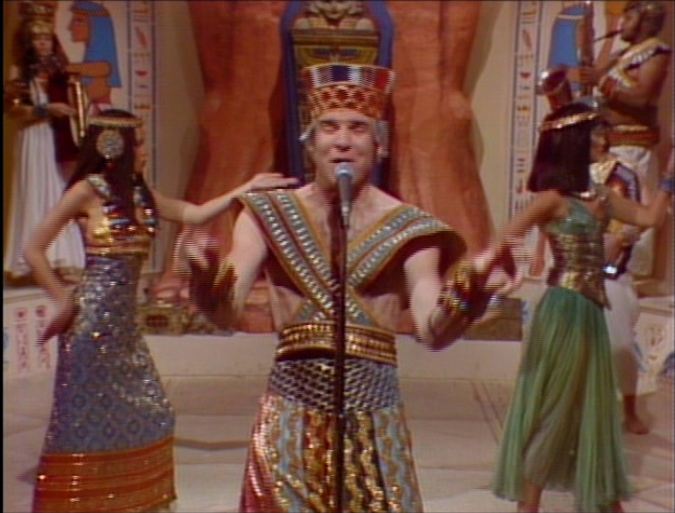
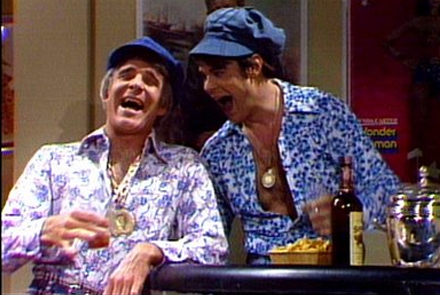
This Emmy-nominated episode has acquired a reputation as the best of all Martin’s hosting gigs. Its not my favorite episode…I do like it though… but it’s probably one of the most important in the show’s history. It was a turning point for SNL. It went from a cult hit to a major player in the ratings during this period. Many people have picked it as the best episode.
Saturday Night Live has always been hit or miss in any era. The difference in the 70s is they would take more chances and Lorne made sure everyone had a chance in the cast.
The show introduced a lot of comedians and some unknown musical artists like Redbone and others that would not have gotten coverage on a network show.
Saturday Night Live: Steve Martin/Blues Brothers
The Cast: Steve Martin, Dan Aykroyd, John Belushi, Jane Curtin, Garrett Morris, Bill Murray, Laraine Newman, Gilda Radner, The Blues Brothers, and Don Pardo
The host for the episode is Steve Martin (his fifth appearance), and the musical guest is The Blues Brothers (their second appearance). The skits for this episode are as follows: Concert promoter Don Kirschner presents footage of an old club performance by The Blues Brothers. For his opening monologue, Steve Martin talks about the inspiration for his comedy ideas, then does a magic act that ends with him tackling and beating a member of the audience.
The Festrunk brothers prepare their apartment for the two girls they believe are on the way, but their neighbor Cliff tells them they’ve been stood up. Medieval doctor Theodoric of York treats a series of patients by draining their blood. A man and woman catch each other’s notice in a crowded club, and dance together romantically as the rest of the club freezes in place around them. During the Weekend Update, Jane Curtain and Dan Aykroyd debate abortion, Jane reports on Carter’s energy policy and a new nasal contraceptive, and Dan berates Garrett Morris for short-changing him on the weed he bought. Steve performs a song about King Tut. The Nerds Todd and Lisa prepare their science fair projects. The Blues Brothers perform “I Don’t Know”.
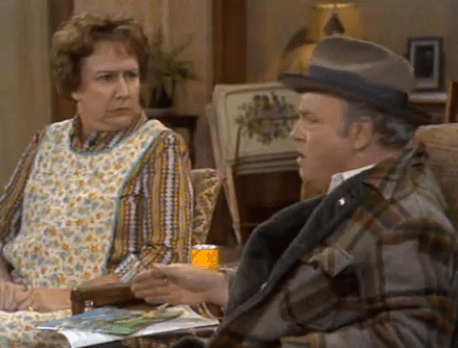
This particular episode was about women going through menopause which today would not receive a second notice…but then, comedy shows just didn’t feature subjects like this. All In The Family had so many great episodes that it is hard picking out one. In this one, the tables are turned and Edith rounds on Archie with a vengeance because of her mood swings caused by menopause.
All in the Family changed the game in sitcoms and television. In the early seventies, many country type sitcoms were canceled when this show debuted in 1971. As Pat Butram of Green Acres said: “CBS canceled everything with a tree including Lassie.”
The show tackled controversial subjects such as racism, rape, gun control, feminism, and homophobia. It was under fire from the first episode for its controversial subject matter. Critics and viewers were divided on what they were seeing…some saw it as comic genius and some as tasteless bigotry. The backlash did not come only from the public and the reviewers. Several actors including Harrison Ford turned down roles in the show because they were offended by the script’s humor.
Lucille Ball lambasted CBS for running such an “Un-American” show on the same network her own series was airing on. I seriously doubt if the show could be made today on network television. The show was a huge success in the seventies.
Mike Stivic: [Edith is going through menopause] What did the doctor say? Archie Bunker: He just said that menopause is a pretty tough time to be going through; especially for nervous types. Mike Stivic: So? Archie Bunker: So he prescribed these here pills. [takes bottle of pills out of paper bag] Mike Stivic: Oh, good. Archie Bunker: I gotta take three of ’em a day.
Edith Bunker: STIFLE STIFLE STIFLE
“If you’re gonna change, Edith, change! Right now! CHANGE!”
All In The Family: Edith’s Problem
Characters: Edith Bunker, Archie Bunker, Mike Stivic, Gloria Stivic, and The Waitress
The Bunker family is thrown into an uproar when the normally docile Edith undergoes several sudden and unexpected mood swings, yelling at her family and displaying a foul temper that makes Archie look like a pussycat! Though the men in the family don’t quite know what is happening, Gloria does: Edith is going through menopause. Perhaps the best and funniest line of the episode is when an upset Archie, who’s frustrated at his wife’s sudden and constantly unpredictable mood changes, yells at Edith: “If you’re gonna change, Edith, change! Right now! CHANGE!”
The short scene starts at 15 seconds.
The complete episode
“Boy, the way Glen Miller played…”
Those Were The Days
Boy, the way Glen Miller played. Songs that made the Hit Parade. Guys like us, we had it made. Those were the days Didn’t need no welfare state. Everybody pulled his weight Gee, our old LaSalle ran great. Those were the days And you knew where you were then Girls were girls and men were men. Mister, we could use a man like Herbert Hoover again. People seemed to be content. Fifty dollars paid the rent. Freaks were in a circus tent. Those were the days Take a little Sunday spin, Go to watch the Dodgers win. Have yourself a dandy day That cost you under a fin. Hair was short and skirts were long. Kate Smith really sold a song. I don’t know just what went wrong Those Were the Days
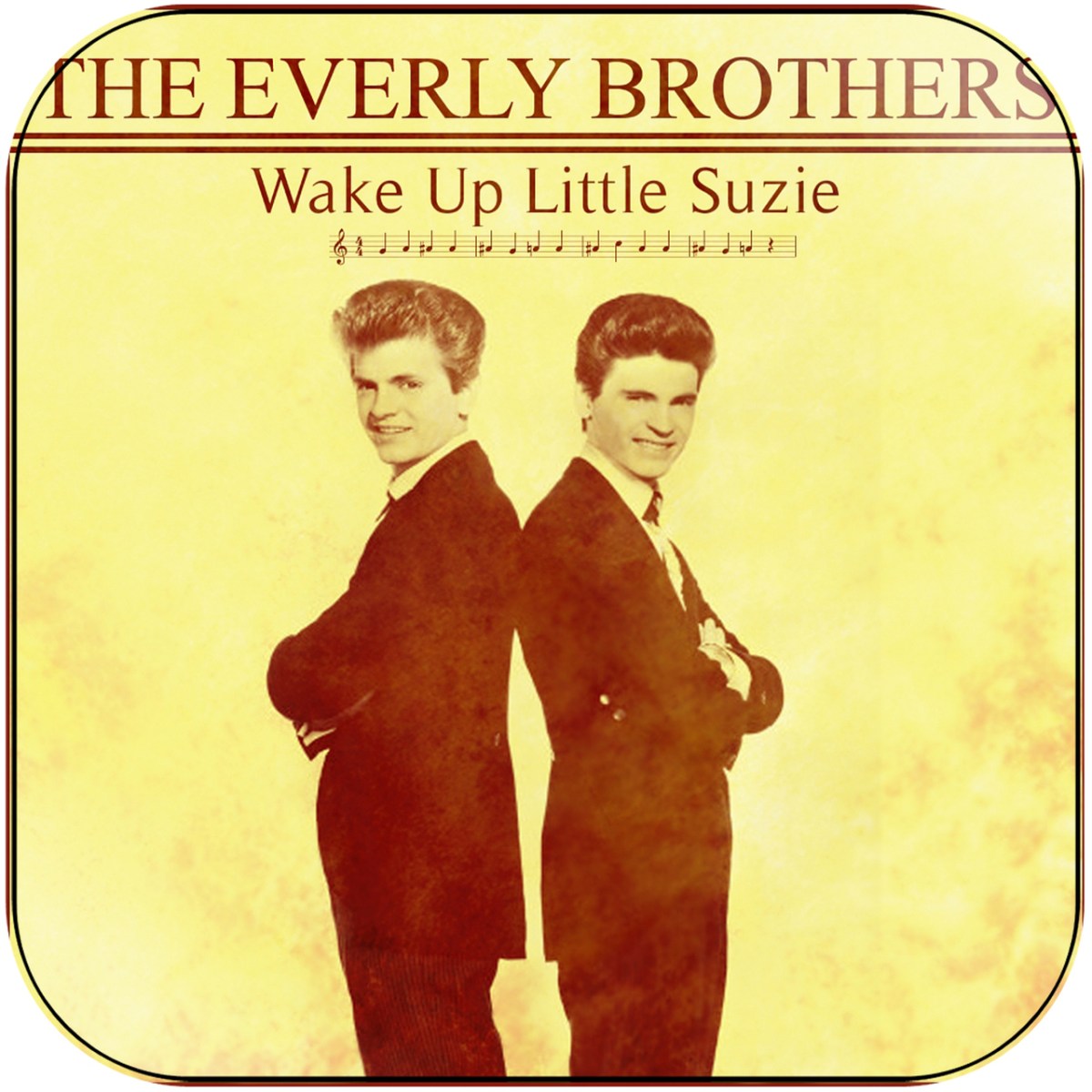
The lines “We both fell sound asleep / Wake up, little Suzie, and weep / The movie’s over, it’s four o’clock / And we’re in trouble deep” were suggestive enough to cause the song to be banned by several radio stations. Although it’s pretty clear the Suzie and her date were at the movies but that didn’t matter.
As with the case of other songs being banned…it only made it more appealing to teenagers at the time. The song peaked at #1 in Billboard and #2 in the UK in 1957.
This was written by the husband and wife team of Felice and Boudleaux Bryant, who wrote most of The Everly Brothers songs in the ’50s. Their songs were also recorded by Bob Dylan, Elvis, and Buddy Holly.
From Songfacts
This is about a young couple who fall asleep at the drive-in, realize they are out past curfew, and make up a story to tell Susie’s parents.
Some Boston radio stations banned this because of the lyrics, which imply that the young couple spent the night together. At the time, staying out late with a girl was a little controversial.
For The Everly Brothers, this was the first of four US #1 hits. It also went to #1 on the Country & Western charts.
At an appearance on The Oprah Winfrey Show while campaigning for President in year 2000, George W. Bush was asked by Oprah what his favorite song was. He said: “Wake Up Little Susie – by Buddy Holly.”
Simon & Garfunkel played this at their 1981 concert in Central Park. The live recording was released as a single the next year and hit #27 in the US.
Chet Atkins played guitar on this. Atkins, who died of cancer in 2001, was a Nashville musician who created a distinctive sound using a three-fingered picking technique.
This was a labor of love for the songwriting duo. “We persevered with ‘Wake Up Little Susie’ for many hours,” Boudleaux recalled to Country Music People. “I started writing one night, kept trying to get my ideas down, but it just wouldn’t happen. Finally I woke Felice, who took one listen to what I had so far achieved and came up with the final touches that I couldn’t get. The Everlys liked the song, but like me had problems with getting it right in the studio. They worked a whole three-hour session on that one song and had to give up, they just couldn’t get it right. We all trooped back to the studio the next day and got it down first take. That’s the way it happens sometimes.”
Wake Up Little Susie
Wake up, little Susie, wake up Wake up, little Susie, wake up we’ve both been sound asleep, wake up, little Susie, and weep The movie’s over, it’s four o’clock, and we’re in trouble deep Wake up little Susie Wake up little Susie, well
Whatta we gonna tell your mama Whatta we gonna tell your pa Whatta we gonna tell our friends when they say ?ooh-la-la? Wake up little Susie Wake up little Susie, well
I told your mama that you’d be in by ten Well Susie baby looks like we goofed again Wake up little Susie Wake up little Susie, we gotta go home
Wake up, little Susie, wake up Wake up, little Susie, wake up The movie wasn’t so hot, it didn’t have much of a plot We fell asleep, our goose is cooked, our reputation is shot Wake up little Susie Wake up little Susie, well
Whatta we gonna tell your mama Whatta we gonna tell your pa Whatta we gonna tell our friends when they say “ooh-la-la” Wake up little Susie Wake up little Susie Wake up little Susie
This week I’ll feature songs that have been banned from the radio for one reason or another for a time. I will just feature pre-9-11 songs because after 2001 practically every song was banned for a little while.
My Generation featured the chorus “Hope I Die Before I Get Old” but that was ok…It was the vocals that resembled stuttering; afraid to offend people with actual stuttering problems, the BBC prohibited the song from receiving airplay. Later, when the song proved to be a huge hit, they allowed it.
The best part of this song for me was John Entwistle’s bass solo. You just didn’t hear many bass solos at that time. John Entwistle “I bought this Danelectro bass and it had these tiny, thin wire-wound strings on. They were so thin, they sounded just like a piano, an unbelievably clear sound. The only thing was that you couldn’t buy these strings. When we recorded ‘My Generation,’ I ended up with three of these Danelectros just for the strings. The last one I had, the string busted before we actually got into the studio to re-record it, so I did it on a Fender Jazz in the end with tape-wound La Bella strings.”
Pete wrote this song for British mods at the time who didn’t think older people understood what was going on. The song peaked at #74 in the Billboard 100, #2 in the UK, and #3 in Canada in 1966.
Pete Townshend was asked if the line still resonated with him. “I think it does,” “The line actually came from a time when I was living in a really wealthy district of London, just by accident. I didn’t really understand quite where I was living at the time. And I was treated very strangely on the street, in an imperious way by a lot of people, and it was that that I didn’t like. I didn’t like being confronted with money and the class system and power. I didn’t like being in a corner shop in Belgravia and some woman in a fur coat pushing me out of the way because she was richer. And I didn’t know how to deal with that. I could’ve, I suppose, insisted on my rights and not written the song. But I was a tucked-up little kid and so I wrote the song.”
From Songfacts
Roger Daltrey sang the lead vocals with a stutter, which was very unusual. After recording two takes of the song normally, The Who’s manager, Kit Lambert, suggested to Daltrey that he stutter to sound like a British kid on speed. Daltrey recalled to Uncut magazine October 2001: “I have got a stutter. I control it much better now but not in those days. When we were in the studio doing ‘My Generation’, Kit Lambert came up to me and said ‘STUTTER!’ I said ‘What?’ He said ‘Stutter the words – it makes it sound like you’re pilled’ And I said, ‘Oh… like I am!’ And that’s how it happened. It was always in there, it was always suggested with the ‘f-f-fade’ but the rest of it was improvised.”
Pete Townshend wrote this on a train ride from London to Southampton on May 19, 1965 – his 20th birthday. In a 1987 Rolling Stone magazine interview, Townshend explained: “‘My Generation’ was very much about trying to find a place in society. I was very, very lost. The band was young then. It was believed that its career would be incredibly brief.”
Back in 1967, Pete Townshend called this song, “The only really successful social comment I’ve ever made.” Talking about the meaning, he explained it as “some pilled-up mod dancing around, trying to explain to you why he’s such a groovy guy, but he can’t because he’s so stoned he can hardly talk.”
This contains the famous line, “I hope I die before I get old.” The Who drummer Keith Moon did, dying of a drug overdose in 1978 at age 32. The rest of the band found themselves still playing the song 50 years later, giving that line more than a hint of irony.
A Singapore magazine called BigO is named for the famous line in this song – it’s an acronym for “Before I Get Old.”
This song went through various stages as they tried to perfect it. It began as a slow song with a blues feel, and at one point had hand claps and multiple key changes. The final product was at a much faster tempo than the song was conceived; it was Kit Lambert’s idea to speed it up.
This is the highest charting Who song in the UK, but it never cracked the Top 40 in America, where they were less known. In the UK, the album was also called My Generation, but in America it was titled The Who Sing My Generation.
Entwistle was the least visible member of the band, and his bass solos on this song threw off directors when The Who would perform the song on TV shows. When it got to his part, the cameras would often go to Pete Townshend, and his fingers wouldn’t be moving. Entwistle played the solos using a pick, since their manager Kit Lambert didn’t think fingers recorded well. Most of Entwistle’s next recordings were done with fingers.
The BBC refused to play this at first because they did not want to offend people with stutters. When it became a huge hit, they played it.
In 1965, Roger Daltrey stood by this song’s lyric and claimed he would kill himself before reaching 30 because he didn’t want to get old. When he did get older, he answered the inevitable questions about the “hope I die before I get old” line by explaining that it is about an attitude, not a physical age.
On September 17, 1967, The Who performed this song on The Smothers Brothers Comedy Hour. Keith Moon set his drums to explode after the performance, but the technical crew had already done so. The resulting explosion burned Pete Townshend’s hair and permanently damaged his hearing.
Also of note during this performance was Moon’s total disregard for the illusion of live performance. The band was playing along to a recorded track (common practice on the show), and while his bandmates synched their movements to the music, Moon made no effort to keep time, even knocking his cymbal over at one point.
Shel Talmy, who produced this track, was fired the next year. Talmy filed a lawsuit and won extensive royalties from future albums.
The ending of this song is electric mayhem, with Keith Moon pounding anything he can find on his drum kit and Townshend flipping his pickups on an off, something he also did on the album opener “Out in the Street.” Townshend and Daltrey go back and forth on the vocals, intentionally stomping on each other to add to the chaos.
This was covered by Iron Maiden, who was usually the Who’s polar opposite both musically and lyrically. One connection they share is the BBC-TV series Top of the Pops. Performances on the show were customarily lip-synched, but The Who performed live on the show in 1972. In 1980, Iron Maiden also performed live, and was the first band to do so since The Who. Maiden put their version of “My Generation” on the B-side to the single for “Lord of the Flies.”
The Who played this during their set at Woodstock, which didn’t begin until 5:00 a.m. on the second day. The group turned in a solid performance, but they weren’t pleased with the scheduling and weren’t feeling the peace and love – at one point an activist named Abbie Hoffman came on stage uninvited and was forcibly ejected by Pete Townshend.
Green Day recorded this for their 1992 album Kerplunk!.
When the teen pop singer Hilary Duff covered this as a B-side for her 2005 single “Someone’s Watching Over Me,” she made the curious decision to rewrite some of the lyrics. “I hope I don’t die before I get old,” doesn’t really have the same rock ‘n’ roll attitude as Townshend’s original words, and her rendition caused some consternation among Who fans.
This song fits nicely into the “primal rock” genre, which covers tunes that are raucous, rebellious, unusual, and also celebratory. Roger Reale, who was in one of these primal rock bands with Mick Ronson, explains the impact of the song:
“‘My Generation’ had no lead guitar, but a lead part played on the bass. It also had a bass breakdown, and unless you listened to a lot of jazz, there were no bass breakdowns in pop music. I remember playing the end of that track over and over and over again, because you could hear the feedback of the guitar, which was so exciting to listen to. In those days, you weren’t supposed to have an outro that was pure noise.”
My Generation
People try to put us d-down (talkin’ ’bout my generation) Just because we get around (talkin’ ’bout my generation) Things they do look awful c-c-cold (talkin’ ’bout my generation) I hope I die before I get old (talkin’ ’bout my generation)
This is my generation This is my generation, baby
Why don’t you all f-fade away (talkin’ ’bout my generation) Don’t try to dig what we all s-s-s-say (talkin’ ’bout my generation) I’m not trying to ’cause a big s-s-sensation (talkin’ ’bout my generation) I’m just talkin’ ’bout my g-g-g-generation (talkin’ ’bout my generation)
My generation This is my generation, baby
Why don’t you all f-fade away (talkin’ ’bout my generation) And don’t try to d-dig what we all s-s-say (talkin’ ’bout my generation) I’m not trying to ’cause a b-big s-s-sensation (talkin’ ’bout my generation) I’m just talkin’ ’bout my g-g-generation (talkin’ ’bout my generation)
This is my generation This is my generation, baby My my my generation
People try to put us d-down (talkin’ ’bout my generation) Just because we g-g-get around (talkin’ ’bout my generation) Things they do look awful c-c-cold (talkin’ ’bout my generation) Yeah, I hope I die before I get old (talkin’ ’bout my generation)
This is my generation This is my generation, baby My my my generation
(Talkin’ ’bout my generation) (Talkin’ ’bout my generation) (Talkin’ ’bout my generation) (Talkin’ ’bout my generation) (Talkin’ ’bout my generation) this is my generation (Talkin’ ’bout my generation) this is my generation (Talkin’ ’bout my generation) this is my generation (Talkin’ ’bout my generation) this is my generation (Talkin’ ’bout my generation) this is my generation (Talkin’ ’bout my generation) this is my generation (Talkin’ ’bout my generation) this is my generation
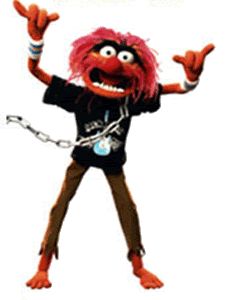
I am amazed at how many covers there are to this song. I remember Kermit the Frog singing it long ago. I didn’t know whether to use Bob Dylan’s or others for today. Jimmie Rodgers did a great version of Froggie Went A-Courtin’.
It is on the Dylan album Good as I Been to You that was released in 1992.
Who covered it? Here is a partial list: Jimmie Rodgers, Paul McCartney, Bruce Springsteen, Woody Guthrie, Elvis Presley, Tex Ritter, and Blind Willie McTell.
There is a reference in the Stationer’s Register of 1580 to “A Moste Strange Weddinge of the Frogge and the Mouse.” The oldest known musical version is in Thomas Ravenscroft’s Melismata in 1611.
This great old story song has quite a history. Some people claim that it goes back 400 years to England and that the frog is actually a French Duke while the mouse is Queen Elizabeth I. It has been popular in America since colonial times, and it seems to change a little with each person who performs it.
Alternative names for the song per Wiki
“A Frog He Would a-Wooing Go”
“Crambone”
“Die Padda wou gaan opsit” (Afrikaans version in South Africa)
“Frog in the Well”
“Froggie Went a-Courtin'”
“Froggy Would a-Wooing Go”
“The Frog’s Wooing”
“A Frog Went a-Walkin'”
“King Kong Kitchie Kitchie Ki-Me-O”
“There Lived a Puddie in the Well”
“There Was a Puggie in a Well”
“Y Broga Bach” (Welsh)
“Yo para ser feliz quiero un camión”
Thanks to Observationblogger for helping me to think of this song again.
Froggie Went A-Courtin’
1. Frog went a-courtin’, and he did ride, Uh-huh, Frog went a-courtin’, and he did ride, Uh-huh, Frog went a-courtin’, and he did ride. With a sword and a pistol by his side, Uh-huh.
2. Well he rode up to Miss Mousey’s door, Uh-huh, Well he rode up to Miss Mousey’s door, Uh-huh, Well he rode up to Miss Mousey’s door. Gave three loud raps and a very big roar, Uh-huh.
3. Said, “Miss Mouse, are you within?” Uh-huh, Said he, “Miss Mouse, are you within?” Uh-huh, Said, “Miss Mouse, are you within?” “Yes, kind sir, I sit and spin,” Uh-huh.
4. He took Miss Mousey on his knee, Uh-huh, Took Miss Mousey on his knee, Uh-huh, Took Miss Mousey on his knee. Said, “Miss Mousey, will you marry me?” Uh-huh.
5. “Without my uncle Rat’s consent, Uh-huh “Without my uncle Rat’s consent, Uh-huh “Without my uncle Rat’s consent. I wouldn’t marry the president, Uh-huh
6. Uncle Rat laughed and he shook his fat sides, Uh-huh, Uncle Rat laughed and he shook his fat sides, Uh-huh, Uncle Rat laughed and he shook his fat sides,. To think his niece would be a bride, Uh-huh.
7. Uncle Rat went runnin’ downtown, Uh-huh, Uncle Rat went runnin’ downtown, Uh-huh, Uncle Rat went runnin’ downtown. To buy his niece a wedding gown, Uh-huh
8. Where shall the wedding supper be? Uh-huh, Where shall the wedding supper be? Uh-huh, Where shall the wedding supper be? Way down yonder in a hollow tree, Uh-huh
9. What should the wedding supper be? Uh-huh, What should the wedding supper be? Uh-huh, What should the wedding supper be? Fried mosquito in a black-eye pea, Uh-huh.
10. Well, first to come in was a flyin’ moth, Uh-huh, First to come in was a flyin’ moth, Uh-huh, First to come in was a flyin’ moth. She laid out the table cloth, Uh-huh.
11. Next to come in was a juney bug, Uh-huh, Next to come in was a juney bug, Uh-huh, Next to come in was a juney bug. She brought the water jug, Uh-huh.
12. Next to come in was a bumbley bee, Uh-huh Next to come in was a bumbley bee, Uh-huh Next to come in was a bumbley bee. Sat mosquito on his knee, Uh-huh.
13. Next to come in was a broken black flea, Uh-huh, Next to come in was a broken black flea, Uh-huh, Next to come in was a broken black flea. Danced a jig with the bumbley bee, Uh-huh.
14. Next to come in was Mrs. Cow, Uh-huh, Next to come in was Mrs. Cow, Uh-huh, Next to come in was Mrs. Cow. She tried to dance but she didn’t know how, Uh-huh.
15. Next to come in was a little black tick, Uh-huh, Next to come in was a little black tick, Uh-huh, Next to come in was a little black tick. She ate so much she made us sick, Uh-huh.
16. Next to come in was a big black snake, Uh-huh, Next to come in was a big black snake, Uh-huh, Next to come in was a big black snake. Ate up all of the wedding cake, Uh-huh.
17. Next to come was the old gray cat, Uh-huh, Next to come was the old gray cat, Uh-huh, Next to come was the old gray cat. Swallowed the mouse and ate up the rat, Uh-huh.
18. Mr. Frog went a-hoppin’ up over the brook, Uh-huh, Mr. Frog went a-hoppin’ up over the brook, Uh-huh, Mr. Frog went a-hoppin’ up over the brook. A lily-white duck come and swallowed him up, Uh-huh.
19. A little piece of cornbread layin’ on a shelf, Uh-huh, A little piece of cornbread layin’ on a shelf, Uh-huh, A little piece of cornbread layin’ on a shelf. If you want anymore, you can sing it yourself, Uh-huh.