Always had a Bean Bag

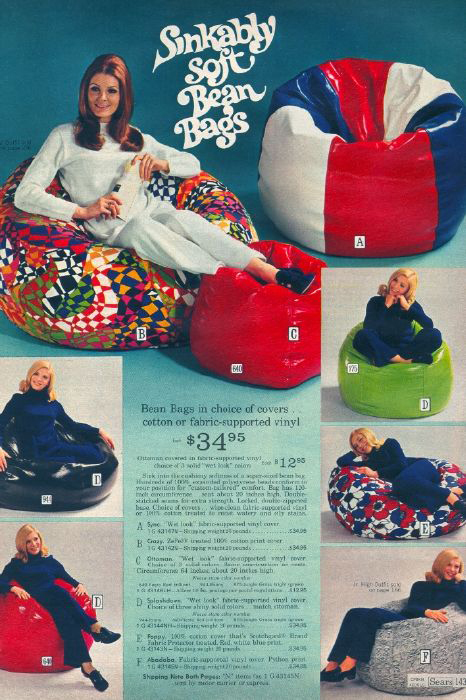
I have had a bean bag in my place of residence ever since I was a teenager. They are very handy to throw somewhere and sit. When you play guitar or want to watch a movie it’s a comfortable place to sit. They are also affordable and can be a good alternative sometimes to chairs.

The only part of owning one I don’t like is the inevitable end when the white small styrofoams like “beans” (expanded polystyrene) start coming out and going everywhere.

I would like to get an original leather bean bag one day.

According to some historians, bean bags were first invented by the ancient Egyptians sometime around 2000 B.C., and for thousands of years, they were used to play games and for other recreational diversions. The first bean bags were small, round and made of leather. They were most likely filled with dried beans or pebbles.

The first bean bag chairs as we know them were developed in the sixties. They were first called a Sacco chair, and released in 1969. They were designed by Cesare Paolini, Piero Gatti, and Franco Teodoro who were commissioned to create the piece by Zanotta Design in Italy.

Bean bags were huge in the 1970s and they were at first usually made of leather and filled with PVC (short for PolyVinyl Chloride) pellets. Soon nylon and polyester were used with expanded polystyrene (EPS) for filler. That combination proved to be more durable.

During the 1980s and 1990s, the popularity of bean bags declined greatly in popularity, but they were still being manufactured by several companies.

Now they are now experiencing a strong resurgence in popularity. You can get a regular bean bag or one pre-formed into a chair or couch. They are being sold for use as pet beds.


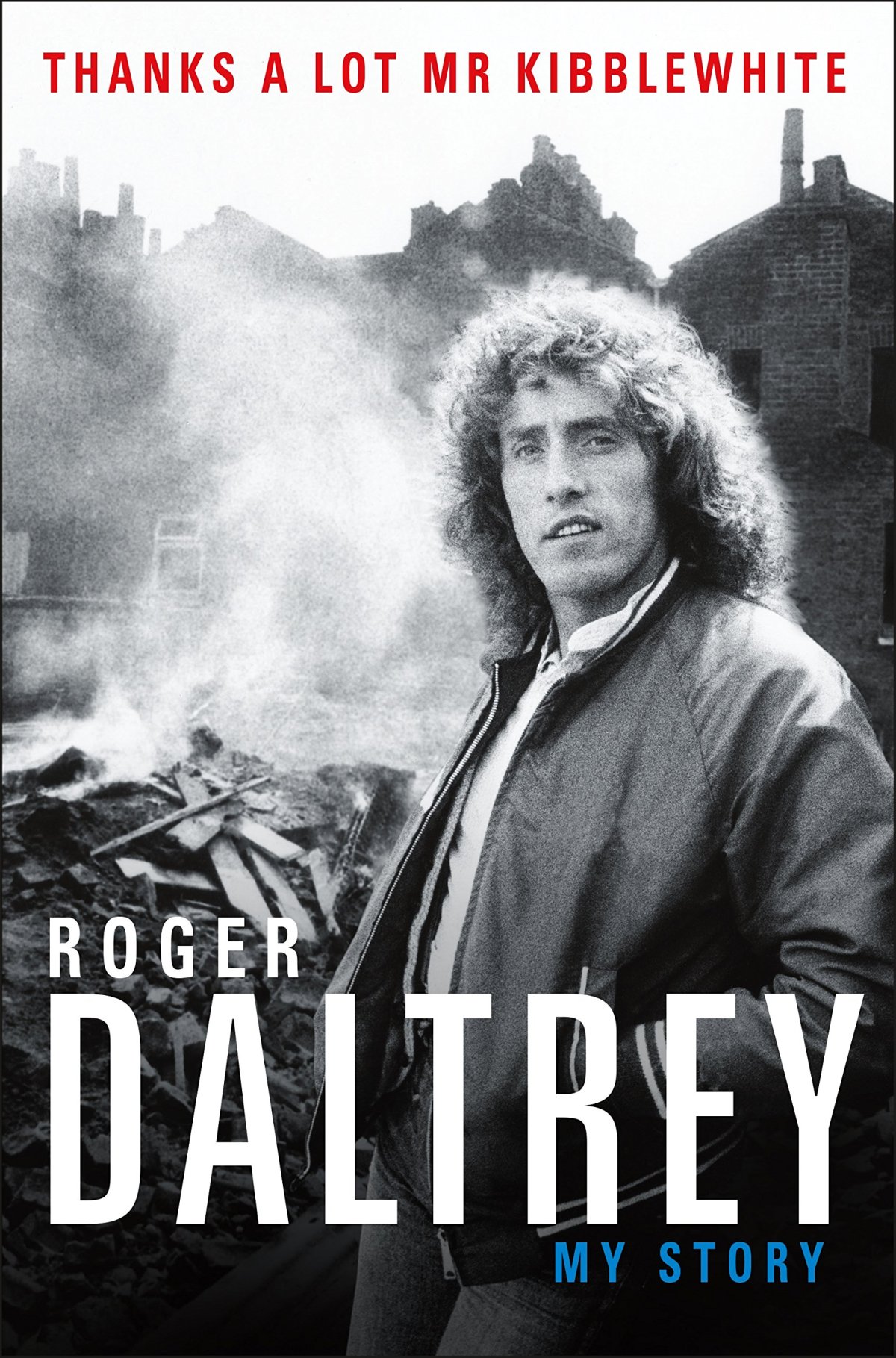
Thanks A Lot Mr. Kibblewhite: My Story Roger Daltrey

I just finished the audio version of this book. I’m a huge Who fan and I was looking forward to it. It was nice to hear the book narrated by Roger himself. It’s a solid book but I have only one complaint that I will get into below.

The positive about the book is you find out more about the different personalities of the Who and the reason they fought. Pete the artist, John the dark one, Keith the lunatic, and Roger blue-collar man of the band. We all knew those descriptions before but Roger tries to explain how it worked and didn’t work as a band. If you want to know The Who’s impact on rock music and culture go to Pete Townshend. If you want to get straight to the point with just the highlights…Roger is your man.

Roger is grounded, avoided most of the pitfalls in his profession,  hard-working, and loves interpreting Pete’s music to the world. He goes into how he changed his singing style with Pete’s writing. How he became Tommy and the mod in Quadrophenia. He hits the highlights of The Who and his life without the Who in the 80s and part of the 90s.

The strongest part of this book is about his childhood and his collection of relatives. Roger seems very approachable, likable, and down to earth. Roger was the one constant in the band that you didn’t have worry about his on tour activities. He does talk about the high points of the Who and his acting career.

My biggest complaint is the book is too short. You get the impression that he didn’t think that anyone would want to hear any details whatsoever.  He does give you some good stories but touches a subject and quickly leaves. It’s almost a cliff notes version as he didn’t dwell in any period long.

It is a quick and enjoyable read but leaves you wanting more.


Ringo or Robin Ltd RoR

Ringo Starr and Robin Cruikshank formed a partnership in 1969 and they were located in the Beatles Apple building on Savile Row. In 1972 relocated with Apple to 54 St James Street.

Robin had originally worked for Ringo to design a stainless steel fireplace for Ringo and his wife Maureen.  Ringo started to give Robin some suggestions and the two started to worked together on furniture and different designs for years after that. The partnership lasted until 1986 and after that Ringo let Robin use the name so Cruikshank could continue different projects.

If you ever run across anything made by RoR you probably have something very valuable.

Below was designed by RoR. I can’t imagine what it would have cost. I would take it in a second.

Related image

I remember seeing the below item on the news. Very expensive because they didn’t use reproduction parts…they all had authentic Roll Royce grills.

Related image

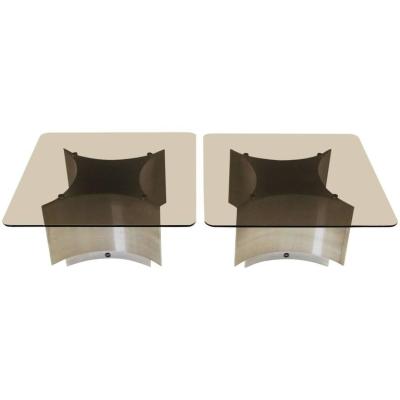
Here are some tables by RoR.

ror_table.jpg

ror_table2.jpg

Below is Robin’s website featuring his new designs plus much more history.

http://rorint.com/

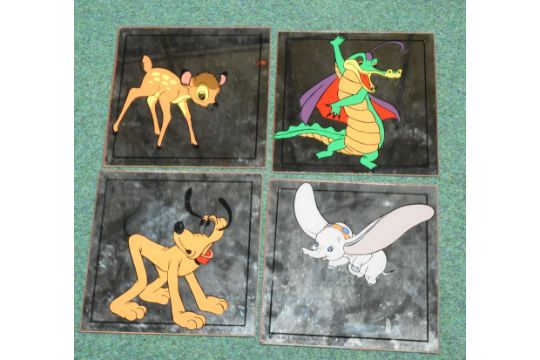
They worked with Disney to produce some mirrors with Disney characters on them.

Related image


Below is a video on some history of RoR

Santana – I’m Winning

This is a well-crafted song written by Russ Ballard and performed by Santana. I’m Winning didn’t have a Latin style like many of his seventies songs…it was more pop/rock and very catchy. It peaked at #17 on the Billboard 100 in 1981. Scottish vocalist Alex Ligertwood sang this song after Greg Walker left the band a little earlier.

It was released on the Zebop! album, a fascinating transitional LP that pushed Santana into the ’80s without completely abandoning the old mojo, “Winning” is anchored by one of the best vocal performances in the band’s catalog. His voice doesn’t just carry the tune; it owns it. He’s not just singing about triumph; he sounds like a man who’s been through the ringer and is finally exhaling.

Musically, this is a curious beast. Carlos’s guitar tone cuts through like sunlight through smoke. He doesn’t showboat, doesn’t shred, he sings with his strings, giving the track an emotional lift that Ballard’s original lacked.

 Ligertwood also sang on the hit Hold On the next year.

I’m Winning

One day I was on the ground
When I needed a hand
Then it couldn’t be found
I was so far down that I couldn’t get up
You know and one day I was one of life’s losers
Even my friends were my accusers
In my head I lost before I begun
I had a dream but it turned to dust
And what I thought was love
That must have been lust
I was living in style
When the walls fell in
And when I played my hand
I looked like a joker
Turn around fate must have woke her
Cause lady luck she was waiting outside the door
I’m winning
I’m winning
I’m winning
I’m winning and I don’t intend on losing again
Too bad it belonged to me
It was the wrong time and not meant to be
It took a long time and I’m new born now
I can see the day that I bleed for
If it’s agreed that there’s a need
To play the game and to win again

David and David – Welcome to the Boomtown

I’ve always liked the lyrics to this song and the overall sound of it. I liked all of the singles released off of their one and only album Boomtown. Welcome to the Boomtown, It Aint So Easy, and Swallowed by the Cracks. I was really looking forward to the follow-up album which never came.

Welcome to the Boomtown peaked at #37 in the Billboard 100 in 1986. Per Wikipedia, the two are planning to make a follow-up album. Over 30 years later…but better late than never.

Welcome to The Boomtown

Miss Christina drives a .944
satisfaction oozes from her pores
she keeps rings on her fingers
marble on the floor
cocaine in her dresser
bars on her doors
she keeps her back against the wall
so I say
I say welcome
welcome to the boomtown
pick a habit
we got plenty to go around
welcome to the boomtown
and all that money makes such a succulent sound
welcome to the boomtown

Handsome Kevin got a little off track
took a year off of college
and he never went back
now he smokes much too much
he’s got a permanent hack
deals dope out of Denny’s
keeps a table in the back
he always listens to the ground
always listens to the ground
so I say
I say welcome to the boomtown
pick a habit we got plenty to go around
welcome to the boomtown
and all that money makes such a succulent sound
welcome to the boomtown

Well the ambulance arrived too late
I guess she didn’t want to wait….

Welcome to the boomtown

Clackers

Clackers or… death on a string came out in the 1960s. They were also called Ker-Bangers, Klackers, Click-Clacks, Klik Klaks, Klappers, and Zonkers.

I remember a kid giving me his Clackers. The object I guess was swinging them up and down until they hit each other and made a “clack” sound. The sound I got the most was a thud sound with plastic hitting my skin. They were also known to shatter and the pieces fly in all different directions.

They were similar to Bolas…a weapon used by cowboys to throw at cattle or game to wrap around their legs…sometimes breaking them. Yep…lets redesign this and give it to kids.

I never minded somewhat dangerous toys but I didn’t get too much pleasure out of these.

The toy was recalled in 1985

https://www.cpsc.gov/Recalls/1985/dangerous-toys-seized-by-us-marshal-in-phoenix


When Waterbeds were cool

I had a waterbed in the early 80s as a young teen. I always liked it and thought it was comfortable. Two things I didn’t like about it was… if there was a leak you would not know until 2:30 am and on a school night…always. If the heater was either turned down or went out…you would wake up as a human popsicle at…you guessed it… 2:30 am. Nothing ever happened to it at noon on a Saturday.

in the early 1800s. Scottish physician Dr. Neil Arnott devised a water-filled bed to prevent bedsores in invalids.

In 1873, Sir James Paget, of St. Bartholomew Hospital in London, presented the waterbed designed by Dr. Arnott as a treatment and prevention of ulcers, a common condition at this time. Paget found that waterbeds allowed for even pressure distribution over the entire body. The only problem was that you could not regulate the water temperature.

In 1968 Charles Hall presented the waterbed as his Master’s Thesis project to his San Francisco State University design class. While showcasing their work, students rotated through workshops to see each other’s inventions. Once they reached Hall’s project – a vinyl mattress filled with heated water – the class never left. “Everybody just ended up frolicking on the waterbed,” Hall recalls.

Hall’s first waterbed mattress was called ‘the Pleasure Pit’ and it quickly gained popularity with the hippie culture of the 1960’s and 1970’s.

Time Magazine in 1971 about waterbeds. “Playboy Tycoon Hugh Hefner has one–king-size, of course, and covered with Tasmanian opossum. The growing number of manufacturers and distributors, with such appropriate names as Aquarius Products, the Water Works, Innerspace Environments, Joyapeutic Aqua Beds and the Wet Dream, can hardly meet the demand. They have sold more than 15,000 since August.”

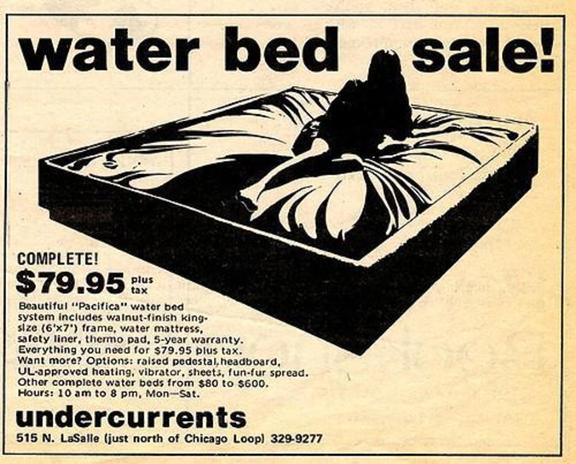
Sex always sells… one ad stated. “Two things are better on a waterbed. One of them is sleep.” and “She’ll admire you for your car, she’ll respect you for your position, but she’ll love you for your waterbed.”

waterbedad.jpg

By the 80s waterbeds were in the suburbs and gaining in popularity. In 1987, waterbeds had achieved their peak, representing 22 percent of all U.S. mattress sales.

At the end of the 1980s waterbed sales fell off. Some say it was because they were too connected to the 70s that had fallen out of favor (the horror!)… but most think it was because of the maintenance and pain in setting them up and moving them. Also, you had to make sure your floor was braced enough to have one depending on the size and weight of it.

Today you can still buy them but most are designed thinner to hold less water in rolls instead of sleeping on a lake beneath you.

I had mine until I was 20 with plenty of patches but it still held water and me… but I left it behind when I moved.

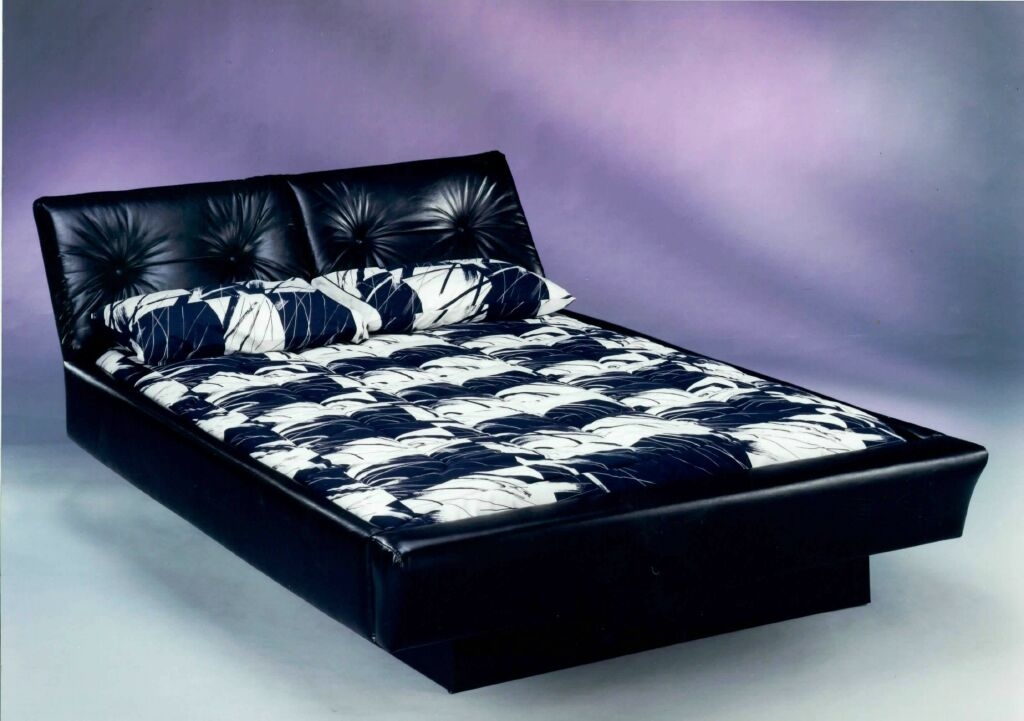
This egg-shaped one below I would gladly take home now

waterbedegg.jpg

COME NOW! TO THE WATERBED WAREHOUSE!

Keith Moon talks about a waterbed

https://en.wikipedia.org/wiki/Waterbed

The Walkman

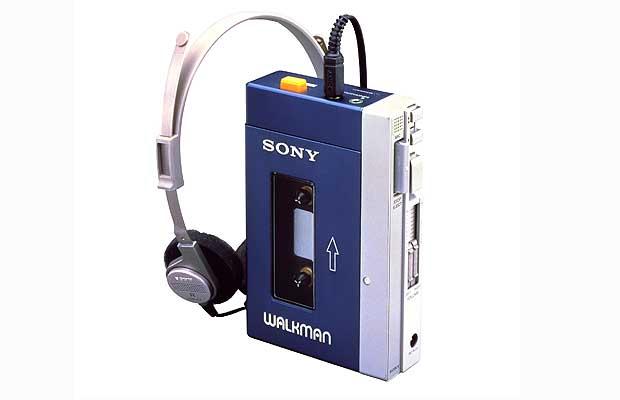
In July of 1979, the Sony Walkman was released to the public. You had portable music anywhere you went. It cost $150 ($546.21 in today’s money).

The 1980s was the Walkman’s decade. Cassettes started to outsell albums and this device was one of the reasons. By 1986 the word “Walkman” had entered the Oxford English Dictionary. Its launch coincided with the birth of the aerobics craze, and millions used the Walkman to make their workouts more entertaining.

Between 1987 and 1997 — the height of the Walkman’s popularity — the number of people who said they walked for exercise increased by 30 percent.

Sony continued to roll out variations on its theme, adding such features as AM/FM receivers, bass boost, and auto-reverse. Sony even made a solar-powered Walkman, water-resistant Sport Walkmans and even devices with two cassette drives. With the introduction of compact discs in 1982, the cassette format began to go the way of the dinosaur.

Sony was fairly quick to jump to new formats: it introduced the D-50 portable CD player a year after the first compact discs were sold, and later rolled out MiniDisc and MP3 players under the Walkman brand.

It caught on with the public in a big way. Today with iPods, iPhones and other devices we take it for granted are descendants from the 1979 Walkman.


https://www.theverge.com/2014/7/1/5861062/sony-walkman-at-35


A Quick visit to Captain Kangaroo

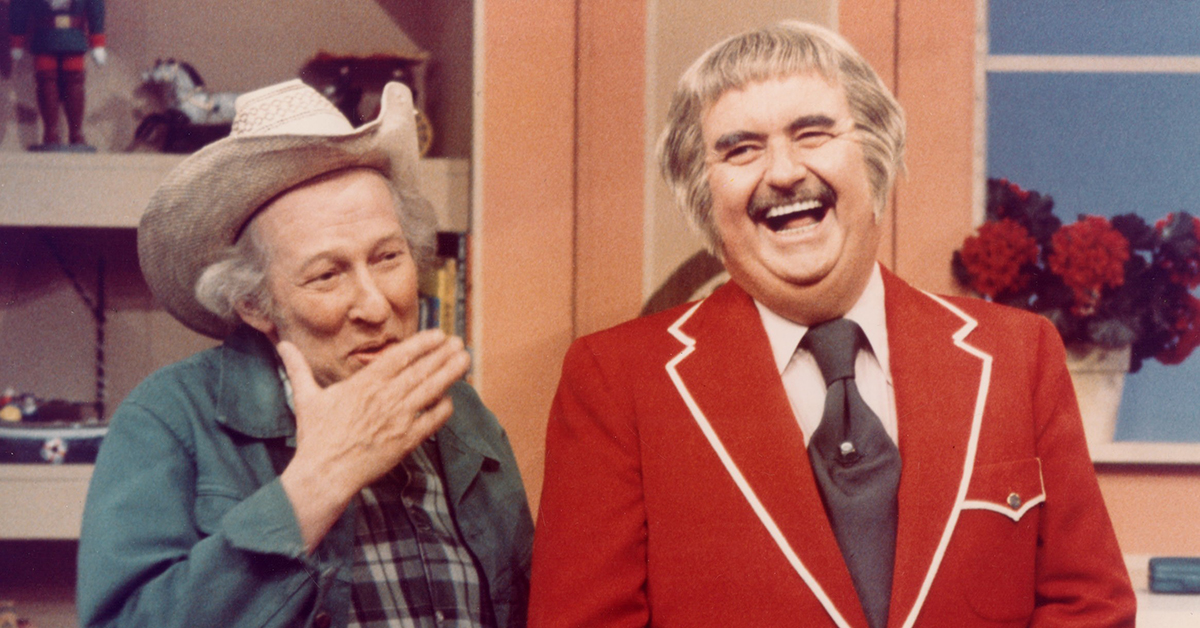
Bob Keeshan played Clarabell on the Howdy Doody Show. In 1955 CBS offered Keeshan his own children’s show, which became Captain Kangaroo. Captain Kangaroo ran from 1955 to 1984. The show spanned many generations of kids during that time.

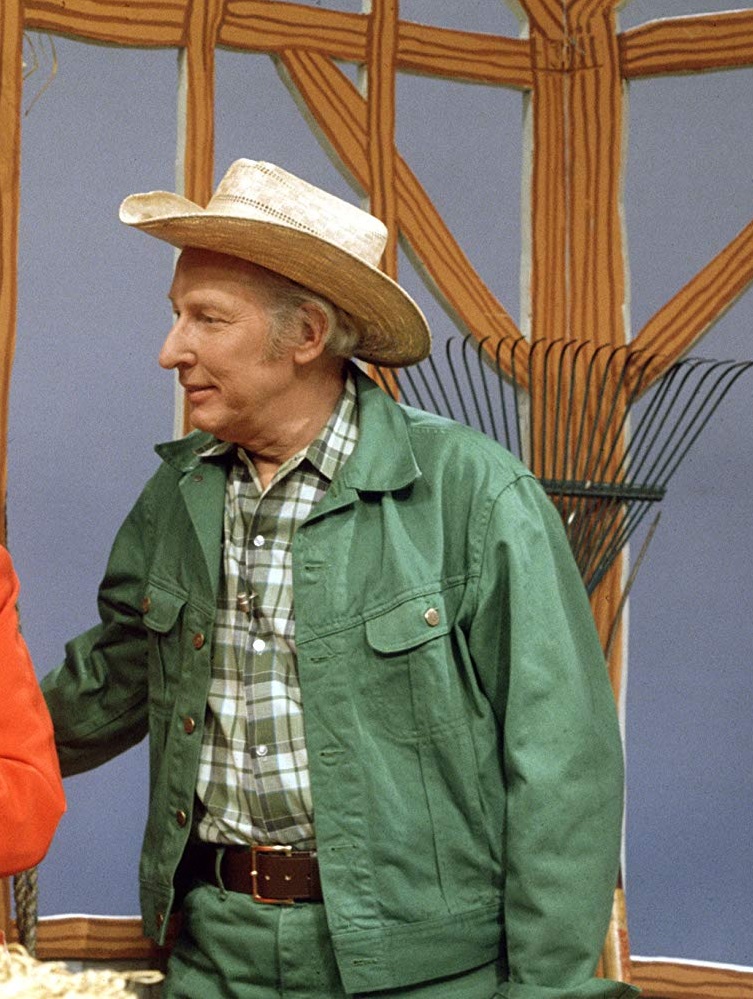
Keeshan was Captain Kangaroo and every morning I would look forward to seeing The Captain, Mr. Green Jeans, Bunny Rabbit, Dancing Bear, and Mr. Moose. I knew that Mr. Moose was setting the Captain up for the ritual ping-pong drop on the Captain’s head that never got old.

Mr. Green Jeans (Hugh Brannum) would have different animals at times to show. He also portrayed the Professor, Greeno the Clown, the New Old Folk Singer, and Mr. Bainter on the show.

The Painter was played by Gus “Cosmo” Allegretti who also handled the puppets and Dancing Bear.

Untitled.jpgRelated image

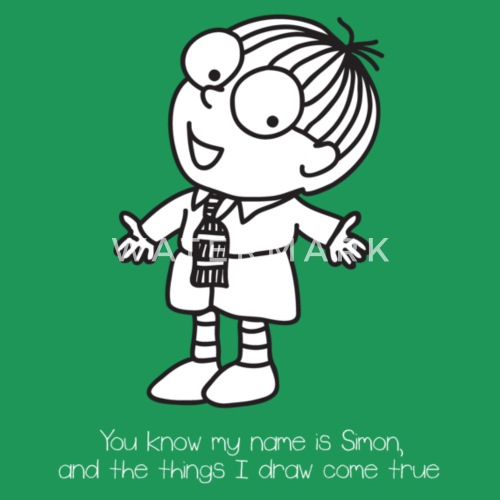
One one of my favorite sections was the cartoon “Simon in the Land of Chalk Drawings” that would appear on some shows. Simon had a magic blackboard and anything he drew became real.

Image result for Simon in the Land of Chalk Drawings

Mr. Moose could be a slight smart aleck so I did like him. He also hung out with Bunny Rabbit and the Dancing Bear.

Related image

Captain Kangaroo’s place with his cast of characters was a nice place to visit as a kid.

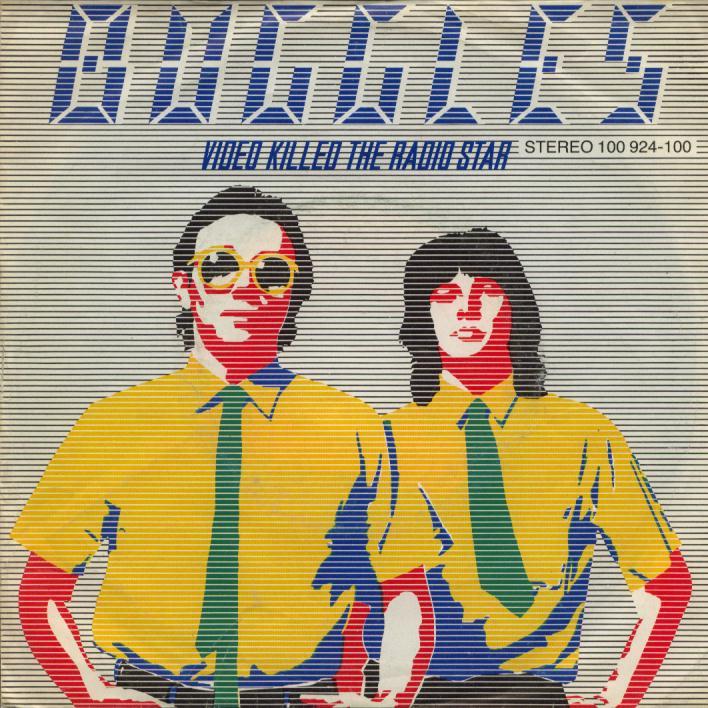
The Buggles – Video Killed the Radio Star

The first ever video played on MTV was appropriately Video Killed the Radio Star. The song peaked at #40 in the Billboard 100, #1 in the UK and #6 in Canada in 1979. I’ve always liked this song but it took a few listens. It was written by Trevor Horn, Geoff Downes, and Bruce Woolley.

The Presidents of the United States of America also did a version of this song in 1998 that I like.

Here is a quote from Trevor Horn…  “It came from this idea that technology was on the verge of changing everything. Video recorders had just come along, which changed people’s lives. We’d seem people starting to make videos as well, and we were excited by that. It felt like radio was the past and video was the future. The was a shift coming.”

From Songfacts.

Trevor Horn wrote this after reading a science fiction story about an opera singer in a world without sound (she was rendered obsolete). Said Horn: “Before I started Buggles I was a sort of loser record producer, I spent four years producing records for various people without ever making any money out of it or having any success at all. Mainly I just produced unsuccessful records because I couldn’t seem to lay my hands on a good song. Eventually, I got so fed up doing things that weren’t successful I decided that if I couldn’t find a good artist and a good song then I’d write it myself and become the artist, so I wrote this song called ‘Video Killed The Radio Star’ with Bruce Wooley. I know the name’s awful, but at the time it was the era of the great punk thing. I’d got fed up of producing people who were generally idiots but called themselves all sorts of clever names like The Unwanted, The Unwashed, The Unheard… when it came to choosing our name I thought I’d pick the most disgusting name possible. In retrospect, I have frequently regretted calling myself Buggles, but in those days I never really thought much about packaging or selling myself, all that really concerned me was the record.”

This was the first video to air on MTV. The network launched August 1, 1981, and this provided the first evidence that MTV was going to make it.

The song was a big hit in England in 1979, but pretty much unknown in America, where it peaked at #40 in December 1979. When MTV went on the air, it was on only a few cable systems, but record stores in those areas started selling lots of Buggles albums. Radio stations weren’t playing the song and almost no one in the US had heard of the Buggles, so it was clear that MTV was selling records – an early indication of the network’s influence.


Video Killed The Radio Star

I heard you on the wireless back in ’52
Lying awake intently tuning in on you
If I was young it didn’t stop you coming through
Oh-a-oh

They took the credit for your second symphony
Rewritten by machine on new technology
And now I understand the problems you can see

Oh-a-oh
I met your children
Oh-a-oh
What did you tell them?

Video killed the radio star
Pictures came and broke your heart
Oh-a-a-a oh

And now we meet in an abandoned studio
We hear the playback and it seems so long ago
And you remember the jingles used to go:

Oh-a-oh
You were the first one
Oh-a-oh
You were the last one

Video killed the radio star
In my mind and in my car
We can’t rewind, we’ve gone too far
Oh-a-a-a oh
Oh-a-a-a oh

Video killed the radio star
In my mind and in my car
We can’t rewind, we’ve gone too far
Pictures came and broke your heart
Put the blame on VTR…

You are the radio star
Video killed the radio star
You are the radio star
Video killed the radio star
You are the radio star
Video killed the radio star
You are the radio star
Video killed the radio star
You are the radio star

Oh-a-oh, oh-a-oh…

Toss Across

I had this as a kid and would play it at family gatherings at our house. I bought an original one from 1969 from eBay a couple of years ago and still once in a while will play it. It plays like a carnival game. My son didn’t think much of it at first but when he started to play it…he liked it.

The game came out in 1969 by the Ideal Toy Company. The game was designed by Marvin Glass and Associates and created by Hank Kramer, Larry Reiner, and Walter Moe.

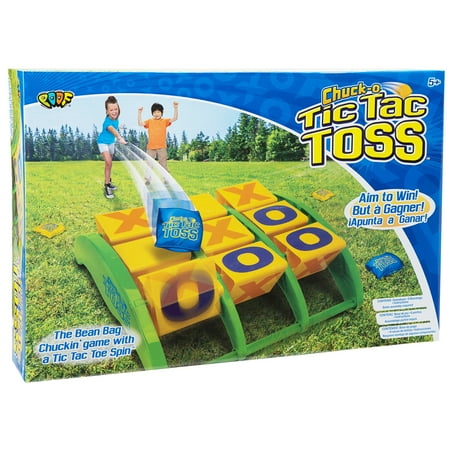
They still sell a version of it today. POOF Outdoor Games Chuck-O Tic Tac Toss


It’s tic tac toe with bean bags…that about sums it up. Go Go Go for 3 in a row!

Now… please tell me what the little girl says after the dog drops the bag…please


https://en.wikipedia.org/wiki/Toss_Across

Scandal – Goodbye To You

Good song and singer in Patty Smyth. This song made it to #65 in the Billboard 100 in 1982. I would have sworn it made it higher than that. It was played heavily by MTV at the time. Scandal would have a top ten hit in 1984 with The Warrior.

from Songfacts.

This was written by Scandal guitarist Zack Smith. It’s a breakup song where Patty Smyth sings about moving on from a relationship. Smith wrote most of Scandal’s songs, while Smyth fronted the group, moving on to success as a solo artist and eventually marrying tennis star John McEnroe.

Patty Smyth credits MTV for this song’s success. The song didn’t get much radio airplay, but the video got a lot of spins on MTV. The clip was a typical, low budget, performance video, but Smyth was easy on the eyes and MTV was hankering for American Rock acts, especially females (note Pat Benatar’s early acceptance on the network).


Goodbye to You

Those times I waited for you seem so long ago
I wanted you far too much to ever let you go
You know I never got by, “I feel it too”
And I guess I never could stand to lose
It’s such a pity to say

Goodbye to you
Goodbye to you

Could I have loved someone like the one I see in you
I remember the good times baby now, and the bad times too
These last few weeks of holdin’ on
The days are dull, the nights are long
Guess it’s better to say

Goodbye to you
Goodbye to you
Goodbye to you
Goodbye to you

‘Cause baby it’s over now
No need to talk about it
It’s not the same
My love for you’s just not the same
And my heart, and my heart
And my heart can’t stand the strain
And my love, and my love
And my love won’t stand the pain
And my heart, and my heart
And my heart can’t stand the strain
And my love, and my love
And my love

Goodbye to you
Goodbye to you
Goodbye to you
Goodbye to you

Now, could I have loved someone like the one I see in you
Yeah, I remember the good times baby now, and the bad times too
These last few weeks of holdin’ on
The days are dull, the nights are long
Guess it’s better to say

Goodbye to you
Goodbye to you
Goodbye to you
Goodbye to you

Goodbye baby
So long, darlin’
Goodbye to you

8-Track Tapes

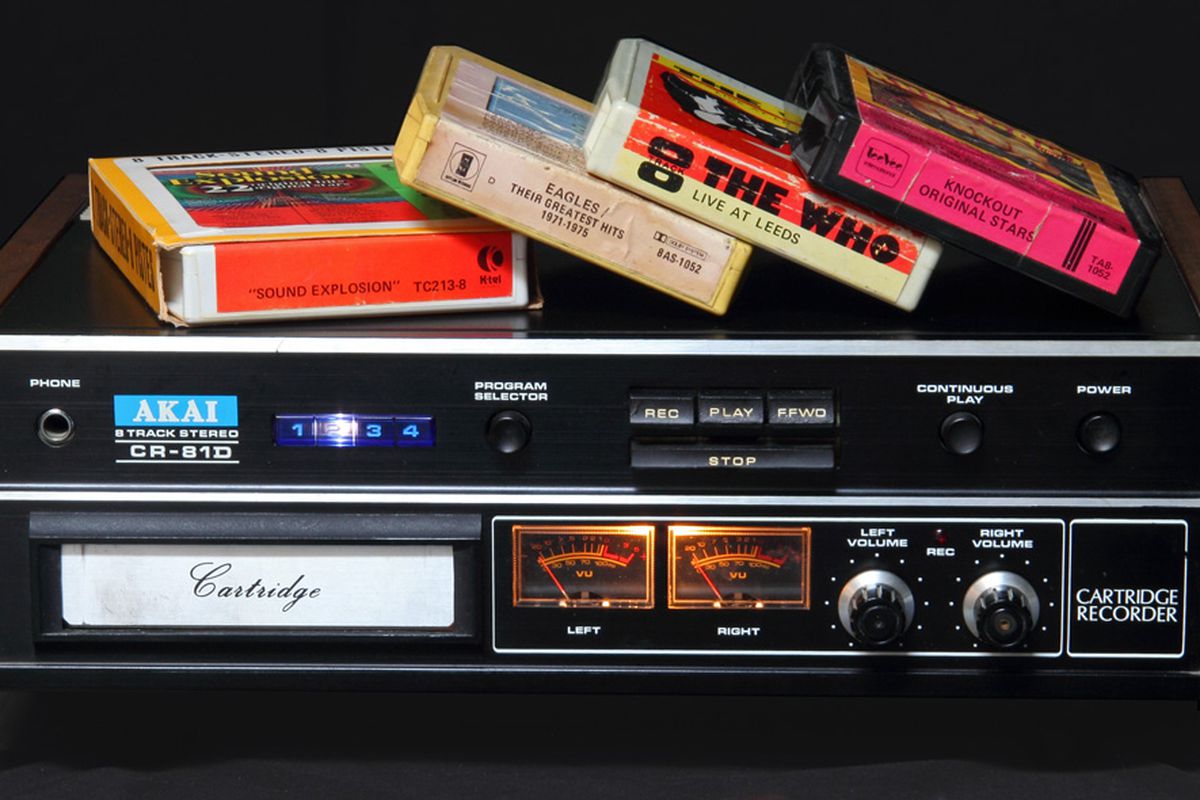
I  had a stereo that had a record-able 8-track system built in. I would record straight off the radio to the 8-track and from records. I will add that it could be a miserable format to listen to music. If you had a favorite song that you wanted to hear a couple times in a row…get ready to wait till it came back around and then for the infamous “click” and you would switch tracks…and either wait some more or miss the beginning.

But there is more… you may be listening to a song and suddenly the song fades out for a while because it’s too long for the track and then finally the “click” and it finishes out on the next track.

William Powell Lear, the man behind LearJet, was also the inventor of the 8-track cartridge tape system. In 1964 William Lear convinced Ford to install the 8-track in their cars.

In September 1965, Ford Motor Company offered 8-track players as an option in their 1966 model cars.  A Ford spokesperson reported that 65,000 players were installed in the first year.  As a result of the popularity, the 8-track player soon became standard in all Ford cars.

In 1966 home units and portable units were offered. Now people could share their tapes with each other. The peak years of the eight-track were 1967 through 1975. Then, improvements in the tape quality of smaller cassettes and decreasing quality in eight-tracks led consumers away from the eight-track tape.

The last official release on 8-track was Fleetwood Mac’s Greatest Hits in 1988. By then though Compact Disc had taken over the market.

I did have quite a collection of official 8-tracks and self-made 8-tracks. I also have an old 8-track system in my closet…hey you never know.

This video is a must. It shows an Eight Track Museum. It is interesting.


https://en.wikipedia.org/wiki/8-track_tape


Lava Lamps

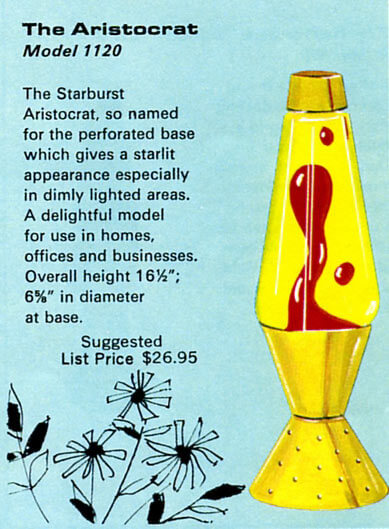
I own a couple of lava lamps and I run them quite a bit. I didn’t get my first one until the 80s and I still have it. They do nothing but do their thing…and they create a mood. I have one in my office at work…it helps at times.

The lava lamp was invented in 1963 by Edward Craven WalkerHe was passing the time in a pub when he noticed a homemade egg timer crafted from a cocktail shaker filled with alien-looking liquids bubbling on a stove top. Craven Walker’s company was manufacturing millions of “Astro Lamps,” as he called them, per year. In 1965, he sold the U.S. manufacturing rights to a company called Lava Lite.

Lava lamps caught on in the sixties and continued to be big to the late seventies. The sales cooled off until the Austin Power movies and the sales started to pick up again in the hundreds of thousands a year. Now Lava Lite supplies millions of lava lamps to retailers.

Far Out Man

Related imageRelated imageRelated imageRelated imageRelated image

Etch a Sketch

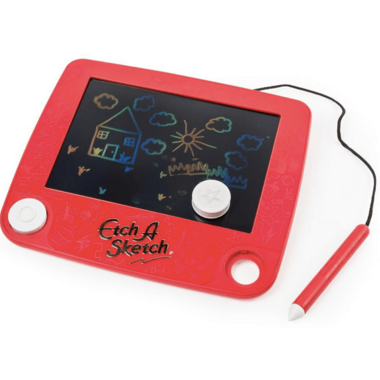
Oh, how this toy teased me as a kid. I would start drawing something halfway decent and then I would hit a wall because I would get so close to what I wanted and then make a wrong move…then came the shake part and start all over again. The definition of insanity would be this toy in my hands…but yet I still tried. Some people can do interesting things with it…I’m not one of those people.

In the late 50s French electrical technician André Cassagnes applied his experience with the clinging properties of an electrostatic charge to invent a drawing toy with no spare parts.

The Ohio Art Company took a look at the toy and invested $25,000.  It has sold more than 175 million units worldwide since it hit stores on July 12, 1960.

They have new versions of it now with more options. Related image


https://en.wikipedia.org/wiki/Etch_A_Sketch