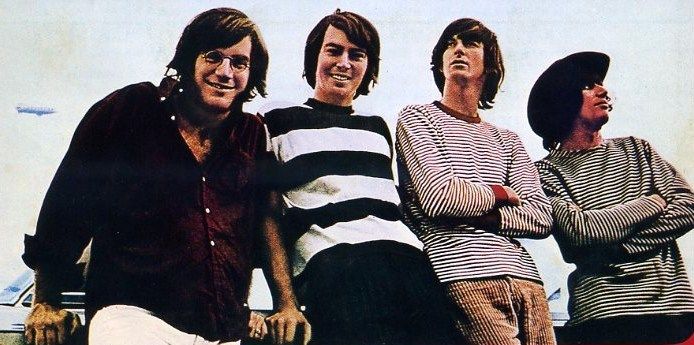
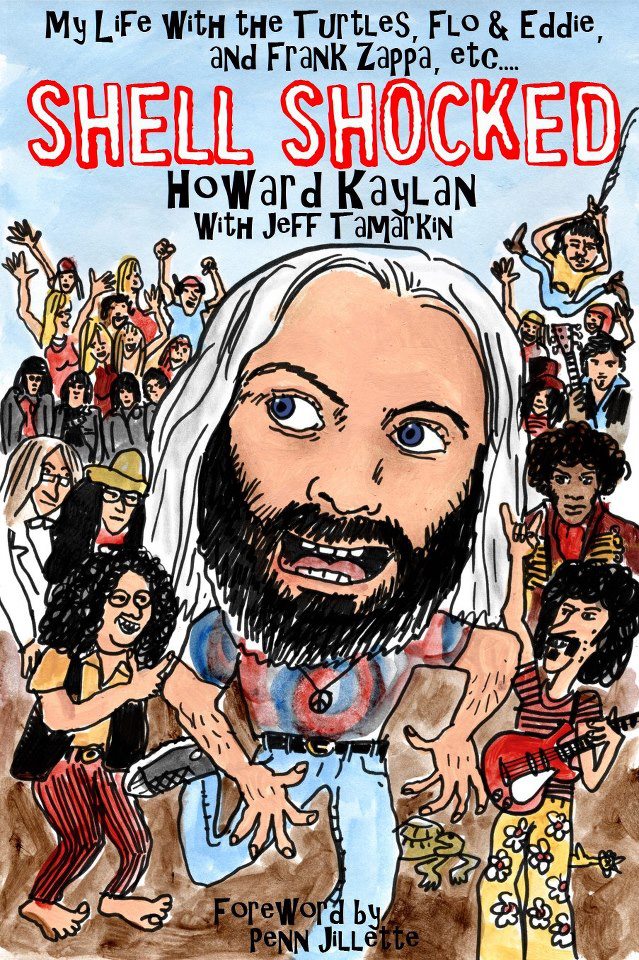
Shell Shocked: My Life with the Turtles

One of the most self-deprecating books I’ve ever read. Howard Kaylan goes through his career with the Turtles who never really took themselves too seriously. They wanted to be the American Beatles…just like every other band at the time but did it with a sense of humor. They were a singles band that had quite a number of top 40 hits. According to Howard, they lucked into most of it. They only wrote a couple of their hits.

Their hits included “Happy Together” #1, “It Aint Me Babe” # 8, “She’d Rather Be With Me” #3, Eleanor #6, “You Showed Me” #6 and many more.

After the Turtles broke up, he and Mark Volman went by the name “Flo and Eddie,” for legal reasons and made a career of unusual rock-comedy albums and developed a following. They immediately began playing with Frank Zappa and the Mothers of Invention and was there when Frank was pushed off the stage at the Rainbow. They were also in the Zappa movie 200 Motels.

After Zappa, they worked as a duo and released a lot of albums for many different labels.  They were more known for their live performances and they were a good opening act. Howard and Mark were columnists, radio hosts, session backup singers, talk show hosts, actors, composers, and anything else to make ends meet. They did the background vocals on Hungry Heart by Bruce Springsteen.

Howard and Mark wrote the Strawberry Shortcake theme and they wrote music for the Care Bears.

Another rock autobiography…big surprise! But unlike some of the others…Howard wasn’t rich and could not live off of royalties or constant touring like many of the other rock stars that have spilled it all recently.  After the breakup, The Turtles could not even tour as the Turtles until later on because of their label. They were broke many times but opportunities would pop up like being radio hosts and would help them make it to the next big thing.

Now they tour on the Happy Together tour with other artists and have been doing it since the eighties off and on.

They ended up owning their name and the master recordings from the 1960s because the label went broke and they were smart enough to get the rights… Howard and Mark were the first to sue rap artists for sampling their material without paying for it. They won and now everyone has to pay to sample anything from another artist. The Turtles were the first big artists with a catalog to sign with Rhino Record and helped the label to take off.

It may be the funniest of all the recent biographies. He ran into a lot of famous people and even made a movie out of meeting the Beatles and Jimi Hendrix in 1967 at the Speakeasy in London called “My Dinner With Jimi.”

It is a funny book with a lot of laughs but you have to scratch your head while reading about Howard making the same mistakes over and over. For Howard, it was drugs, women, marriage, drugs, a girlfriend, divorce, marriage and more drugs…maybe it’s not that much different from the richer stars after all.

I was never a big Turtle fan. I have an account with Audible and this was recommended. Overall I did enjoy it.

Below is an excerpt from the book about meeting The Beatles in 1967 and John Lennon being vicious toward Turtle rhythm guitar player Jim Tucker… Today Jim Tucker denies this ever happened. He said that John didn’t even say a word to any of them so who knows?

Paul said, “I really enjoyed your record.” And then, to me, “Great voice, man. Nice set of pipes.” I was bursting.
Then Lennon. “Yeah, that’s a lovely bit of Flower Power in the middle there with those ba-ba-bas.” And then all three of them sang the ba-ba-bas. And we were all beside ourselves with swollen pride.
“So, where did you learn to sing?” Paul asked me.
“High school choir, I guess. Then we formed the band and started playing local clubs, you know, a little bit of R&B stuff—”
“What kind of R&B stuff.”
“Oh, you know, ‘Money,’ ‘What’d I Say,’ ‘Justine’…”
“‘Justine’ by Don and Dewey? I love that song.”
And then Paul began to sing the Crossfires’ trademark soul song. I joined in on the answers and the chorus. Ringo played spoons on the tabletop while the customers watched and Lennon looked on as if bored to death. When we were done, there was a smattering of applause and Paul said, “That was great. I’d love to do that with my band some day. You sing great.”
“Oh my God, thank you,” I gushed.
“Still, it is a bit sappy on your record there when you sing ‘invest a dime’ with that cry in your voice. A bit light in the loafers, if you ask me.”

“What?” Yeah, I became defensive all right. “We’re just trying to be the American version of you!”
“Touché” said McCartney.
“Well, that’s not bloody likely, is it?” Lennon piped in. His eyes skipped from Turtle to Turtle, checking us out for the first time. “And what do you call that guy over there?” John pointed at Tucko, who was cowering in his wrinkled brown suit, thrilled just to be noticed.
“That’s Jim Tucker, our rhythm guitar player “
“Bad suit, son. And an even worse haircut. Did you tell your barber to give you a Beatle cut? It’s awful, man. You give rhythm players a bad name.”
Tucko, oblivious, stumbled for words. “You’re like a god to me, man. You guys changed my life.”
Much to his credit, Pons tried, in vain, to turn the conversation around. “We just heard Sergeant Pepper and I’ve got to thank you on behalf of the entire world for the greatest album of all time!”
Paul graciously nodded thanks and toasted us with his beverage. But John was not to be denied.
“Tucko, is it? I could have a lot of fun with that name. Let’s see… Tucko Tucko, bo bucko, banana fanna fo fucko…”
Tucker winced and Lennon saw the weakness and went in for the kill.
“There was a boy named Tucko, a very stupid fellow—”
Finally, Jim realized that he was the butt of Lennon’s abuse and could hold back no longer.
“What is your problem, man? You’re supposed to be the Beatles! I fuckin’ loved you guys and you turn out to be assholes.”
Lennon feigned shock and recoiled at the words.
“Tsk, tsk … such language. What would your mum say?”
“She’d say you were a dick, that’s what! Man, was I wrong. You’re a total shit! I’m sorry I ever met you!”
Lennon shook his head slowly, savoring every syllable. “You never did, son. You never did.”
And with that, Jim Tucker walked away from the table, up the stairs, and into a cab. And, following the few British shows we had lined up, Jim flew home and never played music again. The Turtles would continue on as a five-piece band from that time forward. The other guys followed Jim upstairs, and our goodbyes were a lot sadder than our hellos had been.


The Byrds – Drug Store Truck Driving Man

This song is on the Dr. Byrds & Mr. Hyde album by the Byrds. It’s a really good song and the song’s origin is interesting. It was written in response to an on-air argument with Ralph Emery, who was an all-night country DJ on a country radio station at the time. It was written by Roger McGuinn and Gram Parsons. The song was an open letter to Emery.

Before I get into the song which I really like…I want everyone to know I’m not downing Emery because of this. I grew up with Ralph Emery on television in the 1970s. I was never a fan because his show wasn’t in my age group. To be fair to Ralph…he did invite Roger McGuinn on his show in 1985 when Vern Gosdin covered Turn, Turn, Turn and Roger played guitar. He was on there more than once so it was all in the past by that time. Times had changed so much by the 80s…rock and country went together by then but in the 60s Buck Owens touched on it but not many people were doing both…the Byrds with Gram Parsons were pioneers in a way with Sweetheart Of The Rodeo.

In 1968 The Byrds were in Nashville promoting their new country album Sweetheart of the Rodeo and got a cool reception at the Grand Ole Opry. They got into an argument with Emery on air when he said that “You Ain’t Going Nowhere” wasn’t country and then proceeded to call them long-haired hippies and would not play the record. He also didn’t understand what the song meant and Roger told him that Dylan wrote it…well that didn’t help!

Ralph Emery would not budge…It was the 1960s in a very fifties Nashville and Ralph could not get past the hair although they didn’t have excessively long hair. It would open up a bit in the early seventies with Outlaw country music by Willie Nelson, Kris Kristofferson, and Waylon Jennings. That movement would soon join traditionalists and the outlaw crowd together. They Byrds helped, in their own way, to make that happen.

The lyrics were about the narrow-mindedness of then certain segments of the country music industry. Lines like “He’s the all-American boy” and “he don’t like the way we play” reflect the hate that McGuinn and Parsons felt from some in Nashville. The title, “Drug Store Truck Drivin’ Man,” is a dig at Emery, suggesting that he was more of a conventional figure who could not appreciate or understand the Byrds’ approach to country music. But I’m glad it happened because we got a good country-rock song out of it.

Chris Hillman: “There was the funny story with Ralph Emery, the DJ in Nashville, where he had The Gilded Palace Of Sin tacked on the wall outside of his office, and with a big red pen it said, ‘This is not country music.’ Roger and Gram had gone to do an interview with him when we were all still with the Byrds, and Ralph was such a jerk to them then that they wrote that song “Drug Store Truck Driving Man”. A classic! I wish I’d written a part of that. But later, whenever I’d go on his show with the Desert Rose Band, Ralph would ask, “Did you write that song?” Finally, I had to say, “No, but I wish I had!” So when Roger was on later, Ralph would say, “Well, how is Gram doing?” and Roger would answer, “He’s still dead.” McGuinn was pretty darned quick in those situations!” 

I’m adding a live version and a hell of a story by Jason and the Scorchers…on how they played this song and it found a spot on Ralph Emery’s TV show in the early 80s.

Ralph Emery when he invited McGuinn on his show in 1985

Drug Store Truck Drivin’ Man

He’s a drug store truck-drivin’ man
He’s the head of the Ku Klux Klan
When summer rolls around
He’ll be lucky if he’s not in town

Well, he’s got him a house on the hill
He plays country records till you’ve had your fill
He’s a fireman’s friend he’s an all-night DJ
But he sure does think different from the records he plays

He’s a drug store truck-drivin’ man
He’s the head of the Ku Klux Klan
When summer rolls around
He’ll be lucky if he’s not in town

Well, he don’t like the young folks I know
He told me one night on his radio show
He’s got him a medal he won in the War
It weighs five-hundred pounds and it sleeps on his floor

He’s a drug store truck drivin’ man
He’s the head of the Ku Klux Klan
When summer rolls around
He’ll be lucky if he’s not in town

He’s been like a father to me
He’s the only DJ you can hear after three
I’m an all-night musician in a rock and roll band
And why he don’t like me I can’t understand

He’s a drug store truck-drivin’ man
He’s the head of the Ku Klux Klan
When summer rolls around
He’ll be lucky if he’s not in town

He’ll be lucky if he’s not in town

This one’s for you, Ralph

Roger McGuinn

Those glasses and Rickenbacker equals the sixties rock band. One of my favorite guitar players ever. I loved the jangling 12 string Rickenbacker that McGuinn is famous for… Roger heard George Harrison use one and then McGuinn took it to a new level in songs like Eight Miles High.

I was lucky to see him solo in 1987. He will not rip into a Hendrix solo but the sound he gets out of his 12 string Rickenbacker is great. On the songs, he did only on his 12-string acoustic he makes them sound full without a band.

His sound is the sound of the mid-sixties. He was a founder of the Byrds and was with them through all of their incarnations. The jangly pop, country rock, and the more rock music jamming faze in the early seventies.

The Byrds started in 1964 and lasted until 1973. McGuinn was the only member to remain with the band the entire run. Personally, I like all of the phases of the band. The last phase is probably the least well known but with Clarence White playing guitar with his B-Bender was fantastic. Songs like “Lover of the Bayou,”” Ballad of Easy Rider,” and “Chestnut Mare” are memorable.

McGuinn also collaborated with Bob Dylan on the soundtrack “Pat Garrett and Billy the Kid” and joined Bob in the mid-seventies on his Rolling Thunder Revue tour.

The Byrds influenced many artists like Elvis Costello, The La’s, Wilco, REM, and The Jayhawks but the one I think of the most is Tom Petty. Tom helped revive the jangly sound in the seventies with American Girl which sounded very close to McGuinn. This is Roger talking in 2014:

“When I heard ‘American Girl’ for the first time I said, ‘when did I record that?’ I was kidding but the vocal style sounded just like me and then there was the Rickenbacker guitar, which I used. The vocal inflections were just like mine. I was told that a guy from Florida named Tom Petty wrote and sings the song, and I said that I had to meet him.

Roger invited Tom to open up for him in 1976 and they were friends after that. Roger released an album in 1991 titled “Back To Rio” with help from Tom Petty, Elvis Costello, and others.

His solo career was never too successful until 1989 with a country hit “You Aint Going Nowhere” that made it to number 6 in the Country Charts. That was ironic after being told by Nashville disc Jockey Ralph Emery in 1968 that the song wasn’t country when the Byrds covered it. In 1991 he had his most commercial album “Back To Rio” that made it to #44 on the Billboard Charts and two singles “King of the Hill”#2 and “Someone To Love”#12.

Roger, Chris Hillman, Marty Stuart are currently doing a small tour for the 50th anniversary of Sweetheart of the Rodeo…I see the Ryman on there and I see me there.

The Byrds’ Co-Founders Roger McGuinn & Chris Hillman Announce ‘Sweetheart Of The Rodeo’ 50th Anniversary Tour


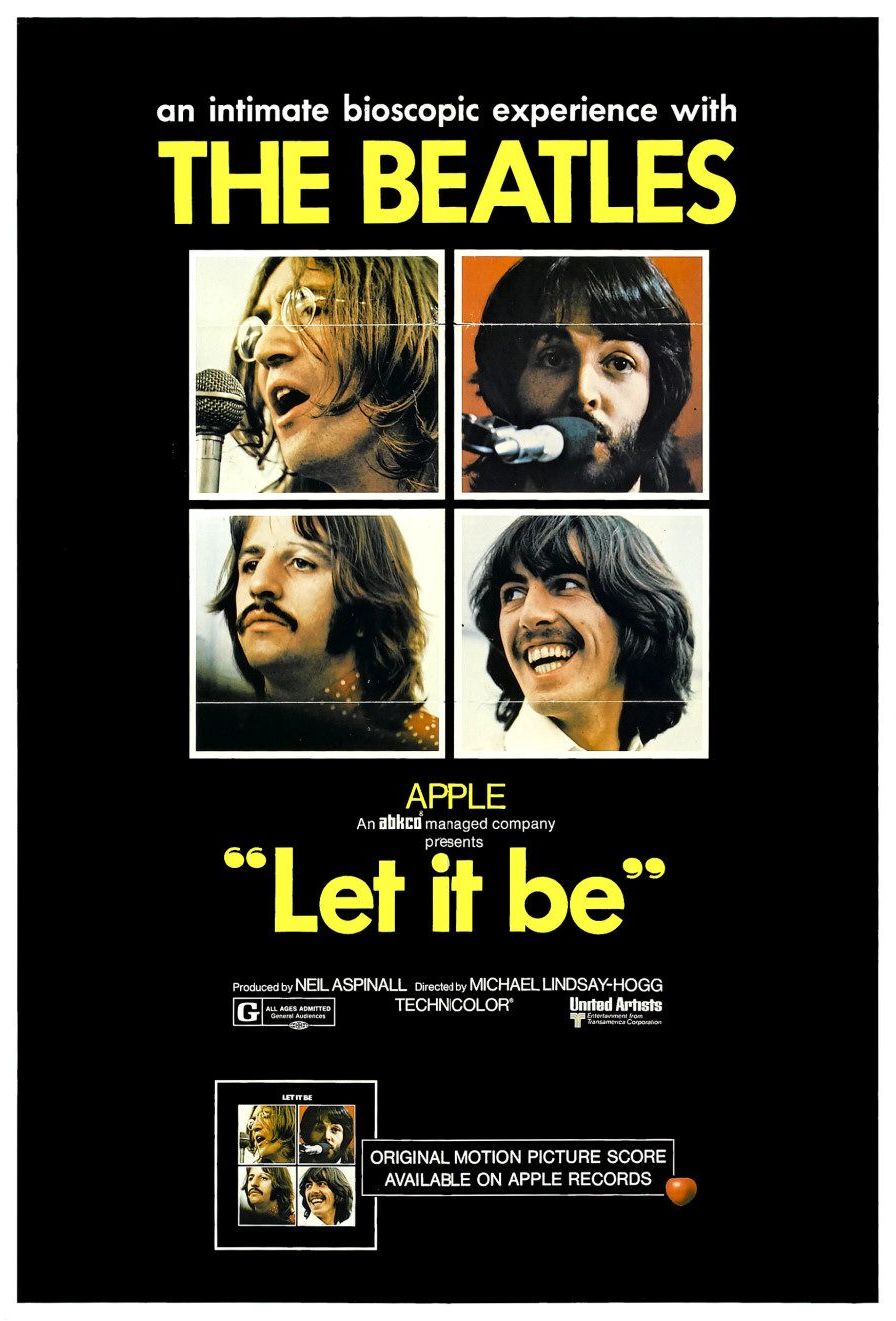
Let It Be movie 1970

This movie was released in May of 1970.

All of the Beatle movies have been remastered, cleaned up, and released except this one. Let iT Be was released on Laserdisc, Betamax, and VHS in the 1980s but that is it. It’s frustrating that all we have are old grainy copies of it.

I wrote briefly about this movie earlier but now that Yellow Submarine is being released in theaters…it’s past time for Let It Be to at least be cleaned up and released on Blue-Ray. I’ve read where there are thousands of feet of the film that has never been seen. This is historical now. From what I’ve read the Harrison and Lennon estate have held it up because of the acrimony between the members at that time. They act as if this is some secret not known to the public.

The acrimony in the movie is apparent between Paul and George during one scene, especially where Paul is directing George on how to play something. John is pretty laid back throughout the film with the presence of Yoko by his side. Ringo is…Ringo. All in all the film leaves out most of the bad feelings. Behind the scenes, George quit and John Lennon supposedly said they should call Eric Clapton to take Georges place or fill in because ““He’s just as good and not such a headache.” Of course, if this is true we don’t know for sure.

George did come back and participate and brought Billy Preston. That was a brilliant move on George’s part. You always act a little better when guests come over. Everyone was probably on their best behavior. Billy also added some great organ parts to their songs.

I have mixed emotions watching this as a Beatle fan. Yes, the end is coming but they would get together again in a few months and make one of the Hallmark albums of their career and one of the best albums ever with Abbey Road.

The film is not all doom and gloom. The first of the film was shot at Twickenham Studios starting each day early in the morning and you can tell the mood wasn’t good. After a little over 20 minutes into the film, they moved out of Twickenham to Apple and things picked up quite a bit.

The music. The soundtrack is not the Beatles best album but it is still a good album. When you have Let It Be, Get Back, The Long and Winding Road, Don’t Let Me Down and Across the Universe on an album how bad can it be? It would make another bands career to have 2 of those songs on their album. That is the quality of the Beatles.

You will hear the Beatles very raw. That was the whole idea of the movie in the first place.

The payoff of the film comes via the rooftop of Apple at the end. They all got together and played a mini-concert on the roof. We do not see everything they actually played on the roof. This would be the Beatles last public performance. It was a good performance considering it was cold in January in London at the time. They all seem to be having a good time. The performance was at lunchtime and stopped traffic and drew the police up to the roof to stop the music. If they sounded this good on the roof in January I can’t imagine what a tour what have sounded like…

Just release the movie guys. It’s past time to do it.

Paul McCartney interview for Rolling Stone magazine in 2016

You mentioned the Let It Be film. Is there any chance it will ever be rereleased?
I keep thinking we’ve done it. We’ve talked about it for so long.

What’s the holdup?
I’ve no bloody idea. I keep bringing it up, and everyone goes, “Yeah, we should do that.” The objection should be me. I don’t come off well.

Ringo Starr interview for Rolling Stone magazine in 2012

Are you thinking about releasing the Let It Be movie on DVD?
I think that’s also a possibility. One day that will come out. But we’re not talking about it right now. As you know, there’s very little that hasn’t come out. I’d forgotten that one though. You just mentioned the one thing that hasn’t come out. I’m too busy living now.

Loyal Roadies

Roadies have always been an important part of a band. Occasionally some will be rise above and become well known and some will end up as an executive in the band’s organization. Some will burn out like their bosses and below are a few famous roadies.

Neil Aspinall – Beatles

The first roadie the Beatles employed. He started to help the Beatles out by driving their van from gig to gig. He was soon their road manager and personal assistant. He ended up being the Chief Executive of The Beatles company Apple Corps until 2007. He passed away in 2008.

He was a trained accountant and knew George and Paul when they were kids. He was well trusted by all members. He stayed neutral in all of the arguments while he continued to run a prosperous Apple Corps to the end.

Mal Evans – Beatles

He was hired to help out Neil Aspinall as a roadie. Mal became their personal assistant after they stopped touring. After the Beatles broke up he did some producing…he produced the Badfinger’s single “No Matter What”. He also produced Keith Moon’s first album “Two Sides of the Moon” but was replaced midway through.

In the seventies, he still did work for some of the Beatles accompanying them on trips and odds and ends. He then separated from his wife Lil and after that, he started to have bad depression. While depressed and reportedly using downers, he was shot by LAPD while holding an air rifle and refusing to put it down. He was thought highly of by all the Beatles…See George’s quote below.

George Harrison on Mal Evans

, “Mal loved his job, he was brilliant, and I often regret that he got killed. Right to this day, I keep thinking, ‘Mal, where are you?’ If only he was out there now. He was such good fun, but he was also very helpful: he could do everything…He was one of those people who loved what he was doing and didn’t have any problem about service. Everybody serves somebody in one way or another, but some people don’t like the idea. Mal had no problem with it. He was very humble, but not without dignity; it was not belittling for him to do what we wanted, so he was perfect for us because that was what we needed.” 

Red Dog – Allman Brothers

Duane Allman befriended Joe Campbell (Red Dog) a Vietnam vet and Red Dog stayed with the Allman Brothers for three decades. He gave the band his disability checks to help them stay afloat at the beginning. He soon became a trusted member of the team. His picture with all the roadies is on the back cover of the At Fillmore East album.

Here is a quote from Cameron Crowe on Red Dog when he published his book.

“I’ll admit it right now. I am a big fan of Red Dog, and have been even before he allowed me to interview him back in 1973 for a story in Rolling Stone. Hell, he was already legendary back then. But now I just have to say that I am extremely jealous of the Great Dog, because I’ve just finished reading A Book of Tails. True rock, the kind that lasts forever, is about honesty and humor and love and chasing the elusive buzz of greatness.

Ramrod – Grateful Dead

Lawrence Shurtliff (Ramrod) joined on the Grateful Dead in 1967 and in the seventies became the President of the Grateful Dead board of directors until Garcia’s death in 1995.

Bob Weir on Ramrod

“When he did join up, it was like he had always been there. I won’t say he was the missing piece, because I don’t think he was missing. He just wasn’t there. But then he was there. And he always will be. He was a huge part of what the Grateful Dead was about.”


The Lovin’ Spoonful

This band was huge in the mid-60s. They were famous for jug band music but would have pop/rock success. The members were John Sebastion, Zal Yanovsky, Joe Butler, and Steve Boone. They started in the folk scene in the early sixties. They were signed in 1965 to Kama Sutra Records and released “Do You Believe in Magic” which reached #9 in the charts.

After that, the hits kept coming…You Didn’t Have to Be So Nice (#10), Did You Ever Have To Make Up Your Mind (#2), Daydream (#2), Summer in the City (#1), Rain on the Roof (#10), Nashville Cats (#8), Darling Be Home Soon (#15), Six O’ Clock (#18) and She Is Still a Mystery (#27). They had all of these hits between 1965-1968

In the 1980s I really got into this group. I purchased one of the many greatest hits of this band. I first heard of John Sebastion in the 70s when he wrote and sang the theme song of  TV show Welcome Back Cotter called “Welcome Back” that went to #1.

The Lovin’ Spoonful were considered by producers to be in a television show but they were dropped over a conflict of song publishing rights. It’s probably a good thing that happened or they would not have been taken seriously. The producers were the ones that a short time late started the Monkees.

Their songs are grounded in folk, jug music,  and blues. I don’t know if it is possible to be in a bad mood while listening to them. Their songs are now staples on oldies radio stations.

Zal Yanovsky left in 1967 after being dissatisfied with John’s more personal songwriting and a pot conviction. John Sebastion left the group on 1968 and with him gone the hits dried up.

A fun band to listen to. You won’t hear rock operas or rocking solos but you will hear a band that sounds like they are having a good time.

They reunited in once in 1979 and for their Rock and Roll Hall of Fame induction in 2000.


Brian Jones: The Making of the Rolling Stones

A biography about Brian Jones who founded the Rolling Stones written by Paul Trynka. This is more of a sympathetic look on Brian than other books I’ve read. Trynka digs deep with meticulous research. He tries to be fair and Brian isn’t always shown as the nicest guy in the world but he also isn’t always the person that Mick and Keith seem to remember when they actually remember him at all.

This book is not just a rehash of the best-known things about Jones and the Stones. Some instances that Stones fans know like the period where Keith ran off with Brian’s girlfriend Anita Pallenberg, we get more information on what happened. He researched Brian’s childhood and adult life thoroughly and you feel like you know the man before the book is over.

This is not only a good book on Brian but also the birth of the Stones. After reading what I’ve read about Brian in past books, I had to wonder to myself, is this author trying to make Brian look better than he was? After reading more I didn’t think so. He interviewed over 100 people for this biography and many of them were either close friends or knew Brian. He was fair about the good and bad.

When you think of Brian Jones you can’t help but think of the way his life ended. Paul Trynka doesn’t miraculously find the definite answer to Brian’s death but he gives you the most recent events that have been uncovered and basic common sense answers to a mystery that probably will never be solved.

The Rolling Stones had three different lead/rhythm guitarists. Brian Jones, Mick Taylor, and Ronnie Wood. I make no secret of loving the Taylor period of the Stones. Saying that I will admit during the Brian Jones era they were more creative and tried different things. He was very important to their sound. Under My Thumb, Paint It Black, No Expectations, The Last Time, and Ruby Tuesday would not have been the same without Brian.

The book deals with the complicated relationship between Brian, Mick, and Keith. George Harrison and Brian Jones became friends and they had a lot in common. They were in a similar situation in their respective bands. The big difference was George had more of a support system than Brian did in his band. John and Paul had a monopoly on the songwriting but they would help George and he was given a chance to grow as a songwriter within the group. The Stones didn’t work that way.

Brian could be his own worst enemy and had a hard time handling fame but he was a very talented musician. Maybe the best musician in the band. Keith and Mick learned a lot from Brian. His musicianship, image, and outlook on life rubbed off on the more inexperienced Mick and Keith.

I would recommend this book to any Stones fan. You get a better picture of the earlier days. It is a reminder that it took more than Keith and Mick to get the Stones rolling.


A very good professional review of the book by Larry Rohter of the New York Times

Brian Jones is to the Rolling Stones what Leon Trotsky was to the Russian Revolution: organizer, ideologist and victim of a power struggle. Jones founded the group, gave it its name and recruited the schoolboys Mick Jagger and Keith Richards, who then marginalized him, eventually expelling him from the band. Since his death in 1969, a month after he was forced out, Jones has largely been airbrushed from the group’s history.

Paul Trynka’s biography “Brian Jones: The Making of the Rolling Stones” challenges the standard version of events, focused on Mr. Jagger and Mr. Richards, in favor of something far more nuanced. Though Mr. Trynka sometimes overstates Jones’s long-term cultural impact, his is revisionist history of the best kind — scrupulously researched and cogently argued — and should be unfailingly interesting to any Stones fan.

Specifically, “Brian Jones” seems designed as a corrective to “Life,” Keith Richards’s 2010 memoir. Mr. Trynka, the author of biographies of David Bowie and Iggy Pop, and a former editor of the British music magazines Mojo and Guitar, has interviewed Mr. Richards several times over the years and obviously likes him, but also considers his memory of events highly unreliable.

“History is written by the victors, and in recent years we’ve seen the proprietors of the modern Rolling Stones describe their genesis, their discovery of the blues, without even mentioning their founder,” Mr. Trynka remarks in the introduction. Without naming Mr. Richards, he also expresses his distaste for an assessment that appears in “Life,” that Brian Jones was “a kind of rotting attachment.”

The portrait of Jones that Mr. Trynka offers here is bifurcated. Though he is impressed with Jones’s “disciplined, honed sense of musical direction” and his dexterity on guitar and many other instruments, he does not hesitate to point out his subject’s more unpleasant personality traits: He was narcissistic, manipulative, misogynistic, conniving and dishonest about money. It’s not accidental that this book is called “Sympathy for the Devil” in Britain.

Mr. Trynka attributes Jones’s downfall to a conjunction of factors, some related to those character flaws but others external to him. Much has been written about the drug busts that swept up Mr. Jagger and Mr. Richards in the mid-1960s and their court battles, though Jones seems to have been even more of a target, because he was such a dandy and so successful with women.

But as Mr. Trynka tells it, Jones did not receive strong legal advice or fight charges as hard or as successfully as the Jagger-Richards team. After his first arrest, he pleaded guilty, which drove a wedge between him and other band members, who feared it would mean they could no longer tour abroad, all of which left him feeling crushed, isolated and vulnerable. That, in turn, increased his consumption of drugs and alcohol and made him less productive as a musician.

Nevertheless, Mr. Trynka demonstrates convincingly that the original Rolling Stones were Jones’s band and reflected his look, tastes and interests, not just the blues but also renaissance music and what today would be called world music. (He recorded the master musicians of Joujouka in the mountains of Morocco.) In “Life,” Mr. Richards describes his discovery of the blues-tinged open G guitar tuning, familiar from hits like “Honky Tonk Women” and “Start Me Up,” as life changing, and says it came to him via Ry Cooder in the late 1960s. But Mr. Trynka notes that Jones often played in that tuning from the band’s earliest days and quotes Dick Taylor, an original member of the Stones, as saying, “Keith watched Brian play that tuning, and certainly knew all about it.”

Some of Mr. Trynka’s account is not new, having appeared in “Stone Alone,” the often overlooked 1990 memoir of the Rolling Stones bassist Bill Wyman, or other books written by band outsiders. What makes Mr. Trynka’s book fresh and interesting, and gives it credibility, is the length he has gone to find witnesses to corroborate and elaborate on those stories.

It’s not just that Mr. Trynka has sought out those who worked with the band on the creative side, such as the singer Marianne Faithfull, the arranger Jack Nitzsche and the recording engineers Eddie Kramer, Glyn Johns and George Chkiantz. He has also interviewed those with more of a worm’s-eye view: drivers, roadies, office staff, old girlfriends and former roommates like James Phelge, whose surname the band would appropriate to designate songs that were group compositions rather than Jagger-Richard numbers.

“Brian Jones was the main man in the Stones; Jagger got everything from him,” the drummer Ginger Baker, who played in the band at some of its earliest shows and went on to become famous as a member of Cream, says in the book. “Brian was much more of a musician than Jagger will ever be — although Jagger’s a great economist.”

Citing those present at the creation, Mr. Trynka contends that Jones had a hand in composing some well-known Stones tracks, including “Paint It, Black” and “Under My Thumb.” He also claims that “Ruby Tuesday,” a No. 1 hit early in 1967, is actually a Jones-Richards collaboration — written not by Mr. Richards in a burst of inspiration and heartbreak in a Los Angeles hotel room, which is how the story is told in “Life” and elsewhere, but, according to Ms. Faithfull and Mr. Kramer, “labored over” by the pair in London for weeks.

“I used to say to Brain, ‘What on earth are you doing?’ ” Stan Blackbourne, the accountant for the Rolling Stones at their mid-1960s peak, recalls in the book. “ ‘You write some of these songs, and you give the name over as if Mick Jagger has done it. Do you understand, you’re giving ’em thousands of pounds!’ All the time I used to tell him, ‘You’re writing a blank check.’ ”

Mr. Trynka also looks into the circumstances of Jones’s death, on July 3, 1969, in the swimming pool at his home in East Sussex, once owned by A. A. Milne, but after all the Sturm und Drang that has come before, the subject is somewhat anticlimactic. In numerous books and in films like “Stoned,” it has been suggested that Jones was murdered, but Mr. Trynka painstakingly examines the flaws in each of the theories, and ends up close to the official verdict, “death by misadventure,” because of drug and alcohol consumption.

“The official coroner’s verdict on Brian’s death was perfunctory and lazy,” Mr. Trynka concludes. Nonetheless, “I’ve come to share their belief that Brian’s death was most likely a tragic accident” and to believe that “many of the existing theories that his death was in fact murder rely on unreliable witnesses.”

In the end, with the advantage of 45 years’ perspective, Mr. Trynka maintains, it is Jones’s music that matters. “It’s understandable why the survivors resent Brian Jones beyond the grave,” given his founder’s role, he argues, and also writes: “Brian Jones got many things wrong in his life, but the most important thing he got right.”


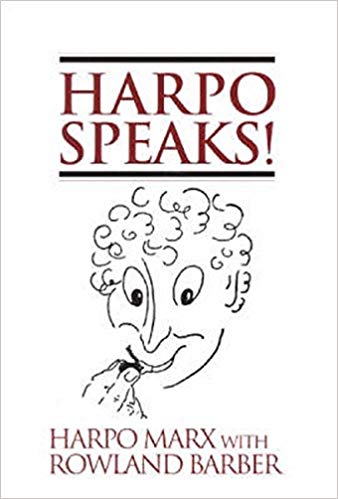
Harpo Speaks

I have mentioned this book before but not in detail. It is my favorite autobiography I’ve ever read. He starts off in his childhood in the late 1800s and ends up in the 1960s. I have read this book at least 7-10 times. It’s always my traveling companion on trips just in case I need something else to read. I’ve read books by and about Groucho and others written about the Marx Brothers but this book that Harpo and Rowland Barber wrote tops them all. He doesn’t go through all of the movies by detail but he packed so much living in his life that his life was full enough without much info about the movies.

He was always himself no matter what. The Brothers never would conform to anyone’s standards. He was counterculture before counterculture. Harpo jumped out of the window in 2nd grade and never came back but ended up hanging out with some of the best-known intellectuals of the 20th century and was a member of the Algonquin Round Table but yet he could hardly spell. He frequently stayed at William Randolph Hearst’s super-estate San Simeon. He called himself a professional listener…the only one of the bunch.

He taught himself the harp and played with an unorthodox style. Professional harp players would ask him to show them how he played some of the things he did…

Harpo was a good friend of Alexander Woolcott and Wolcott would invite Harpo and a select few to Neshobe Island in Lake Bomoseen in Vermont that Woolcott owned for the summers to play games and hang out every day. Harpo could make life interesting in the dullest of surroundings. He was friends with Robert Benchley, Salvador Dali, Dorothy Parker, Charles MacArthur, Alice Duer Miller, George Bernard Shaw,  Beatrice Kaufman, and Ruth Gordon.

Wolcott also arranged for Harpo to tour Russia in the 1930s. Harpo actually did a bit of Spy work for the American government at the time…transporting some papers on his leg out of Russia to America.

If you read this just to read about the Marx Brothers movie career…don’t…if you want to know what they went through to get where they did…then yes read it. This book tells what old-time Vaudeville was really like. Not a romantic version of it by some old timers that told their story after they retired. Awful boarding houses, spoiled food, and harassment by promoters.

He never seemed to age in spirit. He kept up with new things and was not stuck in the past.

His son Bill Marx wrote a book later on about his life with Harpo. When the Beatles came out Bill…who studied jazz and played piano, hated them. Harpo told him in 1964 that he better start liking them because their songs would last through time. He said this in 1964 before the Beatles matured. The guy had been around George Gershwin, Oscar Levant, and Irving Berlin. Bill said in 1970 he was playing piano in a club somewhere and what was he playing? Let It Be… “Dad was right.”

Harpo married Susan Flemming when he was 48 in 1936. George Burns asked him in 1948 how many children did he want to adopt? Harpo said “I’d like to adopt as many children as I have windows in my house. So when I leave for work, I want a kid in every window, waving goodbye.”

Harpo was known to wake one of his children up in the middle of the night if he worked late just to play games with them.

They ended up adopting 4 children…below was the house rules for the kids…

  1. Life has been created for you to enjoy, but you won’t enjoy it unless you pay for it with some good, hard work. This is one price that will never be marked down.
  2. You can work at whatever you want to as long as you do it as well as you can and clean up afterwards and you’re at the table at mealtime and in bed at bedtime.
  3. Respect what the others do. Respect Dad’s harp, Mom’s paints, Billy’s piano, Alex’s set of tools, Jimmy’s designs, and Minnie’s menagerie.
  4. If anything makes you sore, come out with it. Maybe the rest of us are itching for a fight, too.
  5. If anything strikes you as funny, out with that, too. Let’s all the rest of us have a laugh.
  6. If you have an impulse to do something that you’re not sure is right, go ahead and do it. Take a chance. Chances are, if you don’t you’ll regret it – unless you break the rules about mealtime and bedtime, in which case you’ll sure as hell regret it.
  7. If it’s a question of whether to do what’s fun or what is supposed to be good for you, and nobody is hurt whichever you do, always do what’s fun.
  8. If things get too much for you and you feel the whole world’s against you, go stand on your head. If you can think of anything crazier to do, do it.
  9. Don’t worry about what other people think. The only person in the world important enough to conform to is yourself.
  10. Anybody who mistreats a pet or breaks a pool cue is docked a months pay.


If you are looking for an autobiography…get this book.

Here is a small portion of Chapter 1 of Harpo Speaks!

I’ve played piano in a whorehouse. I’ve smuggled secret papers out of Russia. I’ve spent an evening on the divan with Peggy Hopkins Joyce. I’ve taught a gangster mob how to play Pinchie Winchie. I’ve played croquet with Herbert Bayard Swope while he kept Governor Al Smith waiting on the phone. I’ve gambled with Nick the Greek, sat on the floor with Greta Carbo, sparred with Benny Leonard, horsed around with the Prince of Wales, played Ping-pong with George Gershwin. George Bernard Shaw has asked me for advice. Oscar Levant has played private concerts for me at a buck a throw. I have golfed with Ben Hogan and Sam Snead. I’ve basked on the Riviera with Somerset Maugham and Elsa Maxwell. I’ve been thrown out of the casino at Monte Carlo.
Flush with triumph at the poker table, I’ve challenged Alexander Woollcott to anagrams and Alice Duer Miller to a spelling match. I’ve given lessons to some of the world’s greatest musicians. I’ve been a member of the two most famous Round Tables since the days of King Arthur—sitting with the finest creative minds of the 1920’s at the Algonquin in New York, and with Hollywood’s sharpest professional wits at the Hillcrest.
(Later in the book, some of these activities don’t seem quite so impressive when I tell the full story. Like what I was doing on the divan with Peggy Hopkins Joyce. I was reading the funnies to her.)
The truth is, I had no business doing any of these things. I couldn’t read a note of music. I never finished the second grade. But I was having too much fun to recognize myself as an ignorant upstart.
 
 I can’t remember ever having a bad meal. I’ve eaten in William Randolph Hearst’s baronial dining room at San Simeon, at Voisin’s and the Colony, and the finest restaurants in Paris. But the eating place I remember best, out of the days when I was chronically half starved, is a joint that was called Max’s Busy Bee. At the Busy Bee, a salmon sandwich on rye cost three cents per square foot, and for four cents more you could buy a strawberry shortcake smothered with whipped cream and a glass of lemonade. But the absolutely most delicious food I ever ate was prepared by the most inspired chef I ever knew—my father. My father had to be inspired because he had so little to work with.
I can’t remember ever having a poor night’s sleep. I’ve slept in villas at Cannes and Antibes, at Alexander Woollcott’s island hideaway in Vermont, at the mansions of the Vanderbilts and Otto H. Kahn and in the Gloversville, New York, jail. I’ve slept on pool tables, dressing-room tables, piano tops, bathhouse benches, in rag baskets and harp cases, and four abreast in upper berths. I have known the supreme luxury of snoozing in the July sun, on the lawn, while the string of a flying kite tickled the bottom of my feet.

I can’t remember ever seeing a bad show. I’ve seen everything from Coney Island vaudeville to the Art Theatre in Moscow. If I’m trapped in a theatre and a show starts disappointingly, I have a handy way to avoid watching it. I fall asleep.
My only addictions—and I’ve outgrown them all—have been to pocket billiards, croquet, poker, bridge and black jelly beans. I haven’t smoked for twenty years.

The only woman I’ve ever been in love with is still married to me.

My only Alcohol Problem is that I don’t particularly care for the stuff.

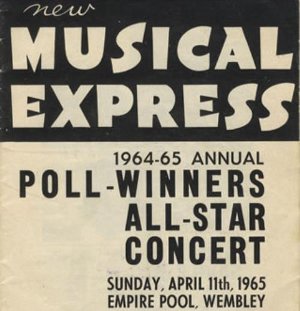
New Musical Express Winners 1965 Concert

I have the video of this show. First, the lineup to this event included

  • The Moody Blues
  • Freddie and the Dreamers
  • Georgie Fame and the Blue Flames
  • The Seekers
  • Herman’s Hermits
  • The Ivy League
  • Sounds Incorporated
  • Wayne Fontana and the Mindbenders
  • The Rolling Stones
  • Cilla Black
  • Donovan
  • Them
  • The Searchers
  • Dusty Springfield
  • The Animals
  • The Beatles
  • The Kinks

Think about the talent on that stage. To see the Stones, Animals, Van Morrison with Them, The Kinks and The Beatles all in the same day on the same stage. This would be a dream concert. Jimmy Saville hosted the event. It’s hard to watch the guy knowing what we know now about him.

It’s great to see The Rolling Stones with Brian Jones but you can tell the Beatles were THE Band of the day and were clearly the most anticipated.

You see a young Van Morrison fluff a line in “Here Comes The Night” but his voice comes through loud and clear. It’s a wonder you have a sound at all. In between songs you see roadies roll out amps and drums for the next band. They did quite well and it was never a long break between bands.

The sound quality is not the greatest but it’s good enough to watch considering the hectic way they had everyone perform.

The next year the Who, Rolling Stones, and the Beatles would play but The Beatles and Stones would not let their segments be recorded.

As far as I know, there is not an official release of this video…You can watch it on Youtube or order a bootleg DVD on various sites.

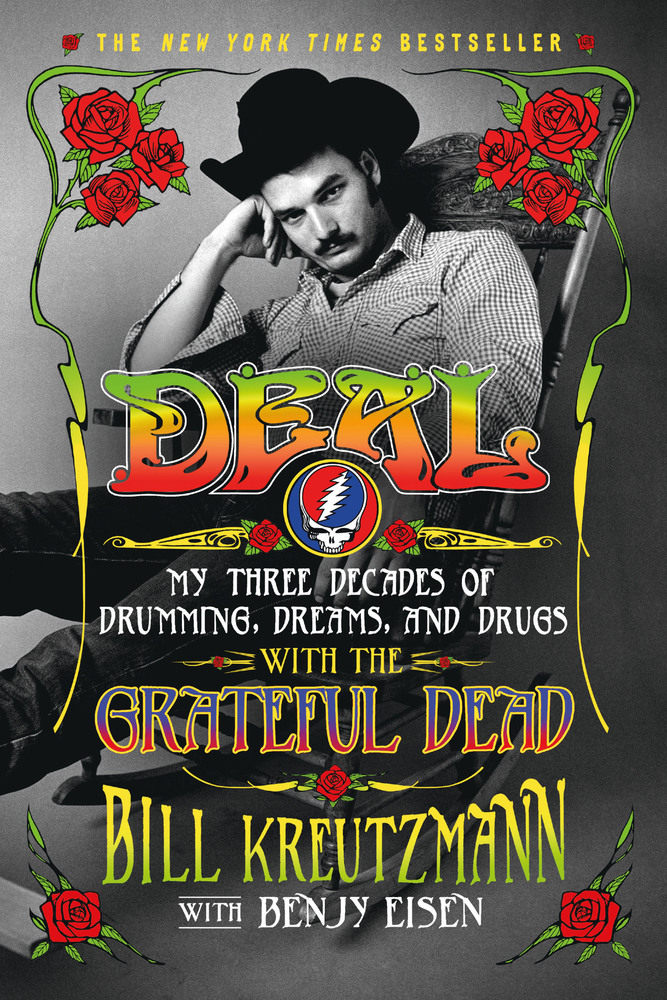
Deal by Bill Kreutzmann

The book is called Deal: My Three Decades of Drumming, Dreams, and Drugs with the Grateful Dead.

This book is what you would imagine from the drummer (one of them) of the Grateful Dead. Music, drugs, women, drugs, travels, guns, drugs, death, drink and more drugs. Actually, I really enjoyed the book. He is very open and very honest about his actions good and bad.

He is not a shy guy whatsoever. He shares his feelings about any subject that comes up. He does go into the music and how he feels about his bandmates. Most are positive but he does not hold back.

He covers the complete career of the band. He openly said he was very happy being the only drummer of the band when Mickey Hart quit and didn’t like it one bit when Mickey rejoined the band…at first anyway.

He goes into his relationship with Jerry Garcia. He also admits the guilt the band share in not trying to help Garcia more…but Jerry was his own man. He writes about the so-called keyboard player curse the band had in their career.

He tells us about the 72 European tour, shows they played near the pyramids and the Festival Express. I will say this…this band had fun. They were like a family and treated their employees well for the most part.

The only thing that I wish he would have shared more about was Pigpen. The band was apparently in the dark about how bad Pigpen was doing before he died. Maybe he didn’t share it with them.

I learned a lot about the Dead that I didn’t know about.

The book keeps going at a good pace. With the Dead’s long career he never lacks for stories. A lot of rock autobiographies are coming out and again this one takes the template that Keith Richards made with his book “Life” and fills it in.

Bill Kreutzmann from Deal about Garcia and heroin:

I’m pretty sure Jerry wasn’t into heroin during the making of Garcia; as far I know, he hadn’t even discovered it yet. But when he did, during subsequent Grateful Dead albums, it could become difficult just to get him to show up, unfortunately. That got to be really old, really fast, for all of us. We wanted to play music with him so badly that we’d put up with it, which—in hindsight—was crazy. Nobody else in the band would’ve been able to get away with it; at least, not to the extent that he did. But Jerry Garcia was the exception.
It also opens up a moral question that we can talk about now, but we can never truly answer, since he’s not with us. There was a certain feeling, toward the end, that Jerry was using the Grateful Dead to finance his drug habit. That’s a sad thought. I don’t think he ever intended it to be that way or for it to get to that point or to hurt anyone. He was as pure of a musician as they come. But heroin addiction will change a person in ways that are tragic and discouraging.


Wild Tales: A Rock and Roll Life

This is Graham Nash’s autobiography.

Graham narrates the audible version and does a good job weaving through his personal history. He starts with his blue-collar family and how Alan Clarke and he knew each other since school and formed The Hollies. The most interesting part to me was the mid-sixties era living in swinging London.

He wrote about his friendship with the Beatles and him getting an advance tape of Sgt Pepper from Brian Epstein. He had a great hi-fi system at his flat and he would show it off to anyone that came over. When the Turtles came over from America they were blown away by Sgt Peppers at top volume. He went on about how Sgt Peppers changed everything and it would eventually lead him to leave the Hollies.

Graham describes being a pop star in the mid-sixties in London. Shouldn’t we all live that life? Paul McCartney calls him up and invites him over to the All You Need Is Love session for the “Our World” program to be broadcast to millions.

He talks about how his friendship with Mama Cass led to meeting David Crosby and eventually CSN being born. Graham covers the CSNY period and his romantic relationships including  Joni Mitchell. He does cover the drama associated with CSNY and the troubled David Crosby. What kind of Rockstar bio would it be without drugs… Graham did his share and Crosby did our share. Graham handled them better than some.

Graham would write simple songs compared to Crosby, Stills, and Young but many times his songs would be the hits that drove some of the later albums…songs like “Just a Song Before I Go” and “Wasted on the Way.”

One thing I can say is he didn’t hold back or pull punches…but he still comes off as a really nice guy but it is his book.

This book helped sever his relationship with Crosby…for now anyway but Nash stressed through the book how much he cared for Crosby.

I would recommend this book to not only Hollies and CSNY fans but fans of 60’s and 70’s music and culture. After reading this I listened to more Hollies songs and I really began to appreciate their psychedelic period with songs like King Midas in Reverse.


You Know My Name (Look Up The Number) Beatles

I bought the Let It Be single by the Beatles in the mid-1970s from a relative’s yard sale. I loved Let It Be and then I flipped it over. The song started off with a catchy piano riff and then took a left turn never coming back.

I won’t even attempt to describe it because it would lose everything in words. It is a funny record (I don’t mean “My Love” bad funny… wo wo wo wo, wo wo wo wo…sorry Paul) it’s a comedy record. You could tell they were having a great time doing it.

Brian Jones played saxophone on the recording. Yes, that Brian Jones of the Rolling Stones. He dropped by the studio and John and Paul thought he would play some guitar but he had a sax so they thought of this tune and he played on it.

My friend and I would listen to this over and over. We would quote from it…”Welcome to Slaggers” at school. Sometimes…and this is probably sad but we still do.

The song was recorded in May of 1967 and June of 1969 and was released as the B side of Let It Be in 1970.

It’s just so off the wall. The thing that surprises me isn’t the 1967 sessions…it’s John and Paul working on this in 1969 when they were not exactly best mates anymore. How could you not get along and make this? I guess they went through bad and good periods like any friendship or partnership…

The original version was 6:08 long but John edited it down to 4:19 for the single release.

Here is a quote from John Lennon

“That was a piece of unfinished music that I turned into a comedy record with Paul. I was waiting for him in his house, and I saw the phone book was on the piano with ‘You know the name, look up the number.’ That was like a logo, and I just changed it. It was going to be a Four Tops kind of song – the chord changes are like that – but it never developed and we made a joke of it. Brian Jones is playing saxophone on it.”

Paul McCartney on Brian Jones

“I naturally thought he’d bring a guitar along to a Beatles session and maybe chung along and do some nice rhythm guitar or a little bit of electric twelve-string or something, but to our surprise, he brought his saxophone,”

“He opened up his sax case and started putting a reed in and warming up, playing a little bit. He was a really ropey sax player, so I thought, ‘Ah-hah. We’ve got just the tune.”

“It’s not amazingly well played but it happened to be exactly what we wanted. Brian was very good like that.”

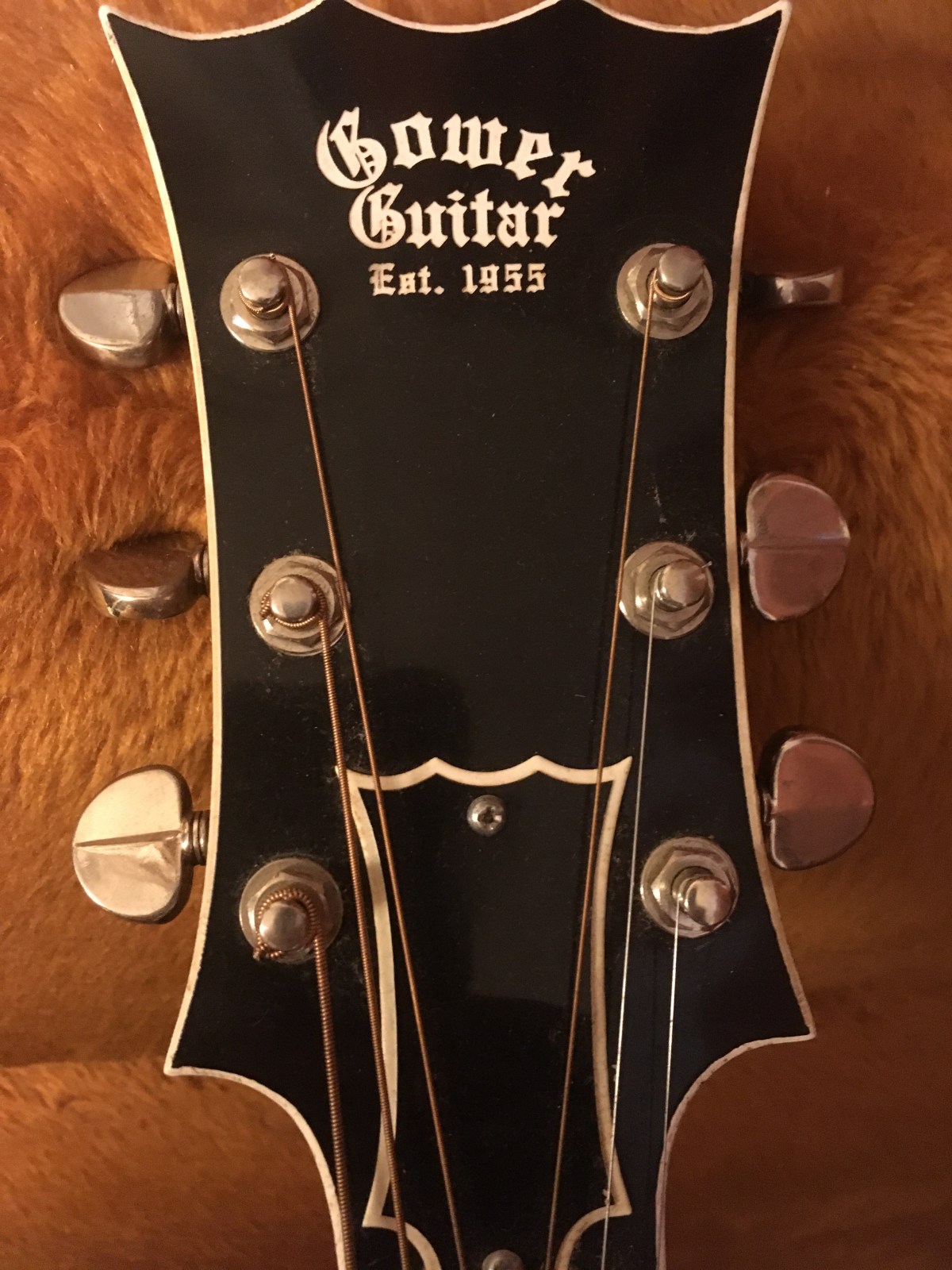
Gower Guitars

I have three Gowers and one Grammer Guitar and I’m really proud to have them. They are part of my family heritage that I had nothing to do with…My family built guitars (Gower Guitars and Grammer Guitars) starting in the 1950s and made them until the 1970s. Country artists such as Johnny Cash, Leon Rhodes, Gordon Terry, and George Jones played Gower and Grammer Guitars.

I keep my eye out for them but on eBay, they are anywhere between $1500 – $5000 and more. They are rare…if you run up on one for a good price grab it. I don’t want them only for the family connection…they sound great.

I have two acoustics and two electrics. They didn’t make a lot of electric guitars. They all play great and the acoustics have the feel of a Martin. I asked my dad once why they didn’t make more electric guitars. He said because acoustics took craftmanship and electrics were basically “2 x 4’s with strings.”

Well, the electrics I have are more than that. The Green sunburst hollow body electric I have has a Gibson 335 feel and the mahogany solid body electric I have with original DeArmond pickups I would put it against any Gibson SG…

In the sixties, my family also built a studio where singer-songwriters Joe South, Dolly Parton, Willie Nelson, Ray Stevens, Johnny Bragg and drummer D. J. Fontana recorded demos there.

I remember when I was 4 or 5 and walking into the Grammer guitar shop in the early 70s around the time it ended. I will never forget that smell of wood and glue…I also remember the studio and walking in with my cousin Ricky and seeing egg crates on the wall. I do wish they would have continued.

I will let two of my relatives who were there at the time and remember, tell the history…one being Randy Gower who’s father was J.W. Gower and Ricky Moore who’s mother was Alma Moore. My father was Bobby Max Gower.

The below is some history by Ricky Moore and Randy Gower

Ricky Moore

In 1955 J.W. Gower and his sister Alma Moore started the Gower Company. The first guitar was made by bending the sides on a tree. This did not work well but they still got the Guitar together. After a few months, they had purchased some woodworking equipment and had a brick building built by their duplex where they lived.

They built acoustics and electrics from 1955 until the early 1960’s. They made their own guitar pickups. Alma Moore’s husband Kellice Moore built a machine out of an old sewing machine and an old part from a car to wind the pickups.

Randy Gower

Then one day, out of nowhere, dad (J.W. Gower) decided he wanted to build guitars. He went and visited a violin maker in town and picked his brain and as George Jones would say “The Race Was On”. The beginning of the guitar business was slow. If you had seen the first one you would have known why, uglier than a bowling shoe.  Made out of maple it was a big jumbo guitar.  The sound was good but it looked rough. He made the beast and he did not stop there. He made another one that looked better. Dad and his sister (Alma Moore) decided they could do this for a living so he and Alma’s husband Kellice Moore got together to build a brick o block shop in the back of the house where they could build guitars and do repair work on others. Gower Guitar began. It wasn’t long until he had the shop going. Alma and him would make a guitar on occasion. To help pay the bills they did a lot of repair work for the guys at the Opry. Paying the bills proved to be a challenge. I was only ten years old and I could tell for the time he was putting in on some of these jobs he was not charging enough. He would work 2 hours on a job and charge .50 cents. Granted this was 1958 and .50 was worth much more then than it is today but he was never going to get ahead. The shop was a who’s who of country music stars. Stonewall Jackson, Faron Young, Sonny James, Earl Scruggs, Eddie Arnold, Harold Bradley, Pete Wade and many more would hang out or pass through over the years.

I can remember being in the shop with a fire going in the old pot belly stove in the shop when Faron Young came by to pick up a job. He told dad he had just left the studio where he thought he had cut another hit. He reached down to pick up a guitar that was laying there, strummed a cord and said, “Hello Walls how’d things go for you today”. He was right it was a hit, a big hit.

Then there was Eddie Arnold. I came in from school one day and dad was on the phone with Mr. Arnold. As usual, I went over and ask for a nickel. For all of you, youngsters a nickel would buy a soda or candy bar back in the day. I regressed, he waved me off but I was persistent, I said give me a nickel, once again a wave off. I tried once more with the same response at which point I ran my hand down into his front pocket. I did n’t reach the bottom when out of nowhere a hand came flying across my face. He had smacked the shit out of me. I bounced off the block wall and stood there stunned in disbelief. That was the only time he ever smacked me but I will say I never really gave him a reason again, nor did I ever put my hand in his pocket again. To this day, if I hear or see Mr.  Eddy Arnold the hair will stand up on the back of my neck. Life lesson learned.

At some point in the early 60’s J.W. Gower and Kellice Moore decided to build a recording studio in the building they were making guitars in…no Gower guitars would be made again until the mid-1960’s. Around 1964 Billy Grammer came to the house and ask dad if he wanted to go into business with him making guitars. They went and got a third partner in Clyde Reid to help sell stock and raise money. The start of Grammer Guitar had its start.  They brought in a man named Fred Hedges who was an outstanding machinist to build equipment for the manufacturing process. It wasn’t long until dad realized the thing was not going to work out.  Billy and Clyde wanted to go to a laminated Rosewood for the backs and sides. Like most companies, this was just a cost saving and nothing more. However, dad contention was it affected the sound of the instrument and would not go along with the change.  They could not agree so dad left the company in ’66.

There was a gap between Grammer and the new Gower Co.

At some point, Hatch Reid approached dad about starting up Gower Guitar. Hatch was Clyde’s uncle and there again the money man.

J.W. Gower and his sister and brother Max started manufacturing acoustic guitars around 1966. The company was in business until sometime around 1969 when they went bankrupt. A salesman that worked for the company took orders for guitars and pocketed the money…

Alma Moore and her brother Max went back to Grammer Guitars and worked there until Grammer went out of business. Tut Taylor bought all the equipment at auction and leased the same building Grammer used. Alma Moore and her brother Bobby Max Gower worked for Tut Taylor until he also went out of business. She would go on to work for Gibson Guitars for 11 years until she retired. Max went on to work with Tut Taylor’s son Mark for a few years building wooden instruments.

J.W. Gower moved to Franklin, TN and made more Gower Guitars with his son Randy.


I’m proud to be associated with these guitars and studio if only by family. Not long ago I met the great guitarist Leon Rhodes before he passed away. We were introduced and when he heard who I was he started to tell me some stories about the old days and my family that I didn’t know.

All in all, I have 12 guitars… I like playing vintage guitars through vintage amps because I like the instruments to have a history. I like knowing I can get the exact sound now that someone got in 1970…I have some older guitars but the Gower guitars have part of my history.

This guitar was given to me by Randy Gower that J.W. Gower made. I wouldn’t take anything for it. My guitar guy installed humbucker pickups and I can get about any tone I want out of it.

gower green.JPG

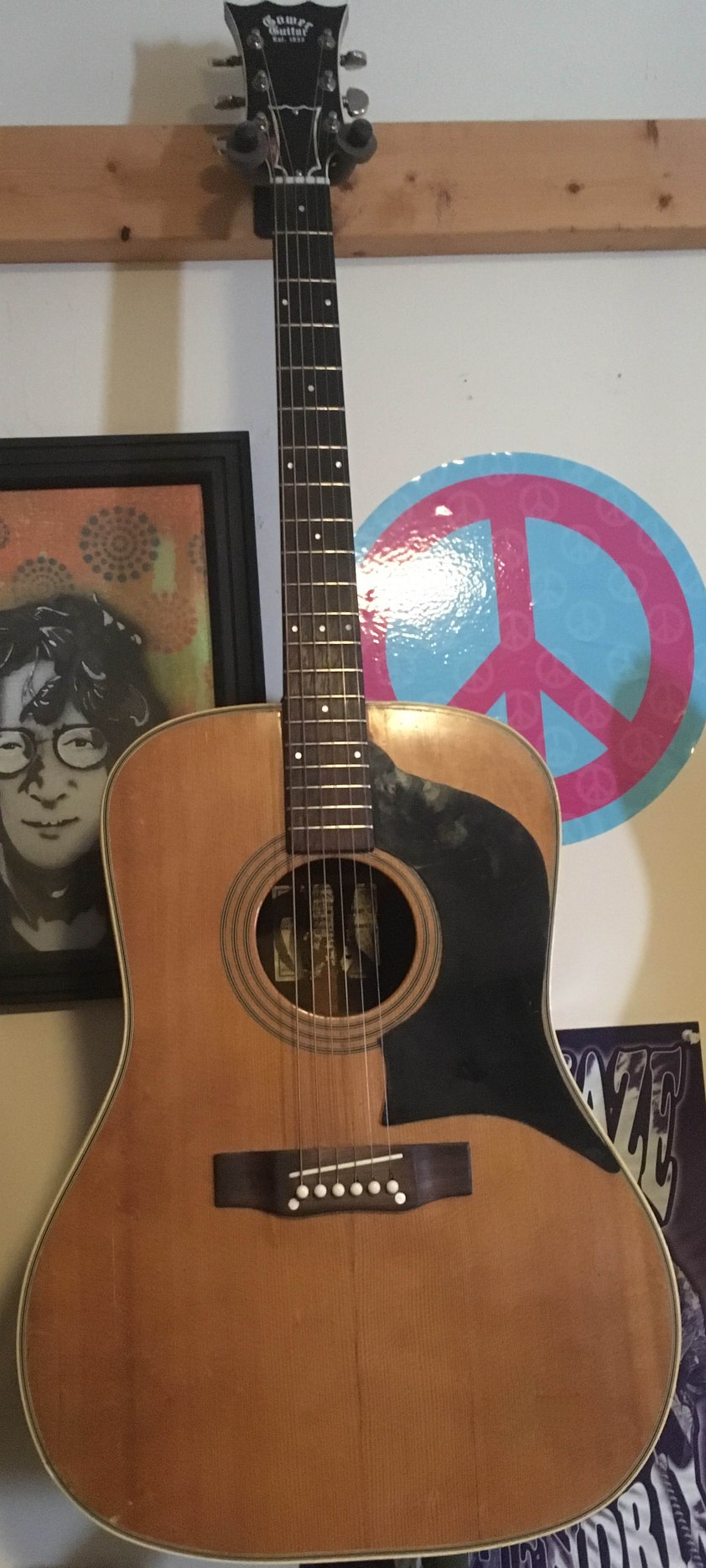
This one plays like a Martin. It is the best acoustic I have. It was made in the early sixties.

Gower acoustic.JPG


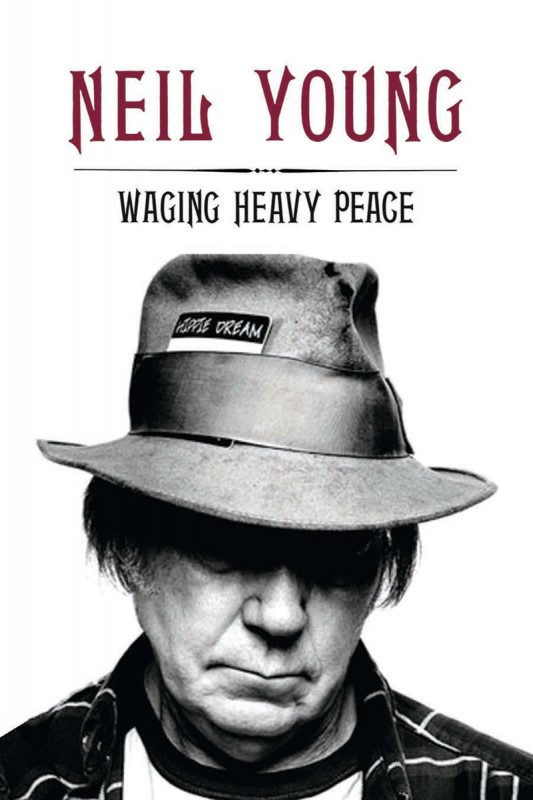
Waging Heavy Peace

An Autobiography by Neil Young. Neil is one of my favorite artists. He tells some history about Buffalo Springfield and CSNY and also the Mynah Birds with Rick James. Neil Young and Rick James in a band together…its just hard for me to imagine that.

He gets into how he started his music career with his first band and how he loves Crazy Horse.

Now all of these stories are great but… this is during the period he came up with PONO music… a high-end music player that plays music with much more quality than CDs or mp3s. This venture eventually failed years later but he is very excited about it in the book. That is great but sometimes it seems forced. I honestly don’t think he was plugging PONO…I think he was just that excited about it. His enthusiasm is unquestionable.

Cars…the man loves cars. I admire that in him but again he talks A LOT about electric cars and hybrids. Then he combines the two…PONO music systems being installed into…fuel efficient cars. I will admit it is interesting and you get to see what makes the man tick.

Some of it reads like a diary because that is the way he wrote a lot of it. He will say he is going to Hawaii and then a page or two later…he will tell you he made it there. It’s like being in conversation with someone who will just switch subjects on a whim. Neil tends to ramble.

He is part owner in Lionel Trains and you can feel his love of trains coming through the pages. He also talks about his quadriplegic son and the Lionel Train control he designed for his son to operate the trains. That I found really heart touching. He really tries to connect with his son and that is what the album Trans is all about.

He goes through his drug and drinking problems, medical problems, marriage problems, and every single car or bus he has had in his life…which again he just loves any kind of vehicle.

The disappointment for me was Neil didn’t talk enough about the music. Yes, you will learn more about Neil Young. I did learn many things about him that I didn’t know. The problem is he spreads the music sections out and just when he gets on a roll, you are thinking… cool he is writing about playing with Buffalo Springfield and also where they hung out…here comes the PONO Music bit or more car information.

I guess the best way to sum it up is yes you will get a lot of the musical info you are looking for but you have to wade through a lot of rambling.

Overall if you can find this book 2nd hand, get it. If you are looking for a definitive Neil Young bio this is not the one… He does have great things to say about the members of CSNY, Buffalo Springfield, and Crazy Horse. Maybe I wanted another Testimony or My Cross to Bear…this wasn’t it…but what did I expect? It’s Neil Young and he is going to do what he wants to do… that is the reason we love him.

I will admit this…after he mentions all the vintage cars and busses he has owned his enthusiasm rubs off…I started to look these models up and reading about them… but it wasn’t what I had in mind going into the book.

The Kids Are Alright 1979

Besides the Beatles Anthology, this is my favorite rockumentary for the lack of a better word. Jeff Stein the director did a great job on this film about The Who.

Jeff was a fan of the band and pestered them until they let him do this. He had no prior experience in filmmaking but this was the 1970s and he got the gig. His timing was eerily perfect. He caught the original band at the very end of their tenure with the great Keith Moon.

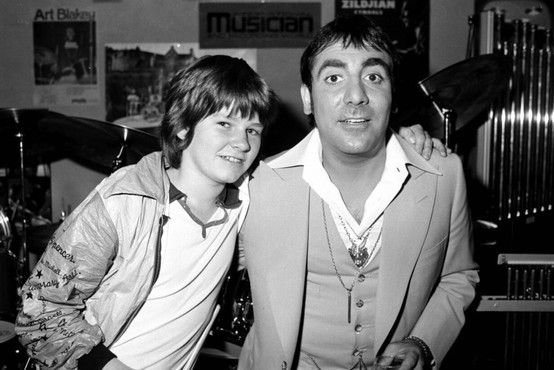
He searched high and low for clips of the band in earlier years. Stein keeps the appearance mostly in order. There is sadness in this. You see the band through the years from 1964 to 1978… you see all of them gradually age of course but Keith Moon ages faster than any of them. I’ve read where it hit him hard while watching the rough cut right before he died. His drinking and drug taking had taken its toll on him. He saw a young energetic kid that looked like Paul McCartney’s younger brother to a man who was 32 and looked like he was in his 40s.

This may be the first or one of the first video bios on a major rock group. Led Zeppelin had The Song Remains the Same but it focused on one concert in New York… The Beatles had Let It Be but those films didn’t show their history like The Kids Are Alright.

It this film you see a band that is fun… unlike Zeppelin the Who were more open to their audience and didn’t have a dark mystique hanging over them. They would crack jokes from the stage and Moon treated it like a High School talent show until he started to play…then he got serious.

You see film segments that were fun like the video of Happy Jack, the interview on the Russell Harty show, Keith with Ringo, and Keith and Pete sharing a joke that only they could understand. One of my favorite segments is The Who playing Barbara Ann with Keith singing and the band having a good time. They also played I Saw Her Standing There but it didn’t make the film…you can watch it in the outtakes. I can’t imagine Zeppelin doing Barbara Ann and goofing for the camera.

The Who did a couple of live shows for the film besides being interviewed. Stein mostly used old clips but he convinced the band to do a couple of concerts where he could get a definitive version of Won’t Get Fooled Again… which personally I think is the greatest rock song live you will ever hear. You see Keith’s last performance as he is looking pudgy, older, and slower but still pulls it off. Pete wasn’t too thrilled about doing the concerts for the film but it turned out good. They ended up only using a version Won’t Get Fooled Again and Baba O’Riley.

Keith died a few months before The Kids Are Alright debuted. The film showed The Who at it’s best. Kenney Jones from the Faces replaced him but it was never the same. You cannot replace Moon…he was the engine that drove the Who. The only drummer that has worked well with the Who since Keith has been Keith’s Godson Zak Starkey…Ringo’s son.

zak.jpg

I acquired a VHS copy of this in the mid-eighties. It wasn’t a great copy but my friends and I wore it out. One of them worked at a small cable station. The station was in a small county that usually aired farm reports and advertisements. Basically, it was a very small building in the middle of nowhere. All they would do there is broadcast videos.

We had the tape in hand and wanted to see it so we went there one afternoon. He popped it in the VHS player and played it. He had no idea but it was going out live. Near the end of the film, he took a phone call from his boss. I didn’t think anyone ever watched that station…but it turns out they did and they were not fans of The Who. He didn’t get fired but they took his key for the door. It was a big subject the next day at school as some teenagers loved it but their parents didn’t appreciate their videos on farming being interrupted by My Generation and Keith Moon in bondage.

This film covers the original Who and being such a Who fan I’m glad Jeff Stein was so persistent in doing this because many of the tapes he was able to borrow probably would have been erased and used again by the BBC as was their policy.