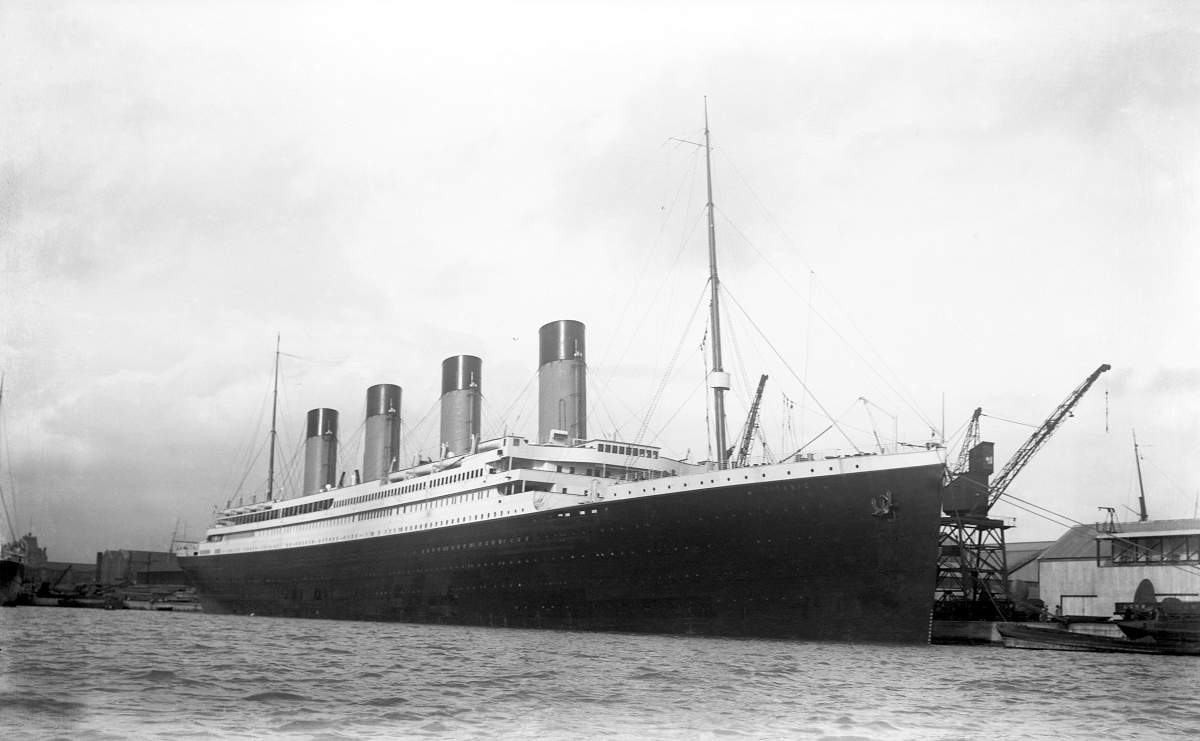
RMS Titanic – Schemes to Raise the Titanic…and personal stories

When I was a kid, I dreamed of finding and raising the Titanic. I could picture what it would look like and then take her to New York. Back then, many people thought she went down in one piece. Then, in 1980, they made a movie called To Raise The Titanic. Although it wasn’t a good movie, it was fun seeing their version of the raised ship. It actually matched my naive vision. I wanted so badly to walk on its deck. I’m keeping this post a little lighter at first anyway. Along with Walter Lord’s book, I remember hearing about crazy plans to raise her. Then, we will get into something more serious. 

Before it was finally found in 1985, there were many ideas about how to raise her, many of them based on guesses about where the ship was and what condition it might be in. Since nobody had seen the wreck, engineers and dreamers came up with plans that ranged from serious engineering proposals to ideas that sounded like science fiction. Because again, most people thought the ship was in one piece. 

One early idea was to attach giant electromagnets to the hull and lift the ship with cables from salvage ships above. Another proposal involved filling the Titanic with ping-pong balls or petroleum jelly to create buoyancy. In the 1960s and 1970s, some suggested pumping liquid nitrogen (it would take only 500,000 tons) into the wreck to freeze the water inside and out and make the ship buoyant enough to rise. Ironically, encasing it in an iceberg! You can’t make this stuff up.  Others thought about attaching enormous flotation tanks or inflatable balloons to the hull. There was also an idea to use millions of hollow glass spheres that would sink down and displace water around the ship, helping lift it from the bottom. But you had to find it first!

Even back right after she sank, there were plans to get the family’s possessions off the ship. Little did they know where it was, and nothing at that time could have got even near it. The maximum they could dive in 1912 would have been 90 to 100 meters (300–330 feet). Much shorter than the 3,800 meters (12,500 feet) it would take. 

Personal Stories

Most of the male passengers who survived the Titanic had to live with the stigma of surviving the wreck. That was because people automatically thought they took a child’s or a woman’s place. The truth is, there weren’t many at all like that. People did not want to get into a lifeboat at all at first. They wanted the warmth and the lit Titanic. They were sending out boats that were not completely full. They soon let some male crew members row, and if there were no women or children around, they would let a man get in. Boys over 13 years old were considered men. The crew was not immune to this stigma either. Although no one would want to put inexperienced men, women, and children in a lifeboat in the Atlantic without an experienced hand. 

Some of the crew were ridiculed by passengers when they woke them up and tried to get them on a lifeboat. The ship was never advertised as “unsinkable,” but many of the passengers believed that. The press used phrases like “practically unsinkable“. The company stated that the ships were “designed to be unsinkable as far as it is possible to do so,”  and many did think it was unsinkable. 
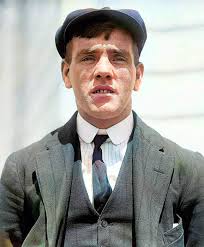
Frederick Fleet was one of the lookouts aboard the RMS Titanic and is remembered as the crewman who first spotted the iceberg that led to the sinking. Stationed in the crow’s nest with fellow lookout Reginald Lee, Fleet saw the dark shape directly ahead and rang the warning bell three times before telephoning the bridge with the famous message, “Iceberg, right ahead!” Although the officers reacted quickly by attempting to turn the ship, there was not enough time to avoid impact. Fleet survived the sinking by escaping in Lifeboat 6, but he later testified during official inquiries about the events of that night, including the absence of binoculars in the crow’s nest. Fleet struggled financially and emotionally and died by suicide in 1965 after his wife died, and he was evicted from his home at age 77 by his wife’s brother. He carried the weight of that night for decades.
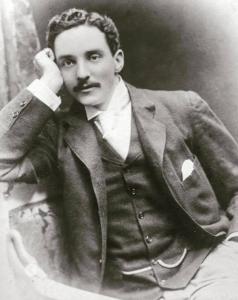
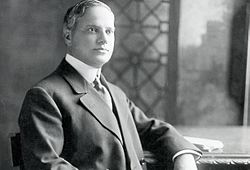
Bruce Ismay was painted as the villain at the time, but not as much now. Ismay survived, and that was not what people wanted to hear. He was the chairman of the White Star Line and traveled aboard during its maiden voyage. As one of the most senior company officials connected to the ship, Ismay became controversial after surviving the sinking while many passengers and crew died. During the evacuation, he helped load lifeboats and eventually entered a collapsible boat shortly before the ship made its final plunge. After being rescued by the RMS Carpathia, Ismay faced harsh criticism in newspapers and public opinion, with many accusing him of saving himself while others stayed behind. Official inquiries found no evidence that he had disguised himself or taken a place from a woman or child, but his reputation never fully recovered. He resigned as chairman of the White Star Line and president of the International Mercantile Marine (IMM) in 1913. He lived the rest of his life close to his family, staying out of the public light as much as possible. His wife forbade anybody from bringing up the Titanic tragedy around him. 
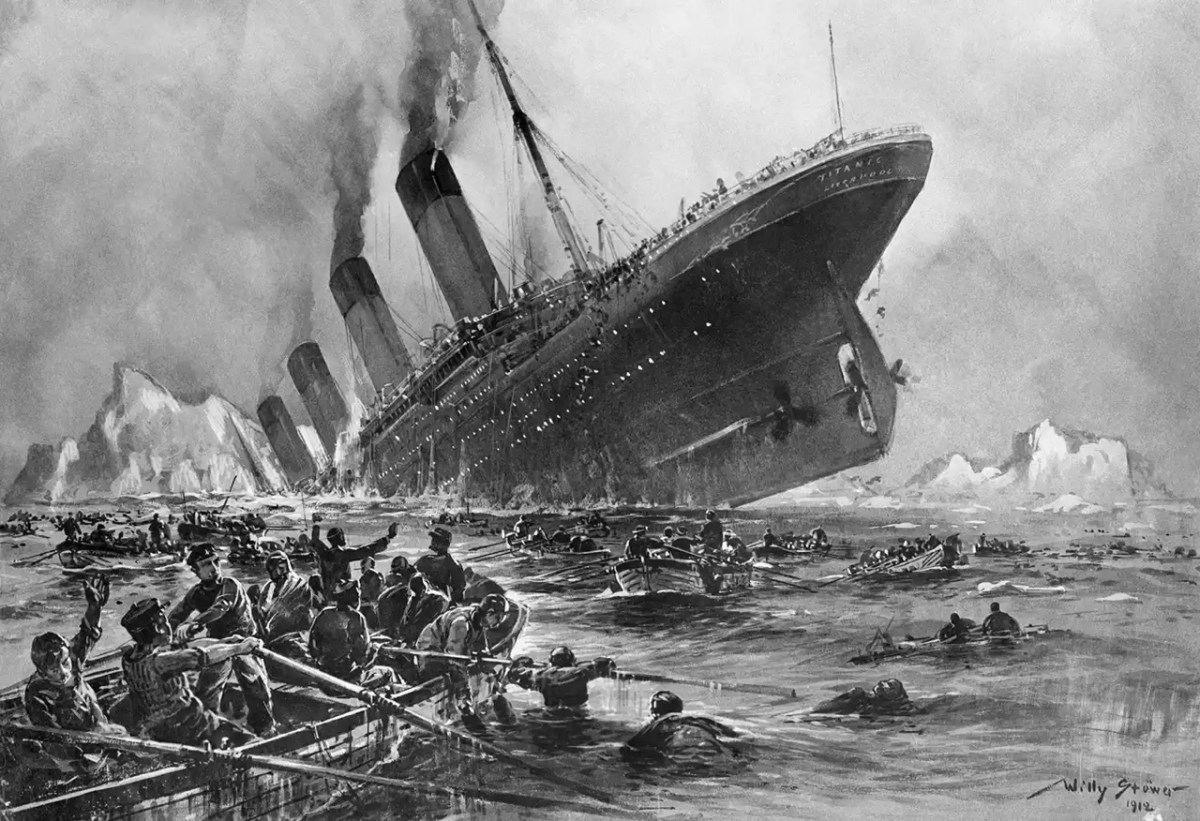
RMS Titanic … Personal Stories and the gangway door theory

Someone asked me the other day if the RMS Titanic was rebuilt using the same blueprints today, would you sail on her? I said yes, I would.  Titanic’s damage was catastrophic and a fluke. It wasn’t poor design that caused her to sink; it was the fact that she was dealt a long, glancing blow that pierced multiple compartments. An astronomically small percentage eventuality that no engineer would plan for. She was designed with a double bottom and watertight compartments for safety. She was also a huge ship. The biggest man-made movable object at that time in the world.  To put the Titanic’s size in context, she comes up to almost 3 American Football fields put together. It was 269.1 meters long. 

Many engineers say she would have survived if she had hit the iceberg head-on. That ship was built for that to happen, so it’s probably true. But if you were driving down the road at night and suddenly saw an object in the middle of the road, like a deer or cow, your first instinct would not be to hit it head-on. You would try to steer around it. If they had spotted it a minute earlier, they probably would have missed it. Here are some personal stories and a little-known accident that could have caused the ship to sink faster. 

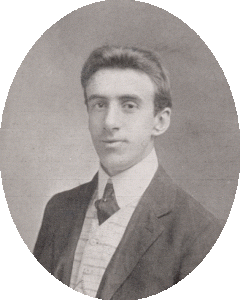
Since this is a music blog mostly, I had to talk about Wallace Hartley. He was the bandleader aboard the ship and became one of the most remembered figures from the sinking because he and his fellow musicians continued playing as the ship sank. He had worked on several passenger liners before joining Titanic’s maiden voyage. As panic spread and lifeboats were lowered, Hartley led the ship’s band in playing music to calm passengers and maintain order during the final hours. Survivors later recalled hearing hymns and popular tunes drifting across the deck as the bow slipped beneath the water, with many believing the final piece played was “Nearer, My God, to Thee.” Hartley’s body was recovered weeks later, still wearing his band uniform, and he was buried in England, where thousands attended his funeral in recognition of his courage and composure. His violin was also found floating in the case, and now it is in a museum.

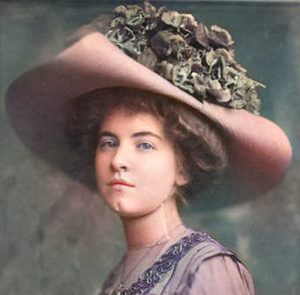
Margaret Brown (The Unsinkable Molly Brown) was an American socialite and philanthropist who became famous after surviving the sinking. Brown and her husband found wealth through mining investments. On the Titanic, she boarded Lifeboat No. 6 after the collision, where she reportedly urged the crew to row back to search for survivors. After being rescued by the RMS Carpathia, she organized aid for poorer passengers, raising money and helping create survivor lists. Her outspoken personality and determination earned her the nickname “The Unsinkable Molly Brown,” though she was never actually called that during her lifetime. I love this woman; she threatened to throw the officer overboard on the lifeboat if he didn’t go back and get survivors. To be fair, he was afraid of the lifeboat getting swamped and capsizing with people. 

While she was a hero, the “Molly” nickname is a posthumous invention that transformed her into a colorful, legendary character. There is more information at Molly Brown House Museum.

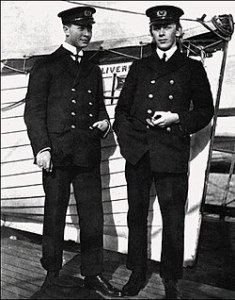
On the night of April 14–15, 1912, Jack Phillips and Harold Bride were already busy clearing a backlog of passenger messages when their Marconi wireless system had earlier broken down, forcing them to spend hours repairing the set so it could get back on the air, work that paid off when it came time to send distress calls after the collision. Phillips stayed at the key almost continuously, tapping out CQD and the newer SOS signals while Bride assisted. They relayed information and helped keep the failing equipment running as power weakened. Even as water crept closer and the strain on the system grew, they continued transmitting ship positions and pleas for help, giving nearby vessels a chance to respond. Bride was eventually washed off the deck and survived, while Phillips remained at his post until the end and died, an example of two operators who kept the line open as long as there was any current left to carry their signal. It paid off as well; the next morning, the survivors were picked up. They would not have survived on those lifeboats long on the Atlantic.

Benjamin Guggenheim was a wealthy American businessman and heir to the Guggenheim mining fortune who traveled aboard as a first-class passenger. When the ship struck an iceberg, Guggenheim initially slept through the impact but soon understood the seriousness of the situation. He and his valet helped with the deck evacuation. He famously said to some of the survivors: I am willing to remain and play the man’s game if there are not enough boats for more than the women and children. Tell my wife I played the game straight out and to the end. No woman shall be left aboard this ship because Ben Guggenheim is a coward. Near the end, he said this about him and his valet dressed in their best clothes: We dressed in our best and are prepared to go down like gentlemen, but we would like a brandy. Witnesses last saw Guggenheim and Victor Giglio (his valet) seated in deck chairs near the Grand Staircase as the ship’s final moments approached. His body was never recovered, but his acceptance of fate became one of the enduring stories of that night. I really like this guy! Guggenheim’s business morphed into the current company that owns the Los Angeles Dodgers. 

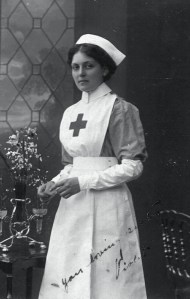
Violet Jessop was either really lucky or unlucky. Violet was an ocean liner stewardess who became known as “Miss Unsinkable” after surviving not only the Sinking of the RMS Titanic in 1912, but also two other major maritime disasters. Jessop worked for the White Star Line and served aboard the ship as a stewardess. After the collision with the iceberg, she helped passengers reach lifeboats and was eventually ordered into Lifeboat 16, where an officer handed her a baby to care for during the evacuation. She was rescued by the RMS Carpathia and later continued working at sea, surviving the collision of the RMS Olympic with another ship (the Olympic was repaired and good) in 1911 and the sinking of the hospital ship HMHS Britannic (Titanic’s young sister, it was sunk by a German mine and it was a hospital ship at that time) during World War I. Her remarkable survival story made her one of the most unusual figures connected to the Titanic.

The Gangway Door theory.

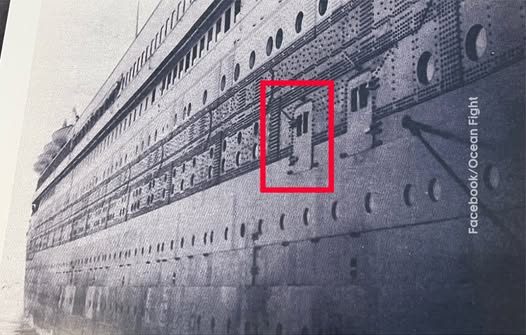
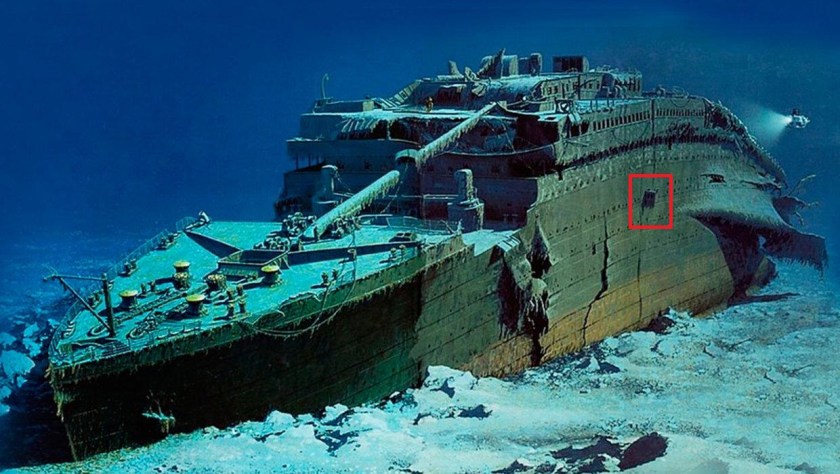
The Gangway door was opened and never closed. One of the lesser-known details of the sinking involves the port-side gangway door on D Deck, a large shell door typically used to board passengers and cargo while in port. During the evacuation, Second Officer Charles Lightoller ordered crewmen to open it so lifeboats could come alongside and take on passengers closer to the rising waterline, rather than forcing everyone to climb down from the Boat Deck. The idea made sense because many lifeboats were leaving partially filled. Evidence suggests the door was successfully opened, as it was later found open on the wreck. Some Titanic researchers believe that once the bow sank lower, seawater pouring through that opening may have accelerated flooding on the port side and shaved minutes off the ship’s remaining time afloat, though the exact effect is still debated. I DON’T fault the crew for this, with what was going on, who can blame them? BTW…this door was 3 x 6 feet, and that was maybe bigger than the smaller leaks that the iceberg brought. To be clear, the ship was sinking by that point anyway, but this very well could have sped it up.

Now, could it have blown open when the ship hit the bottom? Yes, but officers said at the inquiry that they did, in fact, load some lifeboats from there. So they did say it was open, and either they were in a hurry and didn’t close it all the way, they forgot to close it, or it was blown open at the sinking. Although there is a door right beside it that didn’t open. That would, though, explain the 20-minute difference in the computer simulations. Not that I entirely trust computer simulations, but it does make sense. 

To put it into context. After using sonar (the damaged side is buried in the mud) to assess the damage caused by the iceberg on the wreck, the total was 12 square feet. The gangway door measures 18 square feet. Also, the damage wasn’t a huge gash. It was mostly a dented hull, with the rivets giving out. Just cuts, not a huge gash. Its length is what sank the ship. Five watertight compartments were breached. If there is one thing that could have made her stronger, it would be welding instead of rivets, but that wouldn’t come until The SS Fullagar was the first welded ship in 1920.

RMS Titanic… lifeboats and other things.

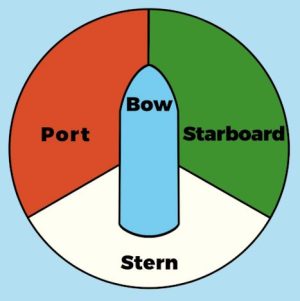
I can’t tell you how happy I was to get that reaction to the last Titanic post, and thank you all for reading. Thank you for indulging me.  You all probably know these terms, but I didn’t, so if any of you were like me, this will help. The Bow is the front of the ship, and the Stern is the back end. The Port Side = left-hand side of a ship when you are on board and facing forward toward the bow. Starboard Side = right-hand side of a ship when you are on board and facing forward toward the bow. I’m going to tell you a not-so-well-known event about some fortunate luck the RMS Titanic had (yes, it could have been much worse), the lifeboat dilemma, and a couple of personal stories. 

The coal fire. Before the iceberg ever struck RMS Titanic, a smoldering coal fire had been burning in one of the ship’s starboard coal bunkers, something not uncommon on steamships of the era (she had stops in Cherbourg, France, and Queenstown (now Cobh), Ireland before moving to the open Atlantic). To control it, stokers spent a couple of days shoveling an estimated 300 tons of coal from the starboard side over to the port side, a backbreaking task done in intense heat below deck. That weight shift reportedly gave the ship a slight port list (list = leaning) even before the voyage settled into the Atlantic. When the iceberg opened the starboard side to the sea, some historians believe that extra coal weight on the port side briefly helped counter the incoming flooding, slowing the list to starboard for a short time and giving the ship a little more balance during the early stages of the sinking. They did a computer simulation, and the computer said it should have sunk in 90 minutes. Then they entered the coal being moved, then the computer said it would take 3 hours, or 180 minutes.  It really took 160 minutes, more on that with the next post.

When the call came for women and children first, there weren’t many wanting to do that. Lowering lifeboats was dangerous at that time, and many people have been killed doing that. You are 80 feet or so up in the air, being lowered into cold and darkness. It was incredibly dark on that moonless night. They had only the stars and the ship’s lights over the Atlantic.

Life Boats. One thing that I didn’t understand was why the Titanic didn’t have enough lifeboats for the people she carried. The maritime law at the time was based on the ship’s tonnage. The Titanic had more lifeboats than she needed by law. Also, the Titanic was built so you could cut her into 3 sections and she would float (so she was a lifeboat as well), but that was without damaging 5-6 compartments. Back then, lifeboats were there to ferry people between the sinking ship and a rescue ship. They were not meant to be boats that people would stay on for hours or days in the Atlantic. They were also fortunate that the ocean was calm that night, not usual for the Atlantic. These were not light fiberglass boats; they were heavy wooden boats, weighing almost 6 tons with all of the equipment!

They had 20 lifeboats (The 20 boats consisted of 14 standard wooden boats, two emergency cutters, and four collapsible boats), and they didn’t even get all of those off properly. Remember, they were lowered by davits (crane-like devices used on ships to support, raise, and lower equipment such as boats, anchors, or dinghies). The Titanic gave them 160 minutes, which, compared to other shipwrecks, is quite a bit of time. What they needed more than anything was more time. I’m not saying that it would be a bad thing to have enough lifeboats. But when you think about it, launching those boats back then from so high up (around 80 feet) was not easy. Imagine being lowered into complete darkness up 80 feet. That is why passengers didn’t want to leave the warm ship to freeze in the Atlantic. They still thought the Titanic would not sink. It took so long that it drew people into a false sense of security. There were so many ships in the shipping lanes that they thought another ship would be close by and they would have enough time. That night, the Californian was 20 miles away at most (Titanic’s crew saw the ship and kept signaling), but their Marconi (radio operator) operator had gone to bed, and Titanic’s pleas were not heard by them. It was heard by the Carpathia (further away), which came to the Titanic’s rescue, but she didn’t get there until around 4am the next morning. They picked up the survivors, but that is it. The Titanic struck the iceberg at 11:40 pm on April 14, 1912, and sank at 2:20am on April 15, 1912.

So yes, I do believe more lifeboats would be a good idea, but more training and also passenger drills would have made a huge difference. You must remember, though, when a ship is listing to one side badly, you have to use the other side to lower boats, which wipes out half of your lifeboats on the up high side. Now they have made davits that will handle the listing, I’m happy to say. 

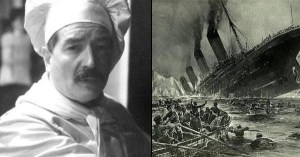
Personal Story: Charles Joughin (one of my favorites) was the chief baker aboard the Titanic, and his story became one of the most unusual survival accounts from the disaster. He knew he would not take a lifeboat seat, but he was going to help as many as possible and feel good at the same time. He didn’t give up, but knew what could happen. After the ship struck the iceberg, Joughin helped load women and children into lifeboats and threw deck chairs overboard so people in the freezing water might have something to cling to. Unlike many passengers who panicked, he stayed busy and calm as the ship’s final moments approached… Well, yes, he stayed calm and warm because, in between helping women and children, Mr Joughin would go to his cabin for shots of whiskey. When the final lifeboats departed, Joughin remained calm and rode the Titanic down like an elevator.⁣ Witnesses confirmed this. Luckily for him, there was no big suction from the stern going down. He was the last one to get off the stern as it plunged. He was picked up by a lifeboat and survived! He wasn’t falling down drunk, but he was highly buzzed, and he said he didn’t feel the 28-degree water and stayed in the water longer than most. Others say he was in the water longer than most that lived.  He did a great job and saved a lot of lives. 

Charles did everything he could, like sending bread to the lifeboats, helping to load people into them, throwing wooden chairs into the water for floatation devices, and still having time for a drink or two or three. 

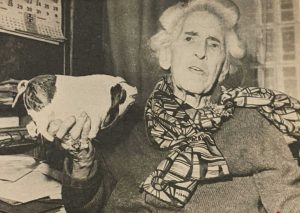
Personal Story: Fashion buyer and journalist Edith Rosenbaum (an older Edith in the 1970s above) boarded the RMS Titanic in first class after covering fashion collections in Europe, carrying with her a small toy pig music box given by her mother for good luck. When the ship struck the iceberg on April 14, 1912, Rosenbaum at first resisted leaving her cabin, worried about her belongings, but a crew member reportedly insisted she get into Lifeboat No. 11. She got the crew member to go get her toy pig. Finally, the crew member had to throw the pig into the boat just so that Edith would get in. The pig was a small mechanical music box that played the tune “La Maxixe.” During the long hours in the freezing Atlantic, she wound it up to calm frightened passengers and children in the lifeboat. Rosenbaum survived the disaster and later credited the pig with helping keep spirits up during the ordeal. The toy itself survived as well, becoming one of the more personal artifacts connected to the sinking of the Titanic.

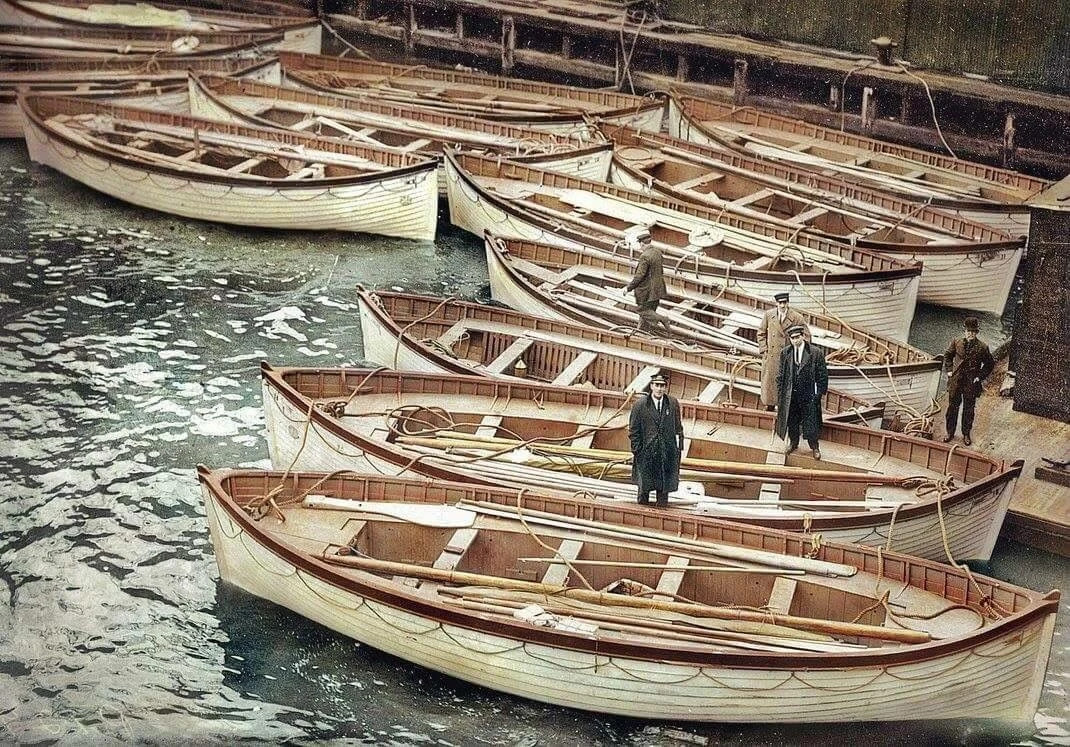
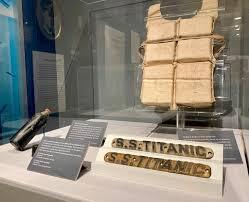
No authenticated, fully intact lifeboats from the Titanic are known to exist today. Of the 20 boats, 13 were brought to New York by the Carpathia, where they were stored briefly, stripped for souvenirs, and likely broken up, sold, or re-purposed for other White Star Line vessels by 1913. Some plaques that went on them still exist, as shown above. 

If you get really interested in the Titanic, I recommend two YouTube channels. These young guys are historians and have a huge passion. You have Mike Brady from Oceanliner Designs and Sam Pence from Historic TravelsMike is very professional and personable. Sam is very personable and professional. Both are ship fans, especially the old steamer liners. I get lost in their YouTube sites.

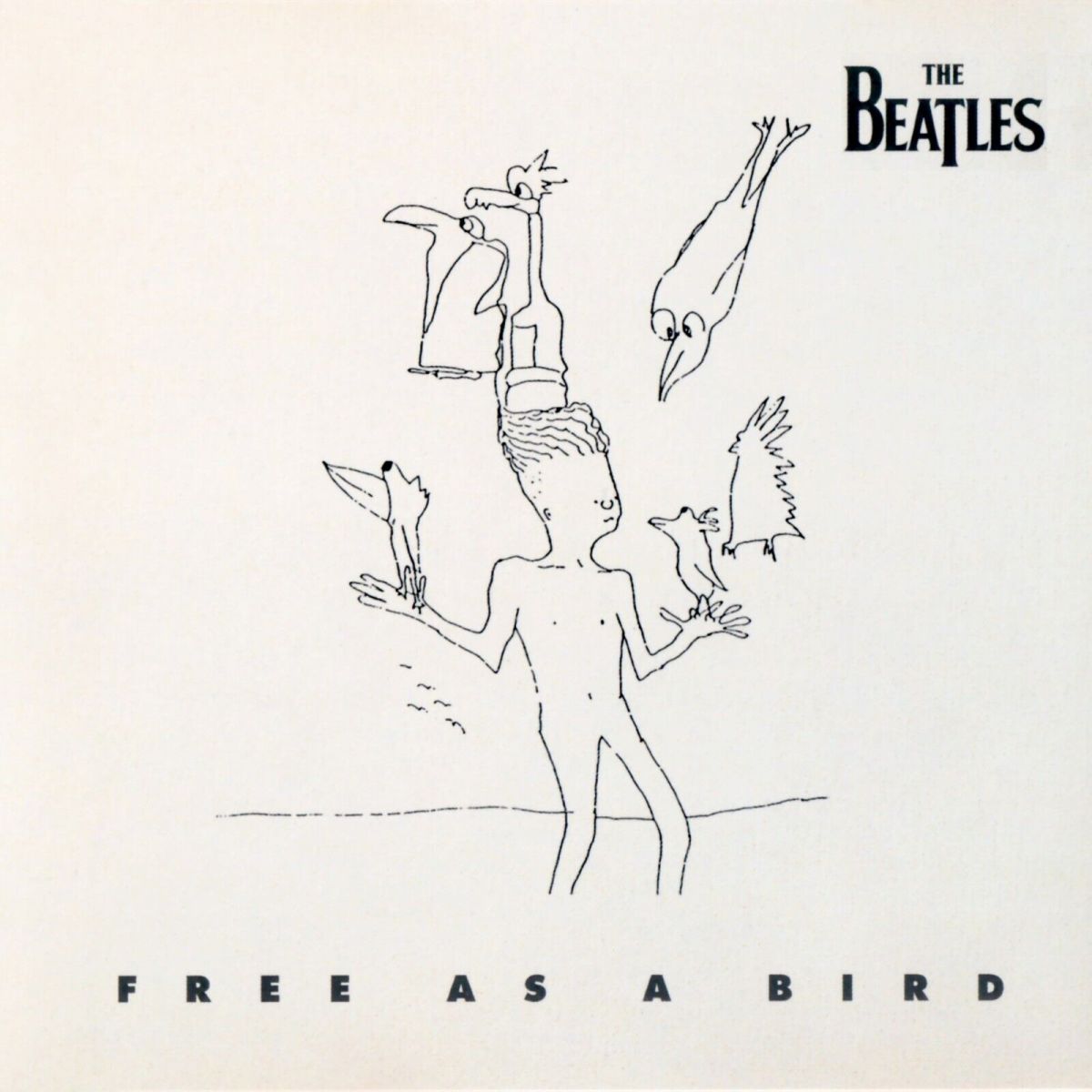
Beatles – Free As A Bird video

I wrote this for Dave’s Turntable Talk back in April. Now I’m glad I waited to post it myself. The Beatles have remixed the song (along with the Anthology) and smoothed out this great video. This is my favorite post-Beatles song they did.

Dave wanted us to pick a favorite video of theirs and tell us a bit about it, or why they love it. 

In the 1990s, I kept reading about the Beatles Anthology coming out and the three surviving Beatles getting back together to release some unheard-of older music as well as new. They would take a John Lennon demo and add something to it. This was beyond exciting for me. I was too young to remember a new Beatles song coming out.

It had an older feel, but sounded modern at the same time. George Harrison’s distorted guitar playing brought an edge to it. It even had a strange ending like some of their other songs. I got an early release of the Anthology CD from a friend of mine who worked in a record store, and he said…don’t tell anyone. I sat glued to Free As a Bird because for once I was listening to a new Beatles song… I was one year old in 1968, so I missed them when they were originally out. I liked the song and still do. I have talked to Beatles fans who don’t really like it that much, but the song has stuck with me. Real Love…the second release didn’t do as much for me because it was basically a solo John Lennon song.

Was Free As a Bird the best song in the Beatles’ catalog? No, not even close but just to hear something new was fantastic. The Anthology videos and CDs jump-started their popularity all over again…and it hasn’t stopped since then. I had cousins who were teenagers at the time who never had an interest in them until Anthology came out. All I could say to them was…I’ve told you for years.

The video of Free As a Bird is fantastic and still my favorite music video. It told their history through the different eras of their career. Every time I watch it I always notice something I didn’t notice before. I just wish they would go in now (and they did!) and smooth it out. In some spots, it can be a bit bitmappy, but it’s still great.

 Apple Corps commissioned the services of Joe Pytka, well-known in the U.S. industry for his TV commercials. His task was to assemble a video based on Iyrical themes from the band’s songbook.

‘Free As A Bird’ was the result of discussions between Pytka and his team, the three Beatles and Neil Aspinall, who agreed that archive film of the band members should be added into new footage shot in Liverpool, London and Los Angeles, bringing to life song titles like ‘Paperback Writer’, ‘Penny Lane’ and ‘She’s Leaving Home’.

Though the video has been described as a “post-production nightmare”, producer Vincent Joliet is more upbeat about the project. “It wasn’t easy but we did exactly what we set out to do. There weren’t many surprises on our part,” he said.

Location work began in Liverpool on October 23rd 1995. Joliet comments: “We shot the location scenes knowing that something was going to be added later. We had to find the right footage. With the accident scene, for example, we selected the best take and then looked at all the old footage for the shots of John’s head and body movements that would fit best. The post-production itself took about three weeks from the moment we finished the location shoots to the moment we delivered the tapes.

Little did he know that day in 1977 when John made a demo of a song idea on a cheap cassette recorder… it would be a future Beatle song. Not to mention that the tape itself would be part of the song.

The song did win a Grammy Award for Best Pop Performance by a Duo or Group with Vocal…

After reading the mixed reactions, one thing dawned on me. The Beatles did the right thing by not reuniting when John was alive. There is no way they could have made anything that would have lived up to the expectations of everyone…You cannot compete against a memory because you lose every time… But yea… I still would have loved to hear it.

Here is the new version of the video. Still not perfect but, it looks MUCH better!

Here is a cheat sheet from Beatlesagain.com

BEATLE REFERENCES IN “FREE AS A BIRD” VIDEO

***Obvious references***

:07 - portraits of Beatles as children on mantle (from left to right,

      John, George, Paul. Ringo in front)

:14 - more portraits (left to right, Paul, John, Ringo, George)

:38 - Beatles walk through dock workers

:48 - Cavern Club (club where Beatles played many shows before becoming

      famous)

:52 - Beatles performing at Cavern Club

1:06 - Strawberry Field ("Strawberry Fields Forever")

1:18 - Eggman appears ("I Am the Walrus")

1:27 - Beatles begin to walk off curb behind eggman

1:33 - Pretty nurse selling poppies from tray ("Penny Lane")

1:42 - Barber shop, with pictures of every head he's had the pleasure

       to know, including the Fab Four ("Penny Lane")

1:47 - Sign on wall reads "Help" ("Help!")

1:49 - Boy holds up hand to whisper to girl ("Do You Want to Know

       a Secret?")

1:50 - Ringo jumps from doorway

1:54 - Beatles stand by car

1:56 - Window has Beatles montage. First third looks like

       Anthology 1 cover.  Other panels may be covers of other two

       volumes. [They Are, ed.]

2:02 - Birthday cake ("Birthday")

2:02 - Cake has a 6 and a 4 on it ("When I'm Sixty-Four")

2:07 - George appears on street

2:13 - George walks into office (In reality, Apple headquarters) with

       sign that reads "Dr. Robert" ("Dr. Robert")

2:18 - Ringo runs by

2:22 - John in crowd scene at car wreck, craning neck while others

       turn away ("A Day in the Life")

2:26 - Car wreck of Tara Browne ("A Day in the Life" definitely, "Don't Pass Me By"

       possibly)

2:27 - Fire engine ("Penny Lane")

2:29 - Policemen in a row ("I Am the Walrus")

2:32 - Fireman ("Penny Lane")

2:38 - Helter Skelter slide (It looks like a lighthouse, but you can

       see the slide circling the building. "Helter Skelter," of course.)

2:38 - Kite ("Being for the Benefit of Mr. Kite")

2:42 - Children run by in pig masks ("Piggies")

2:43 - Someone enters house through window from ladder ("She Came in

       Through the Bathroom Window")

2:51 - Writer working at desk ("Paperback Writer")

2:54 - Beatles walk behind children in pig masks (It's small, but it's

       obvious it's them)

3:05 - Beatles on TV

3:06 - John sitting in chair

3:08 - Copy of Daily Mail on table ("Paperback Writer")

3:08 - Bowl of green apples (reference to Apple Corps, Ltd.)

3:08 - Box of Savoy Truffles sits on table (kind of hard to make out,

       but that's what it says: "Savoy Truffle")

3:10 - Picture of Chairman Mao in window ("Revolution")

3:13 - Workers repairing hole in roof ("Fixing a Hole")

3:13 - Blue Meanie pops his head through hole (the film

       "Yellow Submarine")

3:18 - Newspaper taxi appears ("Lucy in the Sky with Diamonds")

3:22 - Woman leaves home ("She's Leaving Home")

3:22 - Picture of Mao being carried across street ("Revolution"

       definitely, "Carry That Weight" possibly)

3:22 - John and Yoko waltz by (taken from film "Let It Be" and

       probably representing "The Ballad of John and Yoko.")

3:23 - Blue Meanie pops head up from out of sewer (the film

       "Yellow Submarine")

3:25 - Magical Mystery Tour bus passes in far background (Hard to see,

       but it's there)

3:31 - Big game hunter leads procession, including elderly lady and

       elephant, out of party ("The Continuing Adventures of Bungalow

       Bill," who always went hunting with his elephant and gun and

       always took his mum.)

3:33 - Ringo at table near door

3:45 - Brian Epstein begins to put on his scarf

3:47 - Head of Stu Sutcliffe on body of James Dean from "Sgt Pepper"

       cover

3:48 - Flowers, drum and tuba from "Sgt Pepper" cover

3:49 - H.G. Wells and Lawrence of Arabia from "Sgt Pepper" cover

       chat (I know other guests are supposed to be rest of people on

       the cover, but they aren't as clearly identifiable as these two)

3:58 - Eleanor Rigby headstone ("Eleanor Rigby")

4:00 - Priest walks from grave ("Eleanor Rigby")

4:01 - Sheepdog runs through cemetery ("Martha My Dear" definitely,

       "Hey Bulldog" possibly)

4:04 - Long and winding road in background ("The Long and Winding Road")

4:05 - Paul romps on hill ("The Fool on the Hill")

4:12 - Crosswalk from the cover of "Abbey Road"

4:14 - Meter maid with bag across her shoulder steps onto curb

       ("Lovely Rita."  She's definitely wearing a uniform and

       carrying a little white book.)

4:30 - Beatles walk into theater (taken from "A Hard Days Night")


***References with more than one possible interpretation***


:01 - Bird flying. (Interpretations range from "Blackbird" to

      "And Your Bird Can Sing" to "Norwegian Wood (This Bird Has

      Flown)" to even "Blue Jay Way." The flapping of the wings,

      though, sounds like the intro to the original version of

      "Across the Universe" which I think it's meant to represent.

      The entire concept of flying in the whole video could be

      taken to represent "Flying.")

1:27 - Children run by holding hands ("Lady Madonna" is most likely,

       but "I Wanna Hold Your Hand" is another possibility.)

1:45 - Woman appears in plastic-appearing coat (Some say, and I

       agree, that she is "Polythene Pam," but others have suggested

       she is "Sexy Sadie," or that her companion in the white coat

       is "Sexy Sadie." Since I can't locate a "Sexy Sadie" anywhere

       else in the video, I'll play it safe and place it in this

       category.)

1:53 - Couple kissing in car (may be banker on corner with a motorcar

       from "Penny Lane" or amorous couple from "Drive My Car." Most

       likely, though, it's "Why Don't We Do It  In The Road?")

2:45 - Sunflowers. (I lean toward saying they're "the flowers that

       grow so incredibly high" from "Lucy in the Sky with Diamonds."

       Other interpretations are "I'll Follow the Sun" (since that is

       what flowers do), "Sun King" and "Here Comes the Sun," hence

       its inclusion here.)

3:08 - Portrait of Queen Elizabeth II sits on floor ("Her Majesty" or

       portrait of the Queen from "Penny Lane," though it's hardly

       pocket-sized)

3:53 - Statue in cemetery turns head (Statue could be of the Madonna

       ("Lady Madonna") or could be Mother Mary ("Let It Be")


***Reference that may not actually *be* references***


1:18 - Marketplace (Could be reference to "Ob-La-Di, Ob-La-Da," but

       since I see no one with a barrow in the marketplace, I'm

       unconvinced.)

3:38 - Last boy in Bungalow Bill's entourage looks very much like

       Sean Lennon. Could be a cameo or just a coincidence.

3:50 - Sun through panes in roof (It's the only intentional shot of

       the sun in the whole video. It could be meant to represent

       "Here Comes the Sun," "Sun King," "Good Day Sunshine" or

       "I'll Follow the Sun.")

4:06 - Woman walks down road with suitcase (could be "She's Leaving

       Home," but since we already had that song done with the woman

       leaving home in the newspaper taxi at 3:22, would she need to

       appear again?)

4:06 - Car heads up long and winding road ("Drive My Car"? Not many

       other cars in video, and one of few that's moving)


and let us not forget ...


***The Voice***


4:36 - Voice at end of song. It sounds like backward masking, and it

       is definitely John's voice. Interpretations I've seen include:


       "Turned out well at the end"

       "There's that noise again"

       "Turned out nice again."


       Strangely, though, the backward tape sounds like John saying

       "My name is John Lennon" to me. It's possible the Fab Three put

       the tape on the end not only because it's a throwback to their

       backward tape use in the '60s, but also because it SOUNDS like

       "My name is John Lennon" when it's played backward.

On Any Sunday

Great documentary about motorcycle racing of all kinds. I still drool over these vintage motorcycles. For the early seventies, it gives you some fantastic footage of what it was like racing on a motorcycle. 

I love documentaries, but I wasn’t sure this one would interest me…but it did. I’m not a motorcycle guy, and I only rode some when I was a teenager, but this 1971 documentary kept me glued. I would recommend this to anyone, young or old. The longer I watched, the more I got hooked.

Steve McQueen is in this film, and he helped finance it because he believed in it so much. He is not in it a lot, but he was a gearhead. It was made by Bruce Brown, the same filmmaker who made “Endless Summer,” an excellent documentary about Surfing. Again, I’m not a surfer by any means, but it was also very interesting. I saw the surfing one first, and I got hooked, so I went to this one. It swapped out surfboards for motocross bikes, waves for dirt trails, and sandy blond beach bums for sunburned gearheads with calloused hands and battered helmets.

This film follows about every kind of motorbike competition you can think of…  it centers on off-road competition rather than road riding. While Steve McQueen was the draw and provided a lot of the backing to the film, the two main motorcyclists they follow are today’s leaders in their field. The two were Mert Lawwill and Malcolm Smith.

Mert was one of the early pioneers in the off-road bicycling world, having introduced the first production mountain bike. He also developed prosthetic limbs for amputees.

Malcolm owns a dealership and runs Malcolm Smith Racing, a producer of off-road rider equipment. Smith was inducted into the Off-road Motorsports Hall of Fame in 1978, the Motorsports Hall of Fame of America in 1996, and the Motorcycle Hall of Fame in 1998.

I gained a lot of respect for these men who gave their lives to this sport they loved. They traveled around the country with broken vehicles, raced with broken arms and backs to do something they loved without much pay. Brown didn’t over-explain anything. He just showed it. And that’s the charm. On Any Sunday, it doesn’t try to sell you the sport; it invites you to ride with them.

This documentary helped change the image of motorcyclists. There was a “sequel” to this documentary called On Any Sunday: The Next Chapter in 2014.

After watching it, I wanted a motorcycle really bad…But I let the thought pass by and got a Jeep instead. 

FULL MOVIE

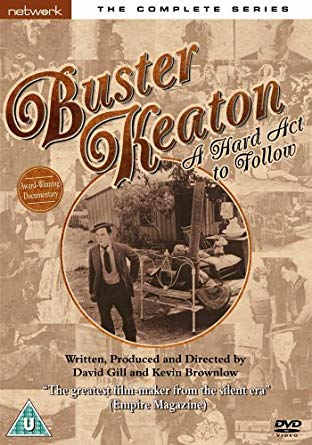
Buster Keaton: A Hard Act To Follow

Buster Keaton is one of my all-time favorite comedians, actors, and directors. He is also one of the best film makers I’ve seen. 

There are documentaries, and then there are love letters dressed up as documentaries. Buster Keaton: A Hard Act to Follow (1987) is very much the latter. Narrated and co-written by Keaton devotee David McGillivray and directed by Kevin Brownlow and David Gill (the same pair who did wonders with their Chaplin and Hollywood series), this BBC-produced trilogy doesn’t just trace the arc of a comedy legend it makes a strong case for Keaton being one of the most inventive minds in any medium, silent or not.

It is one of the best documentaries I have ever seen, not just about Buster but anyone. This documentary is interesting for fans and non-fans alike. I have watched it multiple times and showed it to friends to didn’t have much interest in silent movies and they ended up liking it.

Brownlow also worked on “Hollywood” (a 13-part history of the silent era that I reviewed), The Unknown Chaplin, and Harold Lloyd: The Third Genius. This is in my top 5 of documentaries to recommend to people. I just wish it were easier to get when I wanted to see it. I had to order it from Europe to get a DVD copy of this.  You can watch all of them now on YouTube, though...below!

Buster Keaton was not only a great comedian but also a great filmmaker. Some of his special effects in Sherlock Jr and other movies stand up today and that was made in 1924. I always thought that while Chaplin had the best comedy character…Keaton was the better filmmaker.

What sets A Hard Act to Follow apart is its rhythm. It’s tightly edited, gently scored, and clearly built by people who don’t just admire Buster Keaton, they get him. And more than that, they want you to get him, too. For my money, this is the best documentary ever made about a silent-era performer. It respects the intelligence of its subject and the curiosity of its audience. If you already love Keaton, this is the companion piece you didn’t know you needed. If you’re new to him, this might be your gateway to him.

Part One (From Vaudeville to Movies):

Covers his vaudeville childhood with his parents. Because of child labor laws, his parents would claim that Buster was an adult actor. They would dress Buster to look old. This part goes through Vaudeville and up until Buster meets Roscoe Arbuckle and starts his career in movies.

Related image

Part Two (Star Without a Studio):

Part Two sums up his great silent movies. He did not work in the studio system…Buster had free rein with his movies in most of the 1920s, working for Independent film executive Joe Schenck. Part two shows some of the best scenes from his silent movies until he had to join a studio (MGM) that along with his drinking, helped ruin his career.

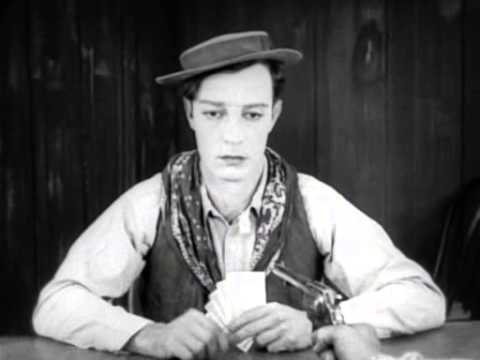
Related image

Part Three (Genius Recognized):

This part is the downfall and the comeback. Buster worked through the early thirties in some successful talkies, but by the end of the 30s, he was working as a gag writer. He was soon largely forgotten until he appeared in “Sunset Boulevard”, commercials, and TV. Buster was in a movie with Chaplin called Limelight in 1952. He began to be praised by historians, critics, and fans alike before he passed away in 1966.

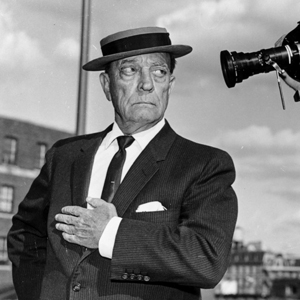
Image result for buster keaton 1965

There is a new Buster documentary out called ‘The Great Buster: A Celebration’ by Peter Bogdanovich that I have yet to see. I plan to watch it soon. Either way, this one will be hard to beat.

Below is Buster Keaton: A Hard Act to Follow…the complete series.

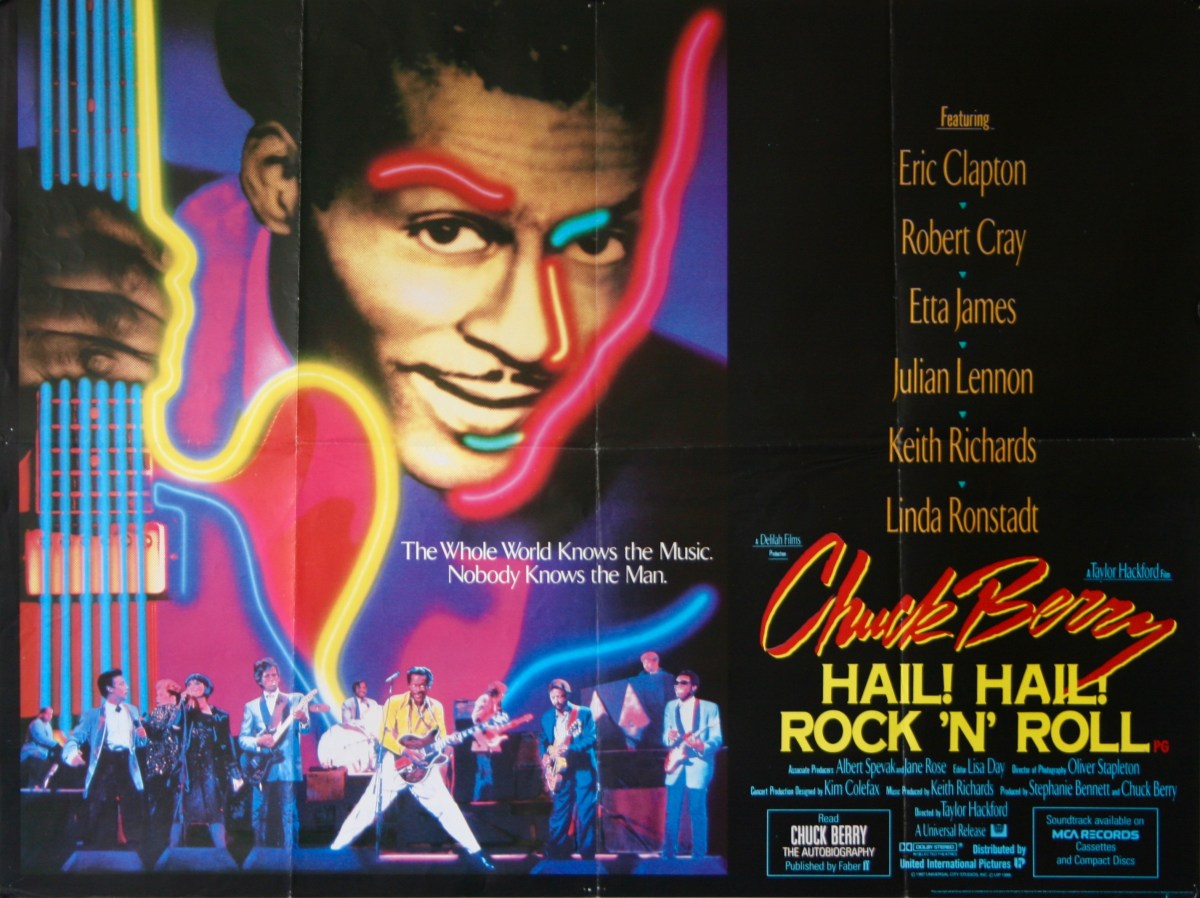
Hail! Hail! Rock ‘N’ Roll

This is one of the best rock and roll documentaries that’s out there. A great documentary and probably the best that Chuck has ever sounded. He had a hell of a band behind him, and his songs did the heavy lifting. Pure poetry-driven songs about life with a huge backbeat. The band was incredible… Keith Richards, Robert Cray, the great Johnnie Johnson (Chuck’s original piano player), Steve Jordan, Bobby Keys, Chuck Leavell, and Eric Clapton are guests on a few songs. More than Chuck or the band…  It’s a great showcase for those wonderful songs Chuck wrote for all of us. 

This documentary starts off in 1986 with Chuck Berry reminiscing about the Cosmopolitan Club, where he played in the earlier days. The film centers around Chuck Berry’s 60th birthday and Keith Richards assembling an All-Star Band to support Chuck in concert. Chuck had been touring since the 60s by traveling from town to town and playing with any pickup band he found. All he brought was his guitar. He would get paid with cash in a paper bag in many places. That was his motivation more than playing with a good band. Chuck could be very sloppy playing live, but he did keep that great feel.

Chuck could also be difficult, to say the least. Keith was determined that Chuck was going to be backed by a great band for this concert… Chuck was Keith’s idol, but Chuck seemed to want to give Keith as much trouble as possible. Richards says in the documentary that Chuck was the only man who hit him that he didn’t hit back. During the rehearsals for the song “Carol”, you can feel the tension in the air between the two.

Seeing Keith’s reaction to Chuck at times is worth the price of admission, and I’m glad Keith was persistent and patient and got this done. It’s great footage of Chuck playing his classics. The concert at the Fox Theatre ended up a success. Chuck sounded great, and so did the band. I will be forever grateful they did this show, and we get to see Chuck Berry at his best. 

During the documentary, there are some great comments by Little Richard, Bo Diddley, Bruce Springsteen, Jerry Lee Lewis, Willie Dixon, and more. Some of the artists that came on and sang were Etta James, Linda Ronstadt, and Julian Lennon. Chuck was a complicated man, but he was a poet as well. I can’t recommend this documentary enough. If you are a music fan you should like it. Chuck Berry may have influenced Rock and Roll more than anyone else.

My favorite story is from Bruce Springsteen. Bruce and the E Street Band volunteered to back up Chuck Berry for a show in the early seventies. Being Chuck’s temporary pickup band must have been nerve-wracking for musicians. Chuck didn’t tell them what songs he was playing or what key…this is Bruce’s quote “About five minutes before the show was timed to start, the back door opens and he comes in. He’s by himself. He’s got a guitar case, and that was it, I said ‘Chuck, what songs are we going to do?’ He says, ‘Well, we’re going to do some Chuck Berry songs.’ That was all he said!”

Below is the video. it’s not extremely clear but watchable.

The Paisley Underground Music Scene

I contributed this to Dave’s Turntable Talk series. He wanted us to write about a musical scene. I picked The Paisley Underground Music scene. 

I first picked the 80s Minnesota scene that produced bands like The Replacements, Hüsker Dü, The Suburbs, and Soul Asylum. It’s no secret that The Replacements are my favorite 1980s band but I’ve always been interested in the Paisley Music Underground Scene from Los Angeles that had some great music. Instead of listening to Thriller or Purple Rain…you would hear these artists that sounded like the 1960s bands that I always preferred. It was the same as REM when they began with their jangling guitars.  “Paisley Underground” was a moniker that helped music journalists describe their sound, which didn’t fit the New Wave or Rock.

I didn’t find out about this music scene until around 2020 or so. I was looking at a CD set called Children of Nuggets: Original Artyfacts from the Second Psychedelic Era, 1976–1995. The first version of Nuggets covers mostly the 1960s and Graham from Aphoristical Album Reviews is going through each song and he probably introduced the album to me.

I looked up the history of a band named Green On Red and found out they were part of this scene in Los Angeles in the 1980s. I wish I had known about it in real time because I would have been listening.  The scene started in Los Angeles in the early 1980s, the music was a blend of psychedelic rock, folk-rock, and garage-rock influences from the 1960s, mixed with a little punk. The scene’s name reflected its retro-psychedelic sound, with “paisley” referencing the design patterns often associated with 60s fashion.

This scene was full of talent with bands like Rain Parade, The Dream Syndicate, Green On Red, The Long Ryders, Mazzy Star, The Creeps, True West, Game Theory, and others. The Bangles were undoubtedly the most successful band to come out of that group of bands. That really surprised me because there were some very talented bands in this. 

The most known band to come out of it was The Bangles. You hear 1960s artists’ influence like The Byrds, Love, The Velvet Underground, and The Zombies. Many of the bands would contribute to each other’s albums and sometimes form sidebands out of two or three bands. 

All in all…the scene lasted until around 1990. Many of the bands started to break up around that time…even the Bangles. If you like 1960s music…look up some of the bands that I mentioned. I only wish some mainstream stations would have taken a chance and played them more. Many of them would have fit in the mid to late 1960s to early seventies.

The beauty of this music was that it was not a retro-forced sound…it sounded totally organic. 

Bigfoot

No, it’s not a new or old rock band. I have posted on many icons and events of the 1960s-1970s but never really concentrated on this big fellow. 

I know as a kid…Bigfoot was part of the culture and kids thought yea…he is real. Native American legends tell of large, hairy human-like creatures that have been part of Indigenous cultures across North America for centuries. Many tribes have their own names and variations of Bigfoot, each with distinct characteristics and significance.

The most famous film clip was the Patterson-Gimlin footage from 1967.

 Jeffery Meldrum is a professor of anatomy and anthropology at Idaho State University, and he’s known for being one of the few academics to openly study Sasquatch. “It’s all so easy to say, ‘Obviously that’s a man in a fur suit.’ Until you see it up against a man in a fur suit.” 

The National Geographic documentary Mystery 360: Bigfoot Revealed, where they went absolutely all-out to try and recreate the Patterson-Gimlin bigfoot with modern technology (suit and all…) but ultimately couldn’t. Before this documentary, everyone assumed there was someone with a gorilla suit. 

No matter how real the subject in the film appears, how much muscle movement you think you see, or how unhuman they claim the gait is, the subject has no corroborating specimen, and can therefore be no more than a question mark. The film has always been, is, and likely always will be an unsettled controversy. 

In 2003 Bob Heironimus, a retired Pepsi bottler from Yakima, Washington came out and said that he played Bigfoot in the film. “It’s time to let this thing go. I’ve been burdened with this for 36 years, seeing the film clip on TV numerous times. Somebody’s making lots of money off this, except for me. But that’s not the issue — the issue is that it’s time to finally let people know the truth.” Heironimus, 63, makes his full “confession,” as he calls it, in a published book by paranormal investigator Greg Long. He also wanted money from the film and filed a suit but it never went anywhere. 


Tom Malone, a lawyer in Minneapolis, on behalf of Bob Gimlin, an associate of the now-dead Bigfoot filmmaker. “I’m authorized to tell you that nobody wore a gorilla suit or monkey suit and that Mr. Gimlin’s position is that it’s absolutely false and untrue.” And the mystery lives on . . .

Many have broken the film down frame by frame and investigating it. It’s really interesting. 

I remember on television that some shows featured Bigfoot. The Six Million Dollar Man featured Bigfoot and don’t think we were all watching at the time. There has been many documentaries on him and movies including Harry And The Hendersons. We cannot forget the monster truck Bigfoot. 

Bigfoot is part of our popular culture and will probably always be but I would guess he peaked in the 1970s. 

The Stabilized Clip


Gordon Lightfoot – The Wreck Of The Edmund Fitzgerald

I want to thank Dave at A Sound Day… he wanted us to pick one song we liked that’s about reality – either a real event or a real person, and tell us about it.

As a kid riding in my sister’s car going to one of her friends at the time…I heard this and I liked it right away. It was 1976, and I was 9 years old, so my sister went out and bought the single. I wore this one out and tried to look up the real story in our encyclopedias, but unfortunately, they were published in 1967. 

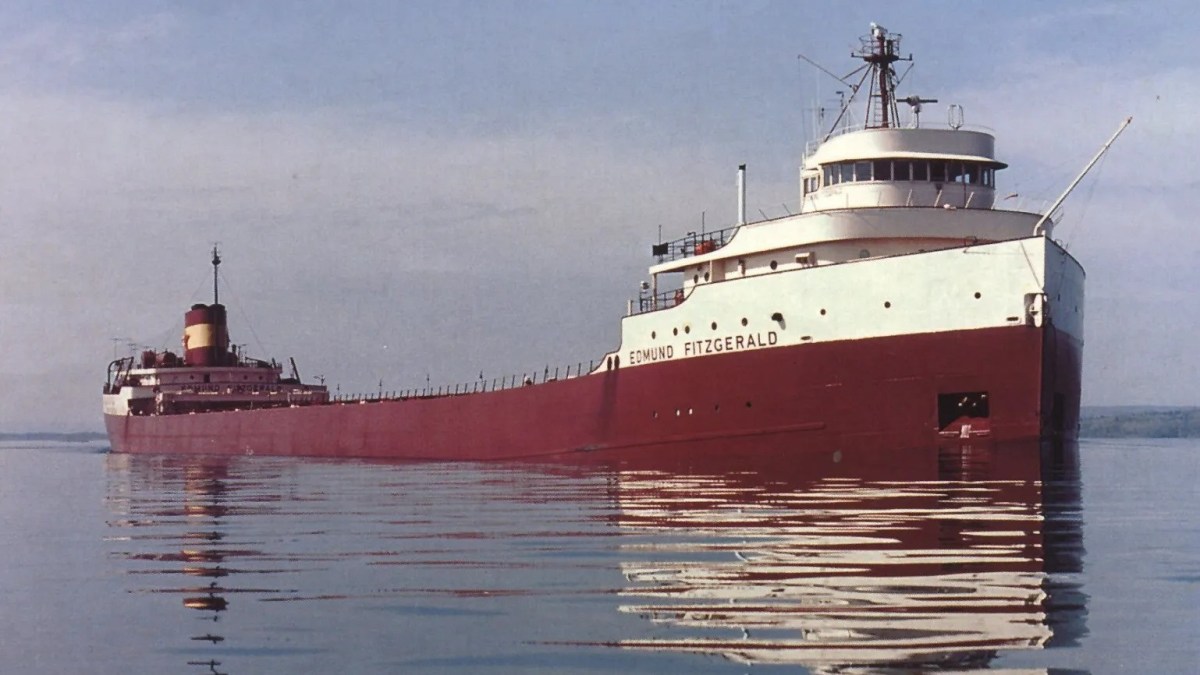
A song that was, unfortunately, a true story. It was written and performed by Gordon Lightfoot. The Edmund Fitzgerald was an American Great Lakes freighter that sank in a Lake Superior storm on November 10, 1975.

This is a factual retelling of a shipwreck on Lake Superior in November 1975 that claimed the lives of 29 crew members. On November 10, 1975, the S.S. Edmund Fitzgerald broke in half and sank in Lake Superior. The storm she was caught in reported winds from 35 to 52 knots, and waves anywhere from 10 to 35 feet high.

The ship was loaded with 26,116 tons of taconite pellets at the Burlington Northern Railroad, Dock #1. Her destination was Zug Island on the Detroit River. 29 crew members perished in the sinking. The tragedy of Edmund Fitzgerald had a huge impact on maritime safety regulations. It led to changes in shipping practices on the Great Lakes, including more accurate weather forecasting, monitoring, and requirements for lifeboat drills and onboard survival equipment.

The cause of the ship’s sinking remains a subject of speculation and debate. Different theories suggest factors such as structural failure, sudden shoaling, topside damage from the storm, or water intake through damaged hatches. The U.S. Coast Guard and National Transportation Safety Board conducted investigations, but a definitive conclusion was never reached.

In 1976, a dive to the wreck site, located at a depth of about 530 feet, confirmed that the ship had broken in two. Later dives and sonar mapping further documented the wreck, but never gave a clear explanation for the rapid sinking.

The song released in 1976 peaked at #1 in Canada and #2 on the Billboard 100. It did peak at #1 on Cash Box. The song was on his album Summertime Dream

Gordon Lightfoot: “The Edmund Fitzgerald really seemed to go unnoticed at that time, anything I’d seen in the newspapers or magazines were very short, brief articles, and I felt I would like to expand upon the story of the sinking of the ship itself,”  “And it was quite an undertaking to do that, I went and bought all of the old newspapers, got everything in chronological order, and went ahead and did it because I already had a melody in my mind and it was from an old Irish dirge that I heard when I was about three and a half years old.”

“I think it was one of the first pieces of music that registered to me as being a piece of music,” he continued. “That’s where the melody comes from, from an old Irish folk song.”

Gordon Lightfoot: “When the story came on television, that the Edmund had foundered in Lake Superior three hours earlier, it was right on the CBC here in Canada, I came into the kitchen for a cup of coffee and saw the news and I said ‘That’s my story to go with the melody and the chords.”

For those interested…I have a bio of the event at the bottom.

The Wreck of the Edmund Fitzgerald

The legend lives on from the Chippewa on downOf the big lake, they called Gitche GumeeThe lake, it is said, never gives up her deadWhen the skies of November turn gloomyWith a load of iron ore, twenty-six thousand tons moreThan the Edmund Fitzgerald weighed emptyThat good ship and true was a bone to be chewedWhen the gales of November came early

The ship was the pride of the American sideComing back from some mill in WisconsinAs the big freighters go, it was bigger than mostWith a crew and good captain well seasonedConcluding some terms with a couple of steel firmsWhen they left fully loaded for ClevelandAnd later that night when the ship’s bell rangCould it be the north wind they’d been feeling?

The wind in the wires made a tattle-tale soundAnd a wave broke over the railingAnd every man knew, as the captain did too‘Twas the witch of November come stealingThe dawn came late, and the breakfast had to waitWhen the gales of November came slashin’When afternoon came, it was freezin’ rainIn the face of a hurricane west wind

When suppertime came, the old cook came on deck sayin’“Fellas, it’s too rough to feed ya”At seven p.m., a main hatchway caved in, he said“Fellas, it’s been good to know ya”The captain wired in he had water comin’ inAnd the good ship and crew was in perilAnd later that night when his lights went outta sightCame the wreck of the Edmund Fitzgerald

Does anyone know where the love of God goesWhen the waves turn the minutes to hours?The searchers all say they’d have made Whitefish BayIf they’d put 15 more miles behind herThey might have split up or they might have capsizedThey may have broke deep and took waterAnd all that remains is the faces and the namesOf the wives and the sons and the daughters

Lake Huron rolls, Superior singsIn the rooms of her ice-water mansionOld Michigan steams like a young man’s dreamsThe islands and bays are for sportsmenAnd farther below Lake OntarioTakes in what Lake Erie can send herAnd the iron boats go as the mariners all knowWith the gales of November remembered

In a musty old hall in Detroit, they prayedIn the Maritime Sailors’ CathedralThe church bell chimed ’til it rang twenty-nine timesFor each man on the Edmund FitzgeraldThe legend lives on from the Chippewa on downOf the big lake, they call Gitche GumeeSuperior, they said, never gives up her deadWhen the gales of November come early

Band – The Last Waltz

Happy Thanksgiving! Watching The Last Waltz is just as part of Thanksgiving as the meal with the family…that and listening to Alice’s Restaurant.

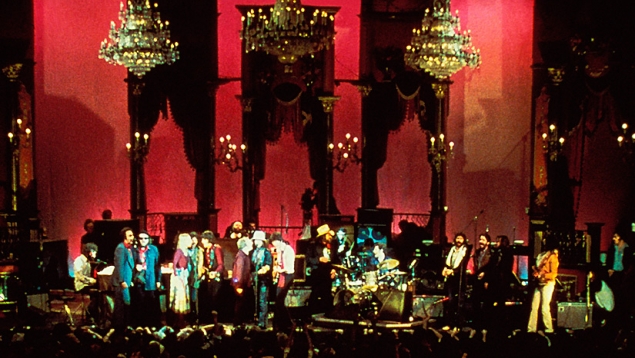
The Band on Thanksgiving in 1976 at Winterland. The film starts off with THIS FILM MUST BE PLAYED LOUD! A cut to Rick Danko playing pool and then it then to the Band playing “Don’t Do It”…the last song they performed that night after hours of playing. Through the music and some interviews, their musical journey and influences are retraced.

This film is considered by many the best concert film ever made. It was directed by Martin Scorsese. I love the setting with the chandeliers that were from the movie Gone With The Wind. The quality of the picture is great because it was shot with a 35-millimeter camera which wasn’t normally done with concerts.

Before the Band and guests hit the stage, Bill Graham, the promoter, served a Thanksgiving dinner to 5000 people that made up the audience with long tables with white tablecloths.

The Band’s musical guests included

Ronnie Hawkins, Bob Dylan, Neil Young, Dr. John, Paul Butterfield, Van Morrison (my favorite performance), Joni Mitchell, Eric Clapton and Muddy Waters

The Staple Singers and Emmylou Harris also appear but their segments were taped later on a sound stage and not at the concert.

Robbie wanted off the road earlier and that is what the Last Waltz was all about…the last concert by The Band with a lot of musical friends. He was tired of touring and also the habits the band was picking up… drugs and drinking. Richard Manuel, in particular, was in bad shape and needed time.

The rest of the Band supposedly agreed but a few years later all of them but Robbie started to tour as The Band again. Richard Manuel ended up hanging himself in 1986. Rick Danko passed away in 1999 at the end of a tour of a heart attack attributed to years of drug and alcohol abuse. Levon Helm died of cancer in 2012.

The Band sounded great that night and it might be the best version you will ever hear of The Night They Drove Old Dixie Down.

The Last Waltz is a grand farewell to a great band and a film that I revisit at least twice a year… once always around Thanksgiving.

The complete concert is at the bottom…without cuts.

Brothers At Arms – John and Tom Fogerty

We all know the great album Brothers in Arms from Dire Straits, but sometimes those brothers are “at arms” rather than in them. In this part of the mini-series Randy, from mostlymusiccovers.com, talks about the “Rock ‘Em Sock ‘Em” Siblings of the Fogerty brothers from Creedence Clearwater Revival.

“Proud Mary” written by John Fogerty was CCR’s first big hit single peaking at #2.

Tom was the elder of the two brothers, he was born in 1941 (1990) and John was born in 1945, now age 78. They were born in Berkley but grew up in El Cerrito, California. Tom signed a record contract in 1959 but had little success in terms of recording a hit. John and his band would eventually provide backing to Tom and this led to the creation of the Golliwogs where John and Tom shared lead vocals. By the time Credence Clearwater Revival (CCR) had formed in 1967, John had stepped to the forefront as lead singer, guitar player, and principal songwriter.

That is Tom on the left and John on the right.

CCR would go on to what is now regarded as legendary success. Between 1968 and 1970 they released six albums, two of them charting #1. They still hold the record for having five songs reach #2 without ever having a #1 on the Billboard Hot 100.

Tom left the band early in 1971 to pursue a solo career. CCR would release just one more album Mardi Gras in 1972 but had recorded two of the songs before Tom left. There is no evidence that things got physical but they argued a lot and the tension was high.

Tom’s departure leads us further into the discussion about the feud between him and John was more than just that. As with any break-up, there are two sides to every story, and with this one, there are at least 5 sides, the most notorious falling out suffice to say is with John and their former boss at Fantasy Records, Saul Zaentz. I won’t get too much into that story today and most will be familiar with Zaentz taking control of the CCR music and also controlling the copyright and the infamous lawsuits. I discussed this in a post back in 2018.

John admittedly was so bitter he stopped playing music for almost 10 years. Some years after the nasty split up of CCR, Fogerty recorded two songs aimed squarely at Zaentz, “Zanz Kant Danz” and “Mr. Greed”. John would eventually emerge victorious over the lawsuits brought by Zaentz and his own subsequent countersuit.

For Tom’s part, he clearly sided with Zaentz. Early on Tom was named in the lawsuit against John and at one time referred to Zaentz as his “best friend”. The band, including Tom and Zaentz had their money invested and got a tip to pull out, they didn’t tell John and he lost almost everything. At the heart of the trouble was that Tom left CCR as he felt John had taken control of the band. This I think, is a fair statement. John wrote most all of the lyrics and the music. Certainly for all their big hits. He had the best and most distinctive voice, and at lead guitar was the best musician.

As a band member, Tom in all honesty could not, and did not do better. At their height, they were one of the most successful Rock bands and history has certainly born that out. An estimated 50 million in record sales in about five years is nothing to sneeze at. John as a solo artist has almost doubled that number.

“Have You Ever Seen the Rain”, words and music by John Fogerty and the last hit single before the departure of Tom from the band.

Now I am not saying John is blameless for the falling out, I am sure he might have handled things better, but his ego I think would get in the way. But there may have been little he could have done. Tom’s actions in many ways seem born of jealousy. He decided to leave CCR. I understand his reasoning, he felt he had some good songs and he wanted to sing lead on them, John felt that the band was doing just fine with the way things were, and he wasn’t wrong. Despite the success John brought to CCR, it seems after the breakup it was John that got the cold shoulder from everyone.

Once the band split a year or so later the acrimonious relationship(s) only got worse, with John at the center and Tom and the others all playing a part.

As mentioned, Tom would embark on a solo career with his first album charting at #78 which is the best he would do. I did hear Tom in an interview say that had he been able to do things over, he would not have left the band. John did contribute some guitar tracks on Tom’s Zephyr National (1974). John also attended Tom’s wedding in 1980 and a high school reunion in 1984, and at both they jammed a bit.

John released Blue Ridge Rangers (1973) which charted at #47 and then in 1975 his album John Fogerty had the hit single “Rockin’ All Over the World” that peaked at #27. The weight of the various lawsuits and his admitted bitterness over the feud with Tom and the others led him to withdraw from the business. He was actually barred from playing any CCR songs for several years.

Over the years that followed John made some attempts to reconcile, motivated more for their mother’s benefit. Tom would receive an HIV-contaminated blood transfusion after back surgery and the ensuing complications would lead to his eventual death in 1990. Truly tragic.

The brothers never did reconcile and for John’s part, he says he has forgiven Tom.

Alone in the Wilderness…documentary

If you ever watch something I recommend…please give this short one-hour film a chance.  Someone brought a DVD of this for me to watch around 7 years ago. I thought it was going to be boring. I ended up watching it twice in one sitting. It will draw you in. I watch it at least once every year or two. 

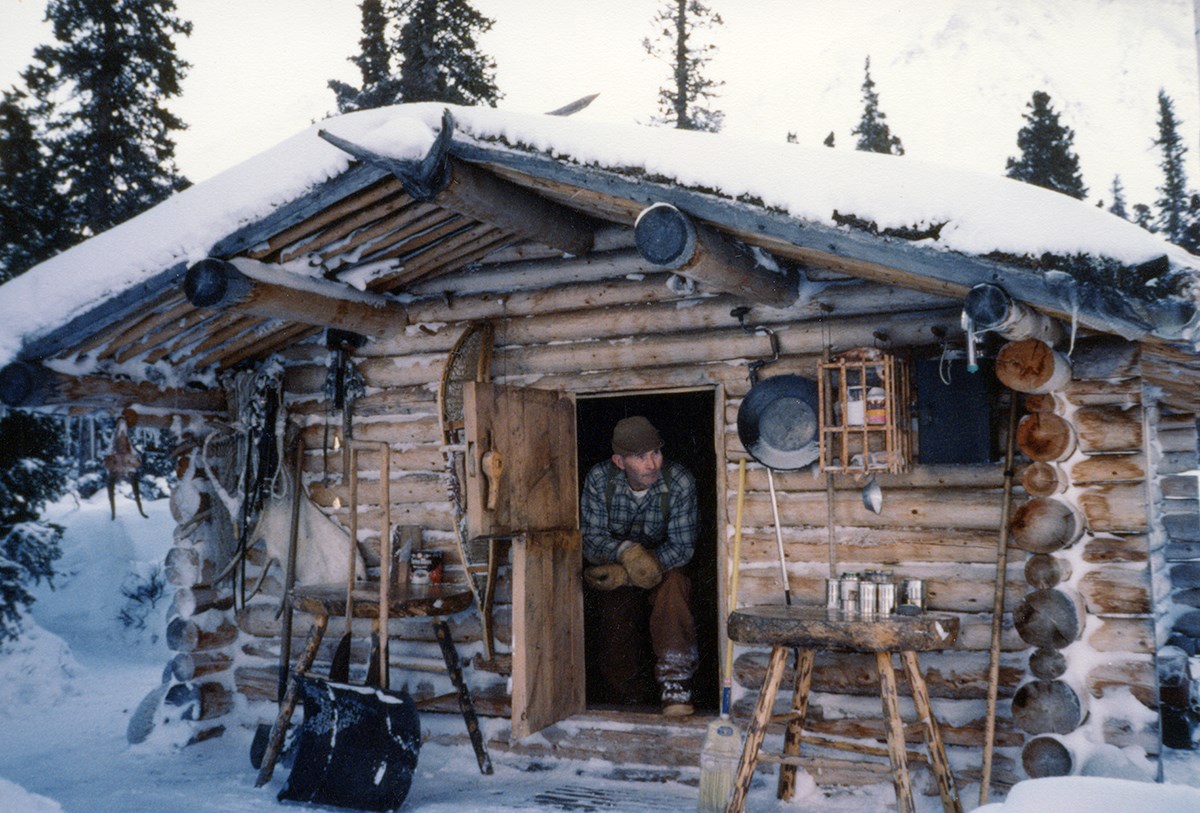
A 50-year-old man named Dick Proenneke is in Twin Lakes Alaska in 1968 and films himself building a retirement cabin. He starts out by staying in a friend’s cabin. He starts gathering wood and making some of the tools he uses as he goes.  This man…is a real man. if he needs a spoon…he starts carving himself out one. He builds this cabin and makes everything including wood hinges for the door. He also made hinges out of his tin containers. He gathers rocks from somewhere down the lake and brings them back… then he starts building his chimney.

He is by himself and sets up the camera everywhere he goes. He goes out fishing when he is hungry and hunting for meat for the winter only taking what he needs. He uses just what he needs and doesn’t take more from nature than he could use. He makes almost everything from scratch. He uses his tin canisters for different things. He buries one and covers for a refrigerator. The only help he receives is a pilot friend who lands every now and again to deliver supplies. He was a master craftsman, to say the least.

He also filmed all the wildlife around. Rams, wolves, bears, birds, and Caribou. He also gets some great shots of the area around Twin Lakes. The snowy mountains were breathtaking. 

It doesn’t sound that special but I have watched it at least 6 more times since the night I watched it twice… sometimes showing it to other people. He makes it look so easy. He filmed enough to have a few more short documentaries which were released but nothing matches that first one. This man made me feel like a mouse, a kid, a beginner, a slouch. He is so talented and tough.

He ended up staying there until 1999 alone and then left to live with his brother at age 82. Dick passed away at 86 in 2003. The cabin is still there and is on the National Register of Historic Places. People come from all over the world to visit it. 

I wish YouTube had the complete documentary but they don’t. I watch modern YouTube videos of people visiting the cabin now. They see his cache in the back, his sled, and all the cabin parts. You see him in 1968 building those items. Like I said earlier, there are more documentaries on him but start with this one. This one is great. I’ve never had someone tell me they were disappointed in it. 

The cabin now

Here is the first 9:34 minutes or so

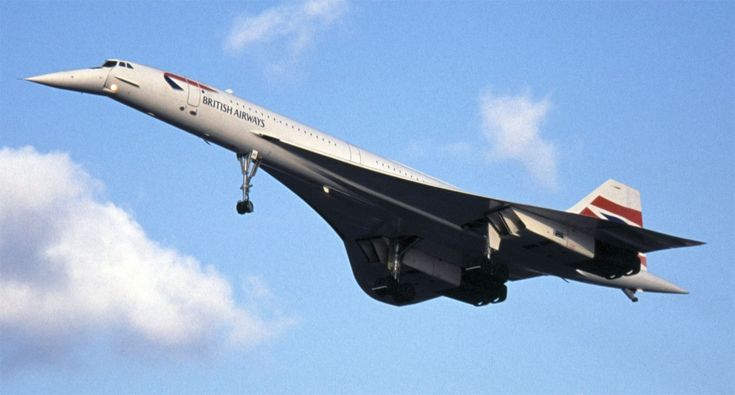
The Concorde

When I started this blog…I had no idea that I would concentrate on single songs. I was going to cover pop culture and I did at the beginning more. I would like to get one in every now and then.

Today… everything seems to be bigger, stronger, and faster. That isn’t true though with a certain passenger airplane. A flight from New York to London now will take around 7 hours and 35 minutes to 8 hours and 10 minutes long. How fast would that flight be in the 1970s on the Concorde? That would take you a cozy three-and-a-half hours. The fastest flight was two hours and fifty-two minutes. It would travel at 1,354 mph. It was more than twice the speed of sound.

I’m not a huge airplane guy but this aircraft fascinated me and I always wanted to ride on one. The nose cone would come down so the pilots could see the runway…it looked like something from a Scifi movie. It would reach Mach 2 between London and New York. I would see pictures of it as a kid or on the news and I thought it was the coolest plane I’d seen. I probably still do. I do remember complaints about the sonic boom.

In November 1962, the British and French governments signed a treaty to jointly develop the Concorde. The Concorde prototype made its maiden flight on March 2, 1969. After some more prototypes, they tested and made modifications, including addressing issues with noise, fuel efficiency, and environmental impact. received its airworthiness certificate in 1975, with the first commercial flights beginning on January 21, 1976, by British Airways and Air France.

There was a plan for a Concorde-type supersonic plane in the US called a Boeing 2707. It would have gone 3 times the speed of sound and held 277 passengers compared to the 100 passengers the Concorde held. It was too expensive to build and was called “the most expensive aircraft never built.” Here is a picture of a 1966 mock-up of the 2707.

Boeing 2707
Boeing 2707

In 1977, it cost £431 to fly one way onboard Concorde between London and Washington. Adjusted for inflation, that’s about £2,200 ($2,800) in today’s money. However, fare prices gradually went up, and by 1996, a roundtrip across the Atlantic would generally be priced at around $12,500 in today’s money. So it was very expensive. The meals and service were great but it was cramped inside compared to other airplanes at the time. It was also noisy…

All together… two prototypes, two pre-production aircraft, two development aircraft, and 14 production aircraft for commercial service. All of them except the two pre-production builds are preserved in museums.

This all leads us to why the Concorde is in museums now and not in the sky. The price, noise, and it was so expensive to operate. Every hour in the sky had to have 22 hours of maintenance. Also on July 25, 2000, the Concorde crashed. It was shortly after takeoff and 109 people died onboard plus 4 on the ground. That was its only crash. They did go on until 2003 but officially retired the plane that year.

A New York Times writer wrote this about the food served. “What followed the coffee was a breakfast of fresh papaya, guava, pineapple, strawberries and mangoes, croissants and brioche that might have come from a Paris bakery, a pretty good approximation of eggs benedict and a soufflé Gruyère, all washed down with Piper‐Heidsieck Cuvée Diplomatique. The china, of course, was Limoges.”

This video shows the take-off from inside the plane by a passenger.

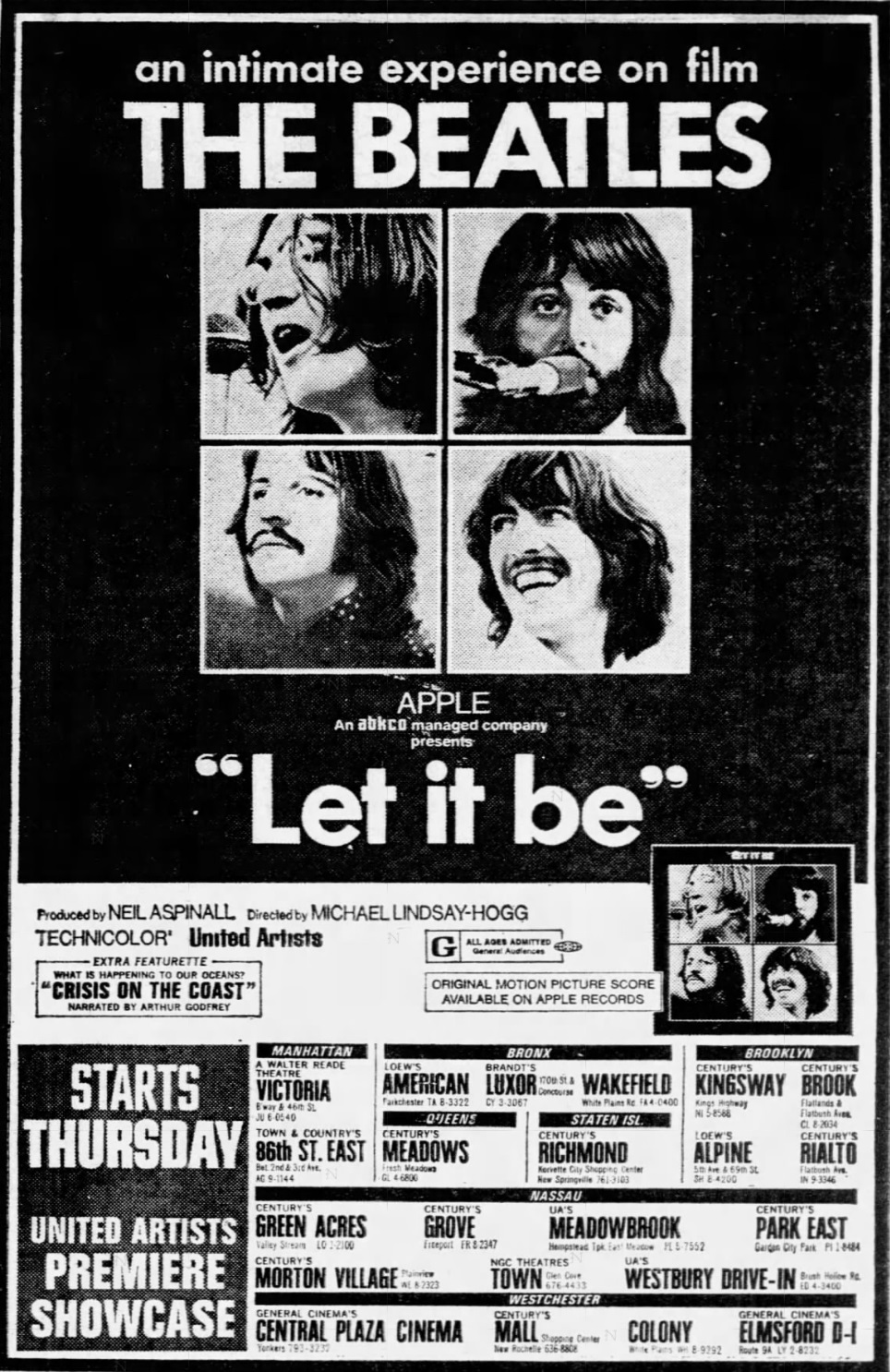
Beatles new Let It Be video

Apple has released a clean version of the Let It Be film. Today they dropped a new video of the song Let It Be. I have had this movie since the 80s but you could only get a terrible quality version. This video shows how clear it will be as in The Get Back film a few years ago.

My only complaint is I wish the Let It Be version would have included George’s distorted solo.

This is the video of the title song they just released today.

Here is a comparison

Here is the trailer

The short Featurette