The Peanuts were my favorite cartoon growing up and I would never miss their Thanksgiving, Halloween, and Christmas specials. Everyone can relate to Charlie Brown because we lose more than we win in life. He doesn’t get to kick that football, his dog has more things than he does and he is forever trying to get the elusive little redhead girl to notice him.
The Peanuts inhabit a kids world where grownups are felt but not heard. At least not in English.
This 1965 special has everything good about them in one show.
The gang is skating and Charlie Brown is telling Linus that despite Christmas being a happy time he is depressed. Linus tells Charlie that is normal and Lucy pipes in with “Of all the Charlie Browns in the world, you’re the Charlie Browniest.” That sums it all up.
Charlie gets to direct the Christmas play and his main job was to get a spectacular Christmas tree under Lucy’s orders. …He picks the only real tree there…more like a branch but he is sure it will do the job. Most of the gang do not agree when he comes back with the tree but Charlie persists. Linus gets up and reads from the Bible and the inflection he lends to the reading is great.
After that, you will need to watch because it will be worth it.
Aluminum Christmas trees were marketed beginning in 1958 and enjoyed fairly strong sales by eliminating pesky needles and tree sap. But the annual airings of A Charlie Brown Christmas swayed public thinking: In the special, Charlie Brown refuses to get a fake tree. Viewers began to do the same, and the product was virtually phased out by 1969. The leftovers are now collector’s items.
Actors and Actresses The early Peanuts specials made use of both untrained kids and professional actors: Peter Robbins (Charlie Brown) and Christopher Shea (Linus) were working child performers, while the rest of the cast consisted of “regular” kids coached by Melendez in the studio. When Schulz told Melendez that Snoopy couldn’t have any lines in the show—he’s a dog, and Schulz’s dogs didn’t talk—the animator decided to bark and chuff into a microphone himself, then speed up the recording to give it a more emotive quality.
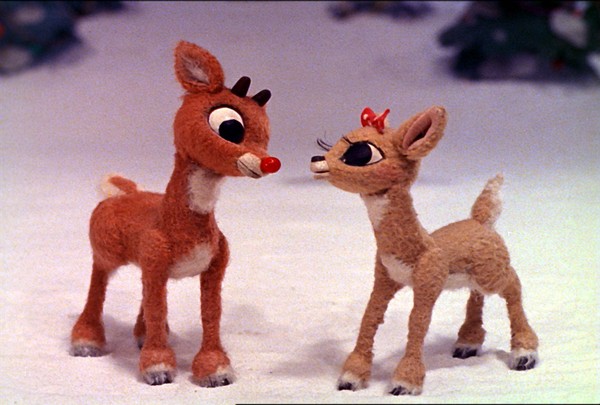
Watching Rudolph the Red-Nosed Reindeer every year is the same as setting up the tree. Every year I would look forward to seeing this along with the others but what a fantastic durable show this has been. When I hear Burl Ives in anything…I think of him as the narrator Sam the Snowman of this program.
The characters are wonderful. Well except those other young reindeer who really come down on Rudolph when his nose lights up.
Hermey the elf who wants to be a dentist Clarice – The reindeer who likes Rudolph just as he is red nose and all. Yukon Cornelius the prospector who loves silver and gold and has a tongue that can find his silver and gold. Abominable Snowman – The bad guy of the show who only needs a dentist to make him a good guy. Head Elf – He leans on Hermey to get his elf self-act together and discourages him from being a dentist…I never liked him too much.
Throughout the special, Yukon Cornelius is seen throwing his pickaxe into the ground, taking it out and licking it. It turns out that he is checking for neither gold nor silver; Yukon was actually searching for an elusive peppermint mine. In a scene right at the end of the special’s original broadcast, deleted the next year to make room for the Misfit Toys’ new scene, Cornelius pulled his pick from the ground, licked it and said, “Peppermint! What I’ve been searching for all my life! I’ve struck it rich! I’ve got me a peppermint mine! Wahoo!” The scene was restored in 1998 and has been reinstated in all the subsequent home video release except for the 2004 DVD release. However, this scene is still cut from recent televised airings.
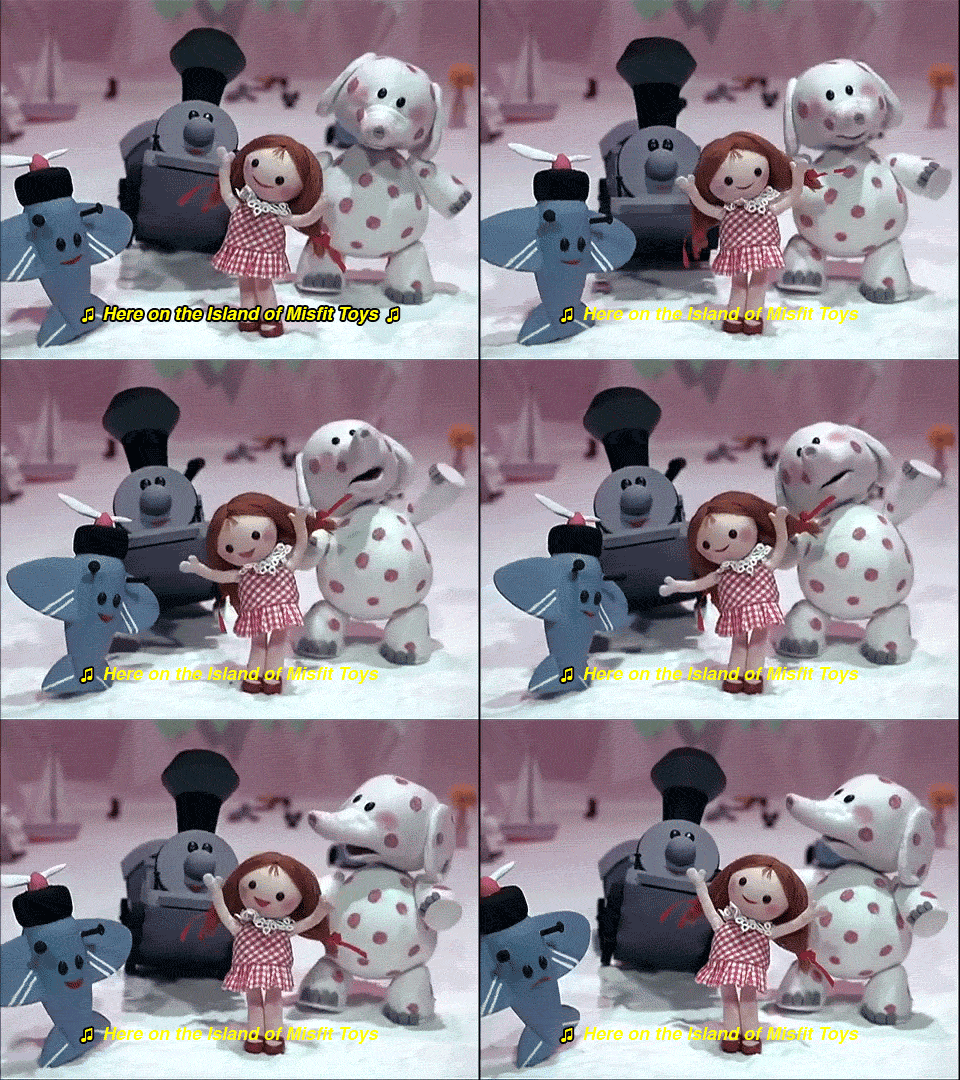
The Island of Misplaced Toys got to me when I was a kid. I really felt sorry for these lonely toys. King Moonracer was over the island and tried to convinced Rudolph to tell Santa about them so he could pick them up and find kids who would play with them.
The original 1964 airing did not include the closing scene where Santa picks up the misfit toys. That scene was added in 1965, in response to complaints that Santa was not shown fulfilling his promise to include them in his annual delivery.
The stop animation in this works really well.
The songs are really good. Silver and Gold, Holly Jolly Christmas, Jingle Jingle Jingle, We Are Santa’s Elves, There’s Always Tomorrow, We’re a Couple of Misfits and The Most Wonderful Day of the Year.
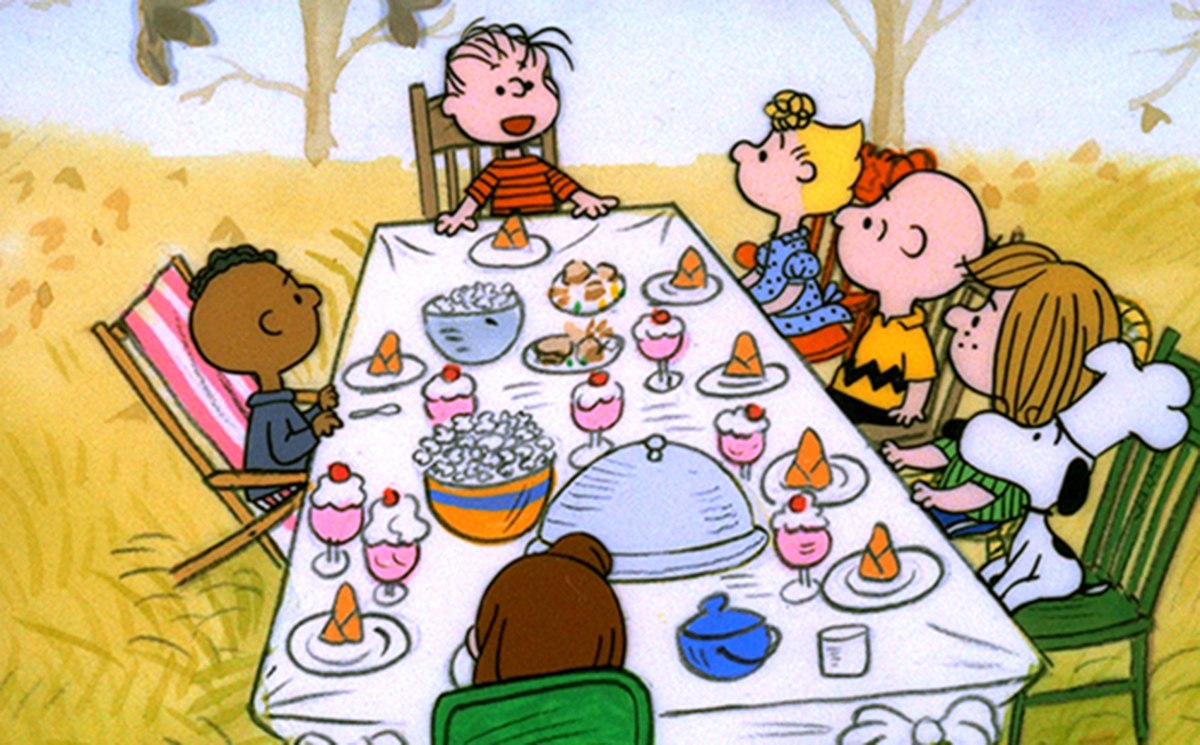
This first premiered on November 20, 1973, on CBS and won an Emmy Award. Great Thanksgiving special as always with the earlier Peanuts.
The Halloween, Thanksgiving, and Christmas Peanuts specials I always looked forward to. The way their world was only for kids where grownups were heard but only as noise in the background.
It starts off with Lucy tempting Charlie Brown with that football. Just one time I wanted to see Charlie kick the football…or Lucy at times.
It’s Thanksgiving and Peppermint Patty invites herself and Marcie over to Charlie Brown’s house but Charlie and Sally are ready to go to their grandmothers. Charlie talks to Linus and he suggests having two Thanksgiving dinners.
The only thing Charlie can come up with is feeding his friends toast and cold cereal which does not make Peppermint Patty happy whatsoever. She lets Charlie have it bad until Marcie remind her that she invited herself over.
Not going to give it away for those who have not seen this wonderful holiday cartoon. The music by Vince Guaraldi is excellent and makes every Peanuts cartoon special.
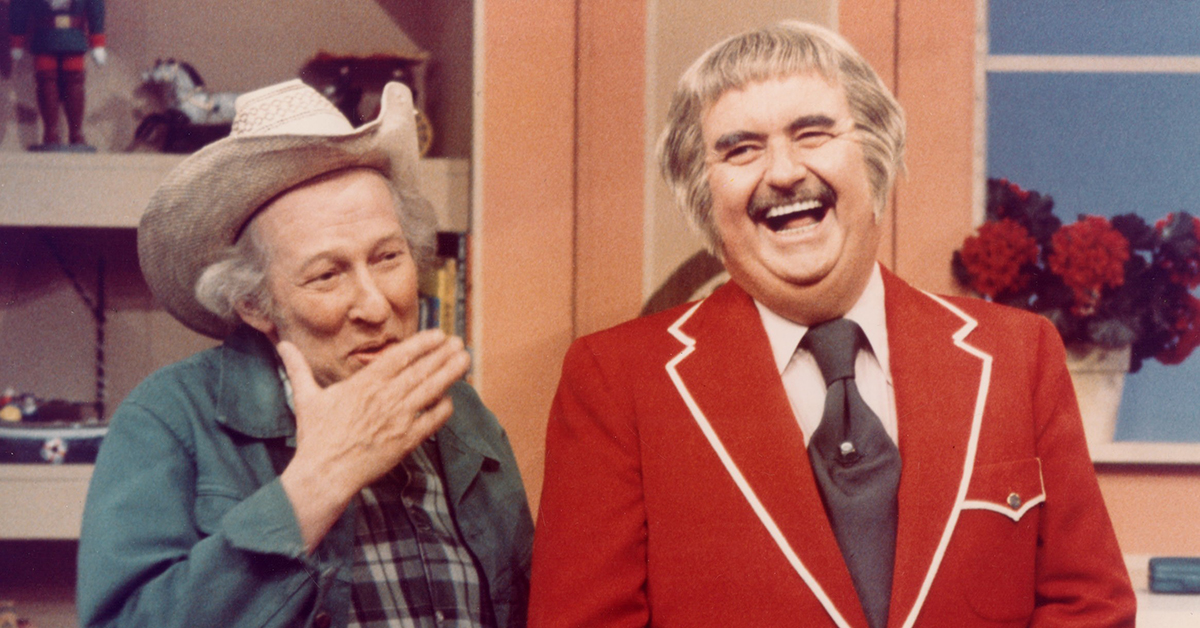
Bob Keeshan played Clarabell on the Howdy Doody Show. In 1955 CBS offered Keeshan his own children’s show, which became Captain Kangaroo. Captain Kangaroo ran from 1955 to 1984. The show spanned many generations of kids during that time.
Keeshan was Captain Kangaroo and every morning I would look forward to seeing The Captain, Mr. Green Jeans, Bunny Rabbit, Dancing Bear, and Mr. Moose. I knew that Mr. Moose was setting the Captain up for the ritual ping-pong drop on the Captain’s head that never got old.
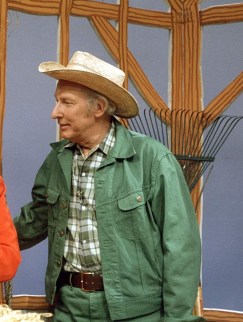
Mr. Green Jeans (Hugh Brannum) would have different animals at times to show. He also portrayed the Professor, Greeno the Clown, the New Old Folk Singer, and Mr. Bainter on the show.
The Painter was played by Gus “Cosmo” Allegretti who also handled the puppets and Dancing Bear.
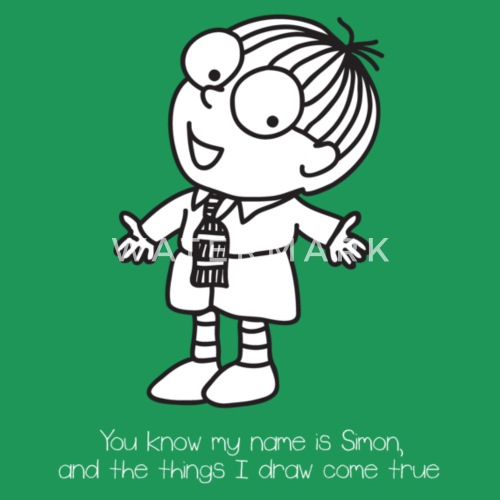
One one of my favorite sections was the cartoon “Simon in the Land of Chalk Drawings” that would appear on some shows. Simon had a magic blackboard and anything he drew became real.
Mr. Moose could be a slight smart aleck so I did like him. He also hung out with Bunny Rabbit and the Dancing Bear.
Captain Kangaroo’s place with his cast of characters was a nice place to visit as a kid.
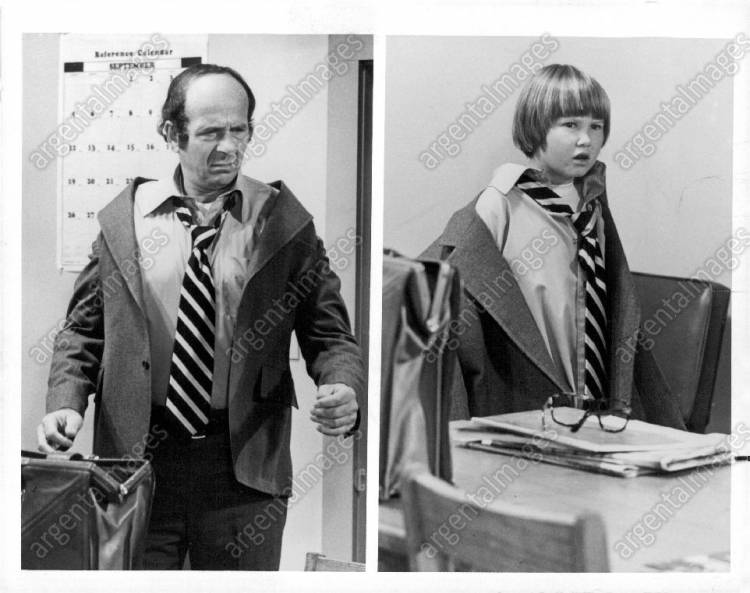
After taking a sip from a fountain of youth, John Martin changed from a 45-year-old school teacher to a 12-year-old. Because he only took a sip, the change was not permanent but the change was reoccurring and Martin had no control as to when the change would occur.
John’s secret was only know to his immediate family and to explain the appearance of the 12-year-old John, they claimed he was their nephew. Throughout the series, John tried to find a cure for his predicament, but he was unsuccessful in his attempts. (http://www.70slivekidvid.com/bjlj.htm)
The show also featured Joyce Bulifant who appeared on Matchgame many times. I’ve only met a handful of people who actually remember the show.
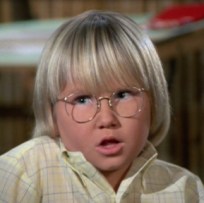
This Saturday morning series was only on for one season 1976. It only lasted for 13 episodes. I liked the fountain of youth stories (especially now!) and I really liked the show at 9 years old. It starred Herb Edelman as Big John and Robbie Rist as Little John. Robbie Rist was the infamous cousin Oliver in the Brady Bunch. Robbie looked like a miniature John Denver to me… and grew up to be a musician…and actor.
Below the Big John, Little John intro video… is a tv commercial from the same time that shows my favorite EVER peanut butter spread…Koogle…I loved the Banana flavor.
Koogle Peanut Butter spread…I wish they would bring it back…probably was the worst thing for you but it was so good. I loved the banana flavor.
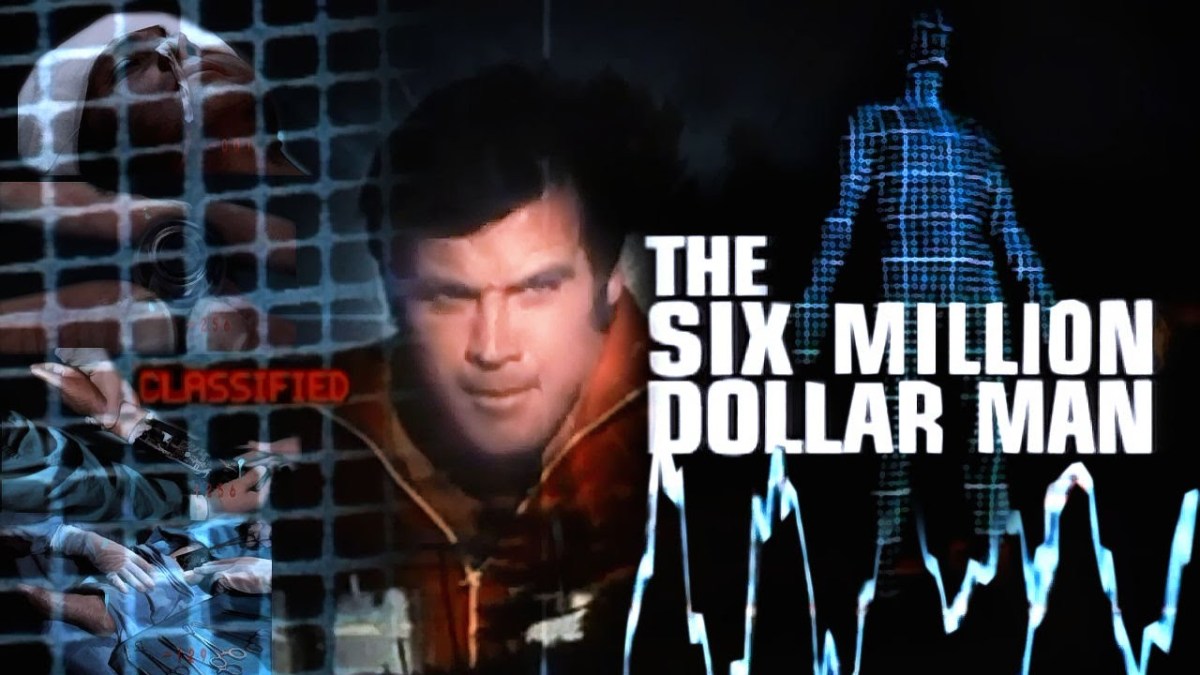
Voice #1: It looks good at NASA One Voice #2: Roger Voice #1: B.C.S. Arm switch is on Steve Austin: Okay, Victor Voice #2: Lighting rods are armed. Switch is on. Here comes the throttle Circuit breakers in Steve Austin: We have separation Voice #2: Roger Voice #1: Inboard and outboards are on. I’m comin’ forward with the side stick Voice #2: Looks good Voice #1: Uh, Roger Steve Austin: I’ve got a blow-out in Damper Three! Voice #2: Get your pitch to zero Steve Austin: Pitch is out! I can’t hold altitude! Voice #1: Correction, Alpha Hold is off. Turn selectors–Emergency! Steve Austin: Flight Com, I can’t hold it! She’s breaking up! She’s break– (Impact) Rudy Wells: Steve Austin, astronaut–a man barely alive Oscar Goldman: Gentlemen, we can rebuild him. We have the technology. We Have the capability to make the world’s first bionic man. Steve Austin will be that man Rudy Wells and Steve Austin: Will be that man Oscar Goldman: Better than he was before: better, stronger, faster
So began one of the biggest television shows of the mid-seventies. Steve Austin, astronaut (Lee Majors) was in a terrible accident in an experimental aircraft. He was near death and operated on and he had parts replaced such as two bionic legs, bionic eye, and a bionic arm. Steve Austin was essentially a superhero. He could lift and toss around almost anything, he had an eye with super focus and night vision and he could run up to 60 mph and jump 2-3 stories. He worked for the Office of Scientific Intelligence (OSI) with Oscar Goldman as his boss. The Oscar character was popular also.
Oscar Goldman
The series was on for 5 seasons (99 episodes) 1974-1978 with 6 TV movies…with the last one coming in 1994.
The show had a huge impact on kids. We would imitate him at school and with kids in the neighborhood. We would also imitate the noise that was made when he did some terrific stunt (da da da da da da da). Back in the seventies, some of us kids thought this would really work.
Merchandising was huge for the show. Everything from lunch boxes and running shoes to children’s eyeglasses through to jigsaws, coloring books, comic books, trash cans, slide viewers, board games and bedsheets. I don’t have the statistics on the most merchandised tv show in the 1970s but this show has to be near the top. A little later on Star Wars would take merchandising it to another level.
The merchandising didn’t stop with Steve Austin either. Lindsey Wagner (Jamie Sommers) stared as the Bionic Woman and out came the merchandise again. Jamie was Steve’s girlfriend and they went skydiving and Jamie’s parachute malfunctioned and Steve asked Oscar Goldman to use bionic parts on her to save her. Her body rejected them but she pulled through and ended up and working for the OSI also.
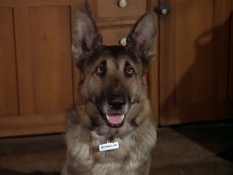
The Bionic Woman lasted three seasons with 58 episodes airing from 1976 – 1978. In the final season, a bionic dog was introduced named Maximillian. There was a thought of another spinoff show with Maximillian but it did not happen. The dog could run 90 mph and bite through steel…Maybe it was good they drew the line.
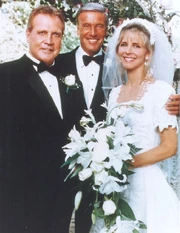
In the 1994 TV Movie, “Bionic Ever After” Steve and Jame ties the knot.
For millions of years, Earth was fertile and rich; then pollution and waste began to take their toll. Civilization fell into ruin. This is the world of the Twenty-Fifth Century; only a handful of scientists remain, men who have vowed to rebuild what has been destroyed. This is their achievement: ARK II, a mobile storehouse of scientific knowledge, manned by a highly trained crew of young people. Their mission: To bring the hope of a new future to mankind.
Ark II was a television program produced by Filmation as part of their Saturday Morning live-action children’s block on the CBS network in The ’70s, along with Shazam and The Secrets of Isis. It follows the adventures of a group of Science Heroes who travel through post-apocalyptic landscapes in a highly advanced mobile laboratory, trying to rebuild human society after pollution has decimated the world. Fifteen episodes were produced in 1976, though it continued to run in syndication until 1979. (https://www.metv.com/lists/13-super-live-action-saturday-morning-kids-shows-of-the-1970s)
Ark II was another Saturday Morning show that I really liked. This show better writing than some of the other Saturday morning live-action shows. It showed what pollution would do to the earth beyond our generation. The real reason I liked it was because of the mobile ark and the devices and gadgets they used….and Ruth (Jean Marie Hon)!
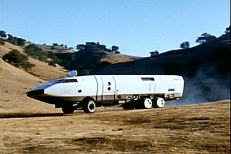
You had a monkey who could talk, the cool roamer, a jetpack, and a robot in a post-apocalyptic land…and did I mention Ruth?
The Cool Ark Ruth A Young Helen Hunt
The Roamer…wonder where it is today?
Some Saturday Morning Commercials while we waited for Ark II
“O my Queen,” said the Royal Sorcerer to Hatshepsut, “with this amulet, you and your descendants are endowed by the Goddess Isis with the powers of the animals and the elements. You will soar as the falcon soars, run with the speed of gazelles, and command the elements of sky and earth.”
3000 years later, a young science teacher dug up this lost treasure, and found she was heir to — The Secrets of Isis!
JoAnna Cameron played the beautiful Andrea Thomas/ Isis. It was hard for an eight-year-old not to like her. Whenever the character Andrea Thomas was in trouble or needed to help someone she would wear the amulet and look up and say “Oh Mighty Isis” and out came the white outfit and Isis.
Like Shazam! it was a low budget show aimed at kids teaching life lessons. Isis was part Wonder Woman and part Bionic Woman. My favorite episodes were the ones that had Captain Marvel and Isis teamed up with each other.
The show aired in 1976-77 and had a total of 22 episodes. It was also part of the Shazam!/Isis Power Hour.
Chosen from among all others by the immortal elders – Solomon, Hercules, Atlas, Zeus, Achilles, Mercury – Billy Batson and his mentor travel the highways and byways of the land on a neverending mission: to right wrongs, to develop understanding, and to seek justice for all! In time of dire need, young Billy has been granted the power by the immortals to summon awesome forces at the utterance of a single word!
The show aired from 1974 thru 1977 and was on CBS. Captain Marvel seventies style. The series had a grand total of 28 episodes.
I would watch this show right after Land of the Lost (Which I think was the best-written Saturday morning show) A live-action superhero show! I would get up early on a cold Saturday morning and lay on the floor with my blanket over the heating vent and watch Saturday Morning shows.
The show starred Michael Gray as Billy Batson. He traveled with an older man named “Mentor” played by Les Tremayne. They traveled in their motorhome and helped people in need. when trouble came Billy would say “SHAZAM!” and turn into Captain Marvel and save the day. but not before he talked to the “Elders” Solomon, Hercules, Atlas, Zeus, Achilles, and Mercury.
It was a low-budget show aimed at kids teaching life lessons. You won’t see Captain Marvel taking on super villains but at the time it was a fun fantasy tv show. Between 1975-1977 it was part of the super Shazam/Isis Power Hour.
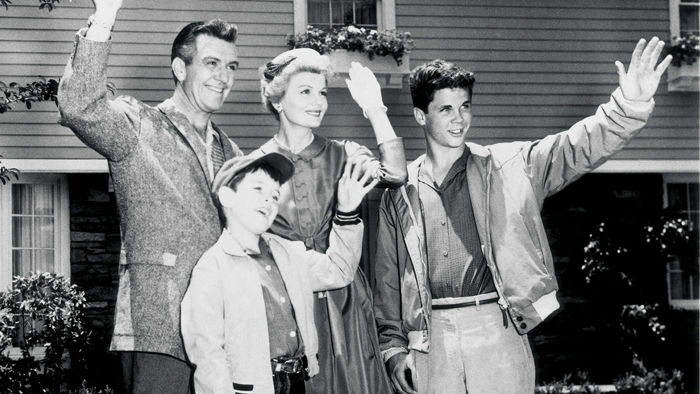
Last winter I binge watched some Leave It To Beaver episodes. I remember watching them as a child in the afternoons in syndication. My wife and I were watching them and I was thinking to myself it would probably not age too well. I was pleasantly surprised.
The show really had some good writers. They caught kids being kids and it holds up today minus the cell phones, video games, and modern distractions. They do catch how kids think and feel and also parents. Yea sometimes it could be a little too perfect but the writers would surprise me… Eddie Haskell. The name has lived on beyond the show. Everyone knows an Eddie Haskell.
In one episode the boys are playing basketball and June Cleaver is making sandwiches for them all. Eddie tells Mrs.Cleaver that he is allergic to mayonnaise. June doesn’t like Eddie and it’s clear in this episode…what does she do? She loads Eddie’s sandwich up with mayonnaise.
In another episode, the Cleavers get new neighbors and the wife of the neighbor kisses Beaver…Eddie tells him the husband is going to get Beaver back for kissing his wife. Later on, Beaver asks Ward a question about kissing women. This was more for the adults.
Theodore Cleaver:Dad, you’re a married man, aren’t you? Ward Cleaver:Yeah, I think we’re safe in assuming that. Theodore Cleaver:And Mom’s a married woman, isn’t she? Ward Cleaver:Oh, yes. Theodore Cleaver:Have you ever kissed any other married woman besides Mom? Ward Cleaver:Well… now, Beaver, why would you ask a question like that? Theodore Cleaver:I’m just wondering. Ward Cleaver:Well, actually son, No. Theodore Cleaver:I guess you were scared to, huh? Ward Cleaver:Yeah, that’s as good a way as any to sum it up, I guess. Theodore Cleaver:I guess a guy could get in a lot of trouble doing that, huh? Ward Cleaver : [a wistful smile crosses Ward’s face] He sure could.
The Beaver had a great friend in Larry Mondello. Larry was on the show for a few seasons and then left. Larry would sometimes leave Beaver holding the bag but for the most part, he was good to him. On the other hand, his friends Gilbert and Whitey would trick the gullible Beaver. Again we have all known Gilberts and we have all had a Larry Mondello friend.
This show gets made fun of at times but after watching some as an adult…it is a solid and well-written show and the choices they make work for today also.
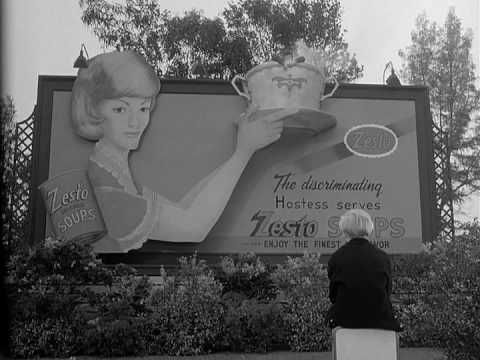
My favorite episode? In The Soup… Whitey again tricks the Beaver into climbing into the Billboard soup bowl.
If you want to know why and how Saturday Night Live came to be…this is the book. It covers the first 10 years of the show but is primarily about the first 5 years and the one terrible year after the classic cast left. It was written by Doug Hill and Jeff Weingrad and they interviewed practically everyone connected with the show and it is surprising on how objective they are throughout the book.
Working on the show was/is not for the thin-skinned. It was rough and no one was spared…not even the stars at first. The book goes into detail about how the show started a pattern of work that continued through the decades. The troubles the female writers went through trying to do their job. The endless drugs that fueled many of the all-night writing sessions.
The atmosphere could be very sexist, insulting and aggressive. Michael O’Donoghue was the key writer and gave SNL the edge but he could be difficult. When he left the show he was missed. When the original cast, writers, and Lorne Michaels left, Jean Doumanian took over the show for a year. Things didn’t go well, to say the least. The book details the transition then to Dick Ebersol.
The show went from an ensemble show trying new ideas to a star-driven formulaic show under Ebersol. Maybe the show was destined to do that anyway and it would never be the same again.
I’ve read a few books on SNL but as far as the creation and original cast…this is the one to go to.
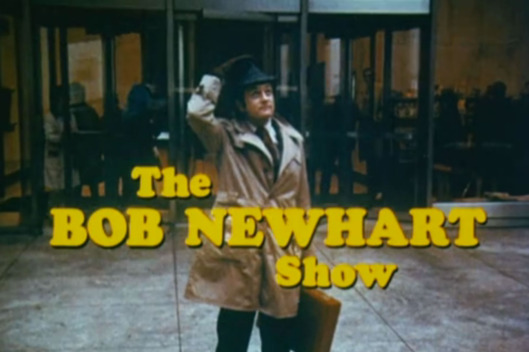
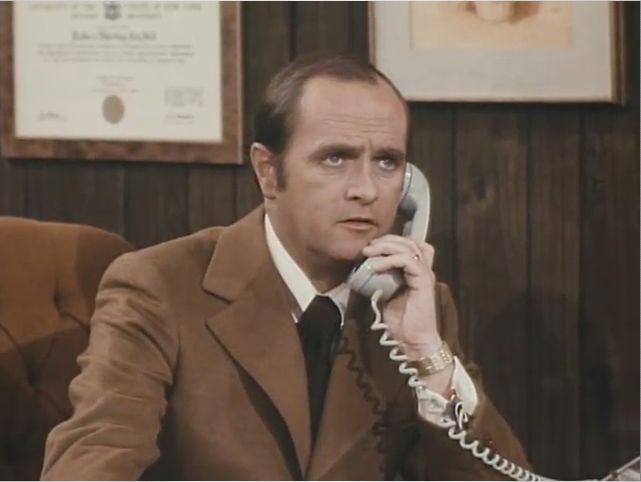
Probably my personal favorite sitcom of the seventies. It would not be rated as the best by many people or critics…I just like Newhart’s dry sense of humor. Bob Newhart also was in a sitcom in the 80’s called “Newhart” that was set in Vermont that sometimes people confuse with this show.
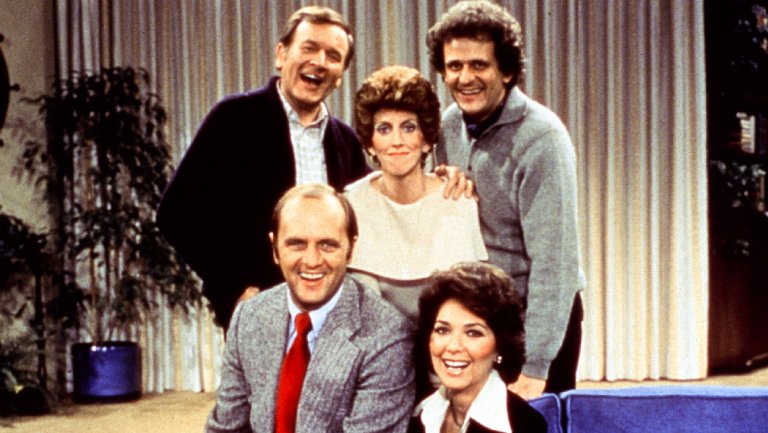
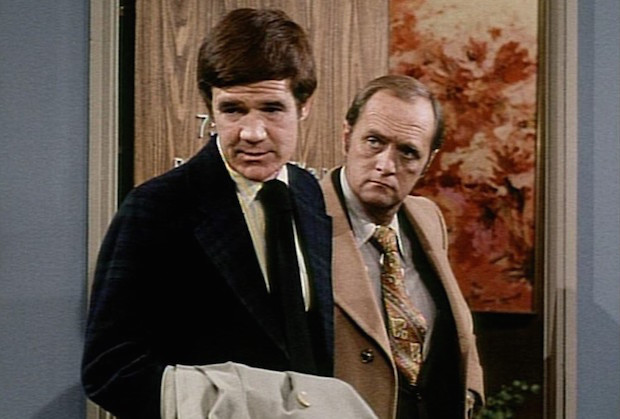
This show was set in Chicago with Bob playing psychologist Bob Hartley. He lived with his wife Emily Hartley in an apartment complex. He worked in an office building with a receptionist named Carol and an Orthodontist name Jerry. There is also a neighbor named Howard Borden…who sometimes can be just a little too out there (or dumb) but he is more like Bob and Emily’s child at times.
The show ran from 1972 – 1978 with 142 episodes. It was never a Nielson Rating giant despite following the Mary Tyler Moore Show but it was in the top 20 in it’s first few years.
A college drinking game originated from this show. Every time you heard “Hi Bob” you would consume alcohol…sounds like a better time than Yahtzee.
The show’s plot takes place usually in three different places. Bob at home with Emily, Bob with his patients, and Bob with Carol and Jerry. Elliot Carlin was a patient of Bob’s and the most pessimistic character I ever saw on a sitcom. He thought the worse of people and himself and often would puncture Bob’s optimism.
This show was part of CBS’s Super Saturday night lineup that featured All In The Family, The Jeffersons, The Mary Tyler Moore Show, The Bob Newhart Show and then The Carol Burnett Show. All of those shows are remembered today.
It is a smartly written sitcom…the two episodes I would recommend is “Motel” in season 2 episode 2 and the classic episode “Over the River and through the Woods” season 4 episode 11.
If you like a dry sense of humor this show is for you. Some trivia about the show, the bedspread, and sheets in Bob and Emily’s bedroom were designed by Suzanne Pleshette. She designed bedding for JP Stevens Utica brand.
The Bob Newhart Show might be the driest American sitcom to ever attain anything like major success. While the show was buoyed by running after The Mary Tyler Moore Show for much of its run, making it more of a beneficiary of a good time slot than a breakout hit, in some ways, Bob Newhart has aged even better than that series. Mary Tyler Moore was more historically important, but the center of the show is the uneasy tension arising from the increased entry of women into the workplace in the ’60s and ’70s, which gives the series a certain quaintness in 2014. Bob Newhart—produced by MTM Enterprises, the studio behind Mary Tyler Moore—is about the perils of trying to lead a mentally sound and fulfilling life in the morass of modern society. It’s a subject that will never go out of fashion—even if the series’ ’70s trappings and outfits seem occasionally ridiculous.
The Bob Newhart Show has gotten even more modern in tone with the passage of time, an unusual trick for a TV show. The complete series, collected on DVD for the first time by Shout Factory recently, centers on the home and work lives of Dr. Bob Hartley (Newhart), a Chicago psychologist whose life is rigidly defined by dealing with his patients—both individually and in the group therapy sessions that became a famous source of jokes for the show. The personalities at his office—orthodontist Jerry (Peter Bonerz) and their receptionist, Carol (Marcia Wallace)—are rarely the draw for the show, but they’re perfectly fine as foils both for Bob and his patients.
It’s on the other side of the series that the show crackles to life. When Bob goes home, he arrives to his wife, Emily (Suzanne Pleshette), and the relationship between the two is the thing about the show that most feels like something no network executive would ever greenlight today. The two are deeply in love, and reading between the lines of their dialogue also reveals they’re having lots of sex. But the show codes their conversation as their sex, taking a tip from the great screwball comedies of the ’30s and ’40s. There’s nothing they love so much as ribbing each other with jokes that would be acidic in lesser hands but feel affectionate coming from the mouths of Newhart and Pleshette. What’s more, the two don’t have children and rarely discuss having them. This was because Newhart didn’t want the show to turn into one where he played off of cute kids, but it played as quietly revolutionary at the time and even more so now. The Hartleys are eternally childless, finding their fulfillment in their professional lives and each other, building a marriage that’s more about finding a solid partner to navigate life with than anything else.
The Bob Newhart Show is also notable for breaking down into three rough eras of two seasons each. Where many other sitcoms of this era (the best ever for American sitcoms) were shepherded by a handful of the same producers from start to finish, Bob Newhart began life as a sort of drier, chillier riff on Mary Tyler Moore, under the tutelage of Lorenzo Music and David Davis. This version of the show, its weakest but still an enjoyable one, ran for the first two years, before spending the next two seasons with Tom Patchett and Jay Tarses working first as head writers, then as showrunners. Tarses’ darkly misanthropic streak and lack of love for the sitcom form blended well with a show about psychoanalysis, and the series became one of the darker sitcoms in TV history. By its fifth (and best) season, it was practically death-obsessed, with frequent riffs on suicide and serious psychological conditions. Yet these final two seasons (which gave some of the best TV writers in history their big break) also up an absurdist quality that was already in the show to quantities that hadn’t been seen in the sitcom since the heyday of Green Acres.
That absurdism also taught future writers who would work on shows starring Newhart a valuable lesson: Newhart, in and of himself, is not the driver of the story. He is, instead, the reactor, the modern man trapped in an absurd system and forced to remark quietly on how bizarre it is. Despite being deliberately low-concept, The Bob Newhart Show is one of the weirdest sitcoms in history, especially as it goes on. Even the characters who seem to be the most traditional sitcom types, like Bill Daily’s Howard Borden, go beyond what they initially seem to be (in Howard’s case, a generic dumb guy) and take on a specificity that other shows would avoid. Howard, for instance, is a navigator for an airline, who has terrible luck in love and a tendency to spiral blame for things he’s done wrong outward at others. What seemed like a generic riff on Mary’s Ted Baxter early in the show’s run becomes something else entirely—not a buffoon but, rather, a man limited by his own perceptions.
All of this reaches its apex in the show’s best character, Jack Riley’s Elliot Carlin, one of Bob’s patients and an almost perfect foil for Dr. Hartley, his dark, dour demeanor acting like a funhouse-mirror version of his therapist. The scenes between the two can feel like minimalist one-act plays at times, with Newhart and Riley bouncing off of each other in barely varying monotones that take on the vibe of complex business negotiations disguised as therapy sessions. In Carlin and Hartley, the show found two very similar men who looked at the dehumanizing state of American society of the ’70s and chose wildly different reactions. Hartley, an optimist, chose to believe people could improve themselves; Carlin, a pessimist, was pretty sure they never would. The genius of The Bob Newhart Show was how it knew Carlin was right but admired Bob Hartley for trying anyway.
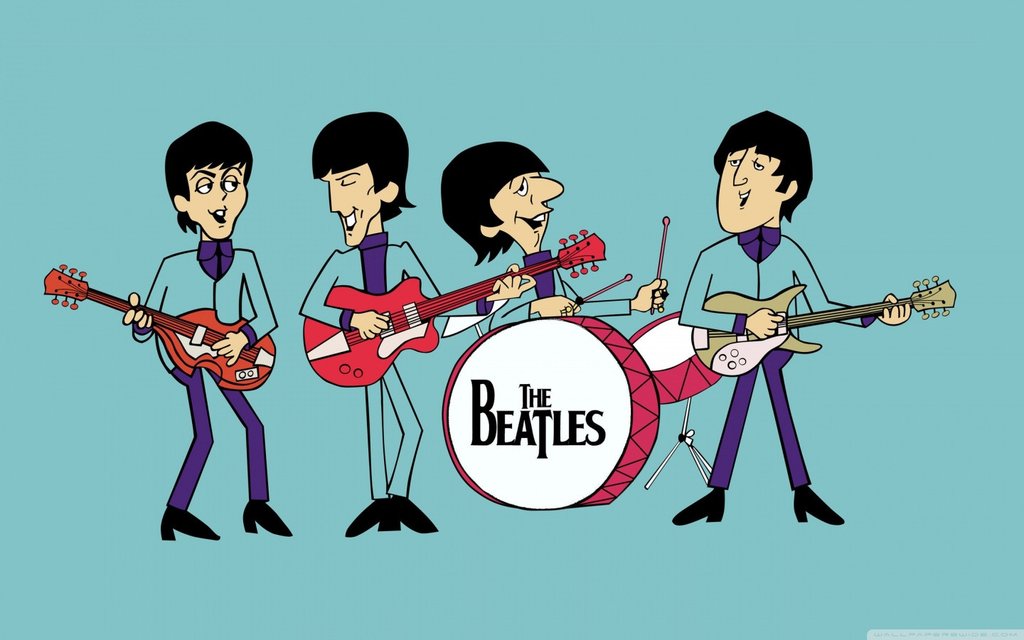
I have all 39 episodes taken from VHS tape but you can view most on youtube. The cartoon reminds me of the style of Rocky and Bullwinkle. John and George were voiced by Paul Frees who did the voice for Boris Badenov on Rocky and Bullwinkle. They ran on ABC from 1965-1969 though only 65-67 were first run episodes.
The show was made on the cheap and the cartoon Beatles were put in usual cartoon situations like a jungle, haunted house, or on a boat. The main thing was to play a Beatle song in the background while our heroes got out or into a jam.
They were a rating success. I watch them now and think…why not get actors with real British accents to voice them? They are silly and fun but George especially had no accent at all. The Beatles had nothing to do with them and didn’t really like them at first when they were first on air. They started to appreciate them more as time went on.
With season 3 you start seeing more pop art being incorporating in the episodes. They have segments where flower power framed the newer songs. Some of the segments looked really good but then they would go back to their younger selves. Some of the episodes could be considered so bad they are good…but I like them.
I never got to see these until the 1980s.
Below is some samples of it.
Below are the episodes descriptions from Wikipedia
Season 1 (1965–66)
1. A Hard Day’s Night / I Want to Hold Your Hand: The Beatles are in Transylvania rehearsing in a haunted house with “monstrous” visitors, including a vampire, a ghost, a werewolf, and a witch, with a parody of Boris Karloff; To hide from their fans, the Beatles run inside a diving bell which drops them into the ocean with a lovesick octopus. Sing Alongs: Not A Second Time / Devil In Her Heart
2. Do You Want To Know A Secret / If I Fell: The Beatles go to Dublin, Ireland for the weekend where they meet a leprechaun named Wilhelmina Morris; John is kidnapped by Dr. Dora Florahyde and Igor, both of whom want John’s brain for their monster. In the I Want To Hold Your Hand Sing Along, Ringo is shown inside a submarine. Sing Alongs: A Hard Day’s Night / I Want To Hold Your Hand
3. Please Mr. Postman / Devil In Her Heart: Ringo loses 15 rings he bought with all of the Beatles’ spendings and they are expecting a telegram from manager Brian Epstein for more money; Ringo wanders into the woods in Transylvania where he meets a witch who wants Ringo for a husband. Sing Alongs: If I Fell / Do You Want To Know A Secret
4. Not A Second Time / Slow Down: The Beatles abandon their flight and land in Africa while trying to get away from their fans, but three girls keep tracking them down. They later encounter a few crocodiles; The Beatles are on the way to the town Ringo Ravine (named after Ringo) until they encounter a donkey that smells gold named “Gold Nose”. Sing Alongs: Baby’s In Black / Misery
5. Baby’s In Black / Misery: Paul gets kidnapped by Professor Psycho who wants Paul to marry his creation Vampiress, half girl and half bat; The Beatles go to a wax museum where a vampire follows them. Sing Alongs: I’ll Get You / Chains
6. You’ve Really Got A Hold On Me / Chains: In Africa, Ringo asks a medicine maker named Jack to help fix the Beatles’ flat tire. He then turns a worm into a snake and it lusts for Ringo; After getting knocked out, Ringo dreams about himself as Captain William Bligh from the movie Mutiny on the Bounty (1962). Sing Alongs: Slow Down / Honey Don’t
7. I’ll Get You / Honey Don’t: The Beatles run into hunter Alan Watermain (a parody of Alan Quartermain) in Africa after escaping from their fans and go out hunting for a lion; Ringo is mistaken as a bull rider, and the cowboys send him to ride on a super-tough bull named Honey. Sing Alongs: You’ve Really Got A Hold On Me / Any Time At All
8. Any Time At All / Twist and Shout: The Beatles imagine themselves as the Three Musketeers (Plus One) while they are on a tour at a museum in France; The Beatles attend an art show where a girl tries to be like other artists. They inspire her with music. Sing Alongs: I’ll Be Back / Little Child
9. Little Child / I’ll Be Back: A Native American girl on a Texas Indian reservation wants to prove that girls are as good at trapping as boys are by trapping the Beatles; The mayor of a Texas town gives Ringo a golden guitar as a gift, only to be stolen by three men, prompting the Fab Four to hunt for the thieves and get the guitar back. (The song “Ticket to Ride” is heard at the beginning of this episode.) Sing Alongs: Long Tall Sally / Twist And Shout
10. Long Tall Sally / I’ll Cry Instead: The Beatles stay at a castle for the night during a fog. John and Ringo try on a couple of cursed armor suits and start to fight each other; After signing too many autographs in Japan, George’s hand gets swollen and suffers “autographitis”. His bandmates take him to a hand doctor but end up in a karate class by mistake. Sing Alongs: I’ll Follow The Sun / When I Get Home
11. I’ll Follow the Sun / When I Get Home: The Beatles’ car breaks down and they are captured by a highwayman who happens to be a car repair man; The Beatles explore the Notre Dame in France where they later meet its famous hunchback Quasimodo. Sing Alongs: I’ll Cry Instead / Everybody’s Trying To Be My Baby
12. Everybody’s Trying To Be My Baby / I Should Have Known Better: The Beatles, spending the night at a temple in Japan during a rainstorm, are mistaken for Japanese ancestors of four girls; The Beatles are in Rome trying to find a theater to rehearse. Their last resort is the Coliseum. Sing Alongs: I’m A Loser / I Wanna Be Your Man
13. I’m A Loser / I Wanna Be Your Man: In Hollywood, Ringo gets hired as a stuntman by Incredible Pictures Inc. and ends up in the hospital after getting pulverized in many scenes; In Rome, the Beatles buy a statue of the Goddess of Musica made from stolen gold coins melted down and sculptured. Sing Alongs: No Reply / I’m Happy Just To Dance With You
14. Don’t Bother Me / No Reply: In Rome, The Beatles are being followed by two spies who are after their songbook, “New Beatle Songs”, marked “Top Secret”. The Beatles movie Help! and Oddjob from the James Bond movie Goldfinger are spoofed; In Japan, The Beatles are warned by a Charlie Chanlookalike about a jewel thief named Anyface. Things become complicated when Anyface shows up disguised as Paul. Sing Alongs: It Won’t Be Long / I Should Have Known Better
15. I’m Happy Just To Dance With You / Mr. Moonlight: The Beatles are in a Roman Street Festival where Paul wins a dancing bear named Bonnie; The Beatles meet Professor Ludwig Von Brilliant who is on a mission to view an eclipse. After being adrift at sea, they escape from an island on a submarine. Sing Alongs: Don’t Bother Me / Can’t Buy Me Love
16. Can’t Buy Me Love / It Won’t Be Long: John is given a friendship ring from a Polynesian tribal chief, which means he must marry the chief’s New York-accented daughter who dislikes pineapples; While picnicking in Japan, John goes for a swim in a pond with shrinking potion in it and gets shrunk. The other Beatles think John is a Beatle doll and chase after him. Sing Alongs: Anna (Go to Him) / Mr. Moonlight
17. Anna / I Don’t Want To Spoil The Party: In Japan, Paul gets lured into a ghost ship called “Ah-Nah”. The other Beatles dash off to the rescue before they might lose Paul for good; Paul, George and Ringo sneak away from John and go to Greenwich Village for some fun time at a Beatnik party rather than going to a museum. Sing Alongs: Matchbox / Thank You Girl
18. Matchbox / Thank You Girl: In Hawaii, John buys a trailer for the group to stay in rather than staying at a hotel so many times. They later encounter a group of Hawaiians who are evacuating from a volcano; The Beatles sneak away from their manager to get something to eat at a French restaurant by enrolling in a cooking course. Sing Alongs: I Don’t Want To Spoil The Party / Help!
19. From Me To You / Boys*: In Hawaii, a surfer named Surf Wolf challenges George to a surfing duel; The Beatles participate in a Mr. Hollywood Contest in California. Sing Alongs: Please Mr. Postman / I Saw Her Standing There Note: The opening title erroneously shows “With Love From Me To You”
20. Dizzy Miss Lizzy / I Saw Her Standing There: John and Paul secretly sign George up to an ice boat race, and he partners up with a girl named Lizzy; In Madrid, John and Paul visit a restaurant where John develops a hot foot with ashes in his boot. Rosita falls for John, and her boyfriend Jose challenges John to a duel. Sing Alongs: Ticket To Ride / From Me To You
21. What You’re Doing / Money*: The Beatles are on a fishing trip, and Ringo runs into gypsies. One of them falls for Ringo and wants to marry him. George comes in as a woman claiming he’s engaged to Ringo to get him back; John puts Ringo in charge to keep their money safe in his jacket pocket. Later Ringo is being followed by a mystery man at a carnival who is after the money. (The song “Help!” is heard at the beginning of this episode.) Sing Alongs: Dizzy Miss Lizzy / All My Loving
22. Komm Gib Mir Deine Hand* / She Loves You: The Beatles visit the Bavarian alps mission is to climb up a mountain with the dog Gunthar to put up their own flag on top; The Beatles are about to rescue a girl who they think is held as a prisoner on a ship. As a result, her boyfriend, a knife thrower, comes to her defense…with knives. Sing Alongs: Bad Boy / Tell Me Why
23. Bad Boy / Tell Me Why: The Beatles visit the Bavarian Alps. They encounter a runaway named Hans who wants to be a Beatle, prompting The Fab Four to run after him with their music (in which Paul plays the bass right-handed) and take him back home. (The song “Slow Down” is heard in the background); In Spain, Ringo is the jockey of a donkey that can run like a horse whenever she hears loud music. Sing Alongs: Please Please Me / Hold Me Tight
24. I Feel Fine / Hold Me Tight: Paul thinks Hollywood’s a phony. Actor Dick Dashing wants to prove Paul he is wrong by putting him in some different movie scenes; In New York, George and Ringo visit the Statue Of Liberty until they have spotted a man with a package which they think is a bomb. Sing Alongs: What You’re Doing / There’s A Place
25. Please Please Me / There’s A Place: In Madrid, a bull named El Taco gets knocked out, and the Beatles decide to help out with the bullfight with Ringo as the matador, and John and Paul as the bull; John’s sympathy helps a trained ape named Mr. Marvelous escape from the television studio and go out to explore the outside world. Sing Alongs: Roll Over Beethoven / Rock And Roll Music
26. Roll Over Beethoven / Rock and Roll Music: The Beatles are on their way home after visiting New York City until Paul gets grabbed by an elephant named Beethoven; The Beatles are invited to play at the Duke’s Palace, but they are mistaken for a string quartet. Sing Alongs: I Feel Fine / She Loves You
Season 2 (1966)
27. Eight Days A Week / I’m Looking Through You: A great movie lover named Lips Lovelace loses his ability to kiss. Paul decides to take his place in the studio with a leading lady who falls for him; The Beatles are in Egypt. They are wandering around in a pyramid until Ringo encounters a ghost who wants a body, and he chooses Ringo’s. Sing Alongs: Run For Your Life / Girl**
28. Help! / We Can Work It Out: Paul and Ringo go to a fashion show in Paris, but the designs are stolen by a thief named Jacques Le Zipper. Paul chases Jacques to the Eiffel Tower, and has trouble with heights; George becomes superstitious. The Beatles encounter the Lucky Wizard who is really a thief trying to give them bad luck and rob their money. Sing Alongs: The Night Before** / Day Tripper
29. I’m Down* / Run For Your Life: The Beatles are on a tour at a wine factory in France where Ringo accidentally knocks down a vat of wine. If it does not get fixed in two hours, the factory will go out of business; The Beatles are on a tour at the Palace of Versailles. Ringo gets knocked out by a statue, and dreams about the days of Marie Antoinette. Sing Alongs: Eight Days A Week / Paperback Writer
30. Drive My Car* / Tell Me What You See*: The Beatles help a young man and his girlfriend get their old jalopy running in a car race, the Popsville Hot Rod Race; While visiting “the man of a thousand faces”, The Beatles fool around with his makeup machine and change into different characters. (John briefly imitates Jimmy Durante and Swee’Pea from “Popeye” makes a cameo.) Sing Alongs: Yesterday** / We Can Work It Out
31. I Call Your Name* / The Word*: Ringo is convinced to release his pet frog Bartholomew in the swamp. Later a movie producer offers a filming deal to Ringo and the frog, and the Fabs have dashed off to find Bartholomew; The Beatles are being punished after gazing at the girls’ unveiled faces. The only way to get out of the situation is to say the password: “love”. Sing Alongs: She’s a Woman** (original broadcast, replaced with a repeat of I Feel Fine) / Wait
32. All My Loving / Day Tripper: The Beatles are in India where they learn how to charm an animal at an “Indian Charm Skool”. When the animal is revealed to be a tiger, they use music to tame it when it is about to claw John and Ringo (The song “Love You To” is heard in the beginning of this episode.); After watching the movie The Way Out Creatures From Planet Glom, the Beatles take a trip out into space with a beautiful woman who is actually an alien taking them on a one-way trip 23 billion miles from Earth. Sing Alongs: I’m Looking Through You / Nowhere Man
33. Nowhere Man / Paperback Writer: The Beatles walk into a cave for some exploring which is a home of a hermit who wants to be alone. He tries to get rid of them, but no luck; Each of the Beatles write fictional stories of how they met with Ringo as a theatre actor, Paul as a scientist, George as a secret agent, and John as a war pilot. Sing Alongs: And I Love Her** / Michelle**
Season 3 (1967)
34. Penny Lane / Strawberry Fields: In a spoof of James Bond, the Beatles are jealous of a detective named James Blonde who gets more attention from many women, so the Fab Four head to their hometown of Liverpool to stop a robbery on Penny Lane so they can be heroes; Traveling with their driver James, the Beatles use music to add color and happiness to the lives of the children at an orphanage, a reference to Strawberry Field in Woolton, a suburb of Liverpool. John sums up the experience with “It’s all in the mind, you know.” Sing Alongs: Good Day Sunshine / Rain**
35. And Your Bird Can Sing / Got To Get You Into My Life: The Beatles and a couple of hunters hunt for a rare bird called a green double-breasted tropical woosted that can sing anything, including “Hound Dog” and “She Loves You”; The Beatles are in India, learning how to escape from their bodies from Swami Rivers. It works, but the problem is that the souls’ bodies are moving by themselves, and they must get them before it’s too late. (“Love You To” is heard in the background) Sing Alongs: Penny Lane / Eleanor Rigby
36. Good Day Sunshine / Ticket To Ride: Ringo thinks he’s a jinx. When the Beatles arrive at Carney Island, it starts to rain. Their music turns the rainy day back into a sunny day which makes Ringo happy. (The song “Little Child” is heard at the end of this episode.); The Beatles each have their own hobby. Paul paints, George builds a three-eyed robot, John writes and Ringo collects “birds” which is an English slang term for girls. Paul releases the only one Ringo caught and he runs after her. Sing Alongs: Strawberry Fields Forever / And Your Bird Can Sing
37. Taxman* / Eleanor Rigby: The Beatles get knocked out while carrying tons of money to the bank, and dream about the days of Robin Hood. Paul exclaims: “It never happened”; A group of children claim that an elderly woman named Eleanor Rigby is a witch. The Fabs tell them the true story about Eleanor Rigby in a song. (The song “I Feel Fine” is heard at the end of this episode.) Sing Alongs: Got To Get You Into My Life / Here, There and Everywhere**
38. Tomorrow Never Knows*/I’ve Just Seen a Face*: The Beatles fall into a well and end up in the inner world with foreign natives. The chief wants the Fabs to marry his daughters, and they began to run away. (The song “Love You To” is heard during this episode.); Ringo loses his singing voice. For treatment, his three mates send Ringo to a haunted house to scare his voice back. Sing Alongs: She Said She Said** / Long Tall Sally (repeat)
39. Wait / I’m Only Sleeping*: The Prince of Krapotkin’s girlfriend is in grave danger. The Beatles help him to save her from the Prime Minister who wants to marry her; John falls asleep while telling a story to a couple of children. In his dream he volunteers to help King Arthur and Merlin slay a vicious dragon. However, John and his mates opt instead to play music to put the dragon to sleep. Sing Alongs: Penny Lane (repeat) / Eleanor Rigby (repeat)
This television show only last three seasons from 1971-1973 and from reading the reviews of the day it attracted young viewers because of the young male leads Pete Duel and Ben Murphy. It’s a western comedy about two reformed non-violent bank robbers who are trying to go straight.
The Governor has promised them amnesty if they stay out of trouble for a while but no one can know so, they are still wanted. The episodes are humorous and different from the two big westerns at the time…Gunsmoke and Bonanza. The episodes tended to be uneven though but overall it was a good show.
Pete Duel was going through problems in his life at the time. During the first season, he was driving drunk and pulled into the path of an oncoming car. Two people were injured and one hospitalized. This would haunt him till his death and he would fight a drinking problem to the end.
Pete and Ben are in about every shot of the series. They both worked 12-14 hour days 6-7 days a week. Pete was never happy with the show. He was restless and wanted to do different things. When the second season started he was put on 2-year probation for the accident and lost his drivers license.
One quote from him around this time about being in a TV series was “It’s a big fat drag to any actor with interest in his work. It’s the ultimate trap.” He was very environmentally conscious and often spoke out on issues like pollution.
After being driven home from the set on December 30, 1971, he died of a self-inflicted gunshot wound in the early hours of December 31, 1971.
The show continued on with Roger Davis taking over Duel’s character in the series. It lasted only 17 episodes after Duel’s departure.
This is from Wikipedia… it’s a sad commentary
Upon learning of Duel’s death, executive producer Jo Swerling, Jr., initially wanted to end the series, but ABC refused. Swerling later stated:
ABC said, “No way!” They said, “You have a contract to deliver this show to us, and you will continue to deliver the show as best you can on schedule or we will sue you.” Hearing those words, Universal didn’t hesitate for a second to instruct us to stay in production. We were already a little bit behind the eight ball on airdates. So, we contacted everybody, including Ben (Murphy), and told them to come back in. The entire company was reassembled and back in production by one o’clock that day shooting scenes that did not involve Peter — only 12 hours after his death.
The Intro
Narrator: Hannibal Heyes and Kid Curry – the two most successful outlaws in the history of the West. And in all the trains and banks they robbed, they never shot anyone. This made our two latter-day Robin Hoods very popular – with everyone but the railroads and the banks.
Jed ‘Kid’ Curry: There’s one we thing we gotta get, Heyes.
Hannibal Heyes: What’s that?
Jed ‘Kid’ Curry: Out of this business!
Sheriff Lom Trevors: The governor can’t come flat out and give you amnesty now. First you have to prove you deserve it.
Hannibal Heyes: Ah. So all we have to do is just stay out of trouble till the governor figures we deserve amnesty.
Jed ‘Kid’ Curry: But in the mean time, we’ll still be wanted.
Sheriff Lom Trevors: Well, that’s true. Till then only you, me and the Governor will know about it. It’ll be our little secret.
Hannibal Heyes: That’s a good deal?
Jed ‘Kid’ Curry: I sure wish the governor’d let a few more people in on our secret!
A fun British sitcom that aired from 1972-1985. This comedy is not subtle…it’s obvious and in the open.
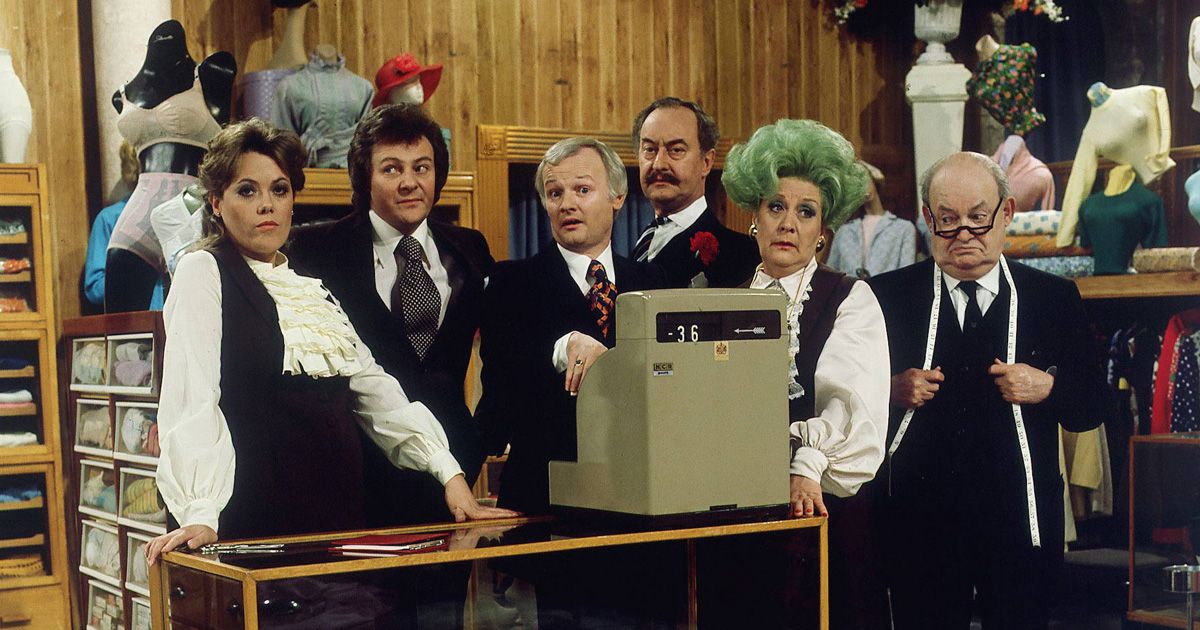
The show is about a department store called Grace Bros. owned by the elderly Grace brothers. It is operated with the British class system. The show highlighted the Menswear and Womenswear departments and also the Floor Walker the pretentious Captain Peacock. It also featured the incompetent floor manager…Mr. Rumbold.
The Women’s department was run by Miss Slocombe. A lady that is known for her hair color changing every day and the love of her pussy cat…they get a lot of mileage out of that. She tries to elevate herself over the working class but that is just what she is…Her assistant is the young very pretty Miss Brahms who talks with a cockney accent and is proud of being thought of as working class.
The head of the Men’s department is Mr. Granger who is older and near retirement and seems to be in a sour mood most of the time. Two more men work in the department… The junior in the department is Mr. Lucas who is always late and flirting with Miss Brahms, never has money and always has to wait his turn before he can serve anyone and make money because the other two men have seniority, The other man is Mr. Humphries…probably the most popular character of the show. He hints at being gay every episode but never comes out and says it…this is really played up…remember it is the 70s. The writers go for the obvious jokes many times but it’s still funny.
The Grace brothers owned the store and “Young” Mr. Grace was in fact not young at all. He was stingy and he always had a very young attractive girl by his side.
The maintenance guy Mr. Mash and Mr. Harmon were great. They would make the devices to advertise the merchandise. Sometimes the machine they made would blow up or show some naughty things to the customers. They were union and they thumbed their nose at the everyone.
Mix these personalities and you got a funny show. The purpose of the sitcom basically was to expose the class system and to parody it.
The customers that shopped at Grace Bros department store usually left disappointed. The phrases I remember the most are “Are you free?” and while having a customer try on pants that obviously doesn’t fit…You would hear an employee say don’t worry ”They’ll ride up with wear.”
Some of the cast left and past away during the run of the show. They were replaced with different characters and the show went on. When the show ended in 1985 a spin-off was made called Grace and Favour.
The core cast was strong and the show was very good until the start of the 80’s and like most shows, they were reaching more for stories and repeating themselves. In 1979 when Trevor Bannister who played Mr. Lucas left it started to go down.
The sitcom had 69 episodes and a movie in 1977… well, you can say 70 episodes because in 2016 a new episode was made with different actors playing the same characters.
I wouldn’t compare this to Fawlty Towers because Fawlty Towers was better written… but this is a fun sitcom nonetheless. I remember it when I was young being broadcast on PBS. It is worth a watch if you like British humor.












 The Roamer…wonder where it is today?



 PowerPop... An Eclectic Collection of Pop Culture