Eddy Dixon – Relentless

My thanks to Cincinnati Babyhead (CB to be short) turned me on to this song. The guitar hooked me right away. The song has turned into a cult favorite.

Relentless came from the 1981 cult movie soundtrack Loveless staring Willem Dafoe. Eddy is not an easy guy to pin down to say the least. He has been an actor playing “Rock a Billy Guy” in the 1988 David Lynch TV Mini Series The French As Seen By… and the 1990 film Wild At Heart playing Rex. Dixon has also has been a musician playing rockabilly in New York clubs. He has been called a pioneer of the 1970s rockabilly movement in New York City.

Eddy has also performed out as Eddy Dixon and the the Dixonettes.

In the sixties Eddy was an art student who worked on some John Waters films. Later on he was friends with Willem Dafoe and he introduced Eddy to David Lynch. Eddy really ran the gamut working with Waters and Lynch.

I’ll let Eddy take over from here.

Eddy Dixon on music: 1957. I was 7 years old and my best friend’s parents bought him a Fender Stratocaster. I would hang out at his house and started playing it and it just progressed from there. I went through the Dylan era and the folk era and the British Invasion era. I was playing in bands through the 60s with crazy names like The In Sex, then I got way heavy into country music towards the end of the 60s. Then in the 70s I moved to New York and started my own rockabilly band. I left Baltimore with 50 bucks, a trashbag full of clothes and a $20 guitar. I started doing all the showcases down on Bleeker Street and started hooking up with the real players, turned professional and started playing Max’s Kansas City and CBGBs.

Eddy Dixon on acting: I started off with John Waters back when I was a teenager in the late 60s. I did 5 John Waters films. He’s great – he’s very professional and knows what he wants. When I started, he was starting out and we were all art students in Baltimore living in a block in Bolton Hill. It was the most exclusive neighborhood in Baltimore at the turn of the century, but by this point everything was all run down. There were huge townhouses, gorgeous – 20-foot ceilings, marble fireplaces, mirrors from the floors to the ceilings – and they just sectioned them off and were renting them to the students. Some law firm bought up the whole block and kicked us all out. So we moved down to the docks, where we rented this 27-room double house with a courtyard – the whole deal for about $100 a month. One day my brother brought John Waters down – I think he met him at a party. So every Sunday we would pile into the Volkswagen, go out into the woods and film and that’s how it all started. My brother to this day still does all his sets. I did a Superfly sequel – I don’t know if it ever came out or not. The working title was ‘Don’t Call Me Boy’ and when they finished it they called it ‘The Hitter’. I did Run DMC’s movie – I played a cop in that.

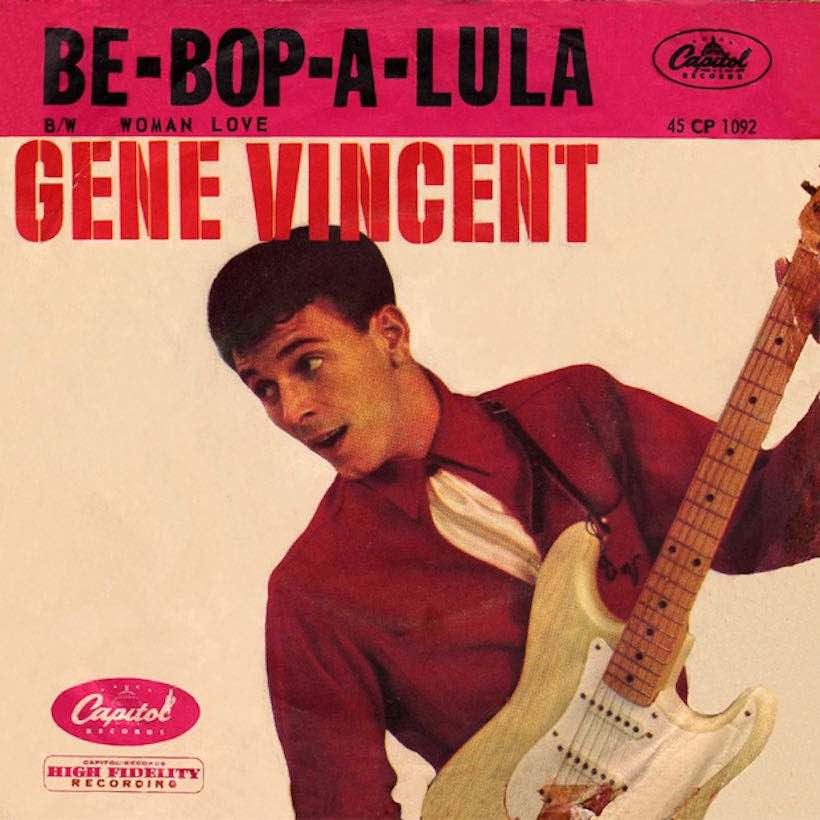
Gene Vincent – Be Bop a Lula

“That beginning – ‘we-e-e-e-e-l-l-l-l-l!’ – always made my hair stand on end.”
John Lennon

Can this rock and roll possibly be improved on? I don’t think so.  When Gene Vincent starts this song with “well” along with that echo all around…it’s magical. Since Friday, I’ve covered songs that helped shape the young Beatles. It wasn’t just the Beatles  but all of the bands that came out in the sixties had music like this as their backbone.

The Beatles played at least 14 of Gene Vincent’s songs in their sets before they made it. A song like Somewhere Over The Rainbow that the Beatles would never think of covering until Gene Vincent covered it and gave the song his ok.

They also got to know Vincent in Germany while playing in Hamburg.

This song was recorded by Gene Vincent and the Blue Caps in 1956. The song was successful on three American singles charts as it peaked at #7 on the US Billboard pop music chart, #8 on the R&B chart, and also made the top ten on the C&W Charts, and #16 in the UK in 1956. In April 1957, the record company announced that over 2 million copies had been sold to date.

As far as the origin of the song…I reblogged a fellow blogger (Freefallin’) a couple of years ago with this song. Here is the story:  Donald Graves—a buddy Gene Vincent made in a Portsmouth, Virginia, Veteran’s Hospital. Vincent—born Vincent Eugene Craddock in 1935—had just reenlisted in the U.S. Navy in the spring of 1955 when he suffered a devastating leg injury in a motorcycle accident. That injury would land him in hospital for more than a year, where a fellow patient remembers Vincent and Graves tooling around the facility working out the song that would eventually become a classic. By the time Gene Vincent’s demo tape reached Capitol Records the following spring, however, Graves had been bought out of his share in “Be-Bop-A-Lula” by Sheriff Tex (Vincent’s business manager), reportedly for just $25.

John Lennon covered it on his 1975 Rock and Roll album. As much as I’m a fan of Lennon…nothing touches the original but he does a great job.

Be Bop A Lula

Well be-bop-a-Lula she’s my baby
Be-bop-a-Lula I don’t mean maybe
Be-bop-a-Lula she’s my baby
Be-bop-a-Lula I don’t mean maybe
Be-bop-a-Lula she’s my baby doll
My baby doll, my baby doll

Well she’s the girl in the red blue jeans
She’s the queen of all the teens
She’s the one that I know
She’s the woman that loves me so

Say be-bop-a-Lula she’s my baby
Be-bop-a-Lula I don’t mean maybe
Be-bop-a-Lula she’s my baby doll
My baby doll, my baby doll
Let’s rock!

Well now she’s the one that’s got that beat
She’s the woman with the flyin’ feet
She’s the one that walks around the store
She’s the one that gets more more more

Be-bop-a-Lula she’s my baby
Be-bop-a-Lula I don’t mean maybe
Be-bop-a-Lula she’s my baby doll
My baby doll, my baby doll
Let’s rock again, now!

Well be-bop-a-Lula she’s my baby
Be-bop-a-Lula I don’t mean maybe
Be-bop-a-Lula she’s my baby
Be-bop-a-Lula I don’t mean maybe
Be-bop-a-Lula she’s my baby doll
My baby doll, my baby doll

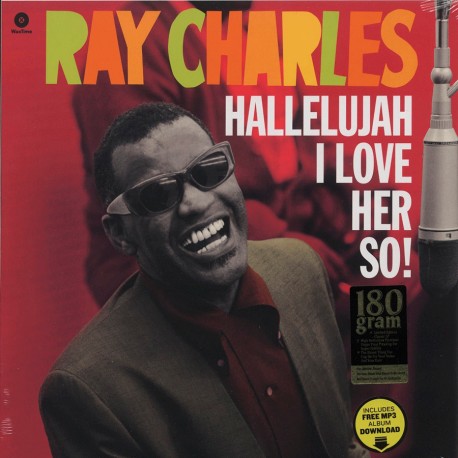
Ray Charles – Hallelujah I Love Her So

This is one of those songs where I could listen to it on a loop and be happy. Ray Charles wrote this song with a gospel feel to it. It was released in 1956 and it peaked at #5 in the R&B charts.

He went to a state school for the blind in St. Augustine, Florida. He became a professional musician after leaving there in 1945, after the death of his mother. A piece of advice that Ray’s mother gave to him: “You’re blind, not stupid.”

He moved to Seattle because it was the farthest, he could get from Florida. Jack Lauderdale, one of the first black record label owners, signed Charles to the Downbeat label, for whom Charles had his first hit in 1949, Confession Blues. The recording session for it was noteworthy for another reason…Charles recorded it while there was a musicians’ strike. The union fined him $600,  his life savings at that point for the infraction.

Charles’ recording contract was sold to Atlantic Records in 1952, shortly after he moved to LA. He formed his own band in 1954 and started to release records.

This song was in the Quarrymen and early Beatles repertoire and a big influence. The first time I heard this song was on the Live! at the Star Club 1962 album released in 1977. The album was recorded in 1962 in the audience by “King Size” Taylor, lead singer of the Dominos. He claims he asked Lennon if that was alright and John verbally agreed to the group being recorded in exchange for Taylor providing the beer during their performances. It was recorded on a low-grade reel to reel in the audience. The Beatles tried to block the release but were unsuccessful. I for one am glad it wasn’t blocked.

It shows how raw they were in the early days. This was recorded right after The Beatles sacked Pete Best and Ringo was brought in.

The lead singer on the Beatles version was that famous Beatle named Horst Fascher. Actually, Horst was a protector of the band and the only favor he asked was to occasionally sing a song. Fascher meant a lot to the Beatles and he worked at the Hamburg clubs they played in.

According to Mark Lewisohn (author of Tune In)… Hamburg was very important to the Beatles. In their first trip to Hamburg, they accumulated around 415 hours of stage time. The Beatles had to be the most experienced rock group in the world, not just Liverpool. When they got back to Liverpool people were amazed and they were the number 1 band in their hometown from then on.

Eddie Cochran and George Jones made chart versions of this song.

Hallelujah I Love Her So

Let me tell you ’bout a boy (girl) I know
He(She) is my baby and he (she) lives next door
Ev’ry morning ‘fore the sun come up
He (she) brings my coffee in my fav’rite cup
That’s why I know, yes, I know
Hallelujah, I just love him (her) so
When I’m in trouble and I have no friends
I know hel’ll (she’ll) go with me until the end
Ev’rybody asks me how I know
I smile at them and say he (she) told me so
That’s why I know, yes, I know
Hallelujah, I just love him (her) so

Now if I call him (her) on the telephone
And tell him (her) that I’m all alone
By the time I count from one to four,I hear him (her) on my door
In the evening when the sun goes down
When there is nobody else around
He (she) kisses me and he (she) holds me tight
He (And) tells me “Baby, (Daddy) ev’ry thing’s all right”
That’s why I know, yes, I know
Hallelujah, I just love him (her) so

[Repeat]

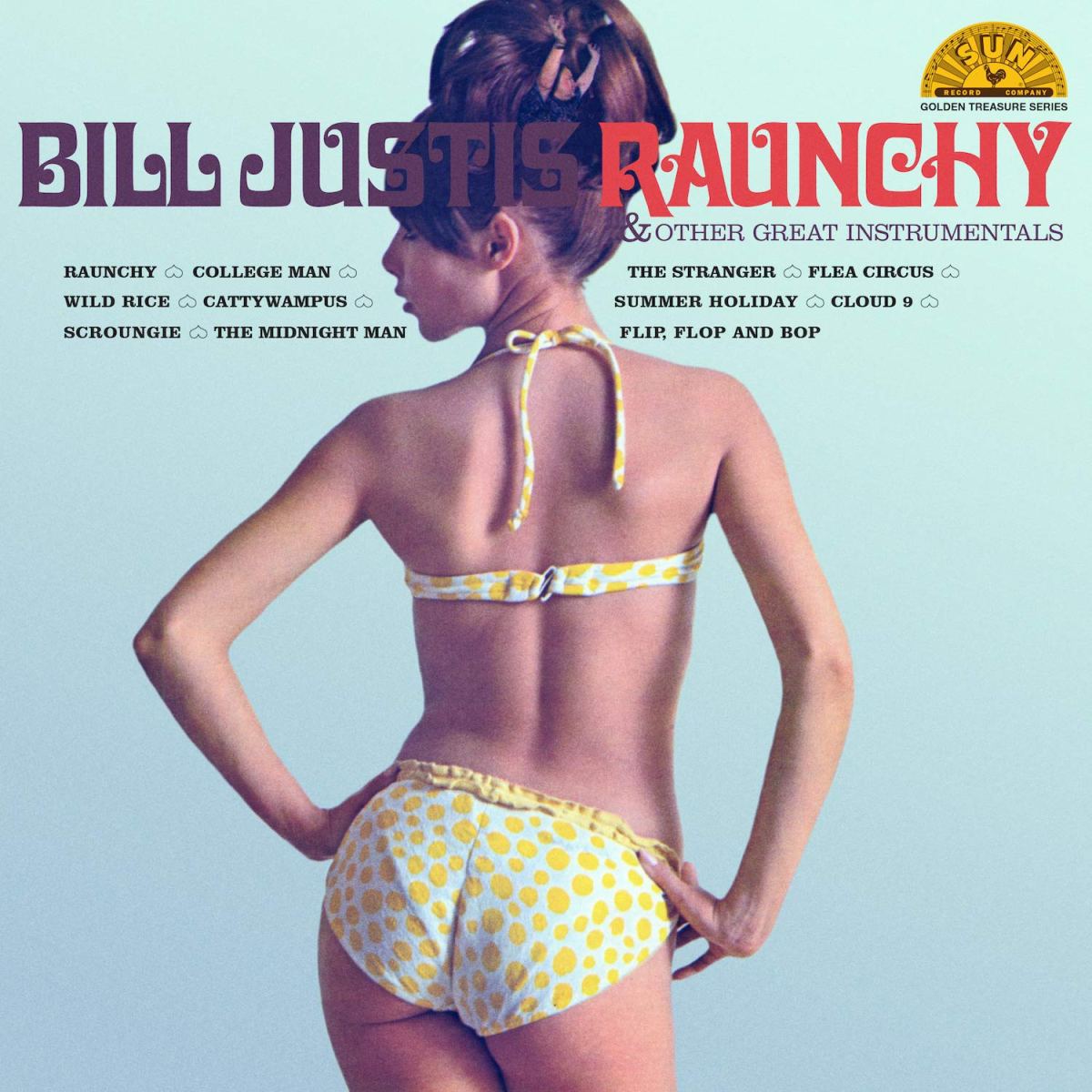
Bill Justis – Raunchy

This weekend will lean toward the 1950’s…we start it off with this instrumental. 

Back in 1950s Liverpool  a young John, Paul, and George were riding on a bus and Paul was trying to get George Harrison in the Quarrymen. George was much younger and John had his doubts about letting the kid join. Paul asked young George to get his guitar out and play the instrumental Rauncy right there on the bus. John was impressed and the rest…as they say is history.

This was originally called “Backwards.” Justis changed the title when he heard someone enjoying the tune say that it was “raunchy,” which meant “messy” or “dirty” in ’50s teenage slang.

The song was written by Bill Justis and Sidney Manker who played that riff on the song. 

Justis landed a job as musical director at Sun Records, run by Sam Phillips. During his time there, he arranged music for acts like Johnny Cash, Roy Orbison, Jerry Lee Lewis, and Charlie Rich. Meanwhile, he got the idea to record his own rock ‘n roll tune and enlisted some jazzmen and rock ‘n roll players for the session that produced “Raunchy.” When the sax player he hired fell ill, Justis stepped in. Although he’d long ago traded his trumpet for sax, he hadn’t played the instrument for a while, which resulted in a distinctive off tone that set the original instrumental apart from its many covers.

This instrumental peaked at #2 in the US Hot 100, #1 in the R&B Charts, and #6 in the Country Charts. 

Bill Justis: “I read about how much money he had made out of rock ‘n roll so I said, ‘That’s for me!'” “So, I immediately set out for a record store and bought $80 worth of the all-time rock ‘n roll hits. I studied the stuff and found it was so simple, yet basic and savage, that it was difficult to perform.”

From Songfacts

Ernie Freeman covered this. It was a reversal of the usual process as Freeman was black and Justis was white. Freeman’s version hit #4 while Justis’ hit #2. Although both did extensive session work, “Raunchy” remains each act’s sole Top 40 hit.

George Harrison played this on his guitar for John Lennon when he was auditioning to be a member of The Quarrymen.

While working for his father’s roofing business in his native Memphis, Justis made the rounds in local dance bands as a trumpet player. When the office’s closing left him without a job, Justis decided to pursue music full time as an arranger. An article about Buck Ram, a prolific songwriter and producer who was integral in the vocal group scene of the ’50s, turned him on to rock ‘n roll.

Justis and Freeman weren’t the only performers to have a hit with “Raunchy” in 1957. Billy Vaughn also released a version that went to #10. Several other acts covered the tune, including Santo & Johnny, The Ventures, Duane Eddy, Scotty Moore, Alex Chilton, and Booker T. & The M.G.’s, among others.

Justis recorded this two more times: in 1962 for the album Bill Justis Plays 12 More Big Instrumental Hits and in 1969 for the album Raunchy & Other Great Instrumentals.

This was used in the movies The Loveless (1981), Great Balls Of Fire! (1989), Nowhere Boy (2009), and Camp X-Ray (2014).


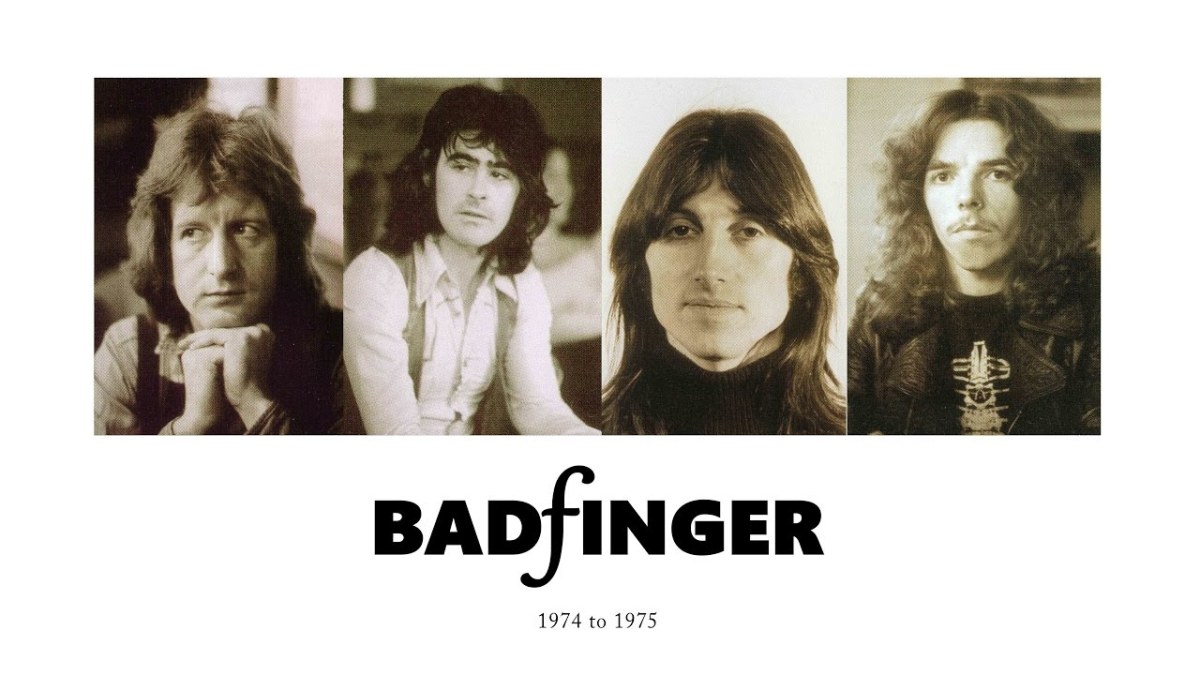
Badfinger – Lay Me Down

Lay Me Down was written by Pete Ham and is a wonderful pop/rock song. Another song that slipped through the cracks…I’ve heard Teenage Fanclub cover this one and I’ve liked it as well as their known hits.  I want to thank everyone who stuck with me through four Badfinger songs since Thursday.

The song was on the album Head First. Joey Molland had just quit and was replaced by Bob Jackson.

Badfinger’s management replaced Chris Thomas as producer because he didn’t think they should make an album so soon (6 months) after their last album Wish You Were Here. The band felt the same but they had no control… Kenny Kerner and Richie Wise was picked to produce them, Wise had just become successful by producing KISS.

They recorded Head First in December 1974 – January 1975 after Wish You Were Here with new member Bob Jackson. While recording the album Warner Brothers wanted to know where thousands of dollars went to that disappeared from an escrow account (in the managers pocket).

WB’s sought to attach the royalties due from their previous album Wish You Were Here. Consequently, WB suspended sales of Wish You Were Here.

Although the master tapes of Head First were delivered to and accepted by WB’s recording division in Los Angeles, WB’s publishing arm there refused to accept them because of the lawsuit. With a lack of publishing protection, the record division shelved the tapes and the album was not released.

The album was stuck in limbo for 26 years. It wasn’t released until 2000. I went out and bought this the day it was released at Tower Records. On a couple of songs, Hey Mr Manager and Rock and Roll Contract,  they are taking aim at their management and frustration. The songs that stand out to me are Lay Me Down, Hey Mr. Manager, Rock N’ Roll Contract, and Keep Believing. A good album and I wish it would have had a chance at the time it was recorded.

This song would have had a chance to chart.

This would be the last album released by Badfinger with Pete Ham. He would die 3 months after they finished the album. Tom Evans and Joey Molland would revive Badfinger in the late seventies and release two albums. They did have two minor hits.

Lay Me Down

Need your loving
Need your loving
Need your loving
It’s everything to me

Need your loving
Need your loving
Need your loving
It’s everything to me

Take me high take me low
Show me anything that you know
But tonight little lover lay me down
Make me laugh make me sigh tell me how and tell me why
But tonight lover little lay me down

Lay me down move me round
Let me hear your loving sound
In our mess we are blessed with our love
Take and give take and live all the love that we have found
And just send all our problems away

Play me fun play me sad
Tell me things that could make you glad
But tonight lover little Lay me down
Lay me down
Need you loving

Play to share play to care
You can play with me anywhere
But tonight lover little lay me down
But tonight lover little lover lay me down
Lay me down
Need your loving

Badfinger -Suitcase

This song was on their Straight Up album but it’s when they were live it came alive. They have a terrific groove going on and Pete wails on the solo. This was Badfinger live as they ventured out of power pop into a jam band. The live version of the band is much different than the studio version.

This song was going to be the B side to Name of the Game issued as a single but Apple never released it. The song has a power pop base but with hard electric on top and it changes the dynmaic of it.

Making the Straight Up album was no easy task. They started off with Geoff Emerick (he produced their last album and engineered several Beatle albums) producing them. The songs were rejected by the Apple’s head of US operations Allan Steckler. George Harrison thought a lot of Badfinger, especially Pete Ham and wanted Name of the Game to be released as a single before the album.  George then started to produce the band himself. He worked with them and they started to make progress. He played slide with Pete on the hit Day After Day and Leon Russell played piano.

They were making great progress but then the  Bangladesh concert came up and George was distracted. He handed off the producing to Todd Rundgren. The band and Rundgren didn’t mix well but he finished producing it in two weeks. The members were much happier with George who actually listened to their ideas.

It was a great album but one of the complaints from the band was it lost a lot of rawness and energy after Rundgren mixed it.

Going through three producers…it’s a wonder it’s as good as it is.

The Studio version is the second video but I would reccomend the live version…and I don’t do that a lot.

Suitcase

Suitcase, suitcase, follow me ’round
Bootlace, bootlace, tie me down
Money for fun, yeah, golden crown
It’s all inside a game we’ve been playing for so long

Driver, driver, go too fast
Miser, miser, make it last
Pusher, pusher, on the run
It’s all inside a game we’ve been playing for so long

And I’m sorry to be leavin’
Yeah, that’s all I get to say
‘Cause I’m sorry to be leavin’ today

[guitar solo (Pete Ham)]

Well I’m sorry to be leavin’
But that’s all I get to say
‘Cause I’m sorry to be leaving today

(Driver drive)

Driver, driver, go too fast
Miser, miser, make it last
Pusher, pusher, on the run
It’s all inside a game we’ve been playing so long

So long

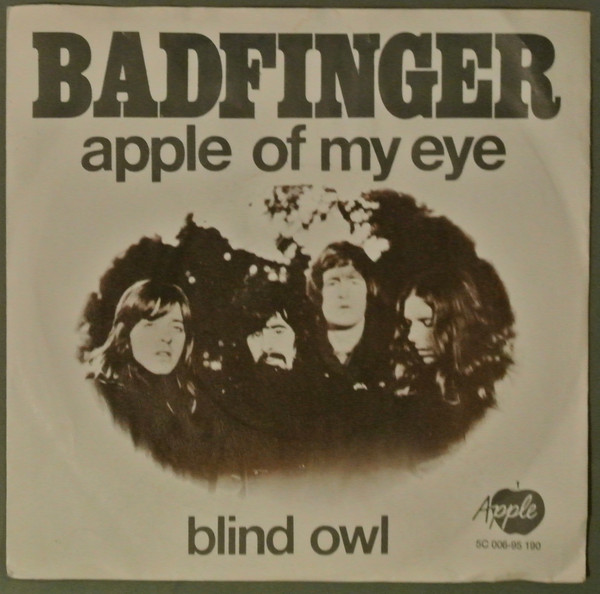
Badfinger – Apple Of My Eye …. Badfinger Long Weekend

The song was written by Pete Ham, produced by Chris Thomas and Badfinger, and released on Apple Records in 1973.

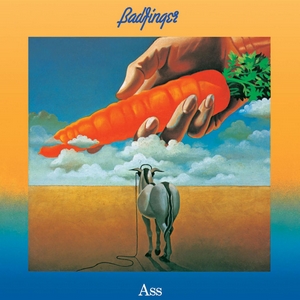
The song is about Pete Ham having regrets leaving Apple Records where the Beatles signed them but Stan Polley (the manager) was  pursuing a larger contract by moving to Warner Bros. Records. This is where Badfinger started their slide into hell. The album cover was about being led away from Apple.

Ass (album) - Wikipedia

Warner Bros offered them a huge contract. As it turned out they would never see the Warner Bros money as Polley took it out of escrow without telling the band. In the next few posts and little more info on this will be given.

The reason Polley wanted the band to leave Apple Records is because he could control everything with a new contract with Warners. He started to take all of the Apple royalities as well until the members stopped Apple from giving it to him. After that no one got the money (Apple held the money waiting for the courts to decide) and the band members were broke. It was held up in litigation until 1985 when some of the money was distributed.

The song peaked at #102 in the Hot 100 in 1973. Apple didn’t do a good job pushing this album because they knew Badfinger was leaving. This song ended up being the last non-ex-Beatles release on Apple Records.

In 1985 the band and family members finally got their money that had been tied up from Apple because of the lawsuits with Warners…all caused by a ruthless manager who really never got punished for his deeds and lived to be 87.

A movie was going to be made of their story…and still might be one day.

Apple Of My Eye

Oh, I’m sorry, but it’s time to move away
Though inside my heart, I really want to stay
Believe the love we have is so sincere
You know, the gift you have will always be

You’re the apple of my eye
You’re the apple of my heart
But now, the time has come to part

Oh, I’m sorry, but it’s time to make a stand
Though we never meant to bite the lovin’ hand
And now, the time has come to walk alone
We were the children, now we’ve overgrown

You’re the apple of my eye
You’re the apple of my heart
But now, the time has come to part

Oh, I’m sorry, but it’s time to move away
Though inside my heart, I really want to stay
Believe the love we have is so sincere
You know, the gift you have will always be

Now, the time has come to part
Now, the time has come to part.

Badfinger – Without You

Ever since I wrote about Baby Blue by Badfinger for Hanspostcard’s draft…I have been listening to them again and I wrote up a few posts so I thought I would make a weekend of it…so lets start the weekend a little early!

Most everyone knows this song by Harry Nilsson and some by Mariah Carey. Harry to me has the definitive version but Pete Ham and Tom Evans of Badfinger wrote it as a simple blues song. They never dreamed it would be turned around into an epic song.

The song was originally on the No Dice album released in 1970. The album peaked at #28 in the Billboard 100. The album spawned the hit No Matter What that peaked at #8 in 1970.

Badfinger - No Dice | Releases, Reviews, Credits | Discogs

Without you was not released as a single and it wasn’t meant to be. Pete and Tom put together two songs they were writing… Pete’s in the verses and Tom’s chorus. They always thought of it as a little blues song that was an album cut.

Badfinger were in the studio one night and Nilsson called them over to listen to what he had recorded. They had no clue he was recording their song…when they heard Harry’s version it blew them away. Over 180 artists have recorded the song since then. The band didn’t start getting royalities from this song or much of anything else until `1985 when the court case was settled. Their former manager tried to get his hands on it then but wasn’t successful. The two families of Ham and Evans…received some of the money for the late songwriters.

You can’t really compare the versions. Badfinger never meant it to be commercial sounding and who could sing like Harry Nilsson?

In a way…this song sums up Badfinger perfectly. 

Without You

Well, I can’t forget this evening
And your face when you were leaving
But I guess that’s just the way the story goes
You always smile, but in your eyes your sorrow shows
Yes, it shows

Well, I can’t forget tomorrow
When I think of all my sorrow
I had you there, but then I let you go
And now it’s only fair that I should let you know
What you should know

I can’t live, if living is without you
I can’t live, I can’t give any more
I can’t live, if living is without you
I can’t live, I can’t give anymore

Well, I can’t forget this evening
And your face when you were leaving
But I guess that’s just the way the story goes
You always smile, but in your eyes your sorrow shows
Yes, it shows

Oh

I can’t live, if living is without you
I can’t live, I can’t give any more
I can’t live, if living is without you
I can’t live, I can’t give anymore

I can’t live, if living is without you
I can’t live, I can’t give any more
I can’t live, if living is without you
I can’t live, I can’t give anymore

I can’t live, if living is without you
I can’t live, I can’t give any more
I can’t live, if living is without you
I can’t live, I can’t give anymore

I can’t live, if living is without you

Fanny – All Mine

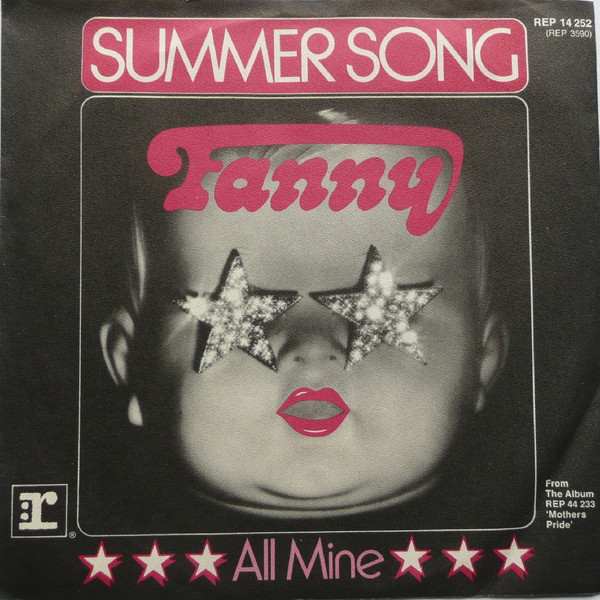
This song has a pop sound that is really catchy. Al Mine would have fit the top 40 at the time perfectly. The more I’ve listened to this band the more I’ve become a fan. This song was the B side to the single with Summer Song as the A side.

Fanny played hard rock, soul, some Motown-ish music (like this one), and just rock and roll. I did get a comment from someone who saw them live in the 1970s. The comment was LOUD and very good as they opened for bands such Procol Harum, Humble Pie, Deep Purple, and David Bowie.

When you are an all female band opening up for these bands…you are not a novelty…you are the real deal. They were more successful in the UK and Europe, where audiences appreciated their music and respected their work.

Did the public ignore them because they were all female? If so, the public missed out.

They fit in with different genres and they deserved more attention. This song was written by the sisters June and Jean Millington. It was on their Mother’s Pride album.

Fanny released a studio album in 2018 called Fanny Walked the Earth. Their last  album before that one was Rock and Roll Survivors released in 1974.

Fanny – Mothers Pride (1973, Vinyl) - Discogs

June Millington:  “We knew we had to prove we could play and deliver live. Otherwise, no one would believe it.” 

All Mine

Oh, when you’re looking for someone to love
It isn’t easy to live without love
And when you’re lonely, it’s harder to laugh
You made it easy, that’s all in the past

Oh baby, I love when you give to me; you’re all mine, all mine

It’s hard live when you’re by yourself
We need to give to somebody else
You need a lover to rock you to sleep
And lend a shoulder when you’re dead on your feet

Oh baby, I love when you give to me; you’re all mine, all mine

It’s hard live when you’re by yourself (by yourself)
We need to give to somebody else (somebody else)
You need a lover to rock you to sleep (rock you to sleep)
And lend a shoulder when you’re dead on your feet

Oh baby, I love when you give to me; you’re all mine, all mine
All mine (mine, all mine)
I’m in love with you, say you love me, too etc

Rolling Stones – Have You Seen Your Mother Baby, Standing In The Shadow?

This is one you don’t hear everyday.

There is guitar feedback at the beginning and end. The followed The Beatles as the Beatles had used it for I Feel Fine before this one. This was also the first Stones song that used a horn section, which was arranged by Mike Leander. He also did the horns on The Stones As Tears Go By and wrote the score for the Beatles She’s Leaving Home when McCartney didn’t want to wait for George Martin.

The Stones performed this on The Ed Sullivan Show in 1966. Lead guitarist Brian Jones wore a cast on his hand. It was rumored that he got the injury when he punched a wall in a dressing room.

This was the first Stones song released in the US and England at the same time. The Beatles and Stones sometimes would work together on album and single releases. They didn’t want to release something each at the same time so they would make sure to stagger the releases.

This song peaked at #9 in the Billboard 100, #5 in the UK, and #8 in Canada in 1966. The song was credited to Jagger/Richards.

Keith Richards: “I liked the track, I hated the mix. Mainly because there was a fantastic mix of the thing, which was just right. But because they were in a rush and they needed to edit it down for the Ed Sullivan Show, the mix was rushed and the essential qualities of it, for me, disappeared. Just because of the lack of time. It needed another couple weeks. The rhythm section is almost lost completely.” 

From Songfacts

This song is shadowy indeed. “Mother” could be code for “girlfriend,” or something else entirely. Keith Richards asks that we don’t read too much into it. “You must listen to it and place your own interpretation on the lyric,” he said. “There is no attempt to present a controversial ‘Mother’ theme.”

The American single has a picture of The Stones in women’s clothes on the sleeve. According to legend, after the photo session, they kept their costumes on and went to a bar in New York.

Footage of the band dressed as women for the single photo shoot was compiled into a promotional film for the song that was distributed to various broadcast outlets. This was an early example of a music video, although they were still using film back then. The Beatles made them for some of their songs as well.

The B-side of the single was Who’s “Driving Your Plane?” Both sides of the single are questions.

Glyn Johns, who engineered the “As Tears Go By” session in 1965, engineered this song as well. This led to more work with The Stones, recording the live album Got Live If You Want It! in the fall of 1966 and then engineering the London Between The Buttons sessions in November of that year. He was used as chief engineer for the producer-less Their Satanic Majesties Request in 1967, after which he suggested to the Rolling Stones that they use Jimmy Miller as their next producer. 

Have You Seen Your Mother Baby, Standing In The Shadow?

Have you seen your mother, baby, standing in the shadow?
Have you had another, baby, standing in the shadow?
I’m glad I opened your eyes
The have-nots would have tried to freeze you in ice

Have you seen your brother, baby, standing in the shadow?
Have you had another baby, standing in the shadow?
Well I was just passing the time
I’m all alone, won’t you give all your sympathy to mine?

Tell me a story about how you adore me
Live through the shadow, see through the shadow,
Live through the shadow, tear at the shadow
Hate in the shadow, love in the shadow life

Have you seen your lover, baby, standing in the shadow?
Have they had another baby, standing in the shadow?
Where have you been all your life?
Talking about all the people who would try anything twice

Have you seen your mother, baby, standing in the shadow?
Has she had another baby, standing in the shadow?
You take your choice at this time
The brave old world or the slide to the depths of decline

Lynryd Skynryd – Comin’ Home

This song wasn’t released during the lifetime of the original band. It was -released on the album Skynyrd’s First and…Last  in 1978 a year after the plane crash.

The album was recorded at Muscle Shoals Sound Studio in Alabama in 1971-1972. It was originally intended to be their debut album but it was shelved, making (Pronounced ‘Lĕh-‘nérd ‘Skin-‘nérd) their actual debut.

There are some really good songs on this posthumous album . Personally I wished this song would have made the debut album. The song is about being out on the road touring and finally making it back home. It was written by Ronnie Van Zant and Allen Collins. The song doesn’t have the crisp production of the debut album Prounounced but it’s a good song.

Ronnie Van Zant was a great and  sometimes under rated songwriter. The band members have  said that he never wrote lyrics down on paper. The band would be practicing and he would hear a riff or a chord progression he liked and would tell them to keep going through it over and over. After thinking about it he would start singing what he came up with. 

A year or so before the crash Ronnie thought venturing into country music. One of his musical influences was Merle Haggard.

Comin’ Home

It’s been so long since I’ve been gone
Another day might be too long for me
Traveling around I’ve had my fill
Of broken dreams and dirty deals
A concrete jungle surrounding me
Many nights I’ve slept out in the streets
I paid my dues and I changed my style
Seen hard times, all over now

I want to come home. It’s been so long since I’ve been away
And please, don’t blame me ’cause I’ve tried
I’ll be coming home soon to your love, to stay

I miss old friends that I once had
Times ain’t changed and I’ll be glad when I go home
I don’t know why the thought came to me
But why I’m here I really can’t see, and now

I want to come home. It’s been so long since I’ve been away
And please, don’t blame me ’cause I’ve tried
I’ll be coming home soon to your love, to stay
Coming home to stay
Coming home to your love, mama
I’ve seen better days

I miss old friends that I once had
Times ain’t changed and I’ll be glad when I go home
I don’t know why the thought came to me
But why I’m here I really can’t see, and now

I want to come home. it’s been so long since I’ve been away
And please, don’t blame me ’cause I’ve tried
I’ll be coming home soon to your love, to stay
Coming home to stay
Coming home to your love, mama
I’ve seen better days

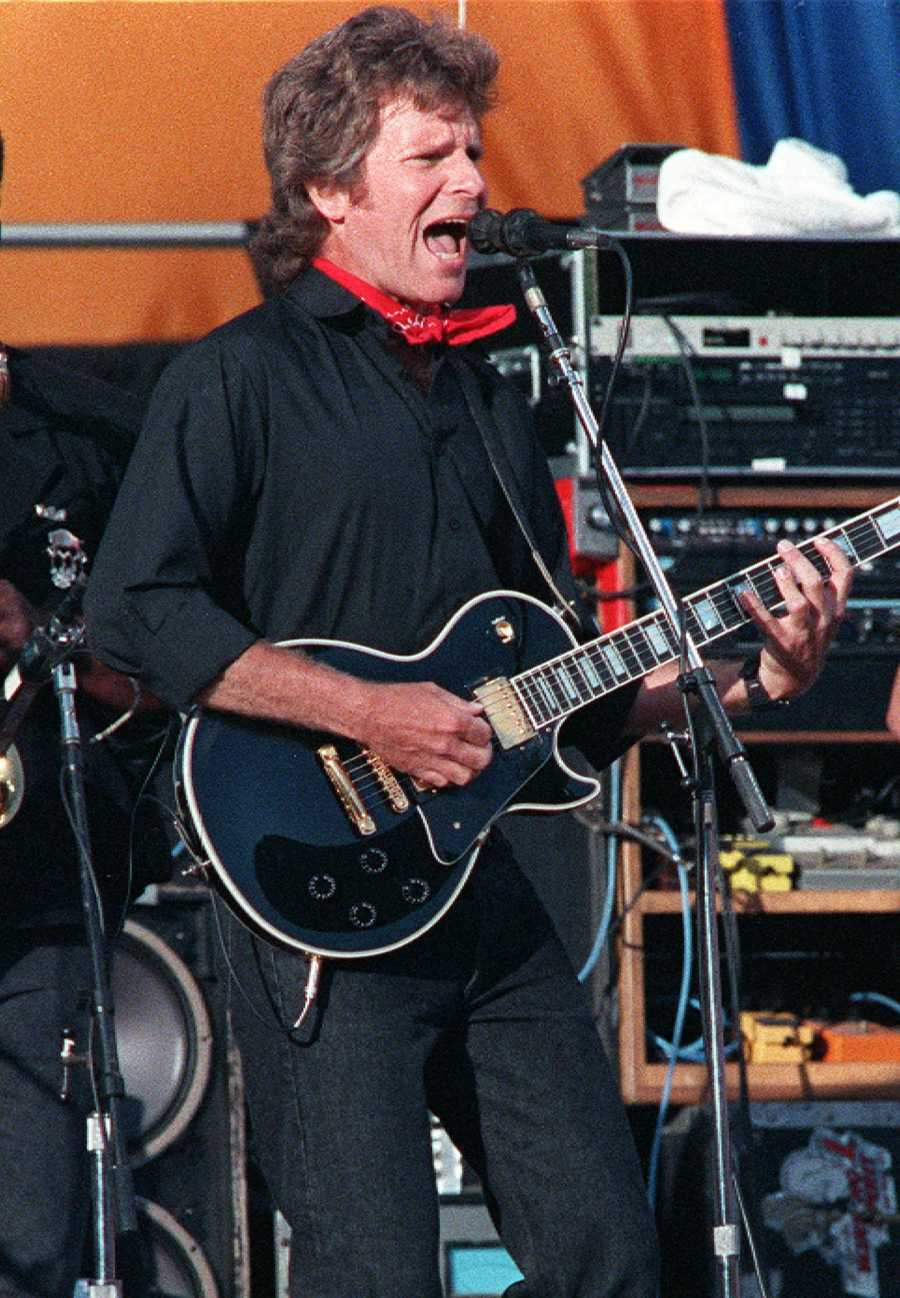
John Fogerty – Vanz Kant Danz

This song is referring to Saul Zaentz, Fogerty’s former boss at Fantasy Records. Both took turns suing each other as Zaentz sued Fogerty for plagiarizing himself on The Old Man Down the Road and also for defamation for the song Vanz Kant Danz, which was originally titled Zanz Kant Danz, but was altered as part of the settlement. Fogerty counter-sued for reimbursement of attorneys’ fees and in a decision by the U.S. Supreme Court, he won…sometimes there IS justice in the world.

Saul Zaentz took CCR’s money and built an empire with it.  He owned the worldwide film, stage, and merchandise rights to J. R. R. Tolkien’s The Hobbit and The Lord of the Rings. He financed the Lord of the Rings animation in 1978 and many other films.

The contract CCR signed with Zaentz was one sided. Zaentz promised the band he would renegotiate when the band had a hit…he refused of course when that day happened. Fogerty has said that he brought in the ultimate crooked band manager Allen Klein to break the contract. Klein who could famously manipulate contracts told Fogerty that the contract was iron clad.

The video for this was the first ever filmed entirely in “Claymation.” It was produced at Will Vinton Studio, named for the inventor of the clay animation technique. The video didn’t garner a lot of attention at the time because the song wasn’t a hit…it did get some airplay on MTV at the time.

From Songfacts

The song is about an unnamed street dancer and his sidekick, a pig trained to pick people’s pockets as they watch the dancer do his stuff. The pig, originally named Zanz as a dig at Saul Zaentz, “Can’t dance, but he’ll steal your money – watch him or he’ll rob you blind.” When Zaentz threatened Fogerty with yet another lawsuit, Fogerty changed the pig’s name to Vanz.

Another song from the Centerfield album, “Mr. Greed,” is also thought to be a musical salvo by Fogerty in his long-running feud with Zaentz, which lasted until 2004 when Fantasy Records was bought out by Concord Records, who restored Fogerty’s rights to his CCR material.

Vanz Kant Danz

Vanz can’t dance, but he’ll steal your money
Watch him or he’ll rob you blind
Vanz can’t dance, but he’ll steal your money
Watch him or he’ll rob you blind
Vanz can’t dance, but he’ll steal your money
Watch him or he’ll rob you blind
Vanz can’t dance, but he’ll steal your money
Watch him or he’ll rob you blind

Out in the street the crowd is gatherin’
Pushed down by the heat of the building, they’re wantin’ to dance
Makin’ their way up the street, a boy with a pig and a radio
Little Billy can work on the crowd, put ’em into a trance
For the little pig Vanz

Vanz can’t dance, but he’ll steal your money
Watch him or he’ll rob you blind
Vanz can’t dance, but he’ll steal your money
Watch him or he’ll rob you blind
Vanz can’t dance, but he’ll steal your money
Watch him or he’ll rob you blind
Vanz can’t dance, but he’ll steal your money
Watch him or he’ll rob you blind

You’re watchin’ ’em dance, not a care in the world
So Billy and Vanz get busy, they’re makin’ their move
The little pig knows what to do
He’s silent and quick, just like Oliver Twist
Before it’s over, your pocket is clean
A four-legged thief paid a visit on you

Vanz can’t dance, but he’ll steal your money
Watch him or he’ll rob you blind
Vanz can’t dance, but he’ll steal your money
Watch him or he’ll rob you blind
Vanz can’t dance, but he’ll steal your money
Watch him or he’ll rob you blind
Vanz can’t dance, but he’ll steal your money
Watch him or he’ll rob you blind

Vanz can’t dance, but he’ll steal your money
Watch him or he’ll rob you blind
Vanz can’t dance, but he’ll steal your money
Watch him or he’ll rob you blind
Vanz can’t dance, but he’ll steal your money
Watch him or he’ll rob you blind
Vanz can’t dance, but he’ll steal your money
Watch him or he’ll rob you blind

Vanz can’t dance, but he’ll steal your money
Watch him or he’ll rob you blind
Vanz can’t dance, but he’ll steal your money
Watch him or he’ll rob you blind
Vanz can’t dance, but he’ll steal your money
Watch him or he’ll rob you blind

Badfinger – Baby Blue

This is my ninth song pick for Hanspostcard’s song draft. Badfinger’s Baby Blue.

The holy trinity of power pop for me are…Badfinger, Big Star, and The Raspberries…those were the 70s  pioneers. Badfinger was the most successful out of the three…hit wise anyway. You can hear later bands like Cheap Trick, The Posies, Teenage Fanclub, Matthew Sweet,  and even KISS get something from each three.

My love for this song is so over the top. Baby Blue, to these ears, is the perfect power pop song. It has the right combination of the hard British crunch and pop with an irresistible guitar riff. Lets talk about that guitar riff. I know there are other good rock riffs but the perfection in this one is sensational. He plays a variant of it through the song always changing plus a walk down or two. Nothing is purely defined and that is just pure brilliance. The solo is simple but fits perfectly. No nuance in this song is wasted…it was in there for the good of the song…not meant to be flashy.

It’s a hook here, a hook there, and a hook everywhere…and…I’ve been hooked since I first heard it. Everything blends. Even the ending is perfect. On top of that it was produced by a power pop guy Todd Rundgren.

You can hear a young Rick Nielsen of Cheap Trick listening and learning from this.

I had gone through Han’s entire album draft without mentioning my name sake…Badfinger…I’m here to rectify that now. I learned about Badfinger as a wee young kid who thought “Come and Get It” was a long lost Beatle song. I found out more about them and bought the album Straight Up. I liked many of their album cuts more than their hits.

As they went along they started to move away from the power pop genre because of the too close Beatle connection. During live performances they sorta became a jam band. Later on they made some excellent albums that no one heard because of a manager who would make Allen Klein (Satan, snake, etc) look good. Arguably the most tragic story in rock and roll…but that is for another day. We are looking now at Badfinger in 1972 before the rug got pulled out from underneath them.

A year ago or so I posted a ranking of my favorite power pop songs. This one was at the top of my list before I wrote it, during the process of writing it, and is still at the top. The others have changed places depending on my mood but not this one.

The song peaked at #14 in the Billboard 100 in 1972. The “Dixie” in the song was Pete Ham’s ex-girlfriend, Dixie Armstrong whom he’d met during the band’s US tour of 1971. Dixie was from Wichita Kansas (thanks run-sew-read).

The song was revitalized again in the great show Breaking Bad. I’m happy that Breaking Bad showcased this song so that another generation knows the song and hopefully that will lead more people to learn about Badfinger. After the show’s finale with this song…the song entered the charts again.

*** Here is the clip from Breaking Bad…but warning…it has a major spoiler for those who haven’t watched it.

Or you can watch them below that with an awkwardly cool Kenny Rogers introducing them. The music is not live but the vocals are…they are playing to a backing track…but listen to those live voices….although they are mic’d up so they are probably playing low along with the backing track.

Baby Blue

Guess I got what I deserved
Kept you waiting there too long, my love
All that time without a word
Didn’t know you’d think that I’d forget or I’d regret
The special love I had for you, my baby blue

All the days became so long
Did you really think, I’d do you wrong?
Dixie, when I let you go
Thought you’d realize that I would know
I would show the special love I have for you, my baby blue

What can I do, what can I say
Except I want you by my side
How can I show you, show me the way
Don’t you know the times I’ve tried?

guitar solo

Guess that’s all I have to say
Except the feeling just grows stronger every day
Just one thing before I go
Take good care, baby, let me know, let it grow
The special love you have for me, my Dixie, dear.

Jan and Dean – The Little Old Lady (from Pasadena)

This music is about Summer, fun, fun…and did I mention fun? Musically I loved the surf drummers and musicians. They were good and very fast.

I first found out about Jan and Dean when I was a kid. There was a TV movie in 1978 about them.

Jan and Dean were William Jan Berry, and Dean Ormsby Torrence, who formed in Los Angeles and 1958. They helped to shape the California Sound and vocal surf music. Jan and Dean had over 20 charting songs and going strong until Jan Berry was in a horrendous car crash that left him brain damaged and severely handicapped for the rest of his life in 1966.

After numerous brain operations, Jan spent six weeks in coma and awoke severely brain damaged, unable to speak, and completely paralyzed on his right side. He fought back and was able…although tremendously handicapped to return to the recording studio the next year to work on material for an unreleased Jan & Dean project that was not to be released until 2010 called Carnival of Sound.  He still could not sing well enough to perform.

Dean would go on to be a graphic artist and make album covers for  Harry Nilsson, Steve Martin, the Nitty Gritty Dirt Band, Dennis Wilson, Bruce Johnston, the Beach Boys, Diana Ross and the Supremes, Linda Ronstadt, Canned Heat and more.

Jan and Dean performed again in 1976…10 years after the accident. Jan and Dean continued to tour through the 80’s to the 2000’s. Jan died in 2004.

This song was released in 1964 and it peaked at #4  in the Billboard 100.

For those who have time…below is the 1978 movie in its entirety. 

It’s the little old lady from Pasadena

It’s the little old lady from Pasadena…

The little old lady from Pasadena
(Go granny, go granny, go granny, go)
Has a pretty little flowerbed of white gardenias
(Go granny, go granny, go granny, go)
But parked in a rickety old garage
Is a brand-new, shiny red, super-stock Dodge

And everybody’s sayin’ that there’s nobody meaner
Than the little old lady from Pasadena
She drives real fast and she drives real hard
She’s the terror of Colorado Boulevard

It’s the little old lady from Pasadena…

If you see her on the street, don’t try to choose her
(Go granny, go granny, go granny, go)
You might drive a goer, but you’ll never lose her
(Go granny, go granny, go granny, go!)
Well, she’s gonna get a ticket now, sooner or later
‘Cause she can’t keep her foot off the accelerator

And everybody’s sayin’ that there’s nobody meaner
Than the little old lady from Pasadena
She drives real fast and she drives real hard
She’s the terror of Colorado Boulevard

It’s the little old lady from Pasadena…

Go granny, go granny, go granny, go

The guys come to race her from miles around
But she’ll give ’em a length, then she’ll shut ’em down

And everybody’s sayin’ that there’s nobody meaner
Than the little old lady from Pasadena
She drives real fast and she drives real hard
She’s the terror of Colorado Boulevard

It’s the little old lady from Pasadena…
Go granny, go granny, go granny, go (repeat until end and fade)

Beatles – Glass Onion

The Walrus was Paul! I never knew that John. This song was written by John and Paul but mostly a John song. The song was about people trying to analyze the lyrics to Beatle songs.

Lennon mentioned other Beatles songs in the lyrics: “Strawberry Fields,” “I am the Walrus,” “Lady Madonna,” “The Fool on the Hill,” and “Fixing a Hole.”  One phrase in the song is “cast iron shore,” which is actually a nickname for a coastal area of south Liverpool also known by the locals as “The Cazzy.”

John had started the song during their spring 1968 visit to Rishikesh, India to study Transcendental Meditation with the Maharishi. Most of the songs written in India ended up on the terrific White Album. The most eclectic album The Beatles ever did.

A new name was needed for a newly signed Apple band called The Iveys. John suggested Glass Onion…this was rejected, along with another Lennon suggestion “Prix.” The band  went with the working title for the Beatles song With A Little Help From My Friends… Bandfinger Boogie. They shortened it and became the great power pop band Badfinger.

John Lennon: “I was having a laugh because there had been so much gobbledegook about ‘Pepper,’ play it backwards and you stand on your head and all that.” 

Paul McCartney: “He and Yoko came round to Cavendish Avenue and John and I went out into the garden for half an hour, because there were a couple of things he needed me to finish up, but it was his song, his idea…It was a nice song of John’s.  We had a fun moment when we were working on the bit, ‘I’ve got news for you all, the walrus was Paul.’  Because, although we’d never planned it, people read into our songs and little legends grew up about every item of so-called significance, so on this occasion we decided to plant one.  What John meant was that in ‘Magical Mystery Tour,’ when we came to do the costumes on ‘I Am The Walrus,’ it happened to be me in the walrus costume.  It was not significant at all, but it was a nice little twist to the legend that we threw in.  But it was John’s song.  I’d guess I had minor input or something as we finished it up together…We still worked together, even on a song like ‘Glass Onion’ where many people think there wouldn’t be any collaboration.”

From Songfacts

John Lennon used meaningless lyrics to confuse people who were reading too much into his songs. He got a kick out of people trying to analyze his lyrics.

A glass onion is a coffin with a see-through lid. Because of this, it became a big part of the “Paul is Dead” hoax. Another clue for those who believed the hoax: Lennon sang, “The Walrus is Paul.” In many European countries, a walrus represents death. 

Lennon wanted to name one of the bands they signed to Apple Records “Glass Onion.” They chose “Badfinger” instead.

One theory is that “Glass Onion” refers to Lennon’s opinion of the yogic concept of the lotus with its layered petals (layers of consciousness to be stripped away, much like an onion, through meditation) as a bunch of transparent bull used by the Maharishi to manipulate and seduce. He’s also saying the Maharishi’s whole shtick stinks and is a crying shame. 

When Lennon sings about the “Cast Iron Shore,” he’s referring to what was an area of beach at Liverpool, that is now partly built over. This area of Liverpool is called Otterspool. 

According to Mojo magazine, the Beatles recorded 34 takes of the song’s basic rhythm track on Wednesday September 11, 1968, then returned the next day to overdub Lennon’s vocal and again on Friday and the following Monday for further overdubs. On October 10th George Martin, after returning from holiday, added the string section.

Lennon explained to Rolling Stone in a 1971 interview why he said “The Walrus is Paul.” Said Lennon: “‘I Am The Walrus’ was originally the B side of ‘Hello Goodbye.’ I was still in my love cloud with Yoko and I thought, well, I’ll just say something nice to Paul: ‘It’s all right, you did a good job over these few years, holding us together.’ He was trying to organize the group, and organize the music, and be an individual and all that, so I wanted to thank him. I said ‘the Walrus is Paul’ for that reason. I felt, ‘Well, he can have it. I’ve got Yoko, and thank you, you can have the credit.'”

Glass Onion

I told you about strawberry fields
You know the place where nothing is real
Well here’s another place you can go
Where everything flows.

Looking through the bent-backed tulips
To see how the other half live
Looking through a glass onion.

I told you about the walrus and me, man
You know we’re as close as can be, man
Well here’s another clue for you all
The walrus was Paul.

Standing on the cast iron shore, yeah
Lady Madonna trying to make ends meet, yeah
Looking through the glass onion

Oh yeah, oh yeah, oh yeah
Looking through the glass onion.

I told you about the fool on the hill
I tell you man he’s living there still
Well here’s another place you can be
Listen to me.

Fixing a hole in the ocean
Trying to make a dove-tail joint, yeah
Looking through a glass onion.