ACDC – Let There Be Rock

The song was co-written by brothers Angus and Malcolm Young, and lyricist Bon Scott. The title track of and the third track on the band’s fourth album, it was released as a single in October 1977 backed by “Problem Child.”

George Young (Angus and Malcolm’s brother), acted as producer alongside partner and former bandmate Harry Vanda. In a familiar writing and recording process that was fast, furious and inspired, the entire album was completed in a matter of weeks.

The music video for “Let There Be Rock” was filmed in July 1977. It was recorded in the Kirk Gallery church in Surry Hills, New South Wales and featured Bon Scott, Angus Young, Malcolm Young, Phil Rudd, and Cliff Williams, who replaced Mark Evans as the band’s bassist shortly after the Let There Be Rock album was released.

Angus Young: “I remember the amp literally exploded during the recording session. My brother watched it with crazed eyes, and he told me ‘Come on! Keep on playing!’ while the stuff was steaming.”

From Songfacts

Running to a shade over 6 minutes, it was produced by Harry Vanda and George Young.

In spite of its appearing to be nothing more than a typically mindless rock anthem, this is actually quite a sophisticated track:

In the beginning
Back in 1955
The white man had the schmaltz
The black man had the blues

is an allusion to the birth of rock ‘n’ roll. The genre developed from boogie woogie; the first rock ‘n’ roll song is generally acknowledged to be “Rocket 88,” to which Ike Turner was a very unlikely contributor considering the way his music was to develop, but then the two men who gave rock ‘n’ roll to the world in the first instance were if anything even more unlikely. There was the white man – who had performed as Yodelling Bill Haley – and the black man, a qualified beautician named Chuck Berry. Both Haley’s “Rock Around The Clock” and Berry’s “Maybellene” were released in 1955, and as they say, the rest is history. 

An anthem for the band, AC/DC has played this song at every concert since 1978. They often play it very fast and the solo can be extended all the way to 20 minutes as Angus rises above the stage and does the “spasm.” 

Let There Be Rock

In the beginning
Back in nineteen fifty five
Man didn’t know about a rock ‘n’ roll show
And all that jive
The white man had the smoltz
The black man had the blues
No one knew what they was gonna do
But Tchaikovsky had the news
He said

Let there be sound, and there was sound
Let there be light, and there was light
Let there be drums, and there was drums
Let there be guitar, and there was guitar
Let there be rock

And it came to pass
That rock ‘n’ roll was born
All across the land every rockin’ band
Was blowing up a storm
An the guitar man got famous
The businessman got rich
And in every bar there was a super star
With a seven year itch
There were fifteen million fingers
Learning how to play
And you could hear the fingers picking
And this is what they had to say

Let there be light
Sound
Drums
Guitar
Let there be rock

One night in a club called the shaking hand
There was a ninety two decibel rocking band
The music was good and the music was loud
And the singer turned and he said to the crowd

Let there be rock

https://en.wikipedia.org/wiki/Let_There_Be_Rock_(song)

Otis Gibbs

I came across Otis’s youtube channel and I think some of you would be interested. He is a singer songwriter but on his channel he has conversations musicians who have played or worked with Bob Dylan, Neil Young, Tom Petty, Waylon Jennings, just to name a few, and  his own stories about different musicians. For you music fans it’s worth your time. The guy doesn’t interview people…he lets people talk and tell their stories.  He is also a good story teller. I’m hooked on his channel.

He has stories about Jerry Reed, The Replacements, Dan Baird, Merle Haggard, Ry Cooder, Towns Van Zant, Bill Monroe, George Jones, Johnny Paycheck, John Prine, Mike Campbell and more.

He lives in Indiana but interviews many Nashville connected musicians. Check this guy out…His music is VERY good as well. I’m just checking that out more as I go… his music is classified as alt-country.

I just picked a few random youtube videos from his page below.

This is his youtube page:

https://www.youtube.com/user/otisgibbs

Chuck Mead – 90s Alternative Country band BR5-49…talking about when he toured with Bob Dylan

Kenny Vaughn – Lucinda Williams  guitar player at the time talks about touring with Tom Petty

Chuck Mead again with Keith Richards

Dan Baird on the Replacements

Otis Gibbs Wiki

https://en.wikipedia.org/wiki/Otis_Gibbs

Motors – Airport

Welcome to Pub Rock! The Motors were a UK band in the 1970s. This song was their most successful song…peaking at #4 in the UK. All together they had 7 songs in the top 100 in the UK.

lEx-Duck Deluxe members Nick Garvey and Andy McMaster formed the Motors in 1977 with Rob Henry…soon to be replaced by Bram Tchaikovsky and drummer Ricky Slaughter.

This band could get in a groove. I posted something on Bram Tchaikovsky a couple of years ago and knew he was in this band but never checked him out until fellow blogger CB mentioned them. While their peers were in disco, The Motors were finding their groove in rock and roll. Bram would have an international hit with Girl Of My Dreams. His real name is Peter Bramall and he took the  stage name of  Bram Tchaikovsky…it was also the name of the group he fronted in the late 70s & early 80s after The Motors.

After they released their 1980 album Tenement Steps they broke up. The band released 3 albums in all. This song is off of their Approved By Motors album released in 1978.

When their second greatest hits (Airport: The Motors’ Greatest Hits) was released in 1995 and renewed interest in the  band.

Airport

So many destination faces going to so many places
Where the weather is much better
And the food is so much cheaper.
Well I help her with her baggage for her baggage is so heavy
I hear the plane is ready by the gateway to take my love away.
And I can’t believe that she really wants to leave me and it’s getting me so,
It’s getting me so.

Airport –
Airport, you’ve got a smiling face,
you took the one I love so far away
Fly her away – fly her away – airport.
Airport, you’ve got a smiling face
You took my lady to another place
Fly her away – fly her away.

The plane is on the move,
And the traces of the love we had in places
Are turning in my mind – how I wish I’d been much stronger
For the wheels are turning faster as I hear the winds are blowing
and I know that she is leaving
On the jet plane way down the runaway.
And I can’t believe that she really wants to leave me – and it’s
getting me so,
It’s getting me so.

Airport –
Airport, you’ve got a smiling face,…

Airport –
Airport, you’ve got a smiling face,…

Lynyrd Skynyrd – I Ain’t The One

I Ain’t the One has a great opening riff and it was written by guitarist Gary Rossington and lead singer Ronnie Van Zant, and was featured as the first track on Skynyrd’s debut album (pronounced ‘Lĕh-‘nérd ‘Skin-‘nérd).

The album was one of the great rock debut albums. When you listen to this album you can hear a little of Cream, Stones, and Free. British rock was a huge influence on Lynyrd Skynyrd.

There is a great version of this song of them playing it  at the Knebworth Festival in England. Although the headliner was The Rolling Stones but Skynyrd was the band that grabbed the notices of that festival.

At a gig in Atlanta in 1972 they were discovered and signed by musician, producer, and founding member of Blood, Sweat, and Tears and The Blues Project, Al Kooper.

After two songs into recording bassist Leon Wilkeson quit so he was replaced by ex-Strawberry Alarm Clock guitarist Ed King who originally wanted to play guitar with the band.

After they finished recording Ronnie Van Zant decided that King, who had added some guitar to the record, would be better on lead guitar so he asked Wilkeson to rejoin.

With Wilkeson back the now seven-man band was complete and would remain that way until Ed King and Bob Burns left the band in 1975. The guitarist Steve Gaines would join in 1976.

I Ain’t The One

Well, I’ll tell you plainly baby
What I plan to do
‘Cause I may be crazy baby
But I ain’t no fool
Your daddy’s rich, mama
You’re overdue
But I ain’t the one, baby
Been messing with you
Got bells in your mind, mama
So won’t you pardon me
I think its time for me to move along
I do believe

Now you’re talking jive, woman
When you say to me
Your daddy’s gonna take us in baby
‘N take care of me
You know and I know, woman
I ain’t the one
I never hurt you sweet heart
I never pulled my gun
Got bells in your mind, baby
So won’t you pardon me?
I think its time for me to move along
I do believe
Time for me to put my boots out in the street baby
Are you ready boots — walk on

All right there missy, let me tell you a thing or two
Now you’re talking jive, woman
When you say to me
Your daddy’s gonna take us in baby
‘N take care of me
When you know and I know, woman
I ain’t the one
That ain’t my idea — uh unh — of having fun
Got rings in your eyes lady
So won’t you pardon me
I think its time for me to move along
I do believe
I must be in the middle of some kind of conspiracy

T. Rex – Telegram Sam

The first single released from The Slider, and the third No.1 U.K. hit for T. Rex, “Telegram Sam”

The song peaked at #1 in the UK, #67 in the Billboard 100, #66 in Canada, and #19 in New Zealand in 1971. It’s surprising to me he didn’t do better in Canada and America. My only guess was that glam music never was as big in America as the UK. They did tour in America in the early seventies as a supporting act for bands such as Three Dog Night, Poco, and The Doobie Brothers. Opening up for those bands in America…it’s easy to see how they could not find their target audience.

T-Rex leader Marc Bolan wrote this as an ode to his manager, Tony Secunda. “Telegram Sam” was Bolan’s nickname for his Secunda. Other people who show up in the song were Jungle-face Jake who was Sid Walker, Secunda’s assistant, and “Bobby” is Bob Dylan.

Telegram Sam was the first single to be issued by Marc Bolan’s own T.Rex Wax Co. label, and was released on 21 January 1972.

The B-side featured two songs in the UK, “Cadilac” (as printed on the EMI label of the original single) and “Baby Strange”, the latter also included in the album The Slider.

From Songfacts

When Bolan referred to Secunda as his “Main Man,” it brought the phrase into popular culture.

The goth-rock group Bauhaus covered this song In 1980.

In 1977, on the “Dandy in the Underworld” tour, Marc Bolan sang “Third vision and the David Bowie blues” instead of “3D vision and the California blues” – hinting at David Bowie’s depressive tendencies.

Telegram Sam

Telegram Sam Telegram Sam
You’re my main man

Golden Nose Slim Golden Nose Slim
I know’s where you’ve been
Purple Pie Pete Purple Pie Pete
Your lips are like lightning
Girls melt in the heat

Telegram Sam
You’re my main man
Telegram Sam
You’re my main man

Bobby’s alright Bobby’s alright
He’s a natural born poet
He’s just outta sight
Jungle faced Jake
Jungle faced Jake
I say make no mistake
About Jungle faced Jake

Automatic shoes
Automatic shoes
Give me three D vision
And the California blues
Me I funk but I don’t care
I ain’t no square with my corkscrew hair

Telegram Sam, Telegram Sam

I’m a howlin’ wolf

Elvis Costello – Radio Radio

When I heard the organ in this song it hooked me. I haven’t posted much of Costello partly because like the Replacements…I got sidetracked in the late 80s away from him and since I started blogging I’m rediscovering him again.

I was 10 years old walking in our old drug store and I heard this artist I never heard before over the speakers…the song they were playing was Alison. The drug store sold records also and they had Elvis’s debut album propped up for viewing. The name threw me because this “Elvis” was a small skinny guy with glasses…that is when I found his music.

Radio Radio was made more famous by the Saturday Night Life performance.

Radio Radio was released as a single in 1978 and peaked at #29 in the UK. It was on the US version of the album This Year’s Model and it peaked at #30 in the Billboard Album Charts, #21 in Canada, and #4 in the UK.

Costello was slated to play his current UK single “Less Than Zero,” on Saturday Night Live in 1977. Costello launched into a few bars of “Less Than Zero,” but then turned to his band and told them to stop. He then apologized to the live audience, saying, “I’m sorry, ladies and gentlemen, but there’s no reason to do this song here,” and broke into a full rendition of “Radio Radio,” which had not yet been released.

Lorne Michaels…the God of Saturday Night Live was not pleased.

Costello was banned from Saturday Night Live. It has been said that the corporate brass at NBC (which owned radio properties) objected to the lyrics of “Radio Radio,” but others say it was because Costello went off-script, which was a no no to Lorne Michaels. That was one rule Michaels wanted the cast to know…they were not the Carol Burnett show and they were not to go off script or laugh.

Costello later claimed he was inspired by Jimi Hendrix, who in 1969 stopped a performance of “Hey Joe” on the show Happening for Lulu and launched into the Cream song “Sunshine Of Your Love,” earning him a ban from the BBC.

On Saturday Night Live’s 25th anniversary show in 1999, Costello parodied the incident when he interrupted the Beastie Boys while they were playing “Sabotage,” leading them in a full version of “Radio Radio.”

Elvis Costello: “Before I got into show business, I thought radio was great, So I wrote a song about celebrating it – the thrill of listening to it late at night. This was my imaginary song about radio before I found out how foul and twisted it was.” 

From Songfacts

In this song, Costello is protesting the commercialization of late 1970s FM radio. Radio stations would become more and more consolidated over the years, and their playlists tightened up considerably. Eventually, deregulation led to a few companies owning the majority of American radio stations, which led to automated stations. Tom Petty sang about this on his 2002 track “The Last DJ.”

This song is a takedown of radio, but it started out as a loving tribute. Costello wrote the first version of the song as “Radio Soul” when he was in a band called Flip City. They recorded a demo in 1974, but the song was never released.

In “Radio Soul,” Costello sings lovingly about radio, without any trace of vitriol:

I could sail away to the songs that play upon that radio soul
Radio soul
It’s a sound salvation

When he reworked the song in 1977, he changed the title and completely flipped the meaning, reflecting his newfound take on the topic.

On December 17, 1977, Elvis Costello & the Attractions appeared on Saturday Night Live as last minute replacements for the Sex Pistols, whose various criminal records had made getting visas in time difficult.

Costello’s ban was lifted in 1989 when he returned as musical guest, performing “Veronica” and “Let Him Dangle” without incident. His 1977 act of defiance became part of Saturday Night Live lore, and is often recounted in retrospectives of the show’s history. 

Bruce Springsteen was an influence on this song, musically and lyrically. The Springsteen ethos is more apparent in the “Radio Soul” version, with the theme of escaping to a better place through the power of music.

In the ’10s, Costello started performing the “Radio Soul” version of this song, explaining that it resonates with him far more than “Radio Radio.” He has clearly mellowed out.

Costello performed the early version of this song, “Radio Soul,” at the Apple iTunes Radio announcement event on September 10, 2013. Introducing the song, he explained that radio was very important to him, since his father was singer for a radio dance band.

The 1999 SNL return and parody of the original event.

The 1977 SNL infamous appearance

Radio Radio

I was tuning in the shine on the late night dial
Doing anything my radio advised
With every one of those late night stations
Playing songs bringing tears to my eyes
I was seriously thinking about hiding the receiver
When the switch broke ’cause it’s old
They’re saying things that I can hardly believe
They really think we’re getting out of control

Radio is a sound salvation
Radio is cleaning up the nation
They say you better listen to the voice of reason
But they don’t give you any choice ’cause they think that it’s treason
So you had better do as you are told
You better listen to the radio

I wanna bite the hand that feeds me
I wanna bite that hand so badly
I want to make them wish they’d never seen me

Some of my friends sit around every evening
And they worry about the times ahead
But everybody else is overwhelmed by indifference
And the promise of an early bed
You either shut up or get cut up, they don’t wanna hear about it
It’s only inches on the reel-to-reel
And the radio is in the hands of such a lot of fools
Tryin’ to anesthetize the way that you feel

Radio is a sound salvation
Radio is cleaning up the nation
They say you better listen to the voice of reason
But they don’t give you any choice ’cause they think that it’s treason
So you had better do as you are told
You better listen to the radio

Wonderful radio
Marvelous radio
Wonderful radio
Radio, radio
Radio, radio
Radio, radio
Radio, radio
Radio, radio
Radio, radio
Radio, radio
Radio, radio

XTC – Making Plans For Nigel ….Power Pop Friday

I got into XTC late into the game. I didn’t get to know them until they released I’m The Man Who Murdered Love. I liked this song right away because it has a nice power pop sound. The drums stand out on this song.

This song was XTC’s breakthrough single released in 1979. It was written by bassist Colin Moulding, who shared vocal and songwriting duties with guitarist Andy Partridge. It was on the third, breakthrough, album Drums And Wires.

The album peaked at #174 in the Billboard album charts, #15 in Canada, #34 in the UK, and #12 in New Zealand.

Making Plans For Nigel peaked at #12 in Canada, #17 in the UK, and #29 in New Zealand.

The lyrics are told from the point of view of parents who are certain that their son Nigel is happy in his work, affirming that his future in British Steel “is as good as sealed”, and that he “likes to speak and loves to be spoken to”. As a response to the song, British Steel reportedly gathered four Sheffield employees
named Nigel to talk about job satisfaction for the trade publication Steel News.

From Wiki: The first 20,000 pressings of the single came in a fold-out cover that created a fully playable gameboard of “Chutes and Ladders” adapted to details of Nigel’s “miserable life”, including the purchase of a scooter, job interviews, a holiday in Spain and an engagement to “a very nice girl.” There were two versions of the gameboard, one to be played by Nigel and the other to be played by his parents. As credited on the back cover, the illustrator was Steve Shotter and sleeve design was by Cooke Key.

Colin Moulding:

“Partly biographical, this one. My dad prompted me to write it. He wanted a university future for me and was very overpowering in trying to persuade me to get my hair cut and stay on at school. It got to the point where he almost tried to drag me down the barber’s shop by my hair. I know the song tells of a slightly different situation, but it all boils down to the same thing – parental domination.”

There were no Nigels at school. I wasn’t bullied, but I think I had a natural empathy for people that were. ‘Nigel’ was my song for the bullied, I suppose.

“British Steel was just a bit of naughtiness. What I hadn’t bargained on was the union boss later ringing me up and asking me to join the cause! I had the devil of a job to convince him it was an organization I chose at random.”

Andy Partridge: “Quite early on it had been decided that Making Plans For Nigel was going to be the single. We spent five times longer messing with that song than any of my tracks. At one point I was fuming because my songs were being ignored.”

From Songfacts

The Rembrandts, Primus and Robbie Williams all covered this. 

This was covered by Nouvelle Vague, a bossa group, and included on a chillout compilation album known as Breakfast Club: Milan

Andy Partridge told Uncut: “The things that sound like sheets of metal being struck, that’s a white noise patch on a monophonic Korg synth we had. We decided to do it with this industrial sound and glories, so it hinted that British Steel, which is where Nigel works.”

Making Plans For Nigel

We’re only making plans for Nigel
We only want what’s best for him
We’re only making plans for Nigel
Nigel just needs this helping hand

And if young Nigel says he’s happy
He must be happy
He must be happy in his work
We’re only making plans for Nigel

He has his future in a British steel
We’re only making plans for Nigel
Nigel’s whole future is as good as sealed
And if young Nigel says he’s happy

He must be happy
He must be happy in his work
Nigel is not outspoken
But he likes to speak

And loves to be spoken to
Nigel is happy in his work
We’re only making plans for Nigel

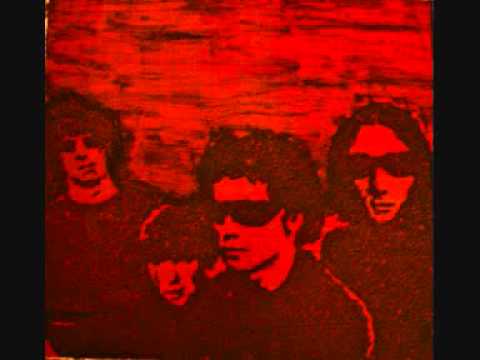
Velvet Underground – Rock and Roll

Lou Reed wrote this song for the album Loaded. This was the last Velvet Undergound album to feature Lou Reed.

Reed left the band right after the album Loaded was recorded. They were booked at Max’s Kansas City in New York City. August 23, 1970.  Reed had played two sets when he simply left the stage, walked up to producer Sesnick, said, “I quit,” and walked out the back door, got into his parents’ car (they drove down from Long Island), and rode away. There was no drama or arguments.

Three months later the album was released and failed to chart. Other founding members Sterling Morrison and Maureen Tucker would leave in 1971  For this reason, it is often considered by fans to be the “last” Velvet Underground album.

In Reed’s 1971 interview with Lester Bangs for Creem magazine, Reed stated that the breakup wasn’t anybody’s fault, but just the way the music business is…he left because he wasn’t making any money, and felt that they’d never be successful.

The band also recorded this song in 1969, during their final weeks with the Verve label, but the well-known version appears on this album.

Lou Reed: “‘Rock and Roll’ is about me. If I hadn’t heard rock and roll on the radio, I would have had no idea there was life on this planet. Which would have been devastating – to think that everything, everywhere was like it was where I come from. That would have been profoundly discouraging. Movies didn’t do it for me. TV didn’t do it for me. It was the radio that did it.”

From Songfacts

Do remember that the album Loaded was supposed to have mainstream appeal. This song perhaps makes the definitive case that Lou Reed boxed in by executive meddling is not the same as Lou Reed given free rein to do whatever he wants by an avant-garde art house. Loaded is an album that divides fans.

Even though it is obviously tailored to mainstream appeal, Velvet Underground managed to slip a subversive edge around “Rock & Roll”: It inverts the standard three-chord progression and has five-bar verses with an especially laid-back approach to the lyrics. It’s done loose and lazy, perfect for the subject, but subtly averting it at the same time.

This looks like a good time to answer the question: What genre do The Velvet Underground belong in? Some say punk, some alternative, some experimental. It was all of those and none of those – Velvet Underground as it was originally formed would doubtless have had the same disdain of conventional labels as does Lemmy Kilmister of Motorhead fame (by the way, Lemmy says he identifies more with punk than metal). The most correct identity that is widely accepted is “protopunk” or “inspiration for punk.” While not having a punk sound as it is understood today, they did bring characteristics to rock music (an aggressive attitude, a rebellious spirit, anti-establishment ideas, and a deliberately crude and minimalist sound) which have since become the hallmarks of the punk genre. Punk rock, when it came along in the early 1970s, was about yelling “You think too much and you don’t get it!” at establishment rock (and likely following with “It’s all about the money to you anyway!”). The Velvet Underground had that idea early on, even if they expressed it as John Cale smashing a whole stack of china dishes instead of Johnny Rotten snarling “Anarchy in the UK!” So, we’ll endorse protopunk, not punk.

Alice Cooper recorded a heavy version for his 2021 Detroit Stories album. Alice told Apple Music he loves the “New York heroin chic” vibe of the Velvet Underground original, but for his cover, he thought, “What happens if we take this song to Detroit and put a V8 engine, and soup it up?”

Alice recruited for his version guitarists “honorary Detroiter” Joe Bonamassa, and Steve Hunter, who played with both Alice and Lou Reed in the 1970s.

Rock and Roll

Jenny said
When she was just five years old
There was nothing happening at all
Every time she puts on a radio
There was a nothin’ goin’ down at all,
Not at all
Then one fine mornin’
She puts on a New York station
You know, she couldn’t believe
What she heard at all
She started dancin’
To that fine fine music
You know her life
Was saved by rock ‘n’ roll
Despite all the amputations
You know you could just go out
And dance to a rock ‘n’ roll station

It was alright
It was allright
Hey baby, You know it was all right

Jenny said
When she was just by five years old
You know why parents gonna be the death of us all
Two TV sets and two Cadillac cars –
Well you know it ain’t gonna help
Me at all
Then one fine mornin’
She turns on a New York station
She doesn’t believe
What she hears at all
Ooh, She started dancin’
To that fine fine music
You know her life
Is saved by rock ‘n’ roll,
Despite all the computations
You could just dance
To a rock ‘n’ roll station

And baby it was alright
And it was alright
Hey it was alright
Hey here she comes now!
Jump! Jump!

It was alright

Big Star: Nothing Can Hurt Me Documentary

Hanspostcard is hosting a movie draft from 12 different genres…this is my musical entry and final pick.

Such a great band but such a frustrating story. Robyn Hitchcock remarked, “Big Star is like a letter that was mailed in 1972 but didn’t arrive until 1985.” That is a great way to explain them. They made three of the best albums of the decade that were not heard until much later. When they were finally discovered they influenced many artists such as The Replacements, REM, Cheap Trick, Matthew Sweet, and more. The last time I checked it was on Netflix…watch this documentary.

When these musicians and critics talk about Big Star…they talk about them like people talk about The Beatles, Rolling Stones, The Who, and The Kinks. In this documentary you have Cheap Trick, REM, Mitch Easter, Robyn Hitchcock, and others talking about the band.

The first album got great reviews…you couldn’t ask for better. When the label called radio stations trying to get them to play it…the stations would say it’s not selling. When someone actually heard the songs on the radio, they couldn’t find the record to buy it. This was basically the same story with all of the albums.

Distribution problems and just bad timing. Stax didn’t do a good job of distribution…they made a deal with Columbia before the second album to distribute the album…problem solved right? Nope, Clive Davis who made the deal was then fired at Columbia. The deal fell through and then Stax disintegrated.

Chris Bell who was key in creating the sound the band had quit after the first album. He came back but then quit again. Chris had depression problems and wanted badly to do something on his own. Alex Chilton continued and finished the second and third album with a new bass player on the third album.

After that, it follows Chris and Alex’s career to the end of both. It also covers Jim Dickinson’s role on the third experimental album. Family members, fans, and rock writers also share their love of Big Star and memories of the band members.

In May of 1973 Ardent Studios where Big Star recorded invited 100 rock writers down to Memphis to hear Big Star live. They all loved Big Star and it went over great…but that wasn’t the band’s problem…it was the business side. What would have happened if they would have signed with a label more suited to them?

Before watching this documentary, a couple of years back I didn’t realize Chris Bell was so instrumental in developing their sound. I knew it wasn’t the Alex Chilton band, but Chris was invaluable and started the ball rolling. All 4 members did contribute writing and singing but Chilton and Bell were the Lennon and McCartney of the group.

It’s a great documentary about a great band that had the talent, but fate wasn’t on their side.

There is the often-used Peter Buck quote that everyone who bought the first Velvet Underground album went out and started a band…the same is true with this band.

My recommendation? Watch it…NOW

Cast

Billy Altman … Self – Writer
Jon Auer … Self
Lester Bangs … Self (archive footage)
Chris Bell … Self (archive footage)
David Bell … Self – Chris Bell’s Brother
Norman Blake … Self
The Box Tops … Themselves (archive footage)
Panther Burns … Themselves (archive footage)
Cheap Trick … Themselves
Stephanie Chernikowski … Self – Photographer
Alex Chilton … Self (archive footage)
Rick Clark … Self – Writer and Musician
Stephen Ira Cohen … Self – U.S. Congressman (archive footage) (as Steve Cohen)
The Cramps … Themselves (archive footage)
John Dando … Self – Band Manager, Ardent Studios 1972-1975
Luther Dickinson … Self
Mary Lindsay Dickinson … Self
Steven Drozd … Self
Van Duren … Self – Musician
Mitch Easter … Self – Musician and Producer
Bruce Eaton … Self (voice) (archive footage)
William Eggleston … Self
Tav Falco … Self
John Fry … Self – Founder, Ardent Studios
John Hampton … Self – Engineer, Ardent Studios
Douglas Hart … Self – Bass, The Jesus and Mary Chain
Robyn Hitchcock … Self
Andy Hummel … Self (archive footage)
Ross Johnson … Self – Writer and Musician
Ira Kaplan … Self
Lenny Kaye … Self – Writer and Musician
John King … Self – Promotions, Ardent Studios 1972-1975
Curt Kirkwood … Self
John Lightman … Self
Carole Manning … Self – Ardent Studios 1972-1975
Mike Mills … Self
The Replacements The Replacements … Themselves (archive footage)
Steve Rhea … Self – Promotions, Ardent Studios 1972-1975
Will Rigby … Self – musician
Richard Rosebrough … Self – Engineer, Ardent Studios 1972-1975
Kliph Scurlock … Self
Tom Sheehan … Self – Photographer
Chris Stamey … Self – Musician and Producer
Big Star … Themselves
Jody Stephens … Self
Sara Stewart … Self – Chris Bell’s Sister
Michael Stipe … Self
Ken Stringfellow … Self
Matthew Sweet … Self
Alexis Taylor … Self
Marge Thrasher … Self – Hostess of Straight Talk (archive footage)
Jon Tiven … Self
Pete Tomlinson … Self – Writer
Jaan Uhelszki … Self – Writer (as Jaan Uhelzski)
Terry Edwards … Conductor, London (uncredited)

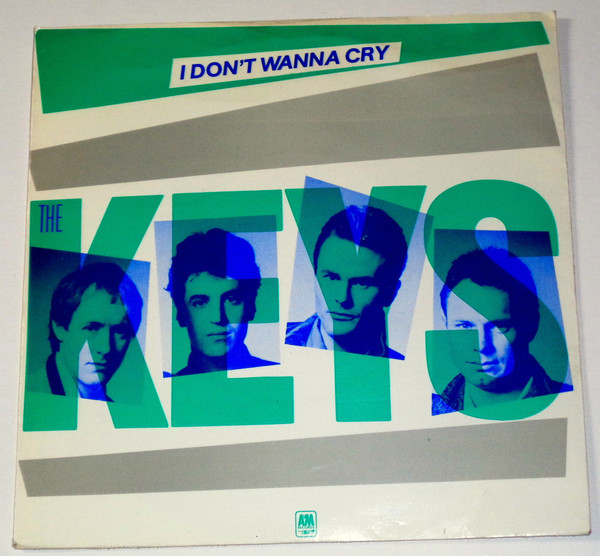
Keys – I Don’t Wanna Cry…. Power Pop Friday

This fantastic English band was active between 1979 through 1983. The Keys attracted a lot of attention. They had a producer who I would have never guessed. Joe Jackson…I just never thought of him producing a power pop record.

The band included main songwriter and bassist Drew Barfield, guitarists
Steve Tatler and Ben Grove, and former Paul McCartney and Wing’s drummer Geoff Britton.

They were signed to A&M records and released the U.K. their only LP “The Keys Album”. The album drew rave reviews, but unfortunately it didn’t sell very well. Besides the album, the label released six singles. Due to a lack of interest The Keys split in 1983.

I listen to the album and I see why they got great reviews…I just can’t figure why they didn’t sell. I Don’t Wanna Cry was the A side and the B side was a song called Listening In. I have the video below…both songs are good power pop.

David Silvia from Allmusic: One of powerpop cornerstones ever. A hidden classic and a real masterpiece. Pop at it’s best

The Keys – The Keys Album (1981, Vinyl) - Discogs

I Don’t Wanna Cry

Was it really just our last good night
when I saw the light and I know
that you’ve been telling lies
Oh, no, not me, I don’t wanna cry
You could talk about it all night long
but the feeling’s gone and
I don’t need you to tell me why
Oh no, not me, I don’t wanna cry

‘Cos you know, I’ve got you figured out
and you have got, nothing to shout about
if this is love, I don’t really wanna play
I wanna know why you want to stay

I know all about your little plan
find a fool and check up the thing you can
well, it seems is never gonna be that way
I wanna know what you want to stay
ESTRIBILLO

Oh no, not me, I don’t wanna cry
I don’t wanna cry
I don’t wanna cry
I don’t wanna cry
I want to know what you want to stay

dB’s – Black and White ….Power Pop Friday

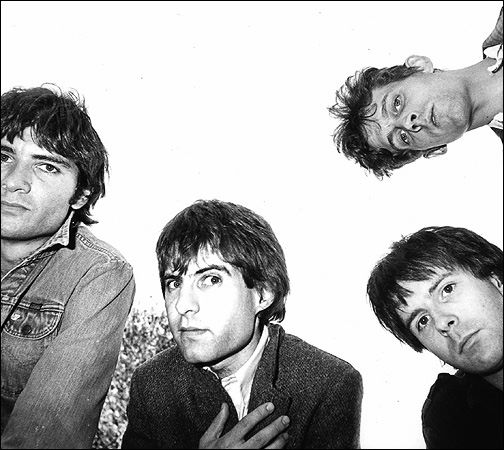
The Db’s were a great unknown power pop band…who would influence many bands but not sale many records. The band members were Peter Holsapple, Chris Stamey, Will Rigby, and Gene Holder.

All of the members are all from Winston-Salem, North Carolina, but the band was formed in New York City in 1978. They never broke through to the masses but they were heard on college radio in the 80s. 

“Black and White,” is the leadoff track to The dB’s debut album Stands for Decibels, and it is pure power pop. The dB’s were signed to the U.K. label Albion, which had trouble licensing the record for American distribution…. and subsequently went un-promoted in radio and only received sporadic play from college radio stations.

The Stands for Decibels album was ranked at number 76 on Pitchforks list of the 100 best albums of the 1980s. The dB’s would released 6 albums in all. The last album was released in 2012 when the members reunited. 

The dB’s broke up in 1988 and Peter Holsapple would go on to be an auxiliary guitarist and keyboardist for REM on the Green tour. He then helped in writing and recording their Out Of Time album. Holsapple subsequently worked with Hootie & the Blowfish as an auxiliary musician.

The dB’s worth checking out. 

Good story on two of the members meeting two Big Star members:

In May of 1978 two members of the dB’s Will Rigby, Peter Holsapple, and future R.E.M producer Mitch Easter made a pilgrimage to Memphis. They were about the only people in America who, while attending high school in the early ’70s, were under the impression that Big Star was a major band.

Their first stop was Danver’s…a restaurant that former Big Star’s Chris Bell worked at and his father owned. They passed a note to the server to talk to Chris and out he came. He was shocked that fans would track him down. It had been 6 years since the Big Star debut album was released.  They were impressed by how nice he was to them.

Bell invited them to join him after work at a ferny bar-café called the Bombay Bicycle Club. Here, while Bell played backgammon with a buddy, the three guys peppered him with questions: What kind of guitar did he play? How did he get those great sounds? 

Bell wondered if the boys were up for maybe checking out a Horslips (local rock band) concert. They instead decided to go over to Sam Phillips Recording Service to visit Alex Chilton, Bell’s former Big Star bandmate, then making his experimental album Like Flies on Sherbert. Bell and Chilton exchanged quiet hellos before Bell went home. 

A few days later Alex Chilton drove Easter and Rigby (Holsapple had already left) around Memphis, showing them the old Sun Studios building (which had a Corvair parked inside it), and taking them up a bluff overlooking the Mississippi. He pulled out a cassette and played a song on a junky little cassette player that took his visitors by surprise.

Chilton played the guys a Chris Bell song. He was raving about it saying it was Chris’s best song and it was the ultimate “Big Star song “…the song was I Am The Cosmos which the public had not heard at this point. 

Chris Bell would die in a car wreck on Decemeber 27, 1978…only 7 months after this happened. 

Chris Stamey on Big Star:“They were my favorite, and as far as I knew they were popular all the way across America. At least for that moment, I forgot about Emerson, Lake, and Palmer.”

Peter Holsapple on meeting Chris Bell and I Am The Cosmos:  “that the person who made all that beautiful music was a right-on kind of guy, too.” “It’s that kind of rife-with-sadness record, but it’s realized with the same imploding beauty that Big Star had. I mean, I Am the Cosmos-it’s just wry enough to make you turn your head and do a double-take, you know, the first sixteen thousand times you listen to it.”

Black and White

I, I never would hurt you
But even if I did you
You never would tell me
Oh, we are finished
As of a long time ago
I stop
I don’t enjoy you anymore
Well I guess I just don’t enjoy you anymore
Well I guess it’s all laid out in black and white
You don’t like it at all

Love
Love is the answer
To no question
But thanks for
Oh, the suggestion
I know I don’t care at all
Yeah, I know I don’t know anything at all
But I stop

I don’t enjoy you anymore
Well, I guess I just don’t enjoy you anymore
Well, I guess it’s all laid out in black and white
You don’t like it at all
(In black and white)

Van Morrison – Wavelength

The first time I saw Van Morrison was on November 4, 1978 on Saturday Night Live. I was 11 and didn’t know anything about him. I hadn’t even heard Brown Eyed Girl…I would not hear that song until I was 18 in 1985. That in itself is one of the mysteries of life…how I could of possibly go 18 years without hearing that song.

He was playing the song Wavelength and it sounded great. I would not become a fan until 1985…I bought a compilation album of the sixties and I heard Brown Eyed Girl…it started a Van Morrison record buying frenzy. Since then I’ve been a huge fan. I saw him on March 7, 2006 at the Ryman Auditorium and he didn’t disappoint. If I could sing like anyone in history…it would be Van.

Van has said that this song is about the Voice of America, which is a radio service run by the United States government for political purposes. Morrison said that he listened to the service when he was a kid.

The song peaked at #42 in the Billboard 100 and #63 in Canada in 1978. The album Wavelength peaked at #28 in the Billboard Album Charts, #31 in Canada, #27 in the UK, and #9 in New Zealand in 1978.

Van Morrison: “It’s actually about Europe, because that’s where the station was. It came out of Frankfurt, and the first time I ever heard Ray Charles was on the Voice of America. We tried to get a tape recording of the Voice of America to put on the front of that track, but it didn’t work out. I didn’t get it by the time the album was due to be mixed. But I think it would have made it a lot clearer if the signature thing was on the front of it. It doesn’t click for a lot of people.”

Wavelength

This is a song about your wavelength
And my wavelength, baby
You turn me on
When you get me on your wavelength
Yeah, yeah, yeah, yeah, yeah
With your wavelength
Oh, with your wavelength
With your wavelength
Oh mama, oh mama, oh mama, oh mama oh mama, oh mama

Wavelength
Wavelength
You never let me down no

When I’m down you always comfort me
When I’m lonely you see about me
You are ev’ry where you’re ‘sposed to be
And I can get your station
When I need rejuvenation

Wavelength
Wavelength
You never let me down no

I heard the voice of America
Callin’ on my wavelength
Tellin’ me to tune in on my radio
I heard the voice of America
Callin’ on my wavelength
Singin’ “Come back, baby
Come back
Come back, baby
Come back”

Do do do dou dit do do dou dit do do do do do

Won’t you play that song again for me
About my lover, my lover in the grass, yeah, alright
You have told me ’bout my destiny
Singin’ “Come back, baby
Come back
Come back, baby
Come back”

On my wavelength
Wavelength
You never let me down no
When you get me on
When you get me on your wavelength
When you get me
Oh, yeah, Lord
You get me on your wavelength

You got yourself a boy
When you get me on
Get me on your wavelength
Ya radio, ya radio, ya radio
Wave wave wave

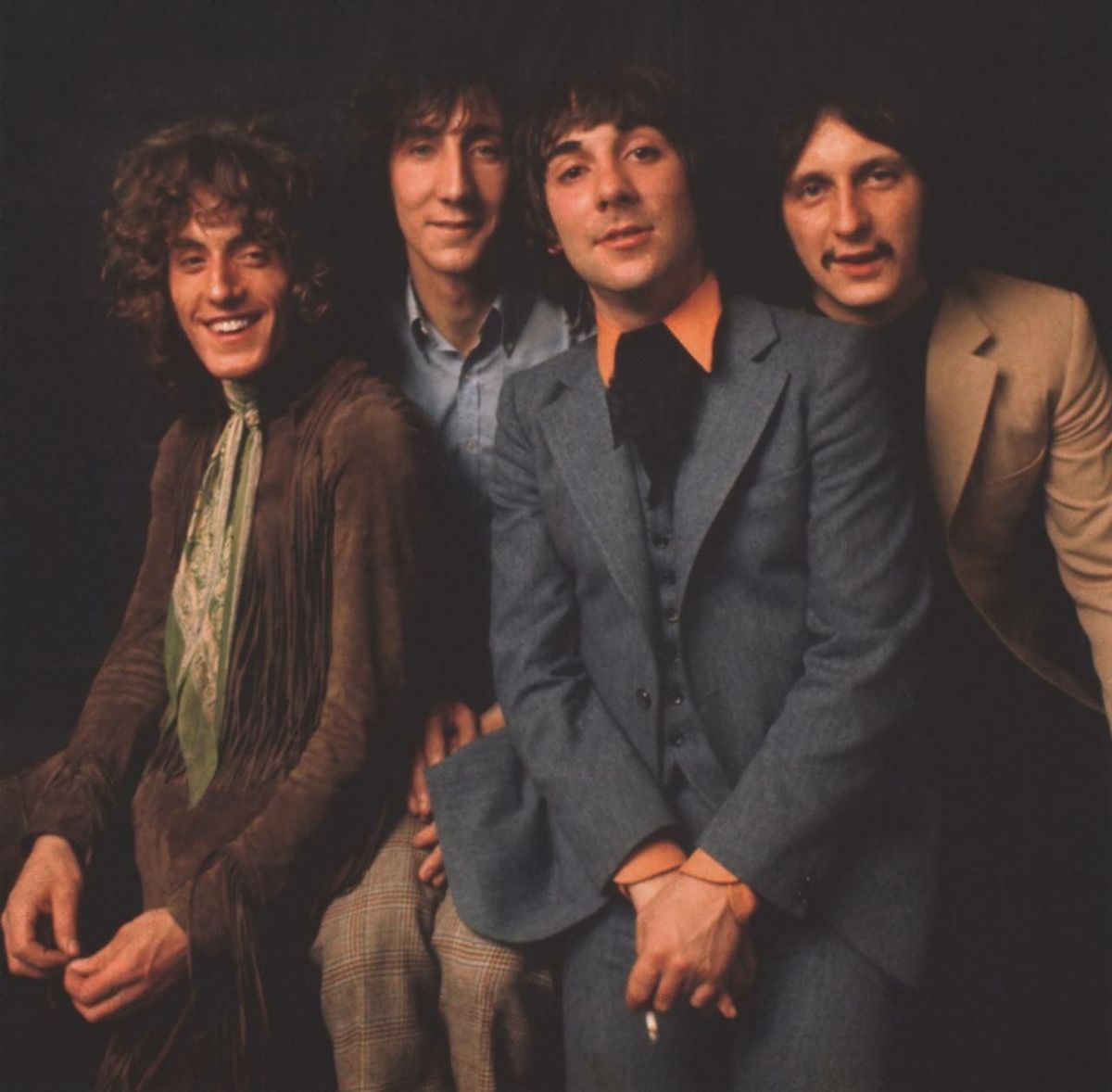
Who – Sally Simpson

This song is one of my favorite songs off the 1969 Tommy album along with the song Christmas. I never thought Tommy was their best album by any means but it is the one that broke them to a mass audience.

While Townshend was backstage at a Door’s concert, a security guard roughly handled a girl who was attempting to touch Jim Morrison, just as Sally was attempting to touch Tommy. There is a video of the real “Sally Simpson” back stage and Jim Morrison is trying to help her. I have the video at the bottom. I never knew a video existed of this until recently. 

The song was never released as a single but is a great section of the story of Tommy. In Baba O’Riley there is a lyric that mentions Sally or a different Sally. “Sally, take my hand we’ll travel south ‘cross land”…could it be? I doubt it but you never know. 

The Who during this time were touring and including opera houses. They were as tight as a band can be…it was soon after that they released what I think is the greatest live album ever…Live At Leeds. 

Here is video of Jim Morrison tending to “Sally” backstage. Yep, real footage of the girl that inspired Pete to write Sally Simpson.


Sally Simpson

Outside the house Mr. Simpson announced
that Sally couldn’t go to the meeting.
He went on cleaning his blue Rolls Royce
and she ran inside weeping.
She got to her room and tears splashed the picture
of the new Messiah.
She picked up a book of her fathers life
and threw it on the fire!

She knew from the start
Deep down in her heart
That she and Tommy were worlds apart,
But her Mother said never mind your part…
Is to be what you’ll be.

The theme of the sermon was come unto me,
Love will find a way,
So Sally decided to ignore her dad,
and sneak out anyway!
She spent all afternoon getting ready,
and decided she’d try to touch him,
Maybe he’d see that she was free
and talk to her this Sunday.

She knew from the start
Deep down in her heart
That she and Tommy were worlds apart,
But her Mother said never mind your part…
Is to be what you’ll be.

She arrived at six and the place was swinging
to gospel music by nine.
Group after group appeared on the stage
and Sally just sat there crying.
She bit her nails looking pretty as a picture
right in the very front row
And then a DJ wearing a blazer with a badge
ran on and said ‘here we go!’

The crowd went crazy
As Tommy hit the stage!
Little Sally got lost as the police bossed
The crowd back in a rage!

But soon the atmosphere was cooler
as Tommy gave a lesson.
Sally just had to let him know she loved him
and leapt up on the rostrum!
She ran cross stage to the spotlit figure
and touched him on the face
Tommy whirled around as a uniformed man,
threw her of the stage.

She knew from the start
Deep down in her heart
That she and Tommy were worlds apart,
But her Mother said never mind your part…
Is to be what you’ll be.
Her cheek hit a chair and blood trickled down,
mingling with her tears,
Tommy carried on preaching
and his voice filled Sally’s ear
She caught his eye she had to try
but couldn’t see through the lights
Her face was gashed and the ambulance men
had to carry her out that night.

The crowd went crazy
As Tommy left the stage!
Little Sally was lost for the price of a touch
And a gash across her face! OOoooh.

Sixteen stitches put her right and her Dad said
‘don’t say I didn’t warn yer’.
Sally got married to a rock musician
she met in California
Tommy always talks about the day
the disciples all went wild!
Sally still carries a scar on her cheek
to remind her of his smile.

She knew from the start
Deep down in her heart
That she and Tommy were worlds apart,
But her Mother said never mind your part…
Is to be what you’ll be.

Byrds – Tiffany Queen

Back in the 80s I bought some compilation Byrds tape with this song on it. I had never heard it before but I liked it right away. It does borrow from 50’s rock and roll just a little bit just enough to give it flavor.

Tiffany Queen was written and recorded live in the studio and it is a fun song. The song was on the album Farther Along and was released in 1971. The album peaked at #152 in the Billboard Al bum Charts and #41 in Canada.

FartherAlongCover.jpg

Farther Along was not their best album…their next album would be the reunion of the original members in 1973. That album was called Byrds and it peaked at #20 in the Billboard Album Charts, #19 in Canada, and #31 in the UK.

Roger McGuinn: “We wouldn’t really write at a session, because studio time was so expensive. Usually the writing would take place at someone’s house, either my house or the other guy’s house. We’d sit down at a table and chairs with a legal pad and start working on it. And you know, it definitely is work, it’s a lot more perspiration than inspiration! Once in a while you get a tune that’s pretty fully formed, like you wake up having heard it in a dream or something, but that’s only happened once in a while to me. An example of that would be the song Tiffany Queen: I dreamed that song and went in and recorded it the next day. I can’t think of any others.”

Tiffany Queen

Happiness hit me on the first day that we met
She was sitting in my kitchen with a face I can’t forget
She was looking in my direction and calling with her eyes
I was trying to do and interview and telling them all lies
Last year in the summer with a tiffany lamp over her head

They asked me what I thought about the 50’s rock n roll
Then they got into a limousine and fell into a hole
I moved into the kitchen and I quickly fell in love
The warden came along and asked me what I was thinking of
Last year in the summer with a tiffany lamp over her head

Well I grabbed her by the hand and with a few things I could
The warden said your leaving you better leave for good
I made it to Tasmania to buy a devil dog
We met a handsome prince who turned into a frog
Last year in the summer with a tiffany lamp over her head

Now we’re living out in Malibu the ocean by our side
Laying in the sunshine drifting with the tide
Happiness hit me on the first day that we met
She was sitting in my kitchen with a face I can’t forget
Last year in the summer with a tiffany lamp over her head
Over her head

Slade – Take Me Bak ‘Ome

I love watching old Slade videos on youtube. They were a lot of fun to listen to and watch. They were a hard rocking glam band that somehow never made it in America. Some of their songs did a decade later covered by Quiet Riot. Slade did have a couple of hits in the 80s in America but their golden period was in the early to mid seventies. 

They weren’t the only UK band not to hit big in America. They are joined by T. Rex, The Small Faces, Oasis, and The Jam just to name a few. 

This song peaked at #1 in the UK and #97 in the Billboard 100 in 1972. The song was written by band members Noddy Holder and Jim Lea. 

Jim Lea said he had been working on the song for a few years… he stole a phrase or two from The Beatles Everybody’s Got Something to Hide Except Me and My Monkey and nobody ever noticed.

Their next single Mama Weer All Crazee Now  peaked at #1 in the UK.

Take Me Bak ‘Ome

Came up to you one night noticed the look in your eye,
I saw you was on your own, and it was alright, yeh it was alright.
They said I could call you Sidney, oh I couldn’t make out why,
standing here on your own an’ it was alright, yeh it was alright.

[Chorus]
So won’t you take me back home, a take me back home,
and if we can find plenty to do and that will be alright
yeh it will be alright

O you and your bottle of brandy, both of you smell the same,
you’re still on your feet, still standing so it was alright,
yeh it was alright.
The superman comes to meet you, looks twice the size of me,
I didn’t stay round to say goodnight so it was alright,
yeh it was alright.

[Chorus]

So won’t you take me back home my baby, ah won’t you take me back home yeh
I said take me, take me take, take me back home,
take me take me take, take me back home oh won’t you..