Power Pop fan, Baseball, Beatles, Alternative music, old movies, and tv show fan. Also anything to do with pop culture in the 60s and 70s... I'm also a songwriter, bass and guitar player. Not the slightest bit interested in politics at all.
During my senior year in high school in 1985, I had their greatest hits. I wore it out and became a huge Cream fan. I went to an old music store a couple of years ago and they had an original 60s Leslie Cabinet. Why am I bringing that up? That is what Clapton is playing through on this song. A Leslie Cabinet (I have video at the bottom of the post) contains a rotating horn and was designed for organs, but many tried it with guitars. It gives an organ guitar a swirling sound. The Beatles used it a lot.
One of my favorite Cream songs. Badge was written by Eric Clapton and George Harrison. In George’s handwritten lyrics he wrote the word “Bridge” as in bridge of a song and Clapton thought it read “Badge” so they named the song that. In 1969 Badge peaked at #60 on the Billboard 100 Charts, #18 on the UK Charts, and #49 in Canada.
It appeared on Cream’s final album Goodbye. This song is one of only 3 studio tracks on Goodbye…the rest are live cuts. Badge would be the only Cream song to include 5 people…in addition to Clapton, Bruce, Baker and Harrison, Felix Pappalardi played the piano and Mellotron. Pappalardi produced Disreali Gears, Wheels Of Fire, and Goodbye. Robert Stigwood produced their debut album Fresh Cream.
Cream were broke up when this album was released. Clapton was already working with Blind Faith. The did reunite for the Rock and Roll Hall of Fame induction in 1993 and played 3 songs. In 2005 the band reunited at the Royal Albert Hall…the location of their last concert in 1969 and later in the year at Madison Square Gardens.
I will say…it’s hard for me to listen to the 2005 reunion. Clapton chose to play his Fender guitar and it just didn’t have the bite his Gibson SG had in the Cream days. I didn’t expect the long jams but I do wish he would have been a bit dirtier in his sound. The musicianship though was great.
Don’t study the lyrics too much. They don’t make much sense. Supposedly many of them came from drunk conversations with George and Ringo.
George Harrison:I helped Eric write “Badge” you know. Each of them had to come up with a song for that Goodbye Cream album and Eric didn’t have his written. We were working across from each other and I was writing the lyrics down and we came to the middle part, so I wrote ‘Bridge.’ Eric read it upside down and cracked up laughing – ‘What’s BADGE?’ he said. After that, Ringo walked in drunk and gave us that line about the swans living in the park
Hope I didn’t bore you all with the Leslie Cabinet information, but I really like them. In this video you will see how it works and why an organ gets that swirling sound. A sixties model costs around $3000 and up.
Back to our song of the day!
Badge
Thinkin’ ’bout the times you drove in my car. Thinkin’ that I might have drove you too far. And I’m thinkin’ ’bout the love that you laid on my table.
I told you not to wander ’round in the dark. I told you ’bout the swans, that they live in the park. Then I told you ’bout our kid: now he’s married to Mabel.
Yes, I told you that the light goes up and down. Don’t you notice how the wheel goes ’round? And you better pick yourself up from the ground Before they bring the curtain down. Yes, before they bring the curtain down.
Ah Ah Ah, yeh yeh yeh Ah Ah Ah, yeh yeh yeh
Talkin’ ’bout a girl that looks quite like you. She didn’t have the time to wait in the queue. She cried away her life since she fell off the cradle.
This episode is a light Twilight Zone and it was appropriately released on Valentine’s Day. Wally Cox plays James Elwood a computer programmer in the early 60s. Wally Cox’s voice is distinctive. If you are a cartoon fan, he was the voice of Underdog. He was also Marlon Brando’s best friend throughout their lives. The computer he is programming is acting strange…that is because “Agnes” the computer is in love with James.
The problem with From Agnes With Love lies with the main character. James Elwood is enormously brilliant in his position but positively inept and naive in life. Sue Randall appears in this episode and she is probably best known as Miss Landers in Leave It To Beaver. All in all, it’s a fun episode but not as memorable as some of the other lighter episodes. As I’ve said before, the 5th season is not as consistent as the first 3. You do have some great episodes mixed in with good and a couple that are below the Twilight Zone’s high standards.
From IMDB Trivia: When Agnes opens the doors to communicate, there are a few phrases that apparently make no sense. AUT AMAT AUT ODIT FEMINA is Latin for “a woman either loves or hates”. Also T’MA ZHILI BYLI and V TUMANE are stories by Russian author Leonid Andreyev. They translate to “Once There Lived”, and “In the Fog”, both controversial stories about women’s sexuality.
While they are in Walter’s apartment he mentions he wanted to drive a “Mustang 500” sports car. This episode was broadcast on February 14, 1964. The 1964-1/2 Ford Mustang was first introduced to the public on April 17, 1964 at the New York World’s Fair, although there had been Mustang concept cars in 1962 and 1963. The Shelby GT500 Mustang was first produced for the 1967 model year.
The music heard early in the episode and in different variations throughout the episodes, is titled “The Cuckoo Song”. Also known as “Dance Of The Cuckoos”, it is perhaps best known as the theme music from the Laurel and Hardy comedy films of the early to mid 1900s.
This show was written by Rod Serling and Bernard C. Schoenfeld
Rod Serling’s Opening Narration:
James Elwood: master programmer. In charge of Mark 502-741, commonly known as Agnes, the world’s most advanced electronic computer. Machines are made by men for man’s benefit and progress, but when man ceases to control the products of his ingenuity and imagination he not only risks losing the benefit, but he takes a long and unpredictable step into… the Twilight Zone.
Summary
When their computer, known as Agnes, breaks down the company supervisor calls in a master programmer James Elwood to see if he can figure out what has gone wrong. He solves the problem quickly and soon finds himself in charge of the machine. Agnes and Elwood quickly develop a rapport and the machine takes to giving him advice about Millie, Jim’s co-worker who has finally agreed to go out on a date with. The date doesn’t go well and Agnes has more and more advice for him. It turns out that Agnes has her own agenda.
Rod Serling’s Closing Narration:
Advice to all future male scientists: be sure you understand the opposite sex, especially if you intend being a computer expert. Otherwise, you may find yourself like poor Elwood, defeated by a jealous machine, a most dangerous sort of female, whose victims are forever banished… to the Twilight Zone.
CAST
Rod Serling … Narrator (voice) (uncredited) Wally Cox … James Elwood Sue Randall … Millie Raymond Bailey … Supervisor Ralph Taeger … Walter Holmes Don Keefer … Fred Danziger Byron Kane … Assistant Nan Peterson … Secretary
Happy Friday Everyone! Hope your week is going well. Lisa from Tao Talk did me an honor by posting an article I wrote on her site about Maria McKee from Lone Justice in her Women Music March series…she has had some great artists! Check it out if you can.
When Big Star comes up, when people think of a member…it’s usually Alex Chilton. That is not a bad thing but on their debut album Chris Bell was just as prevalent as Chilton. This song was off of their debut album named #1 Record. It’s the only album to feature Chris Bell along with Alex Chilton the entire album. They complimented each other perfectly.
After writing a post for Dave’s site about Badfinger (thanks Dave)…a band that I obviously like…I thought I would post about another band that is right up there. I hold Big Star’s music up with The Who, Beatles. and Kinks…they never had the sales but they did have a giant influence. They released this album as their debut in August of 1972. Whenever I write about this band, I always have to stop myself from gushing about them. Was it the mystique of them? Was it the coolness factor of liking a band that not many people know? No and no. It’s about the music. Mystique and coolness wear off and all you are left with is the music…We are fortunate to have 3 albums by Big Star to enjoy.
“Feel” leads off the album with a bang. Feel was written by Chris Bell and Alex Chilton and Bell takes the lead vocal. There are more hooks in this song than in a tackle box. This is what power pop is all about. If I had to introduce someone to power pop, I would ask them to listen to #1 Record by Big Star and Straight Up by Badfinger.
All three are in Rolling Stone’s top 500 albums of all time. For a band that never charted a record that isn’t too bad. When their albums were finally discovered by later bands, they influenced many artists such as The Replacements, REM, The Cars, Cheap Trick, Sloan, Matthew Sweet, KISS, Wilco, Gin Blossoms, and many more. They influenced alternative rock of the 80s and 90s and continue to this day.
Drummer Jody Stephens: “All of a sudden I’m playing with these guys that can write songs that are as engaging to me as the people I’d grown up listening to, so I felt incredibly lucky.”
Paul Westerberg: “I never travel far, without a little Big Star,”
Alternate Mix
Feel
Wondering what are you doing? You’re driving me to ruin The love that you’ve been stealing
Has given me a feeling
I feel like I’m dying I’m never gonna live again You just ain’t been trying It’s getting very near the end
I feel like I’m dying I’m never gonna live again You just ain’t been trying It’s getting very near the end
Wondering what are you doing? You’re driving me to ruin The love that you’ve been stealing Has given me the feeling
I feel like I’m dying I’m never gonna live again You just ain’t been trying It’s getting very near the end
Thanks to Max, aka “Badfinger” for giving me the chance to write something for his site today! He’s likewise written something cool about the band from which he took his screen-name, for my site, A Sound Day, (http://soundday.wordpress.com today) One of the best things about writing a blog, for about four years now, has been getting to know other bloggers with similar interests and read their posts. Of those, Badfinger has been a favorite of mine almost since I came to WordPress. I’m amazed that he and I are similar in age and have very similar tastes in music, and in baseball as well. So, needless to say he’s a pretty cool guy!
What I do at A Sound Day is post daily articles generally involving things which have happened on that calendar day in the world of music – album releases, records hitting #1, musicians having birthdays, that sort of thing. A simple enough idea, and one which I must admit wasn’t entirely original. A decade or so back, ex-Sex Pistol John Lydon (aka Johnny Rotten) ran a short syndicated radio bit called “A Rotten Day” which did the same basically, but in headline form delivered in his characteristically snarky persona. So, it’s not a unique idea, but I try to go beyond the headlines and tell a story. Make it interesting. For example, we pretty much all know the song “Midnight Train to Georgia”, but how many knew it was indirectly inspired by a Mississippi songwriter talking to Farrah Fawcett? Lots of us like London Calling, but do we know that the big hit single on it, “Train in Vain” wasn’t included on the track listing printed on the record because it wasn’t supposed to be on the album? How about an avant garde new wave rocker who has a successful second career writing books about archaeology? It’s the details that make the stories interesting and I try to find them… and remind people of some great music that they might have forgotten. Or introduce them to music I love that they might not have even heard. Grudgingly, I sometimes even cover music that, well, didn’t really get my motor running but was important in its own way, and try to listen to it with a fresh ear. If it was rock, or pop, or maybe even occasionally country, and it was from the ’60s to the end of the century, I’ve probably given it a look. That’s kind of an overview of what I do there, but let me tell you a bit about why.
Music has always been important to me. A big part of my memories… so much so that it can be an almost Rainman-like, frustrating ability. I can barely remember the names of my teachers or classmates from 1974, for example, but I can probably name two-thirds of the #1 songs of that year without ever looking to Google or Wiki. I couldn’t tell you the name of a girl I might have danced with at a junior high dance, but I can still recall the song was “Car Wash” by Rose Royce.
Mind you, there weren’t a lot of dances for young me. I was rather ill a lot of the time, and had by 1970s standards, a very over-protective mother…although by today’s standards, she was pretty lax. At least I walked or cycled to school myself instead of being driven to the door. But if it was raining, or cold, I probably wouldn’t be going out with friends to hang out on the weekend – “you’d get sick.” So I was home (with chain-smoking adults) and prone to lots of asthma attacks and bouts of pneumonia. Things like reading, looking outside at the birds coming to the feeder and music took on an import to me that many wouldn’t be able to relate to. Music especially.
Both my parents liked music, and every vague memory I have of being very young seems to have included music somewhere in the background. One of my first memories was listening to Sgt.Pepper and marveling in the weird but delightful sounds coming from the big wooden-cabinet stereo in the living room, while being dazzled by the funny-looking cover of the record. I can’t say whether it was my Mom or my brother who had the album… my Mom loved the Beatles and my older brother was a rocker as long as I can remember. One time just after he was old enough to drive, my Dad let him drive the car home most of the way from a family Florida vacation. He played Wish You Were Here on 8-track for almost the entire ride. It took some years for me to be able to listen to that with happy ears, I can tell you! Pop, Beatles, Glen Campbell, some old-school country now and again… there always seemed to be music on in the house when I was little.
Around when I was five, I was given a little transistor radio. Might have been for my birthday, might have been for Christmas. I can’t remember. What I do remember is that little black plastic, mono radio with its’ rotating dial and tiny earbud let me listen to my own music…and life was never the same. And here, I feel very lucky because I grew up near Toronto, Canada… so I got to mature listening to two of the coolest radio stations on the continent…CHUM when I was a kid, and CFNY as I grew towards adulthood.
The first station I seemed to find on that little transistor was 1050 CHUM. A Toronto “hits” station that was by far the most-listened to station in the entire country at the time. It had been around since, well about since Noah went looking for two giraffes and two hornets ( did you really have to take them…but I digress!) but one which had switched to rock and pop before the curve, in 1957. “All Shook Up” was the first song they played apparently, and their first #1 song. Madonna’s “Live to Tell” was its final one, 29 years later before it changed formats (the station still exists but is now talk sports apparently) so it covered my early school and junior high years. My tuner rarely swayed back then, even though my radios got better and better through the ’70s, to a big transistor with a big built-in speaker to one of those only-in-the-70s white, plastic stereos with rounded corners and a turntable on top. And I put that to use; while other kids were spending their allowances on chocolate bars or comic books, I was saving my coins til we went to the mall and I could buy “Chevy Van” or “Don’t Call Us, We’ll Call You” as singles. I still remember the first LP I bought – Elton John’s Greatest Hits. Nearly 50 years later, that still seems like a pretty decent place to start.
CHUM was a pretty conventional “top 40” station, even though it actually had a “top 30”. And a cool thing about that was they actually published it weekly… I’d stop by the basement of Eatons and go to the records and pick up a little folder with the top 30 songs listed inside, as the picture shows. And take a look at that, a fairly typical example of one. Rock – how ’bout BTO or Rick Derringer? Country, dare you say? Umm, Tom T. Hall, John Denver. Cool pop? Elton John, Wings. Disco? It’s there. In fact, CHUM let us hear pretty much everything that was hot in the decade from Motown to Meco to McCartney. It was one of the great things about the decade, its music (which Max nicely reminded us last week with his 70s AM Radio series) and radio before it became too formulated and narrow in playlists. Plus, it mixed in a fair bit of Canadian content. That helped the homegrown artists and let us hear even more of a range of music. The world knew Anne Murray and BTO but we knew Wednesday (from my hometown, their biggest hit being a cover of “Last Kiss”) and Edward Bear too. Years before he was writing “Black Velvet” for his girlfriend Alannah Myles, we knew Christopher Ward as a decent singer of soft-rock ballads (www.youtube.com/watch?v=2E1VgsoS6i4 ) thanks to CHUM.
One thing Toronto was great for – many say best in North America – was being open to new sounds and “obscure” British music. By 1980, CHUM’s list of #1 songs included some classic rock mega-names – Led Zeppelin, John Lennon, Pink Floyd – but also things like “Turning Japanese” by the Vapors and “Making Plans for Nigel” by XTC. That might have been inspired a bit by the second great station that I lived with – CFNY.
CFNY-FM was a station started in the late-’70s in “the little yellow farmhouse” in the outer suburbs. It’s reach was only a few miles at first; it’s nickname “the Spirit of Radio”… yes the one and the same name Rush wrote a song about. It concentrated on finding and playing great music other stations ignored. If you were going to hear the Damned, solo Peter Gabriel or Depeche Mode years before other people would in Canada, it was going to be on CFNY. As time went by though the station relocated, bought more powerful transmistors and was broadcasting to half a million regular listeners from the CN Tower. And making bands like the Psychedelic Furs and The Smths huge, arena-selling artists in Toronto. Such was their sway in the area that soon other stations began copying them to some degree. Not many hard rock stations were playing A Flock of Seagulls or “music at work” stations The Stranglers, but in Toronto they were. They had to to compete. Now, don’t get me wrong. I actually liked Bruce Springsteen, John Mellencamp, even Madonna and I did hear them, once in awhile turning over to a hit station, or watching Much Music (our version of MTV) but by listening to so much CFNY I found incredible music by artists most elsewhere in North America never heard of – It’s Immaterial, Black (Liverpool singer Colin Vearncombe), (www.youtube.com/watch?v=koRT3HEmre4 )
Sinead O’Connor long before she flipped her wig and became a Saturday Night Live punchline. And as with CHUM, CFNY highlighted a lot of great Canadian acts. A couple of them went on to become national heroes with a lengthy string of platinum records at home… while remaining anonymous outside the Great White North. Blue Rodeo and Tragically Hip. The latter had very Canadian-oriented lyrics that made them so endeared the Prime Minister attended their final concert… which was televised nationwide on the national network! The former mixed country and rock seamlessly to create a great music that at the time defied labels – alt country? Country rock? Later it would probably be described as one of the early examples of “Americana” music (www.youtube.com/watch?v=Mqa4YzKPrFw ), following the traditions of The Band before them. Something we took to by the millions up there… but wouldn’t likely have ever heard were it not for that one station championing them in the early days. See an example of one of their year-end charts below.
When I was six or seven, and coughing and my parents were fighting, I could be in my room listening to Jim Gold or the Doobie Brothers on that transistor radio…and feel kind of happy. A decade or so later, I didn’t fit in that well in many places but when I went to the indie record store and picked up the latest import 12” Depeche Mode single, I was everyone else’s equal… the equivalent of a Sheldon in Stuart’s comic book shop on Big Bang Theory. Music was my friend.
It still is, and I feel priviledged to be able to help you discover some of it, and make some human friends all the while doing so. Thanks again Max, for giving me this space today.
This is a cool funky instrumental by Billy Preston from 1972.
This instrumental was a track from Billy Preston’s sixth album, I Wrote a Simple Song, his first for A&M Records. Preston had faith in the song but A&M placed it on the B side to I Wrote a Simple Song. The same old story here…when the disc jockeys turned the single over they played it more than the A side.
I Wrote a Simple Song,” only peaked at #77 on the Billboard 100 Chart. I’m sure Billy Preston felt good about that.
Like Stevie Wonder was using at the time, Preston used a Clavinet for this song.
Three years before this, Preston played with the Beatles on the Let It Be album. John even suggested that they add him to the band. George Harrison kept working with Preston, using him on his 1970 solo album All Things Must Pass. When Harrison embarked on his only solo tour in 1974, Preston was in his band, but a big enough star in his own right to get some of his own songs in the set, including Outa-Space.
Preston was a top session keyboardist in the 1960s. He ended up backing artists such as Little Richard, Sam Cooke, Ray Charles, the Everly Brothers, Reverend James Cleveland, The Beatles and The Rolling Stones.
The song won the 1972 Grammy Award for Best Pop Instrumental Performance.
This was used in several movies, including the 1973 TV movie Go Ask Alice, Muppets From Space, Rush Hour 2, and The Look of Love.
From Wiki: Preston had suffered kidney disease in his later years. He received a kidney transplant in 2002, but his health continued to deteriorate. He had voluntarily entered a drug rehabilitation clinic in Malibu, California, and suffered pericarditis there, leading to respiratory failure that left him in a coma from November 21, 2005. Preston died on June 6, 2006, in Scottsdale, Arizona.
Tomorrow Dave will be hosting a post of mine on his site A Sound Day…and I will be hosting a post by him… right here…end of commercial!
I wanted to shake things up a little today…This post is about my first car… what was your first car?
It’s funny how you don’t know what you have when you have it. I was 16 in 1983 and my mom surprised me with my first car. It was used…it cost her 1000 dollars. I thought it was cool and everything, but I didn’t know cars. The car was a year older than I was at the time. It was purplish…I currently cannot find a picture of it. Inside was off-white cloth seats with blue carpet…not factory I assure you.
I drove the wheels off of that car. The engine was decent, and it didn’t burn much oil at all for an old car.
Was it a perfect car for a 16-year-old boy? NO, it was not the perfect first car for a kid.
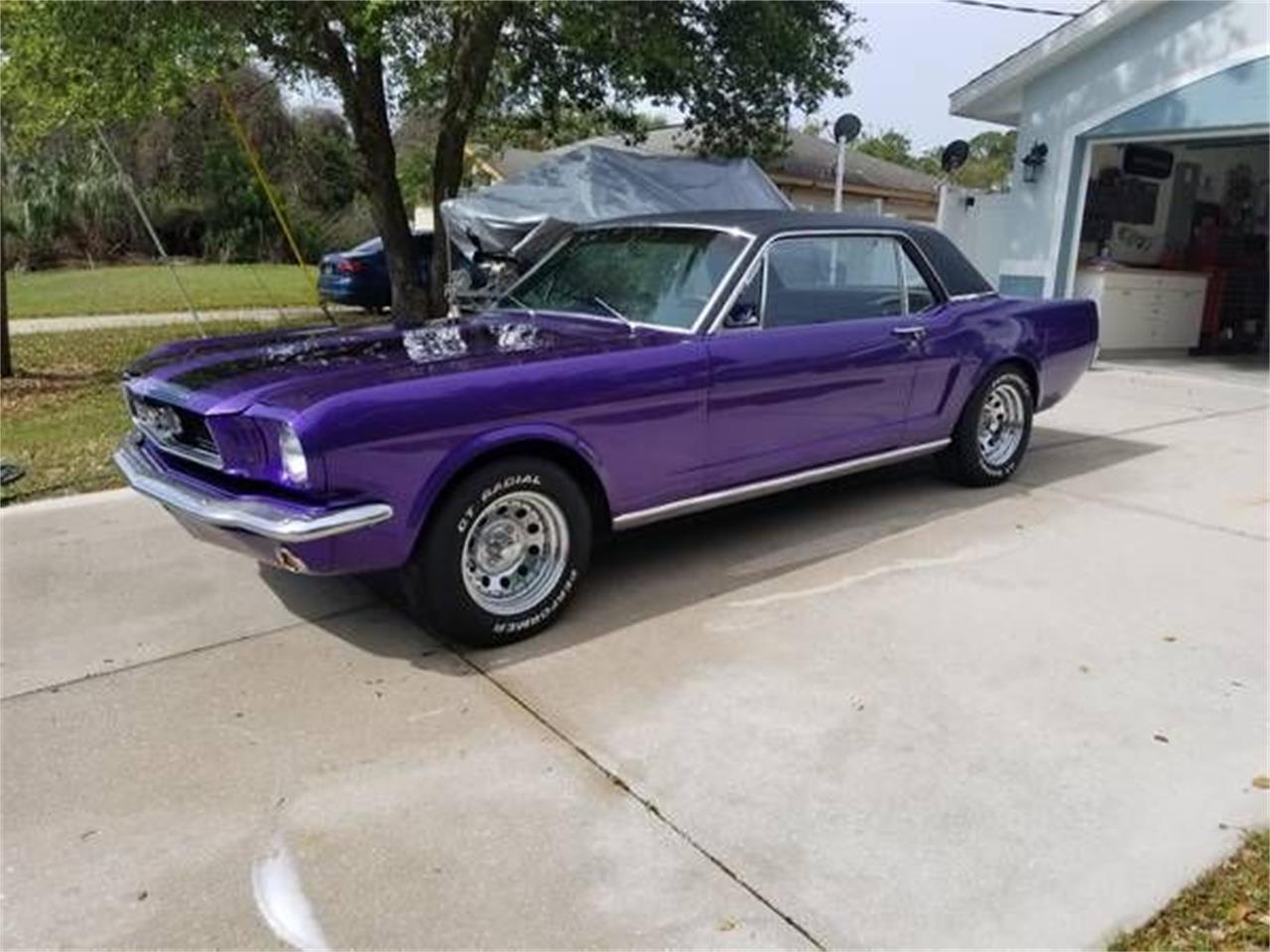
My mom had bought me a 1966 Mustang. I still cannot believe I had this car. No sixteen-year-old should have a classic Mustang…but then again…in 1983 they were not classic yet.
It looked something like this except with a bad homemade matte finish, no cool wheels, way more beat up, and it looked much older even then. In other words, the model was the same, but the similarities ended there.
Those cars do not have much room, but my friends and I made it work. Our band would have gigs or practice and the four of us would pile into the car…with our amps and drum kit. The passenger back window would not roll all the way up and in winter our drummer would be in the back seat on that side…he said his teeth would hurt because he was so cold when we arrived at our destination with the bass drum in his lap.
The first time it snowed, I got out in the car. I didn’t know what I was doing at all. No one ever taught me how to drive in snow. In middle Tennessee, we don’t get much snow now… but in the 70s and 80s, we did. We got off of school early that day because of the snow so a couple of friends of mine (Kenny and Paul) jumped in the car and we went out exploring the winter wonderland. Kenny was in the backseat with my Epiphone guitar that stayed with me. Paul was riding shotgun and we were happy getting out of school early.
I drove us around most of the day and it was at least 5 inches of very wet snow on the roads. I thought well, this is no problem. That is until we started down a certain snow-covered hill. I did the one thing you don’t do on snow…locked up the breaks. Everything was in slow motion when that happened. I suddenly said…” we are going to wreck guys”. I heard a laugh and sure enough, off we went into a creek.
We hit the creek bed with a crunching thud… everybody was tossed around. What was the first thing your humble writer asked? Did I ask how everyone was? No, the first thing I asked was “Hey, Kenny… is my guitar ok?”…Ya, I was a sensitive 16-year-old. They never let me forget that to this day. By the way, the guitar was ok and Paul and Kenny still walk the earth today so no one was seriously hurt.
We had no money on us, we walked through the snow for a couple of miles…me carrying my guitar to a friend’s house and I borrowed $25 for a tow truck.
I was extremely lucky with the Mustang. The only damage was the passenger side fender. It took me months to find a fender for that car. I finally had to order it from a junkyard, and it cost me 75 dollars in 1984.
In 1985 the Mustang broke down and I got another car instead of getting it repaired but not after racking up a lot of mileage and fun… You only get one first car…and mine was something to remember. Now when I see an old Mustang, I think of how I wish I would have appreciated mine more.
I really like this one a lot. It has a feel of a horror movie because it is somewhat of a ghost story. It’s about an older lady who starts getting calls in the middle of the night. Gladys Cooper is brilliant as Elva Keene in this episode. Elva is confused and frightened by persistent phone calls from an eerie sounding caller.
Gladys also appeared in Nothing in the Dark opposite Robert Redford in the 3rd season. Who else but Rod Serling could take something as simple as an inanimate object, a telephone, and turn it into an element of fear and dread?Highly suspenseful episode with an ironical ending. So who is the caller interrupting elderly Elva’s rest? One typical Twilight Zone trait is here…loneliness. This one will make you hesitant to answer the phone at night.
From IMDB Trivia: The title of Richard Matheson’s original short story is “Long Distance Call”. However, as there was already an episode of The Twilight Zone (1959) with this title, The Twilight Zone: Long Distance Call (1961), the title of this episode had to be changed.
Originally scheduled to air on November 22, 1963, it was preempted by John F. Kennedy’s assassination. In the alternate timeline featured in The Twilight Zone: Profile in Silver/Button, Button (1986) in which JFK’s assassination was prevented, a CBS television announcement is heard: “We will now return to our regular programming” and the theme of The Twilight Zone (1959) is played, a reference to the intended broadcast date of this episode.
Elva’s phone number is KL-5-2368. The K and the L are both the number 5 on the phone dial. “555” is an exchange number commonly thought to be reserved by the phone companies for use by TV and movies in order to prevent prank phone calls to real people. In fact, only 555-0100 through 555-0199 are now specifically reserved for fictional use, and the other numbers have been released for actual assignment.
On the day that this episode was first aired (February 7, 1964), The Beatles arrived in the United States in preparation for their first appearance on The Ed Sullivan Show (1948): The Ed Sullivan Show: Meet The Beatles (1964).
This show was written by Rod Serling and Richard Matheson
Rod Serling’s Opening Narration:
Miss Elva Keene lives alone on the outskirts of London Flats, a tiny rural community in Maine. Up until now, the pattern of Miss Keene’s existence has been that of lying in her bed or sitting in her wheelchair, reading books, listening to a radio, eating, napping, taking medication—and waiting for something different to happen. Miss Keene doesn’t know it yet, but her period of waiting has just ended, for something different is about to happen to her, has in fact already begun to happen, via two most unaccountable telephone calls in the middle of a stormy night, telephone calls routed directly through—the Twilight Zone.
Summary
The elderly Elva Keene is not too happy when she begins receiving phone calls in the middle of the night. At first the calls are little more than static and her complaints to the local telephone operator, Miss Finch, seem to go unheeded. Over time however, she begins to hear a man’s voice but out of fear, tells whoever it is to go away. When Miss Finch reports they’ve found the problem, Elva visits the site only to realize the identity of the caller, and that regardless of anything she’s said, desperately wants the calls to continue.
VIDEO SPOILERS
Rod Serling’s Closing Narration:
According to the Bible, God created the Heavens and the Earth. It is man’s prerogative—and woman’s—to create their own particular and private Hell. Case in point, Miss Elva Keene, who in every sense has made her own bed and now must lie in it, sadder, but wiser, by dint of a rather painful lesson in responsibility, transmitted from the Twilight Zone.
I remember this song well. In 1981 I was 14 and after I bought the Start Me Up single I went out and bought Tattoo You. Tattoo You was a good Stones album. In fact, I would say it was their last great album. I did like a few of the albums that would follow but this one had everything.
The Stones had dug down deep in their vaults for several songs. Some songs came from the Mick Taylor era. The Stones first recorded this song in 1978 at the Some Girls sessions. Lyrics were added and it was repackaged for Tattoo You.
The song is said to be pointed at the UK. The Stones rarely performed in England because of the huge taxes that were levied on entertainers… it was much more profitable for them to live and work elsewhere.
Hang Fire means a delay or delayed in taking action or progressing. The original title was said to be “Lazy Bitch,” supposedly aimed at a certain British prime minister.
The tour for this album was massive. I remember vividly wanting to go but they didn’t come to Nashville. It was the first rock tour I remember being publicized as an event rather than a concert. You must remember the Stones were getting “old.” People were saying this could be it for the band because they were over the hill. Mick was a whopping 38 years old in 1981. If only we knew what was coming!
The American leg was sponsored by Jovan which yea…I went out and got their cologne. It was the largest grossing tour of 1981 with $50 million in ticket sales. Roughly two million concert goers attended the concerts, setting various ticket sales records.
Most importantly about this tour. It was the last time the Stones toured without backup singers and musical help on stage. Yes, they sounded more ragged on this tour but…that fit them perfectly. I would have rather heard Keith sing backup than pitch perfect backup singers. I did get to see them in the 90s and in 2006.
A film of the tour was released in 1983 called Let’s Spend the Night Together directed by Hal Ashby.
From Songfacts
A “hang fire” is a delay from when a trigger is pulled on a flintlock gun and when it actually fires. The expression means a delayed response, but in this song could apply to the lazy people who won’t take action. It’s also a great phrase to sing, which Mick Jagger does a few different ways throughout the song, sometimes stretching out “fire,” and other times keeping it contained.
In the UK, “Hang Fire” wasn’t released as a single, but in America it was the third single from the Tattoo You album, which hung around for a while. The song peaked at #20 in May 1982, 10 months after the album was released.
MTV launched on August 1, 1981, giving The Rolling Stones instant access to a new audience in America. They were ready, having made several videos (known as “promotional films” back in the day) already with director Michael Lindsay-Hogg, who returned to helm the Tattoo You videos. “Start Me Up” was the first in the set, showing the band performing the song on an empty set. This was typical, as Lindsay-Hogg kept the focus on the band, which were adept performers with a lead singer who could pull focus. “Hang Fire” had a similar look, but with posters of the album artwork adorning the set. These low-budget videos did very well on MTV, which was thrilled to have The Stones in rotation.
Hang Fire
In the sweet old country where I come from Nobody ever works Yeah nothing gets done We hang fire, we hang fire
You know marrying money is a full time job I don’t need the aggravation I’m a lazy slob I hang fire, I hang fire Hang fire, put it on the wire baby Hang fire, hang fire put it on the wire baby, go ahead Hang fire
We’ve got nothing to eat We got nowhere to work Nothing to drink We just lost our shirts I’m on the dole We ain’t for hire Say what the hell Say what the hell, hang fire Hang fire, hang fire, hang fire, put it on the wire, baby Hang fire, hang fire, hang fire, hang fire Hang fire, hang fire, put it on the wire, baby
Doo doo doo Doo doo doo Doo doo doo Doo doo
Doo doo doo Doo doo doo Doo doo doo Doo doo, hang fire, hang fire, hang fire
Doo doo doo Doo doo doo Doo doo doo, hang fire, hang fire, put it on the wire, baby Doo doo
Doo doo doo Doo doo doo Doo doo doo Doo doo
Yeah ten thousand dollars, go have some fun Put it all on at a hundred to one Hang fire, hang fire, hang fire, put it on the wire, baby Doo doo Doo doo, hang fire, hang fire put it on the wire Hang fire, hang fire, hang fire, hang fire Put it on the wire, baby Put it on the wire
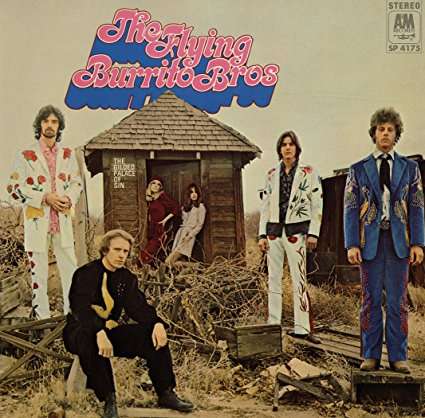
This song is my favorite of the Flying Burrito Brothers. It came off their great country album The Gilded Palace of Sin. It didn’t chart at the time. It probably would have helped if they would have given it a proper name but regardless… it’s a great song.
Parsons wrote this song with Burrito bass player Chris Ethridge while the band was living in their San Fernando Valley house that was dubbed “Burrito Manor.”
This song, like the album The Gilded Palace of Sin, barely made a dent on the music world of 1969. They did develop a cult following after this albums release that included Bob Dylan and The Rolling Stones. The band was more popular with other musicians than the public.
Gram joined the Flying Burrito Brothers after leaving the Byrds in 1968.
The Gilded Palace of Sin. One thing you notice are the “Nudie” suites on the front cover. Nudie Cohn was an American tailor who designed decorative rhinestone-covered suits. Parsons’ suit was hand-stitched by Manuel Cuevas, Nudie Cohen’s protégé, who has called the suit “a map for him to follow to his death.”
The green leaves featured in the design on the front of the jacket are a marijuana plant, and the red-petaled flowers above them are poppies, the natural source of morphine, opium, and heroin. Gram Parsons would die in 1973 and the cause of death was an overdose of morphine and alcohol
This album was a major influence on the Eagles, Travis Tritt, Vince Gill, Alan Jackson, Clint Black, and Randy Travis.
Hot Burrito #1
You may be sweet and nice But that won’t keep you warm at night ‘Cause I’m the one who showed you how To do the things you’re doing now He may feel all your charms He might hold you in his arms But I’m the one who let you in I was right beside you in the end Once upon a time You let me feel you deep inside But nobody knew, nobody saw Do you remember the way we cried? I’m your toy I’m your old boy But I don’t want no one But you to love me No, I wouldn’t lie You know I’m not that kind of guy Once upon a time You let me feel you deep inside But nobody knew, nobody saw Do you remember the way we cried? I’m your toy I’m your old boy But I don’t want no one But you to love me No, I wouldn’t lie You know I’m not that kind of guy
To wrap 1970’s AM Radio Gold week up…I had to include this one….so I hope you have a happy Sunday…in your Chevy Van or whatever you drive. This song takes me back to being a kid hearing on a car radio at night. I try not to repeat songs on my blog…but with this theme…I just had to include this one. For me when I think of AM radio…this is the first one that comes to mind. I posted a small post about this song 4 years ago…hope you don’t mind.
Sammy Johns re- released Chevy Van back in 1975 and it peaked at #5 in the Billboard 100,#7 in Canada and #2 in New Zealand. It is pure AM 70’s pop and it caught my imagination as a youngster.
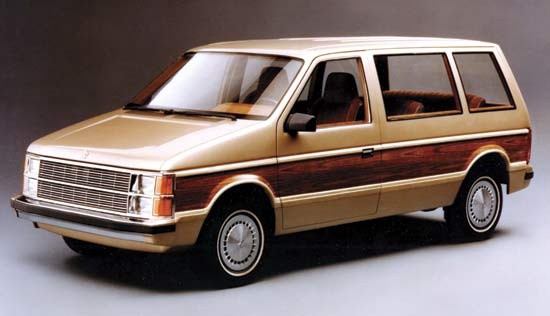
I remember vans in the seventies…painted with all kinds of designs until the minivan came and ruined the whole damn thing. We went from this:
to this…in a blink of an eye. No place to hide in this one.
The musicians that back Johns are the famous Wrecking Crew from Los Angeles. The song has been covered by many Country artists and most recently by Eric Church.
John’s compositions have also been recorded or covered by other artists such as Waylon Jennings, Sammy Kershaw, Conway Twitty. Jennings sang John’s composition “America” on a nationally broadcast ceremony to mark the restoration done on the Statue of Liberty. This led to the success of the single which went gold and was even nominated country song of the year.
Also this song was the theme song to the movie The Van (which yea…I have) released in 1977. It was the first movie Danny DeVito was in. I thought I would include a movie trailer to The Van. It won’t be confused with The Godfather at anytime but it’s a fun B 70s Movie.
Thank you for reading this week!
Chevy Van
I gave a girl a ride in my wagon She rolled in and took control She was tired and her mind was a-draggin’ I said get some sleep and dream of rock and roll
‘Cause like a picture she was layin’ there Moonlight dancin’ off her hair She woke up and took me by the hand She’s gonna love me in my Chevy van And that’s all right with me
Her young face was like that of an angel Her long legs were tanned and brown Better keep your eyes on the road, son Better slow this vehicle down
‘Cause like a picture she was layin’ there Moonlight dancin’ off her hair She woke up and took me by the hand She’s gonna love me in my Chevy van And that’s all right with me
I put her out in a town that was so small You could throw a rock from end to end A dirt road Main Street, she walked off in bare feet It’s a shame I won’t be passin’ through again
‘Cause like a picture she was layin’ there Moonlight dancin’ off her hair She woke up and took me by the hand We made love in my Chevy van And that’s all right with me
This episode is a weak one but it does contain some science fiction for sci-fi fans. It is not the worse episode of the series but certainly not the best. Most of the time I do not question TZ logic but on this occasion, I had to. Aliens are on the planet and are trying to blend in with the rest of society. Do you think it’s wise to be three leather jacket motorcycle-riding beatniks moving in a residential neighborhood in the early 60s? Would the term “sore thumb” be used in this case?
I knew the leading lady looked familiar. It was Shelley Fabares who played Ellen Tillman who would 3 decades later star in the TV series Coach. She and Lee Kinsolving who plays Scott bumped this up from a 2. Denver Pyle is also in this episode but really doesn’t have much to do. Earl Hamner Jr admitted in an interview later that this episode was bad. He was not as proud of it as most of the other episodes of The Twilight Zone that he wrote.
From IMDB trivia:
In “The Twilight Zone Companion” (1983), Marc Scott Zicree described this episode as “It Came from Outer Space (1953) meets The Wild One (1953).”
When the real estate agent’s sign is shown in close-up, its phone number is “485-412,” not the standard 7 digit number it should have been. This was presumably done to avoid accidentally using a real number without resorting to the usual 555 prefix.
The close-up of the Invasion Commander’s eye resembles the logo of CBS which produced this show. It is the “All-Seeing Eye” of the Illuminati, also known as the “Eye of Providence” of the Free Masons. It is unclear if CBS is an adept of either practice.
The street is the same as the one in the season one episode “The Monsters are Due on Maple Street”.
All exteriors were shot in Universal’s back lot. As the bikers enter town at the beginning of the episode, they drive right past the town square made famous in Back to the Future (1985).
This show was written by Rod Serling and Earl Hamner Jr.
Rod Serling’s Opening Narration:
Three strangers arrive in a small town; three men in black leather jackets in an empty, rented house. We’ll call them Steve, and Scott, and Fred, but their names are not important; their mission is, as three men on motorcycles lead us into the Twilight Zone.
Summary
Three leather-clad motorcycle-riding young men arrive in a small town where they rent a house on a quiet residential street. The neighbors aren’t too sure about them but they are certainly exotic, certainly in the eyes of young Ellen Tillman. The three men leave the house unfurnished and move in with several large crates. As Ellen and her father interact it becomes clear they are something very special indeed. Ellen and Scott begin spending time together while the two others continue with their plans.
Rod Serling’s Closing Narration:
Portrait of an American family on the eve of invasion from outer space. Of course, we know it’s merely fiction—and yet, think twice when you drink your next glass of water. Find out if it’s from your local reservoir, or possibly it came direct to you….from the Twilight Zone.
CAST
Rod Serling … Narrator / Self – Host (uncredited) Lee Kinsolving … Scott Michael Forest … Steve Tom Gilleran … Fred Michael Conrad … Police Officer/Alien Shelley Fabares … Ellen Tillman Denver Pyle … Stuart Tillman Irene Hervey … Martha Tillman
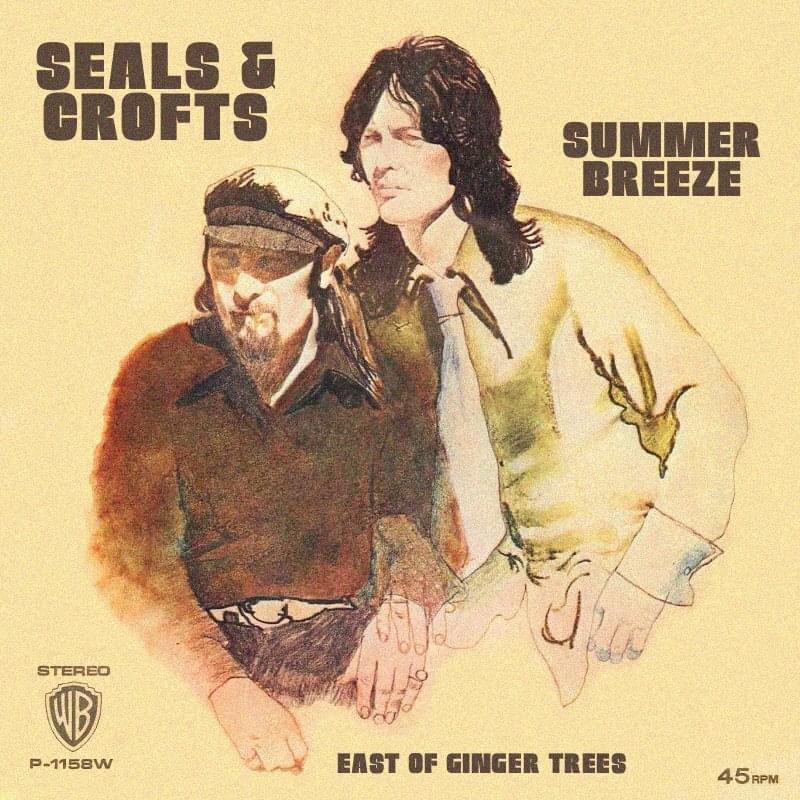
We just got 2-3 inches of snow last night…Summer Breeze is just what we need.
I’m probably the only one out there that always thought it was “Seals and Croft” not a plural Crofts. Other than me not paying attention all my life to that…this song IS the 70s. No song I can write about represents AM Gold better than this one.
Jim Seals and Dash Crofts were from Texas. They belonged to a later version of The Champs…The Champs had a hit “Tequila” in 1958. When the group dissolved in 1965, they worked with several other artists including Gene Vincent. In 1969 they released their first album as a duo. “Summer Breeze” was the first hit single, appearing on their fourth album in fall 1972.
“Summer Breeze” almost went nowhere. By the fall of 1972 the album Summer Breeze had been out for a couple of months, but the title single…the song the duo had worked so hard to perfect had barely charted, and their label informed them it would do no more promotion. While they were on tour in Boston, their manager convinced them that while they were there, they should show up to one of the city’s most popular radio stations and play “Summer Breeze” for a DJ.
The DJ ended up liking it. After listening to it, he looked up and delivered the news… Summer Breeze was going into rotation. The song quickly caught on in Boston and other markets like Philadelphia and Dallas, soon followed. When they got back to L.A., they heard Summer Breeze on the car radio.
Jim Seals is the brother of Dan Seals, who was “England Dan” in the duo England Dan and John Ford Coley. They had several hit songs in the ’70s.
The song peaked at #6 in the Billboard 100, #6 in Canada, and #14 in New Zealand in 1973.
I’ve always liked a 1974 cover by the Isley Brothers also, featuring much livelier guitar. It peaked at #16 in the UK. Some of the other artists to cover it include Johnny Mathis, The Main Ingredient, and Jason Mraz.
Jim Seals:“A very simple song about a man coming home from work and hearing the dog barking and things like that, and to a lot of people the song’s about looking for security. Our meaning goes further than that, for a prison can be the prison of self and a person can become insecure and paranoid if he doesn’t have a direction in his personal life.”
From Songfacts
“Blowing through the jasmine in my mind”? Long before it was a Disney princess, jasmine was a kind of flower that blooms in the summer. Also good for tea, Seals & Crofts use it to bring about feelings of contentment and harmony in this song, which is a feel-good classic about enjoying some simple pleasures in life with the ones you love. Jim Seals explained in 1972: “We operate on a different level, we try to create images, impressions and trains of thought in the minds of our listeners.”
Seals & Crofts were devoted to the Baha’i faith, and believed that by writing about life itself, many meanings would emerge for the listener.
Type O Negative released a very foreboding cover of “Summer Breeze” in 1993 that was used in the 1997 movie I Know What You Did Last Summer. Other movies to use the song include:
Rock Odyssey (1987) King of California (2007) Land of the Lost (2009) Vacation Friends (2021)
It also appears in these TV shows: Freaks and Geeks (“Dead Dogs and Gym Teachers” – 2000) How I Met Your Mother (“Matchmaker” – 2005) Girls (“The Return” – 2012) Family Guy (“Yacht Rocky” – 2019) The Blacklist (“The Protean (No. 36)” – 2021)
Summer Breeze
See the curtains hangin’ in the window, in the evenin’ on a Friday night A little light a-shinin’ through the window, lets me know everything is alright
Summer breeze, makes me feel fine, blowing through the jasmine in my mind Summer breeze, makes me feel fine, blowing through the jasmine in my mind
See the paper layin’ in the sidewalk, a little music from the house next door So I walked on up to the doorstep, through the screen and across the floor
Summer breeze, makes me feel fine, blowing through the jasmine in my mind Summer breeze, makes me feel fine, blowing through the jasmine in my mind
Sweet days of summer, the jasmine’s in bloom July is dressed up and playing her tune And I come home from a hard day’s work And you’re waiting there, not a care in the world See the smile a-waitin’ in the kitchen, food cookin’ and the plates for two Feel the arms that reach out to hold me, in the evening when the day is through
Summer breeze, makes me feel fine, blowing through the jasmine in my mind Summer breeze, makes me feel fine, blowing through the jasmine in my mind
“Whoso would be a man, must be a nonconformist.”― Ralph Waldo Emerson
Personally, I think this is one of the most important Twilight Zone episodes ever made. It could have been made now.
This one is deeply disturbing and not in a monster or twist sense…it tackles an issue that still is going strong. Did Rod Serling have a crystal ball or did he see where everything was going? This episode takes place in the 21st century and yes, it is very relatable now. In a time now where our cars, houses, and clothes look the same you could see this coming and with plastic sugery it is essentially here. On our phones, computers, tv’s, and magazines we are hit with a barrage of advertising aimed at beautifying ourselves. We are obssessed with celebrities looking perfect and mimicking them. We can lose our identity if we are not careful as a whole.
There is a line in the episode where the lead character says “Is that good being like everybody? Isn’t that the same as being nobody?” and that line speaks volumes. The episode is about when a person turns 19, he or she must choose which body and face they want to go through life with. All the choices are basically models and they are forced to go through with this operation. However, it’s not only the body and face that is changed, it’s their outlook and personality. They are always shallow and happy because no deep thoughts are allowed. The lead character Marilyn Cuberle is billiantly played by Collin Wilcox and you feel like she is alone in the world.
The episode is not about beauty. It’s not about if you are beautiful you are automatically shallow. I think people have misread it through the years. It’s about conforming to the social norm. There is the social price that we pay for not conforming, but I would rather pay it with intrest than go along with the crowd. In a world where everything is beautiful, nothing is.
*** I apologize for interupting here but this is a personal reflection on what this episode means to me. The quote at the top “Whoso would be a man, must be a nonconformist.” by Ralph Waldo Emerson is the most important quote I’ve ever read. I found it in high school and later on I was wrote up at work (I don’t work at that place now) because I had it on my computer desktop. I was not “part of the team” with thoughts like that. ***
IMDB Trivia: All the characters are named after conventionally beautiful film stars of the day: Lana for Lana Turner, Marilyn for Marilyn Monroe, Grace for Grace Kelly, Rex for Rex Harrison, Eva for Eva Marie Saint, Valerie for Valerie Allen.
Three separate characters – Uncle Rick, Dr. Rex, and Dr. Sigmund Friend – were identical in appearance, but were distinctly different as portrayed by Richard Long. Uncle Rick was kindly and down-to-earth; Dr. Rex was eerily good-natured, with some peculiar mannerisms; and “Sigmund Friend” was a Freud-like, ominous and shadowy character with a thick German accent.
This episode is reported to be the inspiration for “Uglies”, a 21st Century series of young adult science fiction novels by Scott Westerfeld.
When Marilyn shows her mother Lana a picture of herself (Lana) before her own “Transformation,” the picture is of Collin Wilcox with a different hairstyle. Wilcox was herself twenty-eight years old when she made this episode (and just two years younger than Suzy Parker), but the premise made it possible for her to be credible as a nineteen-year-old.
This episode is based on Charles Beaumont’s short story, “The Beautiful People”, which first appeared in the September 1952 issue of the science fiction magazine “If”.
This show was written by Charles Beaumont, John Tomerlin, and Rod Serling
Rod Serling’s Opening Narration:
Given the chance, what young girl wouldn’t happily exchange a plain face for a lovely one? What girl could refuse the opportunity to be beautiful? For want of a better estimate, let’s call it the year 2000. At any rate, imagine a time in the future where science has developed the means of giving everyone the face and body he dreams of. It may not happen tomorrow, but it happens now, in The Twilight Zone.
Summary
As Marilyn Cuberle approaches her 19th birthday she faces a momentous decision. Like everyone else in this futuristic society, she must choose which look she will adopt in the transformation process. Here, all men and women look like one of a series of approved faces, all are beautiful or handsome. Marilyn doesn’t want to change her appearance and is happy to look different from anyone else. Everyone assures her that she is under no obligation to undergo the transformation – but they go out of their way to make it difficult for her to say no.
Rod Serling’s Closing Narration:
Portrait of a young lady in love – with herself. Improbable? Perhaps. But in an age of plastic surgery, body building and an infinity of cosmetics, let us hesitate to say impossible. These, and other strange blessings, may be waiting in the future, which, after all, is The Twilight Zone.
CAST
Rod Serling … Narrator / Self – Host (uncredited) Collin Wilcox…Marilyn Cuberle Suzy Parker…Lana Cuberle / Eva / Doe / Grace / Jane / Patient / Number 12 Richard Long…Uncle Rick / Dr. Rex / Sigmund Friend / Dr. Tom / Tad / Jack / Attendant Pam Austin…Valerie / Marilyn (after transformation) / Number…
The Jackson Five had some great pop songs in the seventies. Most of the early songs were full of energy and infectious. They called their music bubblegum soul. This was the first Jackson 5 single released by Motown Records (they released a single on a local label in Gary, Indiana, in 1968). It launched their career and went to #1 in the US, as did the next three releases: “ABC,” “The Love You Save” and “I’ll Be There.”
The song peaked at #1 in the Billboard 100, #2 in Canada, #2 in the UK, and #12 in New Zealand 1969-1970.
Motown had set up offices in Los Angeles, which is where the Jackson 5 relocated and where this song was written and recorded. The top songwriting/production team at Motown, Holland-Dozier-Holland, had left the label to get better terms, so there was a huge void that many Motown writers were trying to fill.
Their first three songs were written and produced by a Motown collective known as “The Corporation”: Freddie Perren, Deke Richards, Fonce Mizell, and Berry Gordy Jr. Gordy was head of the label and assigned them that name, which kept the focus on the team instead of the individuals within it – if one member deigned to leave, he could replace him.
The Jackson 5 found a winning formula early. Michael Jackson sang the lead and his brothers added vocals in the song. It also opened the door for family groups with young lead singers, notably the Osmonds and the DeFranco Family.
It has gained popularity because of being included on the 2014 soundtrack Guardians Of The Galaxy, which was a #1 hit in America for two weeks.
From Songfacts
The Jackson 5 were a family group from Gary, Indiana, that were auditioned to exhaustion by their father, Joe, before signing with Motown Records in 1968. Joe made sure the youngest brother, Michael, was out front – his voice, dance moves and stage presence were the star of the show. When “I Want You Back” was released in October 1969, Michael was just 11 years old, but by that point he had so much training he could handle the promotional appearances and rigorous schedule. The entire group was media trained by Motown, and for a while they were ordered to tell a story about how Diana Ross discovered the group. For the most part, they came off as a regular family, with Michael citing basketball and catching lizards as hobbies. They described their sound as “bubblegum soul,” a term that explains their appeal to both black and white audiences.
This song tells a tried-and-true story about a guy who took his girl for granted and now desperately wants her back now that she’s left him. Making it work from the perspective of an 11-year-old boy took some doing, but the upbeat track takes the weight off, so it sounds more like a schoolyard crush. There are also lots of answer lines in the lyric (“Let you go, baby…”) that give the other members of the group a chance to chime in.
“I Want You Back” started as a song Freddie Perren, Fonce Mizell, and Deke Richards wrote for Gladys Knight & The Pips called “I Want To Be Free.” Perren and Mizell were childhood friends from New Jersey who moved to Los Angeles and teamed up with Deke Richards, a producer at Motown. When Berry Gordy heard the song, he decided it could be a good fit for the Jackson 5 if it got a rewrite. Michael Jackson reminded Gordy of Frankie Lymon, another teenage star, Gordy suggested they write it as if it were for Lymon. They reworked the song, changing the storyline so it’s about a young kid trying to get his girl back, and they fashioned a lively track to underline it.
When the song took off, Perren, Mizell, Richards and Gordy became the songwriting/production team that powered the Jackson 5. Stung by the loss of his marquee team of Holland-Dozier-Holland, Gordy branded this new team “The Corporation,” which is how the songwriting credit was listed. This kept the writers’ names off the record, ensuring they would remain anonymous. They became the first West Coast songwriting team to make a big impact at Motown.
The musicians who played on most of the ’60s Motown hits were members of their Detroit house band, the Funk Brothers. The Jackson 5 recorded in Los Angeles with a new group of session players. On “I Want You Back,” they included Louis Shelton and David Walker on guitars, Wilton Felder on bass, and Gene Pello on drums.
This song opens with an ear-catching piano glissando that was played by two of the song’s writers, Freddie Perren and Fonce Mizell.
Berry Gordy went out of his way to make this a hit, using all his resources at Motown to do so. With the ’60s coming to a close and Motown moving west, Gordy wanted to mint new stars at the label, and he knew he had a winner in the Jackson 5. One of his ploys was to claim the group was discovered by Diana Ross, and have her showcase the group for industry bigwigs. Ross was also in transition, having recently left The Supremes and launched her solo career. This bit about Ross finding the group proved a solid talking point and was propagated for decades. Nobody seemed to care that it was a ruse – there was a lot more to talk about concerning the Jackson 5 and their precocious lead singer.
Two popular songs sampled this in 2001: Jay Z used it on “Izzo (H.O.V.A.)” and it was also used on Lil’ Romeo’s “My Baby.” In 1992, it was sampled on the Kris Kross hit “Jump.”
The sci-fi soul singer-songwriter Janelle Monáe covered this as a bonus track on the deluxe edition of her The Electric Lady album. She explained to A.V.Club that she chose this particular tune as it resonated with her. “There are so many amazing Michael Jackson songs from different stages of his career,” she said, “and that happened to be one of my favorite stages. It makes people happy, and I love the tone, and musically, it has a lot of places to go for our orchestra. It has a lot of odd instrumentation.”
“The version I did does not sound like the Jackson 5 original recording,” Monáe continued. “I wanted to interpret it my way and record it differently, while continuing to pay homage to him, but I saw it in a different light. I’m really excited to let you guys hear it because you’ll get a chance to hear that song from my perspective. I had a dream about it and how I wanted it to be recorded.”
This song appears in the films Now and Then (1995), Drumline (2002), Daddy Day Care (2003) and Friends with Benefits (2011).
I Want You Back
When I had you to myself, I didn’t want you around Those pretty faces always make you stand out in a crowd But someone picked you from the bunch, one glance is all it took Now it’s much too late for me to take a second look
Oh baby, give me one more chance (To show you that I love you) Won’t you please let me back in your heart Oh darlin’, I was blind to let you go (Let you go, baby) But now since I’ve seen you it is on (I want you back) Oh I do now (I want you back) Ooh ooh baby (I want you back) Yeah yeah yeah yeah (I want you back) Na na na na
Trying to live without your love is one long sleepless night Let me show you, girl, that I know wrong from right Every street you walk on, I leave tear stains on the ground Following the girl I didn’t even want around
Let me tell ya now Oh baby, all I need is one more chance (To show you that I love you) Won’t you please let me back in your heart Oh darlin’, I was blind to let you go (Let you go, baby) But now since I’ve seen you it is on
All I want All I need All I want! All I need!
Oh, just one more chance To show you that I love you Baby baby baby baby baby baby! (I want you back) Forget what happened then (I want you back) And let me live again!
Oh baby, I was blind to let you go But now since I’ve seen you it is on (I want you back) Spare me of this cost (I want you back) Give me back what I lost!
Oh baby, I need one more chance, hah I’d show you that I love you Baby, oh! Baby, oh! Baby, oh! I want you back! I want you back!
Bread was one of the first bands I found out about. My sister loved them because every time she started to date someone or broke up with someone…out came the Bread albums. She is 8 years older than me so I was just 6 when she was 14 but I knew the dating cycle of a teenage girl rather well at that time.
My sister now…(she will kill me if she finds out I posted this)
Bread was a soft rock band that later on I probably would have never claimed that I liked…but I did…and still do. I called them a guilty pleasure (the guilt-o-meter peaks) for a while but hell…I like them. When I hear the opening guitar in this song, it’s the early seventies again.
The song peaked at #4 in the Billboard 100 and #6 in Canada in 1971. It also peaked at #1 in the Easy Listening chart in America and Canada. The song was on the album Mana that peaked at #21 in the Billboard Album charts and #16 in Canada.
David Gates was the writer who wrote most of the hits. Gates is a very good singer songwriter who knows how to write a good pop melody. In this song there is no chorus to speak of but it works well.
David Gates:“I wrote that one night at the dining room table, after my kids and my wife had gone to bed. It took me about an hour and a half, with an extra verse left over. If you look at it, there’s a few bizarre lines in there, like ‘you and I would simply fly away’ – that’s kind of an unusual thought. When I was done, I said, ‘That’s the best song I’ve ever written and probably will be the best song I’ll ever write.’ For me it’s really held up over time, more than any of the others.”
One odd fact about this song… Kojak actor Telly Savalas recorded a spoken-word version that went to #1 in the UK in 1975.
If
If a picture paints a thousand words, Then why can’t I paint you? The words will never show the you I’ve come to know. If a face could launch a thousand ships, Then where am I to go? There’s no one home but you, You’re all that’s left me too. And when my love for life is running dry, You come and pour yourself on me.
If a man could be two places at one time, I’d be with you. Tomorrow and today, beside you all the way. If the world should stop revolving spinning slowly down to die, I’d spend the end with you. And when the world was through, Then one by one the stars would all go out, Then you and I would simply fly away














 PowerPop... An Eclectic Collection of Pop Culture