Beautiful melody and touching lyrics…this song is a lost gem. It would later be covered by Eric Clapton but I favor the 1971 original by Cowboy. If you don’t know this one…give the Cowboy version a listen.
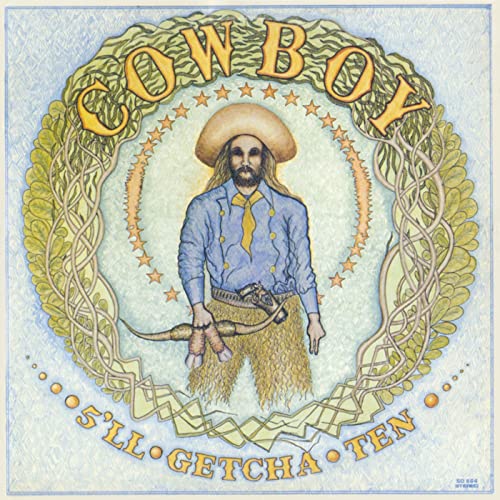
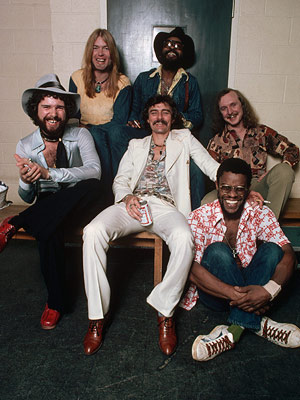
Cowboy was a Southern folk-rock band formed in 1969 in Jacksonville, Florida, by singer-songwriters Scott Boyer and Tommy Talton. The band also featured pianist Bill Pillmore, bassist George Clark, guitarist Pete Kowalke, and drummer Tom Wynn.
Please Be With Me was one of the last songs Duane Allman recorded before his tragic motorbike accident on October 29, 1971. He played the dobro and it made the song. This song appears on 5’ll Getcha 10, the second record by Cowboy, a band that had landed a contract thanks to their friendship with Duane.
The band opened up for the Allmans on their 1970-1971 national tour. The album came out in October 1971. They would go on to release four albums in the early seventies.
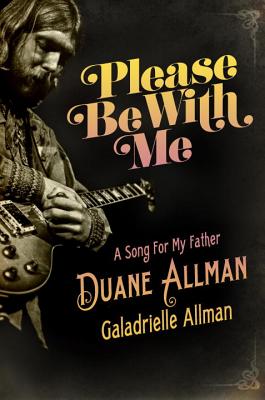
Galadrielle Allman, daughter of Duane Allman, used this song title for her book title instead of one of many Allman Brothers songs. It’s a very good book.
Butch Trucks (Drummer for ABB): ‘A few weeks after Duane died, when I still hadn’t really let loose or accepted it, I put on Please Be With Me and the dam burst and I started crying and crying, just racked with grief. I was sitting there listening to the song over and over and crying. To this day I can’t hear it without getting choked up.’
Scott Boyer:“I was sitting in this motel room all by myself and just for busy work I grabbed a pad and pencil and started writing freeform. Whatever popped into my head. About 10 minutes later and I had like 10 verses and three choruses, but nothing rhymed and nothing made any sense. It was just right out of my head and onto the paper. And I started connecting things. Put the third line from the third verse with the fourth line in the eight verse. Not necessarily because they made sense but because they rhymed. And I put together like three verses and a chorus and I put the pad down and I rolled over and went to sleep. And Duane (Allman) came into town the next day and said, ‘I want to play on this record with ya’ll but I want to play something brand new.’ We started tossing things around. And I said, ‘Well I wrote this thing last night. There’s nothing much to it.” And I played the song for Duane and (producer) Johnny Sandlin was also in the room and when I finished it they both went, ‘Wow, you wrote that last night, man? That’s beautiful.’ It is? [Laughs.] But that’s how the song got recorded because Duane wanted to play something brand new and I had this thing I had tossed off the night before. And I loved what Duane played on it. That dobro he played on it just comes to life when that thing comes on, man.”
Gregg Allman:The group Cowboy was on Capricorn, and we played their album 5’ll Getcha Ten quite a bit at the Big House. Scott Boyer had been in the 31st of February with Butch, and Cowboy had a sort of southern-folk sound to them.
Please Be With Me
Upon my word what does it mean? Is it love or is it me That makes me change so suddenly From looking out to feeling free?
I sit here lying in my bed Wondering what it was I said That made me think I lost my head When I knew I lost my heart instead
So won’t you please read my signs Be a gypsy Tell me what I hope to find deep within me And because you can find my mind Please be with me
Of all the better things I’ve heard Loving you has made the words And all the rest seem so absurd ‘Cause in the end it all comes out I’m sure
So won’t you please read my signs Be a gypsy Tell me what I hope to find deep within me And because you can find my mind Please be with me
This song was leftover from my AM Radio Gold week I had a while back. It’s one of those songs that take me back to when I heard it on the radio. It’s almost impossible for me to be unhappy when this song is on. Kinda like how I Can See Clearly Now affects me. It was unlike the origin of the song.
It was written by the keyboard player/songwriter Sherman Kelly in 1969 after a trip to the Caribbean island of Saint Croix, where he was attacked by natives and left for dead. While he was recovering from his injuries, he wrote this song as an alternate reality.
The first band to record this song was Boffolongo, which was fronted by Larry Hoppen. The group recorded their debut album in 1969, and for their next album, released in 1970, Sherman Kelly joined the band on keyboards and brought them his song “Dancing In The Moonlight.” Kelly’s brother Wells also joined the band; this original version of the song featured Hoppen on guitar, Sherman on lead vocals, and Wells on drums.
In 1971, Wells Kelly paid a visit to the band King Harvest, who was working on a new album in Paris (his former Boffolongo bandmate Dave “Doc” Robinson was in the band). Wells came armed with some albums from America and also a copy of Boffolongo’s “Dancing In The Moonlight,” which King Harvest decided to record, this time with a more keyboard-driven sound and smoother production. The single, with lead vocals by Robinson, was released in Europe but stiffed; it was rescued by an American label called Perception Records that issued the song Stateside.
King Harvest released this song in 1972 and it reached #13 on the Billboard Charts, #5 in the UK charts, and #5 in Canada.
British band Toploader had a #7 hit in the UK with a cover of this after it was featured in a Sainsbury supermarket TV advert.
Dancing In The Moonlight ended up being an enduring hit for the band, and their only song to make much of an impact (“A Little Bit Like Magic” made #91 a few months later) King Harvest were never The Who, Beatles, or the Stones but they contributed to the texture of the seventies. They did end up releasing 10 albums! The latest in 2015.
Songwriter Sherman Kelly: On a trip to St. Croix in 1969, I was the first victim of a vicious St. Croix gang who eventually murdered 8 American tourists. At that time, I suffered multiple facial fractures and wounds and was left for dead. While I was recovering, I wrote “Dancin In The Moonlight” in which I envisioned an alternate reality, the dream of a peaceful and joyful celebration of life. The song became a huge hit and was recorded by many musicians worldwide. “Dancin In The Moonlight” continues to be popular to this day.
The first band Boffalongo to record it.
Dancing In The Moonlight
We get it almost every night When that ol’ moon gets-a big and bright It’s a supernatural delight Everybody’s dancin’ in the moonlight
Everybody here is out of sight They don’t bark, and they don’t bite They keep things loose, they keep things light Everybody was dancin’ in the moonlight
Everybody’s dancin’ in the moonlight Everybody’s feelin’ warm and right It’s such a fine and natural sight Everybody’s dancin’ in the moonlight
We like our fun and we never fight You can’t dance and stay uptight It’s a supernatural delight Everybody was dancin’ in the moonlight
On a far distant radio a few days ago I heard It’s Raining Again and then this one. Sometimes I forget how big Supertramp was in the 70s and 80s…especially after this album.
In 1979 the album Breakfast In America was huge. The album had 4 singles in the Billboard 100. The album peaked at #1 in the Billboard Album Charts, #1 in Canada, #1 in New Zealand, and #3 in the UK…and won 2 Grammys.
The title song peaked at #62 in the Billboard 100 and #9 in the UK in 1979.
This album was released in 1979 and it came at the height of new wave and disco. Its domination of the single and album charts, and the airwaves, had to be unexpected by all concerned. Breakfast In America eclipsed anything they had done before and skyrocketed the band into the commercial stratosphere. Supertramp was never a typical chart band or obvious stadium touring giants. After this album, everything changed.
When they came to record the album, all five members had relocated full-time to the West Coast and bought apartments or houses there, and it was decided that the Colorado (Caribou Ranch) studio had been too sterile and so a new headquarters was found for Supertramp and co in Burbank, a home-from-home that was promptly given the name Southcombe. There, throughout 1978, they rehearsed the material and prepared the demos that would eventually be recorded at the Village Recorder studio in Los Angeles.
Roger Hodgson and Davies wrote most of the songs. They sometimes shared credit on songs… but Roger Hodgson wrote this song 8 years earlier. Davies and Rogerson had a disagreement over the first line in the song. Rick Davies didn’t like “Take a look at my girlfriend, she’s the only one I got.” Roger won the battle.
Roger Hodgson:“He never liked the lyric to ‘Breakfast.’ It’s so trite: ‘Take a look at my girlfriend.’ He’s much more into crafting a song. He would have been happier if I’d changed the lyric to either something funnier or more relevant. I tried, but it didn’t work out, so I was stuck with the original.”
Roger Hodgson:“The line ‘playing my jokes upon you,’ I think that kind of sums up the song. It was just mind chatter. Just writing down ideas as they came – fun thoughts all strung together. And I do remember the Beatles had just gone to America, and I was pretty impressed with that. That definitely stimulated my dream of wanting to go to America. And obviously seeing all those gorgeous California girls on the TV and thinking, Wow. That’s the place I want to go.”
Roger Hodgson:“I think I was 17 when I found this wonderful pump organ – a harmonium that you pump with your feet. I found it in this old lady’s house in the countryside near where I lived in England. I bought it for £26, and when I brought it back I proceeded to write all these songs on it: ‘Breakfast In America,’ ‘Two Of Us,’ ‘Soapbox Opera,’ even the beginning of ‘Fool’s Overture’ and ‘Logical Song.’ It’s amazing what this instrument pulled out of me.”
Here is a good live version…you are bloody well right!
Breakfast In America
Take a look at my girlfriend She’s the only one I got Not much of a girlfriend Never seem to get a lot
Take a jumbo across the water Like to see America See the girls in California I’m hoping it’s going to come true But there’s not a lot I can do
Could we have kippers for breakfast Mummy dear, mummy dear They got to have ’em in Texas ‘Cause everyone’s a millionaire
I’m a winner, I’m a sinner Do you want my autograph I’m a loser, what a joker I’m playing my jokes upon you While there’s nothing better to do
Ba-ba-ba-dow, ba-bow-dum-doo-de-dow-de-dow, de Ba-ba-ba-dow, ba-bow-dum-de-doo-de-dow Na na na, nana na na na na
Don’t you look at my girlfriend (girlfriend) She’s the only one I got Not much of a girlfriend (girlfriend) Never seem to get a lot (what’s she got, not a lot)
Take a jumbo cross the water Like to see America See the girls in California I’m hoping it’s going to come true But there’s not a lot I can do
Ba-ba-ba-dow, ba-bow-dum-doo-de-dow-de-dow, de Ba-ba-ba-dow, ba-bow-dum-de-doo-de-dow
Love this song and movie. Back in 2018 my son and I caught the movie in an Art House movie theatre that is located in Nashville. It was cool seeing this 1972 movie on the big screen. On top of a great movie, we got to hear the Curtis Mayfield soundtrack with surround sound in the theater.
Quinten Tarantino was strongly influenced by this movie for Jackie Brown. The endings are very similar. This song popularized the word “fly,” which means unusual and exceptional, particularly when it comes to fashion.
Curtis Mayfield was working on the songs for the movie while it was shooting, and would often visit the set, bringing in demos so the cast and crew could hear how they would integrate into the film. He even appears in the movie, performing the song “Pusherman” in a bar scene.
After seeing the screenplay, Mayfield jumped into the project and was given complete creative freedom. He wrote the songs to suit the scenes, but he made sure they could stand on their own, telling the stories even without the visuals. “Superfly” works very well outside of the film, as the character Mayfield describes could relate to anyone trying to survive and thrive under difficult situations.
The song peaked at #8 in the Billboard 100 and #5 in the R&B Charts in 1972.
Curtis Mayfield:“It was a glorious moment for our people as blacks, Priest had a mind, he wanted to get out. For once, in spite of what he was doing, he got away. So there came ‘Superfly’ the song. He was trying to get over. We couldn’t be so proud of him dealing coke or using coke, but at least the man had a mind and he wasn’t just some ugly dead something in the streets after it was all over. He got out.”
Superfly
Darkest of night With the moon shining bright There’s a set goin’ strong Lotta things goin’ on The man of the hour Has an air of great power The dudes have envied him for so long
[Chorus] Superfly You’re gonna make your fortune by and by But if you lose, don’t ask no questions why The only game you know is Do or Die Ah-ha-ha
Hard to understand What a hell of a man This cat of the slum Had a mind, wasn’t dumb But a weakness was shown Cause his hustle was wrong His mind was his own But the man lived alone
[Chorus]
The game he plays he plays for keeps Hustlin’ times and ghetto streets Tryin’ to get over (That’s what he tryin’ to do, why’all) Taking all that he can take Gambling with the odds of fate Tryin’ ta get over [Repeat: x4] Woo, Superfly
The aim of his role Was to move a lot of blow Ask him his dream What does it mean? He wouldn’t know “Can’t be like the rest” Is the most he’ll confess But the time’s running out And there’s no happiness
I love listening to Phil Lynott sing. Thin Lizzy could give you a lot of different-sounding songs. In this song, it sounds like Phil was listening to the Moondance album by Van Morrison.
The record company added the (It’s Caught Me In It’s Spotlight) so people would not confuse this with the old AM hit Dancing In The Moonlight by King Harvest that I’ll be going over this week!
It’s the way Lynott phrased his lyrics that added to the experience. Thin Lizzy also had some great twin harmony lead guitar parts that made their sound. They were unique, to say the least. You had a black Irish bass player fronting a rock band and singing like a cross between fellow Irishman Van Morrison and American Bruce Springsteen. They were not just a hard blues band. They mixed rock, country, blues, Celtic, and a little jazz in the mix.
The band’s name is a play on Tin Lizzie (“Thin” being pronounced “Tin” in an Irish accent). Tin Lizzie is either a reference to a robot character from TheDandy Comic or a nickname for the Model T Ford…
This song was on the Bad Reputation album released in 1977 and was written by Phil Lynott. It peaked #14 in the UK, #84 in Canada, and #4 in Ireland.
The album peaked at #39 in the Billboard Album Charts, #44 in Canada, and #4 in the UK in 1977.
Phil Lynott was the principal songwriter, but he encouraged the rest of the band to contribute their own material.
Scott Gorham (lead guitarist…one of them):“He taught us how to do this thing called ‘song writing.’ And until we got better and better at it and we could actually bring our own songs in, we brought in songs that were either partly finished or just ideas to put on one of his songs. We might bring in a song that was half finished, or a whole song minus the lyrics. And it was always minus the lyrics, because that was Phil Lynott’s domain. We knew that we weren’t ever going to touch or top his lyrics. So you just let him get on with it.”
Later on The Smashing Pumpkins covered “Dancing in the Moonlight (It’s Caught Me in Its Spotlight)” for various live performances.
Phil Lynott’s short life has been memorialized by a life-size bronze statue erected in central Dublin, just outside one of the famed bass player’s favorite pubs.
Thin Lizzy – Dancing in the Moonlight (It’s Caught Me in Its Spotlight)
When I passed you in the doorway You took me with a glance I should have took that last bus home But I asked you for a dance
Now we go steady to the pictures I always get chocolate stains on my pants My father he’s going crazy Say’s I’m living in a trance
But I’m dancing in the moonlight It’s caught me in its spotlight It’s alright, alright Dancing in the moonlight On the long hot summer night
It’s three o’clock in the morning And I’m on the streets again I disobeyed another warning I should have been in by ten
Now I won’t get out until Sunday I’ll have to say I stayed with friends But it’s a habit worth forming If it means to justify the end
Just the opening licks to this song hook me for the rest of the way. Southbound was on the number 1 album Brothers and Sisters in 1973.
The making of this album was anything but easy. On October 29, 1971, Duane Allman was killed in a motorcycle wreck. He was the undisputed leader of the band and the source of their music. After he died it hit the members hard including his brother Gregg Allman. They all agreed to continue on though. They had just released Live At Fillmore East (selected for preservation in the Library of Congress)…along with Live At Leeds considered the top live rock album of all time.
It was just climbing up the charts and money started for once to roll in for the band. They were working on the follow-up album Eat A Peach when Duane was killed. They regrouped and finished the album. It was a hybrid of studio/live recordings. Dickey Betts the other guitar player took a crash course on slide guitar.
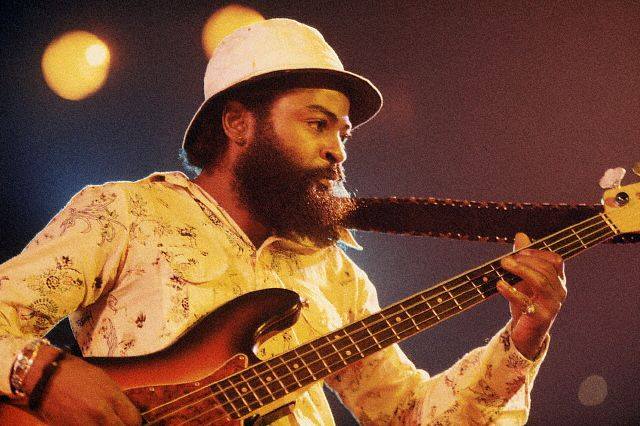
The one member that could not get over Duane’s death was bass player Berry Oakley. He was not just another bass player. His playing reminds me of Paul McCartney in a way because it was so melodic. After Duane died he pretty much gave up and was drinking constantly. The other band members tried to babysit him on tour but nothing worked. Gregg Allman said: Berry didn’t want to die but he didn’t want to live either.
Duane Allman and Berry Oakley
On November 11, 1972, three blocks from where Duane was killed, Berry ran straight into a City Bus with his motorcycle. Some say it was on purpose because there were no skid marks at the scene. Someone took him home after he refused to go to the hospital. Three hours later he was rushed to the hospital, delirious and in pain, and died of cerebral swelling caused by a fractured skull. The Doctors said even if he would have gone straight to the hospital after the accident…he couldn’t have been saved.
The Allmans again decided to carry on. They didn’t replace Duane at first with another guitar player…they replaced him with a piano player named Chuck Leavell who would later play with the Rolling Stones among others. Oakley was replaced by Lamar Williams, an old friend of drummer Jaimoe. Lamar would die early also in 1983 of lung cancer. His doctors believed that the disease was derived from exposure to Agent Orange during his Vietnam service. The album sessions started in the Autumn of 1972 and Oakley’s bass can be heard on two songs… “Wasted Words” and their huge hit “Ramblin’ Man.”
Lamar Williams
Lamar Williams plays bass on Southbound… Southbound was written by Dickey Betts with Gregg on lead vocals.
Southbound
Well I’m Southbound, Lord I’m comin’ home to you Well I’m Southbound, baby, Lord I’m comin’ home to you I got that old lonesome feelin’ that’s sometimes called the blues Well I been workin’ every night, travelin’ every day Oh, I been workin’ every night, traveling every day Oh you can tell your other man, sweet daddy’s on the way Aww, ya better believe Well I’m Southbound Whoa I’m Southbound Oh you better tell your other man, sweet daddy’s on his way Got your hands full now baby, as soon as I hit that door You’ll have your hands full now woman, just as soon as I hit that door Well I’m gonna make it on up to you for all the things you should have had before Lord, I’m Southbound Oh I’m Southbound, baby Whoa I’m Southbound, yeah baby Well I’m gonna make it on up to you for all the things you should have had before
Welcome to the Hanspostcard TV Draft. I hope you will enjoy it! Today’s post was written by Lisa at https://tao-talk.com/
Liev Schreiber as Ray Donovan
Originally on Showtime
7 seasons, from 2013 – 2020 (and a movie in 2022)
82 episodes (12 in each of the first 6 and 10 in the 7th season) Directors: with # of episodes: John Dahl (11,) Tucker Gates (9,) Michael Uppendahl (9,) David Hollander (6,) Allen Coulter (4,) Daniel Attias (4,) Colin Bucksey (4,) Guy Ferland (3,) Joshua Marston (3,) Michael Apted (2,) Lesli Linka Glatter (2,) Phil Abraham (2,) Liev Schreiber (2,) Ed Bianchi (2,) Robert McLachlan (2,) Daisy von Scherler Mayer (2,) Stephen Williams (2,) Zetna Fuentes (2,) and 1 episode each for Daniel Minahan, Jeremy Podeswa, Greg Yaitanes, Tricia Brock, James Whitmore Jr., Carl Franklin, Denise Di Novi, Tarik Saleh, Nick Gomez, Dash Mihok, and Kyra Sedgwick
Genres: drama, crime
Starring The Donovan Family
Liev Schreiber is Ray Donovan, the central character in the series, the planet the rest of the satellites revolve around. Set in L.A., Ray is a fixer to the stars and star makers. Kill your mistress by mistake on a coke binge? No problem. Macho star in love with a trannie? No worries. There is Ray the professional fixer that never fails. Then there is Ray the second oldest brother of a severely dysfunctional family, where he can never seem to do right or fix anything.
Eddie Marsan as Terry Donovan
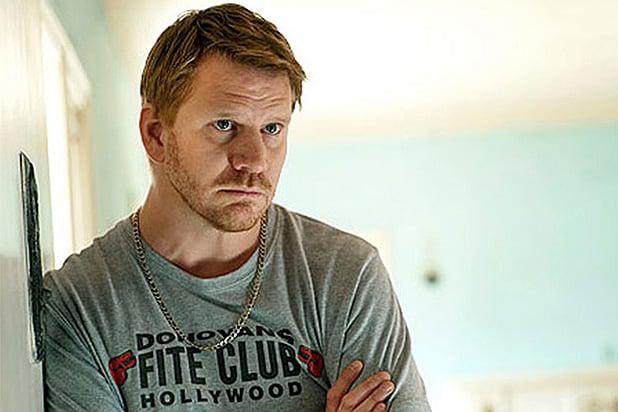
Eddie Marsan is Terry Donovan. Terry is the oldest brother. He manages Donovan’s Fite Club, the family boxing club that always loses money but is a perfect front for Ray’s money laundering (that Terry knows nothing about!) Terry, who was a strong contender to be a top boxer, was put into a mismatch by his father and got a brain injury that has given him palsy in one of his arms. Terry is a serious sort that acts as a mentor/trainer to talented young boxers. He has a pattern of attracting women who, for one reason or another, leave. He has a lot of pent-up anger about a lot of things.
Dash Mihok as Brandon “Bunchy” Donovan
Dash Mihok is Brandon “Bunchy” Donovan. Bunchy was molested for years as a kid by a Catholic Priest and has real intimacy issues because of it. When the series opens, Bunchy is part of a class action suit against the Catholic Church for his childhood sexual abuse. Bunchy also boxed as a kid and may have been hit in the head too many times, leaving a cognitive impairment and some impulsivity issues. Bunchy sleeps at the gym. Terry looks after him.
Pooch Hall as Daryll Donovan
Pooch Hall is Daryll, the Donovan brother from another mother. When the other brothers’ mother was dying of cancer, their dad went and shacked up with Claudette (Sheryl Lee Ralph) and together they had Daryll. When Mickey, their father and the patriarch of the Donovan clan, goes to prison, Claudette hooks up with Alan (Paul Michael Glaser,) a big movie producer, and moves to Palm Springs. As the story opens, Daryll has never met any of his brothers.
Jon Voight as Mickey Donovan
Jon Voight is Mickey Donovan, the patriarch of the family. As the story opens, Mickey is in Walpole doing a 20-year sentence for a murder he didn’t commit. While Mickey has been in prison, Ray has stepped into the patriarch role. Everyone is worried about when Mickey gets out of prison because he is a force of mayhem and chaos, one who is always scheming but one whose schemes always get f*cked up. Unfortunately, those around him are the ones who suffer because of his f*ckups. Mickey is the charismatic flim-flam man who could talk a leopard out of its spots. Ray seems to be the only one who can see Mickey for who and what he is, even when others who have borne the brunt of his mistakes again and again seem to have amnesia. Mickey is a lovable, but toxic, rascal.
Emily Richardson is Bridget, the oldest sibling and only sister of the Donovan brothers. As the story opens, we learn that Bridget committed suicide back in high school. The facts surrounding it are blurry, but over the seasons the pieces are put together.
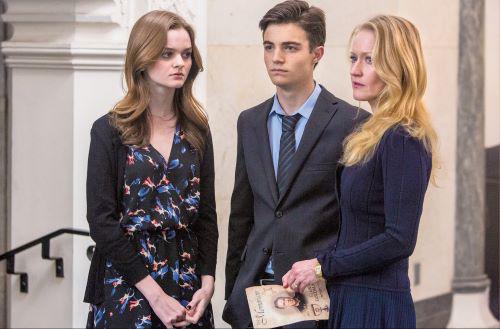
l.-r. Bridget, Conor, and Abby Donovan
Ray’s Family
Paula Malcomson plays Abby, Ray’s attractive, feisty, haranguing wife. Ray is a serial cheater and Abby turns a blind eye to it as much as she can. Ray’s work is his life and he’s away from home more than most. He also has his own private apartment downtown that the family isn’t welcome to visit. Abby has a beautiful home in the burbs of L.A., but often she’s lonely and bored. She’s been with Ray since the beginning, when the two were growing up in Boston. They each know that theirs is a forever relationship. Abby’s a decent mother, but often it seems she is preoccupied by what she feels is Ray’s emotional abandonment and what she doesn’t have, which leaves the kids with their own form of double parental abandonment.
Kerris Dorsey plays Ray’s daughter, Bridget Donovan, named after her long-departed aunt. Bridget is a brainy high school student with the best grades. She has a guitar and writes and sings her own compositions. She’s searching for something to fill the empty spaces in her world and sometimes makes poor choices. She loves her parents but has an uncanny knack of seeing through them, which makes her a little jaded when it comes to them. Ironically, she loves her uncles and her grandpa unconditionally.
Devon Bagby plays Ray’s son, Conor Donovan. Conor is 14 when the story opens. Devon is the typical 14 year-old who likes to play video games. Conor also has a violent streak. He is never one to start a conflict, but you can be sure he will finish it when it comes to bullies. Conor feels like the most alone one in the series. Bridget tries to advise him, as do his uncles and grandpa from time to time, but he doesn’t really seem to connect well with anyone.
Steven Bauer as Avi
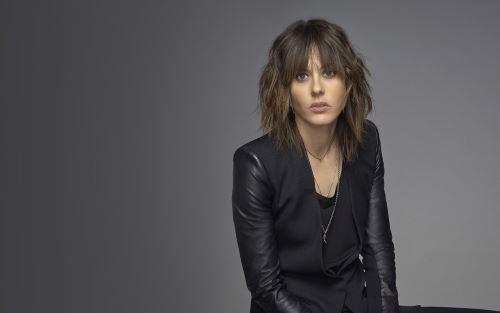
Kathering Moennig as Lena
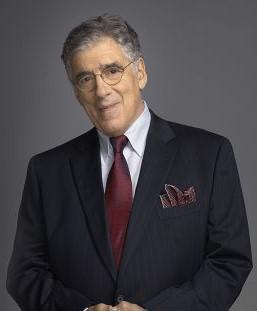
Elliott Gould as Ezra
Ray’s Work World
Katherine Moennig plays Lena, who is often in the office making her magic happen, but she sometimes gets her hands dirty out in the field. Lena is a lesbian who is unlucky in love as it often turns to domestic violence. Her loyalty to Ray is unwavering. He’s a demanding but fair boss who gave her a chance when things were at a low ebb for her.
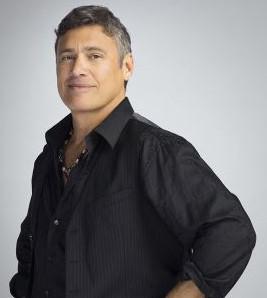
Steven Bauer plays Avi. Avi used to be in the Israeli Special Forces and is the man you want on the case to adjust/convince/neutralize and clean, as needed, under Ray’s direction. Avi lives at home with his invalid mother. Like Lena, Avi’s loyalty to Ray is unwavering. I think Ray met Avi through his first boss in the series, Ezra.
Elliott Gould is Ezra Goldman. Ezra is a potent mogul in L.A. He first met Ray as a young thug when Ezra was on a movie shoot in Boston and saw Ray’s potential. He convinced Ray to move to L.A. and become one of his main fixers. Ray potentially could have other clients he’s a fixer for, but Ezra and his realm keeps him pretty busy.
Guest stars
There are a plethora of stars that traverse the seasons. Usually they last a season, sometimes they carry over into more than one, and sometimes they don’t last but a few episodes. Just a partial list of well-known names: Susan Sarandon, Hank Azaria, Katie Holmes, Ian McShane, Alan Alda, Sherilyn Fenn, Lisa Bonet, Tony Curran, Rosanna Arquette, James Woods, Ted Levine, C. Thomas Howell, Paul Michael Glaser, Brent Spiner, Jake Busey, Ann-Margret, Stacy Keach, Bronson Pinchot, Dabney Coleman, Richard Benjamin, Cheryl Ladd, Diane Ladd.
Aside from them are dozens upon dozens more in the cast.
Non-human Characters ALCOHOL saturates pretty much every scene of Ray Donovan. Thankfully the kids don’t take after their family members. Ray especially drowns himself in it to forget things. Everybody but the kids are guzzling the stuff. Sometimes other mind altering substances like powders show up – especially with Mickey – but mostly it’s the sauce that is the preferred poison.
Sexual addiction is a condition that drives Ray. As the series goes on, Ray’s addiction to alcohol, pain, and sex thread their way through his world. Since Ray is the “strong one” that everyone turns to for this and that, nobody’s really interested in suggesting he seek treatment for any of them, as perhaps their fear is that he won’t be so good at what he does if he stops doing them.
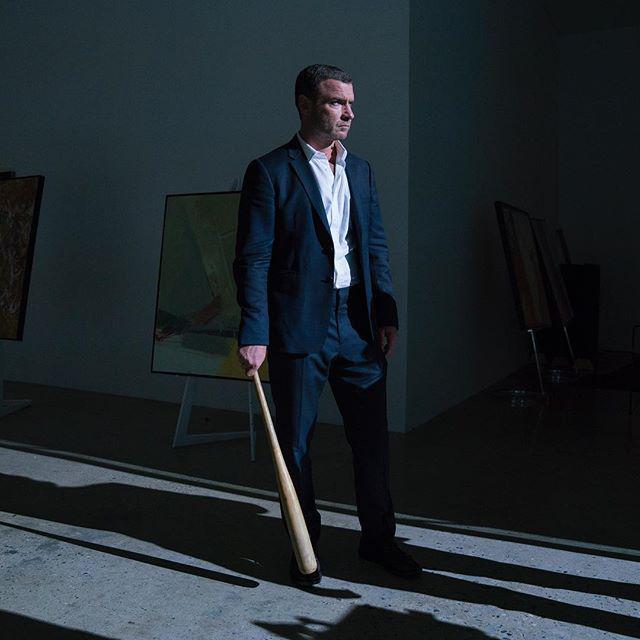
The baseball bat that Ray keeps in his trunk. He doesn’t pull it out very often, but when he does, you know the beat-down about to go down.
Ray with his bat
Linked closely to the baseball bat is violence. Ray will use everything aside from violence to fix work issues, but if those fail, he is ready, willing, and able to use it. He never lays a hand on Abby or the kids, yet he’s gotten into more than one drunken family brawl with his brothers and dad. Ray himself sometimes takes a beating; yet he has a curious relationship with pain. His tolerance for pain is very high. Even if he’s hurting, he shrugs it off, and there is a sense that he may feel that he’s earned his punishments on earth for his many bad acts. This stoic acceptance of physical damage combined with emotional numbness are certainly tied to his Catholic upbringing.
The phone – Ray is always on the phone. You know how they do a body count on John Wick movies? Or how many times Al Swearengen said f*ck in Deadwood? Seriously, someone needs to do a phone count on Ray. In the car, at home, in meetings, anywhere and everywhere.
Donovan’s Fite Club
The boxing club is the one place in the series that truly feels like home base. Lots of the show is filmed at Ray’s family home, but honestly, it never feels homey there. It feels like so many strangers co-exist in it but seldom connect with each other.
The ocean and some homes near the ocean are settings for memorable events.
Synopsis: After reading the above information, you can pretty much guess what happens in Ray Donovan. Problems come up at work and at home; Ray finds a way to fix work problems and a way to deepen family problems. Ray has been a very criminal-minded individual for a very long time; yet at the same time he is passionate about giving his wife and kids every material comfort, price is no object. He seems well-aware how he disappoints them emotionally yet clueless as how to fix it. A crucial piece that has only been touched on so far is Ray’s relationship with his father, Mickey. Where Ray is the expert fixer, Mickey is the expert breaker. Ray hates his father and wishes he would go away, but he always worms his way back into things. Most of the seasons, Ray has a new “boss” that is his primary client, and all of them are high power players in their fields. The first several seasons are set in Los Angeles, so there are lots of directors, producers, actors, movie sets, filming, screenwriters, drugs, kinkiness, etc. going on in the episodes. They say Las Vegas is sin city, but my bet is on L.A. Impressions: I love the show because I love Liev Schreiber as Ray. He’s like an Iron Man Energizer Bunny that never wears down. I like how strong he is. What makes him such a compelling character to me is that, despite his giving his all, rarely does anyone acknowledge or appreciate that fact. In many ways, he’s an object that is being exploited for his workaholic ways and his chronic religion-cultivated toxic guilt. I love watching his face, his expressions, the way he moves, his navigating through all of it like a shark in the water. I also love how Ray’s relationship with each of his family members plays itself out through the seasons, especially the one with Mickey. Jon Voight is exceptionally good as Mickey. Wow! I also like how the creators of the show try to give all family members fresh story lines to work with. Grade: 10 Etc.: from imdb: The necklace Ray Donovan wears carries a Saint Genesius medallion pendant. Saint Genesius is considered the patron saint of actors, lawyers, barristers, clowns, comedians, converts, dancers, people with epilepsy, musicians, printers, stenographers, and victims of torture. Awards: 4 wins and 42 nominations
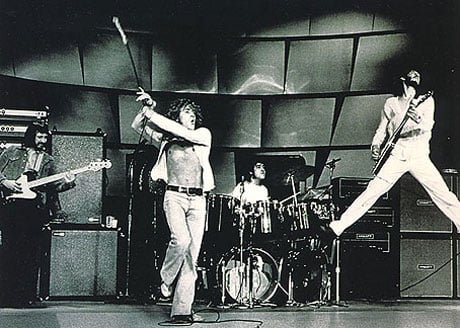
Young Man Blues was written by jazz artist Mose Allison in 1957. Mose’s version is jazzy and smooth. The Who took the song and set it afire with an explosive charge. Mose Allison called The Who’s version The “Command Performance” of his song. That’s a great compliment from the author. Pete was a big fan of Mose Allison. He has said that if he never heard this song he would not have written My Generation.
The Who version has great dynamics. The bass and drums are all over the place and yet perfect. The Who sound like they are driving near a cliff and you know the song is going to fall off but they save it at the last moment time after time. The song was on the Live At Leeds album released in 1970.
The key to this song and most Who songs was the rhythm section. Keith Moon and John Entwistle pushed each other to greatness. The frenetic chaotic bass and drums made it exciting. You had the lead guitar player punching in licks between the lead bass and drums. Later on, when Keith passed away and Kenney Jones took his place…they were not the same. That is nothing against Jones…he was one of the best British drummers at that time but that touch of insanity was gone permanently.
A year or so before John Entwistle died, Roger Daltrey was complaining about John’s volume on stage to Pete. Pete replied that without that volume and John’s style…they are not the Who. That was a true statement. I saw the Who with John and later on without him. It wasn’t the same. Was it a great show without him? Yes, the songs were great but that element of danger was gone. That is what both Keith and John added to the Who.
So I’ll take this note for myself… February 14, 1970… I’ll buy a ticket for Leeds University when I get my time machine working…I’ll take some cotton balls though.
Young Man Blues
Oh well a young man ain’t got nothin’ in the world these days I said a young man ain’t got nothin’ in the world these days
You know in the old days When a young man was a strong man All the people they’d step back When a young man walked by
But you know nowadays It’s the old man, He’s got all the money And a young man ain’t got nothin’ in the world these days I said nothing
Everybody knows that a young man ain’t got nothin’ Everybody! Everybody knows that a young man ain’t got nothin’ He got nothin’ Nothin’
Take it easy on the young man They ain’t got nothin’ in the world these days I said they ain’t got nothin’! They got sweet fuck-all!
Welcome to the Hanspostcard TV Draft. I hope you will enjoy it! Today’s post was written by Paula at http://paulalight.com
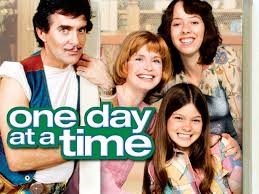
Welcome back to Paula’s Power Pop reviews and a big thanks to Max for putting these rounds together. I am having fun revisiting shows from back when, and one of my favorite shows in high school was One Day at a Time (the original series, not the 2017 reboot). The premiere aired on December 16, 1975, and the show ran nine seasons until May 28, 1984. It actually surprised me to learn that it went on so long ~ I did not catch all the later episodes in the 1980s. ODAAT was hugely popular for years and had a sweet spot in the CBS Sunday night lineup.
The premise of the show is that Ann Romano (played by Bonnie Franklin, RIP) navigates her new life in Indianapolis as a single mom to two teen girls, Barbara Cooper (played by Valerie Bertinelli) and Julie (played by Mackenzie Phillips, who was fired twice and did not appear in later eps). Pat Harrington Jr. (RIP) had a key role as their building superintendent, Dwayne Schneider. Back in the 1970s, Schneider seemed funny to me, but now he seems more like a creepy stalker always hanging around the girls’ apartment. Many things have changed regarding my perspective of the show, including believing that it was the height of romance for Mark (Boyd Gaines) to kidnap Barbara and not let her out of his car on their disastrous first date. Situations like these seem romantic in fiction, when you know the cute guy is a “good guy,” and the couple will up together, but in real life this would be totally cringe if not outright criminal. Anyway, in the 1970s, I identified more with Julie and Barbara, depending on the episode, but now I would identify more with Ann.
The original series focused heavily on second-wave feminism, which occurred during the 1960s to the 1980s. This is when women had achieved basic rights (somewhat), but still had to deal with workplace sexism, relationship roles, sexuality, and gender-based family issues. The show is not heavy-handed about these topics and relies upon on humor to smooth things along. I would say the writing ended up being tame overall, not really tackling big issues in a bold way, unlike, for example, All in the Family (which I will also be reviewing). Ann, Julie, and Barbara engaged in traditional, monogamous relationships with men, including eventual marriages for all three. This is not a criticism, just an observation. I enjoyed the show very much, back in the day.
Some of my favorite eps involve Shelley Fabares, as scheming businesswoman Francine, and of course the eps with the wonderful Howard Hesseman who just passed this January (RIP). He played Mark’s father Sam and became Ann’s love interest/husband (awkward!). One of my favorite episodes overall was “Airport” (S7, E2), where Barbara, Schneider, and Alex (the son of Ann’s boyfriend Nick, played by Glenn Scarpelli and Ron Rifkin, respectively) are all stuck at the airport waiting for Ann, whose flight has been delayed. Each of the three meets someone who seems like a romantic possibility, but none of them work out, so it is much more realistic than most sitcom plotlines. As a sidenote, Nanette Fabray (RIP) plays Ann’s mother Katherine, and she is the aunt of the aforementioned Shelley Fabares. Originally, Nanette’s last name was also spelled “Fabares.”
Whitney Blake and Allan Manings, a husband and wife writing team, created the show, and Norman Lear developed it. Polly Cutler performed the theme song “This Is It,” which played in the opening and closing credits. Jeff and Nancy Barry wrote the song. Bonnie Franklin and Pat Harrington Jr. each won an Emmy in 1984 for their performance in ODAAT, and Alan Rafkin won an Emmy in 1982 for directing the episode titled “Barbara’s Crisis” (S7, E15). Pat also won a Golden Globe in 1981, and Valerie Bertinelli won two Golden Globes, in 1981 and 1982.
~*~
Paula Light is a poet, novelist, flash fiction fan, cupcake connoisseur, mom, grandma, cat mommy, etc. Her blog can be found at http://paulalight.com.
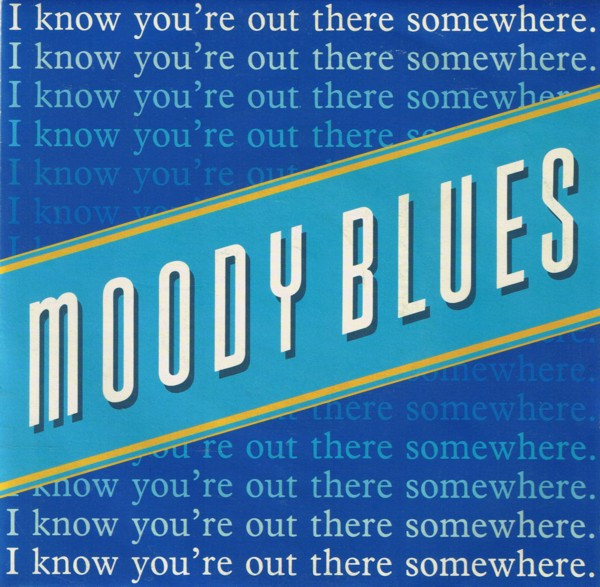
The Moody Blues hit big in the early 80s. I first got into them in the late 70s and I had all of their albums up to Seventh Sojourn. When Long Distance Voyager came out in 1981 a new generation of fans was made.
After I graduated in 85 I heard the single “Your Wildest Dreams” the following year and loved it. I remember the video on MTV and then a few years later in 1988 I heard this song. I could tell by the video alone it was essentially a sequel to Your Wildest Dreams. Guitarist/singer/songwriter Justin Hayward wrote both songs.
Sometimes we kick ourselves over missed opportunities and I do regret not seeing the Moodies live. I never looked at them as prog rock…they were just The Moody Blues…somewhat in a genre by themselves in some ways.
The song peaked at #30 in the Billboard 100, #52 in the UK, #15 in Canada in 1988. This was the band’s last top 40 single in the United States.
Justin Hayward: “I did the keyboard and the guitar and the LinnDrum for ‘Wildest Dreams,’ which was finished first, and for ‘I Know You’re Out There Somewhere’ I decided to use the same keyboard sound and bass sound that I’d got on a Yamaha DX7 and continue that theme. It’s identical tempo and everything.”
Justin Hayward:“I love performing it. Wherever we go, people like it. It wasn’t a massive hit, but people know it. It wasn’t a massive hit because it’s about 6 minutes long and no one did a successful edit on it. That’s probably the one that gives me the most pleasure.”
Since the two songs were connected…here they are.
I Know You’re Out There Somewhere
I know you’re out there somewhere Somewhere, somewhere I know I’ll find you somehow Somehow, somehow And somehow I’ll return again to you
The mist is lifting slowly I can see the way ahead And I’ve left behind the empty streets That once inspired my life And the strength of the emotion Is like thunder in the air ‘Cos the promise that we made each other Haunts me to the end
I know you’re out there somewhere Somewhere, somewhere I know you’re out there somewhere Somewhere you can hear my voice I know I’ll find you somehow Somehow, somehow I know I’ll find you somehow And somehow I’ll return again to you
The secret of your beauty And the mystery of your soul I’ve been searching for in everyone I meet And the times I’ve been mistaken It’s impossible to say And the grass is growing Underneath our feet
I know you’re out there somewhere Somewhere, somewhere I know you’re out there somewhere Somewhere you can hear my voice I know I’ll find you somehow Somehow, somehow I know I’ll find you somehow And somehow I’ll return again to you
[Interlude:] You see I know you’re out there somewhere O yes I know you’re out there somewhere You see I know I’ll find you somehow O yes I know I’ll find you somehow
the words that I remember From my childhood still are true That there’s none so blind As those who will not see And to those who lack the courage And say it’s dangerous to try Well they just don’t know That love eternal will not be denied
I know you’re out there somewhere Somewhere, somewhere I know you’re out there somewhere Somewhere you can hear my voice I know I’ll find you somehow Somehow, somehow I know I’ll find you somehow And somehow I’ll return again to you
Yes I know it’s going to happen I can feel you getting near And soon we’ll be returning To the fountain of our youth And if you wake up wondering In the darkness I’ll be there My arms will close around you And protect you with the truth
I know you’re out there somewhere Somewhere, somewhere I know you’re out there somewhere Somewhere you can hear my voice I know I’ll find you somehow Somehow, somehow I know I’ll find you somehow And somehow I’ll return again to you
A wonderful song from the band’s sixth album Don’t Tell A Soul. It was the first album with new guitarist Bob “Slim” Dunlap after Bob Stinson quit. They recorded their previous album Please To Meet Me as a trio with Paul Westerberg, Tommy Stinson, and Chris Mars.
Westerberg has claimed the song’s protagonist was a composite of several people, though one inspiration was his younger sister Mary. She was a Minneapolis budding rock radio deejay, Mary was experiencing the same uncertainties Paul had gone through prior to the Replacements. (In the video showed Mary as both Paul’s shadow and reflection.)
The sound of this album turned some of the older fans off. In order to get more radio play the record company brought in Chris Lord-Alge to mix the album. The album had a lot of those eighties effects used to enhance the music. The result was more of a polished Replacements album.
They would release one more album after this one called All Shook Down in 1990. Chris Mars left the band in 1989 and was replaced in 1990 by Steve Foley. The band toured with Elvis Costello in 1991 and would play their farewell gig in Chicago on July 4, 1991.
In 2012 they would regroup with a different drummer and tour until 2015. They sold out some arenas that held around 14,000 people in 10 minutes in some areas. After they broke up their legend grew and they were heard more than they were when they were together originally. For my money…they were the best pure rock band in the 80s for these ears.
Achin’ To Be
Well she’s kind of like an artist Sittin’ on the floor Never finishes, she abandons Never shows a soul
And she’s kind of like a movie Everyone rushes to see And no one understands it Sittin’ in their seats
She opens her mouth to speak and What comes out’s a mystery Thought about, not understood She’s achin’ to be
Well she dances alone in nightclubs Every other day of the week People look right through her Baby doll, check your cheek
And she’s kind of like a poet Who finds it hard to speak Poems come so slowly Like the colors down a sheet
She opens her mouth to speak and What comes out’s a mystery Thought about, not understood She’s achin’ to be
I’ve been achin’ for a while now, friend I’ve been achin’ hard for years
Well she’s kind of like an artist Who uses paints no more You never show me what you’re doing Never show a soul
Well, I saw one of your pictures There was nothin’ that I could see If no one’s on your canvas Well, I’m achin’ to be
She closes her mouth to speak and Closes her eyes to see Thought about an’ only loved She’s achin’ to be Just like me
Ok…we are veering WAYOFF the power-pop/rock path today! I was reading a biography of Pittsburgh Steelers coach Chuck Noll, and it mentioned he would sing this song occasionally. So reading a bio of an American football coach led to this post…you just never know! To paraphrase Bugs Bunny…we are taking that proverbial left turn at Albuquerque.
I got really curious and looked the song up. It’s great…I’ve always liked these old folk songs and bluegrass music because I respect them so much. I’ve played bluegrass with a professional before, and it is some of the hardest music I’ve tried to play. The time signatures are all over the place, and if you haven’t played the music a lot… it can be tricky. It made me a better musician.
I like the music because it’s so rootsy and earthy. I don’t listen to it a lot, but sometimes I will enjoy an hour or so of it. It reminds me of when my dad would go to work in the morning, and sometimes he would have this music on.
Good Ole’Mountain Dew!
This song is an Appalachian folk song that Bascom Lamar Lunsford first wrote in 1928. Lunsford was an attorney; however, he is very fond of folk songs. He once represented a man in court because he was illegally making whiskey called Moonshine. This experience led him to write the song. He ended up selling the song to Scotty Wiseman, and Wiseman changed a few lyrics but remembered Lunsford…he kept the songwriting credit Wiseman-Lunsford.
These songs are special. They were not trying to write hits…they just wanted to tell stories through songs. Instead of newspapers in the backwoods of the Appalachians, you had these songs.
Many artists have covered the song through the years, like Willie Nelson, Glen Campbell, Mother Maybelle Carter, Grandpa Jones, and more.
Willie Nelson released a version in 1981 that peaked at #23 in the Billboard Country Charts and #39 in Canada.
The lyrics never stay completely the same through the versions, but it still works. We will return to our normal programming in the next post!
Mountain Dew
Down the road here from me there’s an old holler tree Where you lay down a dollar or two Go on round the bend come back again There’s a jug full of that good ole mountain dew
Oh they call it that good ole mountain dew And them that refuse it are few I’ll hush up my mug if you’ll fill up my jug With that good ole mountain dew
Now Mr. Roosevelt told ’em just how he felt When he heard that the dry law ‘d gone through If your liquors too red it’ll swell up your head You better stick to that good ole mountain dew
Oh they call it that good ole mountain dew And them that refuse it are few I’ll hush up my mug if you’ll fill up my jug With that good ole mountain dew
The preacher rode by with his head hasted high Said his wife had been down with the flu He thought that I o’rt to sell him a quart Of my good ole mountain dew
Oh they call it that good ole mountain dew And them that refuse it are few I’ll hush up my mug if you’ll fill up my jug With that good ole mountain dew
Well my uncle Snort he’s sawed off and short He measures four feet two But feels like a giant when you give him a pint Of that good old mountain dew
Oh they call it that good ole mountain dew And them that refuse it are few I’ll hush up my mug if you’ll fill up my jug With that good ole mountain dew
When I became a Beatles fan way back when I was 8 years old…and up to my teenage years I hardly ever heard this one mentioned by people. I’ve seen its popularity grow through the years. My biggest problem with it is they should have spent more time on it. Lennon accused McCartney of subconsciously trying to destroy it. You could see Paul let out a big yawn while rehearsing in the Let It Be film but that probably had more to do with him being tired after hours of playing in a studio…but maybe Lennon had a point.
One of the reasons John got upset with Paul was because instead of getting professional backup singers or a choir…Paul went out the Abbey Road door and grabbed two “Apple Scruffs” to sing backup on the song. That version did not go on the Let It Be album, however. That version was on a charity album.
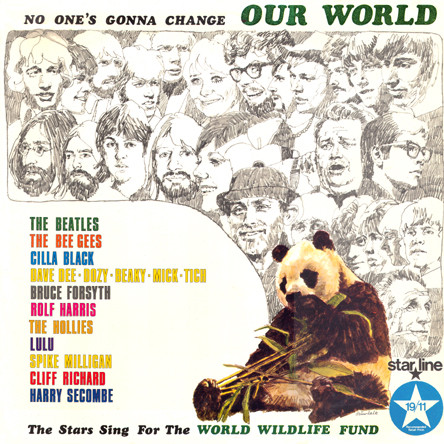
This first appeared on No One’s Gonna Change Our World, a 1969 charity album for the World Wildlife Fund. Bird noises were dubbed into this version to create a nature theme. It didn’t sound too bad.
When I bought the Let It Be album it took a few listens but soon this one intrigued me. The lyrics alone are enthralling because of the imagery. Since I first heard it, the song has taken on huge popularity.
It even had a movie that was made around its title and worked around Beatle lyrics in 2007. That alone boosted its popularity.
I always wondered about the Jai guru deva om phrase. “Jai guru deva, om” translates to “hail to the Heavenly Teacher” or “I give thanks to Guru Dev.” That was a mantra was invented by the Indian guru, Maharishi Mahesh Yogi – the late protégé of Guru Dev.
On February 4, 2008 “Across The Universe” became the first track to be beamed directly into space. It was transmitted through NASA’s antenna in the DSN’s Madrid Deep Space Communication Complex, towards the North Star, Polaris, 431 light-years from Earth. The broadcasting of the Beatles song was done to mark both NASA’s 50th birthday and the 40th anniversary of Across The Universe. Paul McCartney described the transmission as an “amazing feat” adding, “Well done, NASA. Send my love to the aliens!”
David Bowie also did a good version of this song. Liam Gallagher has cited this song as a huge influence on him starting to write songs.
John Lennon: “I was lying next to me first wife in bed, and I was irritated. She must have been going on and on about something and she’d gone to sleep and I kept hearing these words over and over, flowing like an endless stream. I went downstairs and it turned into sort of a cosmic song rather than an irritated song… it drove me out of bed. I didn’t want to write it, but I was slightly irritable and I went downstairs and I couldn’t get to sleep until I’d put it on paper.”
John Lennon: “It’s one of the best lyrics I’ve written. In fact, it could be the best.” He added: “It’s good poetry, or whatever you call it, without chewin’ it. See, the ones I like are the ones that stand as words, without melody. They don’t have to have any melody, like a poem, you can read them.”
John Lennon:“The Beatles didn’t make a good record of it. I think subconsciously sometimes we – I say ‘we’ although I think Paul did it more than the rest of us – Paul would, sort of subconsciously, try and destroy a great song… meaning we’d play experimental games with my great pieces, like ‘Strawberry Fields,’ which I always thought was badly recorded.”
The World Wildlife Fund
Across The Universe
Words are flowing out Like endless rain into a paper cup They slither wildly as they slip away across the universe Pools of sorrow waves of joy Are drifting through my opened mind Possessing and caressing me
Jai Guru Deva, Om Nothing’s gonna change my world Nothing’s gonna change my world Nothing’s gonna change my world Nothing’s gonna change my world
Images of broken light Which dance before me like a million eyes They call me on and on across the universe Thoughts meander like a Restless wind inside a letter box They tumble blindly as they make their way across the universe
Jai Guru Deva, Om Nothing’s gonna change my world Nothing’s gonna change my world Nothing’s gonna change my world Nothing’s gonna change my world
Sounds of laughter, shades of life Are ringing through my opened ears Inciting and inviting me Limitless undying love Which shines around me like a million suns It calls me on and on across the universe
Jai Guru Deva, Om Nothing’s gonna change my world Nothing’s gonna change my world Nothing’s gonna change my world Nothing’s gonna change my world
Jai Guru Deva Jai Guru Deva Jai Guru Deva Jai Guru Deva Jai Guru Deva
When I graduated in 1985, The Beach Boys were on my tape deck in my car. Although the music was 20 years old I could identify with them more than the music I was hearing on top 40 radio.
This was the leadoff track to The Beach Boys’ legendary Pet Sounds album. While the “Wouldn’t It Be Nice” and “God Only Knows” singles sold very well, the album had very disappointing sales when it was first released in America. The UK appreciated it much more along with Paul McCartney and John Lennon. America wanted more surf songs but Brian Wilson had moved into a different place.
I was very surprised to read that as of 2021, “Wouldn’t It Be Nice” is the Beach Boys’ most streamed song on Spotify. I would have thought Good Vibrations or one of their early surf songs.
Brian Wilson wrote the song with contributions from vocalist Mike Love and lyricist Tony Asher. Asher wrote all of the lyrics except for the “Good night, my baby, sleep tight, my baby” lines at the end of the song, which was Love’s contribution.
Pet Sounds peaked at #10 in the Billboard Album Charts, #2 in the UK. Wouldn’t It Be Nice peaked at #8 in the Billboard 100, #4 in Canada, #12 in New Zealand, and #58 in the UK in 1966.
Mike Love has said that Brian Wilson made him do his part over 30 times. He started to call Wilson “Dog Ears” because he could hear something that no one else could.
Mike Love: “Brian must have been part canine because he was reaching for something intangible, imperceptible to most, and all but impossible to execute,”
Nick Kent journalist: “This time [he] was out to eclipse these previous sonic soap operas, to transform the subject’s sappy sentiments with a God-like grace so that the song would become a veritable pocket symphony.”
Tony Asher (Lyricist) “It was a great joy making music with him but that any other relationship with Brian was a great chore. I found Brian’s lifestyle so damn repugnant. I mean, for say, every four hours we’d spend writing songs, there’d be about 48 hours of these dopey conversations about some dumb book he’d just read. Or else he’d just go on and on about girls… his feelings about this girl or that girl… it was just embarrassing.”
Wouldn’t It Be Nice
Wouldn’t it be nice if we were older Then we wouldn’t have to wait so long? And wouldn’t it be nice to live together In the kind of world where we belong?
You know it’s gonna make it that much better When we can say goodnight and stay together
Wouldn’t it be nice if we could wake up In the morning when the day is new? And after having spent the day together Hold each other close the whole night through?
Happy times together we’ve been spending I wish that every kiss was never ending Oh, wouldn’t it be nice?
Maybe if we think and wish and hope and pray It might come true (run run ooo) Baby, then there wouldn’t be a single thing we couldn’t do We could be married (we could be married) And then we’d be happy (and then we’d be happy) Oh, wouldn’t it be nice?
You know it seems the more we talk about it It only makes it worse to live without it But let’s talk about it Oh, wouldn’t it be nice?
Good night, oh baby Sleep tight, oh baby Good night, oh baby Sleep tight, oh baby
If you have the slightest bit of interest in documentaries or in silent movies, this is the series to watch. Not only is it a great wealth of info on the silent era…it’s one of the best documentaries I’ve ever watched. It is made up of 13 different one-hour sections. It’s quite a series at 676 minutes.
There is one misconception about silent films that most have. When you think of a silent film what do you think of? Some people think of the hard-to-see Keystone cops running about like they snorted Peru… that is NOT what most silent films looked like. They played at normal speed and the cinematography was breathtaking in many of them. They are as clear as any movie you will watch if the print has been taken care of or restored.
There was a problem with some prints after the silent era. The holes in the film were at a different gauge for the then-modern film projectors and they played them fast and transferred them fast…that meant everything was sped up.
This documentary is to the Silent Era what Ken Burns Civil War doc is to the Civil War. It starts with the pioneers of the movies to the very end when sound took over and changed and some people say ruined an art form. When movies were silent…they were international…no need for translations…just different text. The sound changed all of that and silent movies were at their height.
You get to know the great directors, actors, actresses, cameramen, stuntmen, and movie moguls.
They interviewed these ladies and gentlemen in the late seventies and it was many of their last appearances on film before they passed away. I’m thankful that Kevin Brownlow got this finished and we now have first-hand knowledge of films’ most exciting eras.
I do wish sound pictures would have been held off a few years. The studios weren’t ready for talking pictures. The first “talky” pictures were clumsy and still. The mics had to be placed in flower vases and other stationary places. The silent artists perfected the art of pantomime. Most had great quality (especially in the 20s) that looked better than movies 40 years later. One problem was with the early transfers from the films…now with Criterion and others cleaning up the transfers…we can watch these beautiful movies the way they were intended.
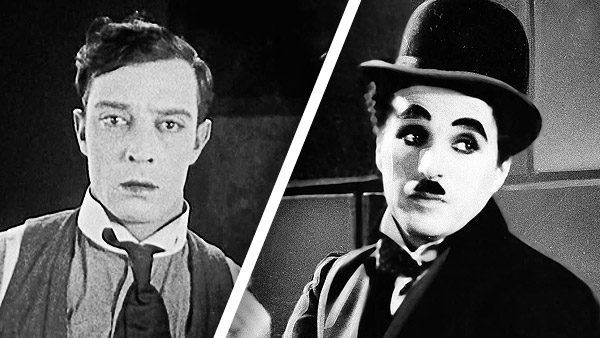
Just like today, you had your formula movies and your great movies. In my opinion, I think the best genre of silent movies is comedies. Not Keystone Cops…they are more like cartoons than films. For me, it would be Charlie Chaplin and Buster Keaton. They both had some of the most subtle and genius gags. Many of their gags have been copied to this day. There were others like Harry Langdon and Harold Lloyd that were popular.
I know it’s a big task BUT…if you like documentaries or silent movies…this series is worth it! Every episode is out there on youtube.
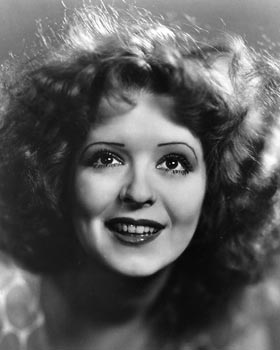
This is the 12th episode and it is about two people…John Gilbert and Clara Bow. Clara Bow is my favorite actress of all time…and yes that includes today.
The cast listing is below the video.
Actors
Mary Astor
Eleanor Boardman
Louise Brooks
Olive Carey
Iron Eyes Cody
Jackie Coogan
Dolores Costello
Viola Dana
Douglas Fairbanks Jr.
Janet Gaynor
Leatrice Joy
Lillian Gish
Bessie Love
Ben Lyon
Marion Mack
Tim McCoy
Colleen Moore
Charles ‘Buddy’ Rogers
Gloria Swanson
Blanche Sweet
John Wayne
Eva von Berne
Lois Wilson
Directors
Dorothy Arzner
Clarence Brown
Karl Brown
Frank Capra
George Cukor
Allan Dwan
Byron Haskin
Henry Hathaway
Henry King
Lewis Milestone
Hal Roach
Albert S. Rogell
King Vidor
William Wyler.
Choreographer: Agnes de Mille,
Writer: Anita Loos,
Writer: Adela Rogers St. Johns,
Press Agent/writer: Cedric Belfrage,
Organist: Gaylord Carter,
Cinematographers: George J. Folsey, Lee Garmes and Paul Ivano,
Writer: Jesse L. Lasky, Jr.,
Special Effects Artist A. Arnold Gillespie, Lord Mountbatten
Agent Paul Kohner
Producer/writer Samuel Marx
Editors William Hornbeck and Grant Whytock
Property Pan: Lefty Hough
Stuntmen Bob Rose, Yakima Canutt: Paul Malvern, and Harvey Parry, Rudolph Valentino’s brother Alberto Valentino





![Remembering Allman Brothers Bassist Berry Oakley On The Anniversary Of His Untimely Death [Videos]](https://i0.wp.com/liveforlivemusic.com/wp-content/uploads/2017/11/1236116_10201482958390126_1416300963_n-e1541951801980.jpg?fit=897%2C490&ssl=1)


 Pooch Hall as Daryll Donovan
 Ray with his bat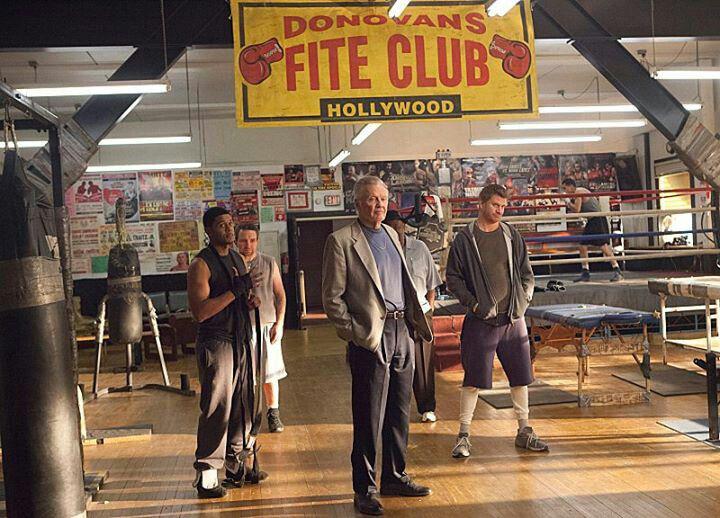




 PowerPop... An Eclectic Collection of Pop Culture