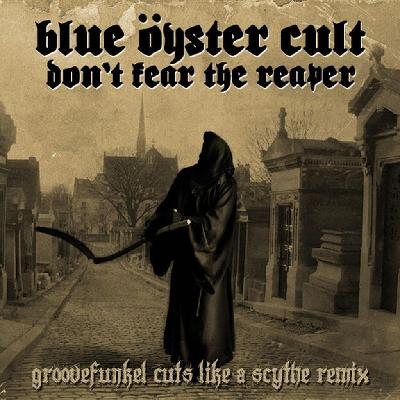
Blue Öyster Cult – Don’t Fear The Reaper

More Cowbell?

Although this song has been played to death on the radio…I still will not turn the dial if I hear it come on.

Blue Öyster Cult’s first hit, this song was written by lead guitarist Donald Roeser, also known as Buck Dharma. He contributed his vocals to this track and also wrote their other Top 40 hit, “Burnin’ For You.” This song peaked at #12 in the Billboard 100 and #16 in the UK in 1976.

The album Don’t Fear The Reaper was on was Agents of Fortune. It peaked at #29 in the Billboard 100 in 1976.

The album features vocals and songwriting from Patti Smith. She was keyboardist Allen Lanier’s girlfriend at the time and had also contributed to one of BOC’s previous albums, Secret Treaties.

The song is played quite a bit on the radio but it is Halloween week so it fits.

From Songfacts

This was rumored to be about suicide, but it actually deals with the inevitability of death and the belief that we should not fear it. When Dharma wrote it, he was thinking about what would happen if he died at a young age and if he would be reunited with loved ones in the afterlife. Dharma explained in a 1995 interview with College Music Journal: “I felt that I had just achieved some kind of resonance with the psychology of people when I came up with that, I was actually kind of appalled when I first realized that some people were seeing it as an advertisement for suicide or something that was not my intention at all. It is, like, not to be afraid of it (as opposed to actively bring it about). It’s basically a love song where the love transcends the actual physical existence of the partners.”

Blue Öyster Cult was considered a “cult” band, somewhere in the realm of heavy metal with complex and often baffling lyrics dealing with the supernatural. Those inside the cult took the time to understand that like Black Sabbath, BOC combined outstanding musicianship with fantasy lyrics, and they weren’t for everyone. “Don’t Fear The Reaper” exposed them to a wider audience, which was good for business but bad for art. Buck Dharma said in a 1980 interview with NME: “Ever since ‘The Reaper’ was a hit we’ve been under pressure to duplicate that success; the body of our work failed. Even on (1977 album) Spectres everyone tried to write a hit single and that’s a bad mistake. The Cult is never destined to be successful at a format. To be a singles band you have to win the casual buyer.”

Some of the lyrics were inspired by Shakespeare’s Romeo And Juliet. In Shakespeare’s play, Romeo swallows poison when he believes Juliet is dead. Juliet responds by taking her own life. This led many people to believe the song was about suicide, but Dharma was using Romeo and Juliet as an example of a couple who had faith that they would be together after their death.

For the lyrics that begin, “40,000 men and women,” Dharma was guessing at the number of people who died every day.

An April 8, 2000 Saturday Night Live skit with Christopher Walken made fun of the extremely loud cowbell in this song. In the skit, the band would get upset when Will Ferrell would play the bell too loud, but Walken kept calling for “More Cowbell.” In the skit, Walken plays a super-producer named Bruce Dickinson, who the band respects enough to put up with his cowbell antics. There really is a Bruce Dickinson (besides the Iron Maiden lead singer), but he didn’t produce “(Don’t Fear) The Reaper” – that was David Lucas, who also brought us the General Electric “we bring good things to life” and the AT&T “reach out and touch someone” jingles. Dickinson is an archivist who works on album reissues, which means gathering master tapes to ensure the best sound quality. He is credited as the reissue producer on a later version of the album, which apparently is how he was named in the sketch.

Lucas and Dickinson both appeared on the Just My Show podcast, and Lucas explained that the cowbell was his idea, as the song “needed some momentum.” He grabbed a cowbell from a nearby recording studio and “just played four on the floor… not hard to do.” He found out about the SNL skit when a friend instant messaged him as it was airing.

Dickinson says he’s always felt a little funny about getting the producer role in the famous skit, but it has made life more interesting. Said Dickinson, “I work with Iggy Pop on a lot of stuff and a lot of times when he calls and I pick up the phone, he goes ‘More cowbell!'”

Blue Öyster Cult released their last album in 2001, but continued touring with core members Buck Dharma and Eric Bloom. When we spoke with Bloom in 2016, he said he still enjoyed performing this song, but he’s a little more ambivalent about the “More Cowbell” skit. “I saw it live on my TV in my house, and did not know it was going to be on, so I was more shocked than amused when it was on,” he said. “I certainly see the humor after it was on. It certainly has legs – it has become part of Americana at this point. Somebody brings it up to me on a regular basis.”

This has been used in several horror movies, including Halloween, The Frighteners and Scream (the version used in Scream is an acoustic cover by Gus Black). It was also used in a very non-horror capacity in the party scene of the Disney movie Miracle, which is about the US Hockey team beating the USSR at the 1980 Olympic Games. 

This wasn’t released as a single in the UK until 1978, where it became their only hit in England.

Stephen King quoted the lyrics to this song in his novel The Stand, in which 99.9% of the US population is killed by a manmade disease called “Superflu.” It is also used in King’s miniseries of the same name during a montage showing the corpses of those who had been killed by the disease. King often quotes songs in the beginning of his books. 

Don’t Fear The Reaper

All our times have come
Here but now they’re gone
Seasons don’t fear the reaper
Nor do the wind, the sun or the rain, we can be like they are

Come on baby, don’t fear the reaper
Baby take my hand, don’t fear the reaper
We’ll be able to fly, don’t fear the reaper
Baby I’m your man

La, la, la, la, la
La, la, la, la, la

Valentine is done
Here but now they’re gone
Romeo and Juliet
Are together in eternity, Romeo and Juliet
40,000 men and women everyday, like Romeo and Juliet
40,000 men and women everyday, Redefine happiness
Another 40,000 coming everyday, We can be like they are

Come on baby, don’t fear the reaper
Baby take my hand, don’t fear the reaper
We’ll be able to fly, don’t fear the reaper
Baby I’m your man

La, la, la, la, la
La, la, la, la, la

Love of two is one
Here but now they’re gone
Came the last night of sadness
And it was clear she couldn’t go on

Then the door was open and the wind appeared
The candles blew then disappeared
The curtains flew then he appeared, saying don’t be afraid

Come on baby, and she had no fear
And she ran to him, then they started to fly
They looked backward and said goodby, she had become like they are
She had taken his hand, she had become like they are
Come on baby, don’t fear the reaper

My Top 10 Favorite Live Albums

I’m more of a studio guy when it comes to listening to bands but there are a few live albums I really like. This is my top 10 and a few honorable mentions at the bottom. Very few artists can improve on the studio version but sometimes some manage to pull it off.

10. Led Zeppelin –  How the West Was Won – After the disappointing live album The Song Remains The Same, this album released in 2003 contained Led Zeppelin live in 1972 from two shows in top form.

How the West Was Won (Live) (3-CD)

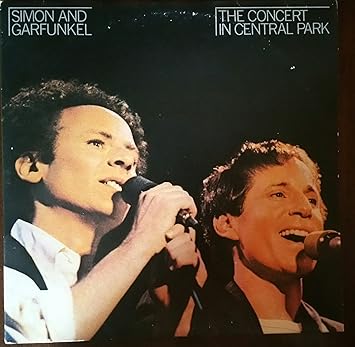
9: Simon And Garfunkel – The Concert In Central Park – This was big for me when it was released. I had by this time worn a groove out in their greatest hits. The band was great and their harmonies were as good as ever.

Image result for Simon And Garfunkel – The Concert In Central Park

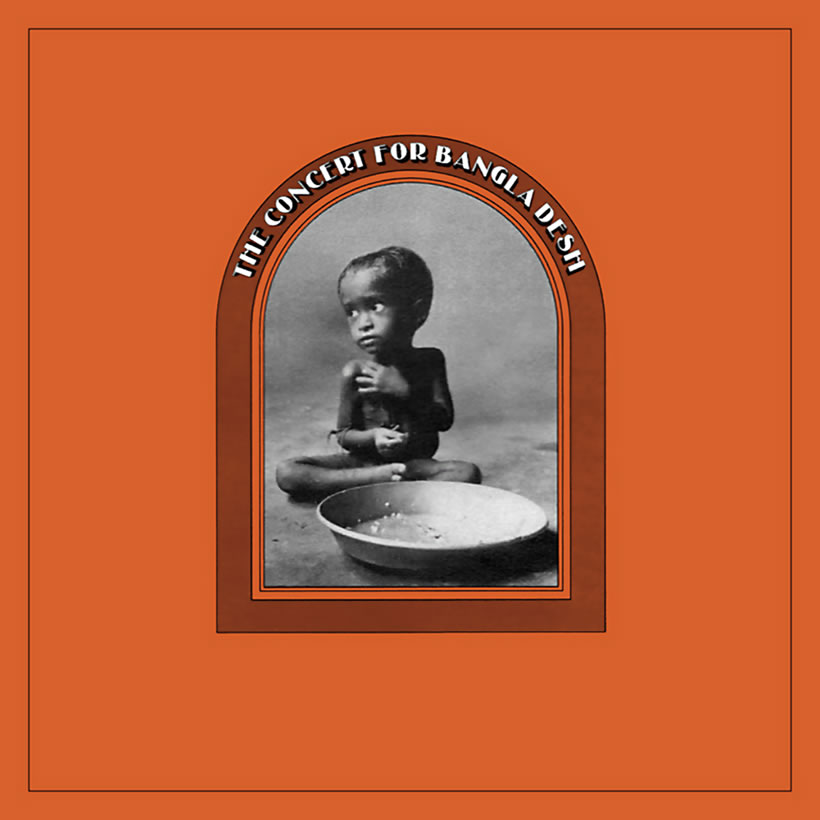
8: George Harrison – The Concert For Bangladesh – Fun to listen to George freed from the Beatles and he sounds great with Dylan, Billy Preston, Ringo, and other friends.

Image result for George Harrison – The Concert For Bangladesh


7: The Band: The Last Waltz – One of the best live albums ever. The Band’s last concert with Robbie with a host of talented famous friends. I still don’t get the Neil Diamond selection…nothing against Neil…he didn’t fit in with this atmosphere.

Image result for The Band: The Last Waltz album

6: The Allman Brothers Band “At Fillmore East” – This album floats up and down this list depending on my mood. It was at number 2 when I first made this list a couple of weeks ago. This band was probably one of the most talented bands in the seventies. I didn’t start heavily listening to them until around 5-10 years ago. They are better live than in the studio. There was not a weak link in this 6 piece band…especially in the Duane version but later incarnations were almost as strong.

At The Fillmore East (2LPs - 180GV)

5: Bruce Springsteen & the E Street Band, ‘Live/1975-85’ – I listened to this so much in the 80s that I knew the stories Bruce would tell by heart. Later when listening to the studio version of a song I would expect the story that went with it.

Image result for Bruce Springsteen & the E Street Band, ‘Live/1975-85’

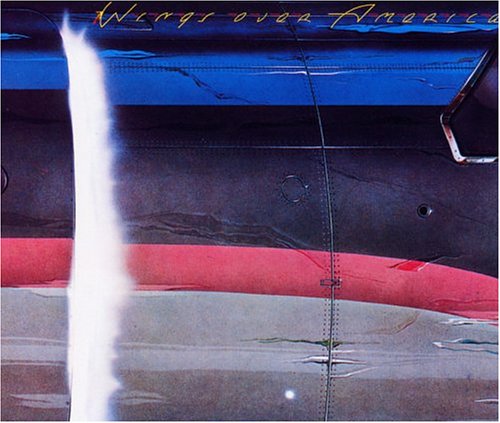
4: Paul McCartney  Wings Over America – This triple album set was a live greatest hits. The songs had some edge to them thanks to Jimmy McCulloch the young prodigy guitar player.  Paul even broke his silence on the Beatles and included five Beatle songs. Blackbird, I’ve Just Seen a Face, Yesterday, The Long and Winding Road, and Lady Madonna. Unlike the other 3 albums ahead of this on in the list, Paul didn’t mess with the songs too much from the original studio recordings.

Wings over America

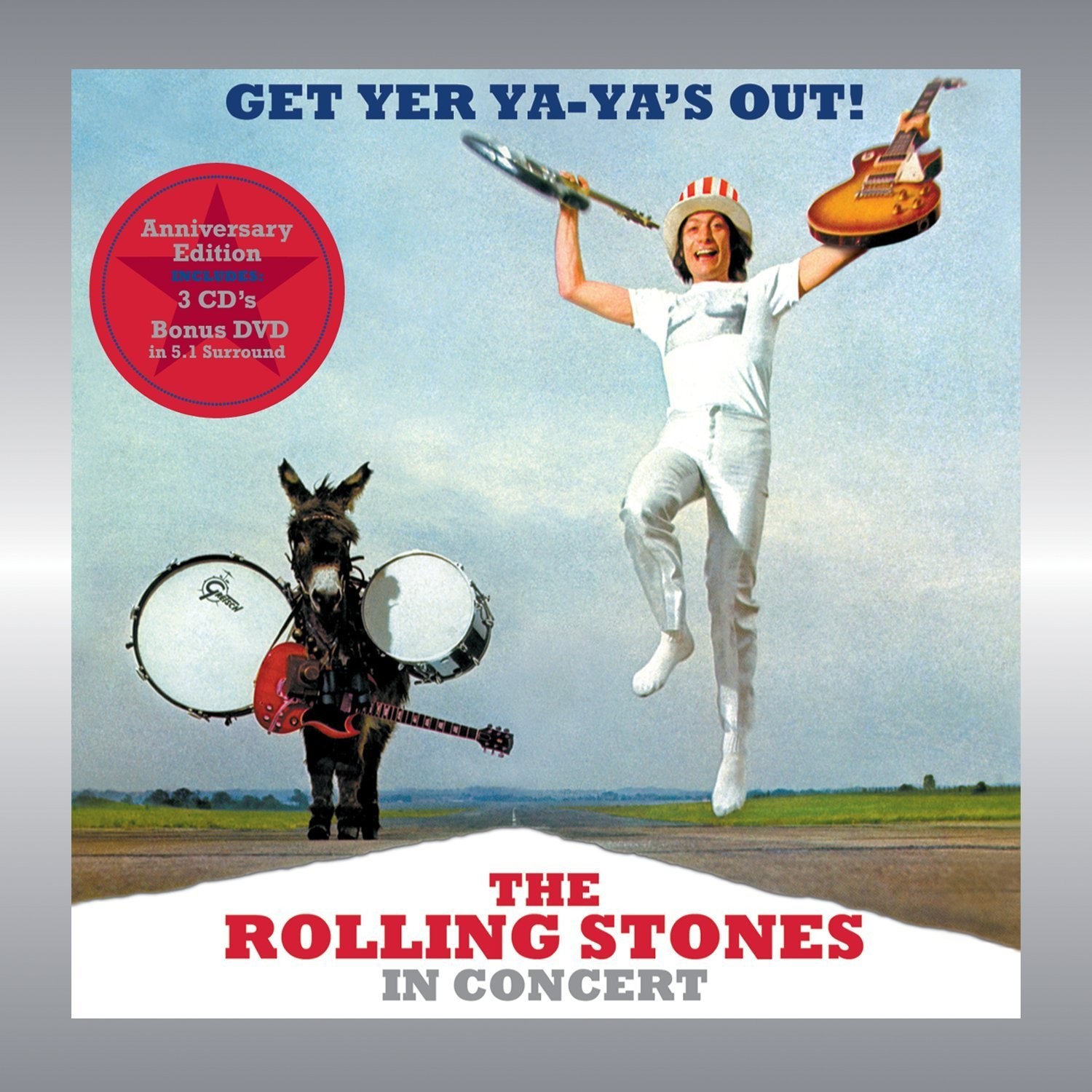
3: The Rolling Stones – ‘”Get Yer Ya-Ya’s Out!” – This tour and the 1972  tour were the Stones at their live peak.

Image result for the rolling stones get yer ya-ya's out

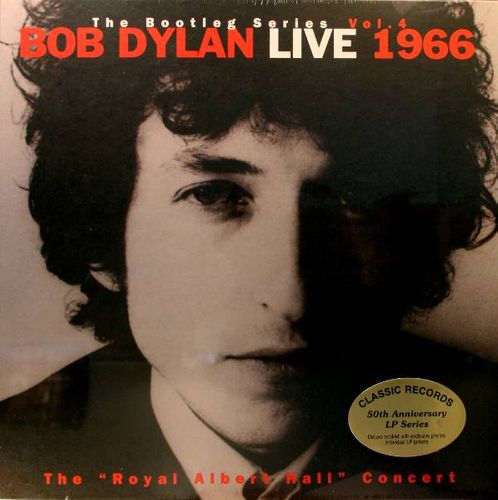
2: Bob Dylan – The Bootleg Series, Vol. 4: Bob Dylan Live 1966, The “Royal Albert Hall” Concert – I have seen Dylan 8 times but if I could pick a tour to see him on…I would go back and this would be the one. With The Band backing him up…minus Levon Helm but Mickey Jones on drums is very powerful.

Image result for bob dylan 1966 royal albert hall concert

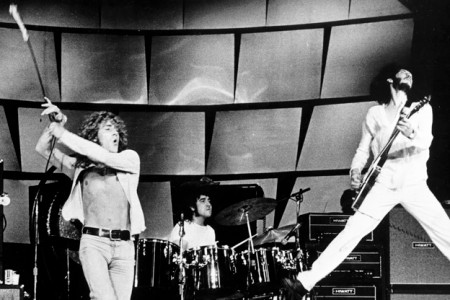
1: The Who – ‘Live at Leeds’ This album highlights The Who at their best. I don’t think I’ve ever heard a rock band so tight. The power of the performance is huge. Pete Townshend told his soundman Bob Pridden to erase all other shows on this tour at the time…Bob did… much to Pete’s regret later on.

The Who - Live at Leeds By The Who


Honorable Mentions

Beatles Live At The Star-Club in Hamburg Germany – The quality of the recording is pretty bad but it’s exciting to hear the punkish Beatles before Beatlemania hit.

The Kinks – One For The Road

Neil Young & Crazy Horse –  Live Rust

Johnny Cash – At Folsom Prison

The Band – Rock of Ages

Cheap Trick – At Budokan

Elvis (68 Comeback Special)


Runaways – Cherry Bomb

The Runaways were formed in 1975 by producer Kim Fowley after guitarist Joan Jett and drummer Sandy West introduced themselves to him in hopes of starting a group. They eventually went on to recruit Lita Ford, Jackie Fox, and Cherie Currie. Lead singer, Currie, went into her audition with a rendition of Peggy Lee’s “Fever.” When the band refused to play the song, Jett and Fowley wrote the chorus of “Cherry Bomb”.

The album peaked at only #194 on the Billboard 100 in 1976. The Runaways materialized out of the Sunset Strip rock-club scene in the mid-1970s, enjoying a few years of fame. Their first gig was in 1975 and they broke up in 1979. The Runaways remain best remembered as the first band of both Joan Jett and Lita Ford.

From Songfacts

A “Cherry Bomb” is a small explosive device popular with kids, but in the context of this song, it means an underage girl who is lots of trouble – in this case taunting her parents and other adults with suggestions of promiscuity and bad behavior.

This was all by design, as Fowley was out to shock with The Runaways and generate a great deal of hype. The band earned a lot of press and a fair amount of rock credibility, since they played their own instruments and for the most part were genuinely talented. In many ways, however, Currie was the weak link – it was hard to take a band seriously when their lead singer wore lingerie on stage and presented herself as jailbait. Currie left the group in 1977 after their third album, and when asked why The Runaways were having a hard time being taken seriously, Joan Jett said, “It was that whole ‘Cherry Bomb With The Corset’ thing with Cherie.”

Joan Jett became the biggest star to come out of The Runaways, and her story was the focus of their 2010 movie, where she was portrayed by the fetching Kristen Stewart. When the group dissolved in 1979, she didn’t have a lot of offers, but the producer Kenny Laguna partnered with her, forming Blackheart Records and creating many classic songs, including the famous cover of the Arrows song “I Love Rock And Roll.” When we spoke with Laguna, he told us: “The record companies could care less about Joan Jett, they were busy signing every other Runaway. They thought Joan was the loser and they signed the other girls, who we’re all friends with, but I looked at the band and thought she was the Mick Jagger and Keith Richards of the band.”

To give you a hint as to how central this song is to The Runaways’ legacy, the poster of the 2010 Runaways movie features a juicy dripping cherry whose stem is lit and sparking like a bomb. Bevis and Butthead took one look at it and spontaneously combusted.

That’s Cherie Currie growling the vocals here, which were performed by Jett when she left the band. You know what else is on her resumé? Chainsaw artist. That is, she carves wood sculptures using a chainsaw. No, really, she’s good. Check her personal site here. How’s that for machisma? If you don’t see how carving art with a chainsaw is a metaphor for punk rock, we obviously haven’t been explaining this stuff clearly enough to you.

By the way, modern audiences might easily get Joan Jett and Lita Ford confused – their styles are very similar. They were both in The Runaways at the same time and basically wrote the book on all-girl punk bands in the ’70s – but really, they’re a continuation of the lineage first started by Suzi Quatro, whom Jett cites as an influence. You can hear the go-to-hell delinquent rebel in the style of all three, right?

Speaking at Kim Fowley’s memorial service, Joan Jett said that they wrote the song for Cherie Currie’s audition – the collaboration marked the first time Jett had written a song with someone else.

Joan Jett’s version was featured on the 1992 “Free Fall” episode of the TV series Highlander, which starred Jett as an immortal. The song can also be heard on a 2012 episode of True Blood and in the 1993 movie Dazed and Confused.

The song was featured in Marvel Studios’ 2014 film Guardians of the Galaxy. Director James Gunn explained how some of the music was used during the filming: “Where possible, the songs were played live on set,” he said. “When you see the gang walking down the hall to ‘Cherry Bomb,’ they were actually walking down the hall to ‘Cherry Bomb.'”

Accompanied by Dave Grohl, Joan Jett performed this song at the Rock and Roll Hall of Fame when she was inducted in 2015.

Cherry Bomb

Can’t stay at home, can’t stay at school.
Old folks say ‘You poor little fool’.
Down the streets I’m the girl next door.
I’m the fox you’ve been waiting for.

Hello, daddy. Hello, mom.
I’m your ch-ch-ch-cherry bomb!
Hello world! I’m your wild girl.
I’m your ch-ch-ch-cherry bomb!

Stone age love and strange sounds too.
Come on, baby, let me get to you.
Bad nights causing teenage blues.
Get down ladies, you’ve got nothin’ to lose.

Hello, daddy. Hello, mom.
I’m your ch-ch-ch-cherry bomb!
Hello world! I’m your wild girl.
I’m your ch-ch-ch-cherry bomb!

Hello, daddy. Hello, mom.
I’m your ch-ch-ch-cherry bomb!
Hello world! I’m your wild girl.
I’m your ch-ch-ch-cherry bomb!

Hey, street boy, want some style?
Your dead end dreams don’t make you smile.
I’ll give you something to live for.
Have you and grab you until you’re sore.

Hello, daddy. Hello, mom.
I’m your ch-ch-ch-cherry bomb!
Hello world! I’m your wild girl.
I’m your ch-ch-ch-cherry bomb!
Cherry bomb!
Cherry bomb!
Cherry bomb!
Cherry bomb!

Raspberries – Tonight —-Powerpop Friday

I saw this quote by a critic about this song: “Take one part Small Faces, one part Who, one part Beatles, mix, cook to a boil and let rock!”

I found this song on their greatest hits. I would highly recommend one of their greatest hits to anyone.

A powerpop group from Cleveland Ohio in the early to mid-70s. They were influenced by the Beatles, Small Faces, The Who and The Beach Boys. They had some of the same problems as Badfinger, being too hard for pop and too soft for rock. Badfinger was overall more successful but the Raspberries had some top 40 hits.

This song peaked at #69 on the Billboard 100 in 1973. Tonight was originally on their 3rd album called Side 3 that peaked at 128 in the Billboard Album Chart in 1973. Eric Carmen would go on to greater success as a solo performer but I never thought he topped what he did with the Raspberries.

Tonight

One, two, three, four
When you smiled at me
And I saw your eyes
All I ever wanted to be
Was in your arms tonight
You looked too young to know about romance
Oh, yes you did
But when you smiled, I had to take a chance
I had to take a chance and be with you

Tonight
I’ll be with you tonight
Tonight
You’ll love me too tonight
Woh baby, tonight

I’m making love to you
Woh, tonight
Bop-om-doo-doh-woh-mop-shoo
Woh, tonight
You’re gonna love me too
Tonight
Woh, tonight

I don’t know myself
If it’s wrong or right
All I know is what I can feel
So be my love tonight
You looked too young to know about romance
Oh, you know what I mean
But when you smiled, I had to take a chance
I had to take a chance and be with you

Woh, tonight
Won’t you let me sleep with you, baby
Woh, tonight
I just wanna make you feel good inside, baby
Woh, tonight
Let me feel the love that’s in you
Woh, tonight
Come on, come on, come on, come on
And let me
Come on, baby
Woh, tonight

Classic TV Episodes: WKRP In Cincinnati – Turkeys Away

Some tv episodes are classic and will live on. When you tell someone you like a certain show, there is always that certain episode that many people will bring up that represents that show. I’ll go through a few random shows in the next few weeks and pick the one that I remember the most. They will be in no particular order.

” Those can’t be skydivers. I can’t tell just yet what they are but… Oh my God! They’re turkeys! Oh no! Johnny can you get this?”

” The Pinedale Shopping Mall has just been bombed with live turkeys. Film at eleven”

“I really don’t know how to describe it. It was like the turkeys mounted a counter-attack. It was almost as if they were… organized!”

“As God as my witness, I thought turkeys could fly”

WKRP IN CINCINNATI – Turkeys Away

When I talk to people about this show. This episode always comes to mind. The Characters are Bailey Quarters, Les Nessman, Mr. Carlson, Venus Flytrap, Dr. Johnny Fever, Herb Tarlek, Jennifer Marlowe and Andy Travis

Les’s play by play of the promotion is great. The complete episode is great but when Mr. Carlson says the closing line it turns into a classic episode.

It starts off with the big guy Mr. Carlson trying to act busy driving everyone crazy trying to be useful and probing the office to see what everyone was up to. He decided he would plan a promotion. He told the salesman Herb to get 20 turkeys ready for a Thanksgiving radio promotion.

Les is at the shopping center and Mr Carlson and Herb are up in a helicopter. He then notices a dark object being dropped from the helicopter, then a second one. Believing them to be skydivers, his tone becomes increasingly cautious when he sees no parachutes are opening. After a few more moments he realizes in horror that the objects are live turkeys. Continuing his broadcast (which bears a strong resemblance to the Hindenberg disaster) he says that the turkeys are hitting the ground and that the crowd has begun running away in panic. One turkey hits a parked car. Les continues, saying the turkeys are hitting the ground like “sacks of wet cement”. He tries to retreat to the store behind him but realizes he can’t after annoying the owner.

At the studio, the gang are listening, horrified themselves, when the broadcast is suddenly cut off. Johnny calmly tries to re-establish contact with Les, but hears only silence. Johnny thanks Les, telling his listeners that the shopping mall was just “bombed by live turkeys” and ends the broadcast.

At the end, Mr. Carlson says the phrase that elevates the episode to a classic. “As God as my witness, I thought turkeys could fly”

The play by play by Les.

As God As My Witness, I Thought Turkeys Could Fly

https://www.imdb.com/title/tt0742671/plotsummary?ref_=tt_stry_pl

Lynyrd Skynyrd – 42 Years Ago Today

It’s been 42 years since Lynyrd Skynyrd’s plane crashed in a swamp in Gillsburg, Mississippi. The band had just released the album “Street Survivors” and it was probably their best well-rounded album. With new guitarist Steve Gaines, they were primed for commercial success but on October 20, 1977, they lost singer-songwriter Ronnie Van Zant, guitarist Steve Gaines, backup singer Cassie Gaines, and road manager Dean Kilpatrick. The plane crash also claimed the lives of pilot Walter McCreary and co-pilot William Gray Jr.

A year earlier Steve Gaines joined the band and he was pushing them in directions they never had gone. Listening to “Street Survivors” you can hear his influence with songs I Never Dreamed and I Know A Little. Steve was a  super talented guitarist, songwriter, and singer and I have to wonder where his career would have gone.

On this tour, they were headlining and moving up in status after years of touring as mostly an opening band.

Below is a good Rolling Stone article on the crash. The song below that is “I Never Dreamed,” a song heavily influenced by Gaines.

https://www.rollingstone.com/music/music-features/remembering-lynyrd-skynyrds-deadly-1977-plane-crash-2-195371/


Image result for lynyrd skynyrd 1977


Classic TV Episodes: Mary Tyler Moore Show – Chuckles Bites the Dust

Some sitcom episodes are classic and will live on. When you tell someone you like a certain show, there is always that certain episode that many people will bring up that represents that show. I’ll go through a few random shows in the next few weeks and pick the one that I remember the most. These will be in no particular order. I want to thank nostalgicitalian
for giving me the idea for this.

“A little song, a little dance, a little seltzer down your pants”
“We all fall down and hurt our foo foo.”
“Chuckles the Clown is dead. It was a freak accident. He went to the parade dressed as Peter Peanut, and a rogue elephant tried to shell him.”

MARY TYLER MOORE SHOW – Chuckles Bites the Dust

This show’s writing was top notch. There are a lot of shows that are memorable with The Mary Tyler Moore Show. The Characters are Mary Richards, Ted Baxter, Lou Grant, Murray Slaughter, Georgette Baxter, Sue Ann Nivens, and Reverend Burns

Ted Baxter is mad at Lou Grant because he won’t let Ted be the Grand Marshall at a circus parade in town. Ted gets more upset when he finds out that Chuckles the Clown, who works at the station gets to be the grand marshall. However, a freak accident at the parade – a rogue elephant believing that Chuckles, who was dressed as a peanut, was the real thing – killed Chuckles. Mary is appalled that everyone in the newsroom seems to be treating the nature of Chuckles’ death as a bizarre yet funny joke instead of respecting the sad fact that someone died, period. By the time the funeral arrives, everyone seems to take Mary’s words and thoughts to heart… with one exception, Mary cannot stop laughing at the funeral and everyone else just stares at Mary who tries so hard to hold the laughter in.

At the end when the Reverend notices Mary trying to hold in the laughter…tells her that Chuckles would love laughter at his funeral and to just laugh at loud. At that time Mary then starts crying.

Full Episode

https://www.imdb.com/title/tt0642807/

The Only Ones – Another Girl, Another Planet …Powerpop Friday

The Only Ones were a British band formed in 1976. Despite releasing three well-regarded albums between 1978 and 1980, The Only Ones faded away with this song as their best-known song and some critics say it’s a small masterpiece. Once the song gets going it is filled with guitar hooks.

Written by guitarist and lead vocalist Peter Perrett, “Another Girl, Another Planet” is as good as it got for The Only Ones. This uptempo number was the second track on their eponymous debut album. It was released twice as a single in 1978, both times on the CBS label. The first time it was backed by “Special View”, the second by “My Wife Says”.

This review by Allmusic is complimentary, to say the least.

In a world rife with injustice, the music industry has seen — if not perpetrated — more than its fair share of travesties (the sad saga of Badfinger comes immediately to mind). But one of the biggest involves, arguably, the greatest rock single ever recorded: the Only Ones’ “Another Girl, Another Planet.” The word “timeless” and “transcendent” get bandied about far too often when describing a song or an album, but in the case of “Another Girl,” even those terms are probably inadequate. The song marks that rare confluence of lyrical, instrumental, and vocal poetry that is so complete, so absolute, that it renders everything else — in, on, above, below, and around it — irrelevant while it plays. 

The song did peak at 57 in the UK Charts when re-released in 1992. Its first chart appearance was in1981 at #44, for one week, on the New Zealand chart.

Other covers of this song included: Greg Kihn, The Replacements, Blink-182, The Dogs D’Amour, Beatsteaks and Babyshambles

From Songfacts

Although the song originally failed to chart, it has been re-released and covered more than once, and is surprisingly well known, although few would go as far as Andy Claps who in reviewing it for Allmusic said it is “that rare confluence of lyrical, instrumental, and vocal poetry that is so complete, so absolute, that it renders everything else – in, on, above, below, and around it – irrelevant while it plays.”

The song did eventually chart after being re-released in 1992, peaking at #57 in the UK. 

Peter Perrett on writing the song: “I can remember what caused me to write ‘Another Girl, Another Planet.’ It would have been about April ’77 because we had it recorded by June. It was inspired by this girl from Yugoslavia. I didn’t go out with her, but she was like a total space cadet, which when I was really young I found interesting. She was just a bit weird- she’d say crazy things, and it just got me thinking that every girl has something to offer.

The Only Ones split in 1982 after being dropped by their label. They reformed in 2007 as a result of this song being used in a Vodafone advertising campaign.

Speaking about the writing of the song to Uncut August 2015,

It would have been written on my Guild acoustic. I think any good song should sound all right on acoustic guitar.”

Some radio stations refused to play the song because of its supposed drug content. Perrett told Uncut: “I put in drug-related imagery, but it wasn’t about drugs. At that time I was more addicted to sex and infatuation than I was to drugs.”


Another Girl, Another Planet

I always flirt with death
I could kill, but I don’t care about it
I can face your threats
And stand up straight and tall and shout about it

I think I’m on another world with you, with you
I’m on another planet with you, with you

You get under my skin
I don’t find it irritating
You always play to win
But I won’t need rehabilitating, oh no

I think I’m on another world with you, with you
I’m on another planet with you, with you

Another girl, another planet

Space travels in my blood
There ain’t nothing I can do about it
Long journeys wear me out
But I know I can’t live without it, oh no

I think I’m on another world with you, with you
I’m on another planet with you, with you

Another girl is loving you now
Another planet, is holding you down
Another planet

Elvis Costello – Alison —-Powerpop Friday

On Fridays, I could just start with his first album and post song after song and they would fit perfect. I was walking through a drug store in the late seventies as a kid and I saw this album cover…I thought what??? another person named Elvis? Who is this skinny guy?

Image result for elvis costello my aim is true cover

While at the drug store the guy was playing this album and I heard Alison… That was the first thing I ever heard by Elvis. The album peaked at #32 in the Billboard Album Charts in 1978. His songs were different than a lot of the radio hits of the day…with different, I mean better.

Elvis Costello on the song: We put these cheap synth strings on the track before there were really even synths. They said, ‘The strings will make it a hit!’ It was never a hit.”

From Songfacts

Costello has never revealed who this song is about. In the liner notes to his Girls Girls Girls compilation album, he wrote, “Much could be undone by saying more.”

As is usually the case in Elvis Costello lyrics, the protagonist is sexually frustrated (see “Watching the Detectives”) and mad at the guy who always gets the girl. In this tale of unrequited love, “My aim is true” does not imply pure intentions; it means he wants to kill her.

The chorus is based on a song by The Detroit Spinners called “Ghetto Child.”

The line in this song, “My Aim Is True,” provided the title for the album.

My Aim Is True was Costello’s first album. He did not have a backing band at the time, so Nick Lowe, who produced the album, brought in a group called Clover. Huey Lewis was in the band, but didn’t participate in the sessions because they didn’t need a harmonica player. Alex Call was the lead singer of Clover, and he wasn’t needed on “Alison” either.

Call told us: “Elvis Costello was at that time Dec McManus, he was using his real name. He was just this mild-mannered, meek little songwriter who would hang out around Stiff Records, which was our management office. Elvis once said, ‘Man, I wish I could sing like you.’ They went and cut at this little place called Pathways – a little 8-track studio so small that all you had just enough space to play your instrument. They went in that first session, and in one session they cut ‘Alison’ and ‘Red Shoes’ and ‘Less Than Zero,’ these classic songs. I remember hearing them at this Rock ‘n’ Roll house we lived in outside of Headley, South of London called the Headley Grange House. John McFee (Clover bass player) brought back a reel-to-reel tape on one of those old Wollensak tape recorders. He played this stuff, and I mean, I was ready to quit after hearing that – it was so astounding. They did like three 8-12 hour sessions, and that was My Aim Is True. That is a classic record, just unbelievable. We were managed by the same guys and we hung out a lot with Nick. Nick produced a lot of our early sessions there. We made two albums with Mutt Lange, and nothing happened with the band. We came close in England to breaking a single, but it didn’t work and we ended up breaking up.” (Check out our interview with Alex Call.)

Linda Ronstadt recorded this on her 1978 Living in the USA album and released the song as a single. The single didn’t chart on the Hot 100 – a rare miss for Ronstadt, who was very popular at the time. The album, however, sold over two million copies, providing Costello with substantial royalties as the writer of one of its 10 tracks. He credits these earnings with keeping him afloat in the early years before he caught on.

There were two singles released in the US. The B-side of one has a mono version of “Alison,” the other has a live version of “Miracle Man” that was recorded on August 7, 1977 at the Nashville Rooms in London.

The B-side of the UK single is “Welcome to the Working Week.” A few copies were released with the A-side pressed on white vinyl while the B-side is the usual black.

This song was used in an episode of That 70’s Show when Hyde contemplates moving to New York to follow a girl who wants to start a punk rock band. 

Linda Ronstadt was an early Elvis Costello admirer who was in the audience when he performed at Los Angeles’ Hollywood High in June 1978. When she recorded her version of “Alison,” she had one of her friends in mind: “A sweet girl but kind of a party girl type. I felt that she needed somebody to talk to her in a stern voice because she was getting married and she would have to change.”

One of Costello’s most enduring songs, he has performed it in concert for decades. “Some nights it comes to life in my head, and some nights it falls apart,” he told Rolling Stone in 2017.

The track’s producer, Nick Lowe, is one of Elvis Costello’s songwriting heroes. He told Uncut: “Since I was 17, I’ve wanted to write songs as good as Nick Lowe. ‘Alison’ was the result of a chemistry experiment involving Nick’s ‘Don’t Lose Your Grip on Love’ and a song by The Detroit Spinners.”

Some people think “Alison” is a murder ballad. “It isn’t,” Costello told Rolling Stone in 2002. “It’s about disappointing somebody. It’s a thin line between love and hate, as the (New York City R&B group) Persuaders sang.”

Alison

Oh, it’s so funny to be seeing you after so long, girl
And with the way you look, I understand that you were not impressed
But I heard you let that little friend of mine
Take off your party dress

I’m not gonna get too sentimental
Like those other sticky valentines
‘Cause I don’t know if you are loving somebody
I only know it isn’t mine

Allison, I know this world is killing you
Oh, Allison, my aim is true

Well, I see you’ve got a husband now
Did he leave your pretty fingers lying in the wedding cake?
You used to hold him right in your hand
But it took all that he could take

Sometimes I wish that I could stop you from talking
When I hear the silly things that you say
I think somebody better put out the big light
‘Cause I can’t stand to see you this way

Allison, I know this world is killing you
Oh, Allison, my aim is true
My aim is true
My aim is true
My aim is true
My aim is true
My aim is true
My aim is true
My aim is true
My aim is true
My aim is true
My aim is true
My aim is true

Neil Young – Hey Hey, My My (Into The Black) and… My My, Hey Hey (Out Of The Blue)

If death could be translated into a tone…Neil had it with his guitar when he played the Hey Hey, My My (Into The Black) intro. It’s one of the darkest, nastiest, ominous and distorted tones ever.

This is an alternate version of Young’s song “My My, Hey Hey (Out Of The Blue).” The lyrics are slightly different, and “Hey Hey, My My” is electric, while “My My, Hey Hey,” is acoustic. (At the bottom)

The two songs we are covering today are on Rust Never Sleeps. The album peaked at #8 on the Billboard album chart in 1979.

Ok… Now My My, Hey Hey (Out Of The Blue)… This song has the line (It’s better to burn out than to fade away) which I see is still being talked about to this day.

John Lennon expressed his disagreement with the “burn out or fade away” sentiment in this song: “I hate it. It’s better to fade away like an old soldier than to burn out. If he was talking about burning out like Sid Vicious, forget it. I don’t appreciate the worship of dead Sid Vicious or of dead James Dean or dead John Wayne. It’s the same thing. Making Sid Vicious a hero, Jim Morrison – it’s garbage to me. I worship the people who survive.”

Neil Young responded to the quote, saying that he was describing the paradoxical nature of the rock-and-roll lifestyle, not advocating it.

The line got responses from many rock stars and was included in Kurt Cobain’s suicide note.

From Songfacts

Young recorded this with the band Crazy Horse. It was the first time Young recorded with them since Zuma in 1975.

In the biography of Neil Young, Shakey by Jimmy McDonough, Neil points out that this song came about when he was jamming with the band Devo. The phrase, “Rust never sleeps” was uttered by Mark Mothersbaugh, and Neil, loving the impromptu line, acquired it. 

The lyrics refer to “The King” and Johnny Rotten as rockers whose legacies live on. The king is Elvis Presley and Johnny Rotten was the lead singer of The Sex Pistols.

In The Complete Guide to the Music of Neil Young, Young explains why the line “rust never sleeps” appealed to him. “It relates to my career; the longer I keep on going the more I have to fight this corrosion. And now that’s gotten to be like the World Series for me. The competition’s there, whether I will corrode and eventually not be able to move anymore and just repeat myself until further notice or whether I will be able to expand and keep the corrosion down a little.”

The song has become a standby of Young’s live performances, being played at nearly every live show throughout his career, often as a closing song.

This was included on Live Rust, a concert album and video featuring Young playing against a backdrop of comically enormous amps and microphones.


Hey Hey, My My (Into the Black)

Hey hey, my my
Rock and roll can never die
There’s more to the picture
Than meets the eye.
Hey hey, my my.

Out of the blue and into the black
You pay for this, but they give you that
And once you’re gone, you can’t come back
When you’re out of the blue and into the black.

The king is gone but he’s not forgotten
This is the story of Johnny Rotten
It’s better to burn out ’cause rust never sleeps
The king is gone but he’s not forgotten.

Hey hey, my my
Rock and roll can never die
There’s more to the picture
Than meets the eye.

My My, Hey Hey (Out Of The Blue)

My my, hey hey
Rock and roll is here to stay
It’s better to burn out
Than to fade away
My my, hey hey.

Out of the blue and into the black
They give you this, but you pay for that
And once you’re gone, you can never come back
When you’re out of the blue and into the black.

The king is gone but he’s not forgotten
This is the story of a johnny rotten
It’s better to burn out than it is to rust
The king is gone but he’s not forgotten.

Hey hey, my my
Rock and roll can never die
There’s more to the picture
Than meets the eye.
Hey hey, my my.

Who – Join Together

Great Who track that builds up through the song. The song peaked at #17 in the Billboard 100 in 1972.

Pete Townshend wrote the song in 1970 for his Lifehouse project, a Rock Opera that never came to be. Many of the songs Townshend wrote for Lifehouse ended up on the 1971 Who’s Next album. “Join Together” was recorded for the album, but didn’t make the cut. Instead, it was released as a single in the summer of 1972. Townshend has cited the song as one of his favorites, telling Melody Maker he thought it was “incredible” and was surprised the public didn’t like it as much as he did.

Roger Daltrey on Join Together:  “I remember when Pete came up with ‘Join Together,’ he literally wrote it the night before we recorded it. I quite like it as a single, it’s got a good energy to it. But at that time I was still very doubtful about bringing in the synthesizer. I just felt that with a lot of songs we’d end up spending so much time creating these piddly one-note noises that it would’ve been better just doing it on a guitar. I mean, I’m a guitar man. I love the guitar; to me it’s the perfect rock instrument. I don’t think Pete did much with those sequencing things that he couldn’t have done on the guitar anyway.”


From Songfacts

A call to “join together with the band” seemed a little out of character for The Who, and especially Pete Townshend, who famously threatened to kill anyone who came on stage during their Woodstock performance. Taken less literally, it makes more sense as a plea to young people, urging them to unite and take action.

This was a live favorite for The Who. On their 1975-’76 tour, which included the largest indoor concert ever played to that point (70,000 at the Pontiac Silverdome in Michigan on December 6, 1975), they would play a slower version of the song as part of a jam that often included “Naked Eye,” “Roadrunner” and “My Generation.”

Pete Townshend created the intro using an ARP synthesizer, which he also used on “Who Are You?” Townshend, who was very good with keyboards, also used an organ on the track, a Lowrey Berkshire TBO-1. This instrument also shows up in “Baba O’Riley” and “Won’t Get Fooled Again.” When The Who performed the song live, the intro was played on a Jew’s harp by both lead singer Roger Daltrey and drummer Keith Moon.

Townshend also used two different harmonicas on the track: a chord harmonica and a bass harmonica (played live by bassist John Entwhistle).

In 2008, Nissan used this in commercials for their Maxima model. The concept was the practicality and sportiness joining together in the vehicle. In the ’00s, The Who made many licensing deals, opening the floodgates for their music to be used in movies, commercials and TV shows.

Join Together

When you hear this sound a-comin’
Hear the drummer drumming
Won’t you join together with the band
We don’t move in any ‘ticular direction
And we don’t make no collections
Won’t you join together with the band

Do you really think I care
What you eat or what you wear
Won’t you join together with the band
There’s a million ways to laugh
Ev’ry one’s a path
Come on and join together with the band

Everybody join together
Won’t you join together
Come on and join together with the band
We need to join together
Come on join together
Come on and join together with the band

You don’t have to play
You can follow or lead the way
Oh won’t you join together with the band
We don’t know where we’re going
But the season’s right for knowing
Oh won’t you join together with the band

It’s the singer not the song
That makes the music move along
Oh won’t you join together with the band
This is the biggest band you’ll find
It’s as deep as it is wide
Come on and join together with the band

Join together
(Ev’rybody come on) join together
Join together with the band
Join together
(Ev’rybody come on) join together
Join together with the band

Allman Brothers – Statesboro Blues

This song is what got me into the Allmans. Duane’s slide in the intro is all I needed to hear. The song was written by Blind Willie McTell who recorded it in 1928.

The Allman’s released it in 1971 on the Fillmore East Album.

From Gregg’s book…In around1967-68 Gregg Allman had upset his brother Duane and then Duane caught a cold or flu.

Gregg brought Duane a Taj Mahal album that included this song…this was before the Allman Brothters was formed. He bought Duane some Coricidin medicine for his cold and Duane had never played slide before…he took the medicine out of the bottle and used it for a slide…the rest is history.

Gregg Allman: So he kissed me on the cheek, and he said, “Man, that record you brought me is out of sight. There’s a guy called Jesse Ed Davis on there, this Indian dude, and he plays guitar with a damn wine bottle. Dig this.”
And then I looked on the table and all these little red pills, the Coricidin pills, were on the table. He had washed the label off that pill bottle, poured all the pills out. He put on that Taj Mahal record, with Jesse Ed Davis playing slide on “Statesboro Blues,” and starting playing along with it. When I’d left those pills by his door, he hadn’t known how to play slide. From the moment that Duane put that Coricidin bottle on his ring finger, he was just a natural.
Looking back on it, I think that learning to play slide was a changing moment in his life, because it was like he was back in his childhood—or maybe not his childhood, because it never seemed to me like Duane was a child, so it was more like going back to his first days of playing the guitar. He took to the slide instantly, and mastered it very quickly. He practiced for hours and hours at a time, playing that thing with a passion—just like he did when he first learned to play the guitar.

From Songfacts

This was played in sets by Hour Glass, one of the first bands Duane and Gregg Allman formed.

The band performed this at Duane Allman’s funeral, with Dickey Betts playing Duane’s guitar.

After Duane’s death, Betts played the slide guitar on this at concerts. He was reluctant to do so because he did not want to compete with Allman’s legend.

A previously unreleased studio version appears on their 1989 5-disk box set Dreams.

At the end of Duane Allman’s guitar solo, he hit an off-key note that his brother Gregg called the “note from hell.” The song made the album warts and all, as these things happen during live performances.

Statesboro Blues

Wake up momma, turn your lamp down low
You got no nerve baby, to turn Uncle John from your door

I woke up this morning, I had them Statesboro Blues
I woke up this morning, had them Statesboro Blues
Well, I looked over in the corner, and Grandpa seemed to have them too

Well my momma died and left me
My poppa died and left me
I ain’t good looking baby
Want someone sweet and kind

I’m goin’ to the country, baby do you want to go?
But if you can’t make it baby, your sister Lucille said she wanna go

I love that woman, better than any woman I’ve ever seen
Well, I love that woman, better than any woman I’ve ever seen
Well, now, she treat me like a king, yeah, yeah, yeah
I treat her like a doggone queen

Wake up momma, turn your lamp down low
You got no nerve baby, to turn Uncle John from your door


Joe Walsh – A Life Of Illusion

This song peaked at #34 in the Billboard 100 in 1981. The album There Goes the Neighborhood peaked at #20 in 1981.

This song began as an instrumental track written by Kenny Passarelli when he was the bass player in Joe’s band Barnstorm, which was active from 1972-1974. Barnstorm never released it, but Walsh and Passarelli worked it up for Walsh’s first solo album, The Smoker You Drink, the Player You Get, in 1973, with Walsh adding the lyrics…but it didn’t make it on the album.

Passarelli shopped it around, pitching it to Elton John and Hall and Oates. When Walsh was working on this album, he and Passarelli worked with the song again and it was released.

From Songfacts

Life’s been good to Joe Walsh, but what’s it all about? Sometimes it seems like life is just an illusion, and just when you start to comprehend it, it hits you right between the eyes.

Many musicians of his era looked to gurus or other zen masters to figure it all out, but Walsh seems to have sorted it out in this song, where he concludes that letting it all get to you is a waste of your day.

The Mariachi trumpets, played by the song’s co-writer Kenny Passarelli in what Walsh described as “a drunken stupor,” are nonsensical in a way that suits the song perfectly. Why are they there? Well, why are any of us here?

The phrase “a life of illusion” was used three years earlier in the title track to the film Grease, where Frankie Valli sings:

This is the life of illusion
Wrapped up in trouble
Laced with confusion

That song was written by Barry Gibb of the Bee Gees.

This was featured in the opening credits of the 2005 movie The 40 Year Old Virgin. It also appears in the 2010 movie Grown Ups and in the 2010 CSI: Miami episode “L.A.”

Life Of Illusion

Sometimes, I can’t help but feeling that I’m
Living a life of illusion
And oh, why can’t we let it be
And see through the hole in this wall of confusion
I just can’t help but feeling I’m living a life of Illusion

Pow, right between the eyes
Oh how nature loves her little surprises
Wow, it all seems so logical now
It’s just one of her better disguises
And it comes with no warning, nature loves her little surprises
Continual crisis

Hey, don’t you know it’s a waste of your day
Caught up in endless solutions
That have no meaning
Just another hunch, based upon jumping conclusions
Backed up against a wall of confusion
Caught up in endless solutions
Living a life of illusion

Rolling Stones – Bitch

Yeah when you call my name, I salivate like a Pavlov dog…One of the raunchiest riffs around. Combine that with the lyrics and you have a great little rock song. This is the Stones at the top of their game.

This song was the B side to Brown Sugar. Not a bad deal for your money. It’s another great song off of the Sticky Fingers LP. Here is a review of Sticky Fingers at Aphoristic’s site.

Below Andy Johns talks about the importance of Keith Richards…no matter if he was tardy a few times.

Andy Johns engineer: When we were doing “Bitch,” Keith was very late. Jagger and Mick Taylor had been playing the song without him and it didn’t sound very good. I walked out of the kitchen and he was sitting on the floor with no shoes, eating a bowl of cereal. Suddenly he said, Oi, Andy! Give me that guitar. I handed him his clear Dan Armstrong Plexiglass guitar, he put it on, kicked the song up in tempo, and just put the vibe right on it. Instantly, it went from being this laconic mess into a real groove. And I thought, Wow. THAT’S what he does

Bitch was written by Mick Jagger and Keith Richards, “Bitch” was recorded during October 1970 at London’s Olympic Studios, and at Stargroves utilizing the Rolling Stones Mobile studio.

From Songfacts

Love is the “bitch,” not any specific woman. Mick Jagger had many relationships he could base this on, including his breakup with Marianne Faithfull. He broke up with her after she tried to commit suicide while they were in Australia in late 1969 (Mick was filming Ned Kelly). As soon as Marianne recovered, Mick dumped her.

The Stones recorded this song, and many others on the album, at the Stargroves estate in Hampshire, England, using their mobile recording unit manned by engineer Andy Johns.

Despite (or maybe because of) the rather provocative title, this became one of the more popular Rolling Stones songs, often appearing in their setlists. It wasn’t released as a single but got plenty of play on rock radio.

In 1974, Elton John broke the “bitch” barrier on pop radio with “The Bitch Is Back,” which went to #4 in the US.

Along with “Under My Thumb,” this didn’t help the Stones’ image with women’s groups.

The album cover was designed by Andy Warhol. It was a close-up photo of a man in a pair of jeans complete with an actual zipper. The zipper caused problems in shipment because it scratched the record. They figured out that if they opened the zipper before shipment, it did minimal damage.

Speaking with Rolling Stone, Keith Richards said: “It comes off pretty smooth, but it’s quite tricky. There’s an interesting bridge you have to watch out for. Otherwise, it’s a straightforward rock and soul that we love. It’s Charlie Watts’ meat and potatoes.”

This features Bobby Keys on sax and Jim Price on trumpet. They provided horns on albums and tours for The Stones in the early ’70s.

The Goo Goo Dolls covered this in 1997 on the compilation album No Alternative.

The album title Sticky Fingers refers to the aptitude of a person who is likely to steal. It went well with the lawless image The Stones put forward.

Bitch

Feeling so tired, can’t understand it
Just had a fortnight’s sleep
I’m feeling so tired, I’m so distracted
Ain’t touched a thing all week

I’m feeling drunk, juiced up and sloppy
Ain’t touched a drink all night
I’m feeling hungry, can’t see the reason
Just ate a horse meat pie

Yeah when you call my name
I salivate like a Pavlov dog
Yeah when you lay me out
My heart is beating louder than a big bass drum, alright

Yeah, you got to mix it child
You got to fix it must be love
It’s a bitch, yeah
You got to mix it child
You got to fix it but love
It’s a bitch, alright

Sometimes I’m sexy, move like a stud
Like kicking the stall all night
Sometimes I’m so shy, got to be worked on
Don’t have no bark or bite, alright

Yeah when you call my name
I salivate like a Pavlov dog
Yeah when you lay me out
My heart is bumpin’ louder than a big bass drum, alright

I said hey, yeah I feel alright now
Got to be a
Hey, I feel alright now
Hey hey hey
Hey hey yeah
Hey hey hey
Hey hey yeah
Hey hey hey
Hey hey yeah
Hey hey hey
Hey hey yeah
Hey hey hey

John Waite – Missing You

John Waite was inspired by Glen Campbell’s Wichita Lineman while writing this song. The song peaked at #1 in the Billboard 100, #1 in Canada, #9 in the UK and #18 in New Zealand in 1984.

The songwriters Mark Leonard and Charles Sandford wrote the music for this song. Sandford also wrote the Stevie Nicks hit “Talk To Me” and co-wrote “What Kind Of Man Would I Be?” for Chicago. Leonard wrote the music for the 1986 movie Back To School and also co-wrote “Let Me Be The One,” which was recorded by Terri Nunn. John Waite wrote the lyrics. He was going through troubles with his wife and they soon would get divorced.

John Waite: I was getting divorced. I was trying to get home because my marriage was in genuine trouble – everything was wrong and it had been wrong for a while. I’d met someone in New York City when I was making my first solo album. I was alone and I was friends with another girl I met. So Missing You was essentially about three different women, I think, looking back on it. I was singing about New York, and distance, the caving in of my marriage, and the options that I had. It was bittersweet – it was about the end of my marriage and the beginning of something new. Although, when I was singing ‘I ain’t missing you’, it was denial too.

From Songfacts

This song came at a very emotional time for Waite, who lays down his burdens in his sentimental lyrics and passionate vocal performance. In our interview with John Waite, he explained that the song was about a phone call.

Waite got married in his native England before moving to New York, where he recorded his first solo album, Ignition, which was released in 1984. The album was a disappointment, and after some squabbles with his record company (Chrysalis), he returned to England and settled into married life. After extricating from his contract, he signed a new deal with EMI and returned to New York, leaving his wife behind while he made his second album, No Brakes.

“My wife was a long way away,” Waite said in a Songfacts interview. “There were quite a few women in my life at the time, and it all came sort of floating to the top.”

Waite’s feelings poured out of him in the song – on one level, he missed his wife dearly, but on a more superficial plane he didn’t miss her at all, which is what he sang on the refrain: “I ain’t missing you at all.”

The song encapsulates the disconsolation that comes with long distance love. Waite and his wife would later divorce.

One of the more memorable parts of this song happened spontaneously. Said Waite: “I had no idea I was going to sing, ‘Missing you, since you’ve been gone away, I ain’t missing you no matter what my friends say.’ I had no idea I was going to sing that, and when it came out, it floored me. I stood back from the mic, and I thought, ‘F–k it. Number 1.’ I just knew. I just knew in my heart that it was that good.”

Tina Turner took this song to #12 in the UK when she recorded it on her 1996 album Wildest Dreams. Around the same time, the soul singer Millie Jackson also recorded the song, but Turner released her version first. Jackson told us: “I recorded ‘Missing You’ And I was all excited about it, it was gonna be my next single, and the guys at Muscle Shoals said, ‘Boy you got the song out quick! I heard it at a truck stop.’ And I’m trying to figure out how in the world did they hear my song at a truck stop when it won’t be out for two weeks. And of course it was Tina Turner and we had to pull the single and come back with a different one.”

John Waite was the lead singer of a group called the Babys, whose 1978 song “Every Time I Think Of You” reached #13 in the US. Waite cribbed a lyric from that song (which was written by the songwriters Jack Conrad and Ray Kennedy) to get him started on “Missing You.” Compare the opening lyrics to these songs:

“Every Time I Think Of You” – “Every time I think of you, it always turns out good.”
“Missing You” – “Every time I think of you, I always catch my breath.”

Once he had the first line, the rest of the lyrics flowed downhill, and the rest of it was written in about 10 minutes. Waite told Songfacts: “I sang the whole first verse, bridge, and chorus without stopping. Then I had to stop, I was so overwhelmed. I stood back from the mic and I couldn’t speak. Then I just rolled the tape again and got on with it.”

Some of the symbolism in this song was inspired by Glen Campbell’s “Wichita Lineman” and Free’s “Catch A Train.” Both songs depict lonely scenarios far from a loved one.

The song was a last-minute addition to the album, but Waite had no trouble convincing his crew that it needed to be on the tracklist. “I took the tape down to the guys in the studio who were mixing, thinking the record was finished, and I knew it wasn’t, since we didn’t have ‘Missing You,'” he told us. “I played it in the control room and everybody stopped talking. It had that effect on people from the word go. It was one of those songs that defined a decade, really. It was one of the biggest. I think it’s been played about 9, 10 million times on American radio – it’s a huge thing.”

The video was in hot rotation on MTV, which helped the song climb to #1 in the US. In the clip, Waite gives a tortured performance, but what he was feeling at the time was more anxiety than heartbreak. “You can tell how shy I was at the time,” he told us. “I’m trying to sing this song and sort of look at the camera and then not look at the camera. I’m embarrassed, you know. I mean, it’s okay being on stage, because you’re in some sort of persona. But being filmed was a new experience for me on that level. I suppose it was kind of charming. But there was a million places I would rather be than being filmed at that point in my life.”

Kort Falkenberg III, who also did Waite’s video for “Change,” directed the clip. It was shot in downtown Los Angeles near Pershing Square. “The biggest thing I remember about ‘Missing You’ is that the night before I went down to Let It Rock, which was a clothes store on Melrose Avenue,” said Waite. “I bought a Johnson suit, this black two-piece suit from London that was a beautiful suit. Tiny. I was very thin at the time. And then I went and had all my hair shaved off. I thought, ‘If I’m going to do this, I’m going to go in whole hog, you know. I’m just going to do it flat out European.’

I showed up with a black suit and a crew cut, and it worked. I do everything on instinct, basically, and half of the time it’s a bullseye.”

Waite performed this on the short-lived ABC TV series Paper Dolls in 1984.

This was used in second episode of Miami Vice, “Heart of Darkness,” which aired September 28, 1984. At the time, it was the #1 song in America, landing at the top on September 22. Miami Vice spent big bucks on music and used many contemporary songs throughout the series’ five-year run. Exposure on the show also helped the artists because the show was undeniably cool. Phil Collins got the biggest boost when “In The Air Tonight” featured in the first episode.

Missing You

Everytime I think of you
I always catch my breath
And I’m still standing here
And you’re miles away
And I’m wonderin’ why you left

And there’s a storm that’s raging
Through my frozen heart tonight

I hear your name in certain circles
And it always makes me smile
I spend my time thinkin’ about you
And it’s almost driving me wild

And there’s a heart that’s breaking
Down this long distance line tonight
I ain’t missing you at all (Missing you)
Since you’ve been gone away (Missing you)
I ain’t missing you (Missing you)
No matter what I might say (Missing you)

There’s a message in the wire
And I’m sending you this signal tonight
You don’t know how desperate I’ve become
And it looks like I’m losing this fight
In your world I have no meaning
Though I’m trying hard to understand

And it’s my heart that’s breaking
Down this long distance line tonight
I ain’t missing you at all (Missing you)
Since you’ve been gone away (Missing you)
Oh hey, I ain’t missing you (Missing you)
No matter what my friends say (Missing you)

And there’s a message that I’m sending out
Like a telegraph to your soul
And if I can’t bridge this distance
Stop this heartbreak overload
I ain’t missing you at all (Missing you)
Since you’ve been gone away (Missing you)
I ain’t missing you (Missing you)
No matter what my friends say (Missing you)

I ain’t missing you (Missing you)
I ain’t missing you, I can’t lie to myself (Missing you)

And there’s a storm that’s raging
Through my frozen heart tonight
I ain’t missing you at all (Missing you)
Since you’ve been gone away (Missing you)
I ain’t missing you (Missing you)
No matter what my friends say (Missing you)

Ain’t missing you
I ain’t missing you
I ain’t missing you,
I can’t lie to myself
Ain’t missing you
I ain’t missing you
I ain’t missing you
I ain’t missing you
I ain’t missing you
I ain’t missing you
Ain’t missing you, oh no

No matter what my friends might say
I ain’t missing you