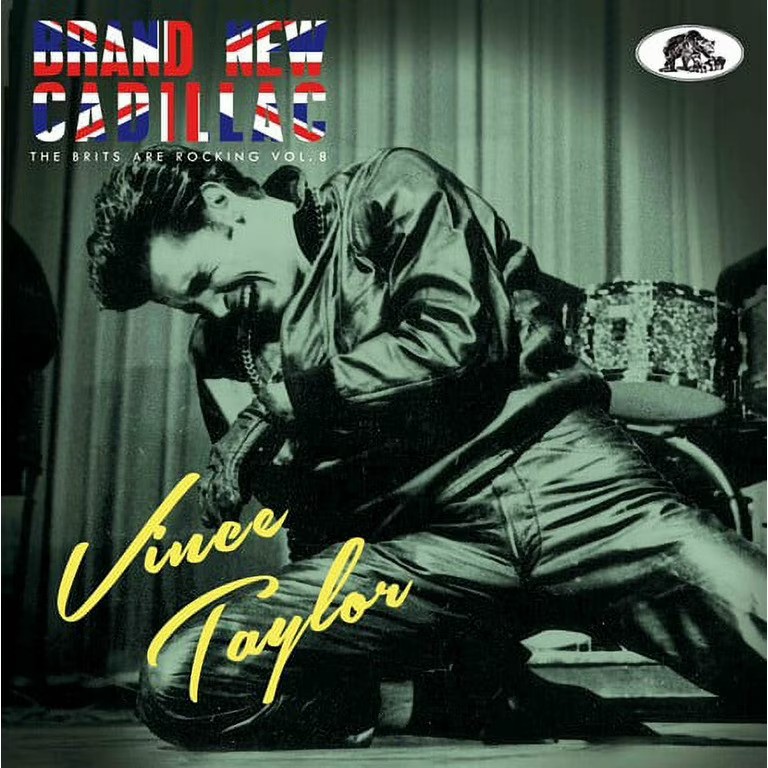
How you find new music can sometimes be surprising. I was looking for a guy with the nickname of Prince Stash, his name is Stanislaus Klossowski de Rola. He hung out with a lot of sixties rock stars and I found out he played in Vince Taylor’s band. I started to listen to Vince Taylor and his rockabilly is really good. I knew I heard his name before and it was when I covered the Clash’s version of this song.
Vince was born in England but his family emigrated to the United States in the early 1950s, settling in New Jersey, where Taylor was exposed to the new rock and roll scene. While living here he became exposed to the greats like Presley, Little Richard, and Gene Vincent. In the late 1950s, Taylor returned to the UK, where he adopted the stage name Vince Taylor inspired by American culture. It was probably the smart thing to do at the time. The UK treated the 50s rock stars much better than America did.
Brand New Cadillac was released in 1959. It was the B side to a song called Pledging My Love. Taylor wrote the song but Tony Sheridan is credited with the cool guitar riff running through the song. The song’s riff reminds me of the original Batman riff…or really the other way around.
In the mid-sixties, he and his band The Playboys co-headlined a tour with the Rolling Stones with “Prince Stash” Stanislaus Klossowski de Rola playing percussion. Jimmy Page and others were also at one time part of the Playboys. I’ve been reading about his live performances and watching some concert footage…and he was a hell of a performer. I can see why he built a following for his live performances.
Bowie has said that Vince Taylor was a huge influence on Ziggy Stardust. He said in the early seventies his name was coming up again as in Golden Earring’s song “Just Like Vince Taylor.”
Taylor had some problems with drugs in the sixties and his career started to go downhill as he became unstable. In the 1970s, he briefly attempted comebacks in Europe, but he could not recapture his earlier success. He lived a nomadic life, working odd jobs, including as a mechanic in Switzerland.
He passed away in 1991 from cancer.
David Bowie: “I met him in Gioconda one day and the guy was right out of his tree. I mean, this guy was bonkers, absolutely the genuine article. I can’t remember if he said he was an alien or the Son of God but he might have been a bit of both. And then one time we were on Tottenham Court Road… He dragged out this world map and we were crouching on all fours outside Tottenham Court Road Tube Station and he was showing me where all the aliens had their bases throughout: under the Arctic and in this mountain… And business people stepping over our map. I think: what the hell am I doing in the middle of Russia with this bonkers American looking at the map of the world and I thought there’s something in this, I’m gonna remember this. This is just too good.”
Clips of Taylor live
Brand New Cadillac
Well my baby drove off in a brand new Cadillac Ooh, my baby drove off in a brand new Cadillac Well she looked at me, daddy, I ain’t never comin’ back
I said baby-baby-baby won’t you listen to me Come on sugar, come on hear my plea Well she looked at my Ford, we’ll never agree Cadillac car! Oh yeah!
Well the Caddy’s rollin’ and going ’bout ninety-five Well the Caddy’s rollin’ and going ’bout ninety-five Well me and my Ford, we’re right by here side
I said baby-baby-baby won’t you listen to me Come on baby, come on hear my plea Turn that big car around, come on back to me Hangin’ on Scotty, here we go!
Well my baby took off in a brand new Cadillac Ooh, my baby took off in a brand new Cadillac Well she looked at me, daddy, I ain’t never comin’ back
I ain’t never comin’ back I ain’t never comin’ back I ain’t never comin’ back
It’s that time of year…and this is one-holiday song that is on my list and not worn out. I first heard this in 1994 when I bought the Beatles Anthology album. I never knew of this song before. This song was never officially released until it appeared as the B-side to “Free As A Bird” in 1994. I’ve posted it every year since I’ve blogged and will continue to do so…it’s repetitive but I like it…it drives home the point.
My friend Dave posted this song in 2021 and he has more info than I do so check it out.
The song is credited to Lennon-McCartney-Harrison-Starkey. The original version was distributed to The Beatles fan club in 1967. It’s the only song written specifically for the Beatles Fan Club members. Along with the Beatles…actor Victor Spinetti and roadie Mal Evans were on the recording.
Between December 1963 and December 1969, they sent out 7 flexi discs that had spoken and musical messages to their official fan clubs in the UK and the US at Christmas time.
The Beatles recorded this in 1967 and wasn’t released until 1994 paired with “Free As A Bird”. It is a fun Christmas song that will stick in your head. The Beatles did not release a Christmas song commercially… only to their fan club when they were active.
I like the end where each Beatle tells you Merry Christmas and Happy New Year.
Many performers of this era like The Beach Boys and The Four Seasons released Christmas songs, but The Beatles never had an official Christmas release.
Christmas time is here again
Christmas time is here again Christmas time is here again Christmas time is here again Christmas time is here again
Ain’t been round since you know when Christmas time is here again O-U-T spells “out”
Christmas time is here again Christmas time is here again Christmas time is here again Christmas time is here again
Ain’t been round since you know when Christmas time is here again O-U-T spells “out”
Christmas time is here again Christmas time is here again Christmas time is here again Christmas time is here again
Ain’t been round since you know when Christmas time…[music continues and fades to background]
[spoken]
This is Paul McCartney here, I’d just like to wish you everything you wish yourself for Christmas.
This is John Lennon saying on behalf of the Beatles, have a very Happy Christmas and a good New Year.
George Harrison speaking. I’d like to take this opportunity to wish you a very Merry Christmas, listeners everywhere.
This is Ringo Starr and I’d just like to say Merry Christmas and a really Happy New Year to all listeners
[a John Lennon pastiche at this point, very hard to understand]
Most of us had favorite Christmas specials we would watch as kids. Mine was Rudolph, A Charlie Brown Christmas, The Grinch, and this one was fourth…Frosty The Snowman. These four would get me primed and ready for Christmas…as if I needed anything else.
“Frosty the Snowman,” debuted in 1969. It was by Rankin/Bass Productions, the same company that produced many holiday specials.
Narrated by the legend Jimmy Durante, the special involves a magic hat that transforms a snowman, Frosty, into a living being. The magician who owned the hat wanted it back now that he knew it contained actual magic, so the kids had to get together and find a way to bring Frosty to the North Pole to keep him from melting. However, once there, Frosty sacrifices himself to warm up the little girl, Karen, who took him to the North Pole. He melts, but Santa Claus explains that Frosty is made out of special Christmas snow and thus can never truly melt. Frosty then comes back to life and everyone has a Merry Christmas.
The song was written in 1950 by Walter “Jack” Rollins and Steve Nelson. They wrote it for Gene Autry, especially, after Autry had such a huge hit with “Rudolph the Red-Nosed Reindeer” the previous year. It was later recorded by Jimmy Durante as we hear in this wonderful cartoon.
This wasn’t the only animation of Frosty…
In 1954, United Productions of America (UPA) brought Frosty to life in a short cartoon that is little more than an animated music video for a jazzy version of the song. It introduced the characters mentioned in the lyrics visually, from Frosty himself to the traffic cop. The three-minute, black-and-white piece quickly became a holiday tradition in various markets, particularly in Chicago, where it’s been broadcast annually on WGN since 1955.
I wrote this before I had any readership so I thought I would post it today.
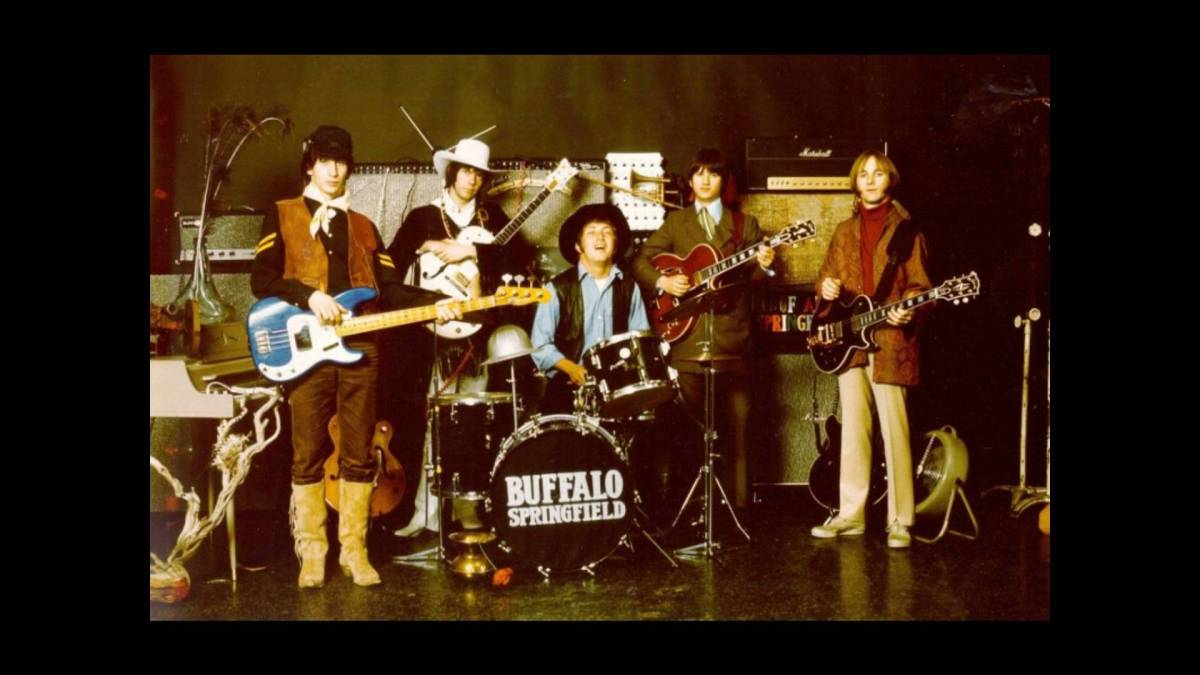
I had a friend’s dad who owned their 1969 greatest hits album when I was in sixth grade and we wore it out. Broken Arrow, Mr Soul, and Expecting to Fly were the ones we played over and over, and heard something we missed in the previous play. So when my peers were listening to The Flock of Seagulls (nothing wrong with that!)…I was listening to Buffalo Springfield and I stayed stuck in the 60s for a long time.
Buffalo Springfield is a band that gets lost in the shuffle at times. People know their big hit “For What It’s Worth” but little about the band. They were only active between 1966-68 but had a huge impact on other artists. The band was very talented……with Neil Young, Stephen Stills, Richie Furay, Bruce Palmer, Dewey Martin, and Jim Messina who replaced Bruce Palmer. They had some great songs like Mr Soul, Nowadays Clancy Can’t Even Sing, Burned, Expecting to Fly, Bluebird, Rock and Roll Woman, Broken Arrow, and their big hit For What It’s Worth…
I just read Neil Young’s book “Waging Heavy Peace” and he said that the end of Buffalo Springfield started because the bass player Bruce Palmer kept getting busted for drugs and taken away…more than once… By 1968 it was over and what a waste of potential they had…The remaining members reunited in 2011 and played 6 concerts… in 2012 they were going to tour and do 30 concerts. Neil quit and did an album with Crazy Horse. He has a history of leaving projects when they don’t interest him anymore.
If this band would have stayed together originally… There’s little doubt they would have gotten much bigger with the talented members they had in place.
The song Broken Arrow is a song that was made in sections and it’s hard to explain it with words… Something is haunting and beautiful about it. I listen to it now and it’s like Buffalo Springfield’s own A Day In The Life. It was produced in 1967 during the psychedelic era. One of my favorite songs of all time…any song with the lyric “He hung up his eyelids and ran down the hall” grabs my attention. Neil Young wrote this beautiful song. Gregg Allman cornered Neil backstage somewhere in the 2000s and pleaded with him to start playing this song again. He did when Buffalo Springfield reformed.
Right after the breakup, Stephen Stills helped form Crosby, Stills, and Nash….short time later Young came aboard and would join them occasionally. Furay and Messina helped form Poco and Messina teamed up with Kenny Loggins later on.
They made three albums while together. Buffalo Springfield (1966), Buffalo Springfield Again (1967) and Last Time Around (1968). A greatest hits came out in 1969 called Retrospective The Best of Buffalo Springfield. A box set was released in 2001.
So…what are your thoughts about Buffalo Springfield?
Broken Arrow
The lights turned on and the curtain fell down And when it was over it felt like a dream They stood at the stage door and begged for a scream The agents had paid for the black limousine That waited outside in the rain Did you see them, did you see them? Did you see them in the river? They were there to wave to you Could you tell that the empty quivered Brown skinned Indian on the banks That were crowded and narrow Held a broken arrow?
Eighteen years of American dream, He saw that his brother had sworn on the wall He hung up his eyelids and ran down the hall His mother had told him a trip was a fall And don’t mention babies at all Did you see him, did you see him? Did you see him in the river? He was there to wave to you Could you tell that the empty quivered Brown skinned Indian on the banks That were crowded and narrow Held a broken arrow?
The streets were lined for the wedding parade The Queen wore the white gloves, the county of song The black covered caisson her horses had drawn Protected her king from the sun rays of dawn They married for peace and were gone Did you see them, did you see them? Did you see them in the river? They were there to wave to you Could you tell that the empty quivered Brown skinned Indian on the banks That were crowded and narrow Held a broken arrow?
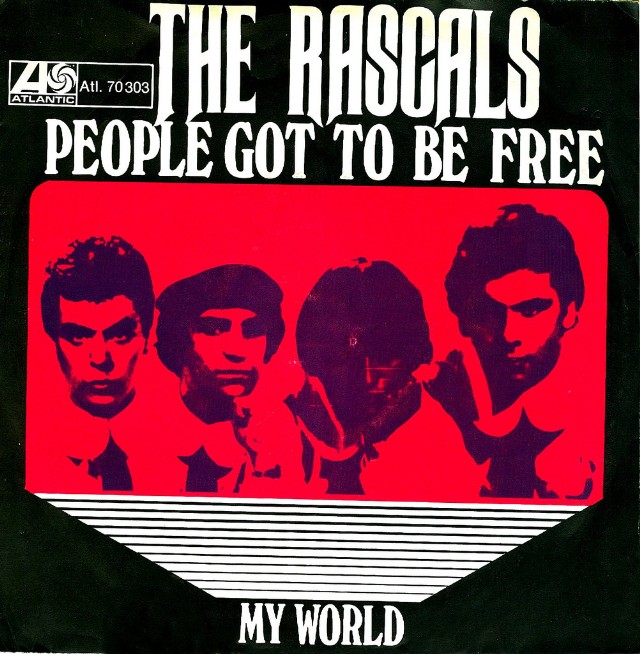
The Young Rascals or by this time…The Rascals were the ultimate singles band. A great band that ruled the singles charts. I found the Rascals in 1985 at the same time I found Cream and The Lovin Spoonful. The Rascals and Lovin’ Spoonful were not known for their albums but man did they ever do some incredible great singles. Some of the best of the 60s. Steven Van Zandt is a huge fan of the band and I can see why.
This is one of their biggest songs. It peaked at #1 on the Billboard 100, #1 in Canada, and #14 in New Zealand in 1968. This was their 3rd number 1 song and would be their last.
A very positive message for all the listeners. Rascals co-leaders Felix Cavaliere and Eddie Brigati wrote the song together. The Young Rascals / The Rascals had had 6 top ten hits in their career and 13 top-40 songs. The record sold over 4 million copies. They wrote this song in reaction to Martin Luther King and Bobby Kennedy’s murders, condensing King and Kennedy’s message into a simple missive calling for unity and understanding. The message was simple and clear and not overly political.
Felix Cavaliere wrote it after working for Bobby Kennedy’s presidential campaign. After Kennedy’s assassination, the follow-up song “A Ray of Hope,” was written for the Kennedy family after RFK’s death and the band received a thank-you letter from Bobby’s little brother, Ted Kennedy.
Felix Cavaliere has said that he had to fight with Jerry Wexler at Atlantic Records to get this released because Wexler was worried that a message song would hurt the Rascals’ career. Cavaliere won and the song became their biggest hit.
Felix Cavaliere: I was working for Bobby Kennedy’s (presidential) campaign, and you know that Robert Kennedy got assassinated. I just felt compelled to say something. The record company didn’t really like the idea, but they let it [be released as a single] and it became number one in all the places that were oppressed, such as South Africa, Berlin and Hong Kong, So I was always very proud of that. [Writing this song] was a direct result of the assassination. In my eyes, Bobby Kennedy was an idealistic person who had visions for how our country should be, and his brother (John Kennedy) as well. So I was attracted very much to that. I just thought that it would be a good direction for me, and the United States of America.
People Got To Be Free
All the world over, so easy to see People everywhere just wanna be free Listen, please listen, that’s the way it should be There’s peace in the valley, people got to be free
You should see What a lovely, lovely world this’d be Everyone learned to live together, ah hah Seems to me Such an itty bitty thing should be Why can’t you and me learn to love one another?
All the world over, so easy to see People everywhere just wanna be free (wanna be free) I can’t understand it, so simple to me People everywhere just got to be free
If there’s a man Who is down and needs a helpin’ hand All it takes is you to understand and To pull him through, ah hah Seems to me We got to solve it individually, ah ah And I’ll do unto you what you do to me Said, no
Hear the shoutin’ from the mountains on out to the sea No two ways about it, people have to be free (they gotta be free) Ask me my opinion, my opinion will be Natural situation for a man to be free
Get right on board now, huh, huh
Yeah oh, what a feelin’s just come over me Love can move a mountain, make a blind man see Everybody sing it now come on let’s go see Peace in the valley now, we all can be free
See that train over there? Now that’s the train of freedom It’s about to ‘arrive any minute, now You know it’s been a long, long overdue Look out ’cause it’s a’comin’ right on through Ha, ha, yeah, ha, ha, yeah
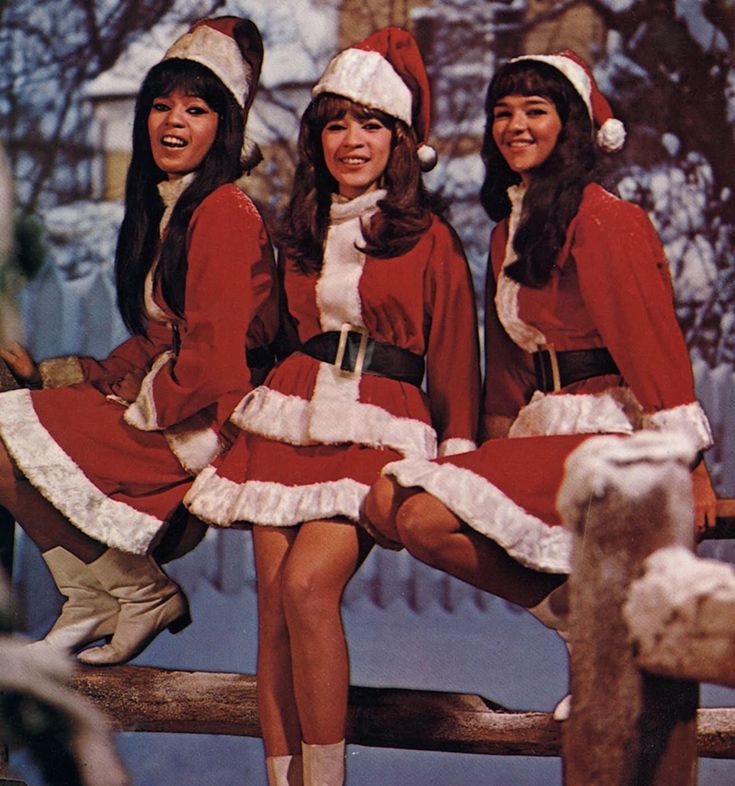
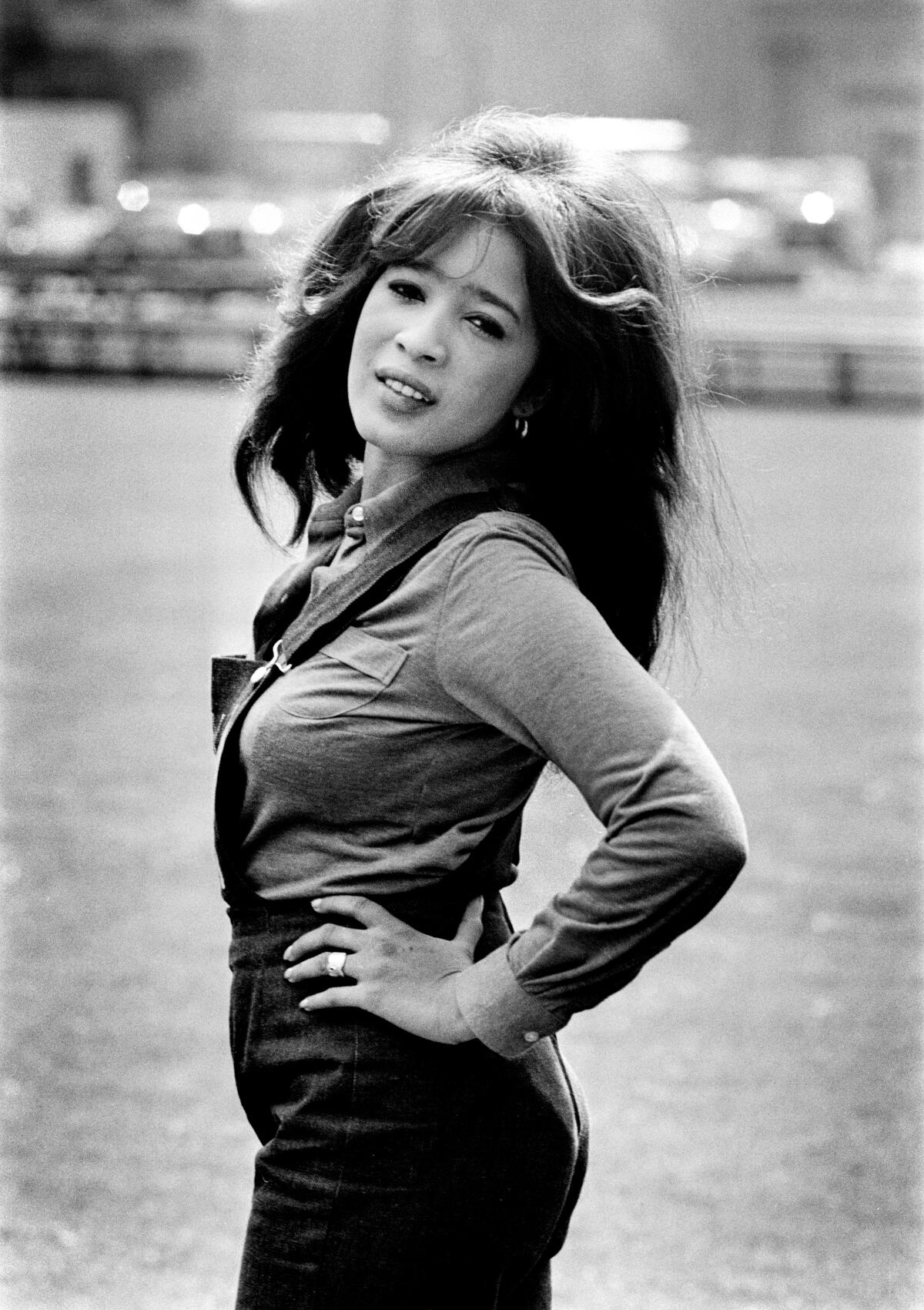
Thank you, Dave, for inviting me to Turntable Talk. I want to wish everyone a Merry Christmas! Dave wanted us to post a Christmas song, and this one, which I’ve never written about, fit perfectly. I could hear Ronnie Spector sing all day.
I could listen to Ronnie Spector sing the telephone book…if there are such things anymore. She has a unique voice and you know it’s her when you hear or see her. I’ve become a full-blown fan of this lady through the years and when I saw her singing Be My Baby she won me over. She had the look, the voice, and the stage presence. I know why John Lennon and Keith Richards were crazy about her.
Leroy Anderson wrote Sleigh Ride as an instrumental in 1948 and Mitchell Parish added lyrics in 1950. There have been a whopping 883 versions of this holiday classic.
Phil Spector’s pool of talent released a classic Christmas album called A Christmas Gift for You from Phil Spector but it was released on November 22, 1963. If that date seems familiar, it’s because it very significant. President John F. Kennedy was assassinated in Dallas, Texas while riding in a motorcade with his wife, Jacqueline Kennedy. The artists on that album were Darlene Love, The Ronettes, The Crystals, and Bob B. Soxx & the Blue Jeans.
The album was considered a failure (#12) at first but it caught on later. It was later re-released by Apple Records and has since been acknowledged as a great album. it peaked at #6 on Billboard’s Christmas Charts after being re-released on the Beatles label. In the years since the album has re-charted. In 2003, the album was voted No. 142 on Rolling Stone magazine’s list of the 500 greatest albums of all time. It was also included in Robert Dimery’s 1001 Albums You Must Hear Before You Die.
The song peaked at #8 on the Billboard 100, #15 on the Canadian Hot 100, #20 in the UK, and #22 in New Zealand in 1963.
Sleigh Ride
Just hear those sleigh bells jingling, ring tingle tingling too Come on, it’s lovely weather for a sleigh ride together with you, Outside the snow is falling and friends are calling yoo hoo, Come on, it’s lovely weather for a sleigh ride together with you.
Our cheeks are nice and rosy and comfy and cozy are we We’re snuggled up together like two birds of a feather would be Let’s take the road before us and sing a chorus or two Come on, it’s lovely weather for a sleigh ride together with you.
Our cheeks are nice and rosy and comfy and cozy are we We’re snuggled up together like two birds of a feather would be Let’s take the road before us and sing a chorus or two Come on, it’s lovely weather for a sleigh ride together with you.
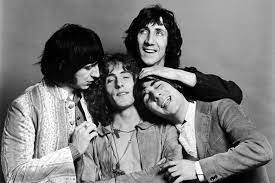
The Who isn’t exactly known for traditional Christmas tunes, but they do have a song that fits the season.
This song is on the album Tommy about the deaf, dumb, and blind kid. This is not a Christmas song you will hear on the radio at this time of year…it’s just part of the story of Tommy. It’s one of my favorite songs on the album along with Sally Simpson.
Tommy’s father has concerns about his son on Christmas morning. Tommy is deaf, dumb, and blind, and doesn’t appear to have much of a future, but that Christmas, he gets a game of pinball and his life changes when he becomes the Pinball Wizard. This was written by Pete Townshend and it fits perfectly on that album.
It’s the backup vocals that always catch my attention. Also the drums by Mr. Moon plus Townshend’s slashing guitar. They also go into the refrain of “Tommy Can You Hear Me” and “See Me Feel Me.” The song is powerful and also very catchy. I always listen to it around Christmas.
I don’t think any band in rock could have touched them during this time live. On the tour of Tommy is where Live At Leeds came from and it is the tightest I’ve heard a rock band.
Tommy peaked at #2 in the UK, #4 on the Billboard 100, and #6 in Canada in 1969.
Christmas
Did you ever see the faces of children They get so excited. Waking up on Christmas morning Hours before the winter sun’s ignited. They believe in dreams and all they mean Including heavens generosity. Peeping round the door to see what parcels are for free In curiosity.
And Tommy doesn’t know what day it is. Doesn’t know who Jesus was or what praying is. How can he be saved? From the eternal grave.
Surrounded by his friends he sits so silently, And unaware of everything. Playing poxy pin ball picks his nose and smiles and Pokes his tongue at everything. I believe in love but how can men who’ve never seen Light be enlightened. Only if he’s cured will his spirits future level ever heighten.
And Tommy doesn’t know what day it is. Doesn’t know who Jesus was or what praying is. How can he be saved? >From the eternal grave. Tommy can you hear me? Tommy can you hear me? Tommy can you hear me? How can he be saved?
[Tommy:]
See me, feel me Touch me, heal me. See me, feel me Touch me, heal me!
Tommy can you hear me? Tommy can you hear me? Tommy can you hear me? How can he be saved?
Thank you for dropping by. This is one of my favorite Christmas shows now and as a kid I loved it. There were three specials you didn’t miss…The Peanuts Christmas Show, The Grinch, and this one wasn’t just a show…it was an event.
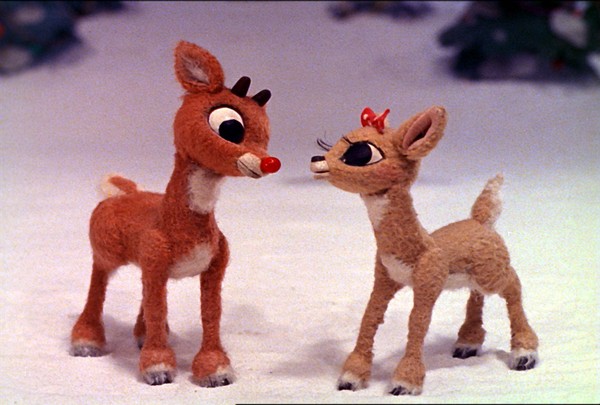
Watching Rudolph the Red-Nosed Reindeer every year is the same as setting up the tree. Every year I would look forward to seeing this along with the others but what a fantastic durable show this has been. When I hear Burl Ives in anything…I think of him as the narrator Sam the Snowman of this program. Plus the movie means a lot because my mom and I would watch it together and her name was Clarice like Rudolph’s girlfriend.
The characters are wonderful. Well except those other young reindeer who really come down on Rudolph when his nose lights up. There was absolutely NO need for that. cough coughvenisoncough. (just joking!)
Hermey the elf who wants to be a dentist Clarice – The reindeer who likes Rudolph just as he is red nose and all. Yukon Cornelius the prospector who loves silver and gold and has a tongue that can find his silver and gold. I love this guy…all he wants is a peppermint mine! Abominable Snowman – The bad guy of the show who only needs a dentist to make him a good guy. Head Elf – He leans on Hermey to get his elf self-act together and discourages him from being a dentist…I never liked him too much.
Throughout the special, Yukon Cornelius throws his pickaxe into the ground, taking it out and licking it. It turns out he is checking for neither gold nor silver… Yukon was searching for an elusive peppermint mine. In a scene right at the end of the special’s original broadcast, deleted the next year to make room for the Misfit Toys’ new scene, Cornelius pulled his pick from the ground, licked it, and said, “Peppermint! What I’ve been searching for all my life! I’ve struck it rich! I’ve got me a peppermint mine! Wahoo!” The scene was restored in 1998 and has been reinstated in all the subsequent home video releases except for the 2004 DVD release. However, this scene is still cut from recent televised airings.
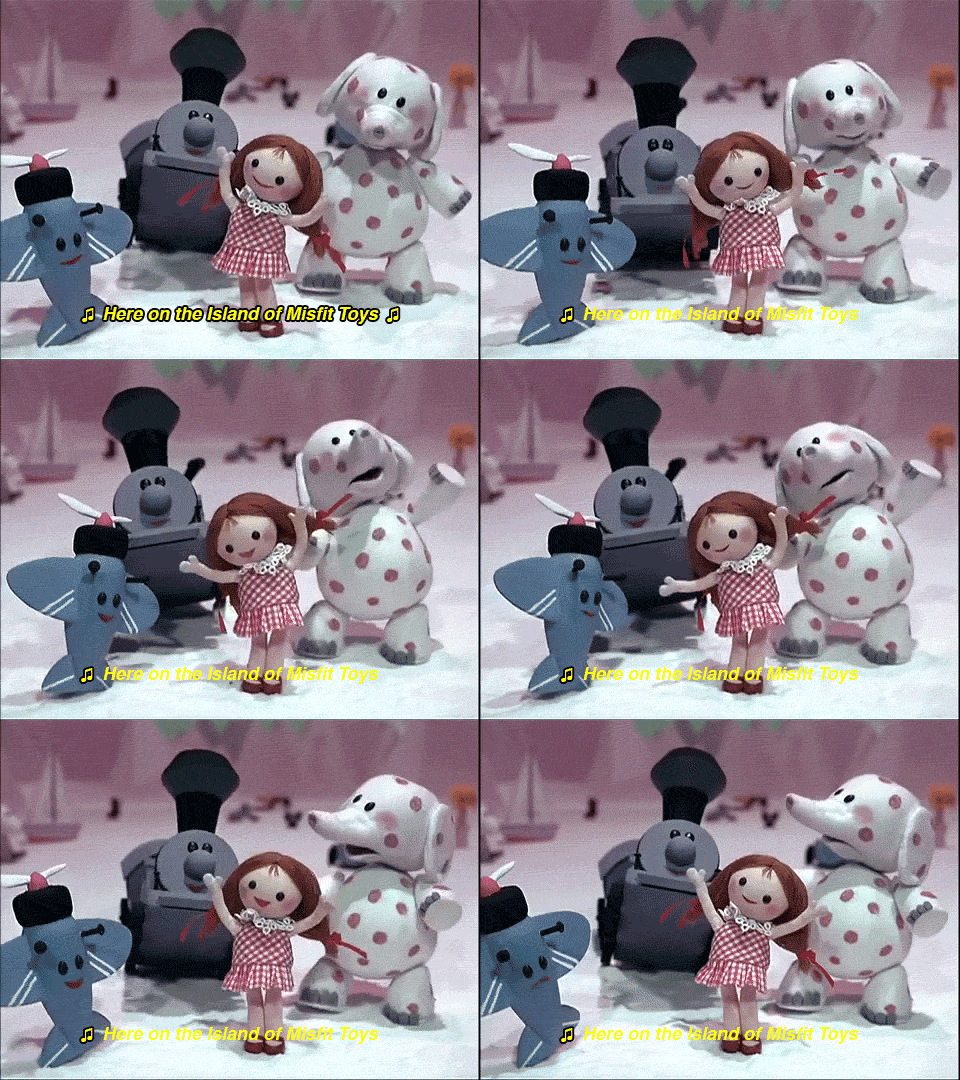
The Island of Misplaced Toys got to me when I was a kid. I really felt sorry for these lonely toys. King Moonracer was over the island and tried to convince Rudolph to tell Santa about them so he could pick them up and find kids who would play with them.
The original 1964 airing did not include the closing scene where Santa picks up the misfit toys. That scene was added in 1965, in response to complaints that Santa was not shown fulfilling his promise to include them in his annual delivery.
The stop animation in this works really well. I wish they would do more of it today. I truly like it better at times than CGI.
The songs are perfect. Silver and Gold, Holly Jolly Christmas, Jingle Jingle Jingle, We Are Santa’s Elves, There’s Always Tomorrow, We’re a Couple of Misfits and The Most Wonderful Day of the Year.
In the original TV version of the show, Rudolph, Hermey the elf, and Yukon Cornelius visit the Island of Misfit Toys and promise to help them, but the Misfits are never seen again, only mentioned as Santa’s first stop before he flies off in his sleigh. After it was shown, the producers were inundated with letters from children complaining that nothing had been done to help the Misfit Toys. In response, Rankin-Bass produced a new short scene at the end of the show in which Santa and his reindeer, led by Rudolph, land on the Island and pick up all the toys to find homes for them. This scene became a part of the standard version of the show run during the holidays.
Original puppets of Santa and young Rudolph from the 1964 production went on tour in November 2007. When purchased by their new owner, both were in poor condition – Santa had mold under his beard and half of his mustache was gone, while Rudolph’s nose was gone. The owner took them to stop-motion animation studio Screen Novelties International and restored them “as a labor of love” for expenses only — $4000. The puppets originally cost $5000 each in 1964 dollars.
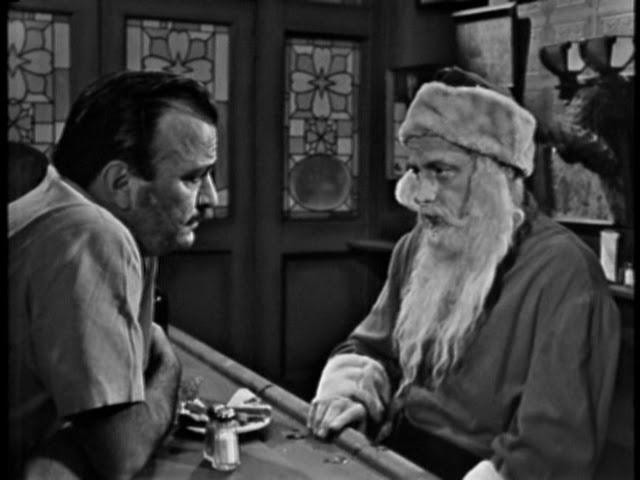
I haven’t re-run any of my Twilight Zone reviews but since it’s Christmas…I thought I would post this one. It’s a very touching episode and you get Art Carney and some great character actors in this one like John Fiedler, Robert P. Lieb, and Val Avery.
This one is a sentimental, touching, and timeless, episode of the Twilight Zone. I watch this every year around Christmas. One of the reasons Rod Serling wrote this episode is to see Art Carney play Santa Claus. This is a genuinely funny episode, with the humor feeling natural and enhancing the characters. There are no big laughs but rather many great moments.
John Fiedler plays Mr. Dundee does a great job and has good comedic moments with Robert P. Lieb who plays Flaherty. Fielder would appear on the Bob Newhart Show later on in the seventies. It was taped just three weeks before Christmas, it had a special effect on the cast and crew, and especially on the many children on the set. Production assistant Lillian Gallo later said more children were performing on that show as extras than on the other tape shows, and she remembers their excitement and their joy. Sometimes, it was difficult for them to contain themselves during the times that you had to be quiet during the show.
One sour viewer was so enraged at the blasphemy of presenting a drunk as Santa Claus that he sent outraged letters to Serling, the network, and several newspapers. Can’t Santa have a cheery night?
This show was written by Rod Serling
Rod Serling’s Opening Narration:
This is Mr. Henry Corwin, normally unemployed, who once a year takes the lead role in the uniquely popular American institution, that of the department-store Santa Claus in a road-company version of ‘The Night Before Christmas’. But in just a moment Mr. Henry Corwin, ersatz Santa Claus, will enter a strange kind of North Pole which is one part the wondrous spirit of Christmas and one part the magic that can only be found… in the Twilight Zone.
Summary
Henry Corwin is a down and outer who is normally unemployed and who definitely drinks too much. Every year he works as a department store Santa Claus. This year however, he’s spent just a little too much time in the bar and is quite drunk by the time he shows up for work. He’s fired of course and deeply regrets what he’s done. In fact, Henry has a big heart and worries not only about the children he’s disappointed at the store but about all of those children who will not get what they’ve asked for Christmas. When he comes across a large bag of gifts, everything changes for the kids and for himself as well.
Rod Serling’s Closing Narration:
A word to the wise to all the children of the twentieth century, whether their concern be pediatrics or geriatrics, whether they crawl on hands and knees and wear diapers or walk with a cane and comb their beards. There’s a wondrous magic to Christmas and there’s a special power reserved for little people. In short, there’s nothing mightier than the meek. And a Merry Christmas to each and all.
CAST
Rod Serling … Narrator / Self – Host (uncredited) Art Carney … Henry Corwin John Fiedler … Mr. Dundee Robert P. Lieb … Flaherty Val Avery … The Bartender Meg Wyllie … Sister Florence Kay Cousins Johnson … Irate Mother (as Kay Cousins) Burt Mustin … Old Man Steve Carruthers … Bar Patron (uncredited) Andrea Darvi … Kid with Santa (uncredited) Jimmy Garrett … Street Child (uncredited) Larrian Gillespie … Elf (uncredited) Jack Kenny … Man in Mission (uncredited) Caryl Lincoln … Store Customer (uncredited) Mathew McCue … Man in Mission (uncredited) Frank Mills … Man in Mission (uncredited) Mike Morelli … Man in Mission (uncredited) Nan Peterson … Blonde in Bar (uncredited) Ray Spiker … Man in Mission (uncredited) Glen Walters … Store Customer (uncredited)
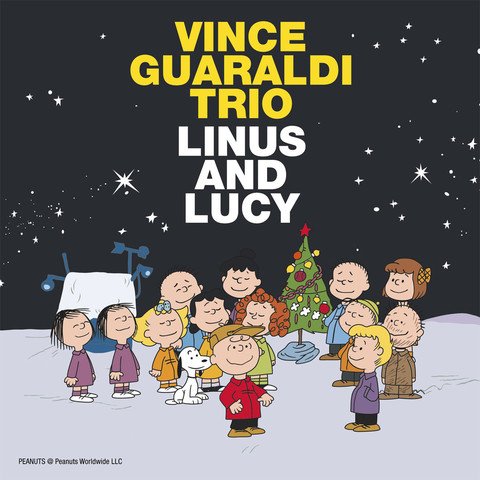
Ironically, just about everyone would call this “the Charlie Brown song” even though it’s actually titled after Linus and Lucy Van Pelt, brother and sister in Charles Schulz’s Peanuts comic strip universe.
The song is most famous for its use in the yearly favorite A Charlie Brown Christmas, which first aired in 1965, but it was written two years earlier for a documentary about Schulz and the Peanuts gang called A Boy Named Charlie Brown, which never aired.
Producer Lee Mendelson was in charge of the documentary and asked Vince Guaraldi to compose music for it
Guaraldi was huge in the jazz world and won the 1962 Grammy for Best Original Jazz Composition for “Cast Your Fate To The Wind” for his group, the Vince Guaraldi Trio. Mendelson was searching for what kind of music to play for the documentary when he took a taxi cab and “Cast Your Fate To The Wind” was playing as he crossed the Golden Gate bridge. He loved it and his decision was made.
Guaraldi wrote a series of songs for the project, including “Linus and Lucy,” that he recorded with his group, the Vince Guaraldi Trio. Even though A Boy Named Charlie Brown was shelved, the soundtrack was released in 1964, which is where “Linus and Lucy” first appeared.
In 1965, Mendelson put together the first Peanuts TV special, A Charlie Brown Christmas, using many of the same people who worked on the documentary. “Linus and Lucy” formed the score, and a song he wrote with Guaraldi called “Christmas Time Is Here” was included in a key scene.
When A Charlie Brown Christmas debuted in 1965, it quickly turned the Peanuts franchise into a television institution. That first special also shot Guaraldi to greater fame, and he became connected to all subsequent Peanuts shows.
Guaraldi would continue to work on Peanuts films until his death in 1976.
You’re a mean one…Mr. Grinch. I first posted this in 2018…It’s not Christmas without the Grinch…
The cartoon was released in 1966 and has been shown every year since. This one along with Rudolph, Charlie Brown, and a few more were a part of Christmas. These specials would prime you for the big day.
One cool thing about the cartoon was that Boris Karloff was the narrator. Thurl Ravenscroft (voice of Tony the Tiger) sang the great song “You’re a Mean One Mr. Grinch. ”
The citizens of Whoville looked and acted like the others of Dr. Suess’s universe. They were all getting ready for Christmas while a certain someone…or thing looked down from Mt. Crumpit. The Grinch has hated Christmas for years and sees the Whovillians getting ready for Christmas and is determined once and for all to put an end to it.
He dresses up as Santa Clause and makes his poor dog Max act as a reindeer to swoop down and steal Christmas. The Grinch sleds down the hill almost killing Max and they soon reach Whoville. He is busted by one kid…Cindy Lou Who, who asks him questions as the Grinch took her family tree. He lies to her and sends her to bed.
In the morning after he has everything including “The Roast Beast,” he listens for the sorrow to begin.
You need to watch the rest or rewatch…
A live-action remake came out in 2000 but I still like this one the best. You cannot replicate Boris Karloff.
The Budget – Coming in at over $300,000, or $2.2 million in today’s dollars, the special’s budget was unheard of at the time for a 26-minute cartoon adaptation. For comparison’s sake, A Charlie Brown Christmas’s budget was reported as $96,000, or roughly $722,000 today (and this was after production had gone $20,000 over the original budget).
You’re a mean one Mr. Grinch The famous voice actor and singer, best known for providing the voice of Kellogg’s Tony the Tiger, wasn’t recognized for his work in How the Grinch Stole Christmas. Because of this, most viewers wrongly assumed that the narrator of the special, Boris Karloff, also sang the piece in question. Upset by this oversight, Geisel personally apologized to Ravenscroft and vowed to make amends. Geisel went on to pen a letter, urging all the major columnists that he knew to help him rectify the mistake by issuing a notice of correction in their publications.
Mr Grinch
You’re a mean one, Mr. Grinch You really are a heel You’re as cuddly as a cactus You’re as charming as an eel Mr. Grinch You’re a bad banana with a greasy black peel You’re a monster, Mr. Grinch Your heart’s an empty hole Your brain is full of spiders You’ve got garlic in your soul, Mr Grinch I wouldn’t touch you with a Thirty-nine and a half foot pole
You’re a vile one, Mr. Grinch You have termites in your smile You have all the tender sweetness of a seasick crocodile Mr Grinch Given the choice between the two of you I’d take the seasick crocodile
You’re a foul one, Mr. Grinch You’re a nasty wasty skunk Your heart is full of unwashed socks Your soul is full of gunk Mr Grinch
The three best words that best describe you Are as follows, and I quote” Stink Stank Stunk
You’re a rotter Mr Grinch You’re the king of sinful sots Your heart’s a dead tomato splotched with moldy purple spots Mr Grinch
Your soul is an appalling dump heap Overflowing with the most disgraceful Assortment of deplorable rubbish imaginable Mangled up in tangled up knots
You nauseate me, Mr Grinch With a nauseous super nos You’re a crooked jerky jockey and You drive a crooked horse Mr Grinch
You’re a three-decker sauerkraut And toadstool sandwich With arsenic sauce
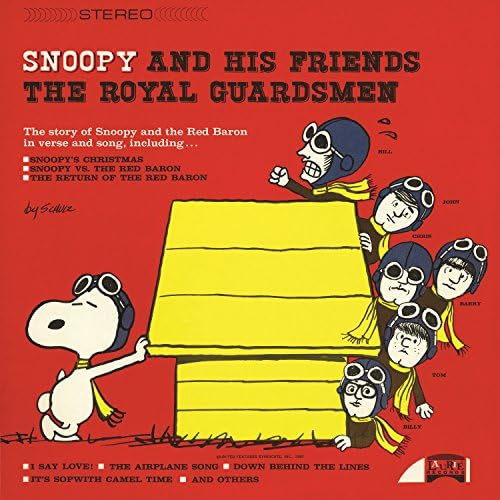
This is a new Christmas write-up for me…and I listened to this song a lot as a kid. As a child, I did have the single Snoopy Vs. The Red Baron by The Royal Guardsmen. Later on, I found another Royal Guardsmen record in my cousin’s collection. She gave it to me and it was this one. I loved the Peanuts as a kid and as an adult. This song was brought up by a conversation that Obbverse and I had and I wanted to get it out there.
I never realized that this song has a basis in reality. The song is actually based on The Christmas Truce in WW1 in 1914. The Christmas Truce was an actual event in 1914 during World War I when German and Allied soldiers temporarily ceased hostilities. They sang carols, exchanged small gifts, and even played soccer. While Snoopy and the Red Baron’s interaction is of course fictional, the truce symbolizes the capacity for kindness in chaos.
The song peaked at #1 in New Zealand, #1 in Australia, and #39 in Canada. Per Wiki: Charted 3 times in the US – 1967, 1968, and 1969 reaching #1, #15, and #11 respectively but only on Billboard’s “Best Bets For Christmas” chart.
They were not a one-hit wonder. The follow-up single to their #2 Snoopy and the Red Baron was The Return of the Red Baron which reached #15. Despite their success, the band faced legal challenges since they didn’t have permission from Charles Schulz or United Features Syndicate to use Snoopy. The licensing disputes were resolved, and the band continued to produce Snoopy-themed songs…over and over and over. This song was written by George David Weiss, Hugo Peretti, and Luigi Creatore.
Snoopy’s Christmas
O Tannenbaum, O Tannenbaum Do kannst mir sehr gefallen!
The news had come out in the First World War The bloody Red Baron was flying once more The Allied command ignored all of its men And called on Snoopy to do it again
Was the night before Christmas, 40 below When Snoopy went up in search of his foe He spied the Red Baron, fiercely they fought With ice on his wings Snoopy knew he was caught
Christmas bells those Christmas bells Ring out from the land Asking peace of all the world And good will to man
The Baron had Snoopy dead in his sights He reached for the trigger to pull it up tight Why he didn’t shoot, well, we’ll never know Or was it the bells from the village below?
Christmas bells those Christmas bells Ringing through the land Bringing peace to all the world And good will to man
The Baron made Snoopy fly to the Rhine And forced him to land behind the enemy lines Snoopy was certain that this was the end When the Baron cried out, “Merry Christmas, mein friend!”
The Baron then offered a holiday toast And Snoopy, our hero, saluted his host And then with a roar they were both on their way Each knowing they’d meet on some other day
Christmas bells those Christmas bells Ringing through the land Bringing peace to all the world And good will to man
Christmas bells those Christmas bells Ringing through the land Bringing peace to all the world And good will to man
Christmas bells those Christmas bells Ringing through the land
I did a San Francisco music week a few months ago and featured this band for the first time. I’ve been wanting to come back to them and today is the day. They came out of the San Francisco scene in the 60s along with The Grateful Dead, Jefferson Airplane, Janis Joplin, and others. They were never as big as those bands but I’ve heard many of their songs that I liked.
It comes back to some bad luck and some self-sabotage. They had it all…including five members who could all write, sing and play. Record labels were lining up for them. They have since fought for decades between each other and especially their manager Matthew Katz. Other bands like Buffalo Springfield said that Moby Grape was one of the best bands from San Francisco.
One of their problems was hype. CBS was their record company and they decided it would be great to release FIVE singles at once by the band. The label was convinced that each of the 10 sides had the potential to make it to the top of the national charts. The thinking was that a shot-gun approach would ensure that at least one of the five would hit and garner maximum airplay and revenue. It failed miserably.
Nowadays an album is released and different songs are played… every song on an album can chart. That is why it’s almost impossible to compare the charts now to any other time in history before downloading. I guess CBS was ahead of their time but way too far ahead and the market wasn’t ready for it. You couldn’t just download it in 1967 with your love beads and patchouli oil…although I do like patchouli oil!
This song was one of the five singles released and it did better than the others. It did chart in the top 100 so there is that. It peaked at #88 on the Billboard 100 and #87 on the Canadian Charts in 1967. It’s a good song and I think it deserved to do better than that but with a glut of songs it was probably doomed to fail. It was on their debut album Moby Grape which peaked at #24 on the Billboard Album Charts.
They are still together with some of the original members. Peter Lewis, Jerry Miller, Bob Mosley, and Don Stevenson. Skip Spencer died in 1999 of lung cancer. His son Omar Spence is now with Moby Grape…singing his dad’s songs. There is a cult following of this band and they had the talent to do much more. This is a case of a record company really hurting them.
Omaha
Listen, my friends Listen, my friends Listen, my friends Listen, my friends Listen, my friends Listen, my friends
Listen, my friends, you thought never but Listen, my friends, I’m yours forever Listen, my friends, won’t leave you ever
Now my friends What’s gone down behind No more rain From where we came
Listen my love, get under the covers, yeah Squeeze me real tight, all of your lovin’ Into the light, beneath and above ya So out of sight, bein’ in love!
Listen, my friends Listen, my friends Listen, my friends Listen, my friends Listen, my friends Listen, my friends Listen, my friends
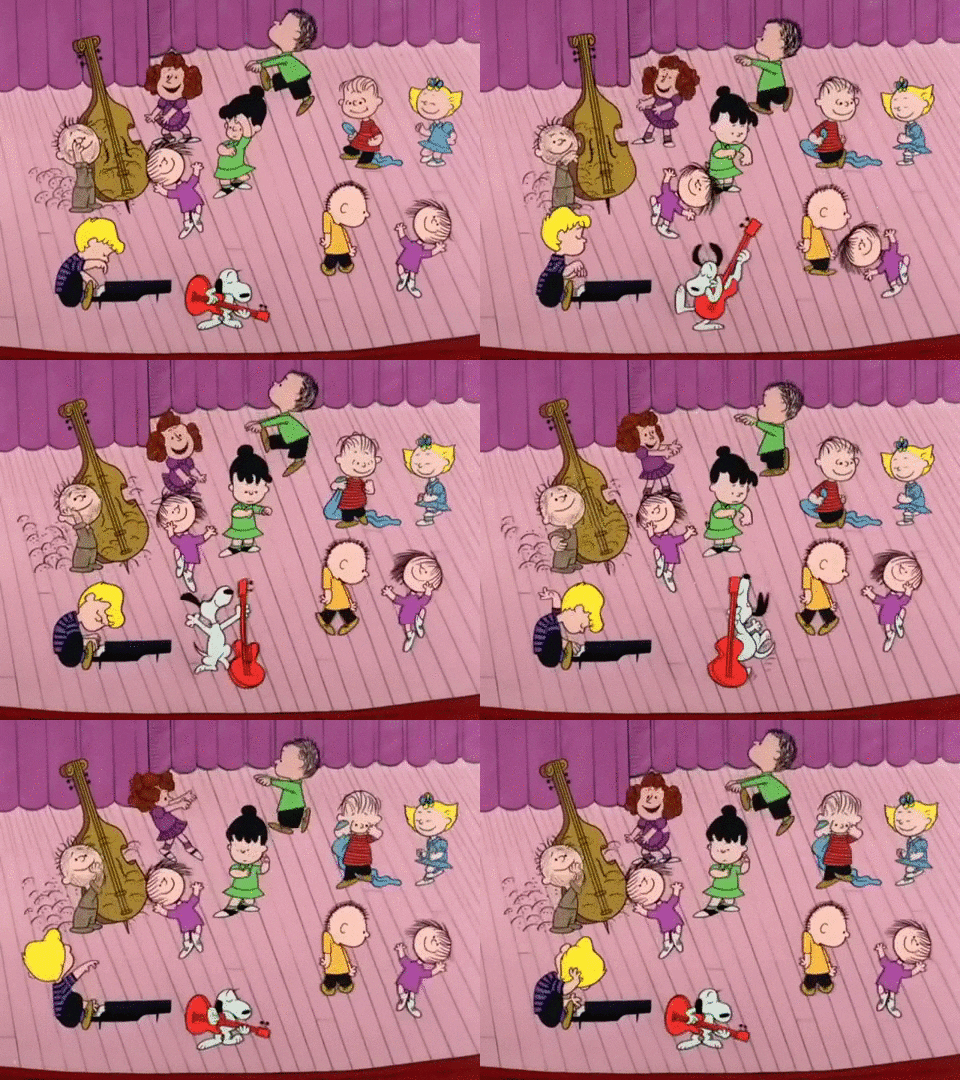
I will watch this show this week…it’s not Christmas without The Peanuts and watching them all dance to “Linus and Lucy.”
The Peanuts were my favorite cartoon growing up and I would never miss their Thanksgiving, Halloween, and Christmas specials. Everyone can relate to Charlie Brown because we all lose more than we win in life. He doesn’t get to kick that football, his dog has more things than he does, and he is forever trying to get the elusive little redhead girl to notice him.
The Peanuts inhabit a kid’s world where grownups are felt but not heard. At least not in English. I’ve said this before but… Charlie Brown, one day when you grow up… I hope you end up with the little red head girl that you like so much and win just for once…for all of us.
This 1965 special has everything good about them in one show.
The gang is skating and Charlie Brown is telling Linus that despite Christmas being a happy time he is depressed. Linus tells Charlie that is normal and Lucy pipes in with “Of all the Charlie Browns in the world, you’re the Charlie Browniest.” That sums it all up.
Charlie gets to direct the Christmas play and his main job was to get a spectacular Christmas tree under Lucy’s orders. …He picks the only real tree there…more like a branch but he is sure it will do the job. Most of the gang do not agree when he comes back with the tree but Charlie persists. Linus gets up and reads from the Bible and the inflection he lends to the reading is great.
After that, you will need to watch because it will be worth it.
Aluminum Christmas trees were marketed beginning in 1958 and enjoyed fairly strong sales by eliminating pesky needles and tree sap. But the annual airings of A Charlie Brown Christmas swayed public thinking: In the special, Charlie Brown refuses to get a fake tree. Viewers began to do the same, and the product was virtually phased out by 1969. The leftovers are now collector’s items.
Actors and Actresses The early Peanuts specials made use of both untrained kids and professional actors: Peter Robbins (Charlie Brown) and Christopher Shea (Linus) were working child performers, while the rest of the cast consisted of “regular” kids coached by Melendez in the studio. When Schulz told Melendez that Snoopy couldn’t have any lines in the show—he’s a dog, and Schulz’s dogs didn’t talk—the animator decided to bark and chuff into a microphone himself, then speed up the recording to give it a more emotive quality.
A few weeks ago I posted about Mouse and the Traps, a Texas band formed in the 1960s. I thought my fellow blogger friend Phil from Notes from the Cactus Patch may have known them. He did…. so I thought…I would like to write about Phil’s 1960s band. I first heard of Phil from Hanspostcard… he sent me THIS link to Phil’s post about meeting John Sebastian in Texas in the sixties along with the other Lovin Spoonful. He also briefly met Janis Joplin when she cut the food line at the Texas International Pop Festival. ” I survived one-hundred-degree temperatures for three days and got to meet Janis Joplin one late night when this nice gal with a Texas twang asked me if she could cut in line as I was waiting to buy a hot dog. It took a minute for me to realize it was her, but I was cool; it was the sixties, man. That night, ole Janis “took a little piece of my heart, now baby.”
I’m getting most of the info from this post. I urge you to read that because he tells a more complete story. Phil’s Dad, Johnny Strawn played with the Light Crust Doughboys so Phil was surrounded by music when he grew up. He went through a few bands on the way. He formed his first band in 1964 and they were called The Dolphins and in late 65 they became The Orphans. The Orphans lasted until 1967 and the members were Johnny Strawn, vocals and lead guitar – Jarry Davis, vocals and rhythm guitar- Danny Goode, lead vocals and bass – Marshall Sartain, vocals and keyboards- Barry Corbett, vocals.
The music they played was all over the place and everything that kept people on the dance floor. The music they played was Soul Music, Beatles, Bee Gees, Rascals, Hendrix, Doors, Steppenwolf, Cream, Stones, Vanilla Fudge, and Jefferson Airplane. They played all over Texas and parts of Oklahoma…and some of the clubs he mentioned were The Studio Club, LuAnn’s, Strawberry Fields, Phantasmagoria, The Cellar, The Box, and more. This was when three of the band were still in high school.
Phil Strawn: We used to do a lot of double bills at The Studio Club and LuAnn’s; that was a big thing back then. I remember playing a lot of them with Southwest F.O.B. We were playing at LuAnn’s one weekend when during the Jimi Hendrix song Fire, our drummer put lighter fluid on his cymbals, lit his drum sticks, then hit the cymbals and ignited them. It got a little out of hand and it burned up his drums. That kind of stuff wouldn’t fly nowadays, but back then, we didn’t think of the repercussions. The crowd loved it, sort of like The Who, only with real fire and smoke. Miss Lou Ann was not pleased and banned us from the club for about six months. We eventually worked our way back into her good graces. Ron Chapman the famous DJ on KLIF and KVIL remembered us as the band that nearly burned down LuAnn’s. Some legacy.
They met a guy named Mark Lee who became their manager. After they signed with him their gigs increased. They even opened up for Iron Butterfly at a place called Strawberry Fields. The Orphans committed a cardinal sin by learning an Iron Butterfly song called Possession and nailed it while opening for Iron Butterfly. Lee put them up to it because he knew it would get under Iron Butterfly’s skin…and it did! They ended up swiping Phil’s Vox Wah Wah pedal and a velvet Nehru suit from their drummer.
In 1968 they had to change their name. The drummer, Jerry Deaton, had a friend who wanted to manage them but they were happy with Mark Lee. The guy went out and had “The Orphans” copyrighted and told the band he would sue them if they continued so they changed their name. Phil said: “We liked ATNT {Alice talks “n” talks} and Jerry’s mother was the inspiration for that name. Later, we found out that he had managed another band called the Orphans for a while, so that was the reason for all the drama. He copyrighted the name so we had to change.”
Check out this 1968 Flower Fair entertainment. ATNT played and look at the other artists as well. Spencer Davis, Jimmy Reed, Mitch Ryder, The Lemon Pipers, and Neil Diamond. The Doors were going to play but they had scheduling conflicts.
In 1966 they recorded a song that Phil wrote called “Leader of My Mind” which was a Byrds-type song with harmonica but no one can find any copies. In 1968 they recorded two songs called “No One Told Me About Her” with the flipside Cobblestone Street.
They also did a couple of appearances on Mark Stevens TV Show which they lipsynced to their songs. Phil quit in the late sixties because of a disagreement with the rhythm guitar player. He had to make a choice and his final exams were coming up and Phil decided to study rather than just practice with the band.
After that, Phil said he didn’t play much until around 1974 when he started to play in the progressive country music scene in Austin and Dallas. I played with various people around town and some in south Texas and did some pick-up and studio work. I joined the Trinity River Band in late ’79 and played with them until ’85. I also played with The Light Crust Doughboys from time to time and did some studio work on the five-string banjo. I was fortunate to play on the Light Crust Doughboys album, ” One Hundred-Fifty Years of Texas Music.”
Phil Strawn: The A side is “Cobblestone Street,” written and sung by myself and our drummer Barry Corbett. The B side is ” No One Told Me About Her,” written and sung by our lead singer and bass player, Danny Goode. The two producers, Marvin Montgomery and Artie Glenn, suggested we add horns to get a Chicago Transit Authority sound. Before the brass was added, Cobblestone Street was loud and raw with loud guitars and organs. After adding the horns, we returned to the studio and tweaked the cuts. I purposely untuned my Gibson 335 a bit to give the guitar break a bit of an out-of-tune carnival sound. Marvin, who went by the name of Smokey, was a member of the Light Crust Doughboys since the 1930s and played with Bob Wills. He produced Paul and Paula and Delbert McClinton. Artie Glenn wrote the famous Elvis hit “Crying In The Chapel” and many others; he was also a Light Crust Doughboy western swing musician. These two men were top-shelf record producers, so we listened when they suggested.
Phil Strawn: It was absolutely the best time of my life. How could you not enjoy being a teenager in the ’60s and playing in a popular rock band? The people we met and played with, the experience that we will all carry with us the rest of our lives. It was just a part of life that helped shape us into what we are now – being part of that change in our country, that decade. It was a time of turmoil, but it was also the last year of the innocence we grew up with. Teenagers these days are so hardened. The music then was happy and said a lot. It would move you, whether you played it or danced to it. The music now has a meaner, harder edge, and reflects the times we live in.
Phil Strawn: I am a project manager in commercial construction, and do a lot of painting and artwork – mostly Texas art. After 35 years, Danny Goode, who I played with in ATNT and the Orphans, called me and asked me to be part of their group, The American Classics. I joined them about two years ago and that’s what we do nowadays. The band consists of Danny Goode, bass and lead vocals; John Payne, lead guitar and keyboards; Jordan Welch, drums; and me on rhythm guitar and vocals. We play about once a month or so around Dallas Fort Worth, mostly private parties. We recently played in Deep Ellum, and will probably be back down there soon. We stick to mostly ’60s music – it’s what we know well. It’s good to still be playing rock music at this age. You really never outgrow it.
I love the horns in this song but I would also love to hear what it sounded like with loud guitars as well.







 PowerPop... An Eclectic Collection of Pop Culture