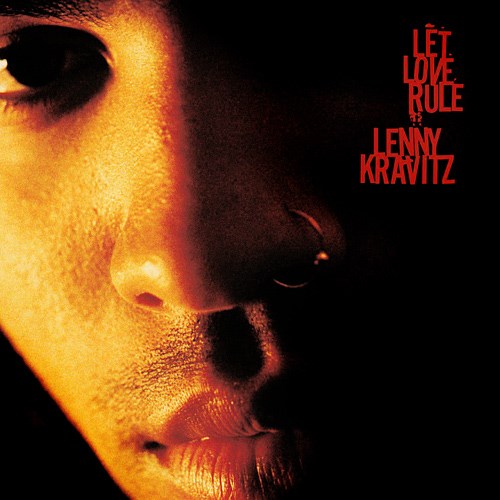
Lenny Kravitz – Let Love Rule

This sounded older when it was released in 1989 because it has a 60s psychedelic sound which some critics complained about…it’s the reason that I liked it. Lenny plays a lot of the instruments his self. The song peaked at #89 in the Billboard 100 and #39 in the UK in 1989.

A little trivia for you about Lenny…his mom was Roxie Roker from the tv show The Jeffersons.

From Songfacts.

Lenny Kravitz in a 1998 interview with Tracey Pepper: “When I did ‘Let Love Rule,’ everyone said what a naive piece of s–t it was. Journalists would ask, ‘Don’t you feel funny singing about that?’ and I was like, If I were sitting here singing about the devil and raping children, then it’d be okay? God forbid you sing about love. It’s a lost concept.”

This song is Kravitz’ credo. “Love has to be the final outcome of every situation,” he said.

This was the title track from Lenny Kravitz’ debut album on which he provided almost all of the instrumental and vocal material himself. However when it was released many critics condemned him for being an out of date throwback to late ’60s psychedelic rock.

Lenny Kravitz’s then-wife Lisa Bonet directed and appeared in the music video for this song.

The singer was persuaded by his style-star daughter Zoe Kravitz to develop a new line of shoes for Tom’s. Amongst his designs, which debuted in 2012 were footware printed with lyrics from this song.


Let Love Rule

Love is gentle as a rose 
And love can conquer any war 
It’s time to take a stand 
Brothers and sisters join hands 

We got to let love rule 
(Let love rule)
We got to let love rule 
(Let love rule)

Love transcends all space and time 
And love can make a little child smile 
Oh can’t you see 
This won’t go wrong 
But we got to be strong 
We can’t do it alone 

We got to let love rule 
(Let love rule)
We got to let love rule 
(Let love rule)

(Let love rule)
You got to got to got to 
(Let love rule)

You got to got to got to, yeah 
(Let love rule) let let let let love rule 
(Let love rule)

You got to, got to, got to 
Just say yeah 
You got to yeah 
You got to 
You got to, got to, got to yeah 
Let love rule

Drive-In Movie Theaters

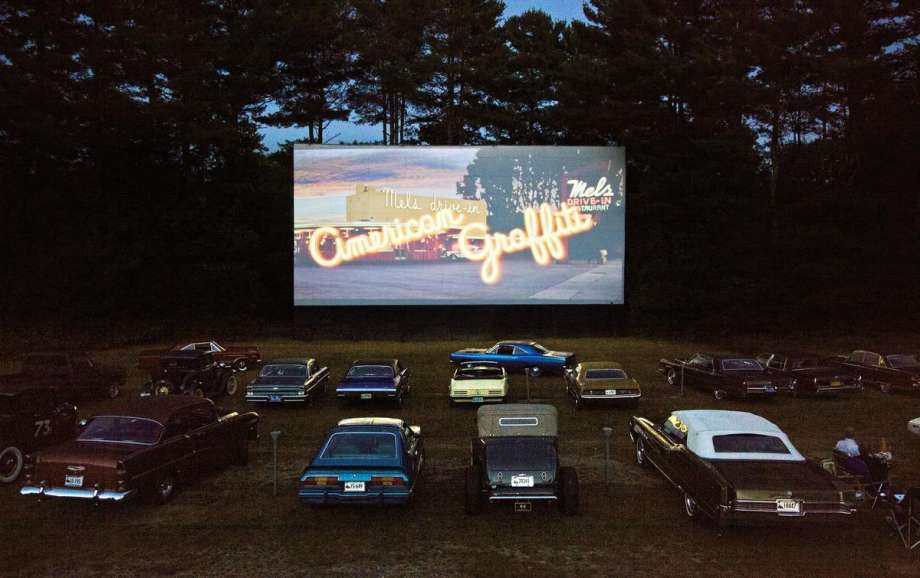
I remember Drive-In Theaters from way back. My sister is 8 years older than I am. When she was 16 I was 8 and mom made her take me with her on dates and that included the Drive-In. Most Drive-Ins charged by the person so guess where I was located? A mile up from the Drive-In I would know the routine…I would climb in the trunk. I remember smelling the old dirty tire and whatever else…I would hear us roll over the gravel and then the car would stop…my sister would let me out.

I would climb in the back seat and start watching. Although I make fun of her for this I actually enjoyed it. It was fun to do as a kid. I was a laid-back kid anyway. I remember the only movie showing one time was an R rated movie. It was called “Revenge of the Cheerleaders” from 1976…I got quite an education on the female anatomy. She would tell me don’t look now… then she and her date would go out and talk to friends parked around. I was of course looking and I never told mom…I knew I would not get to come back if I told her.

There are a few around here and once in a while, we will go see them. No Cheerleaders though.

In 1933, eager motorists park their automobiles on the grounds of Park-In Theaters, the first-ever drive-in movie theater, located on Crescent Boulevard in Camden, New Jersey. Richard Hollingshead opened it up. He thought of it because his mother was to large for theater seats. He charged just 25 cents per car.

The Drive-In didn’t really take off until the in-car speakers were invented by the late 40s. By 1958, the number of drive-ins peaked at 4,063.

Indoor theaters were more practical because they could show a movie 5-6 times a day and not have to worry about the weather or being light so the Drive-In’s started to get B movies (Revenge of the Cheerleaders!) and the fad started to slow down. Also, land value pushed the Drive-In’s out.

Now there are roughly 400 Drive-Ins left in America.

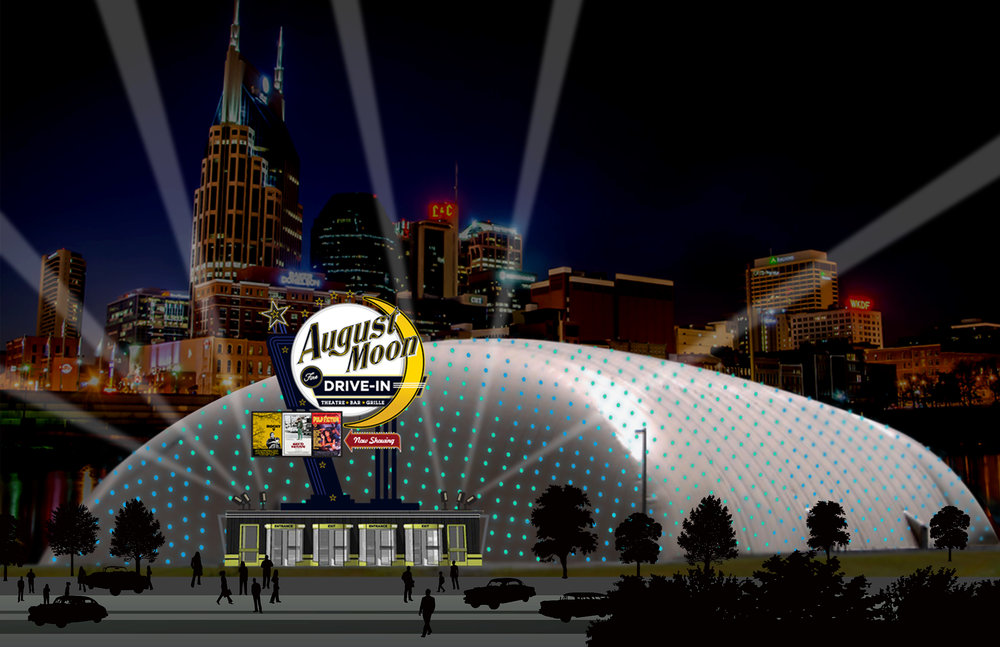
In Nashville, they are building an indoor Drive-In Theater. When it is finished I will check it out. You will not drive in with your car…you will walk in and sit in one of the classic cars they will have ready for you…I’m ready…but no trunks

A rendering of the August Moon Drive-In theater planned

dome3_web.jpg

https://www.youtube.com/watch?v=HCdUkujZxt8&ab_channel=AugustMoonDrive-In

Defunct Restaurant Chains

Some of these restaurant chains,  people will remember some won’t because it depends on where you live and if any were in your market. A few may have a handful open with Franchisees but for the most part, they are closed.


Steak and Ale -1966 – 2008   I liked the Mock Tudor building and the atmosphere inside…the food was good. They are trying to make a comeback…I hope they make it. Last time I ate at one was in the 90s in Huntsville Alabama.

Image result for steak and ale logo


Burger Chef – 1954 – 1996    They had over 1200 locations at one time. Many were bought out and turned into Hardees.

Related image


Rax Roast Beef 1967 – (handful open now)   I liked the Roast Beef but the best thing was the chocolate chip milkshake. There are a few lone Franchisees left. I remember going to them in the 80s.

Image result for Rax logo

Minnie Pearl’s Fried Chicken  1968 to mid-1970s – How-dee-licious…indeed. It was actually really good. When I was in 2nd grade we would go to one in a nearby town once in a while…really good chicken… it went down because of faulty accounting… Great article here.

Image result for Minnie Pearl's Fried Chicken logo

Bennigan’s 1976 – (Bennigan’s and Steak and Ale making a comeback together)  An Irish Pub theme restaurant. I went there a few times. There are a few locations left…

Related image

Red Barn – 1961-1988 They were known for the “Big Barney” and Barnbuster burger. I see an old Red Barn where I work and now it’s a Mexican restaurant.

Related image

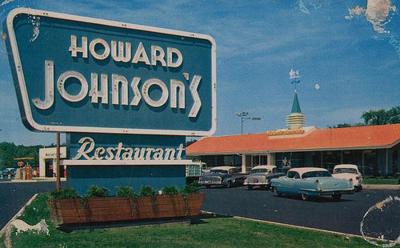
Howard Johnson’s Restaurant – 1953-2017   I do remember eating at a few of these traveling.  In 2017 there was one left in New York but the owner was arrested and now it’s closed.

Image result for Howard Johnson's Restaurant

LUMS – 1956-1982  I did go to one but I was really young and traveling at the time.

Image result for lums restaurants

Bonanza Steak House – 1963 – 2008 (bankruptcy) There are a few of these left… these and Ponderosa… Dan Blocker (Hoss Cartwright) was an original investor. In the late seventies before we would go to a movie we would stop at a Bonanza. I did go to a Ponderosa a few years back.

Image result for bonanza steakhouse logo


https://www.youtube.com/watch?v=kJ5vxTyLnQc&ab_channel=DHeine


Wiffle Ball was a Blast

I had almost as much fun playing wiffle ball as a kid as I did little league. I was completely into playing baseball with friends or for years in leagues until I was 16. In my front yard, we would play wiffle ball until dark. If only one friend was over that was enough… we could still play. Hit it over the house, a home run…hitting a window, a double, in the creek a triple… etc.

You didn’t have to worry about breaking a window or knocking your buddy out while pitching as fast as you could. You would learn how to grip it and you could make it curve, rise, or sink a ridiculous amount. We would play for hours until night or until the ball was stuck on the roof or in a tree.

In the late 70s and 80s it was a fun alternative to playing baseball when not enough friends were around or you had to play in a neighborhood full of houses with nice big windows.

Image result for Wiffle Ball curve gif

In 1953, David N. Mullany was watching his 12-year-old son and some friends playing a baseball-like game with a perforated plastic golf ball and a broomstick in their backyard. The boys tried throwing curveballs and sliders but with no success. They couldn’t use a baseball because of the trail of broken windows and upset neighbors.

Mullany, who had been a semipro pitcher himself, knew all too well what thousands of Little Leaguers have had to painfully learn. Nothing shreds a young arm quite as effectively as throwing breaking balls. Mullany set about trying to save the boys’ shoulders and elbows by creating a ball that would curve and bend on its own.

He tried a hard plastic ball that served as packaging for Coty perfume. After having the boys experiment with various designs, Mullany hit on the Wiffle Ball we now know and love.

Mullany’s son and his friends referred to strikeouts as “whiffs.” Since the new invention made knee-buckling curveballs a breeze to throw, pitchers started racking up the strikeouts. Mullany named the product the Wiffle Ball to honor its strikeout-friendly breaks.

When they started to advertise them they would use old photographs of MLB players. The Mullanys later explained in interviews that doing actual photo shoots with the players would have been too pricey, so they just negotiated with players’ agents and then used any old photograph.

Image result for first wiffle ball box


The slots on one side make the ball curve and rise. Just like a real baseball…the more scuffs a ball has the more it can curve. They have Wiffle Ball leagues now where players play competitively.


http://www.wiffle.com/pages/welcome.asp?page=welcome


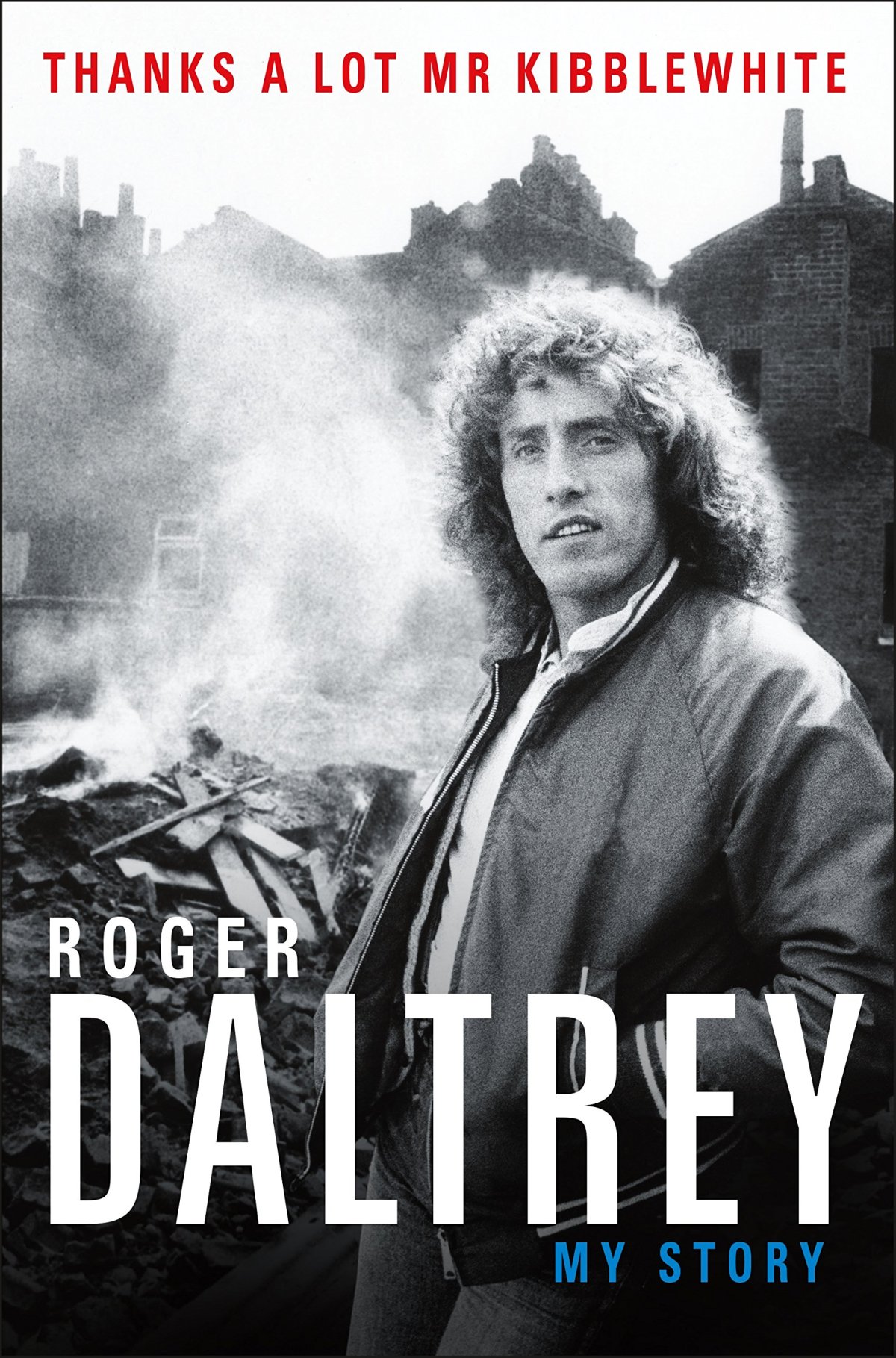
Thanks A Lot Mr. Kibblewhite: My Story Roger Daltrey

I just finished the audio version of this book. I’m a huge Who fan and I was looking forward to it. It was nice to hear the book narrated by Roger himself. It’s a solid book but I have only one complaint that I will get into below.

The positive about the book is you find out more about the different personalities of the Who and the reason they fought. Pete the artist, John the dark one, Keith the lunatic, and Roger blue-collar man of the band. We all knew those descriptions before but Roger tries to explain how it worked and didn’t work as a band. If you want to know The Who’s impact on rock music and culture go to Pete Townshend. If you want to get straight to the point with just the highlights…Roger is your man.

Roger is grounded, avoided most of the pitfalls in his profession,  hard-working, and loves interpreting Pete’s music to the world. He goes into how he changed his singing style with Pete’s writing. How he became Tommy and the mod in Quadrophenia. He hits the highlights of The Who and his life without the Who in the 80s and part of the 90s.

The strongest part of this book is about his childhood and his collection of relatives. Roger seems very approachable, likable, and down to earth. Roger was the one constant in the band that you didn’t have worry about his on tour activities. He does talk about the high points of the Who and his acting career.

My biggest complaint is the book is too short. You get the impression that he didn’t think that anyone would want to hear any details whatsoever.  He does give you some good stories but touches a subject and quickly leaves. It’s almost a cliff notes version as he didn’t dwell in any period long.

It is a quick and enjoyable read but leaves you wanting more.


A Quick visit to Captain Kangaroo

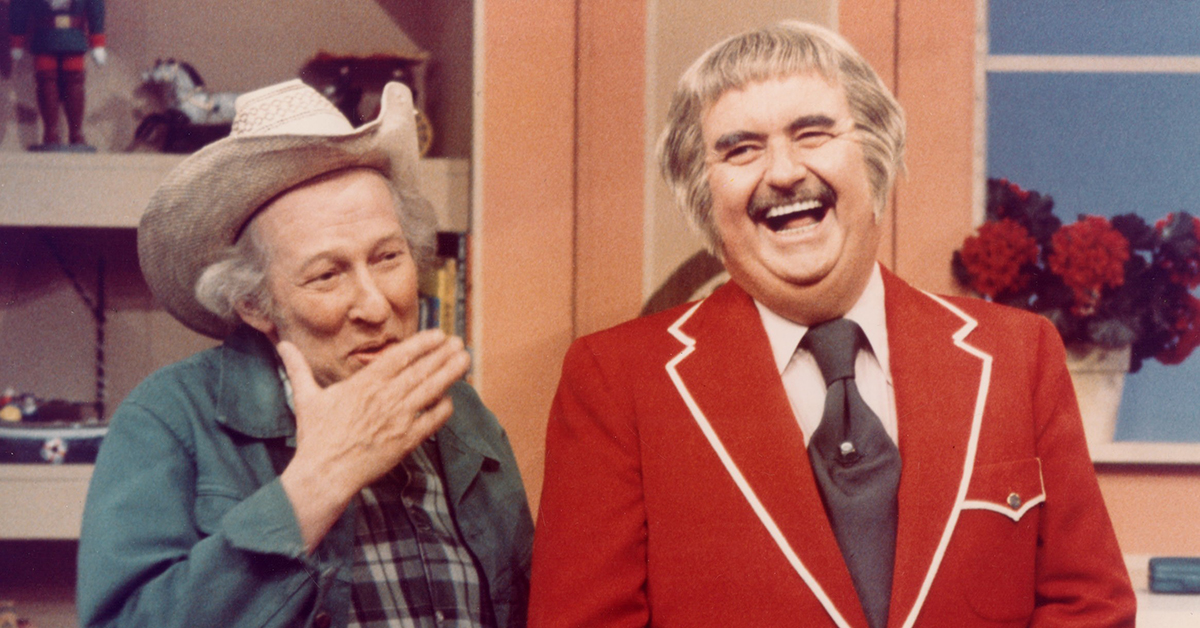
Bob Keeshan played Clarabell on the Howdy Doody Show. In 1955 CBS offered Keeshan his own children’s show, which became Captain Kangaroo. Captain Kangaroo ran from 1955 to 1984. The show spanned many generations of kids during that time.

Keeshan was Captain Kangaroo and every morning I would look forward to seeing The Captain, Mr. Green Jeans, Bunny Rabbit, Dancing Bear, and Mr. Moose. I knew that Mr. Moose was setting the Captain up for the ritual ping-pong drop on the Captain’s head that never got old.

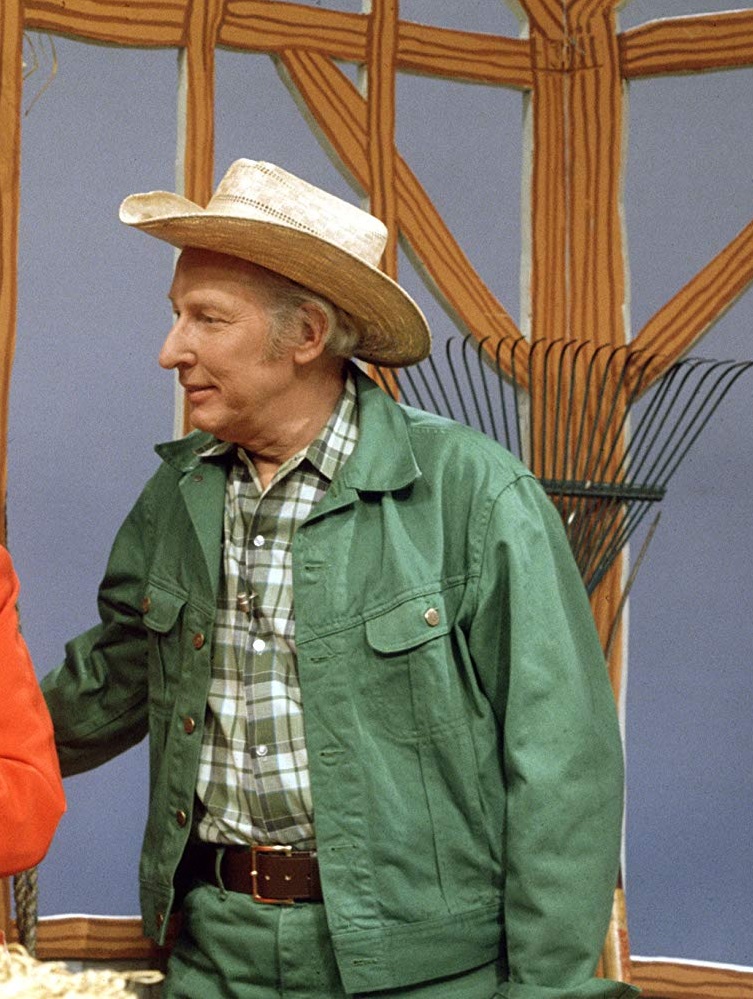
Mr. Green Jeans (Hugh Brannum) would have different animals at times to show. He also portrayed the Professor, Greeno the Clown, the New Old Folk Singer, and Mr. Bainter on the show.

The Painter was played by Gus “Cosmo” Allegretti who also handled the puppets and Dancing Bear.

Untitled.jpgRelated image

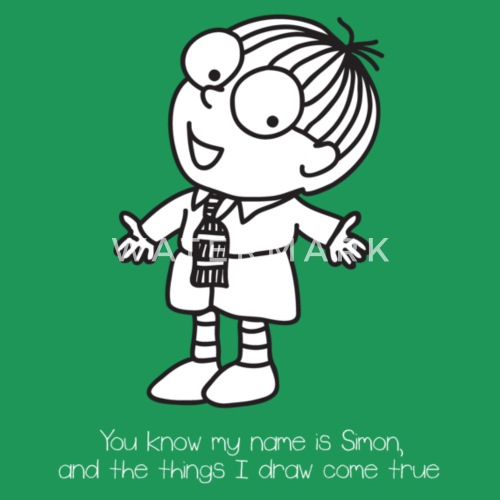
One one of my favorite sections was the cartoon “Simon in the Land of Chalk Drawings” that would appear on some shows. Simon had a magic blackboard and anything he drew became real.

Image result for Simon in the Land of Chalk Drawings

Mr. Moose could be a slight smart aleck so I did like him. He also hung out with Bunny Rabbit and the Dancing Bear.

Related image

Captain Kangaroo’s place with his cast of characters was a nice place to visit as a kid.

https://www.youtube.com/watch?v=y4XowTrYWZM&ab_channel=MSP1589

The 50’s Revival in the 1970’s

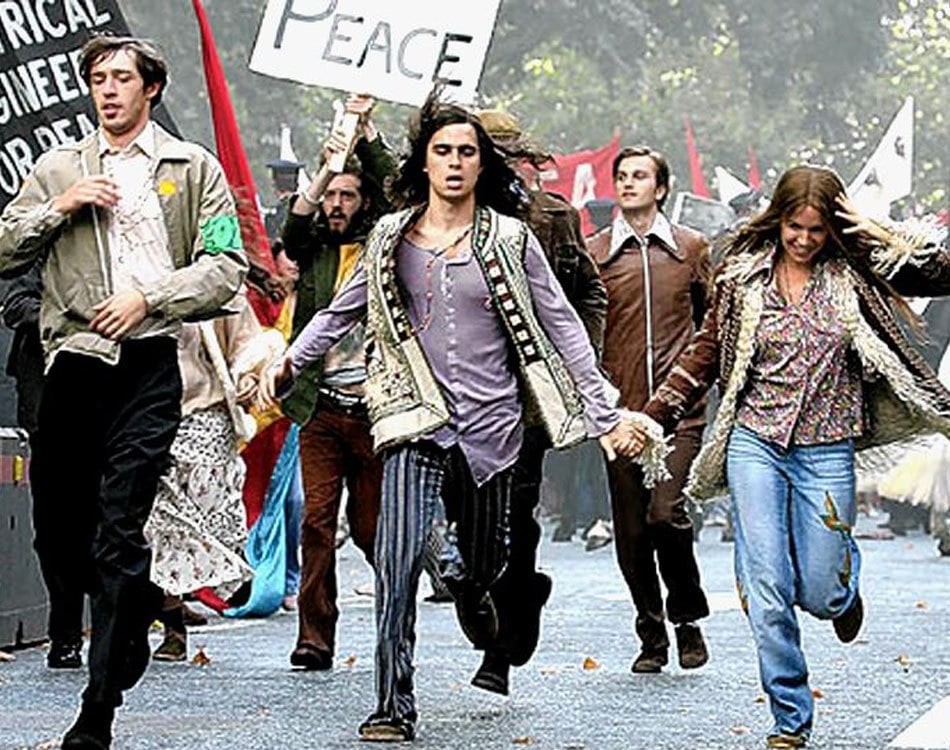
When the Beatles arrived in 1964, the short hair and car hops of the fifties were going away. The sixties in some ways liberated people from the fifties for better or worse. The crew-cuts and simple times were giving way to Vietnam and the social unrest of the sixties.

Image result for Hippies 60s

Slowly as the sixties started to come to a close the fifties started to peak in again.

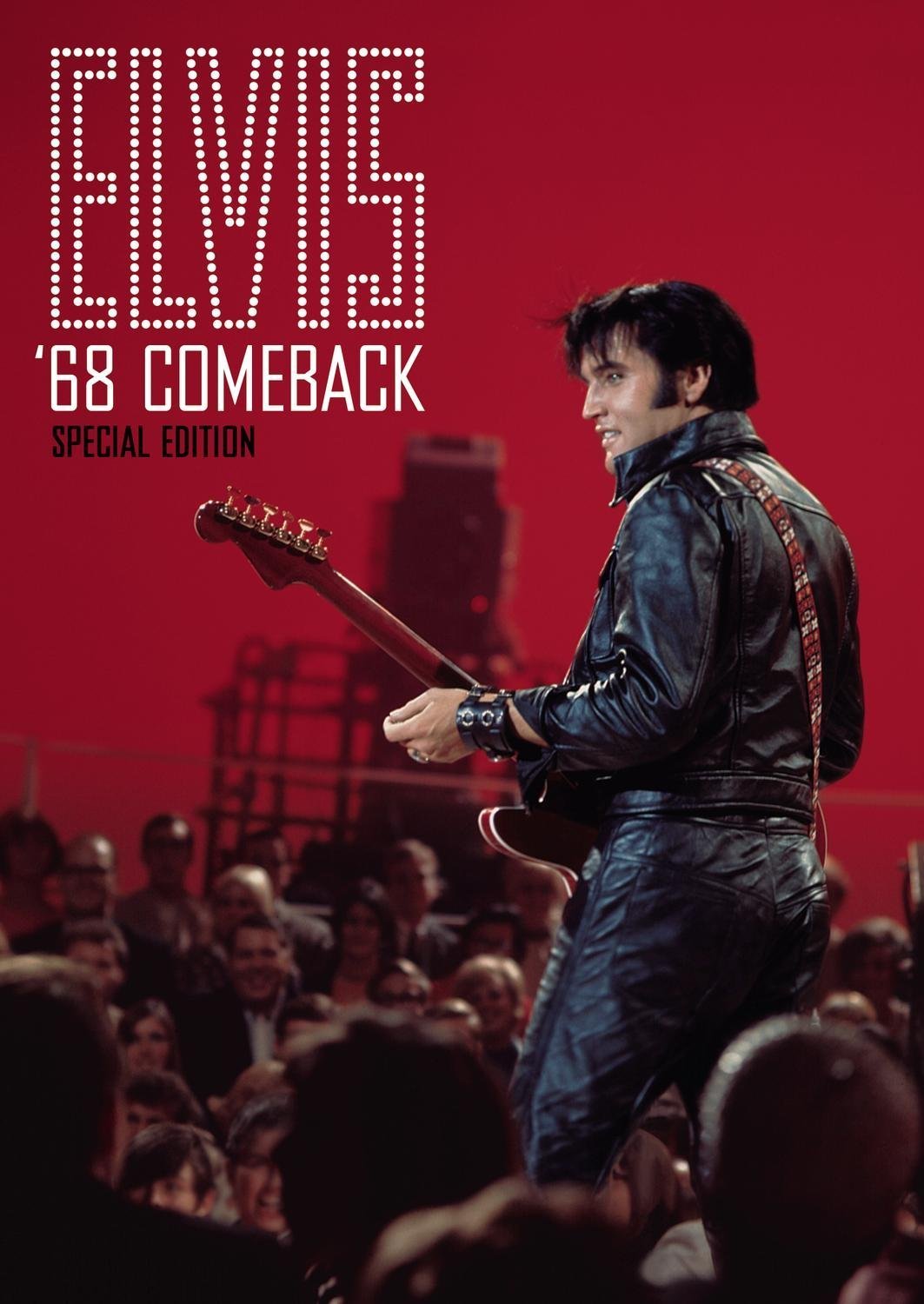
In the late sixties, Sha Na Na started their act and even toured with well-known acts. Fats Domino, Little Richard, Jerry Lee Lewis’s popularity grew and Elvis started to make music again instead of soundtracks with his 1968 comeback special. In 1971 a disc jockey name Jerry Osborne started an “oldies” format on FM radio in Phoenix, Arizona and it was successful and other emulated it around the country.

Image result for elvis comeback

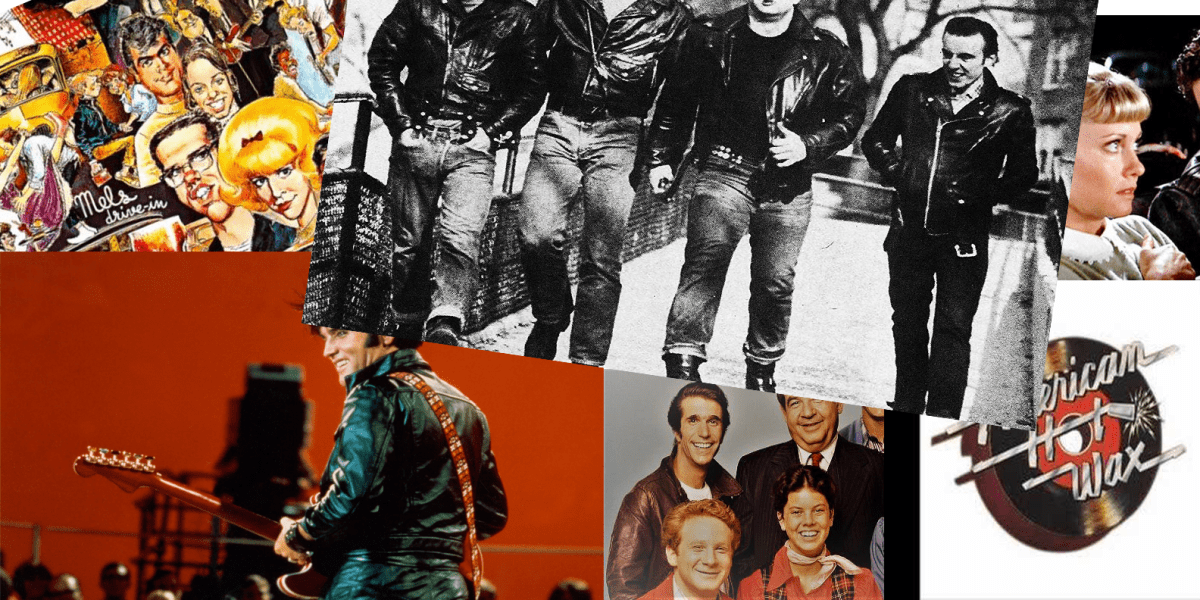
In 1972 “Grease” a musical that took place in 1959 debuted on Broadway. In 1973 George Lucas came out with  American Graffiti and boom really started. The soundtrack to American Graffiti peaked at #10 in the Billboard 100 in 1973. Happy Days debuted the following year and fifties music was gaining in popularity.

Image result for american graffiti musicImage result for happy days

A spin-off from Happy Days Laverne and Shirley, also set in the fifties, was a huge success and still is syndication to this day. In 1974 the 50s era movie The Lords of Flatbush with the pre-Rocky Sylvester Stallone and Henry Winkler of Happy Days.

Image result for lords of flatbush

In 1977 Sha Na Na started a variety show…Unfortunately I remember this…

In 1978, two big fifties era movies were released. Grease and American Hot Wax which featured performances by Chuck Berry, Jerry Lee Lewis, and Screamin’ Jay Hawkins. Styles seem to recycle every 20 years or so but in the 1970s the fifties revival was really strong. Maybe it was a want for a more simpler time.

The 1972 London Rock and Roll Show

Eddie Cochran 50s Guitar Hero

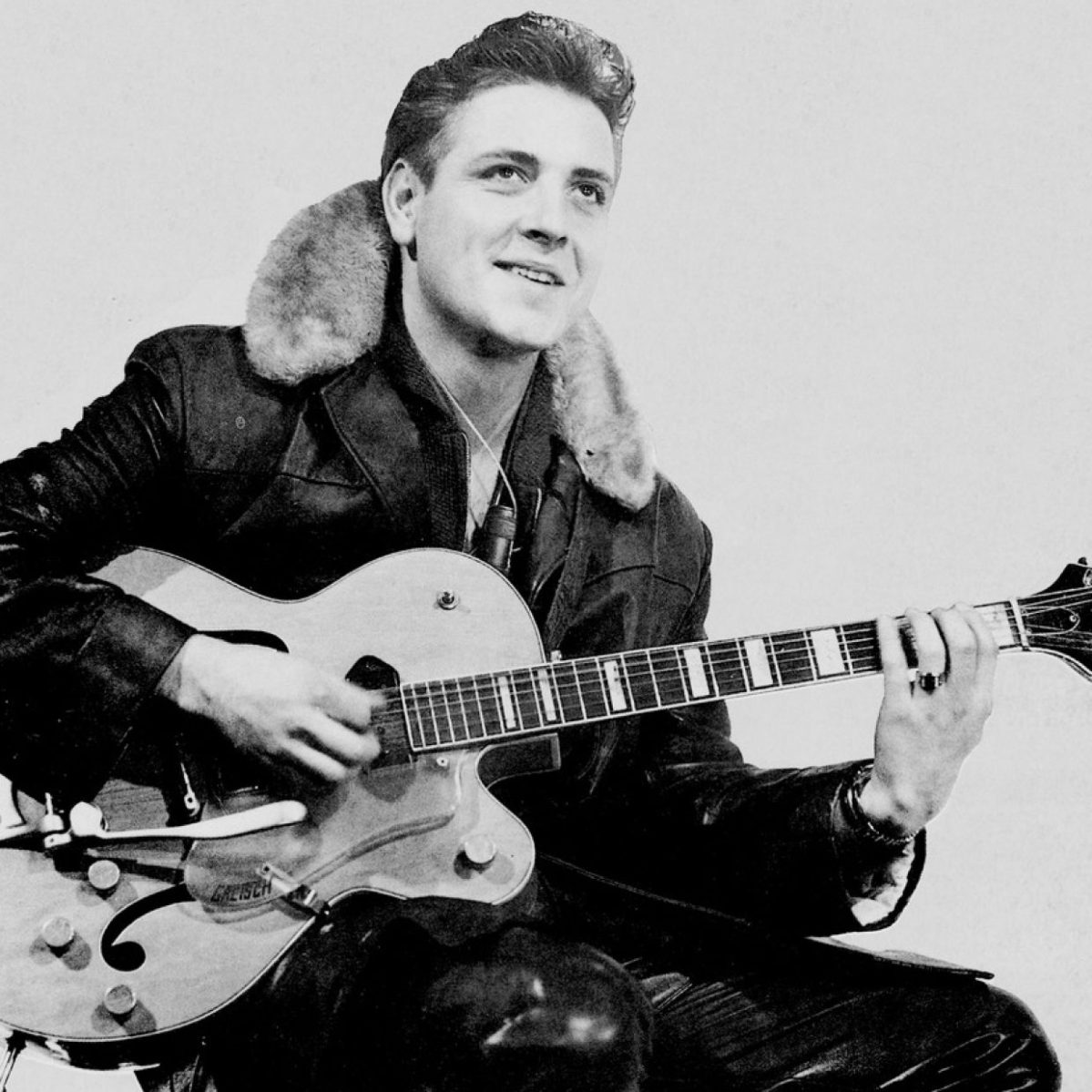
I got to know Eddie Cochran’s music through The Who. The Who covered Summertime Blues and I wanted to know where that came from…I read about his influence on the Beatles but never heard anything from him until the mid-eighties when I bought one of his compilation albums.

Eddie Cochran was a huge influence for the up and coming British guitar players of the sixties. Jimmy Page, Jeff Beck, John Lennon, and Pete Townshend. He was huge in the UK. He was one of the big 50s guitar heroes. He broke through with the song “Summertime Blues” in 1958 that peaked at #8 in the  Billboard 100 and he also did well with C’mon Everybody. He was never really big in America… he was a bigger star in Europe.

He didn’t use his guitar as a prop like some did…he played it and played it well. He also worked as a session musician. He helped bring rock guitar along in more ways than just his playing. He was one of the first to modify his pickups and he did away with the wound G string on the guitar. He replaced it with an unwound string which made it easier to bend. Many future musicians were paying attention, sitting on the front row of his British tour.

His influence can be heard throughout rock and roll…It was because Paul McCartney knew the chords and words to “Twenty Flight Rock” that impressed John Lennon to asked Paul to become a member of the Quarrymen.

During a British tour in 1960, Eddie Cochran, Gene Vincent, Sharon Sheeley (Eddie’s fiancé), and tour manager Pat Thompkins were in a taxi. They were leaving a show in Bristol, England to go to the London Airport…the taxi hit a lamp post and Eddie was thrown from the car and suffered a head injury and died in a hospital. He was only 21 years old. Gene Vincent received injuries to his already bad leg and walked with a limp after the crash. Eddie was the only one to die.

Sharon Sheeley was a songwriter. She wrote Ricky Nelson’s first hit “Poor Little Fool” and a couple of songs (Love Again and Cherished Memories) for Cochran.

There are a couple of stories about Eddie’s Gretch guitar. A 13-year-old Marc Feld met Cochran outside the Hackney Empire, a theater in the London borough of Hackney, where Cochran had just played a concert. Cochran allowed the boy to carry his guitar out to his limousine. Later Marc Feld would be known as… Marc Bolan of T Rex.

After the crash the guitar was impounded at a London police station…a young policeman used it to teach himself how to play. That policeman’s name was David Harman, but he would soon change his name to Dave Dee and help start a band called Dave Dee, Dozy, Beaky, Mick & Tich…One of the soon to be British Invasion bands.

eddiecochran.jpg

Bill Haley and His Comets

I’ve always liked Bill Haley and His Comets. I liked the pattern of his vocals and the tone of his guitar. He is sometimes referred to as one of the Fathers of Rock and Roll. Happy Days where I discovered Bill Haley and also Fats Domino.

Haley was blinded in his left eye as a child due to a failed operation. Haley later adopted his distinctive spit-curl hairstyle to distract attention from his blind eye. The hairstyle caught on as a 50s-style haircut.

Bill Haley is overlooked constantly. He was one of the firsts to play Rock and Roll but he didn’t exactly have the Elvis look. He was 30 in 1955 but looked much older. He looked like someone’s dad playing rock and roll but he had some of the iconic songs of the 1950s.

In 1953 he recorded the song “Crazy Man, Crazy” and it peaked in the charts at #15. It is said by some to be one the first rock and roll songs. In 1954 came the breakthrough song “Rock Around The Clock” that went to number 1. Other hits included “Shake Rattle and Roll” and “See You Later, Alligator” that was a hit in 1956.

His popularity started to decline in America with the emergence of Elvis but he was huge in Europe when he toured there in 1957. They had many more top twenty hits in the UK than in America.

A self-admitted alcoholic, Haley fought a battle with alcohol well into the 1970s but he and his band continued to be a popular touring act. He enjoyed a career resurgence in the late 1960s with the rock and roll revival movement. “Rock Around the Clock” recharted again in 1974 at #34 on the Billboard 100.

Haley was diagnosed with a brain tumor in 1980 and he passed away on February 9, 1981. Haley was posthumously inducted into the Rock and Roll Hall of Fame in 1987.

Over 100 musicians were in the Comets from 1952-1981 and The Comets kept touring until the 2000s…

Rock Around the Clock

One, two, three o’clock, four o’clock, rock
Five, six, seven o’clock, eight o’clock, rock
Nine, ten, eleven o’clock, twelve o’clock, rock
We’re gonna rock around the clock tonight
Put your glad rags on and join me, hon’
We’ll have some fun when the clock strikes one
We’re gonna rock around the clock tonight
We’re gonna rock, rock, rock, ’til broad daylight
We’re gonna rock, gonna rock, around the clock tonight
When the clock strikes two, three and four
If the band slows down we’ll yell for more
We’re gonna rock around the clock tonight
We’re gonna rock, rock, rock, ’til broad daylight
We’re gonna rock, gonna rock, around the clock tonight
When the chimes ring five, six and seven
We’ll be right in seventh heaven
We’re gonna rock around the clock tonight
We’re gonna rock, rock, rock, ’til broad daylight
We’re gonna rock, gonna rock, around the clock tonight
When it’s eight, nine, ten, eleven too
I’ll be goin’ strong and so will you
We’re gonna rock around the clock tonight
We’re gonna rock, rock, rock, ’til broad daylight
We’re gonna rock, gonna rock, around the clock tonight
When the clock strikes twelve, we’ll cool off then
Start a rockin’ round the clock again
We’re gonna rock around the clock tonight
We’re gonna rock, rock, rock, ’til broad daylight
We’re gonna rock, gonna rock, around the clock tonight

Al Kooper: Backstage Passes Backstabbing Bastards

This is an autobiography of Al Kooper. Al has worked with many people in the music industry. He was a songwriter, musician, producer, A&R man and everything in between.

His book is well written and Al uses humor all the way through.

A few of his career highlights are helping to form Blood, Sweat, and Tears, playing the organ on “Like a Rolling Stone” (although he didn’t know how to really play organ), organized the Super Sessions with Stephen Stills and Mike Bloomfield, found and signed a band while in Atlanta named Lynyrd Skynyrd. While in Atlanta he started a record label called “Sounds of the South” in conjunction with MCA records.

He goes over working with Lynyrd Skynyrd and how their first three albums were recorded and why they parted company. Another band that he signed was Mose Jones who was going to be his Beatles type group to counterpoint the Lynyrd Skynyrd Stones sound for his label. Mose Jones ended up being ignored my MCA.

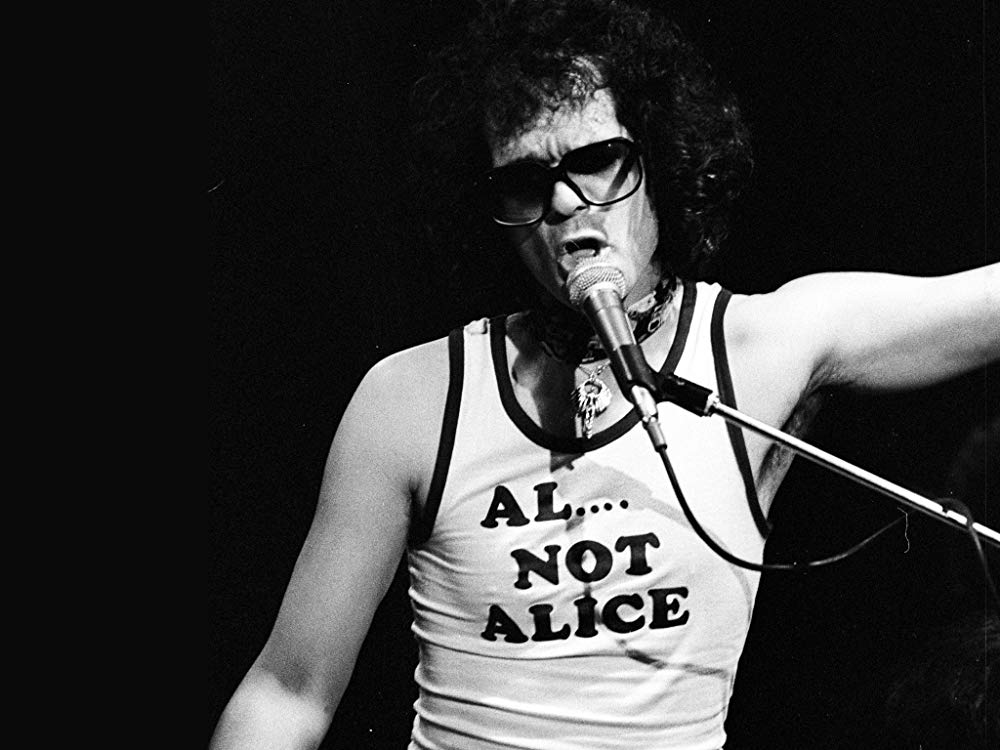
There is so much musical history this man was involved in…he makes light of getting called Alice Cooper on many occasions.

In Al Kooper’s words 

Let’s clear the air.
This is not a book by or about Vincent Furnier (né Alice Cooper.) It is a book by and about Al Kooper. If you don’t know who Al Kooper is, that’s fine. But don’t let that stop you from perusing these eye-opening accounts of encounters with Bob Dylan, Jimi Hendrix, Gene Pitney, The Royal Teens, Bill Graham, Quincy Jones, Blood, Sweat & Tears, Mike Bloomfield, The Rolling Stones, Lynyrd Skynyrd, George Harrison, Miles Davis, The Tubes, Nils Lofgren, Stevie Ray Vaughan, and all the other wonderful people I’ve been fortunate enough to cross paths with over the last forty years.

What was really interesting to me is he shared the same manager (Stan Polley) as Badfinger and was able to get out of his clutches with at least some of his money intact. I picked the book up cheap and I really have enjoyed it. I would recommend this to music fans. Many funny stories and he is such a talented musician.

Another quote from Kooper on the Like A Rolling Stone Session… Tom Wilson was the producer who knew Kooper didn’t normally play the organ.

Thirty seconds into the second verse of the playback, Dylan motioned toward Tom Wilson. “Turn the organ up,” he ordered. “Hey, man,” Tom said, “that cat’s not an organ player.” Thanks, Tom. But Dylan wasn’t buying it: “Hey, now don’t tell me who’s an organ player and who’s not. Just turn the organ up.” He actually liked what he heard!

Al Kooper and Bob Dylan

alkooper bob.jpg

George Harrison, Ringo Starr, Barbara Bach, and Al Kooper

alkoopergeorgeharrison.jpg

Jimi Hendrix and Al Kooper

alkooper_jimihendrix.jpg

Al Kooper…he wanted to set the record straight

alkooperalice.png.

some Leave It To Beaver moments

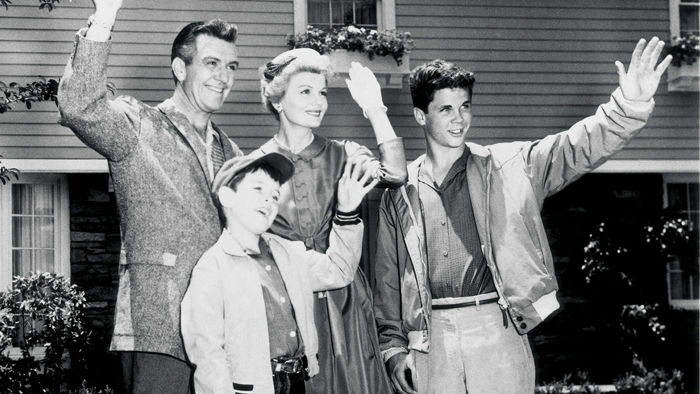
Last winter I binge watched some Leave It To Beaver episodes. I remember watching them as a child in the afternoons in syndication. My wife and I were watching them and I was thinking to myself it would probably not age too well. I was pleasantly surprised.

The show really had some good writers. They caught kids being kids and it holds up today minus the cell phones, video games, and modern distractions. They do catch how kids think and feel and also parents. Yea sometimes it could be a little too perfect but the writers would surprise me… Eddie Haskell. The name has lived on beyond the show. Everyone knows an Eddie Haskell.

In one episode the boys are playing basketball and June Cleaver is making sandwiches for them all. Eddie tells Mrs.Cleaver that he is allergic to mayonnaise. June doesn’t like Eddie and it’s clear in this episode…what does she do? She loads Eddie’s sandwich up with mayonnaise.

In another episode, the Cleavers get new neighbors and the wife of the neighbor kisses Beaver…Eddie tells him the husband is going to get Beaver back for kissing his wife. Later on, Beaver asks Ward a question about kissing women. This was more for the adults.

Theodore Cleaver: Dad, you’re a married man, aren’t you?
Ward Cleaver: Yeah, I think we’re safe in assuming that.
Theodore Cleaver: And Mom’s a married woman, isn’t she?
Ward Cleaver: Oh, yes.
Theodore Cleaver: Have you ever kissed any other married woman besides Mom?
Ward Cleaver: Well… now, Beaver, why would you ask a question like that?
Theodore Cleaver: I’m just wondering.
Ward Cleaver: Well, actually son, No.
Theodore Cleaver: I guess you were scared to, huh?
Ward Cleaver: Yeah, that’s as good a way as any to sum it up, I guess.
Theodore Cleaver: I guess a guy could get in a lot of trouble doing that, huh?
Ward Cleaver : [a wistful smile crosses Ward’s face]  He sure could.

The Beaver had a great friend in Larry Mondello. Larry was on the show for a few seasons and then left. Larry would sometimes leave Beaver holding the bag but for the most part, he was good to him. On the other hand, his friends Gilbert and Whitey would trick the gullible Beaver. Again we have all known Gilberts and we have all had a Larry Mondello friend.

This show gets made fun of at times but after watching some as an adult…it is a solid and well-written show and the choices they make work for today also.

My favorite episode? In The Soup… Whitey again tricks the Beaver into climbing into the Billboard soup bowl.

in the soup.jpg


Fats Domino

Antoine “Fats” Domino Jr. was not flashy and wild like some of his 1950s peers such as Elvis, Little Richard, and Jerry Lee Lewis. The first I heard of Fats Domino was on “Happy Days” and the song Blueberry Hill. I was at a relative’s yard sale when I was a kid and was given his greatest hits.

Domino was the youngest of eight children in a musical family, he spoke Creole French before learning English. At age 7 his brother in law taught him how to play the piano. By the time he was 10, he was already performing as a singer and pianist.

Fat’s first hit in the Billboard 100 was the great “Aint That A Shame” in 1955 written by  Fats Domino and Dave Bartholomew that peaked at #16 and his last charting song was a cover of the Beatles “Lady Madonna”(great version) that peaked at #100 in 1968. He had 45 songs in the top 100 and 4 top 10 hits…many more top 10 hits in the R&B Charts.

My favorite song by him is “I’m Walking” because it’s so simple but yet effective. The odd beat sounds modern and it hooks you. He was inspired to write the song when his car broke down and someone said “Hey Fats Domino is Walking” and he thought to himself…Yea I’m walking.

Ricky Nelson covered the song and it went to number 4 on the charts.

What is sad to me is Pat Boone covered Aint That a Shame and it went to number 1 while Fat’s version only made it to 16 in the same year. That was the era where some parents would buy their kids the Pat Boone version of the song and the kids would hide their self-bought Fats Domino version… Same went with Little Richard also.

Domino received The Lifetime Achievement Grammy, a National Medal of the Arts from President Bill Clinton and the induction into the Rock and Roll Hall of Fame. Fats semi-retired in the 80s and said he would not travel outside of New Orleans.

During Hurricane Katrina, he lost most of his possessions and him and his family were rescued by the coast guard. He unselfishly made many personal appearances to raise money for the hurricane relief. His house was hit hard and he lost his National Medal and gold records but George Bush gave him another medal to replace the lost one and the RIAA gave him replacement gold records.

To raise money for repairs for his own home, friends and fellow musicians recorded a tribute album, Goin’ Home: A Tribute to Fats Domino, featuring the likes of Robert Plant, Elton John, and Sir Paul McCartney. He as living in New Orleans at the time of his death on October 24, 2017.

He was a huge influence on The Beatles, Elton John, Robert Plant, Randy Newman, and Elvis even called Fats “The King.”

Here is an article stating that Fats Domino helped start “ska” music. 

https://www.youtube.com/watch?v=-rOuwEYTvYk&ab_channel=jukejointjohnny48

I’m Walking
I’m walkin’, yes indeed, and I’m talkin’ ’bout you and me
I’m hopin’ that you’ll come back to me (yes)
I’m lonely as I can be, I’m waitin’ for your company
I’m hopin’ that you’ll come back to me
What ‘ya gonna do when the well runs dry?
You’re gonna run away and hide
I’m gonna run right by your side, for you pretty baby I’ll even die
I’m walkin’, yes indeed, I’m talkin’ ’bout you and me
I’m hopin’ that you’ll come back to me
I’m walkin’, yes indeed, and I’m talkin’ ’bout you and me
I’m hopin’ that you’ll come back to me (yes)
I’m lonely as I can be, I’m waitin’ for your company
I’m hopin’ that you’ll come back to me
What ‘ya gonna do when the well runs dry?
You’re gonna sit right down and cry
What ‘ya gonna do when I say bye-bye?
All you’re gonna do is dry your eye
I’m walkin’, yes indeed, I’m talkin’ ’bout you and me
I’m hopin’ that you’ll come back to me

The Buddy Holly Influence

Buddy Holly’s music is still relevant almost sixty years after he passed away in 1959. He didn’t have a big voice like Elvis, Little Richard or some of his peers but he wrote and crafted beautiful melodies for his voice to weave through.

I consider him the beginning of power pop. His Fender playing a clean jangling melody. Songs like Maybe Baby, Peggy Sue, and Words of Love influenced future artists like The Beatles, Hollies, Bob Dylan, and the list is endless. He wrote his own songs and is still influencing artists today with a career that only lasted 18 months.

You can hear Buddy in everyone from  Marshall Crenshaw, The Byrds, Tom Petty to Nick Lowe. His songs have been covered by The Beatles (Words of Love), Linda Ronstadt (That’ll Be The Day), and The Rolling Stones (Not Fade Away).

Not only was he a great songwriter but also a great producer and he would have only gotten better. Unlike a lot of his fifties counterparts, I really believe that Buddy Holly would have fit in the music scene post Beatles. I think his best songs were in front of him. Most of his music transcends the fifties and would have fit nicely in the sixties.

His voice was also important. The inflection in his voice was part of his style and the whole package. He could make it rough with Oh Boy or sweet with Everyday. He was never a sex symbol like Elvis… people related to this tall skinny guy with glasses. You didn’t have to look like Elvis or be wild like Jerry Lee Lewis to make it.

Sometimes I forget how big of an influence he left until I start listening to him again and hear the artists that followed him.

John Lennon on Buddy Holly

 “Buddy Holly was the first one that we were really aware of in England who could play and sing at the same time – not just strum, but actually play the licks” 

Paul McCartney on Buddy Holly

 “I still like Buddy’s vocal style. And his writing. One of the main things about The Beatles is that we started out writing our own material. People these days take it for granted that you do, but nobody used to then. John, I started to write because of Buddy Holly. It was like, ‘Wow! He writes and is a musician'” 

Bob Dylan on Buddy told to Robert Shelton

“Buddy Holly was a poet”  “Way ahead of his time.”

Bob Dylan Accepting a Grammy for Album of the Year for “Time Out Of Mind” in 1998,

“And I just want to say that when I was sixteen or seventeen years old, I went to see Buddy Holly play at Duluth National Guard Armory and I was three feet away from him…and he looked at me. And I just have some sort of feeling that he was — I don’t know how or why — but I know he was with us all the time we were making this record in some kind of way.”

buddy-holly_1251253c.jpg

Best Double A-Sided Singles List

This is my first attempt at a list. I have picked what I think were the top 20 double A-Sided singles in pop/ rock.  I feel good until number 5…after that it gets hard. When I made the list I wasn’t counting how many copies they sold or just chart history. I tried to put their importance in history into account. and my preference…which of course means nothing but it’s fun…

  1. Beatles – Strawberry Fields/Penny Lane The number 1 position is the only position that didn’t give me any trouble…
  2. Beatles –  Hey Jude/Revolution – What a single this is… Two of the Beatles best-  known songs together for their first Apple release. A great way to start the Apple label.
  3. Rolling Stones –  Honky Tonk Women/You Can’t Always Get What You Want The Stones released this in 1969 and Honky Tonk Women when to number 1
  4. Elvis – Don’t Be Cruel/Hound Dog  This is cool fifties Elvis and untouchable. This record influenced young rockers all over the world. 
  5. Beatles – Something/Come Together George finally gets an A side and he runs with it and you have Come Together as the B side. 
  6. Rolling Stones – Ruby Tuesday / Let’s Spend the Night Together No Chicago blues here but beautifully crafted pop. 
  7. Creedence Clearwater Revival – Proud Mary/Born On The Bayou This was the major breakthrough single for CCR and they kept coming. 
  8. The Band – Up On Cripple Creek/The Night They Drove Old Dixie Down The quality of this single is outstanding. Neither was a top 20 hit but they are still played to this day. 
  9. Beatles – Paperback Writer/Rain The bass jumps out at you on these recordings. Paul plays a Rickenbacker and boosted the level in the studio
  10. Creedence Clearwater Revival – Down on the Corner / Fortunate Son Fortunate Son was John Fogerty’s angriest song and it made his feelings known. 
  11. Beatles – I Want to Hold Your Hand/I Saw Her Standing There The single that broke the Beatles in America. I like some of the other Beatle singles more but this one was huge and maybe the most important of their career. 
  12. Chuck Berry – Johnny B. Goode/Around and Around Johnny B. Goode is the song ever bar band is required to know. The guitar riff is eternal. 
  13. Rolling Stones – Bitch/Brown Sugar If I had to explain to an alien what Rock and Roll was all about without talking…I would hand them a picture of Keith Richards and a copy of Brown Sugar.
  14. Creedence Clearwater Revival – Travelin’ Band / Who’ll Stop the Rain After playing Woodstock John went home and wrote Who’ll Stop the Rain
  15. Sam Cooke – Shake/A Change Is Gonna Come A Change Is Gonna Come speaks for itself. What a beautiful song. 
  16. Queen – We Are The Champions/We Will Rock You Two of Rocks biggest anthems was released in 1977 and you could not go anywhere without hearing both
  17. Beach Boys – Wouldn’t It Be Nice / God Only Knows God Only Knows is one of the most beautiful sounding songs ever. 
  18. Buddy Holly – Peggy Sue / Everyday Peggy Sue is probably the song Buddy is most remembered for…Everyday is a great song in itselfBuddy was a huge influence on The Beatles. 
  19. Beach Boys – I Get Around/Don’t Worry Baby I Get Around went to number 1 but Don’t Worry Baby is the reason this song is on the list.
  1. Elvis Presley – Mystery Train / I Forgot to Remember to Forget Two classics by Elvis. Mystery Train’s guitar sound is just haunting.

Honorable Mentions

Creedence Clearwater Revival – Up Around the Bend / Run Through the Jungle

Ricky Nelson – Travelin’ Man / Hello Mary Lou

Creedence Clearwater Revival – Bad Moon Rising / Lodi

Chuck Berry – Sweet Little Sixteen / Reelin’ and Rocking

Jimi Hendrix – Purple Haze / The Wind Cries Mary

Sam Cooke – Bring It on Home to Me / Having a Party

Ritchie Valens – Donna / La Bamba

John Fogerty – Rock and Roll Girls / Centerfield

Sly & the Family Stone – Stand! / I Want to Take You Higher

Beatles – Hello Goodbye / I Am the Walrus

Beatles – Get Back / Don’t Let Me Down

Buddy Holly – Oh Boy/Not Fade Away

Beatles – We Can Work It Out/Day Tripper

Rod Stewart – Maggie May / Reason to Believe


Brian Jones: The Making of the Rolling Stones

A biography about Brian Jones who founded the Rolling Stones written by Paul Trynka. This is more of a sympathetic look on Brian than other books I’ve read. Trynka digs deep with meticulous research. He tries to be fair and Brian isn’t always shown as the nicest guy in the world but he also isn’t always the person that Mick and Keith seem to remember when they actually remember him at all.

This book is not just a rehash of the best-known things about Jones and the Stones. Some instances that Stones fans know like the period where Keith ran off with Brian’s girlfriend Anita Pallenberg, we get more information on what happened. He researched Brian’s childhood and adult life thoroughly and you feel like you know the man before the book is over.

This is not only a good book on Brian but also the birth of the Stones. After reading what I’ve read about Brian in past books, I had to wonder to myself, is this author trying to make Brian look better than he was? After reading more I didn’t think so. He interviewed over 100 people for this biography and many of them were either close friends or knew Brian. He was fair about the good and bad.

When you think of Brian Jones you can’t help but think of the way his life ended. Paul Trynka doesn’t miraculously find the definite answer to Brian’s death but he gives you the most recent events that have been uncovered and basic common sense answers to a mystery that probably will never be solved.

The Rolling Stones had three different lead/rhythm guitarists. Brian Jones, Mick Taylor, and Ronnie Wood. I make no secret of loving the Taylor period of the Stones. Saying that I will admit during the Brian Jones era they were more creative and tried different things. He was very important to their sound. Under My Thumb, Paint It Black, No Expectations, The Last Time, and Ruby Tuesday would not have been the same without Brian.

The book deals with the complicated relationship between Brian, Mick, and Keith. George Harrison and Brian Jones became friends and they had a lot in common. They were in a similar situation in their respective bands. The big difference was George had more of a support system than Brian did in his band. John and Paul had a monopoly on the songwriting but they would help George and he was given a chance to grow as a songwriter within the group. The Stones didn’t work that way.

Brian could be his own worst enemy and had a hard time handling fame but he was a very talented musician. Maybe the best musician in the band. Keith and Mick learned a lot from Brian. His musicianship, image, and outlook on life rubbed off on the more inexperienced Mick and Keith.

I would recommend this book to any Stones fan. You get a better picture of the earlier days. It is a reminder that it took more than Keith and Mick to get the Stones rolling.


A very good professional review of the book by Larry Rohter of the New York Times

Brian Jones is to the Rolling Stones what Leon Trotsky was to the Russian Revolution: organizer, ideologist and victim of a power struggle. Jones founded the group, gave it its name and recruited the schoolboys Mick Jagger and Keith Richards, who then marginalized him, eventually expelling him from the band. Since his death in 1969, a month after he was forced out, Jones has largely been airbrushed from the group’s history.

Paul Trynka’s biography “Brian Jones: The Making of the Rolling Stones” challenges the standard version of events, focused on Mr. Jagger and Mr. Richards, in favor of something far more nuanced. Though Mr. Trynka sometimes overstates Jones’s long-term cultural impact, his is revisionist history of the best kind — scrupulously researched and cogently argued — and should be unfailingly interesting to any Stones fan.

Specifically, “Brian Jones” seems designed as a corrective to “Life,” Keith Richards’s 2010 memoir. Mr. Trynka, the author of biographies of David Bowie and Iggy Pop, and a former editor of the British music magazines Mojo and Guitar, has interviewed Mr. Richards several times over the years and obviously likes him, but also considers his memory of events highly unreliable.

“History is written by the victors, and in recent years we’ve seen the proprietors of the modern Rolling Stones describe their genesis, their discovery of the blues, without even mentioning their founder,” Mr. Trynka remarks in the introduction. Without naming Mr. Richards, he also expresses his distaste for an assessment that appears in “Life,” that Brian Jones was “a kind of rotting attachment.”

The portrait of Jones that Mr. Trynka offers here is bifurcated. Though he is impressed with Jones’s “disciplined, honed sense of musical direction” and his dexterity on guitar and many other instruments, he does not hesitate to point out his subject’s more unpleasant personality traits: He was narcissistic, manipulative, misogynistic, conniving and dishonest about money. It’s not accidental that this book is called “Sympathy for the Devil” in Britain.

Mr. Trynka attributes Jones’s downfall to a conjunction of factors, some related to those character flaws but others external to him. Much has been written about the drug busts that swept up Mr. Jagger and Mr. Richards in the mid-1960s and their court battles, though Jones seems to have been even more of a target, because he was such a dandy and so successful with women.

But as Mr. Trynka tells it, Jones did not receive strong legal advice or fight charges as hard or as successfully as the Jagger-Richards team. After his first arrest, he pleaded guilty, which drove a wedge between him and other band members, who feared it would mean they could no longer tour abroad, all of which left him feeling crushed, isolated and vulnerable. That, in turn, increased his consumption of drugs and alcohol and made him less productive as a musician.

Nevertheless, Mr. Trynka demonstrates convincingly that the original Rolling Stones were Jones’s band and reflected his look, tastes and interests, not just the blues but also renaissance music and what today would be called world music. (He recorded the master musicians of Joujouka in the mountains of Morocco.) In “Life,” Mr. Richards describes his discovery of the blues-tinged open G guitar tuning, familiar from hits like “Honky Tonk Women” and “Start Me Up,” as life changing, and says it came to him via Ry Cooder in the late 1960s. But Mr. Trynka notes that Jones often played in that tuning from the band’s earliest days and quotes Dick Taylor, an original member of the Stones, as saying, “Keith watched Brian play that tuning, and certainly knew all about it.”

Some of Mr. Trynka’s account is not new, having appeared in “Stone Alone,” the often overlooked 1990 memoir of the Rolling Stones bassist Bill Wyman, or other books written by band outsiders. What makes Mr. Trynka’s book fresh and interesting, and gives it credibility, is the length he has gone to find witnesses to corroborate and elaborate on those stories.

It’s not just that Mr. Trynka has sought out those who worked with the band on the creative side, such as the singer Marianne Faithfull, the arranger Jack Nitzsche and the recording engineers Eddie Kramer, Glyn Johns and George Chkiantz. He has also interviewed those with more of a worm’s-eye view: drivers, roadies, office staff, old girlfriends and former roommates like James Phelge, whose surname the band would appropriate to designate songs that were group compositions rather than Jagger-Richard numbers.

“Brian Jones was the main man in the Stones; Jagger got everything from him,” the drummer Ginger Baker, who played in the band at some of its earliest shows and went on to become famous as a member of Cream, says in the book. “Brian was much more of a musician than Jagger will ever be — although Jagger’s a great economist.”

Citing those present at the creation, Mr. Trynka contends that Jones had a hand in composing some well-known Stones tracks, including “Paint It, Black” and “Under My Thumb.” He also claims that “Ruby Tuesday,” a No. 1 hit early in 1967, is actually a Jones-Richards collaboration — written not by Mr. Richards in a burst of inspiration and heartbreak in a Los Angeles hotel room, which is how the story is told in “Life” and elsewhere, but, according to Ms. Faithfull and Mr. Kramer, “labored over” by the pair in London for weeks.

“I used to say to Brain, ‘What on earth are you doing?’ ” Stan Blackbourne, the accountant for the Rolling Stones at their mid-1960s peak, recalls in the book. “ ‘You write some of these songs, and you give the name over as if Mick Jagger has done it. Do you understand, you’re giving ’em thousands of pounds!’ All the time I used to tell him, ‘You’re writing a blank check.’ ”

Mr. Trynka also looks into the circumstances of Jones’s death, on July 3, 1969, in the swimming pool at his home in East Sussex, once owned by A. A. Milne, but after all the Sturm und Drang that has come before, the subject is somewhat anticlimactic. In numerous books and in films like “Stoned,” it has been suggested that Jones was murdered, but Mr. Trynka painstakingly examines the flaws in each of the theories, and ends up close to the official verdict, “death by misadventure,” because of drug and alcohol consumption.

“The official coroner’s verdict on Brian’s death was perfunctory and lazy,” Mr. Trynka concludes. Nonetheless, “I’ve come to share their belief that Brian’s death was most likely a tragic accident” and to believe that “many of the existing theories that his death was in fact murder rely on unreliable witnesses.”

In the end, with the advantage of 45 years’ perspective, Mr. Trynka maintains, it is Jones’s music that matters. “It’s understandable why the survivors resent Brian Jones beyond the grave,” given his founder’s role, he argues, and also writes: “Brian Jones got many things wrong in his life, but the most important thing he got right.”