Every now and then, I stumble across a song that makes me wonder how I missed it for so many years. This awesome song by Ducks Deluxe was one of those. It has everything I like about pub rock. Enough energy to make it sound like the band is playing ten feet away. The first time I heard it, I knew it wouldn’t be the last.
Ducks Deluxe formed in England in the early 1970s and became one of the pioneers of the pub rock movement. While progressive rock bands were hot and glam rock was dominating the charts, Ducks Deluxe took a different path. They played straightforward rock and roll mixed with country, rhythm and blues, and a little rockabilly. The band never became a household name, but they helped build the foundation for a scene that would later produce artists like Nick Lowe, Dave Edmunds, Graham Parker, and many others. Several members even went on to successful careers after the group broke up, proving just how much talent was packed into one band. Some band members joined Graham Parker’s band, The Rumour.
This song captures everything that made Ducks Deluxe special. The rhythm never lets up, the guitars have plenty of bite, and the whole band sounds like they’re having a great time. There isn’t a lot of studio polish here, and that’s part of the charm. Pub rock was about songs and musicianship, not gimmicks. Listening to it now, it’s easy to imagine hearing it in a crowded London pub with people packed shoulder to shoulder, enjoying every minute of it. This song was released in 1974 on their self-titled debut album.
What I like most about this is its honesty. It doesn’t try to be bigger than it needs to be. It’s simply a great rock and roll song played with confidence and heart. That’s something I’ve been discovering more and more as I dig into the pub rock scene. They left behind some outstanding music. Ducks Deluxe is another reminder that sometimes the best songs are the ones you have to find for yourself.
Sometimes all it takes is a great song title to pull me in. Switchboard Susan was one of those. Before I heard a note, I wanted to know what it sounded like. Then the guitars kicked in, the rhythm started rolling, and I knew I’d found another hidden gem. It’s one of those songs that sounds like it should have been on the radio every day, yet somehow slipped through the cracks.
Mickey Jupp was born in England and began recording in the late 1960s with his band Legend before launching a solo career in the 1970s. He never became a household name, but among musicians, he earned enormous respect as a songwriter. His music blended rock and roll, rhythm and blues, country, and a little rockabilly, making him a perfect fit for the growing pub rock scene. Jupp stayed true to the music he loved. Artists like Nick Lowe, Dave Edmunds, and Rockpile were all fans of his writing, and several of his songs found a wider audience through their recordings.
It’s on his album Long Distance Romancer, released in 1979. It’s built around a simple idea, but that’s part of what makes it work so well. The guitars have that familiar style snap, and the melody sticks after just one listen. A year later, Nick records it for Labour of Lust, backed by Rockpile, Dave Edmunds, Billy Bremner, and Terry Williams. So although the album says Nick Lowe, you’re really hearing Rockpile playing behind him., but it all started with Mickey Jupp’s pen.
What I like most about this song is how natural it feels. Nothing is forced. It’s just a great rock and roll song played with confidence and heart. Mickey Jupp may not have had the fame of some of his friends, but songs like this remind me that influence isn’t always measured by chart positions. Sometimes it’s measured by how many great musicians keep coming back to your songs.
NIck Lowe: Mickey Jupp is touched with genius but he could be a difficult and contrary man. … I nearly had to throw myself across the tracks to stop the train and prevent Rockpile from leaving town. But “Switchboard Susan” had a cracking backing track, so I offered to buy it off Mickey, and he agreed. Then I stuck my vocal on it.
I want to thank Randy from mostlymusiccovers. I always email him about blues artists or Rockpile because their history is very confusing at times. He helped me out with this song.
Switchboard Susan
Switchboard Susan won’t give me a line I need a doctor get me 999 The first time I picked up my telephone I fell in love with your ringing tone
I’m a long distance romancer And I keep on trying until I get an answer Give me! give me! one more chance You’re a great, little operator
Switchboard Susan let me off the hook I’ve been this way since you just gave me a look Switchboard Susan girl you’re all the rage Come on woman now let’s get engaged
I’m a long distance romancer And I keep on trying until I get an answer Give me! give me! one more chance You’re a great, little operator
Now when I look at you girl I get an extension And I don’t mean on Alexander Graham Bell’s invention Switchboard Susan can we be friends After six and at weekends
I’m a long distance romancer And I keep on trying until I get an answer Give me! give me! one more chance You’re a great, little operator
Most people know Ace for How Long. It’s a great song and deserves its place on classic rock radio. But every now and then, I like to dig a little deeper, because sometimes you will find hidden treasures. This one was one of those discoveries for me. The first time I heard it, I couldn’t believe this was the same band. It has a tougher edge, a great groove, and more hooks than a pirate’s convention.
Ace formed in Sheffield, England, in the early 1970s and quickly became part of Britain’s growing pub rock scene. The band featured the soulful voice and keyboards of Paul Carrack, along with guitarist Alan “Bam” King, bassist Terry Comer, and drummer Fran Byrne. Unlike many of the louder bands of the day, Ace relied on tight musicianship and tasteful playing. They fit perfectly into the pub rock movement, where good songs mattered more than flashy stage shows.
This song appeared on the band’s debut album, Five-a-Side, released in 1974. This was the B side to How Long. While How Long became a worldwide hit, this track shows another side of Ace. The rhythm section stays locked in, and Paul Carrack delivers an effortless vocal like he always does. Like so many pub rock recordings, it’s straight ahead. It simply lets the band do what they did best: play together. That’s probably why it still sounds so fresh today.
This reminds me not to stop with the hit singles. So many great bands have albums full of songs that never made the radio but are every bit as rewarding. Ace is one of those bands. It’s another reminder that some of the best discoveries are hiding just below the surface. The album peaked at #11 on the Billboard Album Charts and #16 in Canada in 1974.
Sniffin’ About
Takin’ it easy, takin’ our time, sniffin’ about We got a notion, time gonna tell and it’ll work out It goes There ain’t no sly seducer fooling me And nothing you can do, Sir, oh no
I learned me a lesson when I was a boy Just sniffin’ about You get a connection, selected perfection It’ll work out
It goes There ain’t no sly seducer fooling me Ain’t nothing you can do, Sir, anyway
Sniffin’ about Checking it out Sniffin’ about Checking it out
Well, I learned me a lesson when I was a boy Sniffin’ about You get a connection, selected perfection It’ll work out
It goes There ain’t no sly seducer fooling me Ain’t nothing you can do, Sir, anyway
Sniffin’ about Checking it out Sniffin’ about Checking it out
Alright Alright (Sniffin’ about) Alright, I (Sniffin’ about) Alright, I was sniffin’ Just sniffin’, sniffin’ about Just sniffin’ about I was just sniffin’, sniffin’ about Checking it out Sniffin’ about Oh, I was sniffin’ about I was checking, checking it out Yeah, I was was sniffin’ about
This is so extremely catchy, and that organ just makes it flow. Also, I don’t think I’ve ever seen Nick Lowe this young before in the video you will hopefully watch. You know… when I cover pub rock or the Paisley Underground scene, it doesn’t feel like I’m reviewing songs anymore. I feel like I’m mapping out musical neighborhoods because these musicians all knew each other and worked together.
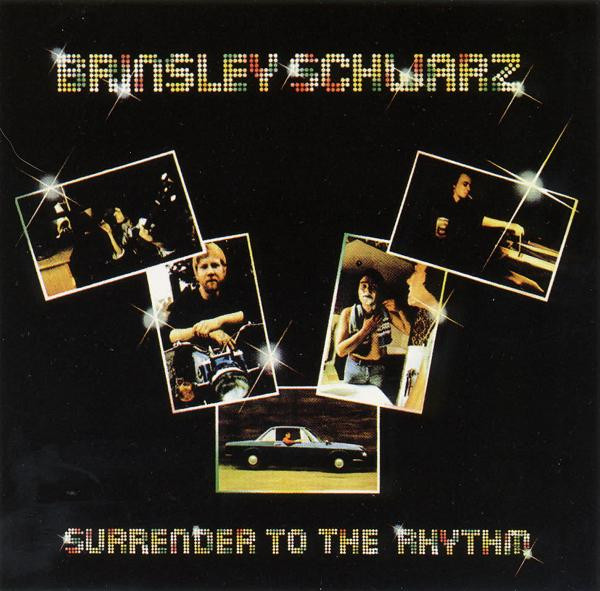
Brinsley Schwarz never had a big hit, but they did influence artists like Elvis Costello and The Clash. They were known as a pub rock band and were active between 1969 and 1975. The band released 6 albums in that time. Their members included Nick Lowe, Bob Andrews, Brinsley Schwarz, and Billy Rankin…they were later augmented by Ian Gomm on guitar and vocals.
Some songs don’t need a big chorus or a fancy production to grab you. They just have a groove that feels right from the opening notes. That’s what this song has always been for me. It isn’t one of Brinsley Schwarz’s best-known songs, but it should be. Every time I hear it, I think of a band that simply loved playing together. Musicians locked into the same groove and having a great time.
Nick Lowe wrote this song, and the band recorded it for their 1972 album Nervous on the Road. The song rides on Lowe’s knack for writing melodies that sound familiar the very first time you hear them. The title says it all. Quit overthinking things and let the music take over! It became one of the band’s signature live songs and has appeared on several later compilations, proof that even the band knew they had something special with it.
They were formed in England after evolving from the late 1960s band Kippington Lodge. The group featured guitarist Brinsley Schwarz, but before long, another member began writing many of the band’s songs. That was Nick Lowe. Along with Bob Andrews, Billy Rankin, and later Ian Gomm, they became one of the leading bands in the growing pub rock movement. While progressive rock bands were adding longer solos and glam rock was becoming more theatrical, Brinsley Schwarz went the other direction. They looked back to American rock and roll, country, soul, and rhythm & blues.
It’s one of those records that reminds me why I enjoy digging a little deeper than the obvious songs. If you like Nick Lowe’s solo work or the music of Dave Edmunds, Rockpile, or Graham Parker, you can hear the roots of all of that right here. Sometimes the most influential bands aren’t the ones filling stadiums. They’re the ones quietly showing everyone else how it’s done.
Allmusic gave it 5 stars, and grumpy critic Robert Christgau gave it an A-.
Surrender to the Rhythm
Well they danced to every tune the band could play At just about midnight when they decided to call it a day Now there’s one thing that’s left here on their mind Yeah, yeah, yeah To get a little slice at any price, yeah To store the shoes and rice And surrender to the rhythm that is calling them home
Oh she was dumb, she was dirty Yeah, but she was a princess Custom made to fit right in to his arms She could thrill him, she could chill him Down to the bone But he was in his teens, yeah He had to spill the beans Still looking for ways and means To surrender to the rhythm that is calling him home
And who’s to say if it’s right or wrong Not another singer in another song I say we’re doing alright Yeah we’re doing okay Oh now guess what, guess what happened Guess what happened then
She had to go, said she was meeting up with one of her friends So there was nothing more or less than another mess of the blues Now he had more to lose Started putting in booze Oh yeah, paying his dues And surrendering to the rhythm that is calling him home
Surrender to the rhythm Surrender to the rhythm Surrender to the rhythm Surrender, yeah, to the rhythm
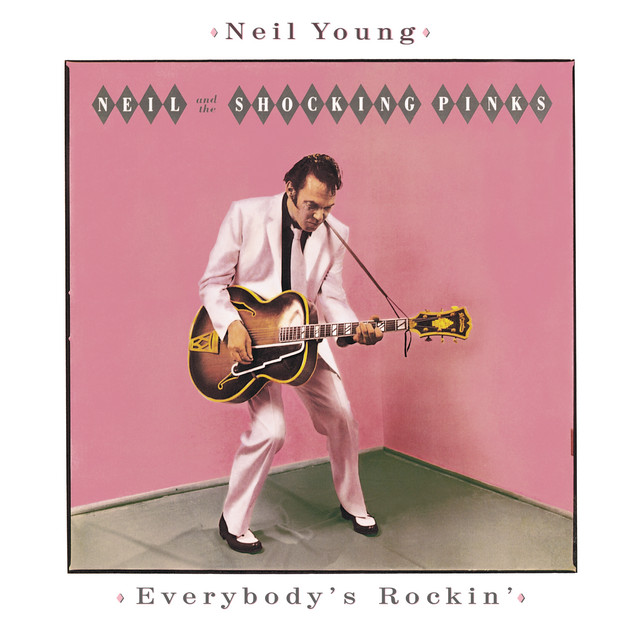
I think this album has gotten a bad rap over the years. If you forget about record company politics and just listen to the music, it’s a fun tribute to the early days of rock and roll. Neil wasn’t trying to reinvent Mystery Train or the other covers. He was tipping his hat to the music that helped shape rock in the first place. Sometimes it’s nice to hear an artist simply enjoying himself, and that’s exactly what I hear every time this song comes on.
I’ve always liked it when artists take a chance, even if the fans don’t quite know what to make of it. That’s exactly what Neil Young did with “Mystery Train” from Everybody’s Rockin’. If you were expecting another Harvest or Rust Never Sleeps, you were probably surprised. Instead, Neil stepped back almost thirty years and made a record that sounded like it came straight out of a 1950s jukebox. I have to admit, I’ve always had a soft spot for this album.
I heard this album in the 80s and really liked the song Wonderin’and the video. When I first saw the 80s time-lapse video…I thought Young looked a little like Stephen King around this time…looking at it again…I still do. In the early eighties, David Geffen signed Neil Young to a huge contract with Geffen Records. Neil Young, who will do his own thing no matter what or when, released an album called “Trans” which was his foray into pure electronic music. Geffen wanted another Harvest with another Heart of Gold or Old Man…instead, he got songs like Computer Age and We R in Controlwith Neil singing through a Vocoder.
After the electronic Trans, Neil turned in a country album called Old Ways (which wouldn’t be released until 2 years later), but Geffen Records rejected it and told him they wanted a rock and roll record instead. Neil’s response was to give them exactly that, just not the kind they expected. He made a genuine 1950s-style rockabilly album. The sessions were cut quickly with musicians having fun in the studio, but before Neil could finish his original concept, Geffen shut the sessions down and released the short album anyway. Before long, the label actually sued Neil Young for making records they claimed didn’t sound enough like Neil Young. This album is full of early fifties Doo-wop and rockabilly-sounding songs in the middle of the 80s (thank you, Neil! We needed it). The record company was not amused…he then released an album full of country music… In his contract, Neil had full artistic freedom.
Geffen had claimed the new albums were unrepresentative of Neil’s music. He sued Neil for 3.3 million dollars, but the case was settled, and Geffen lost and had to apologize to Neil. That shows you…sometimes life is fair. If you look at Neil’s career…it was all about change and evolving, so I don’t know what Geffen expected. Neil rarely repeats himself. Geffen was expecting early seventies Neil, and that wasn’t happening. Young is not an artist that you mess with.
This song was written by blues singer Junior Parker and producer Sam Phillips before Elvis Presley turned it into one of the defining records of early rock and roll at Sun Records in 1955. Rather than trying to improve on the original, Neil simply had fun with it. Backed by the Shocking Pinks, he captured that rockabilly sound with upright bass, slapback vocals, saxophone, and simple guitar work. The recording wasn’t meant to be polished. It was meant to sound like the records that inspired an entire generation of musicians.
The album peaked at #22 in Canada, #46 on the Billboard Album Charts, and #50 in the UK in 1983.
I’m also going to include the song that connected me with the album….Wonderin’
Mystery Train
Train I ride, sixteen coaches long Train I ride, sixteen coaches long Well that long black train took my baby and gone
Train, train, comin’ down, down the line (Mystery train, mystery train) Train, train, comin’ down, down the line (Mystery train, mystery train) Well it took my baby But it never will again, no, not again
Train, train, comin’ down, down the line (Mystery train, mystery train) Train, train, comin’ down, down the line (Mystery train, mystery train) Well it’s bringin’ back my baby Because she’s mine, all mine
Train, train, comin’ down, down the line (Mystery train, mystery train) Train, train, comin’ down, down the line (Mystery train, mystery train) Well it’s bringin’ back my baby Because she’s mine, all mine
You might also like Everybody’s Rockin’ Neil Young & The Shocking Pinks Cry, Cry, Cry Neil Young & The Shocking Pinks Old Man Neil Young
Last year, one of my readers, MY, suggested this song, so this year I’m going to post it. This and the title track were the first songs to get my attention on this album. The drums and guitar really make this song so strong, along with Van’s voice, of course.
The intro to this song is worth the price of admission. Van Morrison and guitarist Ron Elliot trade guitar licks, and then Lee Charlton joins with some great jazz-influenced drumming. Van has said it was written in a stream of consciousness style. The recording was more of a jam than a thought-out, rehearsed process.
The song was on his 1972 album Saint Dominic’s Preview, and it closed the album in a way that only Van Morrison could do. It has that long, drifting feel that he was so good at during this period. You can feel the mood more than the story. This is the Van Morrison who could take a simple phrase and turn it into something epic. He can make any song feel spiritual.
When I got the album, I had a summer job in the middle of nowhere in a backwater town. I had to drive over an hour to get there, and Van kept me company singing about Safeway’s Supermarket, fireworks, and Redwood Trees. One listen to this album, and I’m young, carefree, and having a really good time living life. Music brings back memories, and this one makes me feel exactly like I felt then.
It’s easy to get lost in this song. I’ve always liked the Van Morrison songs that feel more like a place to visit than just a song. Almost Independence Day is one of those. It rolls and flows along at its own pace. Van has many songs that sound like memories, and this one sounds like a memory that is still happening.
The album peaked at #15 on the Billboard Album Charts and #14 in Canada in 1972.
Couldn’t find a live version but I did find this wonderful concert by Van.
Almost Independence Day
I can hear them calling way from Oregon I can hear them calling way from Oregon And it’s almost Independence Day
Me and my lady, we go steppin’ (we go steppin’) We go steppin’ way out on China town All to buy some Hong Kong silver And the wadin’ rushing river (we go steppin’) We go out on the, out on the town tonight
I can hear the fireworks I can hear the fireworks I can hear the fireworks Up and down the, up and down the San Francisco bay Up and down the, up and down the San Francisco bay I can hear them echoing I can hear, I can hear them echoing Up and down the, up and down the San Francisco bay
I can see the boats in the harbor (way across the harbor) Lights shining out (lights shining out) And a cool, cool night And a cool, cool night across the harbor I can hear the fireworks I can hear the people, people shouting out I can hear the people shouting out (up and down the line) And it’s almost Independence Day
I can see the lights way out in the harbor And the cool, and the cool, and the cool night And the cool, and the cool, and the cool night breeze And I feel the cool night breeze And I feel, feel, feel the cool night breeze And the boats go by And it’s almost Independence Day And it’s almost, and it’s almost Independence Day
Way up and down the line Way up and down the line…
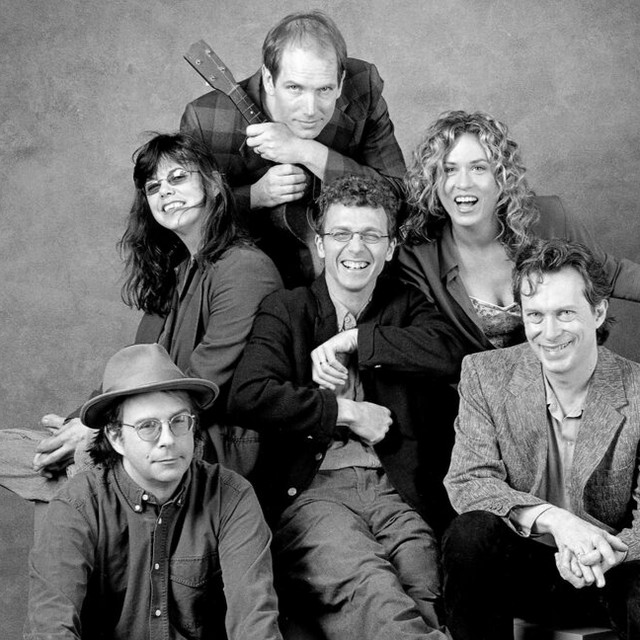
I love finding bands like this. The Continental Drifters remind me that some of the best music never reaches the Top 40. This song has the sound of musicians who have nothing left to prove and are simply making the music they believe in. If you like The Band, The dB’s, or early Americana, I think you’ll find yourself coming back to this song again. I listened to two of their albums and you get a variety. You get female-driven songs like this, and you get male-driven songs like Mezzanine.
The band is made up of musicians who had already built impressive careers, including Susan Cowsill of The Cowsills, Vicki Peterson of The Bangles, The Dream Syndicate, Peter Holsapple of The dB’s, and several outstanding New Orleans musicians like Carlo Nuccio, a great New Orleans drummer and singer/songwriter. Everyone in the band could write songs, sing, and play multiple instruments, which gave them a rich sound without ever becoming cluttered. They never became a hit band, but musicians and critics knew just how special they were. Although they formed in Los Angeles, they eventually settled in New Orleans, and you can hear both musical worlds in their sound.
Some songs grab you the first time you hear them, and then some songs slowly work their way into your head. This one did that for me. I was drawn in by the title first. Then the guitars kicked in, and it had that loose, rootsy sound that reminds me of The Band. It feels like you’re riding down an endless highway with the windows down, even though the story underneath isn’t nearly as carefree.
The song was written by guitarist Vicki Peterson, formerly of The Bangles, and she also takes the lead vocal. She based it on a difficult cross-country trip with fellow band member Gary Eaton during a time when their relationship was coming apart. Instead of writing a typical breakup song, she wrapped it in the image of traveling across America. The result is a song that sounds hopeful on the surface but carries just enough sadness to make it memorable.
Without a major label, they released a song as a single in 1997. It served as a preview of the sound that would soon appear on Vermilion, the album that many fans consider their masterpiece.
I also wanted to give you another song by them called Mezzanine. Carlo Nuccio, a great New Orleans drummer, singer/songwriter, wrote this song and is singing the lead vocal.
Christopher Columbus Transcontinental Highway
It took two hours to drive out of post-quake l.a. Where the freeway is sliced up like sheet cake Got new tires I’m not gonna worry Got three days to go so I’m not in a hurry Get into tucson and what do I find I’m having some trouble just keeping my mind On the 10.
Driving by that detour we took To watch the sunset at the scenic overlook The light was lovely but to my surprise The most violent colors were in your eyes All the reds and yellows, black and blue It’s what I remember from driving with you On the 10.
On the 10.
Whoa oh, white noise and lightening Ooooo on the radio, oh no.
Looking up a tree like a georgia o’keefe And the texas stars are in high relief University road, you think I’d have learned So many new ways to get bitten and burned At the devil’s river inn at three a.m. Hey, give me those keys I gotta get Back on the 10.
On the 10.
Whoa oh, white noise and lightening Ooooo on the radio, go robert, go!
Feeling unbound of heart and breast Got the visor down and I’m headed west A little wiser now, I’m unimpressed By the secret you and I confessed On the 10 (whoa oh).
On the 10 (whoa oh) On the 10 (whoa oh) On the 10 (whoa oh).
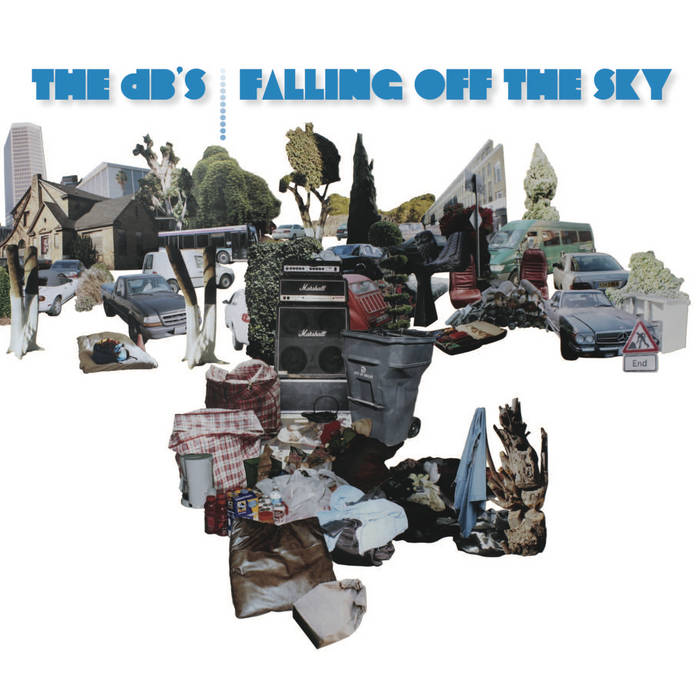
One of the things I have always loved about the dB’s is that their music seems to exist outside of time. You can put on one of their songs from the early 1980s and then play this song from 2012, and there is no jarring difference. That’s exactly what happened to me when I first heard this song. If someone had told me it came from their earlier albums, Stands for Decibels or Repercussion, I would have believed them (I did at first). Instead, it opened Falling Off the Sky, the band’s reunion album released nearly three decades after their original run.
By the time Falling Off the Sky arrived in 2012, the original lineup of Peter Holsapple, Chris Stamey, Gene Holder, and Will Rigby had traveled down different musical paths. Fans had waited years to hear them record together again. Reunion albums can be risky. Too often, they sound like musicians trying to recapture something that disappeared long ago. The dB’s avoided that trap by simply picking up where they left off.
This one is a perfect way to open the album. The guitar tone, the harmonies, and the melody stick with you long after the song ends. What impresses me most is how natural it all sounds. There is no attempt to modernize it at all. The dB’s understood something that many bands forget: great songs never go out of style. Peter Holsapple’s songwriting comes through with the track, giving it a reflective mood without losing its energy.
The dB’s never received the recognition they deserved outside of power pop circles, but songs like this one explain why musicians and fans continue to talk about them. Their sound was built on melody, harmony, and great playing rather than production tricks. That’s why this song could have fit comfortably on one of their early records. Sit back and enjoy.
That Time Is Gone
When you’re standing on the first step of the bus And you’re asking yourself what are you doing this for And you hand the man the ticket, find a place to sit Try to rest on a night headed North And you settle in your seat and your mind starts Tripping on what it is you may be running from
You better wake up, wake up, wake up That time is gone
Watch the world go by outside the window As you lean against the greasy grey-green glass And you’re trying to keep from sleeping So you’re counting every moment that goes past ‘Cause you know when you sleep You just dream a lot all night long
You better wake up, wake up, wake up That time is gone That time is gone That time is gone You better wake up, wake up, wake up That time is gone
Every truck that passes, every cactus Every bird is freer than you now You got nothing holding you back, nothing tying you down Freer than the law allows And there’s no going back to go back to One more time all that finished with and done
The first time I heard this song I was knocked out by that guitar sound. Not just the playing, but that incredible slapback echo that seems to jump right out of the speakers. You can buy countless pedals and plugins today that promise the same effect, but to my ears, nothing quite captures what they were doing in the 1950s. There is just something alive about it. I get all nerdy over this sound but I can’t help it.
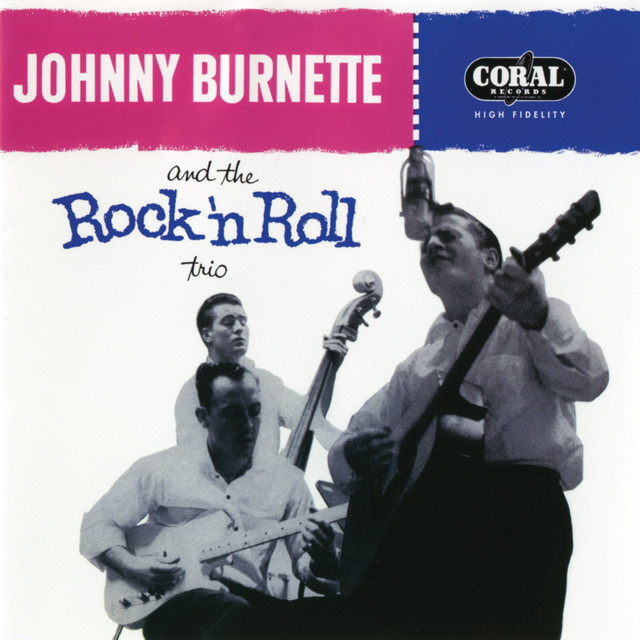
The Johnny Burnette Trio was one of the wildest rockabilly bands of the era. They were formed by brothers Johnny and Dorsey Burnette, along with guitarist Paul Burlison; they blended country, rhythm and blues, and early rock into a raw sound. This song, recorded in 1956, became one of their signature recordings. It wasn’t a major hit at the time, but it became one of the defining records of rockabilly. Burlison’s guitar playing, along with Johnny Burnette’s vocal, gave the record an excitement that still comes across nearly seventy years later.
Paul Burlison always maintained that part of his distorted guitar sound happened because a tube in his amplifier had become loose during a rough drive to a studio. Rather than fixing it, he liked the gritty sound and kept playing. Whether every detail of that story is exactly as remembered has been debated over the years, but it’s one of rockabilly’s great legends. It helped point the way toward the distorted guitar sounds that became common in rock music years later.
I’m going to get a little technical on this subject…see nerdy again. One of the secrets behind that sound was the recording itself. In the 1950s, there were no digital effects and very few electronic echo units. Engineers often created an echo by using two tape machines. The signal was recorded on one machine and immediately played back on a second machine a fraction of a second later. By mixing the original signal with that of the delayed playback, they created the famous slapback echo that became a trademark of rockabilly. Studios also used echo chambers, actual rooms with a speaker at one end and a microphone at the other. The natural reflections inside the room produced reverb that sounded warm and real because it actually was. Every studio had its own sound, which is one reason records from that era have so much personality. You can tell if it’s a Stax or Motown by the sound in the sixties as well.
This song reminds me that sometimes limitations create the greatest music. The musicians couldn’t rely on technology to make a recording exciting. They had to play with energy, and the engineers had to invent ways to capture it. The result is a record that still sounds fresh today. If you want to hear rockabilly at its finest, with one of the greatest guitar sounds ever put on tape, this is a train well worth climbing aboard.
Below in the live cut, Johnny Black is on bass, filling in for Dorsey Burnette.
Lonesome Train
Lonesome train, on a lonesome track I am goin’ away, ain’t comin’ back I am goin’ somewhere far from my baby
On a lonesome train, on a lonesome track
A lonesome train, on a lonesome track Got all my troubles in one big pack My baby left me, so sad and lonely
On a lonesome train, on a lonesome track
Lonesome train, on a lonesome track My girl don’t love me and that’s a fact No use in livin’, no use in dyin’
On a lonesome train, on a lonesome track
On a lonesome train, on a lonesome track I want my baby, I want her back Don’t want to go on forever travelin’ On a lonesome train, on a lonesome track
When most people think of Tom Waits (including me), they think of the gravelly voice and the experimental music he would make later in his career. I like that as well, but on his debut album, Closing Time, he sounded very different. He is such a great songwriter, and like the greats, he puts his soul into his performances. His voice in this is perfect to me.
This track caught my attention with its storytelling. The song was inspired by Waits’ driving home at dawn after spending the night with someone special. Rather than focusing on drama, he captured a simple moment that many people have experienced.
Musically, it’s built around a gentle piano and an arrangement that owes as much to folk and country music as it does to rock. Waits recorded the song during the sessions for Closing Time in Los Angeles. Producer Jerry Yester helped shape the album’s laid-back sound, allowing Waits’ songwriting to take center stage.
As most people who know me know, I’m not the biggest Eagles fan, to say the least, but I’m glad they covered this. Their version brought the song to a much wider audience and introduced many listeners to Waits’ songwriting. While Waits later joked about some of the band’s interpretations of his work, there is no question that their recording helped spread the song far beyond his usual fan base.
Today, it is a signature song from Tom Waits’ early years. It captures a side of him that is sometimes overlooked, the songwriter who could turn an ordinary drive home into something memorable. Long before he became one of music’s most unique voices, this song showed that he already knew how to tell a story and make listeners feel like they were right there beside him.
Ol’ 55
Well, my time went so quickly, I went lickety-splitly Out to my ol’ fifty-five As I pulled away slowly, feeling so holy God knows I was feeling alive
Now the sun’s coming up I’m riding with Lady Luck Freeway cars and trucks Stars beginning to fade And I lead the parade Just a-wishing I’d stayed a little longer Oh Lord, let me tell you that the feeling getting stronger
And it’s six in the morning, gave me no warning I had to be on my way Well, there’s trucks all a-passing me and the lights all a-flashin’ I’m on my way home from your place
And now the sun’s coming up I’m riding with Lady Luck Freeway cars and trucks Stars beginning to fade And I lead the parade Just a-wishing I’d stayed a little longer Oh Lord, let me tell you the feeling getting stronger
And my time went so quickly, I went lickety-splitly Out to my ol’ fifty-five As I pulled away slowly, feeling so holy God knows I was feeling alive
And now the sun’s coming up I’m riding with Lady Luck Freeway cars and trucks Freeway cars and trucks Freeway cars and trucks
One thing I love about this album is that the percussion never feels like a decoration or forced. It drives the songs. Many rock bands added congas or timbales for color. Santana built the entire foundation of the music around them. That’s probably why those tracks still sound so powerful today. Carlos gets the notice, but Abraxas is really a statement in what a great band can do when every member is playing at their peak. I usually reserve saying that mostly for the Allman Brothers, Little Feat, and The Dead. I was just going to cover one song…but no…the album had me transfixed with its rhythms.
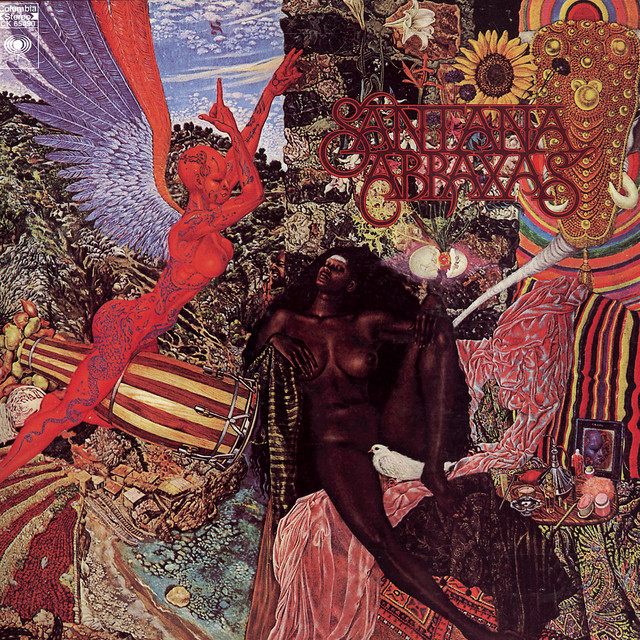
When Santana recorded Abraxas in 1970, they were no longer just another San Francisco band. Their performance at the Woodstock Festival the year before had turned them into stars almost overnight. Their debut album had already produced hits like Evil Ways, but on Abraxas, everything came together. The band was firing on all cylinders. Carlos Santana’s guitar was just scorching, and Gregg Rolie handled the vocals and keyboards, and the rhythm section was incredible. Rolie was always one of my favorite members, and I’m glad I got to see him live.
Santana was a music machine built around rhythm. Michael Shrieve’s drumming worked alongside the congas, timbales, and percussion of José “Chepito” Areas and Michael Carabello. The result was a sound that felt alive. Songs like Oye Como Va and Black Magic Woman seemed to move in several directions at once, yet never lost the groove. You can hear rock, jazz, blues, and Cuban influences all blending together. No one sounded like Santana in 1970, and nobody really has since.
Carlos Santana’s guitar playing deserves all the praise it gets, but what made this album special was that he wasn’t carrying the band alone. There wasn’t a weak link anywhere. That is one reason Abraxas still sounds great more than fifty years later. If you want to be transfixed, like I was, just put on the album with headphones and enjoy the rhythms that Santana brought.
The album produced classics like Black Magic Woman, Oye Como Va, and the beautiful instrumental Samba Pa Ti. I would also add Mother’s Daughter, its a song with an infectious groove written by Gregg Rolie. It became Santana’s first number-one album and remains one of the finest examples of Latin rock ever recorded. For me, Abraxas captures a band at the perfect moment. They had the hunger of a young group, the confidence that came from Woodstock, and enough talent to fill two bands. When I listen to Abraxas, I don’t just hear Carlos Santana, I hear a band at its peak.
The album peaked at #1 on the Billboard Album Charts, #3 in Canada, and #7 in the UK in 1970.
It’s been too long since I posted a Steve Earle song, and it was time. I remember this one, along with I Ain’t Ever Satisfied got me into Earle in the 1980s. I first saw him in the late eighties open up for Bob Dylan. He played a longer set than Bob that night. Bob had to leave after 45 minutes because he got sick. The guy behind me yelled, “I know you are an old SOB but come on…” Bob was at the ripe old age of 48 when this happened.
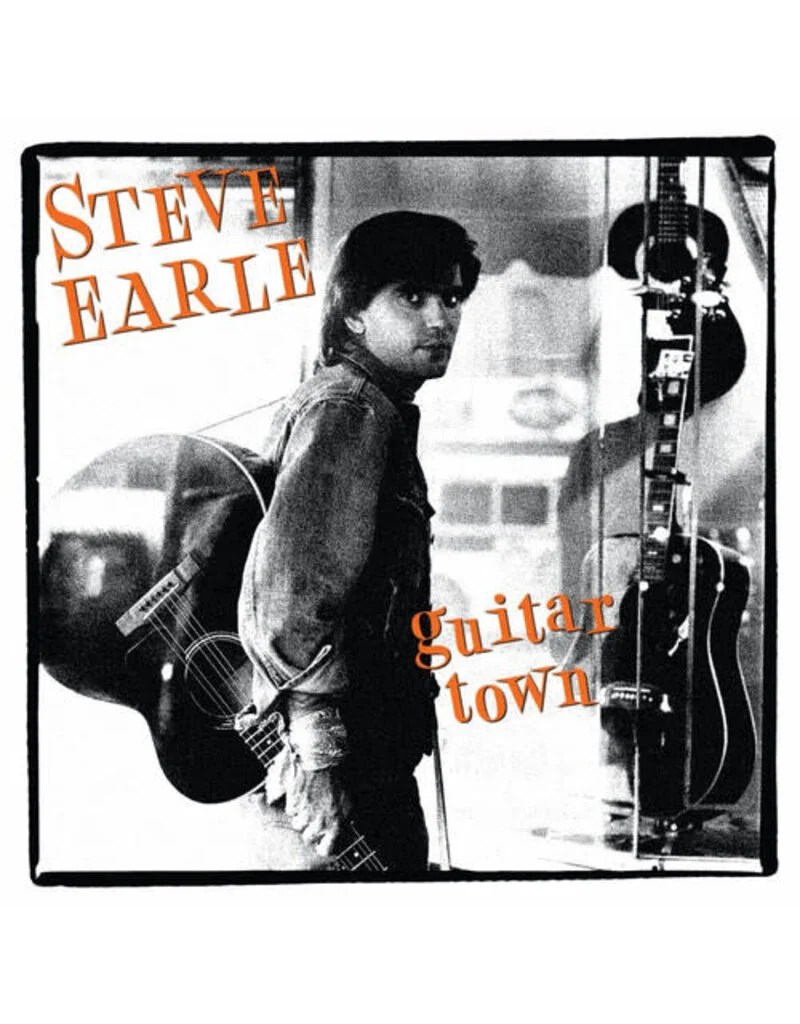
By 1986, Steve Earle had been around Nashville for years. He had written songs for other artists, worked with legendary songwriters like Guy Clark and Townes Van Zandt. He spent a lot of time trying to get his own career off the ground. When Guitar Town was released as the title track of his debut album, it sounded different from much of what was coming out of Nashville at the time. It had country roots, but there was also a rock and roll energy running through it. The song helped launch Earle from respected songwriter to recording star.
Earle has said the meaning behind Guitar Town came from the struggles of a musician trying to make it. The lyrics tell the story of a young man leaving home with a guitar and dreams of success. Earle knew that world firsthand. He had spent years playing clubs, writing songs, and trying to find his place in the music business. The song captured both the excitement and gamble of trying a musical career. Even people who never picked up a guitar could relate to the idea of leaving home and taking a chance on a dream.
Earle was also very smart and talented. He would regularly hang out with some great songwriters and musicians. Townes Van Zandt, Rodney Crowell, and more. He learned from them, and you can hear it in his songs. When I hear his songs, they are so accessible. They are almost inviting you to listen.
The recording sessions for the album were produced by Tony Brown and Emory Gordy Jr. They gave the songs a tougher edge. Guitar Town featured ringing guitars and enough country flavor to fit the format while still sounding fresh. The combination worked. The single helped make the album one of the most acclaimed country releases of the year.
Looking back, Guitar Town helped open the door for a generation of artists who mixed traditional country music and folk with rock influences. Earle would go on to have a long and diverse career, but this song remains one of his signature recordings. Nearly forty years later, it still sounds like a young man with a guitar, a full tank of gas, and no intention of turning around.
Guitar Town
Hey pretty baby, are you ready for me It’s your good rockin’ daddy down from Tennessee I’m just out of Austin bound for San Antone With the radio blastin’ and the bird dog on
There’s a speed trap up ahead in Selma Town But no local yokel gonna shut me down ‘Cause me and my boys got this rig unwound And we’ve come a thousand miles from a Guitar Town
Nothin’ ever happened ’round my hometown And I ain’t the kind to just hang around But I heard someone callin’ my name one day And I followed that voice down the lost highway Everybody told me you can’t get far On 37 dollars and a jap guitar Now I’m smokin’ into Texas with the hammer down And a rockin’ little combo from the Guitar Town
Hey pretty baby don’t you know it ain’t my fault I love to hear the steel belts hummin’ on the asphalt Wake up in the middle of the night in a truck stop Stumble in the restaurant wonderin’ why I don’t stop
Well, I gotta keep rockin’ why I still can Got a two pack habit and a motel tan When my boots hit the boards I’m a brand new man With my back to the riser, I make my stand
Hey pretty baby, won’t you hold me tight I’m loadin’ up and rollin’ out of here tonight One of these days, I’m gonna settle down And take you back with me to the Guitar Town
This is one band, for one reason or another, that I’ve never posted. I tell people that their early music has some of the best bass sound of anyone. Ferry’s vocals in this song remind me a little of Lou Reed.
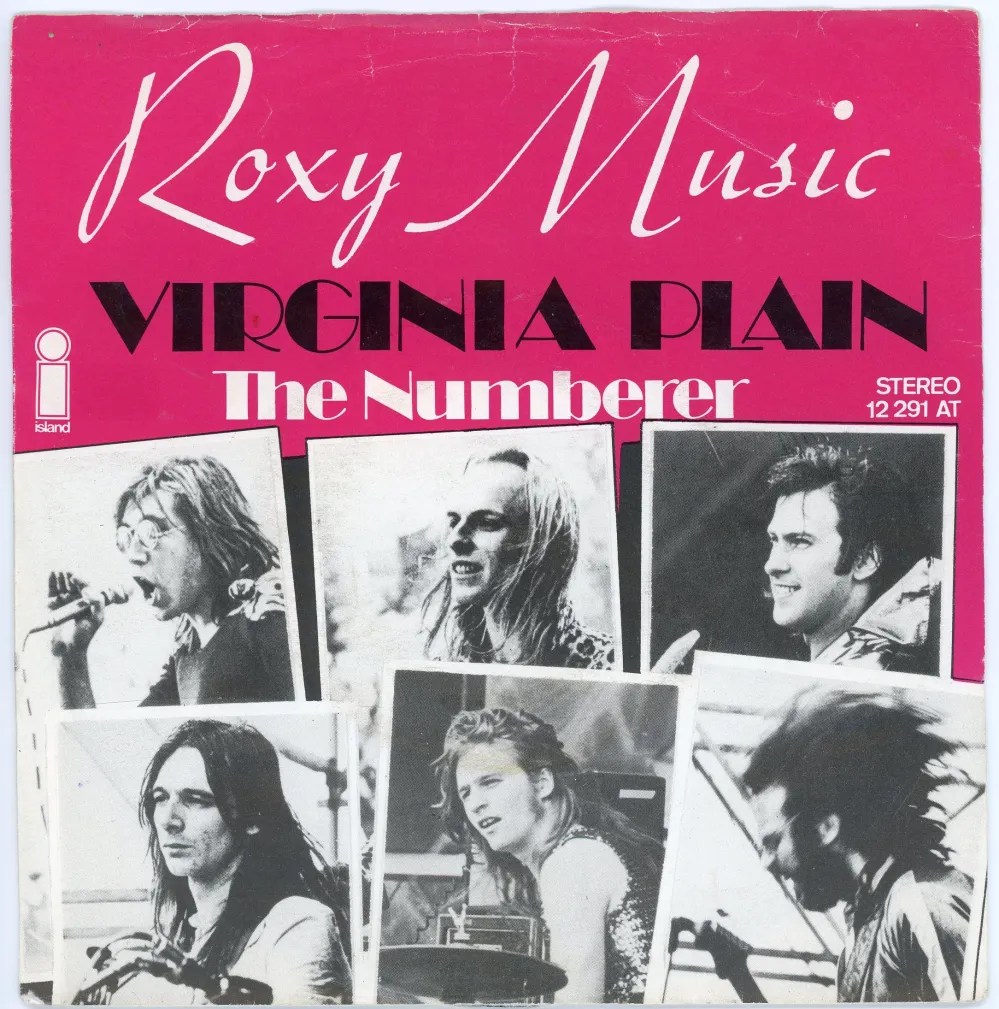
When I first saw the title Virginia Plain, I wasn’t exactly sure what to expect. That’s part of the charm of the song. It was released in 1972 as the debut single by Roxy Music; this song pretty much announced that this was not going to be just another rock band. It was glam, strange, catchy, and different.
Roxy Music was led by Bryan Ferry and featured a really good lineup that included Brian Eno. Ferry wrote this song and took the title from a painting he had created while attending art school. The song is interesting. The lyrics are full of images and characters that seem to come and go like scenes in a movie. I always heard it as a song that is more about creating a mood.
The recording was produced by Peter Sinfield; he was best known for his work with King Crimson. Musically, the song blended old rock and roll influences with futuristic sounds. It’s different thanks in part to Eno’s synthesizer and Ferry’s vocals. The result was something fresh and exciting. Although it was recorded after the band’s debut album had already been completed, the song was later added to subsequent editions because it quickly became one of their signature tracks.
This song was successful in the UK and helped establish Roxy Music as one of the most important bands of the glam rock era. Looking back, it still sounds unique. More than fifty years later, it remains a perfect introduction to a band that never seemed interested in following the rules. If you want to hear the moment Roxy Music arrived, this is a pretty good place to start.
The song peaked at #4 on the UK Charts and #6 in New Zealand. The album peaked at #10 in the UK in 1972. BTW… the model featured on the cover of Roxy Music’s album is Kari-Ann Muller. No, she, unlike their other models, didn’t date Bryan Ferry. She married Chris Jagger, Mick’s brother.
Virginia Plain
Make me a deal and make it straight All signed and sealed, I’ll take it To Robert E. Lee, I’ll show it I hope and pray he don’t blow it ’cause
We’ve been around a long time Just tryin’ to, tryin’ to but you Make the big time
Take me on a roller coaster Take me for an airplane ride Take me for a six days wonder but Don’t you, don’t you throw my pride aside besides
What’s real and make-believe? Baby Jane’s in Acapulco We are flyin’ down to Rio
Throw me a line, I’m sinking fast Clutching at straws, can’t make it Havana sound, we’re trying A hard edge, the hipster jiving, oh Last picture shows down the drive-in
You’re so sheer, you’re so chic Teenage rebel of the week
Flavours of the mountain streamline Midnight blue casino floors Dance the cha-cha through ’til sunrise Opens up exclusive doors, oh wow
Just like flamingos, look the same So me and you, just we two Got to search for something new
Far beyond the pale horizon Some place near the desert strand Where my Studebaker takes me That’s where I’ll make my stand, but wait
Can’t you see that Holzer mane What’s her name? Virginia Plain
With that title, I was helpless; I had to give it a try. I’m glad I did because it’s a great song and band. This is another band that was signed by Steve Earle on his E Squared Records label and another winner. What drew me in was the vocals. Not tight pop vocals but more like The Band’s loose style. I’ll also mention the intro that builds and builds.
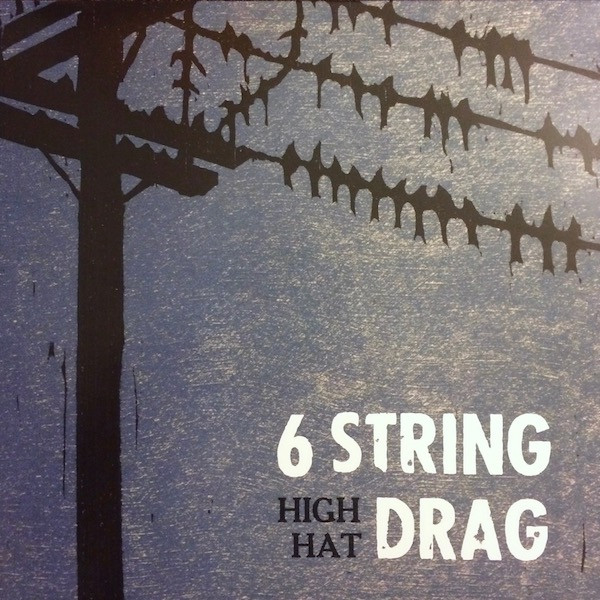
Every now and then you run across a song title that makes you stop before you even hear the music. This song by 6 String Drag was one of those for me. The title immediately brings to mind hot rods, rock and roll, and the classic Chuck Berry song Maybellene. It turns out the music delivers exactly what the title promises. This song was released on the band’s 1997 album High Hat, the song mixed country, rockabilly, and roots rock into a sound that felt both old and new.
6 String Drag was formed in North Carolina and became one of the leading bands in the alt-country movement of the 1990s. While many groups in that scene leaned heavily into country influences, 6 String Drag never forgot the rock and roll side. This track is a perfect example. Driven by guitars, drums, and a stop-and-go format. It’s a great mixture of music that makes one.
The album High Hat was produced by Steve Earle, who recognized the band’s talent and helped bring them to a wider audience. Earle encouraged the group to embrace their love of traditional American music while keeping their own identity intact. The result was an album that blended country, rock, folk, and roots music in a way that sounded natural. This song became one of their signature songs and remains a favorite among fans of the band.
6 String Drag never achieved the huge commercial success of some of their contemporaries like Wilco and others. Songs like this show why they are still remembered by fans of Americana and alt-country. It has energy, great musicianship, and one of the coolest song titles you’ll ever hear.
If any of you are good at deciphering lyrics…could you fill in the ? in the lyrics? If so, please let me know, and I’ll fill it in. We will have the only complete lyrics to this song on the net!
Gasoline Maybelline
Soak me in gasoline If you need more fire baby I gave you everything it seems but me
Put me up higher than the tallest tree I’ll come down baby then you’ll see My broken knees please set me free
I can hold you [?] you Oh come, don’t turn around I’ll be gone
Go find somebody new There’s nothing here for you I gave you everything it seems but me
Take me down all the way to New Orleans Leave me lying there on the street I gave you everything it seems but me
I can hold you [?] you Oh come, don’t turn around I’ll be gone
Soak me in gasoline If you need more fire baby I gave you everything it seems but me I gave you everything it seems but me
I first heard this song a few years ago on someone else’s blog. After hearing his lyrics, I knew there had to be some big influence around it. The song was about three different things. One, his bodyguards who would save him from himself on tour. Two, Davies nearly lost his life in New Orleans when he chased a man who had stolen his girlfriend’s purse and was subsequently shot in the leg. Three, the title also alludes to God. The track explores the idea that you are never truly alone or abandoned “as long as the big guy” is there.
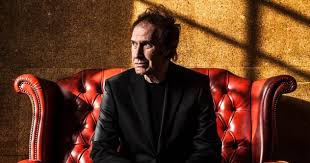
It comes from Ray Davies’ 2018 album Our Country: Americana Act II. Like much of the album, the song draws from Ray’s own life and experiences in America. By this point, Davies had little left to prove as a songwriter. Instead, he was looking back on the people and events that shaped his life. That gives “The Big Guy” a personal feel that makes it stand out on the record.
The inspiration for the song goes back to a frightening event in 2004. While in New Orleans, Davies chased a man who had stolen a purse from his companion and was shot in the leg during the confrontation. Years later, he reflected on waking up in the hospital and thinking about the bodyguards and friends who had looked after him over the years. The “big guy” of the title was partly inspired by those men. There is humor in the song, but there is also gratitude. Davies was looking back at a moment that could have ended very differently.
The album was recorded with members of the Jayhawks, who also played on Americana. Their playing gives the song a warm sound. The sessions focused on storytelling rather than a big commercial production. That approach fits Davies perfectly. He has always been one of rock’s great storytellers, and this album shows that.
What I like about the song is that it shows another side of Ray Davies. It’s thoughtful and reflective in a way that is a little different from the Kinks.
Ray Davies: “‘The Big Guy’ is reflections on waking up in a hospital with gunshot wounds. The big guys in the book [2013’s Americana] are my bodyguards, a guy called Tony and a guy called Bobby. The song is about them and what they meant to me, because I have a tendency to self-destruct on tour, like most musicians. Tony was under instructions that if I had more than two pints he could break my arm – or threaten to.”
Ray talks about writing the song here:
The Big Guy
Everybody’s afraid of the big guy called the gorilla Wish you could be here today now I’m lying in the gutter Though the cop car surrounds me I feel afraid Now I’m lying here staring at the pearly gates
Tony, Tony you gave me security You were a minder extraordinaire And I miss you now that you’re not there
Terrified and in a fret Like a child who’s lost his mother Shivering in a cold, cold sweat With my face in the gutter
Bobby, Bobby you gave me security And Tony, Tony you did the same for me Now you’re both sadly demised I can’t believe I’m still alive
Bobby came out of Chicago To give me a helping hand He sat me down when I acted so sloppy And he did the same for my whole band
Tony came out of South London He was a cockney boy He saved my ass back in ’82 When I acted such a silly boy
Come on man, don’t be a fool Come on man, you’re gonna crawl One day you’re gonna fall
Everybody’s afraid of the big guy called the gorilla But he was never heavy, out of hand In fact he was as gentle as a lamb
Tony, Tony you gave me security You know Tony, Tony you gave me security Minder extraordinaire I miss you now that you’re not there Yeah I miss you now that you’re not there No you’re never alone as long as the big guy’s there