As a 12-year-old, I waited for this and couldn’t wait to watch it. The film started out with The Beatles about to take off to America…and then flashed back to 1961 and followed them until their Ed Sullivan appearance. It was made by Dick Clark Productions. There is a Pete Best slant to the film…with good reason. They used Pete as an advisor and you can tell. Many things slant his way.
For a fan like me, some things bother me about it…like The Beatles in Hamburg playing “Don’t Bother Me” which wasn’t written until at least 2 years later (I just looked up trivia in IMDB and this was listed…so others noticed). They mixed some facts around and left some out but with the length of the movie, they could not include everything. When making a movie about someone, events will get exaggerated and some things made up.
The movie I would make would be around 10 hours long and heavily detailed…in other words unwatchable by the general public.
I did like the spirit of this film and the actor playing John Lennon (Stephen MacKenna) I thought did a good job.
Overall it was a good try for the time and the film did do the early Beatle highlights… Stuart Sutcliffe, Astrid Kirchherr, Hamburg, Brian Epstein, Cynthia telling John she was pregnant, Paul and Pete lighting the Cinema (though heavily exaggerated), the comedy of the Beatles, George Martin, Rory Storm, Aunt Mimi and more. The group “Rain” did the soundtrack and that is maybe the highlight of the film
It was the only movie about the Beatles made when John was still alive. John, Paul, George, and Ringo…the real ones…tried to get the movie stopped but were obviously unsuccessful. The film was released to theatres in Europe but on television in America.
There are wince moments throughout the film…when in 1961 Hamburg, you see a little of seventies clothing and hairstyles plus some rushed acting. It’s full of flaws but they were on a budget and they tried to highlight the big moments. It’s a fun watch anyway even though they did get some of the story wrong.
From Wikipedia, these are the songs that were performed in the movie. Below these songs is the movie from youtube.
She Loves You – Opening titles version
My Bonnie (Lies Over the Ocean)
Oh Baby Doll – Performed by a different group at the Liverpool audition and not by the Beatles themselves.
Dizzy Miss Lizzy
Blue Suede Shoes – Performed by Rory Storm and the Hurricanes
I Saw Her Standing There – featuring Pete Best on drums
Don’t Bother Me
Johnny B. Goode
Lawdy Miss Clawdy – Performed by Rory Storm and the Hurricanes
Roll Over Beethoven
Kansas City
Hey! Hey! Hey! Hey!
Shake, Rattle and Roll!
Ask Me Why
Love Me Tender
Twist and Shout
P.S. I Love You
Dizzy Miss Lizzy – Reprise, a different recording featuring heavier drums and a more raw-sounding guitar
Cry for a Shadow
Please Mr. Postman
Long Tall Sally
Love Me Do
Rock and Roll Music
I Saw Her Standing There – Reprise, featuring Ringo Starr on drums. The drumming styles differ between versions for story reasons
Please Please Me
Thank You Girl
I Want to Hold Your Hand
She Loves You – Ending titles version
The quality is not great but here is the movie on youtube.
Led Zeppelin has produced some of the best albums in the history of rock. I will include the original live album of “The Song Remains the Same”… Not the remastered version of that one. Below is the way I would rank them. Ten albums in all including Coda released after John Bonham died. 1-5 coming tomorrow.
10. The Song Remains The Same – 1976
This was recorded at the end of their 1973 American tour but was not released until 1976. They sound tired. It’s a good history marker looking back, but far from their best live performance. Not until long after the band broke up though nothing was officially released except this. I still prefer this over the movie of the same name.
Tracklist
Rock And Roll
Celebration Day
The Song Remains The Same
Rain Song
Dazed And Confused
No Quarter
Stairway To Heaven
Moby Dick
Whole Lotta Love
9. Coda – 1982
The album spans the band’s entire career, from live performances just after their debut album to unused songs from In Through the Out Door sessions. My favorites are Ozone Baby, Wearing and Tearing and Walter’s Walk. Personally, I like this album more than Presence but the playing is not as tight.
Tracklist
We’re Gonna Groove
Poor Tom
I Can’t Quit You Baby
Walter’s Walk
Ozone Baby
Darlene
Bonzo’s Montreaux
Wearing and Tearing
8. Presence – 1976
This album was made when Robert Plant was recuperating from injuries he and his wife suffered in a car wreck. He was singing from a wheelchair. Jimmy Page was keeping the band busy recording this since they could not tour. The playing on this album is great and tight but the songs are not as strong as their predecessors. After Physical Graffiti, this one paled in comparison. Technically this could be one of Jimmy Pages best performance on an album. It was recorded and mixed in 18 days.
Tracklist
Achilles Last Stand
For Your Life
Royal Orleans
Nobody’s Fault But Mine
Candy Store Rock
Hots On For Nowhere
Tea For One
7. In Through The Out Door – 1979
It was not the typical Led Zeppelin album. Page and Bonham were having substance difficulties during this album. Plant and Jones wrote much of the album and Jones used his new synthesizer. This was a change in direction and some Zeppelin fans hated it but it did foreshadow the synthesizer coming in the eighties. I liked a lot of songs on this album like In The Evening, Fool In the Rain, All of My Love and the fun Hot Dog.
Tracklist
In the Evening
South Bound Suarez
Fool In the Rain
Hot Dog
Carouselambra
All My Love
I’m Gonna Crawl
6. Led Zeppelin – 1969
One of the best debut albums of any band. The classic Dazed and Confused, Good Times Bad Times, etc… The album went to #7 in the Billboard 100, #6 in the UK and #11 in Canada. Some people wonder why the band didn’t like critics…this is what Rolling Stone said about the album.
“The latest of the British blues groups so conceived offers little that its twin, the Jeff Beck Group, didn’t say as well or better three months ago, and the excesses of the Beck group’s Truth album (most notably its self-indulgence and restrictedness), are fully in evidence on Led Zeppelin’s debut album.
In their willingness to waste their considerable talent on unworthy material the Zeppelin has produced an album which is sadly reminiscent of Truth. Like the Beck group they are also perfectly willing to make themselves a two- (or, more accurately, one-a-half) man show. It would seem that, if they’re to help fill the void created by the demise of Cream, they will have to find a producer (and editor) and some material worthy of their collective attention.”
The album is hard-hitting as it is fused Rock and Blues…it was very heavy and had a great sonic quality…
Tracklist
Good Times Bad Times
Babe I’m Gonna Leave You
You Shook Me
Dazed And Confused
Your Time Is Gonna Come
Black Mountain Side
Communication Breakdown
I Can’t Quit You Baby
How Many More Times
Led Zeppelin ruled the hard rock landscape of the 1970s. Critics didn’t like them and they didn’t like the press. They sold tons of records and their concerts were instant sellouts. They spawned a lot of bad imitators in their wake. By 1975 things started to go wrong for the band and soon by the start of the new decade they were done.
Led Zeppelin formed in 1968 while Jimmy Page was still with the Yardbirds but with only bass player Chris Dreja and he still left in the group. To fill other gig obligations Page formed the New Yardbirds with Robert Plant and his recommendation for drummer John Bonham. Chris Dreja dropped out so studio bassist John Paul Jones filled the bass position.
After a change of name, they were off and running. They made their first self-titled album and signed a huge deal with Atlantic Records. The album had bad reviews but sold very well. The band made their reputation off of live performances.
Their manager at this point was Peter Grant and with him made their mark on the industry. Peter made sure his band made money and no one would stand in the way. He told promoters the band was to get 90 percent of the gate…which was unheard of at the time. The promoters gave in because they would rather have ten percent of that than 100 percent of nothing.
The musicians were great. Robert Plant could sing and wail like no other. John Bonham was a groove extraordinaire who had his own style. John Paul Jones was a great underrated bass and keyboard player. Jimmy Page was one of the best studio guitarists there was at the time. Similar to The Who…it was like a Rock All-Star lineup.
Zeppelin’s first three albums were building up to the fourth. You can see it build with the first and second album’s electric hard edge to the third where the acoustic is introduced more and a more folk side is shown. It all peaked with the classic 1971 Led Zeppelin IV with the perfect combination of the two.
Songs that came off that album are classics like Stairway to Heaven, Black Dog, Four Sticks, Rock and Roll, Going to California, When the Levee Breaks, The Battle of Evermore, and my favorite Misty Mountain Hop. This album and the Who’s Who’s Next came out within months of each other and both of these albums are the foundation of classic rock radio.
More great albums were to follow like Houses of the Holy and Physical Graffiti though none would match the fourth album. After Physical Graffiti things started to go south for Zeppelin.
Their reputation kept growing and it was not all about their music. Wild stories about groupies, Peter Grant stopping at nothing if he perceived an injustice toward his band and there was the Jimmy Page strong occult interest that followed the band like a dark cloud. John Bonham was described as a nice family man until he started to drink. When drunk he would turn into “The Beast” (as bandmates called him) and could terrorize anyone near the band. They did a series of concerts in 1975 at Earl’s Court and after that The Zeppelin started to descend.
In 1975 Robert Plant and his wife were in a serious car wreck and it would take Plant a few months to recuperate and soon the band would record the album Presence with Plant still not able to walk without assistance. The band would not tour in 1976 because of Plants injuries but started an American tour beginning in April 1977.
When Zeppelin started in 1968 critics didn’t like them and Zeppelin didn’t trust the press. Critics thought their first two albums were the work of blues-ripoff artists. Led Zeppelin never forgot that. This was one set of rules in 1977 shared with the press covering the band.
1. Never talk to anyone in the band unless they first talk to you.
1a. Do not make any sort of eye contact with John Bonham. This is for your own safety.
2. Do not talk to Peter Grant or [Tour Manager] Richard Cole — for any reason.
3. Keep your cassette player turned off at all times unless conducting an interview.
4. Never ask questions about anything other than music.
5. Most importantly, understand this — the band will read what is written about them.
The tour was beset with problems with rowdy crowds, Pages increasing heroin intake, and Bonham’s drinking. Peter Grant had hired a British gangster named John Bindon to handle security. Zeppelin’s security crew and John Bonham attacked one of promoter’s Bill Graham’s staff after Grants 11-year-old son was pushed down… After that incident in Oakland, they flew to New Orleans for the next show and Plant received a phone call from back home informing him that his five-year-old son Karac died from a stomach infection. The entire tour was immediately canceled as Plant flew home to be with his family. The last Oakland concert was the last time they played in America.
In 1979 they would get back together and release “In Through the Out Door“, a softer more synthesizer-based album. Plant and Jones did the majority of the writing on the album. Zeppelin did two great shows at Knebworth in 1979 and a short European tour in 1980. While rehearsing for the American tour John Bonham died of asphyxiation in his sleep after a night of heavy drinking in Page’s home on September 25, 1980. Unlike the Who, who continued on without their one of a kind drummer, Led Zeppelin was no more.
The band regrouped three times for one-off concerts. Once in 1985 for Live Aid with two drummers (Phil Collins and Tony Thompson )and in 1988 for the Atlantic Records 40th Anniversary with Jason Bonham on drums. Neither of those turned out too well.
They did regroup in 2007 for a concert with Jason Bonham drumming. This time they sounded comparable to their younger days and their fans clamored for a reunion and tour…Plant all but ruled that out.
I like most of their albums and consider them one of the biggest rock bands ever…They have made some of the best albums in Rock history. I just never got into them like The Who, Beatles, Stones, Cream, and Kinks. The more I learn about them the more distant they get. Their mystique and image became larger than their music at times.
I’m going to attempt to rank 10 of Led Zeppelin’s albums coming up this week.
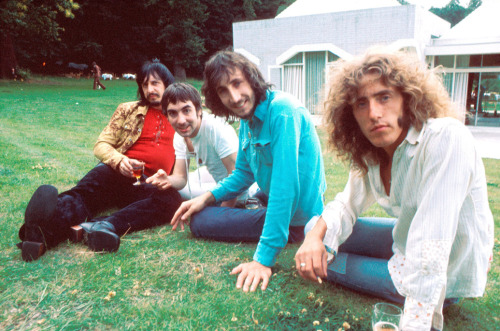
Here are my choices for the top six Who albums. The one upshot of doing lists… is listening to all of these great albums again.
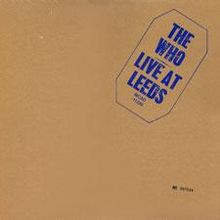
6. Live at Leeds – 1970 – There are live albums and then there is this… This album along with At Fillmore East rise above other live albums. Bands would release them when they were in between studio albums. On Live at Leeds, I have never heard a rock band so tight. This is the Who clicking on all cylinders.
Moon, Entwistle, Townshend, and Daltry are all in their prime on this.
Tracklist
Young Man Blues
Substitute
Summertime Blues
Shakin’ All Over
My Generation
Magic Bus
5. My Generation – 1965 – The title song is still an anthem of the sixties generation. This may be the hardest power pop album released, The Kids Are Alright, A Legal Matter, and Out In The Street.
They experimented in the studio and found new sounds and used feedback as an instrument. You start hearing the power chords on this album and the great hooks that Pete came up with on guitar…Roger still hasn’t grown into his later voice and the band is raw but electric.
The Ox is just a musical explosion. What a great debut album this was in 1965.
Tracklist
Out In The Street
I Don’t Mind
The Good’s Gone
La-La-La-Lies
Much Too Much
My Generation
The Kids Are Alright
Please, Please, Please
It’s Not True
I’m A Man
A Legal Matter
The Ox
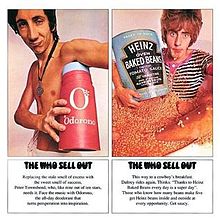
4. Who Sell Out– 1967 – The Who’s take on Pirate radio of the sixties complete with commercials. The standout hit was I Can See For Miles but this album is a collection of good songs strung together with fake commercials.
I like to listen to this album in sequence. Pete was maturing into the Pete we would know soon. The Who didn’t repeat themselves and kept reaching and experimenting.
Strong tracks are Armenia City In The Sky, Tatto, Our Love Was, Relax. and Rael and of course the masterpiece I Can See For Miles.
Tracklist
Armenia City In The Sky
Heinz Baked Beans
Mary Anne With The Shaky Hands
Odorono
Tattoo
Our Love Was
I Can See For Miles
Can’t Reach You
Medac
Relax
Silas Stingy
Sunrise
Rael (1 And 2)
3. Tommy– 1969 – This Rock Opera left a huge dent in pop culture and left its imprint on rock history. I like the album but the production leaves a lot to be desired. This album made the Who rock gods. There are some great songs on this album like Pinball Wizard, We’re Not Going To Take It, I’m Free, and The Acid Queen.
I personally like Sally Simpson and Christmas. Pete Townshend and Kit Lambert worked together on this album and Kit helped Pete shape it into a concept album. I wished Kit would have let someone else engineer and mix it. I’m mostly a studio album guy but I think this album works better live than the record. Listening to the live version of this album around that time for me beats the album.
There is no denying that it is a landmark album in Rock.
Tracklist
Overture
It’s A Boy
1921 3:14
Amazing Journey
Sparks 3:45
Eyesight To The Blind (The Hawker)
Christmas
Cousin Kevin
The Acid Queen
Underture
Do You Think It’s Alright?
Fiddle About
Pinball Wizard
There’s A Doctor
Go To The Mirror!
Tommy Can You Hear Me?
Smash The Mirror
Sensation
Miracle Cure
Sally Simpson
I’m Free
Welcome
Tommy’s Holiday Camp
We’re Not Gonna Take
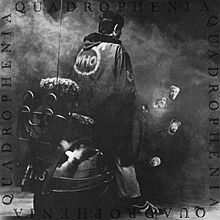
2. Quadrophenia– 1973 – This kick-started the Mod revival of the 70s. The concept album is about a teenager mod (Jimmy) coming of age in the 60s…It is also about the band itself and it’s four different personalities and also their fans. It is much more cohesive than Tommy and Pete’s use of synthesizers on this is incredible.
The high spot for me is hearing Entwistle and Moon play “The Real Me.”
Some of the many great songs are Love, Reign O’er Me, The Real Me, The Punk and The Godfather, Drowned, 5:15.
Tracklist
I Am The Sea
The Real Me
Quadrophenia
Cut My Hair
The Punk And The Godfather
I’m One
The Dirty Jobs
Helpless Dancer
Is It In My Head
I’ve Had Enough
5:15
Sea And Sand
Drowned
Bell Boy
Doctor Jimmy
The Rock
Love, Reign O’er Me
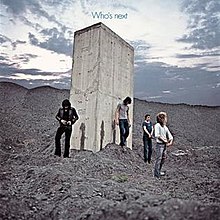
1. Who’s Next-1971 – There was really no suspense to this album being number one. This arguably could be the best rock album of the 70s. Instead of Kit Lambert The Who hired Glyn Johns to help produce and it showed. The sound quality difference between this and Tommy is day and night. This album has a sonic quality like no other.
The album came out of a failed attempt at a rock concept album by Pete called Lifehouse that apparently no one but Pete understood. Classic radio stations use this album as their foundation. An incredible album with no weak songs.
These songs live work so well. Won’t Get Fooled Again maybe has the best line in Rock… “Meet the new boss, Same as the Old boss”
Tracklist
Baba O’Riley
Bargain
Love Ain’t For Keeping
My Wife
Song Is Over
Getting In Tune
Going Mobile
Behind Blue Eyes
Won’t Get Fooled Again
For the top five I never shifted until the last minute and I moved Tommy from 4th to 3rd and The Who Sell Out from 3rd to 4th. The importance and culture impact of Tommy won out.
After the Beatles, The Who are my favorite band. I was lucky enough to see them twice but not lucky enough to see them as nature intended…with Keith Moon. I’m going to attempt to rank 13 of their albums. I will not go by chart success or how many sold.
I usually would not include live albums but Live At Leeds is no ordinary live album. I’m also including Odds and Sods, an album of outtakes and rarities because of so few studio albums and it was released while they were still going strong.
This is 13 through 7… next will be 6 through 1
13. Endless Wire – 2006 – This album was released in 2006. Obviously, I’m not as close to this album as The Who’s other albums..but I’ve listened to it more recently than the other albums. It’s a good album but the best way I can describe it is it’s not as defined as other albums and the mini-opera Wire and Glass can get tedious. There are some good songs such as Black Widow’s Eyes (the only song featuring Zac Starkey), A Man in a Purple Dress and the different but good God Speaks of Marty Robbins… I will say that time has affected Rogers voice more than Petes. Petes voice sounds really good on this album. Roger does fine but age has treated Pete’s voice well.
Tracklist
1 Fragments
2 A Man In A Purple Dress
3 Mike Post Theme
4 In The Ether
5 Black Widow’s Eyes
6 Two Thousand Years
7 God Speaks Of Marty Robbins
8 It’s Not Enough
9 You Stand By Me
Wire & Glass (A Mini-Opera)
10 Sound Round
11 Pick Up The Peace
12 Unholy Trinity
13 Trilby’s Piano
14 Endless Wire
15 Fragments Of Fragments
16 We Got A Hit
17 They Made My Dream Come True
18 Mirror Door
19 Tea & Theatre
20 We Got A Hit (Extended Version)
21 Endless Wire (Extended Version)
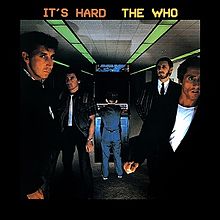
12. It’s Hard – 1982 – One thing I will say about this album. It has aged better than I thought it would. I was never a big fan of this album. I liked some songs like Eminence Front, Athena and some of the tracks like Cry if you Want. This was the last studio Who album until 2006 Endless Wire. The band was not happy at this time and the end was coming…at least until they reunited at the end of the 80s for a reunion tour.
Tracklist
Athena
It’s Your Turn
Cook’s County
It’s Hard
Dangerous
Eminence Front
I’ve Known No War
One Life’s Enough
One At A Time
Why Did I Fall For That
A Man Is A Man
Cry If You Want
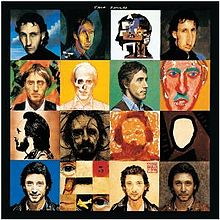
11. Face Dances – 1981 – This album has been slammed by critics and fans alike. I bought the album when it was released. Face Dances was The first album without their engine, Keith Moon. Kenney Jones was a great drummer for the Small Faces and Faces but there is only one drummer for the Who and that was Keith. There are some good songs. “You Better You Bet” (what I call “Who Are You’s” weak sister) Don’t Let Go the Coat, Another Tricky Day, and The Quiet One.
The album is tame compared with other Who albums but the melodies are strong.
Tracklist
You Better You Bet
Don’t Let Go The Coat
Cache Cache
The Quiet One
Did You Steal My Money
How Can You Do It Alone
Daily Records
You
Another Tricky Day
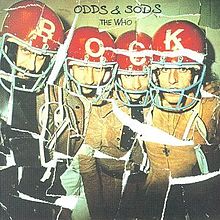
10. Odds and Sods – 1974 – This album was released in 1974 of outtakes and rarities that The Who had in the Vaults. The highlights are Long Live Rock, Naked Eye, Pure and Easy, and Postcard by John Entwistle. This album full of outtakes were as good as other bands A-songs.
Tracklist
Postcard
Now I’m A Farmer
Put The Money Down
Little Billy
Too Much Of Anything
Glow Girl
Pure And Easy
Faith In Something Bigger
I’m The Face
Naked Eye
Long Live Rock
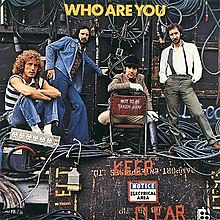
9. Who Are You– 1978 – Keith Moon was not well during this album. Still, I’ll take a 70 percent Keith Moon over a 100 percent anyone else for the Who. It contained the Who classic title track, Sister Disco, 905, and Music Must Change. Pete continued what he started with the Who By Numbers album by writing from the perspective of an aging rocker. This album sold faster than any other Who album. Within the month of its release, Keith Moon was gone for good.
Tracklist
New Song
Had Enough
905
Sister Disco
Music Must Change
Trick Of The Light
Guitar And Pen
Love Is Coming Down
Who Are You
8. Who by Numbers – 1975 – Pete wrote songs so personal that Roger didn’t feel right about singing some of the songs. Pete was wondering at this point if The Who were still relevant anymore. He felt old by rock standards and wondered if the band should just pack it in.
This album had to grow on me but now I do appreciate the personal songs that Pete wrote.
The best-known song is Squeeze Box but the album is full of good songs. Slip Kid, However Much I Booze, Dreaming from the Waist and Blue Red Grey. With Punk music starting to happen Pete wrote in “They Are All In Love”
Hey, goodbye all you punks Stay young and stay high Hand me my checkbook And I’ll crawl out to die
If Pete had only known the future…they were only in their twenties at that time…that is just the beginning now.
Tracklist
Slip Kid
However Much I Booze
Squeeze Box
Dreaming From The Waist
Imagine A Man
Success Story
They Are All In Love
Blue Red And Grey
How Many Friends
In A Hand Or A Face
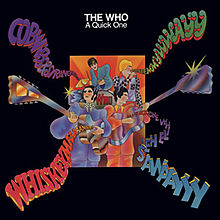
7. A Quick One – 1966 – The mini-opera starts here. A Quick One, While He’s Away is a classic song made of fragments weaved with each other to make a whole. Everyone writes at least one song for this album. John Entwistle with his signature tune Boris the Spider, Keith Moon turns out the crazy and strange “Cobwebs and Strange,” and a bit of power pop with I Need You. They also covered Heatwave with the familiar Who flair.
A forgotten great power pop song on this album is So Sad About Us. The overall sound of this album is incredible.
Tracklist
Run Run Run
Boris The Spider
I Need You
Whiskey Man
Heatwave
Cobwebs And Strange
Don’t Look Away
See My Way
So Sad About Us
A Quick One, While He’s Away
Maybe it’s no coincidence that the last three albums in the ranking are in order of release. Face Dances and It’s Hard both have a classic Who song in You Better You Bet and Eminence Front respectively. They both have some strong songs surrounding them…I just thought that Face Dances had more than It’s Hard.
Endless Wire is missing not only Keith but by 2006 also John. It’s hard to compete against your past when you are missing your entire rhythm section. It’s a different Who album and not as exciting…but anything written by Pete is worth listening to.
The Who started off as the Detours and had a drummer named Doug Sandom. After an argument with Pete, Doug quit the band. Keith Moon then joined and the sound and the band took off. They found the member to complete one of the best bands to emerge from the sixties. They were the band of the Mods and wore British Flags, target shirts, and other Pop Art attire.
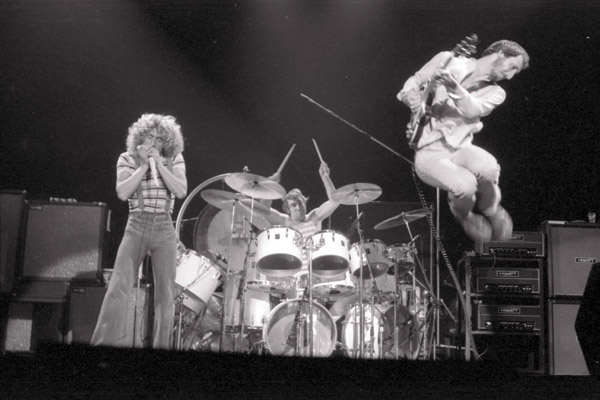
Controlled chaos is the best way I know how to describe the Who’s early singles. My favorite rhythm section in Rock and Roll… John Entwistle and Keith Moon were all over the place but they were all over the place together. What John and Keith gave musically cannot be underestimated. They were the engine that made The Who go…Pete Townshend coined the phrase “power pop” and they were the ultimate power pop band. Roger Daltrey was transformed from a good blues singer to a rock god. They released several classic albums… Who’s Next, Quadrophenia, Tommy, and Live at Leeds., The Who Sell Out…
The Who along with the Kinks were the forerunners of Punk. The Who’s early singles were raw and driving Can’t Explain, My Generation, Substitute, The Kids Are Alright, Pictures of Lily, I’m a Boy, and I Can See For Miles…
They moved from those early raw songs and released albums with songs such as Won’t Get Fooled Again, Baba O’Riley, Behind Blue Eyes, Love Reign O’er Me, Who Are You, Bargain. The Real Me, We’re Not Going to Take It, and 5:15
Pete took the rock concept album to an art form.
When they were at their performing peak they were untouchable. Check out the album or DVD of Live at the Isle of Wight Festival.
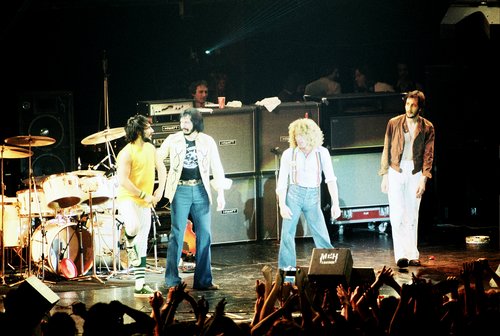
Their peer at that time had a great rhythm section, a great guitarist and a dynamic lead singer…Led Zeppelin. The Who were not as popular and they didn’t sell as many records as Led Zeppelin but The Who were fun… they more inviting.
They were the complete package. They had a good songwriter (Entwistle) in the band…and a great one (Pete). If you look at lists and influences… 10 ten rock drummers, top ten rock bassists etc..all of the Who come up in their respective category.
Led Zeppelin made the right choice in not replacing John Bonham. The Who decided to go on without Moon and were never the same again without Moon. Some of their songs were good afterward but they did not have the drive and spirit that Moon gave them and they were not complete without him.
I’ve never found a band other than the Beatles that moved me as much. Pete’s songs are high energy with a dash of spirituality.
I will revisit the Who again and coming up soon I’m going to attempt to rank the Who albums.
This band was rock, country, blues, pop and a little of everything. Their music is played on practically every jukebox and by every self-respecting bar band. The songs are not intricate masterpieces like Bohemian Rhapsody or A Day In The Life but masterpieces all the same.
Bands go their whole career without writing one song that is NOT a love song…this band wrote about everything else but love. Many of their songs have become standards today. They had songs about rivers, swamps, backdoors, jungles, and riverboats.
The band…or should I say John Fogerty wrote one song after another and kept hitting the charts. At the time it must have felt like the well would never run dry. Their songs were simple but so effective. John has a distinctive sound with not only his guitar but his voice. His voice was an instrument itself that drove his songs.
They were together in the public eye from 1968 to 1972. Creedence was one of the biggest bands in the world during those years. Songs kept coming like Proud Mary, Bad Moon Rising, Who’ll Stop the Rain, Green River, Looking Out My Back Door, Have You Ever Seen the Rain, Lodi, Traveling Band and etc… They were a singles band and they were an album band. Albums such as Cosmo’s Factory, Green River, Willy and The Poor Boys are classic albums.
Many people thought they were from the south…maybe Louisiana but they were from El Cerrito, California. Hard to believe they were from the same area as the Grateful Dead and the San Francisco music scene of the late sixties. Creedence was not a jam band like many of their peers, they played songs to the letter. They were called rock, country rock and swamp rock.
The band had 9 top ten hits and 16 songs that charted.
They were originally signed to Fantasy Records by Saul Zaentz to a bad record deal that kept John enslaved to the company long after the band broke up. Saul held the rights to John’s songs. Saul had promised the band, to begin with, that he would renegotiate the contract when the band got more successful…he never did.
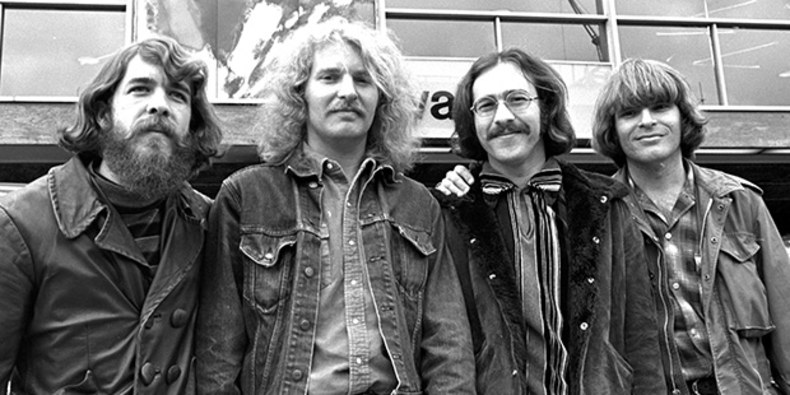
The band included guitar player, lead singer and writer John Fogerty, drummer Doug Clifford, bassist Stu Cook and Tom Fogerty (John’s brother) on rhythm guitar. Eventually, Tom, Stu, and Doug started to feel like John’s backup band and wanted more control. Tom quit and Creedence became a trio and took off on a tour and made an album.
The band broke up in 1972. It was a sad thing because who knows how many more songs Creedence could have created. Instead of music, the band bickered back and forth and still will file lawsuits from time to time against each other.
I’ve tried to read a few books about them but it’s hard to get through the name calling and the lawsuits that flew back and forth. They all were friends earlier but Stu, Tom, and Doug would usually take Saul Zaentz’s side against John. The brothers rarely talked to each other before Tom died in 1990.
I must admit I never jumped on the KISS bandwagon when they got popular. I wasn’t blind though, I saw and heard them everywhere at school. I was interested in them because they were such a mystery. The more I was ignoring them the more I felt like I was missing out on something.
The lunch boxes and the KISS Army posters were everywhere. I remember my schoolmates talking to each other about the KISS comic book that had their blood mixed in with the ink. To a 10 year old that was pretty cool. After talking about them to friends I did end up buying “Destroyer.” I liked it ok but it was the image that intrigued me.
They were brilliant in what they did…not getting their photos taken without makeup and keeping their past hidden. They were like cartoon characters coming to life. They knew how to market themselves and kept people wanting more.
I did like some of the songs like Shock Me, Hard Luck Woman, New York Groove, and the anthem Rock and Roll All Night.
I also remember that TV movie KISS Meets the Phantom of the Park. I will admit I still watch it from time to time because it is so bad it’s good.
After the 70s I really didn’t follow them at all until…
In the 90s I finally got to see them with the original members and makeup. Since I never got to see them at their peak this was as close as it got. It was like finally solving the mystery I couldn’t solve when I was 10. I had fun and that was enough for me… for closure.
I have some friends who are still fans of them and who followed them through the 70s until now.
They do have their place in history whether if you like them or not and they were as part of the 1970’s as Star Wars and Inflation.
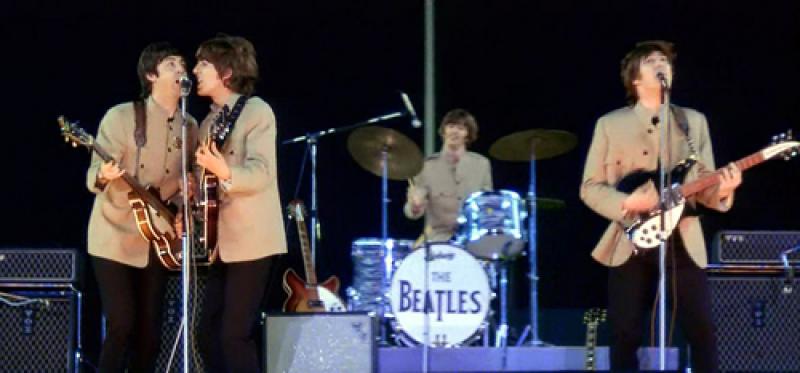
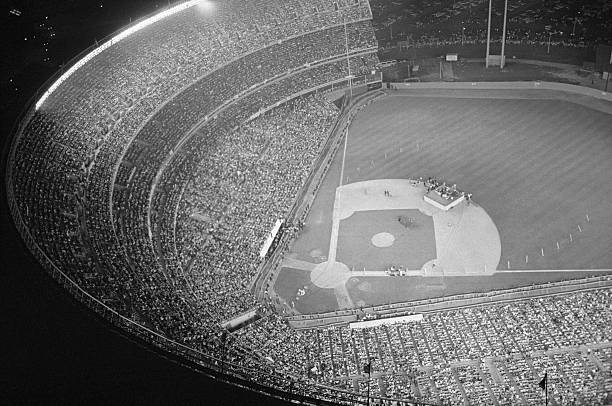
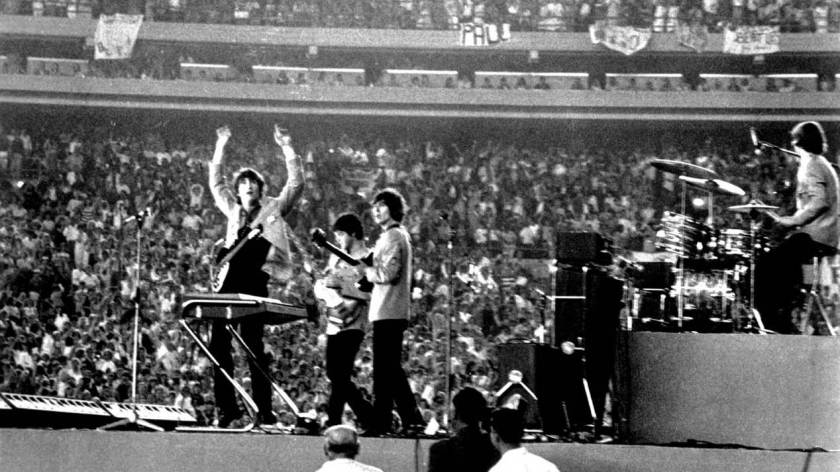
On August 15, 1965 The Beatles played to the largest audience to that point of any rock band. 55,600 fans were in Shea Stadium ready to be entertained by the Beatles.
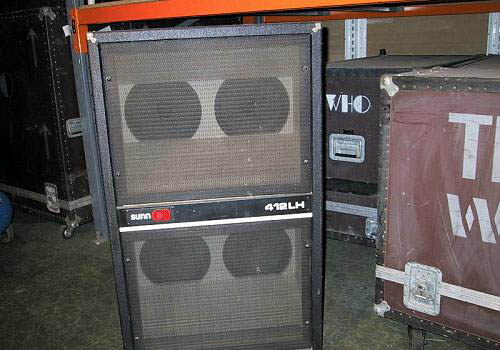
Looking at the equipment they had…it had to be hard to hear anything. They used 100 Watt Vox amps. They are great amps but they used the house PA in a baseball stadium. I’ve played much smaller outside events with more powerful equipment and most importantly a better PA…but it didn’t matter at the time though as Ringo said:
“We always used to use the house PA,” added Starr. “That was good enough for us, even at Shea Stadium. I never felt people came to hear our show — I felt they came to see us. From the count-in on the first number, the volume of screams drowned everything else out.”
The fans turned Beatle concerts…and especially this one into an event more than a concert. The Beatles were very aware of the magnitude of this concert. ABC filmed the concert and it became a documentary. The looks on the Beatles faces were “Can you believe this?” and they seem to really enjoy this concert. The screams come through when you watch the documentary. They drown out everything. Luckily they plugged the recording equipment into the soundboard so at least you can hear them.
During the closing song, “I’m Down” John was playing the organ and you can tell he was having a great time. He was playing this his arms and cracking up George as well. John once told Sid Berstein who promoted the concert “You know, Sid, that concert in 1965 at Shea Stadium … I saw the top of the mountain on that unforgettable night.'”
The Shea Stadium total was an attendance record that lasted until Led Zeppelin played to 56,800 in Tampa in 1973. That record was soon broken by The Who. The difference being by then the rock crowd had grown up and so had the equipment.
The 12 song Beatles setlist that lasted a whole 30 minutes.
Twist and Shout
She’s a Woman
I Feel Fine
Dizzy Miss Lizzy
Ticket to Ride
Everybody’s Tryin’ to Be My Baby
Can’t Buy Me Love
Baby’s in Black
Act Naturally
A Hard Day’s Night
Help!
I’m Down
Like so many of The Beatles achievements…They were pioneers.
I’ve always liked the Clash. Love the London Calling album and really started to listen to them when Combat Rock came out. I’ve never known much about them. This was the first song I ever knew by the Clash when I heard it on the radio in 1980.
They started off as a punk band but The Clash, unlike some other Punk bands, could really play and sing well…and above all else write some great songs. This song was written by
The song was released in 1979 and reached #23 on the Billboard Charts. It is listed by Rolling Stone Magazine at 298 in the top 500 songs of all time. Train in Vain was written by Mick Jones and Joe Strummer.
On the original vinyl copy of the album “Train Is Vain” isn’t listed on the tracklisting on the sleeve. The story is that the song was recorded for an NME promotional flexi-disc once the London Calling sessions were done, and the flexi-disc idea then fell through, leaving the song with no home. The band hastily tacked the song onto the end of the album just before vinyl pressing, but the sleeve had already been designed and there was no time to add it to the tracklisting. The only clue of it’s existence is in the run-out groove on Side 4, where the name is carved into the vinyl. On all subsequent releases (including the CD copy) “Train In Vain” is included on the tracklisting on the sleeve.
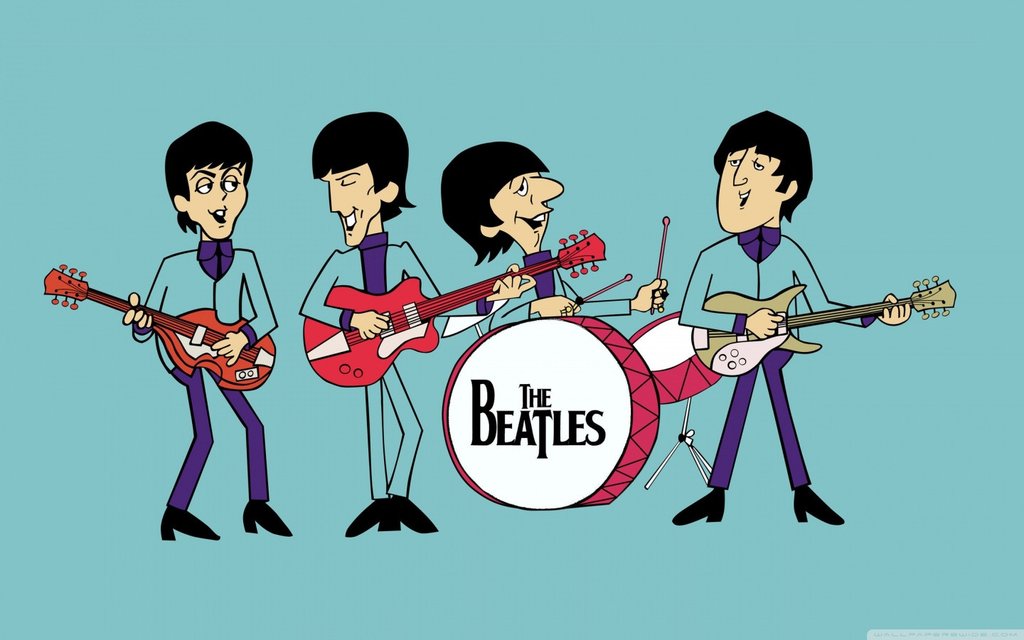
I have all 39 episodes taken from VHS tape but you can view most on youtube. The cartoon reminds me of the style of Rocky and Bullwinkle. John and George were voiced by Paul Frees who did the voice for Boris Badenov on Rocky and Bullwinkle. They ran on ABC from 1965-1969 though only 65-67 were first run episodes.
The show was made on the cheap and the cartoon Beatles were put in usual cartoon situations like a jungle, haunted house, or on a boat. The main thing was to play a Beatle song in the background while our heroes got out or into a jam.
They were a rating success. I watch them now and think…why not get actors with real British accents to voice them? They are silly and fun but George especially had no accent at all. The Beatles had nothing to do with them and didn’t really like them at first when they were first on air. They started to appreciate them more as time went on.
With season 3 you start seeing more pop art being incorporating in the episodes. They have segments where flower power framed the newer songs. Some of the segments looked really good but then they would go back to their younger selves. Some of the episodes could be considered so bad they are good…but I like them.
I never got to see these until the 1980s.
Below is some samples of it.
Below are the episodes descriptions from Wikipedia
Season 1 (1965–66)
1. A Hard Day’s Night / I Want to Hold Your Hand: The Beatles are in Transylvania rehearsing in a haunted house with “monstrous” visitors, including a vampire, a ghost, a werewolf, and a witch, with a parody of Boris Karloff; To hide from their fans, the Beatles run inside a diving bell which drops them into the ocean with a lovesick octopus. Sing Alongs: Not A Second Time / Devil In Her Heart
2. Do You Want To Know A Secret / If I Fell: The Beatles go to Dublin, Ireland for the weekend where they meet a leprechaun named Wilhelmina Morris; John is kidnapped by Dr. Dora Florahyde and Igor, both of whom want John’s brain for their monster. In the I Want To Hold Your Hand Sing Along, Ringo is shown inside a submarine. Sing Alongs: A Hard Day’s Night / I Want To Hold Your Hand
3. Please Mr. Postman / Devil In Her Heart: Ringo loses 15 rings he bought with all of the Beatles’ spendings and they are expecting a telegram from manager Brian Epstein for more money; Ringo wanders into the woods in Transylvania where he meets a witch who wants Ringo for a husband. Sing Alongs: If I Fell / Do You Want To Know A Secret
4. Not A Second Time / Slow Down: The Beatles abandon their flight and land in Africa while trying to get away from their fans, but three girls keep tracking them down. They later encounter a few crocodiles; The Beatles are on the way to the town Ringo Ravine (named after Ringo) until they encounter a donkey that smells gold named “Gold Nose”. Sing Alongs: Baby’s In Black / Misery
5. Baby’s In Black / Misery: Paul gets kidnapped by Professor Psycho who wants Paul to marry his creation Vampiress, half girl and half bat; The Beatles go to a wax museum where a vampire follows them. Sing Alongs: I’ll Get You / Chains
6. You’ve Really Got A Hold On Me / Chains: In Africa, Ringo asks a medicine maker named Jack to help fix the Beatles’ flat tire. He then turns a worm into a snake and it lusts for Ringo; After getting knocked out, Ringo dreams about himself as Captain William Bligh from the movie Mutiny on the Bounty (1962). Sing Alongs: Slow Down / Honey Don’t
7. I’ll Get You / Honey Don’t: The Beatles run into hunter Alan Watermain (a parody of Alan Quartermain) in Africa after escaping from their fans and go out hunting for a lion; Ringo is mistaken as a bull rider, and the cowboys send him to ride on a super-tough bull named Honey. Sing Alongs: You’ve Really Got A Hold On Me / Any Time At All
8. Any Time At All / Twist and Shout: The Beatles imagine themselves as the Three Musketeers (Plus One) while they are on a tour at a museum in France; The Beatles attend an art show where a girl tries to be like other artists. They inspire her with music. Sing Alongs: I’ll Be Back / Little Child
9. Little Child / I’ll Be Back: A Native American girl on a Texas Indian reservation wants to prove that girls are as good at trapping as boys are by trapping the Beatles; The mayor of a Texas town gives Ringo a golden guitar as a gift, only to be stolen by three men, prompting the Fab Four to hunt for the thieves and get the guitar back. (The song “Ticket to Ride” is heard at the beginning of this episode.) Sing Alongs: Long Tall Sally / Twist And Shout
10. Long Tall Sally / I’ll Cry Instead: The Beatles stay at a castle for the night during a fog. John and Ringo try on a couple of cursed armor suits and start to fight each other; After signing too many autographs in Japan, George’s hand gets swollen and suffers “autographitis”. His bandmates take him to a hand doctor but end up in a karate class by mistake. Sing Alongs: I’ll Follow The Sun / When I Get Home
11. I’ll Follow the Sun / When I Get Home: The Beatles’ car breaks down and they are captured by a highwayman who happens to be a car repair man; The Beatles explore the Notre Dame in France where they later meet its famous hunchback Quasimodo. Sing Alongs: I’ll Cry Instead / Everybody’s Trying To Be My Baby
12. Everybody’s Trying To Be My Baby / I Should Have Known Better: The Beatles, spending the night at a temple in Japan during a rainstorm, are mistaken for Japanese ancestors of four girls; The Beatles are in Rome trying to find a theater to rehearse. Their last resort is the Coliseum. Sing Alongs: I’m A Loser / I Wanna Be Your Man
13. I’m A Loser / I Wanna Be Your Man: In Hollywood, Ringo gets hired as a stuntman by Incredible Pictures Inc. and ends up in the hospital after getting pulverized in many scenes; In Rome, the Beatles buy a statue of the Goddess of Musica made from stolen gold coins melted down and sculptured. Sing Alongs: No Reply / I’m Happy Just To Dance With You
14. Don’t Bother Me / No Reply: In Rome, The Beatles are being followed by two spies who are after their songbook, “New Beatle Songs”, marked “Top Secret”. The Beatles movie Help! and Oddjob from the James Bond movie Goldfinger are spoofed; In Japan, The Beatles are warned by a Charlie Chanlookalike about a jewel thief named Anyface. Things become complicated when Anyface shows up disguised as Paul. Sing Alongs: It Won’t Be Long / I Should Have Known Better
15. I’m Happy Just To Dance With You / Mr. Moonlight: The Beatles are in a Roman Street Festival where Paul wins a dancing bear named Bonnie; The Beatles meet Professor Ludwig Von Brilliant who is on a mission to view an eclipse. After being adrift at sea, they escape from an island on a submarine. Sing Alongs: Don’t Bother Me / Can’t Buy Me Love
16. Can’t Buy Me Love / It Won’t Be Long: John is given a friendship ring from a Polynesian tribal chief, which means he must marry the chief’s New York-accented daughter who dislikes pineapples; While picnicking in Japan, John goes for a swim in a pond with shrinking potion in it and gets shrunk. The other Beatles think John is a Beatle doll and chase after him. Sing Alongs: Anna (Go to Him) / Mr. Moonlight
17. Anna / I Don’t Want To Spoil The Party: In Japan, Paul gets lured into a ghost ship called “Ah-Nah”. The other Beatles dash off to the rescue before they might lose Paul for good; Paul, George and Ringo sneak away from John and go to Greenwich Village for some fun time at a Beatnik party rather than going to a museum. Sing Alongs: Matchbox / Thank You Girl
18. Matchbox / Thank You Girl: In Hawaii, John buys a trailer for the group to stay in rather than staying at a hotel so many times. They later encounter a group of Hawaiians who are evacuating from a volcano; The Beatles sneak away from their manager to get something to eat at a French restaurant by enrolling in a cooking course. Sing Alongs: I Don’t Want To Spoil The Party / Help!
19. From Me To You / Boys*: In Hawaii, a surfer named Surf Wolf challenges George to a surfing duel; The Beatles participate in a Mr. Hollywood Contest in California. Sing Alongs: Please Mr. Postman / I Saw Her Standing There Note: The opening title erroneously shows “With Love From Me To You”
20. Dizzy Miss Lizzy / I Saw Her Standing There: John and Paul secretly sign George up to an ice boat race, and he partners up with a girl named Lizzy; In Madrid, John and Paul visit a restaurant where John develops a hot foot with ashes in his boot. Rosita falls for John, and her boyfriend Jose challenges John to a duel. Sing Alongs: Ticket To Ride / From Me To You
21. What You’re Doing / Money*: The Beatles are on a fishing trip, and Ringo runs into gypsies. One of them falls for Ringo and wants to marry him. George comes in as a woman claiming he’s engaged to Ringo to get him back; John puts Ringo in charge to keep their money safe in his jacket pocket. Later Ringo is being followed by a mystery man at a carnival who is after the money. (The song “Help!” is heard at the beginning of this episode.) Sing Alongs: Dizzy Miss Lizzy / All My Loving
22. Komm Gib Mir Deine Hand* / She Loves You: The Beatles visit the Bavarian alps mission is to climb up a mountain with the dog Gunthar to put up their own flag on top; The Beatles are about to rescue a girl who they think is held as a prisoner on a ship. As a result, her boyfriend, a knife thrower, comes to her defense…with knives. Sing Alongs: Bad Boy / Tell Me Why
23. Bad Boy / Tell Me Why: The Beatles visit the Bavarian Alps. They encounter a runaway named Hans who wants to be a Beatle, prompting The Fab Four to run after him with their music (in which Paul plays the bass right-handed) and take him back home. (The song “Slow Down” is heard in the background); In Spain, Ringo is the jockey of a donkey that can run like a horse whenever she hears loud music. Sing Alongs: Please Please Me / Hold Me Tight
24. I Feel Fine / Hold Me Tight: Paul thinks Hollywood’s a phony. Actor Dick Dashing wants to prove Paul he is wrong by putting him in some different movie scenes; In New York, George and Ringo visit the Statue Of Liberty until they have spotted a man with a package which they think is a bomb. Sing Alongs: What You’re Doing / There’s A Place
25. Please Please Me / There’s A Place: In Madrid, a bull named El Taco gets knocked out, and the Beatles decide to help out with the bullfight with Ringo as the matador, and John and Paul as the bull; John’s sympathy helps a trained ape named Mr. Marvelous escape from the television studio and go out to explore the outside world. Sing Alongs: Roll Over Beethoven / Rock And Roll Music
26. Roll Over Beethoven / Rock and Roll Music: The Beatles are on their way home after visiting New York City until Paul gets grabbed by an elephant named Beethoven; The Beatles are invited to play at the Duke’s Palace, but they are mistaken for a string quartet. Sing Alongs: I Feel Fine / She Loves You
Season 2 (1966)
27. Eight Days A Week / I’m Looking Through You: A great movie lover named Lips Lovelace loses his ability to kiss. Paul decides to take his place in the studio with a leading lady who falls for him; The Beatles are in Egypt. They are wandering around in a pyramid until Ringo encounters a ghost who wants a body, and he chooses Ringo’s. Sing Alongs: Run For Your Life / Girl**
28. Help! / We Can Work It Out: Paul and Ringo go to a fashion show in Paris, but the designs are stolen by a thief named Jacques Le Zipper. Paul chases Jacques to the Eiffel Tower, and has trouble with heights; George becomes superstitious. The Beatles encounter the Lucky Wizard who is really a thief trying to give them bad luck and rob their money. Sing Alongs: The Night Before** / Day Tripper
29. I’m Down* / Run For Your Life: The Beatles are on a tour at a wine factory in France where Ringo accidentally knocks down a vat of wine. If it does not get fixed in two hours, the factory will go out of business; The Beatles are on a tour at the Palace of Versailles. Ringo gets knocked out by a statue, and dreams about the days of Marie Antoinette. Sing Alongs: Eight Days A Week / Paperback Writer
30. Drive My Car* / Tell Me What You See*: The Beatles help a young man and his girlfriend get their old jalopy running in a car race, the Popsville Hot Rod Race; While visiting “the man of a thousand faces”, The Beatles fool around with his makeup machine and change into different characters. (John briefly imitates Jimmy Durante and Swee’Pea from “Popeye” makes a cameo.) Sing Alongs: Yesterday** / We Can Work It Out
31. I Call Your Name* / The Word*: Ringo is convinced to release his pet frog Bartholomew in the swamp. Later a movie producer offers a filming deal to Ringo and the frog, and the Fabs have dashed off to find Bartholomew; The Beatles are being punished after gazing at the girls’ unveiled faces. The only way to get out of the situation is to say the password: “love”. Sing Alongs: She’s a Woman** (original broadcast, replaced with a repeat of I Feel Fine) / Wait
32. All My Loving / Day Tripper: The Beatles are in India where they learn how to charm an animal at an “Indian Charm Skool”. When the animal is revealed to be a tiger, they use music to tame it when it is about to claw John and Ringo (The song “Love You To” is heard in the beginning of this episode.); After watching the movie The Way Out Creatures From Planet Glom, the Beatles take a trip out into space with a beautiful woman who is actually an alien taking them on a one-way trip 23 billion miles from Earth. Sing Alongs: I’m Looking Through You / Nowhere Man
33. Nowhere Man / Paperback Writer: The Beatles walk into a cave for some exploring which is a home of a hermit who wants to be alone. He tries to get rid of them, but no luck; Each of the Beatles write fictional stories of how they met with Ringo as a theatre actor, Paul as a scientist, George as a secret agent, and John as a war pilot. Sing Alongs: And I Love Her** / Michelle**
Season 3 (1967)
34. Penny Lane / Strawberry Fields: In a spoof of James Bond, the Beatles are jealous of a detective named James Blonde who gets more attention from many women, so the Fab Four head to their hometown of Liverpool to stop a robbery on Penny Lane so they can be heroes; Traveling with their driver James, the Beatles use music to add color and happiness to the lives of the children at an orphanage, a reference to Strawberry Field in Woolton, a suburb of Liverpool. John sums up the experience with “It’s all in the mind, you know.” Sing Alongs: Good Day Sunshine / Rain**
35. And Your Bird Can Sing / Got To Get You Into My Life: The Beatles and a couple of hunters hunt for a rare bird called a green double-breasted tropical woosted that can sing anything, including “Hound Dog” and “She Loves You”; The Beatles are in India, learning how to escape from their bodies from Swami Rivers. It works, but the problem is that the souls’ bodies are moving by themselves, and they must get them before it’s too late. (“Love You To” is heard in the background) Sing Alongs: Penny Lane / Eleanor Rigby
36. Good Day Sunshine / Ticket To Ride: Ringo thinks he’s a jinx. When the Beatles arrive at Carney Island, it starts to rain. Their music turns the rainy day back into a sunny day which makes Ringo happy. (The song “Little Child” is heard at the end of this episode.); The Beatles each have their own hobby. Paul paints, George builds a three-eyed robot, John writes and Ringo collects “birds” which is an English slang term for girls. Paul releases the only one Ringo caught and he runs after her. Sing Alongs: Strawberry Fields Forever / And Your Bird Can Sing
37. Taxman* / Eleanor Rigby: The Beatles get knocked out while carrying tons of money to the bank, and dream about the days of Robin Hood. Paul exclaims: “It never happened”; A group of children claim that an elderly woman named Eleanor Rigby is a witch. The Fabs tell them the true story about Eleanor Rigby in a song. (The song “I Feel Fine” is heard at the end of this episode.) Sing Alongs: Got To Get You Into My Life / Here, There and Everywhere**
38. Tomorrow Never Knows*/I’ve Just Seen a Face*: The Beatles fall into a well and end up in the inner world with foreign natives. The chief wants the Fabs to marry his daughters, and they began to run away. (The song “Love You To” is heard during this episode.); Ringo loses his singing voice. For treatment, his three mates send Ringo to a haunted house to scare his voice back. Sing Alongs: She Said She Said** / Long Tall Sally (repeat)
39. Wait / I’m Only Sleeping*: The Prince of Krapotkin’s girlfriend is in grave danger. The Beatles help him to save her from the Prime Minister who wants to marry her; John falls asleep while telling a story to a couple of children. In his dream he volunteers to help King Arthur and Merlin slay a vicious dragon. However, John and his mates opt instead to play music to put the dragon to sleep. Sing Alongs: Penny Lane (repeat) / Eleanor Rigby (repeat)
Roadies have always been an important part of a band. Occasionally some will be rise above and become well known and some will end up as an executive in the band’s organization. Some will burn out like their bosses and below are a few famous roadies.
Neil Aspinall – Beatles
The first roadie the Beatles employed. He started to help the Beatles out by driving their van from gig to gig. He was soon their road manager and personal assistant. He ended up being the Chief Executive of The Beatles company Apple Corps until 2007. He passed away in 2008.
He was a trained accountant and knew George and Paul when they were kids. He was well trusted by all members. He stayed neutral in all of the arguments while he continued to run a prosperous Apple Corps to the end.
Mal Evans – Beatles
He was hired to help out Neil Aspinall as a roadie. Mal became their personal assistant after they stopped touring. After the Beatles broke up he did some producing…he produced the Badfinger’s single “No Matter What”. He also produced Keith Moon’s first album “Two Sides of the Moon” but was replaced midway through.
In the seventies, he still did work for some of the Beatles accompanying them on trips and odds and ends. He then separated from his wife Lil and after that, he started to have bad depression. While depressed and reportedly using downers, he was shot by LAPD while holding an air rifle and refusing to put it down. He was thought highly of by all the Beatles…See George’s quote below.
George Harrison on Mal Evans
, “Mal loved his job, he was brilliant, and I often regret that he got killed. Right to this day, I keep thinking, ‘Mal, where are you?’ If only he was out there now. He was such good fun, but he was also very helpful: he could do everything…He was one of those people who loved what he was doing and didn’t have any problem about service. Everybody serves somebody in one way or another, but some people don’t like the idea. Mal had no problem with it. He was very humble, but not without dignity; it was not belittling for him to do what we wanted, so he was perfect for us because that was what we needed.”
Red Dog – Allman Brothers
Duane Allman befriended Joe Campbell (Red Dog) a Vietnam vet and Red Dog stayed with the Allman Brothers for three decades. He gave the band his disability checks to help them stay afloat at the beginning. He soon became a trusted member of the team. His picture with all the roadies is on the back cover of the At Fillmore East album.
Here is a quote from Cameron Crowe on Red Dog when he published his book.
“I’ll admit it right now. I am a big fan of Red Dog, and have been even before he allowed me to interview him back in 1973 for a story in Rolling Stone. Hell, he was already legendary back then. But now I just have to say that I am extremely jealous of the Great Dog, because I’ve just finished reading A Book of Tails. True rock, the kind that lasts forever, is about honesty and humor and love and chasing the elusive buzz of greatness.
Ramrod – Grateful Dead
Lawrence Shurtliff (Ramrod) joined on the Grateful Dead in 1967 and in the seventies became the President of the Grateful Dead board of directors until Garcia’s death in 1995.
Bob Weir on Ramrod
“When he did join up, it was like he had always been there. I won’t say he was the missing piece, because I don’t think he was missing. He just wasn’t there. But then he was there. And he always will be. He was a huge part of what the Grateful Dead was about.”
This band was huge in the mid-60s. They were famous for jug band music but would have pop/rock success. The members were John Sebastion, Zal Yanovsky, Joe Butler, and Steve Boone. They started in the folk scene in the early sixties. They were signed in 1965 to Kama Sutra Records and released “Do You Believe in Magic” which reached #9 in the charts.
After that, the hits kept coming…You Didn’t Have to Be So Nice (#10), Did You Ever Have To Make Up Your Mind (#2), Daydream (#2), Summer in the City (#1), Rain on the Roof (#10), Nashville Cats (#8), Darling Be Home Soon (#15), Six O’ Clock (#18) and She Is Still a Mystery (#27). They had all of these hits between 1965-1968
In the 1980s I really got into this group. I purchased one of the many greatest hits of this band. I first heard of John Sebastion in the 70s when he wrote and sang the theme song of TV show Welcome Back Cotter called “Welcome Back” that went to #1.
The Lovin’ Spoonful were considered by producers to be in a television show but they were dropped over a conflict of song publishing rights. It’s probably a good thing that happened or they would not have been taken seriously. The producers were the ones that a short time late started the Monkees.
Their songs are grounded in folk, jug music, and blues. I don’t know if it is possible to be in a bad mood while listening to them. Their songs are now staples on oldies radio stations.
Zal Yanovsky left in 1967 after being dissatisfied with John’s more personal songwriting and a pot conviction. John Sebastion left the group on 1968 and with him gone the hits dried up.
A fun band to listen to. You won’t hear rock operas or rocking solos but you will hear a band that sounds like they are having a good time.
They reunited in once in 1979 and for their Rock and Roll Hall of Fame induction in 2000.
A biography about Brian Jones who founded the Rolling Stones written by Paul Trynka. This is more of a sympathetic look on Brian than other books I’ve read. Trynka digs deep with meticulous research. He tries to be fair and Brian isn’t always shown as the nicest guy in the world but he also isn’t always the person that Mick and Keith seem to remember when they actually remember him at all.
This book is not just a rehash of the best-known things about Jones and the Stones. Some instances that Stones fans know like the period where Keith ran off with Brian’s girlfriend Anita Pallenberg, we get more information on what happened. He researched Brian’s childhood and adult life thoroughly and you feel like you know the man before the book is over.
This is not only a good book on Brian but also the birth of the Stones. After reading what I’ve read about Brian in past books, I had to wonder to myself, is this author trying to make Brian look better than he was? After reading more I didn’t think so. He interviewed over 100 people for this biography and many of them were either close friends or knew Brian. He was fair about the good and bad.
When you think of Brian Jones you can’t help but think of the way his life ended. Paul Trynka doesn’t miraculously find the definite answer to Brian’s death but he gives you the most recent events that have been uncovered and basic common sense answers to a mystery that probably will never be solved.
The Rolling Stones had three different lead/rhythm guitarists. Brian Jones, Mick Taylor, and Ronnie Wood. I make no secret of loving the Taylor period of the Stones. Saying that I will admit during the Brian Jones era they were more creative and tried different things. He was very important to their sound. Under My Thumb, Paint It Black, No Expectations, The Last Time, and Ruby Tuesday would not have been the same without Brian.
The book deals with the complicated relationship between Brian, Mick, and Keith. George Harrison and Brian Jones became friends and they had a lot in common. They were in a similar situation in their respective bands. The big difference was George had more of a support system than Brian did in his band. John and Paul had a monopoly on the songwriting but they would help George and he was given a chance to grow as a songwriter within the group. The Stones didn’t work that way.
Brian could be his own worst enemy and had a hard time handling fame but he was a very talented musician. Maybe the best musician in the band. Keith and Mick learned a lot from Brian. His musicianship, image, and outlook on life rubbed off on the more inexperienced Mick and Keith.
I would recommend this book to any Stones fan. You get a better picture of the earlier days. It is a reminder that it took more than Keith and Mick to get the Stones rolling.
Brian Jones is to the Rolling Stones what Leon Trotsky was to the Russian Revolution: organizer, ideologist and victim of a power struggle. Jones founded the group, gave it its name and recruited the schoolboys Mick Jagger and Keith Richards, who then marginalized him, eventually expelling him from the band. Since his death in 1969, a month after he was forced out, Jones has largely been airbrushed from the group’s history.
Paul Trynka’s biography “Brian Jones: The Making of the Rolling Stones” challenges the standard version of events, focused on Mr. Jagger and Mr. Richards, in favor of something far more nuanced. Though Mr. Trynka sometimes overstates Jones’s long-term cultural impact, his is revisionist history of the best kind — scrupulously researched and cogently argued — and should be unfailingly interesting to any Stones fan.
Specifically, “Brian Jones” seems designed as a corrective to “Life,” Keith Richards’s 2010 memoir. Mr. Trynka, the author of biographies of David Bowie and Iggy Pop, and a former editor of the British music magazines Mojo and Guitar, has interviewed Mr. Richards several times over the years and obviously likes him, but also considers his memory of events highly unreliable.
“History is written by the victors, and in recent years we’ve seen the proprietors of the modern Rolling Stones describe their genesis, their discovery of the blues, without even mentioning their founder,” Mr. Trynka remarks in the introduction. Without naming Mr. Richards, he also expresses his distaste for an assessment that appears in “Life,” that Brian Jones was “a kind of rotting attachment.”
The portrait of Jones that Mr. Trynka offers here is bifurcated. Though he is impressed with Jones’s “disciplined, honed sense of musical direction” and his dexterity on guitar and many other instruments, he does not hesitate to point out his subject’s more unpleasant personality traits: He was narcissistic, manipulative, misogynistic, conniving and dishonest about money. It’s not accidental that this book is called “Sympathy for the Devil” in Britain.
Mr. Trynka attributes Jones’s downfall to a conjunction of factors, some related to those character flaws but others external to him. Much has been written about the drug busts that swept up Mr. Jagger and Mr. Richards in the mid-1960s and their court battles, though Jones seems to have been even more of a target, because he was such a dandy and so successful with women.
But as Mr. Trynka tells it, Jones did not receive strong legal advice or fight charges as hard or as successfully as the Jagger-Richards team. After his first arrest, he pleaded guilty, which drove a wedge between him and other band members, who feared it would mean they could no longer tour abroad, all of which left him feeling crushed, isolated and vulnerable. That, in turn, increased his consumption of drugs and alcohol and made him less productive as a musician.
Nevertheless, Mr. Trynka demonstrates convincingly that the original Rolling Stones were Jones’s band and reflected his look, tastes and interests, not just the blues but also renaissance music and what today would be called world music. (He recorded the master musicians of Joujouka in the mountains of Morocco.) In “Life,” Mr. Richards describes his discovery of the blues-tinged open G guitar tuning, familiar from hits like “Honky Tonk Women” and “Start Me Up,” as life changing, and says it came to him via Ry Cooder in the late 1960s. But Mr. Trynka notes that Jones often played in that tuning from the band’s earliest days and quotes Dick Taylor, an original member of the Stones, as saying, “Keith watched Brian play that tuning, and certainly knew all about it.”
Some of Mr. Trynka’s account is not new, having appeared in “Stone Alone,” the often overlooked 1990 memoir of the Rolling Stones bassist Bill Wyman, or other books written by band outsiders. What makes Mr. Trynka’s book fresh and interesting, and gives it credibility, is the length he has gone to find witnesses to corroborate and elaborate on those stories.
It’s not just that Mr. Trynka has sought out those who worked with the band on the creative side, such as the singer Marianne Faithfull, the arranger Jack Nitzsche and the recording engineers Eddie Kramer, Glyn Johns and George Chkiantz. He has also interviewed those with more of a worm’s-eye view: drivers, roadies, office staff, old girlfriends and former roommates like James Phelge, whose surname the band would appropriate to designate songs that were group compositions rather than Jagger-Richard numbers.
“Brian Jones was the main man in the Stones; Jagger got everything from him,” the drummer Ginger Baker, who played in the band at some of its earliest shows and went on to become famous as a member of Cream, says in the book. “Brian was much more of a musician than Jagger will ever be — although Jagger’s a great economist.”
Citing those present at the creation, Mr. Trynka contends that Jones had a hand in composing some well-known Stones tracks, including “Paint It, Black” and “Under My Thumb.” He also claims that “Ruby Tuesday,” a No. 1 hit early in 1967, is actually a Jones-Richards collaboration — written not by Mr. Richards in a burst of inspiration and heartbreak in a Los Angeles hotel room, which is how the story is told in “Life” and elsewhere, but, according to Ms. Faithfull and Mr. Kramer, “labored over” by the pair in London for weeks.
“I used to say to Brain, ‘What on earth are you doing?’ ” Stan Blackbourne, the accountant for the Rolling Stones at their mid-1960s peak, recalls in the book. “ ‘You write some of these songs, and you give the name over as if Mick Jagger has done it. Do you understand, you’re giving ’em thousands of pounds!’ All the time I used to tell him, ‘You’re writing a blank check.’ ”
Mr. Trynka also looks into the circumstances of Jones’s death, on July 3, 1969, in the swimming pool at his home in East Sussex, once owned by A. A. Milne, but after all the Sturm und Drang that has come before, the subject is somewhat anticlimactic. In numerous books and in films like “Stoned,” it has been suggested that Jones was murdered, but Mr. Trynka painstakingly examines the flaws in each of the theories, and ends up close to the official verdict, “death by misadventure,” because of drug and alcohol consumption.
“The official coroner’s verdict on Brian’s death was perfunctory and lazy,” Mr. Trynka concludes. Nonetheless, “I’ve come to share their belief that Brian’s death was most likely a tragic accident” and to believe that “many of the existing theories that his death was in fact murder rely on unreliable witnesses.”
In the end, with the advantage of 45 years’ perspective, Mr. Trynka maintains, it is Jones’s music that matters. “It’s understandable why the survivors resent Brian Jones beyond the grave,” given his founder’s role, he argues, and also writes: “Brian Jones got many things wrong in his life, but the most important thing he got right.”
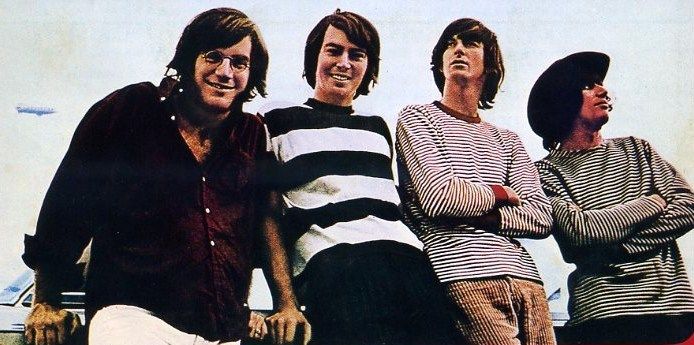
A powerpop group from Cleveland Ohio in the early to mid-70s. They were influenced by the Beatles, Small Faces, The Who and The Beach Boys. They had some of the same problems as Badfinger, being too hard for pop and too soft for rock. Badfinger was overall more successful but the Raspberries had some top 40 hits.
“Go All The Way” (1972 #5), I Wanna Be With You (1972 #16), Lets Pretend (1973 #35), and Overnight Sensation (1975 #18). They were too clean cut for rock fans to embrace. Matching suits and a teenybopper image. Unhip or uncool is what was many critics of that time wrote about them but their songs are melodic and fun.
Most bands have one song that is above the rest of their catalog. Many would probably say the Raspberries best song was Go All The Way but to me, it was Overnight Sensation. That song is their masterpiece. The song tells of the frustrations of trying to have a hit song on the radio with a heavy Who, Beach Boys, and Beatle sound.
After their album “Starting Over” in 1975 they broke up. If they could have stayed around a few more years they may have fit nicely with Cheap Trick, The Cars, The Knack, and Blondie.
Many artists list them as an influence and are fans such as KISS, Courtney Love, and oddly enough Bruce Springsteen and Axl Rose have mentioned them.
John Lennon was a fan of them and was in the studio when they made “Starting Over.”
Eric Carmen had a very successful solo career after the breakup but he stuck with pure pop in his music. He finally got the elusive hits he sang about in Overnight Sensation with All By My Myself, Never Gonna Fall in Love Again, and some songs off of the Dirty Dancing soundtrack. I never thought they were as good as his Raspberries songs.
The Raspberries reunited in 2004 and did a tour. I have watched some video of one of the shows and they were really tight.
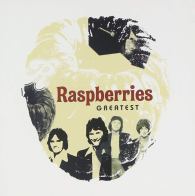
If you want to get a cd that covers their career get “The Raspberries Greatest”
The original members were
Eric Carmen (Volcalist, Guitar, Pianist, Bass)
Dave Smalley (Bass, Guitar)
Wally Bryon (Guitar)
Jim Bonfanti (Drummer)
















 PowerPop... An Eclectic Collection of Pop Culture