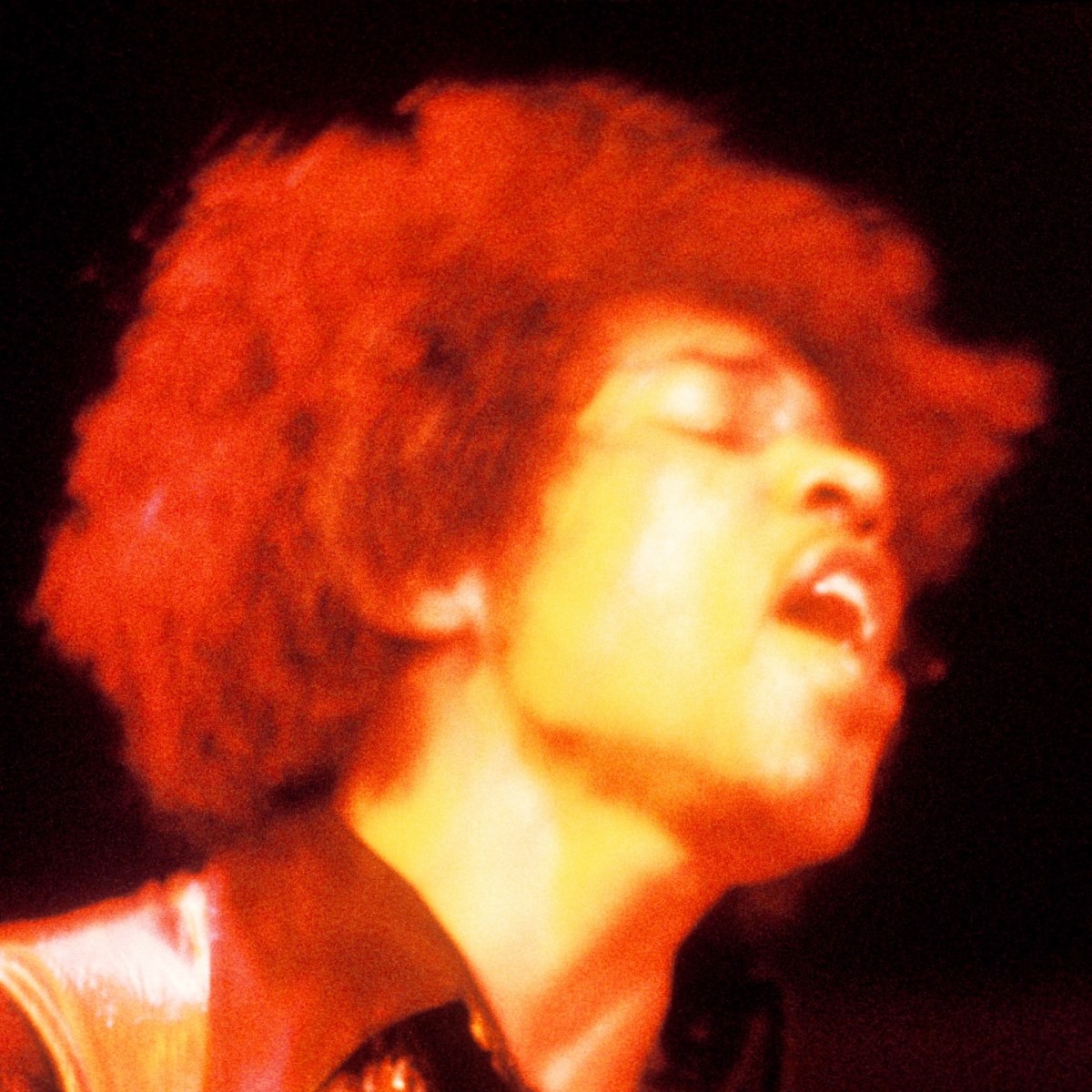
This one is on Jimi’s last and third studio album released while he was alive. So many albums have some out with Hendrix after he died. You get the feeling the man was constantly plugged into an amp in a studio while the record button was pushed.
This song to me, features some of his best singing…the mood of the song is a little different than his previous work. More mature and loose. I hear a little Curtis Mayfield influence in his singing.
The song was featured on his 1968 album Electric Ladyland. Written and produced by Jimi Hendrix, the song acts as the title track of the album. The album was on Rolling Stone‘s 2020 list of the 500 greatest albums of all time, on which it was ranked 53rd… And I’m surprised it was that high since everything old plummeted in their new rankings.
Jimi Hendrix played the guitar, bass and lead vocal tracks, and Mitch Mitchell played the drums and tambourine.
The album peaked at #1 in the Billboard Album Charts, #1 in Canada, and #6 in the UK.
Have You Ever Been To Electric Ladyland
Have you ever been, have you ever been To Electric Ladyland? The magic carpet waits for you, so don’t you be late Oh, (I want to show you) the different emotions (I want to run to) the sounds and motions Electric woman waits for you and me So it’s time we take a ride We can cast all of your hang-ups over the seaside While we fly right over the love-filled sea Look up ahead, I see the loveland, soon you’ll understand
[Bridge] Make love, make love Make love, make love
[Outro] (I want to show you) The angels will spread their wings, spread their wings (I want to show you) Good and evil lay side by side While electric love penetrates the sky (I want to show you) Lord, Lord Lord I want to show you (I want to show you) Hmm, hmm, hmm (I want to show you) Show you (I want to show you) Yeah, yeah, yeah
I’ve always liked when Pete would take the lead vocals in songs. This song is on the album Tommy…In the movie Tommy, Tina Turner plays the part and sings it like only Tina can.
In the story the Acid Queen tries to cure Tommy the deaf, dumb, and blind kid but fails. The Acid Queen fails to heal Tommy, just as the way of excess and indulgence never brings lasting spiritual transformation. Pete wanted it known it was a dead end.
Pete followed the teachings of Meher Baba…an Indian guru that Townshend had been studying under since 1968. Meher Baba believe that acid and the like were unproductive for spirituality, he felt they were immensely detrimental and destructive.
Tina Turner also released a cover of this song as the third single from her The Acid Queen album.
The Tommy album peaked at #4 in the Billboard Album Charts, #6 in Canada, and #2 in the UK in 1969.
From Songfacts
“The Acid Queen” is an important song in the Who’s rock opera Tommy. In that album, the title character is “deaf, dumb, and blind,” with “dumb” being an archaic (and, in modern times, offensive) way of saying “mute.” Tommy eventually becomes a master at the game of pinball, as summarized in the album’s signature song “Pinball Wizard.”
In their quest to cure their son, Tommy’s parents take him to see a character called the Acid Queen. She’s an outsider figure who offers to liberate Tommy’s mind with drugs and sex.
The word “acid” is almost universal slang for the psychedelic drug LSD, which was the biggest shaping force of the ’60s counterculture. In the ’60s, rightfully or wrongfully (probably wrongfully), acid wasn’t looked at as a recreational drug so much as a way to elevate consciousness and “free” one’s mind.
The Acid Queen, as with the Tommy story as a whole, seem almost ridiculous until you understand what Who guitarist and songwriter Pete Townshend was doing with them.
The character Tommy is meant to represent the average human being who is spiritually and psychologically deaf, blind, and mute in the sense that we are clouded by petty ambitions and lusts and are unable to see the full depth and breadth of reality.
The Acid Queen, meanwhile, represents one method for escaping those limitations – the way of drugs and excess, or “sex, drugs, and rock and roll” as a popular slogan of the era went.
This isn’t the only Who song Baba influenced. His name is even right there in the title of “Baba O’Riley.”
Townshend sings lead vocals on this one. That arrangement wasn’t entirely unheard of for The Who, but Roger Daltrey was the official lead singer of the band and is the voice of most of their songs.
The Acid Queen
If your child ain’t all he should be now This girl will put him right I’ll show him what he could be now Just give me one night
I’m the gypsy, the acid queen Pay me before I start I’m the gypsy and I’m guaranteed To mend his aching heart
Give us a room, close the door Leave us for a while You won’t be a boy no more Young, but not a child
I’m the gypsy, the acid queen Pay me before I start I’m the gypsy, I’m guaranteed
To tear your soul apart
Gather your wits and hold them fast Your mind must learn to roam Just as the gypsy queen must do You’re gonna hit the road
My work’s been done, now look at him He’s never been more alive His head it shakes, his fingers clutch Watch his body writhe
I’m the gypsy, the acid queen Pay me before I start I’m the gypsy, I’m guaranteed
To break your little heart
If your child ain’t all he should be now This girl will put him right I’ll show him what he could be now Just give me one more night
I’m the gypsy, the acid queen Pay me before I start I’m the gypsy, I’m guaranteed
This song is for Song Lyric Sunday for Jim Adams’s blog. This week’s prompt…Smart/Stupid. Hope everyone had a good safe Halloween.
Not a feel good song by the Rolling Stones. The song was on their album Afterman released in 1966. This was the B side to the great song Paint It Black. The Stones are known for a good amount of misogyny in their songs…this one and Under My Thumb are no exceptions.
Aftermath peaked at #2 in the Billboard Album Charts and #1 in the UK in 1966.
Stupid Girl was recorded at Los Angeles’ RCA Studios on 6–9 March 1966.
Mick Jagger: “It’s much nastier than Under My Thumb. Obviously, I was having a bit of trouble. I wasn’t in a good relationship. Or I was in too many bad relationships. I had so many girlfriends at that point. None of them seemed to care they weren’t pleasing me very much. I was obviously in with the wrong group”
Keith Richards: “Songs like “Under My Thumb” and “Stupid Girl” were all a spin-off from our environment – hotels, and too many dumb chicks. Not all dumb, not by any means, but that’s how one got.”
Stupid Girls
I’m not talking about the kind of clothes she wears Look at that stupid girl I’m not talking about the way she combs her hair Look at that stupid girl
The way she powders her nose Her vanity shows and it shows She’s the worst thing in this world Well, look at that stupid girl
I’m not talking about the way she digs for gold Look at that stupid girl Well, I’m talking about the way she grabs and holds Look at that stupid girl
The way she talks about someone else That she don’t even know herself She’s the sickest thing in this world Well, look at that stupid girl
Well, I’m sick and tired And I really have my doubts I’ve tried and tried But it never really works out
Like a lady in waiting to a virgin queen Look at that stupid girl She bitches ’bout things that she’s never seen Look at that stupid girl
It doesn’t matter if she dyes her hair Or the color of the shoes she wears She’s the worst thing in this world Well, look at that stupid girl
Shut up, shut up, shut up, shut up, shut up Shut up, shut up, shut up, shut up, shut up Shut up, shut up, shut up
Like a lady in waiting to a virgin queen Look at that stupid girl She bitches ’bout things that she’s never seen Look at that stupid girl
She purrs like a pussycat Then she turns ’round and hisses back She’s the sickest thing in this world Look at that stupid girl
Ya’ know, their turnin’ on in the classroom ain’t the point. It’s when you’re missin’ out teacher teach ya’ how to roll a joint.
I’ve pulled the album out and I’ll type the liner notes on this song… Mighty Like A Rose:
“Remember Brown Eyed Girl? (It’s not here) Well it’s father, Mighty Like a Rose is one elegant slice of raunch and it’s here in spades. It’s a simmering summer song about a nympha and her sugar cubes. “
This song was not a B side… it was never released when the band was together. I first heard it when I bought an old import album called Them Featuring Van Morrison – Backtrackin’ that was released in 1974. I found it in a cutout bin in the mid 80s.
It has the sound of Brown Eyed Girl. Van Morrison has said that this was just a demo…not a finished song but it sounds really good. It does predate Brown Eyed Girl…after he left Them he recorded for Bert Burns and released Brown Eyed Girl.
Them was a very good sixties band. Some of their songs were Stones like…in many cases a little tougher and raunchier…and I mean that in a good way. Mighty Like A Rose is one of my favorite Them songs.
I doubt the song would have passed the censors back then…it probably would have been blacklisted immediately.
Mighty Like A Rose
You have drowned a thousand sorrows all in one, and mixed with mugs, (?) and millionaires you have done. Ya’ been and gone and done it for a quid, and just what you don’t know, up there you got hid.
Lord, you’re only fourteen summers and God knows, yeah, child, you’re gettin’ mighty like a rose.
You got pulled (?) for tryin’ to straighten up this town, and looked bashful bribin’ old, bent Barrister Brown.
Ya’ know, their turnin’ on in the classroom ain’t the point. It’s when you’re missin’ out teacher teach ya’ how to roll a joint.
Lord, hey, while you’re down there lookin’ up my nose, yeah, child you’re gettin’ mighty like a rose.
Next time they try to fire me, ya’ make the scene. You’re gettin’ sugar cubes for breakfast. Ya’ know what I mean.
And the, the hazard old, (?) the wind blows through you’ ears. Ya’ haven’t got enough of those what ya’ haven’t got for years.
Yeah, but never mind steppin’ on my toes. Yeah, child, you’re gettin’ mighty like a rose.
Yeah, hey, hey, you’re mighty like a rose. Uh-huh, aww, aww, aww, aww, aww, aww, mmm-mm, mmm-mm, mmm-mm, mmm-mm…
This song made me look for a sitar to buy for a time…unfortunately I never could find one in Nashville at the time. You just don’t see them hanging up in pawn shops.
This was the first pop song to use a sitar…George Harrison played it. Harrison was new to the sitar and attempted many takes until it was right. He bought a cheap sitar and and taught himself to play. Later on Harrison studied the instrument with the Indian musician Ravi Shankar, who helped Harrison explore Eastern music and religion.
The song was on the Rubber Soul album released in 1965. The album peaked at #1 in the Billboard Album Charts, Canada, and the UK. The song was not released as a single in America.
John Lennon:“I was trying to write about an affair without letting my wife know I was having one. I was sort of writing from my experiences – girl’s flats, things like that. I was very careful and paranoid because I didn’t want my wife, Cyn, to know that there really was something going on outside of the household. I’d always had some kind of affairs going on, so I was trying to be sophisticated in writing about an affair, but in such a smoke-screen way that you couldn’t tell. But I can’t remember any specific woman it had to do with.”
John Lennon:“I think it was at the studio. George had just got the sitar and I said ‘Could you play this piece?’ We went through many different sort of versions of the song, it was never right and I was getting very angry about it, it wasn’t coming out like I said. They said, ‘Well just do it how you want to do it’ and I said, ‘Well I just want to do it like this.’ They let me go and I did the guitar very loudly into the mike and sang it at the same time and then George had the sitar and I asked him could he play the piece that I’d written, you know, dee diddley dee diddley dee, that bit, and he was not sure whether he could play it yet because he hadn’t done much on the sitar but he was willing to have a go, as is his wont, and he learned the bit and dubbed it on after. I think we did it in sections.”
From Songfacts
There are not many lyrics in this song, but they tell the story of a man who gets invited to a girl’s house. When she won’t let him into her bed, he sleeps in the tub. When she leaves the next morning, he sets the place on fire. It was one of the first songs Lennon wrote that told a complete story.
Norwegian Wood is a fake wood that was used to make cheap furniture. John Lennon claimed he had no idea where the title came from, but Paul McCartney said he came up with it, inspired by the Norwegian Wood in the Asher household, where he was staying. McCartney was dating Jane Asher, and was good friends with her brother, Peter Asher from the duo Peter & Gordon.
The Beatles recorded this on October 12, 1965, the first day of the Rubber Soul sessions. The first take of the song, which is included on the Anthology 2 CD and includes George’s sitar much more prominently, was originally going to be put on Rubber Soul until a remake was made a week or two later. The notes in the Anthology 2 album verify this.
Ringo played the finger cymbals on this track.
Bob Dylan wrote a parody of sorts to this song called “Fourth Time Around,” which appears on his 1966 album Blonde On Blonde. His song uses a similar melody; it also tells a story about a strange encounter with a girl.
It was Paul McCartney who came up with the album title Rubber Soul. Lennon told Rolling Stone that he supposed it was a pun meaning English Soul. He added: “There is no great mysterious meaning behind all of this, it was just four boys working out what to call a new album.”
Some of the many artists to cover this song include José Feliciano, Herbie Hancock and Buddy Rich. The mellow rap group P.M. Dawn also did a version on their 1993 The Bliss Album, and Cornershop covered it on their 1997 album When I Was Born for the 7th Time – the one with their #1 UK hit “Brimful Of Asha.”
Norwegian Wood
I once had a girl Or should I say she once had me She showed me her room Isn’t it good Norwegian wood?
She asked me to stay And she told me to sit anywhere So I looked around And I noticed there wasn’t a chair
I sat on a rug biding my time Drinking her wine We talked until two and then she said “It’s time for bed”
She told me she worked In the morning and started to laugh I told her I didn’t And crawled off to sleep in the bath
And when I awoke I was alone This bird had flown So I lit a fire Isn’t it good Norwegian wood?
Without Buddy rock music could have been drastically different. Buddy was a self contained artist who wrote, arranged, and recorded his own songs. His chord changes and melodies were different from fellow rockers Jerry Lee Lewis, Little Richard, and Chuck Berry.
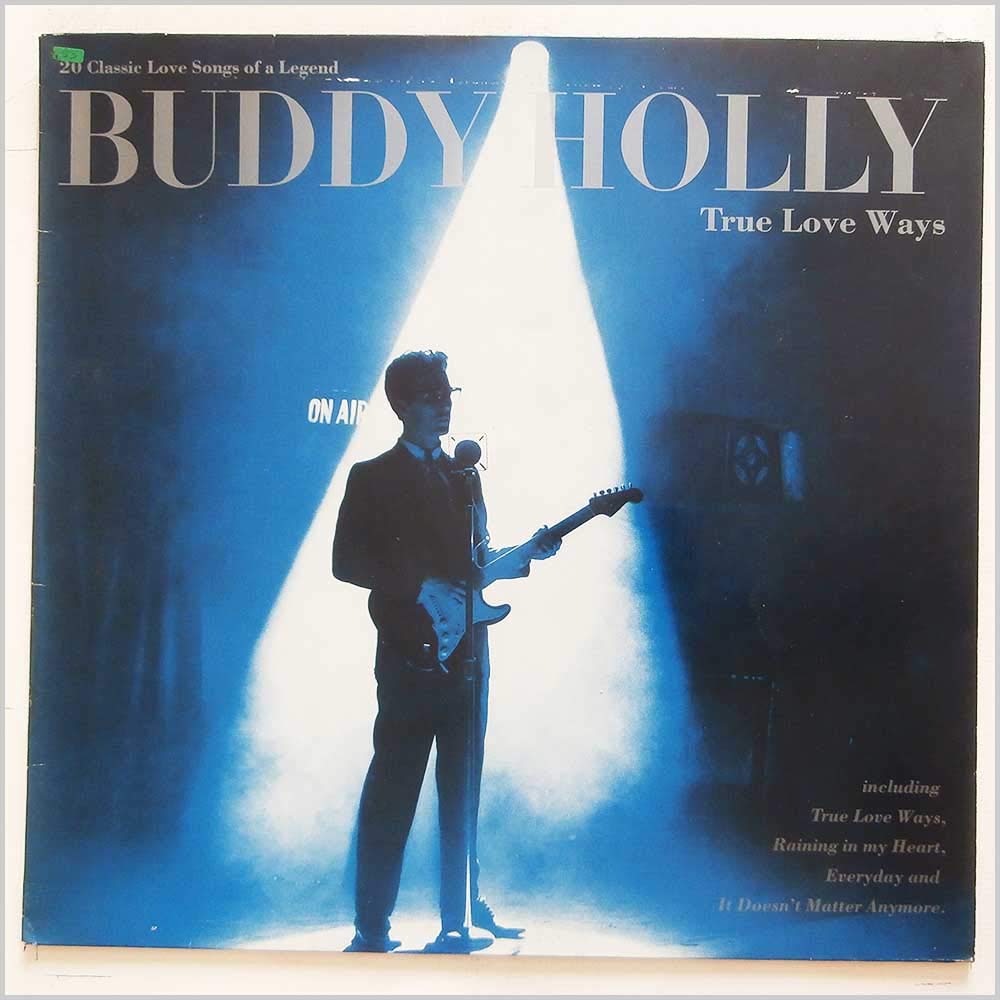
True Love Ways was co-written by Buddy and Norman Petty and recorded in October 1958. Petty was Buddy Holly’s first producer and owned the studio in Clovis, New Mexico where all of Buddy’s first recordings were made…Lubbock did not have a recording studio at the time.
The song’s haunting melody was inspired by one of Buddy’s favorite black gospel hymns, “I’ll Be Alright,” which was recorded by The Angelic Gospel Singers. This song was likely inspired by his wife Maria Elena.
The song peaked at #25 in the UK in 1960…a year after he died in a plane crash.
From Songfacts
This and “It Doesn’t Matter Any More” were Buddy’s first recordings to use orchestral string arrangements, which accentuated his vocal mannerisms. The strings were arranged by Dick Jacobs.
Notable covers include versions by Mickey Gilley, Peter & Gordon, and The Royal Philharmonic.
This wasn’t released until after Holly’s death in 1959. After he died in a plane crash, the album The Buddy Holly Story was released, which contained many of his early hits. This album came out a few months later and included many of his lesser-known or never released songs.
True Love Ways
Just you know why Why you and I Will bye and bye Know true love ways
Sometimes we’ll sigh Sometimes we’ll cry And we’ll know why Just you and I Know true love ways
Throughout the days Our true love ways Will bring us joys to share With those who really care
Sometimes we’ll sigh Sometimes we’ll cry And we’ll know why Just you and I Know true love ways
Throughout the days Our true love ways Will bring us joys to share With those who really care
Sometimes we’ll sigh Sometimes we’ll cry And we’ll know why Just you and I Know true love ways
Lime and limpid green, a second scene Now fights between the blue you once knew
I’m loving this early Pink Floyd music.
This was the opening song on The Piper At The Gates Of Dawn…which was Pink Floyd’s first album; the title came from a chapter heading in The Wind In The Willows, a children’s book written by Kenneth Grahame and published in 1908.
The song was written by founding member and original band leader Syd Barrett. The song starts with some Morse Code and it turns out to be a catchy pop tune. You can hear the future of Pink Floyd in parts of this song.
In the UK, the album was a hit, reaching #6 in 1967. Pink Floyd got some attention when they toured with Jimi Hendrix in 1967.
Pink Floyd drummer Nick Mason: “This is such a great drum track in an interesting time signature. It’s a fantastic bit of ’60s philosophy mixed with a sort of psychedelic lyric.”
From Songfacts
“Astronomy” is the study of celestial bodies, and to “domineer” is to control something in an arrogant way. So “Astronomy Domine” means to control space for personal needs. This probably represents the space race between the United States of America and the Union of Soviet Socialist Republics during the Cold War era.
This was written by Syd Barrett, who was the group’s primary songwriter at the time. A founding member of Pink Floyd, his mental health started deteriorating a short time after this was released, and by 1972 he was out of the band, doing gardening instead of leading one of the foremost bands in Britain. Pink Floyd went on to far greater success without him, but the songs he wrote represent some of the more adventurous music of the era and show sparks of the genius many believe he could have become.
Oberon, Miranda and Titania” are all moons of Uranus and are also characters in Shakespeare’s plays (Oberon and Titania, King and Queen of the Fairies in A Midsummer Night’s Dream; Miranda, daughter of Prospero in The Tempest). “Titan” is the largest moon of Saturn.
Regarding the lyrics, “Stairway scare, Dan Dare, who’s there?” Dan Dare is a British science fiction comic hero created by illustrator Frank Hampson, and is referenced in this song with obvious references to Space, planets, and their moons. Syd Barrett’s guitar is also suggestive of the brass motif from “Mars, the Bringer of War” in Gustav Holst’s The Planets.
There is some Morse code at the beginning of this song, which was a way to transmit messages using a series of long and short tones. Plenty of people tried to decipher the code in this song, only to realize it was just a random series of tones with no meaning.
Astronomy Domine
Lime and limpid green, a second scene Now fights between the blue you once knew Floating down, the sound resounds Around the icy waters underground Jupiter and Saturn, Oberon, Miranda and Titania Neptune, Titan, stars can frighten
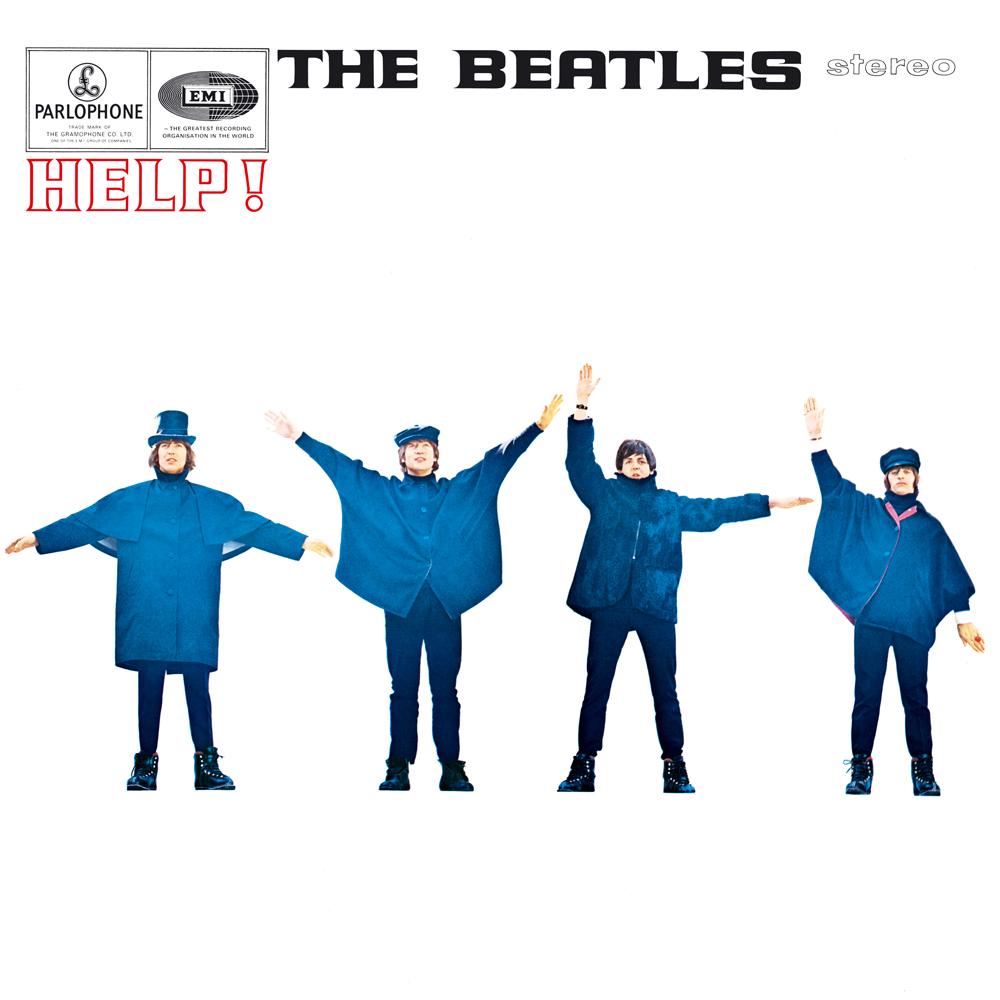
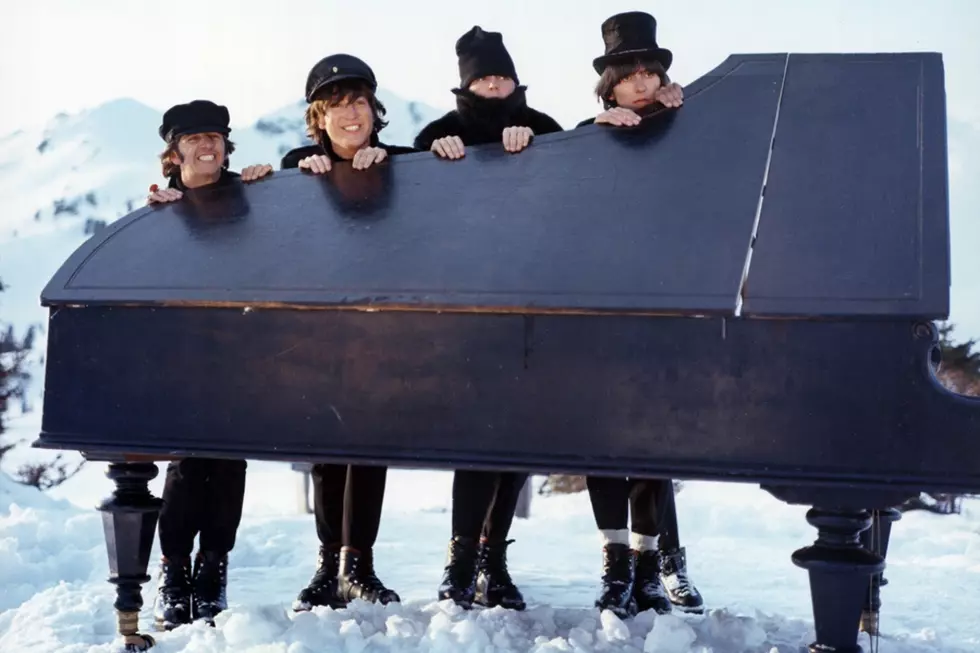
We wrapped up Hanspostcard’s album draft…100 albums in 100 days. We are going into extra innings and extending three more picks from these categories… favorite Soundtracks, Greatest Hits, and a music related movie. This is my pick for sountrack…Help! by the Beatles.
To avoid confusion I’m reviewing the UK version of Help! because that is the one that I own.
The movie Help! was an enjoyable movie. It was not nearly as good as A Hard Days Night but it had it’s moments. I love black and white movies but the color made Help! stand out. The Beatles knew it wasn’t as good as their first…John had a quote about it: “it was like being a frog in a movie about clams.” Nevertheless it was a fun movie and a pleasure to watch today.
They shot the movie in five different locations…London, Wiltshire, Berkshire, Austria, and the Bahamas.
It was the first Beatle movie I ever saw…I rented it from a video store in the mid-eighties. The Help! movie was the only Beatle movie they had at the time. With no internet, it was my only window to see the Beatles other than the documentary The Compleat Beatles.
The soundtrack is a great album on it’s own.
I picked this album/soundtrack because I always thought this was the transitional album between Beatlemania and The Beatles middle period. After this album would come Rubber Soul and the swinging sixties would officially be kicked off. Help! shows them making strides into the future. You can hear a some of their earlier work and get a hint of what was coming.
Here are a few songs…I’ll leave the big hits off of the preview.
You’ve Got to Hide Your Love Away is a good song with a noticeable Dylan influence.
One of my favorite songs on the album is The Night Before…I first heard it on the Beatles Rock and Roll Music compilation album. It’s another song that would have been a single for another band.
As soon as I heard I’ve Just Seen A Face…I learned it on guitar and have been playing it ever since. This is a song that you can see the change starting to take place…from the bouncy numbers to this folk influenced one. This song would be on the American version of Rubber Soul.
You’re Going to Lose That Girl has a catchy call and response chorus. The backup vocals are superb.
The title track is brilliant with John calling out for Help after being battered by Beatlemania. They also dipped into their club roots with a cover of the Larry Williams song Dizzy Miss Lizzy. The album had the hits of course…Help!, Yesterday, and Ticket To Ride…all #1 in the Billboard 100.
I’m ready to watch Help! now…can I smuggle a Blu-ray player on the island?
Help! The Night Before You’ve Got to Hide Your Love Away I Need You Another Girl You’re Going to Lose That Girl Ticket to Ride Act Naturally It’s Only Love You Like Me Too Much Tell Me What You See I’ve Just Seen a Face Yesterday Dizzy Miss Lizzy
You better stop, look around Here it comes Here comes your nineteenth nervous breakdown Here comes your nineteenth nervous breakdown
I like this period in Rolling Stones history. Between 1964-67 they released some great music. Brian Jones added a lot of texture to this period.
The song was written by Mick Jagger and Keith Richards during their 1965 tour of the United States. The song was recorded during the Aftermath sessions. They got the title from Mick Jagger in the middle of the tour.
During the song Brian Jones is playing a lick that he got from Diddley Daddy…an old Bo Diddley song.
This song peaked at #2 in the Billboard 100, #9 in Canada, and #2 in the UK in 1966.
Mick Jagger:“We had just done five weeks hectic work in the States and I said, ‘Dunno about you blokes, but I feel about ready for my nineteenth nervous breakdown.’ We seized on it at once as a likely song title. Then Keith and I worked on the number at intervals during the rest of the tour. Brian, Charlie and Bill egged us on – especially as they liked having the first two words starting with the same letter.”
Mick Jagger:“Things that are happening around me – everyday life as I see it. People say I’m always singing about pills and breakdowns, therefore I must be an addict – this is ridiculous. Some people are so narrow-minded they won’t admit to themselves that this really does happen to other people besides pop stars.”
From Songfacts
There are some drug references in this song:
On our first trip I tried so hard to rearrange your mind
But after awhile I realized you were disarranging mine
Many turned on listeners picked up on this, but most didn’t, especially since the lines are mixed low into the background. Over the next few years, the Stones drug use became more apparent, and it was reflected in their songs. British authorities took note, leading to a series of arrests and run-ins among band members and their associates.
Mick Jagger: “That’s a very Los Angeles period, I remember being in the West Coast a lot then. 19th Nervous Breakdown is a bit of a joke song, really. I mean, the idea that anyone could be offended by it really is funny. But I remember some people were. It’s very hard to put yourself back in that period now – popular songs didn’t really address anything very much. Bob Dylan was addressing it, but he wasn’t thought of as a mainstream Pop act. And anyway, no one knew what he was talking about. Basically his songs were too dense for most people. And so to write about anything other than the normal run-of-the-mill love clichés was considered very outre and it was never touched. Anything outside that would shock people. So songs like “19th Nervous Breakdown” were slightly jarring to people. But I guess they soon got used to it. A couple years after that, things took a sort of turn and then saw an even more dark direction. But those were very innocent days, I think.”
This was one of three songs The Stones performed on their Ed Sullivan Show appearance on February 13, 1966, the first time they were broadcast in color on US television.
Mick Jagger had been dating an English model named Chrissie Shripton when he wrote this song. Theirs was a tumultuous relationship that began in 1963 and ended three years later amid allegation of Mick’s philandering (he began seeing Marianne Faithfull). According to Philip Norman’s biography of Mick Jagger, Shrimpton overdosed on sleeping pills in December 1966 after Jagger stood her up when they were supposed to go on vacation together. While Jagger didn’t write this song about Shrimpton, her overdose drew parallels to the pill-popping character in the song. It was rumored that the line “On our first trip” is a reference to the first time Jagger dropped acid with Shrimpton.
19th Nervous Breakdown
You’re the kind of person you meet at certain dismal, dull affairs Center of a crowd, talking much too loud, running up and down the stairs Well, it seems to me that you have seen too much in too few years And though you’ve tried you just can’t hide your eyes are edged with tears
You better stop, look around Here it comes, here it comes, here it comes, here it comes Here comes your nineteenth nervous breakdown
When you were a child you were treated kind But you were never brought up right You were always spoiled with a thousand toys but still you cried all night Your mother who neglected you owes a million dollars tax And your father’s still perfecting ways of making sealing wax
You better stop, look around Here it comes, here it comes, here it comes, here it comes Here comes your nineteenth nervous breakdown
Oh, who’s to blame, that girl’s just insane Well nothing I do don’t seem to work It only seems to make matters worse, oh please
You were still in school when you had that fool who really messed your mind And after that you turned your back on treating people kind On our first trip I tried so hard to rearrange your mind But after a while I realized you were disarranging mine
You better stop, look around Here it comes, here it comes, here it comes, here it comes Here comes your nineteenth nervous breakdown
Oh, who’s to blame, that girl’s just insane Well nothing I do don’t seem to work It only seems to make matters worse, oh please
When you were a child you were treated kind But you were never brought up right You were always spoiled with a thousand toys but still you cried all night Your mother who neglected you owes a million dollars tax And your father’s still perfecting ways of making sealing wax
You better stop, look around Here it comes Here comes your nineteenth nervous breakdown Here comes your nineteenth nervous breakdown Here comes your nineteenth nervous breakdown Here comes your nineteenth nervous breakdown Here comes your nineteenth nervous breakdown Here comes your nineteenth nervous breakdown
I love to feature a Byrd’s song because it’s time to break out the Rickenbacker 12 string guitar and hear the magical jangle and ringing tone.
This was written by Pete Seeger, an influential folk singer and activist. He recorded a demo of the song around 1961, and included a live version on his 1962 album The Bitter And The Sweet with just voice and guitar.
The lyrics were taken from a passage from the book of Ecclesiastes (3:1-8) in The Bible. They were rearranged and paired with Seeger’s music to make the song.
When The Byrds started working on this song, McGuinn and David Crosby devised a new arrangement of Seeger’s original, but it took the band over 50 tries to get the sound right. The song was released on the Turn, Turn, Turn album in 1965. The album peaked at #17 in the Billboard Album Charts and #11 in the UK.
The song peaked at #1 in the Billboard 100, #26 in the UK, and #3 in Canada in 1965.
Ecclesiastes (3:1-8)
To every thing there is a season, and a time to every purpose under the heaven:
2 A time to be born, and a time to die; a time to plant, and a time to pluck up that which is planted; 3 A time to kill, and a time to heal; a time to break down, and a time to build up; 4 A time to weep, and a time to laugh; a time to mourn, and a time to dance; 5 A time to cast away stones, and a time to gather stones together; a time to embrace, and a time to refrain from embracing; 6 A time to get, and a time to lose; a time to keep, and a time to cast away; 7 A time to rend, and a time to sew; a time to keep silence, and a time to speak; 8 A time to love, and a time to hate; a time of war, and a time of peace.
From Songfacts
Seeger: “I got a letter from my publisher, and he says, ‘Pete, I can’t sell these protest songs you write.’ And I was angry. I sat down with a tape recorder and said, ‘I can’t write the kind of songs you want. You gotta go to somebody else. This is the only kind of song I know how to write.’ I pulled out this slip of paper in my pocket and improvised a melody to it in fifteen minutes. And I sent it to him. And I got a letter from him the next week that said, ‘Wonderful! Just what I’m looking for.’ Within two months he’d sold it to the Limelighters and then to the Byrds. I liked the Byrds’ record very much, incidentally. All those clanging, steel guitars – they sound like bells.” (this appears in Zollo’s book Songwriters On Songwriting)
A folk trio called The Limeliters released an upbeat, banjo-based version in 1962.
Before he recorded this song with The Byrds, Jim McGuinn (who later went by Roger) played acoustic 12-string guitar on Judy Collins’ 1963 version, which appears on her album Judy Collins #3. He also worked up the arrangement with Collins.
Judy Collins’ version was released as a single in 1969 when it was included on her album Recollections. It reached #69 in the US, the only Hot 100 appearance of the song besides The Byrds’ rendition.
Dolly Parton covered this on her 1984 album of cover songs The Great Pretender, and again in 2005 on Those Were The Days.
Roger McGuinn teamed up with country artist Vern Gosdin, who was once a member of Chris Hillman’s bluegrass band The Hillman and one half of The Gosdin Brothers (who occasionally opened for The Byrds), for a cover of this song on Gosdin’s 1984 album There Is A Season. McGuinn played the same 12-string Rickenbacker that he used on The Byrds’ recording of the song. In 1994 a previously unreleased version that was originally remixed in 1984 for an anticipated single was included on the The Truly Great Hits Of Vern Gosdin.
This was used in the movie Forrest Gump as Forrest says goodbye to Jenny, who is leaving for Berkeley.
I love Roger’s glasses…I did track down a pair of them in the 80s…I then lost them and bought some off of Ebay…they are not easy to find.
Turn Turn Turn
To everything (turn, turn, turn) There is a season (turn, turn, turn) And a time to every purpose, under heaven
A time to be born, a time to die A time to plant, a time to reap A time to kill, a time to heal A time to laugh, a time to weep
To everything (turn, turn, turn) There is a season (turn, turn, turn) And a time to every purpose, under heaven
A time to build up, a time to break down A time to dance, a time to mourn A time to cast away stones, a time to gather stones together
To everything (turn, turn, turn) There is a season (turn, turn, turn) And a time to every purpose, under heaven
A time of love, a time of hate A time of war, a time of peace A time you may embrace, a time to refrain from embracing
To everything (turn, turn, turn) There is a season (turn, turn, turn) And a time to every purpose, under heaven
A time to gain, a time to lose A time to rend, a time to sew A time for love, a time for hate A time for peace, I swear it’s not too late
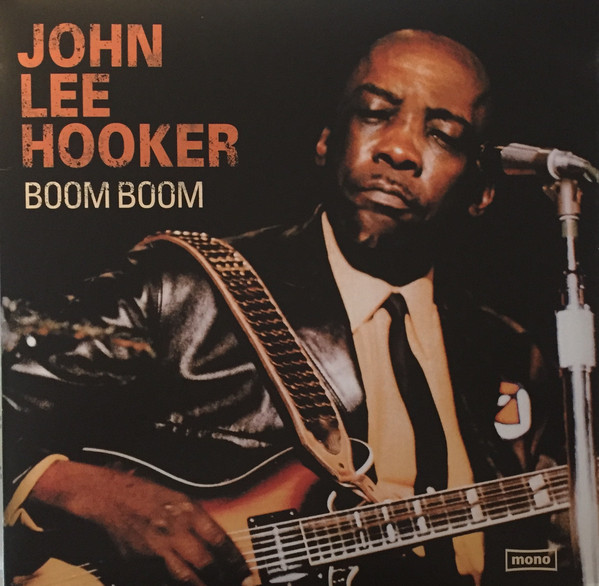
I wanted to throw some blues in this morning. I first heard Hooker’s version of the song while watching the Blues Brothers. I became an instant fan the second I heard it. It was written by John lee Hooker.
Boom Boom was the song that crossed over, marking his only entry on the US Hot 100 and becoming his signature song.
The song was released in 1962 and peaked at #16 in the Billboard R&B Charts and #60 in the Billboard 100.
Hooker recorded for Vee-Jay but members of Motown’s house band…The Funk Brothers… played on this. The Funk Brothers were great musicians and played on hundreds of hit records, but Motown didn’t pay them very well, so they would take gigs at other labels in the Detroit area to make extra money.
In 1992, this was used in a UK ad for Levi’s jeans. It was re-released that year and peaked at #16 in the UK charts and #24 in New Zealand.
In 1964 the Animals took the song to #43 in the Billboard 100 and #14 in Canada.
John Lee Hooker: “I used to play at this place called the Apex Bar in Detroit. There was a young lady there named Luilla. She was a bartender there. I would come in there at night and I’d never be on time. Every night the band would beat me there. Sometimes they’d be on the bandstand playing by the time I got there. I’d always be late and whenever I’d come in she’d point at me and say, ‘Boom Boom, you’re late again.’ And she kept saying that. It dawned on me that that was a good name for a song. Then one night she said, ‘Boom boom, I’m gonna shoot you down.’ She gave me a song but she didn’t know it.
I took that thing and I hummed it all the way home from the bar. At night I went to bed and I was still thinking of it. I got up the next day and put one and one together, two and two together, trying to piece it out – taking things out, putting things in. I finally got it down right, got it together, got it down in my head. Then I went and sang it, and everybody went, Wow! Then I didn’t do it no more, not in the bar. I figured somebody would grab it before I got it copyrighted. So I sent it to Washington, D.C., the Library of Congress, and I got it copyrighted. After I got it copyrighted I could do it in the bar. So then if anybody got the idea to do it I had them by the neck, because I had it copyrighted. About two months later I recorded it. I was on Vee-Jay then. And the record shot straight to the top. Then, after I did it, the Animals turned around and did it. That barmaid felt pretty good. She went around telling everybody I got John Lee to write that song. I gave her some bread for it, too, so she was pretty happy.”
From Songfacts
John Lee Hooker first recorded in 1948, and the next year released his classic “Boogie Chillen,” which eventually sold over a million copies. In the ’50s, he recorded under several different names (“Delta John” and “Birmingham Sam” among them) and refined his craft with constant live performances. By 1962, he was signed to Vee-Jay Records, who teamed him up with seasoned session players and tried to bring his music to a wider audience.
Hooker performed this when he appeared in the 1980 movie The Blues Brothers. It was the only movie Hooker ever appeared in.
Many blues bands have covered this over the years, including The Animals and The Yardbirds. It has become a blues standard.
Hooker didn’t play this live for a long time because he feared that he wouldn’t do it justice. He finally played it in his last two shows before his death.
This was used in a 2002 commercial for The Gap. In the ad, it was performed on roller skates by Baba Oje, a former member of Arrested Development. The advertising campaign, dubbed “For Every Generation,” used a variety of artists, including Willie Nelson, Ryan Adams, and Natalie Imbruglia.
Boom Boom
Boom, boom, boom, boom I’m gonna shoot you right down Knock you off of your feet And take you home with me Put you in my house Boom, boom, boom, boom
Ow ow ow ow ow Hmm hmm hmm Hmm hmm hmm hmm I love to see you strut Up and down the floor When you’re talking to me That baby talk I like it like that Oh yeah
Talk that talk Walk that walk
Won’t you walk that walk? And talk that talk And whisper in my ear Tell me that you love me I love that talk When you talk like that You knock me out Right off my feet Ho ho ho ho
Well, talk that talk And walk that walk Oh yeah Oh yeah Talk that talk, babe
The song was on their album Rubber Soul released in 1965. What stands out is the Motown type bass line being played by Paul while George doubled him on guitar. Paul played lead with slide guitar.
George Harrison suggested the R&B arrangement and it was implemented as the rhythmic style of the song. The introduction to the song is confusing to some though.
This is another song by Lennon/McCartney but with Lennon saying it was mostly Paul’s song. Lennon though did write a lot of the lyrics as Paul’s original lyrics were pretty bad…per Paul. It was not released as a single.
According to McCartney, “‘Drive my car’ was an old blues euphemism for sex”.This expression was more common in the pre-automatic shift era of automobiles.
The opening two measures of “Drive My Car” still leave studied “musicologists” scratching their heads to this day. Producer Mark Hudson, who had worked with Ringo on his solo career for ten years, has related how he asked the drummer about the song’s introduction, saying that “he could never figure it out.” Ringo couldn’t even explain it.
The Beatles seem to do that a lot… A Hard Days Night intro and the beginning to I Want To Hold Your Hand have musicologist debating how something was done…and how it worked.
Paul McCartney:“The lyrics were disastrous and I knew it. Often you just block songs out and words just come into your mind and when they do it’s hard to get rid of them. You often quote other songs too and you know you’ve got to get rid of them, but sometimes it’s very difficult to find a more suitable phrase than the one that has insinuated itself into your consciousness.” Other songs he used as a template in this case most likely include “Can’t Buy Me Love” and “I Feel Fine,” both of which include lines about buying a “diamond ring” for someone.
Paul McCartney: “”It was wonderful because this nice tongue-in-cheek idea came and suddenly there was a girl there, the heroine of the story, and the story developed and had a little sting in the tail like ‘Norwegian Wood’ had, which was ‘I actually haven’t got a car, but when I get one you’ll be a terrific chauffeur.’ So to me it was LA chicks…and it also meant ‘you can be my lover.’ ‘Drive my car’ was an old blues euphemism for sex, so in the end all is revealed. Black humor crept in and saved the day. It wrote itself then. I find that very often, once you get the good idea, things write themselves.”
From Songfacts
Laden with sexual innuendo, this song is about a guy who meets an aspiring actress, who tells him he can “drive my car,” as she has a keen interest in him, and might even be in love.
She keeps trying to lure him in (“I can show you a better time”), but when he finally agrees to take the job, she admits that she doesn’t have a car, but still wants him to be her driver. It’s pretty clear that all this driving talk is leading to sex, but there’s no proof that it isn’t just a song about a guy, a girl, and a car – making it another radio-friendly Beatles track.
Originally, it was a very different song lyrically, with the chorus, “I can give you golden rings, I can give you anything, baby, I love you.” Knowing that storyline would lead them nowhere good, they hashed it out until they came up with “Drive My Car” for the title, and changed the song so it was the woman soliciting the man.
Paul McCartney played bass, piano and lead guitar on this one; George Harrison played guitar and did backing vocals. John Lennon sang lead with McCartney and also played tambourine.
The “beep beep” refrain is a take-off on The Beatles own “yeah, yeah yeah”s in “She Loves You” as well as a nod to The Playmates song “Beep Beep” (a #4 US novelty hit in 1958).
Paul McCartney played this at halftime of the 2005 Super Bowl. The year before, Janet Jackson exposed a breast on live TV, which caused a great deal of controversy. McCartney was a solid choice because he was unlikely to offend anyone.
At the 2005 Live 8 Concert in London, McCartney performed this in a duet with George Michael.
The title of the album comes from “plastic soul,” a derogatory phrase McCartney had overheard black musicians using about Mick Jagger. (“Plastic” in those days meant anything fake or processed.) Paul can be heard using the phrase in studio chatter on June 14, 1965, during recording of the “Help!” B-side “I’m Down.” Reliably, he put his own spin on the phrase.
Drive My Car
Asked a girl what she wanted to be She said, “baby, can’t you see I want to be famous, a star on the screen But you can do something in between
Baby, you can drive my car Yes, I’m gonna be a star Baby, you can drive my car And maybe I’ll love you”
I told a girl that my prospects were good And she said, “baby, it’s understood Working for peanuts is all very fine But I can show you a better time
Baby, you can drive my car Yes, I’m gonna be a star Baby, you can drive my car And maybe I’ll love you”
Beep beep’m beep beep yeah
Baby, you can drive my car Yes, I’m gonna be a star Baby, you can drive my car And maybe I’ll love you
I told a girl I can start right away And she said, “listen, babe, I got something to say I got no car and it’s breaking my heart But I’ve found a driver and that’s a start
Baby, you can drive my car Yes, I’m gonna be a star Baby, you can drive my car And maybe I’ll love you”
I’m continuing my education on early Pink Floyd. Love what I’m hearing. This one is so sixties that you can smell the incense.
When I first heard this I thought one thing…sixties James Bond…and there is not more cooler than that. Cool guitar riff to open this one up.
It was on Pink Floyd’s debut album The Piper at the Gates of Dawn. It was written by Syd Barrett.
This song is essentially an ode to Syd Barrett’s cat, Sam. However, it was rumored that it might refer to another man in some kind of relationship with Jenny Spires, who was Barrett’s girlfriend at the time.
In the line, ” Jennifer Gentle you’re a witch,” “Jennifer Gentile” is said to refer to Spires.
Jenny Spires
Rob Chapman, A Very Irregular Head – The Life of Syd Barrett‘Lucifer Sam’ is the odd track out on the Piper album. Neither lengthy instrumental nor three-minute fairy tale, its taut style is a throwback to the Floyd’s earlier raw R&B. ‘Lucifer Sam’ has a compact form and driving riff that would have made it a prime candidate for a single (or at least a perfectly serviceable B-side) if there hadn’t already been stronger contenders. It’s a character song like ‘Arnold Layne’ rather than a still-life study like ’The Scarecrow,’ and by Syd’s oblique standards it is specific and direct. Jenny Spires appears thinly disguised as Jennifer Gentle and although the whole thing wiffs of stoned paranoia (‘that cat’s something I can’t explain’ – it’s just a cat, Syd, there really is nothing to explain) and menacing undertones it also possesses a nimble and playful wit.
Lucifer Sam
Lucifer Sam, Siam cat Always sitting by your side Always by your side That cat’s something I can’t explain
Jennifer Gentle you’re a witch You’re the left side He’s the right side Oh, no! That cat’s something I can’t explain
Lucifer go to sea Be a hip cat, be a ship’s cat Somewhere, anywhere That cat’s something I can’t explain
At night prowling sifting sand Hiding around on the ground He’ll be found when you’re around That cat’s something I can’t explain
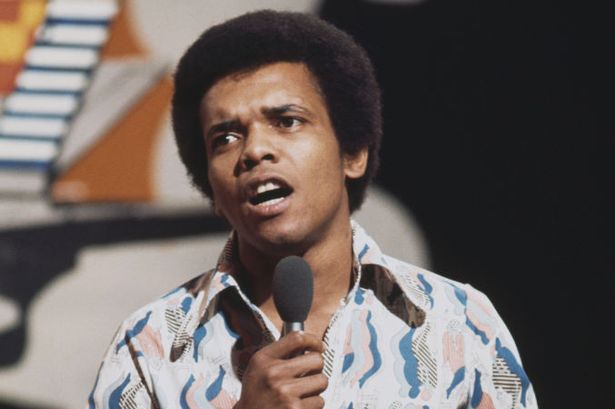
One of the best feel-good songs of all time. The reggae-influenced I Can See Clearly Now by Johnny Nash. The song peaked at #1 in the Billboard 100, #1 in Canada and #5 in the UK in 1972. The song was written by Johnny Nash and a hit again for Jimmy Cliff in 1993.
It’s one of the first songs I remember.
I Can See Clearly Now
I can see clearly now, the rain is gone, I can see all obstacles in my way Gone are the dark clouds that had me blind It’s gonna be a bright (bright), bright (bright) Sun-Shiny day.
I think I can make it now, the pain is gone All of the bad feelings have disappeared Here is the rainbow I’ve been prayin’ for It’s gonna be a bright (bright), bright (bright) Sun-Shiny day.
Look all around, there’s nothin’ but blue skies Look straight ahead, nothin’ but blue skies
I can see clearly now, the rain is gone, I can see all obstacles in my way Gone are the dark clouds that had me blind It’s gonna be a bright (bright), bright (bright) Sun-Shiny day.
This is the title song to the soundtrack album of the movie Magical Mystery Tour. In reality it was more of a very expensive home movie but I do like it. Like Paul McCartney said…where else would you see a video of the Beatles doing I Am The Walrus?
They began on the song two weeks after Sgt Pepper’s Lonely Hearts Club Band was released.
In the 60s a “Mystery Tour” was a bus trip to an unknown destination. They were popular in England at that time…many times they ended up to see the Blackpool lights.
The song peaked at #2 in the UK. It was not released as a single in the US. The song was written by Lennon and McCartney. Paul’s concept and Lennon helped with the lyrics.
“Magical Mystery Tour” was released as the title track to a six-song double EP in the United Kingdom on 8 December 1967. It was the first example of a double EP in Britain. In the United States, the double EP was stretched to an LP by adding five songs previously released as singles.
Paul McCartney:“’Magical Mystery Tour’ was co-written by John and I, very much in our fairground period. One of our great inspirations was always the Barker. ‘Roll up! Roll up!’
Paul McCartney: “It used to just be called a mystery tour, up north,” “When we were kids, you’d get on a bus, and you didn’t know where you were going, but nearly always it was Blackpool. From Liverpool, it was inevitably Blackpool and everyone would go, ‘Oooo, it was Blackpool after all!’ Everyone would spend time guessing where they were going, and this was part of the thrill. And we remembered those. So much of The Beatles’ stuff was a slight switch on a memory; in ‘Penny Lane,’ the nurse and the barber and the fireman were just people we saw on a bus route, but this time they’d be with us. So we’d always just heighten the reality to make a little bit of surreality. That we were interested in.”
From Songfacts
Five months after recording this, The Beatles started making a TV special with this as the title track. The special aired in the UK in 1967, but didn’t appear in the US until 1976 when it was released in theaters, becoming the fourth Beatles movie. The film, which was an early precursor of today’s reality TV shows, didn’t go over well with critics or fans.
When they started recording this, they only had the title, a little bit of music, and the first line. Paul McCartney wrote the verses, John Lennon the refrain.
The carnival barker at the beginning is Paul McCartney.
In the 1978 movie The Rutles: All You Need Is Cash directed by former Monty Python member Eric Idle, this song is parodied by the title “Tragical History Tour.”
Charles Manson used to refer to life as “A Magical Mystery Tour” after hearing this song. He later warped other Beatles songs (“Helter Skelter,” “Piggies,” “Blackbird”) to explain a race war named Helter Skelter. He used to say that the Beatles were telling it like it is.
Magical Mystery Tour
Roll up roll up for the Mystery Tour Roll up roll up for the Mystery Tour
Roll up That’s an invitation Roll up for the Mystery Tour Roll up To make a reservation Roll up for the Mystery Tour
The Magical Mystery Tour Is waiting to take you away Waiting to take you away
Roll up Roll up for the Mystery Tour Roll up Roll up for the Mystery Tour
Roll up They’ve got everything you need Roll up for the Mystery Tour Roll up Satisfaction guaranteed Roll up for the Mystery Tour
The Magical Mystery Tour is hoping to take you away Hoping to take you away
The Mystery Tour
Ah
The Magical Mystery Tour Roll up Roll up for the Mystery Tour
Roll up That’s an invitation Roll up for the Mystery Tour Roll up To make a reservation Roll up for the Mystery Tour
The Magical Mystery Tour Is coming to take you away Coming to take you away
The Magical Mystery Tour Is dying to take you away Dying to take you away Take you today












 PowerPop... An Eclectic Collection of Pop Culture