Danny & the Juniors – At The Hop

Poodle skirts and pink Cadillacs is what I think of when I hear this song.

In the ’50s, high school dances in America were often referred to as “the hop.” Sometimes, these dances would be “sock hops” because school administrators would make the kids take off their shoes so they didn’t scuff up the floor of the gymnasium, where the dance was usually held.

This song stayed on the top of US charts for seven weeks in 1958, longer than any other song that year. For four of those weeks, it held “Great Balls of Fire” off the top spot…

From Songfacts

This was written by Dave White and John Madara, who were songwriter/producers based in Philadelphia – White was a member of Danny and the Juniors. Madara explained in an interview with Forgotten Hits: “‘At The Hop’ originally was recorded by myself, with Danny and The Juniors (who at the time were called The Juvenairs) singing background. It was titled ‘Do The Bop,’ with the B Side, ‘Sometimes,’ also with me singing lead and Danny and The Juniors singing background. I was under contract at the time to Prep Records and had just had a record, ‘Be My Girl,’ which had made the national charts.

Prep had me all set up to record again with a producer who was working with Paul Anka, Sid Feller, when I had the idea to write a song ‘Do The Bop.’ I wanted to do something that had a piano featured like ‘Whole Lotta Shakin’ Goin’ On.’ So, off we go to the recording studio, with me singing lead, Danny and The Juniors singing background, and my 45 record ‘A Whole Lotta Shakin’ Goin’ On’ to set the tone of what I was shooting for. I paid for the session, sat in the control room, told the engineer what to do, played the Jerry Lee Lewis record for the musicians and that is how ‘Do The Bop’ was created. After the recording, we played the record for Prep.

They didn’t care for it. They still wanted me to record with Sid Feller. So we went back to Philadelphia where ‘Do The Bop’ was played for Dick Clark, who suggested that The Bop wasn’t really happening around the country and why don’t we change it to something about record hops. So with some additional lyric changes, and because I was under contract with Prep, we went back into the studio with Danny and The Juniors. Danny, who was their lead singer, sang lead, using a lot of the same phrasing that I did on ‘Do The Bop.’ Of course, the rest is rock and roll history.”

Danny & the Juniors were the Philadelphia group of Danny Rapp, Dave White, Frank Maffei and Joe Terranova. At the time, they were known as The Juvenairs. They were on a street corner singing when a someone who worked at a recording studio heard them and brought them in to sing. The “Bah”‘s go in this order of singers:

Bah 1, Terranova (also does the Oh, Baby)

Bah 2, Rapp (Lead Singer and choreographer. He committed suicide in 1983 in a Holiday Inn in Arizona with a shotgun, he owned a black 1958 Impala Convertible with a continental kit)

Bah 3, Maffei (First Tenor)

Bah 4, White (Second Tenor)

Danny and the Juniors hit the US Top 40 three more times, including “Rock And Roll Is Here To Stay,” but this was their only hit in England.

This was used in the 1973 film American Graffiti, which is set in 1962 and features lots of music from early in the Rock Era.

Artie Singer also has a composer credit on this song. In the Forgotten Hits interview, Madara said: “Artie Singer, who had been my vocal coach, took all of the credit for the production (and production monies and all of the publishing), put his name on as a songwriter and publisher and has tried to take credit for producing ‘At The Hop’ all these years. I have read on many websites that Artie Singer went out and got Leon Huff to help with the production and play piano. This is totally, one hundred percent false. I discovered Leon Huff in 1963 playing with a band called ‘The Lavenders,’ and at that time he was about 18 years old. He would have had to have been 12 years old to be involved with ‘At The Hop.'”

Sha-Na-Na played this at Woodstock in 1969. They were relatively unknown at the time and performed covers of ’50s hits and doo-wop songs. Their Woodstock performance, which preceded Jimi Hendrix, helped launch their career, which led to their own TV show in 1977.

At The Hop

Bah-bah-bah-bah, bah-bah-bah-bah
Bah-bah-bah-bah, bah-bah-bah-bah, at the hop!

Well, you can rock it you can roll it
You can stop and you can stroll it at the hop
When the record starts spinnin’
You chalypso when you chicken at the hop
Do the dance sensation that is sweepin’ the nation at the hop

Ah, let’s go to the hop
Let’s go to the hop, (oh baby)
Let’s go to the hop
Come on, let’s go to the hop

Well, you can swing it you can groove it
You can really start to move it at the hop
Where the jockey is the smoothest
And the music is the coolest at the hop
All the cats and chicks can get their kicks at the hop
Let’s go!

Let’s go to the hop
Let’s go to the hop, (oh baby)
Let’s go to the hop
Come on, let’s go to the hop
Let’s go!

Well, you can rock it you can roll it
You can stop and you can stroll it at the hop
When the record starts spinnin’
You chalypso when you chicken at the hop
Do the dance sensation that is sweepin’ the nation at the hop

You can swing it you can groove it
You can really start to move it at the hop
Where the jockey is the smoothest
And the music is the coolest at the hop.
All the cats and chicks can get their kicks at the hop.
Let’s go!

Let’s go to the hop
Let’s go to the hop, (oh baby)
Let’s go to the hop
Come on, let’s go to the hop

Bah-bah-bah-bah, bah-bah-bah-bah
Bah-bah-bah-bah, bah-bah-bah-bah, at the hop!

The Searcher… Elvis Presley

Whenever I start reading about someone (In this case Elvis Presley) I usually dive deep into them. I’ve watched a few documentaries on youtube and the Comeback Special.

Last week Slightly Charming (I highly recommend checking out her blog) recommended this documentary on Elvis and it is the best one I’ve watched about him. It’s an HBO production with commentary by Priscilla Presley, Bruce Springsteen, Tom Petty, Robbie Robertson, and many others.

It is a two-part documentary around 3 hours long both combined. Much like the Peter Guralnick books I’ve been reading it is very even-handed but it doesn’t pull any punches.

Elvis was an interesting person. A poor southern boy who gained fame and fortune quickly and handled it well considering what he was going through until his mother passed away. After that came the Army stint in Germany and from there while his fortune and fame grew his artistic credibility went down. In the mid-sixties, while The Beatles, Dylan, and the Stones dominated the charts…Elvis, a big influence to all three was stuck in a cycle of bad movies and bad soundtracks that he didn’t want to do.

The documentary goes over Colonel Tom Parker his manager, The infamous Memphis Mafia, Las Vegas, and the failed marriage to Priscilla.

The one thing this film does is concentrate on his music and not the parody he turned into at the end of his life. I found myself rooting for him during the 1968 Comeback Special. He had the spark back again and his voice was the Elvis we heard in the fifties. After the dismal movie soundtracks, he made this great comeback special but then it slowly started to go down. There was still good music to come but the end was in sight.

This great documentary is worth the time to check out.


Elvis Presley – Jailhouse Rock

I’ve been reading a biography of Elvis and I recently have been watching a documentary about him. My son told me Saturday he was operating the lights for a play in his High School and wanted me to go. Saturday night I go and the play is a musical called…All Shook Up…set in the fifties using Elvis songs. Everywhere I turn there is Elvis.

No telling how many times I’ve heard this song but I really paid attention to it for the first time. Yes, Elvis had a great voice we know that but this voice is untamed and wild. It has a scratchy, driving, and go for your throat voice that he seemed to lose as he got older (well he did find it on the 68 comeback special) and tried to please too many people. This is rock and roll at it’s purest form…

The song peaked at #1 in the Billboard Hot 100 in 1957 at the time but now it’s not counted as a number 1. I could not understand why it was listed as a #1 record and on the Billboard site, it does not list it as such.

I found this about the change

Billboards latest ruling is based on the fact that the Billboard Hot 100 Chart was first launched on August 4th 1958 and so number one hits counted by other means on differently named charts prior to this date [But still ‘the Billboard chart of the day’] should not be counted.

From Songfacts

This was written by Jerry Leiber and Mike Stoller, who also wrote “Hound Dog,” which became a huge hit when Elvis recorded it. Leiber and Stoller excelled at writing catchy pop songs with elements of blues music. Their songs could be very funny and clever, and often take place in unusual situations. Some of their other hits include “Love Potion #9” and “On Broadway.” Mike Stoller played piano on this track.

This was featured in the Elvis movie of the same name, where Elvis plays a wrongly accused convict who becomes a star when he gets out. The film, which is considered one of the best of his 31 movies, is famous for the scene where Elvis performs this song in an elaborate dance number taking place in prison.

The movie score was the first one that Leiber and Stoller wrote. Stoller recalled to Mojo magazine April 2009: “We flew in to New York from LA, where were living at that time, and we had a hotel suite. We had a piano put in, in case the muse struck us, and Jean Aberbach – he and his brother (Julian) owned Hill & Range Songs and they had to deal with Colonel Parker but created Gladys Music and Elvis Presley Music-handed us a script for a movie. We threw it in the corner with the tourist magazines that you get in hotels. We were having a ball in New York, going to the theatre, going to jazz clubs to hear Miles Davis and Thelonious Monk, doing a lot of drinking. On a Saturday morning- we’d been there about a week – Jean knocked on the door and said, in a very Viennese accent, ‘Vell boys, you vill haf my songs for the movie.’ Jerry said, ‘Don’t worry Jean, you’ll have them’ Jean said, ‘I know.’ And he pushed a big chair in front of the door and sat down and said, ‘ I’m going to take a nap and I’m not leaving until you have my songs.’ So we wrote four songs in about five hours and then were free to go out.”

The four songs the duo composed were “Jailhouse Rock,” “(You’re So Square) Baby I Don’t Care,” “Treat Me Nice” and “I Want to Be Free.”

The movie got its name from this song. When Leiber and Stoller wrote it, the film was titled Ghost of a Chance. The duo had the script and wrote the song for the scene where inmates put on a show in the prison.

After the song was recorded, it was clear that it was going to be a hit, so the movie was renamed Jailhouse Rock. The single was released in September 1957 and reached #1 on October 21. The film was released on November 8.

The line, “Number 47 said to number 3, You’re the cutest jailbird I ever did see,” is a sly reference to prison sex but was not offensive enough to create any controversy over the song.

This was a massive hit. It was #1 on the US pop charts for seven weeks, and also reached #1 on the country and R&B charts. In the UK, it entered the charts at #1, becoming the first song to do so.

“Jailhouse Rock” has one of the most memorable intros in rock history: two guitar chords with snare drum hits. The intro last just six seconds, but the pattern repeats throughout the verses, establishing a firm musical hook that remains the envy of songwriters.

ABC television ran a series of educational cartoons called “Schoolhouse Rock” in the ’70s. Millions of kids learned about grammar, history, and astronomy from them. The title was a play on this song.

Ozzy Osbourne played a heavy metal version in 1987 when he did a tour of prisons.

Sha-Na-Na played this at Woodstock in 1969. Very few of the attendees saw their performance, as they didn’t go on until Monday morning (the event was scheduled to end at midnight on Sunday, but ran long). Jimi Hendrix followed Sha-Na-Na to close out the festival.

January 2005 marked what would have been Elvis Presley’s 70th birthday. In commemoration, Elvis’ record label re-released this in the UK where it went straight to #1, making it the oldest recording ever to top the UK charts. It also became the third single to hit #1 twice in the UK, following “Bohemian Rhapsody” and “My Sweet Lord,” both of which were also posthumous re-releases.

In 2007, Chris Rock performed this on the Movies Rock TV special, where modern pop artists performed classic movie songs. Brown re-created Elvis’ scene from the movie.

The Cramps recorded a version of this on the CD The Last Temptation of Elvis. All profits went to a music therapy charity. >>

On November 4, 1957, this topped both the pop and R&B charts. In an odd twist, the next five positions on both charts were also the same songs: “Wake Up Little Susie” by the Everly Brothers, “You Send Me” by Sam Cooke, “Silhouettes” by the Rays, “Be-Bop Baby” by Ricky Nelson, and “Honeycomb” by Jimmie Rodgers.

This song was covered by the Blues Brothers, and featured at the end of the movie of the same name. The brothers and the band are seen playing this song to their fellow inmates.

Mötley Crüe included a live version recorded at a show in Long Beach, California on their 1987 album Girls, Girls, Girls.

Elvis’ real-life band members DJ Fontana, Scotty Moore and Bill Black played his character’s band in the movie, along with Mike Stoller on piano. 

In the Leiber and Stoller autobiography Hound Dog, written with David Ritz, Leiber explained he was originally supposed to play the role in the movie because the casting director thought he looked more like a piano player than Stoller. When Leiber and Elvis both protested, the man insisted, “All he has to do is run his fingers over the keys. Any fool can do that.” But when the first day of filming started, Leiber came down with a toothache and had to visit the dentist, so Stoller stepped in. Because he wasn’t a member of the Screen Actors Guild, he wasn’t allowed any dialogue throughout the movie. He also had to shave his goatee because it was “a scene stealer.”

Ever wonder how this jail party ends? Possibly with the inmates peacefully returning to their cells, but it could also have a more violent conclusion. In the 10cc song “Rubber Bullets,” a #1 UK hit in 1973, they sing about a similar jailhouse party, but theirs ends with riot police taking action.

Jailhouse Rock

The warden threw a party in the county jail
The prison band was there and they began to wail
The band was jumpin’ and the joint began to swing
You should’ve heard them knocked-out jailbirds sing

Let’s rock everybody, let’s rock
Everybody in the whole cell block
Was dancin’ to the Jailhouse Rock

Spider Murphy played the tenor saxophone
Little Joe was blowin’ on the slide trombone
The drummer boy from Illinois went crash, boom, bang
The whole rhythm section was the Purple Gang

Let’s rock everybody, let’s rock
Everybody in the whole cell block
Was dancin’ to the Jailhouse Rock

Number forty-seven said to number three
“You’re the cutest jailbird I ever did see
I sure would be delighted with your company
Come on and do the Jailhouse Rock with me”

Let’s rock everybody, let’s rock
Everybody in the whole cell block 
Was dancin’ to the Jailhouse Rock

Sad sack was sittin’ on a block of stone
Way over in the corner weepin’ all alone
The warden said, “hey, buddy, don’t you be no square
If you can’t find a partner, use a wooden chair”

Let’s rock everybody, let’s rock
Everybody in the whole cell block
Was dancin’ to the Jailhouse Rock

Shifty Henry said to Bugs, “For Heaven’s sake
No one’s lookin’ now’s our chance to make a break”
Bugsy turned to Shifty and he said, “Nix, Nix
I want to stick around a while and get my kicks”

Let’s rock everybody, let’s rock
Everybody in the whole cell block
Was dancin’ to the Jailhouse Rock

Dancin’ to the Jailhouse Rock

Buddy Holly and the Crickets – Not Fade Away

Holly recorded this on May 1957 with The Crickets at Norman Petty Studios in Clovis, NM. It was written by Charles Hardin and Norman Petty, “Charles Hardin” being Buddy Holly, whose real name was Charles Hardin Holley.

One of my favorite songs that recycle the great Bo Diddley riff.

This song was credited to The Crickets. Until the end of his career, Holly recorded with his group, The Crickets, but he set up a deal with their record company, Decca Records, to release some songs under his name and have others credited to the group. This was credited to The Crickets and released on the Brunswick subsidiary. Songs credited to Buddy Holly came out on Coral Records.

The song was the B side to “Oh Boy.”

From Songfacts

This was one of the first pop songs to feature the “Bo Diddley” sound, a series of beats (da, da, da, da-da da) popularized by Diddley, who used it on his first single, the egotistically named “Bo Diddley.” The signature beat originated in West Africa and was adopted by Diddley in the US, where many artists have used it since. For more, check out the Songfacts on “Bo Diddley”.

The Grateful Dead covered this on their Rockin’ The Rhein album.

Florence and the Machine recorded a new version of the song for the Buddy Holly tribute album Rave On Buddy Holly, which was issued for the 75th anniversary of Holly’s birth. Florence Welch had a transformative moment when her grandmother took her to see the movie The Buddy Holly Story when she was a kid, and Welch was happy to contribute to the tribute, recording the song in New Orleans with local Cajun musicians.

Drummer Jerry Allison played a cardboard box for percussion on this. He’d heard Buddy Knox’ drummer do the same on “Party Doll.”

Not Fade Away

Bop-bop-bop-bop
Bop-bop-bop-bop

I’m gonna tell you how it’s gonna be
‘Bop-bop-bop-bop
You’re gonna give your love to me
Bop-bop-bop-bop
I want to love you night and day
‘Bop-bop-bop-bop
You know my loving not fade away
Bop-bop-bop-bop
Well you know my loving not fade away
‘Bop-bop-bop-bop
‘Bop-bop-bop-bop
‘Bop-bop-bop-bop
Bop-bop-bop-bop

My love bigger than a Cadillac
‘Bop-bop-bop-bop
I’ll try to show it when you’re driving me back
‘Bop-bop-bop-bop
Your love for me got to be real
‘Bop-bop-bop-bop
For you to know just how I feel
‘Bop-bop-bop-bop
A love for real not fade away
‘Bop-bop-bop-bop
‘Bop-bop-bop-bop
‘Bop-bop-bop-bop
‘Bop-bop-bop-bop

Bop-bop-bop-bop
Bop-bop-bop-bop
Bop-bop-bop-bop
Bop-bop-bop-bop
Bop-bop-bop-bop
Bop-bop-bop-bop
Bop-bop-bop-bop

I’m gonna tell you how it’s gonna be
‘Bop-bop-bop-bop
You’re gonna give your love to me
‘Bop-bop-bop-bop
Love to last more than one day
‘Bop-bop-bop-bop
Love is loving and not fade away
Bop-bop-bop-bop
Love is loving and not fade away
‘Bop-bop-bop-bop
‘Bop-bop-bop-bop
Bop-bop-bop-bop
Bop-bop-bop-bop
Bop-bop-bop-bop
Bop-bop-bop-bop

Elvis Presley – That’s All Right

This is the song that started it all for Elvis. After trying many songs on the same night and not coming up with much, Scotty Moore, Bill Black, and Elvis Presley started to play this song and Sam Phillips knew he had recorded something different. Sam didn’t know what to think of the song…or how to classify it. That ni

On June 7, 1954, WHBQ Radio in Memphis became the first station to play this song when their disc jockey Dewey Phillips aired it on his Red, Hot and Blue show the day after Elvis recorded it.

Phillips was a pioneering DJ who played a mix of black and white music that attracted a large and diverse following. Elvis recorded “Blue Moon of Kentucky” the next night and it was the B side to this single.

The song didn’t chart nationally in 1954 but it was re-released in 2004 and peaked at #3 in the UK Charts. Scotty Moore’s solo in this record is fantastic. It’s simple but very effective.

From Songfacts

This was Elvis’ first single, and it came out of his first recording session. Elvis was a 19-year-old truck driver when he came to Sun Records in Memphis to record a song as a gift for his mother. Sun was owned by Sam Phillips, who his assistant, Marion Keiser, knew was looking for a “white man who sounds like a black man.” She alerted her boss to Elvis, and Phillips arranged some sessions with some local session players: bassist Bill Black and guitarist Scotty Moore.

The trio tried a few different songs in various styles, finally hitting the mark when they informally started playing Arthur “Big Boy” Crudup’s obscure 1946 blues song “That’s All Right,” in a fast, innovative style. Phillips liked what he heard and had them record the song this way. This uptempo Blues variation led some music historians to consider it the first rock song.

Presley told Rolling Stone magazine, “I said if I ever got to the place where I could feel all old Arthur felt, I’d be a music man like nobody ever saw.”

This song was only the second time Elvis and lead guitarist Scotty Moore played together. It was also the first song Elvis played in concert: On July 30, 1954, Elvis opened for Slim Whitman in Memphis’ and performed “That’s All Right, Mama,” “Blue Moon Of Kentucky,” and “I’ll Never Let You Go (Little Darlin’).” >>

According to Scotty Moore, this session wasn’t so smooth. He says Elvis started jumping around, “acting the fool,” which drew the ire of Sam Phillips, who owned the label and recording studio. Phillips made them start over, and it was this second take that was the keeper.

I slipped in the Beatles version in…

That’s Alright Mama

Well, that’s all right, mama
That’s all right for you
That’s all right mama, just anyway you do
Well, that’s all right, that’s all right
That’s all right now mama, anyway you do

Mama she done told me
Papa done told me too
‘Son, that gal your foolin’ with
She ain’t no good for you
But, that’s all right, that’s all right
That’s all right now mama, anyway you do

I’m leaving town, baby
I’m leaving town for sure
Well, then you won’t be bothered with
Me hanging ’round your door
Well, that’s all right, that’s all right
That’s all right now mama, anyway you do

Don Newcomb

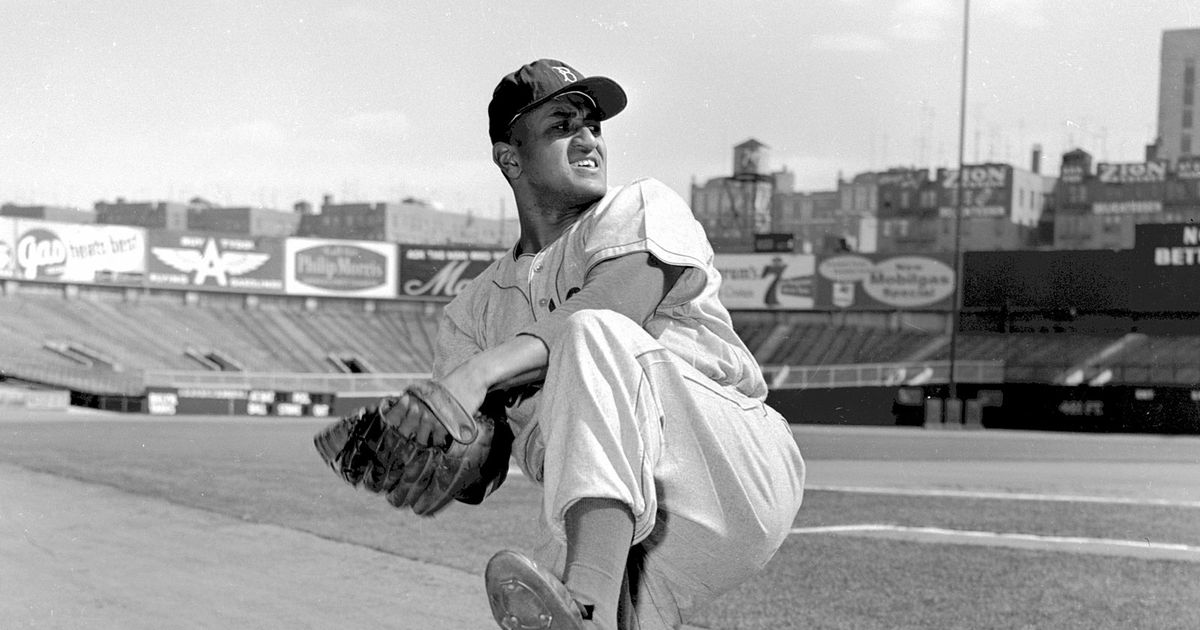
Don Newcomb passed away yesterday February 19, 2019. I don’t remember him playing because I’m too young. Being a Dodger fan all of my life I have read about his playing days and him talking to and mentoring the younger players with today’s Dodgers.

He was born on June 14, 1926, and played in the Negro Leagues finally making it to the Major Leagues in 1949 with the Brooklyn Dodgers winning Rookie of the Year. He won a World Series (the only one Brooklyn won) in 1955. He won the Cy Young Award in 1956. He battled alcoholism in the 50s and 60s. He mentored everyone from  Maury Wills, Steve Garvey, Orel Hershiser, Mike Piazza, to current players Kenley Jansen, Clayton Kershaw and manager Dave Roberts.

At 92 he would still come to the ballpark and talk to the Dodgers and opposing players.

Here is a link. http://m.thecourierexpress.com/sports/national/bc-bbn–obit-newcombe-nd-ld-writethru/article_cad2236f-faad-5d8f-ad10-bc430854b7e9.html

The Dodgers released this today. 


Yahtzee History

Saturday night we had some guests over and we all played Yahtzee. It was the first time I’d played it since the 1980s at least. I had a good time and looked up the history of the game.

In 1954 a wealthy anonymous Canadian couple, who called it The Yacht Game invented the game to play aboard their yacht. They would invite friends and teach them. In 1956 they went to toy maker Edwin S. Lowe to make some games for their friends as Christmas gifts. Edwin liked the game so much that he wanted to buy the rights to it. The couple sold the rights for the amount of making them a 1000 games.

When Edwin released it on the market it did not do well in it’s first year. The game could not be explained easily in an ad.  It had many nuances and interesting things about it and they can only be understood if the game was actually played.

Finally, Edwin tried a different approach. He started to have Yahtzee parties hoping to spread the news about the game by word of mouth. That started to work and Yahtzee got extremely popular. During Lowe’s ownership alone, over forty million copies of the game were sold in the United States of America as well as around the globe

In 1973  Milton Bradley Company bought the E.S. Lowe Company and in 1984 Hasbro, Inc. acquires the Milton Bradley Company and the game.

The origins of the game came from the  Puerto Rican game Generala and the English games of Poker Dice and Cheerio. Another game, Yap, shows close similarities to Yahtzee.


http://www.twoop.com/yahtzee/


The Marx Brothers

Describing the Marx Brothers in their Paramount movies is like describing a hurricane and a car wreck combined. The brothers were in vaudeville from the early 1900s to 1924 where they finally made it to Broadway in a play called “She Say’s It Is”. Broadway audiences had never seen anything like them. They literally tore up the stage with being so energetic. The brothers’ names were Julius (Groucho), Adolph (Harpo), Leonard (Chick-o) and Herbert (Zeppo). They had another brother that was not in the act Milton (Gummo).

Groucho was always in a power position in the plays and movies. Harpo and Chico would be there to take him down a few notches. Zeppo would be the straight man. Harpo, of course, would play the harp in a musical part, Chico would play the piano and Groucho would sometimes play the guitar…but the comedy is what everyone came to see.

They started movies around 1928 and again no one had ever seen anything like them on screen. The five movies they made for Paramount were Coconuts, Animal Crackers, Monkey Business, Horse Feathers and Duck Soup. These movies were anarchist chaos. After 1933 they signed a deal with MGM and their movies were tamed down to have more of a storyline and some were good but never matched the wildness of the Paramount movies where they had no respect for authority and lived and talked by their own rules. Groucho would say things that we would love to say in real life but we could never get by with it…he would say them in real life…and get by with it.

They are hard to compare to anyone else. The Three Stooges were not the same comedy whatsoever. In the 1970s college students were drawn to the Marx Brothers and their popularity went up with college students standing in lines around the block to see Animal Crackers in a theater. Their movies are still relevant today and can be enjoyed by every generation…

Harpo is my favorite…who never said a word in any film. He was a master of prop comedy and he could have been a big star in silent comedy. He was also a really good harp player also. He wrote one of the best autobiographies (Harpo Speaks!) I’ve ever read. For fans it’s great and for the average person, it’s an interesting read. The book is what first got me into the Marx Brothers.


harpo-marx-2.jpg

Rock and Roll…Quotes

Being honest may not get you a lot of friends but it’ll always get you the right ones.
John Lennon

The world used us as an excuse to go mad.
George Harrison

I used to think anyone doing anything weird was weird. Now I know that it is the people that call others weird that are weird.
Paul McCartney

America: It’s like Britain, only with buttons.
Ringo Starr

I’m still the best Keith Moon-style drummer in the world.
Keith Moon

I’ve never had a problem with drugs. I’ve had problems with the police.
Keith Richards

A kid once said to me “Do you get hangovers?” I said, “To get hangovers you have to stop drinking.
Ian “Lemmy” Kilmister of Motorhead

Rock ‘n’ Roll might not solve your problems, but it does let you dance all over them
Pete Townshend

I was Marilyn Manson – times 10.
Alice Cooper

In the end you become part of everything you hate, basically.
Ray Davies

I’d rather be dead than singing “Satisfaction” when I’m forty-five.
Mick Jagger

The thing about my music is, there really is no point.
Neil Young

No one is free, even the birds are chained to the sky.
Bob Dylan

If there’s one thing I know about music theory, it’s that if you don’t believe the singer, you won’t believe the song.
Tom Petty

Sometimes I am two people. Johnny is the nice one. Cash causes all the trouble. They fight.
Johnny Cash

I am the innovator. I am the originator. I am the emancipator. I am the architect of rock ‘n’ roll!
Little Richard

I grew up thinking art was pictures until I got into music and found I was an artist and didn’t paint.
Chuck Berry

I’m one of those regular weird people.
Janis Joplin

I sing to the realists. People who accept it like it is
Aretha Franklin

I don’t know where I’m going from here, but I promise it won’t be boring.
David Bowie

Music was my way of keeping people from looking through and around me. I wanted the heavies to know I was around.
Bruce Springsteen

I’m the one that’s got to die when it’s time for me to die, so let me live my life the way I want to.
Jimi Hendrix

We lived the life with Keith Moon. It was all Spinal Tap magnified a thousand times.
Roger Daltrey

“Champagne, for everyone!”… Fred and Ethel Mertz

I Love Lucy was huge in the fifties and helped start the modern sitcom. It is still popular to this day.

William Frawley and Vivian Vance portrayed Fred and Ethel Mertz on screen the landlords to Ricky and Lucy Ricardo. Ethel was Lucy’s friend and Fred was Ricky’s cheap best friend.

The on-screen chemistry between William Frawley (Fred Mertz) and Vivian Vance (Ethel Mertz) on I Love Lucy is the stuff of sitcom legend. But behind the scenes, their relationship was far less warm, at times bordering on outright hostility. Though they never appeared together on The Lucy Show (Frawley had long since exited Lucille Ball’s TV orbit by then), their infamous off-screen dynamic continues to fuel stories to this day. Here’s a closer look at the Frawley–Vance feud, the moments that defined it, and how The Lucy Show played into their legacy.

In real life, things were not smooth at all between the two. The age difference between Frawley and Vance was 22 years. Vivian was overheard telling Lucy that no one would believe that she would be married to that old coot. Frawley overheard this and the relationship was born.

Desi Arnaz had wanted Frawley to play Fred, but he had a drinking problem, so Desi had to lecture Frawley about always being on time etc.

Vance was professional, had her lines learned, and was always on time. Frawley would learn his lines at the last minute while locked away in a hotel listening to a baseball game. He also had it in his contract that if the Yankees were in the World Series that he would get time off.

They would argue while rehearsing, and the director would have to settle it. Lucy and Desi would usually just ignore it.

After I Love Lucy went off the air, CBS offered Frawley and Vance a chance to star in a spin-off series called either Fred and Ethel or The Mertzes. Frawley, always in need of drinking money, was willing, but Vance refused, never wanting to work with him again. This supposedly infuriated Frawley.

While Vance was working on the new “The Lucy Show”, Frawley would sneak to the soundstage and drop film canisters loudly, deliberately ruining Vance’s scene and causing a re-take.

I will say this… whatever feud or dislike they had…their performances will forever be remembered.

Here are some quotes they gave about the other.

Frawley: “She’s one of the finest gals to come out of Kansas, and I often wish she’d go back there. I don’t know where she is now and she doesn’t know where I am. That’s exactly the way I like it.”

Vance: “I loathed William Frawley and the feeling was mutual. Whenever I received a new script, I raced through it, praying that there wasn’t a scene where we had to be in bed together.”

William Frawley died of a heart attack in 1966 at the age of 79. When she heard the news, Vivian Vance was dining in a restaurant. What she supposedly said after hearing the tragic news was: “Champagne for everybody!”

To be fair… Vivian Vance also said this when Frawley died… “There’s a great big amusing light gone out of this world.”

You do get the feeling that while they argued, they did respect each other.

Vivian Vance would pass away in 1979.

Related image


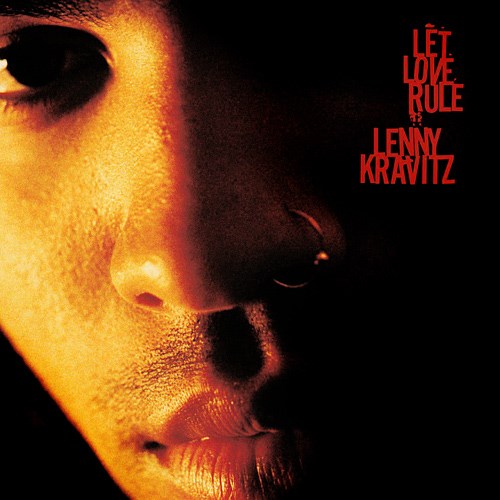
Lenny Kravitz – Let Love Rule

This sounded older when it was released in 1989 because it has a 60s psychedelic sound which some critics complained about…it’s the reason that I liked it. Lenny plays a lot of the instruments his self. The song peaked at #89 in the Billboard 100 and #39 in the UK in 1989.

A little trivia for you about Lenny…his mom was Roxie Roker from the tv show The Jeffersons.

From Songfacts.

Lenny Kravitz in a 1998 interview with Tracey Pepper: “When I did ‘Let Love Rule,’ everyone said what a naive piece of s–t it was. Journalists would ask, ‘Don’t you feel funny singing about that?’ and I was like, If I were sitting here singing about the devil and raping children, then it’d be okay? God forbid you sing about love. It’s a lost concept.”

This song is Kravitz’ credo. “Love has to be the final outcome of every situation,” he said.

This was the title track from Lenny Kravitz’ debut album on which he provided almost all of the instrumental and vocal material himself. However when it was released many critics condemned him for being an out of date throwback to late ’60s psychedelic rock.

Lenny Kravitz’s then-wife Lisa Bonet directed and appeared in the music video for this song.

The singer was persuaded by his style-star daughter Zoe Kravitz to develop a new line of shoes for Tom’s. Amongst his designs, which debuted in 2012 were footware printed with lyrics from this song.


Let Love Rule

Love is gentle as a rose 
And love can conquer any war 
It’s time to take a stand 
Brothers and sisters join hands 

We got to let love rule 
(Let love rule)
We got to let love rule 
(Let love rule)

Love transcends all space and time 
And love can make a little child smile 
Oh can’t you see 
This won’t go wrong 
But we got to be strong 
We can’t do it alone 

We got to let love rule 
(Let love rule)
We got to let love rule 
(Let love rule)

(Let love rule)
You got to got to got to 
(Let love rule)

You got to got to got to, yeah 
(Let love rule) let let let let love rule 
(Let love rule)

You got to, got to, got to 
Just say yeah 
You got to yeah 
You got to 
You got to, got to, got to yeah 
Let love rule

Drive-In Movie Theaters

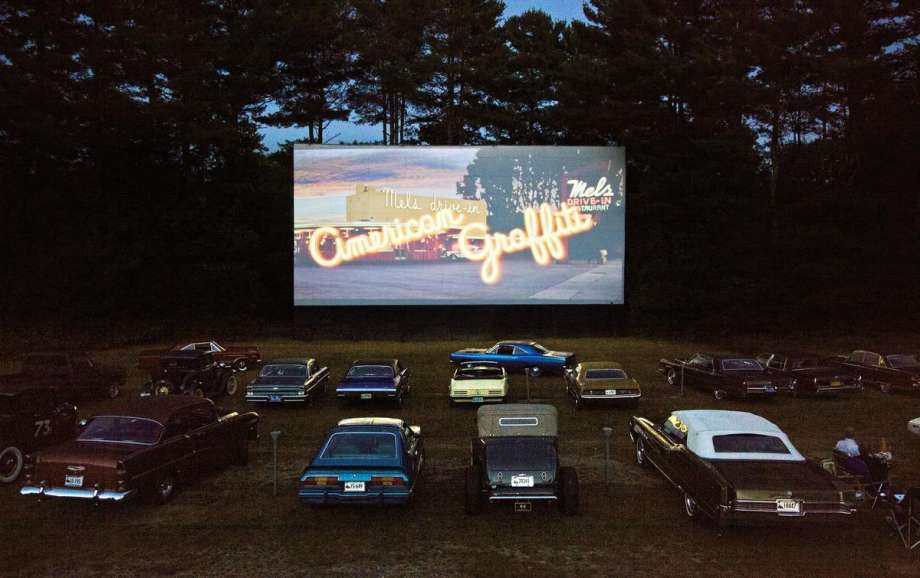
I remember Drive-In Theaters from way back. My sister is 8 years older than I am. When she was 16 I was 8 and mom made her take me with her on dates and that included the Drive-In. Most Drive-Ins charged by the person so guess where I was located? A mile up from the Drive-In I would know the routine…I would climb in the trunk. I remember smelling the old dirty tire and whatever else…I would hear us roll over the gravel and then the car would stop…my sister would let me out.

I would climb in the back seat and start watching. Although I make fun of her for this I actually enjoyed it. It was fun to do as a kid. I was a laid-back kid anyway. I remember the only movie showing one time was an R rated movie. It was called “Revenge of the Cheerleaders” from 1976…I got quite an education on the female anatomy. She would tell me don’t look now… then she and her date would go out and talk to friends parked around. I was of course looking and I never told mom…I knew I would not get to come back if I told her.

There are a few around here and once in a while, we will go see them. No Cheerleaders though.

In 1933, eager motorists park their automobiles on the grounds of Park-In Theaters, the first-ever drive-in movie theater, located on Crescent Boulevard in Camden, New Jersey. Richard Hollingshead opened it up. He thought of it because his mother was to large for theater seats. He charged just 25 cents per car.

The Drive-In didn’t really take off until the in-car speakers were invented by the late 40s. By 1958, the number of drive-ins peaked at 4,063.

Indoor theaters were more practical because they could show a movie 5-6 times a day and not have to worry about the weather or being light so the Drive-In’s started to get B movies (Revenge of the Cheerleaders!) and the fad started to slow down. Also, land value pushed the Drive-In’s out.

Now there are roughly 400 Drive-Ins left in America.

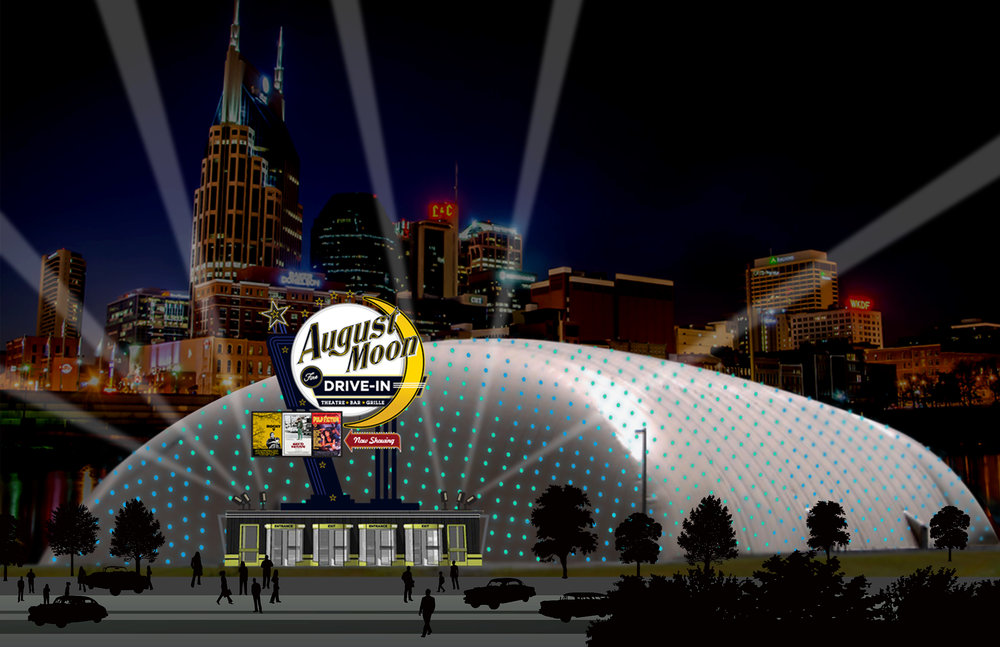
In Nashville, they are building an indoor Drive-In Theater. When it is finished I will check it out. You will not drive in with your car…you will walk in and sit in one of the classic cars they will have ready for you…I’m ready…but no trunks

A rendering of the August Moon Drive-In theater planned

dome3_web.jpg

Defunct Restaurant Chains

Some of these restaurant chains,  people will remember some won’t because it depends on where you live and if any were in your market. A few may have a handful open with Franchisees but for the most part, they are closed.


Steak and Ale -1966 – 2008   I liked the Mock Tudor building and the atmosphere inside…the food was good. They are trying to make a comeback…I hope they make it. Last time I ate at one was in the 90s in Huntsville Alabama.

Image result for steak and ale logo


Burger Chef – 1954 – 1996    They had over 1200 locations at one time. Many were bought out and turned into Hardees.

Related image


Rax Roast Beef 1967 – (handful open now)   I liked the Roast Beef but the best thing was the chocolate chip milkshake. There are a few lone Franchisees left. I remember going to them in the 80s.

Image result for Rax logo

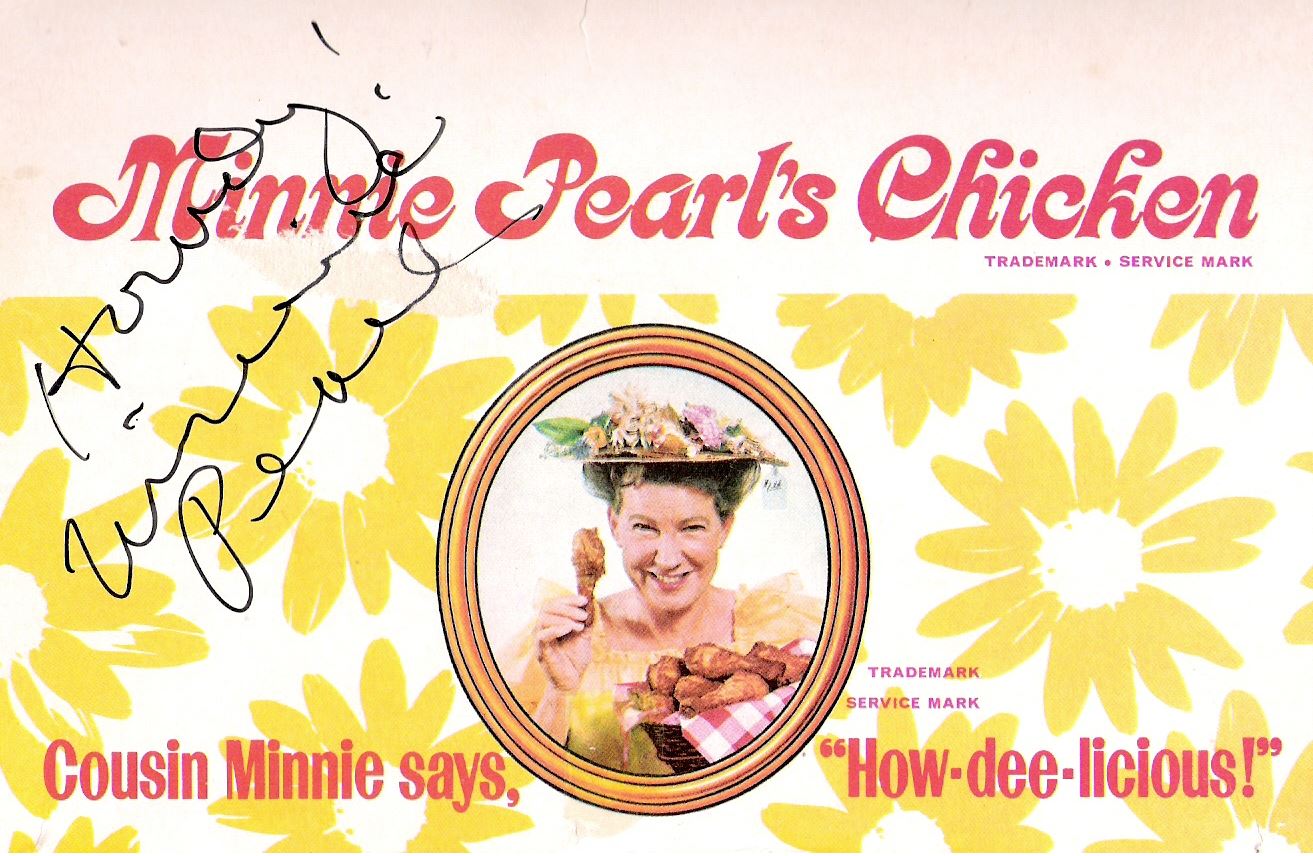
Minnie Pearl’s Fried Chicken  1968 to mid-1970s – How-dee-licious…indeed. It was actually really good. When I was in 2nd grade we would go to one in a nearby town once in a while…really good chicken… it went down because of faulty accounting… Great article here.

Image result for Minnie Pearl's Fried Chicken logo

Bennigan’s 1976 – (Bennigan’s and Steak and Ale making a comeback together)  An Irish Pub theme restaurant. I went there a few times. There are a few locations left…

Related image

Red Barn – 1961-1988 They were known for the “Big Barney” and Barnbuster burger. I see an old Red Barn where I work and now it’s a Mexican restaurant.

Related image

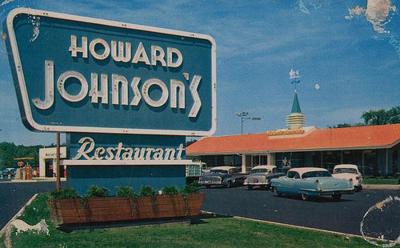
Howard Johnson’s Restaurant – 1953-2017   I do remember eating at a few of these traveling.  In 2017 there was one left in New York but the owner was arrested and now it’s closed.

Image result for Howard Johnson's Restaurant

LUMS – 1956-1982  I did go to one but I was really young and traveling at the time.

Image result for lums restaurants

Bonanza Steak House – 1963 – 2008 (bankruptcy) There are a few of these left… these and Ponderosa… Dan Blocker (Hoss Cartwright) was an original investor. In the late seventies before we would go to a movie we would stop at a Bonanza. I did go to a Ponderosa a few years back.

Image result for bonanza steakhouse logo


Wiffle Ball was a Blast

I had almost as much fun playing wiffle ball as a kid as I did little league. I was completely into playing baseball with friends or for years in leagues until I was 16. In my front yard, we would play wiffle ball until dark. If only one friend was over that was enough… we could still play. Hit it over the house, a home run…hitting a window, a double, in the creek a triple… etc.

You didn’t have to worry about breaking a window or knocking your buddy out while pitching as fast as you could. You would learn how to grip it and you could make it curve, rise, or sink a ridiculous amount. We would play for hours until night or until the ball was stuck on the roof or in a tree.

In the late 70s and 80s it was a fun alternative to playing baseball when not enough friends were around or you had to play in a neighborhood full of houses with nice big windows.

Image result for Wiffle Ball curve gif

In 1953, David N. Mullany was watching his 12-year-old son and some friends playing a baseball-like game with a perforated plastic golf ball and a broomstick in their backyard. The boys tried throwing curveballs and sliders but with no success. They couldn’t use a baseball because of the trail of broken windows and upset neighbors.

Mullany, who had been a semipro pitcher himself, knew all too well what thousands of Little Leaguers have had to painfully learn. Nothing shreds a young arm quite as effectively as throwing breaking balls. Mullany set about trying to save the boys’ shoulders and elbows by creating a ball that would curve and bend on its own.

He tried a hard plastic ball that served as packaging for Coty perfume. After having the boys experiment with various designs, Mullany hit on the Wiffle Ball we now know and love.

Mullany’s son and his friends referred to strikeouts as “whiffs.” Since the new invention made knee-buckling curveballs a breeze to throw, pitchers started racking up the strikeouts. Mullany named the product the Wiffle Ball to honor its strikeout-friendly breaks.

When they started to advertise them they would use old photographs of MLB players. The Mullanys later explained in interviews that doing actual photo shoots with the players would have been too pricey, so they just negotiated with players’ agents and then used any old photograph.

Image result for first wiffle ball box


The slots on one side make the ball curve and rise. Just like a real baseball…the more scuffs a ball has the more it can curve. They have Wiffle Ball leagues now where players play competitively.


http://www.wiffle.com/pages/welcome.asp?page=welcome


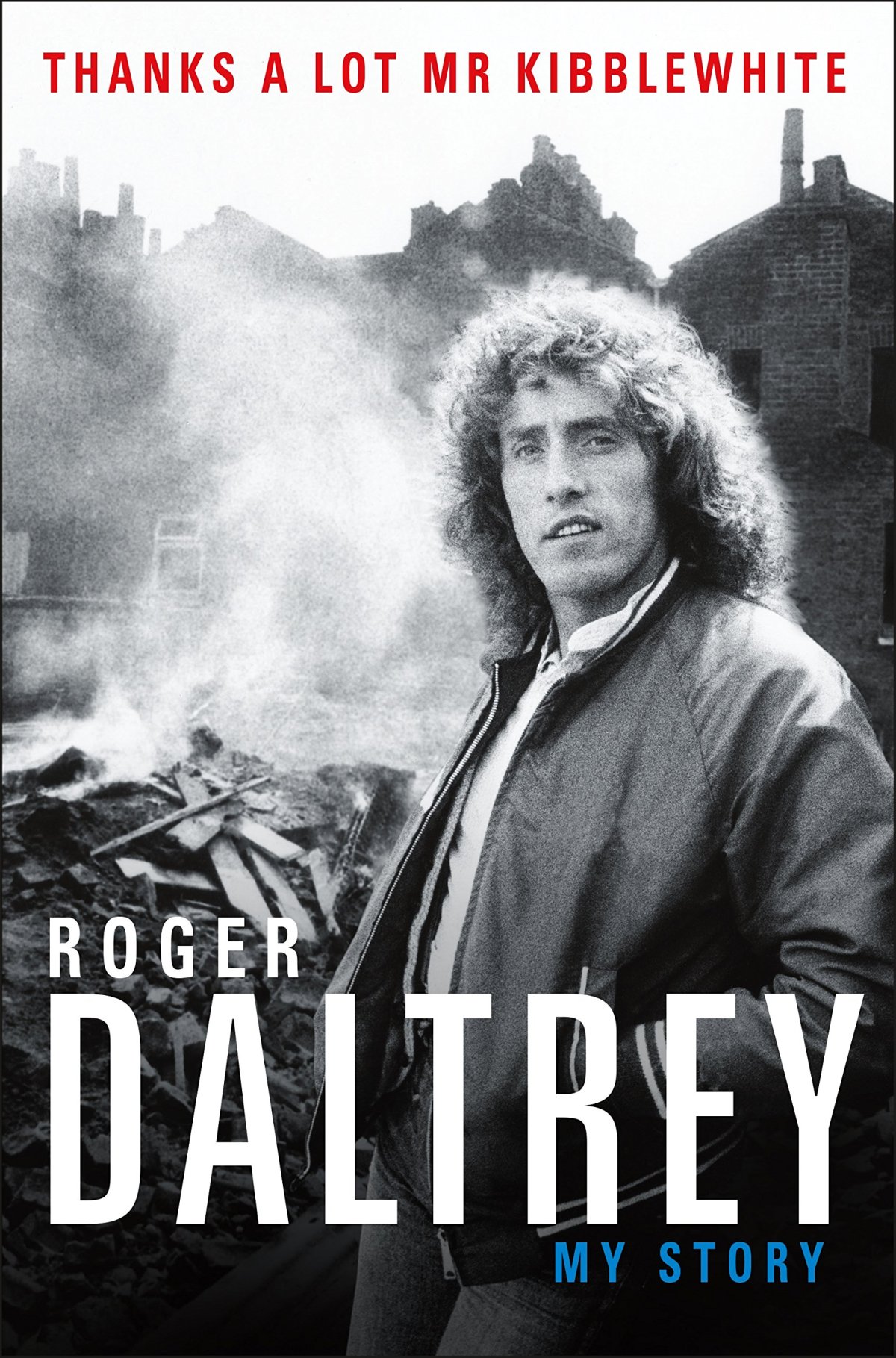
Thanks A Lot Mr. Kibblewhite: My Story Roger Daltrey

I just finished the audio version of this book. I’m a huge Who fan and I was looking forward to it. It was nice to hear the book narrated by Roger himself. It’s a solid book but I have only one complaint that I will get into below.

The positive about the book is you find out more about the different personalities of the Who and the reason they fought. Pete the artist, John the dark one, Keith the lunatic, and Roger blue-collar man of the band. We all knew those descriptions before but Roger tries to explain how it worked and didn’t work as a band. If you want to know The Who’s impact on rock music and culture go to Pete Townshend. If you want to get straight to the point with just the highlights…Roger is your man.

Roger is grounded, avoided most of the pitfalls in his profession,  hard-working, and loves interpreting Pete’s music to the world. He goes into how he changed his singing style with Pete’s writing. How he became Tommy and the mod in Quadrophenia. He hits the highlights of The Who and his life without the Who in the 80s and part of the 90s.

The strongest part of this book is about his childhood and his collection of relatives. Roger seems very approachable, likable, and down to earth. Roger was the one constant in the band that you didn’t have worry about his on tour activities. He does talk about the high points of the Who and his acting career.

My biggest complaint is the book is too short. You get the impression that he didn’t think that anyone would want to hear any details whatsoever.  He does give you some good stories but touches a subject and quickly leaves. It’s almost a cliff notes version as he didn’t dwell in any period long.

It is a quick and enjoyable read but leaves you wanting more.