
Testimony

The autobiography of Robbie Robertson. I read this right after My Cross To Bear by Gregg Allman. The only surprising part is it stops at 1976 and doesn’t cover Robbie’s solo career.

Robbie is 33 when the book ends. It ends at a recording session where only Robbie shows up after The Last Waltz.

If you have read Levon Helm’s This Wheels on Fire you know that Levon was pretty hard on Robbie. He rips him for songwriting credits and The Last Waltz. Robbie takes the high road in his book. He talks about the brotherhood they all shared. He mentions that Levon was his best friend he ever had in his life.

Robbie was in the middle of musical history throughout the book. He talks about joining Ronnie Hawkins and the Hawks and befriending Levon…they eventually picked up Richard Manuel, Rick Danko, and Garth Hudson. After they split with Ronnie they get busted and gigged at various bars while meeting music legends Sonny Boy Williamson II, Paul Butterfield, Mike Bloomfield and then Bob Dylan. After meeting Dylan they start backing him on his first electric tour.

They are in the middle of the chaos of Dylan’s electric tour…Levon quits a few shows into it because of the booing and the people that surround Dylan. The rest of the Band (still called the Hawks) continue to back Dylan around the world. Along the way, they make friends with Brian Jones, The Beatles, Johnny Cash and eventually Jimi Hendrix (Jimmy James at the time).

He also mentions about living at the Chelsea Hotel, Big Pink, Levon coming back, living in Woodstock, playing Woodstock, and being friends with Dylan. This is one book that gives you a side of Dylan you never read much about. Robbie humanizes him while keeping respect. The Band much like the Allman Brothers valued brotherhood. They stuck together and got along really well until heroin started to enter the picture.

He goes into his songwriting and where he got the ideas. A lot of his ideas came from hanging out with Levon at Levon’s home in Arkansas. Robbie enjoyed the area and the southern culture that surrounded him.

Robbie is big foreign film buff who read many screenplays and would have people to pick them up when going through New York. After reading those he said it helped him to express what he felt in lyrics.

You get such a mix of personalities in the book… Edie Sedgwick, Carly Simon, Eric Clapton, George Harrison, to smoking pot with John Lennon in the sixties with John’s special made “cigarettes.”

All of the Band had street smarts and mixed with killers, thieves and mafia members before they made it. They were without money at one point and Robbie and Levon were actually going to wear masks and hold up a high stakes poker game. It’s a wonder one of them wasn’t killed before the band met Dylan.

I’ve read both Levon’s and Robbie’s books. I liked them both. Robbie is more consistent in his telling. There is a reason Robbie wanted to get off the road. Richard Manuel was not in good shape…even on The Last Waltz and Robbie was no angel himself. The road brought temptations that were hard for them to resist.

If you are a Band fan and/or Dylan fan…get it. I would place this book up there with Keith Richard’s book Life. That is about the highest praise I can give…


Gunsmoke the Early Years

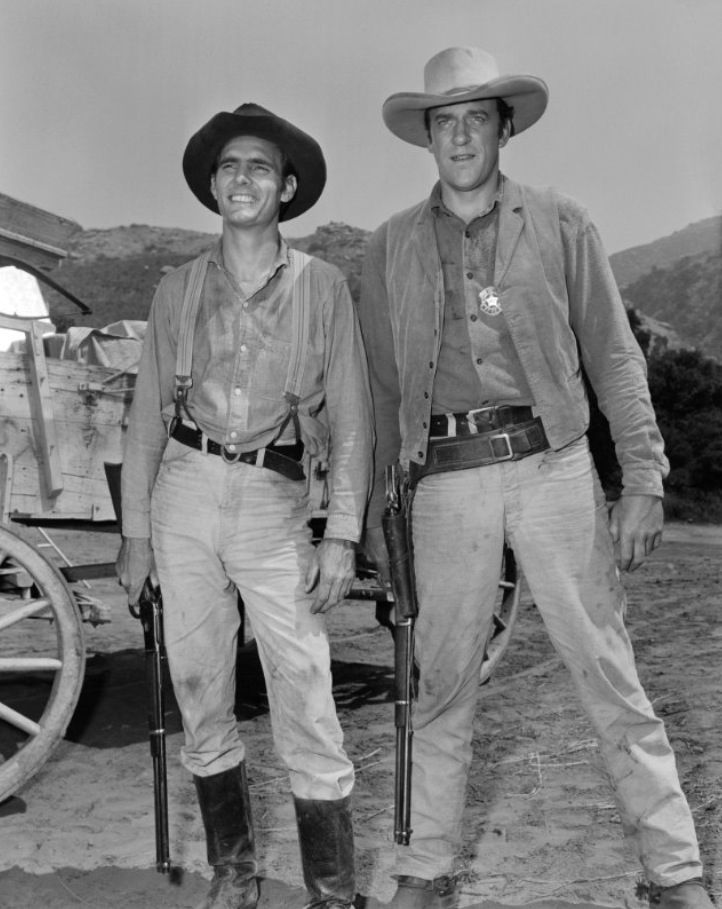
I grew up watching the hour-long color episodes (seasons 12-20) of Gunsmoke in reruns and I liked the show. Now I’m watching the first 6 seasons…they are black and white and very different. There is no Festus or Newly…we have Chester (Dennis Weaver) and he is a refreshing character. They just never played these episodes on television when I was younger. There still is Doc Adams  (Milburn Stone)and a very young good looking Kitty Russell (Amanda Blake).

These episodes dealt with murder, rape, human trafficking, and plenty of Matt Dillon (James Arness) decking bad guys with his fist or the butt of his gun. They are 30 minutes long which is great. They got to the point quickly. Some of the stories were grim but it matched the look of the series.

I was surprised at how rough, violent and authentic they were and that is not knocking the later episodes but there is a difference. The violence was toned down as the series continued.

The later color episodes centered more around the guest stars and the old black and white ones centered more on the local cast of Dodge City.

Have Gun Will Travel was also on CBS along with Gunsmoke. You will see some of the same character actors and sets. Some Have Gun Will Travel scenes were filmed in a redecorated Long Branch… Too bad there wasn’t a crossover at least once.

Chester…I’ve always liked Dennis Weaver as an actor…in McCloud, Duel and anything he was in… He brings his character Chester alive as a real person. Chester had a limp on the show and Dennis Weaver said he would take yoga classes so he could do things like putting on a boot look believable with a bad leg…he also put a pebble in his boot on his right foot so he would not forget which leg was lame.

Chester could be lazy but he was invaluable and loyal to a fault to Matt Dillon. Dennis Weaver left the show after the 9th season with no explanation on what happened to Chester as was the way back then with TV shows.

If you are a fan and have seen only the later episodes…check these out.

Little Richard

A voice that won’t quit. Richard Wayne Penniman… better known as Little Richard would be great in any era. Of all of his peers, he could belt a song out better than any other.

In the 50’s he was public enemy number one to many parents. Pat Boone would cover his songs and those are the recordings the parents would buy their kids…while the kids would sneak and buy the real Richard records and keep them hidden while their parents were around…

Others tried to imitate it but no one came close. Paul McCartney would try but didn’t have the rawness that Richard had/has… He was flamboyant, to say the least, and commanded a stage.

In 1957 at the peak of his career he retired to the ministry and gospel music only… that lasted a while but in 1962 he came back to Rock and Roll and toured Europe. The Beatles were really big fans of Richard and they opened some shows for him in 1962. His keyboard player was a young Billy Preston.

Little Richard songs just jump off of the recording right at you.

You can hear his influence on The Stones, The Beatles, James Brown, Elvis and his androgynous influence with Freddy Mercury, Elton John, and David Bowie.

I’ve always seen Little Richard as the hard rock of the fifties. The songs are raw as you can get and in your face.

Black people lived right by the railroad tracks, and the train would shake their houses at night. I would hear it as a boy, and I thought: I’m gonna make a song that sounds like that.  Little Richard

Little Richard and the James Gang in 1970