Kinks Weeks – Around The Dial … mostlymusiccovers.com

Randy has been writing a blog about Cover Songs, music genres, and artists since early 2018. He moved to WordPress in February of 2022 and has found a welcoming community of music enthusiasts. You can read about the origins of Rock and Roll, Blues, R&B, and Country Music. There are Cover Song and Chart statistics as well, all with a focus on the 1950s, 60s, and 70s at MostlyMusicCovers.com. He has also helped me out with blues artists and Canadian Charts in general! 

This is the opening track on the 1981 album Give the People What They Want. It was written by Ray Davies of course. It was not one of the three singles they released off the album, but it may be my favorite track. Max told me this was the opening song when he saw them on tour in ’83. I have not made sufficient effort to see them. This does not mean I am not a fan, as we can’t attend many of the performances we would like to.

As you might guess the song is focused on the radio dial and the words are quite prophetic, I think. The lyrics speak of the protagonist’s frustration in not being able to find their favorite DJ. Hence going “Around the Dial” and searching in vain. While there are slightly differing interpretations, I had not read anywhere quoting Ray himself on what he was saying when he wrote it. From what I hear in the song and things I have read, this is my take on the song.

The protagonist’s speculation involves questions. Had the DJ said or done something to upset the ‘Corporation’? The song sets the theme for the album, as the lead track, it ties in nicely with the overall message of Give the People What They Want. In other words, don’t try and silence my favorite DJ just for telling it like it is. Let us listen to what we want to listen to.

I said prophetic because this was the beginning of increased pressure on the local DJ. While this was not the first such song, it is reminiscent of Elvis Costello who warned of corporate control over what we see and hear in his song “Radio, Radio” in 1978. Ray Davies took it to the grassroots level of the listener and the radio DJ. This was before (in the US) the Telecommunications Act in 1996 which saw the buying up/combining of stations and the closure of some 1,000 operations by 1999.

Meanwhile, soon to come we had Internet, Digital, and Satellite Radio. Not to mention Podcasts and Streaming Services. This all changed the way we listen worldwide.

Yet despite all this competition music radio stations have been surprisingly resilient. Stations don’t have to store thousands of records and CDs, everything is digital, and they can access anything.  Ray asks us, “We’re going ’round the dial, (Are you listening) Around the dial”? Yes Mr. Davies we are still listening.

Around The Dial

The radios of the world are tuning in tonight
Are you on the dial? Are you tuned in right?
One of our D.J.’s is missing

Are you listening?
Are you listening to me?
Can you hear me?
Can you hear me clearly?
Around the dial

I’ve been around the dial so many times
But you’re not there
Somebody tells me that you’ve been taken off the air
Well, you were my favorite D.J.
Since I can’t remember when
You always played the best records
You never followed any trend

F.M., A.M.. Where are you?
You gotta be out there somewhere on the dial
On the dial

(Are you ready?) We’re going ’round the dial
(Are you listening?) Around the dial
(Are you tuned in?) Around the dial
(Are you searching?) Around the dial

F.M., A.M.. Where are you?
You gotta be out there somewhere on the dial
On the dial

Where did you go Mr. D.J.?
Did they take you off the air?
Was it something that you said to the corporation guys upstairs?
It wasn’t the pressure
You never sounded down
It couldn’t be the ratings
You had the best in town

Somehow I’m gonna find you, track you down
Gonna keep on searching
Around and around and ’round and ’round…

(They’re searching) Around the dial
(They’re listening) Around the dial
(Poor station) The best in town
(Poor D.J.) Who never let us down

While the critics kept on knocking you
You just kept on rocking ’round the dial
Around the dial

I’ve been searching for you on my radio
This time your station really must have gone underground
Somebody said you had a minor nervous breakdown
Was it something that you heard
Or something that you saw
That made you lose your mind
Did you lose control
Did you step out of line?
If you’re there, give us a sign

I can’t believe that you’ve been taken off the air
Think I’ll sell my radio now that you’re not there
You never gave in to fashion
You never followed any trends
All the record bums tried to hack you up
But you were honest to the end

Gonna keep my radio on
‘Til I know just what went wrong
The answer’s out there somewhere on the dial
On the dial

Can you hear me? (around the dial)
Are you listening? (around the dial)
Are you out there? (around the dial)
Can you hear me?
Around the dial

Max’s Drive-In Movie – Superfly

When the idea of the drive-in movie posts came up…this was one of the first ones I thought of. You get a glimpse of the 1970s drug dealing life in New York. I will eventually hit some other eras rather than just the early to mid-seventies.

I saw this movie at the Belcourt Theatre in Nashville in 2018. It was like being in a time warp and back in 1972. This movie has some padding and some wooden acting (but there is a reason) but you can tell where Quentin Tarantino was inspired. I’ve always liked the movie and seeing it on the big screen made it that much better. I do think Tarantino’s Jackie Brown was hugely influenced by this movie.

They filmed Superfly on the cheap with some real criminals in the movie to add authenticity. The character “KC” was a pimp in real life and the famous car from the movie is, in fact, KC’s car. The car is no longer with us…it was seized by the IRS when KC got into trouble.

Charles McGrego“Fat Freddie”(Charles McGregor) in real life was a reformed criminal. He helped the realism and went on to appear in more blaxploitation films in the 1970s. He also ended up going to schools and counseling children on the dangers of a life in crime.

I had some sympathy for the lead character Youngblood Priest played by Ron O’Neal. He lived well financially but knew he was living on borrowed time. He was a cocaine dealer who knew the walls were closing in. He wanted out but was in a cycle that was almost impossible to break. He needed a great plan to get out of it. It reminds me of mafia members wanting out but are trapped.

The highlight of the movie, of course, is the music. Curtis Mayfield’s soundtrack is great. Curtis does appear in the movie playing in a bar. The movie’s budget was under 500,000 but grossed over 30 million at the box office. The film was shot in only 19 days! This led to some creative choices, like using a car’s headlights for lighting in certain scenes. The film was celebrated but also condemned by civil rights groups who said it glorified drug dealers. I didn’t see that as much. Yeah, Priest had a lot of money but at what cost?

One quote got a laugh from the 2018 audience…and it was because of the mention of an eight-track. You’re gunna give all this up? Eight Track Stereo, color T.V. in every room, and can snort a half a piece of dope everyday?! That’s the American Dream.” I’m glad they didn’t clean the film up too much. It had some grainy elements and it fit the atmosphere perfectly. It’s not a great, great movie but the story is good with a nice twist… and it did make a cultural impact.

Quotes:

Georgia (Priest’s Girlfriend): Look maybe you should get out now, now before something really bad happens. I could be happy with a plain life, a poor one if only you were.

Youngblood Priest: Look what would I do? With my record I can’t even work civil service or join the damn army. If I quit now, then I took all this chance for nothing and I go back to being nothing. Working some jive job for chump change day after day. Well if that’s all I’m supposed to do then they gonna have to kill me ’cause that ain’t enough.

Superfly

From IMDB

The plot revolves around Youngblood Priest, an African-American cocaine dealer in New York City who is looking to make one last big score before getting out of the drug business for good. The film is a defining example of the blaxploitation genre and became iconic for its gritty portrayal of the urban drug trade and its anti-hero protagonist.

..,

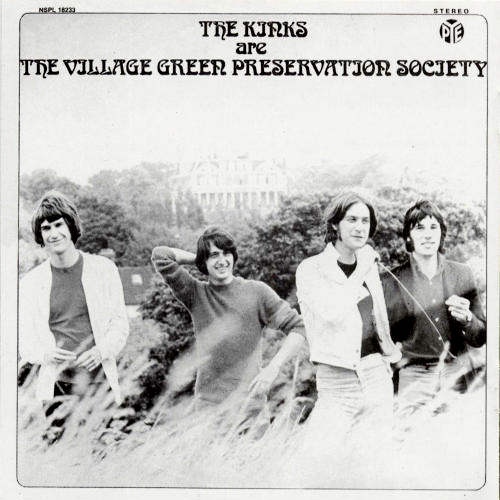
Brothers At Arms – Ray and Dave Davies

I thought this was appropriate today since tomorrow will kick off two weeks of Kinks songs. A huge Thank You to Randy from mostlymusiccovers.com for publishing all of these that him and I wrote.

We all know the great album Brothers in Arms from Dire Straits, but sometimes those brothers are “at arms” rather than in them. In part two of the mini-series Max (that’s me!), from PowerPop, talks about the “Rock ‘Em Sock ‘Em” Siblings of Ray and Dave Davies of the legendary band The Kinks.

Ray Davies was born in 1944 and Dave in 1947 in Muswell Hill, North London. One of the granddads of rock’s sibling rivalries starts with the Davies brothers. Ray Davies, as the lead vocalist and principal songwriter of The Kinks, often clashed with his younger brother Dave Davies, who played lead guitar in the band. Their tumultuous relationship was fueled by creative differences, sibling rivalry, and personal conflicts. The two have admitted coming to blows many times right before shows.

Ray Davies is known for being a perfectionist and prickly at the best times. Dave is known as a free spirit who likes to go with the flow. The Kinks were formed in 1963 by the brothers and included Peter Quaife and Mick Avory. Their first success came the following year with worldwide hits such as You Really Got Me, All Day and All of the Night, and Tired of Waiting for You all top 10 hits in the UK and America. The Kinks never got to the level of The Who, Beatles, or Stones. One of the reasons was because they were banned for 4 years from touring in America for using non-union roadies during a tour. Another rumor was bad behavior, but it seems the non-union help rings truer.

They were the youngest in a family with 6 sisters. At age 13 Ray was thrilled by being gifted a guitar by his 31-year-old sister Rene, but she died the same night. Dave, got an underage girl pregnant when they were both 15 and the parents kept the couple apart. Dave remembers fighting Ray and he knocked Ray down once and thought he seriously hurt him. He goes over to check on Ray and Ray pummeled him. Nice.

When Ray got married in 1964, he made Dave the best man, but Dave was smashed and could not function at the wedding. At Dave’s 50th birthday party…Ray came in and smashed the cake and left. In 2013 they got together again and wrote some songs in Ray’s kitchen in harmony. It only lasted a short time. They started an old argument over the song.

‘You Really Got Me”. Dave said that yes, his older brother wrote the riff and the song, but he cut a slit in the amp speaker to make that sound. Ray refused to acknowledge how important that sound was to the success of the song. Underneath it all though they do love each other and protect each other from
other people. They are not above fighting with each other though. In 2021 there was a statement by the brothers that they were going to regroup and record again. We can only hope that they make it to the end and finish it.

A duet by the brothers!

Jayhawks – Quiet Corners & Empty Spaces

I first found out about The Jayhawks in 2000 or so with a song called I’m Gonna Make You Love Me and the song Blue.

The Jayhawks formed in Minneapolis–Saint Paul in 1985 and played alternative country rock. They have released 11 studio albums and are worth checking out. The band went on hiatus in the early 2000s but soon reformed and returned in 2003 with a highly regarded album Rainy Day Music and has stayed together ever since.

This song was written by Gary Louris. The song did reasonably well when released. I would hear it on our alternative channel in Nashville. They are one of those bands that never could get over the hump to a mass audience.  I always think of them, Wilco, and Big Star coming from some of the same musical territory. The Jayhawks have had a few successful albums but never became household names.

The album peaked at #75 on the Billboard Album Charts and #51 in the UK in 2016. The single peaked at #26 on the Alternative Album Charts.

Since our Kinks Weeks are coming up I thought I would mention this. They have a Kinks tie… They backed Ray Davies on his albums Americana and Our Country – Americana Act II. T

Gary Louris: Quiet Corners & Empty Spaces” started with the idea that I wanted to write a big, soaring, old-school pop song. With lyrics, I either tend to do a stream-of-consciousness or a cut-and-paste kind of thing. This one was something out of a newspaper that I cut out. I just have piles of stuff.

For me, it’s a spark to kind of throw some things together, along with other methods, like mumbling. A lot of times, when I’m writing, I sing and play and whatever comes out comes out, and these words are inferred by sounds and half-words. Then I come around and get the meaning out of that, and it’s usually coming from some place inside that is kind of revelatory in a way. It’s almost like therapy.

So, from there, I wrote a song about running away from certain things. Again, in a Proust kind of way, finding a spot where you can be introspective, away from the noise, and get your head together.

Aside the wandering eye has openedA stare all the way bare and brokenThe start of a brand new adventure

Hey nowCatch me quick before I walk awayTell me if there’s something I should sayI’ll find the quiet corners and the empty spaces

Not far a blue guitar is playingIt drew me like it knewAnd it’s saying

Hey nowCatch me quick before I walk awayTell me if there’s something I should sayI’ll find the quiet corners and the empty spaces

We drown in ups and downsNeglectingThe beauty of my sun is setting

In the end there’s no way in redemptionHey nowCatch me quick before I walk awayTell me if there’s something I should sayI’ll find the quiet corners and the empty spacesHey nowCatch me quick before I walk awayTell me if there’s something I should say

Blaze Foley – Clay Pigeons

I always thought Blaze was a Texan but I was wrong…but technically that is where he made his mark in music. Blaze Foley (Michael David Fuller) was born in Malvern, Arkansas, but grew to be an important figure in the Texas outlaw country music scene. I started to listen to Foley’s songs and the strength of the lyrics has won me over. This was an interesting man. A documentary was made about him called “Duct Tape Messiah: Blaze Foley.” If you have time at some point, watch it. This documentary is based on a hell of a story.

Foley grew up in a musical family, moving frequently throughout the South. His parents were part of a gospel band, and he was exposed to music from a young age. The family’s traveling lifestyle and deep-rooted religious beliefs influenced Foley’s music.

Foley became a fixture in the Austin music scene in the 1970s and 1980s, where he befriended and collaborated with other songwriters, including Townes Van Zandt (he wrote a song about Foley after his death called Blaze’s Blues). His music was deeply personal, often reflecting his struggles with homelessness, addiction, and relationships. Despite his talent, Foley struggled to gain commercial success during his lifetime, partly due to his unpredictable behavior and refusal to compromise his artistic integrity. I do have a Townes Van Zandt story at the bottom.

This song gained a wider audience after being covered by several artists, most notably John Prine, who included it on his 2005 album Fair & Square. Prine’s version introduced the song to a broader audience and solidified its place in the Americana and folk music canon.

On February 1, 1989, Foley was tragically shot and killed at the age of 39 in Austin, Texas. He was trying to defend a friend, Concho January, from his violent son. Foley accused him of stealing January’s checks. Foley’s death was a big loss to the music community, and his life story has since been the subject of many articles, documentaries, and films.

He didnt’ gain popularity until after his death. He only released one 1984 studio album before his death and those tapes were confiscated by the DEA when the executive producer was caught in a drug bust. He also recorded one in 1980 but the tapes were stolen out of his car. He did get some singles released during the 80s but a lot of live and some studio material came out after he died. Some tribute albums have come out as well with other artists covering his songs. Artists such as Townes Van Zandt, Calvin Russell, Merle Haggard, Willie Nelson, Lucinda Williams, Timbuk 3 and many more.

Now the Townes Van Zandt Blaze Foley story. Blaze was known as The Duct Tape Messiah for the strappings that held his boots together. His life was disorderly, to say the least. He had said that when he died he wanted Townes to have his guitar. When Foley died, Van Zandt and his friends went for the guitar but found out that the late singer/songwriter had pawned the guitar among other things. Van Zandt told the Pawn Shop clerk that the guitar had been left for him and he was there to collect it. However, the clerk insisted that without a pawn stub, that transaction was impossible. So, along with the rest of Foley’s friends, they searched every possession (which wasn’t much) that the late musician had left behind. The pawn slip was nowhere to be found.

They figured out it must be in Foley’s front pocket in the suit he was buried in. Townes then borrowed a backhoe and dug his friend up. He went through his pockets and there it was…the pawn ticket. Van Zandt went straight to the pawn shop with the freshly dug-up stub and collected Foley’s guitar that he kept in his possession until he, too, passed away.

Now whether this was true or not I don’t know… but that is what the documentary is all about that I mentioned in the first paragraph. Here is a picture of Townes Van Zandt with Foley’s guitar.

As you see the duct tape...this was Blaze Foley's guitar.

Clay Pigeons

I’m goin’ down to the Greyhound stationGonna get a ticket to rideGonna find that lady with two or three kidsAnd sit down by her side

Ride ’til the sun comes up and down around me‘Bout two or three timesSmokin’ cigarettes in the last seatTryin’ to hide my sorrow from the people I meetAnd get along with it all

Go down where the people say y’allSing a song with a friendChange the shape that I’m inAnd get back in the game and start playin’ again

I’d like to stay, but I might have to goTo start over againMight go back down to TexasMight go to somewhere that I’ve never been

And get up in the mornin’ and go out at nightAnd I won’t have to go homeGet used to bein’ aloneChange the words to this songAnd start singin’ again

I’m tired of runnin’ ’roundLookin’ for answers to questions that I already knowI could build me a castle of memoriesJust to have somewhere to go

Count the days and the nights that it takesTo get back in the saddle againFeed the pigeons some clay, turn the night into dayAnd start talkin’ again when I know what to say

I’m goin’ down to the Greyhound stationGonna get a ticket to rideGonna find that lady with two or three kidsAnd sit down by her side

Ride ’til the sun comes up and down around me‘Bout two or three timesSmokin’ cigarettes in the last seatTry to hide my sorrow from the people I meetAnd get along with it all

Go down where the people say y’allFeed the pigeons some clayTurn the night into dayAnd start talkin’ again when I know what to say

ThanksIt’s called “Clay Pigeons”Anywhere I roam, there’s askThat’s rightRoad-hog didWe have a lot of requests, so we’re gonna do it anywayAin’t never had a lesson in his life, alright

Gunsmoke, the Early Years

I’m reading a book on James Arness…or Matt Dillion from Gunsmoke. When you watch these beginning shows you see Arness turn into a fine actor. He was in many movies before Gunsmoke but he looked a little uncomfortable in the first season. By the second season, you could see a huge change. Arness said he wasn’t comfortable and he got an acting teacher to help refine his acting for television.

I liked the show because I grew up watching the hour-long color episodes (seasons 12-20) of Gunsmoke in reruns. The first 6 seasons were black and white and 30 minutes long. Seasons 7-11 were one-hour black and white shows. As I said seasons 12-20 were one-hour color shows. 

gunsmoke 1

Now I’m watching the first 6 seasons for about the 6th time… There is no Festus or Newly…we have Chester (Dennis Weaver), who is a refreshing character. They never played these episodes on television when I was younger. There still is Doc Adams  (Milburn Stone)and the astonishing Kitty Russell (Amanda Blake).

These episodes dealt with murder, rape, human trafficking, and plenty of Matt Dillon (James Arness) decking bad guys with his fist or the butt of his gun. They are 30 minutes long which is great. They got to the point quickly. Some of the stories were grim but matched the look of the series. It was an adult show at this time.

I was surprised at how rough, violent, and authentic they were and that is not knocking the later episodes but there is a huge difference. The violence was toned down as the series continued. The later color episodes centered more around the guest stars and the old black and white ones centered more on the local residents of Dodge City. That was by design because of the hour format…and some shows had some filler in them in that format.  

Have Gun Will Travel was also on CBS along with Gunsmoke. You will see some of the same character actors and sets. Some Have Gun Will Travel scenes were filmed in a redecorated Long Branch… Too bad there wasn’t a crossover at least once.

Chester…I’ve always liked Dennis Weaver as an actor…in McCloud, Duel, and anything he was in… He brings his character Chester alive as a real person. Chester had a limp on the show and Dennis Weaver said he would take yoga classes so he could do things like putting on a boot to look believable with a bad leg…he also put a pebble in his boot on his right foot so he would not forget which leg was lame. He said it took him months after Gunsmoke not to use the limp on camera because he was so used to it.

Chester could be lazy but he was invaluable and loyal to a fault to Matt Dillon. Dennis Weaver left the show after the 9th season with no explanation on what happened to Chester as was the way back then with TV shows. He was mentioned one time in the 20th season. Burt Reynolds joined the show for two years in seasons 8 and 9. He said it was his best experience in entertainment. The cast was extremely close. 

If you are a fan and have seen only the later episodes…check these out. It puts a new light on the show. Unlike other Westerns, Native Americans were not usually the bad guys in Gunsmoke. Matt Dillion was a good friend to many of them.

Here is a badly recorded clip of Matt Dillion, Chester, and Ken Curtis who would later take Chester’s place in the show and play Festus.

Four Tops – Baby I Need Your Loving

I saw the Four Tops and The Temptations in the 80s. It was held at Opryland and I had a friend who worked there. He snuck us in the back way with me using his sister’s work ID badge they never checked. Both groups were super and it was a great concert. Those voices were pure gold. Hmmm…I hope the statute of limitations has run out!

The song was written by the songwriting team of Holland-Dozier-Holland (Lamont Dozier, Brian Holland, and Eddie Holland). It was recorded at the Hitsville U.S.A. studio in Detroit, Michigan, which was the primary recording studio for Motown Records.

This song was their first Motown release which was in 1964. The song peaked at #11 on the Billboard 100 and #4 in Canada. The song is one of those near-perfect pop songs. Johnny Rivers would later peak at #3 with this song in 1967. Altogether there are 62 cover versions of this song.

The Four Tops were formed in Detroit, Michigan, in 1953. Initially, they performed under the name the Four Aims before changing it to the Four Tops to avoid confusion with the Ames Brothers who were popular at the time.

Baby, I Need Your Loving

Baby, I need your lovin’Baby, I need your lovin’Although you’re never nearYour voice I often hearAnother day, ‘nother nightI long to hold you tight‘Cause I’m so lonely

Baby, I need your lovin’Got to have all your lovin’Baby, I need your lovin’Got to have all you lovin’

Some say it’s a sign of weaknessFor a man to begThen weak I’d rather beIf it means having you to keep‘Cause lately I’ve been losing sleep

Baby, I need your lovin’Got to have all your lovin’Baby, I need your lovin’Got to have all you lovin’

Empty nights echo your nameWhoa, sometimes I wonderWill I ever be the same?Oh yeah!

When you see me smiling, you knowThings have gotten worseAny smile you might seeHas all been rehearsedDarling, I can’t go on without youThis emptiness won’t let me live without youThis loneliness inside, darlingMakes me feel half alive

Baby, I need your lovin’Got to have all your lovin’Baby, I need your lovin’Got to have all your lovin’Baby, I need your lovin’Got to have all your lovin’

Slade – Skweeze Me, Pleeze Me

I bet English teachers hated this band! This is such a fun band and it’s too bad they were not heard in America until the 1980s. Slade was not like The Small Faces who never toured the US. They toured extensively with bands like Humble Pie, ZZ Top, J Geils Band, Black Sabbath, Santana, and Aerosmith opened for them in a few places until Toys in the Attic hit…and then they reversed it.

Slade was very successful in the UK with 6 number ones, 16 top ten, and 24 top 40 singles. They could not duplicate their success in America where they only had two top forty singles…Run, Runaway, and My, Oh My both in the 80s.

Jim Lea was at a pub watching a pianist named Reg Kierle perform and it inspired him to write this song. He got with Noddy Holder to finish it. They were the primary songwriters for Slade, responsible for many of their hits. Noddy’s voice is the key to Slade…only a few can sound like he does.

The song peaked at #1 in the UK and high in other countries besides America and Canada.

It was produced by former Animals bass player Chas Chandler, who had been instrumental in shaping Slade’s sound and had previously worked with Jimi Hendrix. Chandler’s production emphasized the raw energy and the fun that characterized Slade’s music.

Skweeze Me, Pleeze Me

You know how to squeeze me(Woah, oh)You know how to please me(Woah, oh)You’re learnin’ it easy(Woah, oh)

And I thought you might like to knowWhen a girl’s meaning “Yes”, she says, “No”

You got rude talkYou got one walkAll your jokes are blueYou’ve got long nailsYou tell tall talesSome you think are true

And there’s nowhere to go, you won’t goIf there’s nowhere to run, you go slowIf you move up to me, then I’ll showYou the wayThen you’ll know

How to squeeze me(Woah, oh)You know how to please me(Woah, oh)You’re learnin’ it easy(Woah, oh, oooh)

And I thought you might like to knowHow to squeeze me(Woah, oh)You know how to please me(Woah, oh)You’re learnin’ it easy(Woah, oh, ooh)

And I thought you might like to knowWhen a girl’s meaning “Yes”, she says, “No”

You got a sweet tongueYou sing love songsCan’t you learn to spell?Take me back homeYou got it all wrong‘Cause we sing that as well

And there’s nowhere to go, you won’t goIf there’s nowhere to run, you go slowIf you move up to me, then I’ll showYou the wayThen you’ll know

How to squeeze me(Woah, oh)You know how to please me(Woah, oh)You’re learnin’ it easy(Woah, oh, ooh)

And I thought you might like to knowHow to squeeze me(Woah, oh)You know how to please me(Woah, oh)You’re learnin’ it easy(Woah, oh, ooh)

And I thought you might like to knowWhen a girl’s meaning “Yes”, she says, “No”

Oh, you know how to squeeze me(Woah, oh)You know how to please me(Woah, oh)You’re learnin’ it easy(Woah, oh, oooh)

And I thought you might like to knowHow to squeeze me(Woah, oh)You know how to please me(Woah, oh)You’re learnin’ it easy(Woah, oh, ooh)

And I thought you might like to knowWhen a girl’s meaning “Yes”, she says, “No”

You know how to squeeze me(Woah, oh)You know how to please me(Woah, oh)You’re learnin’ it easy(Woah, oh, yeah)

And I thought you might like to know nowHow to squeeze me(Woah, oh)You know how to please me(Woah, oh)You’re learnin’ it easy(Woah, oh, yeah, you do)

And I thought you might like to know nowHow to squeeze me(Woah, oh)You know how to please me(Woah, oh)You’re learnin’ it easy(Woah, oh, ooh, ooh)

And I thought you might like to (na, na, na, na, na, na, na) knowHow to squeeze me(Woah, oh)You know how to please me(Woah, oh)You’re learnin’ it easy(Woah, oh, ooh)

I thought you might like to knowHow to squeeze me(Woah, oh)You know you please me (woah, oh)Oh, oh, yes(Woah, oh)Yes, yes, you knowHow to squeeze me(Woah, oh)You know how to please me(Woah, oh)

Bill Haley – Crazy Man, Crazy

In my first 6 years of blogging, I posted one Bill Haley song. Now in the past 5-6 months, this makes my 3rd. That’s what happens when Max reads books.

If there was ever a fifties phrase…this is it. This song was released in 1953…two years before the popularity of Rock Around The Clock. It was Haley’s first time in the top twenty. He said he got this phrase from a teenager when he asked her if she liked what she heard in rock and roll.

The song has that western swing/big band sound to it…but also had its toe in the rock and roll water. This song peaked at #12 on the Hot 100 and #66 on the R&B Charts in 1953.

Haley always dreamed of fame but he was extremely private. Those two things don’t go together well. He turned down opportunities to make himself more known time after time. He originally said no to having Rock Around The Clock in a movie. He had to be talked into it. Coke also offered him 250,000 dollars (2,667,967.13 now) to appear in a few advertisements when he and the Comets needed the money….he again said no. All in all, he was unable to capitalize on his popularity like his peers were able to do.

Things started to fall apart in the late ‘50s, mostly due to mismanagement and Bill’s loyalty to friends from the neighborhood who were way over their heads in business affairs.

He has a lot to be remembered for…he joined Country, Big Band,  and R&B and called it “Country Jive.” He remained popular in the UK. His last tour there in 1979  included an appearance before the Queen on the Royal Variety Performance.

The B-Side… What’cha Gonna Do?

Crazy Man, Crazy

Crazy man crazyCrazy man crazyCrazy man crazyOh, man, that music’s gone, goneSaid crazy man crazyCrazy man crazyCrazy man crazyOh, man, that music’s gone, gone

When I go out and I want a treatI find me a band with a solid beatTake my chick and we dance aboutWhen they start rockin’, boy, we start to shout, we shout

Crazy man crazyCrazy man crazyCrazy man crazyMan, that music’s gone, goneGo, go, go everybodyGo, go, go everybodyGo, go, go everybodyGo, go, go, go, go, go, go

Crazy man crazyCrazy man crazyCrazy man crazyMan, that music’s gone, goneSaid crazy man crazyCrazy man crazyCrazy man crazyMan, that music’s gone, gone

They play it soft, they play it strongThey play it wild and they play it longThey just keep playin’ ’til the break of dayTo keep them rockin’ all you gotta say is

Crazy man crazyCrazy man crazyCrazy man crazyMan, that music’s gone, goneGo, go, go everybodyGo, go, go everybodyGo, go, go everybodyGo, go, go, go, go, go, go

Rush – Tom Sawyer

The influence of this song came from the year 1876. The book was  The Adventures of Tom Sawyer by Mark Twain.

My cousin had many of their albums including this one. He told me back in 1981 or so…hey you have to listen to this…he called it “science rock.” I thought how exciting can “science rock” be? This was one of the first songs he played for me by them. I was impressed…I was just beginning to play bass and I liked the song right off the bat.

When the track was finished, Geddy Lee didn’t like the track, he said: “I remember being disappointed in the studio, thinking we really didn’t capture the spirit of the song. We thought it was the worst song on the record at the time – but it all came together in the mix. Sometimes you don’t have the objectivity to know when you’re doing your best work.” 

This was on their album Moving Pictures released in 1981. The band just got off a 10-month-long tour. They were going to release their second live album but Neil Peart was excited about the new ideas of songs developed at sound checks throughout the tour. They canceled plans for the live album and started to focus on making this one.

They were helping another Canadian band Max Webster by playing a song called Battlescar on their album Universal Juveniles. A lyricist named Pye Dubois was working with Max Webster on their songs and suggested some lyrics to Rush that were developed into Tom Sawyer. The track is credited to Rush and Pye Dubois.

Their intro to the song live on their 2007 tour was the animated South Park characters singing the song with Cartman making up words in their band Lil Rush. I’ll have the video above the studio version.

The song peaked at #24 in Canada, #44 on the Billboard 100, and #8 on the Billboard Mainstream Rock Charts in 1981. The album Moving Pictures peaked at #1 in Canada, #3 on the Billboard Charts, and #3 in the UK.

This song became one of Rush’s most popular songs and received a lot of radio play. Its success helped the Moving Pictures album achieve widespread acclaim and commercial success. This is about the time I found out about Rush.

Neil Peart: “Tom Sawyer was a collaboration between myself and Pye Dubois, an excellent lyricist who wrote the lyrics for Max Webster. His original lyrics were kind of a portrait of a modern day rebel, a free-spirited individualist striding through the world wide-eyed and purposeful. I added the themes of reconciling the boy and man in myself, and the difference between what people are and what others perceive them to be – namely me I guess.”

Geddy Lee: “The one song that we have to play for the rest of our lives. When we wrote it, we had no idea that it would touch such a nerve with people. In many ways, it’s the quintessential Rush song.”

Tom Sawyer

A modern-day warrior
Mean, mean stride
Today’s Tom Sawyer
Mean, mean pride

Though his mind is not for rent
Don’t put him down as arrogant
His reserve a quiet defense
Riding out the day’s events
The river

What you say about his company
Is what you say about society
Catch the mist
Catch the myth
Catch the mystery
Catch the drift

The world is, the world is
Love and life are deep
Maybe as his skies are wide
Today’s Tom Sawyer, he gets high on you
And the space he invades, he gets by on you

No, his mind is not for rent
To any god or government
Always hopeful, yet discontent
He knows changes aren’t permanent
But change is

And what you say about his company
Is what you say about society
Catch the witness
Catch the wit
Catch the spirit
Catch the spit

The world is, the world is
Love and life are deep
Maybe as his eyes are wide

Exit the warrior
Today’s Tom Sawyer
He gets high on you
And the energy you trade
He gets right on to
The friction of the day

Deep Purple – Woman from Tokyo

Thanks to Dave for posting this song. It was a response to Dave asking us about songs that mention a city on Turntable Talk. This one and Nashville Cats came to mind…but I went with the Purple.

This song is all about the riff…it is a memorable riff… The song has drive and suspense. The dynamics are great after the middle section when the intro riff is reintroduced. What made Deep Purple different from other hard rock bands at the time was the Hammond C3 organ played by Jon Lord. In this song the Hammond sounds as mean as the guitar.

The song was inspired by Deep Purple’s first tour of Japan in 1972. The band was struck by the contrast between the crowded bustling, modern city of Tokyo and the traditional aspects of Japanese culture. Tokyo is personified as a woman.

Woman from Tokyo was on the album Who Do We Think We Are released in 1973. The band members were dealing with exhaustion from constant touring and the pressure to deliver another hit album. The album did quite well peaking at #4 in the UK, #15 on the Billboard Album Charts, and #11 in Canada.

Deep Purple wasn’t a singles band, but this one got a lot of airplay on radio. The song peaked at #60 on the Billboard 100 and #55 in Canada in 1973. That surprises me because I did hear this one a lot growing up.

The band never liked it very much. They didn’t start playing it live until they re-formed in 1984 after their 1976 split. Roger Glover insists that no real live versions of this song existed until the 80s despite being on live compilation albums from their 1970s period.

Because of endless touring and fatigue, Ian Gillan gave a six-month notice stating that he was leaving the band after fulfilling all his commitments in 1973. After lead singer Ian Gillian left Deep Purple in 1973, they had two other lead singers before reforming in 1984…and they were David Coverdale and Joe Lynn Turner. To me though…Ian Gillian is the singer I think of when I think of Deep Purple.

Ritchie Blackmore: “We were in Japan, and it was an incredible experience for us. The song came out of our admiration for the country and the fans there. Tokyo had a lasting impression on us.”

Ritchie Blackmore: “I wanted ‘Woman from Tokyo’ to have a strong, catchy riff that would stay with the listener. The middle section was intended to give it a different feel, almost like taking the listener on a journey.”

Ritchie Blackmore: “The recording sessions for ‘Who Do We Think We Are’ were tough. There was a lot of tension in the band, but ‘Woman from Tokyo’ was one of the moments where things came together well.”

Woman from Tokyo

Fly into the rising sun
Faces, smiling everyone
Yeah, she is a whole new tradition
I feel it in my heart

My woman from Tokyo
She makes me see
My woman from Tokyo
She’s so good to me

Talk about her like a Queen
Dancing in a Eastern Dream
Yeah, she makes me feel like a river
That carries me away

My woman from Tokyo
She makes me see
My woman from Tokyo
She’s so good to me

But I’m at home and I just don’t belong 

So far away from the garden we love
She is what moves in the soul of a dove
Soon I shall see just how black was my night
When we’re alone in Her City of light

Rising from the neon gloom
Shining like a crazy moon
Yeah, she turns me on like a fire
I get high

My woman from Tokyo
She makes me see
My woman from Tokyo
She’s so good to me

Max’s Drive-In Movie – Walking Tall

Walking Tall Marquee

The movie is about what happened in McNairy County Tennessee with the big stick-carrying Sherriff named Buford Pusser. Don’t get this one mixed up with the modern version… you will not get the “Rock” in this one. It has more of a realistic feel than the latest remake. This movie is not slick or smooth…it was made on a small budget but it works well. I grew up hearing stories about Buford Pusser. A policeman friend of the family knew him well. 

Before I get into the film. The movie stuck with me through the years and I have a personal story about ending up at his house.

My wife and I traveled to Memphis to visit Graceland in the late 90s. On the way back home we got lost (pre-GPS and I have no sense of direction) and ended up in McNairy County. I remembered the name and we looked saw Pusser’s old  home which was turned into a museum. We walked in and the lady working there was super nice. We sat on his couch and looked at his car, badges, guns, and uniforms. Before I left I could not resist…I just had to buy one of those big sticks…which was just an ax handle with his name and also a VHS tape of the Sheriff’s story. I checked today…now they have his furniture behind glass. 

It was pretty cool being able to touch and walk around freely after the “stay behind the rope!” mentality at Graceland…which I understand completely…Hey, it’s the home of the big E. If you ever go to Graceland and if you have a couple of hours to spare, drive to this museum it is interesting… it’s like going back in time to the mid-seventies…it was just a fluke that we found it but it was fun.

Ok back to the movie. It’s a vigilante drama and a revenge story that paces itself pretty well. Joe Don Baker is very believable in this movie. If you hate violence this is not for you because it’s loaded with it. The Sheriff almost single-handedly cleans up the town with the aid of a big stick and his loyal deputies. The film quality is cleaned up and not as grainy as I remembered. You will see the future 70s pinup singer Leif Garret as the Sheriff’s son…also future Rockford Files dad Noah Beery Jr. I watched the movie recently and it holds up very well. 

A little about the history of Pusser. He was the son of Carl and Helen Pusser. His father was the police chief of Adamsville, Tennessee, which likely influenced Pusser’s future career in law enforcement. Before becoming a lawman, Pusser served in the United States Marine Corps and was also a professional wrestler.

He became the sheriff of McNairy County in 1964. The 26-year-old sheriff was fearless and wasted no time cracking down on mafia activity, concentrating on the state border between Tennessee and Mississippi, which was controlled by two separate gangs… the Dixie Mafia and the State Line Mob. The mob gangs made a lot of money off of moonshine, so Pusser’s crackdown was obviously not appreciated. His battle against all of this was intense and personal. His wife, Pauline, was killed in an ambush meant for him, which fueled his determination to clean up the county.

Did he bend the rules? Yes, sometimes into a pretzel but he was playing against a stacked deck. Despite his wife being killed, his family being terrorized, and numerous attempts on his life, he kept going. He was stabbed 7 times and shot 8 during his time as sheriff. I’m sure Hollywood massaged some truth, but it wasn’t cartoonish. 

The movie grossed over $40 million at the box office and led to two sequels: Walking Tall Part 2 (1975) and Final Chapter: Walking Tall (1977), as well as a television series and a 2004 remake I told you about earlier starring The Rock (Dwayne Johnson).

Buford Pusser agreed to portray himself in Walking Tall Part II but, hours after signing the contract, he was killed when his car ran off the road near his home. Some believe his car was sabotaged in retribution for his stamping out the illegal activities of the Stateline mob on the Tennessee-Mississippi border.

Bufford Pusser

Buford Pusser

Quotes: 

Buford: There’s only two rules, and thats all… But don’t ever forget them. Number one we enforce the law equally. Number two, any man caught taking a bribe gets his head knocked off by me.

Plot from IMDB:

“Walking Tall” depicts Buford Pusser’s real-life crusade against the corruption that plagued his hometown. After being severely beaten by criminals, Pusser decides to run for sheriff and wins. He then begins a relentless campaign to rid the county of illegal activities, facing numerous threats and attempts on his life. His story is one of resilience, justice, and personal loss.

The cast included Joe Don Baker, Elizabeth Hartley, Leif Garrett, Dawn Lyn, and Noah Beery Jr.

I have a Jimmy Buffett and Buford Pusser story after the video. It’s well worth the read!

Off topic of the movie but Jimmy Buffet had a Buford Pusser story. I’ve heard this from different sources but this is from http://www.buffettworld.com… The movie was good but this would have been GREAT to see. Jimmy was on the wrong side of Pusser.

In 1974, Jimmy Buffett had a run-in with famed “Walking Tall” sheriff Buford Pusser. The story is referred to in “Presents To Send You” from the 1974 album A1A and also in “Semi-True Stories” from the 1999 album Beach House On The Moon.
In both songs, few details are mentioned. But at a show in 1974 at the Exit Inn in Nashville, just a few months after the incident, Buffett took some time to tell the crowd about the altercation:

“There were a lot of rumors circling around that I had an encounter with this young man. Which are true. We finished doing our recording over at Woodland Studio, real happy that the album had come out so well. All the lightweights had went out to get a few bottles of champagne and celebrate. Sammy Creason and Chuck Nease and I decided to go out and get a bottle of Cuervo Gold Tequilla and 3 straws. We went at it and in 15 minutes we were just knee-crawlin’ drunk. So we proceeded to the flashiest night spot in town, the roof of the King of the Road Hotel.

We’re there dining and dancing. Ronnie Milsap was on vacation. Sammy Creason was with me, so we provided just a gala of entertainment. Me on acoustic guitar so drunk I couldn’t hit the chords and him just pounding the drums out in 3-quarter time. Ran everybody out. We got the screaming munchies and we were going to Charlie Nickens to eat. And I couldn’t find my rent-a-car, which was parked somewhere amidst thousands of cars in the parking lot of the fabulous, plush King of the Road hotel. It was a little bitty car. It was hiding among many big ones there. And there was a Tennessee Prosecutors convention going on there. If they had made it to room 819 they would’ve had a closed door case.

So I stood on the hood of this car with a pair of… actually, they were old Ra Ra’s that I bought in Miami for 2 bucks. They were white and brown old Ra Ra’s but they were golf shoes so I had to take the cleats out but they still had the posts in them so they clicked a lot. I was standing on the hood of this particular car and as fate would have it it belonged to a rather large man who came up behind me and threatened my life real quickly. And I hadn’t been in a fight since junior high school on the city bus in Mobile. He came up and said “Son you stay right there, you’re under arrest”. So I politely turned around and said “You kiss my ass”. He didn’t. Instead he followed me over to the car which Sammy had found. I got in the driver’s side and Sammy got in the passenger’s side. My window was up, his was down and this fellow poked his head in and said “Would you like for me to turn this car over?”.

I was not scared of this individual. I just thought he was some ex-football player turned counselor. And Sammy said “look whatever damage we did ABC will pay for everything” which was awfully generous of Sammy since he didn’t have the authority to say so. Being a good company man I took up for my company and said “No they won’t. I’m still gonna beat your ass if you don’t leave us alone”. With that he pulled up then stuck his big head and his hand in and grabbed me by my hair until it separated from my head. I had a big bald spot on the back of it and I looked like a monk for about 3 months. Then he punched Sammy right in the nose. We knew he wasn’t kidding. So Sammy defended himself bravely with a big pen. He starts stabbing at this man’s arm trying to get it out of the window because we couldn’t start the car because with the new modern features of ‘74 automobiles you can not start your car unless your seat belt’s buckled and we were too drunk to get ours hooked up.

So we sit there while this man pounded the hell out of both of us. I looked over at Creason and I said “Sammy I don’t wanna die in a Gremlin.” Eaten by a shark, killed in a plane crash, but what’s my mother gonna say? Smashed to death in a Gremlin in the parking lot of the plush King of the Road hotel. Nope. So I mustered all the courage and energy I had and all the coordination I had left in my poor body and got the seat belt buckled and went to Charlie Nickens. We ordered our barbecue and on the way back we hit the Jefferson St. Bridge. Luckily there was no one around so we just backed up and headed for the hotel.

Got back, and we decided that this man may be lurking in the bushes or else may have been snorkeling around in the pool trying to scoop up coins that people threw in. So we decided to defend ourselves with a classic southern weapon: a tire tool. So we destroyed the back end of the Gremlin looking for the tire tool, found it. Walked through the lobby of these prosecutors, and we had caused a turmoil by this time. And got up to the 8th floor where we were staying and figured we were all safe. But I had forgotten my key.

So I had to go back downstairs and Sammy said well you take this I’m not going back down there. And he gave me the weapon, which I stuck in my back pocket. Walked down into the plush lobby of the plush King of the Road hotel, walked up to the desk and asked for the key to my room. This man snuck up behind me and took the tire tool out of my back pocket. I whipped around and I said “look you, that was for my protection and you started this whole thing. I didn’t mean to get on your car and I’m still gonna beat your ass if you don’t quit bothering me.” At this point, two detectives seized me, drug me into the elevator and said “son, we would call the police and have you arrested. You’ve caused quite a disturbance here tonight. But we figure your just lucky to be alive because that was Buford Pusser.” And I went “Oh. 8th floor please.”

Brothers At Arms – Don and Phil Everly

Randy from mostlymusiccovers.com and I teamed up to write about different brothers in rock and roll through the years. This is the first one of the series. I combined the introduction with this first post. I will post these on Sunday mornings.

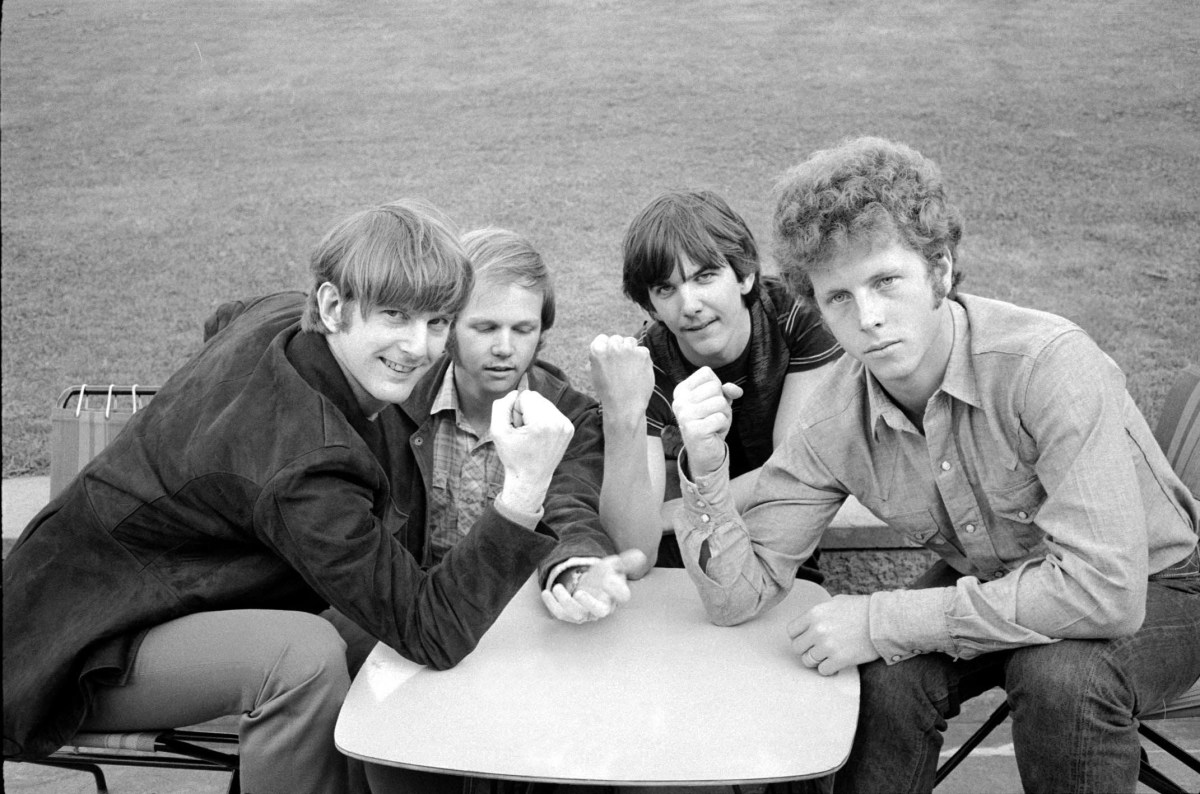
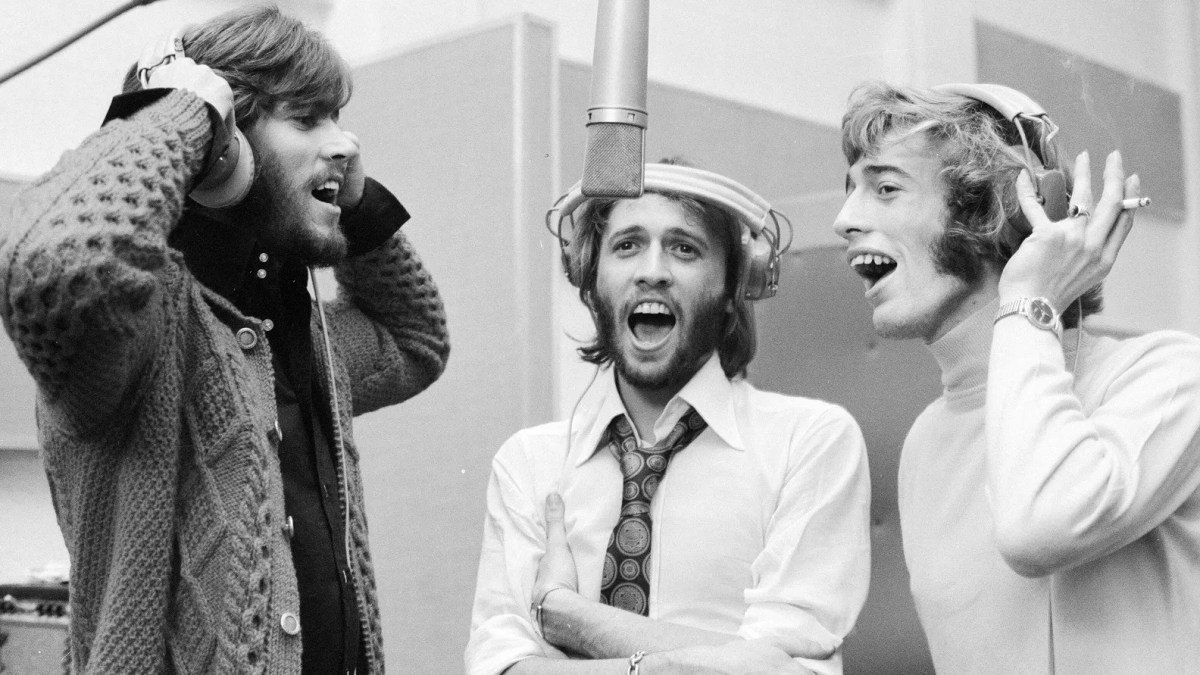
We all know the great album Brothers in Arms from Dire Straits, but sometimes those brothers are “at arms” rather than in them. In a periodic mini-series Randy, from mostlymusiccovers.com, and I will explore some “Rock ‘Em Sock ‘Em” Siblings. As it happens the Knopfler brothers are among many sets and while we can’t talk about all of them, we will feature some of the better-known sibling rivalries. Two, three, and sometimes even more brothers in a band, well, stop being a band of brothers. How many more cheesy puns can we come up with? Just some of the names Randy and I discussed were; The Everly’s, The Fogerty’s, The Gibb’s, to the Gallagher’s, Allmans, and the Davies.

For those of you who have not checked out Randy and his blog, you really need to. He has been writing a blog about Cover Songs, music genres, and artists since early 2018. He gets in-depth with many artists You can read about the origins of Rock and Roll, Blues, R&B, and Country Music. There are Cover Song and Chart statistics as well, all with a focus on the 1950s, 60s, and 70s at MostlyMusicCovers.com. He has also helped me out with blues artists and Canadian Charts in general.

While we can’t get too in-depth as literally books have been written, we can give a good thumbnail sketch of the bash ups and the break ups. A few days ago Randy mentioned that brothers Doug and Rusty Kershaw had split, but I did not read about it being that acrimonious, more of a creative differences situation. Our brother stories have a bit more ‘punch’ to them.

This is the first post in a periodic mini-series where Randy from mostlymusiccovers.com and I will explore some “Rock ‘Em Sock ‘Em” Siblings. The original post is here. Randy tells us about Don and Phil Everly.

“Bye, Bye, Love” The Everly Brothers first big hit from 1957.

Don was born in 1937 (2021) and Phil in 1939 (2014), raised in Kentucky, the brothers would move to Nashville in 1955 to pursue a recording career. As in the above clip it was “Bye, Bye, Love” in 1957 that sent the brothers skyrocketing. Written by Felice and Boudleaux Bryant it was #1 on the Country chart, #2 in the US and Canada, #6 in the UK and 14 in Australia, and #14 on the R&B chart. Their next song “Wake Up Little Susie” was #1 in the US and Canada, #2 in the UK, and #3 in Australia.

They toured with Buddy Holly in 1957 and 1958 and became very close, Buddy’s death, Feb. 3, 1959 would have a devastating impact on the pair. Don wrote their next and last #1 hit “Cathy’s Clown” in 1960. This was after a dispute with the record/publishing company, leaving Acuff/Rose and unfortunately songwriters Felice and Boudleaux Bryant.

Still, they had a busy schedule, the demands of touring and the pressures of performing and recording, the inevitable happened. The use of amphetamines was rampant in the business and they both got hooked.

By the mid 1960’s they fought over just about everything and of the two it was Don that had the most severe drug problem. Chart success was eluding them and the brothers were not getting along, but it was kept a closely guarded secret that they were able to hold for several years. Don attempted to go solo in 1970 but had no success. Things finally came to a head and in 1973 they agreed their July 14/15 show would be the last one.

Don was drunk before the show started, part way into the show Phil smashed his guitar and walked off stage. Don would finish the show and perform solo the next night. They did not speak for nearly ten years. They would reunite in 1983, had a great reunion concert, and released an album EB84, produced and named in his style 1 by Dave Edmunds that charted #38 on Billboard and #24 on the Country Album chart. They continued to perform periodically, and in 2003 they toured with Paul Simon. They remained close until Phil’s death at age 74 in 2014. Don passed in 2021 at age 84.

“On the Wings of a Nightingale” written for The Everly Brothers by Paul McCartney

Despite the battles and the hardship, they gave us some of the most remarkable harmonies ever-ly recorded.

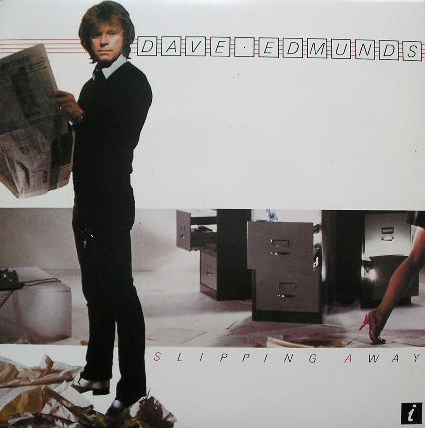
Dave Edmunds released his 7th Studio album called D.E. 7th in 1982.

Sam The Sham and the Pharaohs – Wooly Bully

Uno dos, one two tres quatro!

This 1965 song still works…it can light up a party in a heartbeat. This is one of those songs that you can play without rehearsing if you are in a band. A fun rock and roll song that doesn’t take itself seriously.

The exact meaning of Wooly Bully is left ambiguous, fitting the song’s fun nature. Others must agree because according to secondhandsongs.com it has 190 cover versions. Those versions include Dave Edmunds, Lindisfarne, and of course…Billy Bacon and The Forbidden Pigs. I don’t know much about them but with that name…I had to include them.

The song peaked at #2 on the Billboard 100. They were kept out of the top spot by those two upstart bands…The Rolling Stones with Satisfaction and The Beatles with Help!. The song peaked at #2 in Canada as well in 1965 and #11 in the UK.

They were not a one-hit wonder though. They had one other top ten song (#2) with Li’l Red Riding Hood. They had 6 top-40 hits between 1965 and 1970. Look at the variety of the 1960s. Satisfaction, Help!, Like A Rolling Stone, and Wooly Bully all within a couple of years.

sam_the_sham_and_pharaohs_performing

The band’s leader, Domingo “Sam” Samudio, was born in Dallas, Texas. He first started performing in the late 1950s. Sam joined various bands before forming The Pharaohs in 1961 and another version in 1963 and that time it stuck. Samudio wrote this song as well.

In 1970, Sam started a solo career and was awarded a Grammy in 1971 for Best Album Liner Notes to his record Sam, Hard and Heavy. He later started to cover gospel and country as well.

Wooly Bully

Uno dos, one two tres quatro

Ay, wooly bullyWatch it now, watch it

Here he comes, here he comesWatch it now, he get ‘cha

Matty told HattyAbout a thing she sawHad two big hornsAnd a wooly jawWooly bullyWooly bullyYeah driveWooly bullyWooly bullyWooly bullyHatty told MattyLet’s don’t take no chanceLet’s not be L-sevenCome and learn to danceWooly bullyWooly bullyWooly bullyWooly bullyWooly bullyWatch it now, watch it watch it watch itAy…Ay, drive, drive, drive

Matty told HattyThat’s the thing to doGet you someone reallyPull the wool with youWooly bullyWooly bullyWooly bullyWooly bullyWooly bullyWatch it now, watch it, here he comesYou got it, you got it

….

King Crimson – 21st Century Schizoid Man

This is my first King Crimson post. I’ve heard their debut album the most and I like it. I went exploring, found some others I liked, and wrote up one song (publishing later) but I decided to start with this. I have been a Robert Fripp fan from way back. This song is the opening track to their debut album In the Court of the Crimson King. I found out about this band through a big brother of a friend I have…the same one who introduced me to Big Star and The Grateful Dead.

The song was written by the original lineup of King Crimson, which included Robert Fripp (guitar), Greg Lake (bass and vocals), Ian McDonald (saxophone, flute, keyboards), Michael Giles (drums), and Peter Sinfield (lyrics). The debut album was called In The Court of the Crimson King. The album was a hit. It peaked at #5 in the UK, #27 in Canada, and #28 on the Billboard Album Charts in 1969.

For me to like progressive rock it has to have a good melody to it. King Crimson, ELP, and some of Yes do…, especially the live cuts. The musicianship on these albums is out of this world. I like this song’s changing time signatures and the rock, jazz, and classical feel.

This live cut is short but it’s the only thing I could find in this era. I always try to include a live version in the era it was released. 

21st Century Schizoid Man

Cat’s foot iron clawNeuro-surgeons scream for moreAt paranoia’s poison door.Twenty first century schizoid man.

Blood rack barbed wirePolititians’ funeral pyreInnocents raped with napalm fireTwenty first century schizoid man.

Death seed blind man’s greedPoets’ starving children bleedNothing he’s got he really needsTwenty first century schizoid man.