I’ve been watching Get Back on Disney Plus and this is one of the songs they have went over. I always thought Two Of Us should have been a single… It’s not slick or full of production…just John and Paul singing together like they did in the early years. It feels like they had come full circle.
Paul McCartney wrote this about enjoying his travels with his wife Linda. The song was on the album Let It Be recorded in January of 1969 but wasn’t released until 1970. It was the last studio album released of the Beatles career but not the last recorded.
After this album The Beatles embarked on recording the classic album Abbey Road in the summer of 1969. As the film Get Back shows…yes they would argue but it was not as bad as we have been led to believe or they would not have recorded Abbey Road. There was also talk of another possible album after Abbey Road but they decided to call it a day.
I always thought The Beatles ended at the right time. They never made a bad album like some other bands. I do think they had a couple of albums left in them but to end a career recording Abbey Road…its hard to top that.
It’s interesting to speculate if they would have got back together if John Lennon would not have been murdered. I don’t think they would have recorded again but I do think Lennon and McCartney would have written together again.
Linda McCartney:As a kid I loved getting lost. I would say to my father – let’s get lost. But you could never seem to be able to get really lost. All signs would eventually lead back to New York or wherever we were staying! Then, when I moved to England to be with Paul, we would put Martha in the back of the car and drive out of London. As soon as we were on the open road I’d say, ‘Let’s get lost’ and we’d keep driving without looking at any signs. Hence the line in the song, ‘Two of us going nowhere’.
Paul wrote ‘Two Of Us’ on one of those days out. It’s about us. We just pulled off in a wood somewhere and parked the car. I went off walking while Paul sat in the car and started writing. He also mentions the postcards because we used to send a lot of postcards to each other.
From Songfacts
Lennon and McCartney sang together on this song, which is something they did a lot in the early years of The Beatles, but not so much later on, when they started writing separately and restricting the lead vocal to whoever wrote the song.
This song is mostly acoustic, with Lennon and McCartney each playing acoustic guitar. George Harrison’s electric guitar is there, but low in the mix. There is no bass on the track.
This appears twice in the Beatles documentary movie Let It Be, first as a duet by John and Paul and then with the whole band.
John Lennon did the whistling on the fade-out.
Two Of Us
Two of us riding nowhere Spending someone’s hard-earned pay You and me Sunday driving Not arriving On our way back home We’re on our way home We’re on our way home We’re going home
Two of us sending postcards Writing letters on my wall You and me burning matches Lifting latches On our way back home We’re on our way home We’re on our way home We’re going home
You and I have memories That stretches out ahead
Two of us wearing raincoats Standing solo You and me chasing paper Getting nowhere On our way back home We’re on our way home We’re on our way home We’re going home
You and I have memories That stretches out ahead
Two of us wearing raincoats You and me chasing paper Getting nowhere On our way back home We’re on our way home We’re on our way home We’re going home
This is an emotional episode (100th)…I would even say heartwarming. It’s a sci-fi episode with a bit of drama and well done. You probably will recognize David White… best known as Darin’s boss Larry Tate on Bewitched. He plays George Rogers, a father of 3 who is left raising his children alone after his wife passes away. He takes his children to Facsimile Ltd. to build a robot grandmother to help raise the children.
One of the children, a young girl (Anne) after losing her mom is hesitant to accept her new robot grandmother. She blames her mom for dying and thinks anyone who loves her will leave. Josephine Hutchinson plays the Grandma with warmth and compassion. Veronica Cartwright who plays Anne Rogers does a good job conveying hurt and confusion over losing her mom.
I like this episode although it’s not as unsettling as some of the great episodes.
Ray Bradbury is a name that stands out as a writer on this episode. Initially, it was intended for Bradbury’s involvement with The Twilight Zone to be far greater than just one script. He wrote Serling and offered another story called “Here There Be Tygers” (not the Stephen King Story). It was turned down along with another story he wrote. It seems like Bradbury and the Twilight Zone would have went together well.
Rod, while talking in the 7os said this:Ray Bradbury is a very difficult guy to dramatize, because that which reads so beautifully on the printed page doesn’t fit in the mouth it fits in the head. And you find characters saying the things that Bradbury’s saying and you say, Wait a minute, people don’t say that. Certainly, Bradbury’s dialogue does lean to the poetic and this might have been a consideration.
Ray Bradbury years later:I would prefer not to write or talk much about Twilight Zone or my stories. The series is over and done, my work for it stands on its own. For various reasons two scripts were never done. I dont recall the reasons now, so many years later.
This show was written by Rod Serling and Ray Bradbury
Rod Serling’s Opening Narration:
They make a fairly convincing pitch here. It doesn’t seem possible, though, to find a woman who must be ten times better than mother in order to seem half as good, except, of course, in the Twilight Zone.
Summary
George is a widower with three children and he is being criticized for trying to raise his children on his own. His son Tom shows him an ad from a company with the motto ‘I Sing the Body Electric’ that advertises an electronic data processing system to meet anyone’s needs – essentially, a robot. They set off and everyone seems to like the idea of having a grandmotherly robot housekeeper except for Anne, who has yet to come to grips with her mother’s death. Her rejection of the new member of their family will have serious repercussions but also lead to closure.
A fable? Most assuredly. But who’s to say at some distant moment there might be an assembly line producing a gentle product in the form of a grandmother whose stock in trade is love. Fable, sure, but who’s to say?
CAST
Rod Serling … Narrator / Self – Host (uncredited)
Josephine Hutchinson … Grandma Robot
David White … George Rogers
Vaughn Taylor … Salesman
Doris Packer … Nedra
Charles Herbert … Tom Rogers
Veronica Cartwright … Anne Rogers
Dana Dillaway … Karen Rogers
Susan Crane … Older Ann
Paul Nesbitt … Older Tom
Judee Morton … Older Karen
David Armstrong … Van Driver (uncredited)
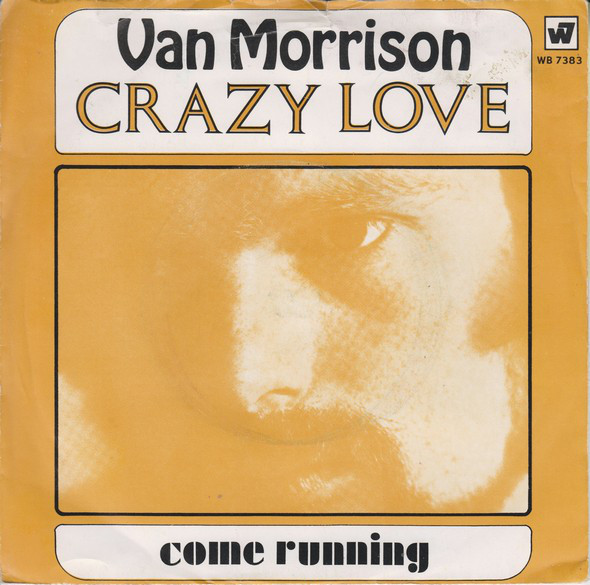
During Han’s song draft, fellow blogger Paul picked Caravan off of the album Moondance. I got the album out and enjoyed it yet again. I first got the album in the mid-80s and I count it as one of my favorite albums ever…and it’s not even my favorite Van Morrison album.
The song is one of the most romantic songs ever. Van had recently married his girlfriend Janet Planet (gotta love that name) when he wrote this song. It’s a very popular wedding song, it didn’t work too well though for Van though… Morrison and Janet divorced in 1973.
Her name before she married Morrison was Janet Rigsbee.
The song has been covered many times. Artists to cover this song include Brian McKnight, Ray Charles, Aaron Neville, Helen Reddy, Rod Stewart, Paul Carrack and John Anderson. Canadian vocalist Michael Bublé covered this for the title track of his 2009 album.
Van Morrison’s ex-wife, Janet Planet, now goes by Janet Morrison Minto after marrying her third husband, Chris Minto. She currently operates a beading business in Los Angeles via Etsy. Her shop, Lovebeads, sells uniquely designed necklaces and bracelets. So go and buy some necklaces or bracelets from Janet Planet!
Crazy Love
I can hear her heart beat for a thousand miles And the heaven’s open every time she smiles And when I come to her that’s where I belong Yet I’m running to her like a river’s song
She give me love, love, love, love, crazy love She give me love, love, love, love, crazy love
She’s got a fine sense of humor when I’m feeling low down Yeah when I come to her when the sun goes down Take away my trouble, take away my grief Take away my heartache, in the night like a thief
She give me love, love, love, love, crazy love She give me love, love, love, love, crazy love
Yes I need her in the daytime (I need her) Yes I need her in the night (I need her) Yes I want to throw my arms around her (I need her) Kiss and hug her, kiss and hug her tight
Yeah when I’m returning from so far away She gives me some sweet lovin’ brighten up my day Yes it makes me righteous, yes it makes me whole Yes it makes me mellow down in to my soul
She give me love, love, love, love, crazy love She give me love, love, love, love, crazy love She give me love, love, love, love, crazy love She give me love, love, love, love, crazy love
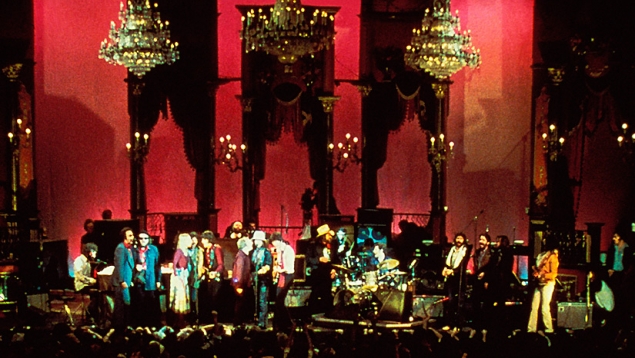
The Band on Thanksgiving in 1976 at the Fillmore West. The film starts off with THIS FILM MUST BE PLAYED LOUD! A cut to Rick Danko playing pool and then it then to the Band playing “Don’t Do It”…the last song they performed that night after hours of playing. Through the music and some interviews, their musical journey and influences are retraced.
This film is considered by many the best concert film ever made. It was directed by Martin Scorsese. I love the setting with the chandeliers that were from the movie Gone With The Wind. The quality of the picture is great because it was shot with 35-millimeter which wasn’t normally done with concerts.
Before the Band and guests hit the stage, Bill Graham, the promoter, served a Thanksgiving dinner to 5000 people that made up the audience with long tables with white tablecloths.
The Band’s musical guests included
Ronnie Hawkins, Bob Dylan, Neil Young, Dr. John, Paul Butterfield, Van Morrison (my favorite performance of a guest), Joni Mitchell, Eric Clapton and Muddy Waters
The Staple Singers and Emmylou Harris also appear but their segments were taped later on a sound stage and not at the concert.
Robbie wanted off the road earlier and that is what the Last Waltz was all about…the last concert by The Band with a lot of musical friends. He was tired of touring and also the habits the band was picking up…the drugs and drinking. Richard Manuel, in particular, was in bad shape and needed time.
The rest of the Band supposedly agreed but a few years later all of them but Robbie started to tour as The Band again. Richard Manuel ended up hanging himself in 1986. Rick Danko passed away in 1999 at the end of a tour of a heart attack attributed to years of drug and alcohol abuse. Levon Helm died of cancer in 2012.
The Band sounded great that night and it might be the best version you will ever hear of The Night They Drove Old Dixie Down.
The Last Waltz is a grand farewell to a great band and a film that I revisit at least twice a year… once always around Thanksgiving.
The complete concert is at the bottom…without cuts.
Happy Thanksgiving! This is a Thanksgiving tradition…tonight I start another! The Beatles Get Back on Disney Plus.
The movie that Arlo movie made called Alice’s Restaurant is a fun watch. My next tradition is coming up with my next post.
Every Thanksgiving I listen to Alice’s Restaurant and this is the fourth year in a row that I’ve posted it on the 4th Thursday of November. Sorry if you are tired of it but it’s not Thanksgiving until Alice’s Restaurant is played…and the Last Waltz is watched also but that is a different story.
It’s not Thanksgiving without listening to this 1967 song. This song did not chart but he did have another version that did chart…it was called Alice’s Rock and Roll Restaurant that peaked at #97 in the Billboard 100.
Many radio stations play this on Thanksgiving. This is usually the only time they play it, since the song is over 18-minutes long.
There have been mixed reviews about the movie that was made…I’ve always found it enjoyable. It’s not going to be confused with Gone With The Wind but it’s a fun period movie.
In 1991, Arlo bought the church where this took place and set up “The Guthrie Center,” where he runs programs for kids who have been abused.
From Songfacts
Running 18 minutes and 34 seconds, this song is based on a true story that happened on Thanksgiving Day, 1965. Arlo was 18, and along with his friend Rick Robbins, drove to Stockbridge, Massachusetts to have Thanksgiving dinner with Alice and Ray Brock. Alice and Ray lived in a church – the former Trinity Church on Division Street in Stockbridge – and were used to inviting people into their home. Arlo and Rick had been traveling together, Arlo working his way up in folk singing and Rick tagging along. A number of people, Arlo and Rick included, were considered members of the family, so they were not guests in the usual sense.
When Ray woke up the next morning, he said to them, “Let’s clean up the church and get all this crap out of here, for God’s sake. This place is a mess,” and Rick said, “Sure.” Arlo and Rick swept up and loaded all the crap into a VW microbus and went out to the dump, which was closed. They started driving around until Arlo remembered a side road in Stockbridge up on Prospect Hill by the Indian Hill Music Camp which he attended one summer, so they drove up there and dumped the garbage.A little later, the phone rang, and it was Stockbridge police chief William J. Obanhein. “I found an envelope with the name Brock on it,” Chief Obanhein said. The truth came out, and soon the boys found themselves in Obanhein’s police car. They went up to Prospect Hill, and Obie took some pictures. On the back, he marked them, “PROSPECT HILL RUBBISH DUMPING FILE UNDER GUTHRIE AND ROBBINS 11/26/65.” He took the kids to jail.The kids went in, pleaded, “Guilty, Your Honor,” was fined $25 each and ordered to retrieve the rubbish. Then they all went back to the church and started to write “Alice’s Restaurant” together. “We were sitting around after dinner and wrote half the song,” Alice recalls, “and the other half, the draft part, Arlo wrote.”
Guthrie, the son of legendary folk singer Woody Guthrie, greatly exaggerated the part about getting arrested for comic effect. In the song, he is taken away in handcuffs and put in a cell with hardened criminals.
In the song, Guthrie avoids the draft and did not have to serve in Vietnam because of his littering arrest. In reality, he was eligible but wasn’t drafted because his number didn’t come up.
Guthrie performed this song for the first time on July 16, 1967, at the Newport Folk Festival.
This reflected the attitude of many young people in America at the time. It was considered an antiwar song, but unlike most protest songs, it used humor to speak out against authority.
After a while, Guthrie stopped playing this at concerts, claiming he forgot the words. As the song approached its 30th anniversary, he started playing it again.
Guthrie made a movie of the same name in 1969 which was based on the song.
Over the years, Guthrie added different words to the song. He recorded a new, longer version in 1995 at The Guthrie Center
Alice’s Restuarant
This song is called Alice’s Restaurant, and it’s about Alice, and the Restaurant, but Alice’s Restaurant is not the name of the restaurant, That’s just the name of the song, and that’s why I called the song Alice’s Restaurant.
You can get anything you want at Alice’s Restaurant You can get anything you want at Alice’s Restaurant Walk right in it’s around the back Just a half a mile from the railroad track You can get anything you want at Alice’s Restaurant
Now it all started two Thanksgivings ago, was on – two years ago on Thanksgiving, when my friend and I went up to visit Alice at the Restaurant, but Alice doesn’t live in the restaurant, she lives in the Church nearby the restaurant, in the bell-tower, with her husband Ray and Fasha the dog. And livin’ in the bell tower like that, they got a lot of Room downstairs where the pews used to be in. Havin’ all that room, Seein’ as how they took out all the pews, they decided that they didn’t Have to take out their garbage for a long time.
We got up there, we found all the garbage in there, and we decided it’d be A friendly gesture for us to take the garbage down to the city dump. So We took the half a ton of garbage, put it in the back of a red vw Microbus, took shovels and rakes and implements of destruction and headed On toward the city dump.
Well we got there and there was a big sign and a chain across across the Dump saying, “Closed on Thanksgiving.” And we had never heard of a dump Closed on Thanksgiving before, and with tears in our eyes we drove off Into the sunset looking for another place to put the garbage.
We didn’t find one. Until we came to a side road, and off the side of the Side road there was another fifteen foot cliff and at the bottom of the Cliff there was another pile of garbage. And we decided that one big pile Is better than two little piles, and rather than bring that one up we Decided to throw our’s down.
That’s what we did, and drove back to the church, had a thanksgiving Dinner that couldn’t be beat, went to sleep and didn’t get up until the Next morning, when we got a phone call from officer Obie. He said, “Kid, We found your name on an envelope at the bottom of a half a ton of Garbage, and just wanted to know if you had any information about it. ” And I said, “Yes, sir, Officer Obie, I cannot tell a lie, I put that envelope Under that garbage. ”
After speaking to Obie for about forty-five minutes on the telephone we Finally arrived at the truth of the matter and said that we had to go down And pick up the garbage, and also had to go down and speak to him at the Police officer’s station. So we got in the red vw microbus with the Shovels and rakes and implements of destruction and headed on toward the Police officer’s station.
Now friends, there was only one or two things that Obie coulda done at The police station, and the first was he could have given us a medal for Being so brave and honest on the telephone, which wasn’t very likely, and We didn’t expect it, and the other thing was he could have bawled us out And told us never to be seen driving garbage around the vicinity again, Which is what we expected, but when we got to the police officer’s station There was a third possibility that we hadn’t even counted upon, and we was Both immediately arrested. Handcuffed. And I said “Obie, I don’t think I Can pick up the garbage with these handcuffs on. ” He said, “Shut up, kid. Get in the back of the patrol car. ”
And that’s what we did, sat in the back of the patrol car and drove to the Quote Scene of the Crime unquote. I want tell you about the town of Stockbridge, Massachusets, where this happened here, they got three stop Signs, two police officers, and one police car, but when we got to the Scene of the Crime there was five police officers and three police cars, Being the biggest crime of the last fifty years, and everybody wanted to Get in the newspaper story about it. And they was using up all kinds of Cop equipment that they had hanging around the police officer’s station. They was taking plaster tire tracks, foot prints, dog smelling prints, and They took twenty seven eight-by-ten colour glossy photographs with circles And arrows and a paragraph on the back of each one explaining what each One was to be used as evidence against us. Took pictures of the approach, The getaway, the northwest corner the southwest corner and that’s not to Mention the aerial photography.
After the ordeal, we went back to the jail. Obie said he was going to put Us in the cell. Said, “Kid, I’m going to put you in the cell, I want your Wallet and your belt. ” And I said, “Obie, I can understand you wanting my Wallet so I don’t have any money to spend in the cell, but what do you Want my belt for? ” And he said, “Kid, we don’t want any hangings. ” I Said, “Obie, did you think I was going to hang myself for littering?” Obie said he was making sure, and friends Obie was, cause he took out the Toilet seat so I couldn’t hit myself over the head and drown, and he took Out the toilet paper so I couldn’t bend the bars roll out the – roll the Toilet paper out the window, slide down the roll and have an escape. Obie Was making sure, and it was about four or five hours later that Alice (remember Alice? It’s a song about Alice), Alice came by and with a few Nasty words to Obie on the side, bailed us out of jail, and we went back To the church, had a another thanksgiving dinner that couldn’t be beat, And didn’t get up until the next morning, when we all had to go to court.
We walked in, sat down, Obie came in with the twenty seven eight-by-ten Colour glossy pictures with circles and arrows and a paragraph on the back Of each one, sat down. Man came in said, “All rise.” We all stood up, And Obie stood up with the twenty seven eight-by-ten colour glossy Pictures, and the judge walked in sat down with a seeing eye dog, and he Sat down, we sat down. Obie looked at the seeing eye dog, and then at the Twenty seven eight-by-ten colour glossy pictures with circles and arrows And a paragraph on the back of each one, and looked at the seeing eye dog. And then at twenty seven eight-by-ten colour glossy pictures with circles And arrows and a paragraph on the back of each one and began to cry, ’cause Obie came to the realization that it was a typical case of American Blind justice, and there wasn’t nothing he could do about it, and the Judge wasn’t going to look at the twenty seven eight-by-ten colour glossy Pictures with the circles and arrows and a paragraph on the back of each One explaining what each one was to be used as evidence against us. And We was fined $50 and had to pick up the garbage in the snow, but that’s not What I came to tell you about.
Came to talk about the draft.
They got a building down New York City, it’s called Whitehall Street, Where you walk in, you get injected, inspected, detected, infected, Neglected and selected. I went down to get my physical examination one Day, and I walked in, I sat down, got good and drunk the night before, so I looked and felt my best when I went in that morning. ‘Cause I wanted to Look like the all-American kid from New York City, man I wanted, I wanted To feel like the all-, I wanted to be the all American kid from New York, And I walked in, sat down, I was hung down, brung down, hung up, and all Kinds o’ mean nasty ugly things. And I waked in and sat down and they gave Me a piece of paper, said, “Kid, see the phsychiatrist, room 604.”
And I went up there, I said, “Shrink, I want to kill. I mean, I wanna, I Wanna kill. Kill. I wanna, I wanna see, I wanna see blood and gore and Guts and veins in my teeth. Eat dead burnt bodies. I mean kill, Kill, Kill, kill. ” And I started jumping up and down yelling, “kill, kill, ” and He started jumping up and down with me and we was both jumping up and down Yelling, “KILL, KILL.” And the Sargent came over, pinned a medal on me, Sent me down the hall, said, “You’re our boy.”
Didn’t feel too good about it.
Proceeded on down the hall gettin more injections, inspections, Detections, neglections and all kinds of stuff that they was doin’ to me At the thing there, and I was there for two hours, three hours, four Hours, I was there for a long time going through all kinds of mean nasty Ugly things and I was just having a tough time there, and they was Inspecting, injecting every single part of me, and they was leaving no Part untouched. Proceeded through, and when I finally came to the see the Last man, I walked in, walked in sat down after a whole big thing there, And I walked up and said, “What do you want?” He said, “Kid, we only got One question. Have you ever been arrested? ”
And I proceeded to tell him the story of the Alice’s Restaurant Massacre, With full orchestration and five part harmony and stuff like that and all The phenome… – and he stopped me right there and said, “Kid, did you ever Go to court? ”
And I proceeded to tell him the story of the twenty seven eight-by-ten Colour glossy pictures with the circles and arrows and the paragraph on The back of each one, and he stopped me right there and said, “Kid, I want You to go and sit down on that bench that says Group W…. Now kid!! ”
And I, I walked over to the, to the bench there, and there is, Group W’s Where they put you if you may not be moral enough to join the army after Committing your special crime, and there was all kinds of mean nasty ugly Looking people on the bench there. Mother rapers. Father stabbers. Father Rapers! Father rapers sitting right there on the bench next to me! And They was mean and nasty and ugly and horrible crime-type guys sitting on the Bench next to me. And the meanest, ugliest, nastiest one, the meanest Father raper of them all, was coming over to me and he was mean ‘n’ ugly ‘n’ nasty ‘n’ horrible and all kind of things and he sat down next to me And said, “Kid, whad’ya get?” I said, “I didn’t get nothing, I had to pay $50 and pick up the garbage. ” He said, “What were you arrested for, kid? ” And I said, “Littering.” And they all moved away from me on the bench There, and the hairy eyeball and all kinds of mean nasty things, till I Said, “And creating a nuisance.” And they all came back, shook my hand, And we had a great time on the bench, talkin about crime, mother stabbing, Father raping, all kinds of groovy things that we was talking about on the Bench. And everything was fine, we was smoking cigarettes and all kinds of Things, until the Sargeant came over, had some paper in his hand, held it Up and said.
“Kids, this-piece-of-paper’s-got-47-words-37-sentences-58-words-we-wanna- Know-details-of-the-crime-time-of-the-crime-and-any-other-kind-of-thing- You-gotta-say-pertaining-to-and-about-the-crime-I-want-to-know-arresting- Officer’s-name-and-any-other-kind-of-thing-you-gotta-say”, and talked for Forty-five minutes and nobody understood a word that he said, but we had Fun filling out the forms and playing with the pencils on the bench there, And I filled out the massacre with the four part harmony and wrote it Down there, just like it was, and everything was fine and I put down the Pencil and I turned over the piece of paper, and there, there on the Other side, in the middle of the other side, away from everything else on The other side, in parentheses, capital letters, quotated, read the Following words:
(“KID, HAVE YOU REHABILITATED YOURSELF?”)
I went over to the Sargent, said, “Sargeant, you got a lot a damn gall to Ask me if I’ve rehabilitated myself, I mean, I mean, I mean that just, I’m Sittin’ here on the bench, I mean I’m sitting here on the Group W bench ’cause you want to know if I’m moral enough join the army, burn women, Kids, houses and villages after bein’ a litterbug. ” He looked at me and Said, “Kid, we don’t like your kind, and we’re gonna send you fingerprints Off to Washington. ”
And friends, somewhere in Washington enshrined in some little folder, is a study in black and white of my fingerprints. And the only reason I’m singing you this song now is cause you may know somebody in a similar situation, or you may be in a similar situation, and if your in a situation like that there’s only one thing you can do and that’s walk into The shrink wherever you are, just walk in say “Shrink, You can get Anything you want, at Alice’s restaurant. “. And walk out. You know, if One person, just one person does it they may think he’s really sick and They won’t take him. And if two people, two people do it, in harmony, They may think they’re both faggots and they won’t take either of them. And three people do it, three, can you imagine, three people walking in Singin a bar of Alice’s Restaurant and walking out. They may think it’s an Organization. And can you, can you imagine fifty people a day, I said Fifty people a day walking in singing a bar of Alice’s Restaurant and Walking out. And friends they may think it’s a movement.
And that’s what it is, the Alice’s Restaurant Anti-Massacre Movement, and All you got to do to join is sing it the next time it comes around on the Guitar.
With feeling. So we’ll wait for it to come around on the guitar, here and Sing it when it does. Here it comes.
You can get anything you want, at Alice’s Restaurant You can get anything you want, at Alice’s Restaurant Walk right in it’s around the back Just a half a mile from the railroad track You can get anything you want, at Alice’s Restaurant
That was horrible. If you want to end war and stuff you got to sing loud. I’ve been singing this song now for twenty-five minutes. I could sing it For another twenty-five minutes. I’m not proud… Or tired.
So we’ll wait till it comes around again, and this time with four part Harmony and feeling.
We’re just waitin’ for it to come around is what we’re doing.
All right now.
You can get anything you want, at Alice’s Restaurant Excepting Alice You can get anything you want, at Alice’s Restaurant Walk right in it’s around the back Just a half a mile from the railroad track You can get anything you want, at Alice’s Restaurant
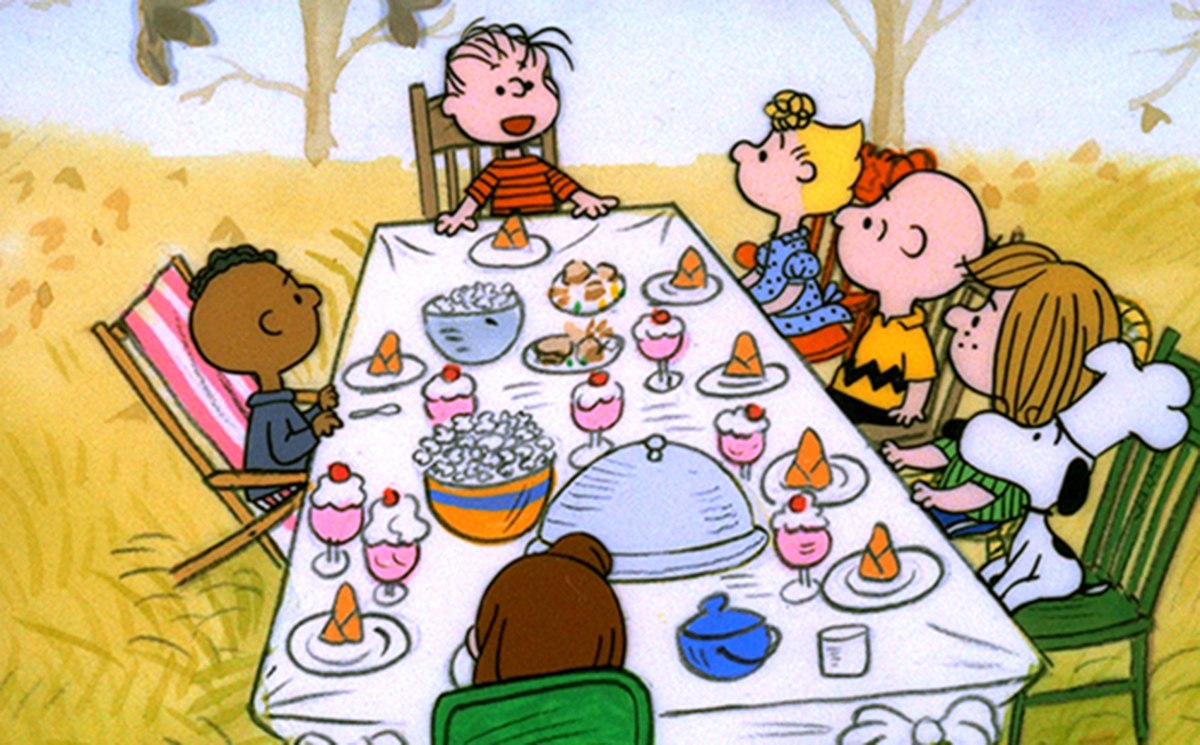
Happy Thanksgiving to everyone. This first premiered on November 20, 1973, on CBS and won an Emmy Award. Great Thanksgiving special as always with the earlier Peanuts.
The Halloween, Thanksgiving, and Christmas Peanuts specials I always looked forward to. The way their world was only for kids where grownups were heard but only as noise in the background.
It starts off with Lucy tempting Charlie Brown with that football. Just one time I wanted to see Charlie kick the football…or Lucy.
It’s Thanksgiving and Peppermint Patty invites herself and Marcie over to Charlie Brown’s house but Charlie and Sally are ready to go to their grandmothers. Charlie talks to Linus and he suggests having two Thanksgiving dinners.
The only thing Charlie can come up with is feeding his friends toast and cold cereal which does not make Peppermint Patty happy whatsoever. She lets Charlie have it really bad until Marcie reminds her that she invited herself over.
Not going to give it away for those who have not seen this wonderful holiday cartoon. The music by Vince Guaraldi is excellent and makes every Peanuts cartoon special.
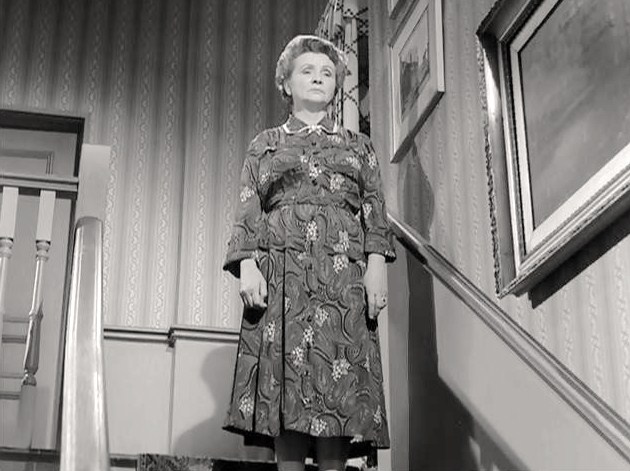
Phyllis Thaxter who plays Virginia Walker is brilliant as justifiable paranoid new wife who has waited for years to marry Alex. Virginia has a strong dislike for Alex’s late mother. She blames his mom for holding Alex too close. They are at Alex’s childhood house to make arrangements to sell the place and then go on their honeymoon. I like how the episode builds and Alex has a hard time getting rid of his childhood home as promised.
As Alex keeps bringing up his childhood the house starts changing back to the way it was when he was a kid. Little things start changing at first and then the hopelessness in Virginia starts showing. You start wondering if Virginia is blaming the wrong person.
A little trivial… Phyllis Thaxter also appeared as Ma Kent in the 1978 version of Superman.
This show was written by Richard Matheson and Rod Serling
Rod Serling’s Opening Narration:
You’re looking at the house of the late Mrs. Henrietta Walker. This is Mrs. Walker herself, as she appeared twenty-five years ago. And this, except for isolated objects, is the living room of Mrs. Walker’s house, as it appeared in that same year. The other rooms upstairs and down are pretty much the same. The time, however, is not twenty-five years ago but now. The house of the late Mrs. Henrietta Walker is, you see, a house which belongs almost entirely to the past, a house which, like Mrs. Walker’s clock here, has ceased to recognize the passage of time. Only one element is missing now, one remaining item in the estate of the late Mrs. Walker: her son, Alex, thirty-four years of age and, up till twenty minutes ago, the so-called perennial bachelor. With him is his bride, the former Miss Virginia Lane. They’re returning from the city hall in order to get Mr. Walker’s clothes packed, make final arrangements for the sale of the house, lock it up and depart on their honeymoon. Not a complicated set of tasks, it would appear, and yet the newlywed Mrs. Walker is about to discover that the old adage ‘You can’t go home again’ has little meaning in the Twilight Zone.
Summary
Immediately after their wedding, Virginia and Alex Walker return to his mother’s house to make arrangements for it to be sold. Virginia has waited a long time to marry Alex as his domineering mother Henrietta doted – and smothered – him. Going back home has a strange effect on him as he reconnects with his his environment such as his room and his toys. He slowly begins to change and Virginia realizes that her mother-in-law’s influence hasn’t subsided.
There was no decent preview of the episode.
Rod Serling’s Closing Narration:
Exit Miss Virginia Lane, formerly and most briefly Mrs. Alex Walker. She has just given up a battle and in a strange way retreated, but this has been a retreat back to reality. Her opponent, Alex Walker, will now and forever hold a line that exists in the past. He has put a claim on a moment in time and is not about to relinquish it. Such things do happen in the Twilight Zone.
CAST
Rod Serling … Narrator / Self – Host (uncredited)
Phyllis Thaxter … Virginia Lane Walker
Alex Nicol … Alex Walker
Wallace Rooney … Mr. Wilkinson
Helen Brown … Mrs. Henrietta Walker
Rickey Kelman … Young Alex
The song was written by Jerry Ragovoy and Chip Taylor. Chip Taylor is famous for writing Wild Thing.
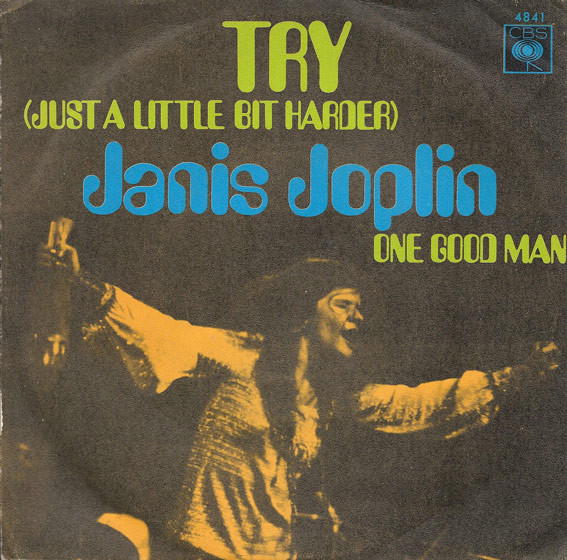
Try (Just A Little Bit Harder)” is the opening track on I Got Dem Ol’ Kozmic Blues Again Mama!
That was Janis’s debut solo studio album and it was released on September 11, 1969. It was the first album which Joplin recorded after leaving her former band, Big Brother and the Holding Company. This would be the only solo album released in her lifetime. Pearl came out in January 1971 three months after her death on October 4, 1970.
This song charted in Canada at #89 in 1969. The album peaked at #5 in the Billboard Album Charts and #4 in Canada in 1969.
She got good reviews for the album partly because she wasn’t trying to out shout the loud Big Brother and The Holding Company…although I did like Big Brother…without them she might not have made it.
Try (Just A Little Bit Harder)
Try, try, try just a little bit harder So I can love, love, love him, I tell myself ‘Cause I’m gonna try, oh yeah, just a little bit harder So I won’t lose, lose, lose him to nobody else, yeah Hey, I don’t care how long it’s gonna take ya But if it’s a dream I don’t want No I don’t really want it Yeah if it’s a dream I don’t want nobody to wake me
Yeah I’m gonna try, oh yeah, just a little bit harder So I can give, give, give, give him every bit of my soul I’m gonna try, oh yeah, just a little bit harder So I can show, show, show him love with no control, yeah Hey! I don’t care how long it’s gonna take ya But if it’s a dream I don’t want No I don’t really want it Yeah if it’s a dream I don’t want nobody to wake me Hey, dig it! Yeah! Yeah yeah yeah! Yeah, yeah, yeah, all right
Try oh yeah, hey, try oh yeah, Lord, Lord, Lord Try oh yeah, try oh yeah, Lord, Lord, Lord Try oh yeah yeah, try, whoa, try oh yeah, Lord, Lord, Lord, Push, work, push, work, oh yeah, try, oh yeah hey! Try oh yeah, hey try oh yeah Try Lord, try, try, you ain’t trying man You’re not trying out man, come up with it Come on, that’s a wanker that listens to words, man Hey you gotta work all night Hey little girl, gotta push on You gotta need Work a little more, hey, try a little more Need a little more Yeah, work on, push on, move on, move on You gotta work for it, you gotta work on it Push on, need on, move on Move on, hey hey hey
Work it daddy Work it daddy Come on, work it daddy, oh Yeah, yeah, you better try, try, try, try a little more You ain’t never gonna get any man if that’s the sort of thing you can do Shit, there’s lot more talent around than that man Try, try, try, try try try You’ve gotta try, try, try, try Try, try, try, try, try, try… You gotta try, try, try, try… Lord, try, try, try, try Lord, try, try, try, try Hey, try, try, try, try
My thanks to Cincinnati Babyhead (CB to be short) turned me on to this song. The guitar hooked me right away. The song has turned into a cult favorite.
Relentless came from the 1981 cult movie soundtrack Loveless staring Willem Dafoe. Eddy is not an easy guy to pin down to say the least. He has been an actor playing “Rock a Billy Guy” in the 1988 David Lynch TV Mini Series The French As Seen By… and the 1990 film Wild At Heart playing Rex. Dixon has also has been a musician playing rockabilly in New York clubs. He has been called a pioneer of the 1970s rockabilly movement in New York City.
Eddy has also performed out as Eddy Dixon and the the Dixonettes.
In the sixties Eddy was an art student who worked on some John Waters films. Later on he was friends with Willem Dafoe and he introduced Eddy to David Lynch. Eddy really ran the gamut working with Waters and Lynch.
I’ll let Eddy take over from here.
Eddy Dixon on music:1957. I was 7 years old and my best friend’s parents bought him a Fender Stratocaster. I would hang out at his house and started playing it and it just progressed from there. I went through the Dylan era and the folk era and the British Invasion era. I was playing in bands through the 60s with crazy names like The In Sex, then I got way heavy into country music towards the end of the 60s. Then in the 70s I moved to New York and started my own rockabilly band. I left Baltimore with 50 bucks, a trashbag full of clothes and a $20 guitar. I started doing all the showcases down on Bleeker Street and started hooking up with the real players, turned professional and started playing Max’s Kansas City and CBGBs.
Eddy Dixon on acting: I started off with John Waters back when I was a teenager in the late 60s. I did 5 John Waters films. He’s great – he’s very professional and knows what he wants. When I started, he was starting out and we were all art students in Baltimore living in a block in Bolton Hill. It was the most exclusive neighborhood in Baltimore at the turn of the century, but by this point everything was all run down. There were huge townhouses, gorgeous – 20-foot ceilings, marble fireplaces, mirrors from the floors to the ceilings – and they just sectioned them off and were renting them to the students. Some law firm bought up the whole block and kicked us all out. So we moved down to the docks, where we rented this 27-room double house with a courtyard – the whole deal for about $100 a month. One day my brother brought John Waters down – I think he met him at a party. So every Sunday we would pile into the Volkswagen, go out into the woods and film and that’s how it all started. My brother to this day still does all his sets. I did a Superfly sequel – I don’t know if it ever came out or not. The working title was ‘Don’t Call Me Boy’ and when they finished it they called it ‘The Hitter’. I did Run DMC’s movie – I played a cop in that.
“That beginning – ‘we-e-e-e-e-l-l-l-l-l!’ – always made my hair stand on end.” John Lennon
Can this rock and roll possibly be improved on? I don’t think so. When Gene Vincent starts this song with “well” along with that echo all around…it’s magical. Since Friday, I’ve covered songs that helped shape the young Beatles. It wasn’t just the Beatles but all of the bands that came out in the sixties had music like this as their backbone.
The Beatles played at least 14 of Gene Vincent’s songs in their sets before they made it. A song like Somewhere Over The Rainbow that the Beatles would never think of covering until Gene Vincent covered it and gave the song his ok.
They also got to know Vincent in Germany while playing in Hamburg.
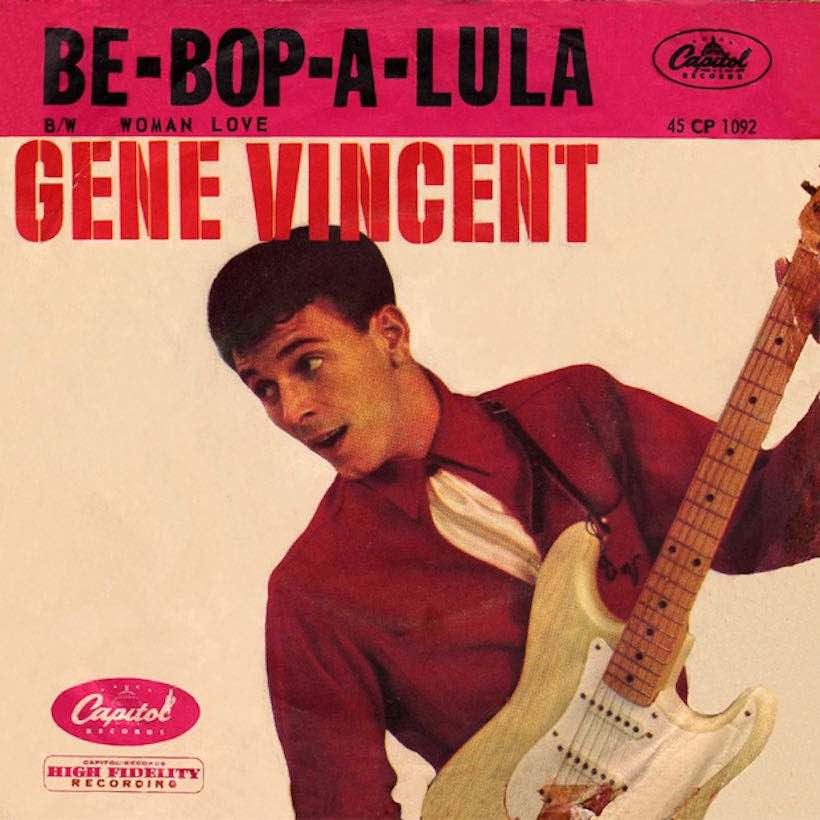
This song was recorded by Gene Vincent and the Blue Caps in 1956. The song was successful on three American singles charts as it peaked at #7 on the US Billboard pop music chart, #8 on the R&B chart, and also made the top ten on the C&W Charts, and #16 in the UK in 1956. In April 1957, the record company announced that over 2 million copies had been sold to date.
As far as the origin of the song…I reblogged a fellow blogger (Freefallin’) a couple of years ago with this song. Here is the story: Donald Graves—a buddy Gene Vincent made in a Portsmouth, Virginia, Veteran’s Hospital. Vincent—born Vincent Eugene Craddock in 1935—had just reenlisted in the U.S. Navy in the spring of 1955 when he suffered a devastating leg injury in a motorcycle accident. That injury would land him in hospital for more than a year, where a fellow patient remembers Vincent and Graves tooling around the facility working out the song that would eventually become a classic. By the time Gene Vincent’s demo tape reached Capitol Records the following spring, however, Graves had been bought out of his share in “Be-Bop-A-Lula” by Sheriff Tex (Vincent’s business manager), reportedly for just $25.
John Lennon covered it on his 1975 Rock and Roll album. As much as I’m a fan of Lennon…nothing touches the original but he does a great job.
Be Bop A Lula
Well be-bop-a-Lula she’s my baby Be-bop-a-Lula I don’t mean maybe Be-bop-a-Lula she’s my baby Be-bop-a-Lula I don’t mean maybe Be-bop-a-Lula she’s my baby doll My baby doll, my baby doll
Well she’s the girl in the red blue jeans She’s the queen of all the teens She’s the one that I know She’s the woman that loves me so
Say be-bop-a-Lula she’s my baby Be-bop-a-Lula I don’t mean maybe Be-bop-a-Lula she’s my baby doll My baby doll, my baby doll Let’s rock!
Well now she’s the one that’s got that beat She’s the woman with the flyin’ feet She’s the one that walks around the store She’s the one that gets more more more
Be-bop-a-Lula she’s my baby Be-bop-a-Lula I don’t mean maybe Be-bop-a-Lula she’s my baby doll My baby doll, my baby doll Let’s rock again, now!
Well be-bop-a-Lula she’s my baby Be-bop-a-Lula I don’t mean maybe Be-bop-a-Lula she’s my baby Be-bop-a-Lula I don’t mean maybe Be-bop-a-Lula she’s my baby doll My baby doll, my baby doll
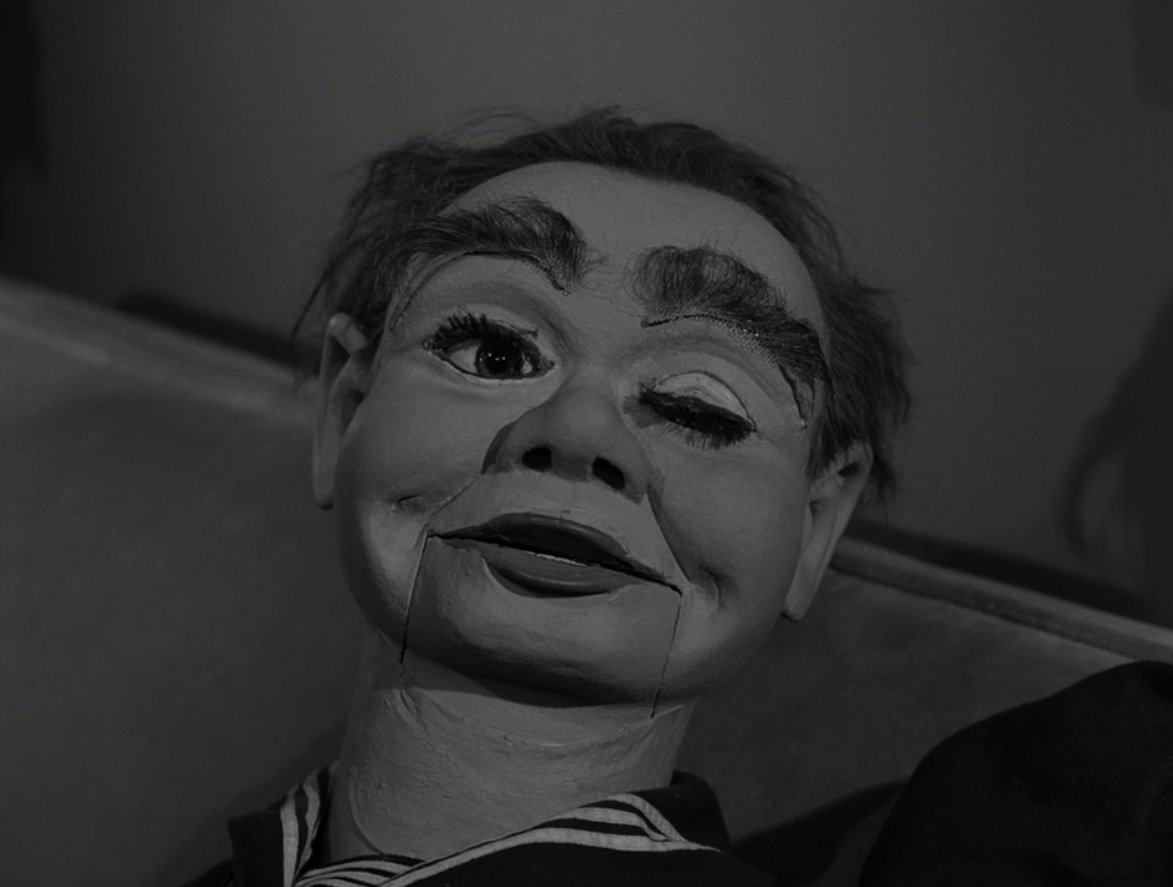
The story of a ventriloquist and his dummy has been done but the ending keeps this fresh. This episode still works today. The Twilight Zone covers a lot of ground and some episodes do scare people. This one would be one of those. It’s creepy and may have influenced the 1978 movie Magic.
Cliff Robertson plays Jerry Etherson and is great in this role as a talented but alcoholic ventriloquist. Frank Sutton, who most people know as Sgt Carter from Gomer Pyle, is in the episode as Etherson’s agent Frank. At first you don’t know if Etherson is imagining what is happening or not.
Frank cares about Jerry but after so many missed performances because of his drinking problem….he drops him as a client. He also suggests Jerry to get help because Jerry swears that “Willy” (the dummy) is alive.
The Dummy has one of the most chilling final shots of any episode of The Twilight Zone.
Any show with a dummy, gives me the creeps. After seeing this when I was younger… I had relatives who had one of those things lying around…I never took my eyes off that thing.
The dummy “Willy” was created by American ventriloquist supplies maker Revillo Pettee, while the dummy seen at the end was created by English builder Len Insull. “Willy” is in the private collection of magician David Copperfield.
This show was written by Rod Serling and Lee Polk
Rod Serling’s Opening Narration:
You’re watching a ventriloquist named Jerry Etherson, a voice-thrower par excellence. His alter ego, sitting atop his lap, is a brash stick of kindling with the sobriquet ‘Willy.’ In a moment, Mr. Etherson and his knotty-pine partner will be booked in one of the out-of-the-way bistros, that small, dark, intimate place known as the Twilight Zone.
Summary
Jerry Etherson has a reasonably successful nightclub act as a ventriloquist but has one major problem: he believes his dummy Willie is a sentient being who speaks to him and manipulates his life. His agent Frank thinks Jerry needs psychiatric help and tells him he has no future in the business if he doesn’t do something about his delusions. Jerry decides to lock Willie in a trunk and try his act with a different dummy. Willie has plans of his own however.
Rod Serling’s Closing Narration:
What’s known in the parlance of the times as the old switcheroo, from boss to blockhead in a few uneasy lessons. And if you’re given to nightclubbing on occasion, check this act. It’s called Willy and Jerry, and they generally are booked into some of the clubs along the ‘Gray Night Way’ known as the Twilight Zone.
CAST
Rod Serling … Narrator / Self – Host (uncredited)
Cliff Robertson … Jerry Etherson
Frank Sutton … Frank
George Murdock … Willie
John Harmon … Georgie
Sandra Warner … Noreen
Ralph Manza … Doorkeeper
Rudy Dolan … Emcee (uncredited)
Bethelynn Grey … Chorus Girl (uncredited)
Edy Williams … Chorus Girl (uncredited)
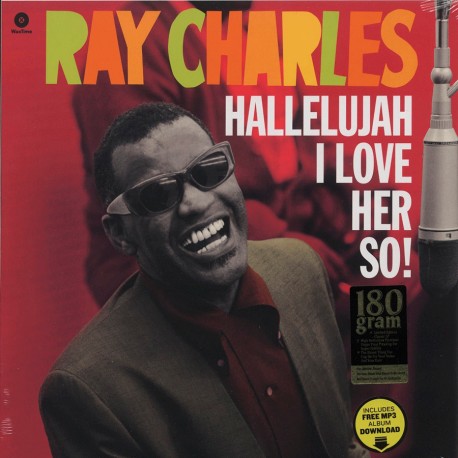
This is one of those songs where I could listen to it on a loop and be happy. Ray Charles wrote this song with a gospel feel to it. It was released in 1956 and it peaked at #5 in the R&B charts.
He went to a state school for the blind in St. Augustine, Florida. He became a professional musician after leaving there in 1945, after the death of his mother. A piece of advice that Ray’s mother gave to him: “You’re blind, not stupid.”
He moved to Seattle because it was the farthest, he could get from Florida. Jack Lauderdale, one of the first black record label owners, signed Charles to the Downbeat label, for whom Charles had his first hit in 1949, Confession Blues. The recording session for it was noteworthy for another reason…Charles recorded it while there was a musicians’ strike. The union fined him $600, his life savings at that point for the infraction.
Charles’ recording contract was sold to Atlantic Records in 1952, shortly after he moved to LA. He formed his own band in 1954 and started to release records.
This song was in the Quarrymen and early Beatles repertoire and a big influence. The first time I heard this song was on the Live! at the Star Club 1962 album released in 1977. The album was recorded in 1962 in the audience by “King Size” Taylor, lead singer of the Dominos. He claims he asked Lennon if that was alright and John verbally agreed to the group being recorded in exchange for Taylor providing the beer during their performances. It was recorded on a low-grade reel to reel in the audience. The Beatles tried to block the release but were unsuccessful. I for one am glad it wasn’t blocked.
It shows how raw they were in the early days. This was recorded right after The Beatles sacked Pete Best and Ringo was brought in.
The lead singer on the Beatles version was that famous Beatle named Horst Fascher. Actually, Horst was a protector of the band and the only favor he asked was to occasionally sing a song. Fascher meant a lot to the Beatles and he worked at the Hamburg clubs they played in.
According to Mark Lewisohn (author of Tune In)… Hamburg was very important to the Beatles. In their first trip to Hamburg, they accumulated around 415 hours of stage time. The Beatles had to be the most experienced rock group in the world, not just Liverpool. When they got back to Liverpool people were amazed and they were the number 1 band in their hometown from then on.
Eddie Cochran and George Jones made chart versions of this song.
Hallelujah I Love Her So
Let me tell you ’bout a boy (girl) I know He(She) is my baby and he (she) lives next door Ev’ry morning ‘fore the sun come up He (she) brings my coffee in my fav’rite cup That’s why I know, yes, I know Hallelujah, I just love him (her) so When I’m in trouble and I have no friends I know hel’ll (she’ll) go with me until the end Ev’rybody asks me how I know I smile at them and say he (she) told me so That’s why I know, yes, I know Hallelujah, I just love him (her) so
Now if I call him (her) on the telephone And tell him (her) that I’m all alone By the time I count from one to four,I hear him (her) on my door In the evening when the sun goes down When there is nobody else around He (she) kisses me and he (she) holds me tight He (And) tells me “Baby, (Daddy) ev’ry thing’s all right” That’s why I know, yes, I know Hallelujah, I just love him (her) so
This episode is slow moving but at times interesting . It contains elements that could have been a great Twilight Zone but the acting in this one is subdued and the story is slow. I did like the study of human nature at the end but the script was uneven.
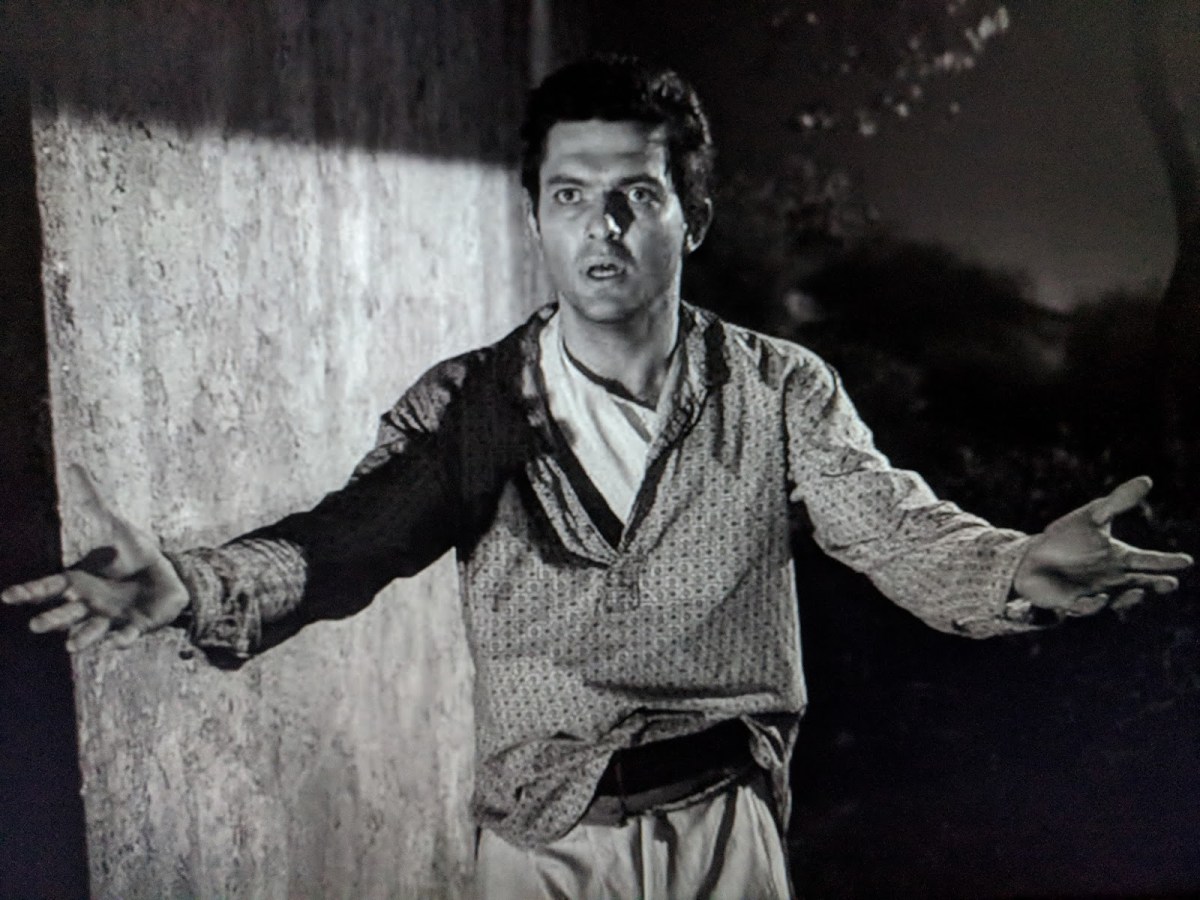
A Christ-like alien ventures into a small Mexican village. He comes into a bar after being shot and hurting. He bonds with a little boy named Pedro played by Edmund Vargas. A doctor looks at the alien and by all accounts should have been dead. Everyone was fearful of him and he is referred to as a creature with powers. The alien offers a gift but will the lack of trust in the new comer accept it?
I did like the musical score for this one. The Gift has a guitar score composed and performed by Laurindo Almeida, one of the great classical guitarists.This story was originally written as one of the series’ possible pilots, but was passed over for The Twilight Zone: Where Is Everybody?
This show was written by Rod Serling
Rod Serling’s Opening Narration:
The place is Mexico, just across the Texas border, a mountain village held back in time by its remoteness and suddenly intruded upon by the twentieth century. And this is Pedro, nine years old, a lonely, rootless little boy, who will soon make the acquaintance of a traveler from a distant place. We are at present forty miles from the Rio Grande, but any place and all places can be the Twilight Zone.
Summary
The residents of a small Mexican village, just 40 miles or so south of the Rio Grande, panic when they learn a being from another planet may have crashed near by. As the result of an altercation with local police, one policeman is dead and the alien is severely wounded. A young boy, Pedro, quickly forms a friendship with the alien who says he has come in peace. He also says he has a gift for the people of the Earth, but the villagers’ fear means that mankind will never benefit from the alien’s generosity.
Rod Serling’s Closing Narration:
Madeiro, Mexico, the present. The subject: fear. The cure: a little more faith. An Rx off a shelf in the Twilight Zone.
CAST
Rod Serling … Narrator / Self – Host (uncredited)
Geoffrey Horne … Williams – the Alien
Nico Minardos … Doctor
Cliff Osmond … Manolo
Edmund Vargas … Pedro
Vladimir Sokoloff … Guitarist
Paul Mazursky … Officer
Henry Corden … Sanchez
Vito Scotti Vito Scotti … Rudolpho
Eumenio Blanco … Townsman (uncredited)
Carmen D’Antonio … Woman (uncredited)
David Fresco … Man (uncredited)
Lea Marmer … Woman (uncredited)
Joseph V. Perry … Man (uncredited)
This weekend will lean toward the 1950’s…we start it off with this instrumental.
Back in 1950s Liverpool a young John, Paul, and George were riding on a bus and Paul was trying to get George Harrison in the Quarrymen. George was much younger and John had his doubts about letting the kid join. Paul asked young George to get his guitar out and play the instrumental Rauncy right there on the bus. John was impressed and the rest…as they say is history.
This was originally called “Backwards.” Justis changed the title when he heard someone enjoying the tune say that it was “raunchy,” which meant “messy” or “dirty” in ’50s teenage slang.
The song was written by Bill Justis and Sidney Manker who played that riff on the song.
Justis landed a job as musical director at Sun Records, run by Sam Phillips. During his time there, he arranged music for acts like Johnny Cash, Roy Orbison, Jerry Lee Lewis, and Charlie Rich. Meanwhile, he got the idea to record his own rock ‘n roll tune and enlisted some jazzmen and rock ‘n roll players for the session that produced “Raunchy.” When the sax player he hired fell ill, Justis stepped in. Although he’d long ago traded his trumpet for sax, he hadn’t played the instrument for a while, which resulted in a distinctive off tone that set the original instrumental apart from its many covers.
This instrumental peaked at #2 in the US Hot 100, #1 in the R&B Charts, and #6 in the Country Charts.
Bill Justis:“I read about how much money he had made out of rock ‘n roll so I said, ‘That’s for me!'” “So, I immediately set out for a record store and bought $80 worth of the all-time rock ‘n roll hits. I studied the stuff and found it was so simple, yet basic and savage, that it was difficult to perform.”
From Songfacts
Ernie Freeman covered this. It was a reversal of the usual process as Freeman was black and Justis was white. Freeman’s version hit #4 while Justis’ hit #2. Although both did extensive session work, “Raunchy” remains each act’s sole Top 40 hit.
George Harrison played this on his guitar for John Lennon when he was auditioning to be a member of The Quarrymen.
While working for his father’s roofing business in his native Memphis, Justis made the rounds in local dance bands as a trumpet player. When the office’s closing left him without a job, Justis decided to pursue music full time as an arranger. An article about Buck Ram, a prolific songwriter and producer who was integral in the vocal group scene of the ’50s, turned him on to rock ‘n roll.
Justis and Freeman weren’t the only performers to have a hit with “Raunchy” in 1957. Billy Vaughn also released a version that went to #10. Several other acts covered the tune, including Santo & Johnny, The Ventures, Duane Eddy, Scotty Moore, Alex Chilton, and Booker T. & The M.G.’s, among others.
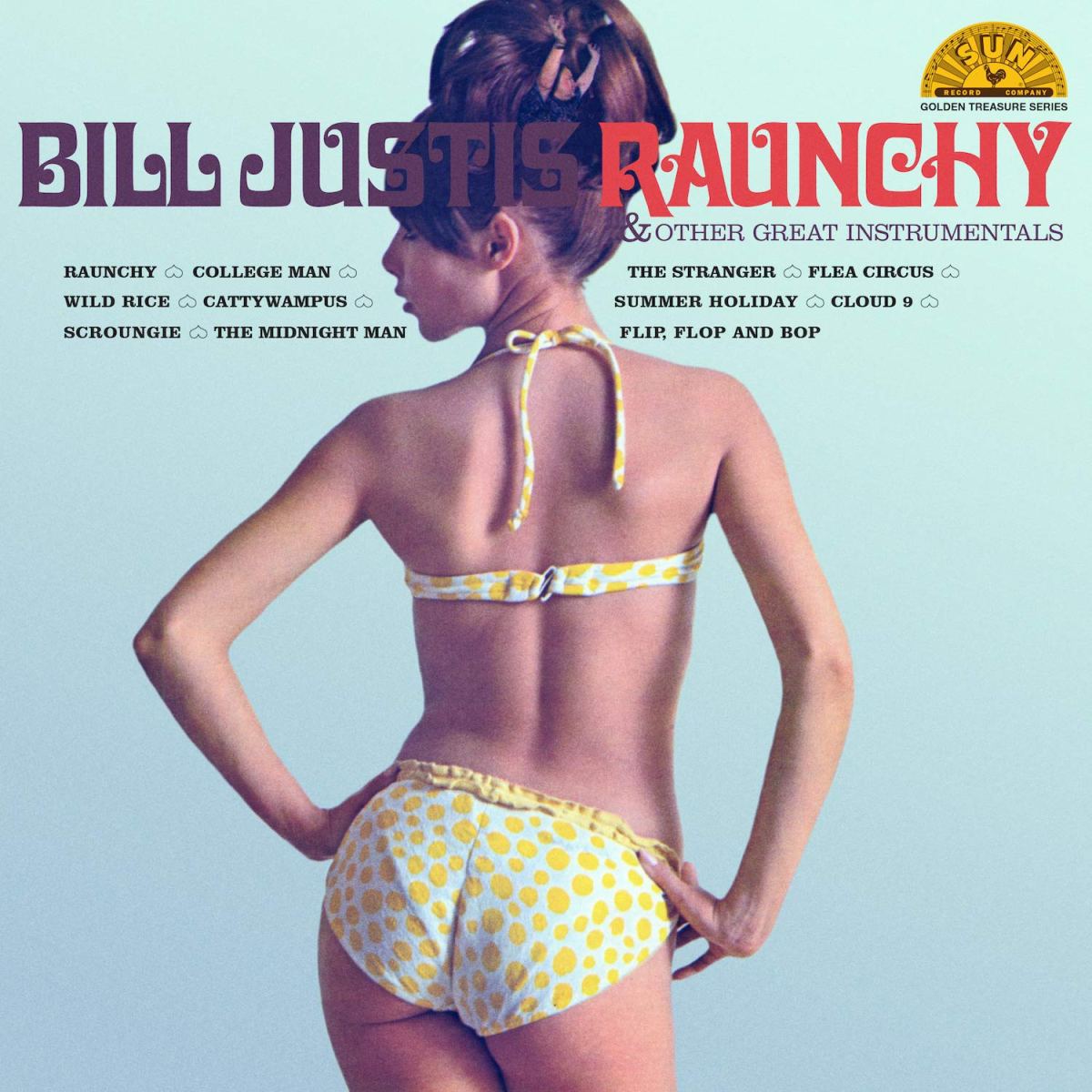
Justis recorded this two more times: in 1962 for the album Bill Justis Plays 12 More Big Instrumental Hits and in 1969 for the album Raunchy & Other Great Instrumentals.
This was used in the movies The Loveless (1981), Great Balls Of Fire! (1989), Nowhere Boy (2009), and Camp X-Ray (2014).
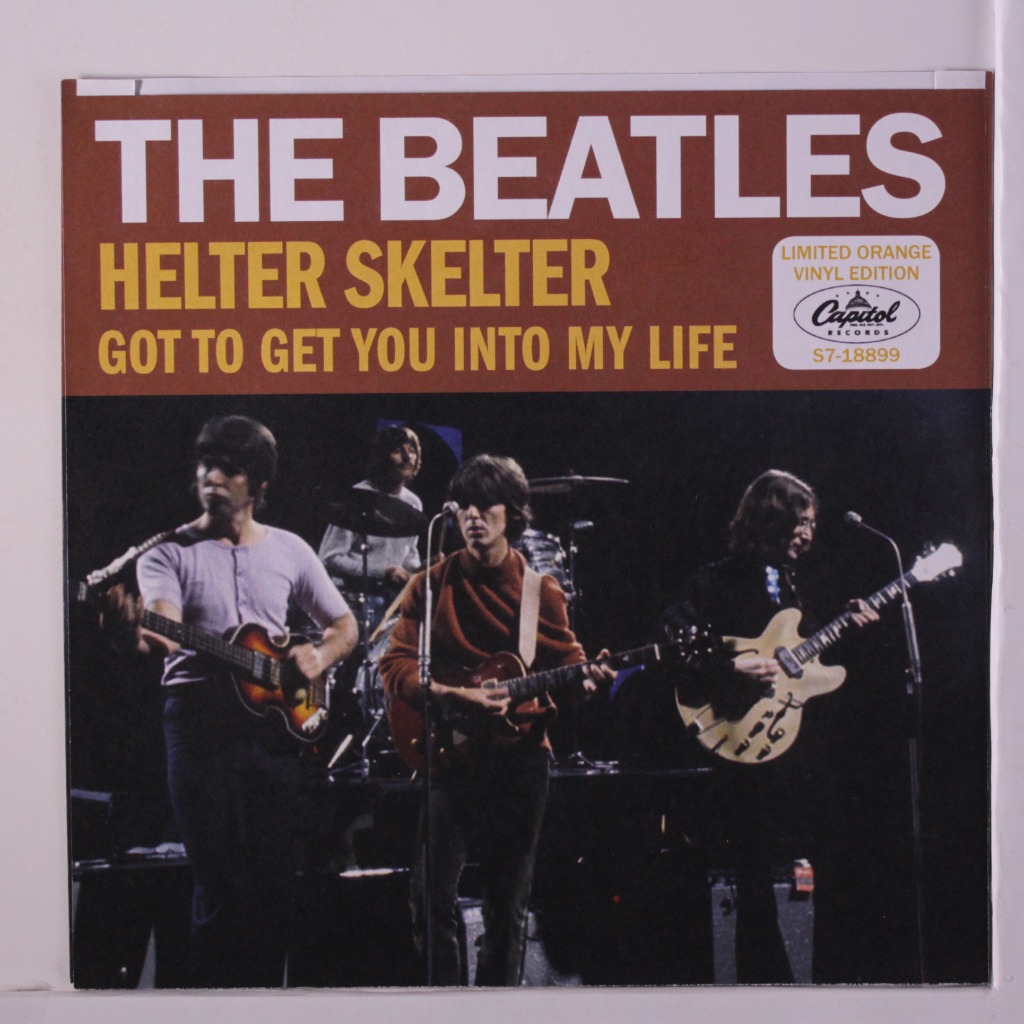
I want to thank Hans for hosting this draft and having me as one of the participants. Thanks everyone for the great songs. A Beatles song had to be in play in the draft for me. I didn’t pick my favorite Beatles song, but one that scared the hell out of me as a kid. This song gave me the creeps because it was so loud. That was before I saw the Manson TV movie.
Now, the sheer energy of it gets me every time. In 1964 they gave us I Want To Hold Your Hand and four years later we hear Helter Skelter…that is growing and versatility. This song was by the band I most admire and it was influenced by another band I admire…The Who…sort of.
The origin of the song…I’ll turn it over to Paul: “I was in Scotland and I read in Melody Maker that Pete Townshend had said: ‘We’ve just made the raunchiest, loudest, most ridiculous rock’n’roll record you’ve ever heard.’ I never actually found out what track it was that The Who had made, but that got me going, just hearing him talk about it. So I said to the guys, ‘I think we should do a song like that; something really wild.’ And I wrote ‘Helter Skelter.’”
The track that Townshend was talking is thought to be I Can See For Miles. Paul took the description and ran with it. Paul and George played the guitars while John played a six string bass…Mr blisters on his fingers played drums.
I’ve played this song at the different places I’ve worked (on cassette and computer) and I get inquiries…who is that? When I tell them who…they don’t believe me at first. A reply that I have got is… no that is NOT The Beatles…that is just not them. This is why I love the Beatles. They covered genres well.
The song has picked up evil vibes along the way because of Manson grabbing the title for his awful deeds. Some have said it was the first Heavy Metal song, but I don’t hear that. I do think it was a cog in the machine and influenced the harder bands though.
I’ve heard so many bands try to cover this song…even down to heavier bands and none match the intensity and energy of this recording. The secret is the punk rawness with it’s jagged edges showing. The only cover I like is U2’s live version on Rattle and Hum because it helped the song regain it’s reputation back and take it from Manson’s grasp to a then modern audience.
I’ve played this song with a band a few times and that little riff is so powerful and so much fun to play. I told the rest of the band…no distortion boxes…no processing…just pure loud overdrive (turn it up to 11 and beyond)…and it works.
The White Album…another reason I love it…you have Blackbird, Rocky Racoon, Dear Prudence, and Helter Skelter on the same album. The album is the very definition of eclectic.
Thank you all again for the songs.
Helter Skelter
When I get to the bottom I go back to the top of the slide Where I stop and I turn and I go for a ride Till I get to the bottom and I see you again
Do, don’t you want me to love you I’m coming down fast but I’m miles above you Tell me, tell me, tell me, come on tell me the answer Well, you may be a lover but you ain’t no dancer
Helter skelter, helter skelter Helter skelter
Will you, won’t you want me to make you I’m coming down fast but don’t let me break you Tell me, tell me, tell me the answer You may be a lover but you ain’t no dancer
Look out Helter skelter, helter skelter Helter skelter Look out, ’cause here she comes
When I get to the bottom I go back to the top of the slide And I stop and I turn and I go for a ride And I get to the bottom and I see you again, yeah, yeah
Well do you, don’t you want me to make you I’m coming down fast but don’t let me break you Tell me, tell me, tell me your answer You may be a lover but you ain’t no dancer
Look out Helter skelter, helter skelter Helter skelter
Look out, helter skelter She’s coming down fast Yes, she is Yes, she is Coming down fast






 PowerPop... An Eclectic Collection of Pop Culture