The great Garth Hudson gives us a wonderful intro to this song. In live shows, the song became a Hudson showcase, with him improvising wildly on organ (and later, on synthesizer) before cutting into the song. This improvisation came to be known as “The Genetic Method.” .Eventually the improvisation quoted Bach’s “Fugue in D Minor” and followed into the song’s main riff. Only part of the improvisation was included on the actual album cut.
Garth Hudson was the Band’s secret weapon according to Robertson. Back when they were backing Ronnie Hawkins….they asked the classically trained Hudson to join them. His parents didn’t like the idea but… Hudson agreed to join the band on two conditions: that Hawkins buy him a Lowrey organ, and that he be paid an extra $10 a week to give music lessons to the other Hawks. After that he was in The Band.
This gem came from Music From Big Pink in 1968. The song is credited to Robbie Robertson. Levon Helm said that he and Richard Manual wrote the lyrics to the song.
I was talking to another blogger the other day about the Band. They lived up to their name more than about any other band. Not only did they all contribute to songs…not writing…but all of them did contribute some but they all could play each others instruments.
Music From Big Pink was a huge influence on other artists back then and to this day. George Harrison and Eric Clapton were two that were influenced by it. Eric even had ideas of joining the Band. You can hear it in music at that time. Psychedelic was out and more Americana or roots music was in. The album’s influence far outweighed it’s chart position.
The album peaked at #18 in Canada and #30 in the Billboard Album Chart. It has to be on the list of best debut albums of all time.
Robbie Robertson:When Garth played the intro to “Chest Fever,” which he called “The Genetic Method,” I was reminded there was no other keyboard player in rock ’n’ roll who had his improvisational abilities and imagination.
Robbie Robertson:“It’s kind of a hard love song,” “But it’s a reversal on that old rock & roll thing where they’re always telling the girl, ‘He’s a rebel, he’ll never be any good.’ This time, it’s the other way around.”
From Songfacts
The Band’s guitarist, Robbie Robertson, felt he needed a counterbalance for the album’s centerpiece, “The Weight.” He wrote the music for the song solely for that purpose.
Robertson, drummer Levon Helm, and pianist Richard Manuel improvised lyrics (Robertson often calls them meaningless) over the course of the song. Those lyrics remain unchanged on the track, although they loosely tell a story of a man thrown aside by a hard-drinking, fast-talking woman who subsequently literally becomes sick with love for her.
This was the opening song for the Band’s set at the Woodstock Festival in 1969.
Chest Fever
I know she’s a tracker Any style that would back her They say she’s a chooser But I just can’t refuse her She was just there, but then she can’t be here no more
And as my mind unwheels I feel the freeze down in my knees But just before she leaves, she receives
She’s been down in the dunes And she’s dealt with the goons Now she drinks from a bitter cup I’m trying to get her to give it up She was just here, I fear she can’t be there no more
And as my mind unwheels I feel the freeze down in my knees But just before she leaves, she receives
It’s long, long when she’s gone I get weary holding on Now I’m coldly fading fast I don’t think I’m gonna last very much longer
She’s stoned said the Swede, And the moon calf agreed But I’m like a viper in shock With my eyes in the clock She was just there somewhere and here I am again
And as my mind unweaves I feel the freeze down in my knees But just before she leaves, she receives
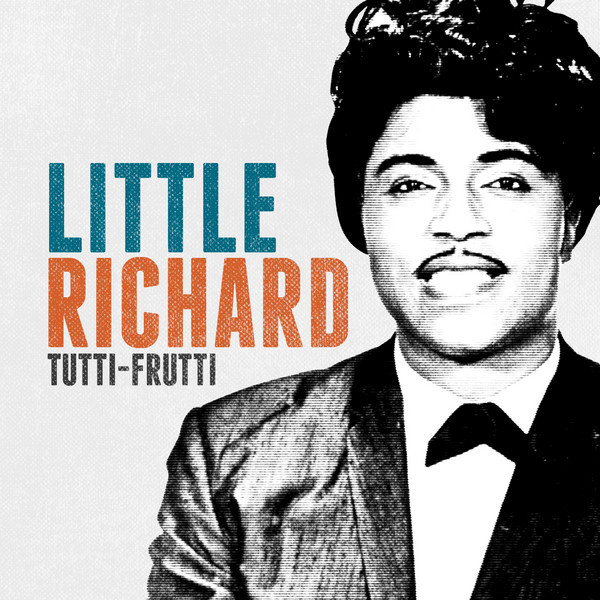
Greetings on this Sunday Morning…Pure poetry! What a voice! This song is like a shot of adrenaline. If Little Richard came out today…what kind of music would he sing?
Little Richard wrote this song in 1955 when he was working as a dishwasher at a Greyhound bus station in his hometown of Macon, Georgia.
Little Richard’s real name was Richard Wayne Penniman and was born in Macon, Georgia. He was one of twelve children… “Little Richard” was his childhood nickname, and even though he was not a little adult (almost 6 feet tall), he kept the name. His family listened to singers like Bing Crosby and Ella Fitzgerald. Richard couldn’t find any music he liked, so he created it.
This was Little Richard’s first hit, but his success was far from instant. His first recordings were in 1952 for RCA Records, and were failures. He moved to Peacock Records the next year and released some singles with the Johnny Otis Trio backing him up.
Richard’s break came when the singer Lloyd Price played a show in Macon, Georgia, and Richard, who was selling drinks at the gig, went to the dressing room and played Price “Tutti Frutti” on the piano.
The song peaked at #18 in the US, #2 in the R&B Charts, and #29 in the UK in 1955.
This song was a huge influence on many future rock stars, but it had special significance for David Bowie, as it was the first rock song he heard. Bowie’s father, who ran a London music hall, brought the record home when David was 9 years old.
Bowie said: “My heart nearly burst with excitement,” “I had heard God.”
Little Richard:“I couldn’t talk back to my boss man. He would bring all these pots back for me to wash, and one day I said, ‘I’ve got to do something to stop this man bringing back all these pots to me to wash,’ and I said, ‘Awap bop a lup bop a wop bam boom, take ’em out!’ and that’s what I meant at the time. And so I wrote ‘Tutti Frutti’ in the kitchen, I wrote ‘Good Golly Miss Molly’ in the kitchen, I wrote ‘Long Tall Sally’ in that kitchen.”
Little Richard:“My greatest achievement would have to be ‘Tutti Frutti.’ It took me out of the kitchen – I was a dishwasher at the Greyhound bus station, making $10 a week working 12 hours a day, and ‘Tutti Frutti’ was a blessin’ and a lesson. I thank God for ‘Tutti Frutti’.”
From Songfacts
Richard says that “Awap bop a lup bop a wop bam boom” was kind of his catch phrase, something he would reply to folks who asked him how he was doing.
Long before Richard recorded this, he performed it at his shows as “Tutti Frutti, Good Booty.” It was a very raucous and sexual song and was considered too suggestive for white audiences, so it was cleaned up considerably when he recorded it for Specialty Records. The chorus was changed to “Tutti Frutti, aw Rudi,” and these original lyrics were replaced:
If it’s tight, it’s alright
If it’s greasy, it makes it easy
Some sources have claimed that Richard also sang “A good God damn” instead of “a wop bam boom,” but according to the notes in the 2012 reissue of the album, Richard (who later became a minister) never took the Lord’s name in vain and never sang that lyric. Price encouraged Richard to send a tape to Specialty Records, so he sent them a demo of two songs he recorded in February 1955 with his group The Upsetters: “Baby” and “All Night Long.” Specialty owner Art Rupe was unimpressed, but Richard kept calling and sending letters.
His persistence paid off and Rupe finally sent his producer Bumps Blackwell to New Orleans, where on September 13 and 14, they recorded the nine songs that would comprise the Here’s Little Richard album. “Tutti Frutti” was released as a single and became a breakout hit, which Richard found out when the record company called him in Georgia to explain. They flew him to Hollywood and had him record follow-up singles “Long Tall Sally” and “Slippin’ and Slidin’.”
This was the last song recorded for the album, and it barely made it. The first eight tracks Richard put down were blues numbers which weren’t wowing his producer Bumps Blackwell, who took a break and brought Richard to a local bar called the Dew Drop Inn. Richard, feeling more relaxed with an audience to play for, sat down at a piano in the bar and started playing his live favorite “Tutti Frutti.” This got Blackwell’s attention, and he insisted that Richard record the song.
Of course, the original racy lyrics about “good booty” had to be replaced, and Little Richard had no particular talent for writing words that would match his melody yet mollify a white audience. This task fell to Dorothy LaBostrie, who Blackwell described as “a girl who kept hanging around the studio to sell songs.” She was on hand because Richard recorded her song “I’m Just A Lonely Guy” earlier that day. With time running out in the session, an embarrassed Richard sang her the raunchy lyrics, looking at the wall while he did so. LaBostrie left and came back with the sanitized lyrics with just 15 minutes of studio time remaining. They quickly recorded the song, getting it right on the third take with two minutes to spare. Dorothy LaBostrie earned what became a very lucrative writing credit for her efforts.
This song introduced Little Richard’s famous “Whooooo,” and also a big “Aaaaaaahhh” scream which he sings just before the tenor sax solo performed by Lee Allen. Richard’s scream had a practical purpose: to let Allen know when to start playing. They were recording on just three tracks, so overdubbing the horns wasn’t a practical option.
You can also hear Richard’s classic line in this song, “A wop bop a lu bop, a wop bam boom!” He felt you could express your emotions without singing actual words. He would also put a little something extra into the words he sang, which he called “that thing.” It was something he learned playing piano and singing in church, and it was a style that would influence the next generation of rock music.
This is one of the most famous songs of all time, making #43 on Rolling Stone magazine’s list of the 500 Greatest Songs, but it was not a huge hit, going to #2 on the R&B charts and reaching just #17 on the Hot 100.
Pat Boone fared better with his 1956 cover, taking it to #12. Boone had a long career doing sanitized covers of songs by black artists, and he also covered Richard’s “Long Tall Sally.” Many listeners at the time only knew the song through Boone, so Little Richard’s promotional materials often labeled him “Original ‘Tutti Frutti’ Man.”
Boone changed some of the lyrics, so “Boy you don’t know what she’s doing to me” became “Pretty little Susie is the girl for me.”
“The kids didn’t care – they didn’t know,” he said in a Songfacts interview. Boone went on to explain that Little Richard was grateful for the exposure, as he introduced the song to a white audience.
Like “Long Tall Sally,” this song was covered by Elvis. Little Richard once said, “Elvis may be the King of Rock and Roll, but I am the Queen.”
Little Richard did not invent the name “Tutti Frutti”; it was a popular flavor of ice cream. The phrase is Italian for “All Fruits,” and the ice cream had little bits of candied fruit mixed in. In 1938, the Jazz duo Slim Gaillard and Slam Stewart, who recorded as Slim And Slam, released a popular song called “Tutti Frutti,” which was about the ice cream. Little Richard’s was a completely different song.
Little Richard recorded this at J&M Studios in New Orleans, which was the only place to record in the city for many years. Opened in the late ’40s, Ray Charles, Sam Cooke and Jerry Lee Lewis recorded there as well. It has since become a laundromat. >>
Huey “Piano” Smith played the piano on the first eight songs during the session that produced this album, but he didn’t have time to learn “Tutti Frutti” so Richard played it himself. The drummer on the session was Earl Palmer, who later moved to Los Angeles and became one of the most prolific drummers of all time, playing on songs by the Righteous Brothers, Elvis Costello, B.B. King and hundreds of others. On this song, Palmer had no rehearsal and Richard was pounding out a rock rhythm on the piano.
Palmer later explained, “The only reason I started playing what they come to call a Rock and Roll beat was came from trying to match Richard’s right hand – with Richard pounding the piano wih all ten fingers, you couldn’t so very well go against that. I did at first – on ‘Tutti Frutti you can hear me playing a shuffle. Listening to it now, it’s easy to hear I should have been playing that rock beat.” (From Backbeat: Earl Palmer’s Story.)
Buchanan & Goodman sampled this in their 1956 novelty hit, “The Flying Saucer.”
Charles Connor, Little Richard’s drummer in the 1950s and 60s told Uncut magazine the rock ‘n’ roll star took his “Awap bop a lup bop a wop bam boom” catch phrase from his drums. “Richard called me about a month and a half before he passed, and we talked for a long time,” Connor added. “He said, ‘Charles, thanks for helping me create my style of singing.’ He called us the architects of rock and roll, but I said I was the bricklayer, laying the foundation of the rhythm for him.”
On Queen’s last tour with Freddie Mercury (in 1986), they included this song in their setlist along with another ’50s favorite, “Hello Mary Lou” by Ricky Nelson.
Tutti Frutti
Wop bop a loo bop a lop bom bom!
Tutti frutti oh rootie Tutti frutti oh rootie Tutti frutti oh rootie Tutti frutti oh rootie Tutti frutti oh rootie Wop bop a loo bop a lop ba ba!
I got a gal, named Sue, she knows just what to do I got a gal, named Sue, she knows just what to do She rock to the East, she rock to the West But she is the gal that I love best
Tutti frutti oh rootie Tutti frutti oh rootie, ooh Tutti frutti oh rootie Tutti frutti oh rootie Tutti frutti oh rootie Wop bop a loo bop a lop bom bom!
I got a gal, named Daisy, she almost drives me crazy Got a gal, named Daisy, she almost drives me crazy She knows how to love me, yes indeed Boy you don’t know what she do to me
Tutti frutti oh rootie Tutti frutti oh rootie, ooh Tutti frutti oh rootie Tutti frutti oh rootie Tutti frutti oh rootie Wop bop a loo bop!
Oh tutti frutti oh rootie Tutti frutti oh rootie ooo Tutti frutti oh rootie Tutti frutti oh rootie Tutti frutti oh rootie Wop bop a loo bop a lop bom bom!
I got a gal, named Daisy, she almost drive me crazy Got a gal, named Daisy, she almost drive me crazy She knows how to love me, yes indeed Boy you don’t know what she do to me
Tutti frutti oh rootie Tutti frutti oh rootie Tutti frutti oh rootie Tutti frutti oh rootie Tutti frutti oh rootie Wop bop a loo bop a lop bam boom!
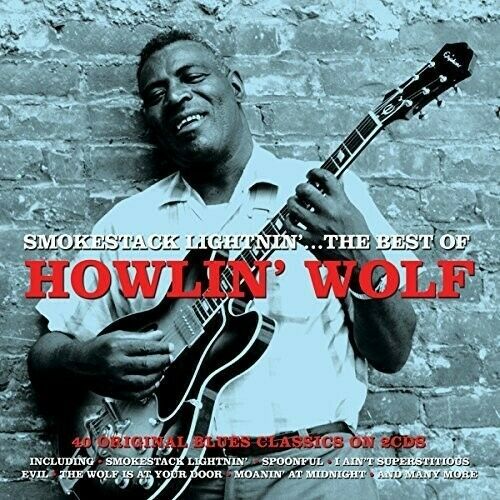
I first learned about Howlin’ Wolf after reading a Rolling Stones biography. It contained an interview that Brian Jones did in the early sixties. He founded the Stones and pushed the Stones toward the blues.
Howlin’ Wolf’s real name was Chester Burnett and he was born in 1910. He was a blues singer, guitarist, and harp player. He had a professional rivalry with fellow bluesman Muddy Waters. Waters ended up getting Wolf his first job in Chicago.
This classic song was recorded way back in 1956 at the legendary Chess studios in Chicago. Wolf is listed as the songwriter and the producers were Leonard Chess, Phil Chess, and Willie Dixon. He lives up to the Howlin’ part of his name…his voice is powerful. He has been credited as one of the first to move acoustic blues to electric guitar.
The Yardbirds (The Clapton version) covered this song and Howlin’ Wolf himself considered their version the definitive version of his song. That had to be quite an honor coming from the man himself.
After reading many of Christian’s posts…I realized I need to add some more blues into my blog…
Smokestack Lightning
Whoa, smokestack lightnin’ Shinin’ just like gold Why don’t you hear me cryin’? A-whoo-hoo, a-whoo-hoo, whoo
Whoa-oh, tell me, baby What’s the matter here? Why don’t you hear me cryin’? Whoo-hoo, whoo-hoo, whoo
Whoa-oh, tell me, baby Where did you stay last night? Why don’t you hear me cryin’? Whoo-hoo, whoo-hoo, whoo
Whoa-oh, stop your train Let a poor boy ride Why don’t you hear me cryin’? Whoo-hoo, whoo-hoo, whoo
Whoa-oh, fare-you-well Never see a you no more Why don’t you hear me cryin’? Whoo-hoo, whoo-hoo, whoo
Whoa-oh, who been here baby since I, I been gone a little bitty boy? Girl, be on A-whoo-hoo, whoo-hoo, whoo
The Raspberries formed in the early 1970s when Eric Carmen and Jim Bonfanti envisioned a band that would emulate bands such as The Beatles, The Who, and The Beach Boys.
This song came off of the Side 3 album released in 1973. This song…well the way I would describe it is country tinged power pop. It was an odd and cool album cover. It was a die-cut of a basket of Raspberries, with the group’s name placed on top of the LP sleeve.
Three members wrote and sang songs. It wasn’t just Eric Carmen…This song was written and sung by Dave Smalley the bass player. This was their third album and they would end up releasing four studio albums.
The band consisted of Eric Carmen (vocalist/guitarist/bassist/pianist), Wally Bryson (guitarist), Jim Bonfanti (drummer), and Dave Smalley (guitarist/bassist).
Their last appearance as the original lineup was on The Mike Douglas Show in 1974. Shortly after… Bonfanti and Smalley both quit the band to pursue individual music careers. Michael McBride and Scott McCarl replaced them and shortly after Raspberries went on to produce their fourth and final album Starting Over…which yielded what could be their masterpiece… Overnight Sensation.
In 2004, the original four members of the group performed at Cleveland’s House of Blues. This resulted in a 2005 mini-tour. The Raspberries performed at other venues around the United States, with their final concert performance in Cleveland, Ohio at KeyBank State Theatre on December 14th, 2007.
Should I Wait
Don’t you know you’re gonna lose If you love somebody that don’t love you? You’ll believe him when he’s untrue But I can’t bear seein’ him break your heart in two I’ve let it happen much too long
Should I wait, hopin’ you’ll find out on your own? It’s me who’s loved you for so long
If he hurts you with his lies Don’t let it take too long to open your eyes You’re gonna see through his disguise But I can’t bear seein’ him break your heart in two I’m tired of tryin’ to play it cool
Should I wait, hopin’ you’ll find out on your own? The one you love is just a fool
If I had the chance I’d make you see When you fall in love how it should be A love that makes you sad can only turn out bad So I’ll be hangin’ ’round until you’re free
Don’t you know you’re gonna lose If you love somebody that don’t love you? You’ll believe him when he’s untrue But I can’t bear seein’ him break your heart in two I’ve let it happen much too long
Should I wait, hopin’ you’ll find out on your own? It’s me who’s loved you for so long
This song came off the album Straight Up that was released in 1971. Sweet Tuesday Morning was guitarist Joey Molland’s ballad about his then new wife Kathie.
All the band members wrote songs and sang. Pete Ham was the most successful out of the four but that doesn’t mean the rest were mediocre. Joey and Tom were both good songwriters and all collaborated with each other at times.
Joey Molland joined the band when bass player Ron Griffiths quit right after they recorded Come and Get It because of friction caused by his marriage. Molland who was previously with Gary Walker & The Rain, The Masterminds, and The Fruit-Eating Bears joined as a guitar player. Tom Evans switched to bass and this was the most successful lineup.
Sweet Tuesday Morning is mostly an acoustic song with simple backing that fit the early 1970s. In the UK this was the B side of Day After Day, Badfinger’s biggest hit. Joey Molland had quite a strong showing on Straight Up…with the songs “Sweet Tuesday Morning,” “Suitcase,” “I’d Die Babe” and the albums most rocking song “Sometimes.”
Most consider Straight Up the best album they made. If you ever decide to buy a Badfinger album and want something other than just a greatest hits…this is the one to buy.
Sweet Tuesday Morning
Sweet Tuesday morning You came and you smiled And all of my fears, They have left me
Sweet Tuesday morning You came and you smiled And love is the answer you gave me
I’ve been to places all around, astound me I’ve seen the breaking of the souvenirs I’m in a brightness I can feel surround me And it’s the first time I’ve felt it for years
Sweet Tuesday morning, You came and you smiled And love is the answer you gave me….mm-mhm
I’ve been to places all around, astound me I’ve seen the breaking of the souvenirs I’m in a brightness I can feel surround me And it’s the first time I’ve felt it for years
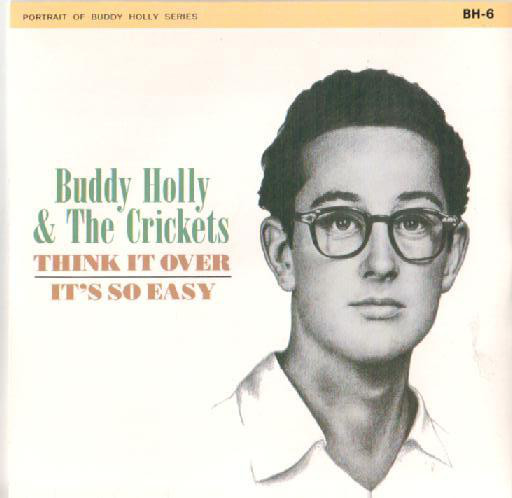
It’s been a while since I’ve posted a Buddy song…and any time is too long. He is one of the most important influences from the 50s or any era. Since I’m a Beatle fan I have to say…without Buddy the Beatles would have been different. He wrote his own songs that were part country, rock, rockabilly, and a touch of power pop with his crisp Stratacaster leading the way.
Of all the stars in the 50s I believe Buddy was the one who would have been heard from more in the sixties. His music fit what was going on and had a timeless quality about it.
This song peaked at #27 in the Billboard Hot 100, #9 in the R&B Charts, and #11 in the UK in 1958. Think It Over was written by Buddy Holly, Jerry Allison, and Norman Petty in 1958. Per Wiki… Norman Petty’s wife, played piano on this recording.
John Lennon: “He was a great and innovative musician. He was a ‘master’. His influence continues, I often wonder what his music would be like now, had he lived…”
“Buddy Holly was the first one that we were really aware of in England who could play and sing at the same time—not just strum, but actually play the licks.”
Keith Richards:“Holly passed it on via the Beatles and via The Rolling Stones … He’s in everybody”
Think It Over
Think it over, what you’ve just said Think it over in your pretty, little head Are you sure that I’m not the one? Is your love real or only fun?
You think it over Yes, think it over A lonely heart grows cold and old
Think it over and let me know Think it over, but don’t be slow Just remember all birds and bees Go by twos through life’s mysteries
You think it over Yes, think it over A lonely heart grows cold and old
Think it over and think of me Think it over and you will see A happy day when you and I Think as one and kiss the blues goodbye
You think it over Yes, think it over A lonely heart grows cold and old
No, this is not the strongest song in the Beatles catalog or even the strongest on the Let It Be album but…I love that guitar riff! That riff is one of the most unorthodox riffs I’ve heard. Only the mind of John Lennon could have come up with that part. The same man that brought us the riffs of Daytripper and And Your Bird Can Sing.
The part that hooked me as a kid was the guitar riff as I’ve said and the I, I, I, I Iyeeeeeeeee that starts it out. The other strong part of the song is the chorus “All I Want Is You!” “Everything has got to be just like you want it to!” and right after that the riff comes in again. I also like John’s raw vocals in this one. Also…it’s hard not to like “I roll a stoney. “The orginal title was All I Want Is You.
John Lennon would often string words together to create nonsensical phrases for his lyrics. When asked about this song he said it refers to no specific person and the lyrics are “nonsense,” a lyrical technique he also attributes to Bob Dylan songs. John said he made it up as he went along.
The lyrics were brought up in the movie “Imagine” released in 1988.
This part below was in the Imagine movie.
In a clip after the Beatles broke up, a young man…obviousy on hard times ended up in John’s garden. The fellow’s name was Curt Claudio. He looked a bit lost and scarred. He latched onto John Lennon and his music, believing that he had some sort of connection to John and he traveled to England to find out if he really did. He was found sleeping on the grounds of Tittenhurst Park, John and Yoko’s home in Ascot. Claudio thought John was speaking to him through his songs. He mentions lyrics to Dig a Pony.
John took the time to go out and talk to Curt and very kindly told him that he was just a guy too, and that while Curt thought that John’s songs were written with Curt in mind, they were really just written from personal, everyday experiences. He then invited him in the house for something to eat.
Video below
Dig A Pony
I dig a pony Well, you can celebrate anything you want Yes, you can celebrate anything you want Oh
I do a road hog Well, you can penetrate any place you go Yes, you can penetrate any place you go I told you so
All I want is you Everything has got to be just like you want it to Because
I pick a moon dog Well, you can radiate everything you are Yes, you can radiate everything you are Oh now
I roll a stoney Well, you can imitate everyone you know Yes, you can imitate everyone you know I told you so
All I want is you Everything has got to be just like you want it to Because (woo)
Oh now I feel the wind blow Well, you can indicate everything you see Yes, you can indicate everything you see Oh now
I load a lorry Well, you can syndicate any boat you row Yeah, you can syndicate any boat you row I told you so
All I want is you Everything has got to be just like you want it to Because
I’ve been watching Get Back on Disney Plus and this is one of the songs they have went over. I always thought Two Of Us should have been a single… It’s not slick or full of production…just John and Paul singing together like they did in the early years. It feels like they had come full circle.
Paul McCartney wrote this about enjoying his travels with his wife Linda. The song was on the album Let It Be recorded in January of 1969 but wasn’t released until 1970. It was the last studio album released of the Beatles career but not the last recorded.
After this album The Beatles embarked on recording the classic album Abbey Road in the summer of 1969. As the film Get Back shows…yes they would argue but it was not as bad as we have been led to believe or they would not have recorded Abbey Road. There was also talk of another possible album after Abbey Road but they decided to call it a day.
I always thought The Beatles ended at the right time. They never made a bad album like some other bands. I do think they had a couple of albums left in them but to end a career recording Abbey Road…its hard to top that.
It’s interesting to speculate if they would have got back together if John Lennon would not have been murdered. I don’t think they would have recorded again but I do think Lennon and McCartney would have written together again.
Linda McCartney:As a kid I loved getting lost. I would say to my father – let’s get lost. But you could never seem to be able to get really lost. All signs would eventually lead back to New York or wherever we were staying! Then, when I moved to England to be with Paul, we would put Martha in the back of the car and drive out of London. As soon as we were on the open road I’d say, ‘Let’s get lost’ and we’d keep driving without looking at any signs. Hence the line in the song, ‘Two of us going nowhere’.
Paul wrote ‘Two Of Us’ on one of those days out. It’s about us. We just pulled off in a wood somewhere and parked the car. I went off walking while Paul sat in the car and started writing. He also mentions the postcards because we used to send a lot of postcards to each other.
From Songfacts
Lennon and McCartney sang together on this song, which is something they did a lot in the early years of The Beatles, but not so much later on, when they started writing separately and restricting the lead vocal to whoever wrote the song.
This song is mostly acoustic, with Lennon and McCartney each playing acoustic guitar. George Harrison’s electric guitar is there, but low in the mix. There is no bass on the track.
This appears twice in the Beatles documentary movie Let It Be, first as a duet by John and Paul and then with the whole band.
John Lennon did the whistling on the fade-out.
Two Of Us
Two of us riding nowhere Spending someone’s hard-earned pay You and me Sunday driving Not arriving On our way back home We’re on our way home We’re on our way home We’re going home
Two of us sending postcards Writing letters on my wall You and me burning matches Lifting latches On our way back home We’re on our way home We’re on our way home We’re going home
You and I have memories That stretches out ahead
Two of us wearing raincoats Standing solo You and me chasing paper Getting nowhere On our way back home We’re on our way home We’re on our way home We’re going home
You and I have memories That stretches out ahead
Two of us wearing raincoats You and me chasing paper Getting nowhere On our way back home We’re on our way home We’re on our way home We’re going home
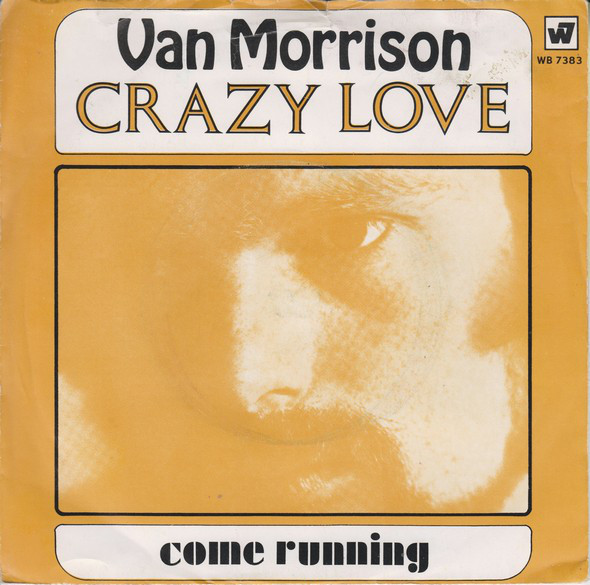
During Han’s song draft, fellow blogger Paul picked Caravan off of the album Moondance. I got the album out and enjoyed it yet again. I first got the album in the mid-80s and I count it as one of my favorite albums ever…and it’s not even my favorite Van Morrison album.
The song is one of the most romantic songs ever. Van had recently married his girlfriend Janet Planet (gotta love that name) when he wrote this song. It’s a very popular wedding song, it didn’t work too well though for Van though… Morrison and Janet divorced in 1973.
Her name before she married Morrison was Janet Rigsbee.
The song has been covered many times. Artists to cover this song include Brian McKnight, Ray Charles, Aaron Neville, Helen Reddy, Rod Stewart, Paul Carrack and John Anderson. Canadian vocalist Michael Bublé covered this for the title track of his 2009 album.
Van Morrison’s ex-wife, Janet Planet, now goes by Janet Morrison Minto after marrying her third husband, Chris Minto. She currently operates a beading business in Los Angeles via Etsy. Her shop, Lovebeads, sells uniquely designed necklaces and bracelets. So go and buy some necklaces or bracelets from Janet Planet!
Crazy Love
I can hear her heart beat for a thousand miles And the heaven’s open every time she smiles And when I come to her that’s where I belong Yet I’m running to her like a river’s song
She give me love, love, love, love, crazy love She give me love, love, love, love, crazy love
She’s got a fine sense of humor when I’m feeling low down Yeah when I come to her when the sun goes down Take away my trouble, take away my grief Take away my heartache, in the night like a thief
She give me love, love, love, love, crazy love She give me love, love, love, love, crazy love
Yes I need her in the daytime (I need her) Yes I need her in the night (I need her) Yes I want to throw my arms around her (I need her) Kiss and hug her, kiss and hug her tight
Yeah when I’m returning from so far away She gives me some sweet lovin’ brighten up my day Yes it makes me righteous, yes it makes me whole Yes it makes me mellow down in to my soul
She give me love, love, love, love, crazy love She give me love, love, love, love, crazy love She give me love, love, love, love, crazy love She give me love, love, love, love, crazy love
The song was written by Jerry Ragovoy and Chip Taylor. Chip Taylor is famous for writing Wild Thing.
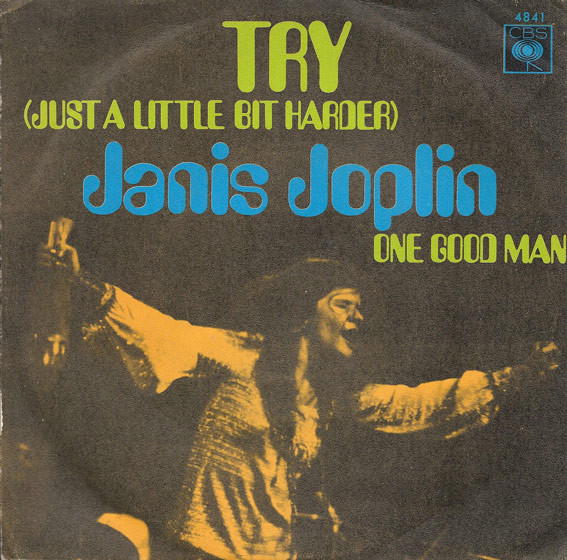
Try (Just A Little Bit Harder)” is the opening track on I Got Dem Ol’ Kozmic Blues Again Mama!
That was Janis’s debut solo studio album and it was released on September 11, 1969. It was the first album which Joplin recorded after leaving her former band, Big Brother and the Holding Company. This would be the only solo album released in her lifetime. Pearl came out in January 1971 three months after her death on October 4, 1970.
This song charted in Canada at #89 in 1969. The album peaked at #5 in the Billboard Album Charts and #4 in Canada in 1969.
She got good reviews for the album partly because she wasn’t trying to out shout the loud Big Brother and The Holding Company…although I did like Big Brother…without them she might not have made it.
Try (Just A Little Bit Harder)
Try, try, try just a little bit harder So I can love, love, love him, I tell myself ‘Cause I’m gonna try, oh yeah, just a little bit harder So I won’t lose, lose, lose him to nobody else, yeah Hey, I don’t care how long it’s gonna take ya But if it’s a dream I don’t want No I don’t really want it Yeah if it’s a dream I don’t want nobody to wake me
Yeah I’m gonna try, oh yeah, just a little bit harder So I can give, give, give, give him every bit of my soul I’m gonna try, oh yeah, just a little bit harder So I can show, show, show him love with no control, yeah Hey! I don’t care how long it’s gonna take ya But if it’s a dream I don’t want No I don’t really want it Yeah if it’s a dream I don’t want nobody to wake me Hey, dig it! Yeah! Yeah yeah yeah! Yeah, yeah, yeah, all right
Try oh yeah, hey, try oh yeah, Lord, Lord, Lord Try oh yeah, try oh yeah, Lord, Lord, Lord Try oh yeah yeah, try, whoa, try oh yeah, Lord, Lord, Lord, Push, work, push, work, oh yeah, try, oh yeah hey! Try oh yeah, hey try oh yeah Try Lord, try, try, you ain’t trying man You’re not trying out man, come up with it Come on, that’s a wanker that listens to words, man Hey you gotta work all night Hey little girl, gotta push on You gotta need Work a little more, hey, try a little more Need a little more Yeah, work on, push on, move on, move on You gotta work for it, you gotta work on it Push on, need on, move on Move on, hey hey hey
Work it daddy Work it daddy Come on, work it daddy, oh Yeah, yeah, you better try, try, try, try a little more You ain’t never gonna get any man if that’s the sort of thing you can do Shit, there’s lot more talent around than that man Try, try, try, try try try You’ve gotta try, try, try, try Try, try, try, try, try, try… You gotta try, try, try, try… Lord, try, try, try, try Lord, try, try, try, try Hey, try, try, try, try
My thanks to Cincinnati Babyhead (CB to be short) turned me on to this song. The guitar hooked me right away. The song has turned into a cult favorite.
Relentless came from the 1981 cult movie soundtrack Loveless staring Willem Dafoe. Eddy is not an easy guy to pin down to say the least. He has been an actor playing “Rock a Billy Guy” in the 1988 David Lynch TV Mini Series The French As Seen By… and the 1990 film Wild At Heart playing Rex. Dixon has also has been a musician playing rockabilly in New York clubs. He has been called a pioneer of the 1970s rockabilly movement in New York City.
Eddy has also performed out as Eddy Dixon and the the Dixonettes.
In the sixties Eddy was an art student who worked on some John Waters films. Later on he was friends with Willem Dafoe and he introduced Eddy to David Lynch. Eddy really ran the gamut working with Waters and Lynch.
I’ll let Eddy take over from here.
Eddy Dixon on music:1957. I was 7 years old and my best friend’s parents bought him a Fender Stratocaster. I would hang out at his house and started playing it and it just progressed from there. I went through the Dylan era and the folk era and the British Invasion era. I was playing in bands through the 60s with crazy names like The In Sex, then I got way heavy into country music towards the end of the 60s. Then in the 70s I moved to New York and started my own rockabilly band. I left Baltimore with 50 bucks, a trashbag full of clothes and a $20 guitar. I started doing all the showcases down on Bleeker Street and started hooking up with the real players, turned professional and started playing Max’s Kansas City and CBGBs.
Eddy Dixon on acting: I started off with John Waters back when I was a teenager in the late 60s. I did 5 John Waters films. He’s great – he’s very professional and knows what he wants. When I started, he was starting out and we were all art students in Baltimore living in a block in Bolton Hill. It was the most exclusive neighborhood in Baltimore at the turn of the century, but by this point everything was all run down. There were huge townhouses, gorgeous – 20-foot ceilings, marble fireplaces, mirrors from the floors to the ceilings – and they just sectioned them off and were renting them to the students. Some law firm bought up the whole block and kicked us all out. So we moved down to the docks, where we rented this 27-room double house with a courtyard – the whole deal for about $100 a month. One day my brother brought John Waters down – I think he met him at a party. So every Sunday we would pile into the Volkswagen, go out into the woods and film and that’s how it all started. My brother to this day still does all his sets. I did a Superfly sequel – I don’t know if it ever came out or not. The working title was ‘Don’t Call Me Boy’ and when they finished it they called it ‘The Hitter’. I did Run DMC’s movie – I played a cop in that.
“That beginning – ‘we-e-e-e-e-l-l-l-l-l!’ – always made my hair stand on end.” John Lennon
Can this rock and roll possibly be improved on? I don’t think so. When Gene Vincent starts this song with “well” along with that echo all around…it’s magical. Since Friday, I’ve covered songs that helped shape the young Beatles. It wasn’t just the Beatles but all of the bands that came out in the sixties had music like this as their backbone.
The Beatles played at least 14 of Gene Vincent’s songs in their sets before they made it. A song like Somewhere Over The Rainbow that the Beatles would never think of covering until Gene Vincent covered it and gave the song his ok.
They also got to know Vincent in Germany while playing in Hamburg.
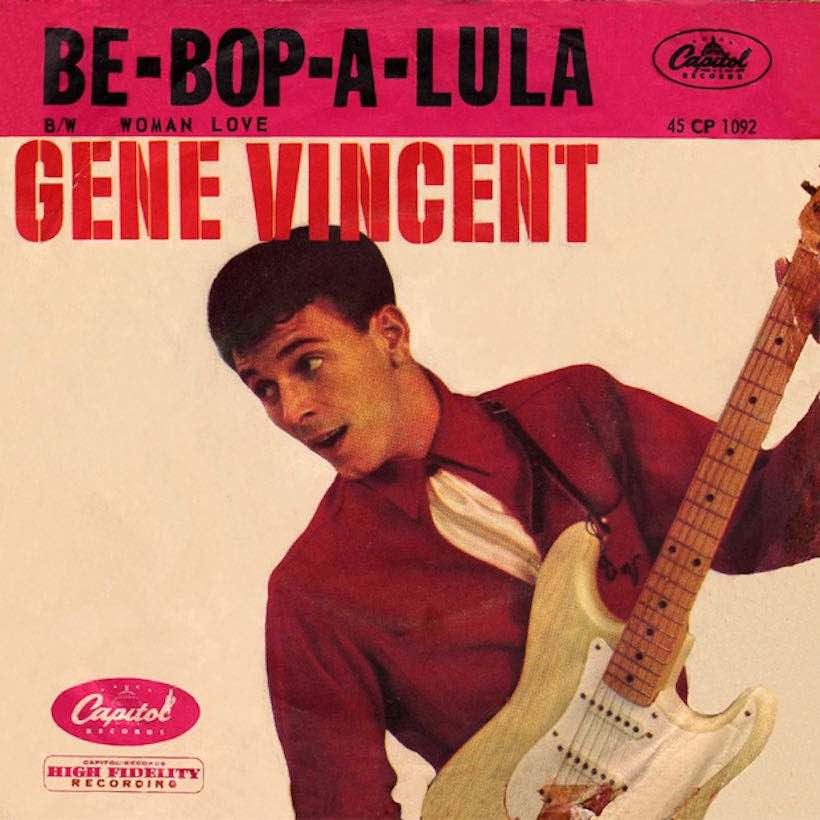
This song was recorded by Gene Vincent and the Blue Caps in 1956. The song was successful on three American singles charts as it peaked at #7 on the US Billboard pop music chart, #8 on the R&B chart, and also made the top ten on the C&W Charts, and #16 in the UK in 1956. In April 1957, the record company announced that over 2 million copies had been sold to date.
As far as the origin of the song…I reblogged a fellow blogger (Freefallin’) a couple of years ago with this song. Here is the story: Donald Graves—a buddy Gene Vincent made in a Portsmouth, Virginia, Veteran’s Hospital. Vincent—born Vincent Eugene Craddock in 1935—had just reenlisted in the U.S. Navy in the spring of 1955 when he suffered a devastating leg injury in a motorcycle accident. That injury would land him in hospital for more than a year, where a fellow patient remembers Vincent and Graves tooling around the facility working out the song that would eventually become a classic. By the time Gene Vincent’s demo tape reached Capitol Records the following spring, however, Graves had been bought out of his share in “Be-Bop-A-Lula” by Sheriff Tex (Vincent’s business manager), reportedly for just $25.
John Lennon covered it on his 1975 Rock and Roll album. As much as I’m a fan of Lennon…nothing touches the original but he does a great job.
Be Bop A Lula
Well be-bop-a-Lula she’s my baby Be-bop-a-Lula I don’t mean maybe Be-bop-a-Lula she’s my baby Be-bop-a-Lula I don’t mean maybe Be-bop-a-Lula she’s my baby doll My baby doll, my baby doll
Well she’s the girl in the red blue jeans She’s the queen of all the teens She’s the one that I know She’s the woman that loves me so
Say be-bop-a-Lula she’s my baby Be-bop-a-Lula I don’t mean maybe Be-bop-a-Lula she’s my baby doll My baby doll, my baby doll Let’s rock!
Well now she’s the one that’s got that beat She’s the woman with the flyin’ feet She’s the one that walks around the store She’s the one that gets more more more
Be-bop-a-Lula she’s my baby Be-bop-a-Lula I don’t mean maybe Be-bop-a-Lula she’s my baby doll My baby doll, my baby doll Let’s rock again, now!
Well be-bop-a-Lula she’s my baby Be-bop-a-Lula I don’t mean maybe Be-bop-a-Lula she’s my baby Be-bop-a-Lula I don’t mean maybe Be-bop-a-Lula she’s my baby doll My baby doll, my baby doll
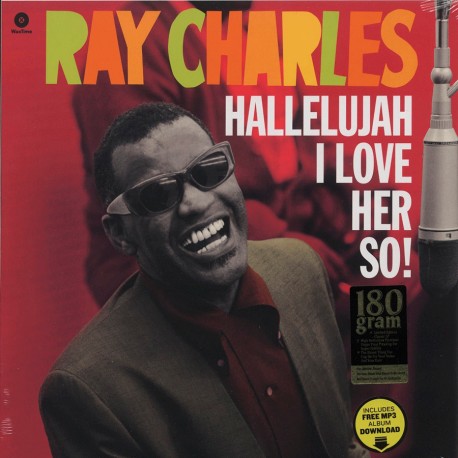
This is one of those songs where I could listen to it on a loop and be happy. Ray Charles wrote this song with a gospel feel to it. It was released in 1956 and it peaked at #5 in the R&B charts.
He went to a state school for the blind in St. Augustine, Florida. He became a professional musician after leaving there in 1945, after the death of his mother. A piece of advice that Ray’s mother gave to him: “You’re blind, not stupid.”
He moved to Seattle because it was the farthest, he could get from Florida. Jack Lauderdale, one of the first black record label owners, signed Charles to the Downbeat label, for whom Charles had his first hit in 1949, Confession Blues. The recording session for it was noteworthy for another reason…Charles recorded it while there was a musicians’ strike. The union fined him $600, his life savings at that point for the infraction.
Charles’ recording contract was sold to Atlantic Records in 1952, shortly after he moved to LA. He formed his own band in 1954 and started to release records.
This song was in the Quarrymen and early Beatles repertoire and a big influence. The first time I heard this song was on the Live! at the Star Club 1962 album released in 1977. The album was recorded in 1962 in the audience by “King Size” Taylor, lead singer of the Dominos. He claims he asked Lennon if that was alright and John verbally agreed to the group being recorded in exchange for Taylor providing the beer during their performances. It was recorded on a low-grade reel to reel in the audience. The Beatles tried to block the release but were unsuccessful. I for one am glad it wasn’t blocked.
It shows how raw they were in the early days. This was recorded right after The Beatles sacked Pete Best and Ringo was brought in.
The lead singer on the Beatles version was that famous Beatle named Horst Fascher. Actually, Horst was a protector of the band and the only favor he asked was to occasionally sing a song. Fascher meant a lot to the Beatles and he worked at the Hamburg clubs they played in.
According to Mark Lewisohn (author of Tune In)… Hamburg was very important to the Beatles. In their first trip to Hamburg, they accumulated around 415 hours of stage time. The Beatles had to be the most experienced rock group in the world, not just Liverpool. When they got back to Liverpool people were amazed and they were the number 1 band in their hometown from then on.
Eddie Cochran and George Jones made chart versions of this song.
Hallelujah I Love Her So
Let me tell you ’bout a boy (girl) I know He(She) is my baby and he (she) lives next door Ev’ry morning ‘fore the sun come up He (she) brings my coffee in my fav’rite cup That’s why I know, yes, I know Hallelujah, I just love him (her) so When I’m in trouble and I have no friends I know hel’ll (she’ll) go with me until the end Ev’rybody asks me how I know I smile at them and say he (she) told me so That’s why I know, yes, I know Hallelujah, I just love him (her) so
Now if I call him (her) on the telephone And tell him (her) that I’m all alone By the time I count from one to four,I hear him (her) on my door In the evening when the sun goes down When there is nobody else around He (she) kisses me and he (she) holds me tight He (And) tells me “Baby, (Daddy) ev’ry thing’s all right” That’s why I know, yes, I know Hallelujah, I just love him (her) so
This weekend will lean toward the 1950’s…we start it off with this instrumental.
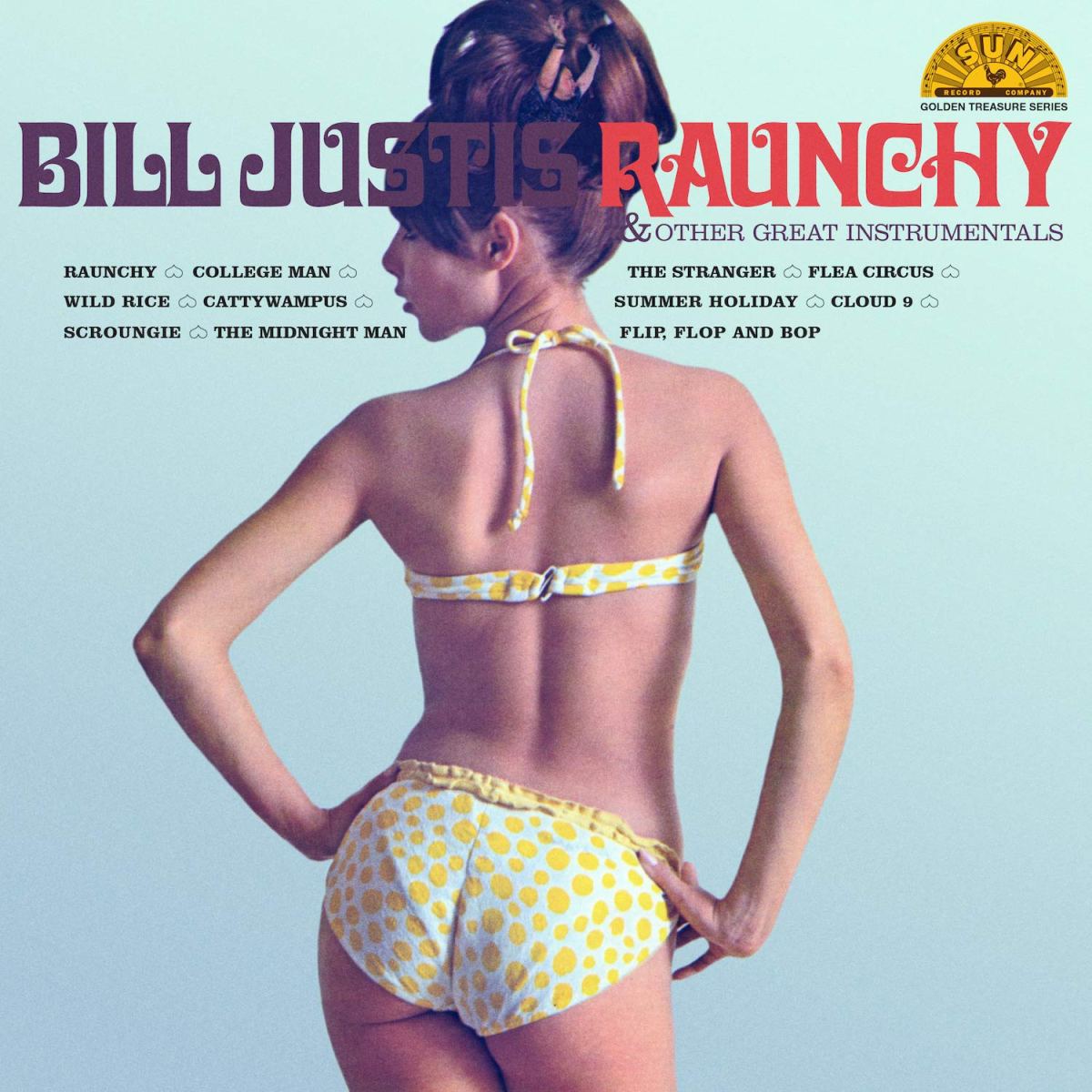
Back in 1950s Liverpool a young John, Paul, and George were riding on a bus and Paul was trying to get George Harrison in the Quarrymen. George was much younger and John had his doubts about letting the kid join. Paul asked young George to get his guitar out and play the instrumental Rauncy right there on the bus. John was impressed and the rest…as they say is history.
This was originally called “Backwards.” Justis changed the title when he heard someone enjoying the tune say that it was “raunchy,” which meant “messy” or “dirty” in ’50s teenage slang.
The song was written by Bill Justis and Sidney Manker who played that riff on the song.
Justis landed a job as musical director at Sun Records, run by Sam Phillips. During his time there, he arranged music for acts like Johnny Cash, Roy Orbison, Jerry Lee Lewis, and Charlie Rich. Meanwhile, he got the idea to record his own rock ‘n roll tune and enlisted some jazzmen and rock ‘n roll players for the session that produced “Raunchy.” When the sax player he hired fell ill, Justis stepped in. Although he’d long ago traded his trumpet for sax, he hadn’t played the instrument for a while, which resulted in a distinctive off tone that set the original instrumental apart from its many covers.
This instrumental peaked at #2 in the US Hot 100, #1 in the R&B Charts, and #6 in the Country Charts.
Bill Justis:“I read about how much money he had made out of rock ‘n roll so I said, ‘That’s for me!'” “So, I immediately set out for a record store and bought $80 worth of the all-time rock ‘n roll hits. I studied the stuff and found it was so simple, yet basic and savage, that it was difficult to perform.”
From Songfacts
Ernie Freeman covered this. It was a reversal of the usual process as Freeman was black and Justis was white. Freeman’s version hit #4 while Justis’ hit #2. Although both did extensive session work, “Raunchy” remains each act’s sole Top 40 hit.
George Harrison played this on his guitar for John Lennon when he was auditioning to be a member of The Quarrymen.
While working for his father’s roofing business in his native Memphis, Justis made the rounds in local dance bands as a trumpet player. When the office’s closing left him without a job, Justis decided to pursue music full time as an arranger. An article about Buck Ram, a prolific songwriter and producer who was integral in the vocal group scene of the ’50s, turned him on to rock ‘n roll.
Justis and Freeman weren’t the only performers to have a hit with “Raunchy” in 1957. Billy Vaughn also released a version that went to #10. Several other acts covered the tune, including Santo & Johnny, The Ventures, Duane Eddy, Scotty Moore, Alex Chilton, and Booker T. & The M.G.’s, among others.
Justis recorded this two more times: in 1962 for the album Bill Justis Plays 12 More Big Instrumental Hits and in 1969 for the album Raunchy & Other Great Instrumentals.
This was used in the movies The Loveless (1981), Great Balls Of Fire! (1989), Nowhere Boy (2009), and Camp X-Ray (2014).
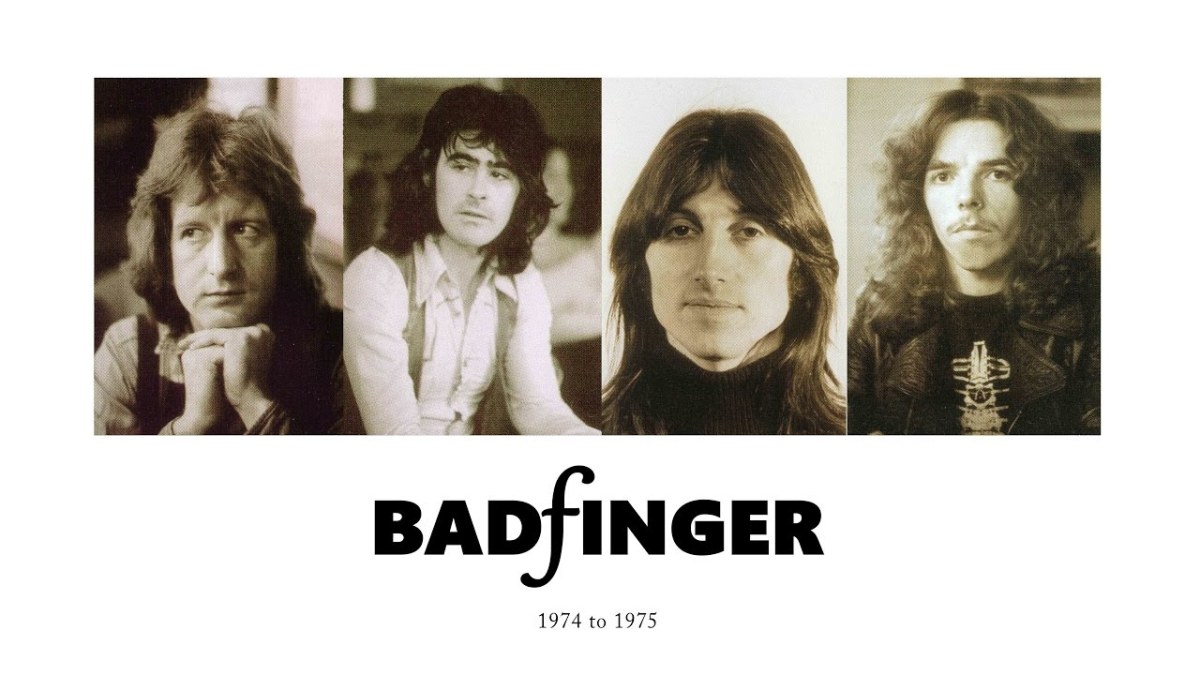
Lay Me Down was written by Pete Ham and is a wonderful pop/rock song. Another song that slipped through the cracks…I’ve heard Teenage Fanclub cover this one and I’ve liked it as well as their known hits. I want to thank everyone who stuck with me through four Badfinger songs since Thursday.
The song was on the album Head First. Joey Molland had just quit and was replaced by Bob Jackson.
Badfinger’s management replaced Chris Thomas as producer because he didn’t think they should make an album so soon (6 months) after their last album Wish You Were Here. The band felt the same but they had no control… Kenny Kerner and Richie Wise was picked to produce them, Wise had just become successful by producing KISS.
They recorded Head First in December 1974 – January 1975 after Wish You Were Here with new member Bob Jackson. While recording the album Warner Brothers wanted to know where thousands of dollars went to that disappeared from an escrow account (in the managers pocket).
WB’s sought to attach the royalties due from their previous album Wish You Were Here. Consequently, WB suspended sales of Wish You Were Here.
Although the master tapes of Head First were delivered to and accepted by WB’s recording division in Los Angeles, WB’s publishing arm there refused to accept them because of the lawsuit. With a lack of publishing protection, the record division shelved the tapes and the album was not released.
The album was stuck in limbo for 26 years. It wasn’t released until 2000. I went out and bought this the day it was released at Tower Records. On a couple of songs, Hey Mr Manager and Rock and Roll Contract, they are taking aim at their management and frustration. The songs that stand out to me are Lay Me Down, Hey Mr. Manager, Rock N’ Roll Contract, and Keep Believing. A good album and I wish it would have had a chance at the time it was recorded.
This song would have had a chance to chart.
This would be the last album released by Badfinger with Pete Ham. He would die 3 months after they finished the album. Tom Evans and Joey Molland would revive Badfinger in the late seventies and release two albums. They did have two minor hits.
Lay Me Down
Need your loving Need your loving Need your loving It’s everything to me
Need your loving Need your loving Need your loving It’s everything to me
Take me high take me low Show me anything that you know But tonight little lover lay me down Make me laugh make me sigh tell me how and tell me why But tonight lover little lay me down
Lay me down move me round Let me hear your loving sound In our mess we are blessed with our love Take and give take and live all the love that we have found And just send all our problems away
Play me fun play me sad Tell me things that could make you glad But tonight lover little Lay me down Lay me down Need you loving
Play to share play to care You can play with me anywhere But tonight lover little lay me down But tonight lover little lover lay me down Lay me down Need your loving








 PowerPop... An Eclectic Collection of Pop Culture