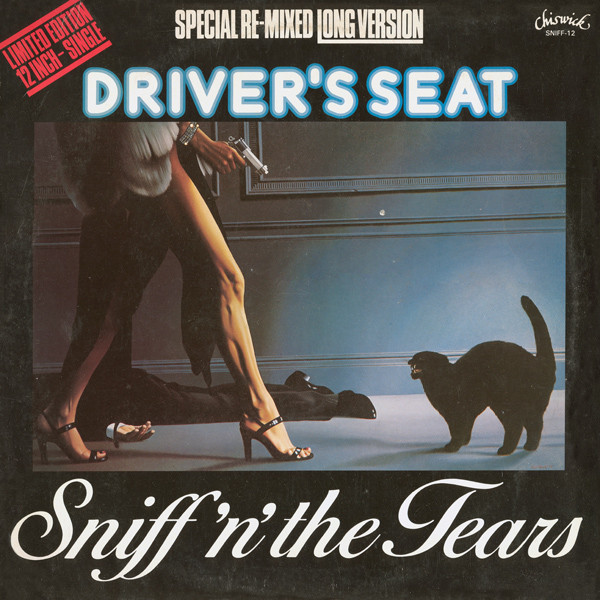
This song took a few listens but then I started to like it. It peaked at #15 on the Billboard 100, #17 in Canada, and #42 in the UK charts. The song ended up being Sniff ‘n’ the Tears biggest hit.
The song was a failure in the UK but more successful in the US where it hit the top twenty in 1979. It was a hit almost everywhere but in the UK. In the UK they were set up for success. They managed to snag a Top of the Pops appearance when it came out. They filled in for the Gang of Four who dropped out at the last moment. The week after it was released… the EMI pressing plant went on strike and you couldn’t buy Driver’s Seat for four or five weeks.
An early version of this song was demoed back in 1973 by singer/guitarist Paul Roberts’ then-band Ashes of Moon for a French label. However, that band broke up, and, at the suggestion of drummer Luigi Salvini, Roberts reformed it as Sniff ‘n’ the Tears with guitarists Laurence “Loz” Netto and Mick Dyche, and bassist Chris Birkin.
They shopped the demo tape and signed with the London indie label Chiswick in 1977. Sniff ‘n’ The Tears found a good audience outside the UK until they broke up in 1983. They reformed in 1992 after Driver’s Seat featured in a Dutch TV ad for Pioneer Stereos. They were truly a one-hit-wonder in the US. They did have a single to peaked at #108 called New Lines on Love.
Paul Roberts (singer):It was a pretty massive hit everywhere apart from Britain, Britain is perverse in some respects, but it did get a lot of radio play. We were accused of ripping off Dire Straits. I never understood that, but I think it was more that we were different to the post-punk scene.
Driver’s Seat
Doing all right A little jiving on a Saturday night And come what may Gonna dance the day away
Jenny was sweet She always smiled for the people she meet On trouble and strife She had another way of looking at life
The news is blue (The news is blue) Had it’s own way to get to you What can I do? (What can I do? ) When I remember my time with you
Pick up your feet Got to move to the trick of the beat There is no elite Just take your place in the driver’s seat Driver’s seat, driver’s seat, yeah Doing all right A little jiving on a Saturday night And come what may Gonna dance the day away Driver’s seat, driver’s seat, yeah Jenny was sweet There is no elite Pick up your feet, pick up, pick up Pick up your feet, gonna dance the day away Driver’s seat, driver’s seat, yeah Driver’s seat, driver’s seat, yeah
***I have a bonus below the videos…an interview I did with a real DJ…Keith Allen (who is in our draft) about WKRP.***
I was 11 when this show aired. It was one of the shows from the late 70s that I wouldn’t miss.
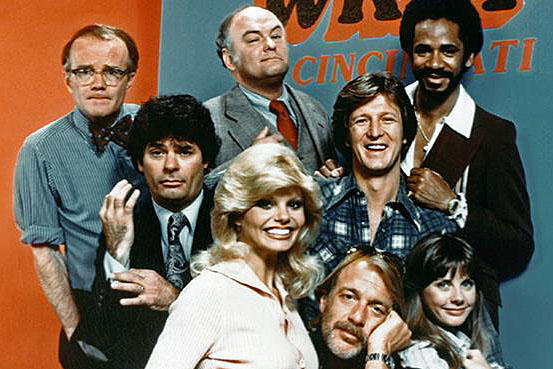
This show was not like the Mary Tyler Moore Show, Bob Newhart, or All In The Family. Those are great shows…some of the best ever sitcoms…but they were aimed more at adults while this one I always felt was largely aimed at teenagers. The show aired from 1978 to 1982. Rock and Roll on a sitcom was not common at that time at all. It was the hippest show on television in primetime.
WKRP in Cincinnati” was produced by MTM – the studio Mary Tyler Moore and Grant Tinker built that produces shows such as The Bob Newhart Show, Mary Tyler Moore Show, Phyllis, The White Shadow, Rhoda, and many others.
The episode I remember the most having an effect on me was about the horrible event in 1979 when eleven people were killed at a Who concert in Cincinnati’s Riverfront Park. The show handled the tragic situation very well.
The plot…to make it short was about a Program Director (Andy Travis) who had a perfect record in turning bad radio stations around joins the staff at WKRP. The station is at the bottom of the ratings and he wants to change the format to Rock from Laurence Welk type music which is met with trepidation from the oddball staff. Actual radio DJs were excited because they loved that the show portrayed sides of the industry you never see. They were such big fans that they would send in bumper stickers, posters, and other items that were used to decorate the walls in the TV radio station studio. Howard Hesseman who played Dr. Johnny Fever was a DJ in the 60s in San Francisco.
The show would feature new rock music as well as old. Blondie gave the show one of their gold records in appreciation because the show played “Heart of Glass” and helped to make it number 1.
When you watch the reruns…they don’t look as clear as some of the other shows of the era. Unlike Cheers, The Bob Newhart Show, Mary Tyler Moore, or M*A*S*H… WKRP was shot on videotape instead of film. That’s why WKRP reruns are murky, instead of the pristine clarity of filmed shows
The show also caught radio before it started the change. The change was giant companies buying radio stations and having them pre-program shows without local flavor. It was beginning during the show’s run. Slowly but surely the radio would be taken over by monopolies and we would lose some of the attachments we had to local DJ’s… MTV came and made the divide wider.
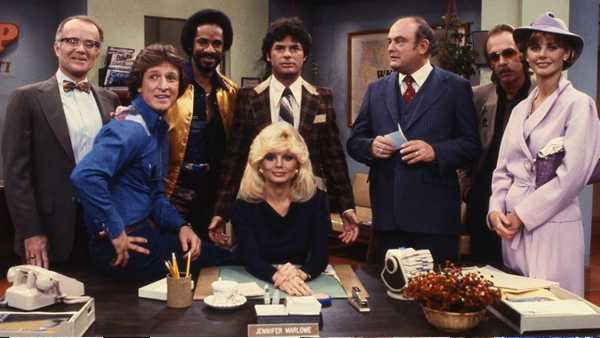
Close to 10 years after WKRP in Cincinnati had left the air, The New WKRP in Cincinnati premiered in 1991. Rejoining the cast was Gordon Jump (Arthur Carlson), Richard Sanders (Les Nessman), Howard Hesseman (Dr. Johnny Fever), and Frank Bonner (Herb Tarlek). Both Tim Reid and Loni Anderson made guest appearances but Jan Smithers and Gary Sandy decided to skip it.
Before I end I must mention an iconic episode that is always remembered. The Turkeys Away episode. Forty live turkeys were dropped from a helicopter onto an unsuspecting Cincinnati shopping mall below. In what was supposed to be a Thanksgiving giveaway promotion, the station’s manager… Arthur “Big Guy” Carlson….decided to drop live turkeys from a helicopter.
At the end, Mr. Carlson says the phrase that elevates the episode to a classic. “As God as my witness, I thought turkeys could fly”
How close was WKRP to real stations? See below the videos…
The extended theme song by Steve Carlisle Wkrp In Cincinnati peaked at #65 on the Billboard 100 in 1979.
The Cast
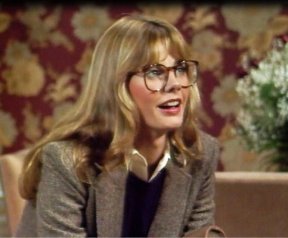
Bailey Quarters – Jan Smithers – A shy soft-spoken lady in charge of billing and station traffic soon worked herself up to an on-air personality and other duties. She and Jennifer on the show were a bit like Mary Ann and Ginger on Gilligans Island…my pick is Miss Quarters any day of the week!
Andy Travis – Gary Sandy –Andy comes to the station as the new Program Director to turn the station around and finds the station’s employees…are like from the Island of Misfit Toys. He finds their strengths and tries to make it work. His character was based on real-life Program Director Mikel Herrington.
Dr. Johnny Fever – Howard Hesseman – Fun Fact…David Cassidy was offered this role but turned it down. The role ultimately went to Howard Hesseman, but only after he was invited to read for Herb Tarlek’s character and flatly refused to read anything but Johnny.
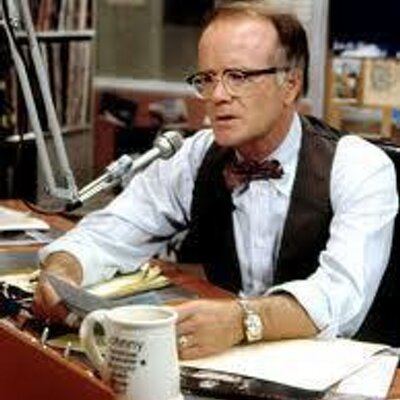
Johnny had been around for a while and was fired off a Los Angeles radio station for saying booger on air. He was probably my favorite character…next to Bailey…on the show when I first watched. Dr. Johnny Fever was based on real DJ “Skinny” Bobby Harper.
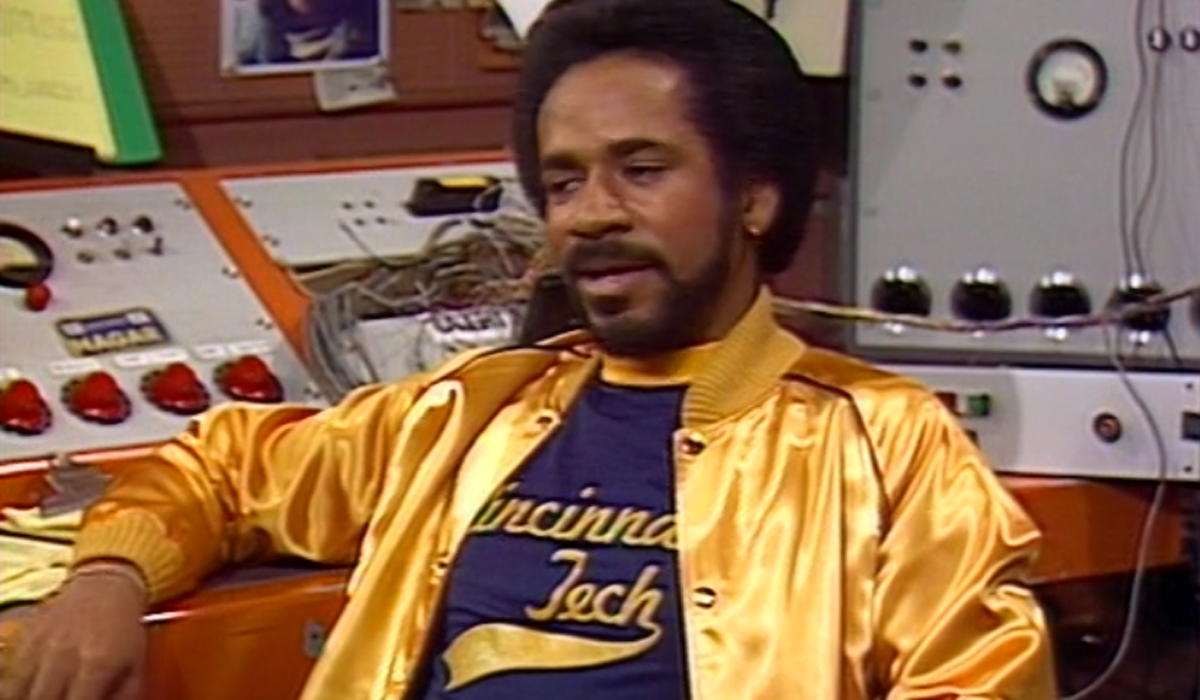
Venus Flytrap – Tim Reid – Venus was the night DJ and was one of the smoothest DJ’s ever…Venus wears 70’s type flashy clothes and in the series eventually becomes Assistant Program Director. Venus was the coolest character on the show.
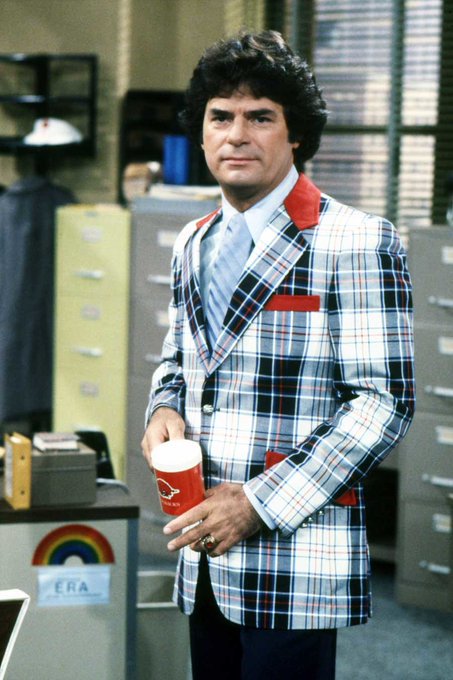
Herb Tarlek – Frank Bonner – Herb was a salesman and dressed very tacky and loud. He hits on Jennifer at every opportunity, despite being married… but gets turned down constantly.
Jennifer Marlowe – Loni Anderson – She was Ginger to Bailey’s Mary Ann. Mr. Carlson’s receptionist…she was the highest-paid employee at the station even though refusing to do most things that receptionists are required to do. She was very intelligent though and Anderson demanded that before taking the role.
Arthur Carlson – Gordon Jump – The lovable but ineffective station manager who is the son of the station’s owner. He never wanted to know what was going on…, but when he tries to be hands-on…it leads to disastrous results (see Turkey’s Away episode)
Les Nessman – Richard Sanders – The incompetent News Director…Les was obsessed with the region’s hog farming industry…constantly mispronounced names… ignored obvious news stories for Hog Reports…but he would win the Silver Sow Award and The Buckeye Newshawk Award. He also had an invisible office with invisible walls that the station could not afford to build.
I interviewed a DJ…and he is Keith Allen who is in the TV Draft. I asked him
WKRP, what about it is realistic and what is not?
LOL – DJ’s and other radio people get asked this a lot! I guess it depends on who you ask. Here are my thoughts –
Are there sales people like Herb? Yes. Are they as annoying? Yes!
Are all news people like Les? No, but there are plenty other folks in the biz like him.
Do all stations have a sexy secretary/receptionist? Some of the stations I worked at did.
Are all General Managers like Mr. Carlson? No, some are actually quite bright and know their stuff.
Do DJ’s usually give their program directors (like Andy) a headache? Yes. Very much so!
Do Programmers and General Managers often not see eye to eye on what’s going on with the station? Many times this is true.
Can you get fired for saying “booger” on the air? I don’t think so. We spent an entire morning talking about how those green raisins look like boogers and we weren’t fired.
Do many DJ’s have big egos like Venus and weird idiosyncrasies like Johnny? Yes, and you know it almost immediately when you meet them.
In many ways, WKRP is very realistic and while radio people probably find the show funnier than the average viewer, we also find one thing particularly annoying – the DJ’s don’t wear headphones in the studio. When a DJ turns on the microphone, the speakers in the studio shut off so there is no feedback. The DJ can hear the music and his/her voice in the headphones, so they know when to stop talking. These guys never seem to have headphones on and it has always bothered me.
They also seem to have the uncanny ability to throw a record on the turntable and have the song cued up immediately. I never had to spin vinyl until I moved to the west side of the state. I can tell you, you have to put the needle on the start of the groove, play it through a small cue speaker and wait for the song to start. You then stop it and turn the record back a ¼ turn, so that when you hit start, it plays at the right speed and doesn’t wind up to it. Carts are a whole lot easier, but almost all the music on WKRP is on vinyl.
I first noticed this song on the concert film The Festival Express a few years ago. I’ve heard the two studio versions but that live version is the one I like best. It’s something about it I really connect to. Garcia and Weir sound great singing together along with Pigpen playing the harmonica. It’s just a simple blues-type song but it works well for me anyway.
As soon as I heard it I took one of my acoustic guitars off the wall and kept running back the video file back and playing with them…I didn’t think they would mind.
This song was first released by the Dead in 1966 as their first single with Stealin on the flip side. That version is good and it reminds me of the band Them…not the voice but the music. They also released it again on their Go To Heaven album in 1980 but that version to me is a little too slick. The version on Festival Express shows all the ragged edges in the best way. It is pure Americana. They would do it live many times later on but I still go back to the Festival version.
They also covered it before they were the Grateful Dead. They started off as a jug band called Mother McCrees Uptown Jug Champions and most likely covered it when they were called the Warlocks.
They might have heard the version of the song by Henry Thomas…an old blues artist that lived from 1874 to around 1930. If you want to learn more in detail about Thomas and this song go here to Jim’s site. It also sounds close to a song by Jelly Roll Morton called Don’t You Leave Me Here. On the Go To Heaven album, it’s credited to “traditional arranged by The Grateful Dead.” The single that was released in 1966 was credited to Garcia but I’ve read where he didn’t authorize that and didn’t ask for a credit.
Speaking of the Festival Express…it was The Transcontinental Pop Festival… better known as the Festival Express. Great idea on paper… rounding up musicians in 1970 and placing them on a train going across Canada and stopping along the way to play festivals. What could go wrong? Actually, I would have loved to have been on that train. The lineup: The Band, The Grateful Dead, Janis Joplin, Buddy Guy Blues Band, The Fly Burrito Brothers, Sha Na Na, and Delaney & Bonnie & Friends.
There were artists that were not in the film like Traffic, Ten Years After, Tom Rush, Ian & Sylvia, Mountain, and more.
A DVD was released of this in 2004. All these musicians were on a train full of liquor and an assortment of drugs… liquor was the popular choice among the musicians on this ride. The tour was to have events in Montreal, Toronto, Winnipeg, Calgary, and Vancouver. The Montreal event was canceled as was Vancouver. In Toronto, protesters were saying the festival promoters were price gouging so The Grateful Dead played a free concert in a park nearby to ease tensions with the protesters.
When watching the film you can see the performers are having a ball jamming with each other because they didn’t get a lot of chances to do that on the road.
Here is the link to the full movie free on youtube…if you have time…it’s worth it!
Bill Kreutzmann (drummer for the Dead): We celebrated Janis Joplin’s birthday at the last stop the traditional way: with birthday cake. In keeping with our own kind of tradition, somebody—within our ranks, I would imagine—had secretly infused the cake with a decent amount of LSD. So it quickly became an electric birthday celebration. Allegedly, some generous pieces of that birthday cake made it to the hands and mouths of the local police who were working the show. “Let them eat cake!” (To be fair, I didn’t have anything to do with that … I was just another cake-eating birthday reveler, that night.) And that was it for the Festival Express. It was a wonderful time and I think what really made it great was the level of interaction and camaraderie among the musicians, day and night, as we were all trapped on this train careening across the great north. It probably helped that we were all trashed the entire time. Whiskey was in the conductor’s seat on that ride.
I would recommend getting the DVD of this event. It’s a great time capsule of that time in music and culture.
Don’t Ease Me In
Don’t ease, don’t ease, don’t ease me in I’ve been all night long coming home, don’t ease me in
I was standing on the corner, talking to Miss Brown When I turned around, sweet mama, she was way across town So I’m walking down the street, with a dollar in my hand I’ve been looking for a woman, sweet mama, ain’t got no manDon’t ease, don’t ease, don’t ease me in I’ve been all night long coming home, don’t ease me inThe girl I love, she’s sweet and true You know the dress she wears, sweet mama, it’s pink and blue She brings me coffee, you know she brings me tea She brings about every damn thing, but the jailhouse keyDon’t ease, don’t ease, don’t ease me in I’ve been all night long coming home, don’t ease me inDon’t ease, don’t ease, don’t ease me in I’ve been all night long coming home, don’t ease me inDon’t ease, don’t ease, don’t ease me in I’ve been all night long coming home, don’t ease me in
Talking to Miss Brown Well I turned around, sweet moma She was way cross town
So I’m walking down the street With a dollar in my hand I’ve been looking for a woman, sweet moma Ain’t got no man
The girl I love She’s sweet and true You know the dress she wears, sweet moma It’s pink and blue
She brings me coffee You know she brings me tea She brings ’bout every damn thing But the jailhouse key
The last time I posted a Steppenwolf song (Sookie Sookie)…a fellow blogger obbverse reminded me of this one and it had been a long time since I heard it.
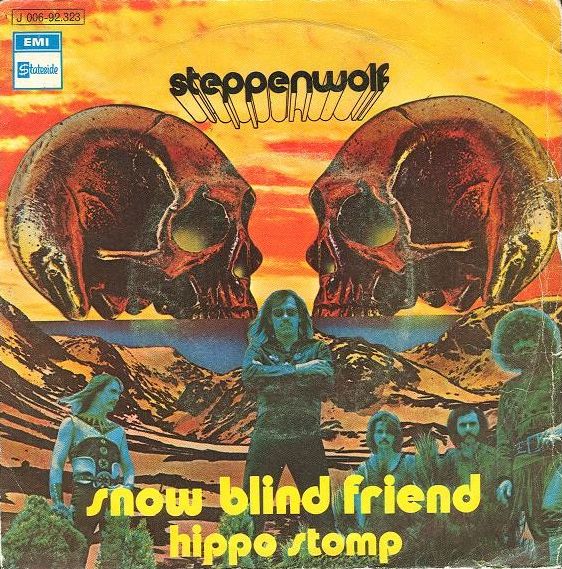
Snowblind Friend was written by Hoyt Axton, who first released it on his 1969 album My Griffin Is Gone. The song was written about one of his musician friends who died of a drug overdose. Hoyt did not glamorize drug use in this song. He had his own problems with drug addiction and did what he could to warn of the dangers
Stoned on some new potion he found upon the wall Of some unholy bathroom in some ungodly hall
Hoyt Axton wrote so many songs…one of them was Joy To The World, he wrote it around the same time as Snowblind Friend. Steppenwolf was offered Joy To The World but they passed. It ended up going to Three Dog Night… who took it to number 1. What I wouldn’t give to hear a Steppenwolf version of Joy to the World!
This song introduced the word “snowblind” to the rock music lexicon to describe addiction, specifically to cocaine. The insidiousness of the drug and its grip on the user has never been conveyed so accurately and poignantly.
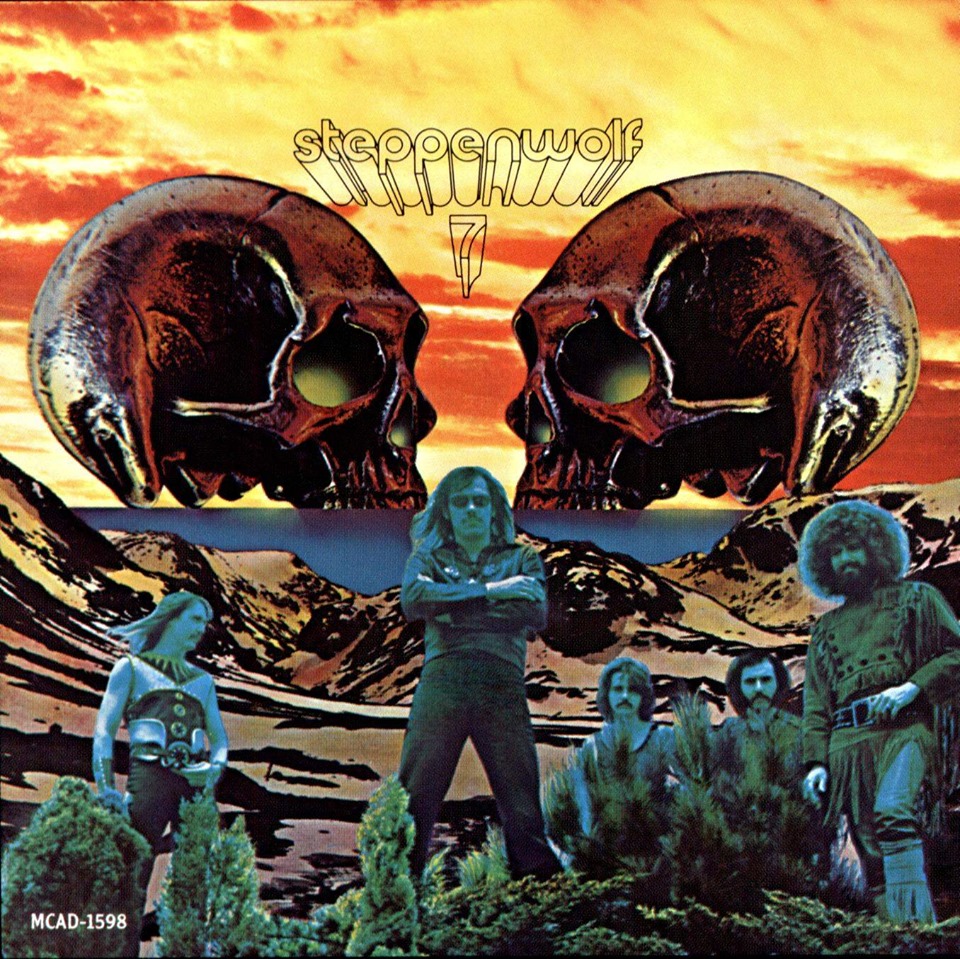
Steppenwolf 7
Snowblind Friend peaked at #60 in the Billboard 100 and #37 in Canada in 1970. It was on the album Steppenwolf 7 and it peaked at #19 in the Billboard Album Charts and #14 in Canada. This would be Steppenwolf’s last top 20 album in their career. They did have a Greatest Hits album that peaked at #24 the following year.
They are not in the Hall of Fame yet but were nominated in 2017 but didn’t make it. In 2018 the Hall did pick “Born to Be Wild” as one of the first five singles that shaped rock and roll to be inducted into the hall in its history.
Altogether they had 13 studio albums, 5 live albums, and 21 singles. 8 of the albums were in the top 40 and 7 of their singles were in the top 40. In Canada they were very popular…they had two #1’s in Born To Be Wild and Magic Carpet Ride and 11 singles in the top 40.
John Kay:“That song spoke to me because I knew the person that the song was written about. That’s why I decided, as a tribute to this young man, that we would do a version of it on the Steppenwolf 7 album.”
This is a TV special on the Steppenwolf 7 album
Snowblind Friend
You say it was this morning when you last saw your good friend Lyin’ on the pavement with a misery on his brain Stoned on some new potion he found upon the wall Of some unholy bathroom in some ungodly hall He only had a dollar to live on ’til next Monday But he spent it on some comfort for his mind Did you say you think he’s blind?
Someone should call his parents, a sister or a brother And they’ll come to take him back home on a bus But he’ll always be a problem to his poor and puzzled mother Yeah he’ll always be another one of us He said he wanted Heaven but prayin’ was too slow So he bought a one way ticket on an airline made of snow Did you say you saw your good friend flyin’ low? Flyin’ low Dyin’ slow
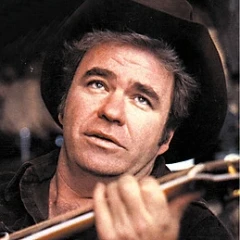
I cannot remember the first time I heard this song but I heard it alot growing up. The imagery of the lyrics is a lot of fun. It’s country but it’s also a little rock and a little blues. It’s hard to classify many of his songs although he was mainly known for being a country singer and songwriter. He also ventured out into garage rock, folk, and hard rock with his songs.
Hoyt Axton:“I’m one of those fringe dudes: half folkie, half hippie, half Okie. My input has been very eclectic. I was always surrounded by all kinds of music, as my family moved around the country: jazz, classical, gospel, whatever… the influences enter from a lot of directions.”
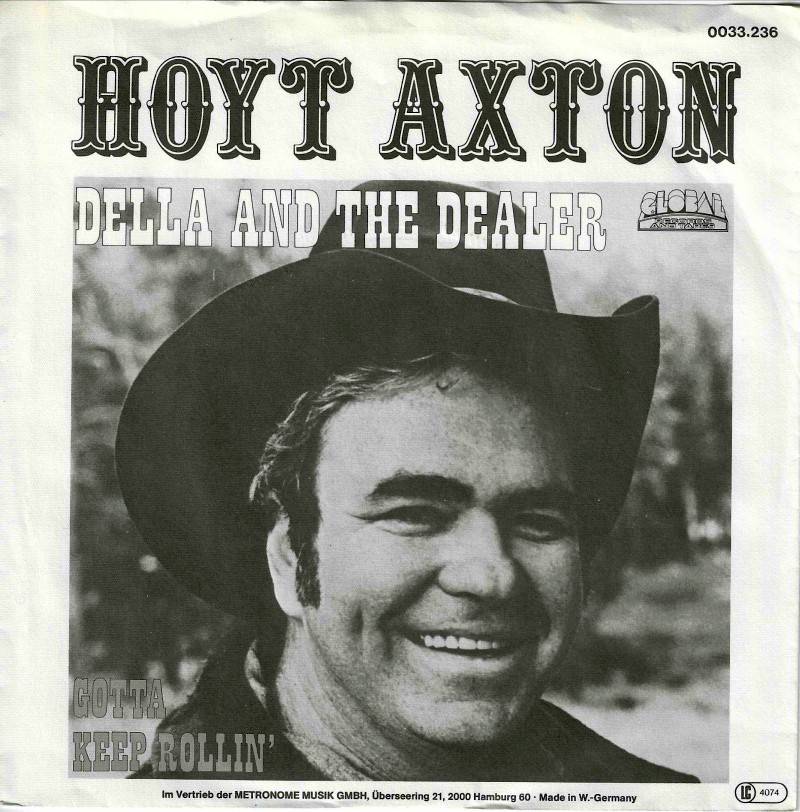
Hoyt Axton was a talented artist. He was a singer, songwriter, and actor. We all know his songs. Joy To The World, Never Been To Spain, Snowblind Friend, The Pusher, The No, No Song, and When the Morning Comes. He was also in a number of movies, commercials, and tv shows. The movie I remember him most for was Gremlins. Axton always came off as incredibly likable.
Hoyt Axton’s mom could write songs herself…Mae Boren Axton, a songwriter, co-wrote the classic rock “Heartbreak Hotel”, which became a major hit for Elvis and an iconic rock song. Now that is a cool mom.
Axton had his big hits with other people singing his songs. His composition “Joy to the World”, as performed by Three Dog Night, was #1 on the charts for six straight weeks in 1971, making it the top hit of the year. He named his record label Jeremiah after the bullfrog mentioned in the song.
Axton had an addiction problem early in his career. He wrote songs about it like Snowblind Friend, The Pusher, and The No No Song which Ringo covered.
There are a lot of theories about this song. The dog and cat are real people. He is being purposely vague as they were all involved in some shady dealings…hanging out with what is obviously a drug dealer and murderer, but the narrator is no snitch….he’s a “cool cat.” There are a lot of theories about the song…it’s a fun story song regardless.
This song was released in 1979 and peaked at #17 on the Billboard Country Charts. It was on his album A Rusty Old Halo that peaked at #27 in the Billboard Country Charts and #14 in the Canada Album Charts.
Hoyt Axton passed away on October 26, 1999, at the age of 61.
On November 1, 2007, Axton and his mother were both inducted posthumously into the Oklahoma Music Hall of Fame in Muskogee, Oklahoma.
Tomorrow I have another Axton song but not with Hoyt singing.
Della and the Dealer
It was Della and the Dealer and a dog named Jake And a cat named Kalamazoo. Left the city in a pick up truck, Gonna make some dreams come true.
Yea, they rolled out west where the wild sunsets And the coyote bays at the moon. Della and the Dealer and a dog named Jake and a cat named Kalamazoo
If that cat could talk what tales he’d tell About Della and the Dealer and the dog as well But the cat was cool, and he never said a mumblin word.
Down Tucson way there’s a small cafe Where they play a little cowboy tune. And the guitar picker was a friend of mine By the name of Randy Boone.
Yea, Randy played her a sweet love song And Della got a fire in her eye The Dealer had a knife and the dog had a gun and the cat had a shot of Rye.
If that cat could talk what tales he’d tell About Della and the Dealer and the dog as well But the cat was cool, and he never said a mumblin word.
Yea, the dealer was a killer, He was evil and mean And he was jealous of the fire in her eyes.
He snorted his coke through a century note And swore that Boone would die.
The stage was set when the lights went out. There was death in Tucson town. Two shadows ran for the bar back door And one stayed on the ground
If that cat could talk what tales he’d tell About Della and the Dealer and the dog as well But the cat was cool, and he never said a mumblin word.
Two shadows ran from the bar that night And dog and cat ran too. And the tires got hot on the pick up truck As down the road they flew.
It was Della and her lover and a dog named Jake And a cat named Kalamazoo. Left Tucson in a pick-up truck Gonna make some dreams come true.
If that cat could talk what tales he’d tell About Della and the Dealer and the dog as well But the cat was cool, and he never said a mumblin word.
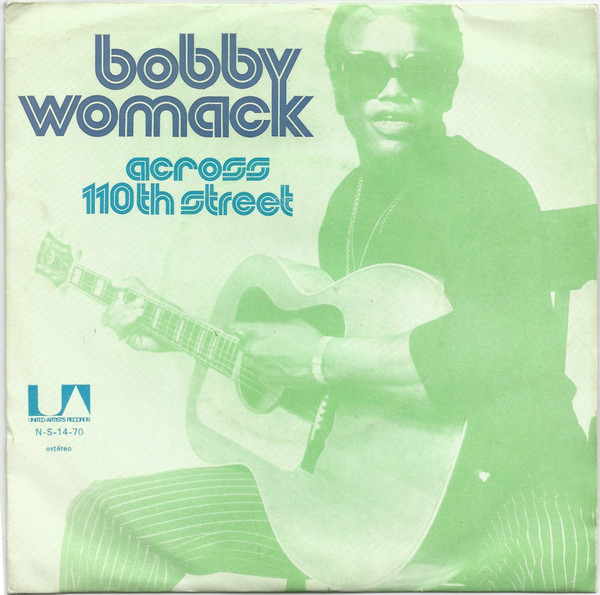
I first heard this song in the 80s and later on, I heard it in a Tarantino movie called Jackie Brown. You feel like you are walking down that Street in 1973 with this song. You can see the sights and feel the grime as the song finishes. It’s R&B, Soul, and a touch…just a small touch of Motown in the background.
Across 110th Street Pimps trying to catch a woman that’s weak Across 110th Street Pushers won’t let the junkie go free Across 110th Street Woman trying to catch a trick on the street, ooh, baby Across 110th Street You can find it all in the street
Bobby Womack’s 1973 hit single Across 110th Street was the title song from Barry Shear-directed movie starring Anthony Quinn for which Womack provided the soundtrack music. The song peaked at #56 on the Billboard 100 and #19 in the R&B Charts. The song was written by Bobby Womack and J.J. Johnson.
It was used in the movie by Quentin Tarantino “Jackie Brown” in 1997 and featured in the 2007 movie “American Gangster.” I’m glad that it has had a revival of sorts and didn’t get lost in history.
Bobby Womack was asked if he noticed his audience changed after this song.
Bobby Womack: I did simply because, at that particular time, that was a change for me, to record with orchestration like that. Across 110th Street had meaning, because although I lived on Central Avenue in Cleveland Ohio [growing up], it was like Across 110th Street. That’s what made me in the frame of mind to write the lyric as I did, because it sort of typified me and my brothers growing up.
I was the third brother of five Doing whatever I had to do to survive I’m not saying what I did was all right Trying to break out of the ghetto was a day-to-day fight
Been down so long, getting up didn’t cross my mind But I knew there was a better way of life that I was just trying to find You don’t know what you’ll do until you’re put under pressure Across 110th Street is a hell of a tester
Across 110th Street Pimps trying to catch a woman that’s weak Across 110th Street Pushers won’t let the junkie go free Across 110th Street Woman trying to catch a trick on the street, ooh, baby Across 110th Street You can find it all in the street
Ooh, ooh-ooh-ooh, ooh-ooh-ooh, oh-oh-oh
I got one more thing I’d like to talk to y’all about right now
Hey, brother, there’s a better way out Snorting that coke, shooting that dope, man, you’re copping out Take my advice, it’s either live or die You got to be strong if you want to survive
The family on the upper side of town Would catch hell without a ghetto around In every city you’ll find the same thing going down Harlem is the capital of every ghetto town Help me sing it
Across 110th Street Pimps trying to catch a woman that’s weak Across 110th Street Pushers won’t let the junkie go free Oh, across 110th Street A woman trying to catch a trick on the street, ooh, baby Across 110th Street You can find it all In the street Yes, you can
Oh, look around you, look around you Look around you, look around you Yeah Yeah
I remember this song on the radio in the seventies. Of all places, it was played a lot at our local skating rink. It’s high on the list of my favorite songs. It wasn’t the best song written by Garcia and Hunter but I can listen to it at any time. Probably the first Dead…or close to a Dead song I ever heard. The song has stuck with me my entire life.
Jerry Garcia played most of the instruments on this album except drums and Dead drummer Bill Kreutzmann handled those. Sugaree was on the Garcia album released in 1972. He had teamed up with other players in the past but this was his first solo album. The song peaked at #94 on the Billboard 100 in 1972. I always liked the vague lyrics to this song. I first thought it was about death… you can take it a lot of ways.
The Grateful Dead did this live many times…Jerry Garcia and Robert Hunter wrote this song. The Dead made their reputation live. They got very little radio play and didn’t sell many albums, but they are one of the top-grossing concert acts of all time.
Like the Allman Brothers, they formed a family atmosphere with their crew and it extended to their audience. From the early Kool-Aid acid tests to later on allowing the audience to tape their shows drew their audience closer. They would later give them their own section to record in…while other bands like Led Zeppelin would send people to bust their tape recorder or head. Garcia commented:Well, my feelings are, the music is for the people…I mean after it leaves our instruments it’s of no value to us, ya know what I mean? it’s like, ya know…what good is it? So it might as well be taped, my feeling is that..and if people enjoy taping it and enjoy having the tapes to listen to, that’s real great. “
They never played the same show twice. They would take songs in different directions and Garcia has said that he couldn’t play something twice the same. He just wasn’t built like that. That made every show unique…not that every show was great. The Dead has admitted they had their share of bad ones.
On Deadheads following them around the country: “Well, it’s obviously very important to them. And more than that, it’s giving them an adventure. They have stories to tell. Like, “Remember that time we had to go all the way to Colorado and we had to hitchhike the last 400 miles because the VW broke down in Kansas.” Or something like that. Y’know what I mean? That’s giving them a whole common group of experiences which they can talk about. For a lot of people, going to Grateful Dead concerts is like bumping into a bunch of old friends.”
Bill Kreutzmann…if you get a chance read his book Deal: My Three Decades of Drumming, Dreams, and Drugs with the Grateful Dead. I covered it here a while back. It’s an education in the rock world…or the Dead world of the 60s through the 90s. If you are offended by drugs, sex, and great music…pass it by.
Robert Hunter: “Sugaree was written soon after I moved from the Garcia household to China Camp. People assume the idea was cadged from Elizabeth Cotten’s ‘Sugaree,’ but, in fact, the song was originally titled ‘Stingaree,’ which is a poisonous South Sea manta. The phrase ‘just don’t tell them that you know me’ was prompted by something said by an associate in my pre-Dead days when my destitute circumstances found me fraternizing with a gang of minor criminals. What he said, when departing, was: ‘Hold your mud and don’t mention my name.’
“Why change the title to ‘Sugaree’? Just thought it sounded better that way, made the addressee seem more hard-bitten to bear a sugar-coated name. The song, as I imagined it, is addressed to a pimp. And yes, I knew Libba’s song, and did indeed borrow the new name from her, suggested by the ‘Shake it’ refrain.”
Bill Kreutzmann Drummer for the Dead:The album, Garcia, was cut at Wally Heider Studios in July 1971 and released by Warner Brothers the following January. There are a lot of songs on there that became Grateful Dead mainstays, in addition to “Deal”—we’re talking about straight-up classics like “Sugaree,” “Loser,” and “The Wheel.” Also, “Bird Song” is on there, which, to this day, is one of my all-time favorite Dead songs and one of my absolute favorite songs to play live (along with “Dark Star” and “The Other One”).
When I want musicians I’m playing with to learn any of those songs, I give them the Garcia versions. They’re just so good. I had a really great time making that album. Dealing exclusively with Jerry was the most effortless thing in the world. I didn’t have to do anything other than be myself. And play.
Cocaine was our special guest throughout those recording sessions, but you’d never be able to tell because everything was very laid back. I have no idea how we were able to do that, because cocaine isn’t exactly known for its relaxing properties. Maybe it was just the dynamic between us that made it all so … easy.
Sugaree
When they come to take you down When they bring that wagon round When they come to call on you and drag your poor body down
Just one thing I ask of you Just one thing for me Please forget you knew my name My darlin Sugaree
Shake it, shake it Sugaree Just don’t tell them that you know me
You thought you was the cool fool Never could do no wrong Had everything sewed up tight How come you lay awake all night long?
Just one thing I ask of you Just one thing for me Please forget you knew my name My darlin Sugaree
Shake it, shake it Sugaree Just don’t tell them that you know me
You know in spite of all you gained you still have to stand out in the pouring rain One last voice is calling you and I guess it’s time you go
Just one thing I ask of you Just one thing for me Please forget you knew my name My darlin Sugaree
Shake it, shake it Sugaree Just don’t tell them that you know me
Shake it up now, Sugaree I’ll meet you at the Jubilee If that Jubilee don’t come Maybe I’ll meet you on the run
One thing I ask of you Just one thing for me Please forget you knew my name my darling Sugaree
Shake it, shake it Sugaree but don’t tell them that you know me Shake it, shake it Sugaree Just don’t tell ’em that you know me
You know…I haven’t been living up to my page’s name. I’ve had very little power pop on powerpop.blog lately. I hope to solve that coming up. Here is a song I’ve always liked from the mid-seventies. Dwight Twilley is one of those artists who had great songs but only had 2 hits in his career…and this is one of them.
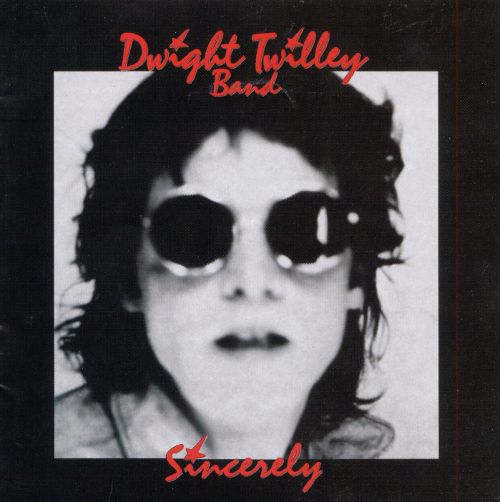
This is a great power pop song from 1975. It peaked at #16 in 1975 on the Billboard 100. The band was formed by Dwight Twilley and Phil Seymour. I always thought Twilley should have been more popular.
This was his first single from the album Sincerely. The song was released in 1975 and it did quite well. There was one big problem… the label he was on was Leon Russell’s Shelter Records and they were barely making it. Shelter Records could not release the album until a year after this single was out which killed the momentum of the single.
Shelter Records was formed by Leon Russell and Denny Cordell in 1969 and ran until 1981 but Leon Russell left in 1976 as it was falling apart. Tom Petty was also part of the label for a while. It seems like many power pop artists are accompained by a story similiar to this.
Dwight Twilley: We thought we were indestructible. And we were proven wrong really quick! We had so many problems right from the get-go. The album didn’t even come out until a year after “I’m On Fire,” and it would have gone gold if it had come out then. They believed in it so much they were going to release two more singles before it came out. They released the second single and then the company went under.
Dwight Twilley on knowing Leon Russell: “I learned a lot from Leon. We were a Tulsa-based band when we were originally signed, and Leon lived here. And we ended up being signed to his label. A lot of people thought that Leon was the driving force behind it. But we didn’t really meet Leon until after we’d had our hit single ‘I’m On Fire.’ And I guess the surprising thing was just what a kind man he was, and how generous he was. He invited us into his own home studio and had us recording in his 40-track studio. And for little kids who six months ago had only been in a 4-track studio, that was a big deal. He was very kind and super talented, and he really didn’t say much. Just by following and by example we could see some of the things that he did that were just amazing. And I think he’s a terrific talent. I’m really proud of the way that he has sustained, that he’s out there still doing it.”
I’m On Fire
Got your lady on the line Got your name on the cover Though your friends are ninety-nine Honey you ain’t got no lover And you ain’t, you ain’t, you ain’t got no lover And you ain’t, you ain’t, you ain’t got no other
I remember the feelin’ that I could be free Now I know it could never ever be me ‘Cause I’m on fire Got myself on fire
Got your joker on the table You’ve been told from time to time I’ll be willin’, I’ll be able You could read between the lines
But you ain’t, you ain’t, you ain’t got no lover, lover, lover And you ain’t, you ain’t, you ain’t got no other
I remember the feelin’ that I could be free Now I know it could never ever be me ‘Cause I’m on fire I’m-a I’m on fire
But you ain’t, you ain’t, you ain’t got no lover, lover, lover, lover And you ain’t, you ain’t, you ain’t got no other, other, other, other And you ain’t, you ain’t, you ain’t got no lover, lover, lover
I’m on fire I’m on fire (and you ain’t, you ain’t, you ain’t got no lover, lover, lover) I’m on fire (lover, lover, lover, lover) I’m on fire (lover, lover, lover)
Many people posted this song during the lockdown and I can see why.
I always liked the song and understood that isolation doesn’t equate to loneliness. You can be in a crowd of people and yet feel isolated or alone. You can be physically isolated from others yet still feel very much connected to others.
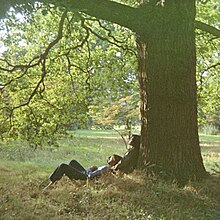
The bass player on this track was Klaus Voormann, who was a friend of the Beatles from their Hamburg days. He was also an artist… he is the artist who designed the cover of Revolver. Ringo Starr also lends a hand with drums on this track.
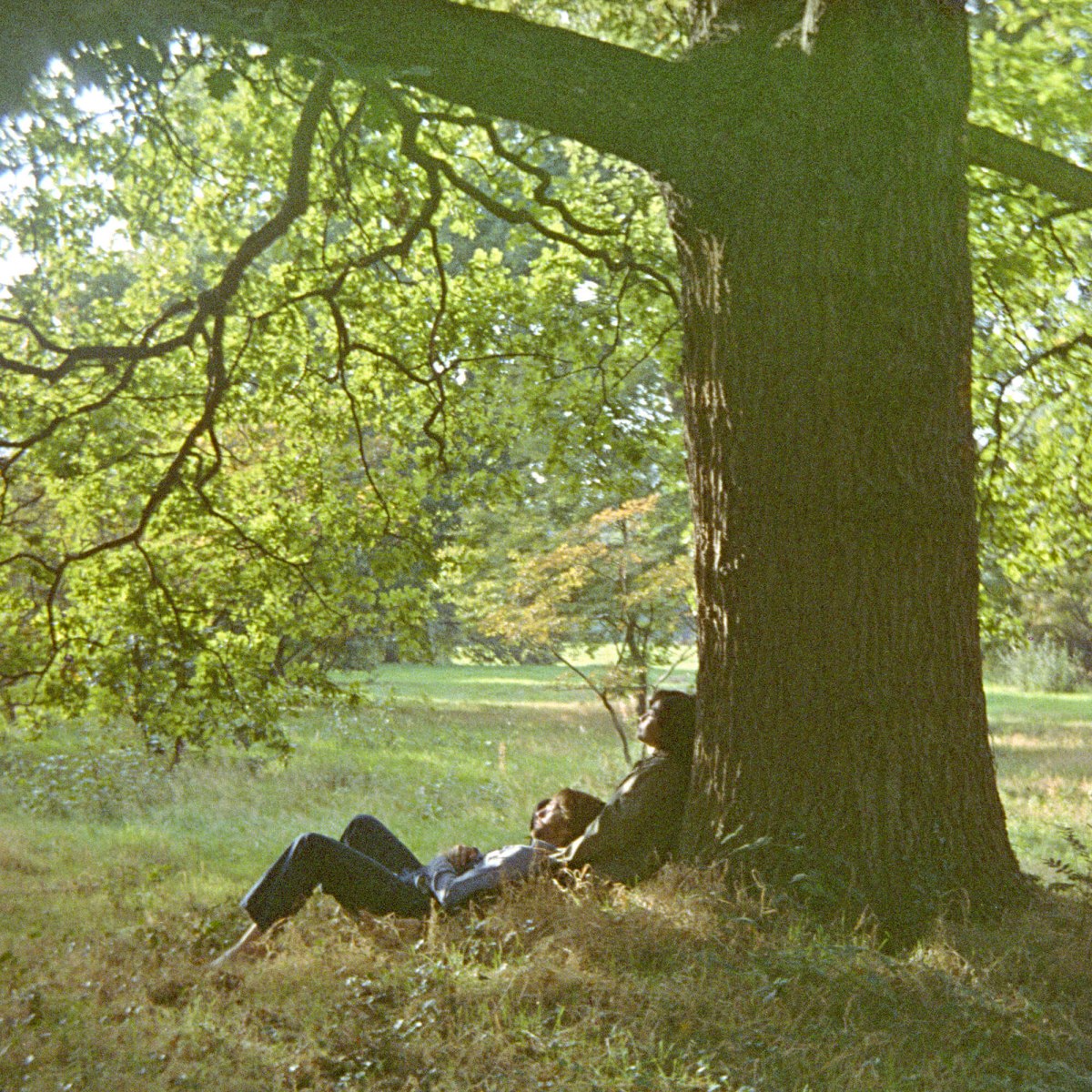
The song was released on his true debut album John Lennon/Plastic Ono Band in 1970. Arguably one of if not his best album. Like Paul’s debut this one was not big in production but unlike Pauls…this album was not light pop songs. You can feel John releasing his inner feelings for everyone to see on this album. Not an album to play to get a party going. You can hear John’s disillusionment with life, fame, and his three former bandmates.
This was during the time John Lennon went to see Doctor Arthur Janov in scream therapy. A way to bare his soul for his feelings like his mom that was killed when he was a teenager.
John Lennon:‘Isolation’ and ‘Hold On John’, they’re the rough remixes. I just remixed them that night on seven-and-a-half [inches per second tape] to take them home to see what else I was going to do with them. And then I didn’t really, I didn’t even put them onto fifteen [IPS], so the quality is a bit hissy on ’em too. By the time I’d done everything, I started listening. I found out it’s better that, with ‘Instant Karma’ and other things, you remix it right away that night. I’d known that before, but never followed it through.
I usually don’t pay much attention to covers. I ignore actors turn singers but I did find a very good version of this song out there. In 2020 Jeff Beck and Johnny Depp recorded this song and Beck’s guitar work is great. Depp also does the vocals justice in this.
Isolation
People say we got it made Don’t they know we’re so afraid Isolation We’re afraid to be alone Everybody got to have a home Isolation
Just a boy and a little girl Trying to change the whole wide world Isolation The world is just a little town Everybody trying to put us down Isolation
I don’t expect you, to understand After you caused so much pain But then again, you’re not to blame You’re just a human, a victim of the insane
We’re afraid of everyone Afraid of the sun Isolation The sun will never disappear But the world may not have many years Isolation
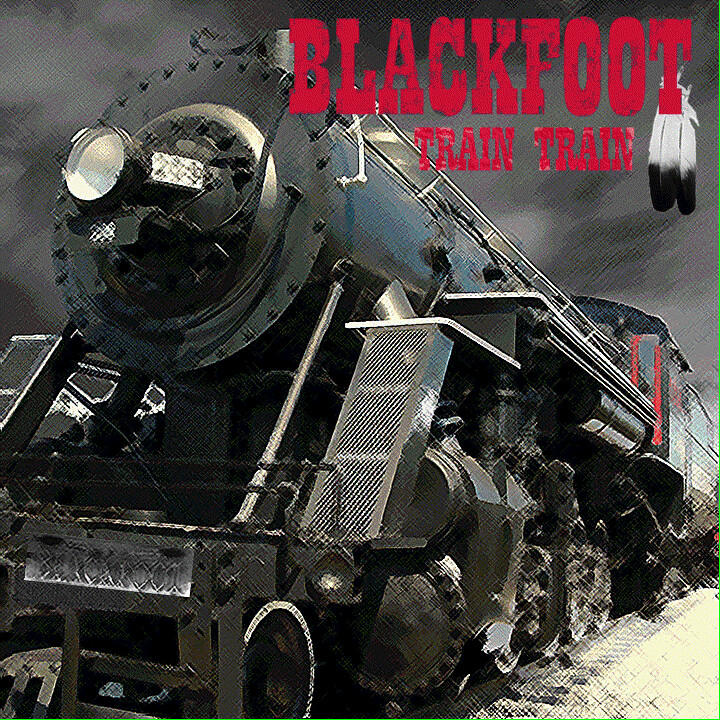
How many grandfathers write your biggest hit song? This one was written by Shorty Medlocke and later covered by his grandson Rickey Medlocke’s band Blackfoot. Shorty was a bluegrass and Delta blues musician and played the blues harp intro on the track. This song doesn’t play around…it’s straight seventies boogie rock and comes straight at you.
On a side note…train songs. There are so many great ones. Big Train From Memphis, Love Train, Midnight Train to Georgia, Peace Train, Train In Vain, Downbound Train, Train Kept a Rollin’ and I could go on and on but I’ll stop.
Before founding Blackfoot, Rickey Medlocke was also an early member of Lynyrd Skynyrd as a second drummer. Blackfoot had a number of hit albums but proved to be more popular in Europe than in the United States. Blackfoot Strikes was their first platinum album and produced their only Top 40 hits: “Highway Song” and this one.
They named themselves Blackfoot because they decided to change their name to represent the American Indian heritage of its members. Jakson Spires had a Cheyenne/French father and a Cherokee mother. Rickey Medlocke’s father was Lakota Sioux and Blackfoot Indian, and his mother’s side is Creek/Cherokee, Scottish and Irish. Greg “Two Wolf” Walker is part of Eastern (Muskogee) Creek. Charlie Hargrett was the only one without Native American heritage in the original, classic line-up.
Train Train peaked at #38 in the Billboard 100 in 1979. While this song was in the Charts, they opened up for the Who in 1979. The album Blackfoot Strikes peaked at #42 in the Billboard Album Charts.
The group disbanded in the early 1980s but has reunited a few times since then, the second time including all the original members except Medlocke, who had rejoined Lynyrd Skynyrd in 1996.
This song has been covered by hard rock band Warrant and… Dolly Parton.
They did go through different names as many bands do… Fresh Garbage, Hammer, and Free.
Charlie Hargrett (guitar player): The band found out there was another Hammer already in operation. We needed a new name quick, Since we were moving up north to start a big recording career, we thought, ok, we’ll call it ‘Free’, because we’re free now. And then AllRight Now came out, and we were like, ‘Shit’. So Jakson came up with Blackfoot, because of his Native American heritage.”
Train Train
Oh, here it comes
Well, train, train, take me on out of this town Train, train, Lord, take me on out of this town Well, that woman I’m in love with, Lord, she’s Memphis bound
Well, leavin’ here, I’m just a raggedy hobo Lord, I’m leaving here, I’m just a raggedy hobo Well, that woman I’m in love with, Lord, she’s got to go
Well, goodbye pretty mama, get yourself a money man Goodbye, pretty mama, Lord, get yourself a money man You take that midnight train to Memphis Lord, leave me if you can Oh, take that midnight train to Memphis Lord, leave me if you can Oh, take that train, baby
After re-reading Gregg Allman’s biography My Cross To Bear I noticed this book about his brother Duane… the founding member of the Allman Brothers Band. It’s a good read and an informative book. Its forward is written by one of his friends…ZZ Top’s guitarist Billy Gibbons.
The Allman Brothers Band formed in 1969 and they lost their leader Duane Allman in 1971. They continued on to be one of the most successful American bands ever. They finally called it quits in 2014.
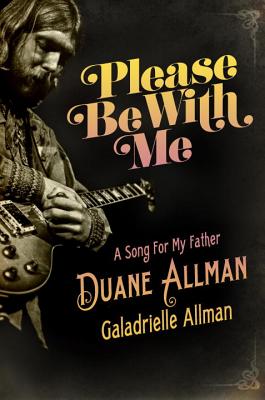
I saw this book about Duane and I was excited to read it. Going in… I had read Gregg’s bio, Duane’s daughter’s (Galadrielle Allman) book Please Be With Me: A Song for My Father, Duane Allman, and One Way Out: The Inside History of the Allman Brothers Band so I was well rounded on the Allman Brothers. Duane lived a short life but Poe seemed to find many of the musicians he played within the 60s and 70s.
Duane believed in brotherhood…not just with his brother but the band and the entire cast around them. Phil Walden was the president of Capricorn Records, The Allman Brothers record label. He would call for a meeting with the band…he really only wanted to see Duane. Duane not only brought everyone in the band but he brought the roadies also. He told Walden flatly.. .you will not talk with just me but with all of us. Walden would reply …but Duane why are the roadies in here? Duane said they were just as important as the band…without them, we can’t play. The roadies would stay. Duane’s lack of ego in his vision for the Allman Brothers Band made them who they were even after he was gone.
He created a family atmosphere with the Allman Brothers organization. Their 3rd album At Fillmore East was their breakthrough…the album cover shows the band against a brick wall. On the other side of the album shows the roadies in front of the wall also…and a picture of one roadie Twiggs Lyndon who couldn’t be there that day. Another band that shared that same philosophy was the Grateful Dead where the roadies were family. Modern businesses would be wise to take this philosophy and use it.
Duane worked with many musicians and touched their lives. Many that drifted in and out of his bands were not forgotten. The original keyboard player for the Allman Brothers was Reese Wynans until Greg joined. Duane broke it to Reese that the band didn’t need two keyboard players.
In a short time, Duane met Boz Scaggs and recommended Reese to play with him and he did. That started his successful career and he would play with many musicians in his career and was the keyboard player in Stevie Ray Vaughan’s band Double Trouble.
This book doesn’t stop at Duane’s death. It follows the band all the way up to their end in 2014. In the end, he gives a good discography of Duane’s studio recordings. It’s really incredible how many sessions the man was on and he didn’t even reach the age of 25.
The book goes over why he turned Eric Clapton down on joining Derek and the Dominos. This was before the Allman Brothers had made it. He remained loyal to his band because it took him so long to find the right mix of musicians to get the sound he wanted. They didn’t have a hit until the Live At Fillmore East album was released in July of 1971. It would go gold 5 days before Duane was killed.
I would recommend this book to anyone wanting to know more about Duane and The Allman Brothers. It is full of great information. After you read it you will want to look up all of the recordings he was on. His playing was edgy, tasteful, and like great jazz…takes you on a journey.
At the end of the book, you have to wonder how far he would have gone if he would have lived.
One passage from the book:“In September 2003 ‘Rolling Stone’ published its list of the “100 Greatest Guitarists of All Time”, placing Duane at #2 just behind Jimi Hendrix. Gregg Allman commented that he thought it was a very wonderful gesture and said “…I thought ‘You made your mark man. You didn’t make any money, but you made your mark.”‘ Rounding out the top five were B.B. King, Eric Clapton and Robert Johnson—pretty impressive company for a kid from the South who didn’t even live to see his 25th birthday.”.
If you want to read about the Allman Brothers I would recommend these books also.
My Cross To Bear by Alan Light and Gregg Allman
One Way Out: The Inside History of the Allman Brothers Bandby Alan Paul
For a more personal view and her journey to know her dad…
Please Be With Me: A Song for My Father, Duane Allman by Galadrielle Allman
Drinking out of a garden hose, learning math and grammar from Schoolhouse Rock, playing pong, walking on the shag carpet in our bare feet, wearing mood rings, walking through beads instead of doors, and watching the Gong Show. That is what a lot of us were up to in the 1970s as kids and adults.
I watched this show and Dialing for Dollars on our local NBC affiliate when I was around 10 years old. Only in the seventies could this show happen. It was like amateur hour at a high school with celebrities judging the event for laughs. This show was so bad it was good. That is the heart of the show…so bad it’s good… If an act was bad…which many were the judges would bang a gong to show their dislike.
The winner would win $516.32… union scale at the time. It wasn’t about winning…it was about being in front of millions of viewers. The show ran from 1976 to 1978 and was in syndication for years and years. The show had a total of 501 episodes.
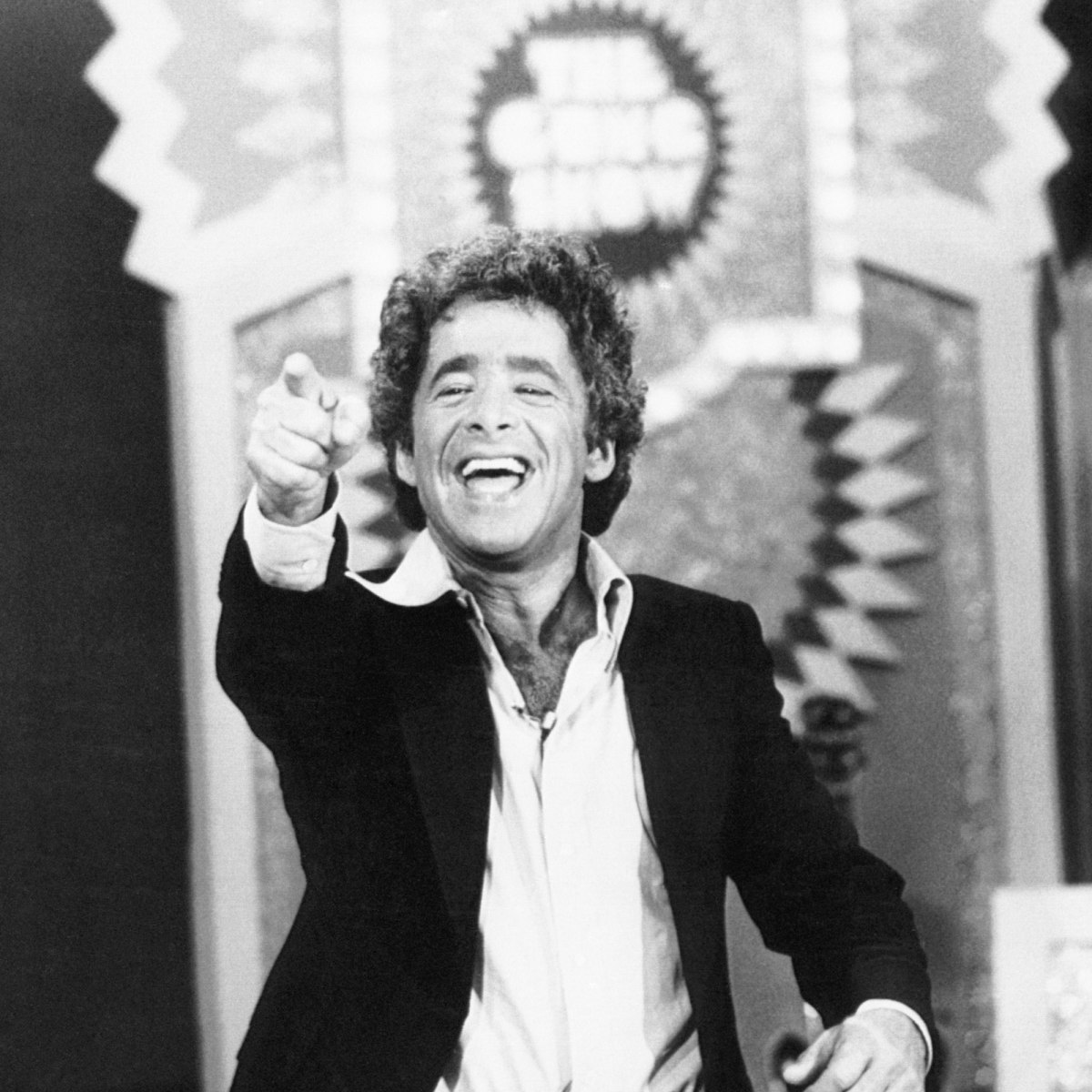
Chuck Barris was the emcee of this grand extravaganza. Some of the acts were bad and they knew it, some really thought they were good but were bad and a very few were actually good.
A few talented people appeared on the show at different times. Paul Reubens (Pee-Wee Herman), Steve Martin, Cheryl Lynn, Oingo Boingo, Michael Winslow, The Unknown Comic, and more. It’s fun spotting a future star in reruns.
The judges included Jamie Farr, Jaye P Morgan, Arte Johnson, Rip Taylor, Phyllis Diller, and Anson Williams. Jaye P. Morgan was fired off the show near the end of the show’s run. She often attempted to strip on the show, and usually got stopped. Except for one time, when she unbuttoned her shirt and flashed everyone while the camera was on her.
My favorite part of the show for some reason was a stagehand who would dance named Gene Gene the Dancing Machine. I also remember the popsicle twins. How the censors let the Popsicle Twins get through I don’t know… they were shown on the east coast but their segment never made it to the west coast.
The Gong Show was finally canceled because NBC warned Barris to tone down the racy elements of the show…he never did. The popsicle twins and Jaye P Morgan’s flashing didn’t help.
In the last show, Barris played in a country band called the “Hollywood Cowboys” and sang a modified Johnny Paycheck song “Take this job and shove it” and gave NBC the finger…which they blocked out of course.
Barris had his hand in a lot of shows. In 1965, he launched “The Dating Game,” which revolutionized TV game shows. Next came “The Newlywed Game,” “The Game Game” and a Mama Cass special, among others.
Chuck Barris, in his book, Confessions of a Dangerous Mind: An Unauthorized Biography, claimed to have been an assassin for the CIA. His wife said: “After I met Chuck, I read the book and I didn’t really place any judgment on it one way or the other. Chuck and I never talk about whether he really did it.” He would never answer when asked if it was true or not. In 2002 George Clooney directed a movie about the book.
Maxene Fabe wrote in TV Game Shows, that Barris was “the first man in America to realize how desperately ‘ordinary’ people want to be on television.” Hmmm…sounds like it holds true today with all of the reality shows that are on.
In 1980 “The Gong Show Movie” was released and it was written, directed, and starred Chuck Barris. The TV show was revived in 2017 and 2018 for twenty episodes with Mike Myers as host.
Chuck Barris passed away in 2017 at the age of 87.
When you think back on shows you watched when you were younger and you get a chance to watch them now…it’s usually different than you remembered…not this one. This one is exactly how I remembered.
The Ramones played the most basic form of rock but it never gets old. I’ve heard them described as punk, bubblegum, rock, hard rock, punk/pop/rock, and everything in between. They were greatly underappreciated in their time.
This song was released in 1976 on the Ramones’ debut album. In that year you had disco and slick pop going on everywhere…on the other hand, you had the Ramones. They bucked the trend of radio at the time. They developed a reputation in 1975 for playing rapid sets in and around New York City, often blasting through about 12 songs in 25 minutes. By the time they recorded this, they had honed their songs during many performances and included it on the album.
I first heard this album in the early 80s…and I liked the simplicity of their sound. There was a reason for that. The Ramones had a very sparse budget at the time… The entire album cost just $6,400 to make.
They were no-frills and to the point. No long solos or instrumental breaks. Just 2-minute blasts full of energy.
Like many Ramones songs…it is not your typical song story. This song tells a very vague story of two adventurous girls… Jackie and Judy. We know that Jackie is a punk and Judy is a runt, and they’ve decided to join the SLA – the Symbionese Liberation Army. The SLA was a fringe political group that was in the news for kidnaping the heiress Patty Hearst in 1974.
Lead singer Joey Ramone wrote the song and we think it was purely fictional.
The Ramones recorded a sequel song… “The Return Of Jackie And Judy” on their 1980 album End Of The Century.
Sequel Version
Judy Is A Punk
Jackie is a punk Judy is a runt They both went down to Berlin, joined the Ice Capades And oh, I don’t know why Oh, I don’t know why Perhaps they’ll die
Jackie is a punk Judy is a runt They both went down to Frisco, joined the SLA And oh, I don’t know why Oh, I don’t know why Perhaps they’ll die
When I listened to this for the first time, my first thought was… Damn this is good! When I read music books about artists…one artist will talk about another and they will talk about another. It’s like a river with all the twists and turns and you never know who you will hear about next.
If you listen to this song grab some headphones and listen to his wonderfully smooth-rough voice. Also, keep an ear out for the fuzz guitar doing runs in the background. When you hear someone like Gregg Allman say that Bobby “Blue” Bland is one of his singing idols…you know something great is there waiting to be heard. This I have heard before and was impressed even without Mr. Allman’s recommendation.
“Ain’t No Love in the Heart of the City” was written by Michael Price and Dan Walsh, a pair of journeymen songwriters who wrote different kinds of music like The Grass Roots’ 1970 hit “Temptation Eyes.”
Bobby was the first to record this song and it was released on his 1974 album Dreamer. The song peaked at #9 in the R&B Charts and #91 in the Billboard 100.
Bland began his career in Memphis, Tennessee, with bluesman B.B. King and ballad singer Johnny Ace (all three were part of a loose aggregation of musicians known as the Beale Streeters). He had some hits in the 50s and early 60s but had some financial troubles in 1968 and had to break up his band.
His record company was then sold to ABC Dunhill and he started up his career again and continued to chart til the 1980s. Of all bands…Whitesnake covered this song in 1978 and it charted in the UK in 1980.
Boz Scaggs: “I made a point of getting to know him over the years, not that I knew him well. But he came down to the studio when we were making the Memphis record a couple of times. He sat in the control room and listened to the playback of some of the songs, and he was treating me very fatherly, where he’d say ‘Here’s where you’re going to go here,’ and he was singing to me as the track was playing back. Then we got a chance to talk.
“It was like a lot of that part of his life, his music, was intact, and he was very vivid about that, vivid in talking about his early influences, it was all there. He was obviously frail, and it was hard for him to get around, but when he settled down, he loved talking about his life and his craft.”
Gregg Allman:“We were doing “Turn On Your Love Light,” because we had heard Bobby “Blue” Bland do it, and, man, you talk about an original talent—there will be, and can be, only one Bobby “Blue” Bland.”
Ain’t No Love In The Heart Of The City
Ain’t no love in the heart of the city Ain’t no love in the heart of town Ain’t no love, and it’s sure ’nuff a pity Ain’t no love, ’cause you ain’t around
When you were mine Oh, I was feeling so good ‘Cause your love lit up this old neighborhood And now that you’re gone You know the sun don’t shine From the city hall to the county line That’s why I said
Ain’t no love in the heart of the city Ain’t no love in the heart of town Ain’t no love, and it sure is a pity Ain’t no love, ’cause you ain’t around
Every place that I go Oh, it seems so strange Without you there Things have changed The night time calls There’s a blanket of gloom Another teardrop falls In my lonely room
I said ain’t no love In the heart of the city Ain’t no love in the heart of town Ain’t no love, ain’t any pity Ain’t no love ’cause you ain’t around
And now that you’re gone Oh, the sun don’t shine From the city hall to the county line, I said
Ain’t no love in the heart of the city Ain’t no love in the heart of town Ain’t no love, it sure is a pity Ain’t no love ’cause you ain’t around ‘Cause you ain’t around
Ain’t no love in the heart of the city Ain’t no love in this great big old town Ain’t no love, and ain’t it a pity Ain’t no love ’cause you ain’t around
Ain’t no love in the heart of the city Ain’t no love in the heart of this town
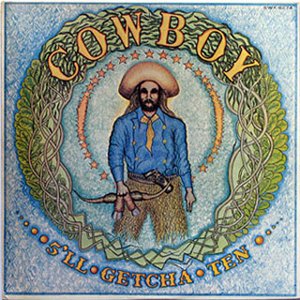
Beautiful melody and touching lyrics…this song is a lost gem. It would later be covered by Eric Clapton but I favor the 1971 original by Cowboy. If you don’t know this one…give the Cowboy version a listen.
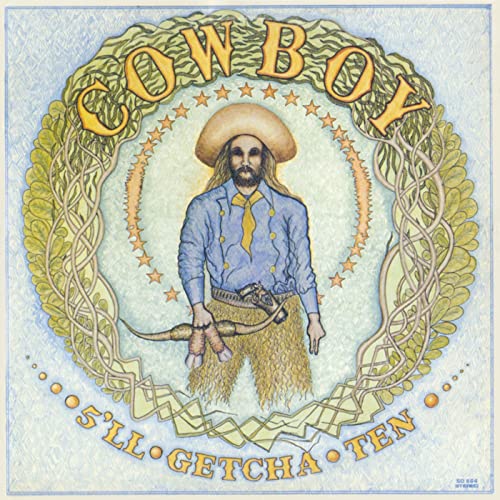
Cowboy was a Southern folk-rock band formed in 1969 in Jacksonville, Florida, by singer-songwriters Scott Boyer and Tommy Talton. The band also featured pianist Bill Pillmore, bassist George Clark, guitarist Pete Kowalke, and drummer Tom Wynn.
Please Be With Me was one of the last songs Duane Allman recorded before his tragic motorbike accident on October 29, 1971. He played the dobro and it made the song. This song appears on 5’ll Getcha 10, the second record by Cowboy, a band that had landed a contract thanks to their friendship with Duane.
The band opened up for the Allmans on their 1970-1971 national tour. The album came out in October 1971. They would go on to release four albums in the early seventies.
Galadrielle Allman, daughter of Duane Allman, used this song title for her book title instead of one of many Allman Brothers songs. It’s a very good book.
Butch Trucks (Drummer for ABB): ‘A few weeks after Duane died, when I still hadn’t really let loose or accepted it, I put on Please Be With Me and the dam burst and I started crying and crying, just racked with grief. I was sitting there listening to the song over and over and crying. To this day I can’t hear it without getting choked up.’
Scott Boyer:“I was sitting in this motel room all by myself and just for busy work I grabbed a pad and pencil and started writing freeform. Whatever popped into my head. About 10 minutes later and I had like 10 verses and three choruses, but nothing rhymed and nothing made any sense. It was just right out of my head and onto the paper. And I started connecting things. Put the third line from the third verse with the fourth line in the eight verse. Not necessarily because they made sense but because they rhymed. And I put together like three verses and a chorus and I put the pad down and I rolled over and went to sleep. And Duane (Allman) came into town the next day and said, ‘I want to play on this record with ya’ll but I want to play something brand new.’ We started tossing things around. And I said, ‘Well I wrote this thing last night. There’s nothing much to it.” And I played the song for Duane and (producer) Johnny Sandlin was also in the room and when I finished it they both went, ‘Wow, you wrote that last night, man? That’s beautiful.’ It is? [Laughs.] But that’s how the song got recorded because Duane wanted to play something brand new and I had this thing I had tossed off the night before. And I loved what Duane played on it. That dobro he played on it just comes to life when that thing comes on, man.”
Gregg Allman:The group Cowboy was on Capricorn, and we played their album 5’ll Getcha Ten quite a bit at the Big House. Scott Boyer had been in the 31st of February with Butch, and Cowboy had a sort of southern-folk sound to them.
Please Be With Me
Upon my word what does it mean? Is it love or is it me That makes me change so suddenly From looking out to feeling free?
I sit here lying in my bed Wondering what it was I said That made me think I lost my head When I knew I lost my heart instead
So won’t you please read my signs Be a gypsy Tell me what I hope to find deep within me And because you can find my mind Please be with me
Of all the better things I’ve heard Loving you has made the words And all the rest seem so absurd ‘Cause in the end it all comes out I’m sure
So won’t you please read my signs Be a gypsy Tell me what I hope to find deep within me And because you can find my mind Please be with me









 PowerPop... An Eclectic Collection of Pop Culture