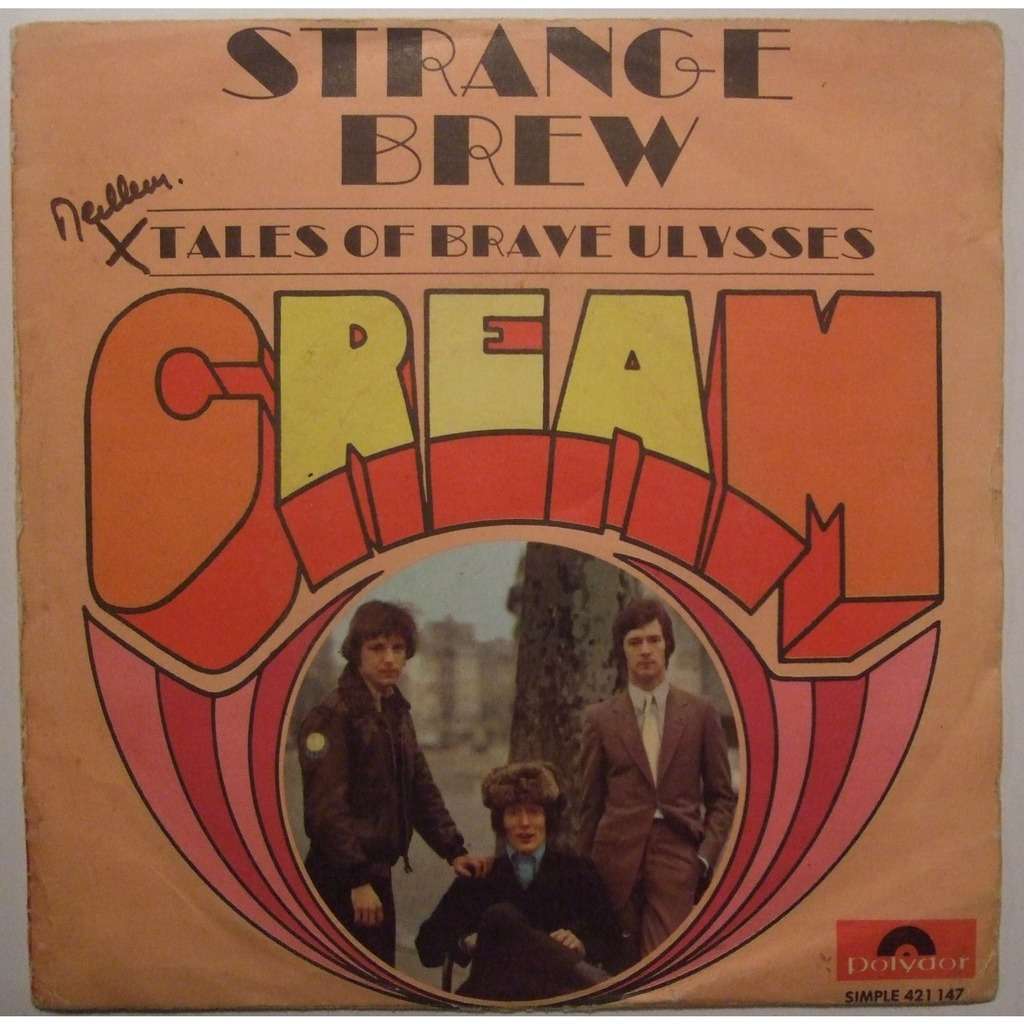
Great guitar lick and song. The song was based on an old blues song by Buddy Moss called Hey Lawdy Mama that Cream recorded. Eric Clapton took the lead vocal in this one. They reworked the song and the writing credits went to Felix Pappalardi, Gail Collins and Eric Clapton.
The song didn’t chart in the Billboard 100 but made it to #17 in the UK charts. A great classic Cream song.
When Cream performed the early version of this song as “Lawdy Mama,” Clapton and bass player Jack Bruce would share lead vocals. The band recorded both “Lawdy Mama” and “Strange Brew” at Atlantic Studios in New York on April 3, 1967. The band had spent the previous week in the city, performing daily at the “Music In The Fifth Dimension” show at the RKO Theater. These shows were organized by the influential disc jockey Murray the K, and provided great exposure for Cream in America. Other acts on the bill for some of these shows: The Who, Wilson Pickett and the Lovin’ Spoonful. Cream would complete the Disraeli Gears album when they returned to the United States the next month.
The lyrics refer to a female, which could mean drugs or be a more literal reference to a woman. Either way, she is “killing what’s inside of you.”
Cream had a very psychedelic sound, and this song was released in the Summer of Love, where it fit in quite well.
To craft “Strange Brew,” producer Felix Pappalardi added Eric Clapton’s vocal to a take of the band’s recording of “Lawdy Mama,” which appears as a bonus track on the 2004 re-release of Disraeli Gears, but didn’t make the original album. Jack Bruce wasn’t happy about this, especially since he wasn’t able to re-record his bassline. To keep the tenuous peace in the band during Cream’s reunion concerts in 2005, “Strange Brew” was omitted from their 19-song playlist, despite being one of their best known and loved songs.
Clapton got the idea for the album title after a roadie named Mick Turner told him about the derailleur gears on his bicycle. Derailleur, pronounced “Di-rail-yer,” are the kind of gears commonly found on 10-speed bikes. The roadie pronounced it “Disraeli,” which led to the title.
On Eric Clapton’s Crossroads boxed set, this is placed next to “Lawdy Mama,” the Blues song it is based on.
Strange Brew
Strange brew, kill what’s inside of you.
She’s a witch of trouble in electric blue, In her own mad mind she’s in love with you. With you. Now what you gonna do? Strange brew, kill what’s inside of you.
She’s some kind of demon messing in the glue. If you don’t watch out it’ll stick to you. To you. What kind of fool are you? Strange brew, kill what’s inside of you.
On a boat in the middle of a raging sea, She would make a scene for it all to be Ignored. And wouldn’t you be bored? Strange brew, kill what’s inside of you.
Strange brew, strange brew, strange brew, strange brew. Strange brew, kill what’s inside of you
Robert Plant, Paul Rodgers, Freddie Mercury, and Mick Jagger gets brought up when talking about great lead singers. I’ve had this conversation with friends and musicians. Who was the best rock bass player, guitar player, drummer, and lead singer?
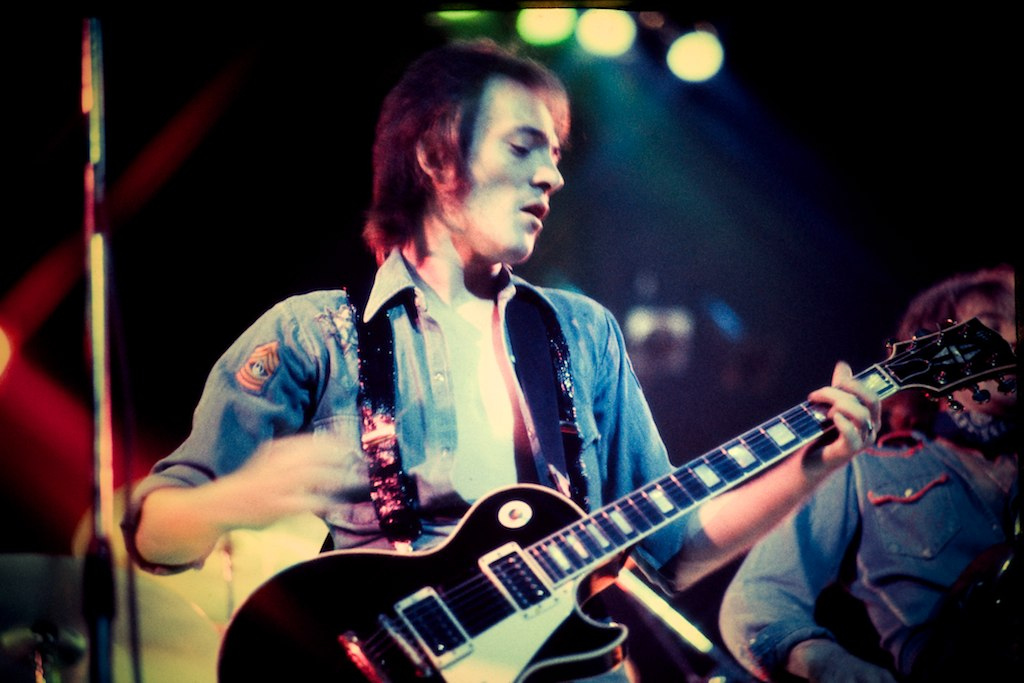
Steve Marriott rarely gets brought up by anyone because he is sadly not remembered as well as he should be. I’ve listened to Marriott for years and the guy still amazes me. He could sing blues, R & B, Rock, and Pop. He could do anything because not only was he a great singer a good songwriter and he was a very good guitar player.
He influenced many singers from the 60s and beyond. Below is the Small Faces doing “You Need Lovin'” and I think Robert Plant was listening. This was before Zeppelin.
The Small Faces played Rock, R & B, and Blues music but what they are famous for are the two pop singles Itchycoo Park and Lazy Sunday. Marriott was upset about Lazy Sunday being released as a single because he’d recorded the song as a joke and it was released despite his objections. They are also known for one of the best albums of the sixties Ogdens’ Nut Gone Flake. Q magazine placed Ogdens’ Nut Gone Flake at number 59 in its list of the 100 Greatest British Albums Ever. Steve Marriott and Ronnie Lane wrote most of the album.
Because of bad management, a pop image, and a lack of a follow up to Ogedens’ Nut Gone Flake the Small Faces broke up. Marriott wanted to play harder music so he and Peter Frampton started a band called Humble Pie.
Humble Pie had some great songs but nothing really caught on with the masses. That’s not always a bad thing but they never had a big song identifiable to them as some other bands do. They did have four top twenty albums but were more known as a live band…check out Performance Rockin’ the Fillmore
Their manager was Dee Anthony who had connections with the Mob. Everything was ok until Steve wanted to know where the money was at. Marriott began openly questioning Anthony’s business practices, the singer was summoned to a meeting at a social club in New York’s Little Italy. According to Marriott’s ex-wife, among those in attendance were John Gotti and several other members of the Gambino crime family. Marriott was quietly persuaded to forget about any money he thought he had coming to him.
The Small Faces reunited, without Lane, between 1976-1978 but punk was taking over and they were not successful. In 1980 Humble Pie reunited but didn’t have much luck either.
In 1981 Steve and Ronnie Lane made an album together that wasn’t released until 2000 after both were passed away. It was called The Legendary Majik Mijits and I really like the recording. You can tell they recorded it in 1981 but it contains some hidden gems.
Steve played many club gigs in the 80s, some you can still see on youtube. In 1991 while working on an album with Peter Frampton he flew back home and went to sleep with a lit cigarette and died of smoke inhalation…he was 44 years old.
A sad ending to a performer who could have been huge. Perhaps if he would have lived longer he would have revived his career and been more remembered today.
Steve had a huge voice that came out of his 5 foot 5 frame. When Jimmy Page was looking for a singer for his new band Page had thought about Marriott but he was managed by the notorious Don Arden, who had reportedly responded by asking how well Page thought he would play guitar with 10 broken fingers.
What other artists say about Steve Marriott
Keith Richards has said that Mariott is in his top 5 favorite artists and considered having Steve in the Stones to replace Mick Taylor when he left…an idea that Mick Jagger rejected.
“Probably, really, my favorite other bands ever, Steve Marriott’s, very much from the English point of view, the Small Faces, then he had Humble Pie.
Chris Robinson of The Black Crowes To me it’s so obvious I’m a Steve Marriott rip-off that I never think about Rod. I admit it. Steve Marriott is the guy, him and Paul Rodgers and Gregg Allman.
Robert Plant (about the Song Remains the Same)I wanted to be like, “Come on!” I wanted to be Steve Marriott, for fuck’s sake.
Paul RodgersI was rooting around in my cupboard the other day, actually, just yesterday, and I found a bunch of Steve Marriott live stuff and I put it on and MY GOD, that guy was unbelievable!
Documentary about Steve Marriott
Humble Pie with Marriott and Frampton.
Steve and Ronnie Lane in 1981. Some very good songs
The audio version is 12 hours and it went by fast… I will get the hard copy of this book.
Kenney Jones was the drummer of three of England’s most influential bands – The Small Faces, The Faces and for a few years The Who. I was pleasantly surprised by this book. Kenney keeps the book interesting from his childhood, teen years, swinging London, the Swinging Seventies, up til now.
I never knew much about the Small Faces and Faces and this book answered some questions I had about both bands. He gave much more information than Roger Daltrey did in his book about Jone’s tenure as the drummer of the Who and their difficulties. Personally, I don’t think Kenney was the right drummer for the Who but then again…I don’t think anyone could have taken Moon’s place. He does give an interesting perspective on it though.
I didn’t’ realize that Keith Moon and Kenney were as close as they were. Kenney had played with the Who before in sound checks when the Small Faces and Who were touring with each other and Moon couldn’t be found. After Moon died a few strange things happened to Kenney right before Bill Curbishley (The Who’s Manager) called to see if he would join. The strange events helped him make the decision.
He goes over his career thoroughly and he doesn’t leave any gaps. He also talks about being in the band “The Law” with Paul Rodgers and now he is with The Jones Gang that had a #21 hit with Angel in 2005. He also owns a Polo club, is working on an animation of Ogden’s Nut Gone Flake, and fighting for the control of the Small Faces music which was lost a long time ago. He doesn’t need the money he just wants it put right.
Near the end, he sums up the three big bands he was involved in… The Small Faces were the most creative, The Faces were the most fun, and The Who were the most exciting and professional. You can tell though that his love is with the Small Faces and he does wonder how far they could have gone if they would have had decent management. He said they never realized how good of a band they were.
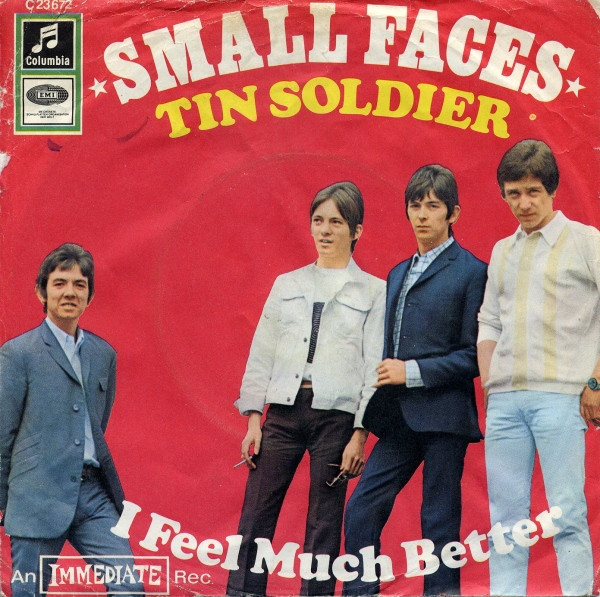
This a great R&B single from The Small Faces in 1967. It’s a song that Steve Marriott wrote about Jenny Rylance who he met in 1966 and ended up marrying her in 1968. This song was released right after Itchycoo Park. The band wanted to get back to the R&B music they wanted to be known for. P.P. Arnold was the female singer on this song.
The song peaked at #9 in the UK and #73 in the Billboard 100. This is a good representation of the band.
Tin Soldier
I am a little tin soldier that wants to jump into your fire You are a look in your eye A dream passing by in the sky I don’t understand And all I need is treat me like a man ‘Cause I ain’t no child Take me like I am I got to know that I belong to you Do anything that you want to do Sing any so song that you want me to sing to you I don’t need no aggravation I just got to make you I just got to make you my occupation, oh yeah (I got to know that I belong to you) (Do anything that you want to do) (Sing any so song that you want me to sing to you)
All I need is your whispered hello Smiles melting the snow, nothing heard Your eyes, they’re deeper than time Say a love that won’t rhyme without words So now I’ve lost my way I need help to show me things to say Give me your love before mine fades away, yeah, baby (I got to know that I belong to you) (Do anything that you want to do) (Sing any so song that you want me to sing to you)
Oh, no, no Oh, no I just want some reaction Someone to give me satisfaction All I want to do is stick with you,’cause I love you
I have had a bean bag in my place of residence ever since I was a teenager. They are very handy to throw somewhere and sit. When you play guitar or want to watch a movie it’s a comfortable place to sit. They are also affordable and can be a good alternative sometimes to chairs.
The only part of owning one I don’t like is the inevitable end when the white small styrofoams like “beans” (expanded polystyrene) start coming out and going everywhere.
I would like to get an original leather bean bag one day.
According to some historians, bean bags were first invented by the ancient Egyptians sometime around 2000 B.C., and for thousands of years, they were used to play games and for other recreational diversions. The first bean bags were small, round and made of leather. They were most likely filled with dried beans or pebbles.
The first bean bag chairs as we know them were developed in the sixties. They were first called a Sacco chair, and released in 1969. They were designed by Cesare Paolini, Piero Gatti, and Franco Teodoro who were commissioned to create the piece by Zanotta Design in Italy.
Bean bags were huge in the 1970s and they were at first usually made of leather and filled with PVC (short for PolyVinyl Chloride) pellets. Soon nylon and polyester were used with expanded polystyrene (EPS) for filler. That combination proved to be more durable.
During the 1980s and 1990s, the popularity of bean bags declined greatly in popularity, but they were still being manufactured by several companies.
Now they are now experiencing a strong resurgence in popularity. You can get a regular bean bag or one pre-formed into a chair or couch. They are being sold for use as pet beds.
I had almost as much fun playing wiffle ball as a kid as I did little league. I was completely into playing baseball with friends or for years in leagues until I was 16. In my front yard, we would play wiffle ball until dark. If only one friend was over that was enough… we could still play. Hit it over the house, a home run…hitting a window, a double, in the creek a triple… etc.
You didn’t have to worry about breaking a window or knocking your buddy out while pitching as fast as you could. You would learn how to grip it and you could make it curve, rise, or sink a ridiculous amount. We would play for hours until night or until the ball was stuck on the roof or in a tree.
In the late 70s and 80s it was a fun alternative to playing baseball when not enough friends were around or you had to play in a neighborhood full of houses with nice big windows.
In 1953, David N. Mullany was watching his 12-year-old son and some friends playing a baseball-like game with a perforated plastic golf ball and a broomstick in their backyard. The boys tried throwing curveballs and sliders but with no success. They couldn’t use a baseball because of the trail of broken windows and upset neighbors.
Mullany, who had been a semipro pitcher himself, knew all too well what thousands of Little Leaguers have had to painfully learn. Nothing shreds a young arm quite as effectively as throwing breaking balls. Mullany set about trying to save the boys’ shoulders and elbows by creating a ball that would curve and bend on its own.
He tried a hard plastic ball that served as packaging for Coty perfume. After having the boys experiment with various designs, Mullany hit on the Wiffle Ball we now know and love.
Mullany’s son and his friends referred to strikeouts as “whiffs.” Since the new invention made knee-buckling curveballs a breeze to throw, pitchers started racking up the strikeouts. Mullany named the product the Wiffle Ball to honor its strikeout-friendly breaks.
When they started to advertise them they would use old photographs of MLB players. The Mullanys later explained in interviews that doing actual photo shoots with the players would have been too pricey, so they just negotiated with players’ agents and then used any old photograph.
The slots on one side make the ball curve and rise. Just like a real baseball…the more scuffs a ball has the more it can curve. They have Wiffle Ball leagues now where players play competitively.
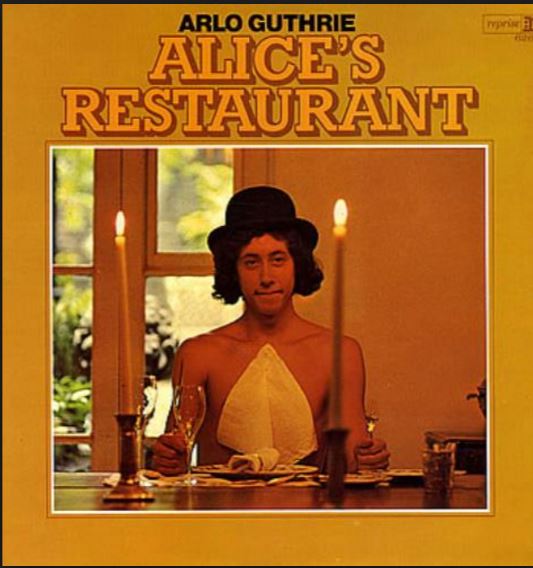
It’s not Thanksgiving without listening to this 1967 song. This song did not chart but he did have another version that did chart…it was called Alice’s Rock and Roll Restaurant that peaked at #97 in the Billboard 100.
There have been mixed reviews about the movie…I’ve always found it enjoyable. It’s not going to be confused with Gone With The Wind but it’s a fun period movie.
Below the song facts are Alice’s Rock and Roll Restaurant and Alice’s Restaurant Massacree.
Running 18 minutes and 34 seconds, this song is based on a true story that happened on Thanksgiving Day, 1965. Arlo was 18, and along with his friend Rick Robbins, drove to Stockbridge, Massachusetts to have Thanksgiving dinner with Alice and Ray Brock. Alice and Ray lived in a church – the former Trinity Church on Division Street in Stockbridge – and were used to inviting people into their home. Arlo and Rick had been traveling together, Arlo working his way up in folk singing and Rick tagging along. A number of people, Arlo and Rick included, were considered members of the family, so they were not guests in the usual sense.
When Ray woke up the next morning, he said to them, “Let’s clean up the church and get all this crap out of here, for God’s sake. This place is a mess,” and Rick said, “Sure.” Arlo and Rick swept up and loaded all the crap into a VW microbus and went out to the dump, which was closed. They started driving around until Arlo remembered a side road in Stockbridge up on Prospect Hill by the Indian Hill Music Camp which he attended one summer, so they drove up there and dumped the garbage.
A little later, the phone rang, and it was Stockbridge police chief William J. Obanhein. “I found an envelope with the name Brock on it,” Chief Obanhein said. The truth came out, and soon the boys found themselves in Obanhein’s police car. They went up to Prospect Hill, and Obie took some pictures. On the back he marked them, “PROSPECT HILL RUBBISH DUMPING FILE UNDER GUTHRIE AND ROBBINS 11/26/65.” He took the kids to jail.
The kids went in, pleaded, “Guilty, Your Honor,” were fined $25 each and ordered to retrieve the rubbish. Then they all went back to the church and started to write “Alice’s Restaurant” together. “We were sitting around after dinner and wrote half the song,” Alice recalls, “and the other half, the draft part, Arlo wrote.”
Guthrie, the son of legendary folk singer Woody Guthrie, greatly exaggerated the part about getting arrested for comic effect. In the song he is taken away in handcuffs and put in a cell with hardened criminals. >>
In the song, Guthrie avoids the draft and did not have to serve in Vietnam because of his littering arrest. In reality, he was eligible, but wasn’t drafted because his number didn’t come up.
Many radio stations play this on Thanksgiving. This is usually the only time they play it, since the song is over 18-minutes long.
Guthrie performed this song for the first time on July 16, 1967 at the Newport Folk Festival.
This reflected the attitude of many young people in America at the time. It was considered an antiwar song, but unlike most protest songs, it used humor to speak out against authority.
After a while, Guthrie stopped playing this at concerts, claiming he forgot the words. As the song approached it’s 30th anniversary, he started playing it again.
In 1991, Arlo bought the church where this took place and set up “The Guthrie Center,” where he runs programs for kids who have been abused.
Guthrie made a movie of the same name in 1969 which was based on the song.
Over the years, Guthrie added different words to the song. He recorded a new, longer version in 1995 at The Guthrie Center.
Alice’s Rock and Roll resaurant
Alice’s Restaurant
This song is called Alice’s Restaurant, and it’s about Alice, and the
Restaurant, but Alice’s Restaurant is not the name of the restaurant,
That’s just the name of the song, and that’s why I called the song Alice’s
Restaurant.
You can get anything you want at Alice’s Restaurant
You can get anything you want at Alice’s Restaurant
Walk right in it’s around the back
Just a half a mile from the railroad track
You can get anything you want at Alice’s Restaurant
Now it all started two Thanksgivings ago, was on – two years ago on
Thanksgiving, when my friend and I went up to visit Alice at the
Restaurant, but Alice doesn’t live in the restaurant, she lives in the
Church nearby the restaurant, in the bell-tower, with her husband Ray and
Fasha the dog. And livin’ in the bell tower like that, they got a lot of
Room downstairs where the pews used to be in. Havin’ all that room,
Seein’ as how they took out all the pews, they decided that they didn’t
Have to take out their garbage for a long time.
We got up there, we found all the garbage in there, and we decided it’d be
A friendly gesture for us to take the garbage down to the city dump. So
We took the half a ton of garbage, put it in the back of a red vw
Microbus, took shovels and rakes and implements of destruction and headed
On toward the city dump.
Well we got there and there was a big sign and a chain across across the
Dump saying, “Closed on Thanksgiving.” And we had never heard of a dump
Closed on Thanksgiving before, and with tears in our eyes we drove off
Into the sunset looking for another place to put the garbage.
We didn’t find one. Until we came to a side road, and off the side of the
Side road there was another fifteen foot cliff and at the bottom of the
Cliff there was another pile of garbage. And we decided that one big pile
Is better than two little piles, and rather than bring that one up we
Decided to throw our’s down.
That’s what we did, and drove back to the church, had a thanksgiving
Dinner that couldn’t be beat, went to sleep and didn’t get up until the
Next morning, when we got a phone call from officer Obie. He said, “Kid,
We found your name on an envelope at the bottom of a half a ton of
Garbage, and just wanted to know if you had any information about it. ” And
I said, “Yes, sir, Officer Obie, I cannot tell a lie, I put that envelope
Under that garbage. ”
After speaking to Obie for about forty-five minutes on the telephone we
Finally arrived at the truth of the matter and said that we had to go down
And pick up the garbage, and also had to go down and speak to him at the
Police officer’s station. So we got in the red vw microbus with the
Shovels and rakes and implements of destruction and headed on toward the
Police officer’s station.
Now friends, there was only one or two things that Obie coulda done at
The police station, and the first was he could have given us a medal for
Being so brave and honest on the telephone, which wasn’t very likely, and
We didn’t expect it, and the other thing was he could have bawled us out
And told us never to be seen driving garbage around the vicinity again,
Which is what we expected, but when we got to the police officer’s station
There was a third possibility that we hadn’t even counted upon, and we was
Both immediately arrested. Handcuffed. And I said “Obie, I don’t think I
Can pick up the garbage with these handcuffs on. ” He said, “Shut up, kid.
Get in the back of the patrol car. ”
And that’s what we did, sat in the back of the patrol car and drove to the
Quote Scene of the Crime unquote. I want tell you about the town of
Stockbridge, Massachusets, where this happened here, they got three stop
Signs, two police officers, and one police car, but when we got to the
Scene of the Crime there was five police officers and three police cars,
Being the biggest crime of the last fifty years, and everybody wanted to
Get in the newspaper story about it. And they was using up all kinds of
Cop equipment that they had hanging around the police officer’s station.
They was taking plaster tire tracks, foot prints, dog smelling prints, and
They took twenty seven eight-by-ten colour glossy photographs with circles
And arrows and a paragraph on the back of each one explaining what each
One was to be used as evidence against us. Took pictures of the approach,
The getaway, the northwest corner the southwest corner and that’s not to
Mention the aerial photography.
After the ordeal, we went back to the jail. Obie said he was going to put
Us in the cell. Said, “Kid, I’m going to put you in the cell, I want your
Wallet and your belt. ” And I said, “Obie, I can understand you wanting my
Wallet so I don’t have any money to spend in the cell, but what do you
Want my belt for? ” And he said, “Kid, we don’t want any hangings. ” I
Said, “Obie, did you think I was going to hang myself for littering?”
Obie said he was making sure, and friends Obie was, cause he took out the
Toilet seat so I couldn’t hit myself over the head and drown, and he took
Out the toilet paper so I couldn’t bend the bars roll out the – roll the
Toilet paper out the window, slide down the roll and have an escape. Obie
Was making sure, and it was about four or five hours later that Alice
(remember Alice? It’s a song about Alice), Alice came by and with a few
Nasty words to Obie on the side, bailed us out of jail, and we went back
To the church, had a another thanksgiving dinner that couldn’t be beat,
And didn’t get up until the next morning, when we all had to go to court.
We walked in, sat down, Obie came in with the twenty seven eight-by-ten
Colour glossy pictures with circles and arrows and a paragraph on the back
Of each one, sat down. Man came in said, “All rise.” We all stood up,
And Obie stood up with the twenty seven eight-by-ten colour glossy
Pictures, and the judge walked in sat down with a seeing eye dog, and he
Sat down, we sat down. Obie looked at the seeing eye dog, and then at the
Twenty seven eight-by-ten colour glossy pictures with circles and arrows
And a paragraph on the back of each one, and looked at the seeing eye dog.
And then at twenty seven eight-by-ten colour glossy pictures with circles
And arrows and a paragraph on the back of each one and began to cry,
’cause Obie came to the realization that it was a typical case of American
Blind justice, and there wasn’t nothing he could do about it, and the
Judge wasn’t going to look at the twenty seven eight-by-ten colour glossy
Pictures with the circles and arrows and a paragraph on the back of each
One explaining what each one was to be used as evidence against us. And
We was fined $50 and had to pick up the garbage in the snow, but that’s not
What I came to tell you about.
Came to talk about the draft.
They got a building down New York City, it’s called Whitehall Street,
Where you walk in, you get injected, inspected, detected, infected,
Neglected and selected. I went down to get my physical examination one
Day, and I walked in, I sat down, got good and drunk the night before, so
I looked and felt my best when I went in that morning. ‘Cause I wanted to
Look like the all-American kid from New York City, man I wanted, I wanted
To feel like the all-, I wanted to be the all American kid from New York,
And I walked in, sat down, I was hung down, brung down, hung up, and all
Kinds o’ mean nasty ugly things. And I waked in and sat down and they gave
Me a piece of paper, said, “Kid, see the phsychiatrist, room 604.”
And I went up there, I said, “Shrink, I want to kill. I mean, I wanna, I
Wanna kill. Kill. I wanna, I wanna see, I wanna see blood and gore and
Guts and veins in my teeth. Eat dead burnt bodies. I mean kill, Kill,
Kill, kill. ” And I started jumping up and down yelling, “kill, kill, ” and
He started jumping up and down with me and we was both jumping up and down
Yelling, “KILL, KILL.” And the Sargent came over, pinned a medal on me,
Sent me down the hall, said, “You’re our boy.”
Didn’t feel too good about it.
Proceeded on down the hall gettin more injections, inspections,
Detections, neglections and all kinds of stuff that they was doin’ to me
At the thing there, and I was there for two hours, three hours, four
Hours, I was there for a long time going through all kinds of mean nasty
Ugly things and I was just having a tough time there, and they was
Inspecting, injecting every single part of me, and they was leaving no
Part untouched. Proceeded through, and when I finally came to the see the
Last man, I walked in, walked in sat down after a whole big thing there,
And I walked up and said, “What do you want?” He said, “Kid, we only got
One question. Have you ever been arrested? ”
And I proceeded to tell him the story of the Alice’s Restaurant Massacre,
With full orchestration and five part harmony and stuff like that and all
The phenome… – and he stopped me right there and said, “Kid, did you ever
Go to court? ”
And I proceeded to tell him the story of the twenty seven eight-by-ten
Colour glossy pictures with the circles and arrows and the paragraph on
The back of each one, and he stopped me right there and said, “Kid, I want
You to go and sit down on that bench that says Group W…. Now kid!! ”
And I, I walked over to the, to the bench there, and there is, Group W’s
Where they put you if you may not be moral enough to join the army after
Committing your special crime, and there was all kinds of mean nasty ugly
Looking people on the bench there. Mother rapers. Father stabbers. Father
Rapers! Father rapers sitting right there on the bench next to me! And
They was mean and nasty and ugly and horrible crime-type guys sitting on the
Bench next to me. And the meanest, ugliest, nastiest one, the meanest
Father raper of them all, was coming over to me and he was mean ‘n’ ugly
‘n’ nasty ‘n’ horrible and all kind of things and he sat down next to me
And said, “Kid, whad’ya get?” I said, “I didn’t get nothing, I had to pay
$50 and pick up the garbage. ” He said, “What were you arrested for, kid? ”
And I said, “Littering.” And they all moved away from me on the bench
There, and the hairy eyeball and all kinds of mean nasty things, till I
Said, “And creating a nuisance.” And they all came back, shook my hand,
And we had a great time on the bench, talkin about crime, mother stabbing,
Father raping, all kinds of groovy things that we was talking about on the
Bench. And everything was fine, we was smoking cigarettes and all kinds of
Things, until the Sargeant came over, had some paper in his hand, held it
Up and said.
“Kids, this-piece-of-paper’s-got-47-words-37-sentences-58-words-we-wanna-
Know-details-of-the-crime-time-of-the-crime-and-any-other-kind-of-thing-
You-gotta-say-pertaining-to-and-about-the-crime-I-want-to-know-arresting-
Officer’s-name-and-any-other-kind-of-thing-you-gotta-say”, and talked for
Forty-five minutes and nobody understood a word that he said, but we had
Fun filling out the forms and playing with the pencils on the bench there,
And I filled out the massacre with the four part harmony, and wrote it
Down there, just like it was, and everything was fine and I put down the
Pencil, and I turned over the piece of paper, and there, there on the
Other side, in the middle of the other side, away from everything else on
The other side, in parentheses, capital letters, quotated, read the
Following words:
(“KID, HAVE YOU REHABILITATED YOURSELF?”)
I went over to the Sargent, said, “Sargeant, you got a lot a damn gall to
Ask me if I’ve rehabilitated myself, I mean, I mean, I mean that just, I’m
Sittin’ here on the bench, I mean I’m sitting here on the Group W bench
’cause you want to know if I’m moral enough join the army, burn women,
Kids, houses and villages after bein’ a litterbug. ” He looked at me and
Said, “Kid, we don’t like your kind, and we’re gonna send you fingerprints
Off to Washington. ”
And friends, somewhere in Washington enshrined in some little folder, is a
study in black and white of my fingerprints. And the only reason I’m
singing you this song now is cause you may know somebody in a similar
situation, or you may be in a similar situation, and if your in a
situation like that there’s only one thing you can do and that’s walk into
The shrink wherever you are, just walk in say “Shrink, You can get
Anything you want, at Alice’s restaurant. “. And walk out. You know, if
One person, just one person does it they may think he’s really sick and
They won’t take him. And if two people, two people do it, in harmony,
They may think they’re both faggots and they won’t take either of them.
And three people do it, three, can you imagine, three people walking in
Singin a bar of Alice’s Restaurant and walking out. They may think it’s an
Organization. And can you, can you imagine fifty people a day, I said
Fifty people a day walking in singing a bar of Alice’s Restaurant and
Walking out. And friends they may think it’s a movement.
And that’s what it is, the Alice’s Restaurant Anti-Massacre Movement, and
All you got to do to join is sing it the next time it comes around on the
Guitar.
With feeling. So we’ll wait for it to come around on the guitar, here and
Sing it when it does. Here it comes.
You can get anything you want, at Alice’s Restaurant
You can get anything you want, at Alice’s Restaurant
Walk right in it’s around the back
Just a half a mile from the railroad track
You can get anything you want, at Alice’s Restaurant
That was horrible. If you want to end war and stuff you got to sing loud.
I’ve been singing this song now for twenty-five minutes. I could sing it
For another twenty-five minutes. I’m not proud… Or tired.
So we’ll wait till it comes around again, and this time with four part
Harmony and feeling.
We’re just waitin’ for it to come around is what we’re doing.
All right now.
You can get anything you want, at Alice’s Restaurant
Excepting Alice
You can get anything you want, at Alice’s Restaurant
Walk right in it’s around the back
Just a half a mile from the railroad track
You can get anything you want, at Alice’s Restaurant
In the 1963 feature film The Pink Panther starring Peter Sellers, the Animated Credits opening featured our first look at the Pink Panther.
The cartoon series was made by DePatie-Freleng studios…the first short, “The Pink Phink,” won the 1964 Academy Award for Best Animated Short Subject…the first time an animation studio had won one with its very first cartoon.
What adds to the Pink Panther is Henry Mancini‘s popular theme music. The cartoon would not be the same without it. I bought the set years ago and showed them to my 6-year-old son at the time. He liked it as much as I did.
I watched it as a kid and it is probably the reason I ended up liking silent movies so much. Each show’s story has no dialog and is centered around the Pink Panther and “the little man” along with Mancini’s music.
There were 124 Pink Panther shorts were released between 1964 and 1978…there were some tv specials after the original series ended.
They tried having him talk in two episodes. It didn’t work and ruined the effect.
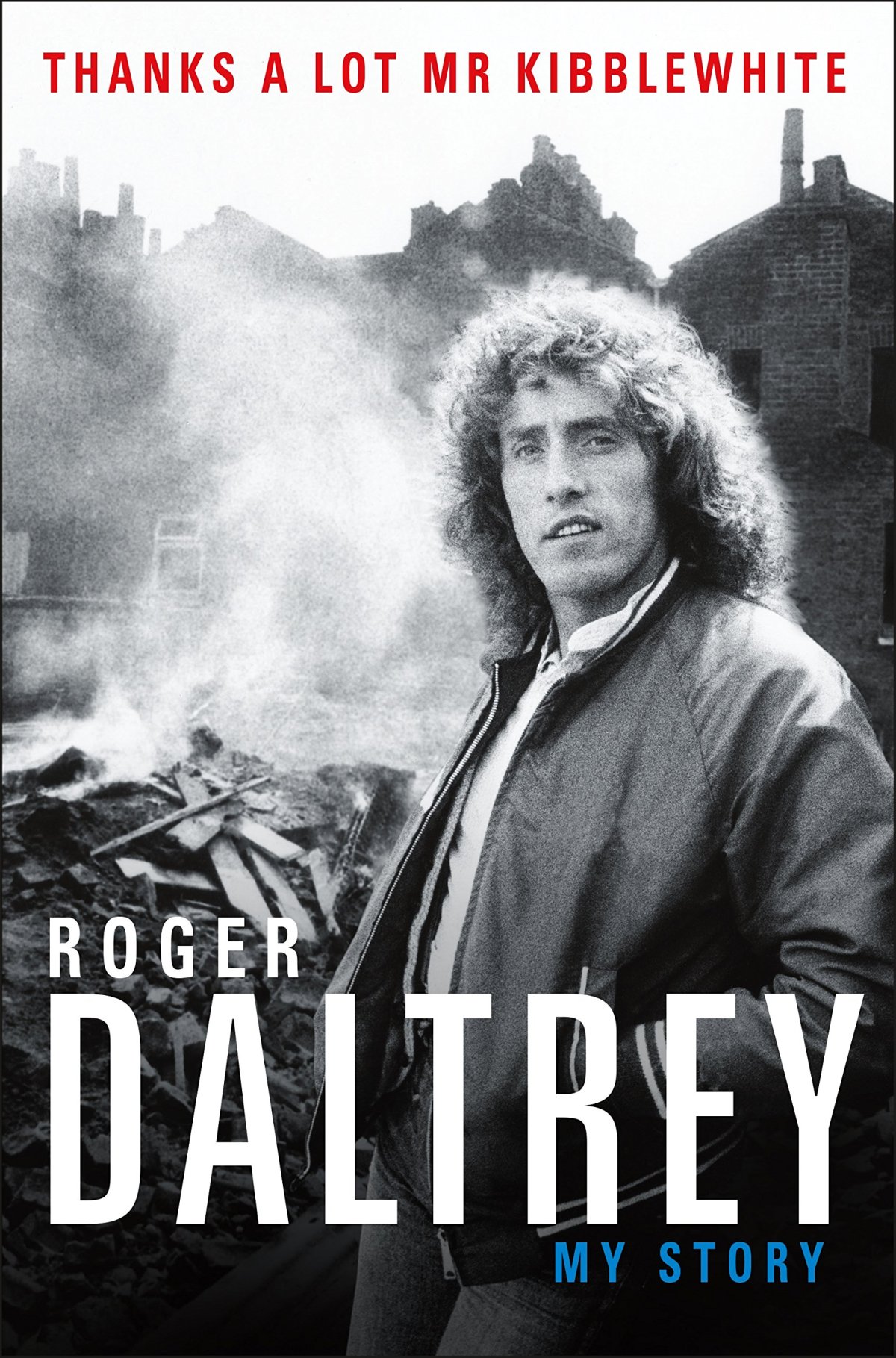
I just finished the audio version of this book. I’m a huge Who fan and I was looking forward to it. It was nice to hear the book narrated by Roger himself. It’s a solid book but I have only one complaint that I will get into below.
The positive about the book is you find out more about the different personalities of the Who and the reason they fought. Pete the artist, John the dark one, Keith the lunatic, and Roger blue-collar man of the band. We all knew those descriptions before but Roger tries to explain how it worked and didn’t work as a band. If you want to know The Who’s impact on rock music and culture go to Pete Townshend. If you want to get straight to the point with just the highlights…Roger is your man.
Roger is grounded, avoided most of the pitfalls in his profession, hard-working, and loves interpreting Pete’s music to the world. He goes into how he changed his singing style with Pete’s writing. How he became Tommy and the mod in Quadrophenia. He hits the highlights of The Who and his life without the Who in the 80s and part of the 90s.
The strongest part of this book is about his childhood and his collection of relatives. Roger seems very approachable, likable, and down to earth. Roger was the one constant in the band that you didn’t have worry about his on tour activities. He does talk about the high points of the Who and his acting career.
My biggest complaint is the book is too short. You get the impression that he didn’t think that anyone would want to hear any details whatsoever. He does give you some good stories but touches a subject and quickly leaves. It’s almost a cliff notes version as he didn’t dwell in any period long.
It is a quick and enjoyable read but leaves you wanting more.
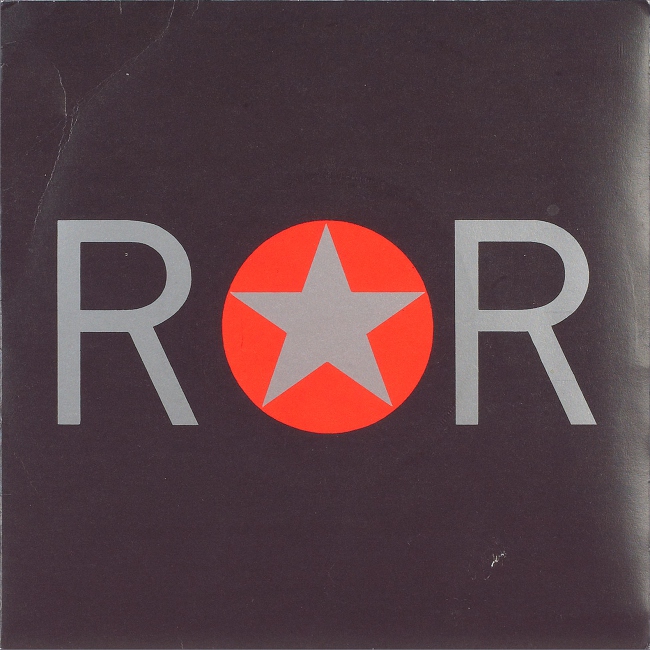
Ringo Starr and Robin Cruikshank formed a partnership in 1969 and they were located in the Beatles Apple building on Savile Row. In 1972 relocated with Apple to 54 St James Street.
Robin had originally worked for Ringo to design a stainless steel fireplace for Ringo and his wife Maureen. Ringo started to give Robin some suggestions and the two started to worked together on furniture and different designs for years after that. The partnership lasted until 1986 and after that Ringo let Robin use the name so Cruikshank could continue different projects.
If you ever run across anything made by RoR you probably have something very valuable.
Below was designed by RoR. I can’t imagine what it would have cost. I would take it in a second.
I remember seeing the below item on the news. Very expensive because they didn’t use reproduction parts…they all had authentic Roll Royce grills.
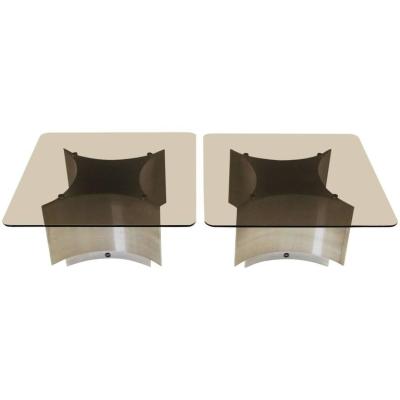
Here are some tables by RoR.
Below is Robin’s website featuring his new designs plus much more history.
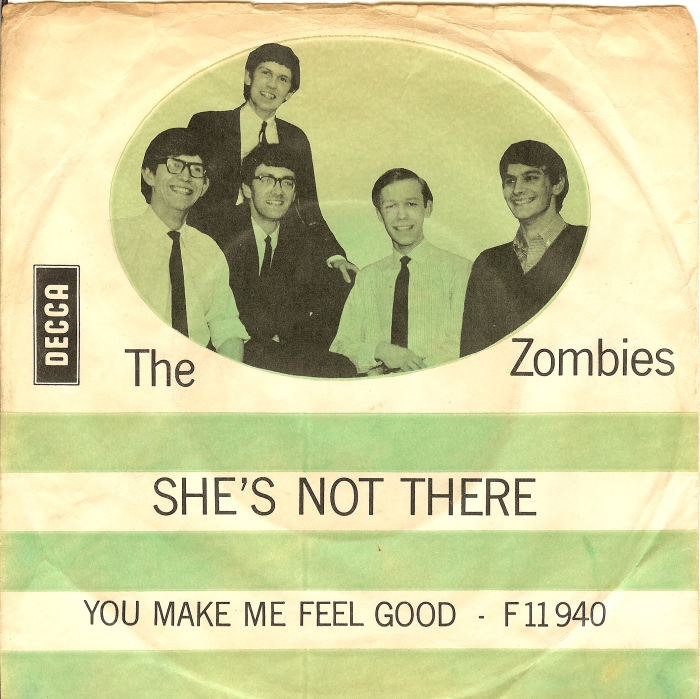
The Zombies were a bands band. They were very talented musicians who had the respect of other bands. The song peaked at #1 in the Billboard 100, #2 in Canada, and #12 in the Uk in 1964. They sounded like no other band at the time with a jazz/pop feel.
The group signed to Decca Records, and their keyboard player Rod Argent came up with this song for the session. It tells the story of an alluring woman who won’t be tied down to one man – the singer wants to tell us all about her, but he can only use words since she’s not there.
This was The Zombies first single. The band also recorded a cover of Gershwin’s “Summertime” for their first album, which was considered for the band’s first single, but “She’s Not There” got the nod. Boosted by radio play on New York powerhouse WINS, the song became a hit in the US.
She’s Not There Well, no one told me about her The way she lied Well, no one told me about her How many people cried
But it’s too late to say you’re sorry How would I know? Why should I care? Please don’t bother trying to find her She’s not there
Well, let me tell you ’bout the way she looked The way she acts and the color of her hair Her voice was soft and cool Her eyes were clear and bright But she’s not there
Well, no one told me about her What could I do? Well, no one told me about her Though they all knew
But it’s too late to say you’re sorry How would I know? Why should I care? Please don’t bother trying to find her She’s not there
Well, let me tell you ’bout the way she looked The way she acts and the color of her hair Her voice was soft and cool Her eyes were clear and bright But she’s not there
But it’s too late to say you’re sorry How would I know? Why should I care? Please don’t bother trying to find her She’s not there
Well, let me tell you about the way she looked The way she acts and the color of her hair Her voice was soft and cool Her eyes were clear and bright But she’s not there
Clackers or… death on a string came out in the 1960s. They were also called Ker-Bangers, Klackers, Click-Clacks, Klik Klaks, Klappers, and Zonkers.
I remember a kid giving me his Clackers. The object I guess was swinging them up and down until they hit each other and made a “clack” sound. The sound I got the most was a thud sound with plastic hitting my skin. They were also known to shatter and the pieces fly in all different directions.
They were similar to Bolas…a weapon used by cowboys to throw at cattle or game to wrap around their legs…sometimes breaking them. Yep…lets redesign this and give it to kids.
I never minded somewhat dangerous toys but I didn’t get too much pleasure out of these.
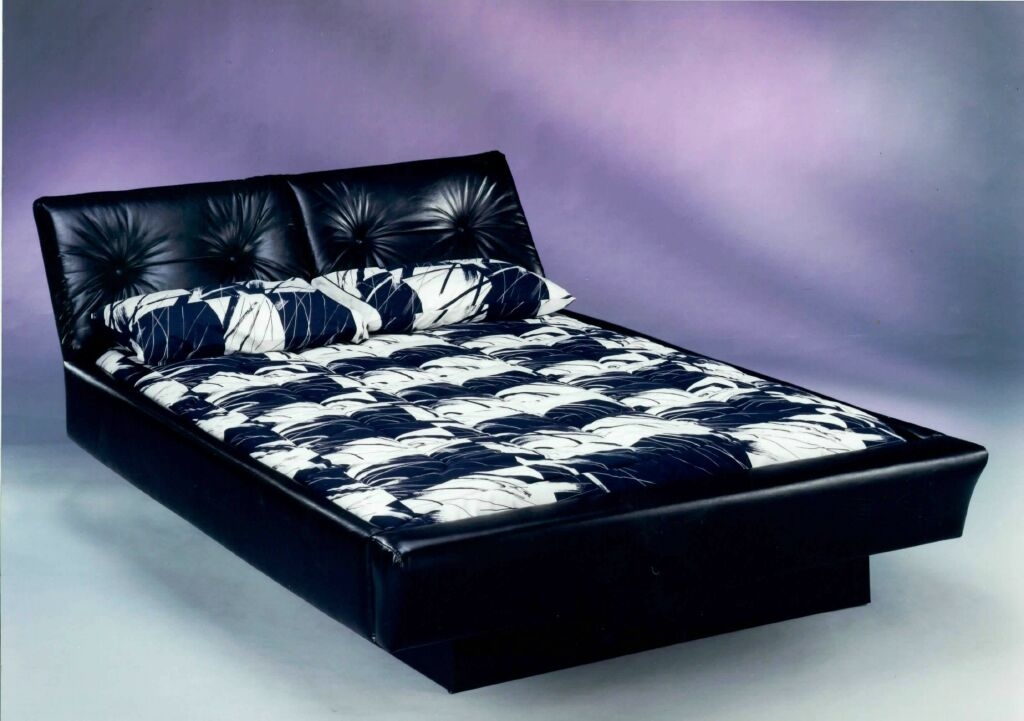
I had a waterbed in the early 80s as a young teen. I always liked it and thought it was comfortable. Two things I didn’t like about it was… if there was a leak you would not know until 2:30 am and on a school night…always. If the heater was either turned down or went out…you would wake up as a human popsicle at…you guessed it… 2:30 am. Nothing ever happened to it at noon on a Saturday.
in the early 1800s. Scottish physician Dr. Neil Arnott devised a water-filled bed to prevent bedsores in invalids.
In 1873, Sir James Paget, of St. Bartholomew Hospital in London, presented the waterbed designed by Dr. Arnott as a treatment and prevention of ulcers, a common condition at this time. Paget found that waterbeds allowed for even pressure distribution over the entire body. The only problem was that you could not regulate the water temperature.
In 1968 Charles Hall presented the waterbed as his Master’s Thesis project to his San Francisco State University design class. While showcasing their work, students rotated through workshops to see each other’s inventions. Once they reached Hall’s project – a vinyl mattress filled with heated water – the class never left. “Everybody just ended up frolicking on the waterbed,” Hall recalls.
Hall’s first waterbed mattress was called ‘the Pleasure Pit’ and it quickly gained popularity with the hippie culture of the 1960’s and 1970’s.
Time Magazine in 1971 about waterbeds. “Playboy Tycoon Hugh Hefner has one–king-size, of course, and covered with Tasmanian opossum. The growing number of manufacturers and distributors, with such appropriate names as Aquarius Products, the Water Works, Innerspace Environments, Joyapeutic Aqua Beds and the Wet Dream, can hardly meet the demand. They have sold more than 15,000 since August.”
Sex always sells… one ad stated. “Two things are better on a waterbed. One of them is sleep.” and “She’ll admire you for your car, she’ll respect you for your position, but she’ll love you for your waterbed.”
By the 80s waterbeds were in the suburbs and gaining in popularity. In 1987, waterbeds had achieved their peak, representing 22 percent of all U.S. mattress sales.
At the end of the 1980s waterbed sales fell off. Some say it was because they were too connected to the 70s that had fallen out of favor (the horror!)… but most think it was because of the maintenance and pain in setting them up and moving them. Also, you had to make sure your floor was braced enough to have one depending on the size and weight of it.
Today you can still buy them but most are designed thinner to hold less water in rolls instead of sleeping on a lake beneath you.
I had mine until I was 20 with plenty of patches but it still held water and me… but I left it behind when I moved.
This egg-shaped one below I would gladly take home now
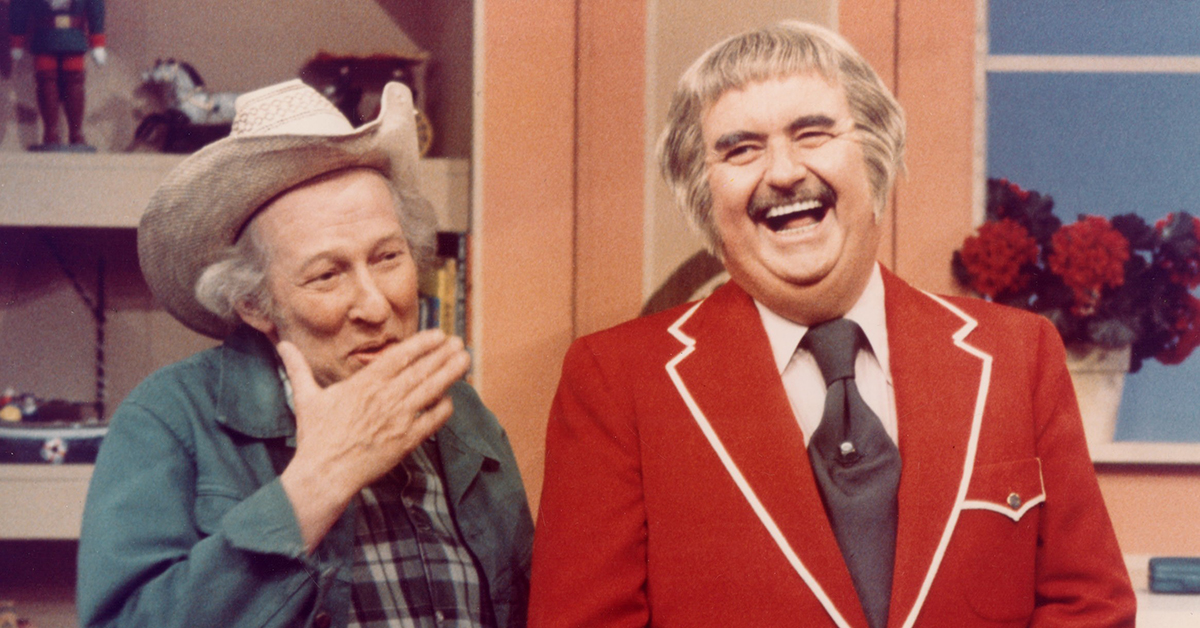
Bob Keeshan played Clarabell on the Howdy Doody Show. In 1955 CBS offered Keeshan his own children’s show, which became Captain Kangaroo. Captain Kangaroo ran from 1955 to 1984. The show spanned many generations of kids during that time.
Keeshan was Captain Kangaroo and every morning I would look forward to seeing The Captain, Mr. Green Jeans, Bunny Rabbit, Dancing Bear, and Mr. Moose. I knew that Mr. Moose was setting the Captain up for the ritual ping-pong drop on the Captain’s head that never got old.
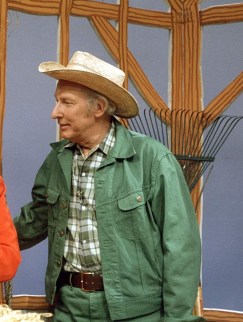
Mr. Green Jeans (Hugh Brannum) would have different animals at times to show. He also portrayed the Professor, Greeno the Clown, the New Old Folk Singer, and Mr. Bainter on the show.
The Painter was played by Gus “Cosmo” Allegretti who also handled the puppets and Dancing Bear.
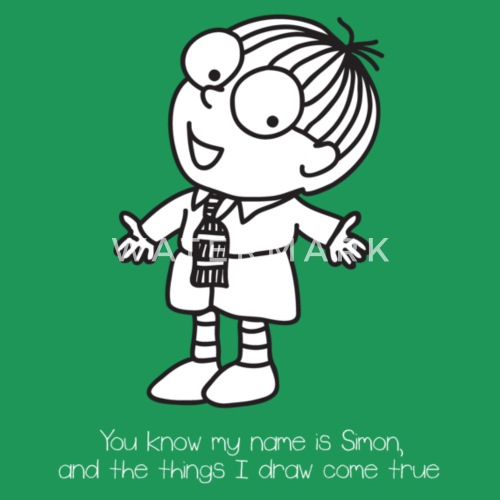
One one of my favorite sections was the cartoon “Simon in the Land of Chalk Drawings” that would appear on some shows. Simon had a magic blackboard and anything he drew became real.
Mr. Moose could be a slight smart aleck so I did like him. He also hung out with Bunny Rabbit and the Dancing Bear.
Captain Kangaroo’s place with his cast of characters was a nice place to visit as a kid.
I just rediscovered this song from watching Breaking Bad recently.
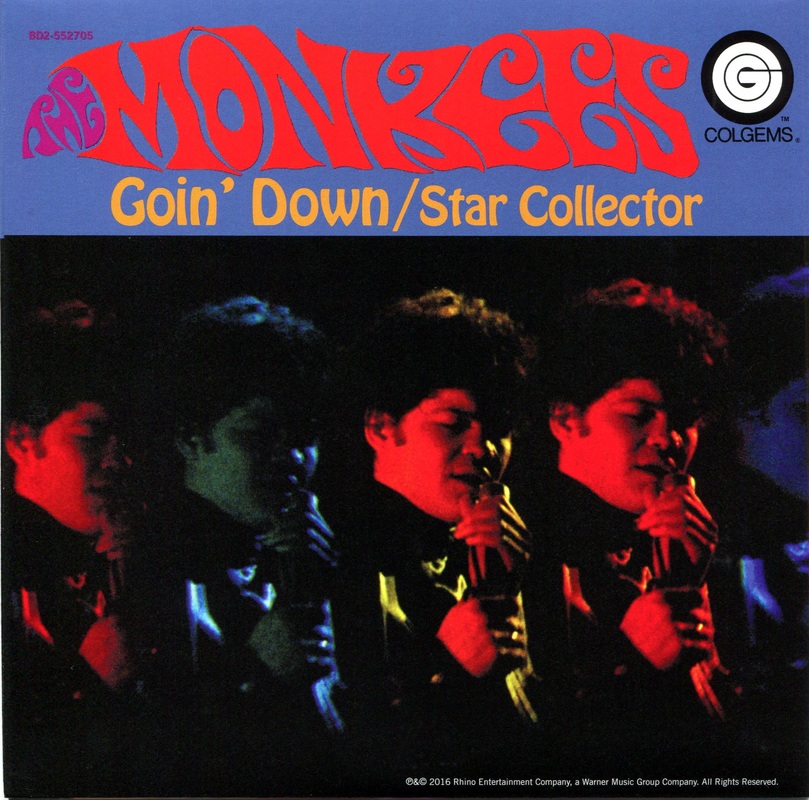
The Monkees “Goin’ Down” was released as the B side to Daydream Believer and reached only #104 in the Billboard 100. It was written by all four members of the Monkees and Diane Hildebrand. Micky Dolenz has a good pop/rock voice.
From Wiki
In 2012, the composition met with controversy for its unexpected use in the television show, Breaking Bad. Dolenz, who was unaware an abridged version of “Goin’ Down” was to be featured on the show, commented, “‘Goin’ Down’ has nothing to do with drugs, obviously. And I certainly don’t condone meth — that is nasty stuff that kills a lot of people and ruins a lot of lives. … On the other hand, I like the TV show, it’s very well-made. … And no, I didn’t make a penny”.
Peter Tork says this was based on Mose Allison’s “Parchment Farm.” It’s about a drunken guy who “ends it all” by jumping into the river, and immediately regrets it as he’s “Goin’ Down.”
Drummer Micky Dolenz sang lead.
All the Monkees got writer’s credit on this song.
This was released as the B-side of “Daydream Believer.”
Goin’ Down
Sock it to me…
Floatin’ down the river, With a saturated liver, And I wish I could forgive her, But I do believe she meant it, When she told me to forget it, And I bet she will regret it, When they find me in the morning wet and drowned. And the word gets ’round. I’m goin’ down I’m goin’ down
A-comin’ up for air, It’s pretty stuffy under there, I’d like to say I didn’t care, But I forgot to leave a note, And it’s so hard to stay afloat, I’m soakin’ wet without a boat, And I knew I should have taken off my shoes. Ah, it’s front-page news. Goin’ down Goin’ down
Hep Hep Hep Hep Hep Hep Hep Hep Hep Hep Hep Hep Hep
I wish I had another drink, It wouldn’t be so hard to sink, I should have taken time to think, Besides I got the picture straight, She must have had another date, I didn’t need this extra weight, I wish that I could see the way to shore. I don’t want no more. Goin’ down I’m goin’ down
And now I see the life I led, I slept it all away in bed, I shoulda learned to swim instead, And now it’s really got me stumped, I can’t remember why I jumped, I’d like to get my tummy pumped, I can’t believe they drink this stuff in town. This dirty brown. Goin’ down Goin’ down
I’m goin’ down, hep Goin’ down Hep Hep Goin’ down Dga Goin’ down goin’ down Goin’ down goin’ down Goin’ down
I wish I’d looked before I leaped, I didn’t know it was so deep. Been down so far I don’t get wet, I haven’t touched the bottom yet. This river scene is gettin’ old, I’m hungry, sleepy, wet and cold. She told me to forget it nice, I should’ve taken her advice. I only want to go on home, I’d gladly leave that girl alone. Wha-what a way to spend the night, If I don’t drown, I’ll die of fright. My pappy taught me how to float, But I can’t swim a single note. He threw me in to teach me how, I stayed there floatin’ like a mama cow. And now I’ve floated way down stream, I know this has to be a dream. If I could find my way to shore, I’d never, never do this anymore. I’ll give you three; I’ve been down nine, I’m goin’ down just one more time. Goin’ down Ah dga, goin’ down Dga goin’ down Gah gah, goin’ down I’m goin’ down Go-go-go-goin’ down Back back back back home Back back back home Back back back back home Goin’ down Goin’ down I’m goin’ down I’m goin’ back home Back to my friends Back to the one Back to the truth I’m goin’ home Aahh
Now the sky is gettin’ light, And everything will be all right. Think I’ve finally got the knack, Just floatin’ here lazy on my back. I never really liked that town, I think I’ll ride the river down. Just movin’ slow and floatin’ free, There’s a river swingin’ under me. Waving back to the folks on shore, I should have thought of this before. I’m floatin’ on down to New Orleans, Gonna pick up on some swingin’ scenes. I’m gonna know me a better day, I’ll go down groovin’ all the way. Goin’ down A-ahh Go-go-goin’ down
I’m goin’ down Back back back to New Orleans Back back back back home I’m go-goin’ down A-hep hep hep, hep I’m goin’ on down Hep, hep, hep, hep I’m go-go-go-goin’ down I’m goin’ down Goin’ down Go go Auhh Hep, hep hep, hep Hep, hep hep Dga, dga dga, dga Dga, dga dga, dga Dga, dga dga, dga Dga, dga dga Got ta go Got ta go Got ta go back home I’m goin’ down-down-down-down-down-down the river Down-da-down-down-down the river, yeah Gotta go gotta go Gotta go gotta go Down-nh-nh-nh Hep, auh, hep, hep (Fade out)

















 PowerPop... An Eclectic Collection of Pop Culture