This is my second King Crimson post. I’ve heard their debut album the most and I like it. I went exploring and found this one. I can hear the 80s in this but not as strong as some…I like the slide guitar sound of Robert Fripp in this song.
This song to me is bridged progressive rock with a more contemporary, new-wave-influenced sound. This song was not released as a single but has become a favorite among fans of King Crimson. Their 1980s lineup was Adrian Belew on vocals and guitar, Robert Fripp on guitar, Tony Levin on bass guitar, and Bill Bruford on drums.
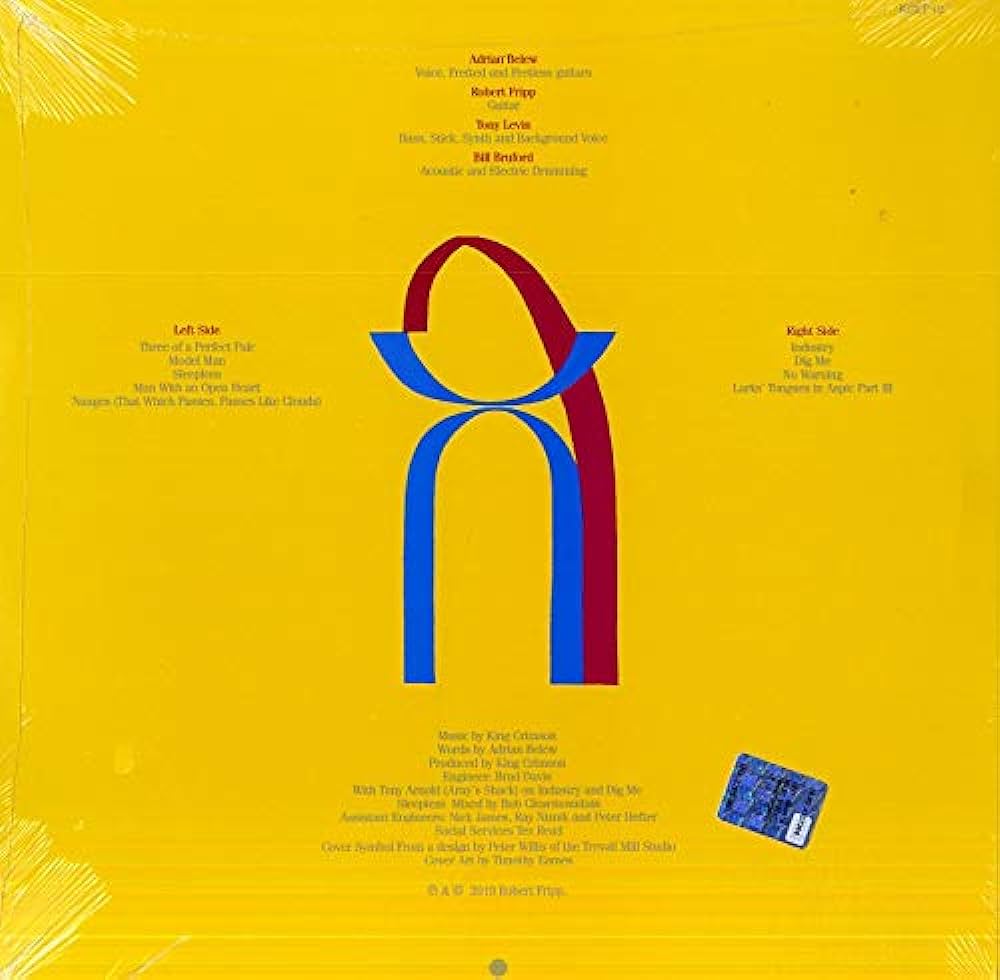
This song was on the album Three of a Perfect Pair released in 1984. It peaked at #58 on the Billboard Album Charts, #43 in Canada, and #30 in the UK. This song is only 3:49 but not your average pop song. They seem to like throwing curves and they did with this one…like with the slide I mentioned being slightly off by Fripp makes this interesting.
Three of a Perfect Pair is the third album in a trilogy that began with Discipline (1981) and continued with Beat (1982). In this period the band consisted of Robert Fripp, Adrian Belew, Tony Levin, and Bill Bruford.
Model Man
Look for the signs Look for the symptoms Look for the slight Calm before the storm
I feel the silence I feel the signals I feel the strain Tension in my head Well, what more can be said
Not a model man Not a saviour or a saint Imperfect in a word Make no mistake But I give you everything I have Take me as I am
Look for the signs Look for the symptoms Look for the slight Calm before the storm
I feel the silence I feel the signals I feel the strain Tension in my head Well, what more can be said
Not a model man Not a saviour or a saint Imperfect in a word Make no mistake But I give you everything I have Take me as I am
Not a model man Not a saviour or a saint Imperfect in a word Make no mistake But I give you everything I have Take me as I am
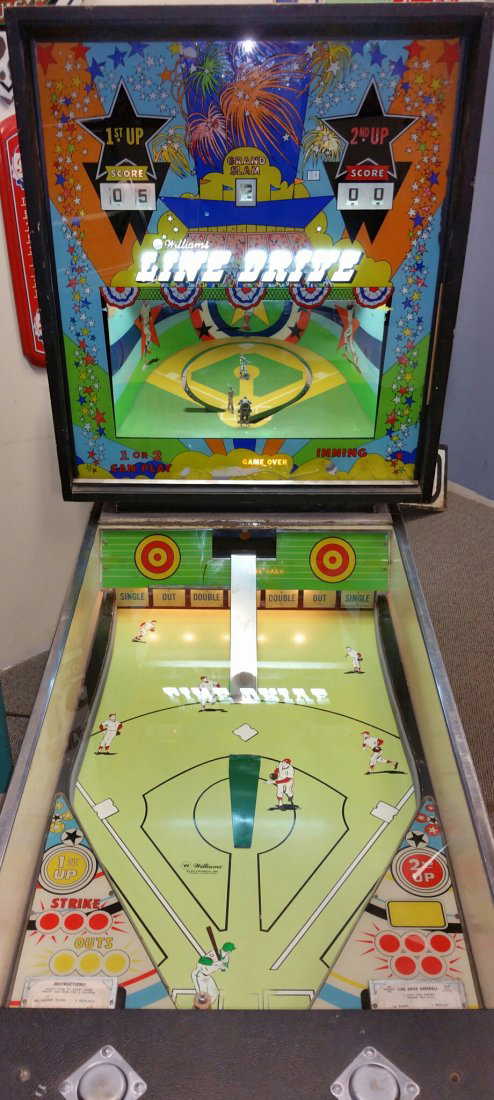
When I would go skating, the best part was playing all of the pinball machines. I’ve always favored them over the video games at arcades because they were machines instead of a screens. Some took some skill and bumping the machine a little but not too much to tilt. I remember Baseball pinball machines, the Elton John model, KISS model, The Who Pinball Wizard model, and many bicentennial models. Below is a quick history of these works of art.
The start of pinball machines started in the 19th century with a “Bagatelle-Table”, a sort of hybrid between a “pin table” and pool table. Players tried to hit balls with cue sticks and get them into pockets or slots surrounded by nails and pins. Another step towards the modern pinball form occurred sometime at the end of 19th century when inventor Montague Redgrave patented a device called a “ball shooter”, which was based on the recently invented steel spring.
The first coin-operated “pinball machine” was invented in 1931 by Automatic Industries and was called the “Whiffle Board”. But the gaming industry really began in the mid-1930s with the production of a game called “Ballyhoo”. It was invented by one Raymond Maloney, who later started the Bally Manufacturing Company of Chicago, IL.
Pinball machines really grew in popularity after World War II. The ten-year period of 1948-58 is referred to by some as the “Golden Age” of pinball, due to the invention of flippers in 1947 by the D. Gottlieb Co. in a game called “Humpty Dumpty”, and was one of the main reasons for the renewed interest in pinball machines at the time. Humpty Dumpty was the very first pinball machine with flippers!
In 1966, the first digital scoring pinball machine, “Rally Girl” was released Rally. In 1975, the first solid-state electronic pinball machine, the “Spirit of 76”, was released by Micro. In 1998, the first pinball machine with a video screen was released by Williams in their new “Pinball 2000” series machines. Versions of pinball are now being sold that are completely software-based.
I still like the software-free machines…some were like works of art.
I heard this song the other day, and I thought to myself, “I would LOVE to post about it, but I probably already have.” I checked, and to my surprise, I had never posted it before. This is one of the first songs I remember from my youth. I was three years old when it was released but I remember it through the seventies.
She wrote “Big Yellow Taxi” in 1970, inspired by her first trip to Hawaii. When she woke up in her hotel room she was struck by the contrast between the mountains in the distance and the large parking lot below her window. The difference between natural beauty and urban development influenced the song’s opening line, “They paved paradise to put up a parking lot.” Mitchell said: I wrote ‘Big Yellow Taxi’ on my first trip to Hawaii. I took a taxi to the hotel and when I woke up the next morning, I threw back the curtains and saw these beautiful green mountains in the distance. Then, I looked down and there was a parking lot as far as the eye could see, and it broke my heart […] this blight on paradise. That’s when I sat down and wrote the song.
The song appeared on her album Ladies of the Canyon released in 1970. The album’s title references Laurel Canyon in Los Angeles, a hub for musicians and artists during the 1960s, where Mitchell resided at 8217 Lookout Mountain Avenue. Her home became a gathering place for notable musicians, including David Crosby, Stephen Stills, and future boyfriend Graham Nash. Laurel Canyon had a vast array of talent with CSN, James Taylor, Canned Heat, The Doors, Eagles, Linda Rondstadt, and more. My friend Dave wrote a great article about that music scene that happened in the late sixties and early seventies.
The song peaked at #67 (I checked that twice!) on the Billboard 100, #15 in Canada, and #11 in the UK. I would have bet the farm that it peaked higher than 67 here. There is a “but” to this song though…a live version came out in 1974 and that one did better. It peaked at #24 on the Billboard 100. Sometimes though it doesn’t matter where it charts. Some songs become ingrained into pop culture. Songs like In My Life by the Beatles never was released as a single and many artists have songs we all know and love that didn’t chart high or at all. And some charting songs are never remembered anymore.
Her guitar playing is unusual, to say the least. She doesn’t use traditional chords as much as other players. She makes up different tunings in open chords. That is why when you see her play, most of the time she is using a finger to bar all of the strings. I would hate to be her guitar tech. I can’t imagine how many guitars she takes on tour with her. I used an open G chord while playing Rolling Stones songs so I would take another guitar already tuned in G so I wouldn’t have to retune my guitar in many songs.
Big Yellow Taxi
They paved paradise, put up a parking lot With a pink hotel, a boutique, and a swingin’ hot spot
Don’t it always seem to go That you don’t know what you’ve got ’til it’s gone They paved paradise, put up a parking lot (Ooh, bop-bop-bop-bop, ooh, bop-bop-bop-bop)
They took all the trees put ’em in a tree museum And they charged the people a dollar an’ a half just to see ’em
Don’t it always seem to go That you don’t know what you’ve got ’til it’s gone They paved paradise, put up a parking lot (Ooh, bop-bop-bop-bop, ooh, bop-bop-bop-bop)
Hey farmer, farmer put away that DDT now Give me spots on my apples, but leave me the birds and the bees Please
Don’t it always seem to go That you don’t know what you’ve got ’til it’s gone They paved paradise, put up a parking lot (Ooh, bop-bop-bop-bop, ooh, bop-bop-bop-bop)
Late last night I heard the screen door slam And a big yellow taxi took away my old man
Don’t it always seem to go That you don’t know what you’ve got ’til it’s gone They paved paradise, put up a parking lot (ooh, bop-bop-bop-bop)
I said don’t it always seem to go That you don’t know what you’ve got ’til it’s gone They paved paradise, put up a parking lot (ooh, bop-bop-bop-bop) They paved paradise, put up a parking lot (ooh, bop-bop-bop-bop) They paved paradise Put up a parking lot
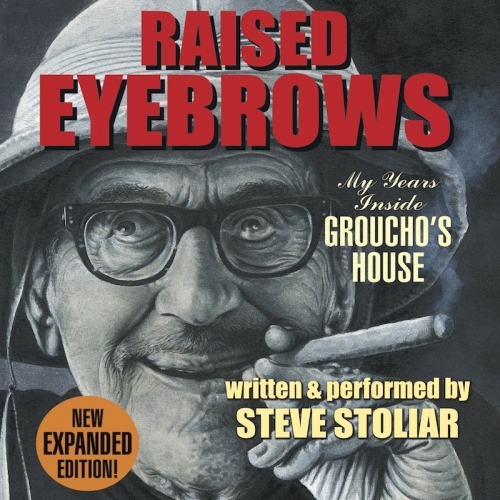
Steve Stoliar wrote this book about being a student at UCLA and working at Groucho Marx’s house starting in 1974. This book is not about the peak years of The Marx Brothers or Groucho…just the opposite. It’s the decline of Groucho Marx’s health and his eventual death.
Steve was in UCLA heading up a petition to get “Animal Crackers” released again to theaters for which he was successful. The Marx Brothers popularity was on the rise again. Groucho traveled to the campus to help out. Groucho’s PA Erin Fleming eventually hired Steve as a secretary and archivist. Steve worked in Groucho’s house for a little over 3 years. He was a huge fan not only of Groucho but of old Hollywood.
The number of famous people who passed through Groucho’s house was incredible. Old Hollywood stars and also new ones at the time. Jack Lemmon, Walter Matthau, Bud Cort (Harold and Maude), Alice Cooper, Dick Cavett, Woody Allen, Mae West, Queen (they are not in the book though), and many writers from the early days of motion pictures.
The sad part of this story is Erin Flemming (no relation to Harpo’s wife Susan Flemming). She was mentally unstable and both helped Groucho and hurt him. She would scream, berate, and push Groucho to make appearances he had no business doing in his condition. She convinced Groucho that his kids were terrible and she actually tried to get him to adopt her as his daughter. She would fire people for any reason and be very unpredictable.
After Groucho passed on it took years before the court case between Erin and Groucho’s son Arthur Marx to settle. Erin ended up losing and she was in and out of mental hospitals and wandering the LA streets for the rest of her life.
Steve slowly builds a friendship with Groucho and many of the celebrities who pass through the house. Steve didn’t seem to embellish anything in the book. There are only a couple of celebrities he said anything bad about. One was Barbara Streisand…which I totally can see after hearing other stories about her.
As a matter of fact, there’s really only one time that I can recall being officially snubbed at Groucho’s house. It was when Elliott Gould arranged for his ex-wife, Barbra Streisand, to come with him one Sunday afternoon along with their young son, Jason. Streisand never made eye contact with me the whole time she was there nor acknowledged my presence in the room even when I was speaking. It was as though I didn’t exist. Others spoke to me and Streisand made comments to the people around me, but to her I was, apparently, invisible.
Groucho had a number of mini-strokes and year by year he worsened. He would have good days and bad ones but he never lost his wit. Steve was/is a true fan. He relished working there with his hero. Imagine being nineteen years old and working for a celebrity you really admire. That would have been like me working for John Lennon (or Groucho)…which would have been incredible.
Groucho’s health was fine until around 1972 when he had his first stroke. That is when he started to really age. In the early seventies, he would appear on talk shows with his quick wit and singing songs. After the stroke, you could tell a difference.
Steve was there until the very end and ended up as a television writer and a cartoon voiceover actor.
This is a very interesting book. I will say again that Steve is about as fair as you can get retelling stories. Groucho’s daughters would go on to say that he was very truthful. Some say he was too easy on Erin and some said he was too hard on her… I would say it’s only for Groucho fans but you get a lot of Marx Brothers stories and some information about old Hollywood.
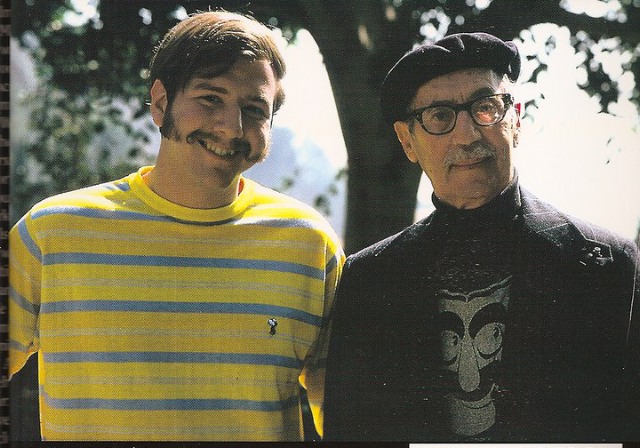
Steve and Groucho
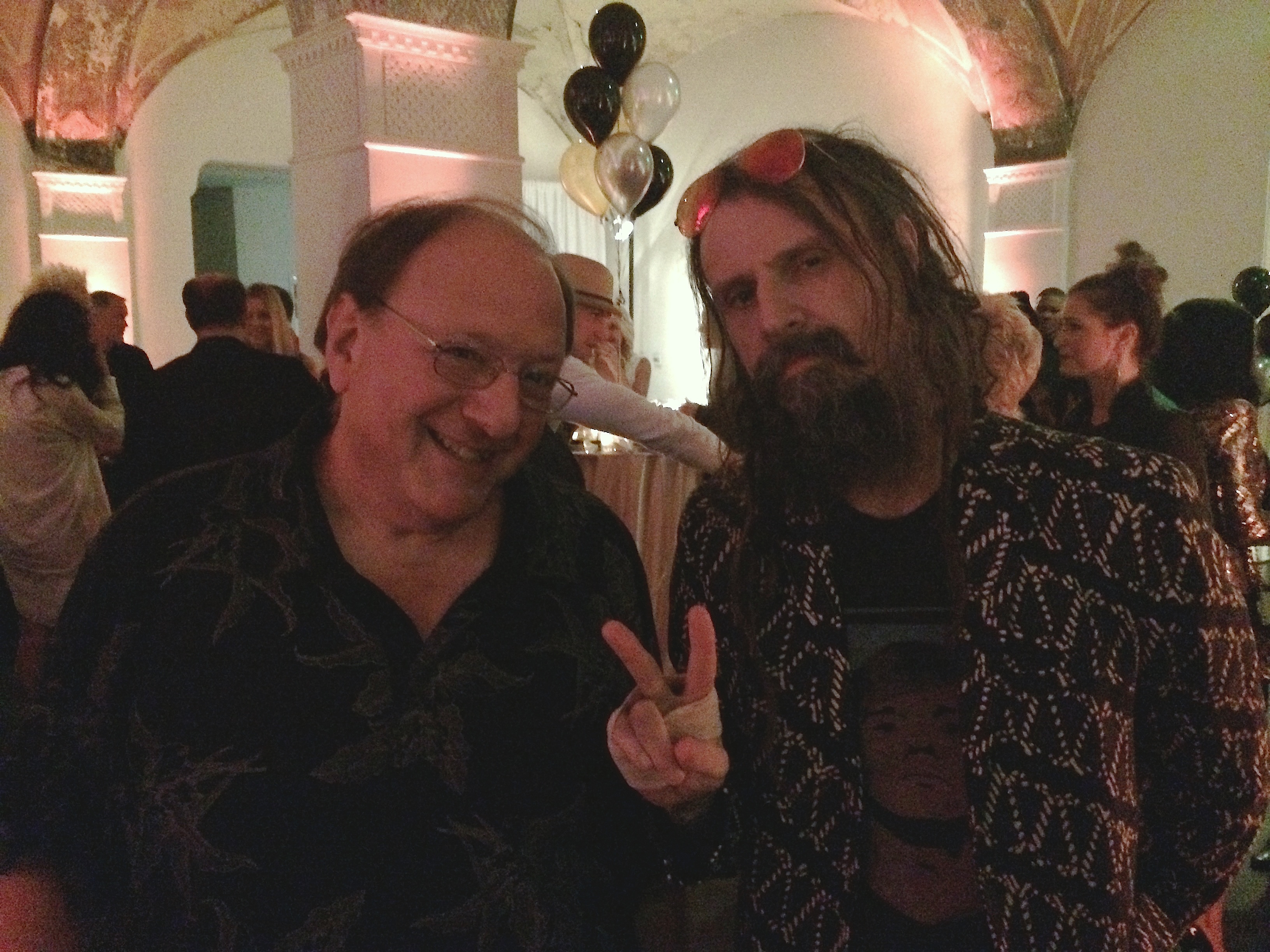
Rob Zombie wants to make a movie out of this book. That kind of takes me by surprise…not that a movie could be made…but that Rob Zombie wants to do it.
As it just so happens, in an interview Zombie mentioned that his favorite book was Raised Eyebrows written by Groucho’s former assistant, Steve Stoliar. It details the last years of the comedian’s life through Stoliar’s eyes.
I have fond memories of this song in the 80s. I was at One For The Sun in Nashville enjoying our “beach” while a band played on a floating stage in the lake. It was a cool way to watch a band and when you got hot…you jumped in the water. I forgot what band was playing that day but between sets, we would play the radio and I heard this incredible bass sound coming out of the speakers from this song. Plus the guitar plays such a cool lick in the song.
That was in 1985 and let’s fast forward to 1995. The song stuck with me but I never did find out who was singing it. Remember…there was no internet or a quick way to find out. I went to Tower Records to buy a Badfinger CD and all of a sudden I thought of the song. I told the guy there… it was a song I wanted and it had the word “soda” in it. In a flash, he said Go For A Soda by a Canadian artist named Kim Mitchell. They had his greatest hits so I bought it. It was like finding a lost friend. He had a lot of great songs.
Kim Mitchell is probably best known as the singer of the Canadian band Max Webster in the 1970s and for his solo career after that. He has released 8 studio albums in all with his last coming in 2020. He has had several top 40 songs in Canada but Go For A Soda is his largest international hit. Max Webster released 6 studio albums with their last coming in 1981. All their albums went at least Gold in Canada and one reached Platinum.
Kim Mitchell released this in 1984 off his Akimbo Alogo album. The song peaked at #86 on the US Billboard 100 and #22 in Canada. It also peaked at #1 on the Canadian Content Cancon chart. I remember it getting plenty of airplay in my region. It did hit #12 on the Billboard Top Rock Tracks.
MADD (Mothers Against Drunk Driving) used this song as a theme song. The reason the song caught on with me is the bass guitar sound. I was playing bass at the time and loved the huge sound when it kicked in.
Welcome to early eighties videos! But I love it!
Go For A Soda
Might as well go for a soda…Nobody hurts and nobody cries Might as well go for a soda…Nobody drowns and nobody dies
So we’re in one of our blue moods You wanna have it your way and I want it mine All this debating going ’round in our blue mood Makes me thirst for love
Chorus: Might as well go for a soda…Nobody hurts and nobody cries Might as well go for a soda…Nobody drowns and nobody dies
Life seems to be a bomb inside your head Well the bomb in my head is love All this debating going ’round in our blue mood Makes me thirsty for love
Chorus: Might as well go for a soda…Nobody hurts and nobody cries Might as well go for a soda…Nobody drowns and nobody dies Might as well go for a soda…It’s better than slander It’s better than lies Might as well go for a soda…Nobody hurts and nobody cries
Halffastcyclingclub and I have had conversations about Los Lobos. I’ve always liked what I heard but I never heard much of anything that was not on the radio. I came across this song when I was listening to various playlists I found. I’ve been listening to this album and will start on their debut album next.
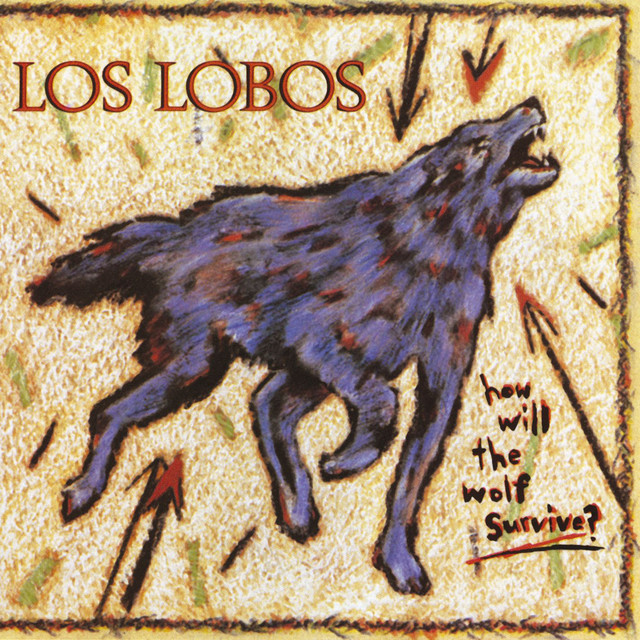
Sometimes songs grow on me but this one I liked right off the bat. The guitar’s tone and the way they worked it into the song…it just melts into it. This song was released in 1984 as the title track of their major label debut album, How Will the Wolf Survive? The song played a significant role in defining the band’s identity and their fusion of rock, blues, and traditional Mexican music.
Los Lobos (Spanish for “The Wolves”) started in the early 1970s in East Los Angeles. High school friends David Hidalgo, Louie Pérez, Cesar Rosas, and Conrad Lozano started playing together. The guy who brought them together was Francisco González. He left the band before fame and became musical director of El Teatro Campesino and went on to start Guadalupe Custom Strings. They started off by playing top 40 music but soon tired of that. They drew inspiration from Mexican folk music they heard as kids. They didn’t fit into the typical rock band mold… instead, they experimented with acoustic instruments like the jarana,requinto, and bajo sexto.
They opened for such artists as The Clash and The Blasters. Steve Berlin, who was born in Philadelphia, played saxophone for the Blasters and then left the group to join Los Lobos. To his delight, he found the other members of Los Lobos shared a love for country artists such as Hank Williams and George Jones. The band mixed so many styles…Mexican folk music, country, and rock all in the same bag.
The song peaked at #26 on the Billboard Top Rock Tracks Charts and #78 on the Billboard 100. The album peaked at #47 on the Billboard 100, #13 in New Zealand, #31 in Canada, and #77 in the UK in 1984.
There is a documentary about Los Lobos called Native Sons that is set to be released this year.
Will The Wolf Survive?
Through the chill of winter Running across a frozen lake Hunters hard on his trail All odds are against him With a family to provide for But one thing he must keep alive Will the wolf survive?
Drifting by the roadside Climbs a strong and aging face Wants to make some honest pay Losing to the rainstorm He’s got two strong legs to guide him Two strong arms keep him alive Will the wolf survive?
Standing in the pouring rain All alone in a world that’s changed Running scared now forced to hide In a land where he once stood with pride But he’ll find his way by the morning light
Sounds across the nation Coming from your hearts and minds Battered drums and old guitars Singing songs of passion It’s the truth that they all look for Something they must keep alive Will the wolf survive? Will the wolf survive?
With this band…I’ve heard their name more than I heard their music. I’ve seen several bloggers post about them and I always liked the songs. This one I liked when I heard it a few years ago. It’s a band I’ve always wanted to hear more so I did this weekend a little. After listening to this album…I see what the fuss is about. This song in particular has so many influences and Mike Scott’s voice has a perfect edge to it.
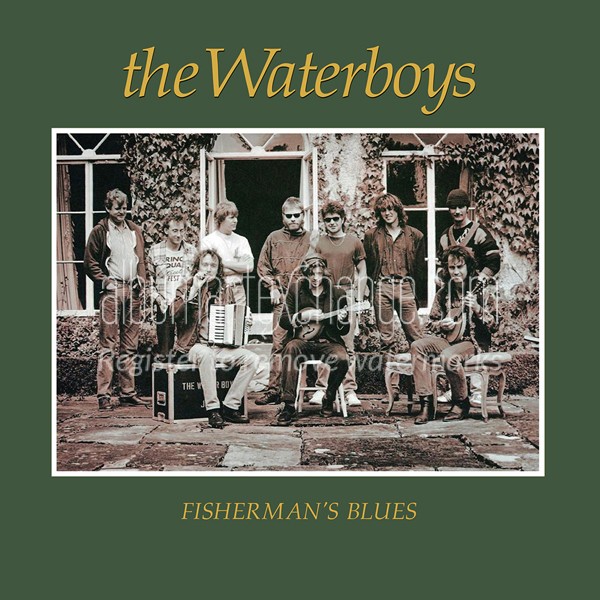
The Waterboys were formed in 1983 by Scottish musician Mike Scott, the band’s leader and primary songwriter. Over the years, their music has evolved through different phases, blending rock, folk, and Celtic influences. Fisherman’s Blues was the title track of their album released in 1988.
The band had become deeply immersed in traditional Irish music, influenced by musicians like The Bothy Band, The Chieftains, and Van Morrison. On this album they were helped out by a rotating lineup of musicians to help fill out the sound. They recorded 100 songs for this album.
Mike Scott disbanded The Waterboys in 1993 and pursued a solo career. The 1993 album Dream Harder was released under The Waterboys’ name but was essentially a Mike Scott solo album. They regrouped in 2000 and released an album called A Rock in the Weary Land.
Fisherman’s Blues peaked at #20 in New Zealand and #32 in the UK in 1988. The album peaked at #15 in New Zealand, #76 on the Billboard Album Charts, and #13 in the UK
Mike Scott: We started recording our fourth album in early ’86 and completed it 100 songs and 2 years later. There was a lot of indecision. I got too involved in the album and I lost perspective. We had blues songs, gospel songs, country songs, rock songs and ballads. I didn’t know where to take it. It could’ve been a gospel or country album. It could’ve sounded more like This Is the Sea or it could’ve been a traditional album. It could’ve been anything.”
Mike Scott: American music has influenced me more than I can say, but I prefer the music you made from 1920 to 1970—jazz, Broadway, blues, gospel, rock ‘n’ roll, proper R&B, counterculture, soul—than anything made since. And what do you lot think of me? Ain’t got a clue.
Fisherman’s Blues
I wish I was a fisherman Tumblin’ on the seas Far away from dry land And it’s bitter memories
Castin’ out my sweet line With abandonment and love No ceiling bearin’ down on me Save the starry sky above
With light in my head With you in my arms I wish I was the brakeman On a hurtlin fevered train
Crashin head long into the heartland Like a cannon in the rain With the feelin of the sleepers And the burnin of the coal
Countin the towns flashin by And a night that’s full of soul With light in my head With you in my arms
And I know I will be loosened From the bonds that hold me fast And the chains all around me Will fall away at last
And on that grand and fateful day I will take thee in my hand I will ride on a train I will be the fisherman
With light in my head You in my arms Light in my head You in my arms
Light in my head You With light in my head You in my arms
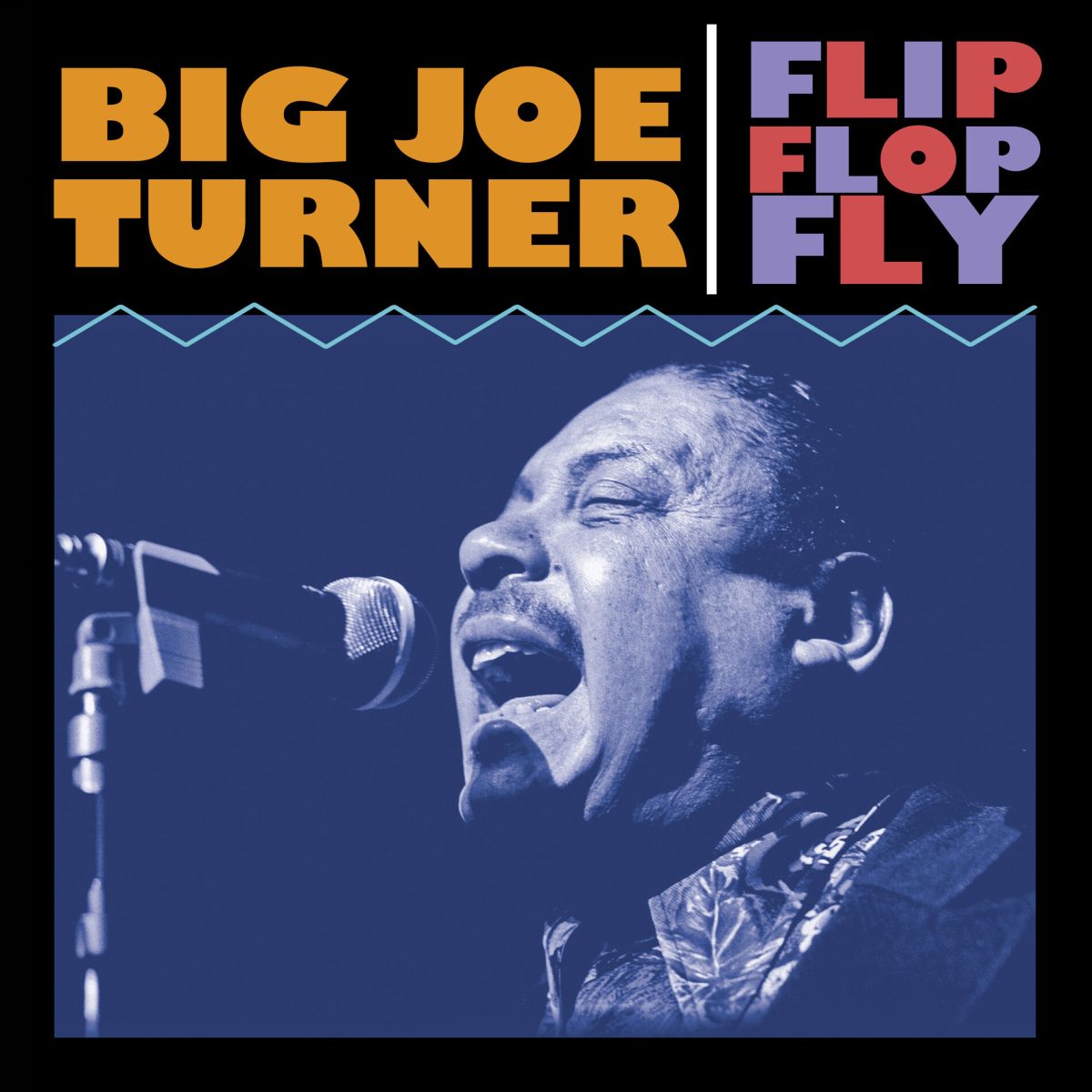
A lot of 1950s songs still get played today and we remember them but this one doesn’t get the attention although Elvis Presley, Jerry Lee Lewis, Johnnie Ray, Blues Brothers, Van Morrison, and Bill Haley covered it as well. It’s hard to beat something this simple…it just works. You don’t need a think tank… it’s just a fun song.
Big Joe Turner (Joseph Vernon “Big Joe” Turner Jr. ) grew up in Kansas City, a major hub for jazz and blues in the early 20th century. His father passed away when he was young, leaving his mother to raise him and his siblings. Turner never formally learned to play an instrument, but he developed his booming, unmistakable voice by singing in church and later performing on street corners.
He was thriving in the Kansas City Blues Scene. He left school at age 14 (1925) to work in those Kansas Blues Clubs in the 20s and 30s. He would cook or perform as a singing waiter. In 1936 he moved to New York City.
Signed with Atlantic Records in the 1950s and had a string of rhythm & blues hits. His upbeat jump blues style helped transition R&B into early rock & roll. He wrote and recorded songs like Shake, Rattle and Roll (1954)… One of the first songs that bridged blues and rock & roll. It was later covered by Bill Haley & Elvis Presley. Probably one of the most important songs in Rock and Roll history.
His success proved that older blues artists could thrive in the rock & roll era. This song was released in 1955 and has been covered 91 times.
Flip Flop and Fly
Now when I get the blues, I get me a rockin’ chair When I get the blues, I get me a rockin’ chair Well, if the blues overtake me gonna rock right away from here
Now when I get lonesome, I jump on the telephone When I get lonesome, I jump on the telephone I call my baby, tell her I’m on my way back home
Now flip, flop and fly I don’t care if I die Now flip, flop and fly I don’t care if I die Don’t ever leave me, don’t ever say goodbye
Give me one more kiss, hold it a long long time Give me one more kiss, hold it a long long time Now love me baby, till the feelin’ hits my head like wine
Here comes my baby, flashin’ her new gold tooth Here comes my baby, flashin’ her new gold tooth Well she’s so small, she can mambo in a pay phone booth
Now flip, flop and fly I don’t care if I die Now flip, flop and fly I don’t care if I die Ah, don’t ever leave me, don’t ever say goodbye
I’m like a mississippi bullfrog, sittin’ on a hollow stump I’m like a mississippi bullfrog, sittin’ on a hollow stump I got so many women, I don’t know which way to jump
Now flip, flop and fly I don’t care if I die Now flip, flop and fly I don’t care if I die Now, don’t ever leave me, don’t ever say goodbye Oh my!
I first blogged about these guys last year. I keep listening to their music and it’s all very likable. It’s something about this song that I can’t put my finger on that has stuck with me for days. It could be the unique lead vocal or it could be
Jimmie Dale Gilmore wrote this song with John Reed who was in a band at the time called Frieda and The Firedogs. Gilmore said: “It was inspired by this feeling I had one night having to do with, Well, I just want to go downtown, everybody knows that feeling. I think that’s why that song resonates with people because it kind of conjures an emotion that you can’t quite put your finger on.”
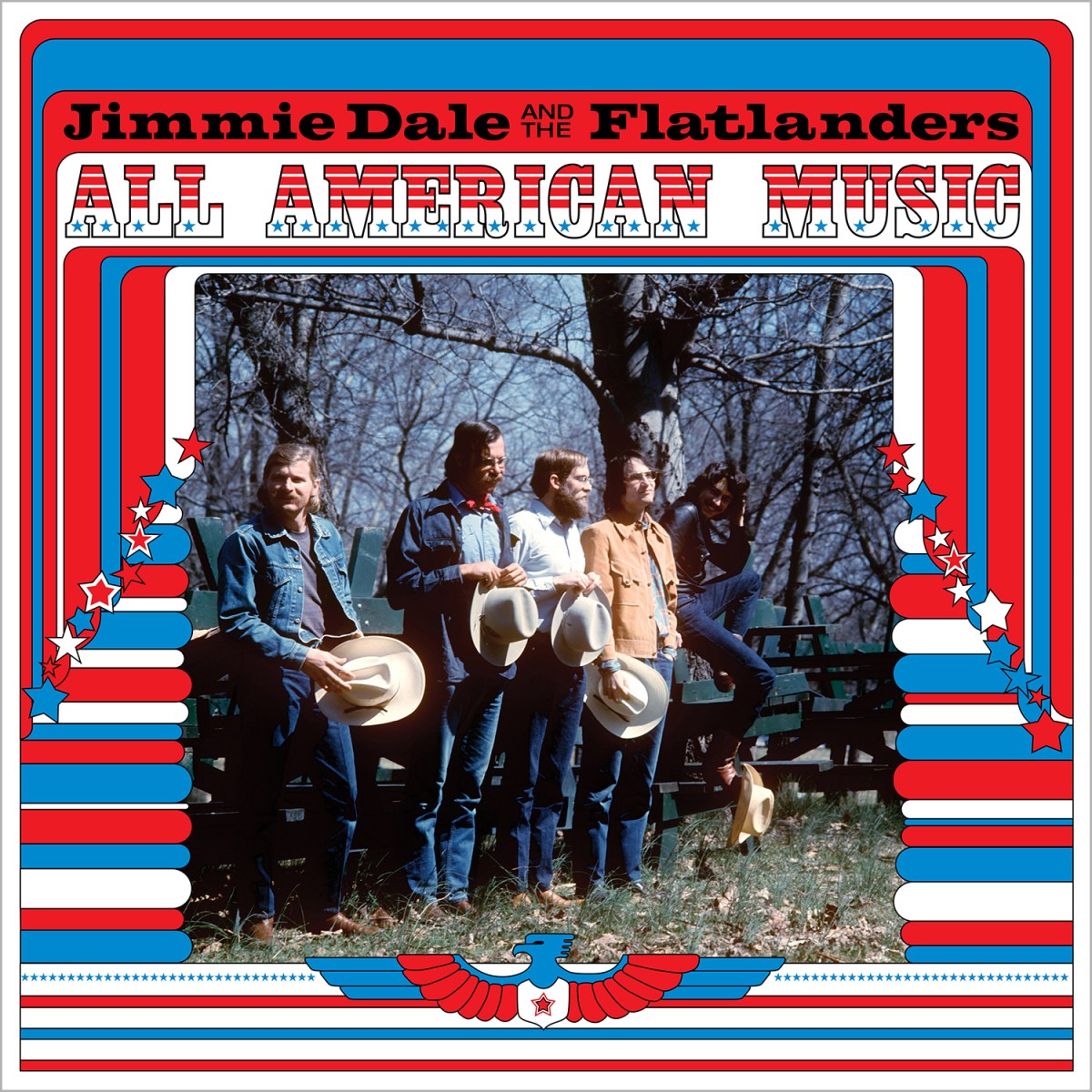
The track is featured on their album All American Music, which was their debut album and a great example of Americana and Texas music. Over the years, the song has been covered by various artists, including Joe Ely in February 1978 and Nanci Griffith in March 1982…Mudhoney also covered it.
With their All American Music… they issued a few hundred copies on 8-track cassettes. The group broke up the following year but would reform continually. In the 1990s, as Joe Ely, Jimmie Dale Gilmore, and Butch Hancock gained recognition as individual artists, interest in The Flatlanders’ early work grew so this album saw the light of day.
They were formed in 1972 by three singer-songwriters: Jimmie Dale Gilmore, Joe Ely, and Butch Hancock. The band was born out of the music scene in Lubbock, Texas, where all three members grew up. They recorded this album in Nashville. Initially, the album was released only as an 8-track tape by Plantation Records, with the title “Jimmie Dale and the Flatlanders.” This limited release received little attention at the time, and the band members soon went their separate ways to pursue solo careers.
They then released an album in 1980 called One More Road. Their debut album was re-released in 1990 as More a Legend Than A Band after all of them had some success during their solo careers. They have released 9 albums including a live album in 2004 from 1972 to 2021. Their last album was released in 2021 called Treasure Of Love. They started to chart in the music charts in the 2000s.
Hope you are all having a wonderful weekend and I hope you enjoy these songs.
I’m adding an extra bonus Flatlanders song called Pay The Alligator
I Think I’m Gonna Go Downtown
Tonight I think I’m gonna go downtown. Tonight I think I’m gonna look around For something I couldn’t see When this world was more real to me. Yeah tonight I think I’m gonna go downtown.
My love, my love has gone away. My love, my love what can I say. My love would never see That this world’s just not real to me And tonight I think I’m gonna go downtown.
I told my love a thousand times That I can’t say what’s on my mind, But she would never see That this world’s just not real to me And tonight I think I’m gonna go downtown.
Tonight I think I’m gonna go downtown. Tonight I think I’m gonna look around For something I couldn’t see When this world was more real to me. Yeah tonight I think I’m gonna go downtown.
If I had to name my favorite commercials, it would be a really short list. This Mean Joe Greene and Kid commercial would top the shortlist, though. People talk about famous Super Bowl commercials. This one is probably remembered the most. I loved it as a kid…watching Mean Joe Greene, who just by name alone would scare you…but to see him as a kind person giving a kid a jersey? It made me root for the Steelers at the time…although I pulled for the Rams in the Super Bowl…that didn’t help.
This ad debuted on October 1, 1979. It showed an injured Mean Joe headed for the locker room to encounter a star-struck kid (Tommy Okon) who offered Mean Joe a coke. Greene eventually took the coke and while limping away pitched his jersey to the kid.
The commercial spot aired repeatedly through Superbowl XIV where the Steelers beat the Rams 31-19. It took 3 days to film the commercial and Joe ended up drinking around 18 cokes to finish it.
When Greene found out Tommy Okon didn’t get to keep the jersey from the commercial, he mailed him an autographed jersey for Christmas. This says a lot about Greene’s character. Why didn’t the commercial people let the kid keep the jersey?
Coke looked at Roger Staubach, Tony Dorsett, Ed “Too Tall” Jones, and teammate Jack Lambert but Joe Greene won out. The right man got the job. The commercial helped to soften Joe Greene’s reputation. Before it aired, Greene said people were intimidated by him. This is a quote from Greene. “I was suddenly approachable, little kids were no longer afraid of me, and older people – both women and men – would come up and offer me a Coke.”
It was directed by Roger Mosconi, and produced by McCann Erickson for Coca-Cola. Tommy Okon was a nine-year-old child actor at the time. It was later remade multiple times, including versions featuring soccer star Zico in Brazil and other athletes worldwide.
Greene was injured at the time of filming. His limping in the commercial wasn’t entirely an act…he had been dealing with real knee pain. Between that and all the soda he drank, he later joked that it was one of the toughest things he had done in his career.
It also should be said how popular the Steelers were in the 1970s. They were the first team to win 4 Super Bowls and were without a defeat. They had one of the best defenses ever, and their offense was run by Terry Bradshaw. By this time, the team was aging, and they would win their 3rd Super Bowl against the Rams a few months after the commercial was filmed. They are considered one of the greatest teams in the NFL ever. Greene was nearing the end of his career. He was drafted in 1969 and would retire in 1981.
I was so surprised, I was hypnotized By the sound this cat’s puttin’ down
I had this single in the late seventies. I bought it at the dime store in a discount rack for 10 cents. I didn’t know what I was buying but it was the best dime I ever spent. The song has had a resurgence in popularity recently with the Guardians of the Galaxy soundtrack. It’s a great piece of 1970s soul music.
The Rubberband Man peaked at #2 in the Billboard 100, #7 in Canada, and #16 in the UK in 1976. The Spinners had 7 top ten hits and one #1 with Then Came You. Once you hear it…it sticks with you.
The Spinners’ producer, Thom Bell, wrote this song for his son with help from his songwriting partner Linda Creed. Bell wrote theme songs for all of his children, although this is the only one that was ever recorded. “The Fat Man is what it was called at first since his son Mark was rather large, and that’s what his schoolmates called him.
Bell wanted to change the perception of this nickname, so he wrote a song about a big man who could really move. He’s the guy everyone waits for at the party since it can really get going when he arrives.
Thom Bell: “It was written for big people who were hip, to change the whole idea of a person being large being sloppy, slow.”
The Rubberman Man
Hand me down my walkin’ cane Hand me down my hat Hurry now and don’t be late ‘Cause we ain’t got time to chat You and me we’re goin’ out To catch the latest sounds Guaranteed to blow your mind So high you won’t come down
Hey, y’all prepare yourself For the rubberband man You never heard a sound Like the rubberband man You’re bound to lose control When the rubberband starts to jam
Oh, Lord this dude is outta sight Everything he does Seems to come out right
Once I went to hear them play At a club outside of town I was so surprised, I was hypnotized By the sound this cat’s puttin’ down When I saw this short fat guy Stretched a band between his toes Hey, I laughed so hard ’cause the man got down When he finally reached his goal
Hey, y’all prepare yourself For the rubberband man You never heard a sound Like the rubberband man You’re bound to lose control When the rubberband starts to jam
Got that rubberband Up on his toes And then he wriggled it up All around his nose
Guaranteed to blow your mind Playin’ all that music, yet keepin’ time Where in the world did he learn that, oh, Lord Lord, help him get away
Hey, y’all prepare yourself For the rubberband man You never heard a sound Like the rubberband man You’re bound to lose control When the rubberband starts to jam
Rubberband man, rubberband man How much of this stuff do he think we can stand So much rhythm, grace and debonair from one man, Lord And then he had the nerve to wiggle his left toe To his knee, got the feelin’ in his head, y’all Ah, come on baby
Hey, y’all prepare yourself For the rubberband man You never heard a sound Like the rubberband man You’re bound to lose control (and he likes to jam) When the rubberband starts to jam
Rubberband man starts to jam Movin’ up and down across the land Got people all in his ways Everything about him seems out of place Just a movin’, just a movin’, just a move-move-movin’ Just a, a rubberband, rubberband man Just a movin’, just a movin’, just a move-move-movin’ Just a rubberband, rubberband man
Maybe the most famous tear in pop culture is Iron Eyes Cody, an actor in Native American clothing who shows us the tragedy of littering. He debuted Earth Day, April 22, 1971, at the close of a public service advertisement for the anti-litter organization Keep America Beautiful.
The ad contributed to increased environmental consciousness in the U.S., particularly during the 1970s. The commercials helped spur the passage of anti-littering laws and programs such as The Clean Water Act (1972), The Resource Conservation and Recovery Act (1976), and the creation of recycling initiatives in cities nationwide.
At the time of the commercial’s debut, the counterculture was starting to embrace Native American Culture. Iron Eyes Cody could be seen in printed ads, television, and billboards. He was known by the press as the “Crying Indian.”
Born on April 3, 1904, as Espera Oscar de Corti, Cody’s parents were both Sicilian immigrants (Antonio de Corti and his wife, Francesca Salpietra). He grew up in Gueydan, Vermilion Parish, Louisiana, where his parents ran a grocery store.
He portrayed Indians in television shows and movies dating back to 1926. His last appearance was in the 1970s spoof movie The Spirit of 76 released in 1990. He played the role on-screen as well as off…He would deny he wasn’t Native American as late as 1996 and until he passed away in 1999 at the age of 94.
Real or not he did have an effect on me…To a young kid, this hit home. I remember this commercial rather well and there is another anti-littering commercial that I remember. Only people in Tennessee would probably remember it was called “Tennessee Trash.” I have it below the Iron Eye’s Cody video.
The ad remains one of the most memorable and emotionally impactful of all commercials to be made.
The below commercial in 1976 was so popular that they remade it twenty-two years later. I have to say the song will stay in your head. It was filmed on an unopened stretch of I-24 at the time. The theme was sung by country singer-songwriter Ed Bruce and features Irving Kane as the ultimate litterbug.
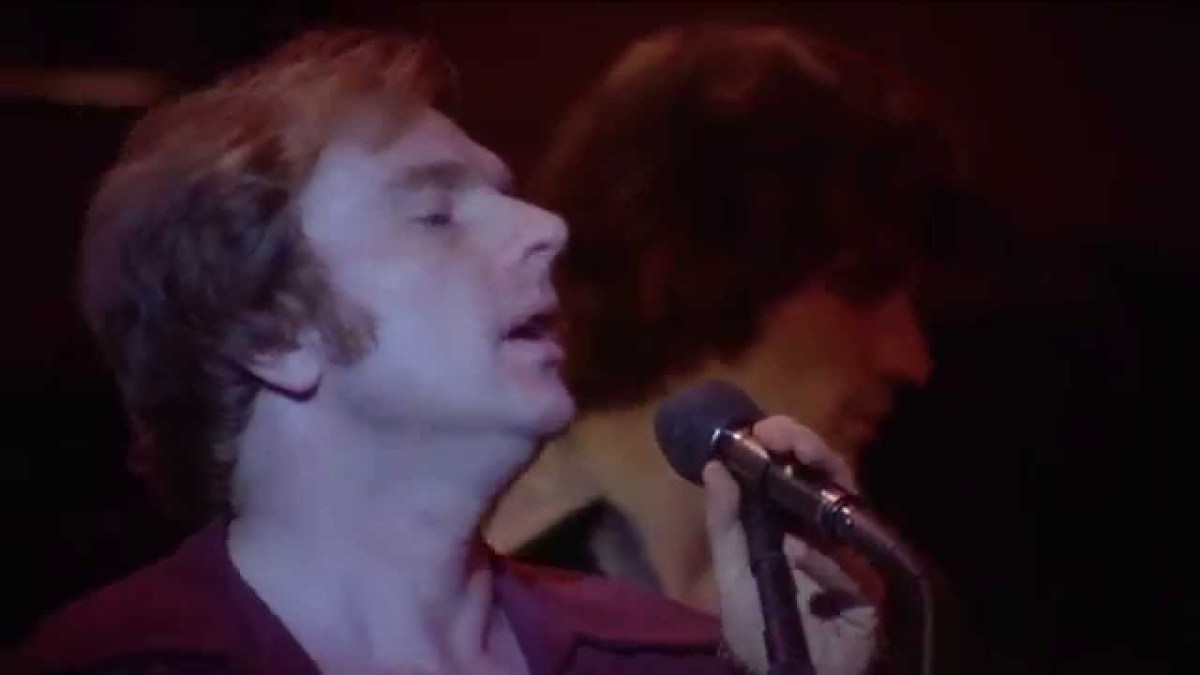
Just a perfect song. I listen to it and can’t believe it wasn’t a hit. When I bought the Moondance album I zeroed in on this song. I then heard Van Morrison on The Last Waltz singing it and it was a clincher.
The performance of this song on the Last Waltz for me may have been the best performance in the film and that says a lot. I’ve seen Van live one time and his voice seemed stronger in person than on record…if that is possible. This song blends folk rock, R&B, and jazz styles perfectly.
The album is one of his great ones. It has some great songs like And It Stoned Me, Moondance, These Dreams of You, Brand New Day, Crazy Love, and Come Running which all sound like they belong on the radio. Morrison’s love of radio influenced this song heavily.
This was his second album for Warner Brothers following up the critical smash Astral Weeks. This album peaked at #29 on the Billboard Album Charts, #46 in Canada, #36 in New Zealand, and #32 in the UK in 1970. His albums never charted too high. The highest in the 70s was for Saint Dominic’s Preview at #15 on the Billboard charts in 1972.
Van Morrison: I could hear the radio like it was in the same room. I don’t know how to explain it. There was some story about an underground passage under the house I was living in, rumors from kids and stuff and I was beginning to think it was true. How can you hear someone’s radio from a mile away, as if it was playing in your own house? So I had to put that into the song, It was a must
Caravan
And the caravan is on it’s way I can hear the merry gypsies play Mama mama look at Emma Rose She’s a-playin with the radio La, la, la, la…
And the caravan has all my friends It will stay with me until the end Gypsy Robin, Sweet Emma Rose Tell me everything I need to know La, la, la…
Turn up your radio and let me hear the song Switch on your electric light Then we can get down to what is really wrong I long to hold you tight so I can feel you Sweet lady of the night I shall reveal you
Turn it up, turn it up, little bit higher radio Turn it up, turn it up, so you know, radio La, la, la, la…
And the caravan is painted red and white That means ev’rybody’s staying overnight Barefoot gypsy player round the campfire sing and play And a woman tells us of her ways La, la, la, la…
Turn up your radio and let me hear the song Switch on your electric light Then we can get down to what is really wrong I long to hold you tight so I can feel you Sweet lady of the night I shall reveal you Turn it up, turn it up, little bit higher, radio Turn it up, that’s enough, so you know it’s got soul Radio, radio turn it up, hum La, la, la, la…
I loved these commercials when I was a kid. I wasn’t allowed to have a dog in the house (which is probably why I’ve had three Saint Bernard house dogs). Some poor dog would be bewildered by a miniature chuck wagon, then scurries through the home and into the kitchen cabinet or tv after it.
In 1967, Purina launched “Chuck Wagon” as their latest dog food innovation. Packaged as dry dog food, adding warm water would rehydrate the serving to some extent, as well as cause the meal to produce its own gravy
The commercials had a Western theme, playing into Chuck Wagon’s branding as a hearty, wholesome meal for dogs. The animated mini chuck wagon would appear from unexpected places—such as behind a cabinet door, under a table, or from inside a dog food bag…creating a playful and imaginative effect. I can’t tell you how much this worked during that time period.
In some shots, stop-motion animation was used, where the wagon was moved frame by frame to give the illusion of self-propelled motion. In other cases, puppetry techniques such as invisible wires or rods helped guide the wagon across the floor.
Now… this was hard to believe but in 1983 Atari released a video game based on this commercial called “Chase the Chuckwagon.“
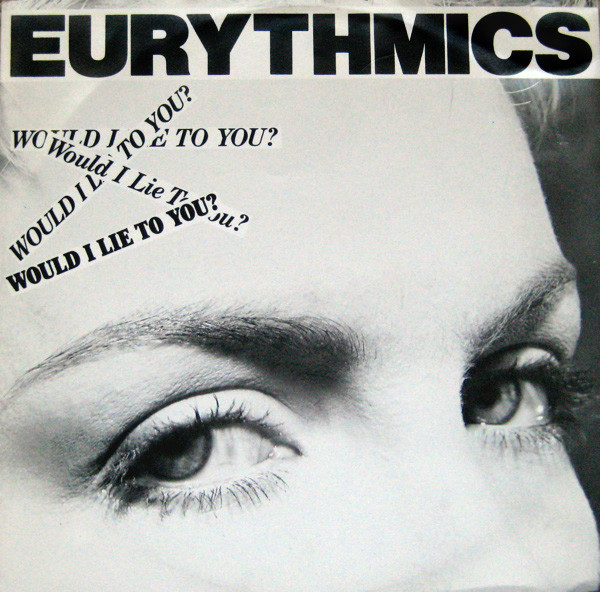
I had just met my first serious girlfriend when this song came out. I never paid much attention to the Eurythmics when I first heard them because they were so keyboard-heavy…this changed my feelings toward them. This was out when I graduated and I liked the R&B direction they were going with this song.
Dave Stewart had said that he came up with this riff after trying to make a “killer R&B riff.” He said Annie Lennox wasn’t sure about the song at first because it was so different than their usual sound. Unlike their earlier synth-heavy work, this song had a heavier rock and R&B influence, featuring a strong brass section and Stevie Wonder’s former guitarist, Jimmy Zavala, on harmonica. Lennox also had to change her delivery for this song.
Some fans have speculated the lyrics reflect tension between Annie Lennox and Dave Stewart, who had previously been a couple before forming the band. However, neither of them has confirmed it directly.
This song was released in 1985, and it peaked at #5 on the Billboard 100, #17 on the UK Charts, and #2 in Canada. They were voted into the Rock and Roll Hall of Fame in 2022. The song came off of the album Be Yourself Tonight. The album peaked at #9 on the Billboard Album Charts, #3 in Canada, #2 in New Zealand, and #3 in the UK in 1985.
Dave Stewart: “When we started putting it down the song had a lot of energy and inspired Annie to come up with the great lyric, ‘Would I Lie To You” and a melody with very odd answering harmonies, ‘Now, would I say something that wasn’t true.’ These harmonies are very unusual and Annie is a genius at working them out very quickly in her head. The song started to be a fusion between Stax type R&B and Eurythmics.”
Would I Lie To You?
Would I lie to you? Would I lie to you honey? Now would I say something that wasn’t true? I’m asking you sugar Would I lie to you?
My friends – know what’s in store. I won’t be here anymore. I’ve packed my bags I’ve cleaned the floor. Watch me walkin’. Walkin’ out the door.
(Believe me – I’ll make it make it)
Tell you straight – no intervention. To your face – no deception. You’re the biggest fake. That much is true. Had all I can take. Now I’m leaving you












 PowerPop... An Eclectic Collection of Pop Culture