This beautiful song was written by Buddy Holly and Norman Petty.. recorded with the Ray Ellis orchestra on October 21, 1958. Holly wrote “True Love Ways” for his wife, Maria Elena Holly, as a wedding gift.
True Love Ways was not released until March 1960, after Buddy Holly’s tragic death, when it was included on the album, The Buddy Holly Story, Vol. 2, on the Coral label. The song’s melody was inspired by one of Buddy’s favorite black gospel hymns, “I’ll Be Alright,” which was recorded by The Angelic Gospel Singers.
The song peaked at #25 in the UK in 1960…it also recharted in the UK at #10 in 2018.
From Songfacts
This was co-written by Buddy and Norman Petty and recorded in October 1958. Petty was Buddy Holly’s first producer and owned the studio in Clovis, New Mexico where all of Buddy’s first recordings were made (Lubbock did not have a recording studio at the time).
This and “It Doesn’t Matter Any More” were Buddy’s first recordings to use orchestral string arrangements, which accentuated his vocal mannerisms. The strings were arranged by Dick Jacobs.
Notable covers include versions by Mickey Gilley, Peter & Gordon, and The Royal Philharmonic.
This wasn’t released until after Holly’s death in 1959. After he died in a plane crash, the album The Buddy Holly Story was released, which contained many of his early hits. This album came out a few months later and included many of his lesser-known or never released songs.
True Love Ways
Just you know why
Why you and I
Will bye and bye
Know true love ways
Sometimes we’ll sigh
Sometimes we’ll cry
And we’ll know why
Just you and I
Know true love ways
Throughout the days
Our true love ways
Will bring us joys to share
With those who really care
Sometimes we’ll sigh
Sometimes we’ll cry
And we’ll know why
Just you and I
Know true love ways
Throughout the days
Our true love ways
Will bring us joys to share
With those who really care
Sometimes we’ll sigh
Sometimes we’ll cry
And we’ll know why
Just you and I
Know true love ways
Andy Lambros filmed the Oscar Mayer bologna commercial, “The Little Fisherman,” that made him a commercial icon. Andy said: “It only took me an hour to learn the song because my two (older) sisters helped me.”
This Oscar Mayer commercial first aired in 1974 and aired continually for at least a decade after that.
Originally the plan was to recruit dozens of kids who would each sing a little bit of the song. The idea was that it would show how everyone loved Oscar Mayer bologna, and they filmed that for the commercial. The film crew had a few minutes of daylight left and asked if there was anyone there who could sing the song from start to finish. Andy Lambros said he could and did…and that’s why he asks, “How’s that?” at the end. When they were reviewing the footage, they knew that was the commercial they needed to use.
After this happened they started to add ad-libs in more commercials.
My Bologna has a first name,
It’s O-S-C-A-R.
My bologna has a second name,
It’s M-A-Y-E-R.
Oh I love to eat it everyday,
And if you ask me why I’ll say,
Cause’ Oscar Mayer has a way with B-O-L-O-G-N-A!!!!
This song was first recorded at the Bradley Film and Recording Studios, 804 16th Ave. South, Nashville, Tennessee. It was written by Sonny Curtis who later joined the Crickets after Buddy died. It was the first song of his ever recorded.
The song was the B side to That’ll Be The Day. It was credited to Buddy Holly and the Three Tunes…that was the group that recorded with Buddy Holly in Nashville on July 22, 1956, for Decca Records. The group name used was Buddy and the Two Tones (Buddy Holly with Sonny Curtis, guitar and Don Guess, bass). The recordings were supported by session musicians.
Buddy would record it later on with the Crickets.
Rock Around With Ollie Vee
We-ell, we’re gonna rock To the rhythm and the blues tonight Rock ’cause ev’rything’s gonna be all right ‘Cause tonight, we’re gonna Rock to the rhythm and the blues
Well I got a little gal I call, Ollie Vee Ollie Vee comes from Memphis, Memphis Tennessee And tonight, we’re gonna Rock-a-rock around with Ollie Vee, Olli-olli Vee
Ollie Vee says she’s gonna treat me right tonight I’m gonna wear my blue suede shoes tonight And tonight, we’re gonna Rock-a-rock around with Ollie Vee, Olli-olli Vee
We-ell, we’re gonna rock To the rhythm and the blues tonight Rock ’cause ev’rything’s gonna be all right ‘Cause tonight, we’re gonna Rock to the rhythm and the blues, go!
We-ell, we’re gonna rock To the rhythm and the blues tonight Rock ’cause ev’rything’s gonna be all right ‘Cause tonight, we’re gonna Rock to the rhythm and the blues
I’m gonna shout and a holla and a giggle tonight I’m gonna shake it just a little in the middle of the night ‘Cause tonight, we’re gonna Rock-a-rock around with Ollie Vee, Olli-olli-Vee
Well I think Mr. Cop’s on the beat tonight He’s tryin’ to put a stop to me tonight ‘Cause tonight, we’re gonna Rock-a-rock around with Ollie Vee, Oll-olli-olli
We-ell, we’re gonna rock To the rhythm and the blues tonight Rock ’cause ev’rything’s gonna be all right ‘Cause tonight, we’re gonna Rock to the rhythm and the blues
We-ell, we’re gonna rock To the rhythm and the blues tonight Rock ’cause ev’rything’s gonna be all right ‘Cause tonight, well, we’re gonna Rock to the rhythm and the blues
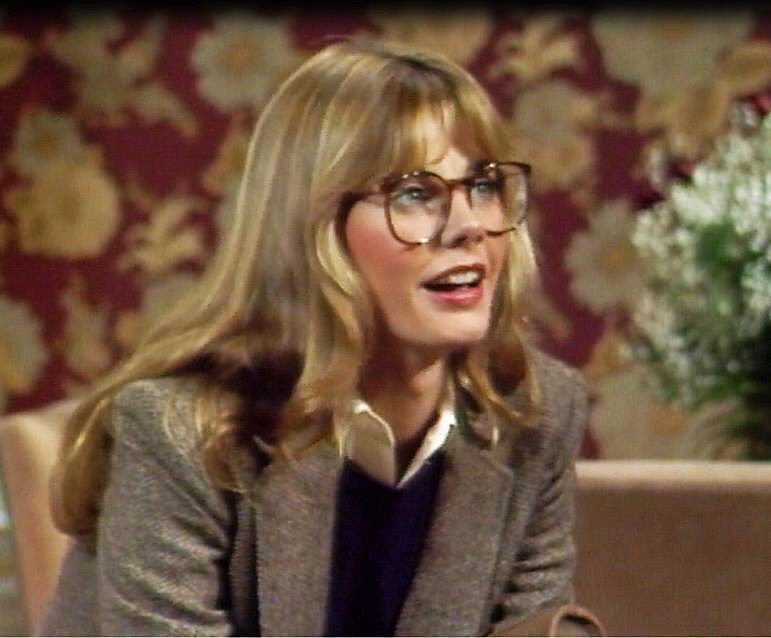
When WKRP show came on I knew it was different than any show before it. The show had a great cast and every character had their own unique personality. The show started when Andy Travis came in as a program director and change the stale station to Rock and Roll…the writers wisely made it an ensemble show.
The two women on the show were smart and beautiful…Bailey Quarters and Jennifer Marlowe….played by Jan Smithers and Loni Anderson respectively.
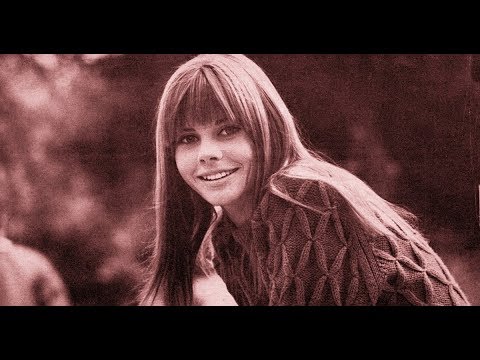
Jan was born Karin Jan Smithers, on July 3, 1949. She grew up in Woodland Hills, California.
Jan was in high school when one of her friends asked her to go for surfing. At the beach, while she was watching her friend surf, she was approached by two men who carried cameras. They told Jan about their search for a Californian girl for one of their articles. She agreed, and that changed her life forever.
Jan was featured on the cover of the March 21, 1966 edition ‘Newsweek. An article in the magazine, titled ‘The Teen-Agers: A Newsweek Survey of What They’re Really Like, profiled Jan and six more teenagers. Jan was the only one of all the teenagers featured in the article who became a famous personality later. The article pushed her modeling career, and her mother helped break into Hollywood.
Jan got her breakthrough role of ‘Bailey Quarters’ in the ‘CBS’ sitcom ‘WKRP in Cincinnati.’ She continued her role for 86 episodes, from 1978 to1982.
This weekend I will be concentrating on Mr. Holly…hope you will like it.
This was written by Buddy Holly and Norman Petty and recorded at Petty Studios in Clovis, New Mexico from June-August 1958. Petty was Holly’s producer and manager.
On October 28, 1958, Buddy Holly lip-synched this and Heartbeat the TV show American Bandstand. It was his last national TV appearance before his death. This song was the last song he ever did with the Crickets. The song did not chart…
Linda Ronstate did a great version of this song in 1977.
From Songfacts
This was the last single Holly recorded with The Crickets. In the last few months of his life, he moved to New York and began recording with more elaborate production techniques, including string sections.
Holly was known for his innovative guitar riffs, but he didn’t play lead on this one. A session guitarist named Tommy Allsup did. Allsup played in Holly’s band on his last tour.
Many of Holly’s fans consider this one of his best songs, but it was never a chart hit.
Buddy Holly was a major influence on The Beatles, and in 2011, Paul McCartney recorded this song for the tribute album Rave On Buddy Holly, which was issued to commemorate the 75th anniversary of Holly’s birth.
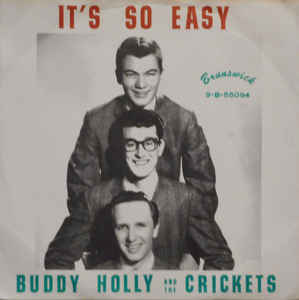
It’s So Easy
It’s so easy to fall in love. It’s so easy to fall in love.
People tell me love’s for fools. So, here I go, breaking all the rules. It seems so easy (Seems so easy, seems so easy) Oh so doggone easy (Doggone easy, doggone easy) It seems so easy (Seems so easy, seems so easy, seems so easy) Where you’re concerned, my heart has learned.
It’s so easy to fall in love. It’s so easy to fall in love.
(It’s so easy to fall in love) (It’s so easy to fall in love)
Look into your heart and see, What your love book has set apart for me. It seems so easy (Seems so easy, seems so easy) Oh so doggone easy (Doggone easy, doggone easy) It seems so easy (Seems so easy, seems so easy, seems so easy) Where you’re concerned, my heart has learned.
It’s so easy to fall in love. It’s so easy to fall in love.
Well it’s so easy (It’s so easy, it’s so easy) So doggone easy (Doggone easy, doggone easy) It seems so easy (Seems so easy, seems so easy, seems so easy) Well where you’re concerned, my heart has learned.
It’s so easy to fall in love. It’s so easy to fall in love.
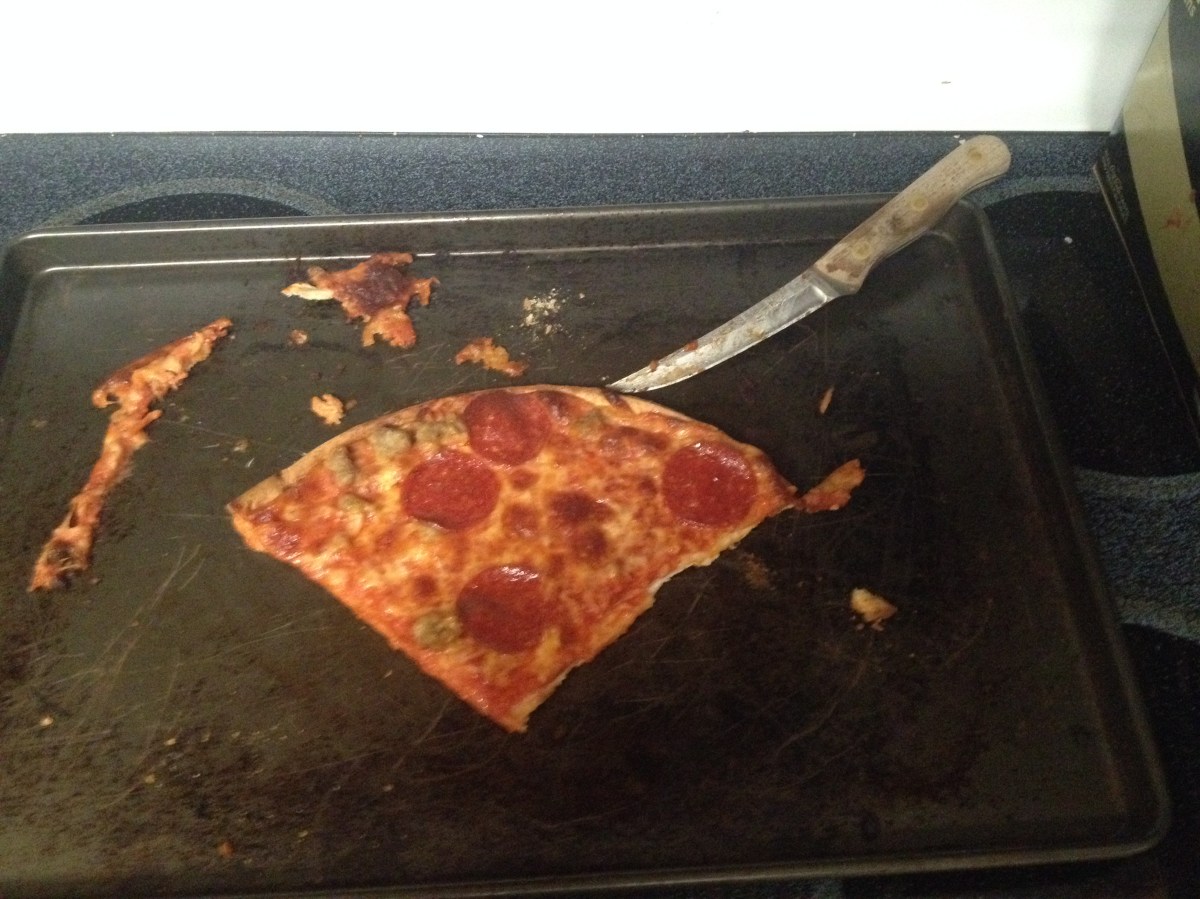
“My name is Brian and I’m a pizza-holic…Hi, Brian.” Sad, but true. There are so very few things you can count on in this world. (If you’re in doubt, just check out your local meteorologist’s forecast track record. That’s where the real job security is. ) Pizza, more specifically in its frozen-store-bought form, has always been there for me. Maybe it’s just a case of lowered expectations, but there’s something comforting about frozen pizza. It was there when I was a kid, as a teen, and it’s still there for me as an adult. Now that I think about it, I don’t even think comfort food was an actual term for a good deal of those years. Hmm. While some of your more uppity “foodies” will describe it as not unlike cardboard, I disagree. Somebody has to be buying the stuff, right? I mean you could stop in a grocery…
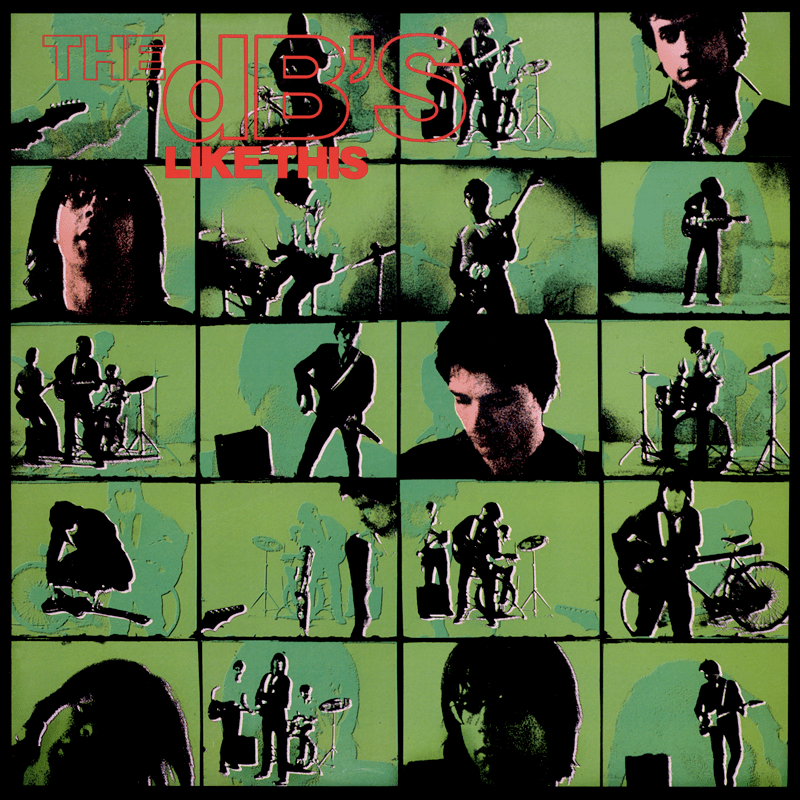
This band was from Winston-Salem, North Carolina but the group was formed in New York City in 1978. The members were Peter Holsapple, Chris Stamey, Will Rigby, and Gene Holder. Chris Stamey played bass for Alex Chilton in 1977.
This song was released in 1984 on Bearsville Records and it was on the album Like This. In 2012, the band completed its first new studio album called Falling Off the Sky in 25 years and it’s first in 30 years with the original lineup.
Love is for Lovers
Holsapple
Do you remember when blue was the feeling Gray was the weather, one was the number? Do you remember when love was for others? Now and forever, love is for lovers.
Do you believe that real love is right now? Could we be having the time of our lives now? Do you believe this? Do you believe this?
Now every day is like summer vacation Christmas and birthday rolled into one day Now every night is a special occasion Where does it all end? Maybe next someday.
Can you believe this love is forever? Can you conceive of anything better? Do you believe this? Do you believe this is love?
Oh, love is for lovers Love is for lovers Oh, love is for lovers.
Do you believe that love is a sure thing? You say hello and I hit the ceiling Do you believe this? Do you believe this is love?
Oh, love is for lovers Love is for lovers Oh, love is for lovers.
I used to think that love was for pleasure More like adventure, measure for measure It’s plain to me that we can’t rise above it No one’s a lover just ’cause they love it.
And if you’re happy then you oughta stay there I’m not certain that I know the way there Do you believe this? Do you believe this? Do you believe this? Do you believe this is love?
Oh, love is for lovers Love is for lovers Oh, love is for lovers Love is for lovers Oh, love is for lovers Oh, love is for lovers Oh, love is for lovers Love is for love is for lovers.
So Sad About Us could be the definition of powerpop.
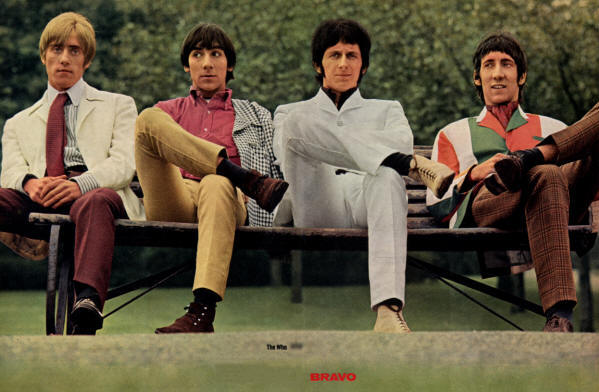
This song was not a hit…in fact, it was never released as a single. The Who recorded this song in 1966, though it was originally written for the Merseys, a band that shared the Who’s manager and had a hit with a Townshend-produced version of the song that same year. It is one of the most covered songs by the Who. I remember the version by the Jam.
The song was on the album A Quick One. The album didn’t chart in America but it did peak at #4 in the UK in 1966.
So Sad About Us
La la la la la la la La la la la la la la La la la la la la la La la la la la la la
So sad about us So sad about us Sad that the news is out now Sad, suppose we can’t turn back now Sad about us
So bad about us So bad about us Bad, never meant to break up Bad, suppose we’ll never make up Bad about us
Apologies mean nothing When the damage is done But I can’t switch off my loving Like you can’t switch off the sun
La la la la la la la La la la la la la la La la la la la la la La la la la la la la
La la la la la la la la la la La la la la la la la la la la
So sad about us So sad about us Sad, never meant to break up Sad, suppose we’ll never make up Sad about us
Couldn’t I Just Tell You was the follow-up song to I Saw The Light. The record company decided this should be the next single. It wasn’t the hit they were looking for so they decided to edit the album version of Hello It’s Me down and release it. That song was a hit. Although Couldn’t I Just Tell You was not a big hit it did get airplay and still does to this day.
Todd didn’t like what the record company did so in his liner notes to the album he wrote of this song…The hits just keep on coming.
The song peaked at #93 on the Billboard 100 in 1972. The album Something/Anything? was released in 1972 and peaked at #29 on the Billboard Album Chart.
Couldn’t I Just Tell You
Keep your head and everything will be cool You didn’t have to make me feel like a fool When I try to say I feel the way that I do I want to talk to you And make it load and clear Though you don’t care to hear
Couldn’t I just tell you the way I feel I can’t keep it bottled up inside And could we pretend that it’s no big deal And there’s really nothing left to hide
Something sure doesn’t seem right to me When you can turn your back whenever you please And you stroll away and calmly bid me adieu Why can’t I talk with you And put it in your ear though you don’t care to hear
Hear me out Why don’t you lend me an ear You’ve got no reason to fear I’ll make it perfectly clear I love you
I don’t come whining with my heart on my sleeve I’m not a coward if that’s what you believe And I’m not afraid but not ashamed if it’s true I got to talk with you And then I’ll make it clear
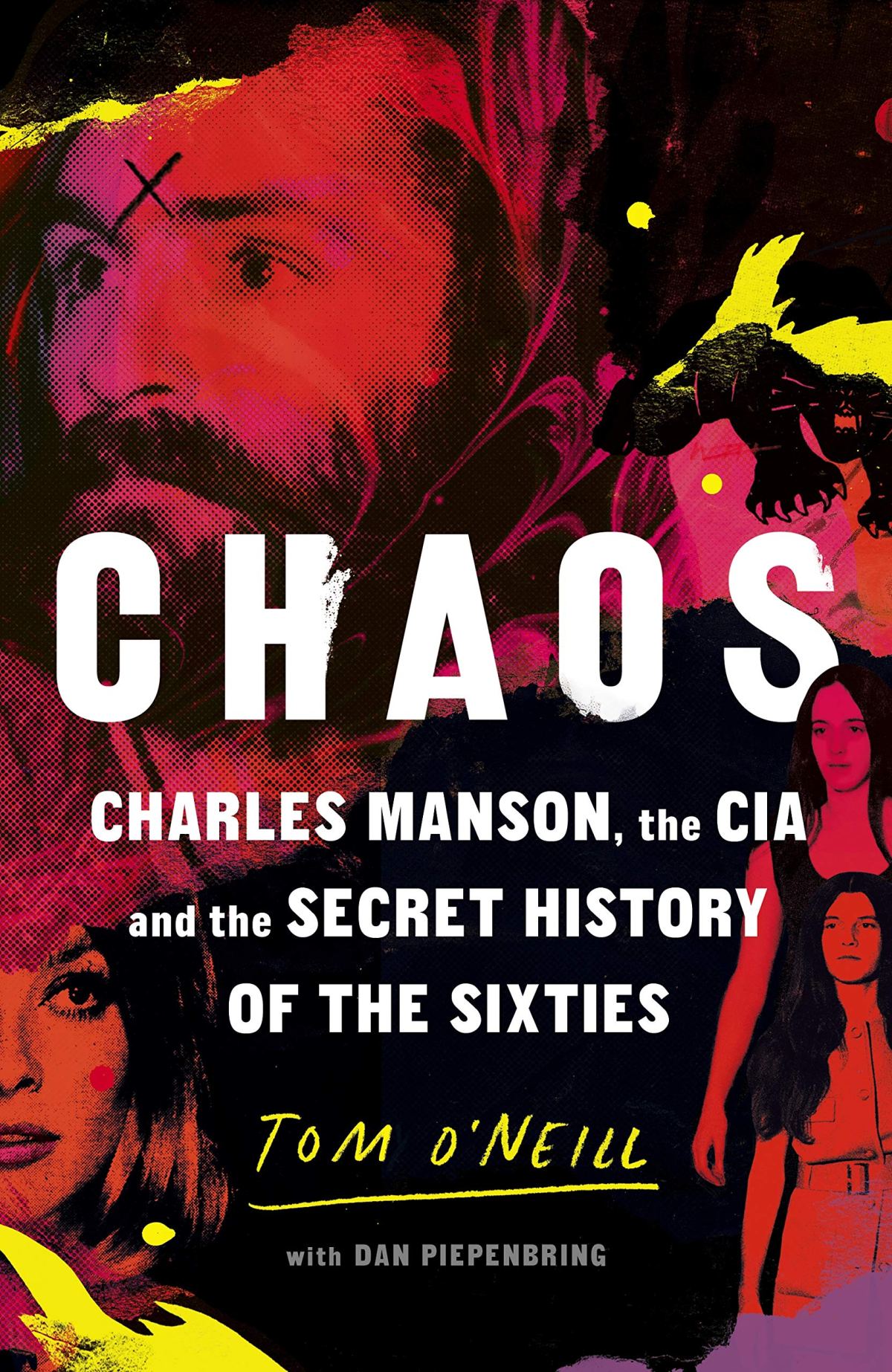
Hanspostcard had mentioned he was reading this book and from what he said I had to give it a try. I got the audible version. The author Tom O’Neill has an interesting quote that sums up the book… “My goal isn’t to say what did happen—it’s to prove that the official story didn’t,”
When I first started to listen I thought it was going to be a big conspiracy book but I was pleasantly surprised…Tom O’Neill took pains not to go there. He is pretty open that he does not find the “answer” to the murders. He also made it clear he wasn’t trying to clear the guilty parties of the Tate/Labianca cases. They are no doubt guilty but it was more about the circumstances around the question of why and the Helter Skelter theory brought by Vincent Bugliosi. Vincent was the prosecutor in the case and later wrote the book Helter Skelter…the best-selling true crime book ever.
Manson’s parole officer Roger Smith was really baffling. Manson was on parole through the late sixties and did everything he could to break his parole…Smith kept giving him a pass, protecting his family, and even fostering one of Manson’s kids. Manson must have had a hell of a rabbit’s foot or someone or some organization was looking out for him. If any of us would get caught with an underage girl, stolen cars, and narcotics… a trip to jail would be in our immediate future…even in the 1960s…much less being on parole at the time.
O’Neill has the documents to back up his claims. Bugliosi did suppress evidence and most around the case are still afraid to talk. Some of the evidence yes could have got by him but not to this extent. Tom interviewed a countless number of people… including tense interviews with Bugliosi.
Tom spent 20 years on this book. The story of him writing the book is just as interesting as the story. He became depressed and obsessed with the murders. In 1999 he was writing an article for Premier Magazine and kept extending the deadlines for the 30th anniversary of the murders. Then in 2009, it was going to be a book published by Penguin for the 40th…that didn’t work out because he kept finding new leads and information. Finally this year the book was released for the 50th anniversary of the murders.
What I found interesting also was the other subjects that were brought up…COINTELPRO, Operation CHAOS, and MKULTRA…goverment secret programs that could come into play. There is much more in the book than I’ve touched on…I would recommend getting it…it makes you think and question.
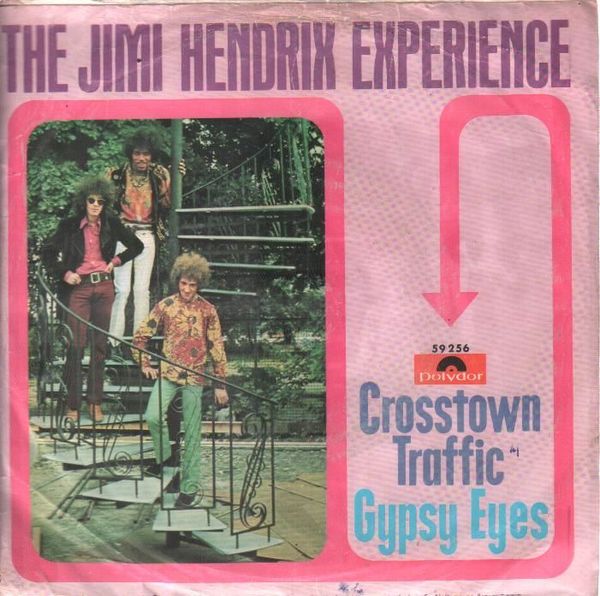
“Crosstown Trafic” was recorded at the Record Plant in 1968. Traffic’s Dave Mason was a guest vocalist on this song. This song includes a famous kazoo riff, which Hendrix originally performed using a comb and a piece of cellophane.
This song peaked at #52 on the Billboard 100 in 1968. The album was Electric Ladyland and it was Jimi’s only number 1 album in Billboard.
Hendrix wanted a Linda Eastman photo for the album cover… A photo of the band and some kids at Central Park on an Alice In Wonderland Statue… he wrote “Please use color picture with us and the kids on the statue for front or back cover — OUTSIDE COVER,” but Reprise ignored his request…this is the photo he wanted.
Instead, they used this one
The UK cover was of 19 nude women which again…Jimi didn’t want or ask for… The public opinion was that the cover was tasteless. Hendrix agreed. He distanced himself from the photo in interviews and proclaimed disdain for the photo.
From Songfacts
This song is about a girl who is hard to get rid of. Getting through to her that she’s not wanted is like getting through crosstown traffic.
The lyrics are similar to many Blues songs in that they are filled with sexual references in clever metaphors: “I’m not the only soul, who’s accused of hit and run, tire tracks all across your back, I can see you’ve had your fun.”
Dave Mason from the group Traffic sang on this. That’s him singing the high part on the word “Traffic.”
Chas Chandler produced the original tracks, but Hendrix remixed them when he started producing his own music in 1968.
Crosstown Traffic
You jump in front of my car when you you know all the time Ninety miles an hour, girl, is the speed I drive You tell me it’s alright, you don’t mind a little pain You say you just want me to take you for a drive
You’re just like crosstown traffic So hard to get through to you Crosstown traffic I don’t need to run over you Crosstown traffic All you do is slow me down And I’m tryin’ to get on the other side of town
I’m not the only soul who’s accused of hit and run Tire tracks all across your back I can, I can see you had your fun But, darlin’ can’t you see my signals turn from green to red And with you I can see a traffic jam straight up ahead
You’re just like crosstown traffic So hard to get through to you Crosstown traffic I don’t need to run over you Crosstown traffic All you do is slow me down And I got better things on the other side of town
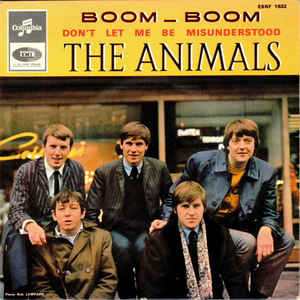
This song peaked at #15 in the Billboard 100 and #3 in the UK in 1965. The Animals were a tough Rhythm and Blues band formed in Newcastle upon Tyne. Burdon’s voice drives this Animals song.
This song was written by Horace Ott, Bennie Benjamin, and Sol Marcus. Benjamin and Marcus were a songwriting team that had been working together since the 40s… their songs include “Lonely Man” by Elvis Presley and “Fabulous Character” by Sarah Vaughan.
Ott started writing the song after getting in a heated argument with Gloria Caldwell, whom he had recently married. Sitting down at the piano, he expressed in song how he was well-intentioned, but misunderstood by his wife – a sentiment many married men could relate to.
Gloria Caldwell is listed on the credit instead of Ott because of contractual issues. She learned to understand him: the couple stayed together.
The Animals were one of the British Invasion bands…One of the rawer and bluesy bands.
From Songfacts
Nina Simone was the first to record this song, releasing an orchestrated, downtempo rendition on her 1964 album Broadway-Blues-Ballads that nicked the US chart at #131. The best-known version is by The Animals, who reworked it into a rock song. Eric Burdon recalled in Rolling Stone magazine, “It was never considered pop material, but it somehow got passed on to us and we fell in love with it immediately.”
In our 2010 interview with Eric Burdon, he said: “I’ve really been misunderstood. By my mom, my dad, school teachers, a couple of the women that I married. I’ve been misunderstood all of my life.”
In 2013, Eric Burdon recorded a new version of this song with Jenny Lewis for the HBO TV series True Blood. “When I was asked to record a new version of ‘Don’t Let Me Be Misunderstood’ for the new season with Jenny Lewis, I had to bite,” Burdon said of recording the song for the vampire drama. The song was included on Volume 4 of the show’s soundtrack.
Other well-known versions include covers by:
Joe Cocker, who covered this on his 1969 debut album, With a Little Help from My Friends. His version was played over the ending credits of the 2004 film Layer Cake.
Disco group Santa Esmeralda’s 1977 dance version, which incorporated flamenco, salsa, and other Latin rhythm and ornamentation elements. Released as a single it reached #15 on the Billboard Hot 100. The song’s instrumental passage was later used by Quentin Tarantino during the duel between The Bride and O-Ren Ishii in his 2003 movie Kill Bill: Volume 1
Lana Del Rey, who covered this for her 2015 Honeymoon album. Her version is in the vein of Nina Simone’s jazz original but also uses The Animals organ sound. Del Rey had previous covered another Nina Simone song “The Other Woman” for her Ultraviolence album. The “Video Games” singer told NME she is drawn to Simone’s “melodies and words.” “Personality-wise we’re quite different,” she added. “We may have had some of the same issues, but I picked that song simply because it resonated with me.”
Don’t Let Me Be Misunderstood
Baby, do you understand me now? Sometimes I feel a little mad But don’t you know that no one alive can always be an angel When things go wrong I feel real bad.
I’m just a soul whose intentions are good Oh Lord, please don’t let me be misunderstood
Baby, sometimes I’m so carefree With a joy that’s hard to hide And sometimes it seems that, all I have to do is worry And then you’re bound to see my other side
I’m just a soul whose intentions are good Oh Lord, please don’t let me be misunderstood
If I seem edgy, I want you to know, That I never mean to take it out on you Life has its problems, and I get my share, And that’s one thing I never mean to do
Cause I love you, Oh,
Oh, oh, oh, baby – don’t you know I’m human I have thoughts like any other one Sometimes I find myself, Lord, regretting Some foolish thing, some little simple thing I’ve done
I’m just a soul whose intentions are good Oh Lord, please don’t let me be misunderstood Yes, I’m just a soul whose intentions are good Oh Lord, please don’t let me be misunderstood Yes, I’m just a soul whose intentions are good Oh Lord, please don’t let me be misunderstood
One of my favorites off of Exile on Main Street. This was going to be the first single off of the album but Tumbling Dice… understandably was the first. This song didn’t chart but it just added to the greatness that is Exile on Main Street.
Engineer Andy Johns talked about this single. It was the first song finished for the album and Mick thought it was perfect for the first single. Andy disagreed and told Mick. I know this is a long quote but it’s worth a read. It shows you how much power some bands like the Stones had in the 60s and 70s.
Andy Johns:
“It was the first one that was finished cause we’d be working for months and months. Mick got very enamored. ‘It’s finished! It’s going to be the single!’ I thought, ‘This isn’t really a single, you know.’ I remember going out and talking to him and he was playing the piano. ‘Mick, this isn’t a single. It doesn’t compare to “Jumpin’ Jack Flash” or “Street Fighting Man.” ‘Come on, man.’ He went, ‘Really? Do you think so?’ I thought, ‘My God. He’s actually listening to me.’ (laughs). And then, I was having a struggle with the mix I thought was gonna be it. Ahmet Ertegun then barged in with a bunch of hookers and ruined the one mix. He stood right in front of the left speaker with two birds on each arm (laughs). I told Mick, ‘I can’t hear it here. If I could hear it on the radio that would be nice.’ It was just a fantasy. ‘Oh, we can do that.’ ‘Stew (piano player Ian Stewart), go to the nearest FM radio station with the tape and say we’d like to hear it over the radio. And we’ll get a limo and Andy can listen to it in the car.’ I went, ‘Bloody hell…Well, it’s the Stones. OK.’ So sure enough, we’re touring down Sunset Strip and Keith is in one seat, and I’m in the back where the speakers are with Mick, and Charlie is in there, too. Just because he was bored (laughs). And Mick’s got the radio on and the DJ comes on the air, ‘We’re so lucky tonight. We’re the first people to play the new Stones’ record.’ And it came on the radio and the speakers in this car were kind of shot. I still couldn’t tell. And it finishes. Then Mick turns around. ‘So?’ ‘I’m still not sure, man.’ I’m still not used to these speakers’. ‘Oh, we’ll have him play it again then.’ Poor Stew. ‘Have them play it again’ like they were some sort of radio service. It was surreal. Up and down Sunset Strip at 9:00 on a Saturday night. The Strip was jumpin’ and I’m in the car with those guys listening to my mixes. It sounded OK. ‘I think we’re down with that.’ So then we moved on.”
From Songfacts
When The Stones gave this to a Los Angeles radio station in 1971 while they were still working on it so they could hear what it sounded like on the radio, it spread rumors that it would be the first single off Exile on Main St., but that honor went to “Tumblin’ Dice.”
Producer Jimmy Miller added percussion. He had to play some of the instruments on the album because The Stones were rarely together during the sessions, which took place at a French villa Keith Richards rented.
Kathi McDonald sang backup. She was a backup singer for Leon Russell and went on to record with Nicky Hopkins and Quicksilver Messenger Service.
All Down The Line
Yeah, heard the diesel drumming all down the line. Oh, heard the wires a humming all down the line. Yeah, hear the women sighing all down the line. Oh, hear the children crying all down the line.
(All down the line) We’ll be watching out for trouble, yeah. (All down the line) And we’d better keep the motor running, yeah. (All down the line) Well, you can’t say yes and you can’t say no, Just be right there when the whistle blows. I need a sanctified girl with a sanctified mind to help me now.
Yeah, all the people singing all down the line. Mmmm, watch the men all working, working, yeah. (All down the line)
(All down the line) We’re gonna open up the throttle yeah. (All down the line) We’re gonna bust another bottle, yeah. (All down the line)
I need a shot of salvation, baby, once in a while. Hear the whistle blowing, hear it for a thousand miles.
(All down the line) We’re gonna open up the throttle, yeah. All down the line, we’re gonna bust another bottle, yeah. Well you can’t say yes, and you can’t say no, Just be right there when the whistle blows. I need a sanctified mind to help me out right now.
Be my little baby for a while. Won’t you be my little baby for a while? Won’t you be my little baby for a while? Won’t you be my little baby for a while? Won’t you be my little baby for a while?
“Here he comes, here he comes; Speed Racer. He’s a demon on wheels…” that will always stick with me.
I first saw this in the 70s at some point and it was different. I had said that Jonny Quest was different and it was but this one…was completely different than anything I had seen. It was my first viewing of Japanese Anime. Speed Racer was one of the first Japanese anime cartoons to make it stateside back in the 1960s. The show originally called Mach Go Go Go reached millions of kids around the world while in syndication. My first thought while watching it while I was older…this was NOT Hanna-Barbera.
I discovered Speed Racer and Jonny Quest at the same time. I would watch it at my cousin’s house and was blown away by the different animation.
Speed Racer (Go Mifune) is the young driver of the Mach 5, an incredible supercar designed by his father “Pops” Racer (Daisuke Mifune). Speed would race dangerous routes against dangerous people and come out on top with his “girlfriend” Trixie (Michi Shimura) trailing him in a helicopter and his little brother Spritle (Kurio) and his pet chimp Chim-Chim (Sanpei) frequently stowing away in the trunk.
Through the years there have been remakes of the show in the 90s and a movie in 2008 which was not received well. It was a groundbreaking show in the US and opened the door for Japanese Anime afterward.
Peggy Sue Got Married was the sequel to Holly’s hit Peggy Sue. The original hit was named after the girlfriend of Crickets drummer Jerry Allison.
Buddy Holly recorded this alone, on acoustic guitar, in his New York City apartment, along with “Crying, Waiting, Hoping,” “That’s What They Say,” “What to Do,” “Learning the Game” and “That Makes it Tough” which would be his last songs. After his tragic death, these recordings would be overdubbed to become the Holly songs we know today.
A little more than five months after Holly’s death, Coral Records on July 20, 1959 released “Peggy Sue Got Married.” It appeared as a B-side to Buddy Holly’s “Crying, Waiting, Hoping.”
Below is the demo of the song and the released version which Buddy would never hear.
The real Peggy Sue… Peggy Sue Gerron passed away at 78 years old in 2018.
From Songfacts
In this song, Holly finds out that the girl from his 1957 hit “Peggy Sue” has gotten married. It was one of the first sequels of the Rock Era.
This song provided the title for the 1986 movie Peggy Sue Got Married, starring Kathleen Turner and Nicolas Cage. In the movie, Holly’s demo version with just his voice and acoustic guitar was used.
When producer Jack Hansen augmented Holly’s demo of this tune and made a hit out of it, it was the first instance of an entirely ‘new’ unheard song being completed and released after a star’s death. Later instances of songs of deceased acts being revived and “completed” include tunes by The Beatles, the Carpenters, The Doors, Lynyrd Skynrd, Bob Marley, Charlie Parker, Frank Sinatra, Biggie Smalls, Tupac and Hank Williams.
Demo
Released Version
Peggy Sue Got Married
Please don’t tell No, no, no Don’t say that I told you so I just heard a rumor from a friend
I don’t say That it’s true I’ll just leave that up to you If you don’t believe I’ll understand (understand)
You recall a girl that’s been in nearly every song This is what I heard of course the story could be wrong
She’s the one I’ve been told Now she’s wearing a band of gold Peggy Sue got married not long ago
You recall a girl that’s been in nearly every song This is what I heard of course the story could be wrong
She’s the one I’ve been told Now she’s wearing a band of gold Peggy Sue got married not long ago Peggy Sue got married not long ago














 PowerPop... An Eclectic Collection of Pop Culture