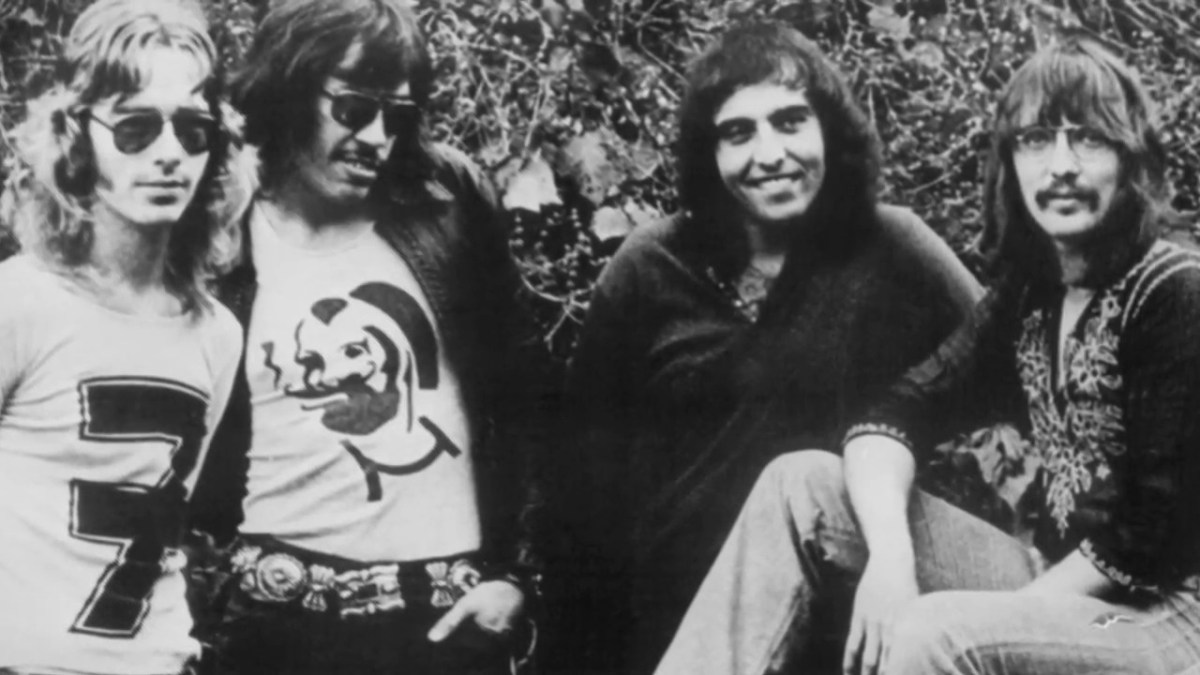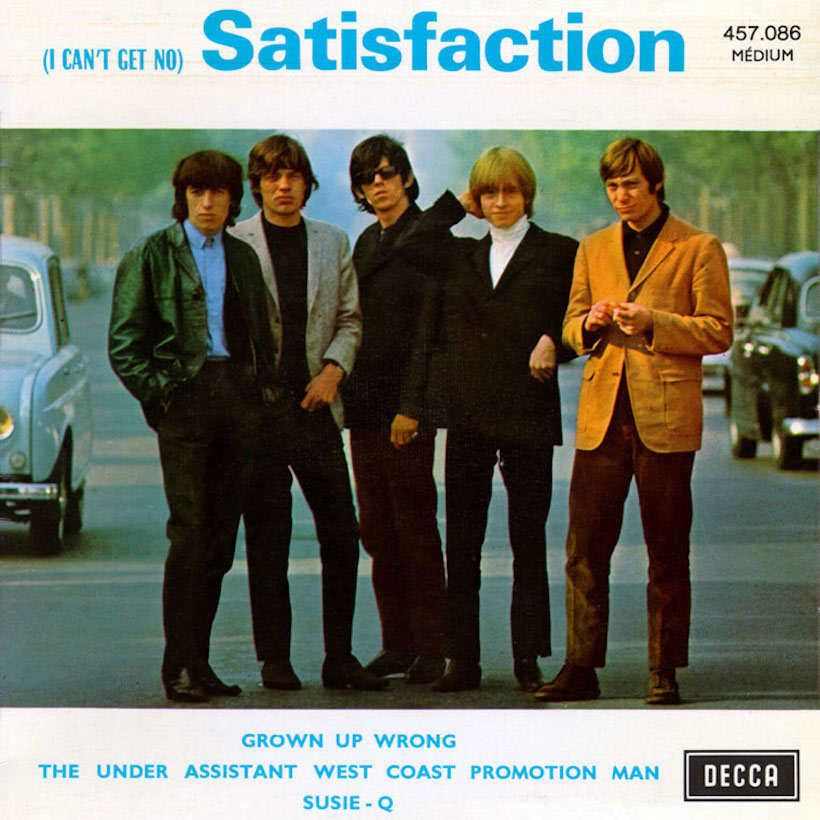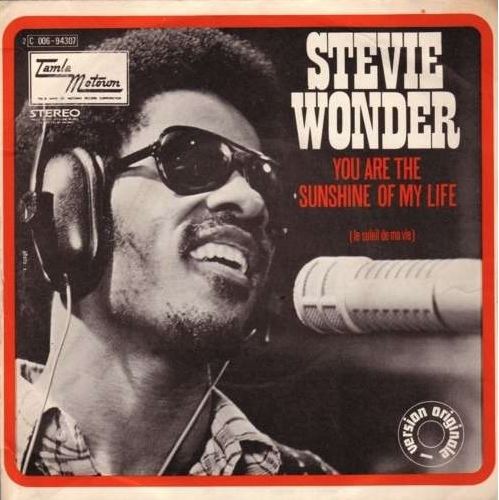
Grateful Dead – The Golden Road (To Unlimited Devotion)

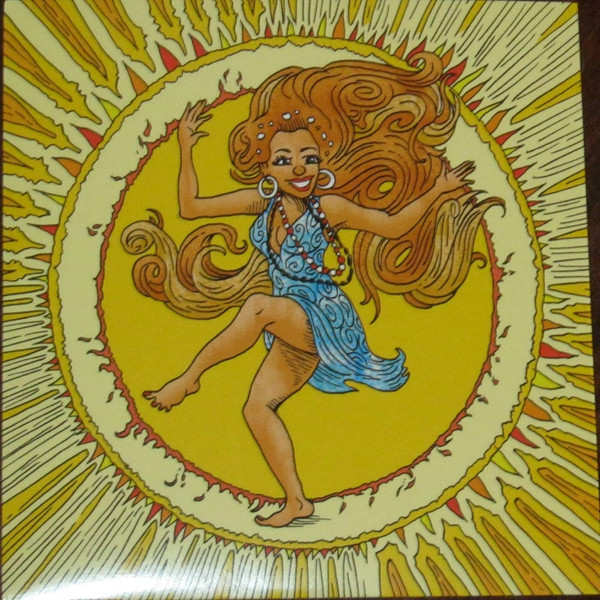
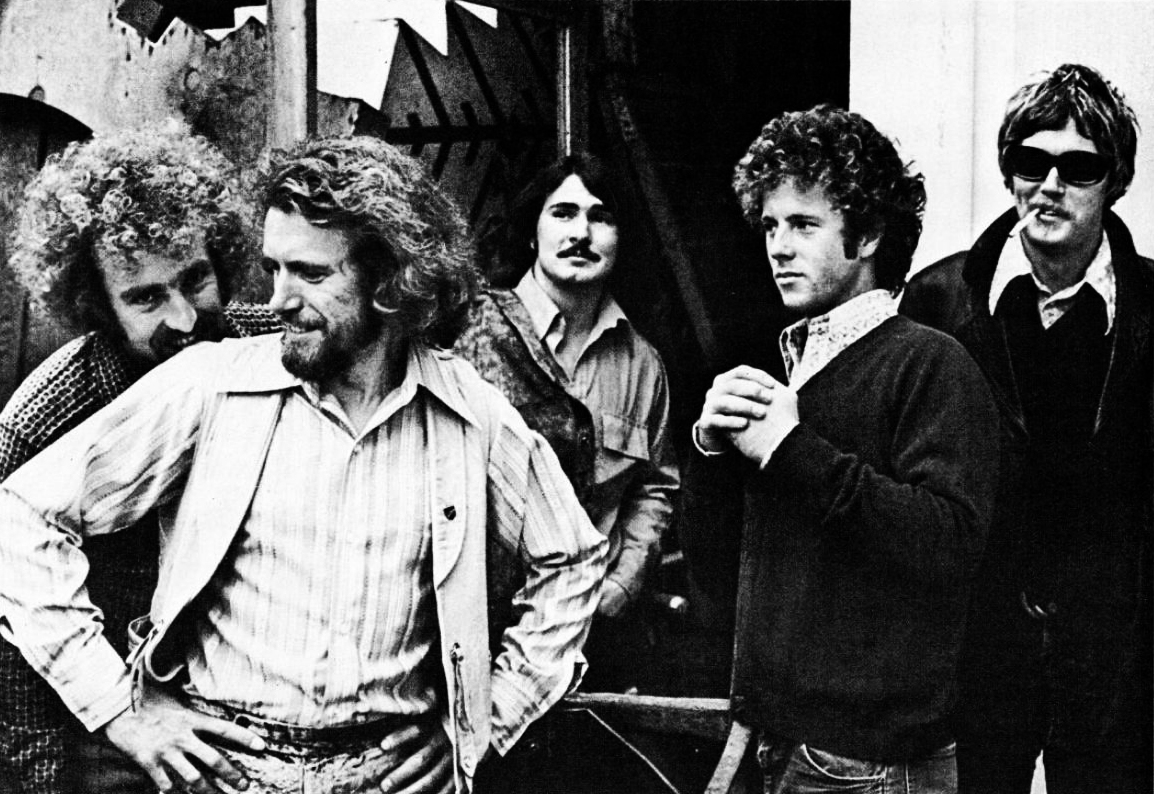
This catchy 1967 song was on the Grateful Dead’s self-titled debut album. This is not one of the songs that they would play for years. According to Songfacts the Dead only performed it eight times, six during a roughly four-month span in 1967. In the 1990s Vince Welnick lobbied for them to play it because he played it in some of his own bands. The last time they played it was in 2015 at Chicago’s Soldier Field on a reunion tour.

The song fit the Summer of Love in which it was born. This was before they jelled into what they became. You can tell this was influenced by the British invasion bands. The song’s title is said to have been inspired by Aldous Huxley’s groundbreaking book, The Doors of Perception. The Doors of Perception explored the idea of inner consciousness and claimed that there was a way to transcend the everyday world and access heightened experiences. The Golden Road (To Unlimited Devotion) is seen by some as a nod to Huxley’s ideas and philosophy.

They hadn’t found their identity yet and would soon start improvising on stage into jams. This song clocks in at around two minutes…that would change. They had the album recorded and the record company said they needed a single. They went home and wrote this song and thought…this would fit the bill. It IS a catchy song and I have to wonder if it was pushed at all by the record company?

The band’s grasp of spontaneity and jamming can be seen in the music of other jam bands like Phish and Widespread Panic. The album peaked at #73 on the Billboard Album Charts in 1967. The song was credited to the entire band. From wiki… The band used the collective pseudonym “McGannahan Skjellyfetti” for their group-written originals and arrangements. The name was a misrendering of “Skujellifeddy”, a character in Kenneth Patchen’s comic novel The Memoirs of a Shy Pornographer, plus the name of then-frontman Pigpen’s cat.

Jerry Garcia: “After we recorded the album they said, ‘We still haven’t got anything here that’d be a strong single.’ So we said, ‘Ah, a strong single, sure!’ So we went home and wrote a song.’Wow, this’ll be a good single.'”

“This was recorded after we recorded the body of the album, and [it’s] a new song; we were thinking specifically of a single, so we just played around, and came up with some nice changes and cooperated on the entire thing, and came up with the Golden Road, which is a good song; I mean it’s like really fun to sing and fun to play … and it seems like a good single, whatever that is – we thought it could be a single.”

The Golden Road (To Unlimited Devotion)

See that girl, barefootin’ along,
Whistlin’ and singin’, she’s a carryin’ on.
There’s laughing in her eyes, dancing in her feet,
She’s a neon-light diamond and she can live on the street.

Hey hey, hey, oh, by the way, come and (party every day)

Well everybody’s dancin’ in a ring around the sun
Nobody’s finished, we ain’t even begun.
So take off your shoes, child, and take off your hat.
Try on your wings and find our where it’s at.

Hey hey, hey, come (party every day)

Take a vacation, fall out for a while,
Summer’s comin’ in, and it’s goin’ outa style.
Well lite up smokin’ buddy, have yourself a ball.
Cause your mother’s down in Memphis, won’t be back ’till the fall.

Hey hey, hey, come right away
Come and join the (party every day)

Hey hey, hey, come right away
Come and join the (party every day)

Hey hey, hey, come right away
Come and join the (party every day)

Hey hey, hey, come right away
Come and join the (party every day)

Band – The W.S. Walcott Medicine Show

Gonna see Miss Brer Foxhole
Bright diamonds at her teeth
She is pure gold down underneath

I’ve talked about it before…a title can draw a person in a song. This one begs to be listened to. Sometimes they don’t live up to the title but this one does. Although Robbie Robertson wrote this, Levon Helm’s vocals brought this piece of Americana to life. He owns this song. He grew up near Helena, Arkansas, and heard stories of traveling Medicine Shows coming in and out of town. When he was a kid he got to see some of these shows. Robertson later translated that into this song.

Helena, Arkansas was the home of the King Biscuit Time radio show. It debuted in 1941. Performers such as  Sonny Boy Williamson II would be on the show. The show was the thing that really crystallized blues music in that area. It is said that Muddy Waters and B.B. King would come home from working in the fields every day just to listen to the King Biscuit hour.

This song was on their 3rd album Stage Fright. By this time, Robertson was having trouble writing songs. The brotherhood they all shared was getting complicated because of outside influences. Robertson also had a baby daughter and pregnant wife at home. The songs were great though.

Stage Fright peaked at #5 on the Billboard Album Charts, #6 in Canada, and #15 in the UK in 1970. The album has some of my favorite songs by the Band on it. The Shape I’m In, Stage Fright, and this one.

Robbie Robertson: I wrote about a traveling medicine show I had heard Levon speak of years earlier, something between a carnival sideshow and the African American origins of rock and roll. We recorded “The W. S. Walcott Medicine Show” and another take of “Daniel and the Sacred Harp” with Todd at a studio in the city, and these turned out to be a couple of our favorite tracks. That put the finishing touches on what we could pull out of the hat for this record. I was worn out from this process and trying to maintain a stable family life with my baby daughter and pregnant wife.

The W.S. Walcott Medicine Show

When your arms are empty, got nowhere to go
Come on out and catch the show
There’ll be saints and sinners
You’ll see losers and winners

All kinds of people you might want to know
Once you get it, you can’t forget it
W.S. Walcott medicine show

You know he always holds it in a tent
And if you’re looking for the real thing
He can show you where it went

There’s a young faith healer, he’s a woman stealer
He will cure by his command
When the music’s hot then you might have to stand

To hear the Klondike Klu Klux Steamboat Band
Don’t you sweat it, you can’t forget it
W.S. Walcott medicine show

I’d rather die happy than not die at all
For a man is a fool who will not heed the call

Gonna see Miss Brer Foxhole
Bright diamonds at her teeth
She is pure gold down underneath

She’s a rock and roll singer and a true dead ringer
For something like you ain’t never seen
Once you get it, you can’t forget it
W.S. Walcott medicine show

Bobbie Gentry – Ode To Billie Joe

A song that was intertwined with my life growing up. It sounds so genuine because I grew up with people that talked just like the characters in the song. What an epic song that Bobbie Gentry wrote. The writing was flawless in this song and her delivery was spot on. This was the ultimate story song.

Bobbie Gentry was born and raised in Mississippi and knew very well of the Tallahatchie Bridge. When Gentry was 13, she moved to Palm Springs, California to live with her mother. While attending college at UCLA, Gentry supported herself by performing at local clubs. She transferred to the Los Angeles Conservatory of Music and began her study of music theory and arrangement.

In early 1967, Gentry started making demos of songs that she believed she could sell to other artists to record. In July, Kelly Gordon was assigned to produce Ode To Billie Joe for the label. The track “Mississippi Delta” is the song that caught Capitol’s attention, but after the first string session with Jimmie Haskell, it was decided that the song “Ode to Billie Joe would be the A-side single released. A very wise choice.

The song took off that summer and that ignited the album of the same name. Ode to Billie Joe replaced the Beatles’ Sgt. Pepper’s Lonely Hearts Club at the top of the Billboard 200. Gentry won three Grammy Awards in 1967 (Best New Artist and Best Female Pop Vocal Performance.) She also took home the award for the Academy of Country Music’s Most Promising Female Vocalist.

Was the song based on a true story? No, but it was inspired by the 1954 murder of Emmett Till. Till was only 14 years old when he was shot and thrown over the Black Bayou Bridge in Mississippi for offending a woman in a grocery store.

In 1976 I remember watching the movie “Ode To Billy Joe.” Believe me, the song was much better than the movie. At the time though it wasn’t that bad. The release weekend for this movie coincided with the date from the first line of the song that inspired it: “It was the 3rd of June, another sleepy, dusty Delta day.”

The song peaked at #1 on the Billboard 100, #1 in Canada, #3 in New Zealand, and #13 in the UK in 1967.

She changed her name from Roberta Lee Streeter, in tribute to the Jennifer Jones movie Ruby Gentry…her songs were almost always set in and around the Chickasaw County of her childhood, semi-mythical south, with lyrics about people who were friends and neighbors. In 1972 the wooden bridge collapsed after being set on fire by vandals but was later rebuilt.

Bobbie Gentry historical marker.

Bobbie Gentry: “The message of the song revolves around the nonchalant way the family talks about the suicide. The song is a study in unconscious cruelty.”

Bobbie Gentry:  “It’s entirely a matter of interpretation as from each individual’s viewpoint. But I’ve hoped to get across the basic indifference, the casualness, of people in moments of tragedy. Something terrible has happened, but it’s ‘pass the black-eyed peas’, or ‘y’all remember to wipe your feet.'”

Ode To Billy Joe

It was the third of June, another sleepy, dusty Delta day
I was out choppin’ cotton, and my brother was balin’ hay
And at dinner time we stopped and walked back to the house to eat
And mama hollered out the back door, y’all, remember to wipe your feet
And then she said, I got some news this mornin’ from Choctaw Ridge
Today, Billie Joe MacAllister jumped off the Tallahatchie Bridge

And papa said to mama, as he passed around the blackeyed peas
Well, Billie Joe never had a lick of sense, pass the biscuits, please
There’s five more acres in the lower forty I’ve got to plow
And mama said it was shame about Billie Joe, anyhow
Seems like nothin’ ever comes to no good up on Choctaw Ridge
And now Billie Joe MacAllister’s jumped off the Tallahatchie Bridge

And brother said he recollected when he, and Tom, and Billie Joe
Put a frog down my back at the Carroll County picture show
And wasn’t I talkin’ to him after church last Sunday night?
I’ll have another piece-a apple pie you know, it don’t seem right
I saw him at the sawmill yesterday on Choctaw Ridge
And now ya tell me Billie Joe’s jumped off the Tallahatchie Bridge

And mama said to me, child, what’s happened to your appetite?
I’ve been cookin’ all morning, and you haven’t touched a single bite
That nice young preacher, Brother Taylor, dropped by today
Said he’d be pleased to have dinner on Sunday, oh, by the way
He said he saw a girl that looked a lot like you up on Choctaw Ridge
And she and Billie Joe was throwing somethin’ off the Tallahatchie Bridge

A year has come and gone since we heard the news ’bout Billie Joe
And brother married Becky Thompson, they bought a store in Tupelo
There was a virus going ’round, papa caught it, and he died last spring
And now mama doesn’t seem to want to do much of anything
And me, I spend a lot of time pickin’ flowers up on Choctaw Ridge
And drop them into the muddy water off the Tallahatchie Bridge

Members – Working Girl

Working Girl will probably not be remembered by everyone but it was a good song. Its video pushed the idea of the song…a layabout musician who was mooching off of his girlfriend so he didn’t have to get a real job himself.

This song was released in 1981 and got some MTV play. I was at my cousin’s house when I first heard it and I liked it right away. When the chorus kicks in it’s bright and a great hook. The Members started as a punk band from England.

The song is not one I heard on the radio much back then…mostly just the video.  Working Girl peaked at #34 on the Billboard Mainstream Charts and #41 on the UK Indie Chart.

The band broke formed in 1976 with lead singer Nicky Tesco (real name Nick Lightowlers), Gary Baker (guitar), and Steve Morley (bass guitar), initially with Steve Maycock then Clive Parker (drums). Morley and Parker were later replaced by Chris Payne and Adrian Lillywhite.

The band broke up in 1983 when Tesco left the band after a tour of the U.S. The original lineup was reformed in 2008. After releasing only 3 albums during their original run… they released 8 albums including the greatest hits and live album between 2010 thru 2021. Tesco passed away in 2022.

Working Girl

See her laughing, talking as she’s walking to the factory
She don’t look that much
But I tell you, she’s a ticket to the easy life for me

If she works nine to five
Sure to keep my love alive
If she works nine to five
That’s okay with me

Hey, I’m in love with the working girl

I walk up to her
Tell her how we must have been made for each other
And I’d take her home
Why, I’d even take her ’round for tea with my mother

Then she can go out to work and I’d
Lie around the house in the dirt and
She could go out to work
Bring her money home for me

Hey, I’m in love with the working girl

(Working girl)
We got a love so pure
(Working girl)
She pays the rent
(Working girl)
Once in a lifetime chance in her
(Working girl)
Must be heaven-sent

Hey, I’m in love with the working girl

We go out at night
She can buy all the drinks with the money she’s earned
I dazzle her with science
And grace her with all this truth and knowledge I’ve learned

Then we can come back to her place
I’d put on my “hate to borrow money” face
We get a cab to her place
She’d do alright by me

Hey, I’m in love with the working girl

Hey, I’m in love with the working girl

Leon Russell – Stranger in a Strange Land

I heard this song on the show House MD not long ago and it stuck with me. I knew it was Leon Russell but I didn’t know a thing about it. Very good song all the way around. Movies and TV Shows are a good way to pick up new and old songs that you don’t know.

It’s hard to resist Leon Russell’s music. His song Tight Rope was one of the first songs I remember in my life.  His real name was Claude Russell Bridges. He was born in Oklahoma and in high school he worked with future Bread singer-songwriter David Gates.

Leon did a lot before the public ever heard of him. He was part of the Wrecking Crew who played on Beach Boy records and hits like This Diamond Ring for Gary Lewis. Most major players in the seventies wanted Leon Russell on their albums. After George Harrison invited him to play with him a short while later Mick Jagger worked with him. He was a popular man among the British elite rock stars.

The song was on the album Leon Russell and the Shelter People released in 1971. The album peaked at #17 on the Billboard Album Charts, #29 in The UK, and #14 in Canada. The song was not released as a single.

Elton John helped bring Leon Russell back into prominence in 2010 through a successful album. He worked up until his death on November 13, 2016. He had already planned a tour starting in January 2017.

Stranger in a Strange Land

How many days has it been
Since I was born
How many days until I die
Do I know any ways
That I can make you laugh
Or do I only know how to make you cry

When the baby looks around him
It’s such a sight to see
He shares a simple secret
With the wise man

He’s a stranger in a strange land
Just a stranger in a strange land
Tell me why
He’s a stranger in a strange land
Just a stranger in a strange land

How many miles will it take
To see the sun
And how many years until it’s done
Kiss my confusion away in the night
Lay by side when the morning comes

And the baby looks around him
And shares his bed of hay
With the burro in the palace of the king

He’s a stranger in a strange land
Tell me why
He’s a stranger in a strange land
Just a stranger in a strange land

Well, I don’t exactly know
What’s going on in the world today
Don’t know what there is to say
About the way the people are treating
Each other, not like brothers

Leaders take us far away from ecology
With mythology and astrology
Has got some words to say
About the way we live today
Why can’t we learn to love each other
It’s time to turn a new face
To the whole world wide human race

Stop the money chase
Lay back, relax
Get back on the human track
Stop racing toward oblivion
Oh, such a sad, sad state we’re in
And that’s a thing

Do you recognize the bells of truth
When you hear them ring
Won’t you stop and listen
To the children sing
Won’t you come on and sing it children

He’s a stranger in a strange land
Just a stranger in a strange land

Robbie Robertson music thoughts

You take what you needAnd you leave the restBut they should neverHave taken the very best

I wasn’t sure if I would post anything on Robbie Robertson but I had to if just for my sake. This loss hits me really hard as it does a lot of people. Most of us never knew the man but we did know him through his songs. I’m not going to list chart positions or anything like that. On this day for me, it’s just about how his music hits me.

Most artists I treat very unfairly. In my mind, they are frozen in time during a certain period. When I think of John Lennon I think of him in 1966…with Robbie Robertson, it was always around 1969-70 after writing two of the most important albums in rock history. In my mind, he was not 80 but 26 years old. So it was shocking to hear he passed away today.

The man not only was a great storyteller but many of his songs were mini-movies you could visualize. Who couldn’t imagine the drunkard and his sweetheart defender Bessie betting on horses up on Cripple Creek? You see and hear a hungry Virgil Kane and his wife struggle during the Civil War. In King Harvest, you get a view from a poverty-stricken farmer getting promises that will never happen. How about pulling into Nazareth and then seeing Carmen and the Devil walking side by side? Can you then visualize Miss Fanny sending her regards to everyone? I can.

Those are not just songs…they are visual pictures sent through music that only Robertson could write. He studied screenplays and that is how he wrote many of his songs and we continue to benefit from his hard work and gift…and always will.

Max Picks …songs from 1963

1963

We are one year away from blasting off to strange and new lands. This year the radio was picking up a bit. You had the folk explosion and Motown was starting to raise the roof and Stax was rolling also. Some great artists are here plus one that would change the game.

Let’s start off with one of the musical leaders of the sixties who influenced his peers left and right.  22-year-old Bob Dylan released Blowin’ In The Wind which didn’t chart but soon would be covered over 300 times. A standard was born.

I usually favor Stax over Motown but that’s not to say I don’t like Motown because I do. This song is great I loved this song the first time I heard it. It’s Martha and the Vandellas doing Heat Wave. They added a little edge to the song. It was written by the incredibly talented team of Holland–Dozier–Holland.

The Ronnettes were beautiful and talented with a crazy…but well known producer Phil Spector. The group was an influence on the Stones and Beatles. The song was written by Jeff Barry, Ellie Greenwich, and Phil Spector.

What do I think of when I hear this song? That would be Animal House.

In 1963 The Kingsmen released a huge single and song that would be an important one in rock history. The original was written and performed by Richard Berry in 1955 and 3 other people covered it before Kingsmen in 1963… but this is the definitive version. Another one of those songs like Gloria…that every bar band has to know.

What is he singing? That debate would get the song banned for a while and even bring in the FBI to investigate. The popularity of the song and difficulty in discerning the lyrics led some people to suspect the song was obscene. The FBI was asked to investigate whether or not those involved with the song violated laws against the interstate transportation of obscene material. The limited investigation lasted from February to May 1964 and discovered no evidence of obscenity.

Last but certainly not least. The future was in the UK and America had no clue. In 1962 they had their first single release with Love Me Do. It peaked at #17 on the UK charts but the next single was released in January of 1963 in the UK. In America, it was released in February of 1963 but it was on a small label called Vee-Jay because Capitol Records in America kept rejecting anything from Britain for the most part. America never heard it because Vee-Jay couldn’t push it enough. It was a brilliant single called Please Please Me. The following year, America and Canada were introduced to the Beatles.

Garland Jeffreys – 96 Tears

I’ve been listening to Garland Jeffreys since last week or so. He has performed some very quality covers. Today I have two of them. I’ve been presenting music covers on Tuesdays for a few months. I’ll still have them every once in a while… until then go to my friend Randy’s site…he specializes in them and has a wealth of information.

Jeffreys covered this song in 1980 and it charted at #66 on the Billboard 100. I didn’t think I’d ever heard him before but I was wrong. When heard his version of this song not long ago… I seem to remember it in the 80s. It was probably the first time I had heard the song by anyone. I remember him on a show singing it.

The original release contained an EP called Escapades. He had a tremendous band backing him. Jeffreys had members of the E-Street Band AND Graham Parker’s band Rumour on the album.

Allmusic review by Mark Deming said: The guitar-fueled cover of “96 Tears” pushed Escape Artist into the charts and made it Jeffreys’ first real hit in the United States, but there isn’t a single tune on this album that doesn’t sound great and have something to say; with the possible exception of Ghost Writer, this is Garland Jeffreys’ finest hour.

This classic sixties song was originally by “? and the Mysterians.” It was written by “?,” the band’s frontman who wanted to be anonymous (he’s listed on the composer credits as (Rudy Martinez). At one point he referred to the individual band members only by three-letter names (at one point, the band was known as XYZ). The mystery helped market the group, who wore dark glasses to add to the intrigue. The song peaked at #1 on the Billboard 100 and #37 in the UK in 1966.  They were an American garage rock band of Mexican origins from Bay City and Saginaw in Michigan who were initially active between 1962 and 1969.

I’m also including his cover of…a 2017 rendition of Waiting For The Man by his friend Lou Reed. 

96 Tears

Too many teardropsFor one heart to be cryingToo many teardropsFor one heart to carry onYou’re way on top nowSince you left meYou’re always laughingWay down at meBut watch out nowI’m gonna get thereWe’ll be togetherFor just a little whileAnd then I’m gonnaPut you way down hereAnd you’ll start cryingNinety-six tearsCry, cryAnd when the sun comes upI’ll be on topYou’ll be way down thereLooking upAnd I might waveCome up hereBut I don’t see youWaving nowI’m way down hereWondering howI’m gonna get youBut I know nowI’ll just cry, cry

I’ll just cryToo many teardropsFor one heart to be cryingToo many teardropsFor one heart to carry onYou’re gonna cry ninety-six tearsYou’re gonna cry ninety-six tearsYou’re gonna cry, cry, cry, cry nowYou’re gonna cry, cry, cry, cryNinety-six tearsCome on and lemmeHear you cry, nowNinety-six tears, wooI wanna hear you cryNight and day, yeahAll night longUh, ninety-six tearsCry, cry, cryCome on, babyLet me hear you cry nowAll night longUh, ninety-six tearsYeah, come on nowUh, ninety-six tears

Wilson Pickett – 634-5789 (Soulsville, U.S.A.)

This is probably my favorite Wison Pickett song. This song was written by Eddie Floyd and Steve Cropper. This was recorded at Stax with Cropper playing guitar.

Cropper has said they beefed this recording up more than Pickett’s other recordings. He also said that he talked to producer Tom Dowd while writing this song…Dowd gave him some great advice. Cropper was wondering why Motown sold more records and Dowd told him to “start writing your lyrics on the downbeat, on the beat, you’ll get more of a singalong effect instead of just telling a story and singing it where the words fall.’” So when he wrote this he wrote the numbers of the song on the downbeat and it was pure gold.

Soulful and catchy… a great song. This song was written by Eddie Floyd and Steve Cropper. The song peaked at #13 on the Billboard 100, #1 on the R&B Charts, and #36 on the UK Chart in 1966.

The song was on the album m The Exciting Wilson Pickett released in 1966. It peaked at # 21 on the Billboard Album Charts, and #3 on the R&B Charts. He was inducted into the Rock and Roll Hall of Fame in 1991. He passed away of a heart attack in 2006 at the age of 64.

Steve Cropper:  “We were so excited to have the song. Eddie and I went into the studio late and did a demo. I couldn’t hardly sleep waiting for Wilson Pickett to get to the airport. I went out and picked him up – usually when I pick up Wilson, we go straight to the hotel and I let him check in and we go to the studio, but this time I was so excited about the song I went straight to the studio. I had Eddie there and had the tape ready to play for him. We brought him into the control room, handed him a set of lyrics and played the tape.

Maybe a verse and a half in, Wilson wads up the piece of paper, throws it on the floor, and starts to walk out. About that time, I see Eddie flying across the room. He did a flying, block tackle on Wilson Pickett and there are these two big guys scuffling in the control room floor. I thought, I’m gonna get killed this day and I’ll never get out of here.And I couldn’t believe Wilson hated this great song. Well, come to find out that later, they had been putting me on, and that Wilson and Eddie had been doing antics for many, many years, scuffling on the road and stuff like that, so both of them were pulling my leg.”

634-5789 (Soulsville, U.S.A.)

If you need a little lovin’
Call on me….(alright)
If you want a little huggin’
Call on me baby….(mmhmm)

Oh I’ll be right here at home.
All you gotta do is pick up the telephone and dial now

6-3-4-5-7-8-9 (that’s my number!)
6-3-4-5-7-8-9

And if you need a little huggin’
Call on me…(that’s all you gotta do now)
And if you want some kissin’
Call on me baby….(all right!)

No more lonely nights, when you’ll be alone.
All you gotta do is pick up your telephone and dial now…

6-3-4-5-7-8-9 (that’s my number!)
6-3-4-5-7-8-9

Oh. I’ll be right there.
Just as soon as I can. (oh)
And if I’ll be a little bit late now,
I hope that you’ll understand (whoa-yah…allright)

And if you need a little lovin’
Call on me….(Lord have mercy)
And if you want some kissin’
Call on me baby….(that’s all you got to do now…)

No more lonely nights, when you’ll be alone.
All you gotta do is pick up your telephone and dial now…

6-3-4-5-7-8-9 (that’s my number!)
6-3-4-5-7-8-9
6-3-4-5-7-8-9 (that’s my number!)
6-3-4-5-7-8-9
6-3-4-5-7-8-9 (that’s my number!)
6-3-4-5-7-8-9
6-3-4-5-7-8-9 (that’s my number!)
6-3-4-5-7-8-9
6-3-4-5-7-8-9 (that’s my number!)
6-3-4-5-7-8-9

Them – Here Comes The Night

Van The Man Morrison sounds great on this one.  This song was written by Bert Berns and was released as a single in 1965 with “All For Myself” as the B-side. He sings this with a pop voice at the beginning of the skipping beat and then comes in with that edgy voice only he can give you.

It was the biggest hit for Them. Bert would later sign Van Morrison to a solo contract with Bang Records. Here Comes The Night was their biggest hit. Gloria is probably the most famous song they did but they had many more. I discovered them when I was 18 and I had to import an album from the UK to get an album. It’s not like it is now…you had to work for it. Their other songs include Mystic Eyes, Baby Please Don’t Go, and others.

Here Comes The Night peaked at #24 on the Billboard 100, #2 in the UK, and #8 in Canada in 1965. The song was originally released by LuLu in 1964 but only charted at #50 in the UK and didn’t chart in America.

In the 1980s unlike today I had to order a UK import album to get this song. Van went on to bigger and better things but Them produced some memorable songs. They are criminally overlooked. They had an edge and bite…up there with the Stones and Animals. Van’s voice on this one is spot on.

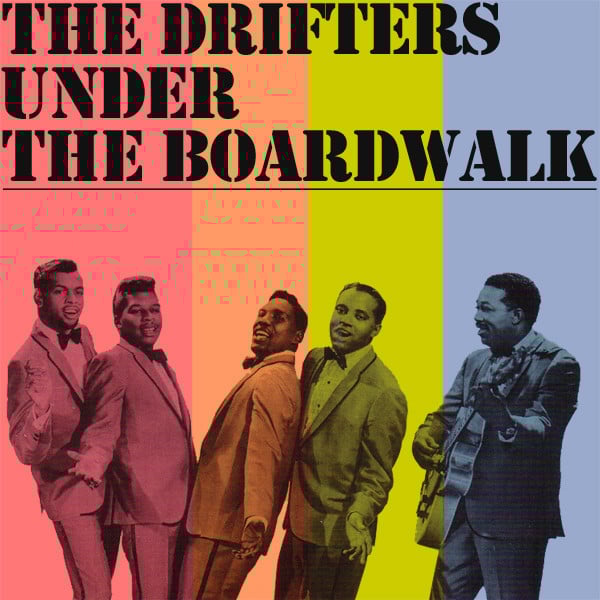
Bert Berns (born Bert Russell) knew how to write a hit. Berns was a talented songwriter and producer who died at age 38 of a fatal heart attack in 1967. Among his writing credits are Twist And Shout, Hang On Sloopy, Piece Of My Heart, and Tell Him. His production credits include Morrison’s Brown Eyed Girl and Under The Boardwalk by The Drifters.

Here Comes the Night

Whoa, here it comes
Here comes the night
Whoa whoa whoa yeah

I could see right out my window
Walkin’ down the street, my girl
With another guy

His arm around her
Like it used to be with me
Whoa, it makes me want to die
Yeah yeah yeah

Well, here it comes
Here comes the night
Whoa whoa whoa whoa yeah

There they go
It’s funny how they look so good together
Wonder what is wrong with me
Why can’t I, accept the fact she’s chosen him
And simply let them be
Whoa whoa whoa

Well, here it comes
Here comes the night
Whoa whoa whoa yeah

She’s with him he’s turning down the lights
And now he’s holding her
The way I used to do

I could see, her closing her eyes
And tellin’ him lies
Exactly like she told me, too
Yeah yeah yeah

Well, here it comes
Here comes the night
The long, the long and lonely night
Night, night, night, night, night, night

Whoa, here comes the night

Garland Jeffreys …a New York Original

CB (Cincinnati Babyhead) and I have got together again and worked on this post. When CB sent me the link to “Wild In The Streets” I was sold, hooked, and happy. The more I listened to Jeffreys music the more it affected me like Bruce Springsteen and Van Morrison did when I first heard them. Jeffreys’ music found a spot in me where Morrison and Springsteen lives. It’s deep, sprawling, and meaningful. Not many artists affect me like this. Like Big Star, The Replacements, and others…this man should be known to more people.

This post is a sample platter…I kept it relatively short so you can enjoy the songs. I’ll be covering more Garland Jeffreys coming up in the next few weeks to give more information rather than cramming everything in one post.

Jeffreys is a Brooklyn, N.Y.-born singer/songwriter who has released 15 studio albums in his 53-year career. His mixed heritage Puerto Rican and African-American is mirrored in his music, which embraces rock, soul, R&B, and reggae.  He began his career performing solo in Manhattan clubs in 1966 after attending college at Syracuse University as an art major, where he became friends with Lou Reed. He then spent some time in Italy studying art before he came back to further his education at New York’s Institute of Fine Arts.

In 1969 he formed a band called Grinder’s Switch, they released just one album Garland Jeffreys & Grinder’s Switch. Members of that band played on the debut album of John Cale of the Velvet Underground. Jeffreys wrote a song for the album called Fairweather Friend and did backup vocals for it. In 1973 he released his first album entitled Garland Jeffreys.

Garland and Bruce

Springsteen opened for Jeffreys at the Cafe Au Go Go back in 1972. They’ve stayed in touch ever since. Jeffreys appears on Light of Day, a great Springsteen tribute album, performing “Streets of Philadelphia” with just as much emotion as its author. He was friends with peers like Lou Reed, Bob Marley, John Lennon, and Joe Strummer, explored in both original songs (“Reggae on Broadway”) and a pair of choice covers (“I’m Waiting for the Man,” “Help”).

One thing I found is he really connected with baseball. His album One Eyed Jack has him on the front cover when he was a young kid in a baseball uniform and his childhood idol Jackie Robinson was on the back. Some of his credits list baseball players from Bobby Bonds to Brian Doyle.

Let us start off with the first song that CB sent me that won me over within a few seconds. It’s as New York as Martin Scorsese, Springsteen, The Yankees, The Statue of Liberty, and subways. It was released in 1973 as a single and was included in the 1977 album Ghost Writer… it is called Wild In The Streets. It’s naked, raw, and genuine…just like Jeffreys.

35 Millimeter Dreams is a song off of the 1977 album Ghost Writer. This one is catchy and it’s too bad it didn’t catch on when released as a single.

Hail Hail Rock and Roll…CB did a take on Hail Hail Rock and Roll. Some of his take: A little tribute to Rock n Roll by one of the best guys out there.  This song gets into your blood.  Garland knows his stuff.  CB has been thinking about this rock and roll thing lately.  All the music and pioneers that have contributed to this thing he loves so much.  This song more than touches on a lot of those thoughts and feelings.

It was released in 1983 on the album Don’t Call Me Buckwheat.

Roller Coaster Town was released in 2011 on the album The King Of In Between. The album made numerous annual Best Of lists with NPR naming it a “best of the year so far”  and Rolling Stone calling it one of the Best Under The Radar Albums of 2011.

City Kids is off the American Boy and Girl album released in 1979. Here is what CB says about the album: “This is NY music from Jeffrey’s experience. He’s lived it. Another one of those “How come artists that never made it bigger?” He is a NY poet. Songs got into me, moved me. What can I say? Springsteen’s ‘Wild Innocent’ vibe. This is his world like Scorsese’s. Close to the streets. When he sings ‘City Kids’ I’m gone with him. Sends a few shivers. Love the feel. Cousin to ”Jungleland’ by Bruce. ‘Matador’ is just beautiful. Sung in his distinctive voice. Hit the romantic side of CB.”

Johnny Kidd and the Pirates – Shakin’ All Over

Cool titles will pull me into songs. This is a pure gritty rock song from the early sixties. Pete Townshend said it was a major influence on The Who.

This is one of my favorite pre-Beatles UK songs. Great rocker with a cool guitar riff. Johnny’s name was Frederick Heath and he formed his first skiffle group in 1957 called The Five Nutters (great name). He then joined Alan Caddy (guitar), Tony Docherty (rhythm guitar), and Ken McKay (drums) in early 1958 and formed Johnny Kidd & the Pirates who were signed by EMI Records.

Heath went on playing with the Pirates and the New Pirates until he was killed in a car crash on October 7, 1966. Johnny Kidd wrote this song after seeing a beautiful girl…hmmm never heard that before! “Beautiful girl” has been used as a muse since music began.

Shakin’ All Over peaked at #1 in the UK charts in 1960. The Who would later do a version on their great live album Live At Leads. Another band covered this song and was a big hit in Canada.

Chad Allan and the Expressions recorded the song in 1964. The group’s label Quality Records credited the artist as Guess Who? in an attempt to disguise their origin and hint that the group might be a British Invasion act. The actual name was revealed a few months later, but radio DJs continued to announce the artist as “Guess Who?”. That version peaked at #1 in Canada and  #22 on the Billboard 100 in 1965. From that time on they were The Guess Who

The Who started to hit around this time so The Guess Who got constant requests for My Generation. They didn’t like their name but the record company insisted they keep it. Things worked out for both bands. They eventually became friends and hung out with each other when they crossed paths on tour.

The Pirates bass player Brian Gregg: “Wally Ridley’s (the producer)’s assistant, Peter Sullivan said, ‘We’re going to do the old trad tune, “Yes Sir That’s My Baby”, and you can have the B-side.” The day before the session we were in the Freight Train coffee-bar in Berwick Street and we said, ‘Let’s write any old rubbish’. There was Johnny, the guitarist Alan Caddy and myself. We didn’t have any instruments and we sang the parts to ‘Shakin’ All Over’. We got up early in the morning, had a run through in my front room- not plugged in, and we went to the studio and recorded it. We thought it would be a B-side but Jack Good loved it and pushed it on his new programme, Wham!: And it went straight up the charts.”

Shakin’ All Over

When you move in right up close to me
That’s when I get the shakes all over me
Quivers down my back bone
I’ve got the shakes down the kneebone
Yeah, havin’ the tremors in the thighbone
Shakin’ all over

Just the way you say goodnight to me
Brings that feeling on inside of me
Quivers down my back bone
I’ve got the shivers down the thighbone
Yeah, the tremors in my back bone
Shakin’ all over

Quivers down my back bone
Yeah, I have the shakes in the kneebone
I’ve got the tremors in the back bone
Shakin’ all over

Well, you make me shake and I like it, baby

Beatles – Good Day Sunshine

It’s hard to be unhappy when you hear this song. McCartney said the song was influenced by The Lovin’s Spoonful’s song Daydream. I can hear that but I can’t help but think the song was also influenced a little by The Kinks. I could hear Ray Davies singing this song.

Beatles - Good Day Sunshine

Original handwritten lyrics to Good Day Sunshine

McCartney did admit to hearing not only Lovin Spoonful but the Kink’s Sunny Afternoon. Most of these British bands would play off each other and the fans were the benefactors to this. John Sebastian would not know about this until 1984 (quote down below) Paul mentioned it in an interview.

Ray Davies did in fact rave about this song in Disc and Music Echo magazine…a very popular British popular music magazine in the 60s and early 70s. The song has a bounce to it and also an older sound…even in 1966 when it was released.

The song was on the album Revolver. That album I think personally is their artistic best…not my number 1 favorite but one of the greatest albums ever made. When they hit America in 1964 all of their albums progressed ahead and weren’t the same. They never remade an album…they were always looking to improve and change. You could see the progression of this from Help! to Rubber Soul to Revolver. After Revolver came their most famous album Sgt Pepper’s Lonely Hearts Club Band. With Revolver, listeners heard more sophisticated sounds and techniques adopted by the Beatles. This song was not released as a single…but it could have been.

The album peaked at #1 on the Billboard 100, Canada, The UK, and probably Mars as well.

An interesting piece of info on this song. Now all of you non-musicians may not care about this part but George Harrison played bass on this song…so please indulge me. George was right-handed so he could not play Paul’s left-handed basses. He ended up renting one out to play at the session.

I thought I knew most of the instruments they played but this I didn’t know. He played a 1965 Burns Nu-Sonic bass guitar. There is a reason I never heard of this bass guitar. The Nu-Sonics were one of the first instruments discontinued by Baldwin after they bought the Burns company in September 1965. They disappeared from the catalog by the fall of ’66 so the total production run for all versions was only about two years.

Beatles - Good Day Sunshine Bass

Here is a picture of George playing the Nu-Sonic Bass Guitar. 

Paul McCartney: “Once again, I was out at John’s house in Weybridge. I’d driven myself there from my home in London in my beautiful sierra-blue Aston Martin, ejector seat and all. I love to drive, and an hour’s drive is a good time to think of things; if you’ve got half an idea, you can flesh it out on the way. I would often arrive at John’s place with a fully formed idea. Sometimes I would have to wait, if John was late getting up; he was a lazy bastard, whereas I was a very enthusiastic young man. Mind you, if I did have to wait there was a little swimming pool I could sit beside.”

“Around that time there was quite a spate of summer songs. ‘Daydream’ and ‘Summer In The City’ by The Lovin’ Spoonful, The Kinks’ ‘Sunny Afternoon’…We wanted to write something sunny. Both John and I had grown up while the music hall tradition was still very vibrant, so it was always in the back of our minds. There are lots of songs about the sun, and they make you happy: ‘The Sun Has Got His Hat On’ or ‘On The Sunny Side Of The Street.’ It was now time for us to do ours. So we’ve got love and sun, what more do we want?”

Paul McCartney: “Wrote that out at John’s one day…the sun was shining, influenced by The Lovin’ Spoonful. It was really very much a nod to The Lovin’ Spoonful’s ‘Daydream,’ the same traditional, almost trad-jazz feel. That was our favorite record of theirs. ‘Good Day Sunshine’ was me trying to write something similar to ‘Daydream.’ John and I wrote it together at Kenwood, but it was basically mine, and he helped me with it.”

John Sebastian: “One of the wonderful things The Beatles had going for them is that they were so original that when they did cop an idea from somebody else it never occurred to you, I thought there were one or two of their songs which were Spoonfuloid but it wasn’t until Paul mentioned it in a Playboy interview (in 1984) that I specifically realized we’d inspired ‘Good Day Sunshine.’”

Good Day Sunshine

Good day sunshine
Good day sunshine
Good day sunshine

I need to laugh, and when the sun is out
I’ve got something I can laugh about
I feel good, in a special way
I’m in love and it’s a sunny day

Good day sunshine
Good day sunshine
Good day sunshine

We take a walk, the sun is shining down
Burns my feet as they touch the ground

Good day sunshine
Good day sunshine
Good day sunshine

And then we lie, beneath a shady tree
I love her and she’s loving me
She feels good, she knows she’s looking fine
I’m so proud to know that she is mine

Good day sunshine
Good day sunshine
Good day sunshine
Good day sunshine
Good day sunshine
Good day sunshine
Good day sunshine

Graham Parker – Local Girls

I posted a Graham Parker album (Howlin’ Wind) a while back and it was the first time I’d heard it. This song…as soon as I heard it I remembered it. I remember MTV and Fridays playing this video in the 1980s.

Graham Parker - Squeezing Out Sparks

This was on the album Squeezing Out Sparks released in 1979. The album peaked at #18 in the UK, #79 in Canada, and #40 on the Billboard 100. Parker had just left Mercury Records and this was his debut on Arista Records.

I’ve listened to Squeezing Out Sparks and there is not a weak song on the album. Parker had felt like Rumour had overplayed on his albums to this point. He told them they need to play like they were in a studio and not live. After that… once they were clicking, it only took 11 days to complete the album.

This album didn’t include horns that were on his albums up to this point. It was a no-frills approach that made it arguably his finest album. This song has everything you want. Smart writing, catchy hook, and Parker’s voice is on point.

Normally, Parker named his albums after song titles, although this time he toyed with calling it “The Basingstoke Canal” after a waterway connecting to the Thames River, about 30 miles from where he was born in the London area of Hackney…but he woke up one morning with a song on the album called You Can’t Be Too Strong going through his head with the lyric “I know it gets dark down by Luna Park/But everybody else is squeezing out a spark/That happened in the heat, somewhere in the dark.”

Graham Parker: “‘Local Girls,’ of course, refers to the girls in my/your hometown, not the girls in someone else’s town. … The idea for ‘Local’ is from remembering what it was like to be a boy at home, looking out the window, seeing a rather toothsome piece stroll by, nose in the air perhaps, down the quiet semi-detached suburban street, and knowing that she probably already (at 13/14 years of age) fancies herself as an army wife (I grew up next door to an army camp and the squaddies were always stealing the girlfolk) and is going to look upon your feeble advances with some disdain. It’s a fairly typical the-object-of-ones-desire-is-always-out-of-reach-type song, just about 30 times better and more pregnant with meaning/detail than pretty much anyone else on the planet could even begin to aspire to, is all”

Graham Parker:  “It wasn’t until I’d done all my Hippie traveling and being a freak and all that, and got back and lived with my parents and started to absorb all influence of my earlier years. I just pushed myself out in the world, got to London and met the right people, including Dave Robinson, who became my manager. He put the band the Rumour around me. So that was basically the beginnings of my career. I was just basically what I consider to be a successful singer/songwriter/musician by the time I came to write Squeezing Out Sparks. It was very inspired times for me, and that’s what resulted in that album.”

Local Girls

Sit by my window and look outside, wonder why the sun don’t shine on me
What’s wrong with you, you stupid child, don’t you think that I’m the one
You’re waiting to see?
Don’t talk too much ’cause she falls for the suckers, makes her feel
Everything is secure
Don’t ever leave a footprint on the floor

Don’t bother with the local girls, don’t bother with the local girls
They don’t bother me

She’s probably half-wit, she must be straight,
Or bound to have a mother who knows nothing but hate
Don’t want to love her, I’d rather knock her down
Standing at the bus stop where she waits each morning
So isolated that she thinks that the army is the place where a man ought to be
Don’t bother with them, they don’t bother me

Don’t bother with the local girls, don’t bother with the local girls
They don’t bother me

They got the walk, they got the talk, right down without a flaw
At 6:00 I got to stop my dreaming at the counter of the store

Don’t bother with the local girls, don’t bother with the local girls
They don’t bother me

Without a doubt I got to intercept, must be time someone ran and shouted in
Their head
You look all right in the cheap print dress,
But every time you swish it ’round you make me disappear
I’m aware of exactly what I’m doing, making everything a mystery
Don’t bother with it, it don’t bother me

Jerry Lee Lewis – Whole Lotta Shakin’ Goin’ On

Electric…that is the best way I can describe Jerry Lee Lewis. From those old black and white clips in the fifties, the Killer was doing just that. Using all of his limbs to pulverize the piano. The song peaked at #3 on the Billboard 100, #8 in the UK, and #1 on the Billboard Country Chart in 1957. It is one of the most recognizable songs of the 1950s.

This song was written by Roy Hall (using the pseudonym Sunny David) and Dave “Curly” Williams. Hall was a songwriter/piano player who ran a music venue in Nashville and played in Webb Pierce’s band. Lewis’s version sold over 6 million copies. Roy didn’t get to enjoy the money from the song for too long…he had to sign his royalties away to his ex-wife.

“Whole Lotta Shakin’ Goin’ On” was Lewis’s second single, following “Crazy Arms,” which had failed to chart. But Lewis, well aware of his own talent, was pushed by producer Sam Phillips’s work in Sun Studio and brought “Whole Lotta Shakin’ Goin’ On” into the recording sessions confident that it could be a hit. Recording sessions took place in February 1957, in Sun Studios.

Lewis claimed to have heard the song from the singer Johnny Littlejohn at the Wagon Wheel nightclub in Natchez, Mississippi. He was a force of nature… he transformed the landscape of any song he moves through, and “Whole Lotta Shakin’ Goin’ On” was no different.

This song was the first of Lewis’ four Top 40 hits, which all occurred in a period of about a year and a half… but he had a huge country career starting in the 60s.

Whole Lot of Shakin’ Goin’ On

Come along my baby, whole lotta shakin’ goin’ on
Yes, I said come along my baby, baby you can’t go wrong
We ain’t fakin’, while lotta shakin’ goin’ on

Well, I said come along my baby, we got chicken in the barn
Woo-huh, come along my baby, really got the bull by the horn
We ain’t fakin’, whole lotta shakin’ goin’ on

Well, I said shake, baby, shake
I said shake, baby, shake
I said shake it, baby, shake it
And then shake, baby, shake
Come on over, whole lotta shakin’ goin’ on
Oh, let’s go!

Alright

Well, I said come along my baby, we got chicken in the barn
Whose barn? What barn? My barn
Come along my baby, really got the bull by the horn
We ain’t fakin’, whole lotta shakin’ goin’ on

Easy now
Shake it
Ah, shake it, baby
Yeah
You can shake it one time for me
Ye-ah-ha-ah, I said come on over, baby
Whole lotta shakin’ goin’ on
Now, let’s get down real low one time now
Shake, baby, shake
All you gotta do, honey, is kinda stand in one spot
Wiggle around just a little bit, that’s when you got it, yeah
Come on baby, whole lotta shakin’ goin’ on
Now let’s go one time

Shake it baby, shake, shake it baby, shake
Woo, shake baby, come on babe, shake it, baby, shake
Come on over, whole lotta shakin’ goin’ on