In the 1980s, I was watching MTV, and I came across this band playing a song called Our House and I loved it. Not only did I like the song, but the bands irrevelant humor wore off on me. They didn’t take themselves seriously at all, and I respect that.
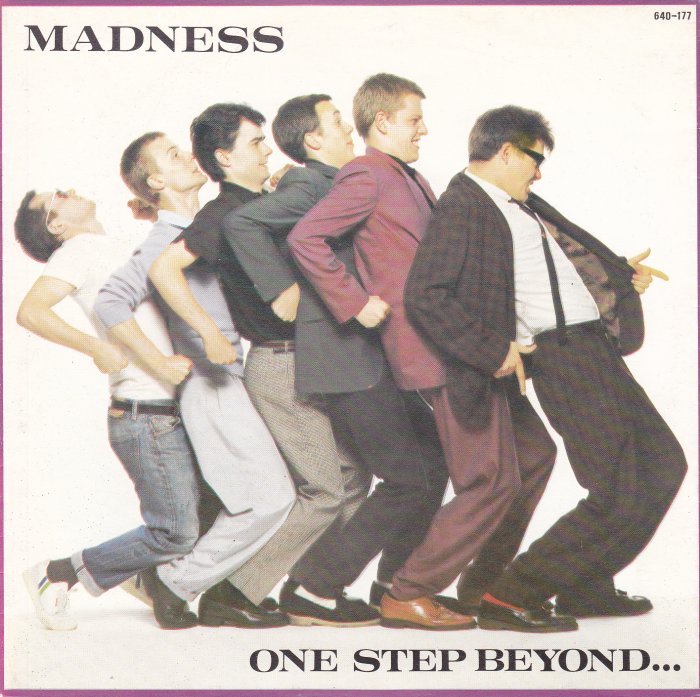
When this song came out in 1979, it sounded like a party breaking out in the middle of the British charts. Madness was part of the late-1970s ska revival that grew out of London clubs. Their version of this was actually a remake of a 1964 instrumental by Jamaican artist Prince Buster. Madness kept the structure but turned it into something louder and more chaotic. The song begins with Chas Smash shouting “Don’t watch that, watch this!” before the band launches into the riff. From that moment, it feels like a call to the dance.
It’s a fast ska rhythm, brass sounds, and a repeating organ line. Unlike many pop songs of the time, there is very little singing. Instead, the horns carry the melody while the band pushes the tempo forward. It captures the mix of Jamaican ska and British pub-rock attitude that defined the early Madness sound. The record was produced by Clive Langer and Alan Winstanley, who helped give the band a tight but lively sound.
The video, with the group dancing and marching through London streets, helped define their image. Madness were not trying to be serious rock stars. They looked like a gang of friends who started a band and brought the party with them. This was the title cut off of their debut album, released in 1979. The album peaked at #2 on the UK Album Charts and #27 in New Zealand that year. The song peaked at #7 in the UK.
Here is a later live version. The crowd was ready!
One Step Beyond
(Hey you, don’t watch that, Watch this! This is the heavy heavy monster sound The nutsiest sound around So if you’ve come in off the street And you’re beginning to feel the heat Well listen buster You’d better to start to move your feet To the rockin’est, rock-steady beat Of Madness One step beyond!)
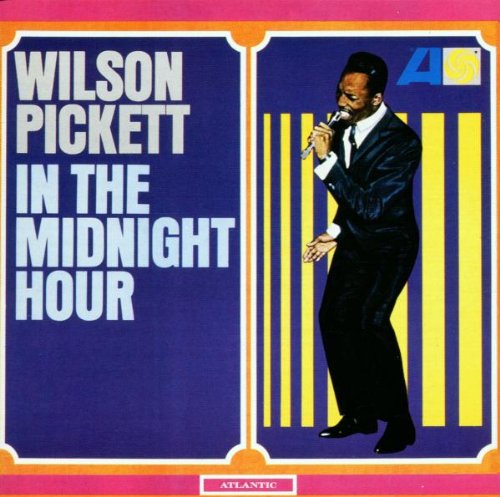
This song has been in my head all week. A great classic soul song and a great song in general. The guitar riff is simple but perfect… it drives the song along with Pickett’s explosive voice. It has to be one of my all-time favorite songs to play on bass or guitar. It’s a sliding riff that stays in a perfect rhythm.
The song was recorded in 1965 at FAME Studios in Muscle Shoals. Pickett worked with producer and songwriter Jerry Wexler and Steve Cropper. Cropper came up with the guitar riff while the band worked out the rhythm in the studio. Wexler encouraged the musicians to play slightly behind the beat, which gave the song its loose but powerful feel. That rhythm became one of the signatures of the Muscle Shoals sound.
The backing musicians included members of the studio band that would later be known as the Muscle Shoals Rhythm Section. Their playing is tight, but they left room for the song to breathe. Pickett’s voice sits right in the center, rough and urgent, especially when he shouts the title line. Al Jackson Jr. and Donald “Duck” Dunn from Booker T. & the MG’s played on this track with bandmate Cropper.
In the Midnight Hour” was recorded on May 12, 1965, with all musicians performing at once, in the repurposed movie theater that was the Stax recording studio, with absolutely no overdubs. The song peaked at #21 on the Billboard 100 and #1 on the R&B Chart in 1965.
In 2017, the song was selected for preservation in the National Recording Registry by the Library of Congress as being “culturally, historically, or artistically significant. It was written by Pickett and Steve Cropper.
In The Midnight Hour
I’m gonna wait ’till the midnight hour
That’s when my love come tumbling down
I’m gonna wait ’till the midnight hour
When there’ no one else around
I’m gonna take you, girl, and hold you
And do all things I told you, in the midnight hour
Yes I am, oh yes I am
One thing I just wanna say, right here
I’m gonna wait till the stars come out
And see that twinkle in your eyes
I’m gonna wait ’till the midnight hour
That’s when my love begins to shine
You’re the only girl I know
Can really love me so, in the midnight hour
Oh yeah, in the midnight hour
Yeah, all right, play it for me one time, now
I’m gonna wait ’till the midnight hour
That’s when my love come tumbling down
I’m gonna wait, way in the midnight hour
That’s when my love begin to shine, just you and I
Oh, baby, just you and I
Nobody around, baby, just you and I
Oh, right, you know what?
I’m gonna hold you in my arms, just you and I
Oh yeah, in the midnight hour
Oh, baby, in the midnight hour
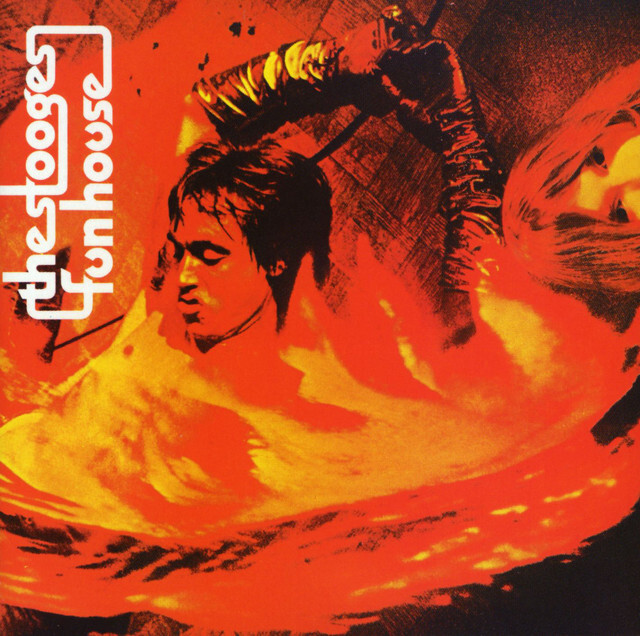
I like the Stooges because I like raw and uncooked…and that is them. This song was the title track of their second studio album. This one is not just loud guitar and vocals. If you are a saxophone fan, you will like this. Steve Mackay plays the tenor saxophone in this and tears it up.
When they entered the recording studio in 1970, the band wanted to capture what their shows sounded like. Producer Don Gallucci helped them set up the room so the group could play together, loud and loose as normal for them. Out of those sessions came this song, a track that shows how far the band had moved from the more structured songs on their first album.
The lineup at the time was Iggy Pop, guitarist Ron Asheton, drummer Scott Asheton, and bassist Dave Alexander. The song runs on a repeating riff from Ron Asheton while the rhythm section locks into a groove that sticks. Instead of building toward a traditional chorus, the song stretches out. When saxophonist Steve Mackay joins in, adding a free-form part that pushes the music further into chaos.
I love Iggy’s voice in this one. His vocals often move between spoken lines and shouted phrases. The recording keeps the rough edges…which was the goal of the sessions. The band wanted something closer to the stage than to a polished studio track. I tend to write that a lot in my reviews… because well…raw and uncooked remember? That’s what I like.
When the saxophone really kicks in, and the rhythm keeps rolling, it feels like the walls of the room are closing in…and I like that.
Fun House
Blow right on it, now! Blow, Steve! I feel alright Yeah, I feel alright Let me in Hey, let me in ‘Ey, bring it down
Callin’ from the fun house with my song We been separated, baby, far too long A-callin’ all you whoop-dee pretty things Shinin’ in your freedom, come and be my rings
Hold me tight, callin’ from the fun house Hold me tight, callin’ from the fun house
Yeah, I came to play and I mean to play around Yeah, I came to play and I mean to play real good Yeah, I came to play
Alright Hey, let me in Take it down I feel alright A-take it down
Little baby girlie, little baby boy Cover me with lovin’ in a bundle o’ joy Do I care to show you what I’m dreamin’ of Do I dare to whoop y’all with my love
Every little baby knows just what I mean Livin’ in division in a shiftin’ scene
Hold me tight, callin’ from the fun house Hold me tight, callin’ from the fun house
Blow Yeah, I came to play I came to play Blow, Steve!
Hey Hey now Let me in One more time Take it down Take it down A-take it down
We been separated We been separated A little too long
Blow Yeah, I came to play Yeah, fun house, boy, will steal your heart away Yeah, fun house, boy, will steal your heart away Steal Yeah I came to play I came to play I came to play This is it Baby Yeah, I came to play I came to play
In the 1980s, I went through my first Doors phase. Read every book and even bought an album called An American Prayer, full of Jim Morrison’s poems. I saw the Oliver Stone movie and many of the documentaries at the time. They came back in popularity big time in the 1980s with Morrison making the Rolling Stone cover with the headline “He’s Hot, He’s Sexy, and He’s Dead.” At the time…I thought…well, that is disturbing sounding.
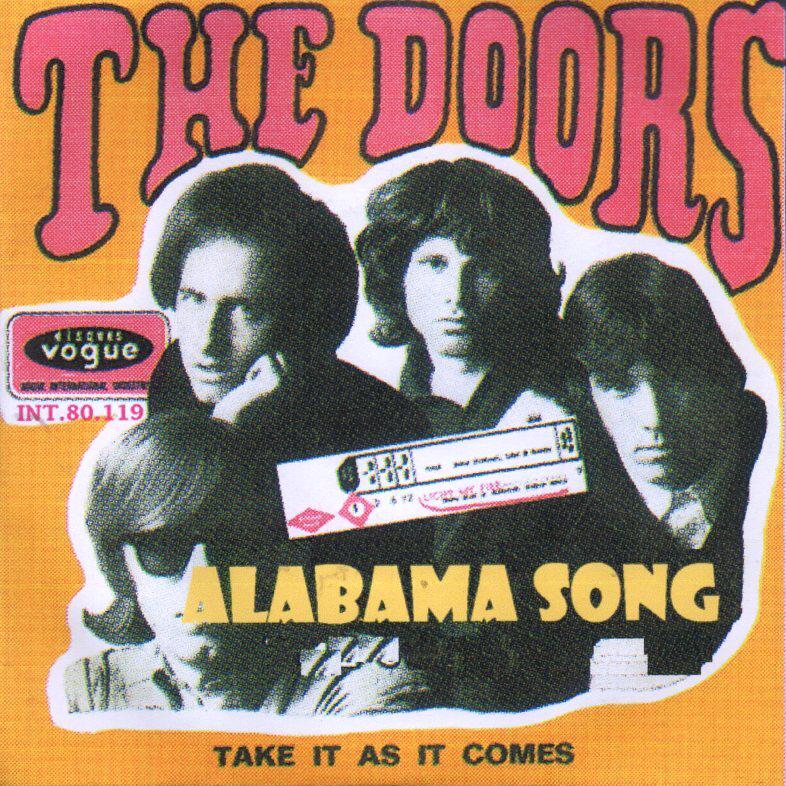
When The Doors released their debut album, The Doors, in 1967, most listeners expected songs written by Jim Morrison, Ray Manzarek, Robby Krieger, and John Densmore. But tucked into the record was something unusual, “Alabama Song (Whiskey Bar).” It wasn’t written by the band at all. The song came from German theater, written by Bertolt Brecht with music by Kurt Weill for the 1927 stage production Little Mahagonny, later used in the opera Rise and Fall of the City of Mahagonny.
They discovered the song through Manzarek, who had studied theater and classical music. The band kept the original English lyrics but changed the arrangement. Instead of an orchestra, they built it around Manzarek’s carnival organ. It stood out on the album, but it fit the band’s taste for the theatrical.
Manzarek’s keyboard carries the melody while Krieger adds small guitar lines. It circles around the refrain, “Show me the way to the next whiskey bar,” until it feels like something being shouted across a room. The structure is simple, but the mood is uneasy because of Manzarek and Morrison. You can hear a slight German polka sound in this.
The album peaked at #2 on the Billboard Album Charts, #42 in Canada, and #43 in the UK in 1967.
Alabama Song (Whisky Bar)
Well show me the way To the next whiskey bar Oh don’t ask why Oh don’t ask why
Show me the way To the next whiskey bar Oh don’t ask why Oh don’t ask why
For if we don’t find The next whiskey bar I tell you we must die I tell you we must die I tell you, I tell you I tell you we must die
Oh moon of Alabama We now, must say goodbye We’ve lost, our good old Mama And must have whiskey Oh, you know why
Oh, moon of Alabama We now must say goodbye We’ve lost, our good old Mama And must have whiskey Oh, you know why
Gilmour is one of those guitarists who you know by his tone. That’s all it takes to recognize him playing without knowing it. In the 1980s, Paul McCartney released “No More Lonely Nights,” and I knew right away that he must have called David Gilmour to do the solo…and he did. Gilmour is like Hendrix in that regard; it’s not hard to pick out his sound.
I will admit, my favorite Pink Floyd music is the Syd Barrett years, although I do like some of the 1970s as well. Listening to Gilmour’s debut solo album, I’m really impressed. His songs were on point and not much wandering into Floyd land. Of course, you hear some; it’s hard not to with his voice.
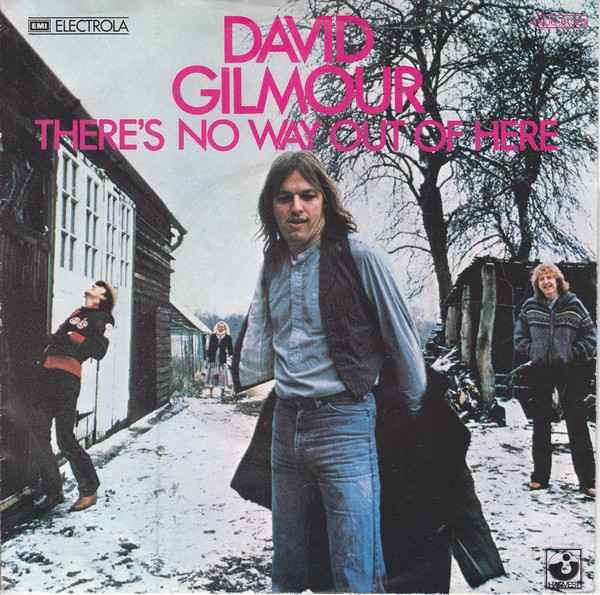
When David Gilmour began work on his first solo album, David Gilmour, the idea made sense. He wanted a break from the structure and pressure that surrounded Pink Floyd in the 1970s. As he said, to establish his own identity outside of the “claustrophobic shadow of Pink Floyd.” The band had just finished the massive tour for Animals, and was entering a tense period that would lead to The Wall. Recording a solo record gave Gilmour a chance to work at his own pace and record songs that didn’t need to fit a concept.
Some songs came from outside writers. This song was written by Ken Baker and had first appeared on a record by the British country-rock group Unicorn. Gilmour liked the song and reshaped it with a heavier guitar sound and a slower feel to fit him perfectly. Once he puts that guitar on a song, it becomes a Gilmour song.
The songs on this album were shorter and more straightforward. The guitar stayed at the center of the sound. It didn’t try to compete with the HUGE scale of Pink Floyd’s records. Over time, the album has come to be seen as a snapshot of where he was just before the The Wall era began.
The album peaked at #17 in the UK, #29 on the Billboard Album Charts, and #22 in New Zealand in 1978.
There’s No Way Out of Here
There’s no way out of here When you come in You’re in for good There was no promise made The part you played The chance you took
There are no boundaries set The time and yet You waste it still So it slips through your hands Like grains of sand You watch it go There’s no time to be lost You’ll pay the cost So get it right
There’s no way out of here When you come in You’re in for good
And never was there an answer There an answer Not without listening Without seeing
There are no answers here When you look out You don’t see in There was no promise made The part you played The chance you took
There’s no way out of here When you come in You’re in for good
And never was there an answer There an answer Not without listening Without seeing
There’s no way out of here When you come in You’re in for good There are no answers here When you look out You don’t see in
There was no promise made The part you played The chance you took
Many cool people have cool nicknames. I love Elvis’s nicknames. The Big E, King Of Rock ’n‘ Roll, The Memphis Flash, The Jumpsuited One, The Vibrating Valentino, Ol ’Snake Hips, The Tennessee Troubadour, Mr. Sideburns, The Hillbilly Cat, The Cool Cat, or just EP.
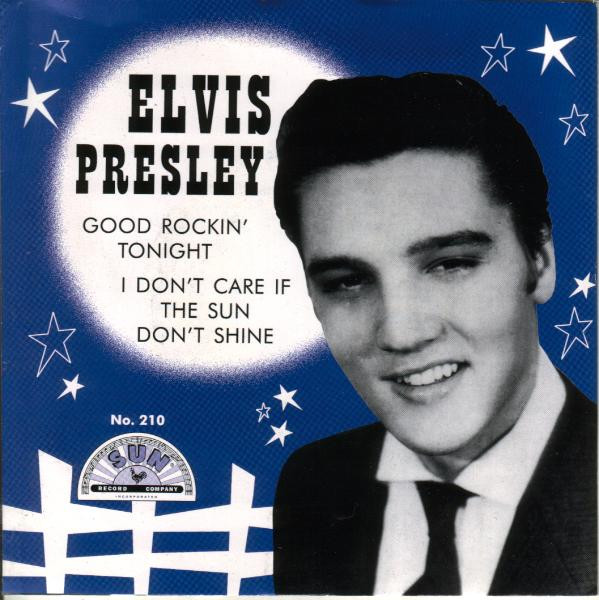
I was listening to Elvis’s Sun songs, and this one stood out. It’s that rhythm that really drew me into this song. Just a simple little rockabilly song that makes me feel good. I would say that Sun Records Elvis is the Elvis I like best. Not that I never liked the songs on RCA and his major hits, but these records had a sound like no other. This song was the B-side to Good Rockin’ Tonight.
It was written by Mack David and had been recorded earlier by Patti Page in 1950. Mack David wrote it for the animated film Cinderella, but not used in the movie. He also wrote Rain, Rain Go Away, Baby It’s You, and other hit songs.
Presley’s version was recorded in 1954 during the same period that produced songs like That’s All Right. Backed by guitarist Scotty Moore and bassist Bill Black, Presley pushed the tempo and stayed with that rhythm. Moore’s guitar runs are all over the place, and Black’s slap bass keeps the track moving. Elvis sings with a mix of country phrasing and the energy that would be rockabilly.
This song was recorded in September 1954. It all started a few months earlier for Elvis. On June 7, 1954, WHBQ Radio in Memphis became the first station to play That’s All Right when their disc jockey, Dewey Phillips, aired it on his Red, Hot and Blue show the day after Elvis recorded it. Phillips was a pioneering DJ who played a mix of black and white music that attracted a large and diverse following and helped Elvis on his way.
He would find worldwide success with RCA, but…I’ll just close this by saying I really love rockabilly, Elvis!
The A side…Good Rockin’ Tonight
I Don’t Care If The Sun Don’t Shine
Well, I don’t care if the sun don’t shine I get my lovin’ in the evening time When I’m with my baby
Well, it ain’t no fun with the sun around I get going when the sun goes down And I’m with my baby
Well, that’s when we’re gonna kiss and kiss and kiss and kiss And we’re gonna kiss some more Who cares how many times we kiss ‘Cause at a time like this, who keeps score?
Well, I don’t care if the sun don’t shine I get my loving in the evening time When I meet my baby
Well, that’s when we’re gonna kiss and kiss and kiss and kiss And we’re gonna kiss some more Who cares how many times we kiss ‘Cause at a time like this, who keeps score
Well, I don’t care if the sun don’t shine I get my loving in the evening time When I meet my baby
And it don’t matter if it’s sleet or snow The drive-in’s cozy when the lights are low And I’m with my baby
Makes no difference if the rain comes down I don’t notice when she’s around Oh boy, what a baby
Well, that’s when we’re gonna kiss and kiss and kiss and kiss And we’re gonna kiss some more Well, one kiss from my baby doll makes me hot More more more more
Well, I don’t care if the sun don’t shine I get my loving in the evening time When I meet my baby
Well, that’s when we’re gonna kiss and kiss and kiss and kiss and We’re gonna kiss some more Well, one kiss from my baby doll makes me hot More more more more
Well, I don’t care if the sun don’t shine I get my loving in the evening time When I’m with my baby
I wrote this for Randy’s site for a series he is having called “Herstory.” Here is the criteria:
We have laid out three criteria to focus on women in music. Each article will include one or more of these.
Songs written by men but sung by a woman with a female POV.
Songs written by a woman and sung by themselves or for/with another woman
Collaborative efforts. Written with input from both a woman and a man but sung by a woman.
First of all, I’m honored to be part of this and to be asked by Randy. Thank you for posting this last week. My posts are usually personal, and this one won’t be any different, unfortunately. It’s the only way I know how to write. I could never be a critic because I’m too much of a fan.
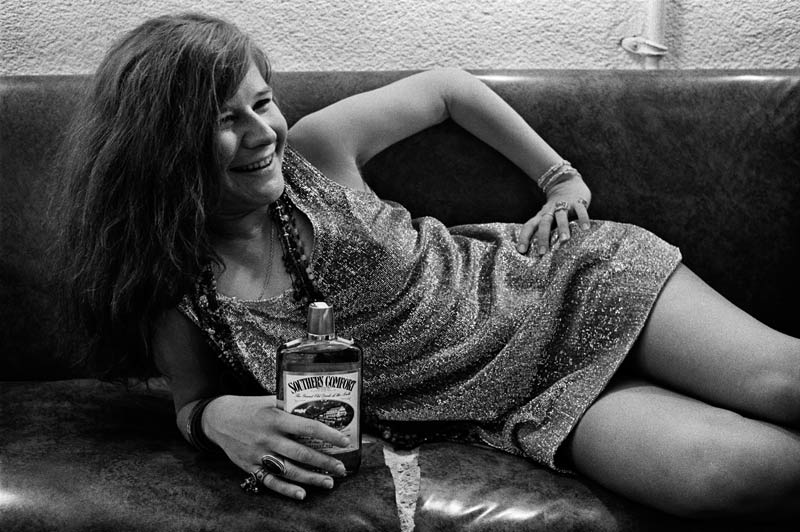
When Janis Joplin recorded this song, it wasn’t meant to be the centerpiece of the album. The song, written by Kris Kristofferson, had already been around the country and folk circuits, covered by Roger Miller and others. Joplin cut her version in 1970 during sessions for Pearl, not long before her death. She injected life into this song. The lyric about losing love and finding freedom sounded like something she had lived rather than learned.
Me and Bobby McGee quickly became Joplin’s signature song. This was a slightly different vocal for Janis. There is more control in her voice in this one. The producer Paul A. Rothchild was working with Janis to use her voice more efficiently so she could continue to sing later on in her career. Unfortunately, she never got a chance.
The Full Tilt Boogie Band keeps it simple behind her, soft rhythm, light piano, no clutter. That space lets Joplin carry the whole thing. She starts gently, almost timidly (for her), then slowly lets her voice go. The dynamic is incredible to hear, and it never gets old. By the final verse, it feels less like singing and more like remembering. It’s the sound of someone in pain. You feel that pain with Janis; you ALWAYS felt pain with Janis.
Plenty of artists have covered this song. Janis Joplin lived it for just four minutes, but those 4 minutes have turned into 56 years and counting. Kristofferson wrote a strong song, but Joplin turned it into an epic masterpiece. It isn’t about the road, or even about Bobby. It’s about how freedom can feel empty when the person you shared it with is gone. That’s why her version stayed, and the others faded. Without knowing it, she put a claim on that song, and she owns it like no other ever will.
This was Janis Joplin’s only top ten hit, although her songs are still played today. This was released after Joplin passed away. Her death gave the album a lot of attention, and Pearl went to #1 on the Billboard Album Chart in 1971. It was the second song to hit #1 in the US after the artist had died. Dock Of The Bay by Otis Redding was the first. Janis idolized Otis, so she would probably have liked that.
Kris Kristofferson:“I had just gone to work for Combine Music. Fred Foster, the owner, called me and said, ‘I’ve got a title for you: ‘Me and Bobbie McKee,’ and I thought he said ‘McGee.’ I thought there was no way I could ever write that, and it took me months hiding from him because I can’t write on assignment. But it must have stuck in the back of my head. One day I was driving between Morgan City and New Orleans. It was raining and the windshield wipers were going. I took an old experience with another girl in another country. I had it finished by the time I got to Nashville.”
“For some reason, I thought of La Strada, this Fellini film, and a scene where Anthony Quinn is going around on this motorcycle and GiuliettaMasina is the feeble-minded girl with him, playing the trombone. He got to the point where he couldn’t put up with her anymore and left her by the side of the road while she was sleeping. Later in the film, he sees this woman hanging out the wash and singing the melody that the girl used to play on the trombone. He asks, ‘Where did you hear that song?’ And she tells him it was this little girl who had showed up in town and nobody knew where she was from, and later she died. That night, Quinn goes to a bar and gets in a fight. He’s drunk and ends up howling at the stars on the beach. To me, that was the feeling at the end of ‘Bobby McGee.’ The two-edged sword that freedom is. He was free when he left the girl, but it destroyed him. That’s where the line ‘Freedom’s just another name for nothing left to lose’ came from.
“The first time I heard Janis Joplin’s version was right after she died. Paul Rothchild, her producer, asked me to stop by his office and listen to this thing she had cut. Afterwards, I walked all over L.A., just in tears. I couldn’t listen to the song without really breaking up. So when I came back to Nashville, I went into the Combine [Publishing] building late at night, and I played it over and over again, so I could get used to it without breaking up. [Songwriter and keyboardist] Donnie Fritts came over and listened with me, and we wrote a song together that night about Janis, called ‘Epitaph’.
I started following this band in the 1990s after hearing the song “Here Comes Your Man,” which caught my power-pop ear. It was on their 1989 album, Doolittle. I love the dynamics in this one and the harder style.
By 1989, Pixies were no longer an underground surprise. After Surfer Rosa, they went into the studio to make a tighter, more direct record. That record became Doolittle. The sessions took place in late 1988 in Boston, with Gil Norton producing. Norton pushed the band toward precision. He said he focused on structure and dynamics. Gouge Away benefited from that approach.
Black Francis brought the song in with its biblical reference; he drew from the story of Samson and Delilah. But in the studio, the band worked on feeling more than sticking strictly to that concept. The verses were kept restrained on purpose, so the chorus would hit harder. That is where the dynamics came into play. I like the sound of Kim Deal’s driving bass in this one. Also, I have to mention, the guitar solo is very unique to me. I love the way they fit that solo in with the sustain.
Unlike some of the raw edges on Surfer Rosa, Doolittle was built with layering in mind. Multiple vocal takes were tracked to get Francis’s half-whisper right before the explosion of the refrain. The final mix keeps plenty of space in the verses, then opens up when the band surges. As the closing track, Gouge Away was put there to leave a mark. It ends the album the way the Pixies often worked in the studio at that point, controlled and sharp.
The album peaked at #98 in the Billboard Album Charts, #8 in the UK, and #18 in New Zealand in 1989.
Gouge Away
Gouge away You can gouge away Stay all day If you want to
Missy aggravation Some sacred questions You stroke my locks Some marijuana If you got some
Gouge away You can gouge away Stay all day If you want to
Sleeping on your belly You break my arms You spoon my eyes Been rubbing a bad charm With holy fingers
Gouge away You can gouge away Stay all day If you want to
Chained to the pillars A three day party I break the walls And kill us all With holy fingers
Gouge away You can gouge away Stay all day If you want to
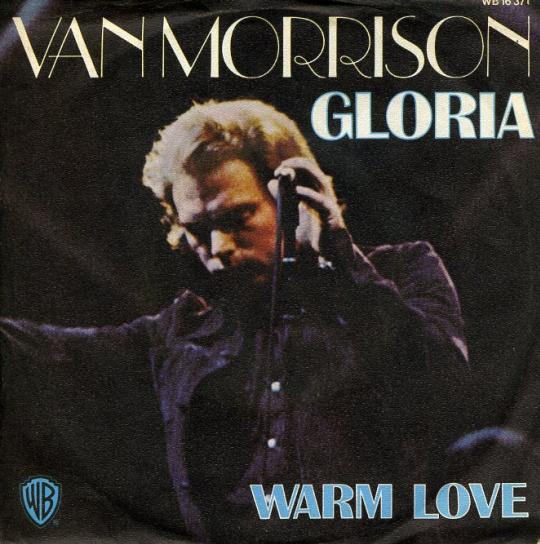
Dave posted this on his TurnTable Talk on February 19. The topic that he gave us was simple enough…a song with the word love in it. This song and Crazy Love came to mind from Van so I went with this one, you don’t hear this one as often.
In 1986-87 I bought the Van Morrison album Hard Nose the Highway, and this song, among others, caught my attention. The album is not up there with Moondance or Astral Weeks, but it’s a good album. When I heard this song on the album, I got the feeling I’d heard it before. It did peak at #66 in Canada in 1973. I’m sure I heard it on AM radio when I was a kid. It sounds like a hit. I just fell and am still over his wide-open songs, such as the title track, the previous album track, and “Saint Dominic’s Preview.”
When I got into Van…I really got into him. I ended up buying his first 9 albums (not counting the early Bang years), from the 1968 album Astral Weeks to the 1978 Wavelength album. I also ordered a hard-to-find Them album from England. An album I still have with me, one of the very few that survived my many moves in my younger days.
I always thought Warm Love was the sister song to Crazy Love off his Moondance album from 3 years before. Coming off the open sound of Saint Dominic’s Preview, Van Morrison went into Hard Nose the Highway in 1973 in a different headspace. The sessions were very successful, and they recorded over 30 songs. Morrison originally wanted to make it a double album, but the record company talked him into a single one.
The songs that caught my attention on first listen were this song, the title track, and a song called The Great Deception. He also did a cover of Kermit! Yes, Van covered Being Green on this album. It’s a good album and always a joy to listen to. Van had a band at this time called The Caledonia Soul Orchestra, and they were tight. Some of them played on this album.
The Caledonia Soul Orchestra was the road band that powered Van Morrison through one of the strongest stretches of his career, roughly 1972 to 1974. After the success of Moondance and the more reflective albums that followed, Morrison wanted a band that could move between jazz, R&B, folk, and soul without losing momentum. He found it in a large ensemble built around horns, a tight rhythm section, and backing vocalists who could follow his changes in real time.
A huge talent of Van is to make songs that feel off the cuff but polished at the same time. As with most of the album, it was built around live takes, with horns and backing vocals added only where they felt natural.
The album peaked at #27 on the Billboard Album Charts, #18 in Canada, and #22 in the UK in 1973. This live version is the best one I’ve heard, but it won’t let me embed it here.
Van Morrison: It is just a boy and girl song, walking on the beach. It’s a young song. I can’t really add to that, except to note that this is a musical love affair, with the girl bringing her guitar.
Warm Love
Look at the ivy on the old clinging wall Look at the flowers and the green grass so tall It’s not a matter of when push comes to shove It’s just a hour on the wings of a dove
It’s just warm love It’s just warm love
I dig it when you’re fancy dressed up in lace I dig it when you have a smile on your face This inspiration’s got to be on the flow But these invitation’s got to see it and know
It’s just warm love It’s just warm love
And it’s ever present everywhere And it’s ever present everywhere Warm love And it’s ever present everywhere And it’s ever present everywhere That warm love
To the country I’m going Lay and laugh in the sun You can bring your guitar along We’ll sing some songs, we’ll have some fun
The sky is crying and it’s time to go home And we shall hurry to the car from the foam Sit by the fire and dry out our wet clothes It’s raining outside from the skies up above
Inside, it’s warm love Inside, it’s warm love
And it’s ever present everywhere And it’s ever present everywhere That warm love And it’s ever present everywhere And it’s ever present everywhere That warm love, I can feel it
And it’s ever present everywhere And it’s ever present everywhere That warm love, hey And it’s ever present everywhere And it’s ever present everywhere That warm love, hey And it’s ever present everywhere And it’s ever present everywhere That warm love
I first heard of Wilco from the song Secret of the Sea by Billy Bragg and Wilco for the album Mermaid Avenue Volume II. I started to follow them more closely and learned a lot from bloggers about them.
Wilco was formed in 1994 in Chicago, Illinois, following the breakup of Uncle Tupelo. The band was founded by Jeff Tweedy, along with former Uncle Toledo members John Stirratt, Ken Coomer, and Max Johnston. Over the years, Wilco evolved from an alternative country sound into a more experimental and genre-blending style. After this album, their sound changed from the alt-country sound they had with Uncle Tupelo.
What first jumps out with this song is the acoustic in front with a small amount of reverb. It takes me back a little to John Lennon’s version of Stand By Me. I can’t get enough of that sound. The song started with Tweedy at the piano. It was written around a repeating chord pattern and a vocal line that doesn’t try to do too much.
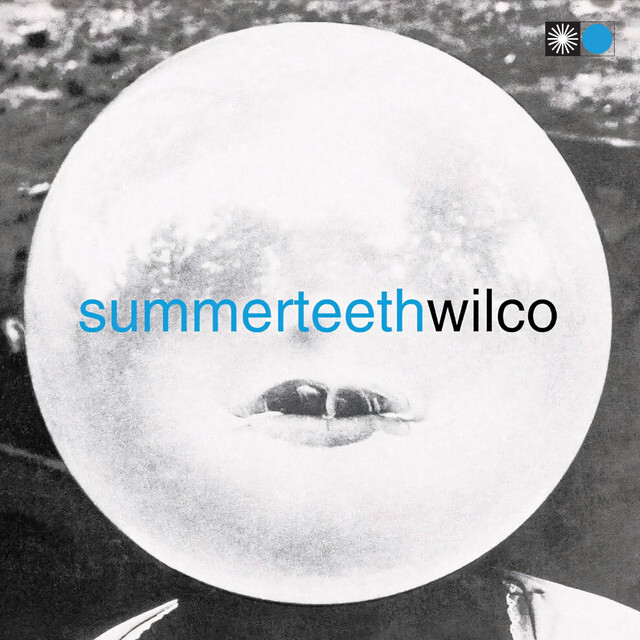
This was on the album Summerteeth, released in 1999. It was their 3rd studio album. From listening to them recently, Wilco had already moved past the alt-country tag that followed them after Uncle Tupelo. Being There opened the door. Summerteeth walked through it and didn’t look back. I really like this album.
From what I’ve read, there was tension during the making of the album. Jay Bennett’s role grew, and he and Tweedy wrote most of the album. So did the friction. Multi-tracking replaced some of the earlier live feel. Drummer Ken Coomer has said parts were built in sections rather than full takes. The band was evolving in real time, and not everyone was comfortable with the shift. Still, the focus was on getting the songs right, even if that meant reworking them again and again, and they did a great job.
The album peaked at #78 on the Billboard Album Charts and #38 in the UK in 1999.
How To Fight Loneliness
How to fight loneliness Smile all the time Shine you teeth til meaningless Sharpen them with lies
And whatevers going down Will follow you around Thats how you fight loneliness You laugh at every joke Drag your blanket blindly Fill your heart with smoke And the first thing that you want Will be the last thing you ever need Thats how you fight it
Just smile all the time Just smile all the time Just smile all the time Just smile all the time
Yes, I posted Sahm recently, but here he is leading the way with Uncle Tupelo. What a great and natural combination. Running across this was just fantastic! I can’t put into words how much I love the down-home sound of this. One more legend is on this album that I will reveal at the bottom of the post…no skipping or peaking!
When Uncle Tupelo teamed up with Doug Sahm on this song, it felt less like a guest spot and more like a handoff between two generations. Sahm had already lived a lifetime in Texas blues, country, and rock and roll. Uncle Tupelo were still mapping out what roots rock could sound like in the early ’90s. The song sits right in the middle of that meeting point.
Sahm sounds relaxed, like he’s telling a story on a porch. Jay Farrar and Jeff Tweedy hang back just enough to let the song lead. I always liked Uncle Tupelo anyway, but add Doug Sahm? Oh hell yes! I could listen to this type of music all day and twice on Sunday, as the saying goes. It gives me a great feeling, and it just fits all together so well. The backup vocals are on target, but also riding around the edges; it’s such a lived-in sound that I love. There is no overdubbing or big production…just back porch sounding goodness.
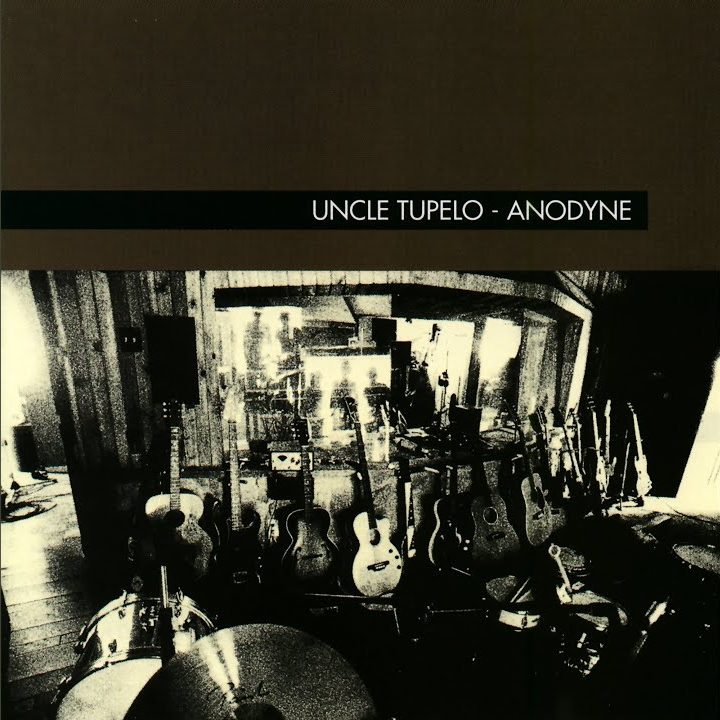
This track shows what Uncle Tupelo were always good at, connecting past and present without making it sound like a museum piece. Doug Sahm doesn’t feel like a legend that was just dropped in for credibility. He feels like part of the band, which in this he is. Doug Sahm wrote this song, and it was on the Uncle Tupelo album called Anodyne, released in 1993. He first released it as Sir Doug and the Texas Tornados in 1976.
There is one more legend on this album doing some vocals…the one and only Joe Ely. He did the lead vocals on Are You Sure Hank Done It This Way?
Give Back The Key To My Heart
Take my picture off the wall It don’t matter to me at all Said I was headed for a fall But you wanted me to crawl
Give back my TV It don’t mean that much to me While you’re giving back my things Give me back the key to my heart
Give back the key to my heart Give back the key to my heart And let my love flow like a river Straight into your heart, dear
Well, you say I was the one To blame for the wrong that’s been done Well, you got a friend named cocaine And to me, he is to blame
He has drained life from your face He has taken my place While you’re alone in San Antone Give me back the key to my heart
Give back the key to my heart Give back the key to my heart And let my love flow like a river Straight into your heart, dear
I am a Paul Weller fan, and it’s nice to see what he did after he left The Jam in 1982. Some really good soul pop songs and excellent songwriting, as you would expect from Weller. I mostly know his Jam songs but I’m learning more about him.
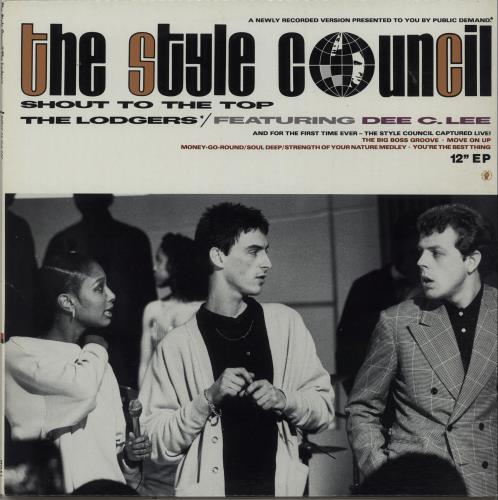
Paul Weller and Mick Talbot built the song around a bright keyboard riff and a gospel-type groove that is more Curtis Mayfield than punk. It was a stand-alone single. It was later added to the 1984 album Our Favourite Shop CD release, and it became one of their biggest hits in the UK and a club favorite. It was on the US album Internationalists, a version of this album.
This song is a great example of a perfect blend of soul history and modern pop. It’s built for radios and dance floors…and anyone needing a push through their day. Instead of stacking layers of guitars, the band focused on the rhythm and let the groove carry everything.
The song peaked at #7 in the UK and #6 in New Zealand in 1984-85. The album peaked at #1 in the UK, #6 in New Zealand, #123 in the Billboard Album Charts, and #53 in Canada.
Should It To The Top
I was half in mind, I was half in need And as the rain came down I dropped to my knees and I prayed I said, “Oh heavenly thing, please cleanse my soul I’ve seen all on offer and I’m not impressed at all”
I was halfway home, I was half insane And every shop window I looked in just looked the same I said, “Now send me a sign to save my life ‘Cause at this moment in time there is nothing certain in These days of mine”
You see it’s a frightening thing when it dawns upon you That I know as much as the day I was born And though I wasn’t asked, I might as well stay And promise myself each and every day
That when you’re knocked on your back and your life’s a flop And when you’re down on the bottom there’s nothing else But to shout to the top Well we’re gonna shout to the top We’re gonna shout to the top We’re gonna shout to the top Hey, we’re gonna shout to the top
You see it’s a frightening thing when it dawns upon you That I know as much as the day I was born And though I wasn’t asked, I might as well stay And promise myself each and every day
We’re gonna shout to the top (shout) We’re gonna shout to the top (shout) We’re gonna shout to the top (shout) We’re gonna shout to the top (shout) We’re gonna shout to the top (shout) We’re gonna shout to the top (shout)
So when you’re knocked on your back and your life’s a flop And when you’re down on the bottom there’s nothing else But to shout to the top (shout) Well, we’re gonna shout to the top (shout) We’re gonna shout to the top (shout) We’re gonna shout to the top (shout)
And when you’re knocked on your back and your life’s a flop And when you’re down on the bottom there’s nothing else But to shout to the top (shout) We’re gonna shout to the top (shout) We’re gonna shout to the top (shout) We’re gonna shout to the top (shout)
Hey, yeah, shout to the top (shout) We’re gonna shout to the top (shout) We’re gonna shout to the top (shout) Shout to the top (shout) Shout to the top (shout)
We’re gonna shout to the top (shout) We’re gonna shout to the top (shout) We’re gonna shout to the top (shout) Shout to the top (shout) Shout to the top (shout)
We’re gonna shout to the top (shout) Shout to the top (shout) Shout to the top (shout) Shout to the top (shout) Shout to the top (shout)
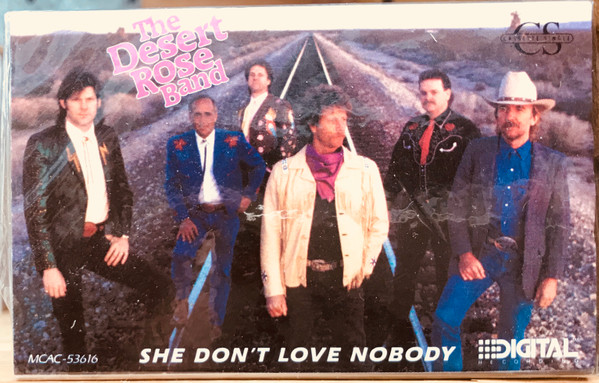
A few months ago, around September, I met Arthur when he was commenting on my blog. He is better known as purplegoatee2684b071ed. We have had some wonderful conversations, and I told him if you ever want to post a music post…I would be honored to do it. He took me up on my offer, and he wrote up a post about The Desert Rose Band. I do appreciate Arthur writing this up. Here is Arthur!
I am Purplesomething or other. My name is Art Schaak. I have no idea where WordPress got the name for me. When I found this incredible blog I signed up for WordPress and they told me my e-mail, which is fairly unique, was already assigned to this Purple guy. purplegoatee2684b071ed, that’s what they call me. For years I had a full beard, now I am clean shaven (when I shave) and I’ve never sported a goatee. I have been called an old goat, and old other things, and I honestly find it hard to deny.
I have been reading and commenting on this blog since September of 2025, a relative newcomer. I am much more impressed with the community and its individual members than you should be of me.
I am 72 years old. I have been a big music fan as long as I can remember. I skirted the peripheries of the music industry in the mid 70s until I realized I was not a follower of fashion, dedicated or not. I know a little about this stuff, am horribly opinionated, and have very eclectic tastes.
The Desert Rose Band was Chris Hillman, Herb Pedersen, John Jorgenson, Bill Bryson, Jay Dee Maness, and Steve Duncan. This song, written by John Hiatt, reached #3 on Billboard’s US Hot Country Songs and was awarded the 1989 Best Country Performance by a Duo or Group Grammy. It wasn’t their biggest hit, but it is my favorite.
The magic lies in the music. Give it a listen. It is the energy. The harmonies are tight. The performance is together. It might be too perfect, considering some of the opinions offered elsewhere on this blog, but I can’t call that a problem. This tune just delightfully pops along.
Hiatt’s lyrics are a lot of fun. Yes, I am a fan and have been since his Hanging Around The Observatory debut on Epic way back in the 70’s. By the way, Hiatt did two songs on the second White Duck album on Uni that I was amazed I found at a 25-cent parking lot sale at Rhino Records; I played it once, and that was more than it deserved.
Jorgeson continues to play, but his recent performances in the Los Angeles area have been with his bluegrass ensemble and his hot jazz ensemble. A long way from the Desert Rose Band or his tenure with the Elton John band. He is a great guitar player with an even greater sense of the overall music he is producing, kind of like Ry Cooder, where one can groove on his expertise or just be amazed at the incredible music he is putting out.
By the way, the web says the last performance of the Desert Rose Band, Live at the Country Music Hall of Fame CMA Theater, October 2, 2022, is due to be released in March of 2026.
And Chris Hillman seems extremely active (considering his age and such), according to his website, chrishillman.com.
Like I said, give it a listen.
She Don’t Love Nobody
From my humble point of view She don’t love nobody Nothin’ borrowed, nothin’ blue She don’t love nobody
Behind the green eyes I detect She don’t love nobody Her heart no kiss could resurrect She don’t love nobody
All of her life She’s been told to hang on tight There’s a man who’d make her his wife But she’s not interested in anything mama said
She throws passion to the wind She don’t love nobody She don’t give out but she don’t give in She don’t love nobody
And if I could I’d make her mine But she don’t love nobody And she would never walk that line She don’t love nobody
All of my life I’ve been told to hang on tight There’s a girl who’d be my wife But I’m not interested in anything mama said
I want the girl who does not need She don’t love nobody
She’s the one my heart receives She don’t love nobody
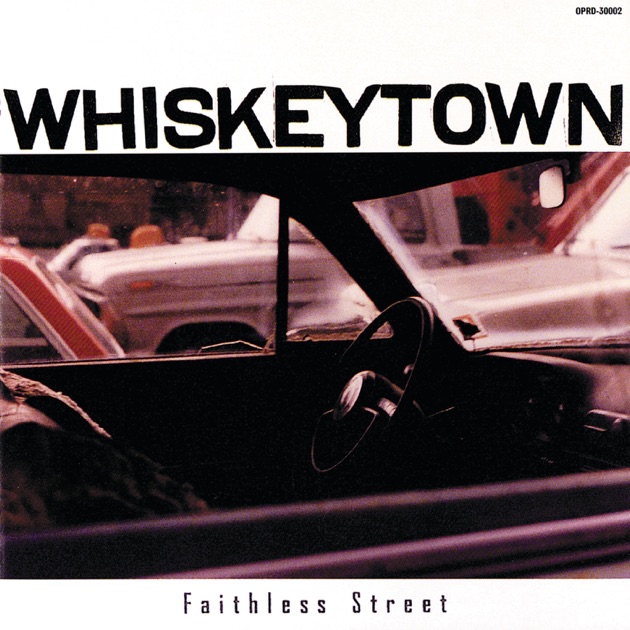
I really like this band. I spent the week living with their album Faithless Street, and what a tight album. Not just musically but vocally. It’s a true album, one song blends into another smoothly, and like I said, tight but loose in just the right spots.
Whiskeytown had one member that you might know. They were an alternative country band from Raleigh, North Carolina. They were active from 1994 to 2000. The band was led by Ryan Adams, who played a role in popularizing the alt-country genre in the 1990s. He blended traditional country with rock and indie influences. They fit in well with The Jayhawks and Wilco in that era.
Faithless Street was made fast and cheap, with a band that was still figuring itself out. It was recorded in North Carolina in 1994, and the sessions were about capturing what Whiskeytown sounded like in real time. They were limited on studio hours, so songs were often tracked live with only a few overdubs. If something felt right, it stayed, even if it wasn’t clean.
Ryan Adams was writing constantly and pushing the group to cut new material almost as quickly as it came together. Some songs had been played on stage for months. Others were nearly brand new. That mix gave the album its loose feel. You can hear moments where the band sticks to a groove and others where they’re holding it together by instinct, off the cuff.
The record opens with Midway Park, and right away, you get the blueprint. Country structure with rock volume. I love that welcoming opening riff that drives that song. Songs like 16 Days and Excuse Me While I Break My Own Heart Tonight ” go into classic barroom sound with the pedal steel and open choruses. There’s also Houses on the Hill, which would later become one of Adams’ calling cards. Even in this early version, the melody sticks.
Songs like Lo-Fi Tennessee Mountain Angel (For Kathy Poindexter) and Too Drunk to Dream go back to roots country. You also have acoustic-driven songs like Factory Girl that to me is as close to perfect as you can get.
The production is spare. Guitars are up front. The drums don’t dominate. The vocals aren’t smoothed out, but they are tight. That raw edge became the album’s identity. Within a few years, Whiskeytown would shift lineups, and Adams would get more well-known.
He has a successful solo career and has also produced albums for Willie Nelson and collaborated with the Counting Crows, Weezer, Norah Jones, America, Minnie Driver, Cowboy Junkies, and Toots & the Maytals. He has written a book of poems, Infinity Blues, and Hello Sunshine, a collection of poems and short stories.
I love this band, and I need to post more by them. Today, I have a theme going: alt-country, with one of the pioneers and one that picked up the mantle a little longer down the line. Like Little Feat, this band was more popular with other musicians than with the public. So the public missed something special here.
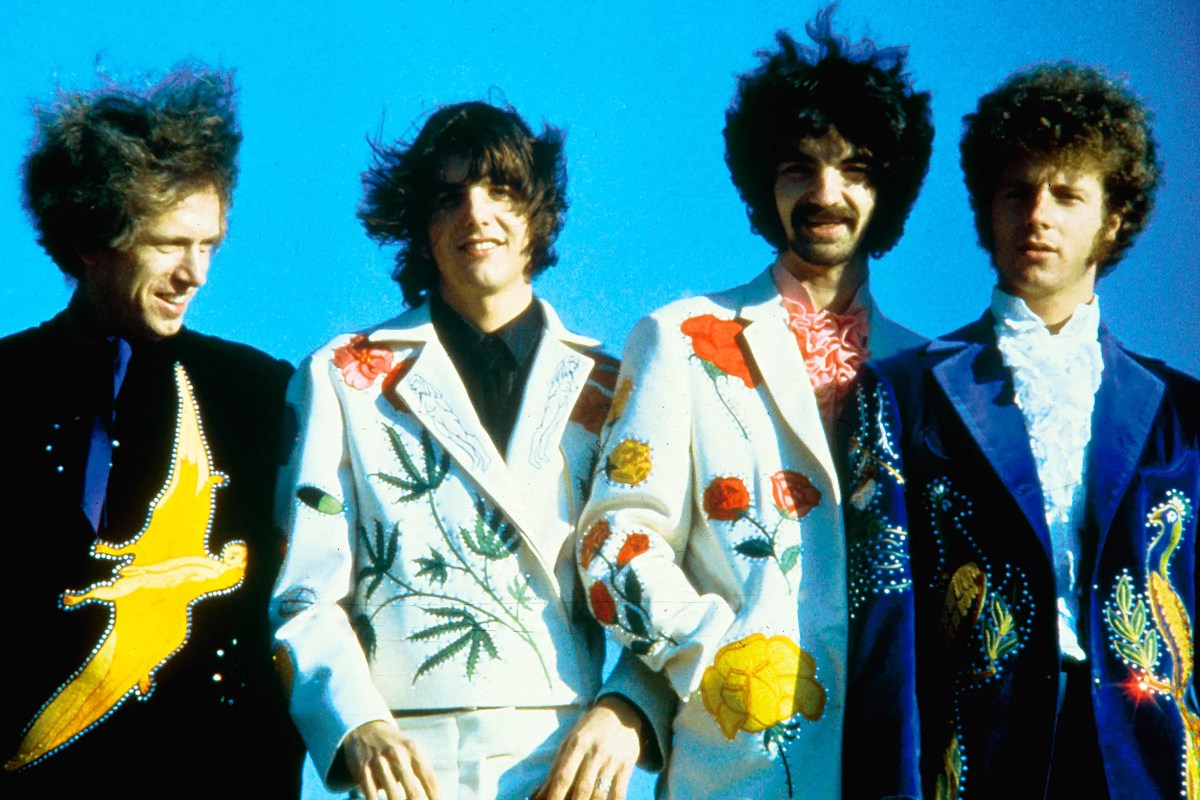
This was the opening song on the album The Gilded Palace of Sin. They didn’t ease you in… they hit you hard with this country song with rock attitude. It’s built around a cool rhythm and sharp harmonies. I like how it had a Bakersfield sound mixed with rock’s drive. It was written by Gram Parsons and Chris Hillman.
This song showed how country music could carry an edge without losing its roots. What makes it work is how natural it sounds, blending those two styles. Pedal steel in the background while the rhythm section drives like a rock band. It set the tone for the whole Burritos sound.
This song, like the album, barely made a dent in the music world of 1969. They developed a cult following upon its release that included Bob Dylan and The Rolling Stones. Over time, it turned into a blueprint for country-rock.
Christine’s Tune (Devil in Disguise)
She’s a devil in disguise You can see it in her eyes She’s telling dirty lies She’s a devil in disguise In disguise Now a woman like that all she does is hate you She doesn’t know what makes a man a man She’ll talk about the times that she’s been with you She’ll speak your name to everyone she can She’s a devil in disguise You can see it in her eyes She’s telling dirty lies She’s a devil in disguise In disguise
Unhappiness has been her close companion Her world is full of jealousy and doubt It gets her off to see a person crying She’s just the kind that you can’t do without She’s a devil in disguise You can see it in her eyes She’s telling dirty lies She’s a devil in disguise In disguise
Her number always turns up in your pocket Whenever you are looking for a dime It’s all right to call her but I’ll bet you The moon is full and your just wasting time
She’s a devil in disguise You can see it in her eyes She’s telling dirty lies She’s a devil in disguise In disguise (in disguise) In disguise (in disguise) In disguise (in disguise) In disguise


 PowerPop... An Eclectic Collection of Pop Culture