I wanted to post this first before I start posting the movies and television shows starting on Thursday, September 4. This is to provide a little history to the two movies and the twenty episodes of the television series. The reviews for the movies are going to be a little longer than the TV episode reviews. I’ll try to keep those brief.
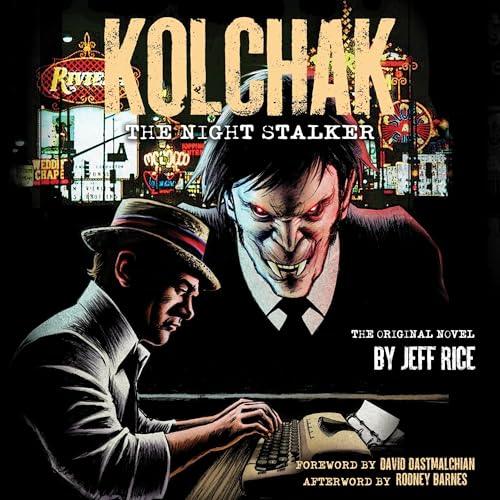
It all started with a writer named Jeff Rice, who in 1970 finished a novel called The Kolchak Papers. It told the story of a wisecracking reporter investigating a string of murders in Las Vegas, murders that turned out to be the work of a real vampire. Networks weren’t sure what to do with it; horror on TV wasn’t exactly safe material at the time. But producer Dan Curtis (of Dark Shadows) saw the potential, and ABC bit and ran with it.
Richard Matheson, the legendary writer behind I Am Legend and many Twilight Zone episodes, was brought in to adapt Rice’s manuscript into a teleplay. He smoothed over some of Rice’s rough edges and made some tight structure and sharp dialogue changes. And Darren McGavin, already a seasoned character actor, was cast as Carl Kolchak.
The result was The Night Stalker, a TV movie that aired in January 1972. It pulled in a staggering 33.2 rating and a 48 share, at the time, the highest-rated TV movie ever, beating out 1971’s Brian’s Song. Viewers were glued to the sight of a driven reporter chasing a vampire through neon-lit Vegas while the cops were pummeled by this thing. It was funny, scary, and unique.
With ratings like that, ABC wanted more. In 1973 came The Night Strangler, also penned by Matheson and directed by Curtis. This time, Kolchak was in Seattle chasing an immortal doctor who needed to kill every 21 years to survive. It wasn’t as tight as the first, but it gave McGavin more space to talk and cemented Kolchak’s character. Once again, the audience tuned in big numbers. A third TV movie was planned, The Night Killers, involving androids in Hawaii, but ABC passed. They wanted a full series.
In 1974, Kolchak: The Night Stalker hit ABC’s Friday night lineup. Each week, Kolchak stumbled into another supernatural situation: werewolves on a cruise ship, a lizard monster in the sewers, a headless motorcyclist, an Aztec mummy, aliens, you name it. It was part horror, part comedy, part newsroom. The production values weren’t up to movie standards, but McGavin’s energy sold it. He made Kolchak more than just a reporter; he was a lovable pest who wouldn’t stop until he uncovered the truth.
It has since developed a huge cult following. Without this show, we may not get the X-Files and many shows to follow.
Next week I’ll feature The Night Stalker TV movie in 1972.
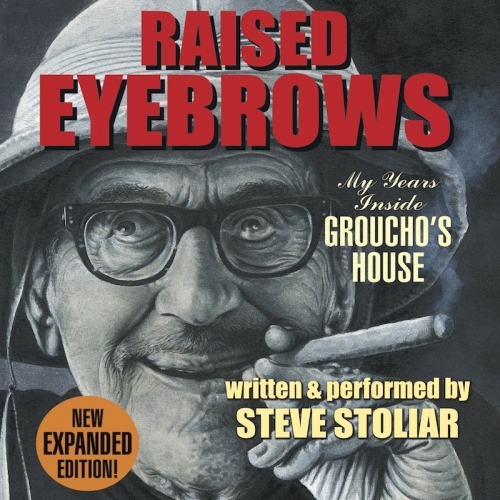
Steve Stoliar wrote this book about being a student at UCLA and working at Groucho Marx’s house starting in 1974. This book is not about the peak years of The Marx Brothers or Groucho…just the opposite. It’s the decline of Groucho Marx’s health and his eventual death.
Steve was in UCLA heading up a petition to get “Animal Crackers” released again to theaters for which he was successful. The Marx Brothers popularity was on the rise again. Groucho traveled to the campus to help out. Groucho’s PA Erin Fleming eventually hired Steve as a secretary and archivist. Steve worked in Groucho’s house for a little over 3 years. He was a huge fan not only of Groucho but of old Hollywood.
The number of famous people who passed through Groucho’s house was incredible. Old Hollywood stars and also new ones at the time. Jack Lemmon, Walter Matthau, Bud Cort (Harold and Maude), Alice Cooper, Dick Cavett, Woody Allen, Mae West, Queen (they are not in the book though), and many writers from the early days of motion pictures.
The sad part of this story is Erin Flemming (no relation to Harpo’s wife Susan Flemming). She was mentally unstable and both helped Groucho and hurt him. She would scream, berate, and push Groucho to make appearances he had no business doing in his condition. She convinced Groucho that his kids were terrible and she actually tried to get him to adopt her as his daughter. She would fire people for any reason and be very unpredictable.
After Groucho passed on it took years before the court case between Erin and Groucho’s son Arthur Marx to settle. Erin ended up losing and she was in and out of mental hospitals and wandering the LA streets for the rest of her life.
Steve slowly builds a friendship with Groucho and many of the celebrities who pass through the house. Steve didn’t seem to embellish anything in the book. There are only a couple of celebrities he said anything bad about. One was Barbara Streisand…which I totally can see after hearing other stories about her.
As a matter of fact, there’s really only one time that I can recall being officially snubbed at Groucho’s house. It was when Elliott Gould arranged for his ex-wife, Barbra Streisand, to come with him one Sunday afternoon along with their young son, Jason. Streisand never made eye contact with me the whole time she was there nor acknowledged my presence in the room even when I was speaking. It was as though I didn’t exist. Others spoke to me and Streisand made comments to the people around me, but to her I was, apparently, invisible.
Groucho had a number of mini-strokes and year by year he worsened. He would have good days and bad ones but he never lost his wit. Steve was/is a true fan. He relished working there with his hero. Imagine being nineteen years old and working for a celebrity you really admire. That would have been like me working for John Lennon (or Groucho)…which would have been incredible.
Groucho’s health was fine until around 1972 when he had his first stroke. That is when he started to really age. In the early seventies, he would appear on talk shows with his quick wit and singing songs. After the stroke, you could tell a difference.
Steve was there until the very end and ended up as a television writer and a cartoon voiceover actor.
This is a very interesting book. I will say again that Steve is about as fair as you can get retelling stories. Groucho’s daughters would go on to say that he was very truthful. Some say he was too easy on Erin and some said he was too hard on her… I would say it’s only for Groucho fans but you get a lot of Marx Brothers stories and some information about old Hollywood.
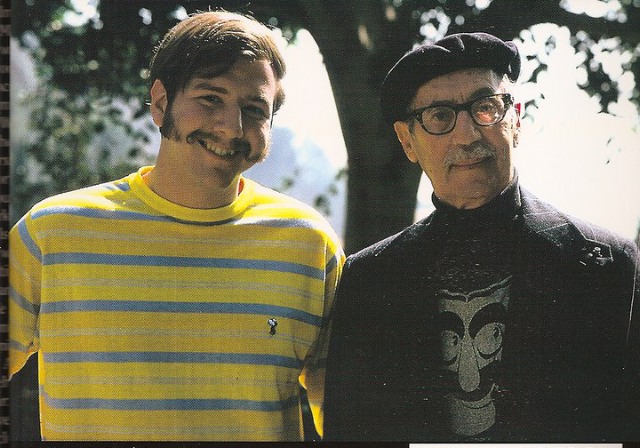
Steve and Groucho
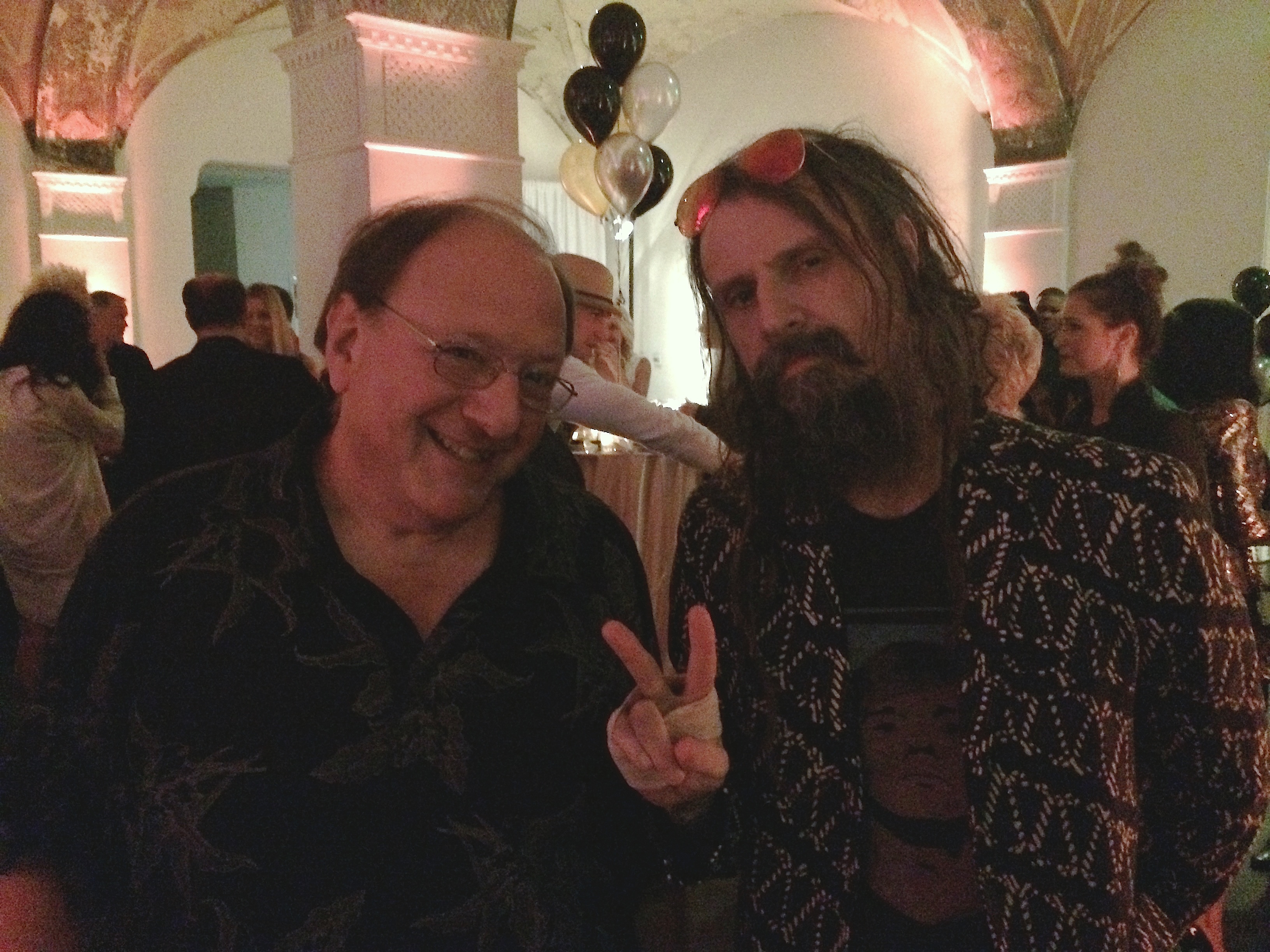
Rob Zombie wants to make a movie out of this book. That kind of takes me by surprise…not that a movie could be made…but that Rob Zombie wants to do it.
As it just so happens, in an interview Zombie mentioned that his favorite book was Raised Eyebrows written by Groucho’s former assistant, Steve Stoliar. It details the last years of the comedian’s life through Stoliar’s eyes.
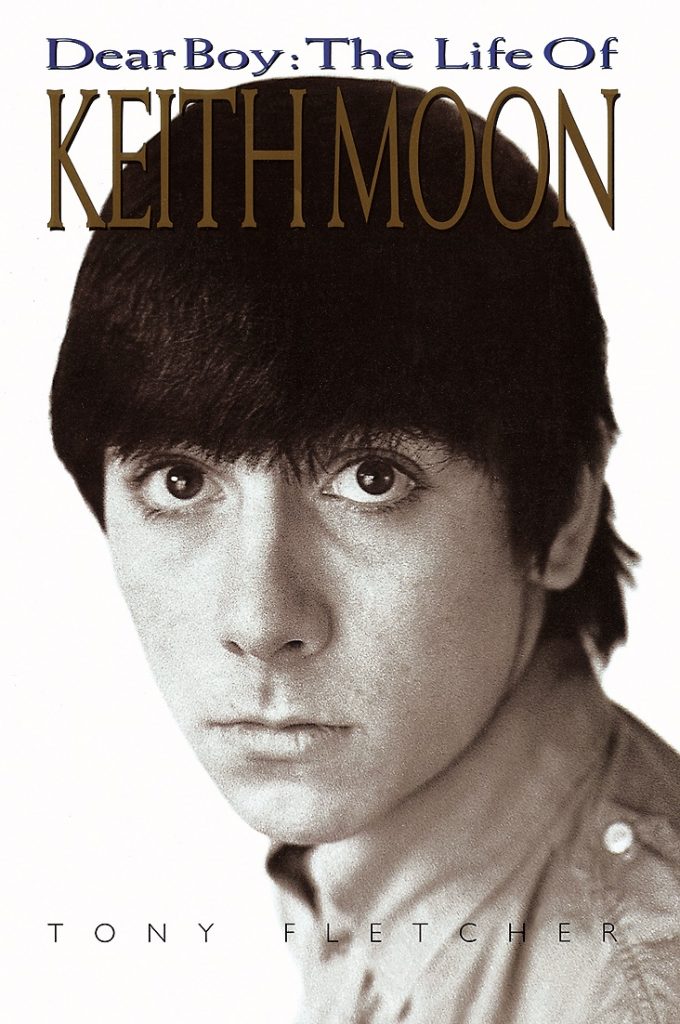
I didn’t think I would ever see an extensive book (nearly 600 pages) on Keith Moon. Tony Fletcher wrote this book and he thoroughly researched Keith and he had been a fan since his teenage years. As a teenager, he actually met Keith before he died.
Fletcher talks to everyone of importance in Keith’s life. The only disappointing thing for me and for Fletcher himself is he had to debunk some of the myths about Keith. The great story of him driving a car in the pool of a Flint Michigan Holiday Inn… didn’t happen… but the real story is just as interesting though.
The veil is drawn back on a lot of myths. It’s not a book full of Keith doing wild things like the book “Full Moon”. This one shows his ugly side also. Keith had one of the most dangerous traits you could have…the ability not to be embarrassed. Think about that…that keeps us in check at times. With Keith, anything could happen at any time.
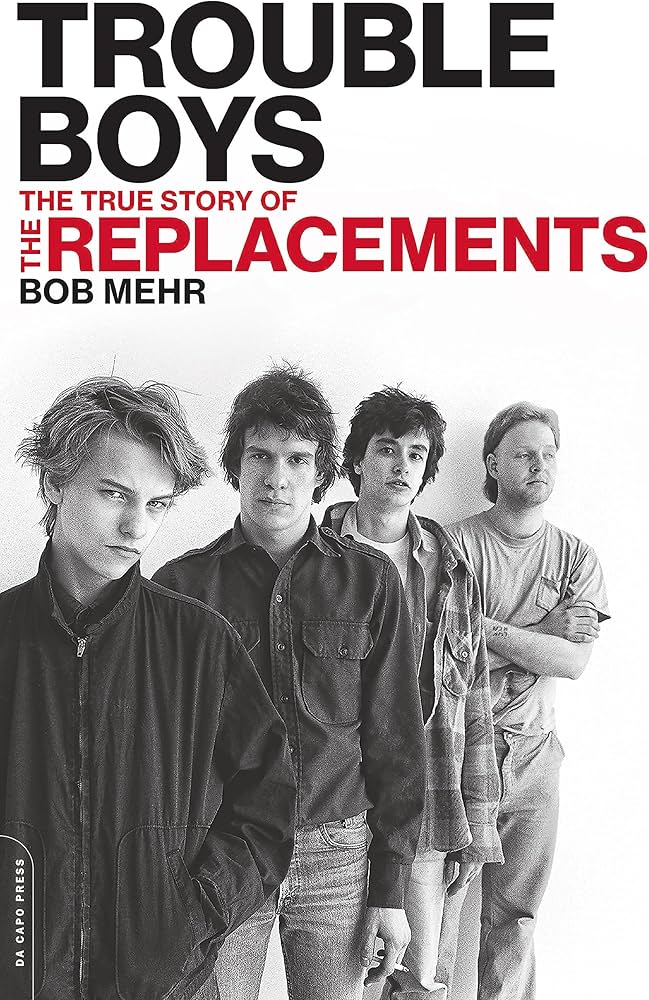
Trouble Boys – Bob Mehr
One of the only books about The Replacements. After this book, I started to understand the reckless and sabotaging behavior of the band. It also goes through the tough decision of Bob Stinson leaving the band only to die a few years later.
It was interesting to see the relationship they had with other bands such as REM at the time. They would goad each other into making better albums. I was a fan before I read it but it increased my interest by a bunch afterwards.
Up and Down with the Rolling Stones – Tony Sanchez
This was the first book I read on the Rolling Stones when I was around 13. It’s an easy but dark read. It’s written by Tony Sanchez, Keith’s drug dealer and sometimes partner in crime. Tony was also a photographer who took photos of the Stones and the Moody Blues. Spanish Tony, as he was called hung around with the Stones, Moody Blues and also knew the Beatles.
It’s full of wrecked cars, heroin, dead friends, sleazy characters, and some eventful journeys. At first, I would take some of the stories with a grain of salt but most of the events were verified by Keith’s book “Life.”
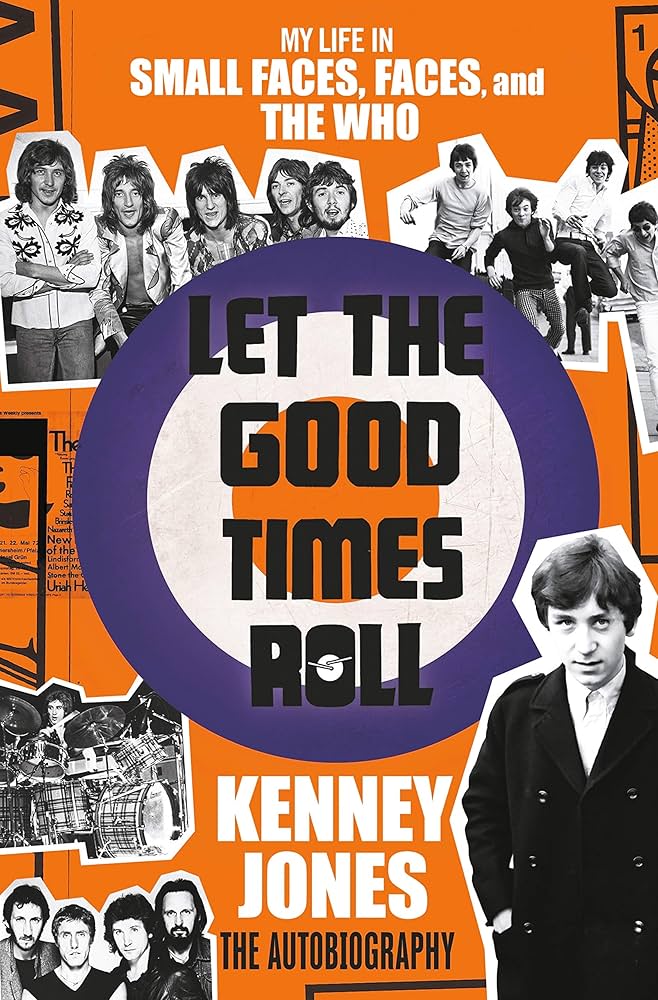
Let The Good Times Roll – Kenney Jones
Kenney Jones was the drummer of three of England’s most influential bands – The Small Faces, The Faces and for a few years The Who. I was pleasantly surprised by this book. Kenney keeps the book interesting from his childhood, teen years, swinging London, the Swinging Seventies, up til now.
I never knew much about the Small Faces and Faces and this book answered some questions I had about both bands. He gave much more information than Roger Daltrey did in his book about Jone’s tenure as the drummer of the Who and their difficulties. Personally, I don’t think Kenney was the right drummer for the Who but then again…I don’t think anyone could have taken Moon’s place. He does give an interesting perspective on it though.
I didn’t’ realize that Keith Moon and Kenney were as close as they were. Kenney had played with the Who before in sound checks when the Small Faces and Who were touring with each other and Moon couldn’t be found. After Moon died a few strange things happened to Kenney right before Bill Curbishley (The Who’s Manager) called to see if he would join. The strange events helped him make the decision.
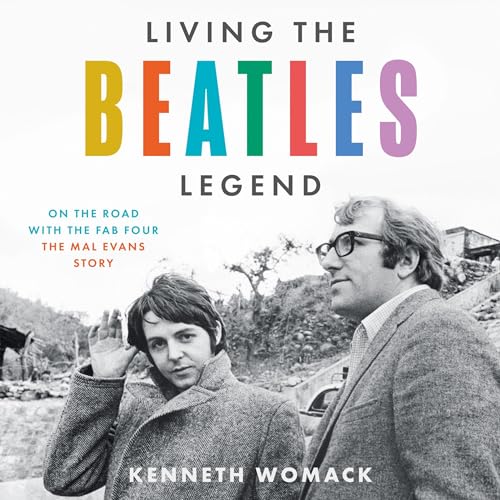
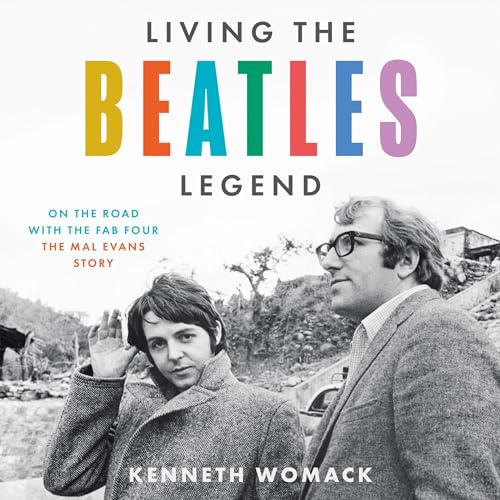
Living The Beatles Legend – Kenneth Womack
I did a review on this last year but I wanted to get it in here.
I’ve been waiting on this book since I read about the Beatles in the 70s as a kid. I knew the story…after a showdown with police Mal Evans was shot and killed on January 5, 1976. He was working on his autobiography at the time. Evans was the last person you would think would die that way…and in this case…he wanted it. Could the police have handled it better? Yes, but Mal had said that is how he wanted to go out. He forced the situation. He was only 40 years old.
Mal Evans along with Neil Aspinal were the roadies for the Beatles. Imagine that…2 roadies for the world’s biggest band. Mal worked at a telephone company in the early ’60s but he loved rock and roll…especially Elvis Presley. He would go see bands at the Cavern and struck up a friendship with George Harrison. George told him since he loved music…take a part-time job as a bouncer at The Cavern. The Beatles automatically liked him from the start. He was a big guy at 6’4″ but he never wanted to use violence. More times than not…he talked his way out of trouble. Aspinal was their only roadie and when Love Me Do and then Please Please Me came out…they needed another person because Aspinal was worn out.
I would highly recommend this book. Kenneth Womack had full access to his diaries and used many of the entries. This book turned up a lot of things about them that I had no clue about. It also gave a different look at their personalities on an everyday basis. Near the end, Mal went to the 2nd Beatles convention and spoke. He started to battle depression in the seventies after living in California and missing his wife and kids back in London. He picked up a girlfriend in California and that made his guilt worse. Drugs also affected him in the end.
I’ve been waiting on this book since I read about the Beatles in the 70s as a kid. I knew the story…after a showdown with police Mal Evans was shot and killed on January 5, 1976. He was working on his autobiography at the time. Evans was the last person you would think would die that way…and in this case…he wanted it. Could the police have handled it better? Yes, but Mal had said that is how he wanted to go out. He forced the situation. He was only 40 years old.
Mal Evans along with Neil Aspinal were the roadies for the Beatles. Imagine that…2 roadies for the world’s biggest band. Mal worked at a telephone company in the early ’60s but he loved rock and roll…especially Elvis Presley. He would go see bands at the Cavern and struck up a friendship with George Harrison. George told him since he loved music…take a part-time job as a bouncer at The Cavern. The Beatles automatically liked him from the start. He was a big guy at 6’4″ but he never wanted to use violence. More times than not…he talked his way out of trouble. Aspinal was their only roadie and when Love Me Do and then Please Please Me came out…they needed another person because Aspinal was worn out.
The book covers his entire life and of course, focuses on the years 1963 – 1976. It’s a wonder we have the book at all. All of Mal Evan’s diaries and papers were lost for 12 years after he died. They were discovered by a paralegal who was looking through the basement of a publishing company. They were stored in 6 banker boxes so he had a lot of material including original lyrics to many Beatle songs. He kept about everything and you could say he was the Beatle’s first historian.
He made his mark in history. He was a talent scout for Apple and signed The Iveys which later became Badfinger. Without him pushing them they probably would not have been signed. After the Beatles broke up he continued to work for them as solo artists. Mal loved the Beatles and they in turn trusted him and Neil more than anyone else. He tried a few things like songwriting and he did get some songs covered. He also did a bit of acting appearing in a few of the Beatles movies and also a few with Ringo. When making sure The Beatles had some private space in public he would keep fans away to a point…but was always nice. He said he didn’t want to be rude to the fans who made the Beatles who they were.
His son Gary helped Womack with this book including full access to all of the papers left behind by Mal. His family were the ones who suffered. He was gone most of the time especially when the Beatles were touring. After touring was over he moved his family to London but still was rarely home.
I would highly recommend this book. Kenneth Womack had full access to his diaries and used many of the entries. This book turned up a lot of things about them that I had no clue about. It also gave a different look at their personalities on an everyday basis. Near the end, Mal went to the 2nd Beatles convention and spoke. He started to battle depression in the seventies after living in California and missing his wife and kids back in London. He picked up a girlfriend in California and that made his guilt worse. Drugs also affected him in the end.
If you are a Beatles fan…get the book. I wrote this book review originally with over 15 paragraphs but I was telling his story more than critiquing the book. At the end, Mal was working on his book and lined up a publishing deal. All the Beatles signed off on it and wanted to see Mal succeed. He was known for his kindness and loyalty. He told each Beatle in 1974 that he was leaving to do his own thing but continued to help them out.
Mal appeared in every Beatles movie but Yellow Submarine and you see him throughout Get Back.
He produced “No Matter What” by Badfinger
He helped Paul write Fixing A Hole and Sgt Peppers Lonely Hearts Club Band
The original producer of Keith Moon’s solo album
If anyone is interested…I’m including some of the Foreward by his son Gary Evans.
This book is the product of decades of toil. It would not have been possible without the initial determination of my father, Mal Evans, to capture the Beatles’ story as it unfolded before him. He knew, even in his earliest days as a bouncer at the Cavern Club door, that the boys were something special. As he traveled with them across the whole of England and, eventually, the world, he recorded his memories in the pages of his diaries and filled up notebooks with his drawings and recollections, all the while taking thousands of candid photographs and saving ephemera of all shapes and sizes—a receipt here, a scrap of lyrics there.
When my dad sat down to compose his memoir for Grosset and Dunlap in 1975, he realized the difficulty inherent in taking up a pen to capture his thoughts. Fortunately, he was aided by a stenographer, who transcribed his words to the letter, and by the sage advice of Ringo Starr: “If you don’t tell the truth,” he told my dad, then “don’t bother doing it.” And so, Dad did.
On January 4, 1976, when he simply couldn’t stomach the act of living another day, my father orchestrated his own demise in a Los Angeles duplex. He left behind the fruits of decades of collecting, along with a full draft of his memoir, which he planned to call Living the Beatles’ Legend: 200 Miles to Go. He had even gone so far as to plot out the book’s illustrations, with the assistance of a friend who had served as an art director, and mocked up a couple of cover ideas.
My dad’s death threw all this into disarray. For a time, Grosset and Dunlap made various attempts at publishing Living the Beatles’ Legend, but my mother, Lily, understandably distraught over her estranged husband’s tragic death, simply wanted his collection to be returned to our family back in England, so that we could sort things out for ourselves. As we later learned, in the days after my father died in Los Angeles, Grosset and Dunlap transported the materials from L.A. to New York City, eventually placing them in a storage room in the basement of the New York Life Building.
And that’s where they sat for more than a dozen years, to be rescued from the garbage heap only by the quick thinking of Leena Kutti, a temporary worker who discovered my dad’s materials—along with the diaries, the photographs, and the memoir—recognizing she was in the presence of a most unusual archive. When her efforts to raise the alarm with the publishing house fell on deaf ears, Kutti took it upon herself to march uptown to the Dakota, where she left a note for Yoko Ono, one of the few genuine heroes in the strange progress of my father’s artifacts. In short order, Yoko alerted Neil Aspinall, my dad’s counterpart during the Beatles years. With the assistance of some shrewd Apple lawyering, Neil saw to it that the collection was finally delivered to our family home in 1988.
For several years, my dad’s manuscripts and memorabilia were stored in our attic. I would periodically dip into them and reacquaint myself with the person whom I had lost when I was fourteen years old. Thumbing through the materials reminded me why I loved my father so dearly, in spite of the flaws that drove him away from us and led to his death at age forty. Over the years, my family has struggled with the idea of sharing Mal’s story. Then, in 2004, a forger created an international sensation when he claimed to possess Dad’s collection in a suitcase full of artifacts he had discovered in an Australian flea market. The news was quickly picked up and shared across the globe with much fanfare before it was proven to be a hoax.
To stem the ensuing confusion, my mum and I consented to a 2005 interview with the Sunday Times Magazine, even going so far as to allow the publication of a few excerpts from my dad’s diaries. The tide began to change for us in July 2018, when I decided to follow in my father’s, and the Beatles’, footsteps and retrace the famous “Mad Day Out” photo session on its fiftieth anniversary. I was joined that day by my good friend, actor and playwright Nik Wood-Jones. Along the way, we had the remarkable good fortune to cross paths with filmmaker and Beatles aficionado Simon Weitzman, who was on a similar mission.
As my friendship with Simon developed, I confided in him about the ongoing challenge of sharing my dad’s story with the world. He assured me that he knew just the guy to make it happen. Through Simon, I met Ken Womack via Zoom in 2020, during the first few months of the Covid-19 pandemic. Ken had already authored several books about the Beatles, but more important, Simon trusted him implicitly. Almost as soon as we began working together, I knew that Ken was the right collaborator to tell my dad’s story with the historical integrity it required. Over the years, I have come to understand the ways in which Beatles fans the world over adore “Big Mal,” and to his credit, Ken has been able to honor that connection while also mining the truth of my dad’s life, warts and all.
Working with our friends at HarperCollins, we are proud to share the present book with you—a full-length biography detailing my dad’s life with (and without) the Beatles. A second, even more richly illustrated book will follow in which we provide readers with highlights from my dad’s collection, including the manuscripts he compiled, the contents of his diaries, numerous drawings and other ephemera, along with a vast selection of unpublished photographs from our family archives and from his Beatle years.
The present effort simply wouldn’t have been possible without the saving graces of people like Leena Kutti, Yoko Ono, Neil Aspinall, Simon Weitzman, and Nik Wood-Jones. And now, thanks to Ken, readers will be able to experience my dad’s story with the vividness it deserves. Ken, you kindly lent me your ears over the past three years; I got by with more than a little help from you, my friend.
My father meant the world to me. He was my hero. Before Ken joined the project, I thought I knew my dad’s story. But what I knew was in monochrome; now, some three years later, it is like The Wizard of Oz, my dad’s favorite film, when the scene shifts from black-and-white Kansas to the dazzling multicolored brilliance of Oz. Ken has added so much color, so much light to my dad’s story. He has shown me that Mal Evans was the Beatles’ greatest friend. Yes, Big Mal was lucky to meet the Beatles, but the Beatles possessed even more good fortune when, for the first time, all those years ago, my dad happened to walk down the Cavern Club steps. The rest is music history.
I started this book back in July of 2022 while driving across America in an audiobook format. I then got sidetracked by a couple of other books but returned to it. It is a very good biography of the Dead. Dennis McNally worked as the Dead’s publicist from the 1980s through to 1995 when Jerry Garcia died. He also continued in those duties for Grateful Dead Productions until its dissolution in 2004.
The way he writes is interesting. He starts off in the 80s and then goes back and starts at the beginning. He does this throughout the book but it is smooth and not forced. He finds something that links the 80s and 90s to the 60s and 70s. If you don’t know much about the Grateful Dead…this is the book to get. He goes through their entire history and it’s deep.
Jerry Garcia of The Grateful Dead talks backstage with band publicist Dennis McNally before a concert in Oakland.
Everyone that came into contact with the band…gets their own mini-biography in this book. The road crew, former friends, wives, and everyone else. You get a well-rounded look at the band and the history of those who surrounded them.
The only critical thing I would say is if you want more personal fun stories from band members… other books do that better. Bill Kreutzmann’s book Deal orSo Many Roads by David Browne will give you more personal stories. That’s not to say you don’t get any in this book.
If you don’t know much about the Grateful Dead and you want to know their history…this is the book for you. I wish I would have started with this one to begin with. Dennis McNally doesn’t exaggerate or dig up a lot of dirt…he tries to get the story right. Garcia wanted him to write a biography of the band in the 1980s so McNally was trusted.
Overall, it’s the best Grateful Dead book I’ve read about their history in detail. So I give it a big thumbs up.
I want to thank all of you readers this week. I have blogged way more than usual and I appreciate you reading. I will be taking a break after Monday until the 17th and then I’ll be back! I’ll see you all this weekend.
I’m not ranking these books… but I will kick it off with another Marx Brothers book. If you missed the first one it’s here.
Raised Eyebrows by Steve Stolliar. Stoliar, who was Groucho’s personal secretary and archivist while attending UCLA published this book in 1996. He was there in the seventies in Groucho’s house for the last three years of Groucho’s life. A who’s who of movie and rock stars visited. From Queen to Barbara Streisand to Jack Lemmon and Walter Matthau. So many came by and Stoliar doesn’t pull punches.
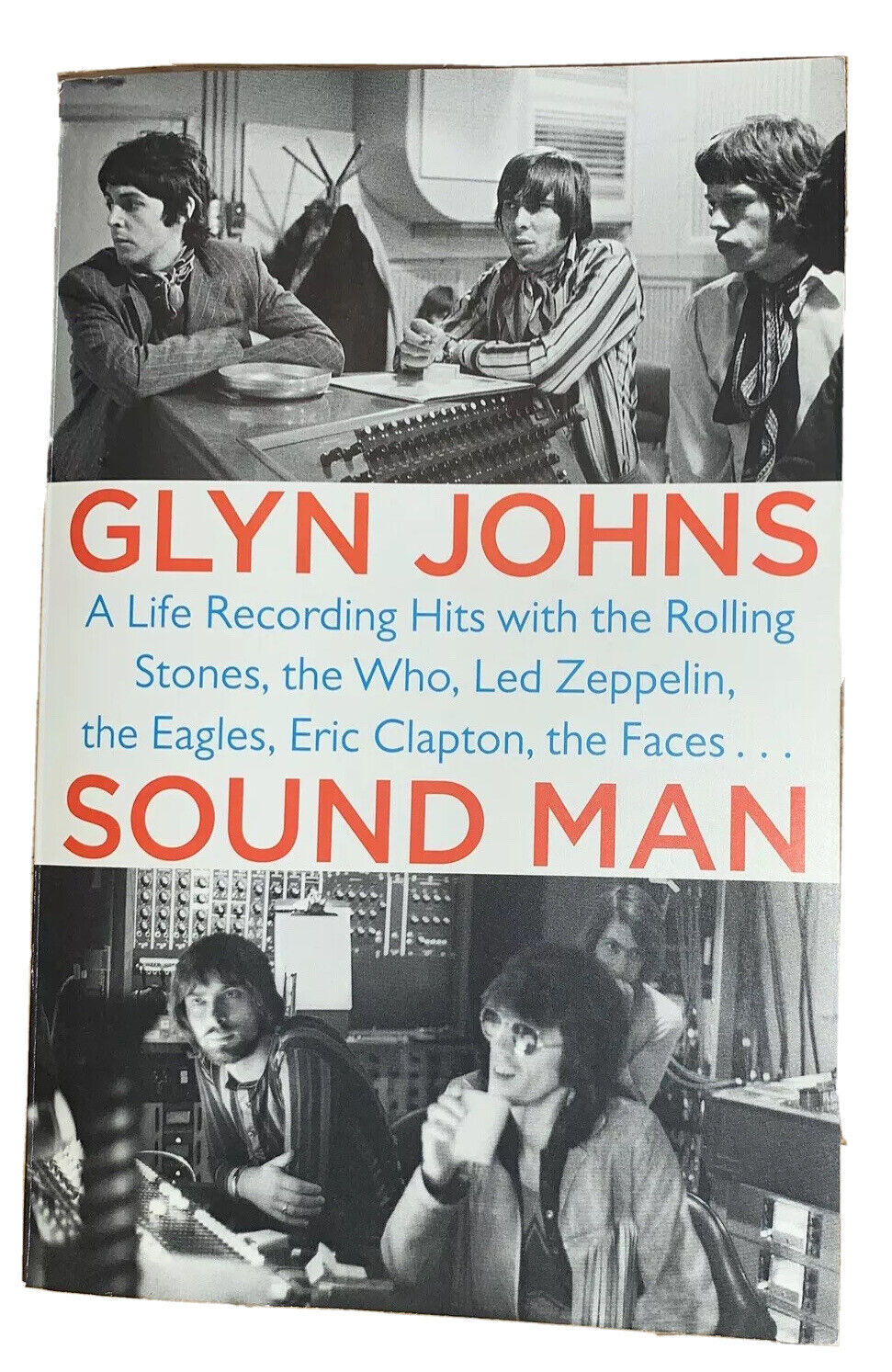
Sound Man by Glyn Johns – I read this book not knowing what to expect but I did know of Glyn Johns… so many of my albums had his name on it…A name that is known throughout the music industry as a great recording engineer, producer, and mixer. Glyn has worked with huge rock groups such as The Rolling Stones, Beatles, Who, Small Faces, Led Zeppelin, The Band, and more.
Brian Jones: The Making of the Rolling Stones by Paul Trynka – A biography about Brian Jones who founded the Rolling Stones written by Paul Trynka. This is more of a sympathetic look on Brian than other books I’ve read. Trynka digs deep with meticulous research. He tries to be fair and Brian isn’t always shown as the nicest guy in the world but he also isn’t always the person that Mick and Keith seem to remember when they actually remember him at all.
This book is not just a rehash of the best-known things about Jones and the Stones. Some instances that Stones fans know like the period where Keith ran off with Brian’s girlfriend Anita Pallenberg, we get more information on what happened. He researched Brian’s childhood and adult life thoroughly and you feel like you know the man before the book is over.
Moon The Loon or Full Moon – This book is for fans OR non fans alike. The book will have you physically burst out laughing at different parts of it. Keith left a trail of wrecked cars, wrecked drums, wrecked hotel rooms, wrecked nerves, wrecked bars, and many smiles.
Dougal doesn’t try to tell Moon’s life history. Full Moon highlights the tales of Mr. Keith John Moon…Patent British Exploding Drummer. It is a very quick read at around 250 pages. The audio version is approximately 9 hours long.
Butler worked for Moon for ten years and was right there during much of the craziness. He was behind the wheel of Moon’s AC Frua 428 as it flipped end-over-end through a field off Chertsey Lane after Moon decided to grab the shifter and downshift at around 120 mph.
In my next edition…I’ll include Tony Fletcher’s nearly 700 -page book on Keth Moon. It is fantastic.
IT by Stephen King – I always describe this book as a coming-of-age book that just so happens to have a psychotic alien shape-shifter clown. The book is brilliantly written. It takes place in a fictional town called Derry. After you read it…it doesn’t feel like a fictional town. You know every detail of the city and where everything is located. The films, 1990 and 2017, don’t even come close to this book.
I have re-read this book so many times and I find something new every time. I wanted to include a fiction book in this edition so here you go.
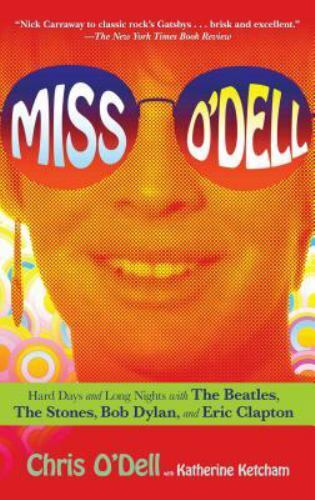
Miss O’Dell: Hard Days and Long Nights with The Beatles, The Stones, Bob Dylan and Eric Clapton… by Chris O’Dell and Katherine Ketcham
I enjoyed this book immensely. It’s almost like a fantasy book. You are a fan and suddenly you get thrown into the world with The Beatles as friends and co-workers. You move from the Beatles to the Stones, CSNY, Bob Dylan and the list kept growing.
I will say this… as a Beatle fan, this book gave me insight that I never had before. Chris O’Dell happened to meet Derek Taylor (press officer of the Beatles) in Los Angeles in 1968…she worked for him for a few weeks in LA as a PA. He told her she should come over to London to check out the new company that The Beatles were starting called Apple. He didn’t promise her a job but she took a chance and sold her records and borrowed from her parents to go to London. She was like Alice down the rabbit hole, O’Dell stumbled upon a life even she could not have dreamed of.
I thought I would go through my book collection (hardbacks, paperbacks, and audio) and see which ones I really like. I’m more of a non-fiction reader and I love biographies. I also like documentaries which I will do later on. There are some fiction books I’ve read that I will list later on. I thought I would do a few at a time.
1: Harpo Marx – Harpo Speaks – This is my top autobiography of all time. I have read it at least 8-9 times. When I fly, Harpo goes with me on every flight. Harpo was born in the latter half of the 19th century and his life is one of the most incredible stories I’ve read about. This guy adopted enough kids to fill up every window in his house. He would often wake his kids up just to play if he came home late. If rock bands tell sad stories of them just starting and how hard it was…you should read what the Marx Brothers went through. This book goes to 1964 when he passed away. The link on Harpo Speaks goes to my review of it. It was the first book post I did that actually got interest.
2: Beatles – Tune In – The absolute best biography on The Beatles and it only goes to 1962 and it’s well over 1000 pages. Mark Lewisohn wrote it and is planning to write a part two and then a part three. The criticism of this book is there are too many details…” who needs to know the color of George Harrison’s first car?” Well me that’s who! No, I have read at least 15 or more books on them and I learned a lot from this book. Lewisohn interviewed a lot of early fans who saw them in the Cavern and Hamburg. He uncovers events that no one knew before. He also backs things up so it’s the best by far on the Beatles.
Most books on the Beatles I don’t get through because all they are doing is repeating the well-known history…not this one. I’m impatiently waiting the Part II.
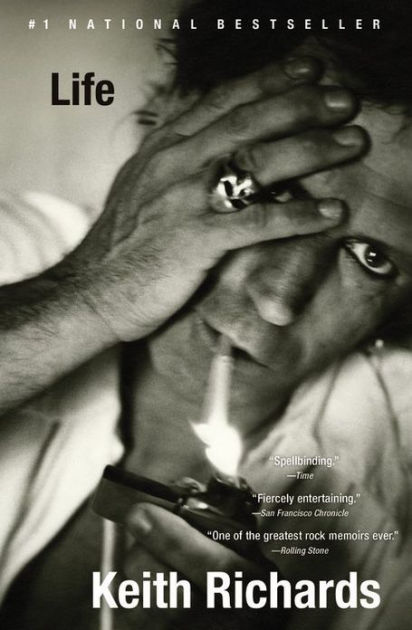
3: Keith Richards – Life– This book started a trend among older rock stars. Keith is upfront about his past and doesn’t hide much if anything. He is straightforward and you learn a lot about what was going on when the Stone’s golden years were happening. You would NEVER get a book like this with Mick Jagger. I’ve ranked this 3rd…but the following 2 could have easily switched places with this one but Keith is the one that started it. The format he used was soon used again by Gregg Allman, Robbie Robertson, and Bill Kreutzmann.
4: Gregg Allman – My Cross To Bear– It felt like Gregg was on a back porch telling you his story. I was an Allman Brothers fan but became a huge one after this book. I started to dive into their music and I saw how great they were. He goes through the Duane years, Cher, the narc incident, and up to the modern Allman Brothers. Even if you are not a huge fan…check this out.
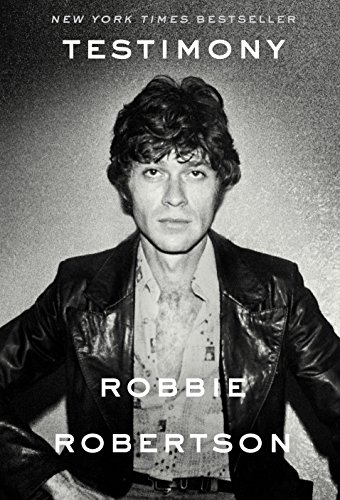
5: Robbie Robertson – Testimony – Same as Keith and Gregg…a wonderful book about The Band. I had no clue what they went through before they toured with Dylan. They were as tight as any band could be musically and physically. Robbie is very even-handed about his relationship with Levon Helm…he doesn’t rip him and generally treats him with respect. You also learn more about Bob Dylan than I ever knew about his personality. Robbie is also such a cool guy and very down to earth.
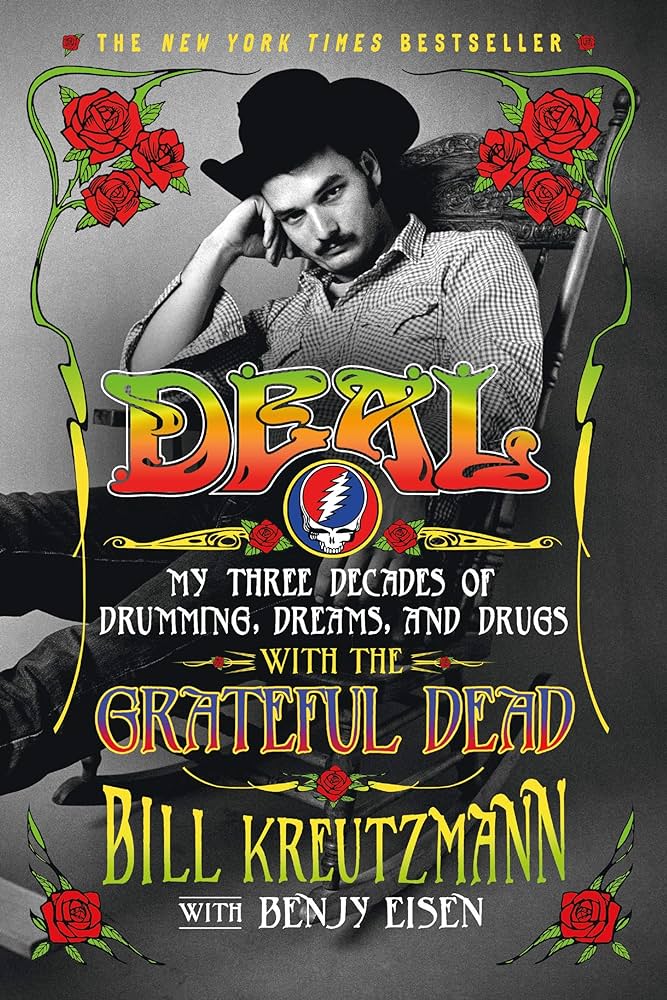
6: Bill Kreutzmann – Deal– OK, you want Sex, Drugs, and Rock and Roll? You have it here with the Grateful Dead’s drummer. It’s not a complete bio of the Dead but he tells stories that I never heard before. Of all the bands I read about…The Dead probably had more fun than any other. They did have their arguments and Garcia wasn’t always a hippie guy that went along with everything. I did learn more about the Dead’s dynamics from this book than any other.
This was part two of Steve Rushin’s memoir of his childhood. The first one Sting-Ray Afternoons was about 1969-1980 and this one follows him from 1980 to the end of the decade. High School, College, and then a job at Sports Illustrated.
I probably should have combined this review with Stingray Afternoons but this one is in a totally different decade and a different period of his life. As much as I could relate to the first one…I am Steve’s age so this really hits home with my teenage years. He mentions all of the 1980s milestones and disasters such as The Challenger explosion and John Lennon’s murder.
Like the first book…it brings back a lot of insecurities and fun I had in the 1980s with high school and college. I was able to relate to Rushin because he was just an ordinary guy in the 80s…living a normal life like most of the rest of us. His humor and witty observations keep this book moving. He rarely sticks in one place…he keeps his story moving.
Just to be clear…this book touches on pop culture like music, sports, movies, events, and the teen years. It doesn’t really dwell on anything in particular but his life. It’s not a fact book, music book, or a sports book…he mostly uses them for a time reference point. He does mention how as time went on…Sting-Rays when out of favor for dirt bikes like Huffy. Then the car soon replaced all of that when you turned 16.
His father stands out in these books. He is hilarious…a very good dad and he would tell things like they were. They had 5 kids…4 boys and 1 red-headed girl. His dad would tell people when asked about his kids…yea we have 4 sh*theads and 1 red-head.
If you get Stingray Afternoons you almost have to get this one…it’s pretty much the sequel and it lives up to the original…just a different era and time of a person’s life.
I saw the cover of this book and I knew I would be interested. Steve Rushin is a writer and was hired by Sports Illustrated when he was 22 in 1988. He describes growing up in Minnesota during the seventies…but you could have lived anywhere to get the references. He is witty with a good sense of humor. He writes it like he is actually living it real time and that makes it enjoyable.
If you are looking for action this is not for you. He didn’t fall into addiction, turn to crime, or become a sports or music star. His family was not rich but middle class. It’s just what life was like during the 1970s in an American nuclear family. I just read his sequel “A Night At White Castle” about him leaving home in the 1980s and going to college. That one is great as well…a more teenage look at the 1980s.
The title draws inspiration from the Sting-Ray bicycle that was popular at the time. Banana seat luxury as I remember. I usually got Huffy bikes but I did have one Sting-Ray. It was a banana yellow 3-speed. I loved that bike and it represented freedom and a way to get 2-5 miles away from home at the time. It worked until a little later and my first car took its place.
Steve brings up things that you are sure to remember. Romper Room, Sesame Street, board games, toys, music, sports, and about everything seventies connected. He also will tell the history of some things like Boeing 747s and how other things came about. He talks about his family vacations and the places they go and the trouble that happens. His Dad was an 8-Track 3m tape salesman…he travels all over the world selling 3m tape. When 8-tracks go out of style he switches to videotape.
The Rushin family could be any family in America at that time or in most other countries. If you are that age…this will bring back a lot of memories. All of his siblings grow up to be successful. Two of them went to college on full hockey scholarships and one sister…became a doctor.
The book reminded me of my fears and insecurities growing up that I had completely forgotten about with school situations, family arguments, and everyday life. If you grew up in the seventies or would like to know how it was…this is the book to read. I will say this is not a fact book about the 70s but an eyewitness who lived it telling us the human side.
I enjoyed this book immensely. It’s almost like a fantasy book. You are a fan and suddenly you get thrown into the world with The Beatles as friends and co-workers. You move from the Beatles to the Stones, CSNY, Bob Dylan and the list kept growing.
I will say this… as a Beatle fan, this book gave me insight that I never had before. Chris O’Dell happened to meet Derek Taylor (press officer of the Beatles) in Los Angeles in 1968…she worked for him for a few weeks in LA as a PA. He told her she should come over to London to check out the new company that The Beatles were starting called Apple. He didn’t promise her a job but she took a chance and sold her records and borrowed from her parents to go to London. She was like Alice down the rabbit hole, O’Dell stumbled upon a life even she could not have dreamed of.
She took a chance and went over and that started her career working at The Beatles record company Apple. It took her a few months to get hired full time but after the Beatle’s inner circle knew she could be trusted she was there. She met Paul on her very first day. She said all of them were extremely nice and made her feel welcome. She spent the first few months showing up at the office and making herself useful and securing her place. She was especially close to George as a friend and later Ringo as a little more.
After all was said and done…she had 3 songs written about her. Two by Leon Russell called Hummingbird, Pieces Apple Lady, and George Harrison’s Miss O’Dell. She was also the “Mystery Woman” on the Rolling Stones Exile on Main Street cover. She was in the Joni Mitchell song “Coyote” with the line He’s got another woman down the hall…the song about Sam Shepard who Chris O’Dell and Joni Mitchell were seeing. She ended up singing on the Hey Jude recording in the final Na Na chorus.
She was one of the first if not the first female tour manager in rock. The tours she worked on were The Rolling Stones, CSNY, Santana, Bob Dylan, Earth Wind and Fire, Jennifer Warnes, Fleetwood Mac, Linda Ronstadt, Eric Clapton, George Harrison, Led Zeppelin, Phil Collins, Echo and the Bunnymen, ELO, and more.
We also get a glimpse into the personalities of Bob Dylan, Jagger and Richards, CSNY (and the disfunction), Eric Clapton, and more.
Like all of us through life…she made some cringe-worthy decisions. I’m not trying to play it down but most of the time everything worked out in the end. She was in the right place at the right time and took advantage of that. She remains close friends with Pattie Harrison, Ringo Starr (her son’s Godfather), and many of her old famous acquaintances.
This is not a kiss-and-tell book and she doesn’t trash people which made me happy. The only person to come out of this book bad at all is Eric Clapton who was admittedly jealous of Pattie and Chris’s friendship. After the Stones tour, she got into drugs really bad but managed to quit them only to start up again. She, later on, became a drug counselor and helped people.
This book is for more than just Beatle fans…it gives you what life was like on the road in the 1970s. Some of the highlights in the book for me were:
How the Apple Office worked including the Hell’s Angels visitors
How even the biggest stars had deep insecurities
Bob Dylan forgot his harmonicas before the Isle of Wight concert and Chris O’Dell arrived by helicopter to give them to him.
Keith Richards sending her to pick up a “package” in LA in the middle of a tour
Reading about David Crosby’s complaints of no “cross ventilation in his hotel room”
When Roger Taylor of Queen realized that she was Miss O’Dell from George’s song.
Insight into Pattie Boyd and Maureen Starkey who is hardly covered in Beatles books
Reading about how Bangledesh started and how George got his musician friends to participate.
Being on the roof during Get Back brief concert
Chris O’Dell: I think being a Beatle became very difficult for them. They had a different set of problems than the Stones and CSN&Y. They didn’t tour that much, they couldn’t go out of their hotel rooms, and they lived in a bubble. I think breaking up for them, and I can only guess, was a relief and very difficult at the same time.
Chris O’Dell:It was like being let go in Disneyland. That’s what it felt like. It’s like here are the keys to Disneyland, go and enjoy yourself. And I was constantly aware that I was watching history in the making and that was exciting. So every day had some, or certainly every week, had something, a twist to it that made it really exciting
Chris O’Dell now: I am happily remarried to a wonderful man who supports me and accepts me as I am. My twenty-three-year-old son is amazing and gives me some credibility as a parent! I have a private practice in Tucson, specializing in addiction and mental health counseling. My two dogs are happy and life is just better than I would have expected.
Excerpt from the book: On being in a room with Mick and Keith before the 72 tour.
“Listen to this fucking article in Rolling Stone about Harrison’s Bangladesh concert,” Keith said. He started reading from the article. “The Concert for Bangladesh is rock reaching for its manhood.” Keith raised an eyebrow. “Under the leadership of George Harrison, a group of rock musicians recognized, in a deliberate, self-conscious, and professional way, that they have responsibilities, and went about dealing with them seriously.” Keith looked at Mick and then at me. “Do you believe this shit? But wait, it gets better. Harrison is “a man with a sense of his own worth, his own role in the place of things… with a few parallels among his peers.” “Bollocks.” Keith laughed, tossing the magazine on the coffee table. “What a fucking load of shit.” I knew that Keith wasn’t really amused. He could be terribly insecure. What a paradox Keith was- a sweet sensitive soul who wrote songs about needing love to be happy and yet he lived his life as if he couldn’t give a shit about anything. But at that moment I wasn’t too interested in Keith’s feelings. I sat at the far end of the sofa, my legs and arms crossed, smoking a cigarette and drinking my Scotch and Coke as if it were straight Coke. I was pissed. Sure, I knew they were just being competitive, but I couldn’t stand listening to them make fun of George. I wanted to jump into the conversation and tell them to leave him alone. But what could I do? I worked for the Stones now, not the Beatles. This is weird, I know, and particularly strange in the context of the Stone’s remarkable longevity, but at that moment I had a sinking feeling that I was beginning my climb down the ladder. I’d started at the very top with the Beatles and now I was on the rung below. I found myself thinking at that moment that the Stones were sometimes a little too raw, too raunchy, too negative. I liked their music, and I liked each of them individually, but if I had to choose, the Beatles would win. “You know,” I said, trying to smile but having a hard time of it, “George is my friend.” Mick looked over at me as if he had forgotten I was there. “Oh yeah, Chris, you’re a Beatle person, aren’t you? Sorry about that” We let it go, then, but after I dropped Mick at his house and headed home through the dark canyons, I felt a sudden, intense longing to see Pattie and George. Mick was right. When it came right down to it, I was a Beatle person.”
Miss O’Dell
I’m the only one down here Who’s got nothing to say About the war Or the rice That keeps going astray on its way to Bombay. That smog that keeps polluting up our shores Is boring me to tears. Why don’t you call me, Miss O’Dell?
I’m the only one down here Who’s got nothing to fear From the waves Or the rice That keeps rolling on right up to my front porch. The record player’s broken on the floor, And Ben, he can’t restore it. Miss O’Dell.
I can tell you Nothing new Has happened since I last saw you.
I’m the only one down here Who’s got nothing to say About the hip Or the dope Or the cat with most hope to fill the Fillmore. That pushing, shoving, ringing on my bell Is not for me tonight. Why don’t you call me, Miss O’Dell?
This is the second Led Zeppelin book I’ve reviewed in a row…hope you are not getting too tired of it. I’m moving on to something else with my next book.
This is a good book about Led Zeppelin by Bob Spitz. This book surprised me when I read it. The reason is that Spitz wrote a biography of the Beatles that felt uninspired with no new info…I was thinking this one might be the same. Well, I was wrong…this book is the best book I’ve read on Led Zeppelin and that includes Hammer of the Gods and others.
The book uncovered things I didn’t know and gave a different point of view on instances that happened. There are constants about the band that run through every book about them. John Paul Jones was the constant professional and multi-instrumentalist of the band. JohnBonham was an incredible drummer but could flash in a violent rage at any minute. Robert Plant the optimistic never say die singer who would change after his family’s bad car accident. Jimmy Page was the absolute leader of the band until he couldn’t function in that role because of the different chemicals he was taking.
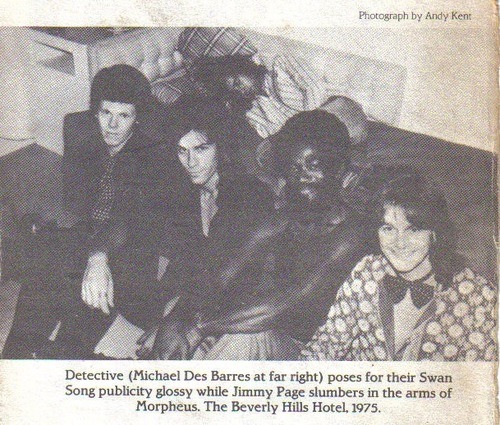
Below is a Swan Song band Detective with a weary Jimmy Page asleep on the couch behind them.
Detective… A Swan Song band with Jimmy Page fast asleep at the photo session.
One thing that was known about the band is that they had an inferiority complex about The Rolling Stones. This is explored more in this book. They couldn’t understand why the press and celebrities hung out and liked the Stones and not them… although Zeppelin outsold them. The answer to that was pretty obvious…other bands such as The Who could shrug off bad reviews and go on…Led Zeppelin would call the critics out from the stage. The press was also threatened by manager Peter Grant and touring manager Richard Cole to give good reviews. Zeppelin also barred the press for years…so it wasn’t a big mystery here except to them.
On the 1977 tour the press was given some rules by the band:
Never talk to anyone in the band unless they first talk to you.
Do not make any sort of eye contact with John Bonham. This is for your own safety.
Do not talk to Peter Grant or Richard Cole – for any reason.
Keep your cassette player turned off at all times unless conducting an interview.
Never ask questions about anything other than music.
Most importantly, understand this – the band will read what is written about them. The band does not like the press nor do they trust them.
Hmmm….wonder why they weren’t as liked as much as the Rolling Stones by the press and public? They also became more separated from their audience in the later 70s.
The book also focuses on their vanity label Swan Song. Drugs had taken over by that time and no artists were really cared for except Bad Company who was hot right out of the gate. Any questions from a Swan Song artist would fall on deaf ears because no one was really running the label. By this time, Grant carried a bag of cocaine and dipped it out with a bowie knife. He stayed secluded at his mansion surrounded by his security cameras… like in a scene out of Scarface.
The band was the top band in the world but in 1975 it all changed with Robert Plant’s car accident that left him recouping for months while his wife was hurt more seriously. In 1977 a guard that worked for Bill Graham stopped a kid from getting a Led Zeppelin sign off their door…all hell broke loose. That was Peter Grant’s son. Grant rounded up his “security” people and beat the guard and they almost popped his eye out. After that happened they played what was to be their last show in America. A few days later Robert Plant’s son Karac died of a respiratory virus.
All in all, it was a good book and I would recommend it to any rock fan. I am a fan of the band, especially the albums between Led Zeppelin III and Physical Graffiti. I wasn’t a big fan of the bombastic blues songs as much as the light-heavy moments. The book tells you how management built walls around them while being surrounded by violence, threats, and later on drugs.
The book has a forward by Dave Grohl. I liked the book, it keeps you interested and doesn’t slow up. It’s a look at seventies rock and roll and it will make you realize how much has changed now…not only in music but in the real world.
I’ve always thought Led Zeppelin had a dark cloud that followed them..reading this book reaffirms that feeling. I always admired John Bonham as a drummer. I think Moon and Bonham were the best drummers of the seventies and I would pick them as my top two favorites of all time. They both were different from each but had a feel like no other. They didn’t have the precision of Ginger Baker or Neil Peart but they changed their band’s sound completely.
The book goes over Bonham’s early influences like Gene Krupa. One of his first rock drummer influences was Keith Moon because of how Keith pushed the drums to the forefront. Bonham also liked Ginger Baker and would go see him in his band Air Force.
The author does focus on Bonham but you get a Led Zeppelin bio with it also. It’s a good book and I did learn a lot about him and the band that I didn’t know. Plant and Bonham were from the rural Midlands, a major difference from London studio pros like Page and Jones. It was an interesting mix.
It seems like Plant and John Paul Jones were a little more down to earth as people and didn’t get caught up long-term with drink and hard drugs that Bonham and Page did. This also states what other books say…Bonham didn’t like being away from his family and was two different people on tour. He would be fine until liquor was added…then he would turn into The Beast.
One reporter describing Bonzo said: “Loathsome…Keith Moon with all of the dynamite and none of the charm.” There are many stories about him but not many are too humorous. He once drank two bottles of champagne on a flight…went to sleep in first class. When the stewardess served dinner, the other passengers begged her not to wake John up. When John woke up…he realized he urinated on himself and called for his drum tech Mick Hinton who was in coach…Hinton gave him some more pants and Bonham then instructed Hinton to take his wet seat in first class while Bonham went to coach in Hinton’s dry seat.
Peter Grant and the rest of the band sometimes got two rooms each in hotels. One as a decoy so Bonham couldn’t find them at 3 in the morning in a drunken rage. He did seem to be a good father and husband though but just didn’t like being away from his home.
One funny story happened when John took his son Jason to see The Police. Stewart Copeland and Andy Summers were really polite and excited to meet Bonham…Sting, being cocky and pretentious was very distant and cool. Bonham accidentally stepped on Sting’s foot and Sting said “Hey man, don’t step on my blue suede shoes.” Bonham looked at him and said “I’ll step on your fu**ing head in a minute.”
I would recommend this book to any Led Zeppelin fan. The author does go into his drum technique for any drummers out there and what size kits he used. We all know how this story ends but it shouldn’t have ended that way. In 1980 Led Zeppelin was mounting a comeback and was rehearsing for their first American tour since 1977. Bonham arrived at the first rehearsal and had been on a drinking binge.
Bonham died after drinking what amounted to 40 shots of Vodka in a 24-hour period.
John Paul Jones: “Benje and I found him. It was like, let’s go up and look at Bonzo, see how he is. We tried to wake him up… It was terrible. Then I had to tell the other two… I had to break the news to Jimmy and Robert. It made me feel very angry – at the waste of him… I can’t say he was in good shape, because he wasn’t. There were some good moments during the last rehearsals … but then he started on the vodka.”
Not long ago I had to fly somewhere and I’m a nervous flyer. I usually dread getting into a plane but I was determined I would enjoy this flight to Texas and then Colorado. We got into the air with my right ear-popping like crazy and I decided to listen to an audiobook once we were flying. I opened my audible library selection and just picked one at random. Well, needless to say, I picked this one. I was 30 minutes into the book before I discovered the irony of the situation. I quickly picked another book (Grateful Dead bio) and listened to that but…I finished this one on the way back while… driving safely on the ground.
This is not an autobiography of the band… it is an account of their mid to late-70s tours. The book was written by an insider (the road manager) book from 1974 to the 1977 plane crash. Lynyrd Skynyrd was a wild bunch who was ruled by lead singer Ronnie Van Zant with an iron fist. It was partly about babysitting a bunch of up-and-coming rock stars and yes…very entertaining. These guys learned from the best… they had opened for The Who on the Quadrophenia tour in 1973. Keith Moon showed them the path to destruction in hotels across the globe. They took it to a new level though…not only fighting with people who annoyed them…they fought each other. Contrary to popular belief…most of them were well-read and intelligent men but with a wild side.
The band was managed by Peter Rudge who was known to be very cheap with bands. He also managed the Stones and The Who. It was Ron Eckerman’s (tour manager) job to collect the money and figure out the most economical way of traveling. In early 1977 he saw that traveling by plane would be cheaper than by bus. The band toured constantly and was rarely at home adding to the short tempers. They lost their guitar player Ed King in 1975 because of that plus madness exploding out of pure exhaustion. Keeping a road crew together while you are not touring was near impossible unless you play over 200 – 250 shows a year.
Reading this book is truly like being transported in time back in the seventies rock world. It was back to a time when bands had to build up an audience. It didn’t happen with a youtube video or a Facebook page. There were no auto-tune or backing tracks to save you in concert. Lynyrd Skynyrd was one of the best live bands around. They played at Knebworth in 1976 and were heralded in the press as the next great band in league with the Stones and Who. They never got that chance and were different than most bands. They had no production values at all…just a mirror disco ball. Ronnie Van Zant did not dance around like Mick Jagger or Steven Tyler…he was more like a field general directing his troops to conquer the audience.
After losing Ed King, a great California guitarist… they picked up Oklahoma native Steve Gaines who would have had a chance to be a huge star. Gaines was an absolute phenom on guitar and had he not died at 28 in the plane crash, he might well be a guitar legend now. The book is hilarious in places but you know what is coming. They climbed the rock ladder and the new album Street Survivors showed what they might do. The album was not a “southern rock” album…it was a rock album by a band from the south.
They never would get a chance to fulfill their promise. The new album was their biggest yet and in two weeks’ time, they would have headlined Madison Square Garden for the first time. It really did look like they were about to be elevated to the top bracket of touring rock bands.
I was a kid when all of this was going on but I am amazed at how much the world has changed since then. If a band, no matter how successful, would do what they did in today’s world…the band would be in jail and shunned. Not only Lynyrd Skynryd but Led Zeppelin, The Stones, The Who, and a host of other rock bands. The book will truly transport you back to that time. Even if you are a fan or not…it’s worth a read. Ron Eckerman was in the plane when it crashed and his description is truly chilling.
Eckerman took the blame for the crash but it wasn’t one man’s fault. A short while after releasing the book he died of acute myeloid leukemia. His wife said he never got over the guilt for the crash and he died three years after the book was published.
I’ve read a few books about the Dead but this one is probably the best I’ve read. I just finished re-reading it after finishing it three years ago. It is their complete history from beginning to end. The book I enjoyed the most was Deal: by Bill Kreutzmann The Deads drummer. He has some great stories and Steve Parish’s book is good also…but as far as the history…this has been the best.
This is not like reading a book about the Beatles, Stones, Dylan, or even the Allman Brothers. The Grateful Dead were totally different in the way they came about and what path they took. They were such a hippy band but along the way they turned into a corporate organization…a different kind of organization but one all the same. Their crew was known to be loud and sometimes violent along with the Hells Angels by the mid-seventies and the craziness wore off on everyone around them.
I always thought of them as this loose ensemble that just loved playing. Yes, they loved playing but they weren’t above pointing fingers when something went wrong on stage. At one point Weir and Pigpen were “fired” although accounts differ on if they really were let go. In other words, they were human… like anyone else. They did however think differently and for a bunch of hippies…they were very ambitious.
Speaking of Pigpen (Ron McKernan)… that was a wonderful thing about this book…his importance is highlighted and you see how important he was to the Grateful Dead. Jerry wasn’t the key focus when they started…it was Pigpen. Although he looked like a biker…he was described as an incredibly nice and sensitive man. He was the showman of the band and Jerry commented that he was the best musician in the band in the beginning.
The book covers their entire career and along with the way, there are many twists and turns. They cover Garcia’s slide down until his diabetic coma in 1986 when he had to re-learn how to play guitar again. Less than a year later they were back on the road and then recorded the In The Dark album.
The band never had a big hit single and now…over 20 years of being together and touring they were suddenly huge with the song Touch Of Grey. They even agreed to play the game with the record company and they made a video. They were signed to Arista Records and the record company and band were at a meeting. Garcia suddenly asked, “I don’t have to do Dick Clark, do I?” With that, the executives laughed at the thought of the Grateful Dead appearing on American Bandstand.
There were points where it looked like Garcia would beat his addictions but the threat of him going back to heroin was always there. They also cover all the members rather well…Garcia wasn’t the only one with drug problems but his problem probably affected the band the most.
If you want to learn about their history…this is a really good read.
After re-reading Gregg Allman’s biography My Cross To Bear I noticed this book about his brother Duane… the founding member of the Allman Brothers Band. It’s a good read and an informative book. Its forward is written by one of his friends…ZZ Top’s guitarist Billy Gibbons.
The Allman Brothers Band formed in 1969 and they lost their leader Duane Allman in 1971. They continued on to be one of the most successful American bands ever. They finally called it quits in 2014.
I saw this book about Duane and I was excited to read it. Going in… I had read Gregg’s bio, Duane’s daughter’s (Galadrielle Allman) book Please Be With Me: A Song for My Father, Duane Allman, and One Way Out: The Inside History of the Allman Brothers Band so I was well rounded on the Allman Brothers. Duane lived a short life but Poe seemed to find many of the musicians he played within the 60s and 70s.
Duane believed in brotherhood…not just with his brother but the band and the entire cast around them. Phil Walden was the president of Capricorn Records, The Allman Brothers record label. He would call for a meeting with the band…he really only wanted to see Duane. Duane not only brought everyone in the band but he brought the roadies also. He told Walden flatly.. .you will not talk with just me but with all of us. Walden would reply …but Duane why are the roadies in here? Duane said they were just as important as the band…without them, we can’t play. The roadies would stay. Duane’s lack of ego in his vision for the Allman Brothers Band made them who they were even after he was gone.
He created a family atmosphere with the Allman Brothers organization. Their 3rd album At Fillmore East was their breakthrough…the album cover shows the band against a brick wall. On the other side of the album shows the roadies in front of the wall also…and a picture of one roadie Twiggs Lyndon who couldn’t be there that day. Another band that shared that same philosophy was the Grateful Dead where the roadies were family. Modern businesses would be wise to take this philosophy and use it.
Duane worked with many musicians and touched their lives. Many that drifted in and out of his bands were not forgotten. The original keyboard player for the Allman Brothers was Reese Wynans until Greg joined. Duane broke it to Reese that the band didn’t need two keyboard players.
In a short time, Duane met Boz Scaggs and recommended Reese to play with him and he did. That started his successful career and he would play with many musicians in his career and was the keyboard player in Stevie Ray Vaughan’s band Double Trouble.
This book doesn’t stop at Duane’s death. It follows the band all the way up to their end in 2014. In the end, he gives a good discography of Duane’s studio recordings. It’s really incredible how many sessions the man was on and he didn’t even reach the age of 25.
The book goes over why he turned Eric Clapton down on joining Derek and the Dominos. This was before the Allman Brothers had made it. He remained loyal to his band because it took him so long to find the right mix of musicians to get the sound he wanted. They didn’t have a hit until the Live At Fillmore East album was released in July of 1971. It would go gold 5 days before Duane was killed.
I would recommend this book to anyone wanting to know more about Duane and The Allman Brothers. It is full of great information. After you read it you will want to look up all of the recordings he was on. His playing was edgy, tasteful, and like great jazz…takes you on a journey.
At the end of the book, you have to wonder how far he would have gone if he would have lived.
One passage from the book:“In September 2003 ‘Rolling Stone’ published its list of the “100 Greatest Guitarists of All Time”, placing Duane at #2 just behind Jimi Hendrix. Gregg Allman commented that he thought it was a very wonderful gesture and said “…I thought ‘You made your mark man. You didn’t make any money, but you made your mark.”‘ Rounding out the top five were B.B. King, Eric Clapton and Robert Johnson—pretty impressive company for a kid from the South who didn’t even live to see his 25th birthday.”.
If you want to read about the Allman Brothers I would recommend these books also.
My Cross To Bear by Alan Light and Gregg Allman
One Way Out: The Inside History of the Allman Brothers Bandby Alan Paul
For a more personal view and her journey to know her dad…
Please Be With Me: A Song for My Father, Duane Allman by Galadrielle Allman














 PowerPop... An Eclectic Collection of Pop Culture