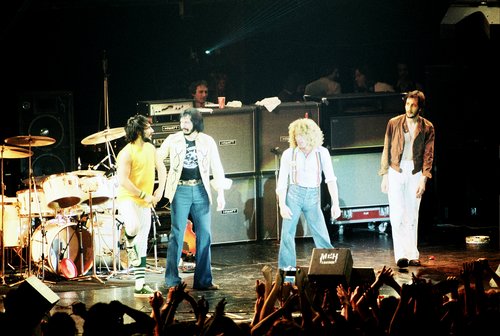
The Who started off as the Detours and had a drummer named Doug Sandom. After an argument with Pete, Doug quit the band. Keith Moon then joined and the sound and the band took off. They found the member to complete one of the best bands to emerge from the sixties. They were the band of the Mods and wore British Flags, target shirts, and other Pop Art attire.
Controlled chaos is the best way I know how to describe the Who’s early singles. My favorite rhythm section in Rock and Roll… John Entwistle and Keith Moon were all over the place but they were all over the place together. What John and Keith gave musically cannot be underestimated. They were the engine that made The Who go…Pete Townshend coined the phrase “power pop” and they were the ultimate power pop band. Roger Daltrey was transformed from a good blues singer to a rock god. They released several classic albums… Who’s Next, Quadrophenia, Tommy, and Live at Leeds., The Who Sell Out…
The Who along with the Kinks were the forerunners of Punk. The Who’s early singles were raw and driving Can’t Explain, My Generation, Substitute, The Kids Are Alright, Pictures of Lily, I’m a Boy, and I Can See For Miles…
They moved from those early raw songs and released albums with songs such as Won’t Get Fooled Again, Baba O’Riley, Behind Blue Eyes, Love Reign O’er Me, Who Are You, Bargain. The Real Me, We’re Not Going to Take It, and 5:15
Pete took the rock concept album to an art form.
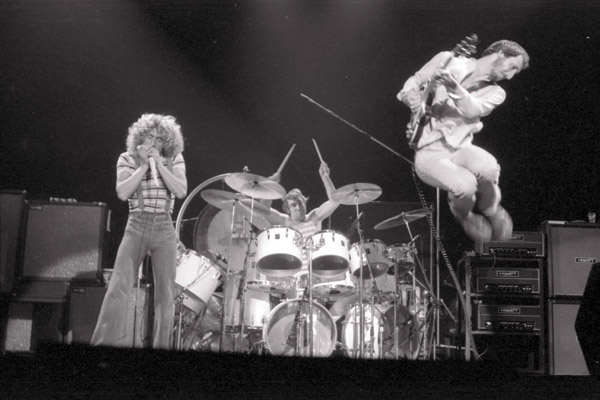
When they were at their performing peak they were untouchable. Check out the album or DVD of Live at the Isle of Wight Festival.
Their peer at that time had a great rhythm section, a great guitarist and a dynamic lead singer…Led Zeppelin. The Who were not as popular and they didn’t sell as many records as Led Zeppelin but The Who were fun… they more inviting.
They were the complete package. They had a good songwriter (Entwistle) in the band…and a great one (Pete). If you look at lists and influences… 10 ten rock drummers, top ten rock bassists etc..all of the Who come up in their respective category.
Led Zeppelin made the right choice in not replacing John Bonham. The Who decided to go on without Moon and were never the same again without Moon. Some of their songs were good afterward but they did not have the drive and spirit that Moon gave them and they were not complete without him.
I’ve never found a band other than the Beatles that moved me as much. Pete’s songs are high energy with a dash of spirituality.
I will revisit the Who again and coming up soon I’m going to attempt to rank the Who albums.
One of my favorites of Fleetwood Mac and I was surprised to find out that is was the B side to “Say You Love Me” and did not chart. I love the bouncy guitar and catchy verse and chorus. This song was written by Lindsey Buckingham and intended for the follow up to the Buckingham Nicks album that never came. Instead, it was the song that kicked off the new Fleetwood Mac album in 1975.
This was written by Fleetwood Mac guitarist Lindsey Buckingham. He and his girlfriend at the time Stevie Nicks were recording as the duo Buckingham-Nicks and had released one album when they were asked to join Fleetwood Mac. This song was written for a second Buckingham-Nicks album, but when they joined Fleetwood Mac they brought this with them along with “Landslide” and “Rhiannon.” These songs helped make Fleetwood Mac a force in the pop music world and establish a strong radio presence for the band.
Monday Morning
Monday morning you sure look fine Friday I got travelin’ on my mind First you love me and then you fade away I can’t go on believin’ this way I got nothing but love for you Tell me what you really want to do First you love me, then you get on down the line But I don’t mind, I don’t mind, yeah
I’ll be there if you want me to No one else that could ever do Got to get some peace in my mind
Monday morning you sure look fine Friday I got travelin’ on my mind First you love me and then you say it’s wrong You know I can’t go on believing for long
But you know it’s true You only want me when I get over you First you love me, then you get on down the line But I don’t mind, no, I don’t mind, yeah
I’ll be there if you want me to No one else that could ever do Got to get some peace in my mind
But you know it’s true You know you only want me when I get over you First you love me, then you get on down the line But I don’t mind, no, I don’t mind, yeah
I’ll be there if you want me to No one else that could ever do Got to get some peace in my mind
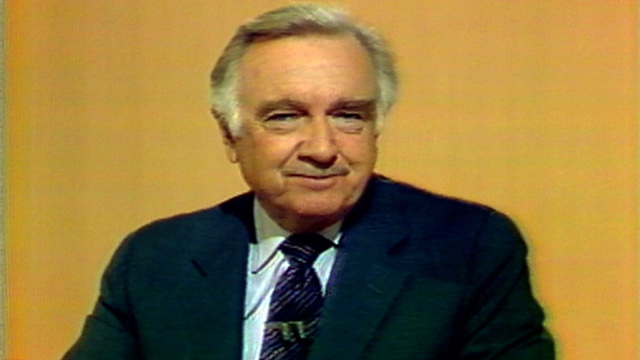
In 1977 I turned 10 years old. It was the first year I wanted to know what was going on in the world. I started to watch Walter Cronkite reporting the world news. Keywords I remember were Sadat, Middle East, Son of Sam, Concorde, and Inflation. Local news would be Chris Clark on channel 5 an affiliate of CBS…keywords locally… Snow, Ray Blanton (the name would be more popular the next year…in a bad way), and Larry Schmittou…who would bring Nashville minor league baseball the following year with the “Sounds” a Reds farm team.
I missed around 3 weeks of school because of it being either closed or the bus would not run down our rural road because of snow…sledding and exploring time! In Middle Tn… 1 inch of snow will shut down a city.
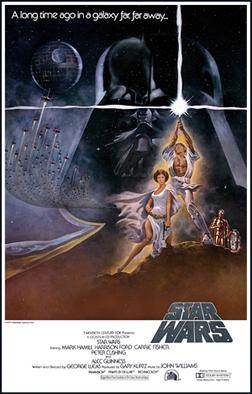
I remember Star Wars hit the theaters with lines around the corners. I didn’t see it the month it was released but soon afterward. It was everywhere and the talk of the school. We had never seen anything like it before.
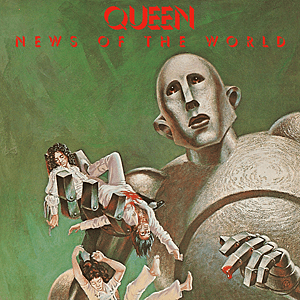
I remember Queen releasing News of the World. A friend of mine brought the album to school and we studied every inch of the cover (by Frank Kelly Freas), a giant robot picking up the bodies of the band. We Will Rock You and We Are the Champions played non-stop on the radio. This is when I started to explore other bands that weren’t named The Beatles.
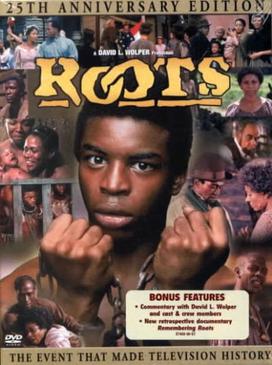
The TV mini-series Roots was huge and historic.
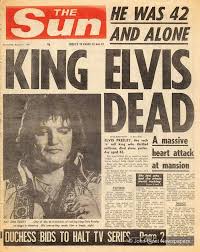
I was watching Gilligans Island and it was interrupted by sad news. Elvis Presley was dead at 42 years old. My mom and other grown-ups around were really upset. I knew his songs and it was sad but I didn’t understand everyone’s reactions for someone they didn’t know. Three years later when I was 13 I understood perfectly clear when John Lennon was murdered. Three days after Elvis died Groucho Marx passed away…In October Bing Crosby passed away.
I paid attention to the inauguration of Jimmy Carter as President in January. I would hear about peanuts, teeth and his brother Billy for the rest of the year…and about one of those keywords again…inflation.
I remember the Son of Sam killings. In August of that year, David Berkowitz was finally apprehended. He killed six people and wounded seven others. I also remember the blackouts in New York in July…
The Concorde was all over the news that year. To a 10-year-old in 1977, it looked like something out of a sci-fi movie.
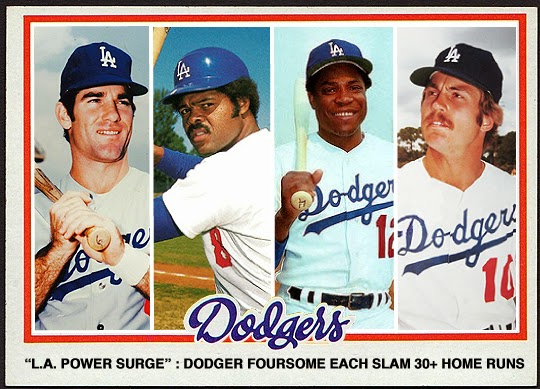
In March of 1977, I started to follow baseball. I’m not from California but my Dad always rooted for the Dodgers and it was passed down to me. I read from a young age about Babe Ruth, Christy Matheson, and the older players… but this was the first year I followed modern baseball from start to finish. Cey, Lopes, Garvey, Russell, Yeager, Dusty Baker, Reggie Smith, Don Sutton, Tommy John…I loved that team. I still can imitate the batting stance of all of the starters. Ron Cey was my hero and I played 3rd base in Little League because of him.
Our insurance salesman would come to our house every now and then and he knew I was a Dodger fan. He said he went to games in LA and would bring back something for me… I believed him totally. My mom told me not to get my hopes up as he was busy and might forget… A few weeks later…there he was with a Dodger 1977 pennant in his hand to give me…I still have it. I couldn’t believe the pennant in my hand came from the mythical Dodger Stadium where my heroes played.
They had four players with 30 or more home runs that year…Cey, Garvey, Smith, and Baker. They made it to the World Series but broke my heart. They played the Yankees and Reggie Jackson (it still hurts to type his name) hit three home runs in the sixth and deciding game to beat my Dodgers. It took a while to get over that…well I’m still writing about it 41 years later…but it’s always next year.
I’ll close it out on Matchbox and Hot Wheels…I had a huge collection that I carried to friends houses to trade and race.
After reading about the rock tours of the 1970s… many locations became famous for the decadence of The Who, Led Zeppelin, Doors, and many traveling musicians. I’ve picked some spots that have been mentioned here and there in stories of travel.
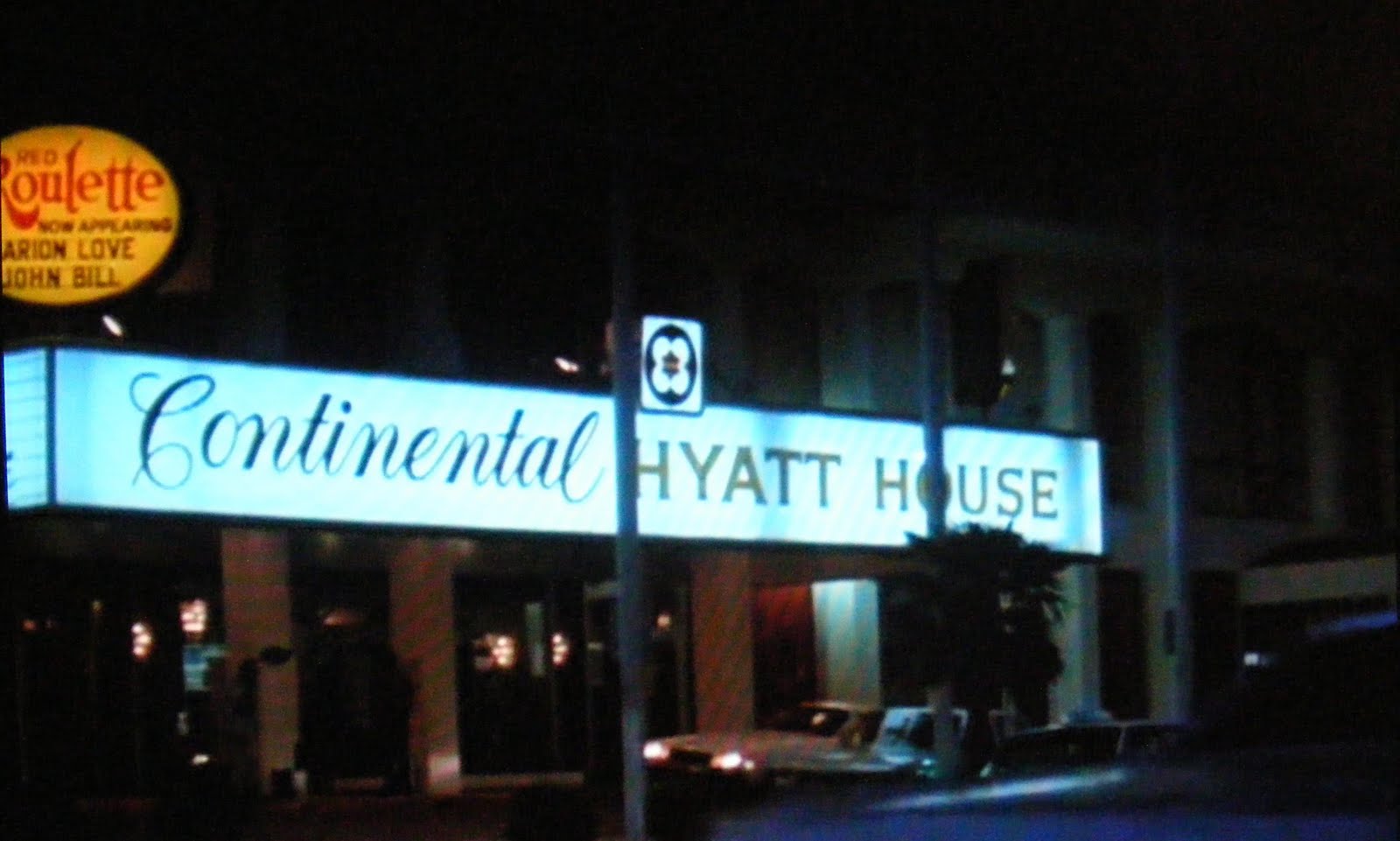
Continental Hyatt House or The Riot House – Swimming pool on the roof…check…John Bonham riding a motorcycle down the hallway…check…Keith Richards dropping a TV out of room 1019 or 1015…check…. every major rock act including Led Zeppelin, The Who, Doors, and Stones, stayed there. During the filming of Almost Famous, it was having a makeover, and director Cameron Crowe filmed it just in time before it all changed.
8401 Sunset Blvd, West Hollywood, CA 90069
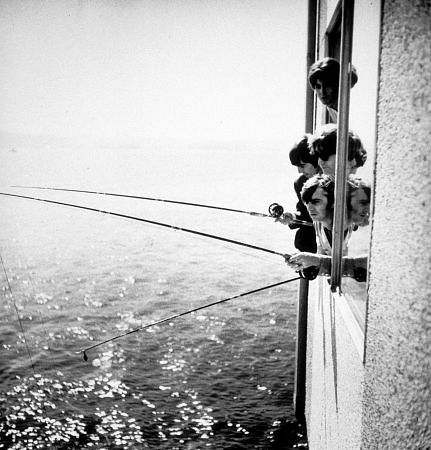
Edgewater Inn Seattle – The Beatles stayed here on their 1964 tour. You can just open the window and go fishing from your room. Led Zeppelin also stayed here in 1969 and their wild reputation started here…just google Led Zeppelin Edgewater Inn if you want…
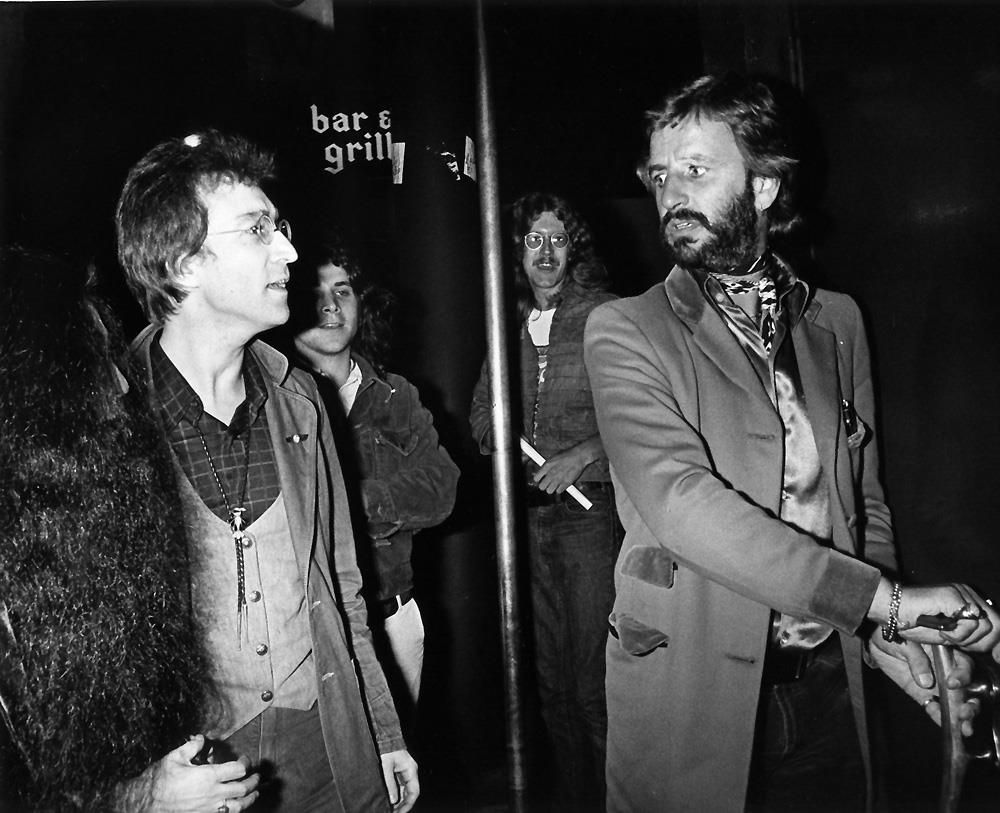
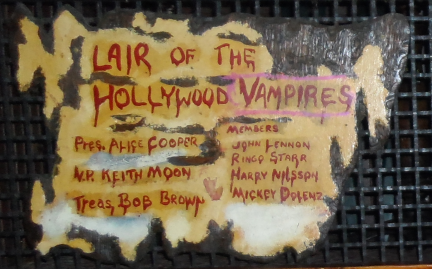
The Rainbow Bar and Grill – The original Hollywood vampires formed here. Keith Moon, Alice Cooper, John Lennon, Harry Nilsson formed an informal club to drink their and your share of booze. Alice Cooper is trying to revive the club now with the help of Johnny Depp.
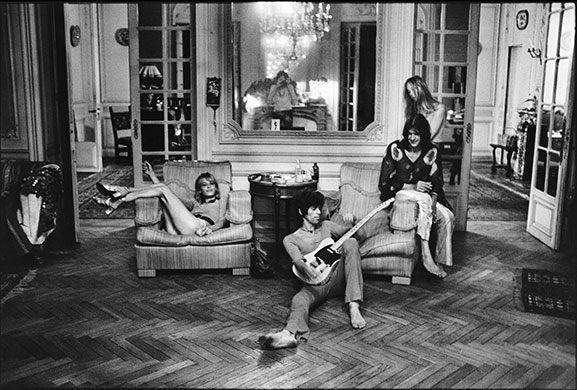
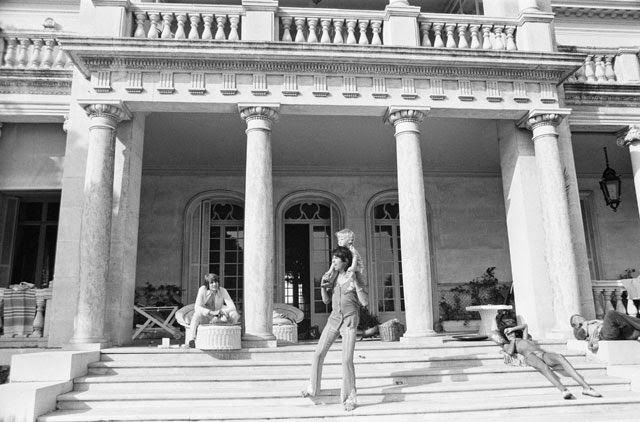
Villa Nellcôte – The mansion in France that Keith Richards rented in 1972 where Exile On Main Street was recorded in the basement of the mansion. Many events happened here and nearby. Car chases, drugs, boat excursions and a visit from John Lennon…
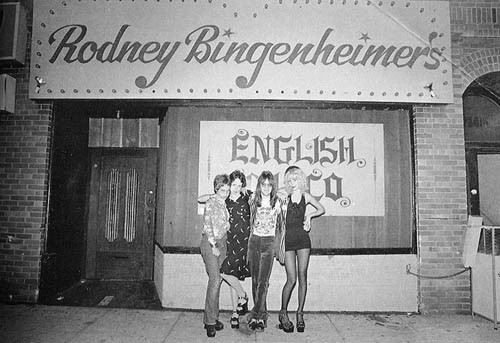
Rodney Bingenheimer’s English Disco – Rodney opened this up in 1972 and it stayed open through 1975. It catered to Glam Rock but Led Zeppelin would hit this club when they came into town.
This band was rock, country, blues, pop and a little of everything. Their music is played on practically every jukebox and by every self-respecting bar band. The songs are not intricate masterpieces like Bohemian Rhapsody or A Day In The Life but masterpieces all the same.
Bands go their whole career without writing one song that is NOT a love song…this band wrote about everything else but love. Many of their songs have become standards today. They had songs about rivers, swamps, backdoors, jungles, and riverboats.
The band…or should I say John Fogerty wrote one song after another and kept hitting the charts. At the time it must have felt like the well would never run dry. Their songs were simple but so effective. John has a distinctive sound with not only his guitar but his voice. His voice was an instrument itself that drove his songs.
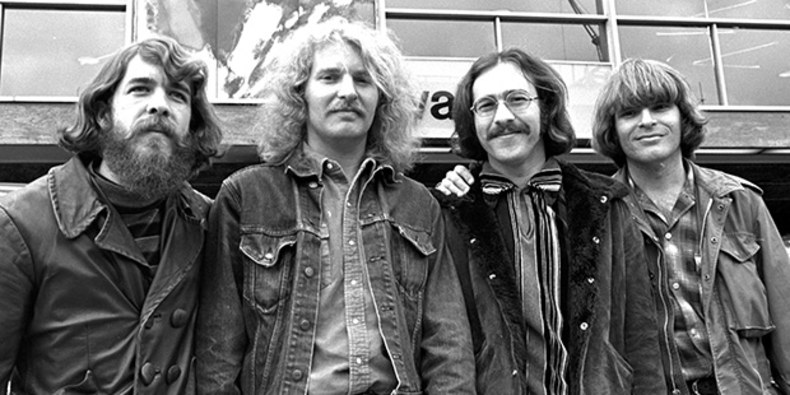
They were together in the public eye from 1968 to 1972. Creedence was one of the biggest bands in the world during those years. Songs kept coming like Proud Mary, Bad Moon Rising, Who’ll Stop the Rain, Green River, Looking Out My Back Door, Have You Ever Seen the Rain, Lodi, Traveling Band and etc… They were a singles band and they were an album band. Albums such as Cosmo’s Factory, Green River, Willy and The Poor Boys are classic albums.
Many people thought they were from the south…maybe Louisiana but they were from El Cerrito, California. Hard to believe they were from the same area as the Grateful Dead and the San Francisco music scene of the late sixties. Creedence was not a jam band like many of their peers, they played songs to the letter. They were called rock, country rock and swamp rock.
The band had 9 top ten hits and 16 songs that charted.
They were originally signed to Fantasy Records by Saul Zaentz to a bad record deal that kept John enslaved to the company long after the band broke up. Saul held the rights to John’s songs. Saul had promised the band, to begin with, that he would renegotiate the contract when the band got more successful…he never did.
The band included guitar player, lead singer and writer John Fogerty, drummer Doug Clifford, bassist Stu Cook and Tom Fogerty (John’s brother) on rhythm guitar. Eventually, Tom, Stu, and Doug started to feel like John’s backup band and wanted more control. Tom quit and Creedence became a trio and took off on a tour and made an album.
The band broke up in 1972. It was a sad thing because who knows how many more songs Creedence could have created. Instead of music, the band bickered back and forth and still will file lawsuits from time to time against each other.
I’ve tried to read a few books about them but it’s hard to get through the name calling and the lawsuits that flew back and forth. They all were friends earlier but Stu, Tom, and Doug would usually take Saul Zaentz’s side against John. The brothers rarely talked to each other before Tom died in 1990.
I’ve always admired Cheap Trick. First of all, they didn’t look like any other band. They had two bonafide looking rock stars in lead singer Robin Zander and bassist Tom Peterson. Their great guitar player Rick Nielsen looked like Huntz Hall from the old Bowery Boys films and the drummer Bun E Carlos looked like an old uncle you would have somewhere.
They were a hard-working band from Rockford Illinois in the mid-70s. None of their first three albums made it in the top 40 but they did have a single to chart…a single off their third album “Heaven Tonight” was the first to chart in America…”Surrender” (Studio Version) peaked at #61 on the Billboard 100 in 1978. They were not getting any traction in America but in Japan, they were getting huge.
They toured Japan in 1978 with a Beatlemania atmosphere and played at Budakon and recorded a live album there. “Cheap Trick at Budakon” is what finally broke them in America in 1979.
I got to see Cheap Trick in 1984 in Opryland and I became a fan. They had some great rockers but also some power-pop gems like “Voices.” The albums I like are Heaven Tonight, Dream Police, In Color and of course Live at Budakon.
They never had that milestone studio album that really marked their career like some bands but they made enough good music to be remembered. They were inducted into the Rock and Roll Hall of Fame in 2016.
Voices
You didn’t know what you were looking for Till you heard the voices in your ear
Hey, it’s me again Plain to see again Please, can I see you every day? I’m a fool again I fell in love with you again Please, can I see you every day?
You didn’t know what you were looking for Till you heard the voices in your ear You didn’t know what you were looking for Till you heard the voices in your ear
Words don’t come out right I try to say it oh, so right I hope you understand my meaning Hey, it’s me again I’m so in love with you again Please, can I see you every day?
You didn’t know what you were looking for Till you heard the voices in your ear You didn’t know what you were looking for Till you heard the voices in your ear
I remember every word you said (word you said) I remember voices in my head (in my head) I remember every word you said (word you said)
(I) Your voices (Heard your voice) Cool voices Warm voices It was just what I needed to
(Words) Cool voices (Don’t seem right) Warm voices Your voices It’s just what I needed for
(Love) Warm voices (Is the word) Your voices Cool voices It was just what I needed to
(I) Your voices (Heard your voice) Cool voices Warm voices It was just what I needed to Just what I needed to Just what I needed
You didn’t know what you were looking for Till you heard the voices in your ear You didn’t know what you were looking for Till you heard the voices in your ear
I must admit I never jumped on the KISS bandwagon when they got popular. I wasn’t blind though, I saw and heard them everywhere at school. I was interested in them because they were such a mystery. The more I was ignoring them the more I felt like I was missing out on something.
The lunch boxes and the KISS Army posters were everywhere. I remember my schoolmates talking to each other about the KISS comic book that had their blood mixed in with the ink. To a 10 year old that was pretty cool. After talking about them to friends I did end up buying “Destroyer.” I liked it ok but it was the image that intrigued me.
They were brilliant in what they did…not getting their photos taken without makeup and keeping their past hidden. They were like cartoon characters coming to life. They knew how to market themselves and kept people wanting more.
I did like some of the songs like Shock Me, Hard Luck Woman, New York Groove, and the anthem Rock and Roll All Night.
I also remember that TV movie KISS Meets the Phantom of the Park. I will admit I still watch it from time to time because it is so bad it’s good.
After the 70s I really didn’t follow them at all until…
In the 90s I finally got to see them with the original members and makeup. Since I never got to see them at their peak this was as close as it got. It was like finally solving the mystery I couldn’t solve when I was 10. I had fun and that was enough for me… for closure.
I have some friends who are still fans of them and who followed them through the 70s until now.
They do have their place in history whether if you like them or not and they were as part of the 1970’s as Star Wars and Inflation.
If you want to know why and how Saturday Night Live came to be…this is the book. It covers the first 10 years of the show but is primarily about the first 5 years and the one terrible year after the classic cast left. It was written by Doug Hill and Jeff Weingrad and they interviewed practically everyone connected with the show and it is surprising on how objective they are throughout the book.
Working on the show was/is not for the thin-skinned. It was rough and no one was spared…not even the stars at first. The book goes into detail about how the show started a pattern of work that continued through the decades. The troubles the female writers went through trying to do their job. The endless drugs that fueled many of the all-night writing sessions.
The atmosphere could be very sexist, insulting and aggressive. Michael O’Donoghue was the key writer and gave SNL the edge but he could be difficult. When he left the show he was missed. When the original cast, writers, and Lorne Michaels left, Jean Doumanian took over the show for a year. Things didn’t go well, to say the least. The book details the transition then to Dick Ebersol.
The show went from an ensemble show trying new ideas to a star-driven formulaic show under Ebersol. Maybe the show was destined to do that anyway and it would never be the same again.
I’ve read a few books on SNL but as far as the creation and original cast…this is the one to go to.
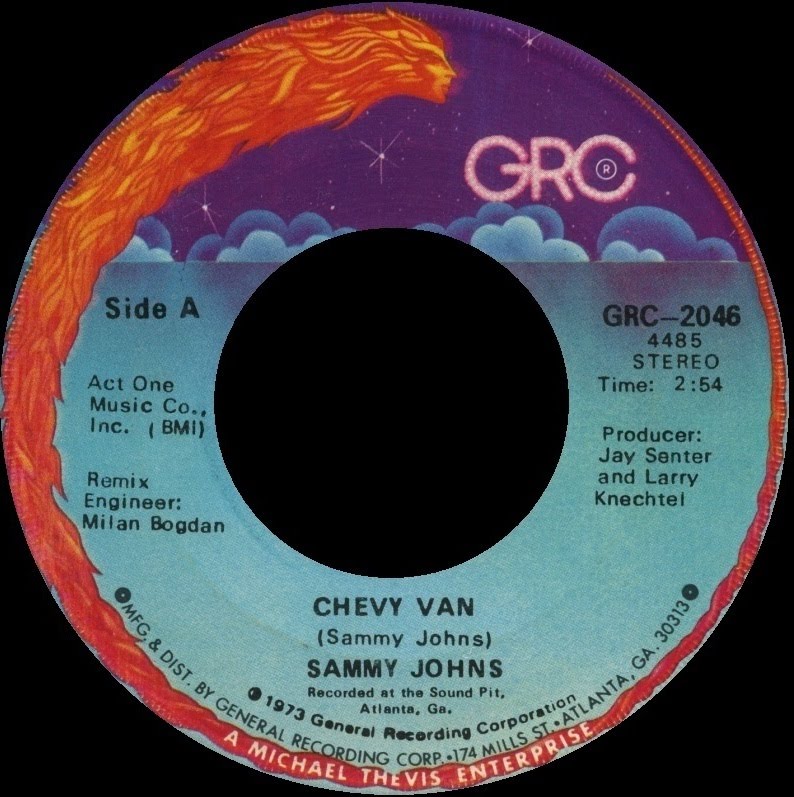
Sammy Johns released Chevy Van back in 1975 and it peaked at #5 in the Billboard Top 100 and reached #7 in Canada. It is pure AM 70’s pop but it does take me back to that time.
The musicians that back Johns are the famous Wrecking Crew from Los Angeles. The song has been covered by many Country artists and most recently by Eric Church.
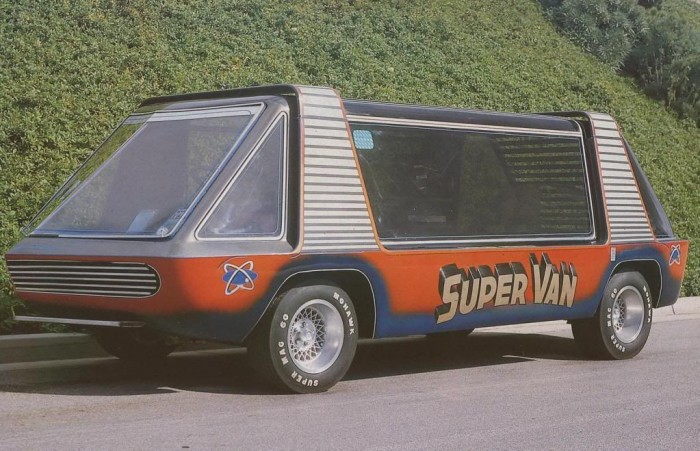
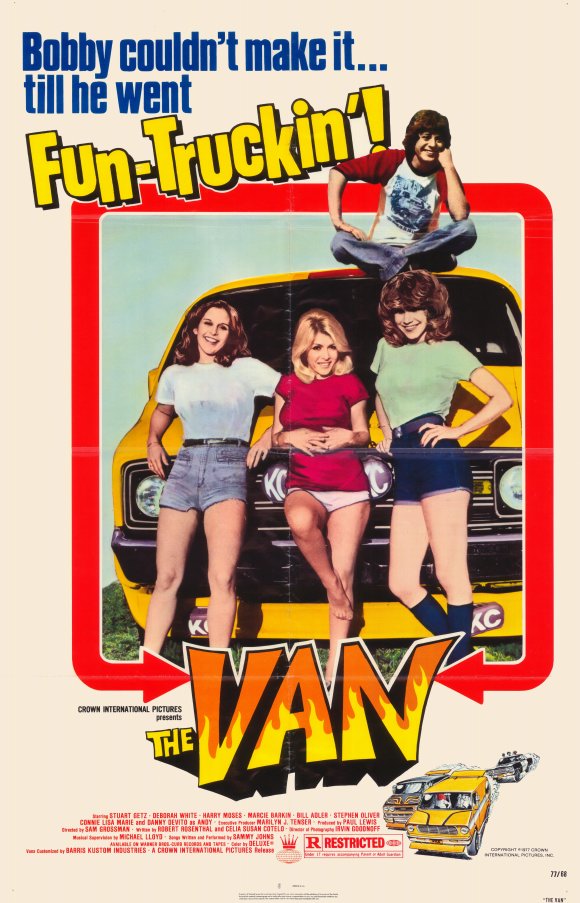
Vans were very popular in the 70s…Not family Mini Vans but rolling waterbed and shag carpet teenage machines. They were customized to have everything in them… Some movies were even centered around vans (Vansploitation)…
Chevy Van
I gave a girl a ride in my wagon She rolled in and took control She was tired and her mind was a-draggin’ I said get some sleep and dream of rock and roll
‘Cause like a picture she was layin’ there Moonlight dancin’ off her hair She woke up and took me by the hand She’s gonna love me in my Chevy van And that’s all right with me
Her young face was like that of an angel Her long legs were tanned and brown Better keep your eyes on the road, son Better slow this vehicle down
‘Cause like a picture she was layin’ there Moonlight dancin’ off her hair She woke up and took me by the hand She’s gonna love me in my Chevy van And that’s all right with me
I put her out in a town that was so small You could throw a rock from end to end A dirt road Main Street, she walked off in bare feet It’s a shame I won’t be passin’ through again
‘Cause like a picture she was layin’ there Moonlight dancin’ off her hair She woke up and took me by the hand We made love in my Chevy van And that’s all right with me
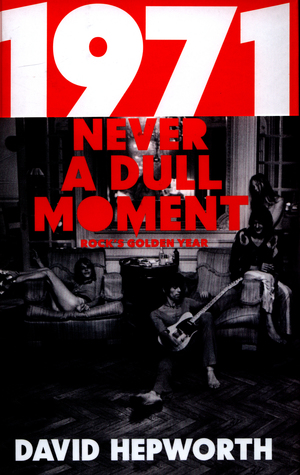
This is a good book about music and pop culture in 1971. The author turned 21 in that year and claims it was the best year musically come to age… He is certain it was the year that produced more great music than any other. He makes a compelling case. Many classic rock albums came out that year…to name a few
Who’s Next – The Who
Led Zeppelin IV (ZoSo) – Led Zeppelin
Hunky Dory – David Bowie
What’s Going On – Marvin Gaye
Sticky Fingers – Rolling Stones
Blue – Joni Mitchell
Imagine – John Lennon
At Fillmore East – Allman Brothers
There’s A Riot Going On – Sly and the Family Stone
Tapestry – Carole King
Every month he goes through the politics, movies, televisions shows (or the lack of)
and mostly how rock music grew up. He writes with some detail on Marvin Gaye recording “What’s Going On,” Carole King and Tapestry, Rolling Stones “Sticky Fingers” and etc…
He highlights the events of that year with plenty of his opinion. It is a fun read and it is written from a UK point of view and covers plenty. One thing I will say…He does lack objectivity at times but you can feel his enthusiasm when he writes about being a teenager in that era.
I’m a sucker for books on music especially in that period…so maybe I lack objectivity but I enjoyed it. If you like classic rock music and the pop culture that goes with it…you should enjoy this.
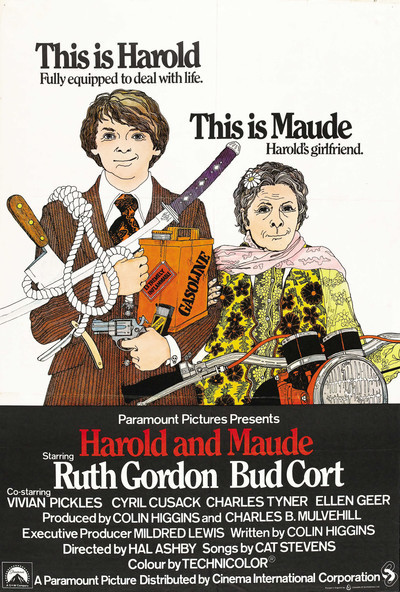
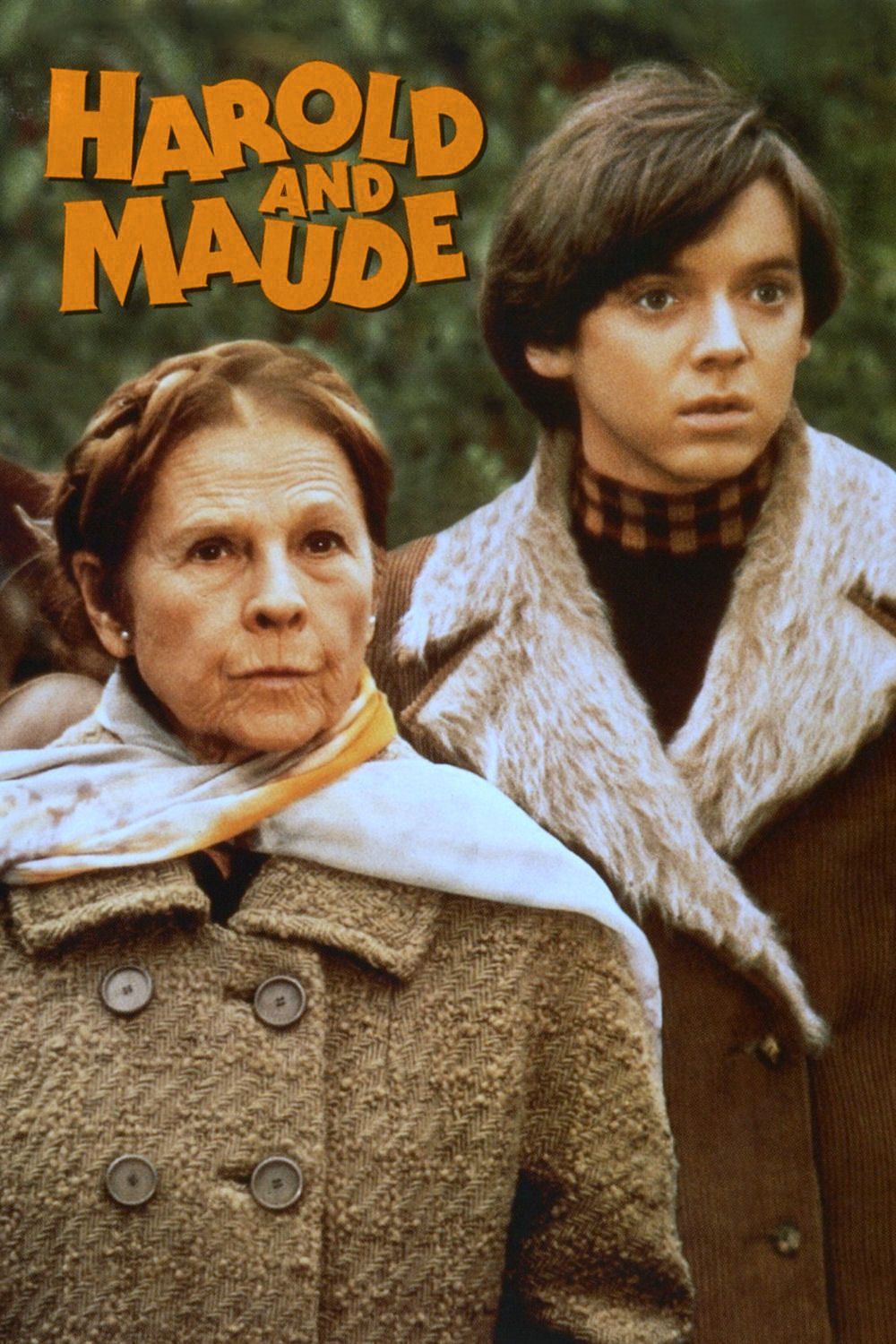
I first watched this around 10 years ago. I had read that it was a dark comedy. I started to watch it not knowing what to expect. Well…it was a movie I’ll never forget. It’s an extreme May-December romance. In this movie young Harold equals death and Older Maude equals living.
Harold (Bud Cort) is a 20-year-old son of a wealthy woman who stages fake suicides to get her attention. She simply ignores him after he fakes cutting himself, hanging his self, and drowning etc. He annoys her more than anything else.
Harold’s mom starts trying to set him up girls and Harold sabotages the meetings. Harold is obsessed with death. He goes to strangers funerals on a regular basis and that is where he meets 79-year-old Maude. Maude is full of life and she steals Harold’s hearse…yes he has a hearse and offers him a ride.
Maude is very much about living in the now. Harold and Maude start seeing each other.
Ruth Gordon who plays Maude brings the spark to the movie. She lives in a train car, liberates a city tree to the country, and does what she pleases.
I would strongly recommend this movie to anyone who likes dark or offbeat comedies.
The movie was directed by Hal Ashby. The soundtrack was performed by Cat Stevens. The music was a perfect fit for this movie.
Both Bud Cort and Ruth Gordon were nominated for Best Actor/Actress in a Motion Picture -Comedy in the Golden Globes.
I’ve always liked the Clash. Love the London Calling album and really started to listen to them when Combat Rock came out. I’ve never known much about them. This was the first song I ever knew by the Clash when I heard it on the radio in 1980.
They started off as a punk band but The Clash, unlike some other Punk bands, could really play and sing well…and above all else write some great songs. This song was written by
The song was released in 1979 and reached #23 on the Billboard Charts. It is listed by Rolling Stone Magazine at 298 in the top 500 songs of all time. Train in Vain was written by Mick Jones and Joe Strummer.
On the original vinyl copy of the album “Train Is Vain” isn’t listed on the tracklisting on the sleeve. The story is that the song was recorded for an NME promotional flexi-disc once the London Calling sessions were done, and the flexi-disc idea then fell through, leaving the song with no home. The band hastily tacked the song onto the end of the album just before vinyl pressing, but the sleeve had already been designed and there was no time to add it to the tracklisting. The only clue of it’s existence is in the run-out groove on Side 4, where the name is carved into the vinyl. On all subsequent releases (including the CD copy) “Train In Vain” is included on the tracklisting on the sleeve.
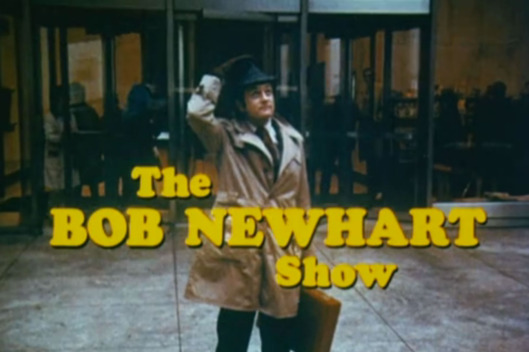
Probably my personal favorite sitcom of the seventies. It would not be rated as the best by many people or critics…I just like Newhart’s dry sense of humor. Bob Newhart also was in a sitcom in the 80’s called “Newhart” that was set in Vermont that sometimes people confuse with this show.
This show was set in Chicago with Bob playing psychologist Bob Hartley. He lived with his wife Emily Hartley in an apartment complex. He worked in an office building with a receptionist named Carol and an Orthodontist name Jerry. There is also a neighbor named Howard Borden…who sometimes can be just a little too out there (or dumb) but he is more like Bob and Emily’s child at times.
The show ran from 1972 – 1978 with 142 episodes. It was never a Nielson Rating giant despite following the Mary Tyler Moore Show but it was in the top 20 in it’s first few years.
A college drinking game originated from this show. Every time you heard “Hi Bob” you would consume alcohol…sounds like a better time than Yahtzee.
The show’s plot takes place usually in three different places. Bob at home with Emily, Bob with his patients, and Bob with Carol and Jerry. Elliot Carlin was a patient of Bob’s and the most pessimistic character I ever saw on a sitcom. He thought the worse of people and himself and often would puncture Bob’s optimism.
This show was part of CBS’s Super Saturday night lineup that featured All In The Family, The Jeffersons, The Mary Tyler Moore Show, The Bob Newhart Show and then The Carol Burnett Show. All of those shows are remembered today.
It is a smartly written sitcom…the two episodes I would recommend is “Motel” in season 2 episode 2 and the classic episode “Over the River and through the Woods” season 4 episode 11.
If you like a dry sense of humor this show is for you. Some trivia about the show, the bedspread, and sheets in Bob and Emily’s bedroom were designed by Suzanne Pleshette. She designed bedding for JP Stevens Utica brand.
The Bob Newhart Show might be the driest American sitcom to ever attain anything like major success. While the show was buoyed by running after The Mary Tyler Moore Show for much of its run, making it more of a beneficiary of a good time slot than a breakout hit, in some ways, Bob Newhart has aged even better than that series. Mary Tyler Moore was more historically important, but the center of the show is the uneasy tension arising from the increased entry of women into the workplace in the ’60s and ’70s, which gives the series a certain quaintness in 2014. Bob Newhart—produced by MTM Enterprises, the studio behind Mary Tyler Moore—is about the perils of trying to lead a mentally sound and fulfilling life in the morass of modern society. It’s a subject that will never go out of fashion—even if the series’ ’70s trappings and outfits seem occasionally ridiculous.
The Bob Newhart Show has gotten even more modern in tone with the passage of time, an unusual trick for a TV show. The complete series, collected on DVD for the first time by Shout Factory recently, centers on the home and work lives of Dr. Bob Hartley (Newhart), a Chicago psychologist whose life is rigidly defined by dealing with his patients—both individually and in the group therapy sessions that became a famous source of jokes for the show. The personalities at his office—orthodontist Jerry (Peter Bonerz) and their receptionist, Carol (Marcia Wallace)—are rarely the draw for the show, but they’re perfectly fine as foils both for Bob and his patients.
It’s on the other side of the series that the show crackles to life. When Bob goes home, he arrives to his wife, Emily (Suzanne Pleshette), and the relationship between the two is the thing about the show that most feels like something no network executive would ever greenlight today. The two are deeply in love, and reading between the lines of their dialogue also reveals they’re having lots of sex. But the show codes their conversation as their sex, taking a tip from the great screwball comedies of the ’30s and ’40s. There’s nothing they love so much as ribbing each other with jokes that would be acidic in lesser hands but feel affectionate coming from the mouths of Newhart and Pleshette. What’s more, the two don’t have children and rarely discuss having them. This was because Newhart didn’t want the show to turn into one where he played off of cute kids, but it played as quietly revolutionary at the time and even more so now. The Hartleys are eternally childless, finding their fulfillment in their professional lives and each other, building a marriage that’s more about finding a solid partner to navigate life with than anything else.
The Bob Newhart Show is also notable for breaking down into three rough eras of two seasons each. Where many other sitcoms of this era (the best ever for American sitcoms) were shepherded by a handful of the same producers from start to finish, Bob Newhart began life as a sort of drier, chillier riff on Mary Tyler Moore, under the tutelage of Lorenzo Music and David Davis. This version of the show, its weakest but still an enjoyable one, ran for the first two years, before spending the next two seasons with Tom Patchett and Jay Tarses working first as head writers, then as showrunners. Tarses’ darkly misanthropic streak and lack of love for the sitcom form blended well with a show about psychoanalysis, and the series became one of the darker sitcoms in TV history. By its fifth (and best) season, it was practically death-obsessed, with frequent riffs on suicide and serious psychological conditions. Yet these final two seasons (which gave some of the best TV writers in history their big break) also up an absurdist quality that was already in the show to quantities that hadn’t been seen in the sitcom since the heyday of Green Acres.
That absurdism also taught future writers who would work on shows starring Newhart a valuable lesson: Newhart, in and of himself, is not the driver of the story. He is, instead, the reactor, the modern man trapped in an absurd system and forced to remark quietly on how bizarre it is. Despite being deliberately low-concept, The Bob Newhart Show is one of the weirdest sitcoms in history, especially as it goes on. Even the characters who seem to be the most traditional sitcom types, like Bill Daily’s Howard Borden, go beyond what they initially seem to be (in Howard’s case, a generic dumb guy) and take on a specificity that other shows would avoid. Howard, for instance, is a navigator for an airline, who has terrible luck in love and a tendency to spiral blame for things he’s done wrong outward at others. What seemed like a generic riff on Mary’s Ted Baxter early in the show’s run becomes something else entirely—not a buffoon but, rather, a man limited by his own perceptions.
All of this reaches its apex in the show’s best character, Jack Riley’s Elliot Carlin, one of Bob’s patients and an almost perfect foil for Dr. Hartley, his dark, dour demeanor acting like a funhouse-mirror version of his therapist. The scenes between the two can feel like minimalist one-act plays at times, with Newhart and Riley bouncing off of each other in barely varying monotones that take on the vibe of complex business negotiations disguised as therapy sessions. In Carlin and Hartley, the show found two very similar men who looked at the dehumanizing state of American society of the ’70s and chose wildly different reactions. Hartley, an optimist, chose to believe people could improve themselves; Carlin, a pessimist, was pretty sure they never would. The genius of The Bob Newhart Show was how it knew Carlin was right but admired Bob Hartley for trying anyway.
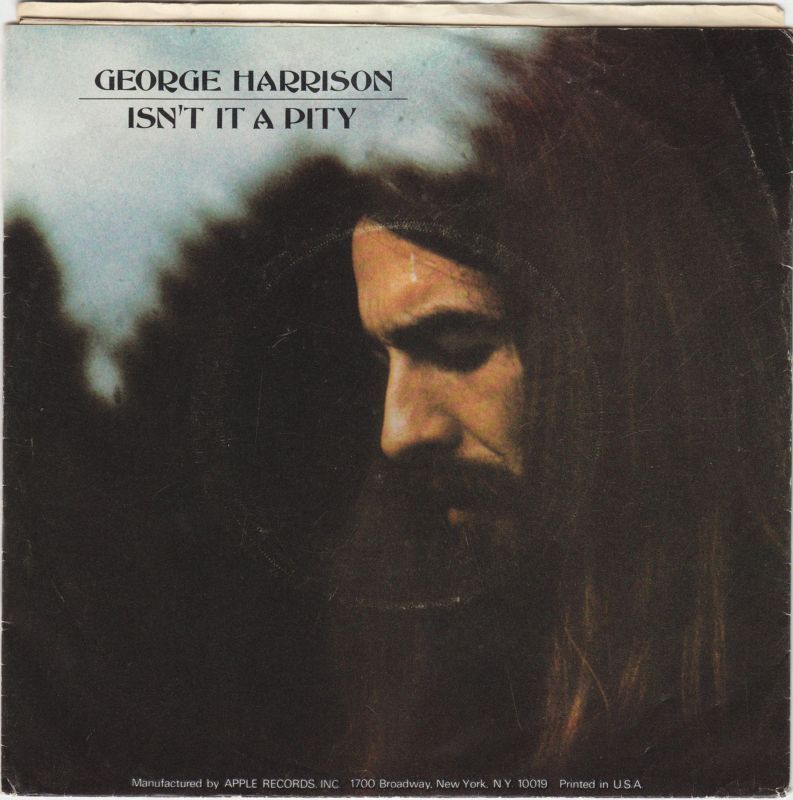
This 1970 George Harrison song is off of the great album “All Things Must Pass.” It is often overlooked but its one of my favorite George Harrison songs. George wrote it in 1966 but it didn’t see daylight until 1970. He brought it up on the Let It Be sessions but he later said that John Lennon rejected it. That I don’t understand…I Me Mine was passed but not this one? I like “I Me Mine” but not like this one. Maybe George did more work on it afterward or it was the length of the song.
It resembles Hey Jude in its structure. It was the B side to My Sweet Lord which went to #1 on the charts. In Canada, this song was the preferred song and it went to #1 in Canada.
No one benefitted from the break up of the Beatles like George. He had so many songs that we had written and could not get enough of them on Beatles albums, understandably so with Lennon and McCartney. He released a 3 album set called “All Things Must Pass” in 1970.
George began recording this Isn’t It A Pity on June 2, 1970. Phil Spector produced it using his trademark Wall of Sound with heavy reverb. On the remastered version, the reverb is toned down a little.
This is from Timothy White’s interview with George Harrison that appeared in the Dec. 30, 2000, issue of Billboard:
Had you intended songs like “Isn’t It A Pity” to be things just for you?
No, I mean, this is the funny thing: imagine if the Beatles had gone on and on. Well, the songs on “All Things Must Pass,” maybe some of them I would probably only just got ’round to do now, you know, with my quota that I was allowed [laughs]. “Isn’t It A Pity” would just have been a Beatles song, wouldn’t it? And now that could be said for each one of us. “Imagine” would have been a Beatles song, but it was with John’s songs. It just happened that the Beatles finished.
What was the inspiration for “Isn’t It A Pity”?
It’s just an observation of how society and myself were or are. We take each other for granted — and forget to give back. That was really all it was about.
It’s like “love lost and love gained between 16- and 20-year-olds.” But I must explain: Once, at the time I was at Warner Bros. and I wrote that song “Blood From A Clone” [on the 1981 “Somewhere In England” album], that was when they were having all these surveys out on the street to find out what was a hit record. And apparently, as I was told, a hit record is something that is about “love gained or lost between 14- and 19-year-olds,” or something really dumb like that.
So that’s why I wrote “Isn’t Is A Pity” [laughs]; I thought, ‘Oh, I’ll get in on that!”
“Isn’t It A Pity”
Isn’t it a pity Now, isn’t it a shame How we break each other’s hearts And cause each other pain How we take each other’s love Without thinking anymore Forgetting to give back Isn’t it a pitySome things take so long But how do I explain When not too many people Can see we’re all the same And because of all their tears Their eyes can’t hope to see The beauty that surrounds them Isn’t it a pity
Isn’t it a pity Isn’t is a shame How we break each other’s hearts And cause each other pain How we take each other’s love Without thinking anymore Forgetting to give back Isn’t it a pity
Forgetting to give back Isn’t it a pity Forgetting to give back Now, isn’t it a pity
[6 times, fade the 6th:] What a pity What a pity, pity, pity What a pity What a pity, pity, pity
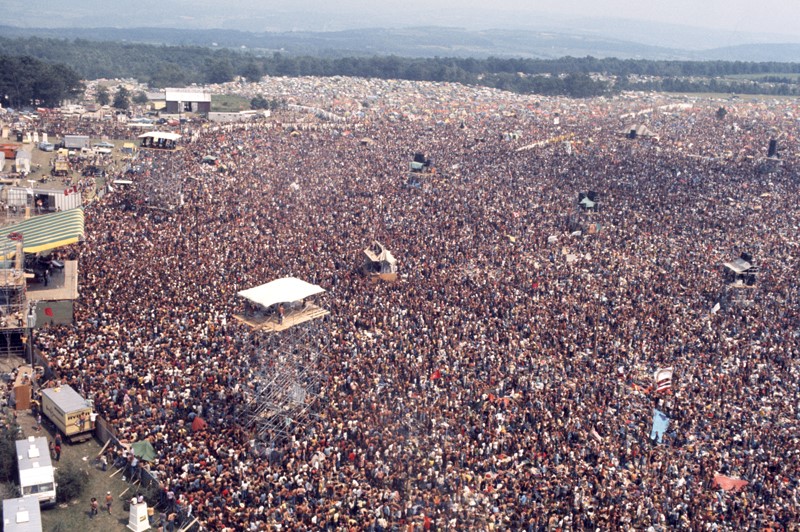
I first read about this concert-festival in a Grateful Dead biography… There is not much video footage from the concert. I never could understand why this concert didn’t hold up in history like some others like The Atlanta Pop festival and others. I’m not saying it should have been remembered like Woodstock because it’s cultural impact was like no others…but this drew more than any other festival including Woodstock.
An estimated 600,000 people came to this concert on July 28, 1973, in Watkins Glen N.Y. 45 years ago. Maybe the reason it is not as remembered is that only three bands performed…but the three bands were giant bands in their prime. The Grateful Dead, The Allman Brothers, and The Band.
From the bands themselves, almost all agree the sound check on Friday was better than the concerts.
Perspective about the concert by a member from each band.
Robbie Robertson from his book Testimony
Then we got a request from Bill Graham, who was putting together a show “just up the highway from us” at the Watkins Glen Raceway. We’d be performing with the Allman Brothers and the Grateful Dead. Playing some gigs could help us get “back on the stick,” as they say. We went up to Watkins Glen the day before the show for the sound check. Bill Graham said that the Dead would go on first and play for three or four hours—that was part of their thing, giving the audience their money’s worth. “Until the drugs wear off,” said Bill, laughing. We’d go on in the late afternoon, and the Allmans would take over at sundown. As we were leaving the sound check, it looked like cars were heading toward the racetrack from every direction. Bill said he expected maybe a hundred thousand or more. When we came back the next day, we couldn’t believe our eyes. Hundreds of thousands of people had showed up, and more just kept coming and coming. The crowds mowed down the high chain-link fences around the racetrack and filled the area as far as the eye could see. Bill was running around trying to make people pay admission, but the mobs were out of control. When it came time for the Band to take the stage, it started pouring. As we waited, hoping it was going to let up, Bill came over. “They’ve determined there are 650,000 people here. It’s the biggest concert in history.” The news was somewhere between an incredible accomplishment and a huge disaster. The rain started letting up, and Garth played some churchy, rainy-day keyboard sounds out over the crowd. When it was safe to go on, we decided to start our set with Chuck Berry’s “Back to Memphis.” And wouldn’t you know, as Levon sang that baby, the sun came out.
Gregg Allman from My Cross to Bear
Right before Brothers and Sisters came out, we played the festival at Watkins Glen with the Band and the Grateful Dead, in front of six hundred thousand people—the biggest show in history to that point. People always talk about Woodstock. Watkins Glen was like three Woodstocks. I think actually it might’ve been a little too big. They should have had people all the way around the raceway, and maybe had the stage in the center revolving real slowly, do a revolution in a minute. That’s not that complicated. A show like Watkins Glen was uncomfortable, because you know that you’re getting the show across to this many people, but you still got two times that many behind them. You could finish a song, take your guitar off, put it in the case, and latch it up before the last guy heard the last note. Sound ain’t all that fast, not compared to light.
When you’re playing in that situation, you’re kind of thinking about the end. Not that you’re wishing it to be over, but you can’t even hear yourself—that was back before we had the in-ear monitors. Everything was so loud. You just walk out there and start to wince before you even start playing. It’s hard to get any kind of coziness, any kind of feel with the audience. I guess there’s something about that many people seeing you all at once that’s real nice, but it’s just too much. You’re just like a little squeak in the middle of a bomb going off. But it was interesting, and it was a pretty fun day. People were OD’ing all over the place. And of course, Uncle Bill was there, which cured everything. It was exciting to be there and see it—and to be able to make ’em stand up, now that was something else.
Bill Kreutzmann from Deal
We made some questionable business decisions and we couldn’t sell records, but we sure could sell tickets. We sold around 150,000 tickets for a single show at a racetrack in Watkins Glen, New York, on July, 28, 1973. Yes, and more than 600,000 people ended up coming out for it. The lineup was just us, the Allman Brothers, and the Band. That show, called the Summer Jam at Watkins Glen, made it into the Guinness Book of World Records for what, at the time, was the largest audience ever assembled at a rock concert. In fact, that record may still hold today, at least in the U.S., and some have even proposed that it was the largest gathering in American history. Originally, the bill was supposed to just be the Dead and the Allmans, but our respective camps fought with the promoter over which band would get headliner status. The solution was that both bands would co-headline and they’d add a third, “support” act. The friendly (“-ish”) competition between us and the Allman Brothers carried through to the event itself. And yet, the memory that I’m most fond of and hold most dear from that whole weekend was jamming backstage with Jaimoe, one of the Allman’s drummers. We were just sitting in the dressing room, banging out rhythms, and that was a lot of fun for me. Jaimoe backed Otis Redding and Sam & Dave before becoming a founding member of the Allman Brothers, where he remains to this day. He’s a soulful drummer and just an incredible guy who is impossible not to like. As for the show itself, it is a well-known fact that the Grateful Dead always blew the big ones. Watkins Glen was no exception. However, we still got a great night of music out of it—the night before. The show took place on a Saturday, but by Friday afternoon there were already about 90,000 people in front of the stage. I’ve heard others place that number closer to 200,000. Either way, the audience was already many times the size of any of our regular shows, and the show was still a full day away. The only duty we had on Friday was to do a soundcheck, and even that was somewhat optional. The Band soundchecked a couple of songs. The Allman Brothers soundchecked for a bit. Then, perhaps spurred on by our friendly rivalry, we decided to one-up both bands by turning our soundcheck into a full-on, two-set show. Naturally, without any of the pressure of the “official show” the next day, we really let loose and played a good one. There was an eighteen-minute free-form jam that eventually made it onto So Many Roads, one of our archival box sets. It’s good music, all right, and it still holds its own. On the day of the actual show, we had to fly into the venue via helicopter because the roads were all backed up, like what happened at Woodstock. People left their cars on the side of the road and walked for miles to the gig. I remember looking down from the helicopter and seeing the most incredible impressionist painting, a Monet of heads, shoulders, tie-dyes, baseball caps, and backpacks, packed front to back. You couldn’t see the ground for the crowd. To this day, I’ve never seen anything else like that. Nowadays at large music events and festivals, they have golf carts for artists and crews to get around, but back then they used little motor scooters. Early, during the day of our supposed “soundcheck,” I commandeered one of these scooters and, because the venue was an actual racetrack, I decided to do a lap. This was before the gates were opened. The scooter went maybe fifteen or eighteen miles an hour, something stupid like that, and it took forever just to do one lap. But I did it. And that’s when I first started to get a feel for the scale of the event and just how large it was. During the Summer Jam itself, I watched the other bands play and I honestly thought the Allman Brothers played better on the big day than we did. As for the Band, well, they always sounded great.
If you have read this long…below is some crowd video and a little of the music.
















 PowerPop... An Eclectic Collection of Pop Culture