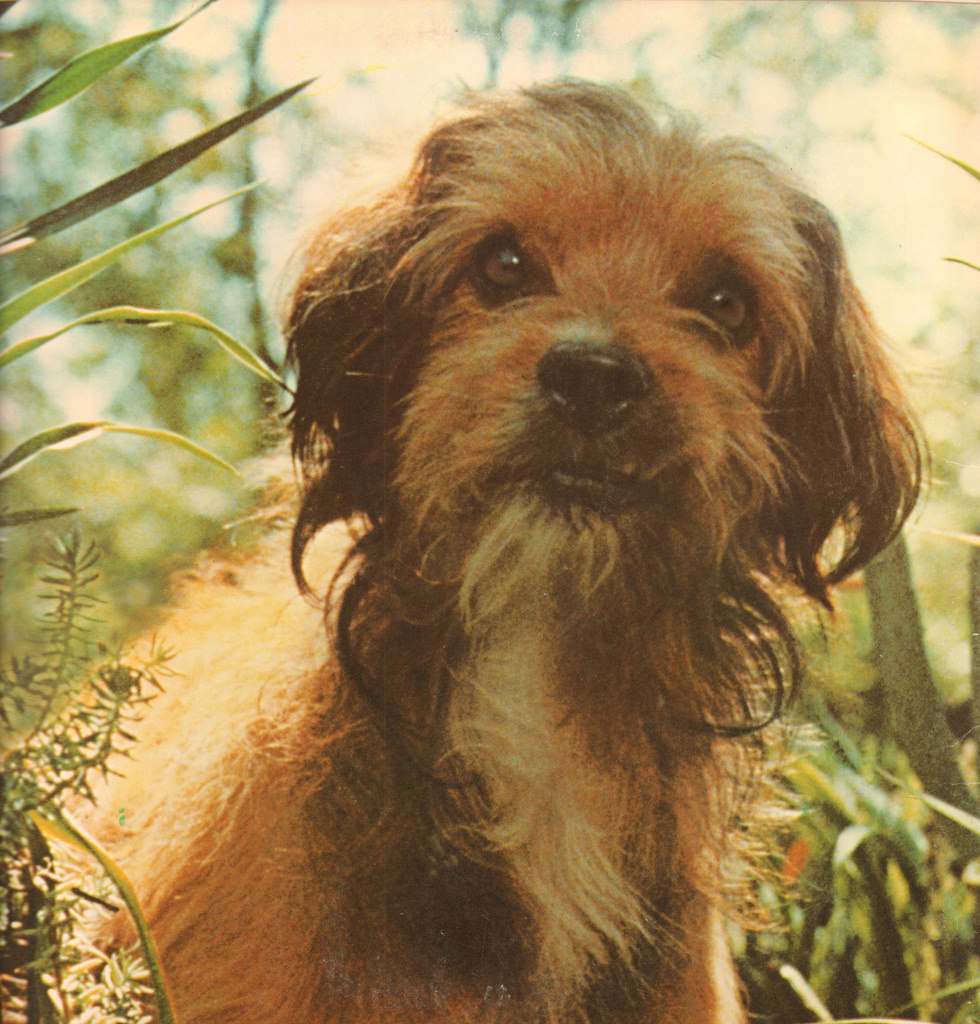
Probably the most famous dog actor in the 60’s and 70’s. The two roles he is best known for were Benji and “The Dog” on Petticoat Junction.
In 1960, animal trainer Frank Inn found Higgins at the Burbank Animal Shelter as a puppy. A fluffy black-and-tan mixed-breed dog, he was marked like a Border Terrier, and Inn believed him to be a mix of Miniature Poodle, Cocker Spaniel, and Schnauzer. He took an immediate liking to Higgins and saw a real potential for acting in him. Higgins ended up being his biggest star.
Frank Inn, also trained Arnold Ziffel (the pig) and all of the other animals used on The Beverly Hillbillies, Petticoat Junction, Green Acres, and The Waltons TV series.
Higgins won a Patsy Award in 1967, and he was cover-featured on an issue of TV Guide magazine. He was really close to Edgar Buchanan who played Uncle Joe on Petticoat Junction. They were both in the movie Benji and it would be the last role for each actor.
From 1964-1970 he was in 174 episodes of Petticoat Junction. He also appeared in The Beverly Hillbillies, Village of the Giants, Green Acres, and in the early 1970s appeared in Lassie. In 1971, at the age of 14, Higgins starred in a TV movie with Vincent Price called “Mooch Goes to Hollywood.” Frank Inn retired Higgins, but in 1974, he brought him out of retirement to star in his greatest role, the loveable dog “Benji.”
Higgins was born December 12, 1957 (per wiki), and sadly passed away November 11, 1975…he was 4 weeks shy of his 18th birthday. Frank Inn had Higgins cremated and wanted his ashes buried with him when he died. Frank died in 2002 but because of changes in the law…Higgins could not be buried with him.
After Higgins passed away his daughter played “Benji” in the next Benji movie in 1977.
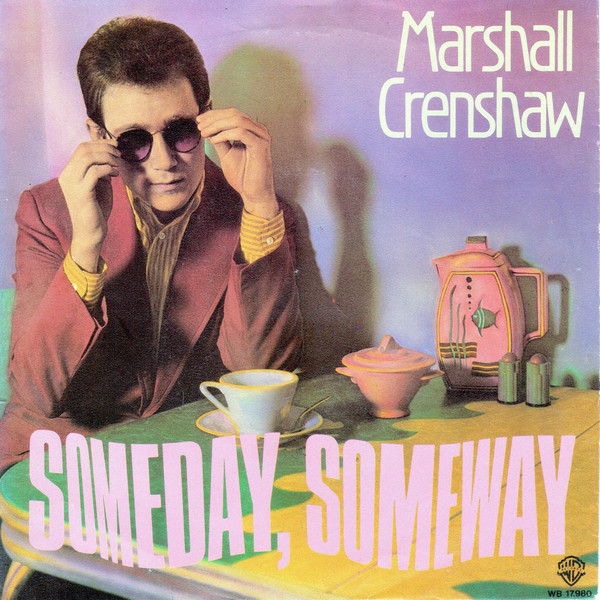
I’ve said this before about other artists but I thought Marshall would have had more hits when I first heard his music in the early 80s. This is his only top forty hit…incredibly it was the only song Crenshaw had in the top 100. The song peaked at #32 in the Billboard 100 in 1982. Someday, Someway was on his self-titled debut album Marshall Crenshaw that peaked at #50 on the Billboard album charts in 1982.
Marshall Crenshaw on the song: “I was taking basic rhythmic grooves from some of my favorite old rock ‘n’ roll records,” “There was a record that I really loved by Gene Vincent called ‘Lotta Lovin” that had a particular kind of beat to it. It just really did a thing to my nervous system.”
From Songfacts
Marshall Crenshaw is an American singer-songwriter who got his first break playing John Lennon in the off-Broadway touring company of the musical Beatlemania. While in New York, he recorded this song for Alan Betrock’s Shake Records, after which he was signed to Warner Bros. Records. “While I was there, I wrote ‘Someday, Someway’ and five or six of the other tunes on my first album,” he recalled to Spinner UK. “I wrote those in my hotel room. That was my next move in life, to be a recording artist. I actually had a sense of artistic direction and off I went.”
Retro rocker Robert Gordon was the first to record this tune, taking the song to #76 in 1981, then Crenshaw’s own version made #36 the next year. Though his self-titled debut album was acclaimed as a pop masterpiece upon release, this song was to be his only Billboard Top 40 hit. However he has continued to record over the next few decades and has also had some success in Hollywood, appearing in the film Peggy Sue Got Married as well as portraying Buddy Holly in La Bamba.
Speaking to American Songwriter magazine, Crenshaw described the writing of this song as an ‘Eureka’ moment. He said: “By this time I’d already written ‘(You’re My) Favorite Waste of Time’ and some other good ones, but I really thought that “Someday” was a breakthrough. I liked that it had this hypnotic riff-type basis; I’d used the basic groove to ‘Lotta Lovin’ by Gene Vincent as a starting point, thought that that was cool. And I liked the lyrics, they were nice and spare but had some depth, lots of possible meanings and implications, etc. There was something kind of mysterious about it and I liked that. It was one of those ones that came out in a rush.”
Some Day, Some Way
I can’t stand to see you sad I can’t bear to hear you cry If you can’t tell me what you need All I can do is wonder why
Someday, someway aw Someday, someway, yeah now Someday, someway Maybe I’ll understand you
After all you’ve done for me All I really want to do Is take the love you brought my way And give it all right back to you
Someday, someway Someday, someway yeah yeah Someday, someway Maybe you’ll understand me You’ve taken everything from me I’ve taken everything from you
I’ll love you for my whole life through Now after all you’ve done for me All I really want to do Is take the love you brought my way And give it all right back to you
Someday, someway aw Someday, someway, yeah now Someday, someway maybe you’ll understand me You’ve taken everything from me I’ve taken everything from you
I’ll love you for my whole life through I can’t stand to see you sad I can’t bear to hear you cry If you can’t tell me what you need All I can do is wonder why
Someday, someway aw Someday, someway, yeah yeah Someday, someway Maybe I’ll understand you
Someday, someway aw Someday, someway, yeah yeah Someday, someway Maybe you’ll understand me
Someday, someway oh! Someday, someway, yeah now Someday, someway Maybe I’ll understand you
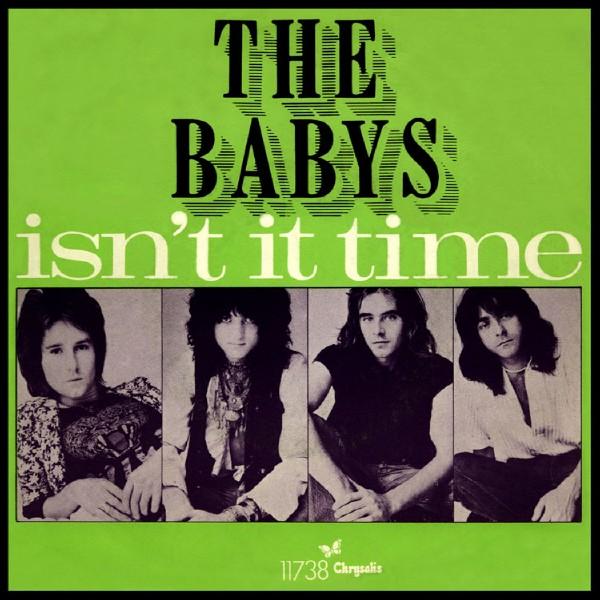
The Babys were a British rock band that was active from 1975-1981. The band had 8 songs in the Billboard top 100. This song peaked at #13 in the Billboard 100, #8 in Canada, #1 in Australia, and #45 in the UK in 1977.
What I liked about The Baby’s was the voice of John Waite. He would later turn solo after the Babys broke up to have a few hits of his own. I never got to see them live but friends told me they were better live than on their records.
From Songfacts
This was the breakout hit for The Babys, a British rock group fronted by John Waite, which also includes Wally Stocker, Tony Brock, and Mike Corby. The song is about a man torn between the possibility of experiencing his great love and the fear of the consequences of its failure. It is known for its strong backup vocals performed by The Babettes, who are Lisa Freeman Roberts, Pat Henderson, Myrna Matthews, and Marti McCall
Isn’t It Time
Falling in love was the last thing I had on my mind Holding you is a warmth that I thought I could never find (Sitting here all alone) Just trying to decide (Whether to go all alone) Or stay by your side (Then I stop myself because) I know I could cry I just can’t find the answers To the questions that keep going through my mind Hey babe Isn’t it time (Isn’t it time it took time to wait) (Falling in love could be your mistake) Isn’t it time (Isn’t it time you took time to wait) (Falling in love could be your mistake) I’ve seen visions of someone like you in my life A love that’s strong reaching out Holding me through the darkest night (Sitting here all alone) Just trying to decide (Whether to go all alone) Or stay by your side (Then I stop myself because) I don’t want to cry I just can’t find the answers To the questions that keep going through my mind Hey babe Isn’t it time (Isn’t it time it took time to wait) (Falling in love could be your mistake) Isn’t it time (Isn’t it time you took time to wait) (Falling in love could be your mistake) I feel a warmth in my heart And my soul that I never knew This love affair gives me strength That I need just to get me through (Sitting here all alone) Just wondering why (Then I stop myself because) I know I could cry (Then I think of you) And everything seems alright I’ve finally found the answers To the questions that keep going through my mind Hey babe Isn’t it time (Isn’t it time you don’t have to wait) (Don’t have to wait) I know it’s time (Losing this love could be your mistake) Ooh yeah (Isn’t it time) I know it’s time (Isn’t it time you don’t have to wait) It must be time (Don’t have to wait) (Losing this love could be your mistake) (Isn’t it time) It must be time (Isn’t time you don’t have to wait) (Don’t have to wait) It oughta be time (Losing this love could be your mistake) (Isn’t it time) (Isn’t it time you don’t have to wait) (Don’t have to wait) It must be time (Losing this love could be your mistake) (Isn’t it time) (Repeat and fade)
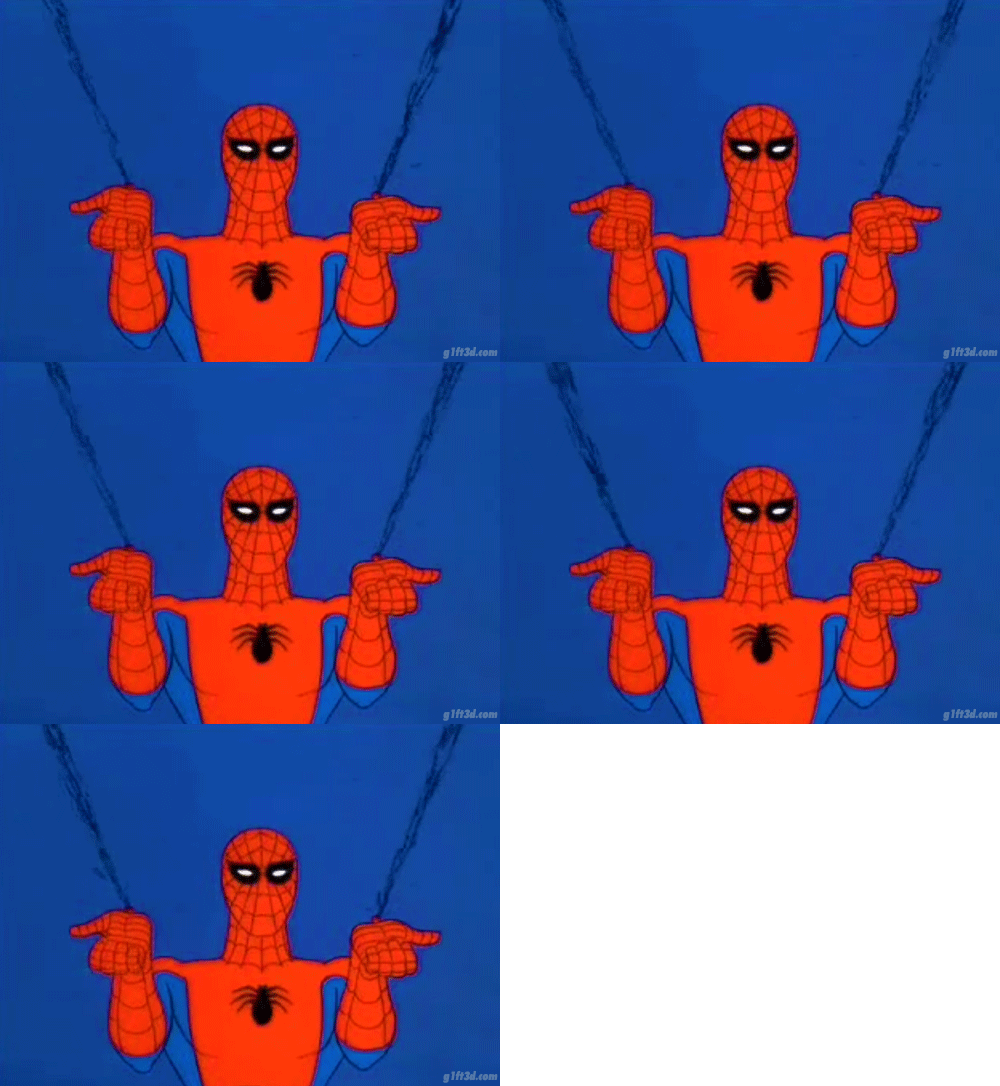
This is my Spiderman. When I hear “Spiderman” this is what I think of…I loved the animation and its sixties background music. I watched it in syndication in the 70s and it still plays today. The budget wasn’t huge for the show and it did have repetition but it was a fun watch.
The first show to ever feature Spiderman premiered on September 9, 1967, on the ABC television network and ran for a total of three seasons, entering into syndication during its final season in 1970.
Grantray-Lawrence Animation was the original production company responsible for the series but was on the brink of bankruptcy by the time it premiered and had filed for it by year’s end, forcing them to hand over production duties to Krantz Films, Inc. Krantz Films cut the pre-existing budgets in half. The classic comic book villains were thrown out because of licensing costs, replaced by generic green-skinned alien King Mooks and their Mook henchmen, more often than not the product of Stock Footage recycled from episodes of Robin Hood…another of Krantz’s shows.
It remained quite popular in it’s day and also now with many fans. The theme song was written by Paul Francis Webster and Robert “Bob” Harris. The original song was recorded at RCA Studios in Toronto (where the cartoon was also produced) featuring 12 CBC vocalists (members of the Billy Van Singers, and Laurie Bower Singers groups) who added to the musical backing track supplied by RCA Studios, New York. The singers were paid only for the session and have had no residuals from its use since then.
Spiderman, Spiderman! Does whatever a spider he can. Spins a web any size, Catches thieves, just like flies. Look out! Here comes the Spiderman!
Is he strong? Listen, Bud! He’s got radioactive blood. Can he swing from a thread? Take a look overhead. Hey there, there goes the Spiderman!
In the chill of night, At the scene of the crime Like a streak of light He arrives just in time
Spiderman, Spiderman Friendly neighborhood Spiderman Wealth and fame he’s ignored Action is his reward To him, life is a great big bang-up Wherever there’s a hang-up You’ll find the Spiderman!
Blondie only had 10 songs in the top 100 but they made the best of it. Out of those 10 songs were four number one hits. This song was made for the American Gigolo movie.
Call Me was written for Stevie Nicks to sing, I just can’t see Stevie pulling this off with the force that Debbie did. This was the most successful of all Blondie singles in the US, where it was the best-selling single of 1980.
European disco producer Giorgio Moroder wrote this with Blondie lead singer Debbie Harry, who became the first woman in British chart history to write three #1 hits. However, she wasn’t Moroder’s first choice. Moroder had originally wanted Stevie Nicks to provide vocals on the track but the Fleetwood Mac vocalist declined the offer. Debbie wrote most of the lyrics with Moroder.
Chris Stein, Blondie’s guitarist said that some of Moroder’s lyrics were sexually blatant and when Debbie started to rewrite it…she was much more subtle. The song was released on the American Gigolo soundtrack. In 2001 the song was included as a bonus track on the Autoamerican release.
Chris Stein: Debbie’s lyrics are much more subtle than the ones he wrote. His thing was very direct like saying I am a man and I go out and I f*** all the girls. Debbie’s lyrics are a lot more subtle and the movie in a way is not that blatant, it is sort of subtle.
From Songfacts
This song is about a prostitute. It was written for the film American Gigolo, where it plays in a scene where the lead character is “working.”
In 2002, The Box Tops recorded this for the compilation album When Pigs Fly: Songs You Never Thought You’d Hear. Cevin Soling, who was executive producer on the album, explains: “I got the Box Tops back together again, and that was a blast. That was so much fun working with the Box Tops. Especially with Alex Chilton there singing. I didn’t produce that. I was in the studio, but the producer on that one was a buy named Benji King, who was the keyboard player for the band Scandal. That studio experience was pretty funny, because he’s so full of energy. He’s always excited and always really into things. The Box Tops are each one degree more laid back to the next. Coming from the South, they’re all kind of very chill. Until you get to Alex Chilton, who’s practically catatonic. And so you have that contrast.”
In 2009, Franz Ferdinand covered this song for the War Child Presents Heroes charity album.
This song was covered by the heavy metal band In This Moment on their 2008 album, The Dream.
Giorgio Moroder told Billboard magazine that his difficult experience of recording this song with Blondie taught him not to work with rock bands. “There were always fights,” he recalled. “I was supposed to do an album with them after that. We went to the studio, and the guitarist was fighting with the keyboard player. I called their manager and quit.”
Call Me
Color me your color, baby Color me your car Color me your color, darling I know who you are Come up off your color chart I know where you’re comin’ from
Call me (call me) on the line Call me, call me any, anytime Call me (call me) my love You can call me any day or night Call me
Cover me with kisses, baby Cover me with love Roll me in designer sheets I’ll never get enough Emotions come, I don’t know why Cover up love’s alibi
Call me (call me) on the line Call me, call me any, anytime Call me (call me) oh love When you’re ready we can share the wine Call me
Oh, oh, oh, oh, oh, he speaks the languages of love Oh, oh, oh, oh, oh, amore, chiamami, chiamami Oh, oh, oh, oh, oh, appelle-moi mon cherie, appelle-moi Anytime, anyplace, anywhere, any way Anytime, anyplace, anywhere, any day-ay
Call me (call me) my love Call me, call me any, anytime Call me (call me) for a ride Call me, call me for some overtime Call me (call me) my love Call me, call me in a sweet design Call me (call me), call me for your lover’s lover’s alibi Call me (call me) on the line Call me, call me any, anytime Call me (call me) Oh, call me, oh, oh, ah Call me (call me) my love Call me, call me any, anytime
“We’ve done four already but now we’re steady and then they went: One, two, three, four”
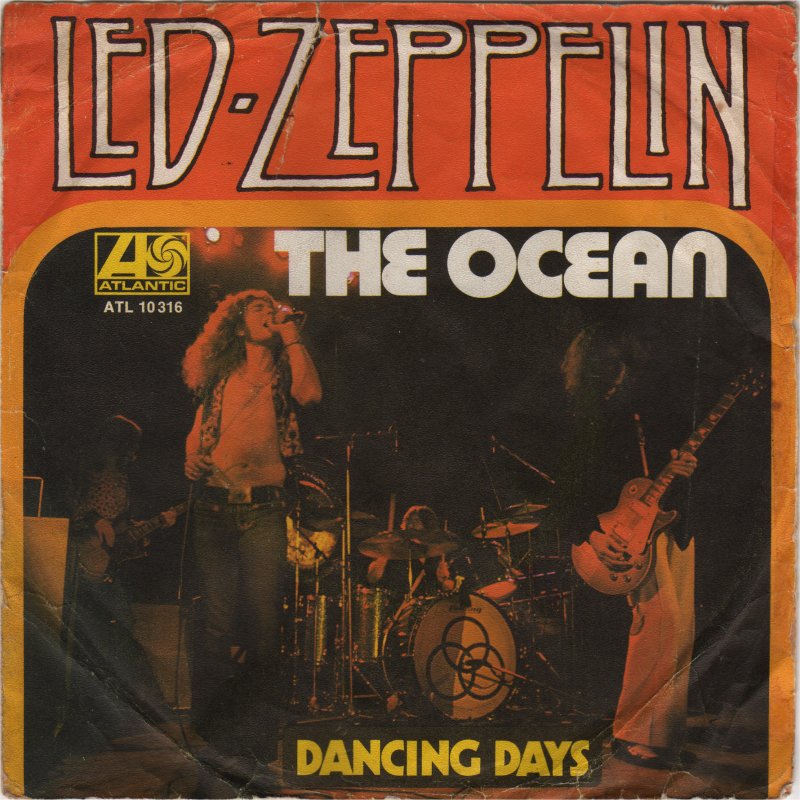
This song has a great guitar riff that carries the song along with the drums. It’s been said that the Ocean referred to was the fans as they were seen by the band on the stage. In the last line, the Girl who won my heart is Robert Plant’s daughter Carmen, who was 3 years old at the time.
This song was off of the Houses of the Holy album released in 1973. The album peaked at #1 in the Billboard Charts, #1 in the UK, and #1 in Canada. The band didn’t release many singles but this one was released and managed to peak at #8 in Germany.
Bonham and Jones make a rare appearance on backing vocals for the outro.
This song was #14 on Rolling Stones 40 greatest Led Zeppelin songs.
From Songfacts
The voice on the intro is drummer John Bonham. When he says, “We’ve done four already, but now we’re steady and then they went, 1… 2… 3… 4…,” he is referring to the takes. They had tried to record it 4 times prior but couldn’t get it right, so as a pep talk he said his famous line.
This is one of the few Zeppelin songs where all four members shared the writing credit.
Robert Plant used parts of this for his solo song “Tall Cool One.”
The Beastie Boys sampled this on “She’s Crafty.” It wasn’t their first use of Zeppelin – they took some of Bonham’s drums from “When The Levee Breaks” for “Rhymin’ And Stealin’.”
It can barely be heard due to all the guitar overdubs, but during the last minute or so, John Paul Jones and John Bonham sing for one of the only times on a Zeppelin album. They are harmonizing the phrase “Doo wop.”
If you listen carefully, you can hear a phone ringing in the studio at 1:37-1:38 and again (second ring) around 1:41.
The lyrics about “The Hellhound” refer to Blues musician Robert Johnson, who according to legend, sold his soul to the devil. On the lyrics sheet that came with the album, the word “hellhound” was replaced with “high hopes hailla.”
The Ocean
“We’ve done four already but now we’re steady And then they went: One, two, three, four”
Singing in the sunshine, laughing in the rain Hitting on the moonshine, rocking in the grain Got no time to pack my bags, my foots outside the door I got a date, I can’t be late, for the high hopes hailla ball, uh uh, uh uh, yeah
Singing to an ocean, I can hear the ocean’s roar Play for free, I play for me and play a whole lot more, more! Singing about the good things and the sun that lights the day I used to sing on the mountains, has the ocean lost its way
I don’t know, oh oh, yeah’
Ooh, yeah
Sitting round singing songs ’til the night turns into day Used to sing about the mountains but the mountains washed away Now I’m singing all my songs to the girl who won my heart She is only three years old and it’s a real fine way to start
Oh yeah!
It sure is fine! Ah blow my mind! When the tears are goin’ down! Yeah! Yeah, yeah
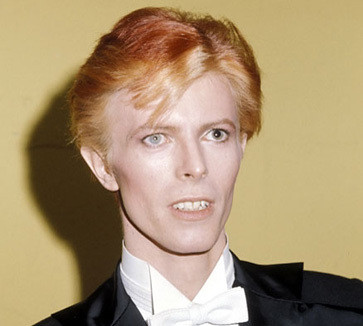
The song was written by David Bowie and Brian Eno and was on the Heroes album released in 1977. The song peaked at #24 in the UK Charts, #35 in New Zealand, and #11 in Australia in 1978. The song recharted again in 2016. The album peaked at #35 in the Billboard Album Charts, #3 in the UK, #15 in New Zealand, #6 in Australia, and #44 in Canada.
After burn out because of touring Bowie moved to Berlin and rented a cheap apartment above an auto-repair shop, which is where he wrote this album.
Bowie made a video for this song which aired on the Bing Crosby Christmas special. In 1977 Crosby recorded a Christmas special in London called Merrie Olde Christmas, playing the England theme to the hilt. Bowie agreed to sing a duet with Crosby, which became the famous “The Little Drummer Boy/Peace On Earth” mashup. Bowie’s “Heroes” video also aired on the show with an introduction by Crosby. The show aired in November 1977, about a month after Crosby died.
Bowie talked about the song:
“It’s a bitch to sing, ‘cos I really have to give it some towards the end. I pace myself throughout the show and often place it near to a point where I can take a vocal break afterward. As long as I’m touring I don’t see a time when I won’t be singing ‘Heroes.’ It’s a good one to belt out and I get a kick out of it every time.”
From Songfacts
This song tells the story of a German couple who are so determined to be together that they meet every day under a gun turret on The Berlin Wall. Bowie, who was living in Berlin at the time, was inspired by an affair between his producer Tony Visconti and backup singer Antonia Maass, who would kiss “by the wall” in front of Bowie as he looked out of the Hansa Studio window. Bowie didn’t mention Visconti’s role in inspiring this song until 2003, when he told Performing Songwriter magazine: “I’m allowed to talk about it now. I wasn’t at the time. I always said it was a couple of lovers by the Berlin Wall that prompted the idea. Actually, it was Tony Visconti and his girlfriend. Tony was married at the time. And I could never say who it was (laughs). But I can now say that the lovers were Tony and a German girl that he’d met whilst we were in Berlin. I did ask his permission if I could say that. I think possibly the marriage was in the last few months, and it was very touching because I could see that Tony was very much in love with this girl, and it was that relationship which sort of motivated the song.”
Robert Fripp, formerly of King Crimson, played guitar on this track. His band, King Crimson, performed the song at the Admiralspalast in Berlin on September 11, 2016 in celebration of Bowie. This version was released on an EP called Heroes in 2017.
Brian Eno, formerly of Roxy Music, helped Bowie write and produce this. Eno moved to Berlin with Bowie and worked on his albums Low, Heroes, and Lodger. These albums were much more experimental and less commercial than Bowie’s previous work, but they still sold well in England.
Co-writer Eno said of this in the April 2007 Q Magazine: “It’s a beautiful song. But incredibly melancholy at the same time. We can be heroes, but actually, we know that something’s missing, something’s lost.”
Bowie released versions of this song in English, German, and French. The German version is called “Helden”; the French is “Héros.”
Featured in this song are not only Brian Eno’s synthesizer and Robert Fripp’s guitar, but also producer Tony Visconti banging on a metal ashtray that was lying around the studio.
This song is featured in the films Christiane F (1981) and The Parole Officer (2001). It also ended up as a Microsoft commercial theme.
Bowie played this at Live Aid from Wembley Stadium, England in 1985, and also at the Berlin Wall in 1987. Regarding the later performance, Bowie said in his Performing Songwriter interview: “I’ll never forget that. It was one of the most emotional performances I’ve ever done. I was in tears. They’d backed up the stage to the wall itself so that the wall was acting as our backdrop. We kind of heard that a few of the East Berliners might actually get the chance to hear the thing, but we didn’t realize in what numbers they would. And there were thousands on the other side that had come close to the wall. So it was like a double concert where the wall was the division. And we would hear them cheering and singing along from the other side. God, even now I get choked up. It was breaking my heart. I’d never done anything like that in my life, and I guess I never will again. When we did ‘Heroes’ it really felt anthemic, almost like a prayer. However well we do it these days, it’s almost like walking through it compared to that night, because it meant so much more. That’s the town where it was written, and that’s the particular situation that it was written about. It was just extraordinary. We did it in Berlin last year as well – ‘Heroes’ – and there’s no other city I can do that song in now that comes close to how it’s received. This time, what was so fantastic is that the audience – it was the Max Schmeling Hall, which holds about 10-15,000 – half the audience had been in East Berlin that time way before. So now I was face-to-face with the people I had been singing it to all those years ago. And we were all singing it together. Again, it was powerful. Things like that really give you a sense of what performance can do. They happen so rarely at that kind of magnitude. Most nights I find very enjoyable. These days, I really enjoy performing. But something like that doesn’t come along very often, and when it does, you kind of think, ‘Well, if I never do anything again, it won’t matter.'”
The Wallflowers covered this in 1998. Their version was used on the soundtrack to the movie Godzilla.
The single version, which appears on the ChangesBowie album, is shortened, leaving out a good chunk of the first verse.
Bowie first performed this on a television show hosted by his friend Marc Bolan, who was the lead singer for T-Rex. A week later, Bolan died when his girlfriend crashed their car into a tree.
Bowie played this at the “Concert For New York.” Organized by Paul McCartney, it was a tribute to the police, firemen, and rescue workers involved in the 2001 World Trade Center attacks.
Blondie recorded a live cover on January 12, 1980 at The Hammersmith Odeon. It can be found on the disc Blondie and Beyond.
This was originally an instrumental composition, whose title was a reference to the 1975 track “Hero” by the German Krautrock band Neu!.
The finalists from the seventh series of The X Factor released a cover version in November 2010 in aid of armed forces charity Help For Heroes, which topped both the UK and Irish Singles Charts. The choice of song follows a trend as in 2008, the fifth series of X Factor finalists reached #1 with a cover of Mariah Carey’s “Hero.” Despite a plethora of cover versions from other acts over the years, the X Factor 2010 Finalists are the first act aside from Bowie ever to have a hit single with the song.
What became the “official” video for the song was shot later in September 1977 and directed by Nick Ferguson, a painter who also did set design and directed various film and TV projects.
Janelle Monae recorded a cover for a 2014 Pepsi football-based advertising campaign “Now Is What You Make It.” Asked by The Guardian if she needed Bowie’s permission to use his song, the R&B songstress replied: “Oh, he’s a fan. He’s aware of me. His wife Iman is a huge supporter and she has told me countless times what a big fan he is. So he had to clear me doing the song and I’m so grateful.”
This song is central in the 2012 film The Perks of Being a Wallflower, starring Logan Lerman and Emma Watson. You hear it more than once throughout the movie.
Something of an underachiever when originally released, “Heroes” peaked at a lowly #24 back in 1977 in the UK and failed to make the Hot 100. In the week after David Bowie’s death, the song finally made the Top 20 in the country of his birth, leaping into the chart at #12.
Album Version
Single Version
Heroes
I, I wish you could swim Like the dolphins Like dolphins can swim
Though nothing, nothing will keep us together We can beat them, forever and ever Oh, we can be heroes just for one day
I, I will be King And you, you will be Queen Though nothing will drive them away We can be heroes just for one day We can be us just for one day
I, I can remember (I remember) Standing by the wall (By the wall) And the guns, shot above our heads (Over our heads) And we kissed, as though nothing could fall (Nothing could fall)
And the shame, was on the other side Oh, we can beat them, forever and ever Then we could be heroes just for one day
We can be heroes We can be heroes We can be heroes just for one day We can be heroes
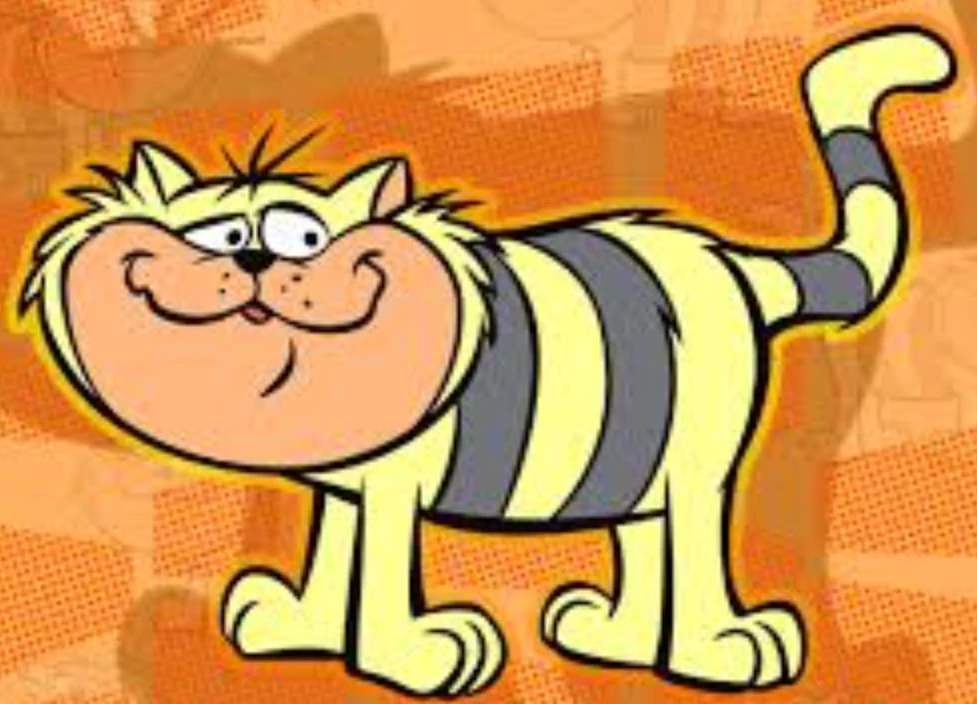
I watched this a some as a kid and enjoyed it. When I watched it as an adult I thought it was Jackie Mason and Dean Martin voicing the cartoon.
John Byner voiced the Ant and the Aardvark. He imitated Jackie Mason as the Aardvark and Dean Martin as the Ant.
The Ant and the Aardvark was a series of theatrical cartoons produced at DePatie-Freleng Enterprises from 1969 to 1971, about a blue aardvark always trying to catch a red ant named Charlie.
The series consisted of 17 cartoons that ran from 1969 to 1971. After its initial theatrical run, The Ant and the Aardvark later became a part of The Pink Panther Show, with all 17 episodes airing in reruns, with the characters themselves being integrated into later iterations of The Pink Panther itself.
When I watch the intro I can’t help but think Monsters Inc got a little inspiration from the beginning.
Some songs are so ingrained in our psyche that a cover version would not make us forget the original or improve it. Covering them in concert is one thing but remaking them is another. When you compete against a memory…the memory wins. I know some will disagree but there are songs that in my opinion that are untouchable. That doesn’t mean I want to hear these songs over and over…some are worn out. I’m not saying the cover version would be bad…but it would not replace the original.
These are in no order. There are many more…any suggestions?
Bohemian Rhapsody – Queen – I can’t even imagine someone seriously trying to pull this off…
I Am The Walrus – Beatles -This bizarre piece of music would be hard to duplicate.
Stairway to Heaven – Led Zeppelin – It’s been tried…even by Pat Boone…Mr Soul Sucker who can take the soul out of a room by simply walking in. Dolly Parton even took a stab at it.
Freebird – Lynyrd Skynryd – I don’t think anyone would want to try.
Won’t Get Fooled Again – How would you match the intensity and power of this recording?
Good Vibrations – Beach Boys – Todd Rundgren remade this and copied it almost exactly…but what was the point? He did a fine job of copying it.
Sympathy for the Devil – Rolling Stones – I don’t see anyone matching the Stones version.
Born To Run – Bruce Springsteen – Bruce layered so many guitars (I’ve read up to 24) to make his own wall of sound…I don’t see this being topped.
Band On The Run – This is basically three songs into one with McCartney’s style
Like A Rolling Stone – Bob Dylan – Maybe the best single ever released. Bob is one of the most covered artists but his voice just stings on this recording and it would be hard to match.
A few more I thought of… American Pie, A Day In The Life, Sounds of Silence
I did Part 1 over a year ago and it was a fun post. I’ve been meaning to do this again. I remembered some of the lyrics suggested by my friends hanspostcard and allthingsthriller on the last post…I have added those to list. Thanks to both of you.
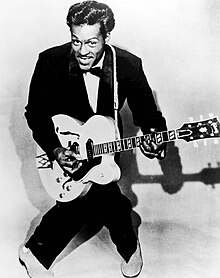
I saw her from the corner when she turned and doubled back, And started walkin toward a coffee colored Cadillac… Chuck Berry
Freedom’s just another word for nothin’ left to lose, And nothin’ ain’t worth nothin’ but it’s free… Janis Joplin/Kris Kristofferson
And I need you more than want you, And I want you for all time… Jimmy Webb
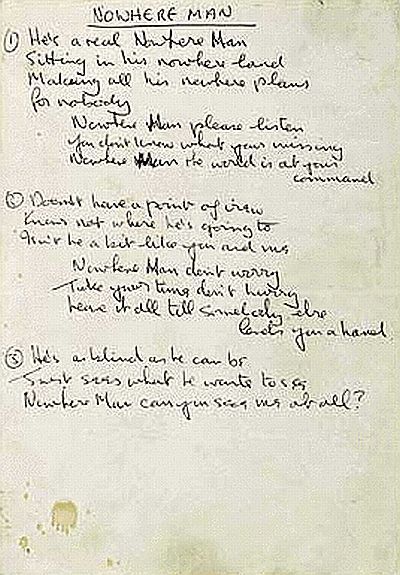
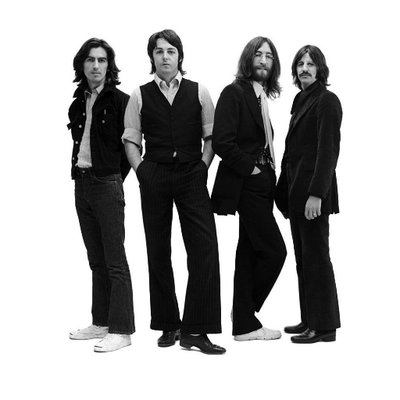
Doesn’t have a point of view / Knows not where he’s going to / Isn’t he a bit like you and me…The Beatles
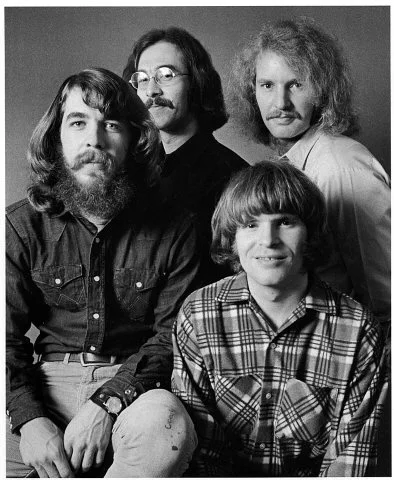
Met myself a coming county welfare line,I was feeling strung out, Hung out on the line…Creedence Clearwater Revival
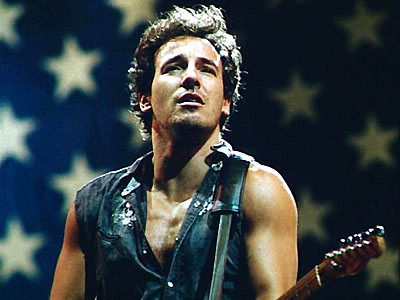
And you’ve got to learn to live with what you can’t rise above…Bruce Springsteen
He’d end up blowing all his wages for the week / All for a cuddle and a peck on the cheek…Kinks
Well it’s too late, tonight, To drag the past out into the light, We’re one, but we’re not the same, We get to carry each other, Carry each other…U2
You can blow out a candle but you can’t blow out a fire…Peter Gabriel
Living is easy with eyes closed,misunderstanding all you see…The Beatles
Where you drink champagne and it tastes just like cherry cola, C-O-L-A Cola…Kinks
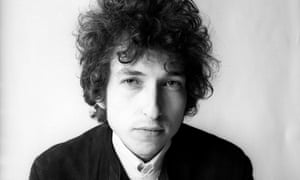
It was gravity which pulled us down and destiny which broke us apart…Bob Dylan
A drunkard’s dream if I ever did see one… The Band
And the sign said, The words of the prophets, are written on the subway walls, and tenement halls… Simon and Garfunkel
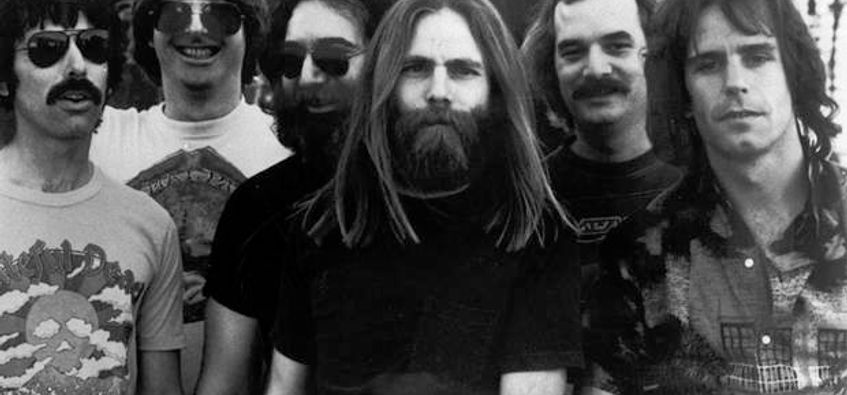
I lit up from Reno, I was trailed by twenty hounds, Didn’t get to sleep that night Till the morning came around…Grateful Dead
When I said that I was lying, I might have been lying…Elvis Costello
Though nothing will keep us together/We can be heroes/Just for one day…David Bowie
Lose your dreams and you. Will lose your mind…Rolling Stones
It’s a town full of losers, I’m pulling out of here to win…Bruce Springsteen
The motor cooled down, the heat went down, and that’s when I heard that highway sound…Chuck Berry
We were the first band to vomit at the bar, and find the distance to the stage too far…The Who
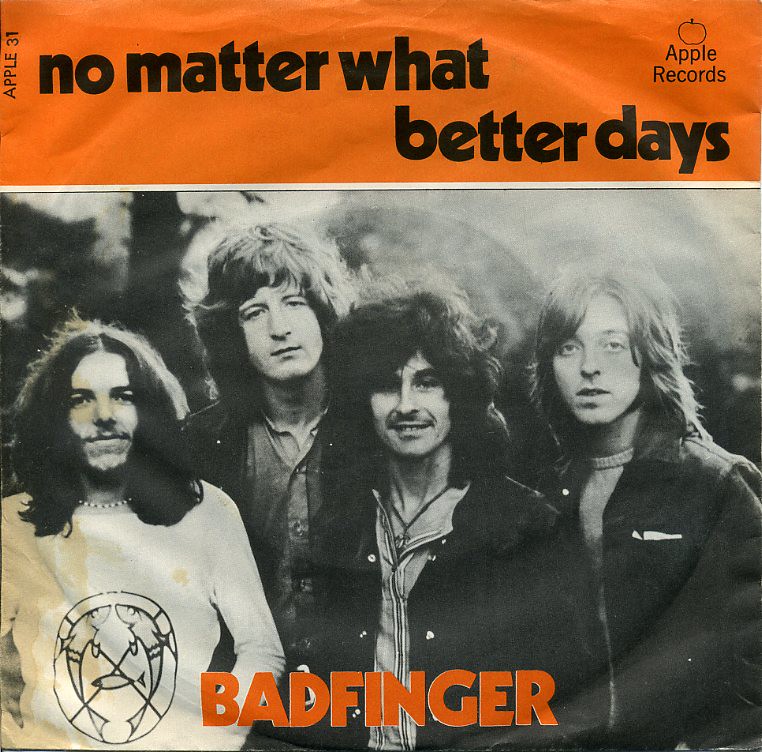
I like this band a little. This was Badfinger’s second big hit after Come and Get It. This one was written by Pete Ham. The song was released in 1970 just a few months after the Beatles had officially broken up. Some people thought that perhaps the Beatles had gotten together again and issued a new song after hearing this. It has a fantastic crunchy guitar opening the song up.
The producer of the song was Mal Evan…Beatles roadie and overall helper. The song peaked at #8 in the Billboard 100 and #5 in the UK in 1971. The song was on the album No Dice which peaked at #28 on the Billboard Album charts. Reviews of the album were mostly positive but they could not shake the Beatle comparisons. They tried to break it live by stretching songs out and playing long solos…becoming more of a jam band.
From Songfacts
Badfinger was signed to The Beatles label, Apple Records. Peter Ham used one of George Harrison’s Gibson guitars on this.
Many people thought this was The Beatles when they heard it. Badfinger was one of the first groups signed to The Beatles record label, Apple Records.
In 2001, The Gap wanted to use this in a commercial. Apple Records, which owns the rights to it, asked for an enormous sum of money and were turned down.
No Matter What
No matter what you are I will always be with you Doesn’t matter what you do girl, oh girl with you No matter what you do I will always be around
Won’t you tell me what you found girl, oh girl won’t you Knock down the old grey wall, and be a part of it all Nothing to say, nothing to see, nothing to do If you would give me all, as I would give it to you Nothing would be, nothing would be, nothing would be
No matter where you go There will always be a place Can’t you see in my face girl, oh girl don’t you
Knock down the old grey wall, and be a part of it all Nothing to say, nothing to see, nothing to do If you would give me all, as I would give it to you Nothing would be, nothing would be, nothing would be
No matter what you are I will always be with you Doesn’t matter what you do girl, oh girl want you Oh girl, you girl, want you Oh girl, you girl, want you
Emitt Rhoads is not a household name but he did have some very good powerpop songs and albums in his off and on career. The goal on every Friday is to shine some light on the less well-known songs and artists…at least one.
In 1969 Rhodes bought all of the equipment he needed when A&M Records refused to release his recordings and built a recording studio in his parents’ garage. Rhodes recorded his first album (Emitt Rhodes) in that studio. ABC/Dunhill Records signed him and they released his album as well as the next two albums he recorded
His first album was a critical success – Billboard called Rhodes “one of the finest artists on the music scene today” and later called his first album one of the “best albums of the decade“.
Fresh as a Daisy peaked at #54 in the Billboard 100 while his album Emitt Rhodes peaked at #29 in 1970.
Well, if you come from heaven You know that that’s ok. Just as long as you’re here to help me, It doesn’t matter how long you stay. Talkin’ ’bout you baby. Don’t you know you’re Fresh as a Daisy, as Fresh as a Daisy
Well tell me can you feel it, I’m feeling all right myself. I’m changing my old habits, And I found a new bit of health. Talkin’ ’bout you baby. Don’t you know you’re Fresh as a Daisy, as Fresh as a Daisy, As Fresh as a Daisy.
You do the things you do very well You make me feel the way I’ve never felt, You make me feel the way I’ve never felt.
Don’t know how I’ll feel tomorrow, Tomorrow’s another day. I like everything about you, What more is there to say.
Talkin’ ’bout you baby. Don’t you know you’re Fresh as a Daisy, as Fresh as a Daisy. Talkin’ ’bout you baby. Don’t you know you’re Fresh as a Daisy, as Fresh as a Daisy.
If you were a kid in the mid-seventies…on Saturday morning you were happily blitzed by a morning of cartoons. When I did a post on Underdog last weekend I was asked about Hong Kong Phooey…he was voiced by the great Scatman Caruthers. It was produced by Hanna-Barbera in 1974 for ABC. Around this time Martial Arts were extremely popular and this cartoon played on that.
Hong Kong Phooey’s secret identity is that of Penrod “Penry” Pooch the Police janitor. Penry works with Sgt. Flint and police dispatcher Rosemary. Hong Kong Phooey thinks his martial arts skills catch the bad guys…but it’s usually always Spot the Cat.
To my surprise…Hanna-Barbera only made 16 episodes and kept running them forever. I watched this in 1974 through 1976 as it was part of the magical seventies Saturday morning programming.
It was the decade of personalized T-Shirts. When I was 12 my mom took me to a T-Shirt store at the mall to get the iron-on transfer below put on a shirt. I picked it from different pics they had…It was my favorite shirt until it started to peel and the Beatles were no longer visible.
The origins of the t-shirt date back to the late 19th century, when laborers would cut their jumpsuits in half to keep cool in warmer months during the year. The first manufactured t-shirt was invented between the Mexican-American War in 1898, and 1913 when the U.S. Navy began issuing them as standard undershirts.
In 1950, Marlon Brando wore a white t-shirt as Stanley Kowalski in A Streetcar Named Desire, only to be followed by James Dean in 1955’s Rebel Without a Cause. Thanks to these two gentlemen, the popularity of the t-shirt as a stand-alone shirt became standard.
In the seventies, I remember seeing personalized T-Shirts everywhere. The punk movement popularized it also. Below are some of the fun ones.
I’m With Stupid, Keep On Trucking, and I’m a Pepper were quite popular…
Drug T-Shirts were popular…I’ve seen pictures of Keith Moon wearing the Rorer 714 shirt.
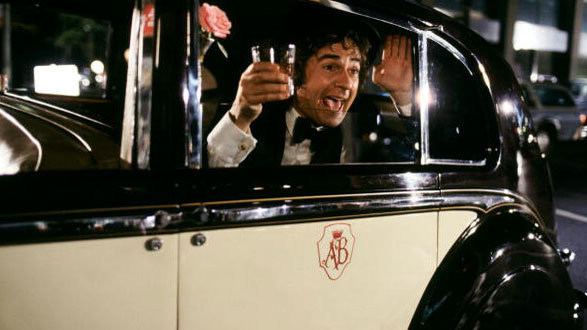
Arthur –I race cars, play tennis, and fondle women, BUT! I have weekends off, and I am my own boss.
at 1:36
The Empire Strikes Back –Try not, Do or Do Not, There is no Try
Cool Hand Luke –Calling it your job don’t make it right boss.
Airplane –There’s no reason to become alarmed, and we hope you’ll enjoy the rest of your flight. By the way, is there anyone on board who knows how to fly a plane?
At 5:30
Anchorman –He had a voice that could make a wolverine purr and suits so fine they made Sinatra look like a hobo
At 0:036
Office Space – The thing is, Bob, it’s not that I’m lazy, it’s that I just don’t care
At 1:18
Caddyshack –Judge, give someone else a chance! You lucky devil! Come here, honey! And loosen up! You’re a lot of woman, you know? You wanna make 14 dollars the hard way?
The Breakfast Club – Does Barry Manilow know that you raid his wardrobe?
Full Metal Jacket –I am Gunnery Sgt. Hartman, your senior drill instructor. From now on you will speak only when spoken to, and the first and last words out of your filthy sewers will be ‘Sir.’ Do you maggots understand that?
0:00 – 0:013
Animal Crackers –One morning I shot an elephant in my pajamas. How he got in my pajamas, I don’t know


















 PowerPop... An Eclectic Collection of Pop Culture