I haven’t featured many garage rock songs in a while so I wanted to include this one. There was such an explosion of garage rock bands in the 60s and some were lucky enough to be heard if only for a brief while. They made their mark on rock music and their music is still played and still inspire bands today.
Roky Erickson co-founded the 13th Floor Elevators in late 1965 in Austin Texas. He and bandmate Tommy Hall were the main songwriters. Early in her career, singer Janis Joplin considered joining the Elevators, but Family Dog’s Chet Helms persuaded her to go to San Francisco, California instead where she joined Big Brother and the Holding Company.
I’ve noticed a lot of these bands have singers who have a sound like a young Mick Jagger or young Van Morrison with Them…
Many of these bands were punk long before punk.
This song peaked at #55 in the Billboard 100 in 1966. This would be their only charting single.
You’re Gonna Miss Me
Oh yeah!
Ahh!
You’re gonna wake up one morning as the sun greets the dawn.
You’re gonna wake up one morning as the sun greets the dawn.
You’re gonna look around in your mind, girl, you’re gonna find that
I’m gone.
You didn’t realize,
You didn’t realize,
You didn’t realize,
You didn’t realize,
You didn’t realize.
Oh! you’re gonna miss me, baby.
Oh! you’re gonna miss me, baby.
Oh! you’re gonna miss me, child, yeah, yeah.
I gave you the warning,
But you never heeded it.
How can you say you miss my lovin,
When you never needed it?
Yeah! Yeah! Ow!
You’re gonna wake up wonderin’,
Find yourself all alone,
But what’s gonna stop me, baby?
I’m not comin’ home.
I’m not comin’ home.
I’m not comin’ home.
Oh, oh, oh, yeah!
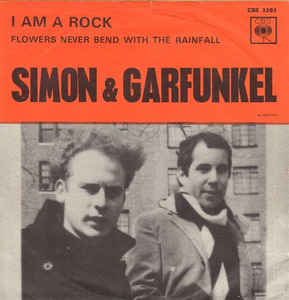
I first found this song on Simon and Garfunkel’s greatest hits. At times everyone could relate to this song. Beautiful melody along with lyrics about someone shutting themselves from life. The verse I’ve built walls, A fortress deep and mighty, That none may penetrate, I have no need of friendship, friendship causes pain It’s laughter and it’s loving I disdain, I am a rock, I am an island… says it all.
The song peaked at #3 in the Billboard 100, #6 in Canada, #2 in New Zealand, and #17 in the Uk in 1966.
In the UK, this was released three times in a one year span: first as the original Paul Simon single in 1965, then in the summer of 1966, it was released as an EP and again as a single. The song was very popular there in 1966, but the chart position suffered because the sales of the single were diluted by multiple releases.
From Songfacts
This song is about a recluse locking himself away from the world. When he says, “I am a rock, I am an island,” he means away from everything and everyone. It’s far from autobiographical, as Paul Simon was doing his best to write a hit song with this effort, and didn’t write it for himself. The use of the word “rock” is interesting in that Simon considered himself a folk singer, and didn’t associate himself with rock music. In the vast majority of songs with the word “rock” in the lyrics, it is used to imply music or lifestyle, but for Simon, it was just a piece of stone. He did the same thing in 1973 for his song “Loves Me Like A Rock.”
This song has one of more perplexing histories of recordings and releases. Written by Paul Simon before he hit it big as a musician, the song was offered to the duo Chad and Jeremy, who turned it down. Simon then recorded it himself for his UK solo album (released in America 1981) The Paul Simon Songbook, which was released in the UK in August 1965. The single was issued in September but didn’t chart despite a performance by Simon on the show Ready, Steady. Go!
Simon was going solo at this time because the Simon & Garfunkel 1964 debut album Wednesday Morning, 3 A.M. had stiffed, and the duo split up. Late in 1965, the producer Tom Wilson overdubbed and remixed a track from that album, “The Sound Of Silence,” and it became a huge hit. Paul Simon and Art Garfunkel were summoned back to the studio, where they recorded the singles “I Am A Rock” and “Homeward Bound,” which were included on their Sound of Silence album. These songs were recorded with producer Bob Johnston at one of the Columbia Records studios in New York City, and now released with a more contemporary sound, “I Am A Rock” became a hit for the duo.
The guitarist on the Simon & Garfunkel hit version of this song was Ralph Casale, who was a top session player in the ’60s. He remembers organist Al Kooper and drummer Bobby Gregg – both associated with Bob Dylan – also performing on the song. Describing the sessions, Ralph told us: “The band was booked from 7:00 p.m. into the wee hours of the morning. I was given a lead sheet for ‘I Am A Rock’ with just chords and asked to play the electric twelve string guitar. The producer wanted a sound similar to the Byrds. It was important that session players became familiar with the current hits because many times producers describe the style they want by referring to well known groups. Paul Simon sang the figure he wanted me to play between verses and asked me to play it in thirds. The rest was left to me. ‘Homeward Bound’ was on that same date.”
I Am A Rock
A winter’s day In a deep and dark December I am alone Gazing from my window to the streets below On a freshly fallen silent shroud of snow I am a rock I am an island
I’ve built walls A fortress deep and mighty That none may penetrate I have no need of friendship, friendship causes pain It’s laughter and it’s loving I disdain I am a rock I am an island
Don’t talk of love But I’ve heard the words before It’s sleeping in my memory I won’t disturb the slumber of feelings that have died If I never loved I never would have cried I am a rock I am an island
I have my books And my poetry to protect me I am shielded in my armor Hiding in my room, safe within my womb I touch no one and no one touches me I am a rock I am an island
And a rock feels no pain And an island never cries
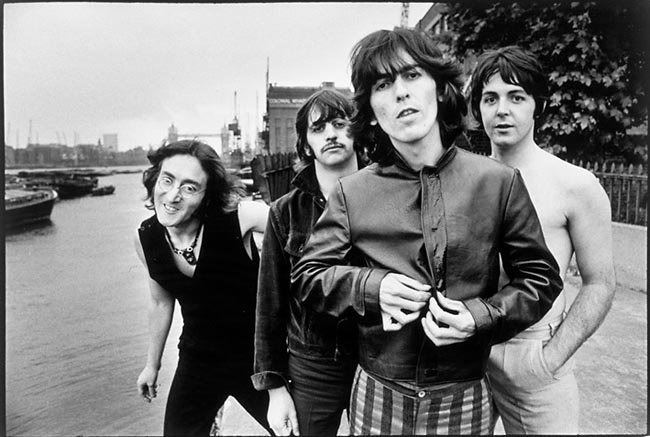
This song took a while to grow on me but it did and became one of my favorites from the White Album. The song is divided into three different sections that fit together and climaxing at the end with the great chorus Happiness is a warm gun (bang bang shoot shoot). It has a fifties sound with the backup vocals.
John saw an article in a gun magazine that George Martin had in the studio. The article was titled Happiness is a Warm Gun… John: “Wow! Incredible,’ you know, the fact that happiness was a warm gun that had just shot something or somebody…I thought it was a fantastic, insane thing to say.”
The magazine in question was the May 1968 edition of “American Rifleman,” which contained an article entitled “Happiness Is A Warm Gun.” This article, written by Warren W. Herlihy, relates the author’s pride in his 18-year-old son John who has been shooting guns since the age of seven.
The song seems to have had drug references in the song although John usually denied them. The line “I need a fix ’cause I’m going down” does point that direction. According to Paul and others around him at this time, John was into heroin.
Paul McCartney said: “and so his songs were taking on more references to heroin. Until that point, we had made rather mild, rather oblique references to pot or LSD. Now John started to be talking about fixes and monkeys and it was a harder terminology which the rest of us weren’t into. We were disappointed that he was getting into heroin because we didn’t really see how we could help him…It was a tough period for John, but often that adversity and that craziness can lead to good art, as I think it did in this case.”
The chorus is what won me over at first but the lyrics are fascinating in the first section.
She’s well acquainted with the touch of the velvet hand like a lizard on a window pane. The man in the crowd with the multi-colored mirrors on his hobnail boots. Lying with his eyes while his hands are busy working overtime. A soap impression of his wife which he ate and donated to the National Trust.
Lennon said that the Mother Superior jump the gun section was about Yoko.
John: “She was rabbiting on in the car one day, and I said, ‘mother superior jumped the gun again,’ because she’s always one jump ahead. So that was Yoko really. It was camp.”
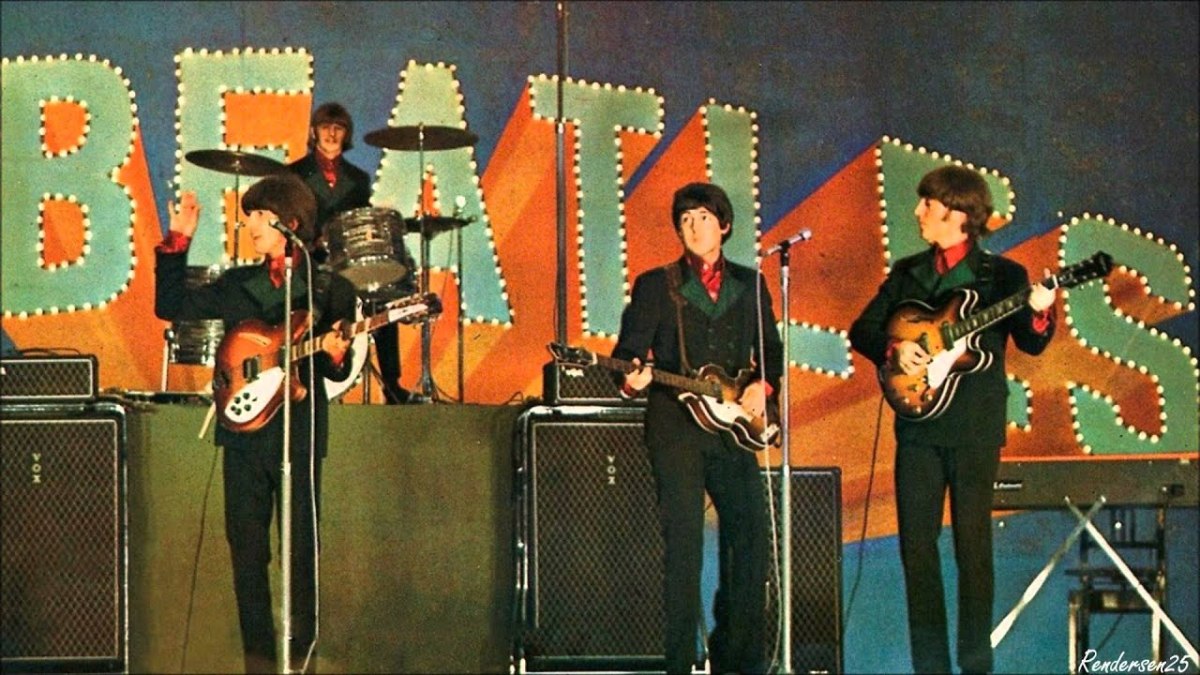
The White Album was a stressful album to make but there were some fun and camaraderie during this time also. One such occasion was the recording of this song. All four Beatles have been quoted as saying they liked the song, Paul even naming it as the best on the White Album.
From Songfacts
In the last section of the song, the backing vocals are “Bang, Bang, Shoot, Shoot.”
A popular theory is that Lennon meant for this to be a drug metaphor for doing heroin:
“Needing a fix”
“Jump the gun” – meaning to cook it up
“Bang, Bang, SHOOT, SHOOT”
“When I hold you in my arm, nobody can do me no harm” – heroin addicts tell how when you’re on it, nothing can do you no harm and Lennon’s overall nature seem to point to this
This was banned by the BBC for sexual symbolism. They thought the gun was a phallic symbol.
The original line “When I hold you in my arms and feel my finger on your trigger…” appears in unreleased, bootlegged versions of “I’m So Tired” as “When I hold you in your arms, when you show me each one of your charms, I wonder should I get up, and go to the funny farm.” This could mean the line was originally sexual but was put in as a metaphor for a gun later on.
The final doo-wop chorus of this song has the exact same chord progression as “This Boy,” just in a different key.
The phrase “happiness is a warm gun” is a play on a Peanuts comic strip from 1960 where Lucy hugs Snoopy and says, “Happiness is a warm puppy.” That phrase became a popular slogan, appearing on mugs, T-shirts and lots of other merch.
Tori Amos covered this on her 2001 album Strange Little Girls. All the songs on the album were written by men – Amos took on different characters to interpret them from a woman’s point of view. Yoko Ono had to approve this, and she did.
The Breeders covered this on their 1990 album Pod.
This is the song that inspired 2Pac to cast his gun as his girlfriend in “Me and My Girlfriend”: “She’s the only woman I need!”
Happiness Is A Warm Gun
She’s not a girl who misses much Do do do do do do, oh yeah
She’s well acquainted with the touch of the velvet hand like a lizard on a window pane.
The man in the crowd with the multi-colored mirrors on his hobnail boots.
Lying with his eyes while his hands are busy working overtime.
A soap impression of his wife which he ate and donated to the National Trust.
I need a fix ’cause I’m going down Down to the bits that I left uptown I need a fix ’cause I’m going down
Mother Superior jump the gun Mother Superior jump the gun Mother Superior jump the gun Mother Superior jump the gun
Happiness is a warm gun (bang bang shoot shoot) Happiness is a warm gun, mama (bang bang shoot shoot) When I hold you in my arms (oh, yeah) And I feel my finger on your trigger (oh, yeah) I know nobody can do me no harm (oh, yeah) Because, (happiness) is a warm gun, mama (bang bang shoot shoot) Happiness is a warm gun, yes it is (bang bang shoot shoot)
Happiness is a warm, yes it is, gun Happiness (bang bang shoot shoot)
Well don’t you know that happiness (happiness) is a warm gun, (is a warm gun, yeah).
Smokey has one of the best voices ever and he can write like no one else. Everyone from John Lennon to Bob Dylan was a fan. I had the single “Tears of a Clown” given to me as a kid by my cousin along with this one.
This song peaked at #4 in the Billboard 100 in 1967.
Al Cleveland and Smokey Robinson wrote this song. It was inspired by a trip to a department store. Robinson and Cleveland were shopping at a Detroit department store. Smokey found a set of pearls for his wife, Claudette. “They’re beautiful,” he said to the salesperson. “I sure hope she likes them.” Cleveland then added, “I second that emotion.” and the song was born.
From Songfacts
“I second that motion” is a common phrase heard at meetings in America where policy is being determined. It’s what Motown producer Al Cleveland meant to say when he was on a shopping trip with Smokey Robinson.
Robinson and Cleveland produced the song, and it was released in October 1968, entering the US Top 40 in December, about a year after it was written. The song was also a #1 R&B hit.
This was the first Top 10 hit for the group after their 1967 name change from The Miracles. Robinson and Cleveland teamed up to write several more hits for the group, including “Special Occasion” (#26 US, 1968), “Yester Love” (#31 US, 1968), and “Baby, Baby Don’t Cry” (#8 US, 1969).
Robinson and Cleveland wrote a third verse for this song, which pushed the length to 3:15. Acutely aware that songs longer than 3 minutes were often denied airplay, Motown head Berry Gordy had them eliminate the verse and bring the song down to 2:38, which was much more palatable for radio programmers. Robinson was OK with altering the song, as he had tremendous respect for Gordy’s judgment and wanted the song to be a hit. He felt that he could tell a story in a song in whatever time he was allotted – even under 3 minutes.
In songwriting circles, this one is often studied for its use of secondary rhymes and melodic intricacy. Smokey Robinson sprinkled in words like “notion” and “devotion” to compliment the title, all while rhyming verses with phrases like “kisses sweet” and “no repeat.” The guitar line also perfectly accents the vocal. Robinson credits Berry Gordy for his songwriting evolution. Gordy was a songwriter before he started Motown (he wrote song for Jackie Wilson), and he taught Robinson how to write intricate, yet accessible songs like this one.
This was featured on the soundtrack of the 1983 film The Big Chill.
This song was a favorite of Jerry Garcia; he often performed it with the Grateful Dead and with the Jerry Garcia Band. These versions show up on a variety of bootleg recordings.
I Second That Emotion
Maybe you’ll wanna give me kisses sweet But only for one night with no repeat. And maybe you’ll go away and never call, And a taste of honey is worse that none at all. Oh little girl!
In that case I don’t want nobody I do believe that that would only break my heart Oh, but if you feel like lovin’ me If you got the notion, I second that emotion. So, if you feel like giving me a lifetime of devotion I second that emotion.
Maybe you’ll think that love will tie you down And you don’t have the time to hang around. Or maybe you’ll think that love will make us fools, And so it makes you wise to break the rules. Oh little girl!
In that case I don’t want nobody I do believe that that would only break my heart Oh, but if you feel like lovin’ me If you got the notion, I second that emotion. So, if you feel like giving me a lifetime of devotion I second that emotion.
In that case I don’t want nobody I do believe that that would only break my heart Oh, but if you feel like lovin’ me If you got the notion, I second that emotion. So, if you feel like giving me a lifetime of devotion I second that emotion.
Sam Cooke is one of the artists that you have to think…what could have been if he wouldn’t have had such a tragic death at such a young age… Not that he didn’t have a very successful career to that point. He had 20 Top Ten Hits, 29 Top 40 Hits, and 4 Number 1 hits in the R&B Charts.
In the Billboard 100, he had 34 songs in the top 100 and 4 top ten hits. He died when he was only 33 years old. I would suggest reading All Things Thriller’spost about Sam Cooke’s death.
The first time I heard the Cooke version of this song was in Animal House when Belushi was heading down the cafeteria line and for me this is my go-to version. Cooke had such a smooth soulful voice.
Cooke recorded Wonderful World on Keen Records shortly before he left the label over a royalty dispute in 1959. In 1960, Cooke had moved on to RCA Victor, but Keen, still owning the rights to Wonderful World, released the single in April 1960.
From Songfacts
“Wonderful World,” or “(What a) Wonderful World,” was one of Sam Cooke’s 29 US Top 40 hits released between 1957 and 1964. The song was released on April 14, 1960 and quickly reached #2 on the US Black Singles chart, #12 on the US Pop Singles chart, and #27 on the UK Singles chart.
“Wonderful World” was originally written by music legends Lou Alder and Herb Alpert, but Cooke added the finishing lyrical touches, and the trio used the songwriting pseudonym “Barbara Campbell,” the name of Cooke’s high school sweetheart. Adler went on from this success to found Dunhill Records and manage big name artists such as Jan & Dean, The Mamas & The Papas, and Carole King. Not to be outdone, his writing partner, Herb Alpert, put the “A” in A&M Records after performing for several years with his band Herb Alpert & The Tijuana Brass.
Don’t let the bouncy rhythm and upbeat tempo fool you. According to Craig Werner, a professor of African American Studies at the University of Wisconsin-Madison, the song may have a more politically charged meaning. In his book, A Change Is Gonna Come: Music, Race and the Soul of America, Werner writes that “Wonderful World” may be one of the first examples of Cooke’s crossover into politics, where he informs white listeners that he “don’t know much about history” and “don’t know much biology” as a comment that these are the things to forget about African-Americans, and all they need to remember is love.
Throughout the years, “Wonderful World” has been covered by a number of artists including Otis Redding, Bryan Ferry, Michael Bolton, and Rod Stewart. After Sam Cooke’s death in 1964, there were a rash of “tribute” covers released including a 1965 up-tempo version by Herman’s Hermits, which reached #4 on the US Pop Singles chart and #7 on the UK Singles chart, and a rendition by The Supremes released on their 1965 album “We Remember Sam Cooke.” In 1977, Art Garfunkel put his spin on the hit for his album, Watermark, which featured harmonies by friend, James Taylor, and former partner, Paul Simon.
“Wonderful World” has been a hit with filmmakers since its release. The song can be heard in the famous lunchroom scene of the 1978 classic, Animal House. It was also featured in the 1983 Richard Gere drama, Breathless, and appeared in the opening titles of the 2005 Will Smith comedy, Hitch. A Greg Chapman cover of “Wonderful World” was spotlighted in the 1985 film, Witness, which spurred resurgence in popularity for the single and led to use of the Cooke original in a well-remembered 1986 British ad for Levi 501 Jeans. The song originally peaked at #27 in the UK, but after the commercial, the song was re-released there and reached #2.
According to Rolling Stone, before the song came out, Cooke liked to sing it for women he met, telling them he’d made it up on the spot just for them.
Wonderful World
Don’t know much about history Don’t know much biology Don’t know much about a science book, Don’t know much about the french I took But I do know that I love you, And I know that if you love me, too, What a wonderful world this would be
Don’t know much about geography, Don’t know much trigonometry Don’t know much about algebra, Don’t know what a slide rule is for But I do know that one and one is two, And if this one could be with you, What a wonderful world this would be
Now, I don’t claim to be an “A” student, But I’m tryin’ to be For maybe by being an “A” student, baby, I can win your love for me
Don’t know much about history, Don’t know much biology Don’t know much about a science book, Don’t know much about the french I took But I do know that I love you, And I know that if you love me, too, What a wonderful world this would be
History Biology Science book French I took But I do know that I love you, And I know that if you love me, too, What a wonderful world this would be
I wish this era of the Stones would have lasted longer. Yes, I love the electric blues slanted work they did after this but they wrote some great pop songs. Brian Jones plays the recorder (it sounds like a flute) in this song. You don’t hear much about Brian now but he expanded their sound in the mid-sixties with an array of instruments.
Bill Wyman said that Keith wrote the lyrics and Brian helped finish the melody. This song was the B side to “Let’s Spend The Night Together.”
This song peaked at #1 in the Billboard 100 in 1967.
Keith Richards: “That’s one of those things – some chick you’ve broken up with. And all you’ve got left is the piano and the guitar and a pair of panties. And it’s goodbye you know. And so it just comes out of that. And after that, you just build on it. It’s one of those songs that are easiest to write because you’re really right there and you really sort of mean it. And for a songwriter, hey break his heart and he’ll come up with a good song.”
From Songfacts
The fourth US #1 hit for the Rolling Stones, this ballad is about a groupie. It may have been inspired by Linda Keith, who was Keith Richards’ girlfriend. Richards said in According to the Rolling Stones: “It was probably written about Linda Keith not being there (laughs). I don’t know, she had pissed off somewhere. It was very mournful, very, VERY Ruby Tuesday and it was a Tuesday.”
Originally, this was called “Title B.”
Keith Richards and Brian Jones wrote most of this, but in keeping with Stones tradition, it was credited to Mick Jagger and Keith Richards.
Brian Jones was their lead guitarist until he died in 1969, and could play just about any instrument.
A large double-bass was used. Bill Wyman plucked the notes while Richards played it with a bow.
This was not on the English version of Between The Buttons because it was already released as a single there, and it was customary not to put singles on albums.
This was supposed to be the B-side of “Let’s Spend the Night Together,” but many radio stations shied away from the sexual implications of that song, so they played this instead and made it a hit.
Jagger: “Ruby Tuesday is good. I think that’s a wonderful song. It’s just a nice melody, really. And a lovely lyric. Neither of which I wrote, but I always enjoy singing it.”
The singer Melanie, who had a #1 hit with “Brand New Key” in 1971, released a cover of “Ruby Tuesday” in 1970 that went to #9 in the UK and #52 in the US. Rod Stewart also released a popular cover that was accompanied by a video. His version made #11 in the UK in 1993.
Ruby Tuesday
She would never say where she came from Yesterday don’t matter if it’s gone While the sun is bright Or in the darkest night No one knows, she comes and goes
Goodbye Ruby Tuesday Who could hang a name on you? When you change with every new day Still I’m gonna miss you
Don’t question why she needs to be so free She’ll tell you it’s the only way to be She just can’t be chained To a life where nothings gained And nothings lost, at such a cost
Goodbye Ruby Tuesday Who could hang a name on you? When you change with every new day Still I’m gonna miss you
“There’s no time to lose”, I heard her say Catch your dreams before they slip away Dying all the time Lose your dreams and you will lose your mind Ain’t life unkind?
Goodbye Ruby Tuesday Who could hang a name on you? When you change with every new day Still I’m gonna miss you
Goodbye Ruby Tuesday Who could hang a name on you? When you change with every new day Still I’m gonna miss you
Mid-Sixties pop classic. If I Needed Someone is a George Harrison song that was on the album Rubber Soul. In America this was one of the four songs left off of Capital’s version of Rubber Soul…it was included on Yesterday and Today…an album that Capital put together for the American market. It was originally issued only in the United States and Canada
George Harrison said the song was influenced by the Byrds: “It was based on the twelve-string figure from ‘The Bells Of Rhymney’ by The Byrds.”
McCartney called the song the first “landmark” song written by George for the Beatles.
George Harrison: “It was like a million other songs written around one chord, a D chord actually.” “If you move your fingers about you get various little melodies. That guitar line, or variations on it, is found in many a song, and it amazes me that people still find new permutations of the same notes.”
As a guitarist, there are many songs that have been written around the D chord by moving your fingers in different positions. Here Comes The Sun, Woman by Lennon, Free Falling, Sweet Home Alabama, and like George said…a million others.
On January 24th, 1996, “If I Needed Someone” got its first and only release on a single. The Capitol series of “For Jukebox Only” singles paired the song as the b-side to “Norwegian Wood” and was printed on both black and green vinyl.
The Hollies received an early version of the song and then quickly recorded their own version of the song and released it as their next single at the end of 1965. It reached #20 in the UK, making it the first George Harrison composition to make the charts.
George made it known he didn’t like their version…but to me, the Hollies did a good job.
From Songfacts
This was written by George Harrison, who got the idea from a few of The Byrds’ songs including “The Bells of Rhymney” and “She Don’t Care About Time.” It was not Ravi Shankar that introduced George to the wonderment of sitar, but Byrd traveler David Crosby shortly after Shawn Phillips had shown him the basic steps. In 1965 The Beatles toured the US and visited Ravi at World Pacific Studios where The Byrds had permanent residency. It was also here that Roger McGuinn’s Rickenbacker jingle jangle influenced Harrison’s “If I Needed Someone.” In turn, The Byrds were influenced by Harrison’s 12-string guitar work. >>
Former Byrds guitarist Roger McGuinn recalled to Christianity Today magazine: “George Harrison wrote that song after hearing the Byrds’ recording of “Bells of Rhymney.” He gave a copy of his new recording to Derek Taylor, the Beatles’ former press officer, who flew to Los Angeles and brought it to my house. He said George wanted me to know that he had written the song based on the rising and falling notes of my electric Rickenbacker 12-string guitar introduction. It was a great honor to have in some small way influenced our heroes the Beatles.”
If I Needed Someone
If I needed someone to love You’re the one that I’d be thinking of If I needed someone
If I had some more time to spend Then I guess I’d be with you my friend If I needed someone Had you come some other day Then it might not have been like this But you see now I’m too much in love
Carve your number on my wall And maybe you will get a call from me If I needed someone Ah, ah, ah, ah
If I had some more time to spend Then I guess I’d be with you my friend If I needed someone Had you come some other day Then it might not have been like this But you see now I’m too much in love
Carve your number on my wall And maybe you will get a call from me If I needed someone Ah, ah
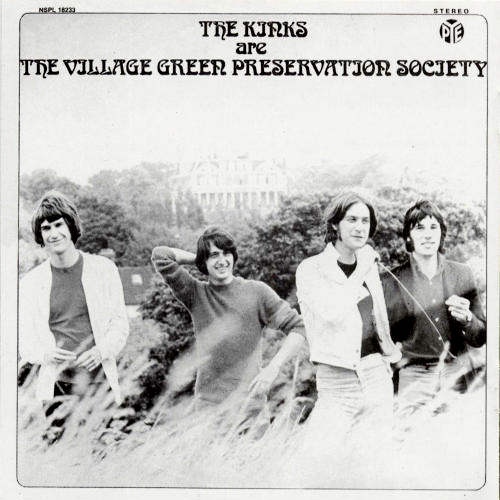
Some songs can be written by anyone. Songs can be very popular but generic. Some can only be written by certain songwriters. This would be one of those songs. Ray Davies’s songs have their own DNA. This was on the great 1968 album The Kinks Are the Village Green Preservation Society.
This nostalgic song is a favorite of mine. This is a big jump from You Really Got me to…”We are the Sherlock Holmes English-speaking Vernacular, God save Fu Manchu, Moriarty and Dracula.”
Ray Davies: “You have to remember that North London was my village green, my version of the countryside. The street and district I grew up in was called Fortis Green, and then there was Waterlow Park and the little lake. I sang in the choir at St James’s Primary School until I was about 10, then I trained myself to sing out of tune so I could hang around with a gang called the Crooners instead. Our Scottish singing teacher Mrs. Lewis said, ‘Never mind, Davies – I hear crooners are making a lot of money these days.'”
From Songfacts
A very reflective and nostalgic song written by lead singer Ray Davies, this is about the innocent times in small English towns, where the village green was the community center. The entire album was based on this theme.
This plays in the movie Hot Fuzz as Sgt. Angel is jogging through a village.
Some critics thought the album’s snapshots of village life were partly inspired by performances by the Kinks in rustic Devon. Instead, they were based on memories of his growing up in London.
Ray Davies namechecks various fictional characters that bring back childhood memories, such as music hall act Old Mother Riley and Mrs. Mopp, who was a character from the wartime radio comedy, ITMA.
We are the Draught Beer Preservation Society.
God save Mrs. Mopp and good old Mother Riley.
Davies explained to Q magazine: “The people in it are all characters I liked as a kid or people my family could relate to, like Old Mother Riley and Mrs Mopp. Because I used to love listening to the BBC Light Programme on Sundays, like Round The Horne with Kenneth Williams. A time when the population was allowed to be trivial.”
Village Green Preservation Society
We are the Village Green Preservation Society. God save Donald Duck, vaudeville and variety. We are the Desperate Dan Appreciation Society. God save strawberry jam and all the different varieties.
Preserving the old ways from being abused. Protecting the new ways, for me and for you. What more can we do?
We are the Draught Beer Preservation Society. God save Mrs. Mopp and good old Mother Riley. We are the Custard Pie Appreciation Consortium. God save the George Cross, and all those who were awarded them.
Oooh…
We are the Sherlock Holmes English-speaking Vernacular. God save Fu Manchu, Moriarty and Dracula. We are the Office Block Persecution Affinity. God save little shops, china cups, and virginity. We are the Skyscraper Condemnation Affiliates. God save Tudor houses, antique tables, and billiards.
Preserving the old ways from being abused. Protecting the new ways, for me and for you. What more can we do?
We are the Village Green Preservation Society. God save Donald Duck, vaudeville and variety. We are the Desperate Dan Appreciation Society. God save strawberry jam and all the different varieties.
This list will be different for every baseball fan. Many times it’s your team’s announcer and other times it’s a network announcer you grew up with. I tend to like announcers who are not complete homers although some I like… like Harry Caray. He made it fun even though he openly rooted for the Cubs…and Budweiser.
There are many more that could be on this list.
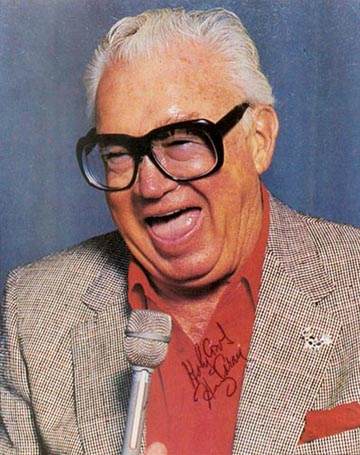
5:Harry Caray – He injected fun into the game. It was like a fan announcing the game. He wasn’t technically the best baseball announcer but he was enjoyable.
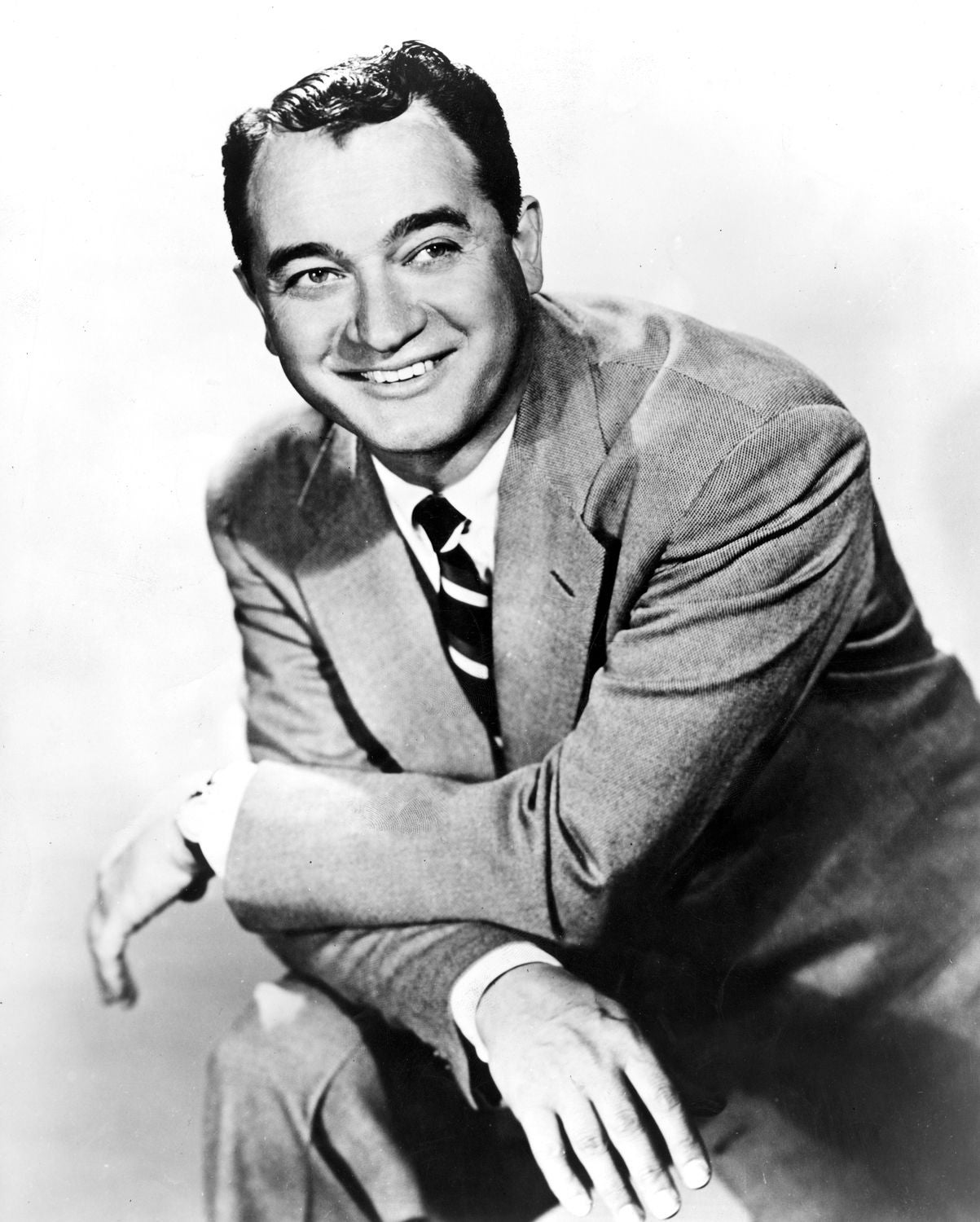
4:Mel Allen – I remember Mel when I was a kid on “This Week in Baseball.” That voice was a part of my childhood.
3:Bob Uecker – “Just a bit outside” the more I listen to him the more I appreciate him.
2:Jack Buck – NOT Joe… You could hear his excitement for the game in his voice. For me, the best is between Jack and…
1: Vin Scully – Being a Dodgers fan I was spoiled by Vin Scully… my number 1 favorite. If you tuned into a Dodger game you would not know who employed Mr. Scully. He would not root for the Dodgers and he knew when not to say anything and let the action speak for itself.
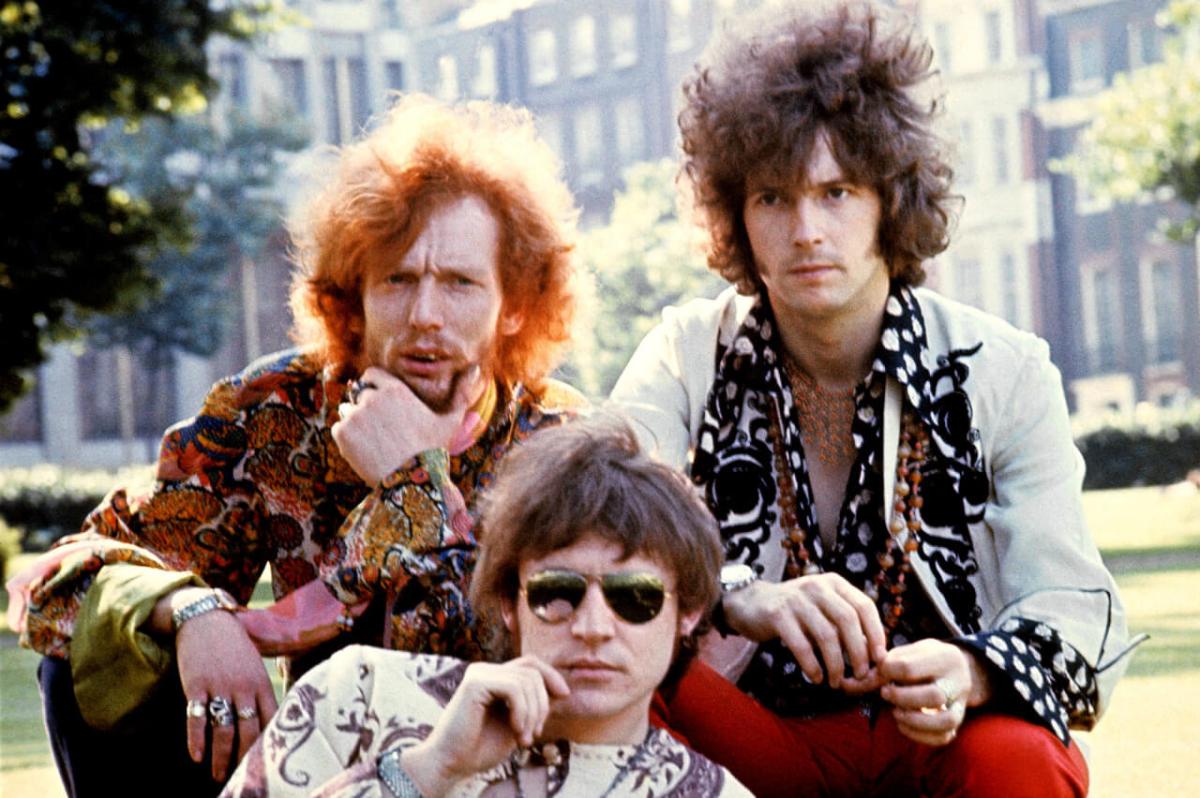
I’m So Glad appeared on Cream’s debut album Fresh Cream. Cream covered this song and did something that other bands (looking at you Led Zeppelin) should have done. The writer of the song was Skip James an American Delta blues singer, guitarist, pianist and songwriter who was born in 1902. Cream went out of their way to make sure that Skip received royalties off of the song.
Because of Cream’s diligence, James had at least some comfort in his last days. Skip had the opportunity to see Cream perform his song on stage before he succumbed to cancer in 1969 but his widow sent a thank you letter to Jack Bruce for covering his song.
The song didn’t chart but the album did at #39 in 1968.
I’m So Glad
[Chorus:] I’m so glad I’m so glad I’m glad, I’m glad, I’m glad
Don’t know what to do Don’t know what to do Don’t know what to do
Tired of weeping Tired of moaning Tired of groaning for you
[Chorus]
Tired of weeping Tired of moaning Tired of groaning for you
I’ve always liked Time Travel movies. I have made a list below but I’m not including the Back To The Future franchise because everyone knows about those movies. These are my top ten I’ve watched so far. Please make some more recommendations if you have any.
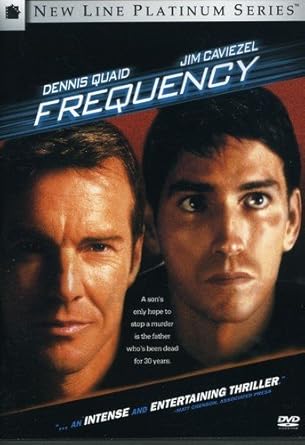
1, Frequency (2000) – This movie combines two loves of mine. Baseball and Time Travel… A son in modern times talks to his dad over a Ham Radio in 1969 and it revolves around details from the 1969 World Series.
2. The Time Machine (1960) – From the HG Wells book, this movie has aged well through the years. It’s a period piece at the turn of the 20th century…and also a trip into the far future.
3. I’ll Follow You Down (2013) – It’s odd to see Haley Joel Osment grown up and acting but this low budget film is a good film. Haley plays a guy named Errol who saw his father leave for the airport when he was 9 and he never came back home. A grown-up Errol looks to see what happened to his dad and finds him in the 1940s.
4. 41 (2012) – An Australian film made in 2012. Aidan accidentally kills his girlfriend in an auto accident. He hears about room 41 in a local motel and if you go to a hidden place in the room and back out…you go back 12 hours in time. He tries to go back and avoid the accident. I happen to catch this movie by accident and it was worth the watch.
5. Project Almanac (2014) – A teenager is trying to go to MIT but his family doesn’t have the money. He starts looking at his deceased father’s old inventions and gadgets to raise money. He finds a VHS tape of his 7th birthday party and in the mirror on the tape, he sees himself at the age of 18 at the party.
He finds his dad’s attempt at a time machine and finishes it. He ends up fulfilling what he saw on the tape and messes with the lives of his friends.
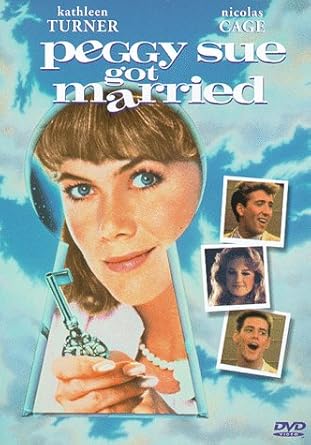
6. Peggy Sue Got Married (1989) – Classic 80s movie about Peggy Sue who is separated from her husband and goes to her high school reunion and passes out. She wakes up as a teenager in the early 60s.
7. Hot Tub Time Machine (2010) – A fun romp through the 80s.
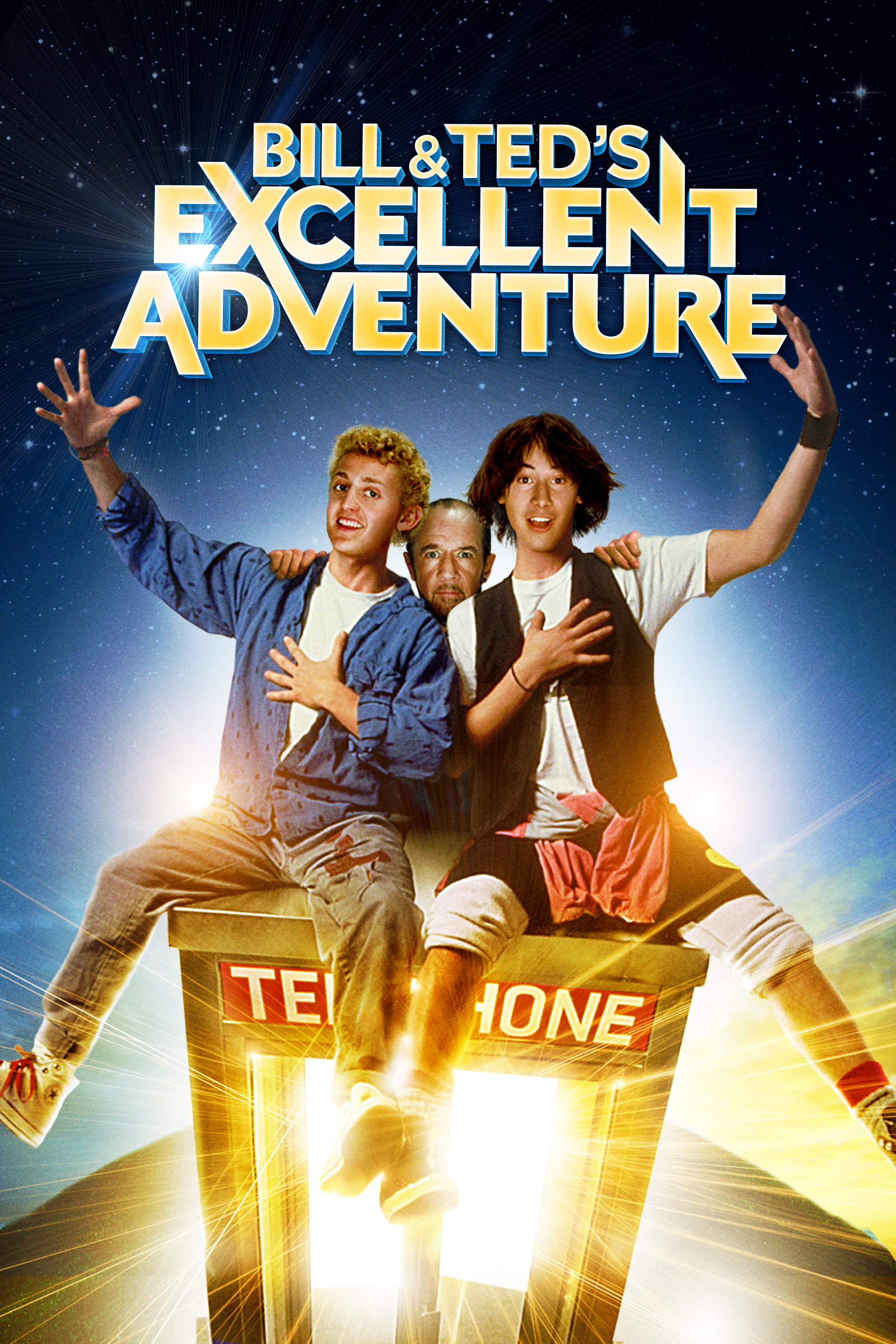
8. Bill and Ted’s Excellent Adventure (1989) – This movie launched a lot of quotes. Bill and Ted learned history by going back in time. George Carlin is most excellent in this movie.
9. Time Bandits (1981) – I saw this with a friends family back in 1981 at a theater. I was excited because George Harrison was one of the Executive Producers. Kevin, a young kid gets visited in the middle of the night by six dwarves and with a special map visit places in time.
10. Time After Time (1979) – Malcolm McDowell stars in this movie as he plays Herbert George Wells and he chases Jack The Ripper through time to 1979 with his time machine.
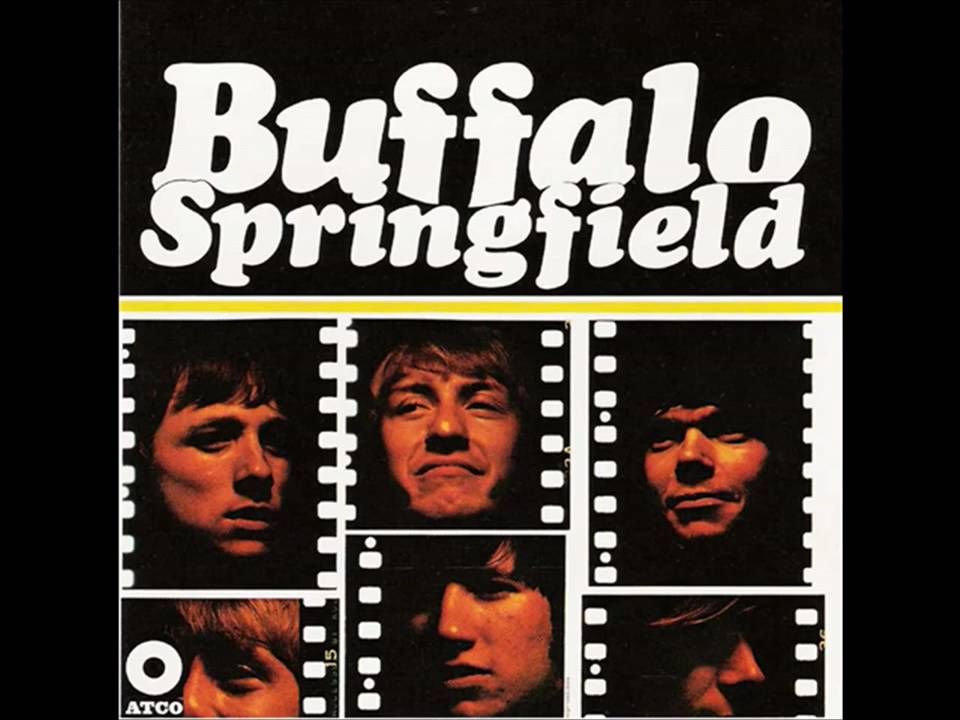
This was Buffalo Springfield’s only top 40 hit. I’ve always liked the song, especially Neil Young’s harmonics on guitar. The album Buffalo Springfield was the band’s first album, and this song was not originally included on it. After “For What It’s Worth” became a hit single, it replaced “Baby Don’t Scold Me” on re-issues of the album.
According to BMI, the song’s publishing house, “For What It’s Worth” been played 8 million times on TV and radio since its release. In 2014, it came in at number three on Rolling Stone‘s readers poll of the best protest songs.
For What It’s Worth peaked at #7 in the Billboard 100 and #9 in Canada.
From Songfacts
Written by Buffalo Springfield guitarist Stephen Stills, this song was not about anti-war gatherings, but rather youth gatherings protesting anti-loitering laws, and the closing of the West Hollywood nightclub Pandora’s Box. Stills was not there when they closed the club, but had heard about it from his bandmates.
In the book Neil Young: Long May You Run: The Illustrated History, Stephen Stills tells the story of this song’s origin: “I had had something kicking around in my head. I wanted to write something about the kids that were on the line over in Southeast Asia that didn’t have anything to do with the device of this mission, which was unraveling before our eyes. Then we came down to Sunset from my place on Topanga with a guy – I can’t remember his name – and there’s a funeral for a bar, one of the favorite spots for high school and UCLA kids to go and dance and listen to music.
[Officials] decided to call out the official riot police because there’s three thousand kids sort of standing out in the street; there’s no looting, there’s no nothing. It’s everybody having a hang to close this bar. A whole company of black and white LAPD in full Macedonian battle array in shields and helmets and all that, and they’re lined up across the street, and I just went ‘Whoa! Why are they doing this?’ There was no reason for it. I went back to Topanga, and that other song turned into ‘For What It’s Worth,’ and it took as long to write as it took me to settle on the changes and write the lyrics down. It all came as a piece, and it took about fifteen minutes.”
Notable when you consider this song’s success, the group quietly recorded this without involving their producers Charles Greene and Brian Stone, with whom they had had immense dissatisfaction about the recording of their album up until then. Greene and Stone had insisted on recording each musician separately and then combining them later into mono to stereo tracks, which produced a tinny sound. This was the first time the group’s united performance was caught on tape. (Thanks to Dwight Rounds for his help with this. Dwight is author of The Year The Music Died, 1964-1972.)
This was used in a commercial for Miller beer. The anti-establishment message was, of course, ignored and the song was edited to avoid the line “There’s a man with a gun over there, telling you-you’ve got to beware.” The commercial replaced this line by pulling up the chorus of “Everybody look what’s going down.”
Songwriting powerhouses Jim Messina and Neil Young were also in Buffalo Springfield, but Stills wrote this song himself. Young has never allowed his songs to be used in commercials, and wrote a song bashing those who do called “This Note’s For You.”
This song helped launch the band to stardom and has remained one of the era’s most enduring protest songs, but Stephen Stills, who authored the tune, had very different feelings than many might expect. He said, “We didn’t want to do another song like ‘For What It’s Worth.’ We didn’t want to be a protest group. That’s really a cop-out and I hate that. To sit there and say, ‘I don’t like this and I don’t like that’ is just stupid.”
Public Enemy sampled this on their 1998 song “He Got Game,” which was used in the movie of the same name. Stephen Stills appears on this song.
This song gets covered a lot – for a weird experience, check out the cover versions of “For What It’s Worth” done by Ozzy Osbourne on the Under Cover album and Queensryche on their Take Cover album. Both of them pretty much murder it.
This song plays during the opening credits of the movie Lord Of War starring Nicolas Cage, and was used in the movie Forrest Gump starring Tom Hanks.
Buffalo Springfield
There’s something happening here What it is ain’t exactly clear There’s a man with a gun over there Telling me I got to beware
I think it’s time we stop, children, what’s that sound Everybody look what’s going down
There’s battle lines being drawn Nobody’s right if everybody’s wrong Young people speaking their minds Getting so much resistance from behind
It’s time we stop, hey, what’s that sound Everybody look what’s going down
What a field-day for the heat A thousand people in the street Singing songs and carrying signs Mostly say, hooray for our side
It’s s time we stop, hey, what’s that sound Everybody look what’s going down
Paranoia strikes deep Into your life it will creep It starts when you’re always afraid You step out of line, the man come and take you away
We better stop, hey, what’s that sound Everybody look what’s going down Stop, hey, what’s that sound Everybody look what’s going down Stop, now, what’s that sound Everybody look what’s going down Stop, children, what’s that sound Everybody look what’s going down
If I had to pick out favorite cruising songs…this would be in the top 5. A great song by an underappreciated band. This song peaked at #1 in the Billboard 100, #1 in Canada, and #9 in the UK.
This was the second of three #1 hits for The Rascals, after “Good Lovin'” and before “People Got to Be Free.”
The song was off of the album of the same name in 1967 and it peaked at #5 in the Billboard Chart.
From Songfacts
Felix Cavaliere and Eddie Brigati of The Rascals wrote this song after they realized that because of their work schedule, they could see their girlfriends only on Sunday afternoons. It’s implied that these Sunday afternoons are spent with a nice romp. Cavaliere told Seth Swirsky, who was shooting footage for his documentary Beatles Stories, “I met this young girl and I just fell head over heels in love. I was so gone that this joyous, wonderful emotion came into the music. Groovin’ was part of that experience. If you look at the story line, it’s very simple: we’re groovin’ on a Sunday afternoon because Friday and Saturdays are when musicians work. The simplicity of it is that Sundays you could be with your loved one. And the beauty of is this joyous bliss that at that time I equated with a person, but that’s the beauty of music – when it’s an example of what you do it lasts forever. You’re in love forever because of that moment in time that you captured, and that’s what was happening with Groovin’.”
The record company executives who worked on “Groovin'” didn’t particularly like the song, but as they listened to the playback, influential New York DJ Murray the K overheard it and pronounced it a #1 record. Unbeknownst to the group, Murray went to Atlantic Records president Jerry Wexler and demanded it be released. As the program manager and top DJ on the first FM rock station (WOR-FM), Murray the K had this kind of clout, and also the rare ability to connect with listeners and recognize what songs would become hits. The Rascals, who started out as The Young Rascals, were playing at The Gordion Knot club on York Avenue when Murray picked them as his “house band” – the group that backed him up at personal appearances. It was that relationship (based on Murray’s gut sense that the band had genuine potential) that drove his partisan support.
In the US, this spent two weeks at #1, then two weeks at #2 (as Aretha Franklin’s “Respect” took over to top spot), then returned to the top for two more weeks.
The term “Groovy” was becoming popular around this time, and the title of this song is a variation on the term. The first popular “Groovy” song was “A Groovy Kind Of Love,” and the first popular use in lyrics was in “59th Street Bridge Song.”
Smokey Robinson got the idea for his song “Cruisin'” from this one – his original hook was “I love it when we’re groovin’ together,” but he thought “cruisin'” was more intimate.
Groovin
Groovin’, on a Sunday afternoon Really couldn’t get away too soon
I can’t imagine anything that’s better The world is ours whenever we’re together There ain’t a place I’d like to be instead of
Groovin’, down a crowded avenue Doin’ anything we like to do
There’s always lots of things that we can see We can be anyone we want to be And all those happy people we could meet just
Groovin’, on a Sunday afternoon Really couldn’t get away too soon
Ah-ha-ha Ah-ha-ha Ah-ha-ha
We’ll keep on spending sunny days this way We’re gonna talk and laugh our time away I feel it comin’ closer day by day Life would be ecstasy, you and me endlessly
Groovin’, on a Sunday afternoon Really couldn’t get away too soon
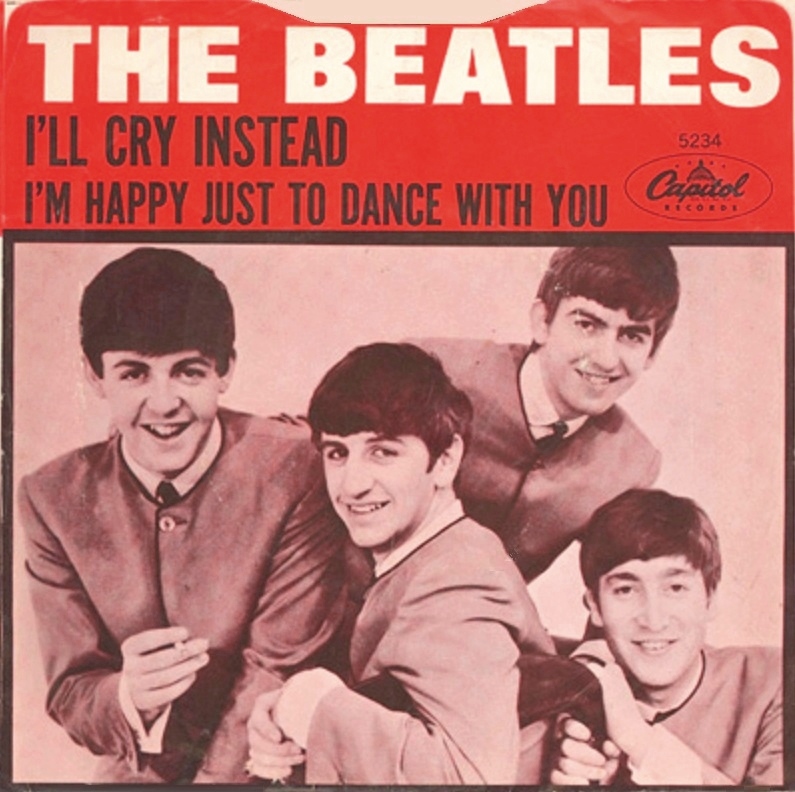
“I’ve got a chip on my shoulder that’s bigger than my feet”…you didn’t see lines like this in early pop songs very much. The song was the A Hard Day’s Night album released in 1964. The song was going to be in the film but it got replaced by Can’t Buy Me, Love. “I wrote that for ‘A Hard Day’s Night’ but Dick Lester didn’t even want it,” John explained, “He resurrected ‘Can’t Buy Me Love’ for that sequence instead.”
The song did get released as a single in the US in 1964 and peaked at #25 in the Billboard 100.
John Lennon on the Dylan influence – “I’d started thinking about my own emotions,” “Instead of projecting myself into a situation, I would try to express what I felt about myself, which I’d done in my books. I think it was Dylan who helped me realize that – not by any discussion or anything, but by hearing his work.”
Cynthia Lennon said this: “It reflects the frustration he [John Lennon] felt at that time. He was the idol of millions, but the freedom and fun of the early days had gone.”
I’ll Cry Instead
I’ve got every reason on earth to be mad ‘Cause I just lost the only girl I had If I could get my way I’d get myself locked up today But I can’t, so I’ll cry instead
I’ve got a chip on my shoulder that’s bigger that my feet I can’t talk to people that I meet If I could see you now I’d try to make you sad somehow But I can’t, so I’ll cry instead
Don’t want to cry when there’s people there I get shy when they start to stare I’m gonna hide myself away But I’ll come back again someday
And when you do you’d better hide all the girls I’m gonna break their hearts all round the world Yes, I’m gonna break them in two And show you what your lovin’ man can do Until then I’ll cry instead
When I think of the Everly Brothers this is not the first song that springs to my mind but it is a lovely ballad by them. The melody of this song is beautiful. It is a reworking of a French song recorded in 1955 by Gilbert Becaud called Je T’Appartiens.
The song peaked at #7 in the Billboard 100, #13 in the UK in 1960.
Just before this became a hit, The Everly Brothers left their original label, Cadence Records, and signed with Warner Brothers for a $100,000 bonus, which was huge at the time.
From Songfacts
The first English version of this song was released in 1957 by an actress named Jill Corey, who recorded it with Jimmy Carroll and his orchestra. This version went to #57 in 1957, two years before The Everly Brothers version.
Don Everly heard an instrumental rendition on the 1959 album Chet Atkins In Hollywood and fell in love with the melody. When he found out there were lyrics, he brought the song to producer Archie Bleyer. Wesley Rose, owner of the publishing company Acuff-Rose that signed the Everly Brothers as songwriters and connected them with Bleyer’s Cadence label, sparred with Bleyer over the tune but lost. Don recalled: “I went to Archie and told him I wanted to do it with strings. Wesley just sat there pouting through the whole session like a kid.”
This was one of the first pop songs to use a string section – eight violins and a cello were used. It was also the first Everly Brothers song to use strings.
This was the first Everly Brothers song they did not record in Nashville. It was done in New York.
In America, six other versions of this song charted in the ’60s:
Betty Everett & Jerry Butler (#5, 1964) Arthur Prysock (#124, 1966) Nino Tempo & April Stevens (#127, 1968) Glen Campbell & Bobbie Gentry (#36, 1969)
Willie Nelson returned the song to the charts in 1982 when he took it to #40.
Bob Dylan recorded this on his 1970 album Self Portrait. We asked Ron Cornelius, who played guitar on the album, why Dylan recorded it. He replied: “No one would be being truthful with you to tell you what was ever in Bob Dylan’s mind. No Way.”
Gilbert Becaud – Je T’Appartiens
Let It Be Me
I bless the day I found you I want to stay around you And so I beg you, let it be me
Don’t take this heaven from one If you must cling to someone Now and forever, let it be me
Each time we meet love I find complete love Without your sweet love what would life be
So never leave me lonely Tell me you love me only And that you’ll always let it be me
Each time we meet love I find complete love Without your sweet love what would life be
So never leave me lonely Tell me you love me only And that you’ll always let it be me



 The magazine in question was the May 1968 edition of “American Rifleman,” which contained an article entitled “Happiness Is A Warm Gun.” This article, written by Warren W. Herlihy, relates the author’s pride in his 18-year-old son John who has been shooting guns since the age of seven.














 PowerPop... An Eclectic Collection of Pop Culture