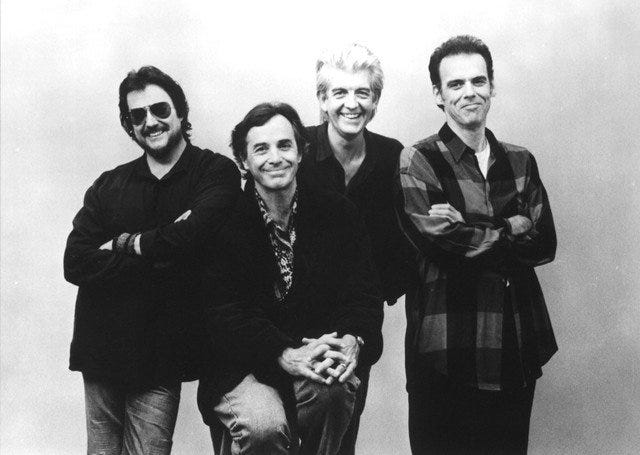
Little Village – Don’t Bug Me When I’m Working

All I had to do was read off the members, and I knew I would like this band. Who were the members? Ry Cooder, John Hiatt, Nick Lowe, and Jim Keltner. Each one of them is a legend, but when they teamed up in 1992, they made music that felt effortless.. This song plays like an anthem for anyone who has ever tried to get something done while the world keeps knocking at the door.

When Little Village came together in the early 1990s, it wasn’t a typical supergroup situation. Ry Cooder, John Hiatt, Nick Lowe, and Jim Keltner had already worked together in the studio. They worked on Hiatt’s 1987 album Bring the Family, a record cut in just four days. This album would be called Little Village. 

Around 1991, discussions began about whether those four players could try something more equal and together as a band. Nick Lowe summed up the vibe when he said, “We only needed a name and a reason.” The name came from a 1930s reference, but the reason was simply that they liked working with each other. This wasn’t a record-company idea, and it wasn’t nostalgia.

While the sessions were friendly, the band admitted that being equals instead of backups slowed things down. Decisions took longer, and sometimes a song would go in five directions before landing on one. Lowe joked that it was like “four people in the passenger seat reaching for the wheel.” Critics generally liked it, although some expected another John Hiatt album and were surprised by its humor and different musical turns. Fans of any one member found something to enjoy. The album even received a Grammy nomination for Best Rock Performance by a Duo or Group.

Nick Lowe did say it wasn’t as good as it could have been. He blamed it on having too much time to record it. The album peaked at #22 in the UK and #66 on the Billboard Album Charts in 1992. Over time, this album has developed a cult following, especially among fans of Hiatt and Cooder.

This next video has a bonus live song, She Runs Hot. Enjoy Ry Cooder’s slide before they break into Don’t Bug Me When I’m Working.

Don’t Bug Me When I’m Working

Don’t bug me when I’m working
I’m working, I’m working
Don’t bug me when I’m working
Got a job to do

Don’t bug me when I’m working
I’m working, I’m working
Don’t bug me when I’m working
I don’t work for you

If you bug me at work I can’t get it done
Too tired, baby to have any fun
You got complaints, better keep ’em hid
Don’t come ’round here mess with the kid

Don’t bug me when I’m sleepin’
I’m sleepin’, I’m sleepin’
Don’t bug me when I’m sleepin’
‘Cause I need my rest
Don’t bug me when I’m

Don’t bug me when I’m got to buzz awhile
I said don’t bug me when I’m working
I’m working, I’m working
Don’t bug me when I’m working
Got a job to do

Now you bug me at home when I’m tired and beat
Can’t even stand on my own two feet
You call on the phone, you make me uptight
And I can’t even work with my baby at night

Don’t bug me when I’m working
I’m working, I’m working
Don’t bug me when I’m working
Got a job to do

Don’t bug me when I’m working
I’m working, I’m working
Don’t bug me when I’m working
I don’t work for you

Don’t bug me
‘Cause I don’t work for you
Don’t bug me
Mister I don’t work for you

Don’t bug me, don’t bug me
‘Cause I don’t work for you
Don’t bug me, don’t bug me
‘Cause I don’t work for you
At the sound of the tone
Better hang up the phone
If you want to be my friend
Don’t bug me when I’m working

Rising Sons – Candy Man

Just found this band. What a band, Ry Cooder and Taj Mahal in the same band. It doesn’t get much better than that. Some songs sound like they were born on the back porch, passed around from player to player, gathering different fingerprints and stories along the way. This is one of those songs. This is a traditional song arranged by the Rising Sons. 

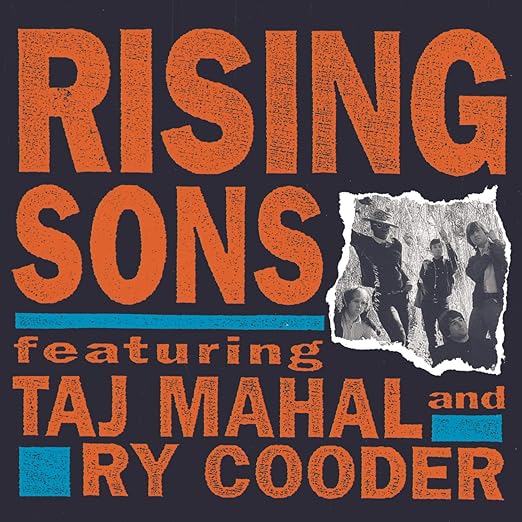
The band formed around 1964 in Los Angeles, built on the partnership between two then unknown but soon to be legendary musicians, Taj Mahal and Ry Cooder. Taj had moved west from Massachusetts after studying agriculture and getting into the folk revival. Cooder was a teenage slide guitar prodigy growing up in Santa Monica who already had a reputation as the kid who could play anything with strings. They met in the LA clubs, places like the Ash Grove and Troubadour.

They quickly became a standout act on the LA scene. They were signed to Columbia Records in 1965, which tells you how much buzz they had, but the label didn’t really understand what to do with a group that wasn’t rock, wasn’t folk, and wasn’t blues, but somehow all three. Their album was shelved for decades. This is the same problem the Goose Creek Symphony had; the label didn’t know what box to put them in. 

The real joy of their Candy Man is how it captures a moment in time right before American roots music exploded. This was before the Byrds went country, and The Band were still the Hawks backing up Bob Dylan. This short-lived 1965 band was a great one, featuring a young Taj Mahal, an even younger Ry Cooder, and future Byrds drummer Kevin Kelley (later on), who replaced Ed Cassidy, Jesse Lee Kincaid on vocals and guitar, and Gary Marker on bass. The Rising Sons didn’t last long, but recordings like this show just how special that little window was.

They recorded an album, and it was produced by Terry Melcher. The album wasn’t released, but this single was. The album was finally released in 1992. It’s blues meeting folk with a bit of country rock in there. I was reminded in the comments that this version was based on the Reverend Gary Davis version. Thank you, halffastcyclingclub and purplegoatee2684b071ed. 

I wanted to include these slang words and definitions that were given.

Salty DogIn blues songs, a “salty dog” is a slang term for a man, often an experienced sailor, who seeks a casual, non-committal sexual relationship. The phrase can also refer to a libidinous man more generally, or someone who is “salty” in the sense of being experienced, spicy, or unpredictable. 

Candy ManIn blues songs, a “Candy Man” is a term for a gigolo, ladies’ man, or dealer of drugs, often with a sexually suggestive connotation. While the literal interpretation is a seller of candy, the more common meaning in traditional blues songs refers to a charismatic and enticing man who sells a different kind of “sweet” product, like sexual favors or drugs. 

Gary Marker: “We were the problem; we had difficulties distilling our multiple musical agendas down to a product that would sell. We had no actual leader, no clear musical vision…. I think [Melcher] went out of his way to make us happy – within the scope of his knowledge. He tried just about everything he could, including the live, acoustic session that produced ‘2:10 Train.'”

Candy Man

Candy man, Candy man
Been and gone been and gone
Candy man, Candy man
Been and gone been and gone
Candy man, Candy man
Been and gone been and gone

Well, I wish I was down in New Orleans
Sitting on the candy stand
Candy gal through the candy stand
Oh yea, got stuck on the candy man
Candy gal through the candy stand
Oh yea, got stuck on the candy man
Candy gal through the candy stand
Oh yea, got stuck on the candy man

I love my candy gal
God knows I do
Little red light, little red light
Little green light, little green light
Little red light, little red light
Little green light, blue green light
Little red light, little red light
Little green light, little green light
The light’s stuck on red but when it goes to green don’t you mess with Mr. Inbetween

Went on down to the candy stand
Found my gal with the candy man
I went on down to the candy stand
Found my gal with the candy man
Took her hand from the candy man
I said I’d be her candy man now

I love my candy gal
God knows I do

Candy man Candy man
Salty dog, Salty dog
Candy man Candy man
Salty dog, Salty dog
Candy man Candy man
Salty dog, Salty dog

Well, I wish I was down in New Orleans
Sitting on the candy stand

Ry Cooder – Do Re Mi

California is the garden of edenIt’s a paradise to live in or seeBut believe it or notYou won’t find it so hotIf you ain’t got the do re mi

Guitar player extraordinaire Ry Cooder… everything he plays has feeling and soul. This song just rolls and doesn’t skip a beat. I want to thank Clive for bringing Ry Cooder up a month or so ago, before I posted another Cooder song. I usually don’t post songs by the same artist so close together, but I made an exception in this case. 

Cooder is an excellent musician and one of the great slide players of our time. He contributed to the Rolling Stones’ albums Let It Bleed and Sticky Fingers and was briefly considered as a replacement for Brian Jones. Some say he wrote the riff to “Honky Tonk Woman.”

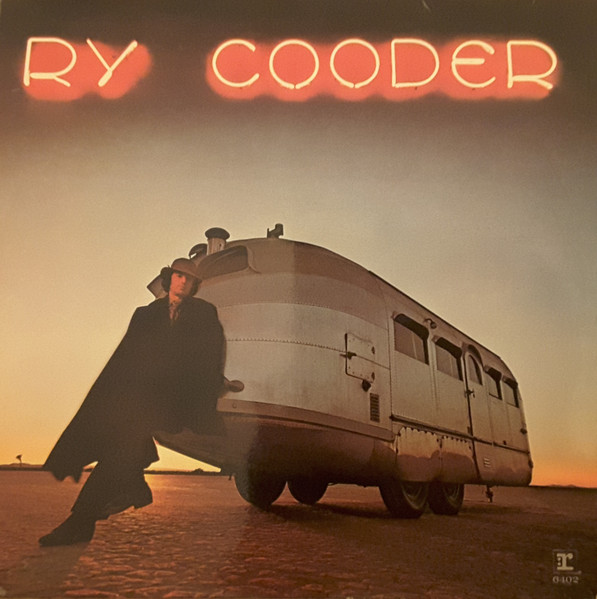
The song was written by Woody Guthrie as a warning to the Okie dreamers heading west during the Great Depression. It’s a cautionary folk tale wrapped in wit. But when Ry Cooder tackles it on his 1970 self-titled debut album, he swaps Woody’s acoustic for a blues groove that you won’t forget. 

I’ve talked about guitar tone here before, and this is great. It moans. It sings. It talks back. He plays like he’s got some blues legends in his hand. Each lick feels like it was pulled straight from the dirt.

What makes Cooder’s take so great isn’t just the craftsmanship, it’s the context. Coming out in 1970, on the heels of the Nixon unease and the Vietnam burnout, Ry drags this Depression-era ballad into a new kind of storm.

Do Re Mi

Lots of folks back east they sayLeaving home most every dayBeating the hot old dusty wayTo the California line

Across the desert sands they rollGetting out of that old dust bowlThink they’re coming to a sugar bowlBut here’s what they find

Police at the port of entry sayYou’re number fourteen thousand for today

Hey, if you ain’t got the do re mi, boyIf you ain’t got the do re miWell, you better go back to beautiful TexasOklahoma, Kansas, Georgia, Tennessee

California is the garden of edenIt’s a paradise to live in or seeBut believe it or notYou won’t find it so hotIf you ain’t got the do re mi

You want to buy a home or a farmThat can’t do nobody harmTake your vacation by mountains or seaDon’t swap your old cow for a carYou better stay right where you areBetter take this little tip from me

Well, I look through the want ads every dayThe headlines in the papers always say

Hey, if you ain’t got the do re mi, boyIf you ain’t got the do re mi…

California is the garden of edenIt’s a paradise to live in or seeBut believe it or notYou won’t find it so hotIf you ain’t got the do re mi

Ry Cooder – Jesus On The Mainline

I had another Ry Cooder song written up and scheduled to go today, but in a conversation,  halffastcyclingclub played me this song while we were talking about something else. I decided to try to write this one up for Sunday. I love the spirit and soulfulness of this song. I’ll post the other Cooder song soon. Halffastcyclingclub posted this song on Ry Cooder’s 75th Birthday here

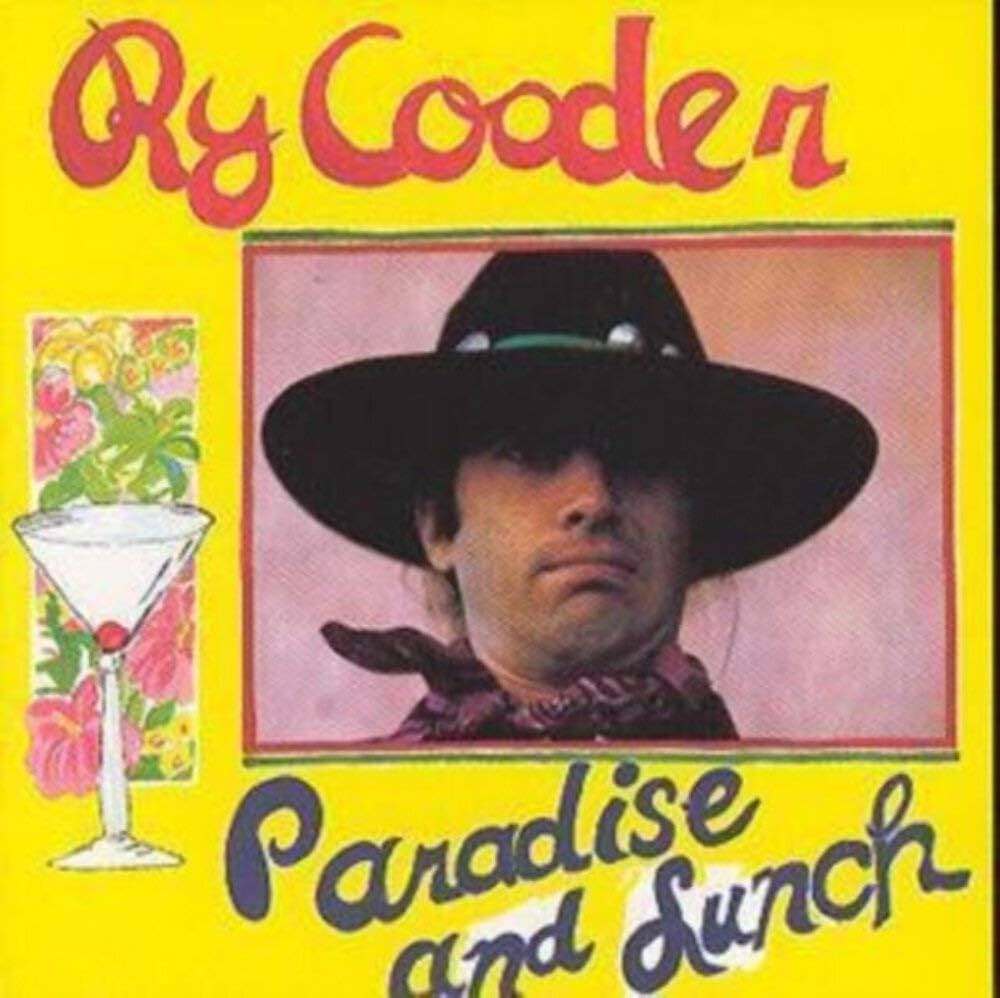
This song was on his 1974 Paradise and Lunch album. This isn’t a solo showcase or a guitar clinic. Cooder doesn’t treat roots music like a museum exhibit; he has fun with it. You can hear the respect, but you can also hear the joy. It’s a song that, after a minute, I fell in love with. 

He sent me the live version, which I would recommend. It’s an old spiritual, passed down and passed around, sung in churches and on chain gangs, more often associated with Sunday salvation. The writer of this beautiful song is unknown, but has been in the American folk and gospel circles for years. Mavis Staples also did a great version of this one. Cooder’s version is almost like a tent revival crossed with a Muscle Shoals jam session.

Cooder’s guitar is wonderful as always in this, but his voice lifts the whole thing skyward with that gospel chorus. This is the kind of song that you don’t just listen to, you get in and ride with it. The album peaked at #174 on the Billboard Album Charts in 1974.

Jesus On The Mainline

I know Jesus is on that mainlineTell Him what you wantJesus is on that mainlineTell Him what you wantJesus is on that mainlineTell Him what you wantCall Him up and tell Him what you want

Well, the line ain’t never busyTell Him what you wantWo, that line ain’t never busyTell Him what you wantWell, the line ain’t never busyTell Him what you wantKeep on calling Him upAnd tell Him what you want

Well, if you want His kingdomTell Him what you wantIf you want His kingdomTell Him what you wantIf want His kingdomTell Him what you wantCall Him up, call Him up, call Him up, call Him upYou can call Him up and tell Him what you wantWell, if you’re sick and want to get wellTell Him what you wantWell, if you’re sick and you want to get wellTell Him what you wantIf you’re sick and you want to get wellTell Him what you wantCall Him up and tell Him what you want

And if you’re feeling down and outTell Him what you wantAnd if you’re feeling down and outTell Him what you wantAnd if you’re feeling down and outTell Him what you wantCall Him up and tell Him what you want

I know Jesus is on that mainlineTell Him what you wantJesus is on that mainlineTell Him what you wantJesus is on that mainlineTell Him what you wantCall Him up, call Him up, call Him up, call Him upCall Him up and tell Him what you want

John Hiatt – Memphis In The Meantime

Underneath a pork pie hatUntil hell freezes overMaybe you can wait that longBut I don’t think Ronnie Milsap’s gonna everRecord this song

I somehow missed this Hiatt song. I absolutely love the guitar on this track. Come to find out there is a reason I like it. Ry Cooder is on guitar, Nick Lowe on bass, Jim Keltner on drums, and Paul Carrack on keyboards and backing vocals. Later on, B.B. King and Eric Clapton covered this song.

Hiatt had only four days to make an album and this song kicked off his 1987 album Bring The Family. The song has a cool groove and shuffle to it. Hiatt was in Nashville at the time when he took a trip with his family to Memphis which of course inspired this song.

He mentions Ronnie Milsap in this song. At the time Nashville was known to make slick country songs. They would produce the soul out of a song. Milsap was listening though. On his next album, he recorded a John Hiatt song called Old Habits Are Hard To Break and yes… he inserted some Memphis funk in the song. Probably more than Hiatt could have thought at the time. Another thing that was happening at this time was Dwight Yoakam and Steve Earle were shaking Nashville out of its rut.

Hiatt found himself drawn to the city’s renowned musical history and culture. I’m not sure how it was in the 1980s as much but now on Beale Street, there is always something interesting going on.

John Hiatt: “It sounds like a car with four bald tires, it’s like a four-man groove sputtering down the road, and I really like the record for that.” 

John Hiatt: “It’s a day trip, only three hours, and it’s a terrific city, I’d been there before and there is truly something in the air, although there’s nothing going on musically speaking, they say. It’s just a great town and one of the only truly integrated cities in America, it seemed to me, where black people and white people actually live together in the neighborhoods and not only that, seem to get along I was real impressed by that.”

John Hiatt and The Goners…featuring Sonny Landreth…I really like this live cut. They add another dimension to the song.

Memphis in the Meantime

I got some’n’ to say little girlYou might not like my styleBut we been hangin’ around this townJust a little too long a whileYou say you’re gonna get your act togetherGonna take it out on the roadBut if I don’t get out o’ here pretty soonMy head’s going to explodeSure I like country musicAnd I like mandolinsBut right now I need a TelecasterThrough a Vibrolux turned up to 10

Let’s go to Memphis in the meantime babyAhw, Memphis in the meantime girlLet’s go to Memphis in the meantime babyMemphis in the meantime girl

I need a little shot of that rhythm babyMixed up with these country bluesI wanna trade in these ol’ cowboy bootsFor some fine Italian shoesForget the mousse and the hairspray sugarWe don’t need none of thatJust a little dab’ll do ya girlUnderneath a pork pie hatUntil hell freezes overMaybe you can wait that longBut I don’t think Ronnie Milsap’s gonna everRecord this song

Lets go to Memphis in the meantime babyLet’s go to Memphis in the meantime girlLets go to Memphis in the meantime babyLet’s go to Memphis in the meantime girl

Maybe there’s nothin’ happenin’ thereBut maybe there’s somethin’ in the airBefore our upper lips get stiffMaybe we need us a big ol’ whiff

If we could just get off-a that beat little girlMaybe we could find the grooveAt least we can get ourselves a decent mealDown at the Rendezvous‘Cause one more heartfelt steel guitar chordGirl, it’s gonna do me inI need to hear some trumpet and saxophoneYou know sound as sweet as sinAnd after we get good and greasyBaby we can come on homePut the cow horns back on the CadillacAnd change the message on the CordaphoneBut

Lets go to Memphis in the meantime babyLet’s go to Memphis in the meantime girlLets go to Memphis in the meantime babyLet’s go to Memphis in the meantime girl

I’m a talking about MemphisI’m talkin’ ’bout MemphisMemphis

Mick Jagger – Memo From Turner

This song should have been a Rolling Stones song but it was on the soundtrack of a movie Jagger did in 1969. It’s my absolute favorite thing Jagger ever released under his name only. The slide guitar in this song is just downright nasty. Ry Cooder did the honors in this song.

Mick Jagger starred in this movie called Performance in 1970. I’m not going to reinvent the wheel so I’ll paste the plot from IMDB:

Chas is an East London thug who works for gangster Harry Flowers and his associates (although they don’t use the word gangster to describe themselves). Chas is generally sadistic in his nature and thus revels in his work. But his sadistic nature also pervades his personal life. As such, he will work on his own personal agenda outside of the work for Harry. It is in this vein that an encounter with Joey Maddocks, a man with whom Chas has a history, leads to Chas needing to hide out from Harry and his associates. Ultimately Chas feels he needs to clandestinely leave the country. In the meantime, he, based solely on a private conversation he overhears between strangers, manages to take refuge in the basement of a Notting Hill flat owned by a man named Turner, who lives there with two female companions named Pherber and Lucy. Chas considers their lifestyle bohemian and one of free love, which is outside of his mentality. Turner is an ex-rock musician who has lost his “demon” and thus his desire to be a performer. As Chas makes arrangements for his departure out of England, he gets caught up in Turner’s lifestyle, Turner who is working on his own agenda in spending time with Chas.

I saw this movie in the 1980s…it’s a good movie. It’s not Mary Poppins by any stretch of the imagination so you will be seeing an R-rated movie that can border on X. They had to cut a few scenes to make it an R back then. Jagger does a great job in it…it’s been said more than playing himself in this film… he was playing his ex-bandmate Brian Jones.

The song was credited to Jagger/Richards and on some takes only Jagger. There were 3 versions of the song. The first take was from Mick with some of the band Traffic backing him but it wasn’t officially released. The 2nd version was a version of it by The Stones with Ry Cooder on slide. The third version was recorded in 1970 featuring Mick Jagger, Ry Cooder on slide guitar, Russ Titelman (guitar), Randy Newman (piano), Jerry Scheff (bass), and Gene Parsons on drums. That is the one that everyone knows.

Keith Richards didn’t want anything to do with it. He was not happy with the love scenes between his actress girlfriend Anita Pallenberg and Mick Jagger. Keith held a lot of resentment over that for a long time and let Mick know in his 2010 book Life. He ripped Jagger pretty well over it and it took them a few years to start talking again.

This is a very dirty and grimy song…it would have been a perfect fit on Exile On Mainstreet or Sticky Fingers. Any Goodfellas fans out there might remember it in that movie.

The song peaked at #32 on the UK Charts in 1970.

Memo From Turner

Didn’t I see you down in San Antone on a hot and dusty night?
We were eating eggs in Sammy’s when the black man there drew his knife
Didn’ you drown that Jew in Rampton when he washed his sleeveless shirt
With that Spanish-speaking gentlemen, the one we all called “Kurt.”

Come now, gentleman, there must be some mistake
How forgetful I’m becoming, now you fixed your business straight

I remember you in Hemlock Road in nineteen fifty-six
You’re a faggy little leather boy with a smaller piece of stick
You’re a lashing, smashing hunk of man
Your sweat shines sweet and strong
Your organ’s working perfectly, but there’s a part that’s not screwed on

Weren’t you at the Coke convention back in nineteen sixty-five
You’re the misbred, grey executive that I’ve seen heavily advertised
You’re the great, gray man whose daughter licks policemen’s buttons clean
You’re the man who squats behind the man who works the soft machine

Come now, gentleman, your love is all I crave
You’ll still be in the circus when I’m laughing, laughing in my grave

When the old men do the fighting and the young men all look on
And the young girls eat their mothers meat from tubes of plastic on
So be wary please my gentle friends of all the skins you breed
They have a nasty habit that is they bite the hands that feed

So remember who you say you are and keep your noses clean
Boys will be boys and play with toys so be strong with your beast
Oh Rosie dear, don’t you think it’s queer, so stop me if you please
The baby is dead, my lady said, “You gentlemen, why you all work for me?”

Taj Mahal – Leaving Trunk

The harmonica intro to this song is dirty as hell. You can hear the slide cutting in like a knife while the rhythm is chugging along. The song was written by Sleepy John Estes, son of a Tennessee sharecropper and blind in one eye, in 1930. He wrote it as Milk Cow Blues. It was recorded in Memphis with piano, mandolin, and Este’s guitar.

Leaving Trunk was on Taj Mahal’s self-titled debut album released in 1968. Like Ry Cooder two years after…he had a great band backing him up. On slide guitar and harmonica is Taj Mahal. The great Jesse Ed Davis is on slide guitar also on this album as well as Ry Cooder on rhythm guitar.

He covered songs written by Estes, Robert Johnson, himself, Sonny Boy Williamson II, and Blind Willie McTell. Leaving Trunk is a song that has been covered by many artists over the years, and it continues to be a favorite among blues fans. Secondhandsongs.com says it has 39 different versions to date. Everyone from Bob Willis to The Black Keys has covered this song. This album played a big part in influencing Duane Allman with Statesboro Blues.

I’ve listened to this album in the past few days I’ve been off of work. I’ve been rotating this one and the debut album of Ry Cooder. The slide guitar work on this album is blistering. I can’t state the importance of this album enough. I can see why Duane Allman was so inspired by it. I won’t go through the complete story but Duane was sick with a cold and his brother Gregg gave him a bottle of Coricidin and this album for Duane’s birthday. Below Gregg Allman tells it.

Gregg Allman: And then I looked on the table and all these little red pills, the Coricidin pills, were on the table. He had washed the label off that pill bottle, poured all the pills out. He put on that Taj Mahal record, with Jesse Ed Davis playing slide on “Statesboro Blues,” and starting playing along with it. When I’d left those pills by his door, he hadn’t known how to play slide. From the moment that Duane put that Coricidin bottle on his ring finger, he was just a natural.

Looking back on it, I think that learning to play slide was a changing moment in his life, because it was like he was back in his childhood—or maybe not his childhood, because it never seemed to me like Duane was a child, so it was more like going back to his first days of playing the guitar. He took to the slide instantly and mastered it very quickly. He practiced for hours and hours at a time, playing that thing with a passion—just like he did when he first learned to play the guitar.

Leaving Trunk

I went upstairs to pack my leavin’ trunk
I ain’t see no blues, whiskey made me sloppy drunk
I ain’t never seen no whiskey, the blues made me sloppy drunk
I’m going back to Memphis babe, where I’ll have much better luck

Look out mama you know you asked me to be your king
She said, “You kiddin’ man, if you want it, keep it hid
But please don’t let my husband, my main man catch you here
Please don’t let my main man, my husband catch you here”

The blues are mushed up into three different ways
One said, “Go the other”, two said, “Stay”
I woke up this mornin’ with the blues three different ways
You know one say, “Go baby, I want to hang up”
The other two said, “Stay”

Wake up mama, I got something to tell you
You know I’m a man who loves to sing the blues
Now you got to wake up baby, mama now
I got something, I got something to tell you
Well, you know I’m the man, I’m the man
Oh yes, and I love to sing the blues

Come on Davis
Come on, come on

I went upstairs to pack my leavin’ trunk, you know
I ain’t see no blues or whiskey made me sloppy drunk
I never seen no whiskey, the blues made me sloppy drunk
I go home baby and I lay down on the lawn

Ry Cooder – How Can A Poor Man Stand Such Times and Live?

Last week I was talking to CB about the song Prodigal Son by the Reverend Robert Wilkins and The Stones. It turns out that Ry Cooder has a song with the exact name but a different song entirely. That got me listening to Cooder this week and this title alone drew me in.

This song was written by Blind Alfred Reed and was first recorded in 1929, a protest song about the Great Depression, prohibition, and poverty. Blind Alfred Reed was, in fact, born blind as was another sibling. He played the fiddle on street corners throughout West Virginia and Virginia. This song is considered an early example of a protest song.

This song holds some relevance today. It was on Ry Cooder’s self-titled debut album released in 1970. He is joined, amongst other long-time friends like producer Van Dyke Parks, percussionist Milt Holland, country rock bassist Chris Ethridge, and Little Feat’s drummer Richie Hayward and bassist Roy Estrada.

Cooder is an excellent musician and one of the great slide players of our time. Cooder also contributed to the Rolling Stones albums Let It Bleed and Sticky Fingers and was looked at briefly as a replacement for Brian Jones. Some say he wrote the riff to “Honky Tonk Woman.”

Bruce Springsteen covered it on his nightly Seeger Sessions Tour in 2006 and as a bonus track on the American Land edition of his We Shall Overcome: The Seeger Sessions album.

How Can a Poor Man Stand Such Times and Live?

Well, the doctor comes around with his face all brightAnd he says, “In a little while you’ll be all right!”All he gives is a humbug pill,Dose of dope and a great big billTell me, how can a poor man stand such times and live?

Well, there once was a time when everything was cheapBut now prices nearly put a man to sleepWhen we get our grocery bill,We just feel like making our willTell me, how can a poor man stand such times and live?

Prohibition’s good if it’s conducted rightThere’s no sense in shooting a man ’til he shows flightOfficers kill without a cause,Then they complain about the funny lawsTell me, how can a poor man stand such times and live?

Otis Gibbs

I came across Otis’s youtube channel and I think some of you would be interested. He is a singer songwriter but on his channel he has conversations musicians who have played or worked with Bob Dylan, Neil Young, Tom Petty, Waylon Jennings, just to name a few, and  his own stories about different musicians. For you music fans it’s worth your time. The guy doesn’t interview people…he lets people talk and tell their stories.  He is also a good story teller. I’m hooked on his channel.

He has stories about Jerry Reed, The Replacements, Dan Baird, Merle Haggard, Ry Cooder, Towns Van Zant, Bill Monroe, George Jones, Johnny Paycheck, John Prine, Mike Campbell and more.

He lives in Indiana but interviews many Nashville connected musicians. Check this guy out…His music is VERY good as well. I’m just checking that out more as I go… his music is classified as alt-country.

I just picked a few random youtube videos from his page below.

This is his youtube page:

https://www.youtube.com/user/otisgibbs

Chuck Mead – 90s Alternative Country band BR5-49…talking about when he toured with Bob Dylan

Kenny Vaughn – Lucinda Williams  guitar player at the time talks about touring with Tom Petty

Chuck Mead again with Keith Richards

Dan Baird on the Replacements

Otis Gibbs Wiki

https://en.wikipedia.org/wiki/Otis_Gibbs

Little Feat – Willin’

Little Feat guitarist/singer Lowell George wrote “Willin'” before the group was even formed. They never had mass commercial appeal but their music was so down to earth and the musicians in that band were great.

The song is about a truck driver in the American southwest who makes some extra cash smuggling cigarettes and transporting illegals across the border from Mexico. If you give him “weed, whites and wine,” he’s willin’ to do the job.

Lowell had cut his hand on a model airplane and he was heavily bandaged up while playing the solo. The keyboard player Bill Payne said George was bleeding all over his guitar when playing this. Lowell George and Ry Cooder are playing slide guitar on this song. They found Ry Cooder recording his debut album at the same studio that Little Feat were recording this song.

Little Feat’s producer Russ Titelman asked Cooder to come and play on some tracks. There was a lot of tension between Cooder and George, but that competitive streak was channeled into the song.

Little Feat were never very successful on the charts but many music fans love them. Along with music fans…many musicians from Led Zeppelin to Bonnie Raitt.

This originally appeared on Little Feat’s debut album (with Ry Cooder), but the version that has become famous was recorded for the follow-up, Sailin’ Shoes, in 1972. The original version has a faster tempo.

From Songfacts

The opening line, in which the narrator describes himself as being “warped by the rain,” originated in a conversation between George and drummer Richie Hayward. Hayward had used it to describe a rocking chair.

It’s likely that when George brought “Willin song was a reason for his departure, due to its drug references in the chorus. It is known that his leaving had something to do with his drug use, which Zappa heavily frowned upon. “I think Frank was both impressed and put off by the song because of the drug reference,” Bill Payne told Bud Scoppa. “He was somewhat conservative on certain levels. He was afraid of the very thing that bit the hippie movement in the ass, which was the craziness of what would happen to people when they got fried on drugs – like Charles Manson.”

More likely, it was George’s drug use that led to the parting.

Although the band never had a charting single, “Willin'” is arguably their best-known song. Their first two albums, which both included the track, flopped, but they found their stride with their third, Dixie Chicken, their first as a six-piece jazz-funk outfit (they were previously a country-rock quartet). They developed a reputation as a great live band, and “Willin'” was a concert favorite. As more people discovered the band, the song grew in popularity and even earned some airplay.

Little Feat split up in 1979 just months before Lowell George passed away. When they re-formed in 1987, guitarist Paul Barrere took the lead vocals on “Willin’.” He died in 2019.

Linda Ronstadt recorded this on her 1975 album Heart Like A Wheel. While Ronstadt is certainly versatile, it’s hard to imagine her at the wheel of a rig hauling freight (or contraband) across state lines.

Original version with Ry Cooder

Willin’

I been warped by the rain, driven by the snow
I’m drunk and dirty don’t ya know, and I’m still, willin’
And I was out on the road late at night
I’d seen my pretty Alice in every head light
Alice, Dallas Alice

I’ve been from Tucson to Tucumcari
Tehachapi to Tonapah
Driven every kind of rig that’s ever been made
Driven the back roads so I wouldn’t get weighed
And if you give me weed, whites and wine
And you show me a sign
I’ll be willin’, to be movin’

Well I’ve been kicked by the wind, robbed by the sleet
Had my head stoved in, but I’m still on my feet and I’m still, willin’
Now I smuggled some smokes and folks from Mexico
Baked by the sun, every time I go to Mexico, and I’m still

And I been from Tucson to Tucumcari
Tehachapi to Tonapah
Driven every kind of rig that’s ever been made
Driven the back roads so I wouldn’t get weighed
And if you give me weed, whites and wine
And you show me a sign
I’ll be willin’, to be movin’