My introduction to Robert Johnson came from Eric Clapton while playing with Cream. Johnson was a great blues guitarist that supposedly sold his soul to the devil at the crossroads to be able to play the blues. Some of the songs he wrote played into this myth. He only cut 29 songs that he recorded in a two year period of 1936 and 1937.
I’m not a blues expert, nor do I play one on tv, but I love these old blues recordings. Johnson wasn’t the only one but they influenced everything I’ve liked since. They are also historical documents of the time.
Robert Johnson’s slide playing was so complete that he sounded like two guitar players instead of one on some songs. The atmosphere of those recordings is incredible to me and something that you can’t duplicate. Johnson’s influence is huge. Keith Richards, Eric Clapton, Bob Dylan. Duane Allman, and too many more to list.
Movies such as the 1980’s film Crossroads brought Johnson many more fans. My friend Ronald was one of those people and went out and bought everything he could find of Johnson in the 80s. Many people have searched out Johnson after listening to artists that were influenced by him. His voice will haunt you after you listen to his recordings. His songs are pure and timeless.
Some quotes on Robert Johnson
Keith Richards – Brian Jones had the first album, and that’s where I first heard it. I’d just met Brian, and I went around to his apartment-crash pad, actually, all he had in it was a chair, a record player, and a few records. One of which was Robert Johnson. He put it on, and it was just-you know-astounding stuff. When I first heard it, I said to Brian, “Who’s that?” “Robert Johnson”. I said, “Yeah, but who’s the other guy playing with him?” Because I was hearing two guitars, and it took me a long time to realize he was actually doing it all by himself. Eric Clapton – His music is like my oldest friend, always in the back of my head and on the horizon. It’s the finest music I’ve ever heard. I’ve always trusted its purity. And I always will.’ I don’t know what more you could say….” Robert Cray – He is a perfect example of what anybody should listen to if they want to get an understanding of the blues… and American history.’
Below is Robert Johnson and down below is Cream’s version.
Cross Road Blues
I went down to the crossroad fell down on my knees I went down to the crossroad fell down on my knees Asked the lord above “Have mercy now save poor Bob if you please” Yeeooo, standin at the crossroad tried to flag a ride ooo ooo eee I tried to flag a ride Didn’t nobody seem to know me babe everybody pass me by Standin at the crossroad babe risin sun goin down Standin at the crossroad babe eee eee eee, risin sun goin down I believe to my soul now, Poor Bob is sinkin down You can run, you can run tell my friend Willie Brown You can run, you can run tell my friend Willie Brown (th)’at I got the croosroad blues this mornin Lord babe, I’m sinkin down And I went to the crossroad momma I looked east and west I went to the crossroad baby I looked east and west Lord, I didn’t have no sweet woman ooh-well babe, in my distress
This is a very likable ballad that was a big hit in 1981. It peaked at #12 in the Billboard 100. This song developed a large following and continues to get airplay on many radio stations. The legendary Nicky Hopkins played on this track.
There’s something beautifully disarming about a song that just steps out and says it: I Love You. No poetic misdirection, no clever metaphors about moons and tides. Just three words wrapped in a melody soft enough to fall asleep on and sung with the kind of vulnerability that makes it impossible to roll your eyes.
There’s also something sneakily elegant in how the chorus sneaks in. It doesn’t hammer the title. It eases into it like an embrace. And when the saxophone solo shows up, it doesn’t break the spell; it deepens it.
Derek Holt, who was the bass player, wrote the song. None of the band liked it. They would not even tour to support it. He would have the last laugh as this came from an interview with Derek.
Derek:Up until the ‘Flying the Flag’ album, we used to split songwriting royalties four equal ways as we were all credited with writing songs. For this album, we had a meeting to discuss starting to have songwriting credit split separately. I lost the argument to keep it all the same as before and ended up gaining 100% of my own song. Ironic!
When the song became a hit (also it was the start of me then becoming a lead singer which worried the others), we had a major U.S. tour booked but both Colin and Pete didn’t want to “go on the road to promote my career”. So even with a song high up on the U.S. charts, they actually chose not to back me up instead of just being grateful for another hit. I never got to tour and sing the song live so I feel slightly cheated out of performing it. But it became a really popular radio song and of course, a lot of people fell in love because of it. I also get emails from people who actually got married because of it even had it played at their “first dance” at their reception.
Bass player Derek Holt wrote this song. He told us: “It was about meeting my first wife, meeting the lady that’s going to encourage me to do what I did best, and that was be a musician, with no qualms about it. I used to go away from home, used to leave her behind, and used to come back. I was a hippie, a drinking hippie with really long hair. We had a great time – I’m meeting my wife since then I’ve never looked back. You know, pretty much out living a dream, because, ‘Ooo, I love you.’ You could say it’s for one person, but it’s quite generic. At that particular moment in time, everything was right. You know, usually, songs appear from nowhere, and that one appeared in a couple of hours. Why I have no idea, but it did. And I guess the influence was the person I was with at the time.”
Holt: “That song was written in my house. After a couple of hours just sitting in my studio I came up with this song I Love You – words, solo, drums, the whole thing. And I thought, ‘Well, it’s a lovely song.’ We had a guy come over from L.A., an American producer called John Ryan, who arrived in Stafford to do some pre-production on an album that we were going to record in Los Angeles called Flying The Flag. So he came to England and spent probably 2 weeks with us going through all the tracks that we’d got. And he said, ‘Does anybody have any more songs?’ I’d already played my song to the band and they didn’t really like it; it was a little bit too lovey, so I said to John Ryan, ‘I’ve got this song called ‘I Love You.” He said, ‘Well, play it for me.’ So I plugged in my cassette, played it, then he said, ‘That’s a hit.’ Just like that. Everybody just sort of looked at each other and said, ‘Oh, bloody hell.’ So anyway, we ended up going to Los Angeles, and that song was recorded with just me and the drummer because the other two guys weren’t really into the song. So it’s me, the drummer, and a fantastic keyboard player named Nicky Hopkins. He’s since died, unfortunately. He was the sort of legendary keyboard player, he played with The Stones and lots of people like that, and he was great. So it was me, Nicky Hopkins and the drummer in the studio. We all sat down together and played the basic backing track. I then put the bass on it, sang it, did all the harmonies, then I got Pete – the guitarist – to play the lead solo, which was the solo that I wanted to be played. So he played the solo, because he was the guitarist – reluctantly. Then John Ryan said, ‘This song needs some strings.’ So he got a string section in at whatever cost it was, which also pissed the other guys in the band off to think that the strings were a big part of my song. Then Warner Brothers arrived to hear all the tracks, and everybody was blown away by ‘I Love You,’ this song that I believed in, the producer believed in, but none of the other guys did, and it became a hit. And it’s just unbelievable that nobody else in the band recognized it other than the producer and me. So the story’s quite phenomenal, really. And it’s also probably one of the reasons why the band split up in the end because they weren’t into playing it live, and I was. The song was in the charts, we had the tour booked, and two guys in the band said, ‘We’re not going to go to America to promote Derek Holt’s career.’ How’s that for faith?”
I Love You
When I was younger man I hadn’t a care Foolin’ around, hitting the town, growing my hair You came along and stole my heart when you entered my life Ooh babe you got what it takes so I made you my wife
Since then I never looked back It’s almost like living a dream And ooh I love you
You came along from far away and found me here I was playin’ around, feeling down, hittin’ the beer You picked me up from off the floor and gave me a smile You said you’re much too young, your life ain’t begun, let’s walk for awhile
And as my head was spinnin’ ’round I gazed into your eyes And thought ooh I want you
Thank you babe for being a friend And shinin’ your light in my life ‘Cause ooh I need you
As my head was comin’ round I gazed into your eyes And thought ooh I want you
Thanks again for being my friend And straightenin’ out my life ‘Cause ooh I need you
Since then I never looked back It’s almost like livin’ a dream Oh I got you
If ever a man had it all It would have to be me And ooh I love you
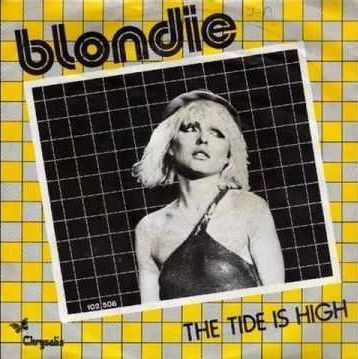
I remember hearing this a lot in 1981. The Tide Is High,” a remake of an obscure 1967 song by the Jamaican group the Paragons (Very good version by the way). It was released in 1980 but peaked in 1981 at #1 in the Billboard 100, the UK and Canada. It was written by Jamaican DJ Duke Reid in the 1930s
This is interesting. Sean Lennon said: “My father had an old Wurlitzer in the game room of our house on Long Island. It was filled with 45s, mostly Elvis and The Everly Brothers. The one modern song I remember him listening to was ‘The Tide Is High’ by Blondie, which he played constantly. When I hear that song, I see my father, unshaven, his hair pulled back into a ponytail, dancing to and fro in a worn-out pair of denim shorts, with me at his feet, trying my best to coordinate tiny limbs.”
Blondie experimented with many different sounds. They were a punk/new wave band in their early years, making a name playing clubs like CBGB’s in New York. This song was their foray into reggae, but they played around with rap on “Rapture” and with disco on “Heart Of Glass.”
Debbie Harry in 1000 UK #1 Hits by Jon Kutner and Spencer Leigh: “I first heard ‘The Tide Is High’ on a compilation tape that someone had given me while we were in London. Chris (Stein) and I both fell in love with the song and decided it was too good to resist.”
Blondie wanted to give the song a Jamaican feel, so they hired three percussion players and created a new string and horn arrangement to give it an authentic sound. According to Chris Stein, the percussion includes “eight tracks of drum sticks tapping on a piano bench.”
The Tide is High
The tide is high but I’m holdin’ on I’m gonna be your number one I’m not the kind-a girl who gives up just like that, oh no
It’s not the things you do that tease and hurt me bad But it’s the way you do the things you do to me I’m not the kind-a girl who gives up just like that, oh no
The tide is high but I’m holdin’ on I’m gonna be your number one, number one.
Ev’ry girl wants you to be her man But I’ll wait my dear till it’s my turn I’m not the kind-a girl who gives up just like that, oh no
The tide is high but I’m holdin’ on I’m gonna be your number one, number one, number one
Ev’ry girl wants you to be her man But I’ll wait my dear till it’s my turn I’m not the kind-a girl who gives up just like that, oh no
The tide is high but I’m holding on I’m gonna be your number one, number one, number one
The tide is high but I’m holding on I’m gonna be your number one The tide is high but I’m holding on I’m gonna be your number one The tide is high but I’m holding on I’m gonna be your number one
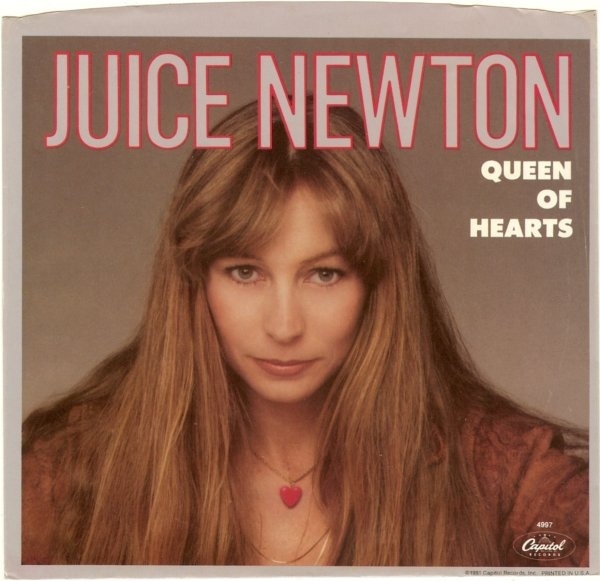
This song was played and played when it was released but I haven’t heard it a lot since. The song peaked at #2 in the Billboard 100, #14 in the Country Charts, and #8 in Canada in 1981. This song was written by Hank DeVito, who was the pedal steel guitarist for Emmylou Harris’ backing group, The Hot Band.
In 1981 I remember 3 songs that you would hear on the radio at any time after they were released. Bette Davis Eyes, The Tide Is High, and Queen of Hearts. You didn’t have to wait for it…turn on the radio and one of them would be there.
From Songfacts.
Juice Newton had the biggest success with “Queen of Hearts” after it appeared on her 1981 album, Juice. In September 1981, Newton’s version peaked at #2 on the US charts, having shifted over one million copies. In 1982, the song was nominated for the Grammy Award for Best Female Country Vocal Performance. Dave Edmunds, who first recorded “Queen of Hearts” in 1979, told Creem Newton stole his composition: “She did pinch my arrangement, note for note, but I’m not angry with that.”
The Welsh musician Dave Edmunds was the first artist to record “Queen of Hearts.” The song appears on his 1979 album, Repeat When Necessary. The track peaked at #11 in the UK, but Edmunds’ label – Led Zeppelin’s Swan Song – refused to release it in the US. Edmunds, who reached #4 US with his 1970 cover of “I Hear You Knocking,” was hoping for another American hit and was not pleased when Swan Song held back both “Queen of Hearts” and “Girls Talk” (a song written by Elvis Costello that made #4 UK for Edmunds in 1979).
Queen of Hearts
Midnight, and I’m a-waiting on the twelve-oh-five Hoping it’ll take me just a little farther down the line
Moonlight, you’re just a heartache in disguise Won’t you keep my heart from breaking If it’s only for a very short time
Playing with the queen of hearts Knowing it ain’t really smart The joker ain’t the only fool Who’ll do anything for you Laying out another lie Thinking ’bout a life of crime ‘Cause that’s what I’ll have to do To keep me away from you
Honey, you know it makes you mad Why is everybody telling everybody what you have done
Baby, I know it makes you sad But when they’re handing out the heartaches You know you got to have you some
Playing with the queen of hearts Knowing it ain’t really smart The joker ain’t the only fool Who’ll do anything for you Laying out another lie, Thinking ’bout a life of crime ‘Cause that’s what I’ll have to do To keep me away from you
Lovers, I know you’ve had a few But hide your heart beneath the covers And tell ’em they’re the only one
And others, they know just what I’m going through And it’s a-hard to be a lover When you say you’re only in it for fun
Playing with the queen of hearts Knowing it ain’t really smart The joker ain’t the only fool Who’ll do anything for you
Playing with the queen of hearts Knowing it ain’t really smart The joker ain’t the only fool Who’ll do anything for you Laying out another lie, Thinking ’bout a life of crime ‘Cause that’s what I’ll have to do To keep me away from you
Playing with the queen of hearts Playing with the queen of hearts Playing with the queen of hearts Playing with the queen of hearts
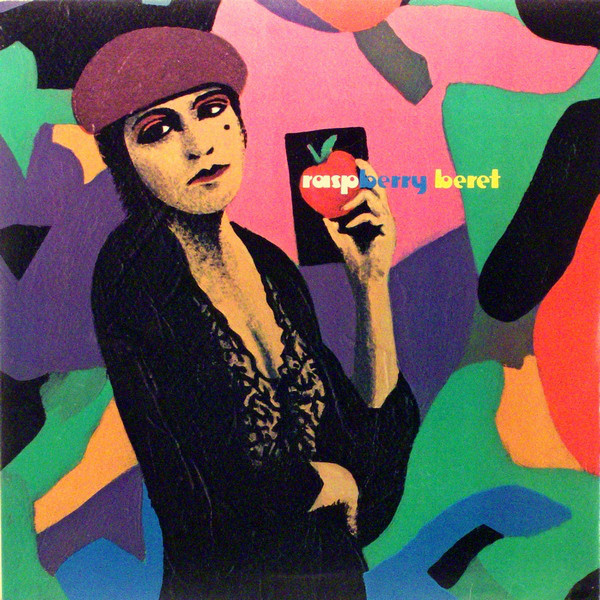
I liked Purple Rain but something about this song and the Around the World in a Day album…it showed more of a 60s psychedelic influence and I really liked it. The album wasn’t the success that Purple Rain was but still contained two top ten hits… Raspberry Beret and Pop Life.
This song peaked at #2 in the Billboard 100 and #25 in the UK in 1985. The Hindu Love Gods did an interesting cover of this song.
From Songfacts.
Prince discussed the meaning of Around the World in a Day with Rolling Stone in 1985: “I was trying to say something about looking inside oneself to find perfection. Perfection is in everyone. Nobody’s perfect, but they can be. We may never reach that, but it’s better to strive than not.”
Prince originally recorded “Raspberry Beret” in 1982, but re-worked it with his newly re-formed Revolution backing band, which had just crystalized into what would become the fan favorite lineup: Brown Mark on bass, Bobby Z on drums, Wendy Melvoin, Lisa Coleman and Doctor Fink on keyboard, backing guitar, and backing vocals. If you blinked in the mid-’80s, you missed it, because this incarnation of the Revolution broke up by 1986, with Prince firing everybody but Doctor Fink.
This stands as one of the finest examples of the “Minneapolis sound,” blending in finger-cymbals, a string section, and a harmonica as a strategy to create a well-rounded groove. This style is sometimes called “The Prince Sound,” but there were a lot of other guys making it as well, many of them working with Prince at some point. For a great explanation of that sound and how it led to Paula Abdul’s music career, check out our interview with Oliver Leiber.
This song was used in the soundtrack to Girl 6, a 1996 film about a troubled actress turned phone sex worker. It was directed by Spike Lee and has Quentin Tarantino (!) in a supporting role.
At the time this was released, Prince was under fire from Tipper Gore during the notorious PMRC witch hunt, which placed two of his songs on the list of the “filthy 15” – “Darling Nikki” was the original song that got Tipper’s goat. So this is one of the songs where Prince started making his lyrics more family friendly. Nevertheless, you can’t miss “Old Man Johnson” as a reference to his you-know-what. Normally we’d stay clear of looking for euphemisms in lyrics, but come on, this is Prince we’re talking about.
The video is an odd mashup of performance footage and animation. Simon Fields, who was one of the top music video producers at the time, said in the book I Want My MTV: “We filmed a whole video, then Prince got a Japanese animator to do a completely different video and we mashed the two up. He would mess with directors. He would give them the impression that they’d be in charge of the video, then halfway through he’d go ‘Thank you,’ take what he liked, and edit it himself.”
“Raspberry Beret” was the first single from Prince’s Around the World in a Day album, his follow-up to Purple Rain. The album sold over three million copies in the US and spent three weeks at #1 in the summer of 1985.
Raspberry Beret
I was working part time in a five-and-dime My boss was Mr. McGee He told me several times that he didn’t like my kind ‘Cause I was a bit too leisurely
Seems that I was busy doing something close to nothing But different than the day before That’s when I saw her, ooh, I saw her She walked in through the out door, out door
She wore a Raspberry beret The kind you find in a second hand store Raspberry beret And if it was warm she wouldn’t wear much more Raspberry beret I think I love her
Built like she was She had the nerve to ask me If I planned to do her any harm So, look here I put her on the back of my bike And we went riding Down by old man Johnson’s farm
I said now, overcast days never turned me on But something about the clouds and her mixed She wasn’t to bright But I could tell when she kissed me She knew how to get her kicks
She wore a Raspberry beret The kind you find in a second hand store Raspberry beret And if it was warm she wouldn’t wear much more Raspberry beret I think I love her
The rain sounds so cool when it hits the barn roof And the horses wonder who you are Thunder drowns out what the lightning sees You feel like a movie star
Listen They say the first time ain’t the greatest But I tell ya If I had the chance to do it all again I wouldn’t change a stroke ‘Cause baby I’m the most With a girl as fine as she was then
(Raspberry beret) The kind you find (The kind you find) The kind you find (In a second hand store) Oh no no (Raspberry beret) (And if it was warm) Where have all the raspberry women gone? Yeah (Raspberry beret)
I think I, I think I, I think I love her
(Raspberry beret) No no no No no no (The kind you find) (In a second hand store) (Raspberry beret) Tell me Where have all the raspberry women gone? (And if it was warm she) (Wouldn’t wear much more) (Raspberry beret)
The caravan was initially bought by Lennon as a gift for his son Julian’s fourth birthday. He hired the pop art designing trio from Amsterdam who called themselves ‘The Fool’ to paint his son’s extravagant present with the famous Sgt Pepper motif and the art designs that were so popular amongst travelers at that time.
Lennon also had “The Fool” paint his Rolls Royce in a Sgt Pepper era motif.
In 1967 John bought a small 21-acre island called Dorinish. He at first planned to build a house on it but never did. He did stay at the island some and had the caravan floated out to it for a while. Through the years he would take the caravan out some.
After John was murdered, Ringo Starr took ownership as part of the late Beatles estate. In 1982, he called in Cookham-based vintage caravan restorer John Pockett to restore it. In September 1983 it was restored to its former glory from Mr. Pockett’s Cookham workshop and was placed beside Ringo’s swimming pool.
In 2013 it was found at Ringo Starr’s former Surrey home under a tarp. A charitable trust, the Ascot Lawyers Foundation, has taken ownership of the piece of Sgt Pepper memorabilia. They working on restoring it.
The number 9 popped up constantly in Lennon’s life. The song peaked at #9 (what else?) in the Billboard 100, #23 in the UK and #35 in Canada in 1974. I’ve always liked this unusual song and its approriate dream-like qualities.
John Lennon was born on October 9, 1940, in Liverpool
Liverpool has 9 letters
The Beatles’ manager, Brian Epstein, first saw the Beatles play in the Cavern club on November 9, 1961.
The Beatles’ record contract with EMI was secured on May 9, 1962.
The Beatles played the Ed Sullivan show on February 9, 1964.
John Lennon met Yoko Ono on November 9, 1966.
John and Yoko lived at the Dakota apartments on West 72nd Street (7+2=9)
Construction started on the Dakota in 1881 (1+8=9 and 8+1=9, 9+9=18, 1+8=9)
Their son Sean was born on October 9, 1975.
John Lennon was murdered on December 8, 1980, in New York City at 10:50 pm, but because of the 5 hour time difference, it was December 9 in England, his place of birth.
1980: 1+9=10+8=18, 1+8=9.
He was taken to Roosevelt hospital on 9th avenue, where he was pronounced dead at 11:07 pm (1+1+7=9)
The mystery voice that calls Lennon’s name “John” during the first bridge was performed by his lover, May Pang – on the second bridge he reversed the tape of her saying his name. According to May Pang’s book Loving John, Lennon told her that he did not know what the song was about, but it was not about her. He also did not “convince” her to sing the vocals, she sang them because the female vocalist scheduled for the session did not show up. (Thanks to David Thoener, who was an engineer at the sessions.)
John admitted that he “borrowed” the string arrangement from Harry Nilsson’s “Many Rivers To Cross” from Nilsson’s album Pussy Cats – which John produced!
#9 Dream
So long ago Was it in a dream? Was it just a dream? I know, yes I know It seemed so very real Seemed so real to me
Took a walk down the street Through the heat whispered trees I thought I could hear Hear Hear Hear
Somebody call out my name (John) As it started to rain Two spirits dancing so strange Ah! Bowakawa, pousse pousse Ah! Bowakawa, pousse pousse Ah! Bowakawa, pousse pousse
Dream, dream away Magic in the air Was magic in the air? I believe, yes I believe More I cannot say What more can I say?
On a river of sound Through the mirror go round, round I thought I could feel Feel Feel Feel Music touching my soul Something warm, sudden cold The spirit dance was unfolding Ah! Bowakawa, pousse pousse Ah! Bowakawa, pousse pousse Ah! Bowakawa, pousse pousse Ah! Bowakawa, pousse pousse Ah! Bowakawa, pousse pousse Ah! Bowakawa, pousse pousse Ah! Bowakawa, pousse pousse Ah! Bowakawa, pousse pousse Ah! Bowakawa, pousse pousse Ah! Bowakawa, pousse pousse Ah! Bowakawa, pousse pousse Ah! Bowakawa, pousse pousse
I wrote this back in May but since it’s December 8th I thought I would repost it…I can’t believe it’s been 38 years ago… Seeing that date depresses me…this was not the way to start the decade that was my teens.
Since second grade, I’d been listening to the Beatles. While a lot of kids I knew listened and talked about modern music …I just couldn’t relate as much. By the time I was ten I had read every book about The Beatles I could get my hands on. In a small middle TN town…it wasn’t too many. I was after their generation but I knew the importance of what they did…plus just great music. The more I got into them the more I learned about the Who, Stones, and the Kinks. I wanted to get my hands on every book about the music of the 1960s. Just listening to the music wasn’t enough…I wanted to know the history.
I spent that Monday night playing albums in my room. Monday night I didn’t turn the radio on…I’m glad I didn’t…The next morning I got up to go to school and the CBS morning news was on. The sound was turned down but the news was showing Beatle video clips. I was wondering why they were showing them but didn’t think much of it.
Curious, I walked over to the television and turned it up and found out that John Lennon had been shot and killed. I was very angry and shocked. The bus ride to school was quiet, at school, it was quiet as well. Some teachers were affected because John was their generation. Some of my friends were shocked but some really didn’t get the significance at the time and some didn’t care. A few but not many kids acted almost gleeful which pissed me off…It was obvious their parents were talking through them.
I went out and bought the White Album, Abbey Road and Double Fantasy in late December of 1980…I can’t believe I didn’t have the two Beatle albums already…now whenever I hear any song from those albums they remind me of the winter of 80-81. I remember the call-in shows on the radio then…pre-internet… people calling to share their feelings for John or hatred for the killer.
The next few weeks I saw footage of the Beatles on specials that I had never seen before. Famous and non-famous people pouring their heart out over the grief. Planned tributes from bands and everyone asking the same question…why?
My young mind could not process why a person would want to do this to a musician. A politician yea…I could see that…not that it’s right but this? A musician? Martin Luther King, Bobby Kennedy, and JFK were before my time. By the mid-1970s John had pretty much dropped out of sight…John and Yoko released Double Fantasy on November 17, 1980, and suddenly they were everywhere…Less than a month later John was murdered. The catchwords were Catcher in the Rye, Hawaii, handgun and insane. The next day we were duly informed on who killed John in the First, Middle, and Last name format they assign to murderers.
I didn’t want to know his name, his career, his wife’s name, his childhood…I just wanted to know why… he says now…”attention”
I noticed a change happened after that Monday night. John Lennon was instantly turned into a saint, something he would have said was preposterous. Paul suddenly became the square and the uncool one and George and Ringo turned into just mere sidemen. Death has a way of elevating you in life. After the Anthology came out in the 90s that started to change back a little.
I called my dad a few days after it happened and he said that people were more concerned that The Beatles would never play again than the fact a man, father, and husband was shot and killed. He was right and I was among those people until he said that. Dad was never a fan but he made his point.
When you see this you probably think of the seventies. More than one person has claimed they created it. I have a friend’s dad who was a graphic artist in the sixties and seventies who claimed he came up with it. This is one of the most iconic images in the world.
50 years ago in Worcester, Massachusetts Harvey Ross Ball, an American graphic artist, and ad man created it to raise the moral of an insurance company… he was paid 45 dollars for less than 10 minutes of work. The State Mutual Life Assurance Company made posters, buttons, and signs to lift the morale of their workers.
Neither Ball nor State Mutual tried to trademark or copyright the design. That was a mistake.
In Europe, In 1972 French journalist Franklin Loufrani became the first person to register the mark for commercial use when he started using it to highlight the rare instances of good news in the newspaper France Soir. He trademarked the smile, dubbed simply “Smiley,” in over 100 countries and launched the Smiley Company by selling smiley T-shirt transfers.
In the early 1970s, brothers Bernard and Murray Spain, owners of two Hallmark card shops in Philadelphia, came across the image in a button shop, noticed that it was incredibly popular, and simply used it.
The brothers knew that Harvey Ball came up with the design in the 1960s but after adding the slogan “Have a Happy Day” to the smile, the Brothers Spain were able to copyright the revised mark in 1971, and immediately began producing their own novelty items. By the end of the year, they had sold more than 50 million buttons and countless other products, turning a profit. Despite their acknowledgment of Harvey’s design, the brothers publicly took credit for icon in 1971 when they appeared on the television show “What’s My Line.”
In 1996, Loufrani’s son Nicolas took over the family business and transformed it into an empire. He formalized the mark with a style guide and further distributed it through global licensing agreements including, perhaps most notably, some of the earliest graphic emoticons. Today, the Smiley Company makes more than $130 million a year and is one of the top 100 licensing companies in the world. The company has taken a simple graphic gesture and transformed it into an enormous business as well as a corporate ideology that places a premium on “positivity.”
Loufrani isn’t convinced that Ball came up with the design…well of course.
In 2001, Charlie Ball tried to reclaim the legacy of his father’s creation from unbridled commercialization by starting the World Smile Foundation, which donates money to grass-roots charitable efforts that otherwise receive little attention or funding.
The rumor of who this song is about is almost as big as the song. The rumors include Warren Beatty, Kris Kristofferson, Cat Stevens, and Mick Jagger. In 1974, she told Modern Hi-Fi and Music: “That song is about a lot of people. I mean I can think of a lot of people. The actual examples that I’ve used in the song are from my imagination, but the stimulus is directly from a couple of different sources. It’s not just about one particular person.”
Carly has played it up through the years…but it’s a great song regardless.
The song peaked at #1 in the Billboard 100, #1 in Canada, and #3 in the UK. You can hear Mick Jagger singing in the background through the chorus.
In 2003, Simon held an auction for a charity on Martha’s Vineyard where she offered to tell the high bidder who this song is about. The winning bidder was Dick Ebersol, the president of NBC Sports, who paid $50,000. Ebersol had to sign a confidentiality agreement, but was allowed to give one hint – the man’s name contains the letter “E.” Over the next few years, Simon further revealed that there is also an “A” and an “R” in the name.
Richard Perry, who produced the album, has his own ideas about the song’s subject matter. He said in the book The Record Producers: “It’s about a compilation of men that Carly had known, but primarily Warren Beatty.”
Simon started recording this with Harry Nilsson singing backup, but Mick Jagger ended up singing on it instead (listen for him on the “don’t you” parts), although he was not credited on the album.
When asked how she was able to get him, Simon said: “I guess it was kind of chance in a way. I was in London, it was 1972 and he happened to call at the studio while I was doing the background vocals with Harry Nilsson. Mick said ‘Hey, what cha doin’?’ and I said ‘We’re doing some backup vocals on a song of mine… why don’t you come down and sing with us?’ So Mick and Harry and I stood around the mic singing ‘You’re So Vain’ and Harry was such a gentleman – he knew the chemistry was between me and Mick; in terms of the singing, so he sort of bowed out saying, ‘The two of you have a real blend – you should do it yourselves.'” >>
In a 2000 interview with Charlie Rose, Simon explained the origin of this song: “There was originally a song that had the melody of what is now ‘You’re So Vain,’ called ‘Bless You Ben.’ It went ‘Bless you Ben, you came in, where nobody else left off, there I was, by myself, hiding up in my loft.’ It never went anywhere, I could never fall in love with it. And then I was at a party and somebody walked in and my friend said to me ‘Doesn’t he look like he’s just walked on to a yacht?’ So, I thought to myself – hmmm, let me write that in my notebook. And then one day, when I was playing ‘Bless You Ben’ on the piano, I substituted ‘You walked into the party, like you were walking onto a yacht’ and the exchange was equal. And it felt natural and it felt good and then I could get into that man, I knew who I was talking about.”
Simon came up with the “Clouds in my coffee” line on a cross-country flight. She explained the meaning of the phrase, saying: “Clouds In My Coffee are the confusing aspects of life and love. That which you can’t see through, and yet seems alluring… until. Like a mirage that turns into a dry patch. Perhaps there is something in the bottom of the coffee cup that you could read if you could (like tea leaves or coffee grinds).”
The phrase came courtesy of her friend and musical collaborator Billy Mernit, who was sitting next to Simon on the flight. Carly had the window seat, and Mernit noticed the clouds from the window reflecting in her coffee. He said, “look at the clouds in your coffee,” and mentioned that it looked like a shot from the 1967 French movie 2 or 3 Things I Know About Her, directed by Jean-Luc Godard. In the film, there’s a poignant shot of cream swirling in a cup of coffee. According to Mernit, he and Simon both wrote the line down in their journals, and a few weeks later, Carly called him and asked if she could use it in a song.
Glenn A. Walsh, who was Astronomical Observatory Coordinator and a Planetarium Lecturer for Pittsburgh’s original Buhl Planetarium, told us:
There actually is another part of the “You’re So Vain” mystery that few people are aware of. Most people think that most lyrics are simply creative. However, one lyric in this song is very curious:
“Then you flew your Learjet up to Nova Scotia to see the total eclipse of the sun.”
When I first heard this lyric in June of 1972, I immediately knew what it meant. I am sure that nearly ANY scientist who heard this lyric in 1972 knew exactly what it referred to!
In fact, one day in mid-June of 1972, a colleague and I were in the radio station when the record was played. When that particular lyric was heard, he turned to me and said, “that would be nice.” I knew he meant that it would be nice to fly to Nova Scotia and see the eclipse the next month.
There was a total eclipse of the Sun on July 10, 1972 and Nova Scotia would be one of the best places to observe this particular eclipse (see an image of the eclipse).
Even though Carly Simon wrote the lyric in past-tense, she was really writing about an actual event in the not-too-distant future!
This brings-up several questions: – Did she write the lyric in past-tense because she did not think the record would be released until after the eclipse? Or she did not think it would become popular until after the eclipse?
– Did this guy tell her about the upcoming eclipse and his plans to see it? Or did she know about the eclipse herself or did some other friend tell her about it as she was writing the lyrics – and she knew this guy would possibly fly to Nova Scotia to see the eclipse?
– Did this guy actually fly to Nova Scotia to see the eclipse? Or, did the release of this record actually make him decide NOT to fly to Nova Scotia to see the eclipse (AND, was this Carly Simon’s purpose in writing the lyric)?
The mystery continues with these questions!
As the mystique surrounding this song grew, Simon became more evasive about its subject, but in the ’70s and ’80s she was relatively straightforward when asked about it. Here’s what she told Bob Shannon and John Javna for their Behind The Hits book, published in 1986: “There isn’t as direct an answer as you would like, or as my public would like to hear. I mean, I can’t answer and say it is about Warren Beatty, who a lot of people think it is about. Yes, it is about Warren Beatty. But it’s not only about Warren Beatty.”
You’re So Vain
You walked into the party Like you were walking on a yacht Your hat strategically dipped below one eye Your scarf, it was apricot You had one eye on the mirror And watched yourself gavotte And all the girls dreamed that they’d be your partner They’d be your partner, and
You’re so vain You probably think this song is about you You’re so vain, I’ll bet you think this song is about you Don’t you? Don’t you?
Oh, you had me several years ago When I was still naive Well, you said that we made such a pretty pair And that you would never leave But you gave away the things you loved And one of them was me I had some dreams, they were clouds in my coffee Clouds in my coffee, and
You’re so vain You probably think this song is about you You’re so vain, you’re so vain I’ll bet you think this song is about you Don’t you? Don’t you?
Well I hear you went to Saratoga And your horse, naturally, won Then you flew your Learjet up to Nova Scotia To see the total eclipse of the sun Well, you’re where you should be all the time And when you’re not, you’re with some underworld spy Or the wife of a close friend, Wife of a close friend, and
You’re so vain You probably think this song is about you You’re so vain, you’re so vain I’ll bet you think this song is about you Don’t you? Don’t you?
Feel in love with this song the first time I heard the harmonica part. It was a big influence on John Lennon and the Beatles. The song peaked at #1 in the Billboard 100 and #2 in the UK. Delbert McClinton played harmonica on this record.
Here is a bit of trivia for ya… This was the first Hot 100 #1 with an exclamation point in its title.
Channel wrote this around 1959 with his friend Margaret Cobb. He had already been performing the tune for a couple of years before recording it amidst a series of demos for Fort Worth producer Major Bill Smith. First released locally on Smith’s label, it was picked up for national distribution by Smash.
Delbert McClinton played the harmonica part. At one Channel’s shows, he was supported by a then-unknown Liverpool group, the Beatles. John Lennon was so impressed with the harmonica intro that he asked McClinton how to play it. A year later a similar harmonica passage showed up on The Beatles “Love Me Do.”
In 2001, 20-year-old Austrian producer/DJ Gerry Friedle, who performed under the name of DJ Otzi, recorded a Euro Dance version of this with added “ooh aahs.” When he was a DJ he was always doing “ooh aahs” and he found the audience loved it. His version reached #1 in the UK, rising from #45 to replace Bob The Builder at the top, the highest ever leap to #1 in the UK. Otzi’s initial goal in life was to be a farmer; a plan he was forced to abandon due to a fear of cows. He turned to music during chemotherapy for testicular cancer. He had 2 more UK top 10 hits, following up with his version of Manfred Mann’s “Do Wah Diddy”(#9) and the following year a #10 hit with a remixed version of this to coincide with the 2002 soccer World Cup. By this time “Hey Baby” had become a song football supporters sang at matches.
Hey! Baby
Hey, hey hey baby I want to know if you’ll be my girl Hey, hey hey baby I want to know if you’ll be my girl
When I saw you walking down the street I said that’s a kind of girl I’d like to meet She’s so pretty, Lord she’s fine I’m gonna make her mine all mine
Hey, hey hey baby I want to know if you’ll be my girl
When you turned and walked away That’s when I want to say C’mon baby, give me a whirl I want to know if you’ll be my girl
Hey, hey hey baby I want to know if you’ll be my girl
When you turned and walked away That’s when I want to say C’mon baby, give me a whirl I want to know if you’ll be my girl
Hey, hey hey baby I want to know if you’ll be my girl Hey, hey hey hey hey, baby c’mon, baby now
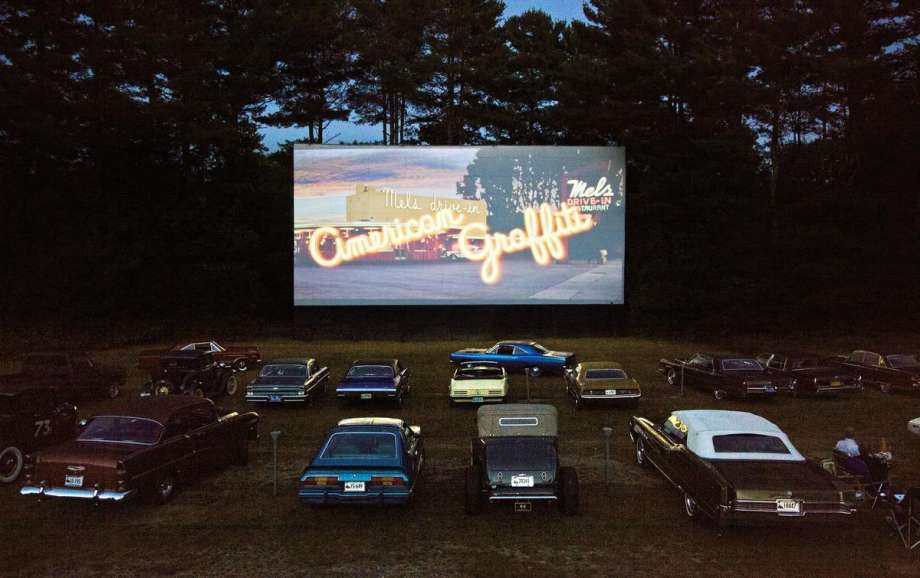
I remember Drive-In Theaters from way back. My sister is 8 years older than I am. When she was 16 I was 8 and mom made her take me with her on dates and that included the Drive-In. Most Drive-Ins charged by the person so guess where I was located? A mile up from the Drive-In I would know the routine…I would climb in the trunk. I remember smelling the old dirty tire and whatever else…I would hear us roll over the gravel and then the car would stop…my sister would let me out.
I would climb in the back seat and start watching. Although I make fun of her for this I actually enjoyed it. It was fun to do as a kid. I was a laid-back kid anyway. I remember the only movie showing one time was an R rated movie. It was called “Revenge of the Cheerleaders” from 1976…I got quite an education on the female anatomy. She would tell me don’t look now… then she and her date would go out and talk to friends parked around. I was of course looking and I never told mom…I knew I would not get to come back if I told her.
There are a few around here and once in a while, we will go see them. No Cheerleaders though.
In 1933, eager motorists park their automobiles on the grounds of Park-In Theaters, the first-ever drive-in movie theater, located on Crescent Boulevard in Camden, New Jersey. Richard Hollingshead opened it up. He thought of it because his mother was to large for theater seats. He charged just 25 cents per car.
The Drive-In didn’t really take off until the in-car speakers were invented by the late 40s. By 1958, the number of drive-ins peaked at 4,063.
Indoor theaters were more practical because they could show a movie 5-6 times a day and not have to worry about the weather or being light so the Drive-In’s started to get B movies (Revenge of the Cheerleaders!) and the fad started to slow down. Also, land value pushed the Drive-In’s out.
Now there are roughly 400 Drive-Ins left in America.
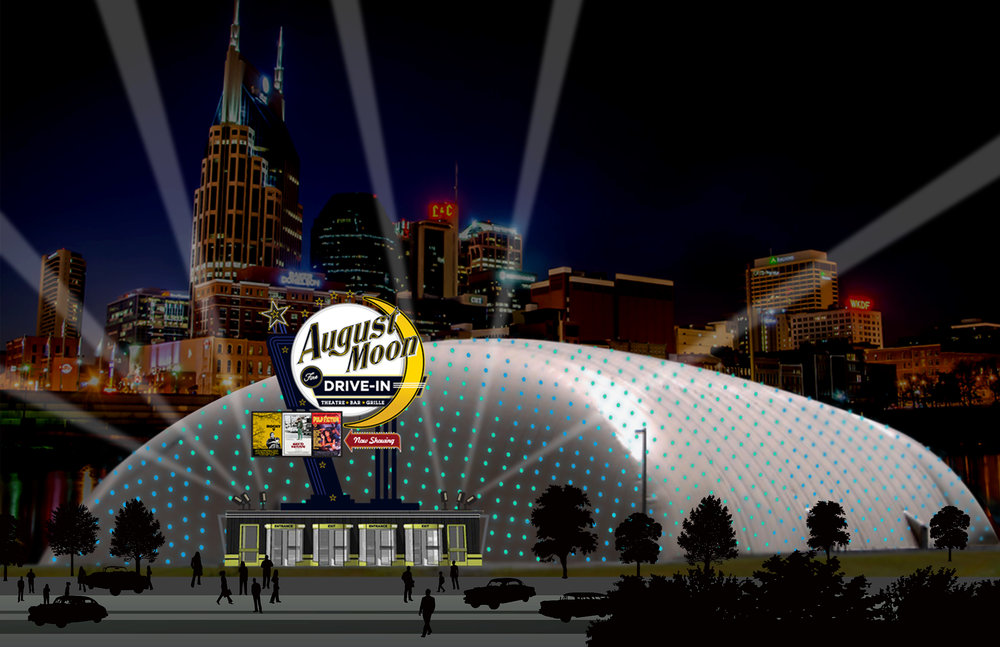
In Nashville, they are building an indoor Drive-In Theater. When it is finished I will check it out. You will not drive in with your car…you will walk in and sit in one of the classic cars they will have ready for you…I’m ready…but no trunks
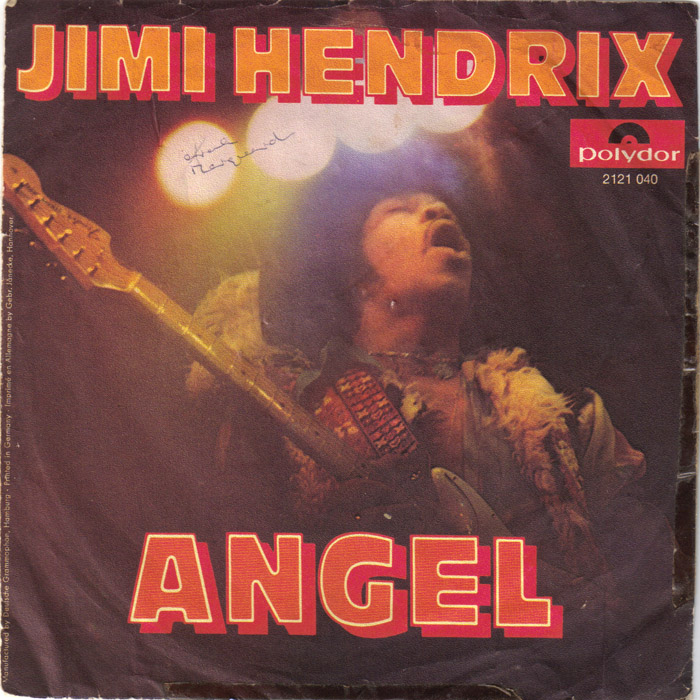
This is a beautiful spacey song by Jimi Hendrix. Hendrix started working on this in 1967 along with “Little Wing,” which was similar. He gave up on it, but pulled it out and recorded it on July 23, 1970 – just a few months before his death on September 18, 1970. The song takes you on a ride.
It was originally released on his 1971 posthumous album The Cry of Love. It was written by Hendrix and recorded at Electric Lady Studios with drummer Mitch Mitchell and bassist Billy Cox. Rod Stewart later covered this song…of course, he has covered about every song.
The song was inspired by a dream Hendrix had about his mother, Lucille. His vocal performance here is relaxed and almost whispered in places, as if the song wasn’t meant for a crowd at all, just for the person in the dream. Mitch Mitchell keeps it light, more brush than hammer, and Billy Cox anchors it without intruding. The whole thing feels like it’s floating.
Angel
Angel came down from heaven yesterday She stayed with me just long enough to rescue me And she told me a story yesterday, About the sweet love between the moon and the deep blue sea And then she spread her wings high over me She said she’s gonna come back tomorrow
And I said, “Fly on my sweet angel, Fly on through the sky, Fly on my sweet angel, Tomorrow I’m gonna be by your side”
Sure enough this morning came unto me Silver wings silhouetted against the child’s sunrise And my angel she said unto me, “Today is the day for you to rise Take my hand, you’re gonna be my man, You’re gonna rise” And then she took high over yonder
And I said, “Fly on my sweet angel, Fly on through the sky, Fly on my sweet angel, Forever I will be by your side”
Some of these restaurant chains, people will remember some won’t because it depends on where you live and if any were in your market. A few may have a handful open with Franchisees but for the most part, they are closed.
Steak and Ale -1966 – 2008 I liked the Mock Tudor building and the atmosphere inside…the food was good. They are trying to make a comeback…I hope they make it. Last time I ate at one was in the 90s in Huntsville Alabama.
Burger Chef – 1954 – 1996 They had over 1200 locations at one time. Many were bought out and turned into Hardees.
Rax Roast Beef 1967 – (handful open now)I liked the Roast Beef but the best thing was the chocolate chip milkshake. There are a few lone Franchisees left. I remember going to them in the 80s.
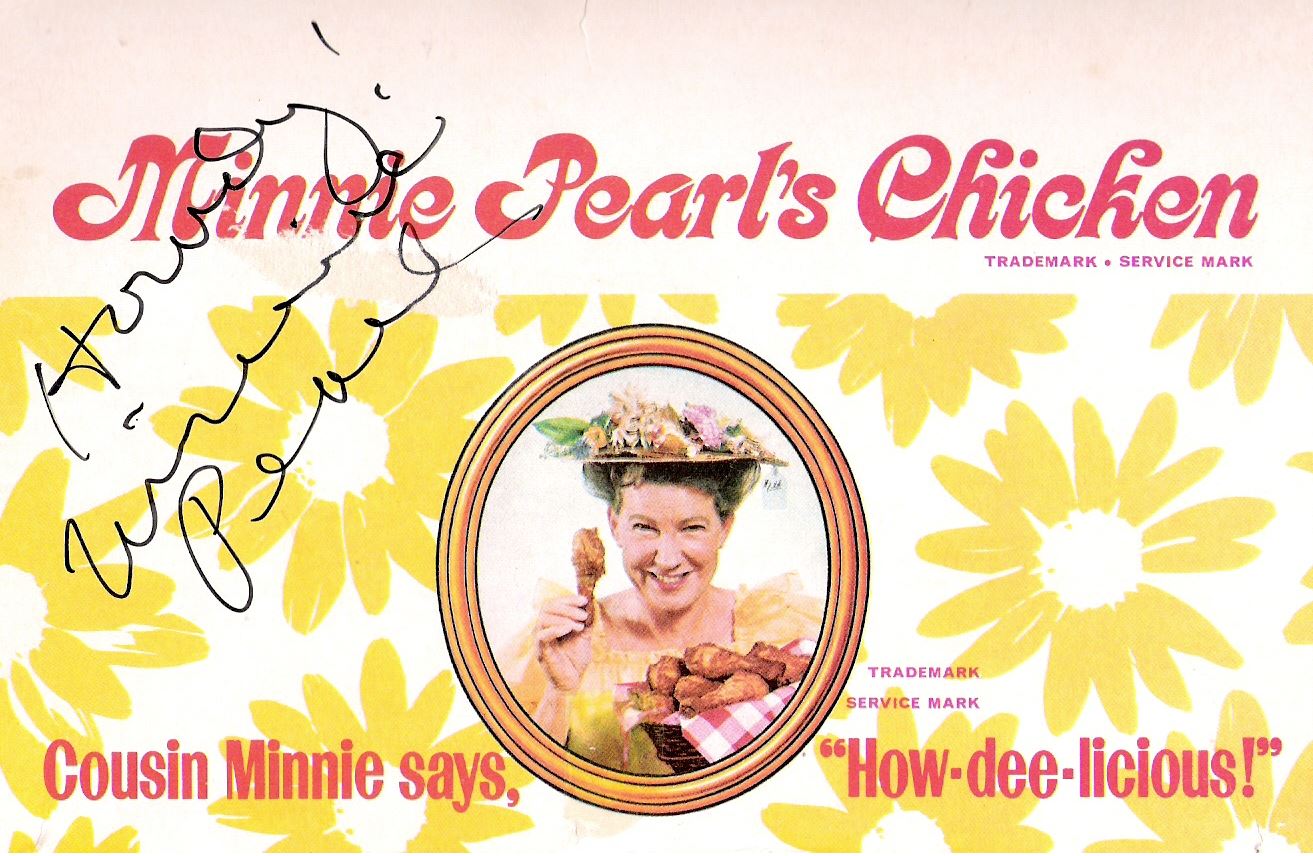
Minnie Pearl’s Fried Chicken 1968 to mid-1970s – How-dee-licious…indeed. It was actually really good. When I was in 2nd grade we would go to one in a nearby town once in a while…really good chicken… it went down because of faulty accounting… Great article here.
Bennigan’s 1976 – (Bennigan’s and Steak and Ale making a comeback together)An Irish Pub theme restaurant. I went there a few times. There are a few locations left…
Red Barn – 1961-1988 They were known for the “Big Barney” and Barnbuster burger. I see an old Red Barn where I work and now it’s a Mexican restaurant.
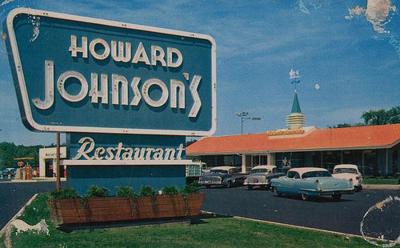
Howard Johnson’s Restaurant – 1953-2017 I do remember eating at a few of these traveling. In 2017 there was one left in New York but the owner was arrested and now it’s closed.
LUMS – 1956-1982 I did go to one but I was really young and traveling at the time.
Bonanza Steak House – 1963 – 2008 (bankruptcy) There are a few of these left… these and Ponderosa… Dan Blocker (Hoss Cartwright) was an original investor. In the late seventies before we would go to a movie we would stop at a Bonanza. I did go to a Ponderosa a few years back.
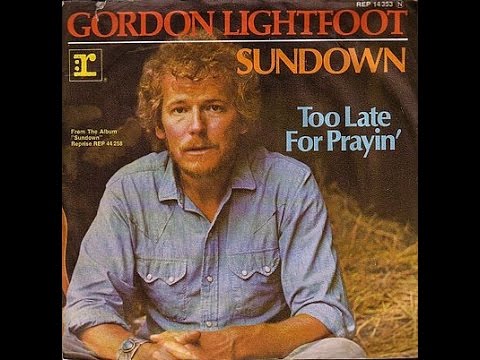
I first noticed Candian Gordon Lightfoot riding in the car with my sister …with the AM radio station playing this song. Sundown got a lot of airplay back then. It peaked at #1 in the Billboard 100, #1 in Canada, and #33 in the UK in 1974.
The inspiration for this song was his girlfriend Cathy Smith who would later have a romantic relationship with Richard Manuel of The Band and a fatal encounter with John Belushi.
The inspiration for this song came from Lightfoot worrying about his girlfriend, who was out at bars all day while he was at home writing songs. He recalled during a Reddit AMA: “I had this girlfriend one time, and I was at home working, at my desk, working at my songwriting which I had been doing all week since I was on a roll, and my girlfriend was somewhere drinking, drinking somewhere. So I was hoping that no one else would get their hands on her, because she was pretty good lookin’!”
“As a matter of fact, it was written just around Sundown,” he added, “just as the sun was setting, behind the farm I had rented to use as a place to write the album.”
Lightfoot most likely wrote this about the stormy relationship with his one time girlfriend Cathy Smith, who was later sentenced for delivering a lethal dose of heroin to John Belushi.
Sundown
I can see her lyin’ back in her satin dress In a room where ya do what ya don’t confess Sundown you better take care If I find you beenn creepin’ ’round my back stairs Sundown ya better take care If I find you been creepin’ ’round my back stairs
She’s been lookin’ like a queen in a sailor’s dream And she don’t always say what she really means Sometimes I think it’s a shame When I get feelin’ better when I’m feelin’ no pain Sometimes I think it’s a shame When I get feelin’ better when I’m feelin’ no pain
I can picture every move that a man could make Getting lost in her lovin’ is your first mistake Sundown you better take care If I find you been creepin’ ’round my back stairs Sometimes I think it’s a sin When I feel like I’m winnin’ when I’m losin’ again
I can see her lookin’ fast in her faded jeans She’s a hard lovin’ woman, got me feelin’ mean Sometimes I think it’s a shame When I get feelin’ better when I’m feelin’ no pain Sundown you better take care If I find you been creepin’ ’round my back stairs Sundown you better take care If I find you been creepin’ ’round my back stairs Sometimes I think it’s a sin When I feel like I’m winnin’ when I’m losin’ again









:format(jpeg):mode_rgb():quality(40)/discogs-images/L-1308739-1503287571-2115.jpeg.jpg)

 PowerPop... An Eclectic Collection of Pop Culture