This was on the album Coda it was released two years after John Bonham’s death and features outtakes from sessions throughout their career.
the song was supposed to be released as a single to coincide with their 1979 tour, but it was delayed because of production problems. This was Zeppelin’s answer to the Punk Rock groups at the time. It was recorded during the making of the In Through The Out Door album.
I don’t think it would have fit well on In Through The Out Door but it is too bad they didn’t release it as a single at the time.
From Songfacts
John Bonham died before this could be released. It was included on Coda, an album of unreleased tracks.
They planned to release this under the name of a fake band so it would not be judged as a Zeppelin song and could compete against the popular Punk bands.
Led Zeppelin never performed this live, but in 1990, Page and Plant played it at the Knebworth Festival in England.
Wearing and Tearing
It starts out like a murmur Then it grows like thunder Until it bursts inside of you Try to hold it steady Wait until you’re ready Any second now will do Throw the door wide open Not a word is spoken Anything that you want to do
Ya know, ya know, ya know Ya know, ya know, ya know
Don’t you feel the same way? Don’t you feel the same way? But you don’t know what to do No time for hesitatin’ Ain’t no time for hesitatin’ All you got to do is move They say you’re feeling blue, well I just found a cure It’s a thing you gotta do, yeah
(Ya know, ya know, ya know)
Now listen, when you say your body’s aching? I know that it’s aching Chill bumps come up on you Yeah, the funny fool I love the funny fool Just like foolin’ after school? And then you ask for medication Who cares for medication When you’ve worn away the cure
(Ya know, ya know, ya know)
(Hey, hey) Go back to the country yeah, go back to the country Feel a change is good for you When you keep convincin’ Ah, don’t keep convincin’ What’s that creeping up behind a you? It’s just an old friend, it’s just an old friend And what’s that he’s got for you?
(Ya know, ya know, ya know)
Yeah, yeah, yeah I can feel it, I can feel it ? Oh, medication, medication, medication
Love the lyrics to this song and also Knopfler’s guitar. When this song came out my friends and I would quote these lines to one another at school. Any song with I don’t know how you came to get the Betty Davis knees…But worst of all young man you’ve got Industrial Disease’ …..is alright with me.
The song was off of their Love over Gold album which peaked at #19 in the Billboard album chart in 1982. Industrial Disease peaked at #75 in the Billboard 100 in 1983.
From Songfacts
The song focuses on the decline of the British manufacturing industry in the 1980s. The song focuses on strikes, depression and dysfunctionality.
The title of what later became an AC/DC song is mentioned in the lyrics: “Thunderstruck.”
The reference to “brewers droop” as a medical condition is an in-joke, referring both to the effect of alcohol on libido and to the band of the same name that Mark Knopfler played in prior to Dire Straits.
Industrial Disease
Warning lights are flashing down at Quality Control Somebody threw a spanner and they threw him in the hole There’s rumors in the loading bay and anger in the town Somebody blew the whistle and the walls came down There’s a meeting in the boardroom they’re trying to trace the smell There’s leaking in the washroom there’s a sneak in personnel Somewhere in the corridors someone was heard to sneeze ‘goodness me could this be Industrial Disease?
The caretaker was crucified for sleeping at his post They’re refusing to be pacified it’s him they blame the most The watchdog’s got rabies the foreman’s got fleas And everyone’s concerned about Industrial Disease There’s panic on the switchboard tongues are ties in knots Some come out in sympathy some come out in spots Some blame the management some the employees And everybody knows it’s the Industrial Disease
The work force is disgusted downs tools and walks Innocence is injured experience just talks Everyone seeks damages and everyone agrees That these are ‘classic symptoms of a monetary squeeze’ On ITV and BBC they talk about the curse Philosophy is useless theology is worse History boils over there’s an economics freeze
Sociologists invent words that mean ‘Industrial Disease’ Doctor Parkinson declared ‘I’m not surprised to see you here You’ve got smokers cough from smoking, brewer’s droop from drinking beer I don’t know how you came to get the Betty Davis knees But worst of all young man you’ve got Industrial Disease’
He wrote me a prescription he said ‘you are depressed But I’m glad you came to see me to get this off your chest Come back and see me later – next patient please Send in another victim of Industrial Disease’ I go down to Speaker’s Corner I’m thunderstruck They got free speech, tourists, police in trucks Two men say they’re Jesus one of them must be wrong There’s a protest singer singing a protest song – he says ‘they want to have a war to keep us on our knees
They want to have a war to keep their factories They want to have a war to stop us buying Japanese They want to have a war to stop Industrial Disease They’re pointing out the enemy to keep you deaf and blind They want to sap your energy incarcerate your mind They give you Rule Brittania, gassy beer, page three
Two weeks in Espana and Sunday striptease’ Meanwhile the first Jesus says ‘I’d cure it soon Abolish Monday mornings and Friday afternoons’ The other one’s on a hunger strike he’s dying by degrees How come Jesus gets Industrial Disease
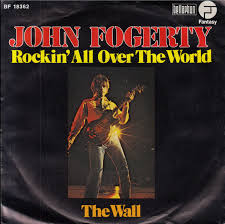
In 1975 John Fogerty was battling his old record label Fantasy and his ex-bandmates in Creedence. He released his second solo album, John Fogerty, it was released by Asylum Records in the United States and Fantasy Records internationally. The album peaked at #78 in 1975.
It contained two songs are among my favorite of Fogerty’s solo material… this one and Almost Saturday Night. Rockin’ All Over The World peaked at #27 in the Billboard 100 in 1975.
Status Quo did a cover of this song and it peaked at #3 in the UK Charts. John isn’t concerned that many people think it was written by Status Quo. He said: “It’s wonderful to have a cover that’s much better known than the original. Even at the time, when I was still lost in the woods, the fact that there was a song I’d written that was doing quite well made me feel much better.”
From Songfacts
Creedence Clearwater Revival was one of the top American acts from 1968 until their split in 1972. Their leader, John Fogerty, released an album under the name The Blue Ridge Rangers in 1973 that got away from the CCR sound, with covers of classic country songs. For his next album, released in 1975 under his own name, he wanted to re-establish himself as a rocker, which he did on this song, which is the first single.
The 2:50 “Rockin’ All Over The World” finds Fogerty singing about life as musician bringing rock to the masses, which is something he knew well. The song did well, but the album stalled at #78. The following year, Fogerty said in an interview with Phonograph Record, “When I finished it, there was something wrong that I just couldn’t put my finger on. It sounded dated in a way, like it should have come out in 1971.”
Bruce Springsteen added this song to his setlist when he toured the UK in 1981, typically playing it as part of his encore. The song would show up again on tours in 1985 and 1993, then occasionally at concerts in the ’00s and ’10s.
Typical of Fogerty’s solo work, he played all the instruments on this track and did all the vocals himself.
The British group Status Quo took this to #3 in the UK with their 1977 cover. Their guitarist Rick Parfitt got the idea to cover the song; he first heard it after a night in the studio when copious amounts of alcohol were consumed. Driving home, he stopped to pick up what he thought was a hitchhiker, but was really a mailbox. Realizing he was quite impaired, he turned on the radio and “Rockin’ All Over The World” came on, which he later suggested to the band.
“When we all heard it, it just sounded piddly to us,” Quo frontman Francis Rossi told us. “But once we’d done the track and then Rick got that kind of ‘Singin’ in the Rain’ piece on the end, it started to build into something.”
Status Quo made this the title track of their 1977 album, and embarked that year on the “Rockin’ All Over The World” tour. This tour, however, skipped America. After making stops in the US the previous four years, the group gave up on the States, where their only significant hit was the 1968 track “Pictures Of Matchstick Men.”
This was the first song performed at Live Aid. Status Quo was the opening act at the London stage, and played it first in their set, which also included “Caroline” and “Don’t Waste My Time.”
Status Quo re-recorded the song in 1988, to support Sport Aid, as “Running All Over The World” with slightly amended lyrics. The new version reached #17 in the British Singles Chart.
The song has been reworked by the supporters of several football teams. Southend United fans, for instance, began singing “Shrimping All Over the World” after the 2004 Football League Trophy final and it is now their anthem. Also supporters of the Northern Ireland national football team often sing the song, particularly on away trips, changing the lyrics to “Drinkin’ All Over the World.”
Status Quo have a devoted rock following who love this song, even thought it’s one of their poppier efforts. As Francis Rossi tells it, even in 2013 when they played the Sweden Rock festival, metal bands were clearly enjoying this song. “It went out as a single and it was just monstrous,” he said. “I don’t really understand why.”
By the time Quo were ready to film the video, bassist Alan Lancaster had moved to Australia to get married. When the band asked him to fly back for the promo, he refused. Quo’s solution was to replace him with a life-sized puppet with a guitar, its strings operated by the band’s manager from the studio ceiling. “I didn’t mind the puppet,” Lancaster told Q magazine April 2013, “But that was the first time we’d done something without all four of us.”
John Fogerty recorded his original during a dark period when he was boycotting his old Creedence Clearwater songs.
Rockin’ All Over The World
Oooh! Ah!
Well, a-here-ee-yup, a-here-ee-yup, a-here we go,
Four in the mornin’, justa hittin’ the road,
Here we go-oh! Rockin’ all over the world! Yeah.
Well, a-geedeeup, a-geedeeup, a-get away,
We’re goin’ crazy, and we’re goin’ today, here we go-oh!
Rockin’ all over the world!
[Chorus:]
Well I like it, I like it, I like it, I like it,
I la-la-like it, la-la-la, here we go-oh! Rockin’ all over the world!
Yeah! Yeah!
Well, I’m gonna tell your Mama what your Daddy do,
He come out of the night with your dancin’ shoes,
Here we go-oh! Rockin’ all over the world! Yeah.
This was a duo from the eighties I really liked. This song peaked at #14 in the Billboard Mainstream Rock Hits in 1986. The album Boomtown peaked at #39 in 1986 and it contained three radio hits. Welcome to the Boomtown, Ain’t So Easy, and Swallowed by the Cracks.
The two Davids were David Baerwald and David Ricketts. They broke up after their only studio album which really disappointed me because I was really looking forward to their next album. There is hope though…in 2016 it was reported that they are working on their second album.
Boomtown was a very underrated album. David Baerwald’s voice is so down to earth and the lyrics and melodies were really good. This album got lost in the mega album 80s.
They did work later with Sheryl Crow on her Tuesday Night Music Club album.
Swallowed By The Cracks
I once was a dancer
I was young once like you
Though I know I don’t look it
Jumped high as the sky
Had fire in my eyes
And legs like a stallion
And I had a girl and I loved her
My best friend was her brother
We were on top of the mountain that summer
Thought we’d never be swallowed by the cracks
Fallen so far down
Like the rest of those clowns begging bus fare back
Swallowed by the cracks
Our pride worn down talking times gone by
Like everybody else
Swallowed by the cracks
We would never be swallowed by the cracks
We would talk through the night
About what we would do
If we just could get started
I would choreograph
Eileen she would act while
Steve was a writer
Then Stevie ran away and get bored
Eileen took a job in a store
Me I became this drunken old whore
‘Cause you see we’d be swallowed by the cracks
Fallen so far down
Like the rest of those clowns begging bus fare back
Swallowed by the cracks our pride worn down
Talking times gone by like everybody else
Swallowed by the cracks
Swallowed by the cracks
You see we’d be swallowed by the cracks
Maybe it ain’t over I can see it’s up to me
You only out when you stay out you stay out when you don’t
Believe we could drive around in circles getting nowhere
All night long getting drunk with strangers telling lies
And singing along with the jukebox baby
Swallowed by the cracks
She got Stalin on the wall, Beatles in her box, flags in the hall, Lennon in a locket…a hell of a statement to open up a song. The song was written by Richard Ford and John Kilzer.
Kilzer also reached #36 on the same chart with his preceding single ‘Green, Yellow, and Red’ earlier in 1988 (the song was also recorded by Roseanne Cash on her acclaimed 1987 album ‘King’s Record Shop’. His album ‘Memory In The Making’ reached #110 on the Billboard album chart.
I was commenting with Vic at The Hinoeuma and she remembered this song and thought that Kilzer was saying Lenin in a locket and after reading the rest of the lyrics I agreed but all of the lyrics I found it is Lennon. It makes sense both ways.
Either way, it is a nice rocker from the 80s that peaked at #12 in the Billboard Mainstream Rock Songs.
Red Blue Jeans
She got Stalin on the wall, Beatles in her box
flags in the hall, Lennon in a locket.
Stalin on the wall, Beatles in her box
flags in the hall, Lennon in a locket
Stalin on the wall, Beatles in her box
flags in the hall, Lennon in a locket
Get red blue jeans, she wears a red blue jeans.
She loves Big Brother, she wants to be true
when she goes to the parties it’s in red white and
blue.
She wears a red blue jeans, (ha) red blue jeans.
Bursting at the seams, dying to be free.
Within the halls of the Kremlin she holds her Manifesto
but what really sets her trembling are the words of the
Bible.
She keeps it in bed, reads it at night
knows what’s are real she knows it ain’t right
To wear (a) red blue jeans, (ha) red blue jeans.
Bursting at the seams, dying to be free.
BRIDGE
And in the realm of the terminally blue
it’s not who you are it’s what you do.
And in the realm of the marginally free
it’s not how you look it’s what you see.
She got Stalin on the wall, Beatles in her box
flags in the hall, Lennon in a locket.
Stalin on the wall, Beatles in her box
flags in the hall, Lennon in a locket
Stalin on the wall, Beatles in her box
flags in the hall, Lennon in a locket
Getting red blue jeans, (yeah) red blue jeans
(such a) busting at the seams, she’s dying to be free.
(Ha) red blue jeans, (yeah) red blue jeans
(ha) red blue jeans, (yeah) red blue jeans
copyright <a href=”https://elyrics.net”>http://elyrics.net</a>
I’ve always liked this instrumental because it is a fun listen. Nothing intricate but just a fun song. Its original name was Beatle Bop. This was not released on any Beatle albums during their time. This was before Brian Epstein and fame.
This instrumental is the only Beatles track to be credited to John Lennon and George Harrison alone (who play rhythm and lead respectively). It was intended as a parody of British rock band The Shadows (Hence the name), whose instrumental music was enjoying success. Whilst Harrison imitates Shadow’s guitarist Hank Marvin’s signature lead sound, McCartney can be heard replicating the style of bassist Jet Harris.
This song was recorded in Hamburg in 1961 when they were backing Tony Sheridan by the name of the Beat Brothers.
This song is one of only two officially released Beatles singles to feature Pete Best on drums. The other is “Ain’t She Sweet,” although it is alleged that a studio drummer “sweetened” the drum parts on this recording for American release. The producer Bert Kaempfert would take away Pete’s bass drum at these sessions and kept him only on the snare because of his timing issues.
From Songfacts
In a 1987 interview with Guitar Player magazine, George Harrison said: “In Hamburg we had to play so long, we actually used to play ‘Apache‘… But John and I were just bulls–tting one day, and he had this new little Rickenbacker with with a funny kind of wobble bar on it. And he started playing that off, and I just came in, and we made it up right on the spot.”
This track features the original Beatles drummer Pete Best, who received some royalties from the song when it was included on the 1995 Anthology collection.
This track was recorded in Hamburg whilst the Beatles performed under the moniker “The Beat Brothers” as a backing band for English singer Tony Sheridan. The track was produced by German big band leader and composer Bert Kaempfert.
Released on Polydor Records, the label declined further recordings from The Beatles, who returned to England, whilst Tony Sheridan stayed in Hamburg. At the request of The Beatles new manager Brian Epstein, Kaempfert dissolved his contract with the band in May 1962.
After reading about Keith’s exploits it doesn’t surprise me this incident happened to him, what surprises me is that it didn’t happen more often.
On the 1973 tour opener at the Cow Palace in San Fransico Keith found out that Horse Tranquilizers and Brandy don’t mix with drumming. It has been said that someone slipped the tranquilizer in his drink backstage. Dougal Butler his PA said it was a Monkey Tranquilizer.
Keith was playing erratic most of the night slowing down and speeding up the tempo. The Who were coming towards the end of their set and Moon was clearly struggling. A few minutes into Won’t Get Fooled Again he ground to a halt, and left the stage. He came back and played Magic Bus and just fell over on his drums near the end of the song…he looked out of it on the video. He was soon carried off stage
Pete Townshend told the audience “We’re just gonna revive our drummer by punching him in the stomach,” “He’s out cold. I think he’s gone and eaten something he shouldn’t have eaten. It’s your foreign food…”
Pete then asked if anyone can play the drums… someone really good.
It’s hard to imagine one of the biggest bands in the world at that time asking for someone in the audience to fill in for their passed out drummer.
19-year-old Scott Halpin was there with a friend and said…“My friend was pushing me forward and saying, ‘Come on man, you can go up there and play, you can play,’” said Halpin. “He’s really the one that got me into it.”
In interviews, Halpin claimed the last thing he remembered was swallowing a shot of brandy and being introduced to the crowd by Roger Daltrey. That, and the size of Keith Moon’s kit: “It was ridiculous. The tom-toms were as big as my bass drum.” Scott did really well and Daltrey said afterward that he was really good. Halpin walked away from the kit an even bigger Keith Moon fan than before: “I only played three numbers, and I was dead.”… He talked later about the stamina that Moon must have had to play just a set.
From Wiki
Halpin was born in Muscatine, Iowa, to Elizabeth and Richard Halpin, of Muscatine. He grew up in Muscatine, showing early promise as a visual artist and musician. In the early 1970s, he moved to California, where he met his wife and lifetime collaborator Robin Young at City College of San Francisco in 1978. Halpin went on to earn an MA in Interdisciplinary Arts from San Francisco State University.
Halpin became a composer in residence at the Headlands Center for the Arts, in Sausalito, California, and played with a number of bands over the years, including The Sponges, Funhouse, Folklore, SnakeDoctor and Plank Road. While on the West Coast, Halpin and his wife managed a new wave punk rock night club, The Roosevelt, before moving to Indiana in 1995 to pursue opportunities in the visual arts.
From 1995 until his death, Halpin resided in Bloomington, Indiana, with his wife Robin and son, James. According to local newspapers in the Bloomington area, Halpin died February 9, 2008, of an inoperable non-malignant brain tumor.
Keith leaves the stage 1:13:40 … and then passes out around 1:29:48. Pete talks to the audience and asks someone to play drums 1:37:50.
I have a friend named Bob who lived in Boston in 1976. His father worked for MCA Records and he saw The Who with Moon. After the first two songs, I Can’t Explain and Substitute Moon passed out and the show was canceled. The show was rescheduled but he didn’t make it to the makeup show…he regrets it now but he got to see Moon in action for 2 songs anyway… No call out for replacements in this concert since it was so early in the show.
San Francisco and Boston are the only two occasions that I know of that Keith passed out and caused a cancellation. I sent Bob this link and told him at least he has a short audio souvenir of the concert he attended. It doesn’t have the opener Can’t Explain but it does have Substitute and Pete telling the audience about Keith at 3:22… you can hear people talking about it on this bootleg. The cause of this one was too much Brandy and downers.
Lennon wrote this when he was in The Beatles. They recorded it as a demo called “Child of Nature,” which he’d written about their trip to India to study with Maharishi Mahesh Yogi. It didn’t make it onto any Beatles albums, so Lennon used it on his Imagine album with the lyrics changed to reflect his jealous nature. It was not released as a single in 1971.
The single reached #80 in the Billboard Hot 100 in1988, in conjunction with the release of the film Imagine John Lennon.
Joey Molland and Tom Evans of Badfinger both played acoustic guitar on this track. Badfinger was signed to the Beatles-run Apple label and George Harrison recommended to Lennon, “if you need some guitar players on Imagine, use the Badfinger guys.”
John Lennon said this about the song: My song, melody written in India. The lyrics explain themselves clearly: I was a very jealous, possessive guy. Toward everything. A very insecure male. A guy who wants to put his woman in a little box, lock her up, and just bring her out when he feels like playing with her. She’s not allowed to communicate with the outside world – outside of me – because it makes me feel insecure.
From Songfacts
John Lennon confronts the green-eyed monster in this song, where he sings about the fits of jealousy that controlled him. At the time, he was married to Yoko Ono, who believes the jealousy Lennon describes is not sexual, but more an unfounded feeling of inadequacy. “He was jealous about the fact that I had another language in my head, you know, Japanese, that he can’t share with me,” she told Uncut in 1998. “It was almost on a very conceptual, spiritual level. It wasn’t on a level of physical or anything ’cause I just would never give him a reason for that.”
Paul McCartney stated in the February 1985 issue of Playgirl: “He (John) used to say, ‘Everyone is on the McCartney bandwagon.’ He wrote ‘I’m Just a Jealous Guy,’ and he said that the song was about me. So I think it was just some kind of jealousy.”
Speaking with Rolling Stone months after Lennon’s death, she said that he made her write out a list of all the men she slept with before they met. “He wrote a song, ‘Jealous Guy,’ that should have told people how jealous he was,” she said. “After we started living together, it was John who wanted me there all the time. He made me go into the men’s room with him. He was scared that if I stayed out in the studio with a lot of other men, I might run off with one of them.”
Klaus Voormann played bass on this track. He was an old friend of the Beatles and designed the cover of Revolver. Other musicians were Jim Keltner on drums, Alan White on vibes and John Barham on harmonium.
In 1981 Roxy Music recorded this as a tribute to Lennon, who was murdered on December 8, 1980. Their version went to #1 in the UK. Many other groups have covered it as well, including The Faces and The Black Crowes.
Joey Molland recalled working with Lennon in an interview with Gibson.com, “It was great! He was just a plain-talking, regular guy. No b.s. at all. Now, of course, he was John Lennon, so he had that energy about him; he kind of lit up the room, you know? But he welcomed us, said he was thrilled to have us, and then he said, ‘The first song we’re going to do is something called ‘Jealous Guy.” It was pretty amazing, sitting there with your headphones on, hearing John Lennon singing this fantastic song. Totally remarkable.”
Yoko Ono contributed to the track’s lyrics. However, because of the public’s negative attitude towards her at the time, her role was downplayed. She told NME: “Well, if it was just John, [he] would have given me the right credit, but it was a difficult time. No famous songwriter would have thought of splitting the credit with his wife.”
Yoko added regarding her influence on the track: “I think it’s a good song from a women’s point of view as well. John was trying to create a fun song about going on a trip to Rishikesh. That might have been great too, but it ended up not being that.”
Jealous Guy
I was dreaming of the past And my heart was beating fast I began to lose control I began to lose control I didn’t mean to hurt you I’m sorry that I made you cry Oh my I didn’t want to hurt you I’m just a jealous guy
I was feeling insecure You might not love me anymore I was shivering inside I was shivering inside Oh I didn’t mean to hurt you I’m sorry that I made you cry Oh my I didn’t want to hurt you I’m just a jealous guy
I didn’t mean to hurt you I’m sorry that I made you cry Oh my I didn’t want to hurt you I’m just a jealous guy
I was trying to catch your eyes Thought that you was trying to hide I was swallowing my pain I was swallowing my pain I didn’t mean to hurt you I’m sorry that I made you cry Oh no I didn’t want to hurt you I’m just a jealous guy Watch out baby I’m just a jealous guy Look out baby I’m just a jealous guy
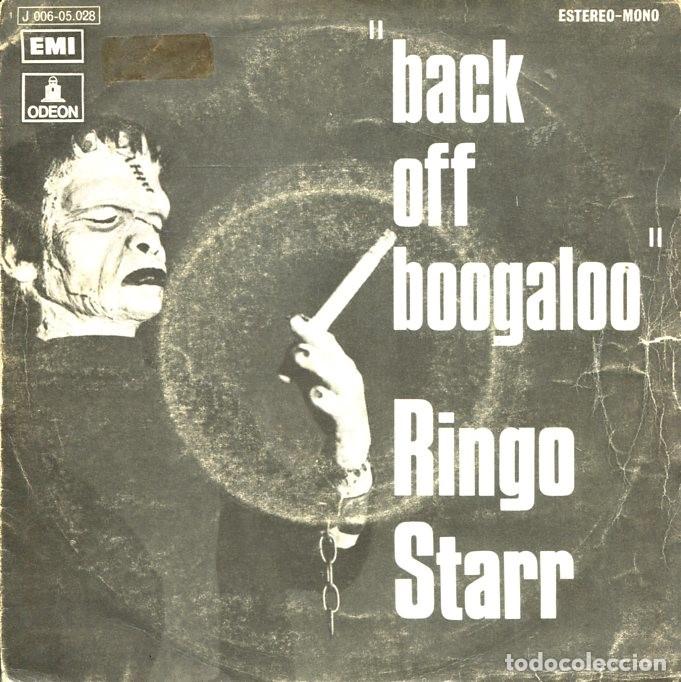
Back Off Boogaloo was Ringo’s follow up to his 1971 hit It Don’t Come Easy. It was released as a single only in 1972.
Some say Ringo wrote this song about Paul McCartney to stop his snide remarks in the press about the other Beatles and also to make better music. I can see why some people saw that in:
Wake up, meat head Don’t pretend that you are dead Get yourself up off the cart
Get yourself together now And give me something tasty Everything you try to do You know it sure sound wasted
That last line was because Paul was very fond of Cannabis at the time. Ringo has since cleared that up and said it was inspired by Marc Bolan of T-Rex. Bolan had often said the word Boogaloo and Ringo wrote the song. Later on, George helped him finish the song but didn’t want songwriting credit as was the case in It Don’t Come Easy.
The song peaked at #9 in the Billboard 100 and #2 in the UK in 1972.
Chris Welch wrote in Melody Maker: “A Number One hit could easily be in store for the maestro of rock drums. There’s a touch of the Marc Bolan in this highly playable rhythmic excursion … It’s hypnotic and effective, ideal for jukeboxes and liable to send us all mad by the end of the week.”
Back Off Boogaloo
Back off, Boo-ga-loo, I said Back off, Boo-ga-loo, come on Back off, Boo-ga-loo, Boo
Back off, Boo-ga-loo What d’yer think you’re gonna do I got a flash right from the start
Wake up, meat head Don’t pretend that you are dead Get yourself up off the cart
Get yourself together now And give me something tasty Everything you try to do You know it sure sound wasted
Back off, Boo-ga-loo, I said Back off, Boo-ga-loo You think you’re a groove Standing there in your wallpapers shoes And your socks that match your eyes
Back off, Boo-ga-loo, I said Back off, Boo-ga-loo, come on Back off, Boo-ga-loo, Boo
Another positive song from George. The song peaked at #1 in the Billboard 100, #8 in the UK and #9 in Canada in 1973. Just another good song from George that continues his positive message.
“Give Me Love (Give Me Peace on Earth)” replaced Wings’ “My Love” at number 1 on the Hot 100 singles chart…For the week ending 30 June that year, the Harrison and McCartney songs were ranked numbers 1 and 2 respectively.
George Harrison said this about the song: “Sometimes you open your mouth and you don’t know what you are going to say, and whatever comes out is the starting point. If that happens and you are lucky, it can usually be turned into a song. This song is a prayer and personal statement between me, the Lord, and whoever likes it.”
Give Me Love (Give Me Peace On Earth)
Give me love
Give me love
Give me peace on earth
Give me light
Give me life
Keep me free from birth
Give me hope
Help me cope, with this heavy load
Trying to, touch and reach you with,
Heart and soul
Om m m m m m m m m m m m m m
M m m my lord . . .
Please take hold of my hand, that
I might understand you
Won’t you please
Oh won’t you
Give me love
Give me love
Give me peace on earth
Give me light
Give me life
Keep me free from birth
Give me hope
Help me cope, with this heavy load
Trying to, touch and reach you with,
Heart and soul
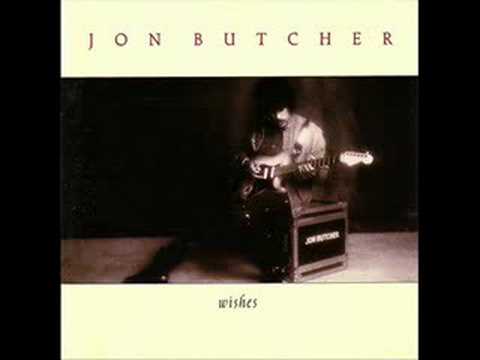
When I heard this guitar intro I was surprised, to say the least. In the late eighties after hearing Eddie Van Halen and Steve Vai endless finger tapping and scales on guitar.. this was refreshing. Jon Butcher sounded like he was inspired by Jimi Hendrix and it showed in this song….but he didn’t just sound like Hendrix in his other songs.
These comparisons to Hendrix were because of Butcher’s onstage appearance and mannerisms, patterned after Hendrix, and his choice for the band name Axis, which was a reference to Hendrix legendary album Axis: Bold as Love. Butcher’s stated influences are Richie Havens, John Lennon, Phil Lynott, Bob Dylan, and Taj Mahal and today he maintains that the Hendrix comparisons are superficial and has been quoted as saying “Being black, left-handed, and playing a Stratocaster created certain inevitable comparisons, particularly in the early days”.
This song peaked at #42 in the Billboard Mainstream Rock Song Chart in 1987.
Wishes
It’s late at night in the neighborhood And the thieves have all gone to bed They can hear your heartbeat in the distance As you lay down your weary head
But don’t worry, ’cause the dawn is breaking In another room halfway around the world And you can’t waste your life Wishing upon a star
‘Cause if wishes were horses If wishes were horses If wishes were horses Then dreamers would ride Huh, yes they would
A girl lives her life missing Some things that she never had Spends too much time in the unemployment line You see in her eyes that it drives her mad
Deep within her constitution Her pride and her dignity show through So she works that dream ‘Cause it’s all she can do
If wishes were horses If wishes were horses She says: if wishes were horses Then dreamers would ride Yes they would
Now I’m looking All around me for the answers And I know you’re looking hard too I know what you’re thinking Maybe wishes come true
If wishes were horses If wishes were horses I know, if wishes were horses Then dreamers would ride
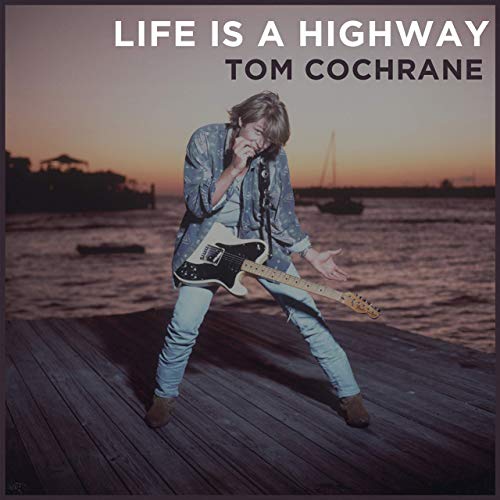
I remembered Cochrane from Red Rider and their hit Lunatic Fringe. “Life Is a Highway” is a song by Canadian-native Tom Cochrane. It is his only US Top-40 hit, reaching #6 in the Billboard 100 and #1 in Canada in 1992. Cochrane is a celebrated artist within the Canadian music scene. His honors include seven Juno Awards, membership in the Canadian Music Hall of Fame, being an Honorary Colonel in the Canadian Air Force, and having been inducted into the Canadian Walk of Fame.
From Songfacts Cochrane was also the frontman and chief songwriter for the group Red Rider for ten years and hit a few times with that group as well. Their best-known song in America is “Lunatic Fringe.”
This song was inspired by Cochrane’s trip to West Africa, where he was gaining exposure for the World Vision famine relief organization. He recalled to Jam! Music: “When I wrote that song after my first trip to Africa, which was just mind bending and soul-sapping, I was mentally, physically and spiritually exhausted and I really needed something to pull me out of this funk. I had this sketch that I had written and I ended up going into the studio and recorded it in an hour at seven in the morning.”
“The irony is that it was the most positive song I’d ever written, coming out of a pretty heavy experience. I needed a pep talk, and it became that for me and for millions of others.”
Cochrane devotes a great deal of his time to activism and causes, blending them together with his music, similar to artists such as Neil Young.
Since 1992, this song has had a near-continuous popularity thanks to heavy use in commercials. These include one for Cleveland, Ohio-based bank National City Corp and one for the NBC TV series VIPER. Before you say “car commercials,” that was different versions by other artists. It was most recently covered by Rascal Flatts who also got it to #7 on the Hot 100.
Rascal Flatts recorded a more kid-friendly version for the 2006 Disney movie Cars. The original version was used in the movies Cheaper by the Dozen and There Goes the Neighborhood.
Life Is A Highway
Life’s like a road that you travel on When there’s one day here and the next day gone Sometimes you bend sometimes you stand Sometimes you turn your back to the wind There’s a world outside every darkened door Where blues won’t haunt you anymore Where the brave are free and lovers soar Come ride with me to the distant shore We won’t hesitate break down the garden gate There’s not much time left today
Life is a highway I want to ride it all night long If you’re going my way I want to drive it all night long
Through all these cities and all these towns It’s in my blood and it’s all around I love you now like I loved you then This is the road and these are the hands From Mozambique to those Memphis nights The Khyber pass to Vancouver’s lights Knock me down get back up again You’re in my blood I’m not a lonely man
There’s no load I can’t hold Road so rough this I know I’ll be there when the light comes in Just tell ’em we’re survivors
Life is a highway I want to ride it all night long If you’re going my way I want to drive it all night long
Life is a highway I want to ride it all night long If you’re going my way I want to drive it all night long
There was a distance between you and I A misunderstanding once but now We look it in the eye
There ain’t no load I can’t hold Road so rough this I know I’ll be there when the light comes in Just tell ’em we’re survivors
Life is a highway I want to ride it all night long If you’re going my way I want to drive it all night long
Life is a highway I want to ride it all night long If you’re going my way I want to drive it all night long
Life is a highway I want to ride it all night long If you’re going my way I want to drive it all night long
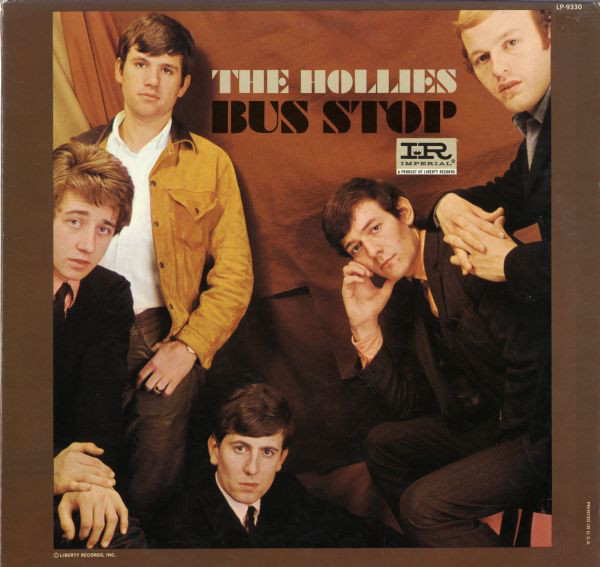
A good mid-sixties pop song from The Hollies. The song peaked at #5 in the Billboard 100, #5 in the UK, and #1 in Canada in 1966.
Bus Stop was written by Graham Gouldman, who went on to form the band 10cc, best known for their hit “I’m Not In Love.” Gouldman was just 19 when he wrote “Bus Stop,” but he had already written three Yardbirds songs: “For Your Love,” “Heart Full of Soul” and “Evil Hearted You.”
Graham Nash of The Hollies recalls learning about this song when their manager, Michael Cohen, told them about “this little kid who lives down the street,” which was Graham Gouldman. When Gouldman played it for them, they knew they had a winner. Nash says they recorded it in just an hour and 15 minutes.
From Songfacts
This song is about a couple who meet one rainy day at a bus stop. Love blooms when they share an umbrella.
In a Manchester newspaper, Graham Gouldman said he wrote it whilst riding on the No. 95 bus, which ran from East Didsbury – the route went through Manchester city center, to Sedgeley Park, Cheetham Hill, Prestwich, and on to Whitefield near Bury. Gouldman was living with his family on this route in Broughton Park Salford at the time. >>
Graham Gouldman’s father was a talented and creative writer who often helped his son with song ideas. Graham had the idea for bus stop setting, and his dad came up with the first line: “Bus stop, wet day, she’s there, I say, ‘please share my umbrella.'” From that starting point, he was able to finish the song.
In a Songfacts interview with Gouldman, he explained: “He gave me those words and I immediately, as I was reading them, heard the melody in my head, and it just kind of wrote itself. And then the middle part of the song I wrote – I got the melody and the words all in one chunk.”
The timeline in this song is a little askew. We know that love bloomed over the summer, but then we get the line, “Came the sun, the ice was melting.” This harkens spring, so apparently, time has passed. In Gouldman’s Songfacts interview, he clarified: “Winter is over, the snow is passed because the sun has melted it, so there’s no need to shelter anymore under the umbrella. You could say the snow is underfoot so you don’t need an umbrella anyway, but it’s poetic license: it could have been snowing so the umbrella can protect you from the snow as well as the rain.”
According to Gouldman, this song’s middle eight was one of the few instances in his songwriting career when he had a sudden inspiration rather than having to resort to hard toil. He explained to Mojo magazine in a 2011 interview: “You have to be working to make something happen. Occasionally you can wait for some magic, like McCartney waking up with Yesterday already written in his mind, which does happen – it’s like a gift from your own subconscious. Or sometimes, it’s like a tap’s turned on. When I’d written most of ‘Bus Stop,’ I was actually on a bus thinking about how the middle eight should go. And this whole, ‘Every morning I would see her waiting at the stop / Sometimes she’d shop…’ that all came to me in one gush, and I couldn’t wait to get home to try it. When that sort of thing happens, it’s really amazing. But that’s rare. Mostly, you have to do the slog.”
Herman’s Hermits also recorded this song in 1966. They got first crack at many of Gouldman’s songs because their manager was married to his sister.
In the Songfacts interview with Peter Noone, the Herman’s Hermits frontman explained: “‘Bus Stop’ went to the Hollies before us, because Graham didn’t think it was the kind of song that we would like. Then when we heard it, it was like, Are you kidding me? We want that. Luckily John Paul Jones heard it when we were trying to figure it out and he said ‘Nah, I’ve got it,’ and he re-invented the song. That’s John Paul Jones who turned that into a hit record, nobody else. It is not a hit song. If you listen to the Hollies demo version of it, it’s just not good. He reorganized the song and made it what it is: serious artwork.”
There is a short instrumental passage midway through the song, but the vocals, sung by Allan Clarke, carry the day. The only real verse section is in the middle – the rest is chorus and bridge, which at the end of the song is flipped – “Every morning I would see her waiting at the stop” comes in before the “bus stop, wet day” part, providing a bookend.
With so little verse, there are very few details – we have no idea what the bus or people look like – but that works to the song’s advantage because the listener can fill in the gaps. It’s a technique Gouldman picked up listening to The Beatles. “Sometimes it’s what’s left out that makes it work,” he says.
Bus Stop
Bus stop, wet day She’s there, I say Please share my umbrella Bus stops, bus goes She stays, love grows Under my umbrella
All that summer we enjoyed it Wind and rain and shine That umbrella we employed it By August she was mine
Every morning I would see her Waiting at the stop Sometimes she’d shop And she would show me what she’d bought
Other people stared As if we were both quite insane Someday my name and hers Are going to be the same
That’s the way the whole thing started Silly but it’s true Thinking of our sweet romance Beginning in a queue
Came the sun The ice was melting No more sheltering now Nice to think that that umbrella Led me to a vow
Every morning I would see her Waiting at the stop Sometimes she’d shop And she would show me what she’d bought
Other people stared As if we were both quite insane Someday my name and hers Are going to be the same
Bus stop, wet day She’s there, I say Please share my umbrella Bus stops, bus goes She stays, love grows Under my umbrella
All that summer we enjoyed it Wind and rain and shine That umbrella we employed it By August she was mine
This one I remember from the video more than airplay. A simple but effective riff to open the song and there is also The Band member Garth Hudson playing with The Call. That is what got my attention when I saw the video in the 80s. When The Walls Came Down peaked at #74 in the Billboard 100 and #17 in the Billboard Mainstream Rock Songs in 1983.
Guitarist Michael Been stated, “There was a great deal happening politically – Grenada, Lebanon, or the government saying the Russians are evil and the Russian government probably saying the same about us. That kind of thinking inspired me to write the last lines of ‘Walls Came Down’.”
When The Walls Come Down
Well they blew the horns And the walls came down They’d all been warned And the walls came down They stood there laughing They’re not laughing anymore The walls came down
Sanctuary fades Congregation splits Nightly military raids The congregation splits It’s a song of assassins Ringin’ in your ears We got terrorist thinking Playing on fears
Well they blew the horns And the walls came down They’d all been warned But the walls came down I don’t think there are any Russians And there ain’t no Yanks Just corporate criminals Playin’ with tanks
Ya ya ya ya ya ya Ya ya ya ya ya ya Ya ya ya ya ya ya Ya ya ya ya ya ya Ya ya ya ya ya ya Ya ya ya ya ya ya Ya ya ya ya ya ya Ya ya ya ya ya ya (Wake up) Ya ya ya ya ya ya Ya ya ya ya ya ya Ya ya ya ya ya ya Ya ya ya ya ya ya Ya ya ya ya ya ya Ya ya ya ya ya ya Ya ya ya ya ya ya Ya ya ya ya ya ya (Come on, come on, come on, come on)
I liked some of Squier’s earlier songs. This song peaked at #28 in the Billboard Mainstream Rock Songs in 1981. The song was on the Don’t Say No album which peaked at #5 in the Billboard Album Charts in 1981. The album had four well-known songs on it including The Stroke, My Kind of Lover, In The Dark, and this one. This song has always had a Led Zeppelin feel to me.
Squier asked Brian May of Queen to produce this album but because of scheduling conflicts, he couldn’t do it but recommended Reinhold Mack who produced the Queen album The Game…who ended up producing this album. Squier worked out of Boston and worked with at one time or another Ric Ocaskik, Joe Pepper, and Tom Shultz.
My second concert was a Billy Squier concert on November 30, 1982, in Nashville at the Municipal Auditorium. The Auditorium has been around since the early sixties and I remember seeing the No Smoking signs at the beginning of the concert…by the end you couldn’t see them because of the smoke. Nazareth opened up for Squier.
My first two concerts were REO and Billy Squier…My sons first two concerts were Paul McCartney and Ringo Starr…I told him he had a much better beginning than I did in his concert history…his third was Bob Dylan.
From Songfacts
In a 1982 interview with Sounds magazine, Squier explained that he doesn’t write songs when he’s on the road, which keeps him away from topics like groupies and parties. Said Squier: “‘Lonely Is The Night’ for example is nothing to do with the fact that I’m in a rock band, but it does have to do with the fact that you can be by yourself in a room somewhere and not know what to do, be scared to death of having to go out and find something.”
Lonely Is The Night
Lonely is the night when you find yourself alone Your demons come to light and your mind is not your own Lonely is the night when there’s no one left to call You feel the time is right, say the writing’s on the wall
It’s a high time to fight when the walls are closin’ in Call it what you like it’s time you got to win Lonely, lonely, lonely your spirit’s sinkin’ down You find you’re not the only stranger in this town
Red lights, green lights, stop and go jive Headlines, deadlines jammin’ your mind You been stealin’ shots from the side Let your feeling’s go for a ride
There’s danger out tonight, the man is on the prowl Get the dynamite, the boys are set to howl Lonely is the night when you hear the voices call Are you ready for a fight, do you wanna take it all?
Slowdown, showdown waitin’ on line Show time, no time for changin’ your mind Streets are ringin’, march to the sound Let your secrets follow you down
Somebody’s watchin’ you baby, so much you can do Nobody’s stoppin’ you baby, from makin’ it too One glimpse’ll show you now baby, what the music can do One kiss’ll show you now baby, it can happen to you
No more sleepin’, wastin’ our time Midnight creepin’s, first on our minds No more lazin’ ’round the TV You’ll go crazy, come out with me
Feelin’ lonely Lonely is the night Feelin’ lonely Lonely is the night Lonely, lonely, lonely









 PowerPop... An Eclectic Collection of Pop Culture