I heard this song while listening to Road Apples last year or so, and I knew I wanted to come back to it. A shout-out to deKe, who recommended this album to me. This one is such a beautiful and sad song. When I looked up the inspiration, I sadly understood.
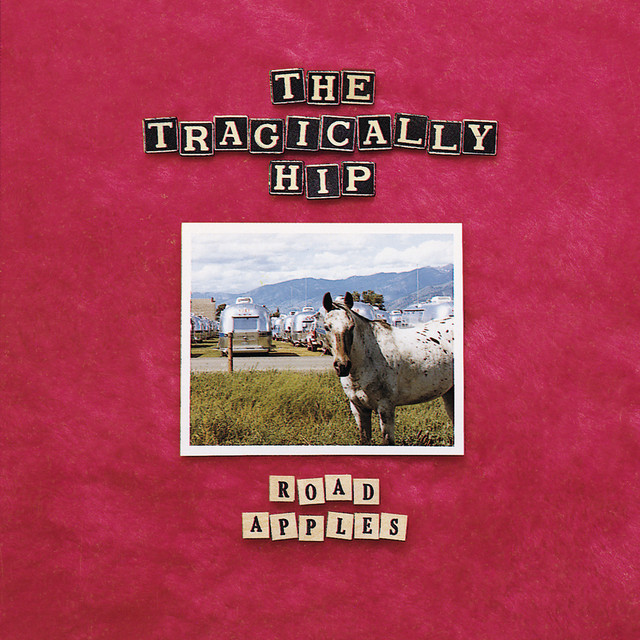
There’s a quiet weight (best way I can describe it) to Fiddler’s Green that sets it apart in the catalog from what I heard of The Tragically Hip. It was released on Road Apples in 1991; it comes in soft and stays there. No huge dynamic, just a steady song that feels epic at times.
The song was written by Gord Downie after the loss of his 3 year old young nephew. That context explains the tone and meaning without needing to be spelled out in the lyrics. The band keeps the arrangement simple, light acoustic guitar, space between the notes, and a vocal that sounds like it’s being carried more than delivered. Producer Don Smith, who had worked with Tom Petty and the Heartbreakers, helped guide the sessions toward a more direct sound, and this track benefits from that restraint.
The album was recorded in New Orleans, and the environment shaped parts of the album, but this song feels separate from the rest. While other tracks were more into groove and band interplay, this song is kept simpler. It’s closer to a live recording in spirit, one voice, one guitar, and the room around it. The band understood it didn’t need more.
I didn’t hear this one right away when I first got into Road Apples. It was one of those tracks you come back to later, and it hits you differently. The first thing I thought was how different it was. The album peaked at #1 in Canada in 1991. The album had 6 singles released from it, but this one wasn’t one of them, and that is a shame.
I’m not an expert on this band, but after listening to the debut album and then this one. It sounded like a band settling into who they were. It’s an excellent album.
Fiddler’s Green
One, two, three, four, one, two
September seventeen For a girl I know it’s Mother’s Day Her son has gone alee And that’s where he will stay Wind on the weathervane Tearing blue eyes sailor-mean As Falstaff sings a sorrowful refrain For a boy in Fiddler’s Green
His tiny knotted heart Well, I guess it never worked too good The timber tore apart And the water gorged the wood You can hear her whispered prayer For men at masts that always lean The same wind that moves her hair Moves a boy through Fiddler’s Green
Oh, nothing’s changed anyway Oh, nothing’s changed anyway Oh, any time today
He doesn’t know a soul There’s nowhere that he’s really been But he won’t travel long alone No, not in Fiddler’s Green Balloons all filled with rain As children’s eyes turn sleepy-mean And Falstaff sings a sorrowful refrain For a boy in Fiddler’s Green
Just found this Canadian band recently. A great mid – 90s Canadian roots rock band. This song comes from their 1993 debut, Strays, and it sounds like a band already past the starting line. Just straight ahead rock that stings.
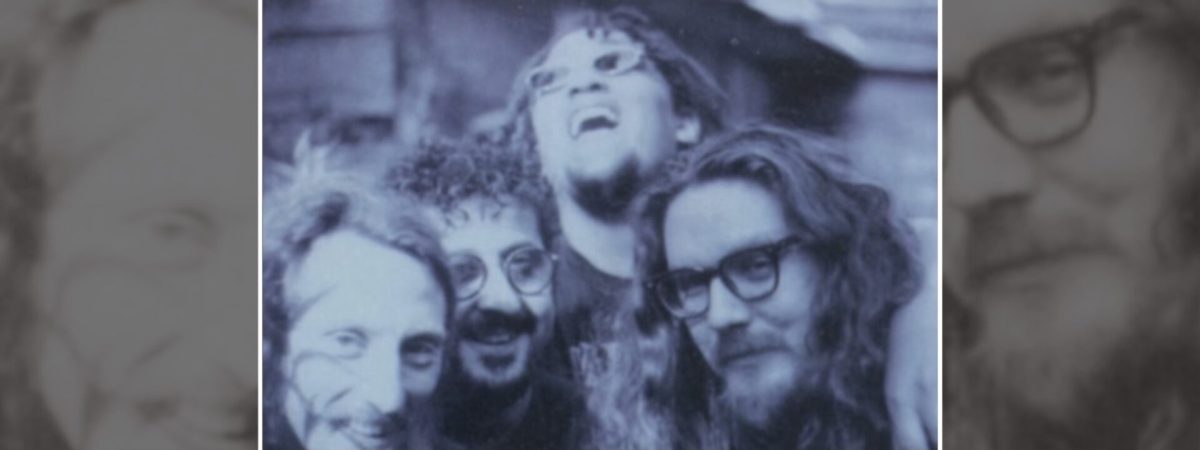
The core of the band was singer and songwriter Tom Wilson, along with Ray Farrugia and Russ Wilson. Before Junkhouse, Wilson had been part of the band Florida Razors, but Junkhouse was a shift toward something more rooted in rock, blues, and country. Junkhouse didn’t come out of nowhere with Strays. By the time they got into the studio, they had already been playing around Hamilton, Ontario, for a while. That tightness shows up in the album. These songs were shaped on stage first. Tom Wilson’s vocal carries most of the weight. You hear it once, it sticks with you.
They never became a global name, but they didn’t disappear either. Their songs stuck around, especially in Canada, and over time they’ve picked up a kind of quiet reputation. If you go back to Strays now, it still sounds tight and right. It doesn’t sound made for radio, even though it got there. It sounds like guys in a room who knew when not to add more and do too much. This is one of those tracks I came across late, not when it was new, but it didn’t matter. It plays the same either way.
After Junkhouse wound down, Tom Wilson kept going. He formed Blackie and the Rodeo Kings with Colin Linden and Stephen Fearing, digging deeper into roots and folk. Later, he worked under the name Lee Harvey Osmond, exploring more atmospheric music.
This song peaked at #41 in Canada in 1993.
Praying For Rain
A big sun setting on the fields, I can’t sleep on this tractor wheel Put my seed into the earth, they never tell me just what it’s worth I’m praying for the rain, the open sky will seal my veins When every farmer has made his grain, I’m praying for the rain, I’m still Praying The road was clear the night was too, and that’s how I remember you I hop a fence, I make my bed, but I can’t make you leave my head I’m praying for the rain, just to wash away this pain Another headlight through my brain, I’m praying for the rain, I’m still Praying Now all my words have headed north, they rode a taxi or took a horse The way I loved you was all in vain, I’m still praying for the rain I’m praying for the rain, beat the drum till I’m insane Give the next dance craze a name, I’m praying for the rain, I’m still Praying Yeah, yeah, yeah, yeah, yeah, yeah.
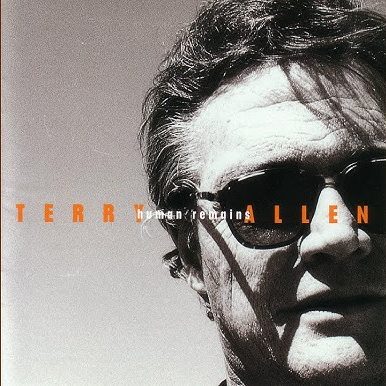
When I hear about a Texas singer-songwriter, I have to listen. Terry Allen is no exception, and yes, I love the styles he has and the songwriting. I couldn’t pick one from the album, so I thought, let’s go over the album. I listened to this album this week, over and over, and now while I’m writing this. It’s different, and that is a good thing.
Terry Allen was born in 1943 in Lubbock, Texas, the same West Texas town that produced Buddy Holly. While Holly went straight into rock and roll, Allen took a different path. He studied art at Chouinard Art Institute in California during the 1960s and built a career as a respected visual artist before becoming widely known as a songwriter.
He has never really fit in one category. He came out of Texas in the 1970s, making records that mixed country, folk, and storytelling. The thing about Allen that sets him apart is that he is a songwriter who thinks like a novelist. By the mid-90s, he released this album, Human Remains, an album that sounded loose but carried the stories of people and places. He made this album with the help of Lloyd Maines, David Byrne, Joe Ely, Lucinda Williams, and many others.
It feels like a set of sketches from the American West and Southwest. The songs deal with memory, loss, odd characters, and the passing of time. It’s not a polished “Nashville” production. The record sounds live, with guitars, accordion, and rhythm sections that set the mood. The album is full of characters, wisdom, and plenty of commentary.
The first song that really caught my ear was What of Alicia. I like everything about this song and the lyrics of two people during a time frame until they met. The album kicks off with a rolling number called Gone To Texas with the lyric Hey I don’t need no chickenshit business man, tellin’ me what to do, Even if you ain’t got no business, same thing goes for you. I thought, well, this is different, and I like it. Another song that is mixed with humor is Peggy Legg. There’s a one-legged woman, On the dance floor, An that one leg’s so pretty, She don’t need no more. I mean, that is imagination and clever.
Flatland Boogie is an enjoyable song about cruising in a Ford in the southwest. I hope you give the album a try. The songwriting is top-notch, and he has wit to spare. The lyrics fit so well together, and the music makes this album accessible to everyone.
I saw a review by a user, and he said this. I don’t know what kind of music this is. Okay, it’s definitely country, but it’s not normal country; it’s something different. Can’t put my finger on it. It’s not “rock & roll” country, and it’s not Neo-Traditionalist Country. It’s not folksy, and it’s not artsy. I don’t think any traditional genre would claim this stuff. It’s just Terry Allen.
That’s really close to what I think as well, and it’s a huge compliment. Allen has his own thing going on here, and I respect and enjoy it. Terry Allen, as I said, is a well-known visual artist, and you can see some of his work here. Some of his art is in museums.
What Of Alicia
Well he just turned 17 When he left old Abilene With his bag And permission from the kin Yeah but things just weren’t the same After his Momma signed her name And let the navy…take him in
Ahhh What of Alicia Española 13 years old Child of Mexico
And he just turned 19 years When he learned to face his fears Of growing up And acting like a man He just cocked his sailor cap Stuck his hands down in his lap Leaned back and stroked them girls in Japan
Ahhh What of Alicia Española 15 years old Girl of Mexico
An he just turned 23 When he finally took his final leave Anchored in the port of San Diego Yeah he met this border girl An he fancied her body’s curl So he married her Then carried her to Colorado
Ahhh What of Alicia Española 19 years old An old woman But out of Mexico
I first heard of Wilco from the song Secret of the Sea by Billy Bragg and Wilco for the album Mermaid Avenue Volume II. I started to follow them more closely and learned a lot from bloggers about them.
Wilco was formed in 1994 in Chicago, Illinois, following the breakup of Uncle Tupelo. The band was founded by Jeff Tweedy, along with former Uncle Toledo members John Stirratt, Ken Coomer, and Max Johnston. Over the years, Wilco evolved from an alternative country sound into a more experimental and genre-blending style. After this album, their sound changed from the alt-country sound they had with Uncle Tupelo.
What first jumps out with this song is the acoustic in front with a small amount of reverb. It takes me back a little to John Lennon’s version of Stand By Me. I can’t get enough of that sound. The song started with Tweedy at the piano. It was written around a repeating chord pattern and a vocal line that doesn’t try to do too much.
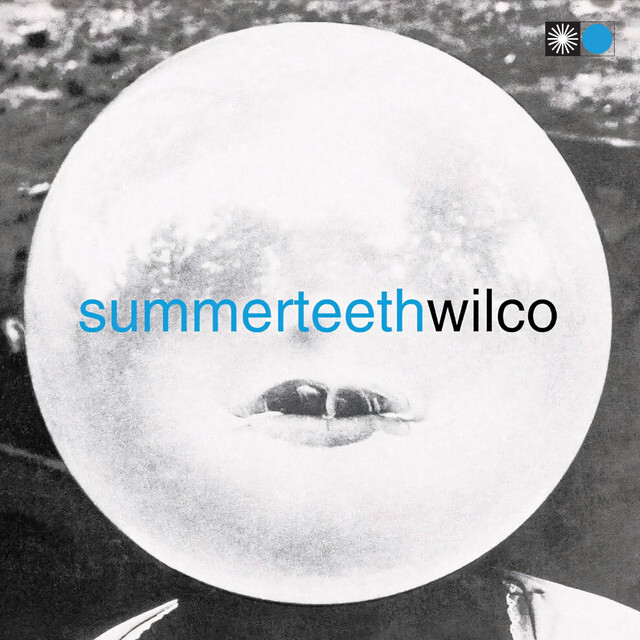
This was on the album Summerteeth, released in 1999. It was their 3rd studio album. From listening to them recently, Wilco had already moved past the alt-country tag that followed them after Uncle Tupelo. Being There opened the door. Summerteeth walked through it and didn’t look back. I really like this album.
From what I’ve read, there was tension during the making of the album. Jay Bennett’s role grew, and he and Tweedy wrote most of the album. So did the friction. Multi-tracking replaced some of the earlier live feel. Drummer Ken Coomer has said parts were built in sections rather than full takes. The band was evolving in real time, and not everyone was comfortable with the shift. Still, the focus was on getting the songs right, even if that meant reworking them again and again, and they did a great job.
The album peaked at #78 on the Billboard Album Charts and #38 in the UK in 1999.
How To Fight Loneliness
How to fight loneliness Smile all the time Shine you teeth til meaningless Sharpen them with lies
And whatevers going down Will follow you around Thats how you fight loneliness You laugh at every joke Drag your blanket blindly Fill your heart with smoke And the first thing that you want Will be the last thing you ever need Thats how you fight it
Just smile all the time Just smile all the time Just smile all the time Just smile all the time
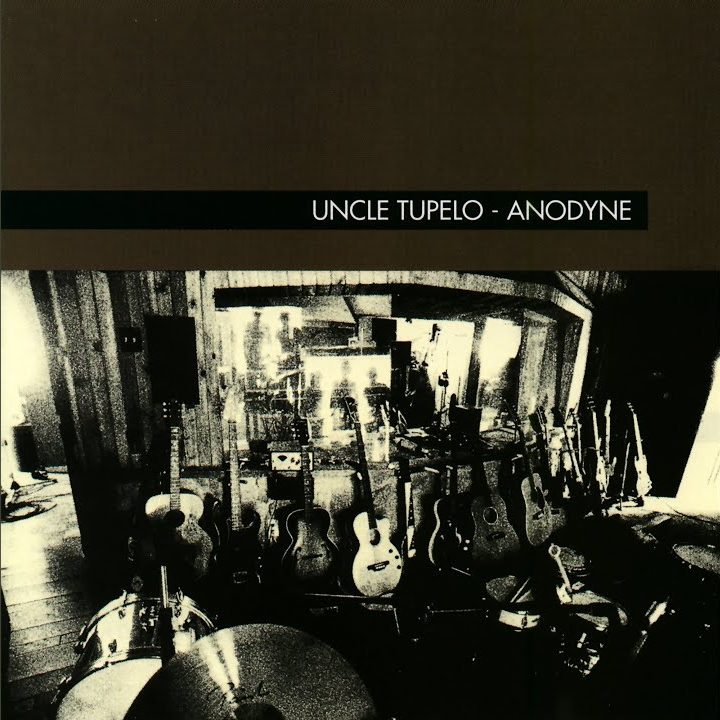
Yes, I posted Sahm recently, but here he is leading the way with Uncle Tupelo. What a great and natural combination. Running across this was just fantastic! I can’t put into words how much I love the down-home sound of this. One more legend is on this album that I will reveal at the bottom of the post…no skipping or peaking!
When Uncle Tupelo teamed up with Doug Sahm on this song, it felt less like a guest spot and more like a handoff between two generations. Sahm had already lived a lifetime in Texas blues, country, and rock and roll. Uncle Tupelo were still mapping out what roots rock could sound like in the early ’90s. The song sits right in the middle of that meeting point.
Sahm sounds relaxed, like he’s telling a story on a porch. Jay Farrar and Jeff Tweedy hang back just enough to let the song lead. I always liked Uncle Tupelo anyway, but add Doug Sahm? Oh hell yes! I could listen to this type of music all day and twice on Sunday, as the saying goes. It gives me a great feeling, and it just fits all together so well. The backup vocals are on target, but also riding around the edges; it’s such a lived-in sound that I love. There is no overdubbing or big production…just back porch sounding goodness.
This track shows what Uncle Tupelo were always good at, connecting past and present without making it sound like a museum piece. Doug Sahm doesn’t feel like a legend that was just dropped in for credibility. He feels like part of the band, which in this he is. Doug Sahm wrote this song, and it was on the Uncle Tupelo album called Anodyne, released in 1993. He first released it as Sir Doug and the Texas Tornados in 1976.
There is one more legend on this album doing some vocals…the one and only Joe Ely. He did the lead vocals on Are You Sure Hank Done It This Way?
Give Back The Key To My Heart
Take my picture off the wall It don’t matter to me at all Said I was headed for a fall But you wanted me to crawl
Give back my TV It don’t mean that much to me While you’re giving back my things Give me back the key to my heart
Give back the key to my heart Give back the key to my heart And let my love flow like a river Straight into your heart, dear
Well, you say I was the one To blame for the wrong that’s been done Well, you got a friend named cocaine And to me, he is to blame
He has drained life from your face He has taken my place While you’re alone in San Antone Give me back the key to my heart
Give back the key to my heart Give back the key to my heart And let my love flow like a river Straight into your heart, dear
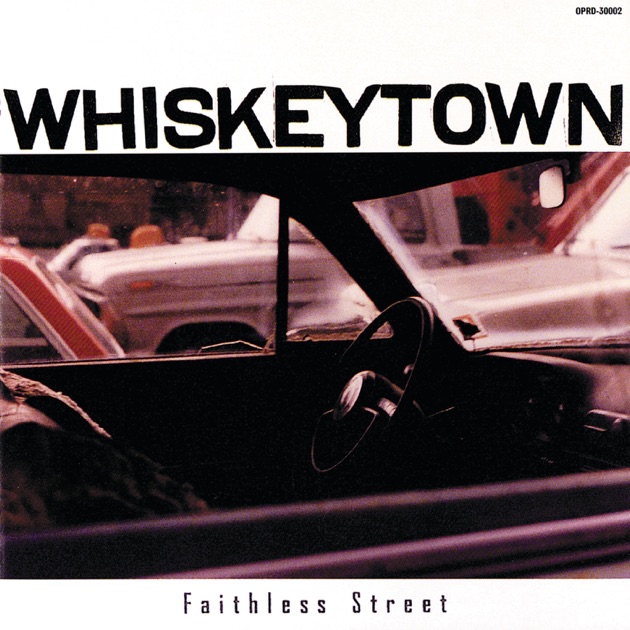
I really like this band. I spent the week living with their album Faithless Street, and what a tight album. Not just musically but vocally. It’s a true album, one song blends into another smoothly, and like I said, tight but loose in just the right spots.
Whiskeytown had one member that you might know. They were an alternative country band from Raleigh, North Carolina. They were active from 1994 to 2000. The band was led by Ryan Adams, who played a role in popularizing the alt-country genre in the 1990s. He blended traditional country with rock and indie influences. They fit in well with The Jayhawks and Wilco in that era.
Faithless Street was made fast and cheap, with a band that was still figuring itself out. It was recorded in North Carolina in 1994, and the sessions were about capturing what Whiskeytown sounded like in real time. They were limited on studio hours, so songs were often tracked live with only a few overdubs. If something felt right, it stayed, even if it wasn’t clean.
Ryan Adams was writing constantly and pushing the group to cut new material almost as quickly as it came together. Some songs had been played on stage for months. Others were nearly brand new. That mix gave the album its loose feel. You can hear moments where the band sticks to a groove and others where they’re holding it together by instinct, off the cuff.
The record opens with Midway Park, and right away, you get the blueprint. Country structure with rock volume. I love that welcoming opening riff that drives that song. Songs like 16 Days and Excuse Me While I Break My Own Heart Tonight ” go into classic barroom sound with the pedal steel and open choruses. There’s also Houses on the Hill, which would later become one of Adams’ calling cards. Even in this early version, the melody sticks.
Songs like Lo-Fi Tennessee Mountain Angel (For Kathy Poindexter) and Too Drunk to Dream go back to roots country. You also have acoustic-driven songs like Factory Girl that to me is as close to perfect as you can get.
The production is spare. Guitars are up front. The drums don’t dominate. The vocals aren’t smoothed out, but they are tight. That raw edge became the album’s identity. Within a few years, Whiskeytown would shift lineups, and Adams would get more well-known.
He has a successful solo career and has also produced albums for Willie Nelson and collaborated with the Counting Crows, Weezer, Norah Jones, America, Minnie Driver, Cowboy Junkies, and Toots & the Maytals. He has written a book of poems, Infinity Blues, and Hello Sunshine, a collection of poems and short stories.
I first heard about The Jam in the 80s, around the same time I found Big Star, The Replacements, The Clash, and REM. When I listen to The Jam, I think of the Kinks and The Who right away, and that is always a good thing.
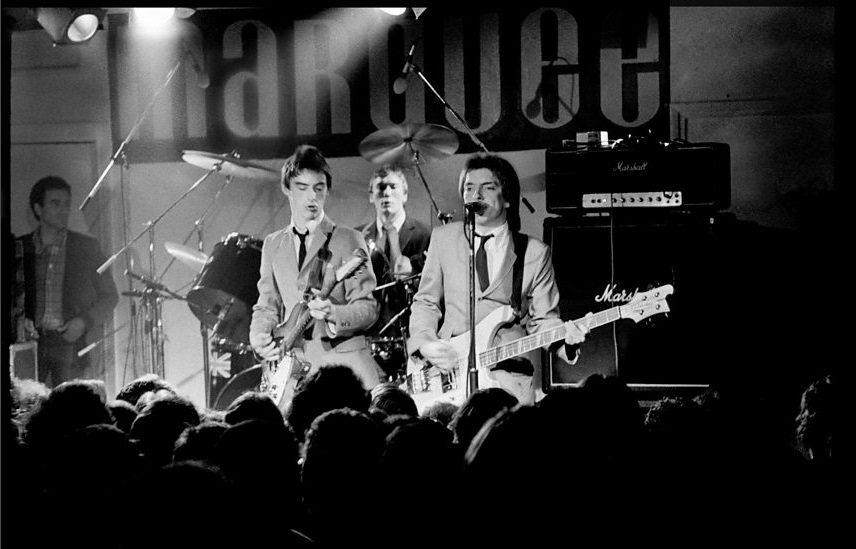
When people talk about the British punk explosion of the late ’70s, The Jam always stand a little apart. While others were known for being abrasive and loud, The Jam drew influence from 1960s Mod culture. Paul Weller had a knack for crafting sharp, pop-infused songwriting about everyday British life. They were formed in Woking in the early ’70s by Paul Weller, bassist Bruce Foxton, and drummer Rick Buckler. The band was a trio that was tight and direct.
They went from pub stages to one of the biggest bands in Britain, leaving behind a catalog that is very strong. There is not much information on this song out there. It wasn’t on a studio album, nor was it a B-side. It was released in 1997 for the first time on their Direction Reaction Creation album, which covered all the studio albums, non-album singles, and demos. They broke up in 1982 after releasing 6 albums in all.
From what I found, it was recorded around 1978 for the album All Mod Cons, but never made the album. I’m sure that is the case because it was also included on the All Mod Cons (Deluxe Edition) that was released in 2002. They were an incredible band, being a tight full trio. Direction Reaction Creation peaked at #8, fifteen years after they broke up in 1997.
Worlds Apart
Worlds apart, you and I, we’re worlds apart
The difference between every day I can’t think of the words to say
Worlds apart, you and I, we’re worlds apart
I’ve been in some clubs where the music’s loud ‘cos I see your face in every crowd But it’s not really you
It’s like having a cold on a summers day Something ain’t right and I want you to stay You must know that
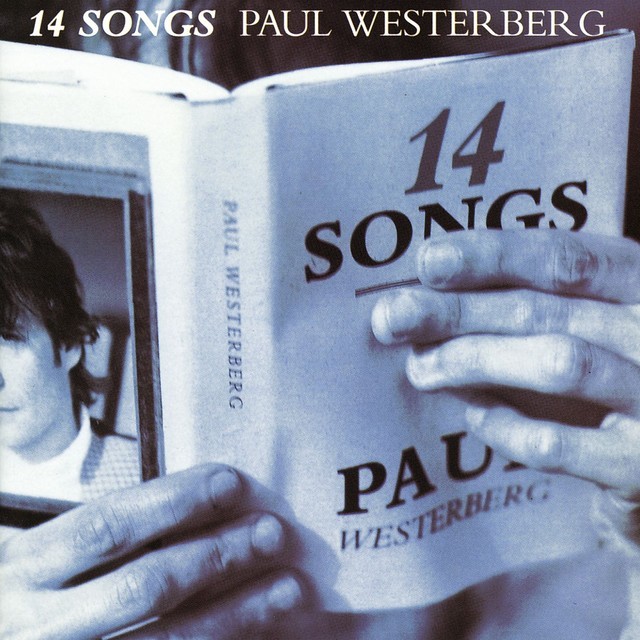
Everyone knows I’m a huge Replacements fan. In the 1980s, I leaned more toward them than mainstream bands. They would produce music that I always hoped the mainstream would, but that didn’t happen. They broke up on July 4, 1991. Westerberg released his debut album, 14 Songs, two years later in 1993. I’ve never explored his solo albums a bunch, but now it’s time.
The album doesn’t sound like a Replacements record, and it doesn’t go after anything modern for the time. It sounds like Westerberg was finding his way without the baggage of the Replacements. With this album, he did find his way just fine.
The album moves between loose home recordings and more finished studio tracks, and that contrast works. Songs like Love You in the Fall and Runaway Wind sound close and personal, almost like letters instead of songs. Westerberg keeps the arrangements simple, letting the songs breathe and sometimes wobble. The roughness isn’t fixed because it doesn’t need to be. The opening song, Knockin’ On Mine (live version here), kicks the door in with a rough, cool, welcoming riff.
He tried some different styles with this album, like Black Eyed Susan and Even Here We Are, with a slight folk feel. The song that really won me over is A Few Minutes of Silence. It’s punchy and powerful, and Westerberg’s voice is on target. Dice Behind Your Shades and Mannequin Shop are two rocking songs that spoke to me right off the bat.
I also noticed on this album that his voice is slightly different. I always loved his voice for the human feel and the roughness. He doesn’t lose that with this album, but it’s more concise and not all over the place…it seems more focused.
What holds 14 Songs together is the writing. Westerberg writes in everyday language and trusts the melody to do the rest. There’s humor, regret, and acceptance, often in the same verse, which again shows his songwriting skills. I always thought that Westerberg was one of the best songwriters of the 1980s, and he didn’t disappoint on this one.
I saw them on this tour (Into The Great Wide Open), and it would be the only time I got to see Tom Petty and the Heartbreakers. He came to Nashville on that last tour, and I stupidly didn’t go. I bought this album the day it was released. It will always be one of my favorite Petty albums.
Petty had released his solo album Full Moon Fever in 1989, and it was huge, with 5 singles pulled from it. This album was a reunion with the Heartbreakers, and 7 singles were pulled from this album, including this one. The making of Into the Great Wide Open emerged from a creative stretch where Tom Petty felt clear again after the fights with record labels that had plagued him earlier in his career. Coming off Full Moon Fever, he wasn’t trying to recreate that sound. He wanted to make a real band record, one that sounded lived-in, and he succeeded with this one.
A huge part of the album’s sound came from working again with Jeff Lynne, who helped keep everything tight without making it stiff. Lynne pushed for clean arrangements and strong melodies, but Petty made sure the songs still breathed and felt organic. Many tracks started as simple demos, acoustic guitar and voice, then slowly grew as the band locked into the groove. First takes often mattered more than perfection.
This song peaked at #1 on the Billboard Mainstream Rock Charts in 1991. The album peaked at #13 on the Billboard 200, #4 in Canada, #12 in New Zealand, and # #3 in the UK. This song was written by Petty and Jeff Lynne.
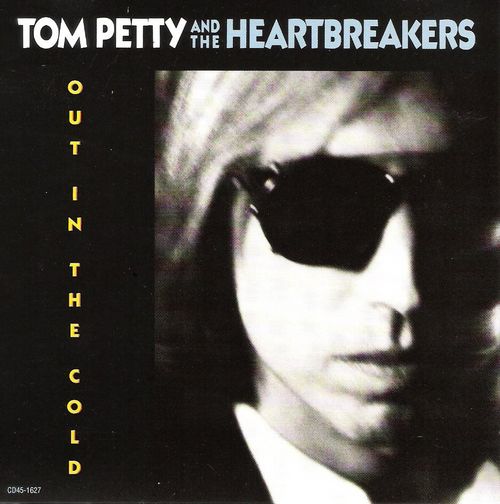
Out in the Cold
The day fell down, the air got cold I walked out in the street Daydreamed for a mile or two Staring at my feet
Like a workin’ boy, out of luck Fallin’ through the cracks Night rolled in, I turned back home A hard wind at my back
I’m out in the cold (Out in the cold) Body and soul (Out in the cold) There’s nowhere to go (Out in the cold) I’m out in the cold (Out in the cold)
Well I woke up, my brain was stunned I could not come around I reached out to grab my keys Tumbled to the ground
I thought of you, starry eyed I wonder where we stand Did I just fall from your arms Down into your hands?
I’m out in the cold (Out in the cold) Body and soul (Out in the cold) There’s nowhere to go (Out in the cold) I’m out in the cold (Out in the cold)
I’m out Standin’ in a doorway
I’m out Walkin’ around Hands in my pockets I’m out in the cold (Out in the cold) Body and soul (Out in the cold) There’s nowhere to go (Out in the cold) I’m out in the cold (Out in the cold)
Here is a Christmas post I wanted to get in this year since the day fits!
Happy Gravy Day in Australia! It happens every December 21st in Australia because of the first verse of the song.
Here is a Christmas song that is good on any day of the year but one we don’t hear much in America. I looked up “Gravy Day” in Australia and this is what I found: Gravy Day is an unofficial Australian holiday as marked by Kelly in his song, How to Make Gravy. The song is written from the perspective of a recently incarcerated man, Joe, as he writes to his relative, Dan, from prison.
Paul Kelly: “I started thinking… maybe I’ll write it from the point of view of somebody who is missing Christmas, who can’t get to Christmas, why can’t they get there? Maybe they’re overseas and they can’t get home. Then I thought, ‘Oh, he’s in prison’. The song wrote itself from there.”
The song is written in the form of a letter from a prisoner named Joe, addressed to his brother Dan, shortly before Christmas. Joe expresses regret about missing Christmas with his family, gives instructions on how to make gravy (a key part of their holiday meal), and reflects on family members, relationships, and the pain of separation.
I like great storytellers…and Paul Kelly is one of them. His music touches on many styles. Country, rock, folk, reggae, bluegrass, and touches of many more styles. He has been described as the poet laureate of Australian music. He writes about everyday life that many people can relate to. I’ve seen this stated about him… Paul Kelly’s songs dig deep into Australia’s culture.
As for who will make the gravy in the song, the question has been debated over the years, although most believe it to be Dan as Joe is sharing the recipe with him.
And yes the recipe in the song is real for gravy.
Paul Kelly: “It was a song that doesn’t have a chorus, it’s set in prison, so I never thought it would be a hit song or anything.”
How To Make The Gravy
Hello Dan, it’s Joe here I hope you’re keeping well It’s the 21st of December And now they’re ringing the last bells If I get good behaviour I’ll be out of here by July Won’t you kiss my kids on Christmas Day? Please don’t let ’em cry for me
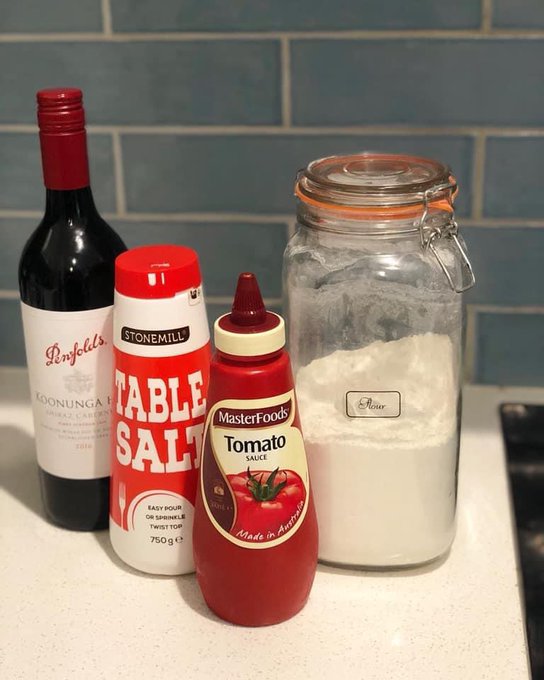
I guess the brothers are driving down from Queensland And Stella’s flying in from the coast They say it’s gonna be a hundred degrees, even more maybe But that won’t stop the roast Who’s gonna make the gravy now? I bet it won’t taste the same Just add flour, salt, a little red wine And don’t forget a dollop of tomato sauce For sweetness and that extra tang
And give my love to Angus, and to Frank and Dolly Tell ’em all I’m sorry, I screwed up this time And look after Rita, I’ll be thinking of her Early Christmas morning when I’m standing in line
I hear Mary’s got a new boyfriend I hope he can hold his own Do you remember the last one? What was his name again? Ahh, just a little too much cologne And Roger, you know I’m even gonna miss Roger ‘Cause there’s sure as hell no one in here I want to fight
Oh, praise the Baby Jesus, have a Merry Christmas I’m really gonna miss it, all the treasure and the trash And later in the evening, I can just imagine You’ll put on Junior Murvin and push the tables back
And you’ll dance with Rita, I know you really like her Just don’t hold her too close Oh, brother, please don’t stab me in the back I didn’t mean to say that, it’s just my mind it plays up Multiplies each matter, turns imagination into fact
You know I love her badly, she’s the one to save me I’m gonna make some gravy, I’m gonna taste the fat Ahh, tell her that I’m sorry, yeah, I love her badly Tell ’em all I’m sorry, and kiss the sleepy children for me You know one of these days, I’ll be making gravy I’ll be making plenty, I’m gonna pay ’em all back
I thought I would do something different today. I was reminded of this by the phrase, “it was before my time.” Movies and music fall into this category. I do know people who will not watch movies made “before their time.” I don’t think many of my readers would agree to this statement, but who knows?
I had a co-worker in the early 2000s (Sam) tell me that I shouldn’t like music that was before my time because it was unnatural (yes, he said that). I was first kinda of amused and shocked. I like Sam a lot, and we would talk a lot; he is a smart fellow. However, on this point, I didn’t understand. Why? Is there some unwritten law that I can’t like 1950s or 1960s music up to 1967, when I was born? That cut off some of the best music of the 20th century and beyond.
He grew up in the 80s, as I did, and was probably around 5 or so years younger than me. I’ve seen other people act the same way. If it were before they were born, then they would not give it a second listen. If a movie is black and white, they act as if they are near a radiation leak!
I think the subject centered around how I loved 50s and 60s music and The Beatles, The Who, The Stones, and The Kinks. He said I should be listening to music from my teenage years (well, I WAS…60s music was my soundtrack growing up), but I DID listen to the top 40 when I was a teenager, which, to me, didn’t live up to those bands to any degree or form. Maybe it wasn’t fair to compare Men Without Hats to those 1960s bands. It was hard to stomach some of the ’80s for me, but not all. Now I’m busy catching up on music I missed that wasn’t on Top 40 radio at the time. I did find an oasis in the 80s, alternative music like The Replacements and REM…and the classic bands.
I still want to find other music and movies I like. Why would age have any effect on the music, whether we like it or not? That doesn’t mean I don’t like new music. I have posted newer bands here before who have just released albums. If it’s good, it doesn’t matter what era it came from, at least not to me. Christian, Graham, and Lisa all posted some newer songs that I liked. With movies, yes, I find some I like. I just saw Weapons and loved it, plus there are others.
I’m not putting people down at all who think like that. Hey, if that is what they believe, more power to them. I never believed in criticizing people for their opinions, music, or otherwise. Whatever blows their hair back.
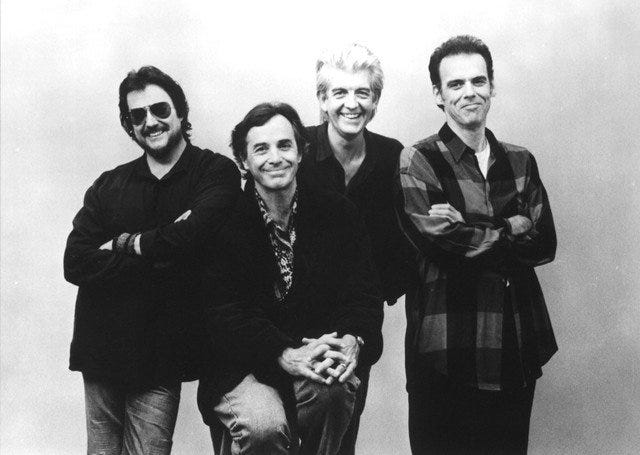
All I had to do was read off the members, and I knew I would like this band. Who were the members? Ry Cooder, John Hiatt, Nick Lowe, and Jim Keltner. Each one of them is a legend, but when they teamed up in 1992, they made music that felt effortless.. This song plays like an anthem for anyone who has ever tried to get something done while the world keeps knocking at the door.
When Little Village came together in the early 1990s, it wasn’t a typical supergroup situation. Ry Cooder, John Hiatt, Nick Lowe, and Jim Keltner had already worked together in the studio. They worked on Hiatt’s 1987 album Bring the Family, a record cut in just four days. This album would be called Little Village.
Around 1991, discussions began about whether those four players could try something more equal and together as a band. Nick Lowe summed up the vibe when he said, “We only needed a name and a reason.” The name came from a 1930s reference, but the reason was simply that they liked working with each other. This wasn’t a record-company idea, and it wasn’t nostalgia.
While the sessions were friendly, the band admitted that being equals instead of backups slowed things down. Decisions took longer, and sometimes a song would go in five directions before landing on one. Lowe joked that it was like “four people in the passenger seat reaching for the wheel.” Critics generally liked it, although some expected another John Hiatt album and were surprised by its humor and different musical turns. Fans of any one member found something to enjoy. The album even received a Grammy nomination for Best Rock Performance by a Duo or Group.
Nick Lowe did say it wasn’t as good as it could have been. He blamed it on having too much time to record it. The album peaked at #22 in the UK and #66 on the Billboard Album Charts in 1992. Over time, this album has developed a cult following, especially among fans of Hiatt and Cooder.
This next video has a bonus live song, She Runs Hot. Enjoy Ry Cooder’s slide before they break into Don’t Bug Me When I’m Working.
Don’t Bug Me When I’m Working
Don’t bug me when I’m working
I’m working, I’m working
Don’t bug me when I’m working
Got a job to do
Don’t bug me when I’m working
I’m working, I’m working
Don’t bug me when I’m working
I don’t work for you
If you bug me at work I can’t get it done
Too tired, baby to have any fun
You got complaints, better keep ’em hid
Don’t come ’round here mess with the kid
Don’t bug me when I’m sleepin’
I’m sleepin’, I’m sleepin’
Don’t bug me when I’m sleepin’
‘Cause I need my rest
Don’t bug me when I’m
Don’t bug me when I’m got to buzz awhile
I said don’t bug me when I’m working
I’m working, I’m working
Don’t bug me when I’m working
Got a job to do
Now you bug me at home when I’m tired and beat
Can’t even stand on my own two feet
You call on the phone, you make me uptight
And I can’t even work with my baby at night
Don’t bug me when I’m working
I’m working, I’m working
Don’t bug me when I’m working
Got a job to do
Don’t bug me when I’m working
I’m working, I’m working
Don’t bug me when I’m working
I don’t work for you
Don’t bug me
‘Cause I don’t work for you
Don’t bug me
Mister I don’t work for you
Don’t bug me, don’t bug me
‘Cause I don’t work for you
Don’t bug me, don’t bug me
‘Cause I don’t work for you
At the sound of the tone
Better hang up the phone
If you want to be my friend
Don’t bug me when I’m working
I started to listen to this album on a recommendation, and I was totally impressed. I started off with one song, but the hell with that, I went on to the complete album. Great rock and roll band with killer riffs and tones. Also, being produced by an E Street Band member doesn’t hurt either! Steven Van Zandt produced this album, and that right there is huge. Also, on keyboards, you have the Small Faces and Faces keyboard player, Ian McLagan. McLagan helped out on this recording, and he sounds great. They walk the line between rock, hard rock, blues, and even throw some funk in there in places. Great musicians on this album, and there is a reason for that.
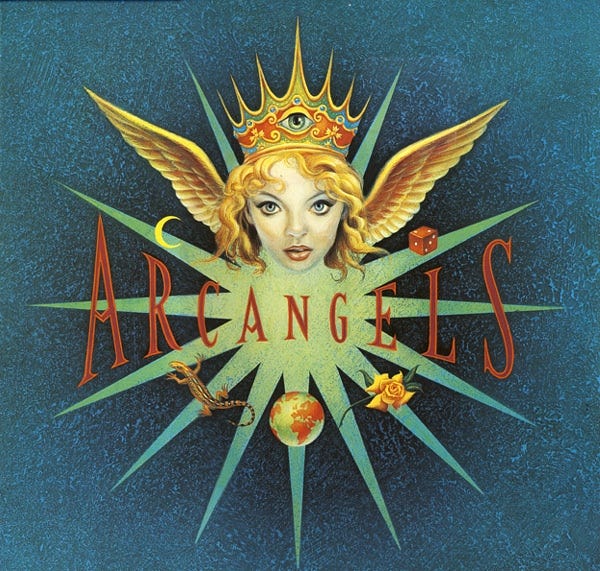
The band formed right after the death of Stevie Ray Vaughan. Drummer Chris Layton and bassist Tommy Shannon, the backbone of Double Trouble (SRV’s backing band), found themselves without a frontman after Stevie’s passing in 1990. Instead of leaving the stage, they teamed up with two Austin guitarist-vocalists: Doyle Bramhall II and Charlie Sexton. Both were young, rising Texas guitar players with deep musical pedigrees. The name “Arc Angels” referenced the Austin Rehearsal Complex. Although the album was born out of Stevie Ray’s backing band, it sounded different and moved ahead.
The album was recorded in Austin and at Ardent Studios in Memphis (Big Star, The Replacements), and it blended blues, alt-rock edges, and soulful songwriting. Throughout the record, Layton and Shannon play like a unit that has lived many lifetimes together, heavy but never heavy-handed. They aren’t just holding down rhythm, they’re pushing the music forward. Doyle Bramhall II, Charlie Sexton, Chris Layton, and Shannon did most of the writing, along with help from Tonio K.
The opening song is Living In A Dream, and it’s bold and in your face, as the rest of the album is. The second song is Paradise Cafe, which is probably my favorite off the album. That guitar is raunchy as hell, and I love it. They did include a song they wrote in memory of their friend Vaughan called See What Tomorrow Brings. The track Good Times has some cool funk and blues to it. If you have some time, check this album ou.t. I think you will like it. The critical reaction was good for this album, but it got lost in the grunge shuffle that was going on at the time, unfortunately.
For anyone who loves Texas blues with bite, this is a great place to start.
Living In A Dream
If you were mine I’d give you all the world If you were mine I’d take you higher girl But you got me waiting Ooh, you’re so cold It kills me time Ooh and time is all we need But god knows I’ve tried, I’ve tried To get you close to me
But tonight when my eyes are closing You’ll be with me
Just let me be And let me believe, you’re mine Cause there’s nothin’ wrong here I’m just livin’ Livin’ in a dream
Without a sign You brought me to my knees Without a sign, I crossed the line I beg for sleep
But tonight when my eyes are closin’ You will be with me
Just let me be And let me believe, you’re mine Just let me be And let me believe, you’re mine Cause there’s nothin’ wrong here I’m just livin’ Livin’ in a dream
If I was gonna get movin’, now was the time So I packed up my bags and my Gretsch ’59
When I heard the Stray Cats in the early eighties, I thought I had it on the wrong station. It didn’t exactly fit in with Sheena Easton, Andy Gibb, Barry Manilow, or Dan Fogelberg. What I heard sounded like it came out of 1956, and I loved it. The echo, upright bass, and big Gretsch guitar were there. A 1950s revival had happened in the 1970s, and it started in the 80s with the Stray Cats, but the other rockabilly bands would not reach such high chart positions as they did.
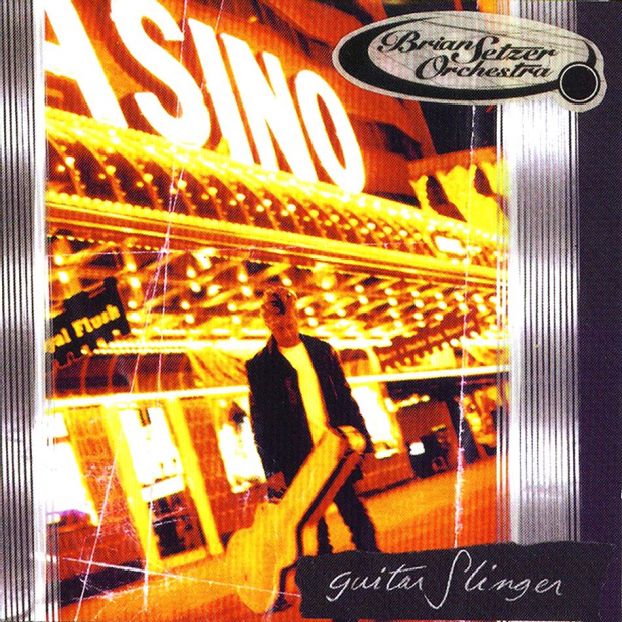
After the Stray Cats brought rockabilly back to radio, Setzer took a wild detour into big-band swing with the Brian Setzer Orchestra, proving that big pompadours and horn sections could coexist. This song is from his 1996 album Guitar Slinger. The song is about a rocker greaser who could out-race, out-play, and out-cool anyone in town.
Setzer has always been a guitarist storyteller, and here he channels every Gene Vincent, Eddie Cochran, and Link Wray riff he ever loved into one blast. The song kicks off with surfy reverb, blaring horns, and a beat that feels like a V8 engine coming to life (I just had to put a car reference there). Johnny Kool is the spirit of every hot-rod rebel who ever revved an engine down a road.
“The Legend Of Johnny Kool” might not have hit the charts, but it shows what makes Setzer special. He never plays rockabilly as a museum piece; he plays it like it’s still dangerous and fun…and it still is!
(The Legend of) Johnny Kool
I had one cup of coffee and a cigarette Then I rolled out of bed with my shirt soaking wet If I was gonna get movin’, now was the time So I packed up my bags and my Gretsch ’59
It’s a hard life, love But when push comes to shove It’s the only life for Johnny, Johnny, Johnny Kool Plays his guitar and he sang like a fool Don’t let the big boys grind you down
Johnny, Johnny, Johnny Kool He was a rebel that broke all the rules Everyone can’t stop talkin’ about The legend of Johnny Kool
It was darker than black, not a star in the sky So I revved on the engine and let that Mercury fly With the wind blowin’ by at a 105 I was trying like hell just to keep it alive
It’s a hard life, love But when push comes to shove It’s the only life for Johnny, Johnny, Johnny Kool Played his guitar and he sang like a fool Don’t let the big boys grind you down
Johnny, Johnny, Johnny Kool He was a rebel that broke all the rules Everyone can’t stop talkin’ about The legend of Johnny Kool
Rumor had it now, this cat had it all He was loud, he was wild, and he sure rocked the hall Some guy grabbed my arm and I jumped on the stage And I was rockin’ with a guy who was twice my age
It’s a tough life, love But when push comes to shove It’s the only life for Johnny, Johnny, Johnny Kool Played his guitar and he sang like a fool Don’t let the big boys grind you down
Johnny, Johnny, Johnny Kool He was a rebel that broke all the rules Everyone can’t stop talkin’ about The legend of Johnny Kool
Johnny, Johnny, Johnny Kool He’s a rebel, Johnny Kool He’s a legend, Johnny Kool Everybody can’t stop talkin’ about The legend of Johnny Kool
To tell you the truth…I always thought the title was Last Dance of Mary Jane. I thought the video to this song…lives up to Halloween.
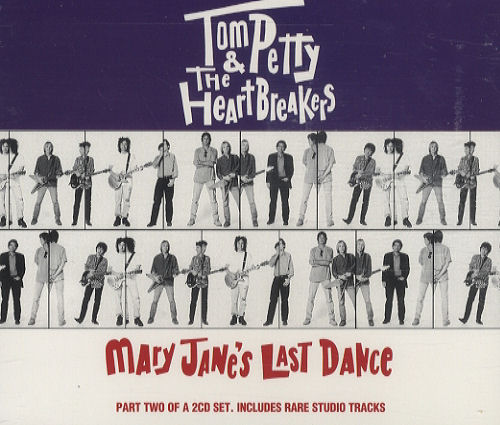
I like the rawness of the song, and the lyrics are fun. Tom was making his second solo album, Wildflowers, but the record company wanted a couple of tracks to go on the greatest hits album. Mary Jane’s Last Dance is one of Tom’s most successful songs. This would be the last song Stan Lynch played drums on for the Heartbreakers.
Petty himself once said he didn’t really know what the song was about when he wrote it, “maybe about leaving behind the past.” The Mary Jane double meaning, weed or woman, kept the mystery alive. Later on, he said that Mary Jane is the same character as the female in American Girl, with a few hard knocks.
Petty made some strange videos, and this was no exception. Tom played a mortician who takes home a corpse played by Kim Basinger. When he gets her home, he puts her in a wedding dress and dances with her. Then he puts her in a pickup truck and throws her into the ocean, and she opens her eyes as she sinks. It won Best Male Video at the MTV Video Music Awards.
The song was released as part of the band’s 1993 Greatest Hits compilation. The song peaked at #14 on the Billboard 100, #5 in Canada, and #52 in the UK in 1994. It was like the end of one era and the beginning of another. Petty was saying goodbye to the jangle rock of his past and heading toward the inward-looking of Wildflowers.
I always liked the line “There’s pigeons down in Market Square She’s standin’ in her underwear” because it sounds like it could have been off a mid-sixties Dylan album.
Kim Bassinger:Now that was one of the coolest things I’ve ever done in my life. It was classic, wasn’t it? He was a doll, and he was so sweet and asked me to do it, and both of us are extremely shy so we just said three words to each other the whole time. I’ll never forget how heavy that dress was! And I had to be dead the whole time. You know, it’s really one of the hardest things I’ve ever done in my life, because I had to be completely weightless to be in his arms the way I was. It won all those awards, and the kids love it even today!
Mike Campbell: “That song took on a few shapes. It was written in my garage. I didn’t write it, but we were jamming in the garage and Tom was playing one of my guitars. It was called ‘Indiana Girl,’ the first chorus was ‘Hey, Indiana Girl, go out and find the world.’ We liked the song and Rick Rubin suggested we cut it. It had actually been around for a while, just the basic riff and that chorus. We cut the song and Tom was singing the chorus, and he decided he just couldn’t get behind singing about ‘Hey, Indiana Girl,’ so we went back and about a week later he came in and said ‘I’ve got a better idea,’ so he changed the chorus to ‘Last dance with Mary Jane.’ In the verse there is still the thing about an Indiana girl on an Indiana night, just when it gets to the chorus he had the presence of mind to give it a deeper meaning.”
Mike Campbell: “An interesting thing about that record, the same day we did the last overdubs, that guitar and a few little bits, we did a rough mix here at my house, just did it by hand. Then we went to 3 or 4 different studios over the next couple of weeks and tried to do a proper mix, and we could never beat that rough mix, so that was the mix we put out. It’s an interesting track, it’s very inaccurate, it’s kind of greasy and loose. That day we just gelled and every time we mixed it we could clean up the sound and make it more posh, but it just didn’t have the juice that one mix had.”
Mary Jane’s Last Dance
She grew up in an Indiana town Had a good lookin’ momma who never was around But she grew up tall and she grew up right With them Indiana boys on an Indiana night
Well she moved down here at the age of eighteen She blew the boys away, it was more than they’d seen I was introduced and we both started groovin’ She said, “I dig you baby but I got to keep movin’…on, keep movin’ on”
Last dance with Mary Jane One more time to kill the pain I feel summer creepin’ in and I’m Tired of this town again
Well I don’t know what I’ve been told You never slow down, you never grow old I’m tired of screwing up, I’m tired of goin’ down I’m tired of myself, I’m tired of this town Oh my my, oh hell yes Honey put on that party dress Buy me a drink, sing me a song, Take me as I come ’cause I can’t stay long
Last dance with Mary Jane One more time to kill the pain I feel summer creepin’ in and I’m Tired of this town again
There’s pigeons down in Market Square She’s standin’ in her underwear Lookin’ down from a hotel room Nightfall will be comin’ soon Oh my my, oh hell yes You’ve got to put on that party dress It was too cold to cry when I woke up alone I hit the last number, I walked to the road
Last dance with Mary Jane One more time to kill the pain I feel summer creepin’ in and I’m Tired of this town again




 PowerPop... An Eclectic Collection of Pop Culture