I remember seeing this movie in the 80s. My girlfriend was working so Paul… a friend of mine and I went to see it. We saw a lot of bad and good movies during this time because we had time to kill and he knew the owner or the manager of the movie theater and we would get in free. We bought popcorn and coke so I didn’t feel so bad.
This is the first movie I remember leaving afterward and us not saying a word to each other for a good 30 minutes. Not the usual laughter and carrying on. This was one of those movies that really affected me. The village scene was brutal and it took a while to process it all. I just saw it again a couple of nights ago and it still works.
I’ve seen Vietnam Vets interviewed who have said this film brought a lot of it back…good and mostly bad. This is not a feel-good film but its a superb movie.
You see Tom Berenger as Sergeant Bob Barnes as he snaps and Charlie Sheen’s character Chris Taylor tries to hold it together at the end.
Oliver Stone put these actors through hell. Two weeks of intense basic training in the jungle with a Marine trainer. They dug their own holes and lived off of rations over the shoot.
That simple bass guitar riff hooks me when it comes in during the drum intro.
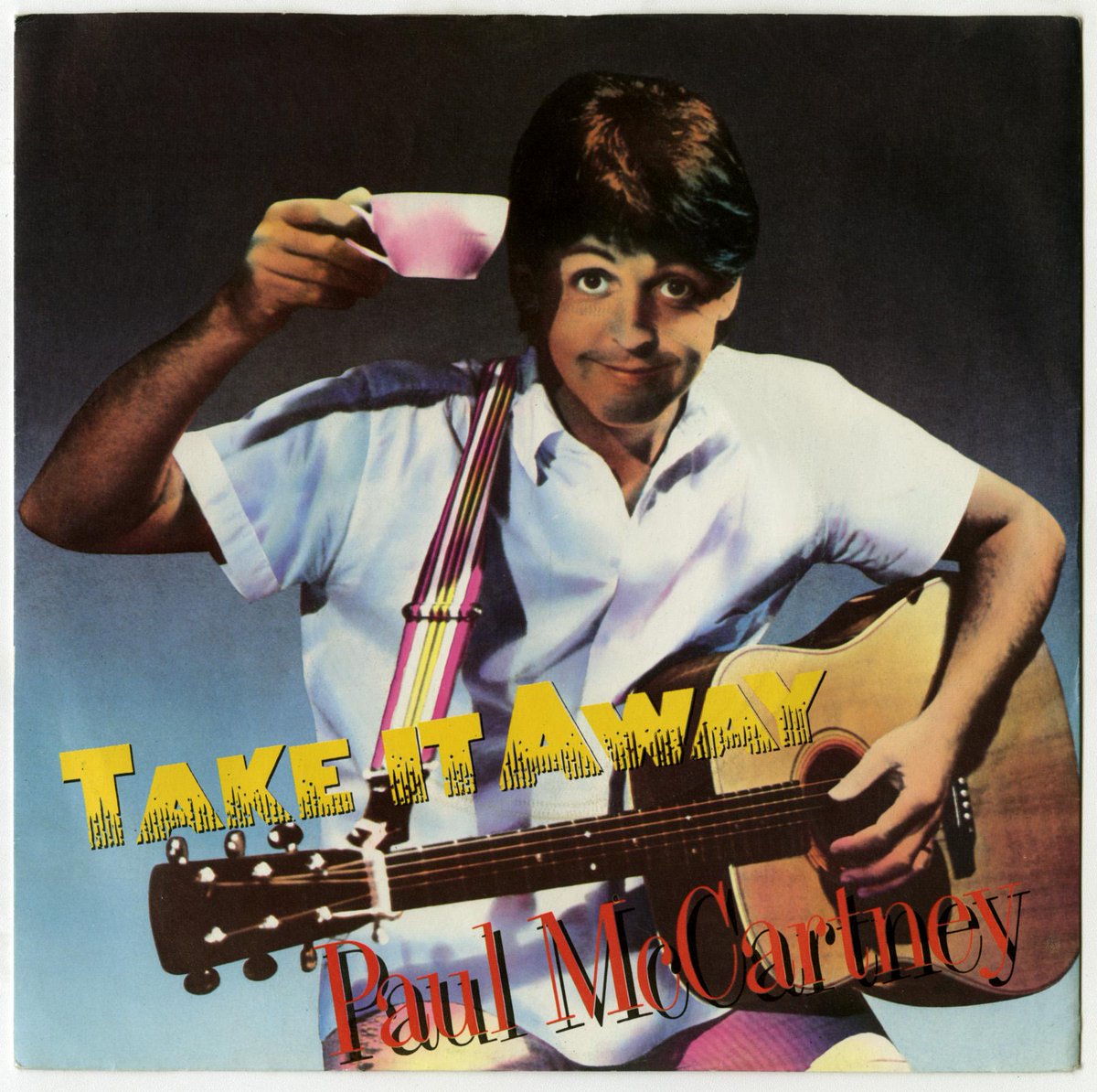
A good pop song from Paul McCartney in the 1980s. This was on an album called Tug of War which peaked at #1 in the Billboard album charts. The highlight to me is another McCartney bass line. The song peaked at #10 in the Billboard 100 in 1982.
Paul played bass, Ringo played drums, and George Martin played electric piano. Eric Stewart from 10cc influenced the layered backup vocals.
Paul McCartney:
“Well, there were a couple of songs that we ended up recording which Ringo asked me to write at a certain period. I was writing some songs for Ringo and “Take It Away” was in amongst those songs. I thought it would suit me better the way it went into the chorus and stuff; I didn’t think it was very Ringo.”
“I mean, the chorus I think, was Ringo, the other bits… but that’s how that comes to be that kind of track I think, I was right in that sort of direction with Ringo in mind actually.”
Take It Away
Take it away Want to hear you play Till the lights go down Take it away Don’t you want to stay Till there’s no one else around?
Take it away Want to hear you play Till the lights go down Take it away Don’t you want to stay Till there’s no one else around?
Lonely driver Out on the road With a hundred miles to go Sole survivor Carrying the load Switches on his radio
Take it away Want to hear you play Till the lights go down (down down) Take it away Don’t you want to stay Till there’s no one else around?
Take it away Want to hear you play Till the lights go down (down down) Take it away Don’t you want to stay Till there’s no one else around?
In the audience Watching the show With a paper in his hand (In his hand, in his hand) Some important impresario Has a message for the band
Oh Take it away Want to hear you play Till the lights go down (down down) Take it away Don’t you want to stay Till there’s no one else around?
You never know who may be Listening to you Never know who may be Listening to you You never know who may be Listening to you Take it away, take it away
After hours Late in the bar By a darkened corner seat Faded flowers wait in the jar Till the evening is complete
This was on the album Coda it was released two years after John Bonham’s death and features outtakes from sessions throughout their career. I heard this one more than the others on the album.
Recorded in 1978 at a studio in Sweden owned by Abba, this song was intended for the Led Zeppelin album In Through the Out Door, but it didn’t make the cut. Ozone Baby peaked at #14 in the Mainstream Rock Songs Charts in 1982. Coda was released in 1982 and peaked at #6 in the Billboard Album Charts in 1983.
Coda is by no means a great album but it does have some enjoyable tracks like Wearing and Tearing and Darlene. It’s not like they set out to record an album… it was released to honor contractual commitments to Atlantic Records.
From Songfacts
The entire band’s instrumentals come in right at the opening with Robert Plant’s vocals starting in soon after. This was Zeppelin’s typical style, a straightforward “get it done” 12-bar-blues attitude without very much pretension. It shows something of their character that they were consistent in doing this on one of the last songs done by the classic lineup.
Another telling sign of Zeppelin’s character: How many drummers do most bands go through? Next to the bass, the drummer is usually the most-rotated spot. Not Zeppelin! Lose the drummer, and that’s it, the band calls it quits – but to be fair, growing tensions within the band could have broken them up anyway.
A bit of rock history trivia: Led Zeppelin today is remembered as practically having walked on water. One easily forgets that back when these albums were coming out, while they had a huge fan base, rock critics panned them almost unanimously. Rolling Stone raspberried every single Zep album.
Ozone Baby
I hear ya knock on my door I ain’t been saving this scene for ya honey Don’t wantcha ringin’ my bell It’s too late for you to be my honey
Oh, it’s my love Oh, it’s my own true love
Oh, it’s my love Oh, it’s my own true love
Don’t want you wasting my time Tired of ya doing the things that you do It’s no use standing in line Follow the line, you better follow queue
I say, oh, it’s my love Oh, it’s my own true love
Oh, it’s my love Oh, it’s my own true love, my my own
I could sail a river run dead, but I know it’s dead I could I wish for a million, yeah but I know it’s dead I could cry within the darkness, I sail away I save a lifetime forever? But you know, you know, you know what I say
And I say oh, it’s my love Oh, it’s my own true love
Oh, it’s my love Oh, it’s my own true love, my my own
Oh, it’s my love Oh, it’s my own true love
Oh, it’s my love Oh, it’s my own true love, my own true love My own true love, my own true love My own true love I said Oh, it’s my love Oh, it’s my own true love Oh, it’s my love Oh, it’s my own true love, my own
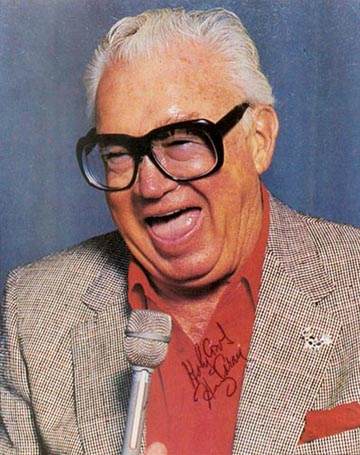
This list will be different for every baseball fan. Many times it’s your team’s announcer and other times it’s a network announcer you grew up with. I tend to like announcers who are not complete homers although some I like… like Harry Caray. He made it fun even though he openly rooted for the Cubs…and Budweiser.
There are many more that could be on this list.
5:Harry Caray – He injected fun into the game. It was like a fan announcing the game. He wasn’t technically the best baseball announcer but he was enjoyable.
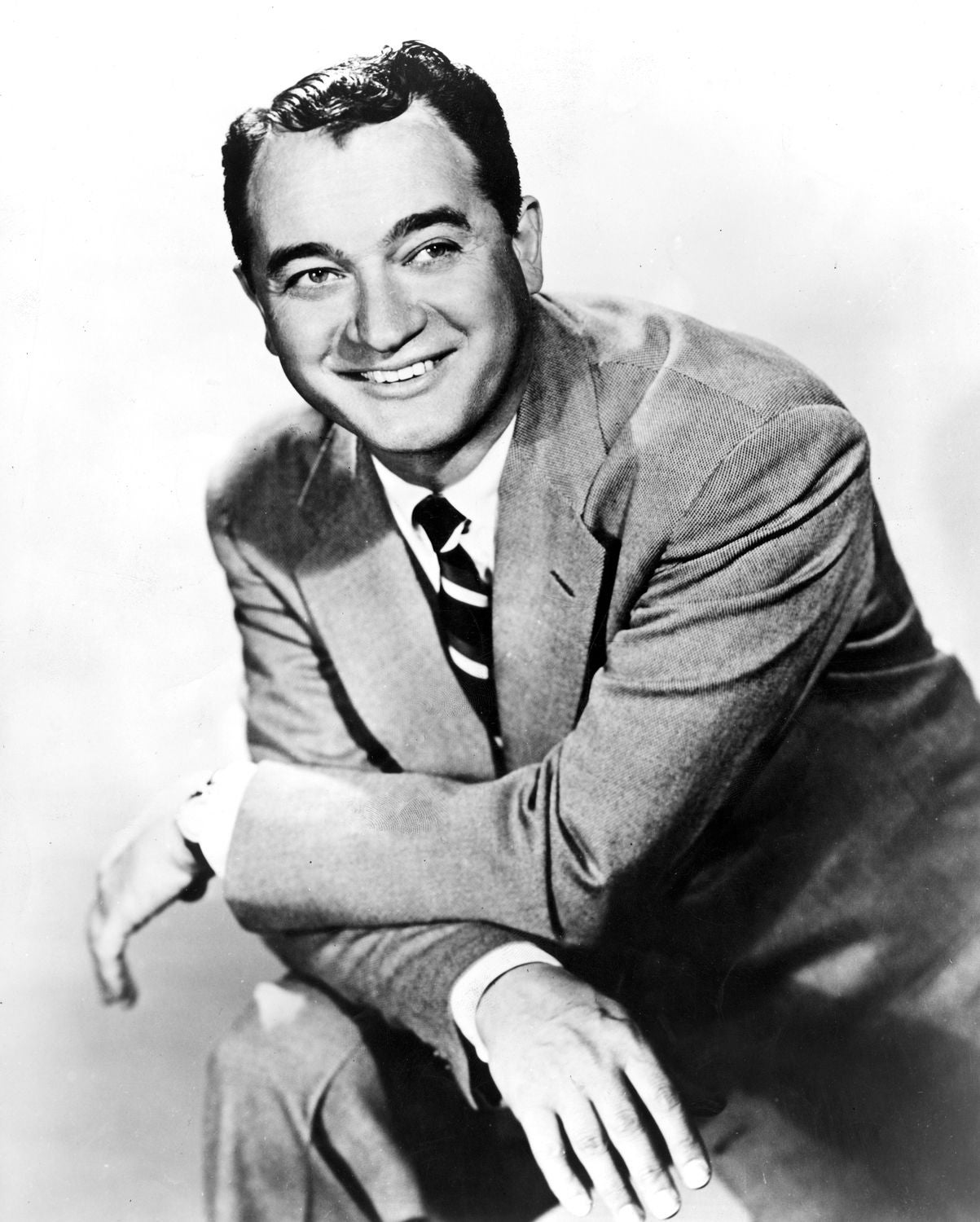
4:Mel Allen – I remember Mel when I was a kid on “This Week in Baseball.” That voice was a part of my childhood.
3:Bob Uecker – “Just a bit outside” the more I listen to him the more I appreciate him.
2:Jack Buck – NOT Joe… You could hear his excitement for the game in his voice. For me, the best is between Jack and…
1: Vin Scully – Being a Dodgers fan I was spoiled by Vin Scully… my number 1 favorite. If you tuned into a Dodger game you would not know who employed Mr. Scully. He would not root for the Dodgers and he knew when not to say anything and let the action speak for itself.
The guitar on this is so simple yet so powerful. Some Clash songs take me a couple of listens to really like…this one was instant. The song peaked at #45 in the Billboard 100, #17 in the UK and #40 in Canada in 1982 and #1 in the UK in 1992.
The song was off of Combat Rock (Dave at “A Sound Day” has a writeup about the album) released in 1982. This was when I was watching MTV and every few minutes that year you knew The Who was supposedly on their last tour (They are in Nashville Thursday Night) and The Clash was opening up for them.
Mick Jones wrote this about his girlfriend Ellen Foley, who acted on the TV series Night Court and sang with Meat Loaf on “Paradise By the Dashboard Light.”
From Songfacts
One of the more popular songs by The Clash, this one uses a very unusual technique: Spanish lyrics echoing the English words.
Singing the Spanish parts with Joe Strummer was Joe Ely, a Texas singer whose 1978 album Honky Tonk Masquerade got the attention of The Clash when they heard it in England. When Ely and his band performed in London, The Clash went to a show and took them around town after the performance. They became good friends, and when The Clash came to Texas in 1979, they played some shows together. They stayed in touch, and when The Clash returned to America in 1982, they played more shows together and Ely joined them in the studio when they were recording Combat Rock at Electric Ladyland Studio in New York.
In our 2012 interview with Joe Ely, he explained: “I’m singing all the Spanish verses on that, and I even helped translate them. I translated them into Tex-Mex and Strummer kind of knew Castilian Spanish, because he grew up in Spain in his early life. And a Puerto Rican engineer (Eddie Garcia) kind of added a little flavor to it. So it’s taking the verse and then repeating it in Spanish.”
When we asked Ely whose idea the Spanish part was, he said, “I came in to the studio while they were working out the parts. They’d been working on the song for a few hours already, they had it sketched out pretty good. But I think it was Strummer’s idea, because he just immediately, when it came to that part, he immediately went, ‘You know Spanish, help me translate these things.’ (Laughs) My Spanish was pretty much Tex-Mex, so it was not an accurate translation. But I guess it was meant to be sort of whimsical, because we didn’t really translate verbatim.”
According to Strummer, Eddie Garcia, the sound engineer, called his mother in Brooklyn Heights and got her to translate some of the lyrics over the phone. Eddie’s mother is Ecuadorian, so Joe Strummer and Joe Ely ended up singing in Ecuadorian Spanish.
About two minutes in, you can hear Mick Jones say, “Split!” While it sounds like it could be some kind of statement related to the song, Joe Ely tells us that it had a much more quotidian meaning. Said Ely: “Me and Joe were yelling this translation back while Mick Jones sang the lead on it, and we were doing the echo part. And there was one time when the song kind of breaks down into just the drums right before a guitar part. And you hear Mick Jones saying, ‘Split!’ Just really loud, kind of angry. Me and Joe had snuck around in the studio, came up in the back of his booth where he was all partitioned off, and we snuck in and jumped and scared the hell out of him right in the middle of recording the song, and he just looked at us and says, ‘Split!’ So we ran back to our vocal booth and they never stopped the recording.”
The line, “If you want me off your back” was originally the sexually charged line “On your front or on your back.” In April 1982, the famed ’60s producer Glyn Johns was brought in to slash the album down and make it into a mainstream-friendly single-LP. In addition to cutting parts of songs out, he insisted that Mick Jones re-record this line, fearing that US radio stations would not touch a record with such a sexually suggestive line.
These sessions as a whole were in bad blood, with Jones furious that his original mixes of his songs were being massacred against his will, and it was this combined with other factors (such as the return of controversial manager Bernie Rhodes) which resulted in the breakdown of the band and Jones’ sacking in 1983.
Mick Jones in 1000 UK #1 Hits by Jon Kutner and Spencer Leigh said, “Should I Stay Or Should I Go? wasn’t about anything specific and it wasn’t pre-empting my leaving The Clash. It was just a good rocking song, our attempt at writing a classic.”
It was speculated that the song was also a comment on Jones’ position in the band, pre-empting his sacking in 1983 by over a year and a half. Strummer pondered this in interviews, as did Jones. “Maybe it was pre-empting my leaving” he noted in 1991, although he did conclude that it was more likely about a “personal situation” – presumably his relationship with Foley.
Psychobilly is the punk version of rockabilly; it’s a fusion genre which also gets a nice sound out of elements of everything from doo-wop to blues, but with that punk edge to it. “Should I Stay or Should I Go?” resembles early punk, almost retro style, and so could be called rockabilly. More than anything, it compares very nicely with The Cramps.
“Should I Stay Or Should I Go?” is possibly one of the most covered Clash songs by dint of being one of the most popular. Just some of the groups to cover this song include Living Colour, Skin, MxPx, Weezer, ZZ Top, and The Ukulele Orchestra of Great Britain. Anti-Flag covered the song at various festival dates in 2012, and more memorable versions exist by Die Toten Hosen and Australian pop star Kyle Minogue. It even shows up in “Weird Al” Yankovic’s “Polkas On 45” medley – a takeoff on the “Stars On 45 Medley.”
As a UK #1 single, what song did it replace as #1 on the UK charts? “Do the Bartman” by The Simpsons. Speaking of charts, while this song was their only #1 in the UK, The Clash got even less respect in the US; their highest chart on the Billboard was #8 for “Rock the Casbah”. That’s amazing when you consider how much airplay they get on the radio.
Introduced into The Clash’s live set in Paris in September 1984, “Should I Stay or Should I Go?” sat awkwardly in the set after Jones was fired – it was a hugely popular song so fans expected it to be played, but its author and singer was no longer in the band.
For a while in 1984 it was performed with new guitarist Nick Sheppard singing lead vocals, with the song developing into an aggressive Metal thrash with bellowed Punk-style vocals. In the end The Clash Mark II dropped the song altogether, although not before they also added some nasty lyrics about Jones (as was common in the post-Jones Clash, sadly). Two much more representative versions are the version of the song filmed at Shea Stadium in 1982 (supporting The Who) for the music video, and the version from Boston in 1982 that features on the From Here To Eternity live compilation.
Ice Cube and Mack 10 did a rap remake of this song for the 1998 Clash tribute album Burning London.
This was re-released as a single in February 1991 after it was used in a Levi’s jeans television ad. It went to #1 in the UK, but didn’t chart in the US.
Cheekily, Mick Jones used a vocal sample from this track on one of his post-Clash projects, Big Audio Dynamite. You can hear it on their song “The Globe.”
This is a key song in the ’80s-themed Netflix series Stranger Things. It was first used in the second episode (2016), where the character Jonathan Byers introduces it to his younger brother, Will to distract him when their parents fight, telling him it will change his life. When Will gets abducted into an alternate universe, the song becomes a way for him to communicate, and a source of comfort. The song is used several times throughout the series.
To secure the rights, music supervisor Nora Felder had to explain to the band how it would be used. Through scene descriptions, she convinced them they would honor the song.
Should I Stay Or Should I Go
Darling you got to let me know Should I stay or should I go? If you say that you are mine I’ll be here till the end of time So you got to let me know Should I stay or should I go?
It’s always tease tease tease You’re happy when I’m on my knees One day is fine, and next is black So if you want me off your back Well come on and let me know Should I Stay or should I go?
Should I stay or should I go now? Should I stay or should I go now? If I go there will be trouble And if I stay it will be double So come on and let me know
This indecision’s bugging me Esta indecision me molesta If you don’t want me, set me free Si no me quieres, librame Exactly whom I’m supposed to be Digame quien tengo ser
Don’t you know which clothes even fit me? Sabes que ropas me queda? Come on and let me know Me tienes que decir Should I cool it or should I blow? Me debo ir o quedarme?
Split
Should I stay or should I go now? Me entra frio por los ojos Should I stay or should I go now? Me entra frio por los ojos If I go there will be trouble Si me voy va a haber peligro And if I stay it will be double Si me quedo va a ser doble So you gotta let me know Me tienes que decir Should I cool it or should I blow?
Should I stay or should I go now? Me entra frio por los ojos If I go there will be trouble Si me voy va a haber peligro And if I stay it will be double Si me quedo va a ser doble So you gotta let me know Should I stay or should I go
The song peaked at #94 in the Billboard 100 in 1986. The song was on Lifes Rich Pageant which peaked at 21 in 1986. A musician friend of mine invited me over to listen to this album. We must have played it 5 times through by night time.
Bill Berry (drummer) said the song was specifically about Acid Rain, which occurs when the burning of fossil fuels releases sulfur dioxide and nitrogen oxides into the atmosphere, causing rain to be acidic and threatening the environment.
Michael Stipe said about the song: “I was reading an article in Boston when I was on tour with the Golden Palominos, and Chris Stamey showed me this article about this guy that did an experiment from the Leaning Tower of Pisa, whereby he dropped a pound of feathers and a pound of iron to prove that there was… a difference in the… density? What did he prove? I don’t even know. They fall just as fast.”
From Songfacts
The video was filmed upside down in a rock quarry, and snippets of the environmentally concerned words flash on-screen throughout: “Buy” the sky, “Sell” the sky, etc.
Before it ended up on the Lifes Rich Pageant album, R.E.M. performed a variation of this song on tour promoting their previous album, Fables of the Reconstruction. Peter Buck remembered in the liner notes for Part Lies, Part Heart, Part Truth, Part Garbage 1982-2011: “And pretty much every day Michael had different lyrics or a different melody; we changed the bridge a hundred times. On the Lifes Rich Pageant anniversary box set, there is a version that is kind of what we used to do on stage. Michael wrote new words and melodies during the making of the record, which all took a bit of getting used to since we were so used to the previous versions. But no question, the one on the record is so superior.”
We didn’t forget to add that possessive apostrophe to the album title. The band intentionally left it out, or so the story goes. “We all hate apostrophes,” Peter Buck proclaimed. “There’s never been a good rock album that had an apostrophe in the title.” Beatles fans may disagree – A Hard Day’s Night and Sgt. Pepper’s Lonely Hearts Club Band both employ the punctuation mark. Maybe Buck’s oft-quoted comment is meant to be taken with a dose of irony, or maybe he’s just a Stones fan (that band shunned the apostrophe for Their Satanic Majesties Request).
Fall On Me
There’s a problem feathers iron Bargain buildings, weights and pulleys Feathers hit the ground before the weight can leave the air Buy the sky and sell the sky and tell the sky and tell the sky
Don’t fall on me (what is it up in the air for?) (it’s gonna fall) Fall on me (if it’s there for long) (it’s gonna fall) Fall on me (it’s over, it’s over me) (it’s gonna fall)
There’s the progress we have found (when the rain) A way to talk around the problem (when the children reign) Building towered foresight (keep your conscience in the dark) Isn’t anything at all (melt the statues in the park) Buy the sky and sell the sky and bleed the sky and tell the sky
Don’t fall on me (what is it up in the air for?) (it’s gonna fall) Fall on me (if it’s there for long) (it’s gonna fall) Fall on me (it’s over, it’s over me) (it’s gonna fall)
Don’t fall on me
Well, I could keep it above But then it wouldn’t be sky anymore So if I send it to you, you’ve got to promise to keep it whole
Buy the sky and sell the sky and lift your arms up to the sky And ask the sky and ask the sky
Don’t fall on me (what is it up in the air for?) (it’s gonna fall) Fall on me (if it’s there for long) (it’s gonna fall) Fall on me (it’s over, it’s over me) (it’s gonna fall)
Don’t fall on me (what is it up in the air for?) (it’s gonna fall) Fall on me (if it’s there for long) (it’s gonna fall) Fall on me (it’s over, it’s over me) (it’s gonna fall)
Fall on me, don’t fall on me (what is it up in the air for?) (it’s gonna fall) Fall on me (if it’s there for long) (it’s gonna fall) Fall on me (it’s over, it’s over me) (it’s gonna fall)
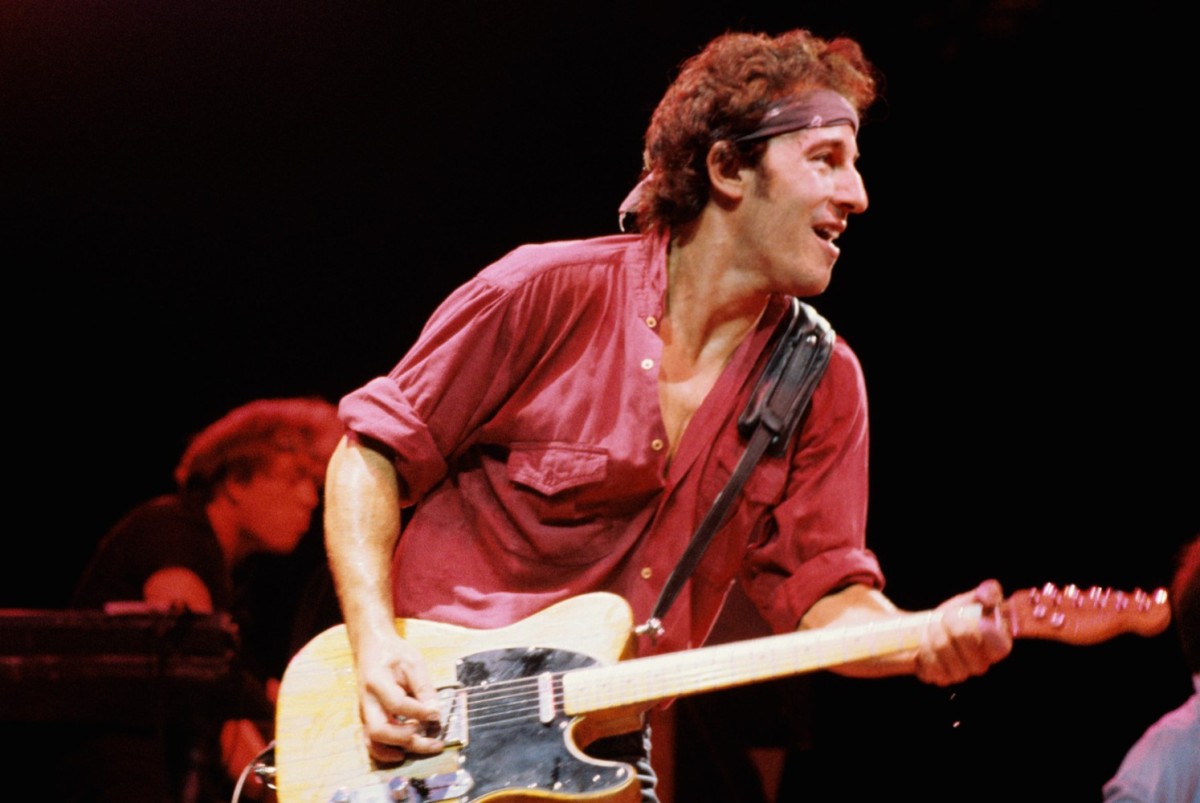
This song was on the album “Born In The USA.” released in 1984. I was a Jr in high school and this song hit like a blast. Bruce had been huge when Born To Run was released in 1975 but since then he had been popular but this album placed him in the stratosphere. He was reluctant to release the album because Bruce had a clue on how big this album was going to be and he didn’t know how comfortable he would be with that.
When you are 17 years old and waiting for your life to start… then hear the lyrics Well, we busted out of class, Had to get away from those fools, We learned more from a three-minute record, baby Than we ever learned in school… it gets your attention.
I think every song on the album could have been released as a single. This one did not chart but remains a strong song. Steven Van Zandt convinced Springsteen to include this song on the album because Bruce was going to leave it off.
From Songfacts
Springsteen wrote this about the inspirational power of rock music. It came to represent his friendship with members of his band.
This was the last song chosen for the album. E Street Band guitarist Steven Van Zandt had to convince Springsteen to put it on. Van Zandt had left the band, but remained close to Springsteen and would eventually play with him again.
The original title was “Brothers Under The Bridges.”
Part of the chorus provided the title for Jean-Claude Van Damme’s first movie, No Retreat, No Surrender.
Springsteen often performed a slower version of this at concerts. The version on the box set Live 1975-1985 is a slower, solo performance.
No Surrender
Well, we busted out of class Had to get away from those fools We learned more from a three-minute record, baby Than we ever learned in school Tonight I hear the neighborhood drummer sound I can feel my heart begin to pound You say you’re tired and you just want to close your eyes And follow your dreams down
Well, we made a promise we swore we’d always remember No retreat, baby, no surrender Like soldiers in the winter’s night With a vow to defend No retreat, baby, no surrender
Well, now young faces grow sad and old And hearts of fire grow cold We swore blood brothers against the wind Now I’m ready to grow young again And hear your sister’s voice calling us home Across the open yards Well maybe we’ll cut someplace of our own With these drums and these guitars
‘Cause we made a promise we swore we’d always remember No retreat, baby, no surrender Blood brothers in the stormy night With a vow to defend No retreat, baby, no surrender
Now on the street tonight the lights grow dim The walls of my room are closing in There’s a war outside still raging You say it ain’t ours anymore to win I want to sleep beneath Peaceful skies in my lover’s bed With a wide open country in my eyes And these romantic dreams in my head
Once we made a promise we swore we’d always remember No retreat, baby, no surrender Blood brothers in a stormy night With a vow to defend No retreat, baby, no surrender No retreat, baby, no surrender
This song was one of my favorite Lennon tribute songs.
This song is a tribute to John Lennon, who was murdered in 1980. Elton John’s songwriting partner Bernie Taupin wrote the lyrics, but Elton certainly felt a connection to the song, as he was good friends with Lennon and is the Godfather of Lennon’s second son, Sean. Elton appeared onstage with John at his final concert in 1974.
Empty Garden peaked at #13 in the Billboard 100, #8 in Canada, #14 in New Zealand, and #51 in the UK in1982
Some of the other songs that are tributes to John are Queen – Life Is Real, George Harrison – All Those Years Ago, Paul McCartney – Here Today, Bob Dylan – Roll On John, and Paul Simon – The Late Great Johnny Ace.
From Songfacts
In the John/Taupin songwriting partnership, Bernie writes the lyrics first and Elton then puts them to music. When writing for the Jump Up album, Elton had some melodies handy and asked Taupin to write words to those, which he did. Taupin has described those songs as “awful” and said, “it’s a very messy album.” “Empty Garden (Hey Hey Johnny),” however, was written their traditional way with the lyrics first, and Taupin has said that it’s the only good song on the album.
When he performed this at a sold-out Madison Square Garden show in August 1982, Elton was joined onstage by Lennon’s wife Yoko Ono and Sean Lennon.
Empty Garden
What happened here As the New York sunset disappeared I found an empty garden among the flagstones there Who lived here He must have been a gardener that cared a lot Who weeded out the tears and grew a good crop And now it all looks strange It’s funny how one insect can damage so much grain
And what’s it for This little empty garden by the brownstone door And in the cracks along the sidewalk nothing grows no more Who lived here He must have been a gardener that cared a lot Who weeded out the tears and grew a good crop And we are so amazed, we’re crippled and we’re dazed A gardener like that one no one can replace
And I’ve been knocking but no one answers And I’ve been knocking most of the day Oh and I’ve been calling, oh hey hey Johnny Can’t you come out to play
And through their tears Some say he farmed his best in younger years But he’d have said that roots grow stronger, if only he could hear Who lived there He must have been a gardener that cared a lot Who weeded out the tears and grew a good crop Now we pray for rain, and with every drop that falls We hear, we hear your name
And I’ve been knocking but no one answers And I’ve been knocking most of the day Oh and I’ve been calling, oh hey hey Johnny Can’t you come out to play
And I’ve been knocking but no one answers And I’ve been knocking most all the day Oh and I’ve been calling, oh hey hey Johnny Can’t you come out, can you come out to play, Johnny Can’t you come out to play in your empty garden, Johnny Can’t you come out to play in your empty garden, Johnny Can’t you come out to play in your empty garden, Johnny Can’t you come out to play in your empty garden, Johnny Can’t you come out to play in your empty garden, Johnny Can’t you come out to play in your empty garden, Johnny
I’ve always liked Time Travel movies. I have made a list below but I’m not including the Back To The Future franchise because everyone knows about those movies. These are my top ten I’ve watched so far. Please make some more recommendations if you have any.
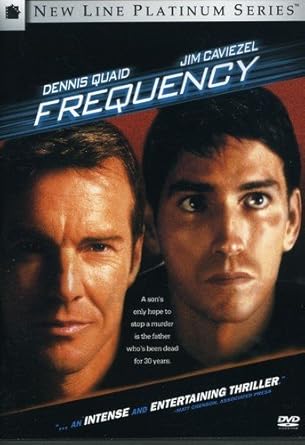
1, Frequency (2000) – This movie combines two loves of mine. Baseball and Time Travel… A son in modern times talks to his dad over a Ham Radio in 1969 and it revolves around details from the 1969 World Series.
2. The Time Machine (1960) – From the HG Wells book, this movie has aged well through the years. It’s a period piece at the turn of the 20th century…and also a trip into the far future.
3. I’ll Follow You Down (2013) – It’s odd to see Haley Joel Osment grown up and acting but this low budget film is a good film. Haley plays a guy named Errol who saw his father leave for the airport when he was 9 and he never came back home. A grown-up Errol looks to see what happened to his dad and finds him in the 1940s.
4. 41 (2012) – An Australian film made in 2012. Aidan accidentally kills his girlfriend in an auto accident. He hears about room 41 in a local motel and if you go to a hidden place in the room and back out…you go back 12 hours in time. He tries to go back and avoid the accident. I happen to catch this movie by accident and it was worth the watch.
5. Project Almanac (2014) – A teenager is trying to go to MIT but his family doesn’t have the money. He starts looking at his deceased father’s old inventions and gadgets to raise money. He finds a VHS tape of his 7th birthday party and in the mirror on the tape, he sees himself at the age of 18 at the party.
He finds his dad’s attempt at a time machine and finishes it. He ends up fulfilling what he saw on the tape and messes with the lives of his friends.
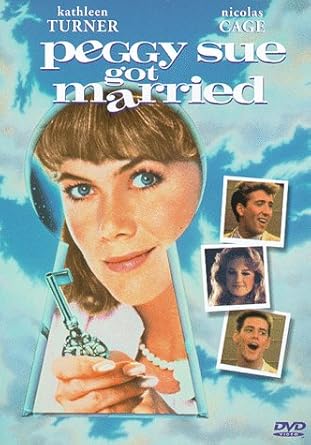
6. Peggy Sue Got Married (1989) – Classic 80s movie about Peggy Sue who is separated from her husband and goes to her high school reunion and passes out. She wakes up as a teenager in the early 60s.
7. Hot Tub Time Machine (2010) – A fun romp through the 80s.
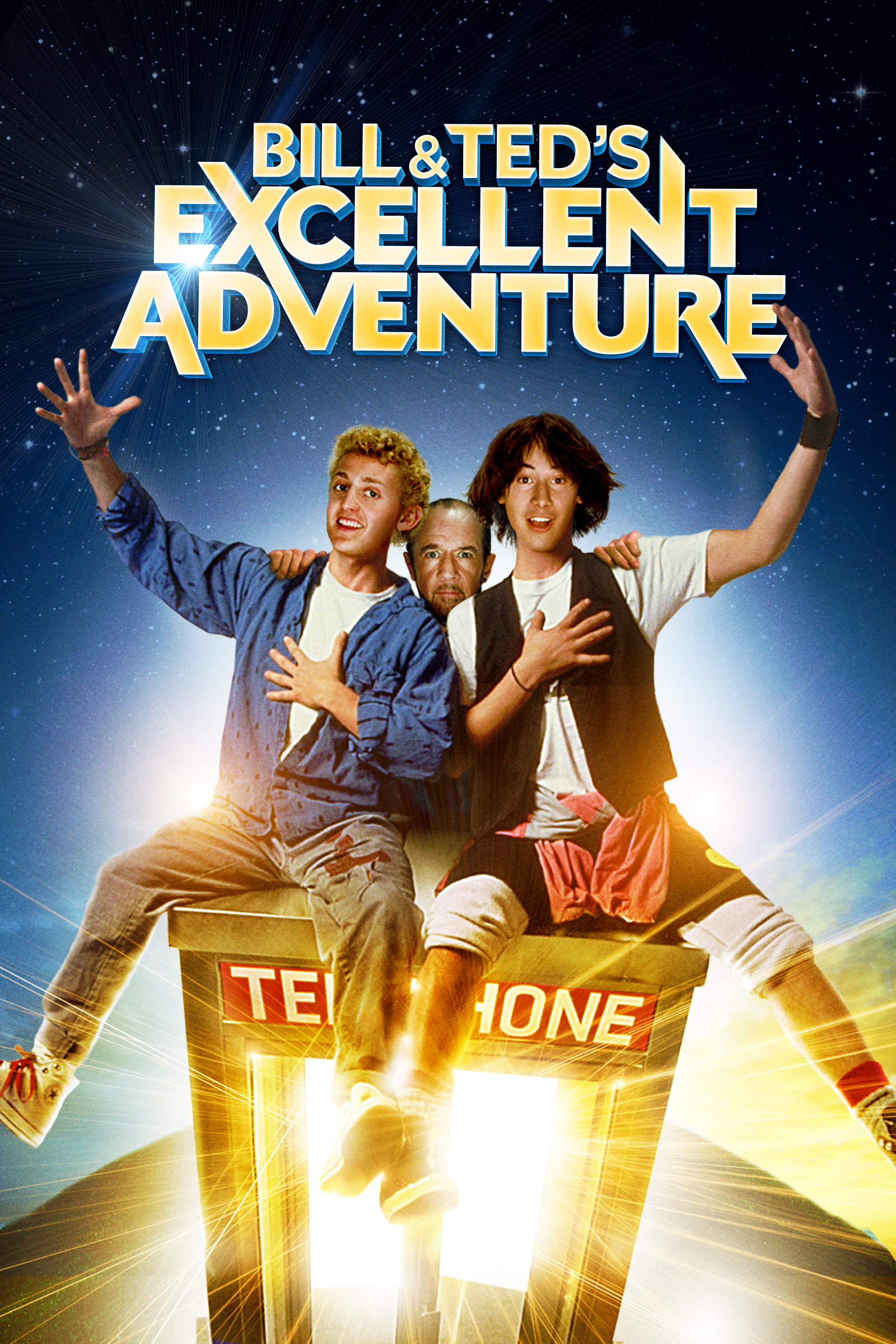
8. Bill and Ted’s Excellent Adventure (1989) – This movie launched a lot of quotes. Bill and Ted learned history by going back in time. George Carlin is most excellent in this movie.
9. Time Bandits (1981) – I saw this with a friends family back in 1981 at a theater. I was excited because George Harrison was one of the Executive Producers. Kevin, a young kid gets visited in the middle of the night by six dwarves and with a special map visit places in time.
10. Time After Time (1979) – Malcolm McDowell stars in this movie as he plays Herbert George Wells and he chases Jack The Ripper through time to 1979 with his time machine.
This was not a hit but it was a very poignant song about John Lennon after he was murdered. It was on the Tug of War album and it is a very touching song of Paul having an imaginary conversation with John. It’s a very personal side of Paul that he doesn’t show a lot.
The Tug of War album was a very good album. It peaked at #1 in 1982 and it would be his last #1 album until Egypt Station peaked at #1 in 2018.
The song peaked at #46 on the Billboard Mainstream Rock Charts.
Paul on the song: “After John died, there’d been a lot of talk about who did what and who liked who and did the Beatles argue. I was almost buying into this idea that me and John were fighting all the time. But I remembered it wasn’t true, so I wrote the song about how, ‘if you were here, you might say this or those… but I know better.’
I remember well some of the things we did. It was really for me thinking about John. We had a great relationship and like any family, there are always arguments, there’s always disputes, but in the end, we loved each other and I wanted to make a song where I actually said “I love you” to John, so that was that song.
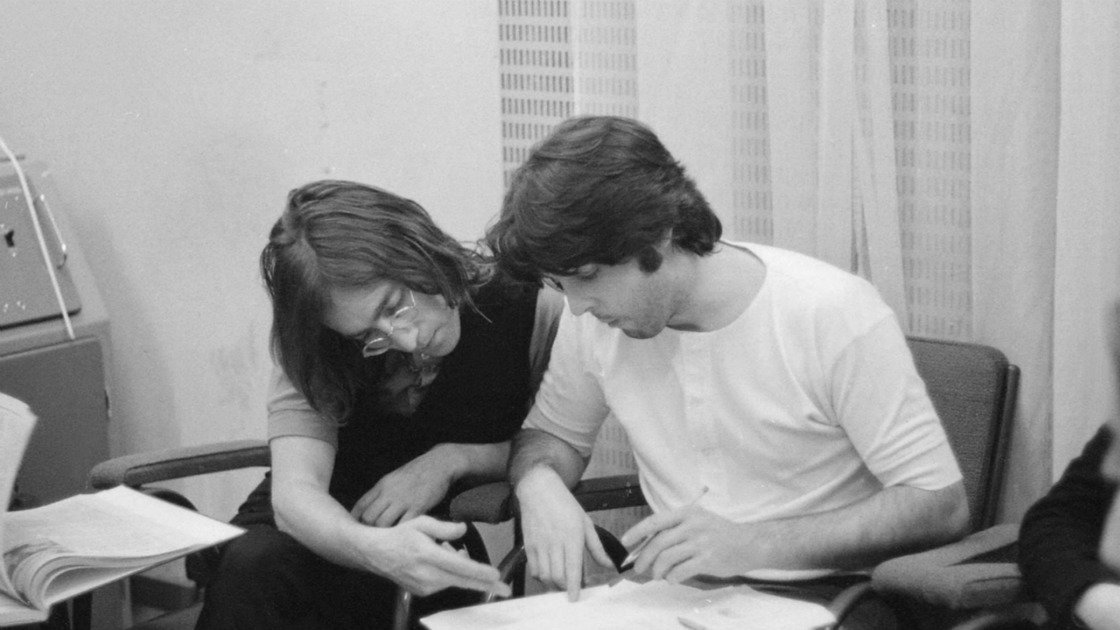
It’s quite emotional because it came from a real feeling about him, and I wanted to correct the record in my mind as much as in any one else’s mind. There were some photos from that period which were really beautiful, and there’s just him and me working and you could see we loved each other. So, once all these rumors go about, you almost buy into them yourself. So that song helped me set the record straight.”
From Songfacts
McCartney wrote this for John Lennon after his tragic death on December 8, 1980. He sings of the years they spent together in much detail.
Paul McCartney: “The truth of the matter is when John died it was so weird for everyone and obviously for those of us that were near to him it was doubly, triply weird and then there was the obvious sort of thing is anyone going to write a song about John because obviously certainly we all felt deeply enough and normally when we felt deeply enough we committed it to song. I was wondering if I was going to do it but I thought I’m not going to sit down and try to do it but if anything comes sometime I’ll do it. I was one day just sitting quietly in this little room with my guitar and these chords started coming out and I started having these thoughts as if I was talking to myself to John about our relationship and stuff and obviously one of the things that had been funny for me was this idea of when the Beatles broke up we became enemies for a time. But I knew we weren’t and I know for a fact he knew we weren’t too because independently of each other we’d talked nicely of each other but there was a pride thing of two men very difficult business and all that.” (Transcribed from this interview.)
McCartney told The London Times December 5, 2009, that in this song, “I’m talking to John in my head. It’s a conversation we didn’t have.” He added that they were reconciled again by the time of the tragedy: “We were mates. God, that was so cool. It was the saving grace. Because it got a bit sticky after the Beatles. No, we were really good mates again – it was lovely, actually. Performing this song, in New York, where he was killed, is a very emotional affair. The last verse, where I sing ‘and if I said I really loved you, and was glad you came along,’ it’s like singing it to your dad who died.”
During the Q&A Mojo Magazine Session in November 2009, McCartney said that this song is his most difficult to perform: “I realize I’m telling this man that I love him, and it’s like, ‘Oh my god’, like I’m publicly declaring it in front of all these people I don’t know! It’s a good thing to do, though.”
McCartney performed this live on his 2002 release Back In The US.
Here Today
And if I say I really knew you well What would your answer be? If you were here today Ooo ooo ooo, here today
Well, knowing you You’d probably laugh and say That we were worlds apart If you were here today Ooo ooo ooo, here today
But as for me, I still remember how it was before And I am holding back the tears no more Ooo ooo ooo, I love you, ooo
What about the time we met? Well, I suppose that you could say That we were playing hard to get Didn’t understand a thing But we could always sing
What about the night we cried? Because there wasn’t any reason Left to keep it all inside Never understood a word But you were always there with a smile
And if I say I really loved you And was glad you came along And you were here today Ooo ooo ooo, for you were in my song Ooo ooo ooo, here today
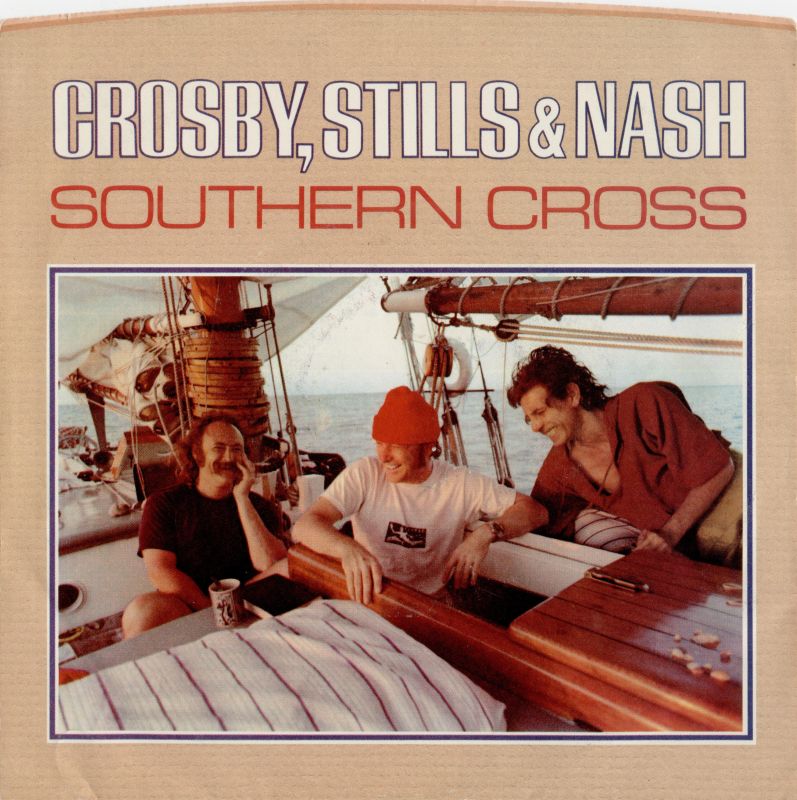
Great song by Crosby, Stills, and Nash. It peaked at #18 in 1982 in the Billboard 100. The song was on the album Daylight Again that peaked at #8 in 1982. I like some of their catalog…mostly the radio songs. I did see them live in 1987 and you had to appreciate their voices live.
This was written by Stephen Stills, Richard Curtis, and Michael Curtis. Stills said: “The Curtis Brothers brought a wonderful song called ‘Seven League Boots,’ but it drifted around too much. I rewrote a new set of words and added a different chorus, a story about a long boat trip I took after my divorce. It’s about using the power of the universe to heal your wounds. Once again, I was given somebody’s gem and cut and polished it.”
From Songfacts
The “Southern Cross” is a constellation also known as the Crux Constellation that can be viewed from most of the Southern hemisphere. The 4 brightest stars within the constellation form a cross pattern. Sailors have relied on the “Southern Cross” to help in navigating their boats. The national flags of Australia and New Zealand have versions of the Southern Cross on them.
Jimmy Buffett covered this on his 1999 album Buffett Live: Tuesdays, Thursdays, Saturdays.
There is a vocal mistake in the line “But it’s as big as the promise, the promise of a coming day.” One of the vocalists says “coming” on the first “promise.” >>
Since this song is based on a song called “Seven League Boots,” it bears mentioning that seven-league boots are a common magical artifact which crops up repeatedly in many European folk and fairy tales. They’re a pair of boots which allow the wearer to take strides that are seven leagues (21 miles, 33.8 kilometers) long. The same concept of footwear that greatly increases one’s traveling speed or stride is adapted into many role-playing and video games.
This same year that “Southern Cross” came out also saw David Crosby arrested on drug-related charges. He would be in and out of court on them numerous times until he finally turned himself in for an 8-month sentence.
The video for this song, with a ship a-sail, saw heavy rotation in the early MTV years, providing a soft rock respite from the European pop acts that dominated the network at the time.
The cover art for the Daylight Again album features an enigmatic domed structure on a rocky hilltop, flanked by three glowing blue flying saucers. The US was in the midst of a resurgence in UFO popularity in the late-’70s and early-’80s, bolstered by the writings of Chariots of the Gods author Erich von Daniken and renewed interest in Area 51.
Southern Cross
Got out of town on a boat goin’ to Southern Islands Sailing a reach before a followin’ sea She was makin’ for the trades on the outside And the downhill run to Papeete
Off the wind on this heading lie the Marquesas We got eighty feet of the waterline nicely making way In a noisy bar in Avalon I tried to call you But on a midnight watch I realized why twice you ran away
Think about Think about how many times I have fallen Spirits are using me, larger voices callin’ What Heaven brought you and me cannot be forgotten
Around the world (I have been around the world) Lookin’ (lookin’ for that woman girl) Who knows she knows (who knows love can endure) And you know it will
When you see the Southern Cross for the first time You understand now why you came this way ‘Cause the truth you might be runnin’ from is so small But it’s as big as the promise, the promise of a comin’ day
So I’m sailing for tomorrow my dreams are a-dyin’ And my love is an anchor tied to you (tied with a silver chain) I have my ship and all her flags are a-flyin’ She is all that I have left and music is her name
Think about Think about how many times I have fallen Spirits are using me, larger voices callin’ What Heaven brought you and me cannot be forgotten
I have been around the world (I have been around the world) Lookin’ (lookin’ for that woman girl) (Who knows love can endure) And you know it will And you know it will
So we cheated and we lied and we tested And we never failed to fail it was the easiest thing to do You will survive being bested Somebody fine will come along make me forget about loving you And the southern cross
This song is so smooth and has a great groove to it. Add in Mark Knopfler’s guitar and it turns into a very good pop song. It was on the album Making Movies which peaked at #19 in 1980.
Skateaway peaked at #58 in the Billboard 100 in 1981.
From Wiki
After the Communiqué Tour ended on 21 December 1979 in London, Mark Knopfler spent the first half of 1980 writing the songs for Dire Straits’ next album. He contacted Jimmy Iovine after hearing Iovine’s production on the song “Because the Night” by Patti Smith—a song she had co-written with Bruce Springsteen. Iovine, who had also worked on Springsteen’s Born to Run and Darkness on the Edge of Town albums, was instrumental in recruiting E Street Band keyboardist Roy Bittan for the Making Movies sessions.[1]
Making Movies was recorded at the Power Station in New York from 20 June to 25 August 1980. Jimmy Iovine and Mark Knopfler produced the album.
Skateaway
I seen a girl on a one way corridor Stealing down a wrong way street For all the world like an urban toreador She had wheels on on her feet Well the cars do the usual dances Same old cruise and the kerbside crawl But the roller girl she’s taking chances They just love to see her take them all
No fears alone at night she’s sailing through the crowd In her ears the phones are tight and the music’s playing loud
Hallelujah here she comes queen roller ball Enchante what can I say don’t care at all You know she used to have to wait around She used to be the lonely one But now that she can skate around town She’s the only one
No fears alone at night she’s sailing through the crowd In her ears the phones are tight and the music’s playing loud She gets rock n roll a rock n roll station And a rock n roll dream She’s making movies on location She don’t know what it means But the music make her want to be the story And the story was whatever was the song what it was Roller girl don’t worry D.j. play the movies all night long
She tortures taxi drivers just for fun She like to read their lips Says toro toro taxi see ya tomorrow my son I swear she let a big truck grease her hip She got her own world in the city You can’t intrude on her She got her own world in the city ’cause the city’s benn so rude to her
No fears alone at night she’s sailing through the crowd In her ears the phones are tight and the music’s playing loud She gets rock n roll a rock n roll station And a rock n roll dream She’s making movies on location She don’t know what it means But the music make her want to be the story And the story was whatever was the song what it was Roller girl don’t worry D.j. play the movies all night long
Come slipping and sliding Life’s roller ball Slipping and a sliding Skate away that’s all Shala shalay hey hey skate away She’s going singing shala shalay hey hey Skate away
I did not dislike Hot Space like some Queen fans and non-Queen fans. I would not rate it as high as The Game but it had some decent songs. The album peaked at only #22 in the Billboard Album Chart in 1982 after the hugely successful album The Game.
Queen incorporates a little of Lennon’s style in this one and Mercury’s voice sounds great in this song.
From Songfacts
Freddie Mercury wrote this song as a dedication to John Lennon. The music emulates different John Lennon song styles, and the lyrics are mostly about Freddie’s realization that John was dead, and how real life was. “Life is Real” is related to the John Lennon lyric “Love is Real.”
The death of John Lennon sparked Queen to play “Imagine” during concerts, something they did during their tour with Paul Rodgers.
This song took on a new life after Freddie Mercury’s death, and is now regularly performed as a tribute to Mercury as well as Lennon – particularly when performed by Kerry Ellis and Brian May on their tours (notably the Born Free tour) where a montage of Freddie Mercury images would play on screens behind the artists.
Life Is Real (Song For Lennon)
Guilt stains on my pillow Blood on my terraces Torsos in my closet Shadows from my past Life is real, life is real Life is real, so real
Sleeping is my leisure Waking up in a minefield Dream in just a pleasure dome Love is a roulette wheel Life is real, life is real Life is real, oh yeah
Success is my breathing space I brought it on myself I will price it, I will cash it I can take it or leave it Loneliness is my hiding place Breast feeding myself What more can I say? I have swallowed the bitter pill I can taste it I can taste it Life is real, life is real Life is real
Music will be my mistress Loving like a whore Lennon is a genius Living in ev’ry pore Life is real, life is real Life is real, so real Life is cruel, life is a bitch Life is real, so real Life is real, life is real, yeah Life is real.
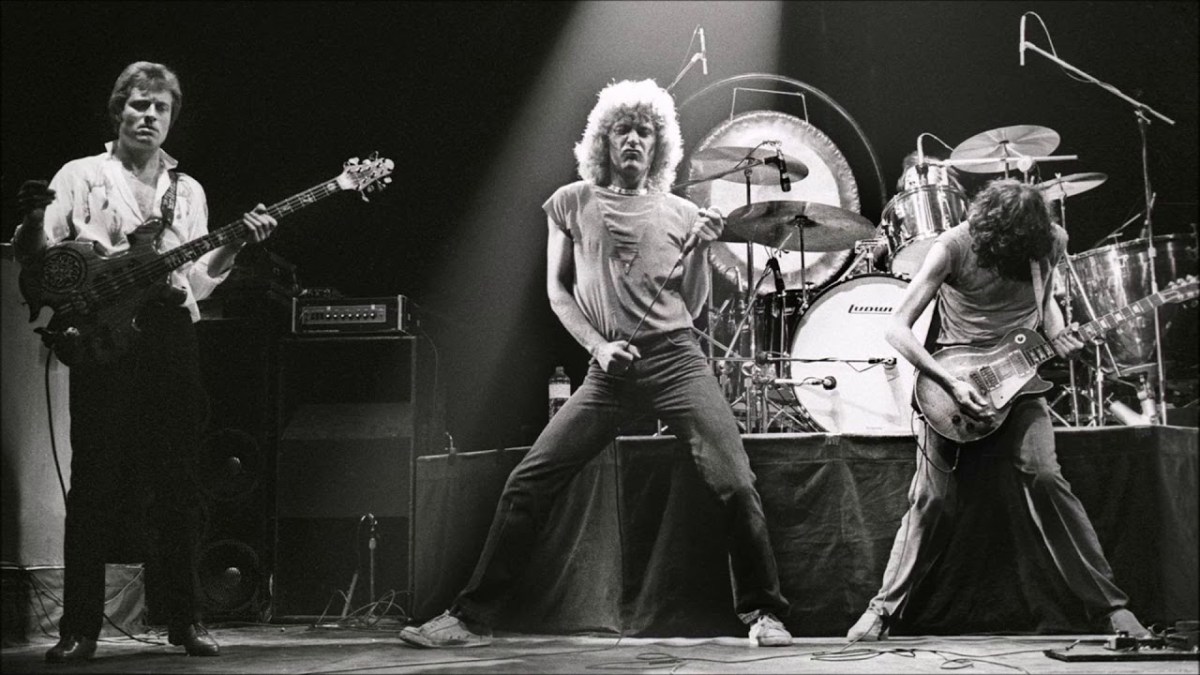
This was on the album Coda it was released two years after John Bonham’s death and features outtakes from sessions throughout their career.
the song was supposed to be released as a single to coincide with their 1979 tour, but it was delayed because of production problems. This was Zeppelin’s answer to the Punk Rock groups at the time. It was recorded during the making of the In Through The Out Door album.
I don’t think it would have fit well on In Through The Out Door but it is too bad they didn’t release it as a single at the time.
From Songfacts
John Bonham died before this could be released. It was included on Coda, an album of unreleased tracks.
They planned to release this under the name of a fake band so it would not be judged as a Zeppelin song and could compete against the popular Punk bands.
Led Zeppelin never performed this live, but in 1990, Page and Plant played it at the Knebworth Festival in England.
Wearing and Tearing
It starts out like a murmur Then it grows like thunder Until it bursts inside of you Try to hold it steady Wait until you’re ready Any second now will do Throw the door wide open Not a word is spoken Anything that you want to do
Ya know, ya know, ya know Ya know, ya know, ya know
Don’t you feel the same way? Don’t you feel the same way? But you don’t know what to do No time for hesitatin’ Ain’t no time for hesitatin’ All you got to do is move They say you’re feeling blue, well I just found a cure It’s a thing you gotta do, yeah
(Ya know, ya know, ya know)
Now listen, when you say your body’s aching? I know that it’s aching Chill bumps come up on you Yeah, the funny fool I love the funny fool Just like foolin’ after school? And then you ask for medication Who cares for medication When you’ve worn away the cure
(Ya know, ya know, ya know)
(Hey, hey) Go back to the country yeah, go back to the country Feel a change is good for you When you keep convincin’ Ah, don’t keep convincin’ What’s that creeping up behind a you? It’s just an old friend, it’s just an old friend And what’s that he’s got for you?
(Ya know, ya know, ya know)
Yeah, yeah, yeah I can feel it, I can feel it ? Oh, medication, medication, medication
Love the lyrics to this song and also Knopfler’s guitar. When this song came out my friends and I would quote these lines to one another at school. Any song with I don’t know how you came to get the Betty Davis knees…But worst of all young man you’ve got Industrial Disease’ …..is alright with me.
The song was off of their Love over Gold album which peaked at #19 in the Billboard album chart in 1982. Industrial Disease peaked at #75 in the Billboard 100 in 1983.
From Songfacts
The song focuses on the decline of the British manufacturing industry in the 1980s. The song focuses on strikes, depression and dysfunctionality.
The title of what later became an AC/DC song is mentioned in the lyrics: “Thunderstruck.”
The reference to “brewers droop” as a medical condition is an in-joke, referring both to the effect of alcohol on libido and to the band of the same name that Mark Knopfler played in prior to Dire Straits.
Industrial Disease
Warning lights are flashing down at Quality Control Somebody threw a spanner and they threw him in the hole There’s rumors in the loading bay and anger in the town Somebody blew the whistle and the walls came down There’s a meeting in the boardroom they’re trying to trace the smell There’s leaking in the washroom there’s a sneak in personnel Somewhere in the corridors someone was heard to sneeze ‘goodness me could this be Industrial Disease?
The caretaker was crucified for sleeping at his post They’re refusing to be pacified it’s him they blame the most The watchdog’s got rabies the foreman’s got fleas And everyone’s concerned about Industrial Disease There’s panic on the switchboard tongues are ties in knots Some come out in sympathy some come out in spots Some blame the management some the employees And everybody knows it’s the Industrial Disease
The work force is disgusted downs tools and walks Innocence is injured experience just talks Everyone seeks damages and everyone agrees That these are ‘classic symptoms of a monetary squeeze’ On ITV and BBC they talk about the curse Philosophy is useless theology is worse History boils over there’s an economics freeze
Sociologists invent words that mean ‘Industrial Disease’ Doctor Parkinson declared ‘I’m not surprised to see you here You’ve got smokers cough from smoking, brewer’s droop from drinking beer I don’t know how you came to get the Betty Davis knees But worst of all young man you’ve got Industrial Disease’
He wrote me a prescription he said ‘you are depressed But I’m glad you came to see me to get this off your chest Come back and see me later – next patient please Send in another victim of Industrial Disease’ I go down to Speaker’s Corner I’m thunderstruck They got free speech, tourists, police in trucks Two men say they’re Jesus one of them must be wrong There’s a protest singer singing a protest song – he says ‘they want to have a war to keep us on our knees
They want to have a war to keep their factories They want to have a war to stop us buying Japanese They want to have a war to stop Industrial Disease They’re pointing out the enemy to keep you deaf and blind They want to sap your energy incarcerate your mind They give you Rule Brittania, gassy beer, page three
Two weeks in Espana and Sunday striptease’ Meanwhile the first Jesus says ‘I’d cure it soon Abolish Monday mornings and Friday afternoons’ The other one’s on a hunger strike he’s dying by degrees How come Jesus gets Industrial Disease

















 PowerPop... An Eclectic Collection of Pop Culture