A great pop song by Ace and this was their only top 40 hit. Paul Carrack was the lead singer of Ace. He went on to sing for Squeeze and Mike And The Mechanics and had a solo hit with “Don’t Shed a Tear.” He also worked as a keyboardist in Roxy Music and a backup musician for Frankie Miller.
This song peaked at #3 in the Billboard 100, #3 in Canada, and #20 in the UK.
Many listeners believed that this was a love song. The truth is that is was about bass player Terry Comer working with other bands (he played briefly with The Sutherland Brothers and Quiver before returning to Ace). He didn’t tell the members of Ace and they felt cheated.
This was Ace’s only hit. They broke up in 1977.
The bass introduction is borrowed from “Traveling Song” by the British folk rock group Pentangle.
When singer-songwriter Paul Carrack appeared on the BBC Breakfast news programme on June 29, 2009 he was asked about the inspiration for this song. Rather than being about a two-timing lover it was, he said, about another band who were “trying to nick our bass player”. “How Long?” was one of the first songs he ever wrote and remains one of his biggest hits. It was released on the Anchor label, copyright 1974, backed by “Sniffin’ About”, and produced by John Anthony for Neptune Productions. It has been recorded many times since. Terry Comer, the bass player a rival band were trying to “nick”, returned in time to play on the original recording.
How Long
How long has this been goin’ on How long has this been goin’ on
Well, if friends with their fancy persuasion Don’t admit that it’s part of a scheme But I can’t help but have my suspicions ‘Cause I ain’t quite as dumb as I seem And you said you was never intendin’ To break up our scene in this way But there ain’t any use in pretendin’ It could happen to us any day
How long has this been goin’ on How long has this been goin’ on
—- musical interlude —-
Oh, your friends with their fancy persuasion Don’t admit that it’s part of a scheme But I can’t help but have my suspicion ‘Cause I ain’t quite as dumb as I seem Oh, you said you was never intending To break up our scene in this way But there ain’t any use in pretendin’ It could happen to us any day
And how long has this been going on How long has this been going on How long
How long has this been going on How long has this been going on How long has this been going on How long How long has this been going o
I’ve been music heavy lately and wanted to live up more to the “eclectic” part of the blog’s name.
In first grade…I found the wonderous invention called Play-Doh. I loved making things and the smell of play-doh… I had a friend in school named Kevin…he would eat Play-Doh at times…I didn’t go that far. Kevin would deny eating it but when he smiled the teacher would see yellow, blue, and red all between his teeth… He would also eat crayons…Lost touch with Kevin after second grade when I assigned to a different school in our area which was closer…maybe that was for the best…
Today if I ever walk by Play-Doh I have to pick it up and do something with it. When my son was a kid we would make all sorts of things. I always loved taking the top off of a new one and trying to keep the colors separated…
Kevin where ever you are now…this post is for you.
In the 1930s Noah McVicker created a substance that looked like putty out of flour, water, salt, boric acid, and mineral oil. His family’s soap company — Kutol Products — in Cincinnati, Ohio, marketed his creation as a wallpaper cleaner.
It wasn’t until after World War II that Noah McVicker’s nephew, Joseph McVicker soon realized that Kutol Products’ wallpaper cleaner also could be used as modeling clay. In 1955, he tested the product in Cincinnati-area schools and daycares. The following year, the Woodward & Lothrop Department Store in Washington, DC, began to sell the clay, which McVicker had named Play-Doh. Noah and Joseph McVicker applied for a patent for Play-Doh in 1958, but the United States Patent Office did not officially patent the clay until January 26, 1965.
Captain Kangaroo had a part in the popularity.
When it was just a new company with no advertising budget, Joe McVicker talked his way in to visit Bob Keeshan, better known as Captain Kangaroo. Although the company couldn’t pay the show outright, McVicker offered them two percent of Play-Doh sales for featuring the product once a week. Keeshan loved the compound and began featuring it three times weekly.
Today, Play-Doh is owned by Hasbro that continues to make and sell the product through its Playskool line. In 2003, the Toy Industry Association added Play-Dohto its “Century of Toys List,” which contains the 100 most memorable and creative toys of the last 100 years.
Since its “invention,” over 700 million pounds of Play-Dohhave been sold around the world!
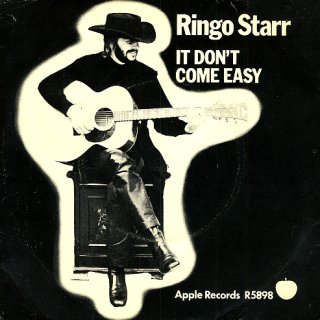
Maybe Ringo’s best solo song. Ringo is the only songwriter credited on this, but he had a lot of help from George Harrison, who was very generous in giving him full writing credit. The track (less Ringo’s vocal and horn parts) was already completed when Harrison gave it to him, and it included a scratch vocal by George (youtube video at the bottom).
The song peaked at #4 in the Billboard 100, #1 in Canada and #4 in the UK in 1971.
Pete Ham and Tom Evans from Badfinger are on this track.
If you listen carefully during the guitar solo, the backup singers throw in a “Hare Krishna,” which was mixed way down. This is a nod to George Harrison’s 1970 hit “My Sweet Lord,” where he sings the mantra.
This was Ringo’s first big hit as a solo artist (his cover of “Beaucoups of Blues” made #87 US a year earlier). From 1971-1975 he had a string of hits, including two #1s: “Photograph” and “You’re Sixteen.”
Peter Ham and Tom Evans of Badfinger sang on the intro to this song (“It don’t come easy, ya know it don’t come easy”). Badfinger was signed to The Beatles’ Apple Records, and helped out George Harrison’s first solo album.
This song served Ringo well throughout his career. When he assembled his first “All Starr Band” in 1989 (featuring Dr. John, Clarence Clemmons, Joe Walsh and Billy Preston), this was the opening number on their tour. Throughout several subsequent incarnations of the band, “It Don’t Come Easy” typically remained at the top of setlist when they performed live.
Ringo performed this song with his good friend, musical cohort, and brother-in-law Joe Walsh when he was inducted into the Rock and Roll Hall of Fame in 2015.
Here is the George Harrison version
It Don’t Come Easy
One, two, One, two, three, four!
It don’t come easy You know it don’t come easy It don’t come easy You know it don’t come easy
Got to pay your dues if you wanna sing the blues And you know it don’t come easy You don’t have to shout or leap about You can even play them easy
Open up your heart, let’s come together Use a little love And we will make it work out better
I don’t ask for much, I only want your trust And you know it don’t come easy And this love of mine keeps growing all the time And you know it don’t come easy
Peace, remember peace is how we make it Here within your reach If you’re big enough to take it
Got to pay your dues if you wanna sing the blues And you know it don’t come easy You don’t have to shout or leap about You can even play them easy
Peace, remember peace is how we make it Here within your reach If you’re big enough to take it
I don’t ask for much, I only want your trust And you know it don’t come easy And this love of mine keeps growing all the time And you know it don’t come easy
This was on the great album Blood on the Tracks. In my opinion Bob’s best album of the seventies. When I first got this album I couldn’t quit listening to it and I really wore this song out. I could sing this song in my sleep…I know every word because it’s ingrained in my head.
This would make my top 10-15 Bob Dylan songs. I’ve seen Bob 8 times and the first 6 times I saw him I kept waiting for this song because with Bob you don’t know what you will get live. He finally played it on the 7th time and I was surprised the next time because it was the only older song he played.
The song peaked at #31 in the Billboard 100 in 1975.
Talking to Ron Rosenbaum, Bob Dylan once told him that he’d written “Tangled up in Blue”, after spending a weekend immersed in Joni Mitchell’s 1971 album Blue.
Dylan wrote this in the summer of 1974 at a farm he had just bought in Minnesota. He had been touring with The Band earlier that year.
Blood On The Tracks was Dylan’s first album under his new contract with Columbia Records. He left the label a year earlier to record for David Geffen’s label, Asylum Records.
This was influenced by the art classes Dylan was taking with Norman Raeben, a popular teacher in New York. Dylan credits Raeben for making him look at things from a nonlinear perspective, which was reflected in his songs.
This is a very personal song for Dylan. It deals with the changes he was going through, including his marriage falling apart.
Dylan sometimes introduced this on stage by saying it took “Ten years to live and two years to write.”
Tangled Up In Blue
Early one mornin’ the sun was shinin’
I was layin’ in bed
Wondrin’ if she’d changed at all
If her hair was still red
Her folks they said our lives together
Sure was gonna be rough
They never did like
Mama’s homemade dress
Papa’s bank book wasn’t big enough
And I was standin’ on the side of the road
Rain fallin’ on my shoes
Heading out for the east coast
Lord knows I’ve paid some dues
Gettin’ through
Tangled up in blue
She was married when we first met
Soon to be divorced
I helped her out of a jam I guess
But I used a little too much force
We drove that car as far as we could
Abandoned it out west
Split up on a dark sad night
Both agreeing it was best
She turned around to look at me
As I was walkin’ away
I heard her say over my shoulder
We’ll meet again some day
On the avenue
Tangled up in blue
I had a job in the great north woods
Working as a cook for a spell
But I never did like it all that much
And one day the axe just fell
So I drifted down to New Orleans
Where I happened to be employed
Workin’ for a while on a fishin’ boat
Right outside of Delacroix
But all the while I was alone
The past was close behind
I seen a lot of women
But she never escaped my mind
And I just grew
Tangled up in blue
She was workin’ in a topless place
And I stopped in for a beer
I just kept lookin’ at the side of her face
In the spotlight so clear
And later on as the crowd thinned out
I’s just about to do the same
She was standing there in back of my chair
Said to me “Don’t I know your name?”
I muttered somethin’ under my breath
She studied the lines on my face
I must admit I felt a little uneasy
When she bent down to tie the laces
Of my shoe
Tangled up in blue
She lit a burner on the stove
And offered me a pipe
I thought you’d never say hello, she said
You look like the silent type
Then she opened up a book of poems
And handed it to me
Written by an Italian poet
From the thirteenth century
And everyone of them words rang true
And glowed like burnin’ coal
Pourin’ off of every page
Like it was written in my soul
From me to you
Tangled up in blue
I lived with them on Montague Street
In a basement down the stairs
There was music in the cafes at night
And revolution in the air
Then he started into dealing with slaves
And something inside of him died
She had to sell everything she owned
And froze up inside
And when finally the bottom fell out
I became withdrawn
The only thing I knew how to do
Was to keep on keepin’ on
Like a bird that flew
Tangled up in blue
So now I’m goin’ back again
I got to get to her somehow
All the people we used to know
They’re an illusion to me now
Some are mathematicians
Some are carpenters’ wives
Don’t know how it all got started
I don’t know what they’re doin’ with their lives
But me, I’m still on the road
Headin’ for another joint
We always did feel the same
We just saw it from a different point
Of view
Tangled up in blue
I’ve always liked this song. It’s a bit of a soap opera but it’s a really good soul song. The song peaked at #3 in the Billboard 100 in 1970. The guitar had a rubberband type effect that was used on this song.
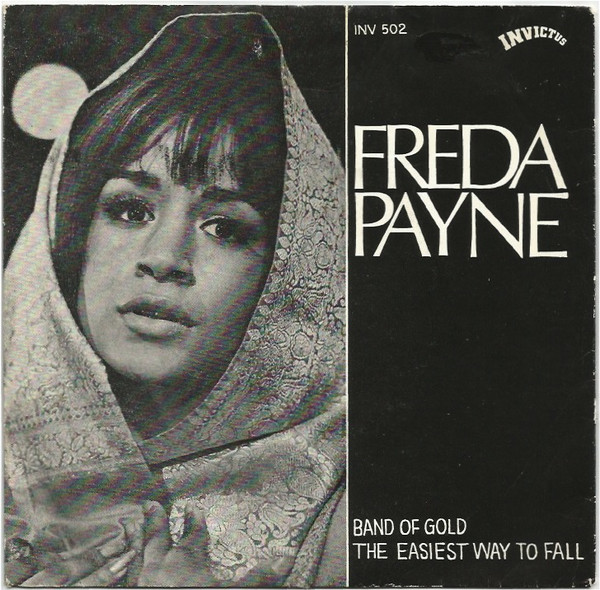
Because of the subject matter, Freda Payne did not want to record this at first. She thought the song was about a woman who was a virgin or sexually naïve and felt it was more suitable for a teenager. When Payne objected to this song, Ron Dunbar (co-writer of the song) said to her, “Don’t worry. You don’t have to like them! Just sing it,” and she did. Little did she know that this song would become her biggest hit and would give her her first record of gold.
The lead guitarist on this track was Ray Parker Jr., who later found success with the theme song for the comedy movie Ghostbusters.
There is some mystery to this song. Some people think it is about an impotent man, while others think it is about a frigid woman. In a Songfacts interview with Lamont Dozier, who co-wrote the song, he explained: “The story was, the girl found out this guy was not all there. He had his own feelings about giving his all. He wanted to love this girl, he married the girl, but he couldn’t perform on his wedding night because he had other issues about his sexuality. I’ll put it that way.
It was about this guy that was basically gay, and he couldn’t perform. He loved her, but he couldn’t do what he was supposed to do as a groom, as her new husband.”
This was released on Invictus Records, which Brian Holland, Lamont Dozier and Eddie Holland formed after they left Motown in 1968. Holland-Dozier-Holland produced the track and wrote it with their collaborator Ron Dunbar, but because of their dispute with Motown, the H-D-H trio couldn’t put their names on the label and credited themselves as “Edythe Wayne.” Members of the Motown house band The Funk Brothers played on the track.
Freda Payne is the older sister of Scherrie Payne, the final lead singer of The Supremes. Holland-Dozier-Holland wrote many of The Supremes’ hits.
According to 1000 UK #1 Hits by Jon Kutner and Spencer Leigh, Freda Payne said of this song: “It is about a wedding night that didn’t work out. I wondered why a girl would have a problem on her wedding night and why they would be in separate rooms, but they said, ‘Just learn it.’ I had no idea that it would be such a big hit.”
Band of Gold
Now that you’re gone, All that’s left is a band of gold All that’s left of the dreams I hold Is a band of gold And the memories of what love could be If you were still here with me
You took me from the shelter of my mother I had never known or loved any other We kissed after taking vows But that night on our honeymoon, We stayed in separate rooms
I wait in the darkness of my lonely room Filled with sadness, filled with gloom Hoping soon That you’ll walk back through that door And love me like you tried before
Since you’ve been gone, All that’s left is a band of gold All that’s left of the dreams I hold Is a band of gold And the dream of what love could be If you were still here with me
Ohhh
Don’t you know that I wait In the darkness of my lonely room Filled with sadness, filled with gloom Hoping soon That you’ll walk back through that door And love me like you tried before
Since you’ve been gone, All that’s left is a band of gold All that’s left of the dreams I hold Is a band of gold And the dream of what love could be If you were still here with me
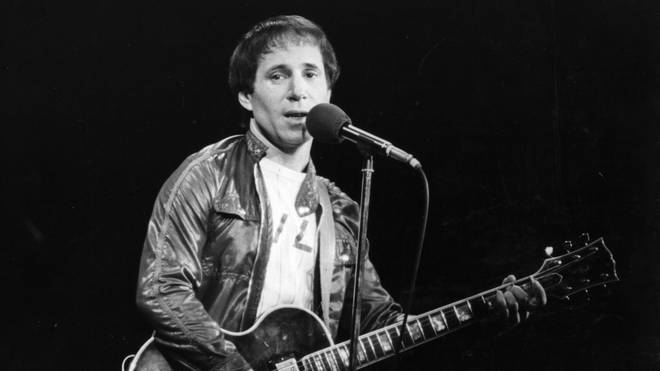
As a kid, I learned what Kodachrome meant by this song. Paul Simon was working on a song with the title “Coming Home” when the word “Kodachrome” came to him. He had no idea what it meant, but knew it would make for a much more interesting song than “Coming Home.” The song became an appreciation of the things in life that color our world.
Kodachrome is a registered trademark of the Kodak company. It is a method of color transparency, but more commonly known as a type of color film the company started marketing in 1935. The song peaked at #2 in the Billboard 100 and Canada.
This was not a hit in England, partly because UK radio stations rarely played it. The BBC had very strict rules about commercial endorsements, and they would not allow stations to play songs that seemed to push products. It’s the same reason The Kinks had to re-record part of “Lola.” The lyrics were, “We drink champagne and it tastes just like Coca-Cola,” But Ray Davies had to redo them as “…Just like cherry cola” so the song could get airplay in Great Britain.
Paul Simon recorded this at Muscle Shoals Sound Studios in Alabama with the famous Muscle Shoals Rhythm Section. He sought out the musicians when he found out they played on “I’ll Take You There” by the Staple Singers, and was surprised to learn that they were not Jamaican musicians, but four white guys from the South. Simon went to Muscle Shoals to record just one song: “Take Me To The Mardi Gras,” but when they finished that one much sooner than he expected, he also recorded “Kodachrome” and “Loves Me Like A Rock.” Simon was the first big rock artist to record at the studios – Bob Seger and The Rolling Stones were some of the others who recorded there in the ’70s.
David Hood, the bass player in the Muscle Shoals Rhythm Section, told us this story: “When Paul Simon walked into our studio, he thought, God, what a funky place. Because it was. He was used to working at A&R and Columbia Studios in New York, and studios in England and different places. And when he came and saw our little place, he probably thought, man, this is a rat trap.
It just so happened that the roof leaked in our studio right over the recording console, and as a short term fix, we taped sanitary pads across the ceiling just to absorb the water so it wouldn’t drop down on the recording console. So we had Paul Simon, who’s got hit record after hit record walking in and seeing this place with Kotex on the ceiling. He must have thought, what in the world have I gotten myself into? But we cut this track for him in two takes, and I think he thought, wow, well these guys know what they’re doing. It doesn’t really matter.” (Here’s more on the history of the Muscle Shoals sound.)
Simon sometimes sings the line “Everything looks worse in black and white” as “Everything looks better in black and white.” He changes it a lot, and claims he can’t remember which way he wrote it.
On June 22, 2009, Kodak officially retired Kodachrome color film after 74 years. Photographers had turned to more recent Kodak products and digital technologies, which led to Kodachrome’s decline.
Kodachrome
When I think back On all the crap I learned in high school It’s a wonder I can think at all And though my lack of education Hasn’t hurt me none I can read the writing on the wall
Kodachrome They give us those nice bright colors They give us the greens of summers Makes you think all the world’s a sunny day I got a Nikon camera I love to take a photograph So mama don’t take my Kodachrome away
If you took all the girls I knew When I was single And brought them all together for one night I know they’d never match My sweet imagination Everything looks worse in black and white
Kodachrome They give us those nice bright colors They give us the greens of summers Makes you think all the world’s a sunny day I got a Nikon camera I love to take a photograph So mama don’t take my Kodachrome away
Mama don’t take my Kodachrome away Mama don’t take my Kodachrome away Mama don’t take my Kodachrome away
Mama don’t take my Kodachrome Mama don’t take my Kodachrome Mama don’t take my Kodachrome away Mama don’t take my Kodachrome Leave your boy so far from home Mama don’t take my Kodachrome away Mama don’t take my Kodachrome Mama don’t take my Kodachrome away
This one was the most fun to do. These are the songwriters that I have listened to and admired the most.
1… Bob Dylan – There was no one else I could remotely place as number 1.
2… Lennon – McCartney – As a team…it was quantity and quality. Their music will live long after we are gone.
3…Chuck Berry – He wrote the blueprint for future rockers.
4…Jagger – Richards – For blues rock it doesn’t get much better than these two.
5…Paul Simon – One of the best craftsman of pop songs there is…
6…Bruce Springsteen – One of the best writers of his generation.
7…Goffin and King – Wrote some of the best known and successful songs of the sixties.
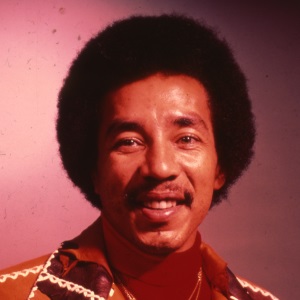
8…Smokey Robinson – Bob Dylan said of Robinson…”America’s greatest living poet”
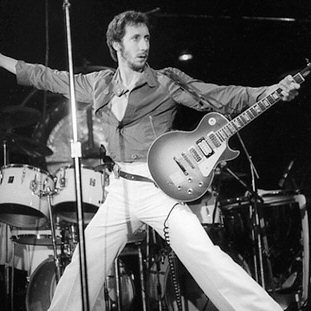
9…Pete Townshend – Took the “Rock Opera” to new levels.
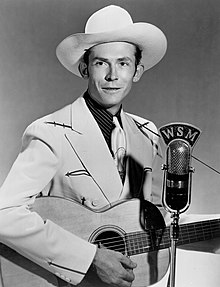
10…Hank Williams – The country poet.
Honorable Mention
Paul McCartney, John Lennon, Ray Davis, Neil Young, Townes Van Zandt, Leiber and Stoller, Elvis Costello, Randy Newman, Woody Guthrie, Merle Haggard, Robbie Robertson, Elton John and Bernie Taupin, Tom Petty, Curtis Mayfield, John Prine, George Harrison, Steve Wonder, Warren Zevon, Brian Wilson
There are so many singers that I cannot possibly list them all. I could make a top 30 and not get them all. This is my personal favorite top 10 plus some extra.
For the most part, I like singers with soul and meaning to their singing…not vocal gymnastics.
1…Aretha Franklin – Aretha could make any song better by singing it.
2…Van Morrison, Them and Solo – Probably my favorite male singer.
3…John Lennon, Beatles – John hated his voice and always wanted an effect on it…It didn’t need it…one of his best performances was “A Day In The Life”
4…Bob Dylan – Bob changed popular singing. I would rather hear Bob sing than many of the great traditional singers.
5…Elvis Presley – Hey he’s Elvis…
6…Otis Redding – Just a fantastic singer and performer and just taking off before he was killed in a plane crash.
7…Mick Jagger, Rolling Stones – Mick makes the most out of his voice.
8…John Fogerty…CCR – If I could have the voice of anyone…it would be Fogerty. The power that John has is incredible…his voice is its own instrument.
9…Janis Joplin – She put everything she had in each song. Her last producer Paul A. Rothchild was teaching Janis how to hold back and sing more traditional to save her voice for old age…which never came.
10…Johnny Cash – Last but far from least. Only one man can sound like Cash…and that is Cash
Honorable Mention…any of these could have easily been on the list.
Steve Marriott, Paul McCartney, Levon Helm, Bessie Smith, Little Richard, Roger Daltrey, Pete Townshend, Elton John, Neil Young, Roy Orbison, Smokey Robinson, Sam Cooke, Joe Cocker, Billie Holiday, Freddie Mercury, Kate Bush, Ella Fitzgerald, Paul Rodgers, David Bowie.
Sly and the Family Stone were huge during their heyday but have been neglected since. This song peaked at #1 in the Billboard 100 in 1970. Sly to me, was somewhat of a musical genius until drugs started to affect him. The lyrics include references to some of Sly & the Family Stone’s earlier hits, including “Dance To The Music” and “Everyday People.
Sly Stone wrote this because he was upset that people were not listening to the messages in his songs even though the band was more popular then ever. They were an integrated band and tried to spread the message of racial harmony, but Stone thought that message was getting lost. The lyrics are scathing and mostly directed at Sly himself, but once again, many people lost the message in the powerful groove.
Larry Graham played the innovative bass line using a technique where thumped the strings. He learned this technique when he was playing in a duo with his mother, who played the organ. He thumped the strings to make up for a lack of drummer. This bass style became very popular on funk records for years to come, and was a big influence on artists like Prince and The Red Hot Chili Peppers.
The title is a funky way of spelling “Thank you for letting me be myself again.”
Janet Jackson sampled the bass riff from this on her 1990 hit “Rhythm Nation.” >>
In 2008, Brooke Hogan, who is the daughter of wrestling star Hulk Hogan, released a version of this song called “Thnku4lettinmebmahself,” where she sings about the trappings of fame. Her cover, which strips all Funk from the original, was released ahead of her second album.
Thank You (Falettinme Be Mice Elf Agin)
Lookin’ at the devil, grinnin’ at his gun Fingers start shakin’, I begin to run Bullets start chasin’, I begin to stop We begin to wrestle I was on the top
I want to thank you falettinme be mice elf agin Thank you falettinme be mice elf agin
Stiff all in the collar, fluffy in the face Chit chat chatter tryin’, stuffy in the place Thank you for the party but I could never stay Many things is on my mind, words in the way
I want to thank you falettinme be mice elf agin Thank you falettinme be mice elf agin
Dance to the music All night long Everyday people Sing a simple song Mama’s so happy Mama start to cry Papa still singin’ We can make it if we try
I want to thank you falettinme be mice elf agin Thank you falettinme be mice elf agin
Flamin’ eyes of people fear, burnin’ into you Many men are missin’ much, hatin’ what they do Youth and truth are makin’ love Dig it for a starter Dyin’ young is hard to take Sellin’ out is harder
Thank you falettinme be mice elf agin I want to thank you falettinme be mice elf agin Thank you falettinme be mice elf agin Thank you falettinme be mice elf agin I want thank you falettinme be mice elf agin I want to thank you falettinme be mice elf agin I want to thank you falettinme be mice elf agin I want to thank you falettinme be mice elf agin
This list means more to me because I started off playing bass and spent a lot of time listening to records of many of these artists. Slowing the record down when I was 15 -16 trying to learn the runs. There was no youtube or tabs to show how to play songs.
These are my favorite bass players and the ones I grew up listening to.
1…John Entwistle, The Who – For my money, John was the best rock bass player. He was incredibly quick on bass and his late sixties and mid-seventies tone was great. Some of his bass playing style was developed from having Keith Moon as a rhythm partner. He would have to follow Keith all over the place.
2…James Jamerson, Motown – One of the most influential bass players without a doubt. All of those great records that Jamerson played on showed how powerful and melodic he was…
3-…Paul McCartney, Beatles – The most melodic bass player that I’ve heard. Starting with Sgt Pepper his bass playing and sound changed the way the bass was recorded and played.
4…Jack Bruce, Cream – Like John Entwistle he was incredibly fast and held the song together while singing most of the time.
5…John Paul Jones – I wish Jimmy Page would have mixed his bass louder in recordings of Zeppelin. Fantastic bass player and arranger.
6…Rick Danko, The Band – He played the perfect bass lines for all of those Robbie Robertson songs. I like his sliding style along with his very loose playing. Rick also sang either lead or backup while playing.
7…Roger Waters, Pink Floyd – Roger waters made some of the most memorable bass lines ever.
8…Bill Wyman, Rolling Stones – Part of a great rhythm section with Charlie Watts. I didn’t appreciate Bill until I started to hear him live. He is still playing now at 82 with his own group The Rhythm Kings. He was overlooked with Charlie because of Mick and Keith.
9…Bootsy Collins, James Brown, Parliament-Funkadelic – You want flashy? Bootsy is your man but he is also one of the best funk bass players ever.
10…Carol Kaye, Studio Musician (The Wrecking Crew) – If you listened to the radio in the 60s and 70s you heard Carol. I knew her bass playing long before I knew of her. She has played on thousands of sessions with artists such as the Beach Boys, Stevie Wonder…the list doesn’t end. Here is a link to what she played on.
Honorable Mention
Les Claypool, Stanley Clarke, Donald “Duck” Dunn, All those bass players on those 70s disco records, Flea, “Jaco” Pastorius, Chris Squire, Phil Lynott
When I learned this riff on guitar I felt like I won the lottery. It’s easy but sounds impressive. This is a great song from Led Zeppelin with their light-heavy approach. It starts off with an acoustic and works itself up to hard electric guitar.
The song peaked at #51 in the Billboard 100 in 1973. It was on the Houses of the Holy album.
This evolved from the Yardbirds song “White Summer,” an acoustic solo by Jimmy Page. Many of the same riffs and chords are in it. After The Yardbirds broke up, Led Zeppelin continued to play “White Summer” live. >>
This was one of the few Led Zeppelin songs released as a single in the US. It made it only to #51.
The music was inspired by Jimmy Page’s Celtic ancestry.
This began as an instrumental. Robert Plant came up with backing tracks and then lyrics.
Plant’s lyrics were inspired by the J.R.R. Tolkien book The Hobbit, and to Tolkein’s 1915 poem of the same name. “Over The Hills And Far Away” describes the adventure the Hobbits embark on.
Over the Hills and Far Away
Hey lady, you got the love I need Maybe more than enough Oh darling, darling, darling Walk a while with me Ohh, you’ve got so much, so much, so much
Many have I loved, and many times been bitten Many times I’ve gazed along the open road
Many times I’ve lied, and many times I’ve listened Many times I’ve wondered how much there is to know
Many dreams come true, and some have silver linings I live for my dream, and a pocket full of gold
Mellow is the man who knows what he’s been missing Many, many men can’t see the open road
Many is a word that only leaves you guessing Guessing ’bout a thing you really ought to know, oh, oh, oh, oh Really ought to know I really ought to know Oh You know I should, you know I should, you know I should, you know I should
This is my top ten favorite drummers…I’m sure I’m going to leave some great ones out. Like guitarists, I like drummers with feel more than technique. Anyone who has read this blog knows who my number 1 is without question…
1…Keith Moon, The Who – It’s hard if not impossible to copy this man’s drumming style. He changed the Who completely and was their engine. I’m not a drummer so I really never cared like some drummers do if he played by the rules in drumming…Was he disciplined? No, but it worked well for him and for the songs. Songs like Bargain and Goin’ Mobile are great examples of Keith.
2…John Bonham, Led Zeppelin – Without Bonham, there is no Led Zeppelin as we know them. He was the ultimate groove drummer. He was a bricklayer and had hard hands and hit the drums incredibly hard but with a light touch also.
3…Levon Helm, The Band – Not only was he a great drummer but also a soulful singer. He brought something many drummers didn’t… a bit of the old south.
4…Charlie Watts, Rolling Stones – Charlie and Ringo made their respective groups swing. Charlie can play blues, rock, big band, and jazz. Charlie and his rhythm section partner Bill Wyman were overlooked being in the same band with Mick and Keith. On top of his drumming skills…Charlie grounds the band much like Ringo did for the Beatles.
5…Ringo Starr, The Beatles – He was not Moon or Bonham in flash but he played exactly what was needed…He could have gone overboard and the songs would have suffered. He played for the song. Some have called him the human metronome. I cannot imagine any other drummer for The Beatles. His tom tom work on Sgt Pepper alone is excellent.
6…Mitch Mitchell, Jimi Hendrix Experience – Any holes left in Jimi’s music would be quickly filled in by Mitch. He was a jazz drummer who fused it into rock.
7…Ginger Baker, Cream – If this was a list of “likable people” Ginger would not be in the top 1000 but his drumming was some of the best of the sixties and I’m sure he would say “ever”… He was as big of part of Cream’s sound as Clapton or Bruce.
8…Bobby Elliot, Hollies – Drummer from the Hollies that other drummers have admired. He hit the drums hard and his fills were great… He is often overlooked but he is always spot on.
9…Dave Grohl, Foo Fighters, Nirvana – He can play anything… He fuels those Nirvana songs…and is really great at whatever instrument he plays.
10…Clem Burke, Blondie – An exciting drummer that was heavily influenced by number 1 on this list. He has played with Pete Townshend, Bob Dylan, Iggy Pop, and David Bowie.
Honorable Mention
Gene Krupa, Buddy Miles, Mick Fleetwood, Max Weinberg, “D.J.” Fontana, Benny Benjamin, Stewart Copeland, and Hal Blaine.
Yes, I know… No Neil Peart…yes he is a great drummer…just not my style of music.
The song peaked at #1 in 1971 in the Billboard 100 and #11 in Canada. They were an R&B soul trio. These early seventies soul records have some great grooves on them. Martha & the Vandellas and the Marvelettes two of the female vocal groups that epitomized Motown Records’ sound in the ’60s were among Honey Cone’s main influences
Honey Cone was the first act signed to the Hot Wax label, which Eddie Holland, Lamont Dozier and Brian Holland (Holland-Dozier-Holland) formed after leaving Motown in 1969. The group was the trio of Shelly Clark, Carolyn Willis, and Edna Wright. Wright was an accomplished singer, having done background work on various TV shows as well as tours with Bill Medley and Billy Preston, and singing backup for Motown, which is where she met Eddie Holland. Hot Wax wanted to sign Wright’s sister, Darlene Love (Phil Spector is the one who suggested she change her name from Darlene Wright to Darlene Love), but she was busy with her group the Blossoms and passed on the offer. When Darlene got an offer to do an Andy Williams TV special, she turned it down but suggested Edna, who called her friend Carolyn Willis, who called her friend Shelly Clark, and they sang together for the first time at the gig.
They continued to perform together, and when Hot Wax signed them, they took a page from Motown’s book and crafted an image for them. The attractive trio was christened Honey Cone and sent to charm school and to dance classes where they choreographed some routines. The girls returned to Detroit and released the singles “Girls It Ain’t Easy” and “While You’re Out Looking For Sugar” (both written by H-D-H, “Girls hit #68 and “Sugar went to #62, both in 1969) before hitting it big with “Want Ads,” a song about a girl who is fed up with her lying, cheating man and is ready to advertise for a new one (and even willing to train). The song topped both the Hot 100 and the R&B charts.
This was written by the Hot Wax songwriting team of General Johnson (the Showmen, The Chairmen of the Board) and Greg Perry (Chairmen of the Board), who produced versions by Glass House, Scherrie Payne (who later joined the Supremes), and Frieda Payne (Scherrie’s sister, who hit #1 with “Band of Gold”) before deciding to try the song with Honey Cone. An engineer at the studio named Barney Perkins also got a songwriting credit.
It was Perkins who suggested a song about want ads, which were the way goods and services were solicited before the internet. A week later, Perry was sitting at the piano when the chorus line came to him: “Gonna put it in the want ads, I need some love for sale.” Johnson suggested they tweak the lyric so the girl didn’t sound like a prostitute, and they came up with the idea of looking for a new man to replace the defective one.
Johnson and Perry teamed up to write a follow-up hit for Honey Cone (this time with Angelo Bond as co-writer) called “Stick-Up,” which made #11 on the Hot 100 and gave the group their second #1 R&B hit. Subsequent hits for the group were “One Monkey Don’t Stop No Show (Part I)” (#15) and “The Day I Found Myself” (#23).
Sixteen years later in 1987, Taylor Dayne, who was nearly unknown at the time, recorded a cover version of this song for her debut album Tell It To My Heart. Dayne’s cover wasn’t released as a single, but the album was a big hit, selling over 2 million copies.
Want Ads
Wanted, young man single and free Experience in love preferred, but will accept a young trainee Oh I’m gonna put it in the want ads, I need a love that’s true Gonna put it in the want ads, my man and I are through
At home I find myself, lost and all alone My man is playing the field, the thrill is gone He stays out all night, says he’s with the boys But lipstick on his collar, perfume on it too Tells me he’s been lying, tell ya what I’m gonna do I’m gonna put it in the want ads, this girl’s in misery Gonna put it in the want ads, somebody rescue me
I spend my nights alone, cryin’ bitter tears Although I cry aloud, nobody really hears And when I need him most, he’s never by my side He’s either playing cards or drinking at the bar He thinks that I’m a fool, I’m going to the evening news Gonna put it in the want ads, I need somebody new Gonna put it in the want ads, my man and I are through
Extra extra, read all about it, wanted, young man single and free Experience in love preferred but will accept a young trainee
Oh I’m gonna put it in the want ads, I need somebody new Gonna put it in the want ads, my man and I are through Gonna put it in the want ads, this girl’s in misery Gonna put it in the want ads, please somebody rescue me
Lipstick on his collar, perfume on it too Tells me he’s been lying, I’m going to the evening new Gonna put it in the want ads, I need somebody new Gonna put it in the want ads, my man and I are through Gonna put it in the want ads, this girl’s in misery Gonna put it in the want ads, please som
Slade was one of the UK’s biggest glam bands in the early to mid-seventies. They were huge in the UK but never hit in America until the 80s. This song was released in 1972 and peaked at #1 in the UK and #76 in the Billboard 100 in 1973.
Quiet Riot took two of their songs, Cum On Feel The Noize and this one and hit with them in the 80s. I’ll take Slade’s versions myself. It’s a fun rock and roll song.
Some trivia about Noddy Holder the lead singer… AC/DC asked him to sing for them after the death of Bon Scott but he turned them down because of loyalty to Slade.
This was originally the work of bassist Jim Lea; it was the first tune he wrote completely on his own. However, his writing partner Noddy Holder was responsible for the lyrics, standing on the stage after a typically boisterous London show and surveying the smashed seating left in the auditorium. “I thought everyone must have been crazy tonight,” he later said.
The song was originally titled “My My We’re All Crazy Now.” The title was changed by their manager Chas Chandler, and the intentional misspelling became a Slade trademark years before Prince adopted a similar convention. Some of their other hits were “Look wot You Dun,” “Cum On Feel The Noize” and “Skweeze Me Pleeze Me.”
In the UK Slade enjoyed 16 Top 10 hits including six #1s. They didn’t enjoy the same success in the US, where their biggest hit was “Run Runaway,” which peaked at #20 in 1984. They had just one other American Top 40: “My Oh My” (#37) also in 1984.
The American metal band Quiet Riot broke big with a cover of Slade’s “Cum On Feel The Noize” in 1983. For their next album, they did “Mama Weer All Crazee Now,” issuing it as the first single. It reached #51, marking their last Hot 100 appearance. “We were already getting the stigma of, ‘You had a hit with somebody else’s song,'” their drummer, Frankie Banali, said in a Songfacts interview. “I could see the writing on the wall coming on that one.”
Slade
I don’t want to drink my whisky like you do I don’t need to spend my money but still do Chorus Don’t stop now a c’mon another drop now c’mon I want to lot now so c’mon That’s right, that’s right I said Mama but we’re all crazy now I said Mama but we’re all crazy now I said Mama but we’re all crazy now A you told me fool fire water won’t hurt me A you tease me and all my ladies desert me Chorus don’t want to drink my whisky but still do I had enough to fill up “H” Hill’s left shoe Chorus Mama mama mama mama oh yeah…
I was 12 when this came out in 1979 and loved it…especially the video that went with it. The live version is the one that hit really big and the single had the live and studio version. The song (Live Version) peaked at #1 in the Billboard 100, #2 in the UK and #1 in Canada in 1980.
McCartney played all the instruments and shared vocal harmonies with wife Linda McCartney on the studio version.
Paul McCartney on recording Coming Up
I originally cut it on my farm in Scotland. I went into the studio each day and just started with a drum track. Then I built it up bit by bit without any idea of how the song was going to turn out. After laying down the drum track, I added guitars and bass, building up the backing track. I did a little version with just me as the nutty professor, doing everything and getting into my own world like a laboratory. The absent-minded professor is what I go like when I’m doing those; you get so into yourself it’s weird, crazy. But I liked it.
Then I thought, ‘Well, OK, what am I going to do for the voice?’ I was working with a vari-speed machine with which you can speed up your voice, or take it down a little bit. That’s how the voice sound came about. It’s been speeded up slightly and put through an echo machine I was playing around with. I got into all sorts of tricks, and I can’t remember how I did half of them, because I was just throwing them all in and anything that sounded good, I kept. And anything I didn’t like I just wiped.
On John Lennon
I heard a story from a guy who recorded with John in New York, and he said that John would sometimes get lazy. But then he’d hear a song of mine where he thought, ‘Oh, shit, Paul’s putting it in, Paul’s working!’ Apparently ‘Coming Up’ was the one song that got John recording again. I think John just thought, ‘Uh oh, I had better get working, too.’ I thought that was a nice story.
Coming Up
You want a love to last forever One that will never fade away I want to help you with your problem Stick around, I say
Coming up, coming up, yeah Coming up like a flower Coming up, I say
You want a friend you- can rely on One who will never fade away And if you’re searching for an answer Stick around. I say
It’s coming up, it’s coming up It’s coming up like a flower It’s coming up. yeah
You want some peace and understanding So everybody can be free I know that we can get together We can make it, stick with me
It’s coming up, it’s coming up It’s coming up like a flower It’s coming up for you and me
Coming up, coming up It’s coming up, it’s coming up, I say It’s coming up like a flower It’s coming up I feel it in my bones
You want a better kind of future One that everyone can share You’re not alone, we all could use it Stick around we’re nearly there
It’s coming up, it’s coming up everywhere It’s coming up like a flower It’s coming up for all to share It’s coming up, yeah It’s coming up, anyway It’s coming up like a flower Coming up