Buddy Holly – Rave On

This song is always played when I’m in a Buddy Holly mood and even when I’m not. This song is so Buddy Holly. What I mean is he doesn’t complicate it; he just infuses this simple song with energy, and the result tells it all. This is the kind of song that makes you remember why rock ’n’ roll mattered in the first place. It’s not about overthinking, it’s about fun.

The title was inspired by the 1956 Sun Records recording “Dixie Fried” by Carl Perkins, which uses the refrain “rave on.” The B-side was Holly’s composition “Take Your Time“. Petty’s production gave the song just enough polish without sanding down all the grit. I think Holly understood that a song could be a bolt of lightning, two minutes of pure adrenaline.

This was written by Sonny West, Bill Tilghman, and Norman Petty and recorded in January 1958 at Petty’s New Mexico studio, where Holly laid down most of his hits. Petty wanted to give it to another act, but Holly protested and persuaded the songwriters to let him record it. Holly and the Crickets transformed it into the definitive version.

Every time I hear Rave On, I picture a small garage with a beat-up amp, drums, a cheap guitar, and a group of kids who believe they can play rock music. And thanks to Buddy, they can.

The song peaked at #5 in the UK, #12 in Canada, and #37 on the Billboard 100 in 1958. 

Rave On

A we-a-e-a-ell
The little things you say and do
Make me want to be with you-a-hoo
Rave on, it’s a crazy feelin’ and
I know it’s got me reelin’
When you say, I love you, rave on

The way you dance and hold me tight
The way you kiss and say goodni-hi-hight
Rave on, it’s a crazy feelin’ and-a
I know it’s got me reelin’
When you say, I love you, rave on

A-well rave on, it’s a crazy feelin’ and
I know, it’s got me reelin’
I’m so glad, that you’re revealin’
Your love for me
Rave on, rave on and tell me
Tell me, not to be lonely
Tell me, you love me only
Rave on to me
A-well rave on, it’s a crazy feelin’ and
I know, it’s got me reelin’
I’m so glad, that you’re revealin’
Your love for me
Rave on, rave on and tell me
Tell me, not to be lonely
Tell me, you love me only
Rave on to me
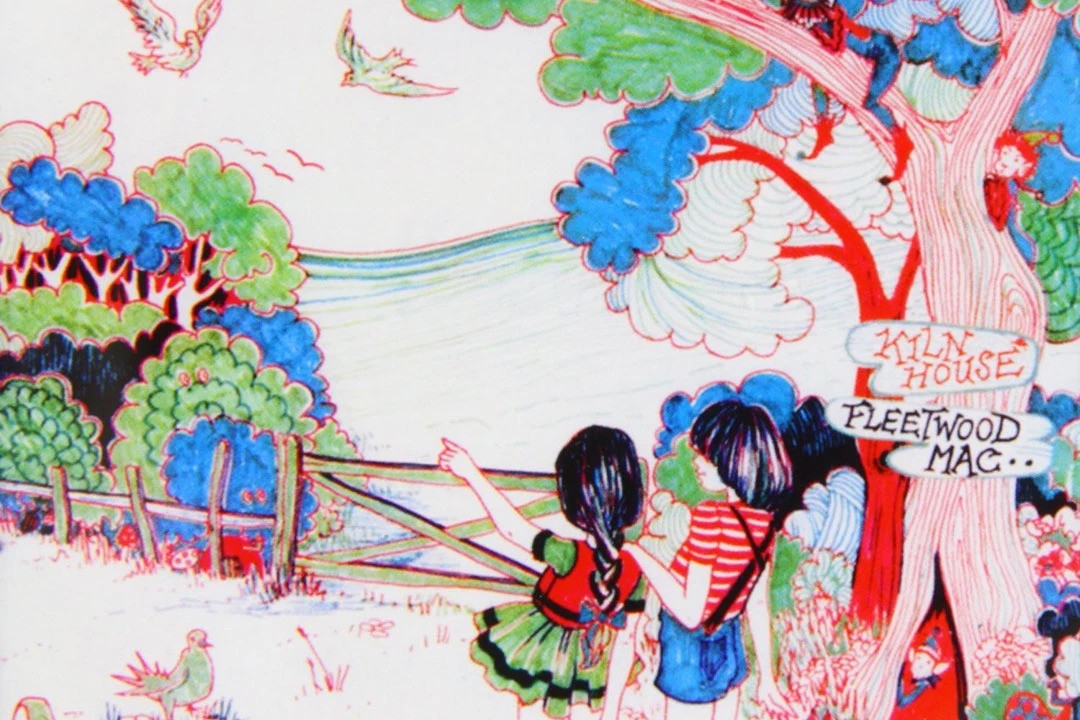
Fleetwood Mac – Kiln House …album review

When most folks hear the words Fleetwood Mac, they immediately think of the Rumours-era band. But rewind just a few years earlier and you’ll find a very different band, one still rooted in the blues, still searching for direction after the departure of founding guitarist Peter Green. Starting that transitional phase is the album Kiln House.

Fleetwood Mac was changing throughout the decade, but 1970s Kiln House was one of their strangest detours. After Peter Green’s sudden exit, the band found itself leaderless. Instead of breaking up, Jeremy Spencer and Danny Kirwan took the lead and led the band through a melodic 1950s-inspired sound with that glorious echo. The entire album isn’t that, but it’s a heavy influence. 

 This is one of the most interesting bands ever. You can find a song in one of their many eras to satisfy anyone. This album was a departure from the Peter Green era. It didn’t have the intensity that Green brought, but it made up for it in some great songs. It was highly melodic with some complicated melodies, like Station Man (written by Danny Kirwan, Spencer, and John McVie); the later incarnation picked up on that song as well. The first song of this period I took notice of a few years ago was Jewel Eyed Judy from this album. 

Jeremy Spencer adored that 1950s rock style, and This Is the Rock is one of his tributes to that era. Another obvious one is the song Buddy’s Song. They also had some nice straight-out rock on the album with Kirwan’s Tell Me All the Things You Do.

This album ties the eras together for me. You had straight out rock, a touch of blues, rockabilly, country, and some pop that foreshadowed what was to come. It is probably the most varied Fleetwood Mac album I’ve listened to. You can hear Fleetwood Mac going toward something new.

The album peaked at #69 on the Billboard Album Charts, #67 in Canada, and #39 in the UK. Christine McVie not only drew the cover, she also contributed to the album with backup vocals, keyboards, and even cover art. After this album, she became a full member.

This Is The Rock

This is the rockWe’ve been talking about (this is the rock)Yeah, this is the rockMakes you jump and shout (this is the rock)This is the rockThat knocks you right out

It makes you loseAll your troubles and caresYou’ll lose your bluesThey ain’t going nowhereThis is the rockThat hits you right there

Well you can get back on the roofAnd shout it all aroundGet up off your seats is what I’m putting downGet ’em all a hoppin’ to that crazy beatGet ’em all a boppin’ and a tappin’ their feet

‘Cause it’s the rockMoves you all day long (it’s the rock)Yeah, it’s the rockGettin’ everyone (it’s the rock)This is the rockIt really turns you on, woo

Well you can get back on the roofAnd shout it all aroundGet up off your seats is what I’m putting downGet ’em all a hoppin’ to that crazy beatGet ’em all a boppin’ and a tappin’ their feet

‘Cause it’s the rock (it’s the rock)Moves you all day long (it’s the rock)Yeah, yeah it’s the rockGettin’ everyone (it’s the rock)This is the rockIt really turns you on

Yeah, this is the rockIt really turns you onThis is the rockIt really turns you on

Well this is the rock

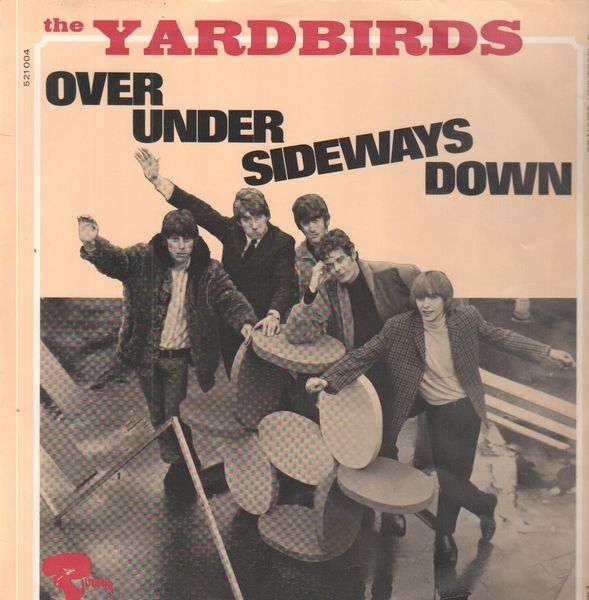
Yardbirds – Over, Under, Sideways, Down

The 1966 song begins loudly with a snake-charming-sounding riff by Jeff Beck. It jumps out of the turntable. I had one of the many Yardbirds greatest hits packages in the 1980s and became a fan. 

Jeff also plays the bass on this song. When you talk about the Yardbirds, you almost have to pick which Yardbirds you’re talking about. The Clapton Yardbirds? The Jeff Beck Yardbirds? The Page Yardbirds? They were a band in constant transition, always chasing the next sound (and guitar player). With Jeff Beck holding the guitar reins, they gave us one of their strangest and coolest singles.

From the opening guitar riff, you know you’re not in typical British Invasion territory. The tune was inspired by Middle Eastern scales. The band had been soaking up Indian and Eastern music around the same time the Beatles were dabbling in sitars. Instead of George Harrison’s spiritual leanings, though, the Yardbirds went for having a good time at all costs. 

The song was a group composition, something the Yardbirds often did to keep things fair. Beck’s guitar is the real star, but the whole band had a hand in shaping its feel. It was one of their last sessions with bassist Paul Samwell-Smith, who would leave shortly afterward to focus on production. Chris Dreja, their rhythm guitarist, has said the song captured the manic, party-heavy atmosphere of their lives at the time.

Over, Under, Sideways, Down peaked at #13 in the Billboard 100 and #10 in the UK in 1966. I must say it’s one of my all-time favorite titles.

Jim McCarty: “‘Over Under Sideways Down’ was about the situation of having a good time – a bit of decadence, really – in the ’60s. Cars and girls are easy to come by in this day and age, and laughing, drinking, smoking, whatever, till I’ve spent my wages, having fun.”

Jim McCarty: “On ‘Over Under Sideways Down’ I think we all put in our bit. I put in a tune, somebody else said, ‘How about the state of things at the moment, it’s all over the place, so it’s sort of over, under, Sideways, down.'”

Jim McCarty: “It’s very much up and down. Yeah, it was very much like a microcosm of a life, really. Very extreme, because we’d go from being on top of the charts and going to fantastic places and traveling to places like California that were just our dream after being in a sort of post-war London, which was rather dismal and rather miserable. Suddenly we were going to sunny California where things were happening and things were rich and there were lovely girls and cars and everything. From that to sitting all night in a bus driving to a gig and not being able to stop and feeling absolutely wretched from being so tired. And getting on each other’s nerves and arguing. (laughing) So it’s very much the extreme life.” 

Jeff Beck: “I actually didn’t have a guitar of my own, I was so hard up. The Yardbirds sort of sneaked Eric’s guitar out. He’d finished using the red Tele (Fender Telecaster)
and was using a Les Paul, so he didn’t care about the red Tele. The bands manager, said well, ‘You’d better use Eric’s guitar—we can’t afford to go out and buy one now.’ So I borrowed Eric’s for the first couple of gigs”.

Over, Under, Sideways, Down

(Hey! Hey! Hey! Hey!)
Cars and girls are easy come by in this day and age.
Laughing, joking, dreams, weed smoking, till I’ve spent my wage.
When I was young, people spoke of immorality.
All the things they said were wrong are what I want to be.

(Hey!) Over, under, sideways, down,
(Hey!) I bounce a ball that’s square and round.
(Hey!) Over, under, sideways, down,
(Hey!) I bounce a ball that’s square and round.
When will it end? (When will it end?)

(Hey! Hey! Hey! Hey!)
I find comments ’bout my looks irrelativity.
Think I’ll go and have some fun, ’cause it’s all for free.
I’m not searchin’ for a reason to enjoy myself.
Seems it’s better done than argue with somebody else.

(Hey!) Over, under, sideways, down,
(Hey!) I bounce a ball that’s square and round.
(Hey!) Over, under, sideways, down,
(Hey!) I bounce a ball that’s square and round.
When will it end? (When will it end?)

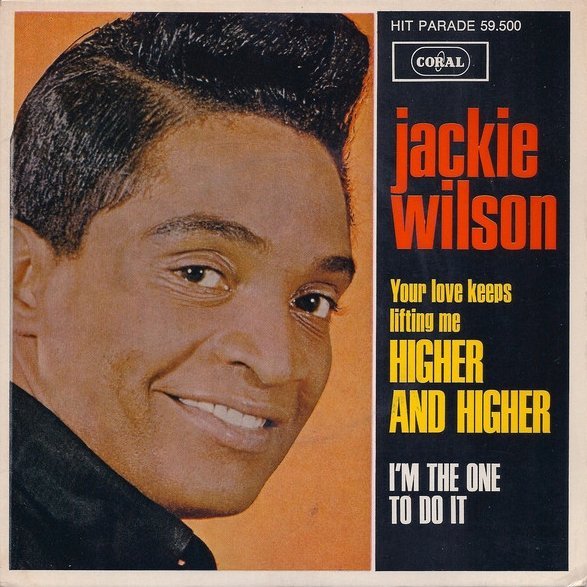
Jackie Wilson – (Your Love Keeps Lifting Me) Higher And Higher

There are so many versions of this song out there, and I like many of them… It’s that good a song. But, Jackie Wilson had a way of taking a song and turning it into pure energy, something bigger than rhythm and melody. When he recorded this song in 1967, he gave soul music one of its best anthems of pure joy. I can’t dislike this song. 

Jackie Wilson almost didn’t get this one. The song was originally cut by The Dells, but Brunswick producer Carl Davis didn’t think their version worked. The track sat on the shelf until Davis and arranger Sonny Sanders decided to hand it to Jackie. At the time, Wilson’s career was in a bit of a stall; this song was intended as a shot in the arm. Wilson thought it was a bit light at first, but when he started to sing it, they knew they had something great here. It was written by Raynard Miner, Gary Jackson, and Carl Smith.

Billy Davis secretly recruited members of Motown’s Funk Brothers, James Jamerson on bass, Richard “Pistol” Allen on drums, Robert White on guitar, guys who were technically under contract at Hitsville but were moonlighting for extra cash. Their tight groove gave this song that perfect sound. 

It was released as a single in August 1967, and it immediately reignited Wilson’s career. Critics hailed it as a perfect marriage of “gospel fire and pop.” And you know how some songs wear out with too many plays? This one doesn’t. Whether it’s on a movie soundtrack or my car radio, it still hits home and makes me smile.

The song peaked at #6 on the Billboard 100 in 1967.

(Your Love Keeps Lifting Me) Higher And Higher

Your love, lifting me higher
Than I’ve ever been lifted before
So keep it it up
Quench my desire
And I’ll be at your side, forever more

You know your love (your love keeps lifting me)
Keep on lifting (love keeps lifting me)
Higher (lifting me)
Higher and higher (higher)
I said your love (your love keeps lifting me)
Keep on (love keeps lifting me)
Lifting me (lifting me)
Higher and higher (higher)
Now listen

Now once, I was down-hearted
Disappointment, was my closest friend
But then you, came and it soon departed
And you know he never
Showed his face again

That’s why your love (your love keeps lifting me)
Keep on lifting (love keeps lifting me)
Higher (lifting me)
Higher and higher (higher)
I said your love (your love keeps lifting me)
Keep on (love keeps lifting me)
Lifting me (lifting me)
Higher and higher (higher)

I’m so glad, I’ve finally found you
Yes that one, in a million girls
And I whip, my loving arms around you
I can stand up, and face the world

Let me tell ya, your love (your love keeps lifting me)
Keep on lifting (love keeps lifting me)
Higher (lifting me)
Higher and higher (higher)
I said your love (your love keeps lifting me)
Keep on (love keeps lifting me)
Lifting me (lifting me)
Higher and higher (higher)

Now sock it to me
Hold me, the other woman
Keep my love going
Higher and higher
I said keep on lifting
Lift me up mama
Keep on lifting me
Higher and higher

Kolchak: The Night Stalker – They Have Been, They Are, They Will Be…

September 27, 1974 Season 1 Episode 3

If you want to see where we are…HERE is a list of the episodes.

I’m really liking this series. It’s a shame it only lasted 1 season, but I can see why. It was so different for the time. 

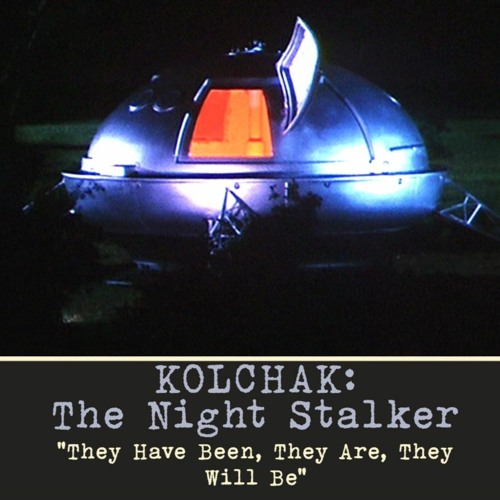
This episode isn’t as cut and dry as the others so far. Unlike the zombie, vampire, or werewolf stories that had clear monster traditions, here the writers took a sharp turn into sci-fi, giving us a story about mysterious cattle mutilations, vanishing zoo animals, and an unseen extraterrestrial presence wandering through Chicago. I have said before how this show influenced the X-Files, none more than this episode. 

The episode begins with odd reports: animals in the zoo are vanishing, bones are found curiously stripped clean, and a trail of strange electromagnetic interference follows the incidents. Naturally, Carl Kolchak, with his nose for weird stories, senses a huge story. His digging leads him to discover that the culprit may not be human at all. 

As always, Kolchak’s determined spirit and undeterred methods make for the typical conflict with authorities, but in this one, that conflict is much more subdued and believable as the police bosses are as much in the dark as he, and prone to benefit from what Kolchak learns on his own. 

Written by Dennis Clark and directed by Allen Baron, the episode was praised for its eerie, almost minimalist approach. The producers intentionally avoided showing the alien much, knowing that the limited 1970s TV budget would probably betray the effect.  In other words, they didn’t make the same mistake that Star Trek would make at times. The choice worked in their favor; what we don’t see is far scarier.

A funny subplot, as the hometown Cubs are battling the Boston Red Sox in the World Series (both would have to wait decades to end their respective droughts). Darren McGavin later cited this as one of his favorite episodes because it strayed from the usual monster formula and went for something more mysterious and unsettling.

The COMPLETE EPISODE

https://m.ok.ru/video/3288132749931

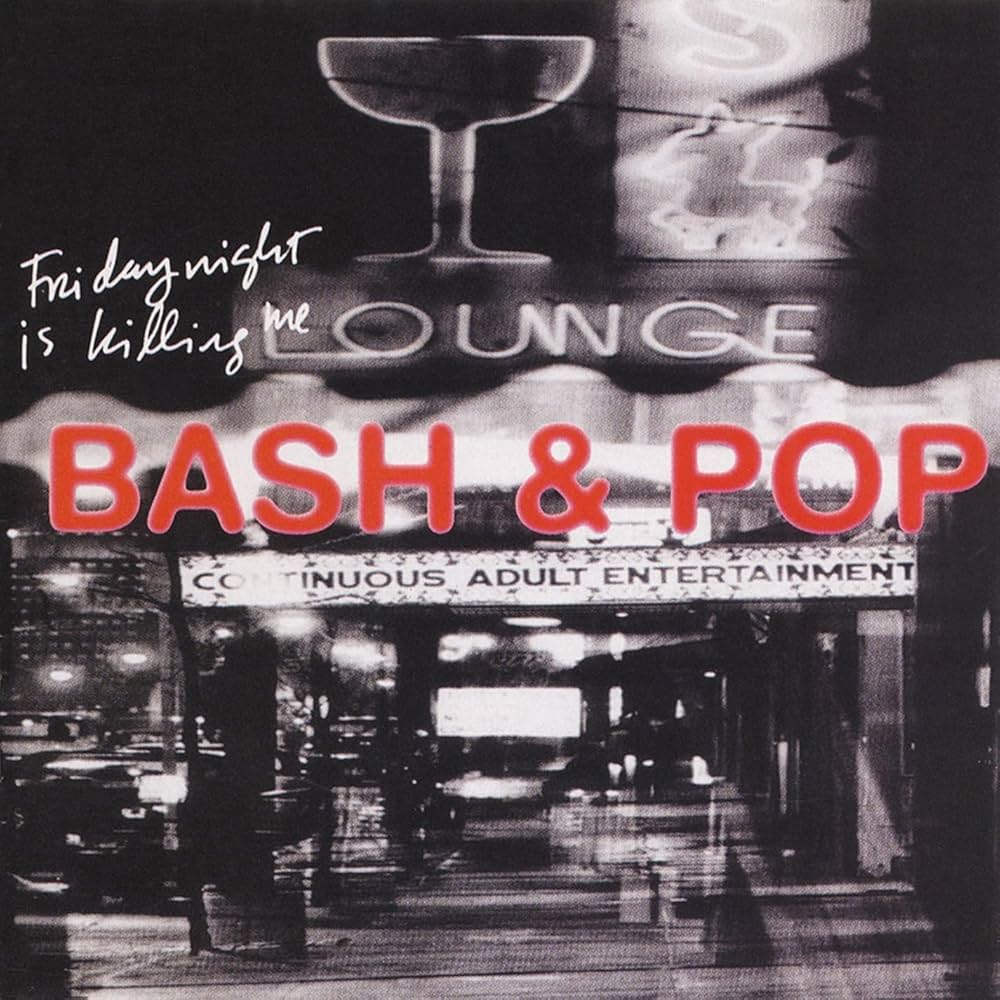
Bash & Pop – Friday Night Is Killing Me …album review

This band is a natural for me. I’ve read about them a lot, and now I’m listening to them much more. They fit into why I love rock and roll. The band is fronted by Tommy Stinson of The Replacements. Stinson started playing bass at age 11 and at 13 years old, played with the Replacements. After they broke up, he played bass for Guns N’ Roses for 16 years. He also played with Soul Asylum off and on. Before he joined Guns N’ Roses, he formed this band, which he would reform a few times in the future. 

In 1993, Bash & Pop released their debut album: Friday Night Is Killing Me. It wasn’t another Replacements album. It was more Faces than Replacements. Paul Westerberg was the main writer of the Replacements, and here Stinson wasn’t trying to rewrite Let It Be or Tim. Instead, he played into a ragged, Keith Richards-type vibe that owed as much to the Stones and Faces as to his original band. The songs were loose and built around Stinson’s raspy vocals. I can’t get enough of this album. 

This was released at a time when grunge was dominating radio, so it got lost in the shuffle. But for those who found it, the record became a classic. It showed that Tommy Stinson could front a band and write quality songs with soul. They don’t have that slick commercial sound to it, and I applaud that. 

Tommy Stinson wrote most of the songs on the album, except one, Fast and Hard, which he co-wrote with Steve Foley. This album could be considered power pop, but a rough, as hell raw version of it, which I love! I’m super excited about this album as a whole. I really missed out in real time with this one. 

I’ve picked two songs off the album to highlight (Loose Ends and Never Aim To Please), and a link to Spotify to the source album. It is one of those records you hand to someone who thought rock was dead by the early ’90s. It’s alive here and full of heart. This album is for the fans of The Replacements, The Faces, or anyone who likes rock music and some great hooks. 

I usually don’t mention critics, but here are two. AllMusic wrote that “decades after its release, the album feels like a bit of the hangover from the ’80s, a celebration of irreverent roots rock performed with an audible grin.” Magnet considered it “the best batch of songs by any Replacement since 1987’s Pleased To Meet Me.”

Loose Ends

Miss come-and-go
Where you been now?
Put a red light on the rest
And wondered why and how
Your love it grows
But no one knows
Who’s on your mind, who’s on your lap
Don’t they look the same yet
It’s alright

Early morning, drinking tea, a slice of whole wheat
Another lesson you should’ve learned, you had to wait
You care too much, you care less
Headin’ for a better view, fail to impress
Well, I guess you’ve got too far to stray
No place particular is where you end your day
You know I got no, the pavement holds no one

It’s time to tie your loose ends up
Never mind which way
Time to tie your loose ends up (Tie ’em up)
No one left to blame, oh yeah

Butterflies that turn to knots
In your guts around your neck
You get ’em too tight and they slip again
‘Cause you look too far, ’cause you fall too fast
It’s a raincheck for a date, but you’ve no interest
Guess you’ve got too far to stray
Your heart’s breakin’ all over the place
You know I got no, the pavement holds no one

It’s time to tie your loose ends up (Tie ’em up)
How much you gonna take?
So time to tie your loose ends up (Tie ’em up)
You’ve got too much to shake

When mom comes home at last
It’s a whisper through the glass
Can’t you hear the voices screamin’
Yeah, I’m screamin’, “Go ahead and tie ’em up!”

You fall apart before my eyes
I’ll sweep the mess
And the shortcut through the dirt is always best
You look too far, you look to the west
Heading time is all you needed
I know best
And I guess you got too far to stray (stray)
No place particular is where you end your day (your day), oh no
And the pavement holds no one

Time to tie your loose ends up (Tie ’em up)
Never mind which way, yeah
Time to tie your loose ends up (Tie ’em up)
No one left to blame (Tie ’em up)
Time to tie your loose ends up (Tie ’em up)
How much you gonna take? (Tie ’em up)
Time to tie your loose ends up (Tie ’em up)
You got a lot to shake (Tie ’em up)
Time to tie your loose ends up (Tie ’em up)

Ian Hunter – All of the Good Ones Are Taken

This title track was my first introduction to Ian Hunter. I had no clue he had been with Mott the Hoople when I heard it. In the eighties, I heard this on our local rock station, WKDF, daily, and I fell for it. It’s one of those songs I never hear now, except maybe at a grocery store, and it’s a shame. It is a nice jangly song in the synth-heavy 1980s, an underrated song. For a bonus, we have Clarence Clemmons doing the sax solo. The video, as well, got my attention with a take on the movie Arthur

Hunter had moved from Cleveland to New York by this point, being influenced by his new city. He later said that the recording reflected his uneasy stance in the musical landscape of that time. His longtime guitarist, Mick Ronson, wasn’t in the picture for this album (although he played on one song); Hunter instead used Robbie Alter and New York session players.

There were two versions of this song: the version most radio stations played and a slow version. What I liked about this song, too, is that the version I heard sounded out of step with 1983, and I appreciated that. Many of his fans often point to it as one of his most underrated tracks, and I totally agree. 

This song peaked at #25 on the Billboard Mainstream Rock Songs chart in 1983. I had the album and the cassette that I wore out in my car tape deck. 

All Of The Good Ones Are Taken

Girl, things ain’t been goin’ too good for me
Girl, I’m living in the middle of a mystery
You’re the one that can turn me on
‘N’ now that you’re gone
I said Girl, I’m livin’ in the middle of your memory
Girl, you’re still the figure in my favorite fantasy
I know you know that’s the way it goes
And still my love grows

I said all o’ the good all o’ the good ones are taken
All o’ the good all o’ the good ones are taken

I’m hangin’ around with my head in the air
Watchin’ the lovers go by
I had a lover, but she never cared
All you could say was goodbye
Maybe I was mistaken, maybe I got it wrong
But all of the good ones are taken from now on
‘N’ girl, I’m livin’ in the middle of a broken dream
I said girl all this fallin’ in love ain’t like it seems
Out in the rain can’t you feel my pain
Again ‘n’ again ‘n’ again ‘n’ again ‘n’ again
All of the good all o’ the good ones are taken
Maybe I was mistaken, maybe I got it wrong
But all of the good ones are taken in my song

Derek and the Dominos – I Looked Away

This is the album’s opening track, and it doesn’t so much kick down the door as quietly invite you in. If you only know the Layla album for the title track, you might miss how the whole journey begins with this two-and-a-half-minute sigh of regret.

Unlike Clapton’s past work in Cream or Blind Faith, this wasn’t about ripping incredible riffs. The melody flows with a natural grace, closer to something from The Band than the psychedelic guitar Clapton had been known for.

Derek and the Dominos was a band formed in the spring of 1970 by guitarist and singer Eric Clapton, along with keyboardist Bobby Whitlock, bassist Carl Radle, and drummer Jim Gordon. All four musicians also worked with George Harrison on his All Things Must Pass album. Clapton didn’t want his name in the title and had hoped to keep his involvement as low-key as possible. 

The album peaked at #16 in 1970 on the Billboard 100. Although Derek and the Dominos were poised to record a follow-up album in 1971, because of tensions and drug abuse among the band members, along with the tragic death of Duane Allman later that year, this remained their sole album.

This song and Bell Bottom Blues are my two favorites off the album. Everyone knows Layla, but these other songs are great as well. Eric Clapton and Bobby Whitlock wrote this song. As with most of the songs on this album, Patti Harrison was the main inspiration. 

I Looked Away

She took my hand
And tried to make me understand
That she would always be there,
But I looked away
And she ran away from me today;
I’m such a lonely man.
It came as no surprise to me
That she’d leave me in misery.
It seemed like only yesterday
She made a vow that she’d never walk away.
First Verse
And if it seemed a sin
To love another man’s woman, baby,
I guess I’ll keep on sinning
Loving her, Lord, till my very last day.
But I looked away
And she ran away from me today;
I’m such a lonely man.

Hindo Love Gods – Raspberry Beret

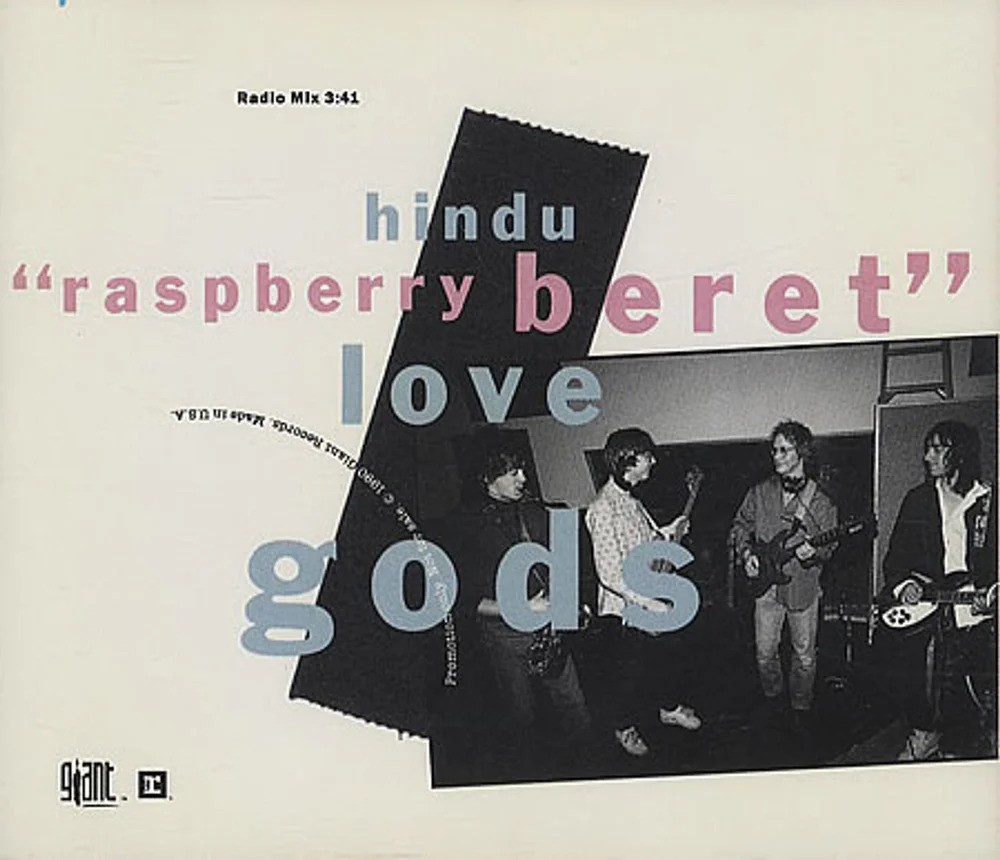
I first found this band because of this song. This is my favorite Prince song by a long shot. They do a super cover of it with the rawness I like. They weren’t a band in the traditional sense, no tours, just a one-off gathering of talented artists who happened to be in the right studio at the right time.

The beginning of Hindu Love Gods started in the mid-1980s Athens scene, where REM were quickly rising. Michael Stipe, Peter Buck, Mike Mills, and Bill Berry often participated in jam sessions with other local players. One of those orbiting figures was Warren Zevon. With REM, he found collaborators.

The name Hindu Love Gods first surfaced around 1984 when members Buck, Berry, and Mills backed up a local singer named Bryan Cook. That version fizzled, but the name stuck. When Zevon began working with REM’s rhythm section in the late ’80s, the name resurfaced, this time attached to something much more intriguing.

This song was written by Prince, and his version was released the year I graduated in 1985. This version came out in 1990 on the self-titled album. This song peaked at #23 on Billboard’s Modern Rock Tracks. The album peaked at #168 on the Billboard 100. 

Warren Zevon on Letterman

Raspberry Beret

I was workin’ part-time in a 5-and-dime
The boss was Mr. McGee
He told me several times that he didn’t like my kind
‘Cause I was a bit too leisurely
I always was busy doin’ somethin’ close to nothin’
But different than the day before
That’s when I saw her, oh, I saw her
Walk in through the out door, out door

She wore a raspberry beret
The kind you’d find in a second-hand store
Raspberry beret
When it was warm, she didn’t wear much more
Raspberry beret, I think I love her, love

I’m built the way she was, she had the nerve to ask me
If I meant to do her any harm
So I put her on the back of my bike and
We went riding down by Old Man Johnson’s farm
Now rainy days never turned me on
But something ’bout the way the clouds and her mixed
She wasn’t too bright, but you know the way she kissed me
I knew she knew how to get her kicks, yeah

She wore a raspberry beret
The kind you find in a second-hand store
Raspberry beret
And when it was warm, she didn’t wear much more
Raspberry beret, I think I love her, yeah!

Raspberry beret
The kind you find in a second-hand store
Raspberry beret
And when it was warm, she didn’t wear much more
Raspberry beret, I think I love her
A raspberry beret
The kind you find in a second-hand store
Raspberry beret
And when it was warm, she didn’t wear much more
Raspberry beret, I think I love her
A raspberry beret
The kind you find in a second-hand store
Raspberry beret

Bill Withers – Lean On Me

I played this single so much when I was around 7 years old. I wore it out and know every nuance of this song. Just a great vocal by Withers on this. The simple piano riff makes this song so powerful to me. Still one of my favorite songs. Sometimes less is better. 

It’s been covered by many other artists, but this is my go-to version. Bill Withers wrote this song after he left his childhood town of Slab Fork, West Virginia, to live in Los Angeles in a poor section of town. Members of the Watts 103rd Street Rhythm Band were used on the recording.

Producer Ray Jackson (who doubled as the keyboard player) and engineer Bob Potter kept the recording dry and uncluttered. No strings, no brass, no unnecessary sweetening. Just voice, piano, bass, drums, and a touch of guitar. It’s like Bill is in your living room singing to you.

What’s remarkable is how this song has transcended its era. It’s been sung at weddings, funerals, movies, and classrooms. It’s part of the American pop culture now, standing shoulder-to-shoulder with songs such as Amazing Grace and This Land Is Your Land.

The musicians on this recording were Ray Jackson, Benorce Blackmon, Melvin Dunlap, and James Gadson. Some of these musicians were in The Watts 103rd Street Rhythm Band. The song peaked at #1 on the Billboard 100, #18 in the UK, and #20 in Canada in 1972. 

Bill Withers: “This was my second album, so I could afford to buy myself a little Wurlitzer electric piano. So I bought a little piano and I was sitting there just running my fingers up and down the piano. In the course of doing the music, that phrase crossed my mind, so then you go back and say, ‘OK, I like the way that phrase, Lean On Me, sounds with this song.’ So you go back and say, ‘How do I arrive at this as a conclusion to a statement? What would I say that would cause me to say Lean On Me?’ At that point, it’s between you and your actual feelings, you and your morals and what you’re really like. You probably do more thinking about it after it’s done.”

Lean On Me

Sometimes in our lives we all have pain 
We all have sorrow 
But if we are wise 
We know that there’s always tomorrow 

Lean on me, when you’re not strong 
And I’ll be your friend 
I’ll help you carry on 
For it won’t be long 
‘Til I’m gonna need 
Somebody to lean on 

Please swallow your pride 
If I have faith you need to borrow 
For no one can fill those of your needs 
That you won’t let show 

You just call on me brother, when you need a hand 
We all need somebody to lean on 
I just might have a problem that you’ll understand 
We all need somebody to lean on 

Lean on me, when you’re not strong 
And I’ll be your friend 
I’ll help you carry on 
For it won’t be long 
‘Til I’m gonna need 
Somebody to lean on 

You just call on me brother, when you need a hand 
We all need somebody to lean on 
I just might have a problem that you’ll understand 
We all need somebody to lean on 

If there is a load you have to bear 
That you can’t carry 
I’m right up the road 
I’ll share your load 

If you just call me (call me)
If you need a friend (call me) call me uh huh(call me) if you need a friend (call me)
If you ever need a friend (call me)
Call me (call me) call me (call me) call me 
(Call me) call me (call me) if you need a friend
(Call me) call me (call me) call me (call me) call me (call me) call me (call me)

Kolchak: The Night Stalker – Zombie

September 20, 1974 Season 1 Episode 2

If you want to see where we are…HERE is a list of the episodes.

This episode was written by David Chase, yes, the same David Chase who would go on to create The Sopranos; the script is one of the tightest of the entire run. You can already see Chase’s fascination with mobsters, moral issues, and revenge from beyond the grave.

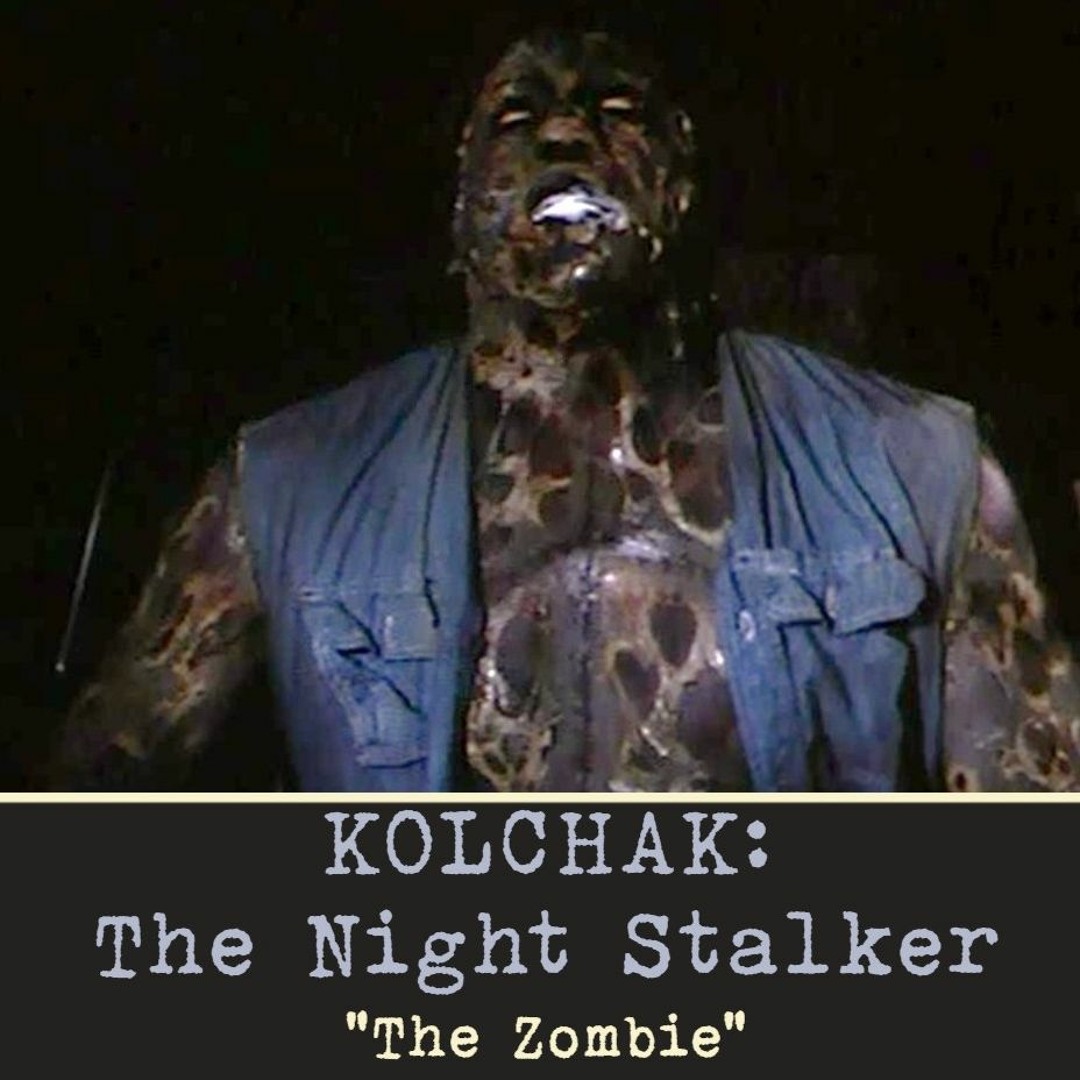
In the first two movies and the first episode, we have been visiting different cities in each one. This time, it opens with a string of mob-related murders and he is still in Chicago. At first, the killings look like standard gangland executions, but Kolchak quickly uncovers that something darker is at play: the mob has wronged a Haitian family, and in retaliation, a dead man has been raised from the grave to exact revenge.

This episode leans more on pure horror than the others. Where the pilot movies (The Night Stalker and The Night Strangler) established Kolchak’s mix of noir and horror, The Zombie proved the series could have frights. The scenes of the zombie slowly rising in the mortuary are classic TV horror, low budget, yes, but brilliantly lit and paced.

When this was aired, blaxploitation movies were all the rage, and this does borrow some from them. One actor in this one was Antonio Fargas, who would later become widely known to television audiences as restaurant owner and informant Huggy Bear on Starsky & Hutch. 

In a comedy subplot, Vincenzo wants Kolchak to show an executive’s niece from New York the ropes of journalism. Little does she know that it will involve seeing the mangled corpses of mob enforcers lying in the street. This was creepy, moody, and more disturbing than network TV usually allowed in the mid-1970s. A must-watch for fans of horror television.

Well, I had found a full episode of this one, but they took it down. Most of them I will be able to supply, but I struck out on this one. If any of you find it, please tell me. 

Here is a video of someone talking about the show, but it plays a lot of the show. I would put my version here, but I know I would violate some copyright. 

Tommy Conwell and the Young Rumblers – I’m Not Your Man

I have to thank deKE for this one. After posting Barney Bantell, he mentioned that this song was on the radio around the same time. Sometimes a song hits hard, loud, and ready to throw its weight around. It is a no-apology bar song, full speed ahead. 

What hooked me up was the opening guitar riff. This was built for FM radio in the late 80s, big guitars, bigger hooks, and just enough power to make you roll the windows down and sing along at a red light. This song isn’t meant to change the world, but just to enjoy yourself. 

The song itself is pure swagger. Conwell doesn’t mince words; he’s telling you upfront that he is a bad boy, and it’s wrapped with a crunchy riff, with the Rumblers behind him turning on the gas. Since it was the 1980s, it was given a polish for that era by Rick Chertoff, the same producer who helped shape The Hooters at the time. 

They went on big tours with acts like Robert Palmer and Stevie Ray Vaughan. And while mainstream fame didn’t happen, this song remains their signature song. The song peaked at #1 on the Billboard Mainstream Rock Tracks and #74 on the Billboard 100 in 1988. 

I’m Not Your Man

Baby before hang around this old moldy
Mildewy ‘n’ crappy scene holding hands with you
There’s a whole list of things you’re gonna have to do

Jump off the Empire State in a paper sack
Talking lovey-dovey to a camel scare the hump off his back
Get the Queen of England’s golden shoes
Put ’em on your feet and sing the St. Louis blues
Look here

Seven days a week with you is more than I can handle
Seven nights of love and dirty laundry on your floor
Baby, I can see this whole thing heading into trouble
I’m out the door

I’m not your man
‘Cause you’re looking for a hero
Baby, it ain’t me, I’m not your man
I ain’t nothing to hold on to
Baby, I ain’t what you need

It’s easy being here but I’ve got ground to cover
There’s nothing you can do to make me wanna stay
Though I’ve been here awhile don’t think that
I’ve stopped moving, I’m on my way

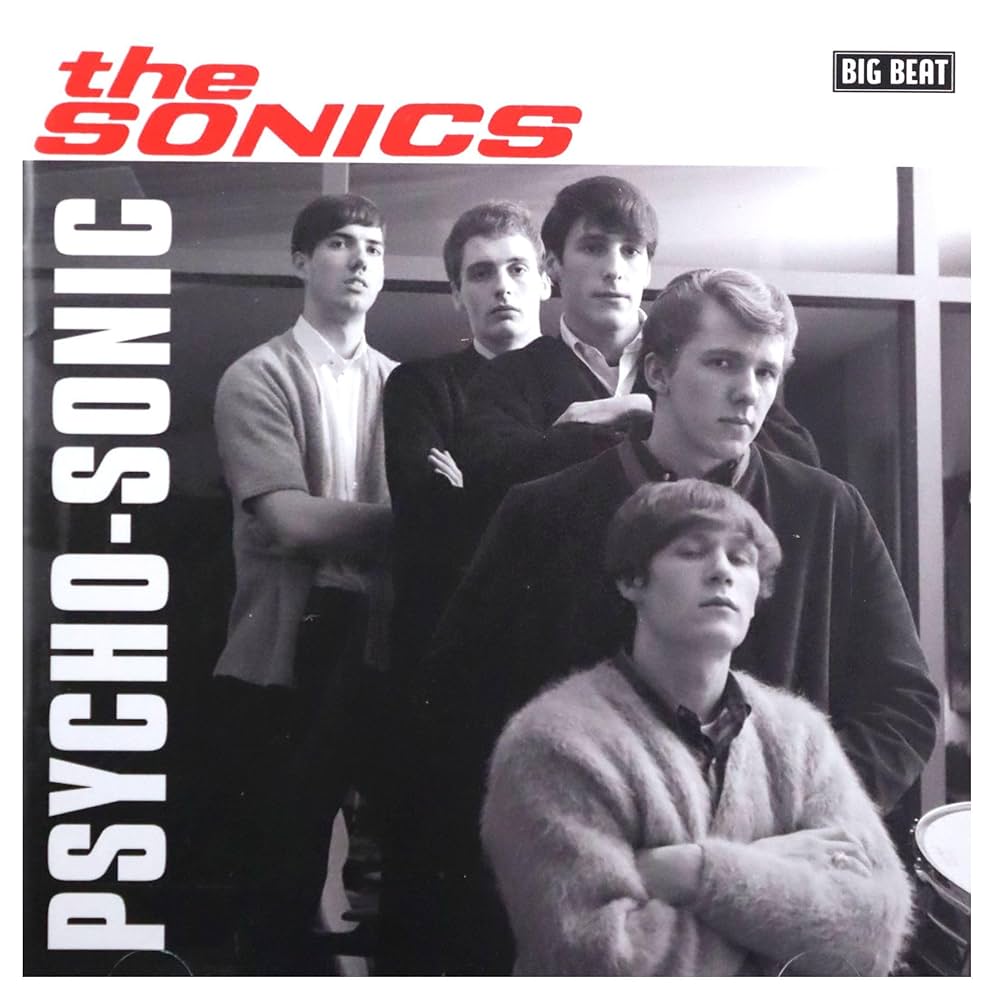
Sonics – Psycho

I love classic garage rock music, and this is one of the bands that started that genre. This is why I love it, because it’s raw and unpolished music. Warts and all, it has spirit and drive. 

They formed in Tacoma, Washington, in 1960. A  band of teenagers who didn’t care about technique and weren’t interested in following the normal pop/rock rules. They just wanted to be loud and dangerous.

The original lineup, Gerry Roslie, Larry Parypa, Andy Parypa, Rob Lind, and Bob Bennett, came together with one mission: to play harder and wilder than anyone else on the Pacific Northwest scene. The Kingsmen were in this scene as well with their hit Louie, Louie. The Sonics never cracked the national charts, but in the Pacific Northwest, they were very popular. They were on AM radio throughout the area and hit the joints and dance halls. 

Their first album was in 1965 called Here Come The Sonics!!!. The sessions were done at Audio Recording, Inc. in Seattle, a modest studio that had nowhere near the cutting-edge equipment of Abbey Road or other studios. That limitation helped make their sound. Engineer Kearney Barton placed the microphones farther away, letting the room’s natural reverb and bleed create a live sound. Barton sharpened edges rather than smoothing them.  That rough edge is exactly why the song still sounds so alive today. You can put it next to The Stooges, The Ramones, or Nirvana, and it fits right in.

Their debut album, Here Are the Sonics, was released in 1965 and is still a pre-punk landmark. The Sonics reunited in the 2000s with most of the original lineup, playing festivals and recording new material that still carried the old sound. 

Here is a reunited Sonics in 2015

Psycho

Whoa baby, you’re driving me crazyI said baby, you’re driving me crazyOh, well you turn me on, then you shut me downOh well, tell me baby, am I just your clown?PsychoOw, oh wow, baby, you’re driving me crazyI said I’m losing my mind, you treat me so unkindPsychoOw! Whoa!Ow, oh wow, baby, you’re driving me crazyI’m going out of my head, and now I wish I was deadPsychoWhoa baby, whoa you’re driving me crazyI’m going out of my head, now I wish I was deadWhoa, psychoWhoa, psychoWhoa, psychoWhoa, psychoWhoa, whoa

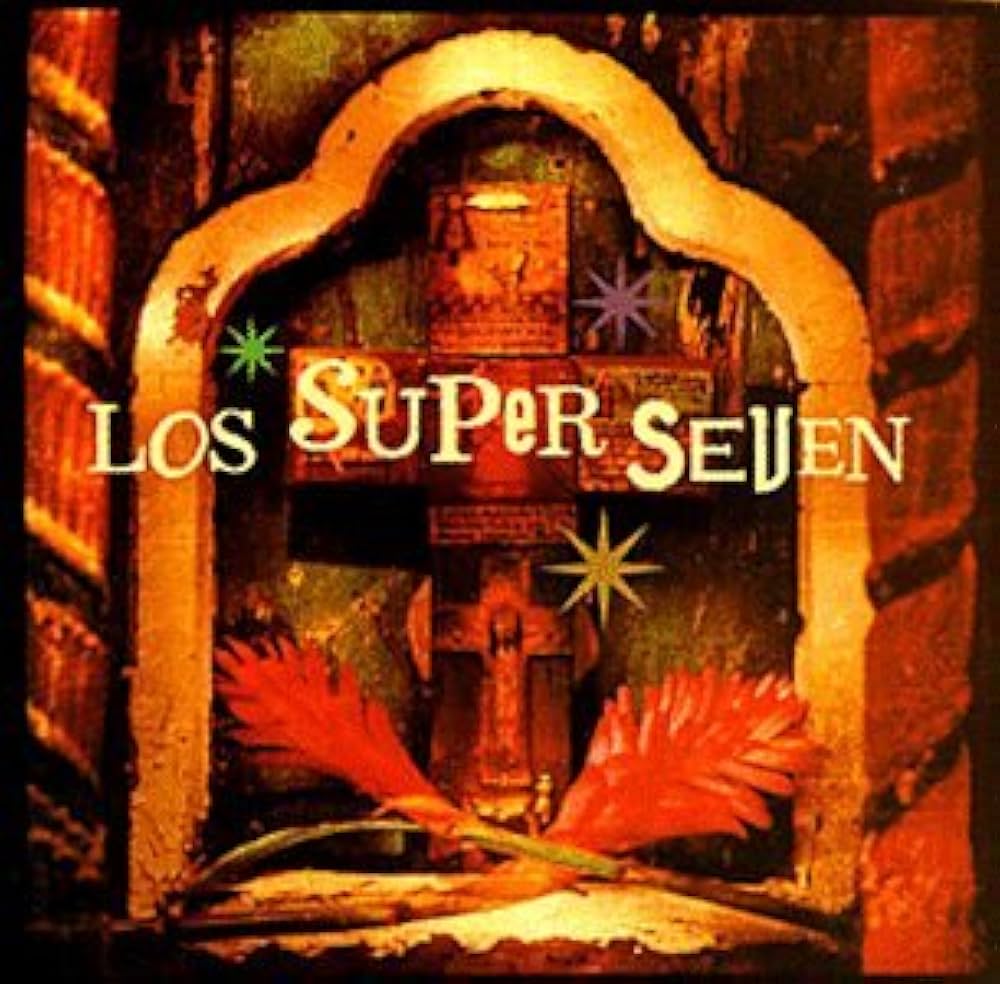
Los Super Seven – Rio De Tenampa

The more I listen to this band, the more I like them. I have to give credit to halffastcyclingclub, who recommended them, and I’ve been meaning to post on them for 6 months now. A big thank you to him. This song took just one listen, and I was hooked.

The original idea came from the Texas Tornados’ management team, who envisioned a rotating cast of stars celebrating Mexican roots music. The first lineup in 1998 was crazy great: Freddy Fender, Flaco Jiménez, David Hidalgo and Cesar Rosas of Los Lobos, Rick Treviño, Joe Ely, and Ruben Ramos. Their self-titled debut was heavily into traditional rancheras, boleros, and Tex-Mex standards. This song was written by David Hidalgo and Louie Pérez. 

This was definitely a supergroup, and supergroups can be hit or miss. Sometimes they collapse because of too many egos, and sometimes they just fizzle out. But every once in a while, the chemistry works. That’s what happened in the late 1990s when this band made their self-titled debut album.

What makes Los Super Seven so unique is that they never pretended to be a touring band or a permanent outfit. Each record is like a snapshot, different players but the same spirit. If the name Los Super Seven sounds like a superhero crew, well… in a way, it was. Instead of capes and masks, this revolving crew came armed with guitars, voices, and deep roots in the music of Texas, Mexico, and beyond.

The album peaked at #1 on the US Billboard Regional Mexican Albums and #8 on the US Billboard Top Latin Albums in 1998. The album also won them the Grammy Award for Best Mexican-American Performance at the 41st Grammy Awards.

Los Super Seven – Rìo De Tenampa

I sat at a table and wrote a good song
About eyes as blue as the sea
Drank down the whiskey
And let out a sigh
And thought of how things used to be
Children played on the floor near the bar
With toys made of wood and string
Lovers kissed and others laughed
As the band would strum and sing

Speak to me Rio de Tenampa
Sing to me songs of valor
In this rincon of heaven
I leave my love and love

And I passed once a place we’d go
To escape the heat of the day
Tell all the stories of good times and bad
And hear the violins play

Speak to me Rio de Tenampa
Sing to me songs of valor
In this corner of heaven
I leave my affection and love

Remember the story about a lady on the hill
Gave roses to an Indian boy
Ran down to tell eveyone he knew
About his love and his hope and joy

David Hidalgo, Louie Pérez

Pete Johnson and Joe Turner – Roll ‘Em Pete

I want to thank a commenter named purplegoatee2684b071ed for recommending this song after reading my Joe Turner post. Just listen to the piano playing of Pete Johnson on this track and Joe Turner’s voice. It would raise the roof off any joint. Knowing it was made in 1938 makes it more special. Pete Johnson and Joe Turner were credited for writing this song. 

Pete Johnson had been playing in Kansas City joints with his percussive style, while Joe Turner worked as a bartender and occasional singer. When the two paired up, it was dynamite. Producer John Hammond heard about them and invited the duo to Carnegie Hall for his “Spirituals to Swing” concert in 1938. Joe and Pete’s performance of this song stunned the crowd and announced that the blues and boogie-woogie weren’t just barroom music; they were the foundation of a new kind of American sound.

Listening today, you can hear the roots of countless rock and R&B records hiding within this track. The drive, it’s Little Richard before Little Richard, it’s Jerry Lee Lewis before Jerry Lee Lewis. This 1938 song is a sign that says… rock and roll is on its way. This may not have been a chart single in the way we think of hits today, but its influence rolled (pun intended) across decades.

I’m going to include a live Blasters version because they knew Joe Turner. Dave and Phil Alvin knew and spent time with Big Joe Turner, whom they regarded as a friend and mentor. As teenagers in the 1960s, the brothers followed Turner around the Los Angeles area, going to his gigs and eventually befriending him. 

Roll ‘Em Pete

Well, I got a gal, she lives up on the hillWell, I got a gal, she lives up on the hillWell, this woman’s tryin’ to quit me, Lord, but I love her still

She’s got eyes like diamonds, they shine like Klondike goldShe’s got eyes like diamonds, they shine like Klondike goldEvery time she loves me, she sends my mellow soul

Well, you’re so beautiful, you’ve got to die somedayWell, you’re so beautiful, you’ve got to die somedayAll I want’s a little loving, just before you pass away

Pretty baby, I’m goin’ away and leave you by yourselfPretty baby, I’m goin’ away and leave you by yourselfYou’ve mistreated me, now you can mistreat somebody else