Hollies – Carrie Anne

I have a soft spot for the Hollies. They started in the early sixties and continued through the seventies without Graham Nash who quit the Hollies for what he thought was a hipper band…Crosby, Stills, and Nash. Soon to include the elusive Neil Young.

Hollies members Allan Clarke, Tony Hicks, and Graham Nash wrote this song and shared the lead vocals, with each taking a verse (Clarke, then Hicks, then Nash). The Hollies had great harmonies and also a secret weapon in Tony Hicks as a guitar player. He was and still is outstanding but was never as known as his later neighbor George Harrison and his other peers.

Tony’s son Paul Hicks was in Dhani Harrison’s band and has worked with Giles Martin on Beatle remastering projects.

This song is about the British singer and actress Marianne Faithfull, who is well known for her relationship with Mick Jagger. She also had a brief fling with lead singer Alan Clarke. For a short time. “Marianne” was changed to “Carrie-Anne” so it wouldn’t be so obvious.

The song peaked at #9 in the Billboard 100, #9 in Canada, #3 in the UK, and #2 in New Zealand in 1967. This song was a straight-ahead pop hit, but changes were coming. Sgt Peppers was released so The Hollies, with the urging of Nash, tried going the more psychedelic route. The next single was King Midas In Reverse which only peaked at #18 in the UK and was considered a failure. Personally…it’s my favorite early Hollies song.

A side note…The Canadian actress Carrie-Anne Moss, best known for playing Trinity in The Matrix, was named after this Hollies hit. The song was on the charts at the time of her birth in August 1967.

From Songfacts

The group didn’t let on that the song was about Faithfull until 1995, when Graham Nash spilled the beans in a documentary.

In the song, the singer recalls the schoolyard days when he and Carrie Anne were friends, but she went for the older boys. Now their older and he tells her that although she’s lost her charm, he’s willing to “be her teacher” and take her on. By the end of the lesson, he’s sure she’ll be his girl.

According to the book Forty Years of Steel by Jeffrey Thomas, this song marks the first use of steel drums in a commercial pop record. Steel drums evoke an island vibe, but there’s nothing tropical about this song and none of The Hollies played the instrument (it’s not clear who played it on the record, but their producer, Ron Richards, apparently arranged it). Still, inserting a steel drum solo where a guitar solo would be certainly made the song stand out. Stephen Stills, Nash’s bandmate in Crosby, Stills & Nash, incorporated steel drums into his 1970 hit “Love The One You’re With.”

The Hollies had a very impressive run of hits starting in 1963, but Graham Nash wanted to put hit-making aside so they could create songs with more weight behind them. He ended up leaving the group in 1968 and forming Crosby, Stills & Nash. In an interview with Bruce Pollock, Nash said listeners “want to hear songs that mean more to them than ‘Hey Carrie Ann, what’s your game.'”

Carrie Anne

Hey, Carrie Anne
Hey, Carrie Anne
When we were at school, our games were simple
I played a janitor, you played a monitor
Then you played with older boys and prefects
What’s the attraction in what they’re doing

Hey, Carrie Anne, what’s your game now
Can anybody play
Hey, Carrie Anne, what’s your game now
Can anybody play

You were always something special to me
quite independent, never caring
You lost your charm as you were aging
Where is your magic disappearing

Hey, Carrie Anne, what’s your game now
Can anybody play
Hey, Carrie Anne, what’s your game now
Can anybody play

You’re so, so like a woman to me
(So like a woman to me)
So, so like a woman to me
(Like a woman to me)

Hey, Carrie Anne, what’s your game now
Can anybody play
Hey, Carrie Anne, what’s your game now
Can anybody play

People live and learn but you’re still learning
You use my mind and I’ll be your teacher
When the lesson’s over, you’ll be with me
Then I’ll hear the other people saying

Hey, Carrie Anne, what’s your game now
Can anybody play
Hey, Carrie Anne, what’s your game now
Can anybody play

Carrie Anne, Carrie Anne, Carrie Anne

Twilight Zone – A Kind of a Stopwatch

★★★★ October 18, 1963 Season 5 Episode 4

If you want to see where we are…HERE is a list of the episodes.

Richard Erdman plays Patrick Thomas McNulty who is an insufferable know it all bore. He is a self-proclaimed idea man…but not a good one. He is given a gift…a very special gift that he wanted to exploit. Mr. McNulty was given a stopwatch that could control time. This story is made for the Twilight Zone but it helps when you have sympathy for the main character. You don’t in this one but yet it still works. It does have a good Twilight Zone ending. 

It reminds me a little of Time Enough at Last but not as good. Erdman does a great job playing McNulty because he is a convincing pain. The inspiration for the episode came from a book written by John D. MacDonald published a year earlier called “The Girl, the Gold Watch, and Everything”. Much later the book was made into a movie called The Girl, the Gold Watch and Everything in 1980. 

The biggest disappointment is Potts, he is the fellow that gave McNulty the stopwatch. The dialogue doesn’t give us many clues…its supposed to make Potts seem the kind of eccentric character who might give a total stranger a mysterious and magical device, but it plays very flat. Potts is no more than a plot device, the intention being to get the watch into McNulty’s hands as quickly as possible. It was a wasted opportunity in not exploring that charcacter. 

The reason I bring it up is an early draft of the script featured an alternate closing shot: One of the “frozen” people, whom McNulty has just run past, turns to face the camera after McNulty vanishes around a corner. It’s Potts, who smiles and winks at us…indicating that, as with the watch he gave McNulty, there’s a lot more to him than meets the eye.

This show was written by Rod Serling and Michael D. Rosenthal

Rod Serling’s Opening Narration: 

Submitted for your approval or at least your analysis: one Patrick Thomas McNulty, who, at age forty-one, is the biggest bore on Earth. He holds a ten-year record for the most meaningless words spewed out during a coffee break. And it’s very likely that, as of this moment, he would have gone through life in precisely this manner, a dull, argumentative bigmouth who sets back the art of conversation a thousand years. I say he very likely would have except for something that will soon happen to him, something that will considerably alter his existence—and ours. Now you think about that now, because this is The Twilight Zone.

Summary

After Patrick Thomas McNulty gets fired from his job, he goes to a neighborhood bar where his non-stop chatter drives all of the customers away. One of the last patrons in the bar has a gift for him: a stopwatch. It’s a strange gift and he has no idea what he might do with it. When he presses the button however everything around him stops. He returns to work the next day and tries to market it, but to no avail. He then returns to the bar and again drives everyone out the bar with his bombast.

Rod Serling’s Closing Narration:

Mr. Patrick Thomas McNulty, who had a gift of time. He used it and he misused it, and now he’s just been handed the bill. Tonight’s tale of motion and McNulty – in the Twilight Zone.

CAST

Rod Serling … Narrator / Self – Host (uncredited)
Richard Erdman … Patrick Thomas McNulty
Herbie Faye … Joe Palucci, the bartender
Leon Belasco … Potts, the drunk who gives McNulty the stopwatch
Doris Singleton … Secretary to McNulty’s boss Mr. Cooper
Roy Roberts … Mr. Cooper, McNulty’s annoyed boss
Richard Wessel … Charlie, drinker in Palucci’s bar
Ray Kellog … Fred, who delivers coffee to McNulty’s office
Ken Drake … Daniel, last patron in Palucci’s bar who tells McNulty, “Come on fella, we’re trying to watch.”
Sam Balter: … sports announcer on TV in Polucci’s bar
Al Silvani … one of the drinkers in Polucci’s bar


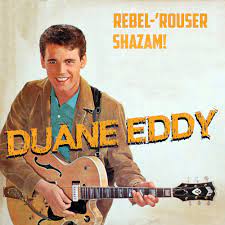
Duane Eddy – Rebel Rouser

There is something about the 1950s and 60s with great instrumentals. This one has that great echo swimming all around the guitar lines by the great guitarist Duane Eddy.

Speaking of swimming…this was recorded in a Phoenix studio that had an echo chamber that was originally a large water tank. A single speaker was placed at one end of the tank, the microphone at the other, and the guitar was piped in there.

Who said that the 70s and 80s were the two decades of albums with multiple singles? The 1958 album this song came off of was named…Have Twangy Guitar Will Travel.

Now that title demands respect. The title is not the only reason it demanded respect…FIVE charting singles came off of it. Ramrod #27, Cannonball #15, The Lonely One #23, Moovin’ N’ Groovin’ #72, and last but not least…our song for today…Rebel Rouser peaked at #6 in 1958.

The album was released in 1958 and it peaked at #5 in the Billboard Album Charts and #6 in the UK.

Lee Hazlewood produced this track and helped Eddy get his distinctive guitar sound. Hazlewood went on record duets with Nancy Sinatra and also her hit “These Boots Are Made For Walking.”

The hand claps and shouts were provided by The Sharps, who later changed their name to the Rivingtons and had hits with Papa-Oom-Mow-Mow and The Bird’s the Word. As any Family Guy fan will tell you…The Trashmen later covered The Bird’s The Word in 1963.

Duane Eddy: “We were recording in Phoenix, starting my first album, and one of the guys said, ‘Man, that guitar sounds twangy.’ And (Hazlewood’s business partner) Lester Sill fell down laughing. He’d never heard that word and it became a running joke. ‘Is that twangy enough?’ So we finished the album and called it Have Twangy Guitar Will Travel. To be honest I never really liked the word. I thought it was kind of corny and rather undignified, but at the same time so many people liked it I just shut up and went with it.”

Rebel Rouser

No need for lyrics…just cool twangy guitar

Twilight Zone – Nightmare at 20,000 Feet

★★★★★ October 11, 1963 Season 5 Episode 3

If you want to see where we are…HERE is a list of the episodes.

As far as classics go…you can’t get much more classic than this one. Nightmare at 20,000 Feet goes beyond the Twilight Zone into pop culture. It’s been parodied and remade, but this is the definitive version. The Twilight Zone the movie redid this one and they did a good job but it’s not as eerie as this one. The new Twilight Zone in 2019 also did a version. 

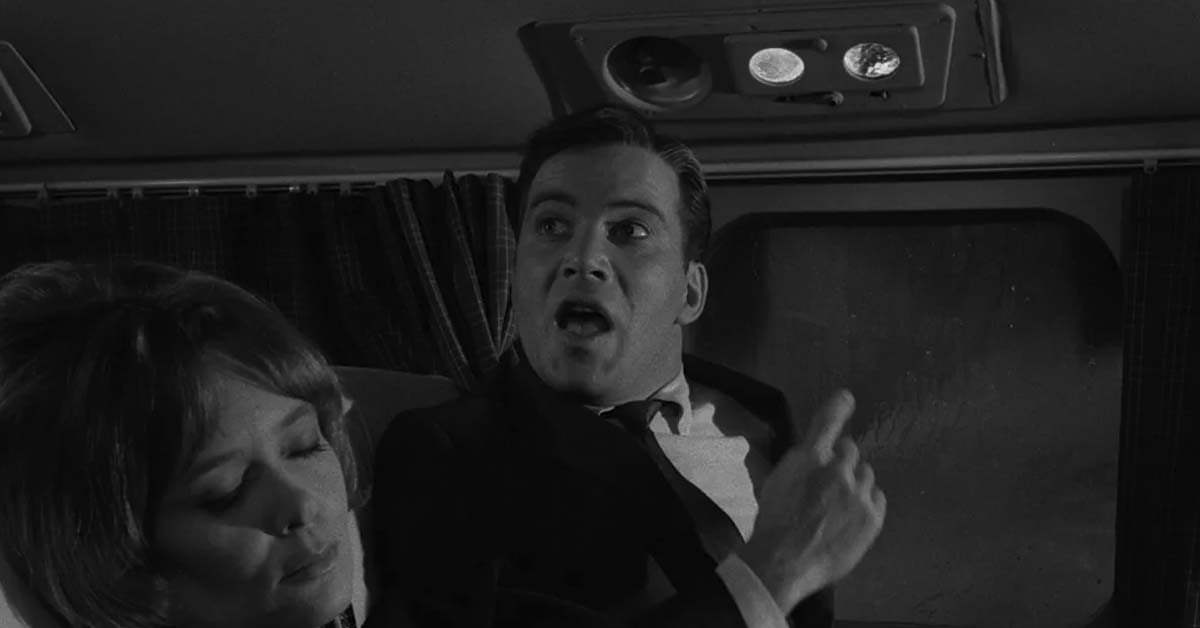
William Shatner does a great job in this episode as a man (Bob Wilson) who just recovered from a nervous breakdown. Wilson is complex, intelligent, and insecure. He is a man on the brink, trying desperately to hold on to his recently regained normalcy. Shatner’s over-the-top mannerisms work in this episode. The episode still works, partly because of the claustrophobic airplane setting with an added violent thunderstorm. I’ve heard criticism on the monster makeup but if I saw that thing on the wing of a plane I was on…I would freak out also. 

Shatner’s character reminds me of The Boy Who Cried Wolf, but this time will he be vindicated?

Richard Donner (Superman and the Omen) directed this episode. The logistics involved in filming Nightmare at 20,000 Feet were enormous. The set consisted of the interior of an airline passenger cabin with the left airplane wing attached to the outside. This was all suspended over a huge water tank, in order to contain the water from the rain effect. Donner remembers the shooting as one big headache.

Richard Matheson’s scripts were so respected that they were filmed almost exactly as written. The only change was one of title, from Flight to The Last Flight.

To show what a great sense of humor Rod Serling had…read the last quote by him down below. 

Richard Donner: Because you were suspended up, you had no stage floors. Every movement was a bitch. He lists the factors that had to be considered in virtually every shot. A man flying in on wires. Wind. Rain. Lightning. Smoke, to give the effect of clouds and travel and speed. Actors. You couldnt hear yourself think because of the noise of the machines outside. And fighting time, all the time. It was just unbearable. If any one of those things went wrong, it ruined the whole take. All of this consumed lots of time. We were supposed to take a fourth day in the tank set with the airplane

Then they found out that the studio had committed it to another company. We had to work all night to finish it up. We went overtime till early the next morning.

I love it, I do love it. Its just such an unusual thing for television, really, to see that much energy go into a little half-hour film. And the story was good, too.

From IMDB: William Shatner played an elaborate prank on set when he conspired with a friend who was visiting the filming, actor Edd Byrnes, to trick director Richard Donner into thinking Shatner died. Between takes, and when Donner was off set getting coffee, Shatner and Byrnes staged a fake fight on the set, which was suspended some 30 feet above a giant, empty tank. When Donner ran back in the studio to see what was happening the two men chased each other around the back of the airplane set and wound up atop the plane wing. Donner saw a body falling off the wing and Byrnes yelling in terror as it impacted the concrete floor. Donner said when he ran to the fallen, motionless figure, thinking it was a dead or grievously injured William Shatner, he was greeted with laughter the moment he realized it was just an articulated human dummy the two men had found in another part of the studio and threw off the wing. Donner later joked, “Honestly, my first reaction was, ‘Don’t tell me I have to shoot the whole show over again.'”

Rod Serling: The final story on Nightmare at 20,000 Feet occurred several months after the shooting. Matheson and I were going to fly to San Francisco. It was like three or four weeks after the show was on the air, and I had spent three weeks in constant daily communication with Western Airlines preparing a given seat for him, having the stewardess close the [curtains] when he sat down, and I was going to say, Dick, open it up. I had this huge, blownup poster stuck on the [outside of the window] so that when he opened it there would be this gremlin staring at him. So what happened was we get on the plane, there was the seat, he sits down, the curtains are closed, I lean over and I say, Dick at which point they start the engines and it blows the thing away. It was an old prop airplane. … He never saw it. And I had spent hours in the planning of it. I would lie in bed thinking how we could do this.

This show was written by Rod Serling and Richard Matheson

Rod Serling’s Opening Narration: 

Portrait of a frightened man: Mr. Robert Wilson, thirty-seven, husband, father and salesman on sick leave. Mr. Wilson has just been discharged from a sanitarium where he spent the last six months recovering from a nervous breakdown, the onset of which took place on an evening not dissimilar to this one, on an airliner very much like the one in which Mr. Wilson is about to be flown home—the difference being that, on that evening half a year ago, Mr. Wilson’s flight was terminated by the onslaught of his mental breakdown. Tonight, he’s traveling all the way to his appointed destination, which, contrary to Mr. Wilson’s plan, happens to be in the darkest corner of the Twilight Zone.

Summary

Bob Wilson is on a flight when he sees a creature of some sort out on the wing of the aircraft. He’s only recently recovered from a nervous breakdown and isn’t sure that what he is seeing is real. Every time someone else looks out the window, the creature hides from view. When the creature begins to tamper with one of the engines he begs his wife to tell the pilots to keep an eye on the engines. If they see nothing, he agrees to commit himself to an asylum when they arrive at their destination. His paranoia drives him to a desperate act

***WARNING…VIDEO SPOILERS***

Rod Serling’s Closing Narration:

The flight of Mr. Robert Wilson has ended now, a flight not only from point A to point B, but also from the fear of recurring mental breakdown. Mr. Wilson has that fear no longer… though, for the moment, he is, as he has said, alone in this assurance. Happily, his conviction will not remain isolated too much longer, for happily, tangible manifestation is very often left as evidence of trespass, even from so intangible a quarter as the Twilight Zone.

CAST

Rod Serling … Narrator / Self – Host (uncredited)
William Shatner…Bob Wilson
Christine White…Julia Wilson
Edward Kemmer…the flight engineer
Asa Maynor…stewardess Betty Crosby
Nick Cravat [uncredited]…the gremlin

Animals – Sky Pilot

I bought this song on a single along with San Franciscan Nights when I was getting into the Animals as a pre-teen.  This was not the same Animals of House of the Rising Sun and others…everyone but Eric Burdon and drummer Barry Jenkins had been replaced.

A Sky Pilot is a military chaplain, in the lyric he blesses the boys as they stand in line. The song finds the chaplain telling the soldiers that they are fighting for a greater cause, as they are soldiers of God. Eric Burdon tape-recorded The Royal Scot’s Dragoon Guards at a school and used the music during the middle of the song along with the war sound effects.

The song peaked at #14 in the Billboard 100, #7 in Canada, and #40 in the UK in 1968. The single was split into two parts to fit on the 45 so to hear the rest of the song… you had to flip the record over.

Eric Burdon received an angry letter from the British government for his use of pipe music. The song he used was “All The Bluebonnet’s Are Over The Border,” which is a classic Scottish war piece written as an anti-war epic during the Vietnam War.

Sky Pilot

He blesses the boys as they stand in line
The smell of gun grease and the bayonets they shine
He’s there to help them all that he can
To make them feel wanted he’s a good holy man

Sky pilot…..sky pilot
How high can you fly
You’ll never, never, never reach the sky
He smiles at the young soldiers

Tells them its all right
He knows of their fear in the forthcoming fight
Soon there’ll be blood and many will die
Mothers and fathers back home they will cry

Sky pilot…..sky pilot
How high can you fly
You’ll never, never, never reach the sky
He mumbles a prayer and it ends with a smile

The order is given
They move down the line
But he’s still behind and he’ll meditate
But it won’t stop the bleeding or ease the hate

As the young men move out into the battle zone
He feels good, with God you’re never alone
He feels tired and he lays on his bed
Hopes the men will find courage in the words that he said

Sky pilot… sky Pilot
How high can you fly
You’ll never, never, never reach the sky
You’re soldiers of God you must understand

The fate of your country is in your young hands
May God give you strength
Do your job real well
If it all was worth it

Only time it will tell
In the morning they return
With tears in their eyes
The stench of death drifts up to the skies

A soldier so ill looks at the sky pilot
Remembers the words
“Thou shalt not kill”
Sky pilot…..sky pilot

How high can you fly
You never, never, never reach the sky

Foghat – Fool For The City

It’s time once again for some big 1970’s boogie arena rock to start your day. Appropriately named…this rock filled up arenas around the world. The sound was fat and loud and it fit the times perfectly.

“Fool For The City” is the title track from the album of the same name released by Foghat in 1975. It was written by the band’s frontman Dave Peverett, who also wrote their hit “Slow Ride.”

Foghat was a talented band. Dave Peverett was a good singer, guitar player, and songwriter. Other Foghat alumni who made their mark elsewhere in music include replacement lead vocalist Charlie Huhn, who was also in Humble Pie and in Ted Nugent’s band before that. Also, Foghat guitarist Bryan Bassett is better known as the lead strings on “Play That Funky Music” by Wild Cherry.

The song was more of a FM hit but it peaked at #45 in the Billboard 100 in 1976. The album peaked at #23 in the Billboard Album Charts.

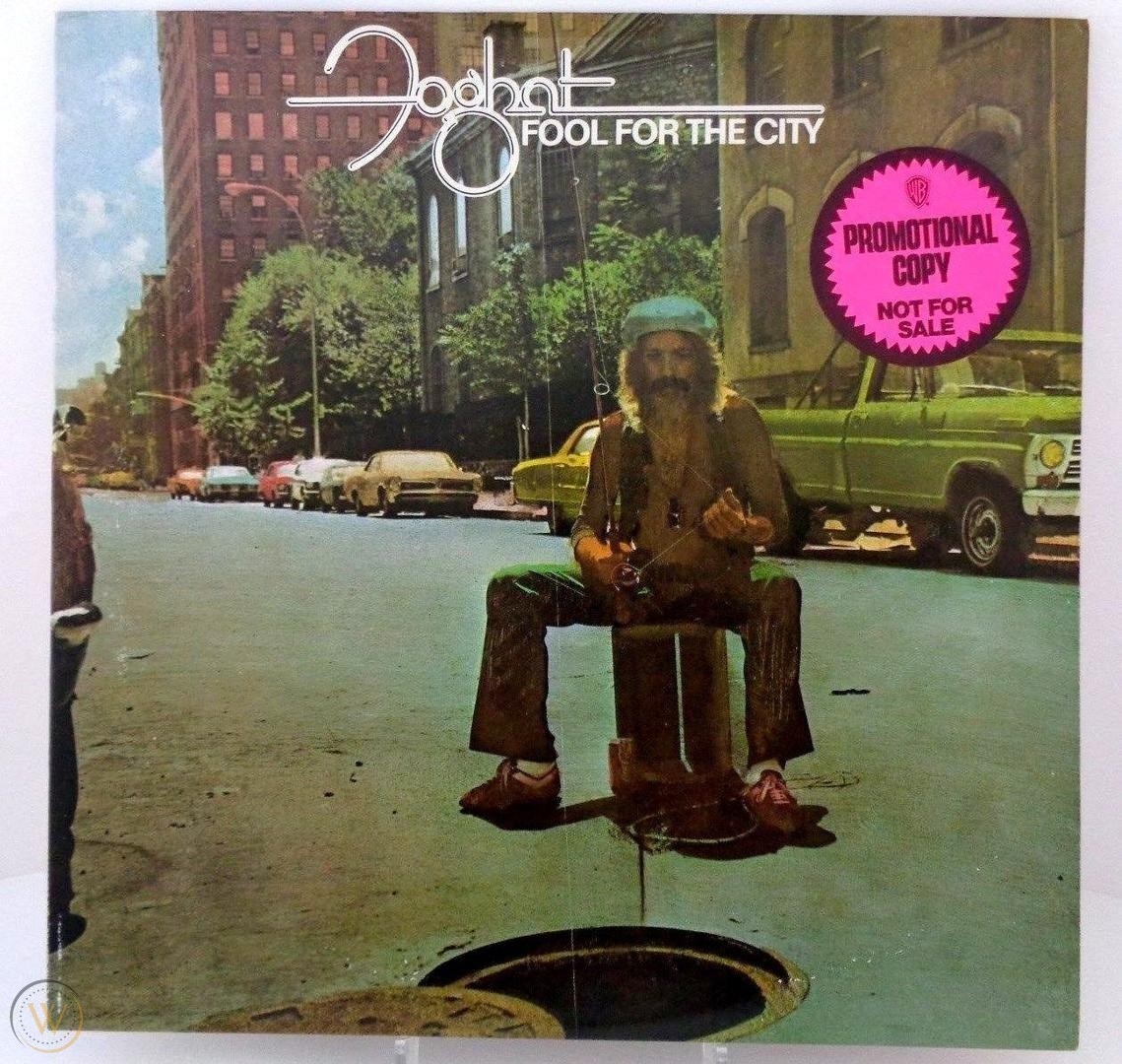
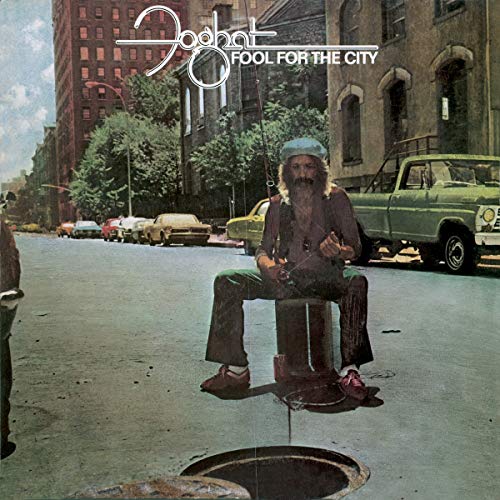
I always liked this album cover

Foghat - Fool For The City - Amazon.com Music

That is Foghat’s drummer Roger Earl on a soapbox fishing in a man hole cover in New York on East 11th Street.

From Songfacts

Foghat formed in London, and as this song makes clear, they’ll take city life over Green Acres country any day. While there are plenty of songs about specific cities (especially New York), this song can relate to any city. The band did a great deal of touring after they formed in 1971, so it makes sense that they would come up with a tune about their travels.

This song is a great example of the “boogie rock” genre. Boogie rock came out of blues-rock and tends to feature a repetitive, driving rhythm, and a laid-back attitude with no sign of being pretentious. In the US, think ZZ Top and Lynyrd Skynyrd. In the UK, the vanguards of boogie rock were Status Quo, Humble Pie, Savoy Brown, and Foghat. The Doobie Brothers might get a nod here as well; Foghat started out in the UK but transplanted to the US, and the Doobie’s “China Grove” had come out only two years before. Boogie rock and mid-1970s’ pot culture also went along extremely well together, which certainly didn’t hurt its popularity any.

Surprisingly, this song is rarely used in commercials, TV shows or movies. The only use we know of is the 2013 movie Nebraska.

Fool For The City

Going to the city, got you on my mind,
Country sure is pretty, I’ll leave it all behind,
This is my decision, I’m coming home to stay this time

‘Cause I’m a fool for the city, I’m a fool for the city,
Fool for the city, I’m a fool for the city

Breathing all the clean air, sitting in the sun,
When I get my train fare, I’ll get up and run
I’m ready for the city, air pollution here I come

‘Cause I’m a fool for the city, I’m a fool for the city,
I’m a fool for the city, I’m a fool for the city

I ain’t no country boy, I’m just a homesick man
I’m gonna hit the grit just as fast as I can

I’ll get off on Main Street, step into the crowd,
Sidewalk under my feet, yeah, traffic’s good and loud
When I see my inner city child, I’ll be walkin’ on a cloud

‘Cause I’m a fool for the city, I’m a fool for the city,
I’m a fool for the city, I’m a fool for the city
I’m a fool, (Fool for the city)
A crazy fool, (Fool for the city)
I’m a fool, (Fool for the city)
A fool for the city, (Fool for the city)
(Fool for the city) (Fool for the city)
I ain’t no country boy, woo! (Fool for the city)
(Fool for the city)

Comedian Quotes II

I did this last week with the earlier comedians….this week I’ll concentrate on the 60s-70s.

George Carlin to Receive Two-Part Documentary From HBO and Judd Apatow -  Rolling Stone

George Carlin

Here’s all you have to know about men and women: women are crazy, men are stupid. And the main reason women are crazy is that men are stupid.

Most people work just hard enough not to get fired and get paid just enough money not to quit

Ever wonder about those people who spend $2 apiece on those little bottles of Evian water? Try spelling Evian backward

Think of how stupid the average person is, and realize half of them are stupider than that

Fighting for peace is like screwing for virginity

That Richard Pryor Biopic Is Back, And Headed To Netflix |  Birth.Movies.Death.

Richard Pryor

Who you gonna believe, me or your lying eyes?

I’m not addicted to cocaine. I just like the way it smells

I had to stop drinking, ‘cause I got tired of waking up in my car driving ninety

Marriage is really tough because you have to deal with feelings… and lawyers

There’s a thin line between to laugh with and to laugh at

No Respect: The Rodney Dangerfield of the Investment World | Core Compass

Rodney Dangerfield

I could tell my parents hated me. My bath toys were a toaster and a radio

My marriage is on the rocks again. Yeah. My wife just broke up with her boyfriend

My wife has to be the worst cook. In my house, we pray after we eat

When I was born, I was so ugly the doctor slapped my mother

Marriage. It’s not a word. It’s a sentence

When I was a kid my parents moved a lot, but I always found them

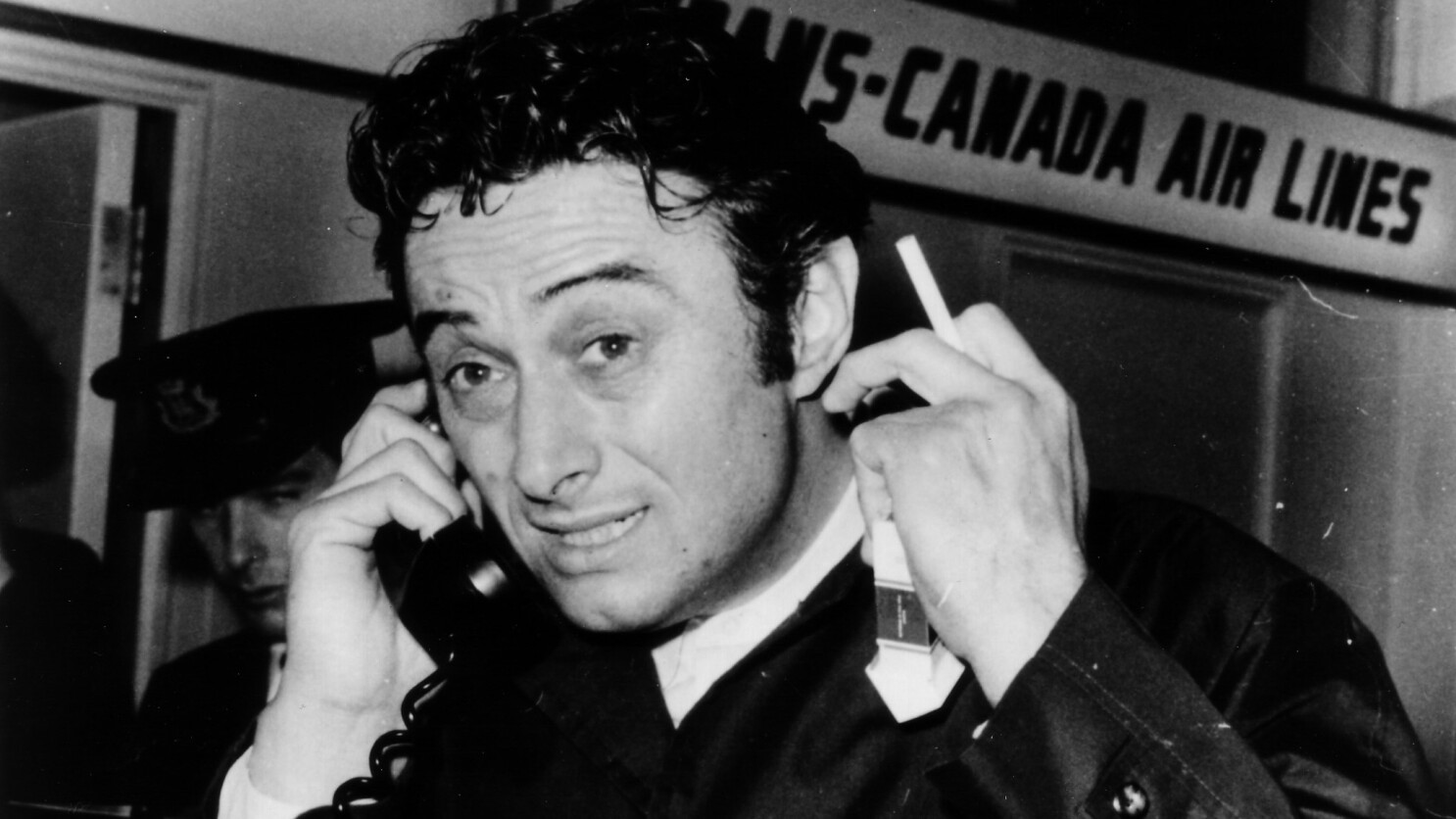
Remembering Lenny Bruce, 50 years after his death - Los Angeles Times

Lenny Bruce

Every day people are straying away from the church and going back to God

Alright, let’s admit it, we Jews killed Christ – but it was only for three days

I am influenced by every second of my waking hour

It’s the suppression of the word that gives it the power, the violence, the viciousness

Emmys history: One-season winners starring Bob Newhart, Julie Andrews -  GoldDerby

Bob Newhart

I don’t like country music, but I don’t mean to denigrate those who do. And for the people who like country music, denigrate means ‘put down’

Stammering is different than stuttering. Stutterers have trouble with the letters, while stammerers trip over entire parts of a sentence. We stammerers generally think of ourselves as very bright

I think you should be a child for as long as you can. I have been successful for 74 years being able to do that. Don’t rush into adulthood, it isn’t all that much fun

Phyllis Diller "Mother-In-Law" on The Ed Sullivan Show - YouTube

Phyllis Diller

The reason women don’t play football is because 11 of them would never wear the same outfit in public.

I spent seven hours in a beauty shop… and that was for the estimate.

I’ve tried Buddhism, Scientology, Numerology, Transcendental Meditation, Qabbala, t’ai chi, feng shui and Deepak Chopra but I find straight gin works best

I never made `Who’s Who,’ but I’m featured in `What’s That?’

I want my children to have all the things I couldn’t afford. Then I want to move in with them

Redd Foxx | Walk of Fame

Redd Foxx

If you can see the handwriting on the wall… you’re on the toilet

I feel sorry for people who don’t drink or do drugs. Because someday they’re going to be in a hospital bed, dying, and they won’t know why

You make me wish that birth control was retroactive

Beauty may be skin deep, but ugly goes clear to the bone.

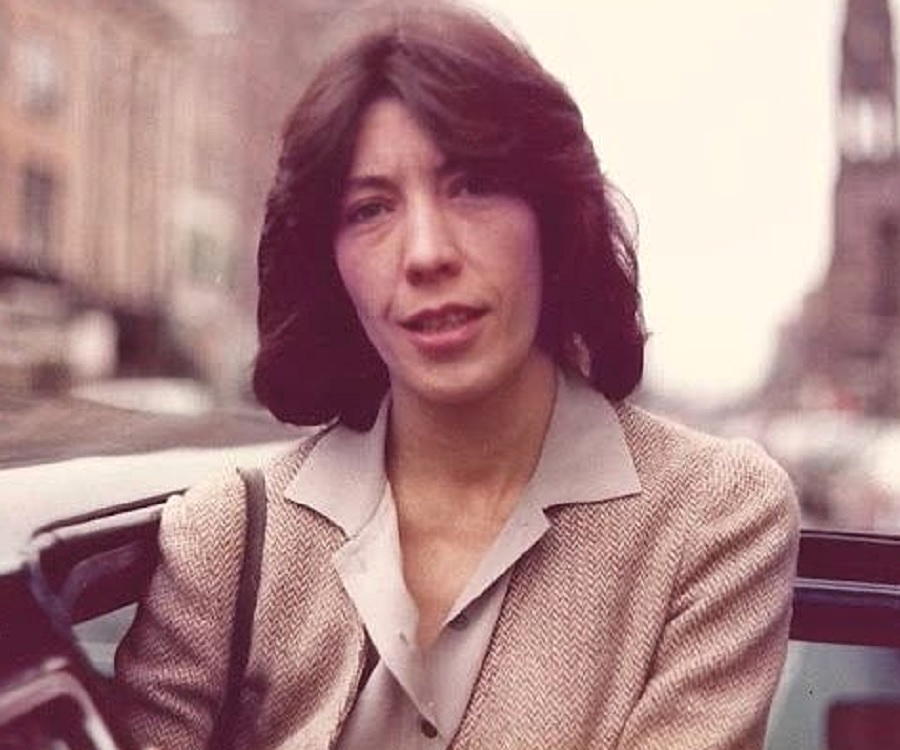
Lily Tomlin Biography - Childhood, Life Achievements & Timeline

Lily Tomin

The best mind-altering drug is the truth.

The road to success is always under construction.

I always wondered why somebody doesn’t do something about that. Then I realized I was somebody.

I always wanted to be somebody, but now I realize I should have been more specific.

Reality is the leading cause of stress among those in touch with it.

Twilight Zone – Steel

★★★★1/2 October 4, 1963 Season 5 Episode 2

If you want to see where we are…HERE is a list of the episodes.

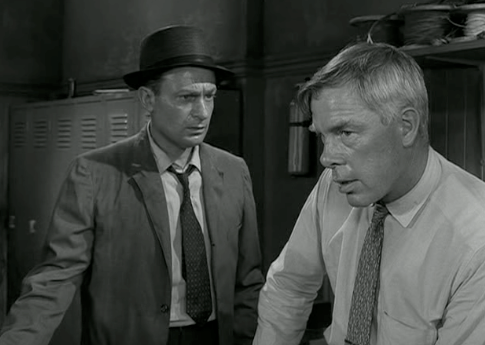
Steel is very good starring the movie star…Lee Marvin.

This episode has a parallel to the NFL in present day to me. With CTE (Chronic traumatic encephalopathy), football as I knew it is gone. In 20 years it probably won’t resemble the game now. Steel is set in 1974 and boxing between humans is illegal. It was deemed as too dangerous and now robots fight each other intead of humans. 

Lee Marvin plays Steel Kelly who was a former boxer until the law was passed to ban human boxing. He now owns an older model robot (an old B2) named Battling Maxo. Marvin is a determined, sad, and desparate character. He believes in his outdated fighter and will do anything to keep the broken down Maxo going…including doing the unthinkable. 

Marvin’s gritty performance brings this episode up above normal ones. Taking the place of the boxing trainer would be mechanic Pole…played by Joe Mantell. He keeps Maxo going but knows the robot is washed up and busted. He wants to scrap him but Steel won’t hear of it…they keep looking for parts that just aren’t made anymore. 

The two robot faces were crafted by William Tuttle. Lifemasks were taken of the actors, atop which the robot faces were sculpted in clay. Foam rubber and latex copies were cast of these, which were then glued onto the actors faces. As for the inhuman, expressionless eyes, those were sections of ping-pong balls, painted black, with pinpoint eye holes through the center.

This show was written by Rod Serling and Richard Matheson

Rod Serling’s Opening Narration: 

Sports item, circa 1974: Battling Maxo, B2, heavyweight, accompanied by his manager and handler, arrives in Maynard, Kansas, for a scheduled six-round bout. Battling Maxo is a robot, or, to be exact, an android, definition: ‘an automaton resembling a human being.’ Only these automatons have been permitted in the ring since prizefighting was legally abolished in 1968. This is the story of that scheduled six-round bout, more specifically the story of two men shortly to face that remorseless truth: that no law can be passed which will abolish cruelty or desperate need—nor, for that matter, blind animal courage. Location for the facing of said truth: a small, smoke-filled arena just this side of the Twilight Zone.

Summary

In the not too distant future, boxing has been banned and replaced by robot fighters in the ring. Sam “Steel” Kelly is a former boxer but now owns one of these pugilistic machines. Unfortunately his robot, which he’s named Battling Maxo, is getting old and many of its parts are no longer available. Kelly is broke and is doing everything he can to ensure Battling Maxo can enter the ring as the promoter has made it clear there’s no payment if there’s no bout. When Maxo breaks down however, Kelly decides to takes its place.

Rod Serling’s Closing Narration:

Portrait of a losing side, proof positive that you can’t outpunch machinery. Proof also of something else: that no matter what the future brings, man’s capacity to rise to the occasion will remain unaltered. His potential for tenacity and optimism continues, as always, to outfight, outpoint and outlive any and all changes made by his society, for which three cheers and a unanimous decision rendered from the Twilight Zone.

Sorry I could NOT find a video clip without a reviewer. He does give it away…just so you know. 

CAST

Rod Serling…Narrator / Self – Host (uncredited)
Lee Marvin…Steel Kelly
Joe Mantell…Pole
Chuck Hicks…Maynard Flash
Merritt Bohn…Nolan
Frank London…Maxwell
Larry Barton…Boxing Match Spectator (voice) (uncredited)
Slim Bergman…Boxing Match Spectator (uncredited)
Louis Cavalier…Boxing Match Spectator (uncredited)
Ken DuMain…Boxing Match Spectator (uncredited)
Tipp McClure…Battling Maxo (uncredited)
Edwin Rochelle…Boxing Match Spectator (uncredited)


Byrds – Mr. Spaceman

After I graduated, I purchased the Byrds Greatest Hits and this one caught my attention immediately. It continued to build my love for the Rickenbacker 12 string electric guitar.

Now, this is some cool hype. The release of the single was accompanied by a spoof press announcement from the Byrds’ co-manager, Eddie Tickner, stating that he had taken out a one-million-dollar insurance policy with Lloyd’s of London against his clients being kidnapped by extraterrestrial visitors.

This song was on their Fifth Dimension album. With this song, you could almost hear Sweetheart of the Rodeo coming around the corner. Mr. Spaceman was written by Roger McGuinn. This was their third album, and it was recorded shortly after Gene Clark left the band. When he left, it left a songwriting hole in the band. McGuinn and David Crosby tried to step up and fill the void, but they still had to have four cover songs on the album.

The album peaked at #24 in the Billboard Album Charts and #27 in the UK in 1966.  Mr. Spaceman peaked at #36 in the Billboard 100.

Despite its country-style backing with a touch of psychedelia…it was called “space rock” in the press. Some critics have said it was one of the earliest examples of country rock.

The first video below has Gram Parsons who didn’t join the band until 2 years after this song was released. It was filmed at the Roman Colosseum while the Byrds were in town to play the first International European Pop Festival in 1968.

In that video, we see original Byrds Roger McGuinn and Chris Hillman joined by new members Gram Parsons, Kevin Kelley, and Douglas Dillard.

Roger McGuinn:I was interested in astronomy and the possibility of connecting with extraterrestrial life and I thought that it might work the other way round, if we tried to contact them. I thought that the song being played on the air might be a way of getting through to them. But even if there had been anybody up there listening, they wouldn’t have heard because I found out later that AM airwaves diffuse into space too rapidly.”

The Byrds with Gram Parsons video

Mr. Spaceman

Woke up this morning with light in my eyes
And then realized it was still dark outside
It was a light coming down from the sky
I don’t know who or why

Must be those strangers that come every night
Those saucer shaped lights put people uptight
Leave blue green footprints that glow in the dark
I hope they get home alright

Hey, Mr. Spaceman
Won’t you please take me along
I won’t do anything wrong
Hey, Mr. Spaceman
Won’t you please take me along for a ride

Woke up this morning, I was feeling quite weird
Had flies in my beard, my toothpaste was smeared
Over my window, they’d written my name
Said, “So long, we’ll see you again”

Hey, Mr. Spaceman
Won’t you please take me along
I won’t do anything wrong
Hey, Mr. Spaceman
Won’t you please take me along for a ride

Hey, Mr. Spaceman
Won’t you please take me along
I won’t do anything wrong
Hey, Mr. Spaceman
Won’t you please take me along for a ride

Billy Joel – Say Goodbye To Hollywood

I missed this song when it came out on Joel’s 1976 album Turnstiles but I earned about it later in 1981.

in the early eighties I joined Columbia House I ordered Billy Joel’s album Songs in the Attic. I ordered it right after I purchased his album Glass Houses at a record shop. This song really caught my attention, and I became a fan of Joel that year.

This was released in the US as the B-side to “I’ve Loved These Days” a month before it was put out as an A-side single. Neither song charted. In 1981, a live version recorded at the Milwaukee Arena was released on Joel’s Songs In The Attic album. It peaked at #17 in the Billboard 100 and #27 in Canada.

Joel’s influence was The Ronettes, specifically their song “Be My Baby. Joel was a big fan of ’60s girl groups and loved both Phil Spector’s production and Ronettes lead singer Ronnie Spector’s voice. Joel met Ronnie a few times over the years, but only after he wrote the song.

When he wrote this song, Joel had recently moved from Los Angeles to New York, which helped inspire it. He didn’t care for the west coast.

Ronnie Spector, who was the influence on this song, released her own version in 1977. Her version was produced by Little Steven and was backed by The E Street Band.

Ronnie Spector: “In a way it’s my life story ’cause I was married in Hollywood, I lived in Hollywood, my life fell apart in Hollywood and now I am saying goodbye to Hollywood.”

From Songfacts

This song is a look at the temporary nature of most relationships, as people are always coming in and out of our lives. It’s told through the eyes of two characters, Bobby (in the first verse) and Johnny (in the second). They do their time in Hollywood, but now find themselves moving on with their lives, a natural progression in the series of hellos and goodbyes in life.

On The Howard Stern Show, Joel explained that he wrote “Say Goodbye To Hollywood” in a high key that was challenging to sing – he had an easier time hitting those notes when he wrote the song.

Say Goodbye To Hollywood

Bobby’s driving through the city tonight
Through the lights
In a hot new rent-a-car
He joins the lover in his heavy machine
It’s a scene down on Sunset Boulevard

[Chorus: ]
Say goodbye to Hollywood
Say goodbye my baby
Say goodbye to Hollywood
Say goodbye my baby

Johnny’s taking care of things for awhile
And his style is so right for Troubador’s
They got him sitting with his back to the door
Now he won’t be my fast gun anymore

[Chorus: ]

Moving on is a chance that you take every time you try to stay together
Say a word out of line and you find that the friends you had are gone
Forever…forever
So many faces in and out of my life
Some will last, some will just be now and then
Life is a series of hellos and goodbyes
I’m afraid it’s time for goodbye again

[Chorus: ]

(Repeat 3rd verse)

[Chorus: ]

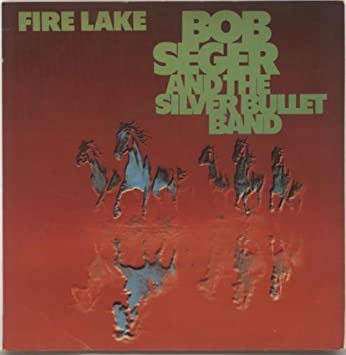
Bob Seger – Fire Lake

I grew up with this song played on the radio quite frequently. I grew up in the south…and radio stations claimed Michigan-born Bob Seger as their own. The Eagles and Bob Seger were adopted by southern states radio and spoke of in the same breath as Lynyrd Skynyrd and other southern acts.

This song was on the Against the Wind album that came out in 1980. This song was written 7 years before its inclusion on that album. It was originally intended for Beautiful Loser album but was left off that album because it had a different sound and didn’t quite mesh with those songs.

Seger eventually stated that it is about a lake in Michigan called Silver Lake. He said that it was written about Silver Lake in Dexter, about being in the Pinckney-Hell-Dexter area.

He didn’t use the Silver Bullet Band for this one. He recorded at Muscle Shoals Sound Studios, where the studio owners, Barry Beckett (keyboards), Roger Hawkins (drums), David Hood (bass), and Jimmy Johnson (guitar), backed him up. Seger recorded some of his most memorable songs there, including his Old Time Rock and Roll. Don Henley, Glenn Frey and Timothy B. Schmit later added backups to Fire Lake. Seger returned the favor by coming up with the chorus to Heartache Tonight.

Fire Lake peaked at #6 in the Billboard 100 and #3 in Canada in 1980.

Bob Seger helped keep Muscle Shoals in business during this time.

David Hood (part-owner of Muscle Shoals and bass player): “Everything we recorded with Bob Seger, we get a production royalty on. And as it turns out, we recorded ‘Fire Lake,’ and ‘Old Time Rock and Roll,’ and ‘Mainstreet,’ just a whole bunch of things with them. And so that became a very lucrative thing. We don’t even have a real contract on that, but he’s always paid us for the records that we played on, we were co-producers on, as well. And that’s what I think about Bob Seger. He’s a very honest man. He and Punch Andrews are honest people who stick to their word. That’s rare in the music business.”

Fire Lake

Who’s gonna ride that chrome three wheeler
Who’s gonna make that first mistake
Who wants to wear those gypsy leathers
All the way to Fire Lake

Who wants to break the news about uncle Joe
You remember uncle Joe
He was the one afraid to cut the cake
Who wants to tell poor aunt Sarah
Joe’s run off to Fire Lake

Who wants to brave those bronze beauties
Lying in the sun
With their long soft hair falling
Flying as they run
Oh they smile so shy
And they flirt so well
And they lay you down so fast
Till you look straight up and say
Oh Lord
Am I really here at last

Who wants to play those eights and aces
Who wants a raise
Who needs a stake
Who wants to take that long shot gamble
And head out to Fire Lake
Head out
Who wants to go to Fire Lake
And head out
Who wants to go to Fire Lake
And head out (who wants to go to Fire Lake)
Head out, head out (who wants to go to Fire Lake)
Out to Fire lake
Who’s gonna do it (who wants to go to Fire Lake)
Who’s gonna wanna do it (who wants to go to Fire Lake)
Who wants to do it, who wants to do it, yeah (who wants to go to Fire Lake)

Twilight Zone – In Praise of Pip

★★★★★ September 27, 1963 Season 5 Episode 1

If you want to see where we are…HERE is a list of the episodes.

This one is not known as a classic, but it should be. Jack Klugman plays a bookie with a drinking problem named Max Phillips. Klugman’s transformation will resonate with viewers. Max gets a telegram that his son is dying in Vietnam. He realizes he wasted a great deal of his life dreaming instead of doing and working instead of spending more time with his son. He makes a deal with God for one more hour with his son. Afterward, he makes one more deal. 

Klugman’s performances in his last scenes were some of the best of the series. How much time do we spend doing other things (even work) other than to be with our love ones? In Praise of Pip is a thought-provoking and touching drama about a man’s love for his son and a reminder to pay attention to what is really important in life. 

This is Anne Serling’s (Rod Serling’s daughter) favorite episode of the Twilight Zone. She noticed a lot of the dialog in this episode that happened between her and her father.

The script originally had Pip stationed in Laos, but the network had Rod Serling change it to Vietnam.

I was surprised about the early mention of Vietnam in this one. There were officially no combat or special forces in Laos. The implication that the U.S. had troops fighting in Laos (even in The Twilight Zone) could be an embarrassment and might cause repercussions. U.S. Special Forces were fighting (in an advisory capacity) in South Vietnam. Suggest South Vietnam. This episode was produced about two years before the massive intervention of American forces in South Vietnam.

From IMDB: Bill Mumy’s father rarely joined his son on sets, but joined him on this occasion because the two often visited the pier they filmed on. His father recalled being impressed with Jack Klugman who introduced himself to the family and explained that father and son would be extremely affectionate. Mumy joined his own son Seth Mumy on set of Dear God (1996) with Klugman 30 years later.

This show was written by Rod Serling 

Rod Serling’s Opening Narration: 

Submitted for your approval: one Max Phillips. A slightly-the-worse-for-wear maker of book, whose life has been as drab and undistinguished as a bundle of dirty clothes. And t fhough it’s very late in his day, he has an errant wish that the rest of his life might be sent out to a laundry, to come back shiny and clean. This to be a gift of love to a son named Pip. Mr. Max Phillips, homo sapiens, who is soon to discover that man is not as wise as he thinks. Said lesson to be learned in the Twilight Zone.

Summary

In the early 1960s, small-time bookie Max Phillips (Jack Klugman) hates his life. His only pride is his son, Pip, who is serving the U.S. Armed Forces in Vietnam. When a young man uses company funds to place a bet with Max, the man loses the wager. Max then returns his money, which angers Max’s bosses.


Rod Serling’s Closing Narration:

Very little comment here, save for this small aside: that the ties of flesh are deep and strong; that the capacity to love is a vital, rich, and all-consuming function of the human animal. And that you can find nobility and sacrifice and love wherever you may seek it out: down the block, in the heart or in the Twilight Zone.

CAST

Rod Serling…Narrator / Self – Host (uncredited)
Jack Klugman…Max Phillips
Connie Gilchrist…Mrs. Feeny
Robert Diamond…Pvt. Pip
Billy Mumy: Young Pip
Ross Elliott: doctor in Vietnam
Gerald Gordon: lieutenant in Vietnam
Russell Horton: George Reynold
S. John Launer: Mr. Moran
Kreg Martin: Mr. Moran’s enforcer
Stuart Nisbet…surgeon in Vietnam

Champs – Tequila

TEQUILA!  Oh I remember a few nights…or don’t remember….nevermind.

This was a B side…a great B side. Train To Nowhere was the A side to this single. Disc jockeys flipped the single and played “Tequila” instead, and in  1958, it peaked at #1 in the Billboard Charts and #5 in the UK in 1958. The song was one of the biggest hits of the ’50s.

Leo Kulka, who was the second engineer, said this song was an afterthought after the band recorded “Train to Nowhere.” Some of the musicians had already left the studio when it was brought up that nothing had been recorded for the B-side. The remaining musicians were rounded up and the song was written on the spot. The “Tequila” part of the song was simply an attempt to cover up the holes in the song. After all, it was just the B-side.

Like most bands with a surprise hit…they released more Tequila related songs, including “Too Much Tequila” and “Tequila Twist.” Didn’t have the same impact.

Danny Flores, who was the saxophone player in The Champs, wrote this song… it’s credited to his pen name, Chuck Rio.

From Songfacts

Tequila is an alcoholic beverage named after a town in Mexico. It is a key ingredient in Margaritas and is often done as a shot by licking salt, taking the drink, then sucking a lemon wedge. Many bars turn this song into a production, often offering shots of tequila directly from the bottle.

The Champs were a Los Angeles group that named themselves after Gene Autry’s horse, Champion. The “Train to Nowhere”/”Tequila” single was their first release. They had a few more modest instrumental hits, including the follow-up, “El Rancho Rock,” which reached #30 in the US, but never came close to the success of “Tequila.” Later members of the group included Glen Campbell, Jimmy Seals and Dash Crofts (Seals & Crofts of ’70s fame.

After The Champs, the Eagles were the next group to chart with a “Tequila” song, reaching #64 with “Tequila Sunrise” in 1973. The beverage fell out of favor musically in the ’80s, but was revived in the ’90s by Terrorvision (“Tequila”) and Sammy Hagar (“Mas Tequila”). It later became a hot topic in country songs, with tracks like “Tequila Makes Her Clothes Fall Off” and “You and Tequila.”

As the song started climbing the chart, a sax player named Eddie Platt released a competing version that reached #20. Other cover versions of the song to chart are by:

Bill Black’s Combo – #91 in 1964
Hot Butter – #105 in 73
A.L.T. & The Lost Civilization – #48 in 1992

This was featured in the 1985 movie Pee Wee’s Big Adventure. It was used in a scene where Pee Wee Herman wins over the crowd in a biker bar by doing a dance to the song. The movie was the first feature film directed by Tim Burton, and Danny Elfman wrote the score.

This won for Best Rhythm & Blues Performance at the first ever Grammy Awards in 1959. 

Tequila

Tequlia….Tequila….Tequila

Twilight Zone Season 4 Review

Again I will say…I want to thank you all who have stuck with me through this long haul. We are now finished with the 4th season! The 5th and also last season lasts 36 episodes.

I do have one to add that was on The Westinghouse Desilu Playhouse that was a precurser to the Twilight Zone called The Time Element. It was a teleplay that premiered on November 24, 1958. It was Rod Serling’s first science fiction story.

After going through 4th season …it was better than I gave it credit for earlier. The hour long episodes changed the way I graded them because they were different than the 30 minute episode. Some did suffer from too much padding but some were able to tell a more complete story. You did have a few that didn’t click well at all.

If you want… please comment on what you think I got wrong, right, or just your favorite episodes.

In the spring of 1963, CBS renewed Twilight Zone for a fifth season, shortening it back to a half hour. The networks experiment had failed: Twilight Zone’s expanded size had not made for an expanded audience. The season contained 18 long episodes.

Rod Serling: Our shows this season were too padded. The bulk of our stories lacked the excitement and punch of the shorter dramas we intended when we started five years ago and kept to for a while. If you ask me, I think we had only one really effective show this season, On Thursday We Leave for Home. … Yes, I wrote it myself, but I overwrote it. I think the story was good despite what I did to it.

Looking back, Serling’s assessment was too hard. There had been a number of really good hour-long episodes, among them On Thursday We Leave for Home, Death Ship, In His Image,  Valley Of The Shadows, Printer’s Devi and  The New Exhibit. The Twilight Zone had not embarrased itself in this season.

The 5th season was not as consistent as the first 3 but it contains some of my favorite episodes.

Season 4
Total Episode Date Episode Stars
103 1 Jan 3, 1963 In His Image 4.5
104 2 Jan 10, 1963 The Thirty-Five Fathom Grave 3.5
105 3 Jan 17, 1963 Valley Of The Shadows 5
106 4 Jan 24, 1963 He’s Alive 5
107 5 Jan 31, 1963 Mute 4
108 6 Feb 7, 1963 Death Ship 5
109 7 Feb 14, 1963 Jess-Belle 4
110 8 Feb 21, 1963 Miniature 4.5
111 9 Feb 28, 1963  Printer’s Devil 5
112 10 Mar 7, 1963  No Time Like The Past 3.5
113 11 Mar 14, 1963  The Parallel 4.5
114 12 Mar 21, 1963  I Dream Of Genie 2.5
115 13 Apr 4, 1963 The New Exhibit 5
116 14 Apr 11, 1963 Of Late I Think Of Cliffordville 4
117 15 Apr 18, 1963 The Incredible World Of Horace Ford 3.5
118 16 May 2, 1963 On Thursday We Leave For Home 5
119 17 May 9, 1963 Passage On The Lady Anne 4.5
120 18 May 23, 1963 The Bard 2

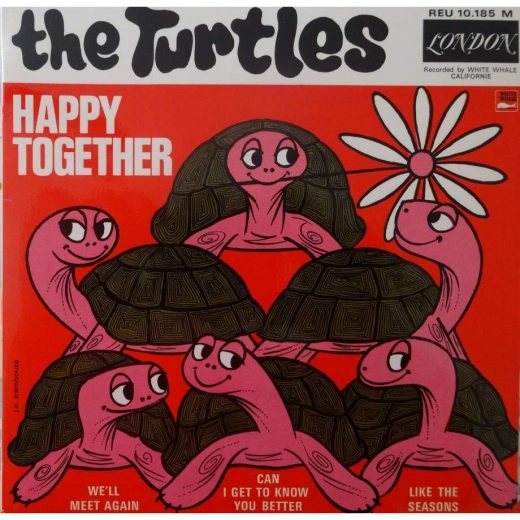
Turtles – Happy Together

When I was a kid some relative gave me The Turtles Elenore single and I became a fan. This song was their biggest hit and it is a great song.

The band was formed by Mark Volman and Howard Kaylan. They were saxophone players who did whatever was trendy in order to make a living as musicians. They were also in the choir together in high school.

They played surf-rock mostly at the time. They also played backup for The Coasters, Sonny And Cher and The Righteous Brothers when they came through. After a while, Howard and Mark gave up the sax and became singers. They signed a deal with White Whale Records as The Crosswind Singers. When British groups took over America, they tried to pass themselves off as British singers and renamed themselves The Turtles.

Like The Byrds, The Turtles recorded a Bob Dylan song for their first single It Ain’t Me Babe and it was a hit.  They recorded some more songs that that were top 40 hits but this one did the trick. They decided to record Happy Together after many other artists passed on it.  The song peaked at #1 in the Billboard 100, #2 in Canada, and #4 in the UK in 1967.

After Happy Together hit they flew to England and met The Beatles, Brian Jones,  Graham Nash, Donovan, The Rolling Stones and Jimi Hendrix. The Beatles played them the unreleased  Sgt Pepper’s album. Howard Kaylan would later write the  2003 Comedy movie “My Dinner With Jimi” with events surrounding and leading up to this trip.

Kaylan and Volman sang backing vocals on several recordings by T. Rex, including their worldwide 1971 hit “Get it On (Bang A Gong). Later they did the backup vocals on Bruce Springsteen’s Hungry Heart.

They became known as Flo (Phlorescent Leech) and Eddie. Kaylan and Volman joined Frank Zappa’s Mothers of Invention as Flo and Eddie because of contractual restrictions of their record company.

Volman and Kaylan were very smart. When White Whale’s master recordings were sold at auction in 1974, the duo won the Turtles’ masters, making them the owners of their own recorded work. They also hosted some radio shows in the 70s and 80s and recorded soundtrack music for children’s shows like the Care Bears and Strawberry Shortcake.

If you are in any way interested in watching band documentaries… watch The Turtles doc! It is hilarious. I will include the full doc above the song.

Here is the documentary…watch it if you have time. What they did to their last manager (who was also their first) is classic!

Happy Together

Imagine me and you, I do
I think about you day and night, it’s only right
To think about the girl you love and hold her tight
So happy together

If I should call you up, invest a dime
And you say you belong to me and ease my mind
Imagine how the world could be, so very fine
So happy together

I can’t see me lovin’ nobody but you
For all my life
When you’re with me, baby the skies’ll be blue
For all my life

Me and you and you and me
No matter how they toss the dice, it had to be
The only one for me is you, and you for me
So happy together

I can’t see me lovin’ nobody but you
For all my life
When you’re with me, baby the skies’ll be blue
For all my life

Me and you and you and me
No matter how they toss the dice, it had to be
The only one for me is you, and you for me
So happy together

Ba-ba-ba-ba ba-ba-ba-ba ba-ba-ba ba-ba-ba-ba

Me and you and you and me
No matter how they toss the dice, it had to be
The only one for me is you, and you for me
So happy together

So happy together
How is the weather
So happy together
We’re happy together
So happy together
Happy together
So happy together
So happy together (ba-ba-ba-ba ba-ba-ba-ba)