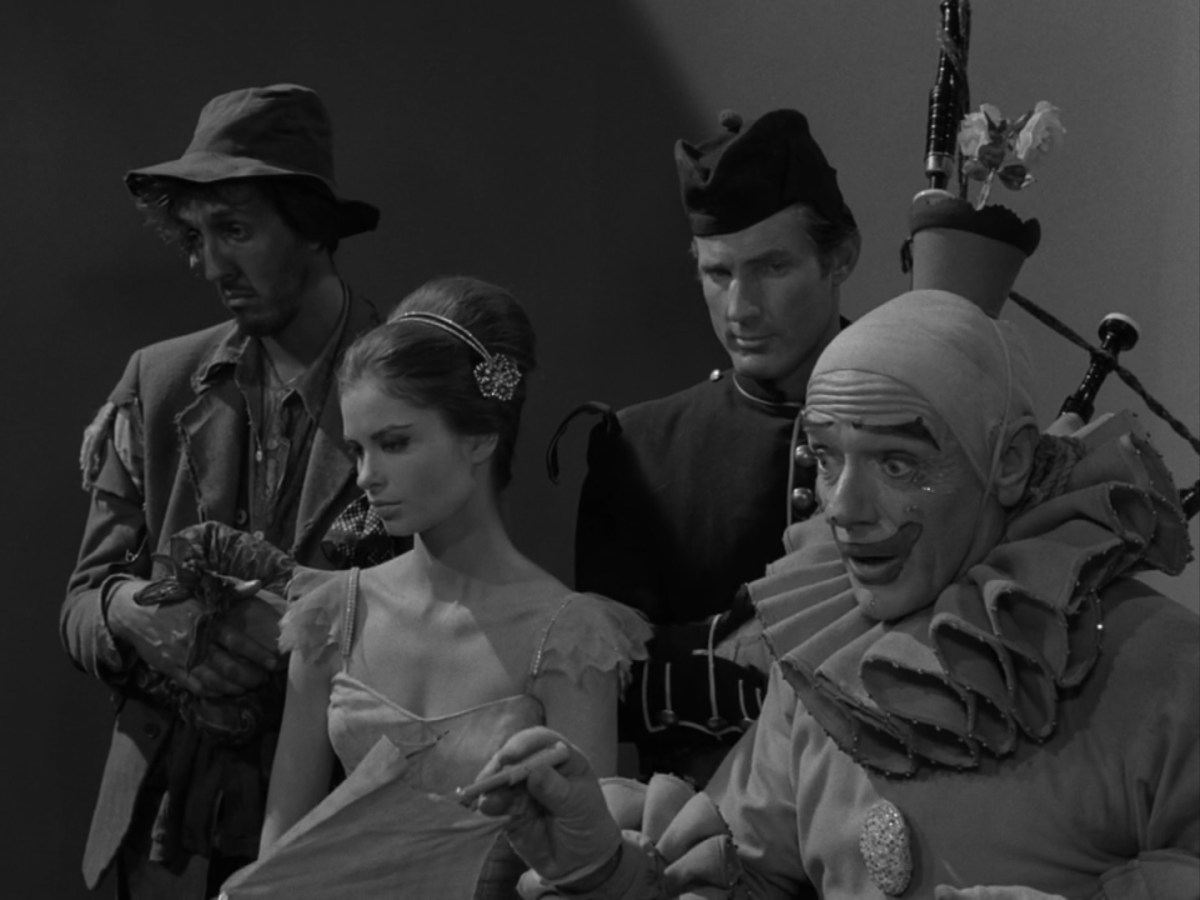
Twilight Zone – Five Characters In Search Of An Exit

★★★★★  December 22, 1961 Season 3 Episode 14

If you want to see where we are…HERE is a list of the episodes.

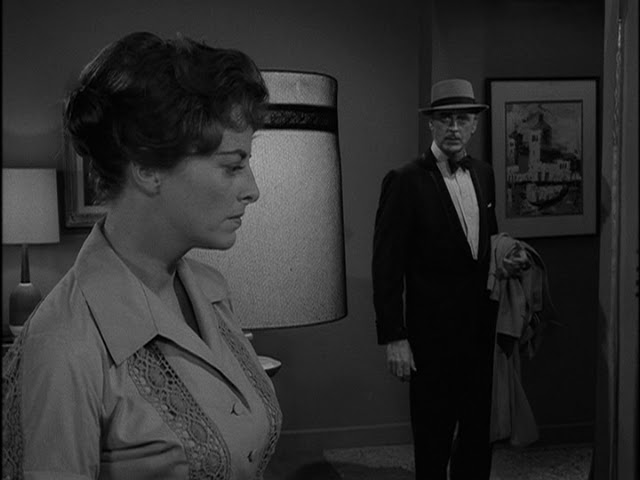
A fantastic episode of the Twilight Zone. The twist at the end is one of the best twists the Twilight Zone ever had. For most of the show, the five actors are all that can be seen, with the exception of the blank, curving wall of the cylinder. Rarely can the plot of an episode be summed up so completely in its title.

I feel like a broken record but again the acting is superb. The characters displaying their hopelessness in this episode is comes through well. The Major played by William Windom frequently throws emotional tantrums and is the latest to be added to this crew of a clown, Ballerina, tramp, and bagpiper looking for a way of this cylinder which they are trapped. The Major has a hard time with the defeatist attitude of the others

This show was written by Rod Serling and Marvin Petal

Rod Serling’s Opening Narration: 

Clown, hobo, ballet dancer, bagpiper, and an army major—a collection of question marks. Five improbable entities stuck together into a pit of darkness. No logic, no reason, no explanation; just a prolonged nightmare in which fear, loneliness, and the unexplainable walk hand in hand through the shadows. In a moment, we’ll start collecting clues as to the whys, the whats, and the wheres. We will not end the nightmare, we’ll only explain it—because this is the Twilight Zone.

Summary

It all starts when an Army major wakes up in a small cylindrical room with no way out. The walls are too high to climb and they’re too hard to puncture. Trapped inside with him is a clown, a bagpiper, a ballerina, and a hobo. They have all woken up inside there and have no idea where they are, what they’re doing there, how long they’ve been there or even who they are or how long they’ll be there. They apparently are unable to feel anything, and every now and then a loud clanging sound makes them all fall down. All of them have tried various ways of finding an exit, unsuccessfully. The Army major especially is determined to escape. He tries all sorts of ways to find an exit, but he cannot find one. Even when he hits the walls with his sword, it shatters. The major suggests that they are in Hell, so there IS no way out. Eventually the five characters decide that the only way out is to make a human tower.

Rod Serling’s Closing Narration:

Just a barrel, a dark depository where are kept the counterfeit, make-believe pieces of plaster and cloth, wrought in a distorted image of human life. But this added hopeful note: perhaps they are unloved only for the moment. In the arms of children, there can be nothing but love. A clown, a tramp, a bagpipe player, a ballet dancer, and a Major. Tonight’s cast of players on the odd stage—known as—The Twilight Zone.

CAST

Rod Serling… Narrator / Self – Host (uncredited)
Susan Harrison… The Ballerina
William Windom… The Major (as Bill Windom)
Murray Matheson… The Clown
Kelton Garwood Kelton Garwood … The Tramp
Clark Allen… The Bagpiper
Carol Hill… Woman
Mona Houghton… Little Girl

Replacements – Sixteen Blue

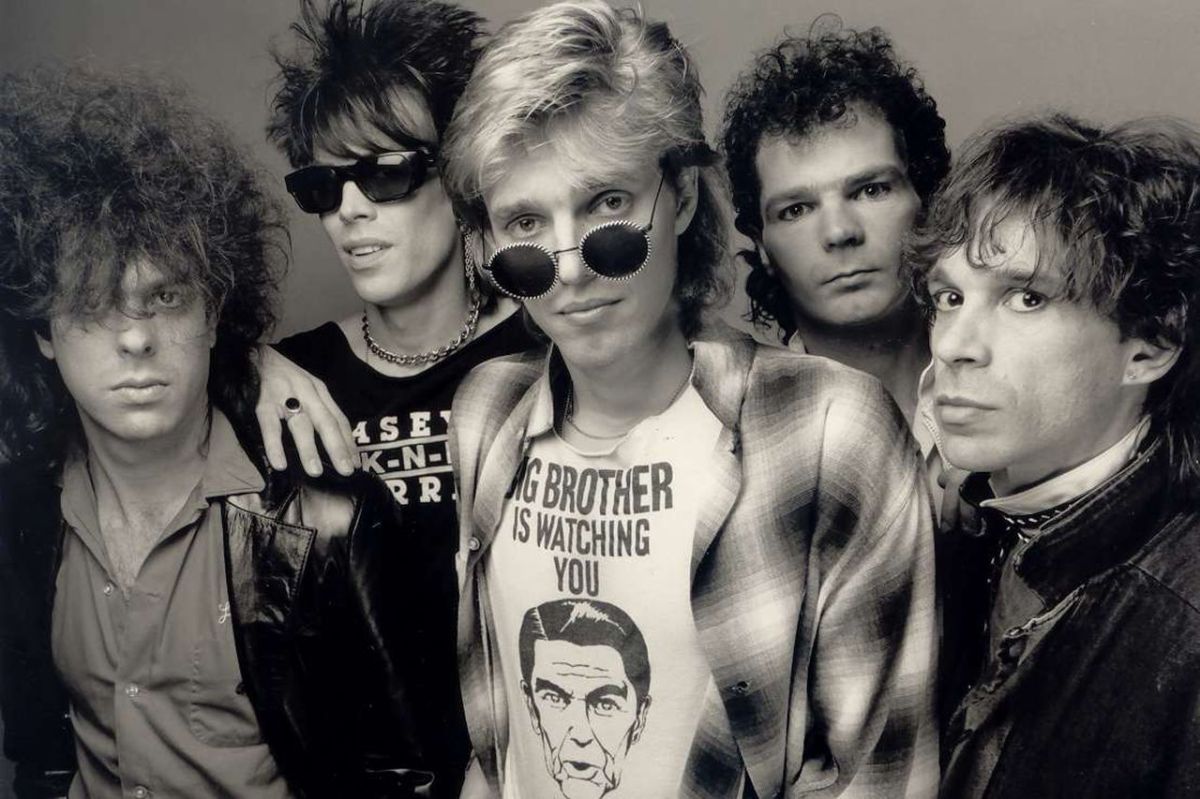
Sixteen Blue was inspired by bassist Tommy Stinson. Tommy played his first gig with the Replacements in June of 1980 when he was just 13. The other members were 5-6 years older than Tommy.

Westerberg had witnessed how Stinson had been forced to grow up way faster than most kids, yet still faced the typical teenage issues and doubts. Westerberg also said it was about his lonely teenage years.

The song is on their Let It Be album released in 1984. Let It Be was the first of a three album stretch (Let It Be, Tim, Please To Meet Me) that they are probably best remembered for today.

Peter Jesperson (manager): “Hearing it the first time they did it, at a sound check in Boston, I thought, Jesus, he’s written a song about Tommy.”“Tommy was kind of the mascot of the band, and Paul had written about him in songs before. But this wasn’t just some goofy thing. This was serious and tender.”

Paul Westerberg on why they named the album Let It Be

“We were riding around . . . kicking around silly [album] names and we thought, ‘The next song that comes on the radio, we’ll name it after that.”

“We peed our pants [laughing], and Peter (manager and Beatles fan) is at the wheel, silent as hell, thinking, ‘They’re not going to do this, ““We did it pretty much to piss him off and pretty much to show the world, in a Ramones kind of way, how dumb-smart we were. . . . Just to figure how many feathers we can ruffle.”

Sixteen Blue

Drive yourself right up the wall
No one hears and no one calls
It’s a boring state
It’s a useless wait, I know

Brag about things you don’t understand
A girl and a woman, a boy and a man
Everything is sexually vague
Now you’re wondering to yourself
If you might be gay

Your age is the hardest age
Everything drags and drags
One day, baby, maybe help you through
Sixteen blue
Sixteen blue

Drive your ma to the bank
Tell your pa you got a date
You’re lying, now you’re lying on your back

Try to figure out, they wonder what next you’ll pull
You don’t understand anything sexual
I don’t understand
Tell my friends I’m doing fine

Your age is the hardest age
Everything drags and drags
You’re looking funny
You ain’t laughing, are you?
Sixteen blue
Sixteen blue

Flamin’ Groovies – Slow Death

The Flamin’ Groovies are a treasure find of a band. They have songs that are power pop, grungy blues rock, and some great rock and roll. On this song we are concentrating on the rock/blues phase of the Groovies.

I first heard this band with Shake Some Action. Their music style at first was hard to pin down. They admitted they were all over the map. They are most known for the power pop song Shake Some Action but I read where a commenter said…Slow Death was the best Stones song the Stones never did.

Released the same year as the Rolling Stones’ album Sticky Fingers, Mick Jagger reportedly noticed the similarities between the Groovies Teenage Head album … and thought the Flamin’ Groovies did the better take on the theme of classic blues and rock ‘n roll revisited in a modern context.

The band started in 1965 by  Roy Loney and Cyril Jordan. By the end of the sixties they clashed over where to go. Loney was more Stones and Jordon leaned toward the Beatles. Loney left in 1971 and they got an 18 year old lead singer named Chris Wilson.

The moved to London and started to work with Dave Edmunds. With Chris they did more power pop and that is when Shake Some Action came about with Wilson and Jordon writing it.

They would go on to be a great power pop band and also be know as an early proto punk band…they pretty much covered the gamut. This anti-drug song was written by Jordon and Loney before he left…Chris Wilson is singing it.

Wilson left in the early eighties but the band continued until around 1994. They regrouped in 2012 including Chris Wilson. The Flamin Groovies have released 9 studio albums and one as late as 2017.

Bass Player George Alexander:

We were the fastest band on the planet, like Ramones-fast. Once Chris got in, we decided to move on to what we considered the next level. We needed a lead singer that could carry that off, a young, good-looking guy who could Jagger-out.

With Chris we were moving into ‘Shake Some Action.’ Our last record from the punk phrase was ‘Teenage Head’ and [the first single with Wilson] ‘Slow Death,’ which was more Stones-y. We kept ‘Slow Death’ in the set but it was now time for ‘Shake Some Action’ and the power pop.

On this video…looks like they are at the Marquee Club where the Who started.

Slow Death

I called the doctor
In the morning
I had a fever
It was a warning
She said “There’s nothing I can prescribe
To keep your raunchy bag of bones alive”
I got some money left for one more shot
She said “God bless you” I said “Thanks a lot”

It’s a slow, slow death

I called the preacher
Holy, holy
I begged forgiveness
That’s when he told me
He said “There’s nothing I can prescribe
To keep your raunchy bag of bones alive”
I got some money left for one more shot
He said “God bless you” I said “Thanks a lot”

Slow Death

I’m set to mainline
A hit of morphine
It’s set to mainline
It’s like a bad dream
Slow death–eat my mind away
Slow death–turn my guts to clay
It’s a slow, slow, slow death

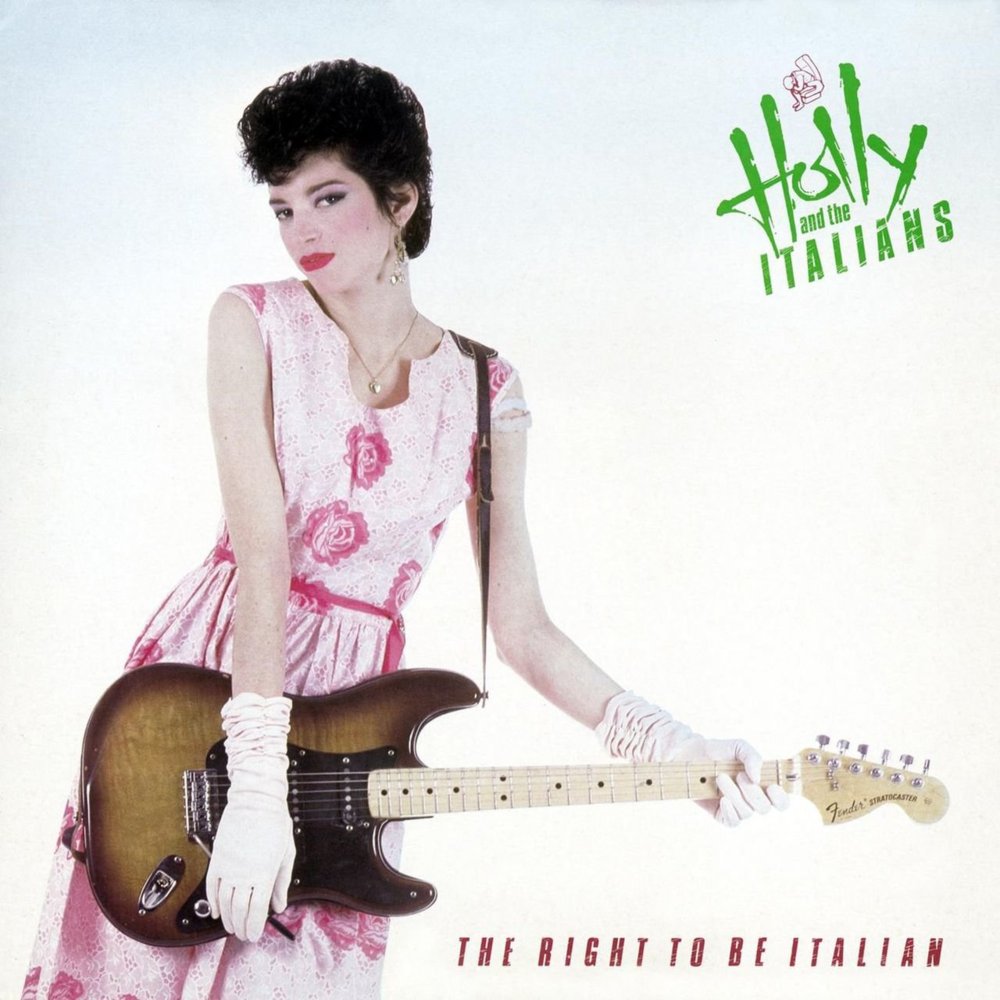
Holly and the Italians – Tell That Girl to Shut Up

Holly Beth Vincent was born in Chicago but grew up in Los Angeles. It was there she formed Holly and The Italians with drummer Steve Young in 1978. After movie to London they were discovered. While in London Holly began a romantic relationship with Mark Knopfler of Dire Straits. The relationship didn’t end well except that Knopfler wrote Romeo and Juliet are about their failed romance.

They added guitarist Colin White, and in November released this song as their debut single which landed them a deal with Virgin Records in 1980. The song didn’t chart but a few years later Transvision Vamp’s 1988 version of this song did get in the UK’s charts. Their album The Right to Be Italian recorded at Electric Ladyland was released in 1981. It didn’t chart but did get some MTV play. The album was panned at the time…but recently the album as been acclaimed as a pop punk masterpiece by critics.

The album was reissued in 2002 in the US by Wounded Bird Records with bonus tracks. The album peaked at #177 on the Billboard Album Charts.

By the end of 1981 the band broke up but Holly recorded a solo album called Holly and the Italians was released and it didn’t chart.

Holly started to write music for movies in the 80s and in 2003 returned to releasing solo albums.

Tell That Girl To Shut Up

Well you got that girl and she lives with you
And she does just want you want her to
And when I call you on the phone, she says you’re not there
But I know you’re home

You better tell that girl to shut up
Tell that girl I’m gonna beat her up
You better tell that girl, tell that girl, tell that girl

Well we used to be the best of friends
Now all that’s gonna have to end
But there’s just one thing that I can’t see
That’s she’s got got you hanging up on me yeah

You better tell that girl to shut up
Tell that girl I’m gonna beat her up
You better tell that girl, tell that girl, tell that girl

Well I’m better tonight and I’m awfully kind
It takes a lot for me to loose my mind
Don’t you know that I don’t care?
Maybe if I hit her, maybe if I pulled her hair
Oh oh yeah yeah yeah

Well, she likes to seem intellectual
And to be a musician she goes to school
And the way she acts is so uncool
I just can’t stand her

You better tell that girl to shut up
Tell that girl I’m gonna beat her up
You better tell that girl tell that girl, tell that girl

Ooh you better tell (you better tell that girl to shut up)
(Yeah you better) tell that girl I’m gonna beat her up
You better tell that girl tell that girl, tell that girl

Girl, girl, girl, girl, girl, girl
You better tell that girl
You better tell that girl to shut up
Tell that girl I’m gonna beat her up
You better tell that girl tell that girl, tell that girl

Twilight Zone – Once Upon A Time

★★★1/2  December 15, 1961 Season 3 Episode 13

If you want to see where we are…HERE is a list of the episodes.

This episode stars my favorite silent movie film maker and comedian Buster Keaton. It doesn’t rank as one of the best episodes but it has its moments. It’s a comedy time travel episode and when they are in 1892 it is a silent movie with subtitles…when they travel to 1962 it goes back to normal dialog. This episode will not be for everyone but a 66 year old Buster Keaton is worth it to me. The man was in great shape to do the things he did in this one. 

Buster Keaton’s popularity had been rising again since James Agee did an article in Life magazine in 1948 about the silent movie comedians Charles Chaplin, Buster Keaton, Harold Lloyd and Harry Langdon.

For me this one is a 5 star episode because of Buster Keaton alone. Him and Chaplin made the best silent comedy films of the twenties. 

It’s really interesting how Serling portrays the past and future. When someone from the past comes into the future…the noise is always noted…how noisy we are today comparted to the past. He did this in an earlier episode called Execution. 

According to Rod Serling’s promo in the previous episode, Richard Matheson wrote this script especially for Buster Keaton.

The old-fashioned clothes wringer that Buster Keaton is using to wash his pants in the beginning is the same kind of wringer that crushed his right forefinger when he was 3 years old. A curious little boy, he got his finger caught in the rollers and a doctor had to amputate it at the first knuckle. In this short, he gets the same finger caught in the wringer for laughs.

This marks the 78th episode overall…that means with this post/episode we are half the way through to 156…again I appreciate everyone who has been along for the ride. 

This show was written by Rod Serling and Richard Matheson

Rod Serling’s Opening Narration: 

Mr. Mulligan, a rather dour critic of his times, is shortly to discover the import of that old phrase, ‘Out of the frying pan, into the fire’—said fire burning brightly at all times—in The Twilight Zone.

Summary

In 1890, janitor Woodrow Mulligan uses his employers’ invention to transport himself to the future. He imagines an Eden but finds a polluted, busy world that he doesn’t find at all attractive. He meets Rollo who is also disgusted with the world he lives imagining life in the 1890s as idyllic. When Woodrow goes back to his own time Rollo goes with him but he is soon bored without any of the conveniences of modern life.

Rod Serling’s Closing Narration:

‘To each his own’—so goes another old phrase to which Mr. Woodrow Mulligan would heartily subscribe, for he has learned—definitely the hard way—that there’s much wisdom in a third old phrase, which goes as follows: ‘Stay in your own backyard.’ To which it might be added, ‘and, if possible, assist others to stay in theirs’—via, of course, The Twilight Zone.

CAST

Rod Serling… Narrator / Self – Host (uncredited)
Buster Keaton… Woodrow Mulligan
Stanley Adams… Rollo
James Flavin… 1962 Policeman
Gil Lamb… Officer Flannagan
Jesse White… Repair Man
Harry Fleer… 1962 Policeman #2 (uncredited)
Norman Papson… Trumpeter (uncredited)
Warren Parker… Clothes Store Manager (uncredited)
Milton Parsons… Prof. Gilbert (uncredited)
George E. Stone… Fenwick (uncredited)
Arthur Tovey… Sidewalk Onlooker (uncredited)

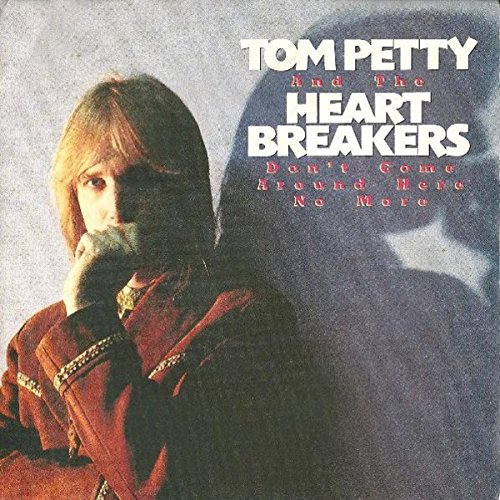
Tom Petty – Don’t Come Around Here No More

When I first heard this song in the 1980s…the instrument that stood out was the sitar. I’ve been in love with that instrument since I heard Norwegian Wood. I want one and if I find a cheap one I will get it. One strum and you are back in the sixties and it fit this song well…or this song fits the sitar.

Sitar - Wikipedia

After Tom Petty and the Heartbreakers toured in 1983, they took some time off, and Petty started working with Dave Stewart from the Eurythmics. This was the first song they wrote together, and the psychedelic sound was a big departure from Petty’s work with The Heartbreakers.

Petty released Southern Accents and it was going to be a double album produced by Stewart…but ended up being a Tom Petty and the Heartbreakers single album, with Jimmy Iovine producing some songs and Stewart producing others. Personally I never thought this song fit with most of the other songs but I liked the album all the same.

Even in the 80s I wasn’t in love with videos after a few years but…this one I loved. It remains one of my favorite music videos.

The song peaked at #13 in the Billboard 100, #20 in Canada, #50 in the UK, and #42 in New Zealand in 1985.

From Songfacts

Stewart tells the full glorious story in The Dave Stewart Songbook, but here are the highlights: Eurythmics had a huge hit with “Sweet Dreams (Are Made Of This)” and became a phenomenon in the United States. They played the Wiltern Theatre in Los Angeles, and Stewart met Stevie Nicks backstage after the show. She had broken up with Joe Walsh the day before, so she took Stewart home with her and they had a romantic encounter. The next morning, Stevie kicked him out, and Stewart flew to San Francisco for his next gig. After the show, he used a Portastudio to create a track using a drum machine, a synthesizer and a sitar. Reflecting on the last 24 hours, Stewart says: “I really liked Stevie and she seemed vulnerable and fragile when I was leaving that morning. I was thinking about that and the situation she was in and I started singing, ‘Don’t come around her no more.'”

A few days later Stewart was staying with producer Jimmy Iovine, who was working on Stevie’s Bella Donna album. Stewart played him his demo, and they started writing the song for Stevie. Stewart didn’t know that Nicks and Iovine were once a couple, and when she came over to record the song, tensions boiled over and she left in a huff. Iovine decided to give Tom Petty the song, and had him come by, where they finished it up. Petty and Nicks had worked with Iovine on the duet “Stop Draggin’ My Heart Around,” which went on Stevie’s album, so it was only fair that Petty got this one.

The video used an Alice In Wonderland theme, which was Stewart’s idea – it reflected how he felt coming to Los Angeles. It was directed by Jeff Stein, who used a black-and-white tiled background and oversized, elaborate costumes starring Tom Petty as the Mad Hatter. Stewart appears in the beginning of the video playing the sitar on a giant mushroom. At the end, the girl becomes a cake and is eaten by the band, something that caused enough of a stir that they created a version where she doesn’t get eaten. The video was a huge hit on MTV, helping introduce Petty to a younger audience and building anticipation for his next videos. (Read our interview with Dave Stewart.)

MTV ordered a shot of a grinning Petty while Alice gets served edited out of the video before they would air it. “They said it was just too lascivious,” he told Billboard. “They were like, ‘Well, you can do it, but you can’t enjoy it that much.'”

Louise “Wish” Foley plays Alice in the video. At the casting call, she was dressed demure, like Alice would, while the other girls auditioning (mostly models) were to the nines. Foley went on to land roles in the TV series Santa Barbara and Family.

Don’t Come Around Here No More

Don’t come around here no more
Whatever you’re looking for
Hey! don’t come around here no more

I’ve given up, I’ve given up
I’ve given up on waiting any longer
I’ve given up, on this love getting stronger

I don’t feel you any more
you darken my door
Whatever you’re looking for
Hey! don’t come around here no more

I’ve given up, I’ve given up
I’ve given up, you tangle my emotions
I’ve given up, honey please admit it is over

[Chorus]

Stop walking down my street
Who do you expect to meet?
Whatever you’re looking for
Hey! don’t come around here no more

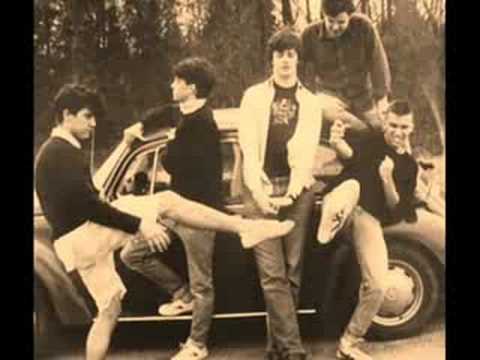
Squirrel Bait – Sun God…. 80’s Underground Mondays

I absolutely love this band’s sound…and you have to admit they were thinking outside of the box with the band name. 

They were originally known as Squirrelbait Youth, with David Grubbs on guitar and vocals, Clark Johnson, Ben Daughtrey and Brian McMahan joined on second guitar.

They were known as a pop punk band that came out in 1983 from Louisville, Kentucky. Squirrel Bait (I love typing that) opened for such bands as Hüsker Dü and Chicago-based bands Naked Raygun and Big Black, who recommended Squirrel Bait to their label, Homestead Records.

Through Homestead, Squirrel Bait released an eponymous EP in 1985, a single in 1986 and an LP in 1987, all of which were later compiled onto a single CD. The Squirrel Bait  record released in 1985 didn’t make any waves at first.. What helped them was Bob Mould from Husker Du and Evan Dando of the Lemonheads talking it up among others in the music press, people began to notice this band. 

The band broke up in 1987 and most of the members joined other bands and David Grubbs did the same and started to release solo albums as late as 2017. 

Sun God

I feel the power of the sun on my back
So good
That heat’s good
That light has a mind to take it away

Take it away…

Let something go
If it comes back it’s a good thing
A good life
A good feeling
But it has a mind to take it away

Take it away…
Take it away and it’s gone

I feel the power of the sun on my back
So good…that heat’s good
That light has a mind to take it away

Take it away…
Take it away and it’s gone

Twilight Zone – The Jungle

★★★★  December 01, 1961 Season 3 Episode 12

If you want to see where we are…HERE is a list of the episodes.

This episode is very eerie and suspenseful. It combines  environmentalism and a voodoo curse that reaches around the world from Africa to New York City. The character actor John Dehner plays Alan Richards who has come back from Africa, where he’s helped organize the construction of a dam. The dam will destroy homes and the land of the local tribes.

The local witch doctors put a curse on everyone connected with the dam project. Richard’s wife knew about the curse and collected items from Africa to protect them but Richards throws them away…calling her superstitious. This is not among the best episodes by any stretch of the imagination but is entertaining.

John Dehner was in about everything in the 60’s-90’s…he had 288 acting credits to his name.

From IMDB: Rod Serling personally shared Alan Richards’ disbelief in superstition and the supernatural. According to Reverend Ernest Pipes of the Unitarian Universalist Community Church, “Theologically speaking, Rod was what we call a naturalistic humanist, and that was the underlying philosophy of my pulpit.”

The original story by Charles Beaumont was first published in the December 1954 issue of the pulp magazine If: Worlds of Science Fiction.

This show was written by Charles Beaumont and Rod Serling

Rod Serling’s Opening Narration: 

The carcass of a goat, a dead finger, a few bits of broken glass and stone, and Mr. Alan Richards, a modern man of a modern age, hating with all his heart something in which he cannot believe and preparing – although he doesn’t know it – to take the longest walk of his life, right down to the center – of The Twilight Zone.

Summary

Alan Richards and his wife are back in New York after living in Africa where he was in charge of a major construction project. His wife was deeply affected after a local witch doctor placed a curse on them and has taken to keeping charms to ward off evil spirits. While Richards doesn’t discount the power of the witch doctor entirely, he dismisses her fears as unfounded. Having a drink in a bar one evening he finds that his wife left a protective amulet in his coat pocket. He leaves it on the bar when he leaves – and as a result has a dangerous and frightening walk home, only to find something there waiting for him.

The Full Version of the episode on Dailymotion

Rod Serling’s Closing Narration:

Some superstitions, kept alive by the long night of ignorance, have their own special power. You’ll hear of it through a jungle grapevine in a remote corner of the Twilight Zone.

CAST

Rod Serling…Narrator / Self – Host (uncredited)
John Dehner…Alan Richards
Walter Brooke…Chad Cooper
Jay Adler…Tramp
Emily McLaughlin…Doris Richards
Hugh Sanders…Templeton
Howard Wright…Hardy
Donald Foster…Sinclair
Jay Overholts…Taxi Driver
Zamba…Lion (uncredited)

Billy Rancher and The Unreal Gods – Uptown

This band had one of the most inspiring rises and the most devastating fall a band could have. They had the help of the biggest rock star in the 80s but that couldn’t stop what was coming. A truly sad story and a what might have been.

When Billy Rancher was a kid…he didn’t dream of rock stardom…it was baseball that he dreamed of. Billy’s father Joe was in the Dodgers minor league system. Billy was born in 1957 and he was an all-city shortstop at Madison High School and played ball for Mount Hood Community College on an athletic scholarship. His mom wanted Billy to finish his education, but his dad died in 1978, and Billy dropped out and concentrated on music.

He taught himself how to play guitar and started a band in Portland, the Malchicks, with his younger brother Lenny. That band soon broke up and Billy formed the Unreal Gods with Jon DuFresne, Bill Flaxel, Alf Rider, and Dave Stricker. The band was a hit in the Portland club scene…they even opened up for Peter Tosh at one point. At this time around 1981, Billy found out that he had cancer. He went to the hospital and he was cleared of cancer afterward.

The band raised some money and went to New York to record for Joe Delia, a session musician and independent producer.

They rehearsed at an auto-body shop, a favorite rehearsal spot for local bands. They noticed someone walking through…and that someone was Bruce Springsteen. Bruce helped to get the Unreal Gods into the Power Station…a famous studio…which was the place to record in the Big Apple. The Rolling Stones were putting down tracks there at the time.

Clive Davis, head of the Arista label, heard about this Portland band that had impressed Bruce Springsteen and hopped a flight to see them. Davis, caught an Unreal Gods show at the club Starry Night. He signed them the next day.

The label hired Men at Work producer Peter McIan to produce them. Right away the band were at odds with Mclan…he wanted to take their rawness away. Billy argued with him and the band agreed they would have found common ground but it was not meant to be. At this time Billy found out his cancer had come back. The label was sending the band to England to tour but that was put on hold…permanently

Billy fought the cancer and he was thought to be cleared but it then spread through his body. Billy Rancher died on December 2, 1986.  He played live up until before he died.

In 2019 an album named Upstroke Down was released and featured some of the songs they were working on for Arista and others that sat in the vaults…including Uptown.

Jon DuFresne: Stuff started showing up on YouTube, I’d think, Wow, that was me. There we all are. There’s Billy. Did that really happen?

https://www.oregonlive.com/history/2019/08/billy-rancher-and-the-unreal-gods-kings-of-downtown-portland-streaked-toward-1980s-rock-stardom-until-tragedy-struck.html

https://en.wikipedia.org/wiki/Billy_Rancher

Miracle Workers – You’ll Know Why

These garage bands were a breath of fresh air in the 80s. They sound like their 60’s predecessors but with an updated sound.

The Miracle Workers were formed in January 1982 in Chicago by Gerry Mohr, and Joel Barnett. The original guitarist and drummer left the band early on. Matt Rogers, a friend of Joel’s, became the guitarist. The band finally stabilized in 1984, with the addition of Dan Demiankow, and Gene Trautman.

They ended up recording 5 albums and 8 singles and EPs between 1984 and 1995. They play garage rock and fit with the  revival acts, such as The Chesterfield Kings and Lyres that I have covered.

They broke up in 1992 because of musical differences. The band came together back in Portland to record their last album “Anatomy of a Creep” and released it in 1995.

You Know Why

You thought you’d be back here but it’s not that
that it works for you, but you don’t know where it’s at
You’ll know why when you learn to cry
You can’t see through another’s eyes

Someday you’ll be hurt like others have been by you
Can you feel the pain inside when there’s nothing you can do
You’ll know why when you learn to cry
You can’t see through another’s eyes

You could be who you want to be if you change your state of mind
Look inside and you will find something you just can’t hide
You’ll know why when you learn to cry
You can’t see through another’s eyes

Twilight Zone – Still Valley

★★★1/2  November 24, 1961 Season 3 Episode 11

If you want to see where we are…HERE is a list of the episodes.

I’ve always liked The Devil and Daniel Webster… a deal with the devil that The Twilight Zone explored more successfully on other occasions. This one starts with lot of potential but the plot gets weak. It’s very well acted as always but an actor is as good as the writing. Gary Merrill plays Sgt. Joseph Paradine and his acting conveys the soldier’s weariness. Vaughn Taylor plays the crazy old demonic man Teague and he acts the part well.

I really liked this episode on first viewing but on repeated viewings it loses something. The best part of the episode is the moral conflict that Paradine has to decide on. Does defeating the Union in the Civil War worth what is asked of him? It’s far from the worst episode of the series and is worth a viewing.

Based on “The Valley Was Still” by Manly Wade Wellman, first published in the August 1939 issue of Weird Tales.

This show was written by Rod SerlingManly Wade Wellman

Rod Serling’s Opening Narration: 

The time is 1863, the place the state of Virginia. The event is a mass blood-letting known as the Civil War, a tragic moment in time when a nation was split into two fragments, each fragment deeming itself a nation.

After some dialogue between two characters, the narration continues:

This is Joseph Paradine, Confederate cavalry, as he heads down toward a small town in the middle of a valley. But very shortly, Joseph Paradine will make contact with the enemy. He will also make contact with an outpost not found on a military map—an outpost called the Twilight Zone.

Summary

Confederate Sergeant Joseph Paradine goes into the nearby town and finds that the Union forces there seem to be frozen in time. He learns from an old man that being a male witch he cast a spell on them using his book of magic. The old man sees the Yankees as invaders and is keen that the South win the war. Anticipating that he is going to die by sunset, he gladly gives his book of witchcraft to Paradine to support the cause. When he returns to camp, Paradine’s commanding officer is far more concerned about the battle they will enter into the next morning than about the book his Sergeant has in his possession.

FULL EPISODE AT DAILYMOTION

Rod Serling’s Closing Narration:

On the following morning, Sergeant Paradine and the rest of these men were moved up north to a little town in Pennsylvania, an obscure little place where a battle was brewing, a town called Gettysburg, and this one was fought without the help of the Devil. Small historical note not to be found in any known books, but part of the records in the Twilight Zone.

CAST

Rod Serling…Narrator / Self – Host (uncredited)
Gary Merrill…Sgt. Joseph Paradine
Vaughn Taylor…Teague
Mark Tapscott…Lieutenant
Jack Mann… Mallory
Ben Cooper… Dauger
Addison Myers…Sentry (uncredited)

Jayhawks – Big Star

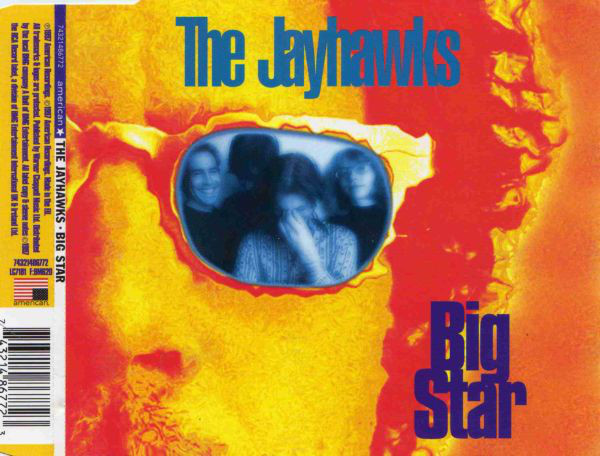
I love this band…it seems I have a fondness for bands that released good to great music but never could get over that hump to mass audiences. Maybe if they would have cleared that obstacle their music would have changed…but who knows… maybe it’s a part of their appeal.

This song comes out in 1997 and was on their Sound of Lies album. At first I thought it was about the Memphis band Big Star and it is kinda…and also about The Jayhawks and loving what you have now. The album peaked at #112 in the Billboard Album Chart and #61 in the UK.

They have a Kinks tie… They recently backed Ray Davies on his albums Americana and Our Country – Americana Act II. Their 2016 album Paging Mr. Proust was produced by Peter Buck of REM.

They formed in the mid-80s in the Twin Cities .

Gary Louris when asked if the song is about the band Big Star: “Not exactly. Maybe in the back of my mind.” “You could say it about the Velvet Underground or Big Star or The Jayhawks,” “world’s unluckiest bands. They should have been bigger. But everybody in the audience started a band. Everybody that saw them started a band. The old cliché. But it’s true.”

 “I have a lot of famous friends.” “about achieving a place that you thought you wanted to be and maybe it would make you happy. It’s a typical human response. If I get there, then I’m finally going to be happy. And in reality, you probably won’t be. You should just be happy with what you have.”

Big Star

I’m flat-busted
Wild-eyed and free
I couldn’t get arrested if I tried
A has-been at a mere thirty-five

Straight, honest, forthright and true
Great expectations for someone
Doesn’t anybody know how to have fun
But I’m

Gonna be a Big Star
I’m gonna be a Big Star someday

Grape’s bitter
I’m no quitter
Revolutions come one by one
Seems it’s high noon and I ain’t got no gun

But it’s so hard
So hard
So hard getting by

Gonna be a Big Star
I’m gonna be a Big Star someday

Fine bourbon, Cuban cigars
Rude remarks observed at the C.C. Bar
I’m perfecting the finest art of wasting hours
But I’m

Gonna be a Big Star
I’m gonna be a Big Star someday

I’m gonna be a Big Star
I’m gonna be a Big Star someday

Creedence Clearwater Revival – Someday Never Comes

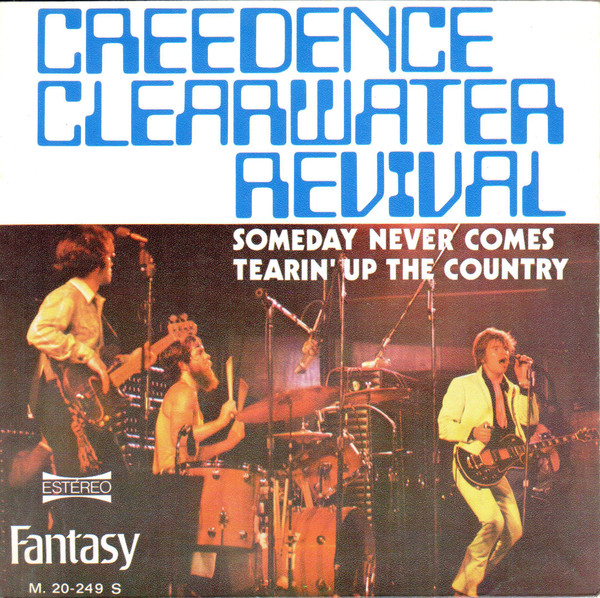
This one is a sad song. It reminds me a little of Cat’s in the Cradle…except more painful. This one was inspired by Fogerty’s parents getting a divorce when he was younger.

This song was on their last studio album Mardis Gras. To put it bluntly…a bad album. The only bad album in their original catalog. The band was coming apart at this time and John’s brother Tom had already quit after the last album. They made the album as a trio. John Fogerty, Stu Cook, and Doug Clifford. The others wanted to be able to have more of a say on the direction of the band.

John had heard this for a while so he basically told them…you two are responsible for a 1/3 of the album so go write. The other two were not ready for this as they had to write songs and sing also. The album was a disaster and was known as “Fogerty’s Revenge” and after the album they did a tour and the band was over after that.

The song peaked at #25 in the Billboard Album Charts and #29 in Canada in 1972. The album peaked at #11 in the Billboard 100 and #12 in Canada on the strength of Sweet Hitch Hiker and Someday Never Comes.

John Fogerty:

“Someday Never Comes” is simply a song about my parents undergoing a divorce when I was a child and me not knowing many things. When my dad left me, he told me to be a man and someday I would understand everything. Now, I’m here basically repeating the same thing really. I had a son in 1966 and I went away when he was five years old or so and again told him “someday” he would understand everything. Really, all kids ask questions like “Daddy, when are we going fishing?” and parents always answer with “someday”, but in reality someday never comes and kids never learn what they’re supposed to learn. – 
When I wrote this song, my life was pretty chaotic. I knew my marriage was going to break up. My band was falling apart. I was beginning to sense the darkness that was Fantasy Records. This song was inspired by my parents’ divorce when I was a young boy and the effect it had on me. At the time, they told me, “Someday, you’ll understand.” The truth of this is that you never do and I found myself facing this as a parent. The irony was painful and inescapable

Someday Never Comes

First thing I remember was asking papa, why,
For there were many things I didn’t know.
And daddy always smiled and took me by the hand,
Saying, someday you’ll understand.

Well, I’m here to tell you now, each and every mother’s son,
That you better learn it fast, you better learn it young,
‘Cause someday never comes.

Well, time and tears went by and I collected dust.
For there were many things I didn’t know.
When daddy went away, he said, try to be a man,
And someday you’ll understand.

Well, I’m here to tell you now, each and every mother’s son,
That you better learn it fast, you better learn it young,
‘Cause someday never comes.

And then one day in April, I wasn’t even there,
For there were many things I didn’t know.
A son was born to me. Mama held his hand,
Sayin’ someday you’ll understand.

Well, I’m here to tell you now, each and every mother’s son,
That you better learn it fast, you better learn it young,
‘Cause someday never comes
Ooo someday never comes.

Think it was September, the year I went away,
For there were many things I didn’t know.
And still I see him standing, tryin’ to be a man,
I said, someday you’ll understand.

Well, I’m here to tell you now, each and every mother’s son,
That you better learn it fast, you better learn it young,
‘Cause someday never comes
Ooo someday never comes.

Twilight Zone – The Midnight Sun

★★★★★  November 03, 1961 Season 3 Episode 10

If you want to see where we are…HERE is a list of the episodes.

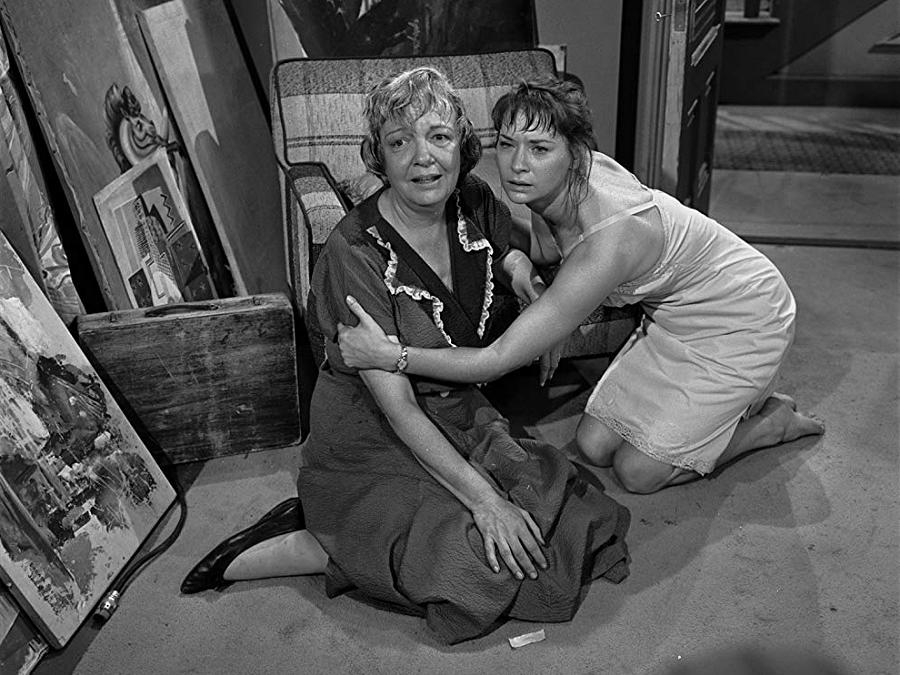
This is a great episode with a wonderful twist. The third season was uneven but it did have some remembered episodes. During the first season, Serling had explored the end of the world in Time Enough at Last. In The Midnight Sun he returned to that theme, but with mother nature as the culprit. Lois Nettleton plays Norma who is a painter living in an apartment and looking after her neighbor Mrs. Bronson as the earth is hurdling toward the sun.

The Twilight Zone can make you feel the discomfort of the characters more than most shows. In this one… extreme heat. The episode plays on our fears of the stability of our natural environment. Something we cannot control takes over and we are left for it… to decide our fate.

Tony Leader Director: In those days, they had no air conditioning on the set and we shot in summer, so it was hot enough to give you the initial feeling. I remember that there were a couple of scenes in which I asked the electrical grip to add heat, not so much heat that it would show on the film, but heat that we would feel on the set. It made us distinctly uncomfortable, but I think it helped us develop the feeling that we had of heat. I didn’t do that throughout, because its effect would have been lost eventually. We would have just been plain simply miserable and angry with each other for being involved in this thing.

To create the melting painting effect, the painting was reproduced in wax and mounted to a hotplate.

This show was written by Rod Serling

Rod Serling’s Opening Narration: 

The word that Mrs. Bronson is unable to put into the hot, still, sodden air is ‘doomed,’ because the people you’ve just seen have been handed a death sentence. One month ago, the Earth suddenly changed its elliptical orbit and in doing so began to follow a path which gradually, moment by moment, day by day, took it closer to the sun. And all of man’s little devices to stir up the air are now no longer luxuries—they happen to be pitiful and panicky keys to survival. The time is five minutes to twelve, midnight. There is no more darkness. The place is New York City and this is the eve of the end, because even at midnight it’s high noon, the hottest day in history, and you’re about to spend it in the Twilight Zone.

Summary

In a world that is getting ever nearer to the sun, people are trying to find ways to deal with the extreme heat. Most people have gone north with Norma and Mrs. Bronson the only two people left in their apartment building. There is little or no infrastructure remaining and water is one commodity that is very much in demand. They panic when an intruder breaks into Norma’s apartment and holds them, at least for a few moments, at gunpoint. All is not as it seems however.

Rod Serling’s Closing Narration:

The poles of fear, the extremes of how the Earth might conceivably be doomed. Minor exercise in the care and feeding of a nightmare, respectfully submitted by all the thermometer-watchers in the Twilight Zone.

CAST

Rod Serling…Narrator / Self – Host (uncredited)
Lois Nettleton…Norma
Betty Garde…Mrs. Bronson
Tom Reese…Intruder
Jason Wingreen…Mr. Shuster
Juney Ellis…Mrs. Shuster (as June Ellis)
William Keene…Doctor
Ned Glass…Fridge Repairman (uncredited)
John McLiam…Cop (uncredited)
Robert Stevenson…Radio Announcer (uncredited)

Otis Redding – Cigarettes And Coffee

Otis could sing soul, rock, R&B, and anything he wanted. The sound of his voice alternating between smooth and rough is breath taking.

The music isn’t bad either. Otis was backed by the great Stax house band Booker T and the MG’s.   Eddie Thomas, Jay Walker and Jerry Butler, a popular singer who had hits with “Make It Easy on Yourself” and “Are You Happy,” wrote this song but didn’t record it.

The song was on The Soul Album released in 1966. The song wasn’t released as a single but it’s one of my favorites by Otis. The album peaked at #54 in the Billboard Album Charts, #3 in the R&B Charts, and #22 in the UK.

Steve Cropper…guitarist for Booker T and The MG’s: The first time I heard him sing, he did “These Arms of Mine,” and the thing about Otis is, we had 17 hits in a row – R&B hits. Some of them went to #1, some of them didn’t, but they still generated income – that was good enough for us to do another record.

So, the hidden gem in his catalog, I’d have to really think about that. There’s so many, but there are two songs he did that I really loved. One was “A Change Is Gonna Come” and the other one is “Cigarettes and Coffee.” His version of “Shake” that we did – the Sam Cooke song – wow.

Otis sessions were a lot of fun. He was the only artist I remember recording at Stax that the band could not wait for him to come back. And they never did that with anybody – it was work, it was a job, and that’s what they did. We all had fun making music – we had a good time – but they could not wait for Otis to come back to record because we had so much fun.

Cigarettes And Coffee

It’s early in the morning
About a quarter till three
I’m sittin’ here talkin’ with my baby
Over cigarettes and coffee, now
And to tell you that
Darling I’ve been so satisfied
Honey since I met you
Baby since I met you, ooh

All the places that I’ve been around
And all the good looking girls I’ve met
They just don’t seem to fit in
Knowing this particularly sad, yeah

But it seemed so natural, darling
That you and I are here
Just talking over cigarettes and drinking coffee, ooh now

And whole my heart cries out
Love at last I’ve found you, ooh now
And honey won’t you let me
Just be my whole life around you
And while I complete, I complete my whole life would be, yeah
If you would take things under consideration
And walk down this hour with me
And I would love it, yeah

People I say it’s so early in the morning
Oh, it’s a quarter till three
We’re sittin’ here talkin’
Over cigarettes and drinking coffee, now, lord
And I’ll like to show you, well
I’ve known nothing but good old joy
Since I met you, darling
Honey since I’ve met you, baby yeah

I would love to have another drink of coffee, now
And please, darling, help me smoke this one more cigarette, now
I don’t want no cream and sugar
Cause I’ve got you, now darling
But just let me enjoy
Help me to enjoy
This good time that we’ll have, baby
It’s so early, so early in the morning
So early, so early in the morning
And I’ve got you
And you’ve got me
And we’ll have each other
And we don’t, we don’t want nothing but joy, y’all
Nothing but joy