This song’s harmonies are great and so is the incredibly treble solo in the middle. John wrote this song. John wrote this song after he spent all night trying to write a song. He eventually gave up and laid down and then the song came to him. The song peaked at #3 in the Billboard 100 in 1966.
John: “I’d spent five hours that morning trying to write a song that was meaningful and good, and I finally gave up and lay down. Then ‘Nowhere Man’ came, words and music, the whole damn thing, as I lay down…So letting it go is what the whole game is. You put your finger on it, it slips away, right? You know you turn the lights on and the cockroaches run away. You can never grasp them.”
The guitar solo was performed by both John and George in unison on their identical Sonic Blue Fender Stratocasters. George: “I decided I’d get a Strat, and John decided he’d get one too. So we sent out our roadie, Mal Evans, said go and get us two Strats. And he came back with two of them, pale blue ones. Straight away we used them on the album we were making at the time, which was ‘Rubber Soul.’ I played it a lot on that album, (most noticeably) the solo on ‘Nowhere Man’ which John and I both played in unison.”
The Beatles pushed the engineers to add treble to the solo that John and George were playing. Run it through and put the treble on it again and again. The Engineers said, “We can’t do that”…Paul told them that it was ok…if it is terrible we simply won’t use it…they kept on pushing and it worked perfectly. The engineers were also afraid of getting fined by EMI for doing things against regulations…with the Beatles though it soon became commonplace.
This shows how the Beatles were changing the rules as they were going along. Not only in writing superb songs but pushing the limits of the studio as well as doing things that pop stars just didn’t do before them…
From Songfacts
John Lennon came up with this after struggling to write a song for the album. Said Lennon: “I thought of myself sitting there, doing nothing and getting nowhere.”
This was used in the animated Beatles movie Yellow Submarine. They sing it to Jeremy Hillary Boob, Ph.D., who describes himself as an “eminent physicist, polyglot classicist, prize-winning botanist, hard-biting satirist, talented pianist, good dentist too.” The Beatles decide to take him Somewhere, and he eventually helps them to defeat the Blue Meanies. >>
This starts with a three-part harmony sung by Lennon, Harrison, and McCartney.
This is probably the first Beatles song that has nothing to do with love.
Typical of many John Lennon compositions are the “falling” melodies, which can be heard in “Nowhere Man.” Folk music often has falling melodies, indicating melancholy. In Baroque music, a falling melody means sadness.
There is a very audible feedback 38 seconds into the song after the word “missin’.”
Natalie Merchant performed this at the 2001 special, Come Together: A Night For John Lennon’s Words And Music. She did a mellow version, as the show was also a tribute to victims of the terrorist attacks on America.
In a 1971 interview with Rolling Stone, Lennon recalled the background to this song: “I remember I was just going through this paranoia trying to write something and nothing would come out so I just lay down and tried to not write and then this came out, the whole thing came out in one gulp.”
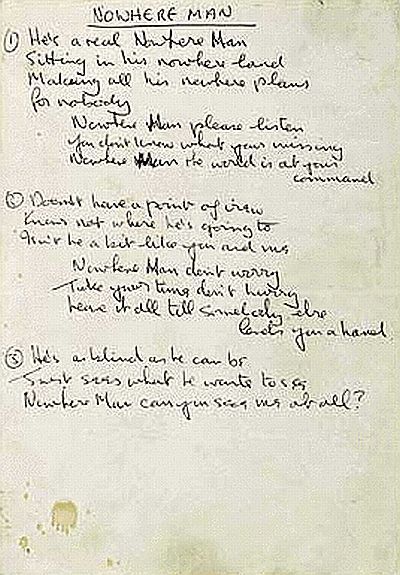
In 2003, John Lennon’s original handwritten lyrics to this song were auctioned at Christie’s of New York for $455,500.
One of the many songwriters influenced by The Beatles is Graham Gouldman of 10cc, who toured with Ringo’s All-Starr Band in 2018. According to Gouldman, this song is an example of how they would create a two-part harmony, but leave out third part, which is implied. “That’s screaming out for the third harmony, but they never did it,” he told Songfacts. “And in your head, you sing along, if you’re musical, the third harmony.”
Nowhere Man
He’s a real nowhere man Sitting in his nowhere land Making all his nowhere plans for nobody
Doesn’t have a point of view Knows not where he’s going to Isn’t he a bit like you and me? Nowhere man please listen You don’t know what you’re missing Nowhere man, The world is at your command
He’s as blind as he can be Just sees what he wants to see Nowhere man, can you see me at all Nowhere man don’t worry Take your time, don’t hurry Leave it all till somebody else Lends you a hand Ah, la, la, la, la
Doesn’t have a point of view Knows not where he’s going to Isn’t he a bit like you and me? Nowhere man please listen You don’t know what you’re missing Nowhere man, The world is at your command Ah, la, la, la, la
He’s a real nowhere man Sitting in his nowhere land Making all his nowhere plans for nobody Making all his nowhere plans for nobody Making all his nowhere plans for nobody
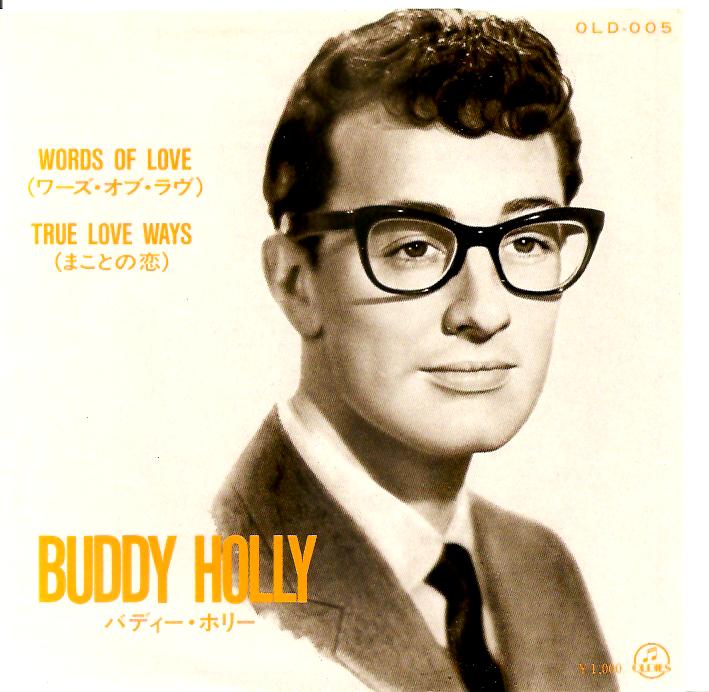
Buddy recorded and released this song in 1957. This was not one of Buddy’s biggest hits but a good song all the same. It was recorded on April 8th, 1957 and included a revolutionary gimmick for its time. He recorded his vocals twice and combined the results, thereby harmonizing with himself in the fashion of The Everly Brothers. This was one of the first released pop record to feature vocal overdubbing.
Canadian quartet The Diamonds as a successful follow-up to their #2 hit “Little Darlin’.” Their version of “Words Of Love” peaked at #13 in July of 1957.
I first heard this song by The Beatles. They had covered the song live between 1958-1962 and decided to record it for the Beatles for Sale album in 1964.
Paul McCartney about writing their own songs. “People these days take it for granted that you do, but nobody used to then. John and I started to write because of Buddy Holly. It was like, ‘Wow! He writes and is a musician.'” Paul McCartney purchased the publishing rights to Buddy Holly’s catalog in 1976.
John Lennon on Buddy Holly: “Buddy Holly was great and he wore glasses, which I liked,” “Buddy Holly was the first one that we were really aware of in England who could play and sing at the same time – not just strum, but actually play the licks.”
Words of Love
Hold me close and tell me how you feel Tell me love is real Words of love you whisper soft and true Darling I love you
Let me hear you say the words I long to hear Darling when you’re near Words of love you whisper soft and true Darling I love you
I did Part 1 over a year ago and it was a fun post. I’ve been meaning to do this again. I remembered some of the lyrics suggested by my friends hanspostcard and allthingsthriller on the last post…I have added those to list. Thanks to both of you.
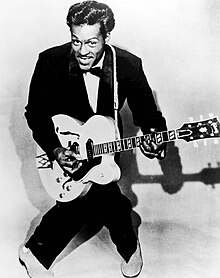
I saw her from the corner when she turned and doubled back, And started walkin toward a coffee colored Cadillac… Chuck Berry
Freedom’s just another word for nothin’ left to lose, And nothin’ ain’t worth nothin’ but it’s free… Janis Joplin/Kris Kristofferson
And I need you more than want you, And I want you for all time… Jimmy Webb
Doesn’t have a point of view / Knows not where he’s going to / Isn’t he a bit like you and me…The Beatles
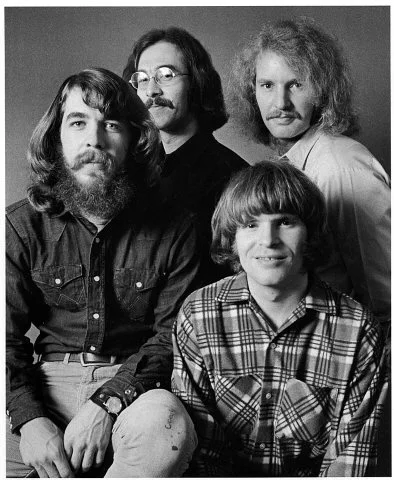
Met myself a coming county welfare line,I was feeling strung out, Hung out on the line…Creedence Clearwater Revival
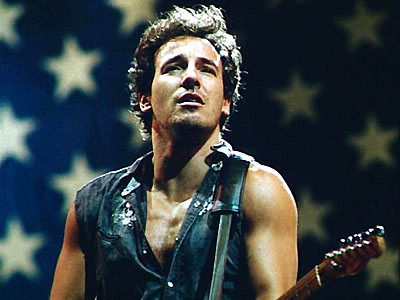
And you’ve got to learn to live with what you can’t rise above…Bruce Springsteen
He’d end up blowing all his wages for the week / All for a cuddle and a peck on the cheek…Kinks
Well it’s too late, tonight, To drag the past out into the light, We’re one, but we’re not the same, We get to carry each other, Carry each other…U2
You can blow out a candle but you can’t blow out a fire…Peter Gabriel
Living is easy with eyes closed,misunderstanding all you see…The Beatles
Where you drink champagne and it tastes just like cherry cola, C-O-L-A Cola…Kinks
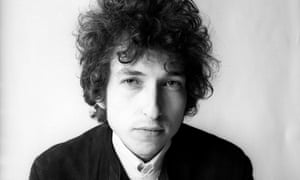
It was gravity which pulled us down and destiny which broke us apart…Bob Dylan
A drunkard’s dream if I ever did see one… The Band
And the sign said, The words of the prophets, are written on the subway walls, and tenement halls… Simon and Garfunkel
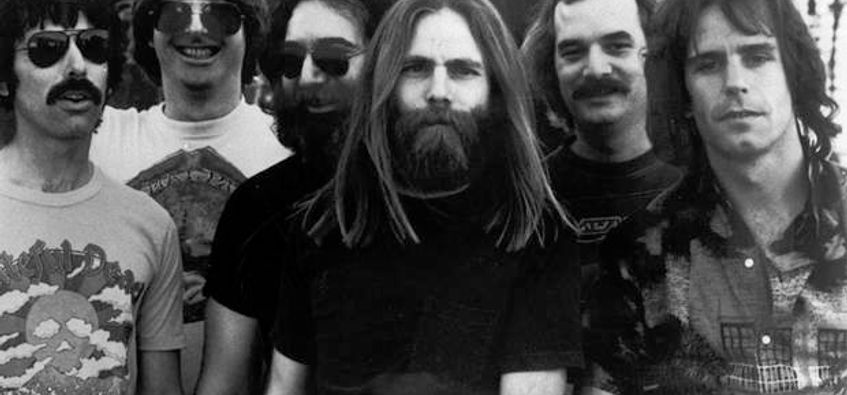
I lit up from Reno, I was trailed by twenty hounds, Didn’t get to sleep that night Till the morning came around…Grateful Dead
When I said that I was lying, I might have been lying…Elvis Costello
Though nothing will keep us together/We can be heroes/Just for one day…David Bowie
Lose your dreams and you. Will lose your mind…Rolling Stones
It’s a town full of losers, I’m pulling out of here to win…Bruce Springsteen
The motor cooled down, the heat went down, and that’s when I heard that highway sound…Chuck Berry
We were the first band to vomit at the bar, and find the distance to the stage too far…The Who
When asked what my favorite Beatle song is…It usually depends on what Beatle mood I’m in…early, middle or late…but this one is always near the top.
The beginning of this song was based on two stories John Lennon read about in the Daily Mail newspaper. Guinness heir Tara Browne dying when he smashed his Lotus into a parked van, and an article in the UK Daily Express in early 1967 which told of how the Blackburn Roads Surveyor had counted 4000 holes in the roads of Blackburn and commented that the volume of material needed to fill them in was enough to fill the Albert Hall.
McCartney contributed the line “I’d love to turn you on.” This was a drug reference, but the BBC banned it because of another section, which they assumed was about marijuana…that guaranteed it would be huge.
George Martin once said he got chills listening to John’s voice in this song. I can relate to that.
A 41-piece orchestra played on this song. The musicians were told to attend the session dressed formally. When they got there, they were presented with party novelties (false noses, party hats, gorilla-paw glove) to wear, which made it clear this was not going to be a typical session. The orchestra was conducted by Paul McCartney, who told them to start with the lowest note of their instruments and gradually play to the highest. >>
This was recorded in three sessions: First the basic track, then the orchestra, then the last note was dubbed in.
Regarding the article about Tara Browne, John Lennon stated: “I didn’t copy the accident. Tara didn’t blow his mind out. But it was in my mind when I was writing that verse.” At the time, Paul didn’t realize the reference was to Tara. He thought it was about a “stoned politician.” The article regarding the “4000 holes in Blackburn, Lancashire” was taken from the UK Daily Express, January 17, 1967 in a column called “Far And Near.”
John’s friend Terry Doran was the one who completed John’s line, “Now they know how many holes it takes to fill…” Terry told him “fill the Albert Hall, John.”
The ban was finally lifted when author David Storey picked it as one of his Desert Island Discs.
Speaking with GQ in 2018, Paul McCartney explained this song’s origin story: “‘A Day In The Life’ was a song that John had started. He had the first verse, and this often happened: one of us would have a little bit of an idea and instead of sitting down and sweating it, we’d just bring it to the other one and kind of finish it together, because you could ping-pong – you’d get an idea. So he had the first verse: ‘I read the news today oh boy,’ and we sat in my music room in London and just started playing around with it, got a second verse, and then we got to what was going to lead into the middle. We kind of looked at each other and knew we were being a little bit edgy where we ‘I’d love to turn you on.’ We knew that would have an effect.
It worked. And then we put on another section I had: ‘Woke up, fell out of bed, dragged a comb across my head.’ Then we finished the song up and did a big sort of epic recording of it with a big full orchestra and everything. And then did that crescendo thing in the middle of it with the orchestra, which was an idea I’d had because I’d been talking to people and reading about avant-garde music, tonal stuff and crazy ideas. I came up with this idea. I said to the orchestra, ‘You should start, all of you.’ And they sat all looking at me puzzled. We’ve got a real symphony orchestra in London who are used to playing Beethoven, and here’s me, this crazy guy out of a group and I’m saying, ‘Everyone start on the lowest note your instrument can play and work your way up to the highest at your own pace.’ That was too puzzling for them, and orchestras don’t like that kind of thing. They like it written down and they like to know exactly what they’re supposed to do. So George Martin, the producer, said to the people, ‘You should leave this note and this point in the song, and then you should go to this note and this note,’ and he left the random thing, so that’s why it sounds like a chaotic sort of swirl. That was an idea based on the avant-garde stuff I was into at the time.”
The final chord was produced by all four Beatles and George Martin banging on three pianos simultaneously. As the sound diminished, the engineer boosted to faders. The resulting note lasts 42 seconds; the studio air conditioners can be heard toward the end as the faders were pushed to the limit to record it.
The rising orchestra-glissando and the thundering sound are reminiscent of “Entry of the Gods into Valhalla” from Richard Wagner’s opera “Das Rheingold,” where after the rising glissando, Thor beats with his hammer. George Martin said in his 1979 book All You Need is Ears that the glissando was Lennon’s idea. After Lennon’s death, Martin seems to have changed his mind. In his 1995 book Summer of Love: The Making of Sgt. Pepper, he states that the rising orchestra-glissando was McCartney’s idea. >>
This being the last song on the album, The Beatles found an interesting way to close it out. After the final note, Lennon had producer George Martin dub in a high pitched tone, which most humans can’t hear, but drives dogs crazy. This was followed by a loop of incomprehensible studio noise, along with Paul McCartney saying, “Never could see any other way,” all spliced together. It was put there so vinyl copies would play this continuously in the run-out groove, sounding like something went horribly wrong with the record. Another good reason to own vinyl.
In 2004, McCartney did an interview with the Daily Mirror newspaper where he said he was doing cocaine around this time along with marijuana. “I’d been introduced to it, and at first it seemed OK, like anything that’s new and stimulating,” he said. “When you start working your way through it, you start thinking, ‘This is not so cool and idea,’ especially when you start getting those terrible comedowns.”
The movie reference in the lyrics (“I saw a film today, oh boy. The English Army had just won the war”) is to a film John Lennon acted in called How I Won The War.
McCartney’s middle section (woke up, got out of bed…) was intended for another song.
The Beatles started this with the working title “In The Life of…”
This is a rare Beatles song with a title that is not part of the lyrics. Another one is “Yer Blues.”
That’s Mal Evans doing the counting during the first transition from John to Paul. He set the alarm clock (heard on the recording) to go off at the end of his 24-bar count. Evans also helped with the composition of a couple of songs on the Sgt. Pepper album. Although he never received composer’s credit, the Beatles did pay his estate a lump sum in the 1990s for his contributions. Evans died January 5, 1976 after a misunderstanding with the police.
George Martin (from Q Magazine, July 2007): “John’s voice – which he hated – was the kind of thing that would send shivers down your spine. If you hear those opening chords with the guitar and piano, and then his voice comes in, ‘I heard the news today, oh boy’ It’s just so evocative of that time. He always played his songs to me on the guitar and I would sit on a stool as he strummed. The orchestral section was Paul’s idea. We put two pieces of songs together that weren’t connected in any way. Then we had that 24-bars-of-nothing in between. I had to write a score, but in the climax, I gave each instrument different little waypoints at each bar, so they would know roughly where they should be when they were sliding up. Just so they didn’t reach the climax too quickly. With ‘A Day In The Life,’ I wondered whether we were losing our audience and I was scared. But I stopped being scared when I played it to the head of Capitol Records in America and he was gob smacked. He said, That’s fantastic. And of course, it was.”
In the original take, the 41-piece orchestra was not used. Instead, Lennon had roadie Mal Evans count to 21 in a very trippy manner and set off an alarm clock after the 21 counts. This version is on the second Anthology CD, and is very different than the one on Sgt. Pepper.
David Crosby was at Abbey Road studios when The Beatles were recording this. In an interview with Filter magazine, he said: “I was, as near as I know, the first human being besides them and George Martin and the engineers to hear ‘A Day In The Life.’ I was high as a kite – so high I was hunting geese with a rake. They sat me down; they had huge speakers like coffins with wheels on that they rolled up on either side of the stool. By the time it got the end of that piano chord, man my brains were on the floor.”
The orchestral bit was used in the Yellow Submarine movie. Photos of different geographical areas were shown as The Beatles were apparently traveling in the submarine to try and find Pepperland.
When asked by Rolling Stone magazine what songs of his dad’s constantly surprise him, Sean Lennon said: “I’ve listened so much to that stuff that there are very few surprises. But I do think ‘A Day In The Life’ is always inspiring.”
The American rock band Hawthorne Heights originally named themselves A Day in the Life after this song. In 2003, lead vocalist/rhythm guitarist JT Woodruff changed it to their current name.
On June 18, 2010 John Lennon’s handwritten lyric sheet for this song featuring corrections and alternate crossed-out lines was auctioned at New York Sotheby’s. It was sold for $1.2 million to an anonymous American buyer.
This was rated the greatest ever Beatles song in a special collector’s edition issue by The Beatles: 100 Greatest Songs. The list was compiled to coincide with the 40th anniversary of the Fab Four’s final studio album, Let It Be.
There is term for the techniques The Beatles used in arranging the final chords of this song: Deceptive Cadence. Glen Burtnik, who was a member of Styx and was also in a popular Beatles tribute band, told us: “It’s an instance where the listener assumes the next chord, or melody note, will go somewhere it doesn’t. Even though all the indications lead you to expecting a certain outcome, the writer/arranger intentionally surprises you by going someplace else musically. Not sure it’s simple to understand, as you’re conditioned to being used to the outcome.”
Peter Asher, who worked for The Beatles at Apple Records and produced the biggest hits of James Taylor and Linda Ronstadt, considers this the greatest Beatles song from a production standpoint. “‘A Day In The Life’ certainly combined Beatle ideas and George Martin ideas very effectively,” he told Songfacts.
Keith Richards named his second son Tara after Tara Brown, the Guinness heir who smashes his car in Lennon’s first verse. Richard’s son was premature and died soon after birth.
A Day In The Life
I read the news today oh boy About a lucky man who made the grade And though the news was rather sad Well I just had to laugh
I saw the photograph He blew his mind out in a car He didn’t notice that the lights had changed A crowd of people stood and stared They’d seen his face before Nobody was really sure If he was from the House of Lords
I saw a film today oh boy The English army had just won the war A crowd of people turned away But I just had to look Having read the book I’d love to turn you on
Woke up, fell out of bed Dragged a comb across my head Found my way downstairs and drank a cup And looking up I noticed I was late Found my coat and grabbed my hat Made the bus in seconds flat Found my way upstairs and had a smoke Somebody spoke and I went into a dream
I read the news today oh boy Four thousand holes in Blackburn, Lancashire And though the holes were rather small They had to count them all Now they know how many holes it takes to fill the Albert Hall I’d love to turn you on
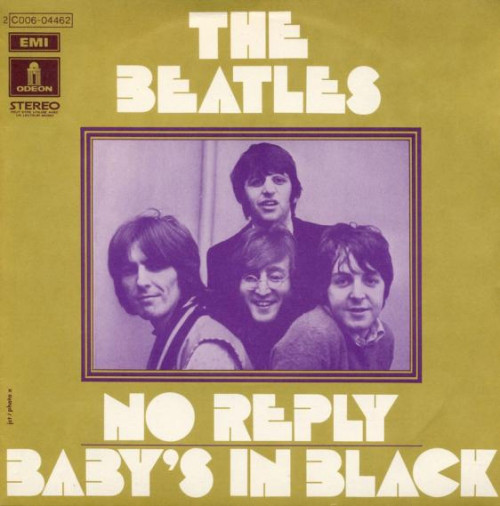
This song was written by John and Paul together. Baby’s In Black sounded different than most of their other songs at the time. The song was in 6/8 time similar to a Waltz and most Beatle songs to that point were in 4/4 time. The song was on the Beatles for Sale album. The album peaked at #1 in the UK and was taken apart for the American market with 8 of the 14 tracks released on Beatles 65 which peaked at #1 in 1965.
The song took a different approach. Baby’s In Black is about a man who is pursuing a woman, but the woman doesn’t return the interest because she is still in mourning for her previous lover, and the reason she always dresses in black.
I’ve always liked the song because it mixes different musical styles into one. The subject matter is also not a typical boy and girl love song.
Paul McCartney: “We got more and more free to get into ourselves,” McCartney remembers. “Our student selves rather than ‘we must please the girls and make money,’ which is all that ‘From Me To You,’ ‘Thank You Girl,’ P.S. I Love You’ is about…We wanted to write something a little bit darker, bluesy, the title’s dark anyway…more grown up rather than just straight pop. It was more ‘baby’s in black’ as in mourning. Our favorite color was black, as well.”
The depressing subject matter is hidden by the upbeat music.
There is speculation that the song was written about mourning the loss of Stuart Sutcliffe after he died of a sudden brain hemorrhage. The song was a 50/50 effort by both Lennon and McCartney but started by Lennon as a response to his own mourning process (which he never really got over). The “baby in black” would be photographer Astrid Kirchherr, who dated Sutcliffe before he died.
This is one of several Beatles songs with a dual melody line – “If I Fell” is another. McCartney and Lennon sang into the same microphone, making it hard to distinguish which is the main melody line. Sheet music of the song usually displays both.
This was the first 50/50 Lennon/McCartney song written since “I Want To Hold Your Hand” a year earlier. They wrote it together sitting practically nose to nose at John’s Kenwood Estate.
Baby’s In Black
Oh dear, what can I do? Baby’s in black And I’m feeling blue Tell me, oh what can I do? She thinks of him And so she dresses in black And though he’ll never come back She’s dressed in black
Oh dear, what can I do? Baby’s in black And I’m feeling blue Tell me, oh what can I do? I think of her But she thinks only of him And though it’s only a whim She thinks of him
Oh how long will it take Till she sees the mistake She has made? Dear what can I do? Baby’s in black And I’m feeling blue Tell me, oh what can I do?
Frank didn’t get played on commercial radio often. This is one of the few tracks that did get some airplay. The album peaked at #27 in the Billboard 100 in 1979.
I’m not familiar with a lot of Zappa’s catalog. The first song I remember liking by him was Catholic Girls off of this album. A friend of mine heavily into Zappa played me this concept album. The triple album came out as a double album and then a single album.
It’s pretty easy to see why it didn’t get radio play as the lyrics were full of profanity. The music is great… Zappa was one of the best guitarists around as well as a great all-around musician and songwriter.
From Songfacts about the album.
Running to 6 minutes 10 seconds, the title track of this triple concept album was obviously written from the heart, even though it is one of the few such songs which does not resort to out and out profanity. The song itself is fairly straightforward, but the uptempo music is both entertaining and witty. At the end, Joe is arrested for the crime of playing music. Zappa never got much airplay, but the few stations that played him often had this song in rotation.
Joe’s Garage is a popular name for real garages, though it remains to be seen if this is out of homage to Zappa or due to a lot of mechanics being Christened Joe!
In the liner notes to the album, Zappa makes a barely-passing reference to music being censored in Iran, which led some folks to believe the song was inspired by the Iran Hostage Crisis, but the American hostages weren’t taken until months after the album was released.
Zappa was an extremely outspoken enemy of religion, government, commercialism, and just about anything else, so this song and album are right in character. Joe’s Garage has parodies of a broad range of subjects – there’s “L. Ron Hoover” and the “First Church of Appliantology,” the Roman Catholic and Christian churches, lots of references to kinky sex (he also mocked that a lot), the “Central Scrutinizer” is kind of like Orwell’s Big Brother – referencing government censorship, making fun of “dope and LSD” and snorting lines of detergent, the music industry in general… you get the picture.
The ban-on-music thing in the story stems from the government’s “Total Criminalization” policy, where this new philosophy passes the legislation that states that “all humans are inherently criminals” and it’s the government’s job to keep making up laws to give them an excuse to throw everybody in jail.
Bottom line: You can’t narrow the theme of the album down to one thing. If anything, it was more Zappa’s general mockery of the whole capitalist-industrial military-religion complex, and mentioning Iran was just his way of saying “Look what could happen here! It happened there, after all.” Seeing as how this came out before the PMRC targeted Zappa for obscenity in lyrics which led to parental advisory stickers on the album, that kind of makes him a prophet.
Joe’s Garage
A boring old garage in a residential area with a teen-age band rehearsing in it. JOE (the main character in the CENTRAL SCRUTINIZER’S Special Presentation) sings to us of the trials and tribulations of garage-band husbandry.
Central Scrutinizer: We take you now, to a garage, in Canoga Park.
Frank Zappa: (It makes it’s own sauce…)
Joe: It wasn’t very large There was just enough room to cram the drums In the corner over by the Dodge It was a fifty-four With a mashed up door And a cheesy little amp With a sign on the front said “Fender Champ” And a second hand guitar It was a Stratocaster with a whammy bar
At this point, LARRY (a guy who will eventually give up music and earn a respectable living as a roadie for a group called Toad-O) joins in the song…
Larry: We could jam in Joe’s Garage His mama was screamin’ His dad was mad We was playin’ the same old song In the afternoon ‘n’ sometimes we would Play it all night long It was all we knew, ‘n’ easy too So we wouldn’t get it wrong All we did was bend the string like… Hey! Down in Joe’s Garage We didn’t have no dope or LSD But a coupla quartsa beer Would fix it so the intonation Would not offend yer ear And the same old chords goin’ over ‘n’ over Became a symphony We would play it again ‘n’ again ‘n’ again ‘Cause it sounded good to me ONE MORE TIME! We could jam in Joe’s Garage His mama was screamin’, “TURN IT DOWN!” We was playing’ the same old song In the afternoon ‘n’ sometimes we would Play it all night long It was all we knew, and easy too So we wouldn’t get it wrong Even if you played it on a saxophone We thought we was pretty good We talked about keepin’ the band together ‘N’ we figured that we should ‘Cause about this time we was gettin’ the eye From the girls in the neighborhood They’d all come over ‘n’ dance around like…
Twenty teen-age girls dash in and go STOMP-CLAP, STOMP-CLAP-CLAP…
So we picked out a stupid name Had some cards printed up for a coupla bucks ‘N’ we was on our way to fame Got matching suits ‘N’ Beatle Boots ‘N’ a sign on the back of the car ‘N’ we was ready to work in a GO-GO Bar
ONE TWO THREE FOUR LET’S SEE IF YOU GOT SOME MORE!
People seemed to like our song They got up ‘n’ danced ‘n’ made a lotta noise An’ it wasn’t ‘fore very long A guy from a company we can’t name Said we oughta take his pen ‘N’ sign on the line for a real good time But he didn’t tell us when These “good times” would be somethin’ That was really happenin’ So the band broke up An’ it looks like We will never play again…
Joe: Guess you only get one chance in life To play a song that goes like…
(And, as the band plays their little song, MRS. BORG (who keeps her son SY, in the closet with the vacuum cleaner) screams out the window…
Mrs. Borg: Turn it down! Turn it DOWN! I have children sleeping here… Don’t you boys know any nice songs?
Joe: (Speculating on the future) Well the years was rollin’ by, yeah Heavy Metal ‘n’ Glitter Rock Had caught the public eye, yeah Snotty boys with lipstick on Was really flyin’ high, yeah ‘N’ then they got that Disco thing ‘N’ New Wave came along ‘N’ all of a sudden I thought the time Had come for that old song We used to play in “Joe’s Garage” And if I am not wrong You will soon be dancin’ to…
Central Scrutinizer: The WHITE ZONE is for loading and unloading only. If you gotta load or unload, go to the WHITE ZONE. You’ll love it…
Joe: Well the years was rollin’ by (etc.)…
Mrs. Borg: I’m calling THE POLICE! I did it! They’ll be here… shortly!
Officer Butzis: This is the Police…
Mrs. Borg: I’m not joking around anymore
Officer Butzis: We have the garage surrounded If you give yourself up We will not harm you Or hurt you neither
Mrs. Borg: You’ll see them
Officer Butzis: This is the Police
Mrs. Borg: There they are, they’re coming!
Officer Butzis: Give yourself up We will not harm you
Mrs. Borg: Listen to that mess, would you?
Officer Butzis: This is the Police Give yourself up We have the garage surrounded
Mrs. Borg: Everday this goes on around here!
Officer Butzis: We will not harm you, or maim you (SWAT Team 4, move in!)
Mrs. Borg: He used cut my grass… He was very nice boy… That’s DISGUSTING!
Central Scrutinizer: This is the CENTRAL SCRUTINIZER… That was Joe’s first confrontation with The Law. Naturally, we were easy on him. One of our friendly counselors gave him A do-nut… and told him to Stick closer to church-oriented social activities.
In a hand painted night, me and Gypsy Scotty are partners, At the Hotel Flamingo, wearin black market shoes, This loud Cuban band is crucifying John Lennon
This song was released in 1996 and it came off the album Mr. Happy Go Lucky. The song peaked at #14 in the Billboard 100, #1 in Canada and #83 in the UK in 1996. It’s a very good pop song and Key West Intermezzo (I Saw You First), which was Mellencamp’s last US top 40 hit.
John Mellencamp and Cougar had 29 songs in the Billboard 100, 10 top ten hits and one number 1 (Jack and Diane). He released this two years after his minor heart attack in 1994. I’ve always liked this song…catchy riff and a good pop hook.
Key West Intermezzo (I Saw You First)
In a hand painted night, me and Gypsy Scotty are partners At the Hotel Flamingo, wearin black market shoes This loud Cuban band is crucifying John Lennon No one wants to be lonely, no one wants to sing the blues
She’s perched like a parrot on his tuxedo shoulder Christ, what’s she doing with him she could be dancing with me She stirs the ice in her glass with her elegant finger I want to be what she’s drinking, yeah I just want to be
I saw you first I’m the first one tonight I saw you first Don’t that give me the right To move around in your heart Everyone was lookin But I saw you first
On a moon spattered road in her parrot rebozo Gypsy Scotty is driving his big long yellow car She flies like a bird over his shoulder Se whispers in his ear, boy, you are my star
But I saw you first I’m the first one tonight Yes I saw you first Don’t that give me the right To move around in your heart Everyone was lookin’
In the bone colored dawn, me and Gypsy Scotty are singin’ The radio is playin, she left her shoes out in the back He tells me a story about some girl he knows in Kentucky He just made that story up, there ain’t no girl like that
But I saw you first I’m the first one tonight Yes I saw you first Don’t that give me the right To move around in your heart Everyone was lookin But I saw you first I saw you first
Will you remember Jerry Lee, John Lennon, T. Rex and old Moulty? It’s the end, the end of the seventies, It’s the end, the end of the century
Phil Spector produced the End of the Century album. This track was fitting, as Spector worked on a lot of the music that influenced The Ramones. Spector changed their sound to a more radio-friendly pop/rock record.
The voice that opens this song with the words, “Come on, let’s rock and roll with the Ramones” is Sean Donahue, a disc jockey who worked at radio stations in San Francisco (KSAN) and San Jose (KOME, KSJP).
The album peaked at #44 in the Billboard 100 in 1980. Different band members had problems with Spector. The Ramones worked fast live and in the studio but Spector was methodical about his work.
Dee Dee Ramone on Phil Spector:
He levelled his gun at my heart and then motioned for me and the rest of the band to get back in the piano room … He only holstered his pistol when he felt secure that his bodyguards could take over. Then he sat down at his black concert piano and made us listen to him play and sing “Baby, I Love You” until well after 4:30 in the morning.
Marky Ramone denied this…
From Songfacts
This song is a tribute to the music of the ’50s and ’60 that influenced The Ramones. Here’s a breakdown of the lyrical references:
“Hullabaloo” – A UK TV show featuring music and dancing that aired 1965-1966.
“Upbeat” – The Upbeat Show, which was a Cleveland TV show (also with music and dancing) that aired 1964-1971.
“Shindig” – The first prime time Rock music show, many top acts performed on the program. It aired 1964-1966.
“Ed Sullivan” – Host of The Ed Sullivan Show, a popular variety show that lasted more than 20 years. Many famous musicians appeared on the show, including The Beatles, The Doors and The Rolling Stones.
“Murray The K” – Murray “The K” Kaufman, a legendary disc jockey who helped promote rock n’ roll in the States on his radio show and through concerts he helped organize. He championed The Beatles, The Rolling Stones and Bob Dylan.
“Alan Freed” – Another very influential disc jockey, Freed is credited with coining the term “Rock And Roll.”
“Jerry Lee” – Jerry Lee Lewis was a rock originator known for his electrifying performances.
“John Lennon” – Most punk bands wouldn’t claim Lennon and The Beatles as an influence, but The Ramones were a nuanced group that shared an appreciation of his work.
“T. Rex” – Glam Rock originators known for their outrageous costumes and stage presence.
“Ol’ Moulty” – Victor Moulton, who was the drummer in a group called The Barbarians.
Under Spector’s control, he took The Ramones in a new direction, giving the songs on the album a pop sheen and radio-friendly sound. There is a prominent saxophone on the track, which was played by Steve Douglas, who was a member of Spector’s “Wrecking Crew” and played on many of his famous productions.
Spector developed a reputation as being a bit of a maniac, which in part can be attributed to statements Dee Dee Ramone made about working with him. Dee Dee claimed the Spector pulled a gun on him at one point, and was a tyrant in the studio. Spector did some work with Yoko Ono the following year, but became very reclusive until the ’00s, when he produced an album for the English band Starsailor that was released in 2003. In February 2003, Spector was accused of shooting and killing a nightclub hostess at his home.
The closing lyrics, “It’s the end of the ’70s, it’s the end of the century” imply that the musical century was essentially over. The line provided the album title.
In our interview with drummer Marky Ramone, he said that one the band put down their tracks, Phil Spector threw the works (horns, strings, percussion) at the songs on End of the Century, especially this one. “It’s mountainous the way that song is,” he said. “He had a lot of great studio musicians playing on that album just to create a wall of sound, which he was known for. That song took a while. There’s a lot of parts in it.”
Marky adds that the story about Spector pulling a gun in the studio is overblown. He says that while Spector did carry a gun and would sometimes take it off to work, he never threatened anyone with it.
The Ramones made a music video for this song that was directed by Mark Robinson, who also did their clip for “Rock ‘N’ Roll High School.” It was one of the few videos available to MTV when the network launched in 1981, but they gave it very little airplay. MTV tried to program a rock format at the time, and were desperate for videos by American bands in that genre. The Ramones fit the bill, but their videos didn’t have the production value to match what was coming out of Europe.
The intro is meant to elicit the sound of a DJ enthusiastically talking up the song at a radio station.
Do You Remember Rock and Roll Radio?
(This is Rock ‘n’ roll radio, come on, let’s rock ‘n’ roll with the Ramones)
Rock’n, rock ‘n’ roll radio, let’s go Rock’n, rock ‘n’ roll radio, let’s go Rock’n, rock ‘n’ roll radio, let’s go Rock’n, rock ‘n’ roll radio, let’s go
Do you remember Hullabaloo Upbeat, Shindig and Ed Sullivan, too? Do you remember rock ‘n’ roll radio? Do you remember rock ‘n’ roll radio?
Do you remember Murray the K Alan Freed, and High Energy? It’s the end, the end of the seventies It’s the end, the end of the century
Do you remember lying in bed With the covers pulled up over your head Radio playin’ so no one can see? We need change, and we need it fast Before rock’s just part of the past ‘Cause lately, it all sounds the same to me Whoah-whoah, oh
Rock’n, rock ‘n’ roll radio, let’s go Rock’n, rock ‘n’ roll radio, let’s go Rock’n, rock ‘n’ roll radio, let’s go Rock’n, rock ‘n’ roll radio, let’s go
Will you remember Jerry Lee John Lennon, T. Rex and old Moulty? It’s the end, the end of the seventies It’s the end, the end of the century
Do you remember lying in bed With the covers pulled up over your head Radio playin’ so no one can see? We need change, and we need it fast Before Rock’s just part of the past ‘Cause lately, it all sounds the same to me Whoah-whoah, oh
Rock’n, rock ‘n’ roll radio, let’s go Rock’n, rock ‘n’ roll radio, let’s go Rock’n, rock ‘n’ roll radio, let’s go Rock’n, rock ‘n’ roll radio, let’s go
(This is rock ‘N’ roll radio, stay tuned for more rock ‘n’ roll)
I was living in London, With the girl from the summer before, It was the year of the Beatles, It was the year of the Stones
On a cold December evening, I was walking through the Christmas tide, When a stranger came up and asked me If I’d heard John Lennon had died
This song referenced both Johnny Ace the R&B Artist who supposedly have shot himself in a game of Russian roulette in 1954, JFK and John Lennon who was killed on December 8, 1980.
I remember the song on the Simon & Garfunkel reunion concert in Central Park video. When Paul started the part about Lennon a man rushed the stage, shocking Paul especially since it was under a year since Lennon’s murder.
“The Late Great Johnny Ace” is a song by Paul Simon, which is on the 1983 Hearts and Bones album.
The Late Great Johnny Ace
I was reading a magazine And thinking of a rock and roll song The year was 1954 And I hadn’t been playing that long When a man came on the radio And this is what he said He said I hate to break it To his fans But Johnny Ace is dead Well, I really wasn’t Such a Johnny Ace fan But I felt bad all the same So I sent away for his photograph And I waited till it came It came all the way from Texas With a sad and simple face And they signed it on the bottom From the Late Great Johnny Ace It was the year of the Beatles It was the year of the Stones It was 1964 I was living in London With the girl from the summer before It was the year of the Beatles It was the year of the Stones A year after J.F.K. We were staying up all night And giving the days away And the music was flowing Amazing And blowing my way On a cold December evening I was walking through the Christmas tide When a stranger came up and asked me If I’d heard John Lennon had died And the two of us Went to this bar And we stayed to close the place And every song we played Was for the Late Great Johnny Ace
All summer long we were dancing in the sand, Everybody just kept on playing “Sgt. Pepper’s Lonely Hearts Club Band”
Ok, I’m cheating a little on this kinda… It doesn’t mention “Beatles” but Sgt Pepper’s Lonely Hearts Club Band was the Beatles alter ego on the Sgt Peppers album.
This song was a hit for Johnny Rivers and it was written by James Hendricks. Summer Rain was on his Realization album released in 1968. It was written about the Summer of Love in 1967. The song peaked at #14 in the Billboard 100, #10 in Canada in 1968.
I like Johnny Rivers…he was strictly a singles artist and had some good songs. He did chart a lot of covers in his career. He had 29 songs in the top 100, 9 top ten songs and 1 number 1 (Poor Side of Town).
I first heard this song in the 80s on a local oldies station at the time… 96.3 in Nashville.
Summer Rain
Summer rain taps at my window West wind soft as a sweet dream My love, warm as the sunshine Sitting here by me, yeah She’s here by meShe stepped out of a rainbow Golden hair shining like moonglow Warm lips, soft as her soul Sitting here by me, now She’s here by meAll summer long we were dancing in the sand Everybody just kept on playing “Sgt. Pepper’s Lonely Hearts Club Band”We sailed into the sunset Drifting home, caught by a gulf stream Never gave a thought for tomorrow Let tomorrow be, yeah Let tomorrow be
She wants to live in the Rockies She says that’s where we’ll find peace Settle down, raise up a family One to call our own, yeah We will have a home
All summer long we were grooving in the sand Everybody just kept on playing “Sgt. Pepper’s Lonely Hearts Club Band”
Winter snows drift by my window North wind blowing like thunder Our love is burning like fire She’s here by me, yeah She’s here by me Let tomorrow be
Fear in the air, tension everywhere, Unemployment rising fast, the Beatles new record’s a gas
This song has an edge to it that Motown songs lack at times. This was one of the many psychedelic soul records that Norman Whitfield wrote and produced for the Temptations between the late ’60 and early ’70s. The song tries to make sense of the chaos and disorder pervading the times and still relevant today. Norman Whitfield and Barrett Strong wrote the song.
Motown wasn’t known to make a lot of protest records but this one contained lyrics about Nixon’s influence, Vietnam, and drug addiction.
This song peaked at #3 in the Billboard 100 in 1970. The Temptations had 53 songs in the top 100, 15 top ten hits and 4 number 1’s. This song was on their Greatest Hits II album.
From Songfacts
Bob Babbitt of the Motown house band The Funk Brothers recalled to Mojo magazine February 2009 the recording of this track: “Norman Whitfield gave the call to me the night before (the session). So I got to the studio the next day, there was a whole load of guys in there – Uriel Jones, Pistol Allen, Jack Ashford, Eddie Bongo, Earl Van Dyke on clavinet, Johnny Griffith on organ, Joe Messina, Dennis Coffey.
There was no song, just some musical ideas, some chord patterns, and part of a bassline he played us. Norman knew what he wanted though, that it was going to be funky. He’d been listening to a lot of Hendrix, Sly & the Family Stone, that’s the sound he wanted to make the Motown sound.
Putting it together was simple, we just did that one song in the three-hour session and we had enough time left over to eat some BLT sandwiches. We didn’t know it was going to be political, because the lyrics weren’t written when the rhythm track was recorded.
I heard the song four days later. It was a Saturday morning, I was running errands and it came on the automobile radio. They got the songs out quick in those days, especially in Detroit.”
Dennis Coffey used a Vox Tone Bender pedal and an Echoplex effect unit on his guitar to get psychedelic delay. Coffey also used the Echoplex on “In The Rain” by The Dramatics, where it is more pronounced.
This was one of the number of classic R&B and gospel songs performed by Whoopi Goldberg and her choir in the 1993 movie, Sister Act 2 Back in the Habit.
A number of artists have covered this tune, including The Neville Brothers, Tina Turner, Duran Duran and Anthrax. Tina Turner’s version was included on the 1982 LP Music of Quality And Distinction Volume One, a tribute album by the B.E.F, a production team formed by former Human League members Martyn Ware and Ian Craig Marsh who later became Heaven 17 (with lead singer Glenn Gregory). The album involved other artists covering classic songs, mainly done in their electro-pop style with synthesizers and LinnDrums. Martyn Ware recalled to us the moment where Tina and her manager Rodger Davis first walked into the studio. “She said, ‘Martyn, nice to meet you. Where is the band?’ And I pointed at the Fairlight and I said, ‘It’s there.’ Of course, this was the early days of that stuff. They were blown away, really.”
Tina Turner’s recording of the track opened the album and was also issued as a single reaching the Top 5 in Norway. It proved to be an important song in Turner’s career as it led to Capitol Records signing her and her next single, a Martyn Ware produced cover of Al Green’s “Let’s Stay Together,” became a surprise hit on both sides of the Atlantic.
Ball Of Confusion (That’s What the World Is Today)
One, two, one, two, three, four, ow
People moving out, people moving in Why, because of the color of their skin Run, run, run but you sure can’t hide
An eye for an eye, a tooth for a tooth Vote for me and I’ll set you free Rap on, brother, rap on
Well, the only person talking about love thy brother is the preacher And it seems nobody’s interested in learning but the teacher Segregation, determination, demonstration, integration Aggravation, humiliation, obligation to our nation
Ball of confusion Oh yeah, that’s what the world is today Woo, hey, hey
The sale of pills are at an all time high Young folks walking round with their heads in the sky The cities ablaze in the summer time
And oh, the beat goes on
Evolution, revolution, gun control, sound of soul Shooting rockets to the moon, kids growing up too soon Politicians say more taxes will solve everything
And the band played on
So, round and around and around we go Where the world’s headed, nobody knows
Oh, great googa-looga, can’t you hear me talking to you Just a ball of confusion Oh yeah, that’s what the world is today Woo, hey
Fear in the air, tension everywhere Unemployment rising fast, the Beatles new record’s a gas
And the only safe place to live is on an Indian reservation
And the band played on
Eve of destruction, tax deduction, city inspectors, bill collectors Mod clothes in demand, population out of hand, suicide, too many bills Hippies moving to the hills, people all over the world are shouting, end the war
And the band played on
Great googa-looga, can’t you hear me talking to you Sayin’ ball of confusion That’s what the world is today, hey, hey
Let me hear ya, let me hear ya, let me hear ya Sayin’, ball of confusion That’s what the world is today, hey, hey Let me hear ya, let me hear ya, let me hear ya, let me hear ya, let me hear ya Ball of confusion
In the next few days, I will be featuring some songs that make references to The Beatles. either separately or as a band. Today will be Life On Mars?. They will be in no order…
Now the workers have struck for fame ‘Cause Lennon’s on sale again
Life On Mars is my absolute favorite song by David Bowie. Not only favorite by Bowie but one of my favorites ever. Both the abstract lyrics and music are perfect. This song was on the Hunky Dory album released in 1971. The song peaked at #3 in the UK charts in 1972.
The piano on the recording was played by Rick Wakeman of Yes.
Bowie came up with this after he was asked to put English lyrics to a French song called “Comme d’habitude.” Paul Anka bought the rights to the original French song and rewrote it in English as “My Way,” later made famous by Frank Sinatra. “Life On Mars?” uses practically the same chords as “My Way” and the Hunky Dory liner notes state that the song is “Inspired by Frankie.”
David Bowie about the song: A sensitive young girl’s reaction to the media” “I think she finds herself disappointed with reality… that although she’s living in the doldrums of reality, she’s being told that there’s a far greater life somewhere, and she’s bitterly disappointed that she doesn’t have access to it.”
From Songfacts
The song is about a girl who goes to watch a movie after an argument with her parents. The film ends with the line “Is there life on Mars?”
The lyrics also contain imagery suggesting the futility of man’s existence, a topic Bowie used frequently on his early albums.
In 2008, Bowie recalled writing this song to the Mail on Sunday: “This song was so easy. Being young was easy. A really beautiful day in the park, sitting on the steps of the bandstand. ‘Sailors bap-bap-bap-bap-baaa-bap.’ An anomic (not a ‘gnomic’) heroine. Middle-class ecstasy. I took a walk to Beckenham High Street to catch a bus to Lewisham to buy shoes and shirts but couldn’t get the riff out of my head. Jumped off two stops into the ride and more or less loped back to the house upon Southend Road. The workspace was a big empty room with a chaise lounge; a bargain-price art nouveau screen (‘William Morris,’ so I told anyone who asked); a huge overflowing freestanding ashtray and a grand piano. Little else. I started working it out on the piano and had the whole lyric and melody finished by late afternoon. Nice. Rick Wakeman [of prog band, Yes] came over a couple of weeks later and embellished the piano part and guitarist Mick Ronson created one of his first and best string parts for this song which now has become something of a fixture in my live shows.”
The band Bush used the line, “Mickey Mouse has grown up a cow” as a tribute to Bowie in their song “Everything Zen.”
This was released as a single in 1973, two years after it appeared on Hunky Dory.
The song was recorded in Portuguese by Seu Jorge for the soundtrack of the 2004 film The Life Aquatic With Steve Zissou. Anni-Frid Lyngstad, formerly of ABBA, recorded a Swedish version titled “Liv pa Mars?”
If you listen closely to the end of the original recording of this song, you can hear a telephone ringing.
The Ukulele Orchestra of Great Britain often performs this song at live shows. They claim it is a “song about plagiarism” and that it “wasn’t our idea.” The first verse is played straight as Jonty Bankes sings. As Bankes sings the second verse, George Hinchcliffe sings “My Way” until the bridge (“But the film is a sadd’ning bore”) when Peter Brooke-Turner sings lines from “For Once in My Life.” Then through the chorus, Hester Goodman sings from “Born Free” while Dave Suich sings The Who’s “Substitute.” Watch it here. >>
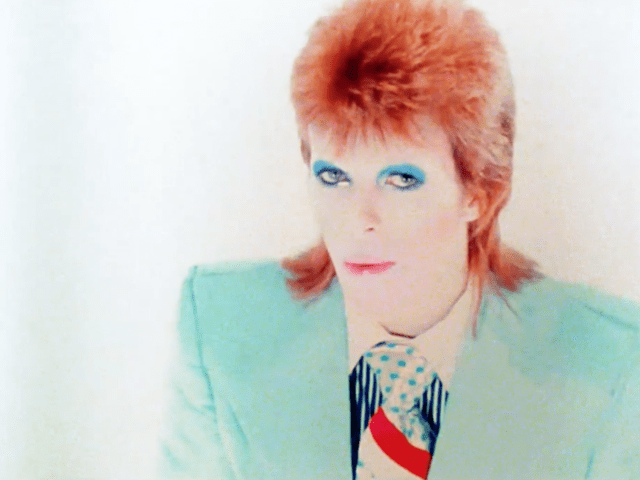
Mick Rock directed the song’s official video. It was filmed backstage at Earls Court in London in 1973. It features Bowie in a turquoise suit and makeup, performing the song against a white backdrop.
The BBC television series, Life On Mars, was named after this, while its sequel, Ashes to Ashes, was also named after the Bowie song of the same name.
Green Day frontman Billie Joe Armstrong has stated he would like this song to be played at his funeral.
This was featured on the first episode of the TV series American Horror Story: Freak Show, where it was sung by Jessica Lange’s character. The series is set in 1952 but used music recorded much later, similarly to how Baz Luhrmann incorporated contemporary tunes into the films Moulin Rouge and The Great Gatsby.
Ryan Murphy, who created the show, says that he looked for music by artists who were oddities themselves, and proud of it. Bowie fit the bill and approved the use of the song, as did Fiona Apple, who allowed her song “Criminal” to be used in the next episode.
Life On Mars
It’s a God-awful small affair To the girl with the mousy hair But her mummy is yelling no And her daddy has told her to go
But her friend is nowhere to be seen Now she walks through her sunken dream To the seat with the clearest view And she’s hooked to the silver screen
But the film is a saddening bore For she’s lived it ten times or more She could spit in the eyes of fools As they ask her to focus on
Sailors fighting in the dance hall Oh man look at those cavemen go It’s the freakiest show Take a look at the lawman Beating up the wrong guy Oh man wonder if he’ll ever know He’s in the best selling show Is there life on Mars?
It’s on America’s tortured brow That Mickey Mouse has grown up a cow Now the workers have struck for fame ‘Cause Lennon’s on sale again See the mice in their million hordes From Ibiza to the Norfolk Broads Rule Britannia is out of bounds To my mother, my dog, and clowns But the film is a saddening bore ‘Cause I wrote it ten times or more It’s about to be writ again As I ask you to focus on
Sailors fighting in the dance hall Oh man look at those cavemen go It’s the freakiest show Take a look at the lawman Beating up the wrong guy Oh man wonder if he’ll ever know He’s in the best selling show Is there life on Mars?
This song took a while to grow on me but it did and became one of my favorites from the White Album. The song is divided into three different sections that fit together and climaxing at the end with the great chorus Happiness is a warm gun (bang bang shoot shoot). It has a fifties sound with the backup vocals.
John saw an article in a gun magazine that George Martin had in the studio. The article was titled Happiness is a Warm Gun… John: “Wow! Incredible,’ you know, the fact that happiness was a warm gun that had just shot something or somebody…I thought it was a fantastic, insane thing to say.”
The magazine in question was the May 1968 edition of “American Rifleman,” which contained an article entitled “Happiness Is A Warm Gun.” This article, written by Warren W. Herlihy, relates the author’s pride in his 18-year-old son John who has been shooting guns since the age of seven.
The song seems to have had drug references in the song although John usually denied them. The line “I need a fix ’cause I’m going down” does point that direction. According to Paul and others around him at this time, John was into heroin.
Paul McCartney said: “and so his songs were taking on more references to heroin. Until that point, we had made rather mild, rather oblique references to pot or LSD. Now John started to be talking about fixes and monkeys and it was a harder terminology which the rest of us weren’t into. We were disappointed that he was getting into heroin because we didn’t really see how we could help him…It was a tough period for John, but often that adversity and that craziness can lead to good art, as I think it did in this case.”
The chorus is what won me over at first but the lyrics are fascinating in the first section.
She’s well acquainted with the touch of the velvet hand like a lizard on a window pane. The man in the crowd with the multi-colored mirrors on his hobnail boots. Lying with his eyes while his hands are busy working overtime. A soap impression of his wife which he ate and donated to the National Trust.
Lennon said that the Mother Superior jump the gun section was about Yoko.
John: “She was rabbiting on in the car one day, and I said, ‘mother superior jumped the gun again,’ because she’s always one jump ahead. So that was Yoko really. It was camp.”
The White Album was a stressful album to make but there were some fun and camaraderie during this time also. One such occasion was the recording of this song. All four Beatles have been quoted as saying they liked the song, Paul even naming it as the best on the White Album.
From Songfacts
In the last section of the song, the backing vocals are “Bang, Bang, Shoot, Shoot.”
A popular theory is that Lennon meant for this to be a drug metaphor for doing heroin:
“Needing a fix”
“Jump the gun” – meaning to cook it up
“Bang, Bang, SHOOT, SHOOT”
“When I hold you in my arm, nobody can do me no harm” – heroin addicts tell how when you’re on it, nothing can do you no harm and Lennon’s overall nature seem to point to this
This was banned by the BBC for sexual symbolism. They thought the gun was a phallic symbol.
The original line “When I hold you in my arms and feel my finger on your trigger…” appears in unreleased, bootlegged versions of “I’m So Tired” as “When I hold you in your arms, when you show me each one of your charms, I wonder should I get up, and go to the funny farm.” This could mean the line was originally sexual but was put in as a metaphor for a gun later on.
The final doo-wop chorus of this song has the exact same chord progression as “This Boy,” just in a different key.
The phrase “happiness is a warm gun” is a play on a Peanuts comic strip from 1960 where Lucy hugs Snoopy and says, “Happiness is a warm puppy.” That phrase became a popular slogan, appearing on mugs, T-shirts and lots of other merch.
Tori Amos covered this on her 2001 album Strange Little Girls. All the songs on the album were written by men – Amos took on different characters to interpret them from a woman’s point of view. Yoko Ono had to approve this, and she did.
The Breeders covered this on their 1990 album Pod.
This is the song that inspired 2Pac to cast his gun as his girlfriend in “Me and My Girlfriend”: “She’s the only woman I need!”
Happiness Is A Warm Gun
She’s not a girl who misses much Do do do do do do, oh yeah
She’s well acquainted with the touch of the velvet hand like a lizard on a window pane.
The man in the crowd with the multi-colored mirrors on his hobnail boots.
Lying with his eyes while his hands are busy working overtime.
A soap impression of his wife which he ate and donated to the National Trust.
I need a fix ’cause I’m going down Down to the bits that I left uptown I need a fix ’cause I’m going down
Mother Superior jump the gun Mother Superior jump the gun Mother Superior jump the gun Mother Superior jump the gun
Happiness is a warm gun (bang bang shoot shoot) Happiness is a warm gun, mama (bang bang shoot shoot) When I hold you in my arms (oh, yeah) And I feel my finger on your trigger (oh, yeah) I know nobody can do me no harm (oh, yeah) Because, (happiness) is a warm gun, mama (bang bang shoot shoot) Happiness is a warm gun, yes it is (bang bang shoot shoot)
Happiness is a warm, yes it is, gun Happiness (bang bang shoot shoot)
Well don’t you know that happiness (happiness) is a warm gun, (is a warm gun, yeah).
Mid-Sixties pop classic. If I Needed Someone is a George Harrison song that was on the album Rubber Soul. In America this was one of the four songs left off of Capital’s version of Rubber Soul…it was included on Yesterday and Today…an album that Capital put together for the American market. It was originally issued only in the United States and Canada
George Harrison said the song was influenced by the Byrds: “It was based on the twelve-string figure from ‘The Bells Of Rhymney’ by The Byrds.”
McCartney called the song the first “landmark” song written by George for the Beatles.
George Harrison: “It was like a million other songs written around one chord, a D chord actually.” “If you move your fingers about you get various little melodies. That guitar line, or variations on it, is found in many a song, and it amazes me that people still find new permutations of the same notes.”
As a guitarist, there are many songs that have been written around the D chord by moving your fingers in different positions. Here Comes The Sun, Woman by Lennon, Free Falling, Sweet Home Alabama, and like George said…a million others.
On January 24th, 1996, “If I Needed Someone” got its first and only release on a single. The Capitol series of “For Jukebox Only” singles paired the song as the b-side to “Norwegian Wood” and was printed on both black and green vinyl.
The Hollies received an early version of the song and then quickly recorded their own version of the song and released it as their next single at the end of 1965. It reached #20 in the UK, making it the first George Harrison composition to make the charts.
George made it known he didn’t like their version…but to me, the Hollies did a good job.
From Songfacts
This was written by George Harrison, who got the idea from a few of The Byrds’ songs including “The Bells of Rhymney” and “She Don’t Care About Time.” It was not Ravi Shankar that introduced George to the wonderment of sitar, but Byrd traveler David Crosby shortly after Shawn Phillips had shown him the basic steps. In 1965 The Beatles toured the US and visited Ravi at World Pacific Studios where The Byrds had permanent residency. It was also here that Roger McGuinn’s Rickenbacker jingle jangle influenced Harrison’s “If I Needed Someone.” In turn, The Byrds were influenced by Harrison’s 12-string guitar work. >>
Former Byrds guitarist Roger McGuinn recalled to Christianity Today magazine: “George Harrison wrote that song after hearing the Byrds’ recording of “Bells of Rhymney.” He gave a copy of his new recording to Derek Taylor, the Beatles’ former press officer, who flew to Los Angeles and brought it to my house. He said George wanted me to know that he had written the song based on the rising and falling notes of my electric Rickenbacker 12-string guitar introduction. It was a great honor to have in some small way influenced our heroes the Beatles.”
If I Needed Someone
If I needed someone to love You’re the one that I’d be thinking of If I needed someone
If I had some more time to spend Then I guess I’d be with you my friend If I needed someone Had you come some other day Then it might not have been like this But you see now I’m too much in love
Carve your number on my wall And maybe you will get a call from me If I needed someone Ah, ah, ah, ah
If I had some more time to spend Then I guess I’d be with you my friend If I needed someone Had you come some other day Then it might not have been like this But you see now I’m too much in love
Carve your number on my wall And maybe you will get a call from me If I needed someone Ah, ah
This song would make my personal top ten of Beatle songs… Rain was the B side to Paperback Writer. Personally, I like this song better. First off the sound was different compared to previous songs…the bass comes through like never before and Ringo’s drumming complimented the bass so well.
They experimented with a new way of recording bass. This technique involved “using a loudspeaker as a microphone,” explains engineer Geoff Emerick. “We positioned it directly in front of the bass speaker and the moving diaphragm of the second speaker made the electric current.”
The peaked at #23 in the Billboard 100 in 1966.
Ringo on this recording is outstanding and some think it’s his best moment on record. Personally, I like his playing on A Day In The Life but this one is great.
At the end of the song, the vocals are backward. There are different stories on how this happened. One was that a stoned John took the tape home and put it in backward and was astonished at what he heard and wanted the whole song backward. George Martin remembered it differently: “I was always playing around with tapes,” Martin explains, “and I thought it might be fun to do something extra with John’s voice. So I lifted a bit of his main vocal off the four-track, put it onto another spool, turned it around and then slid it back and forth until it fitted. John was out at the time but when he came back he was amazed…They all thought it was marvelous.”
Whichever way it was…it fits this song perfectly
Paul McCartney said this about who wrote the song:
I don’t think he brought the original idea, just when we sat down to write, he kicked it off. Songs have traditionally treated rain as a bad thing and what we got on to was that it’s no bad thing. There’s no greater feeling than the rain dripping down your back. The most interesting thing about it wasn’t the writing, which was tilted 70-30 to John, but the recording of it.
From Songfacts
John Lennon wrote most of “Rain.” It was his first song to get really deep, exploring themes of reality and illusion – after all, rain or shine is just a state of mind.
This was the first song to use a tape played backward, which created the strange audio effect. John Lennon discovered the technique when he put the tape for “Tomorrow Never Knows” on the wrong way. He was stoned at the time, and producer George Martin had to convince him that using a backward recording for the entire song was a bad idea.
Ringo Starr has said this is his best drumming on a Beatles song.
The backward vocal at the end fade out is actually the songs first line: “When the rain comes they run and hide their heads”.
This was one of the first Beatles records to feature loud, booming bass. McCartney’s bassline is extremely recognizable, in contrast to The Beatles’ older records.
This was released as the B-side of “Paperback Writer.” It was recorded during the Revolver sessions.
As part of the studio manipulation that gave this song such an unusual sound, the rhythm track was played fast and then slowed down on tape.
The Beatles shot a video for this song with director Michael Lindsay-Hogg, who was tapped because he worked on the UK music show Ready, Steady,Go!. The videos for “Rain” and “Paperback Writer” were shot at the same time, with some footage recorded at Abbey Road studios, but most of it outdoors at the Chiswick House gardens in London.
These videos were done so The Beatles could promote the single without actually performing on the various TV shows that drew huge audiences and drove sales. In doing so, they set a standard for music videos, as other bands followed suit. The “Rain” video uses many elements that would become commonplace, including candid shots from between takes.
Rain
If the rain comes They run and hide their heads They might as well be dead If the rain comes If the rain comes
When the sun shines They slip into the shade And sip their lemonade When the sun shines When the sun shines
Rain, I don’t mind Shine, the weather’s fine
I can show you That when it starts to rain Everything’s the same I can show you I can show you
Rain, I don’t mind Shine, the weather’s fine
Can you hear me That when it rains and shines It’s just a state of mind Can you hear me Can you hear me













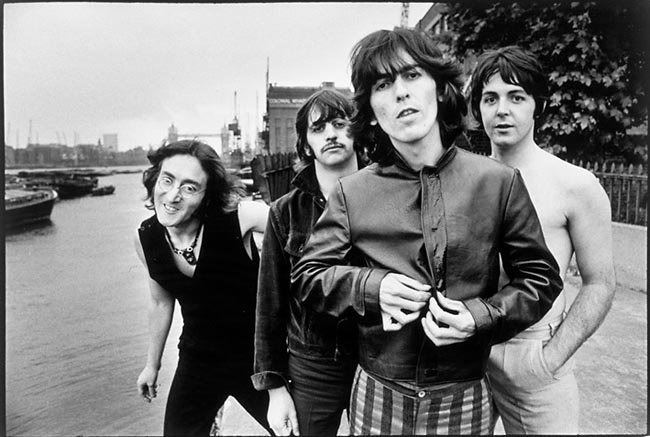
 The magazine in question was the May 1968 edition of “American Rifleman,” which contained an article entitled “Happiness Is A Warm Gun.” This article, written by Warren W. Herlihy, relates the author’s pride in his 18-year-old son John who has been shooting guns since the age of seven.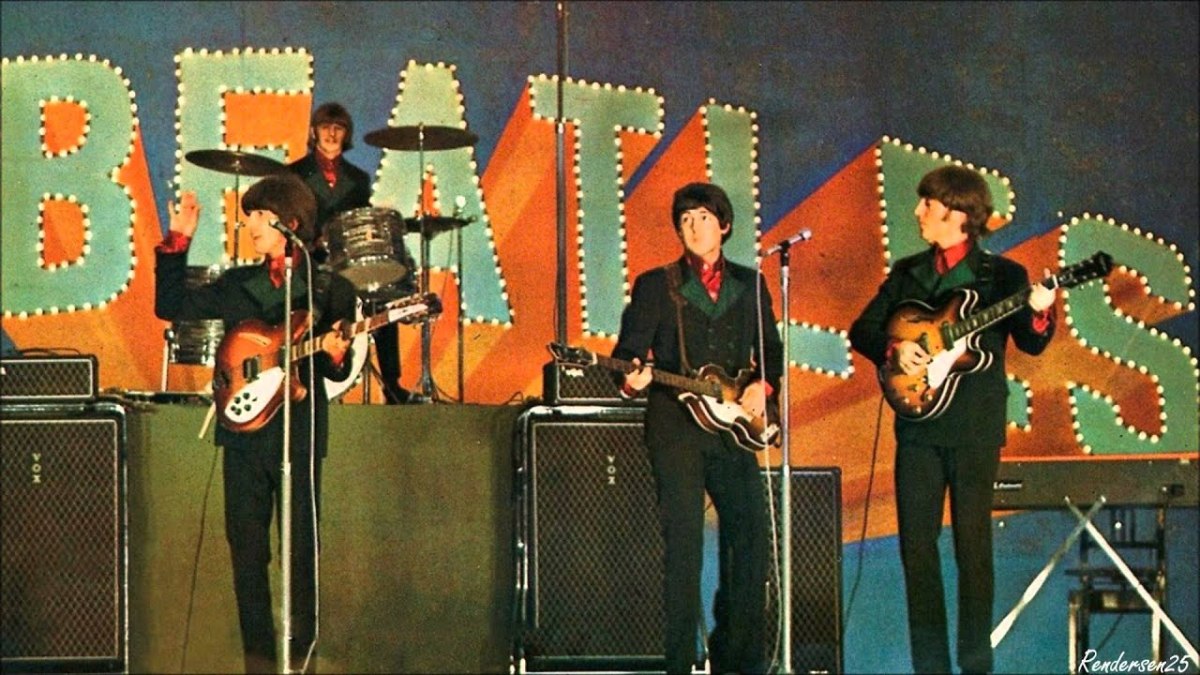

 PowerPop... An Eclectic Collection of Pop Culture