“We’ve done four already but now we’re steady and then they went: One, two, three, four”
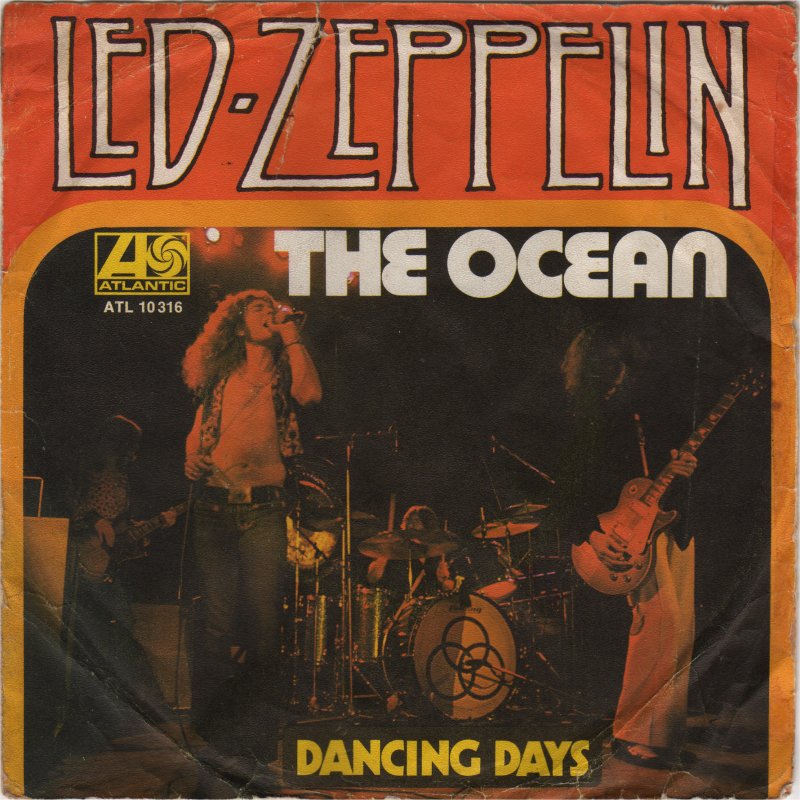
This song has a great guitar riff that carries the song along with the drums. It’s been said that the Ocean referred to was the fans as they were seen by the band on the stage. In the last line, the Girl who won my heart is Robert Plant’s daughter Carmen, who was 3 years old at the time.
This song was off of the Houses of the Holy album released in 1973. The album peaked at #1 in the Billboard Charts, #1 in the UK, and #1 in Canada. The band didn’t release many singles but this one was released and managed to peak at #8 in Germany.
Bonham and Jones make a rare appearance on backing vocals for the outro.
This song was #14 on Rolling Stones 40 greatest Led Zeppelin songs.
From Songfacts
The voice on the intro is drummer John Bonham. When he says, “We’ve done four already, but now we’re steady and then they went, 1… 2… 3… 4…,” he is referring to the takes. They had tried to record it 4 times prior but couldn’t get it right, so as a pep talk he said his famous line.
This is one of the few Zeppelin songs where all four members shared the writing credit.
Robert Plant used parts of this for his solo song “Tall Cool One.”
The Beastie Boys sampled this on “She’s Crafty.” It wasn’t their first use of Zeppelin – they took some of Bonham’s drums from “When The Levee Breaks” for “Rhymin’ And Stealin’.”
It can barely be heard due to all the guitar overdubs, but during the last minute or so, John Paul Jones and John Bonham sing for one of the only times on a Zeppelin album. They are harmonizing the phrase “Doo wop.”
If you listen carefully, you can hear a phone ringing in the studio at 1:37-1:38 and again (second ring) around 1:41.
The lyrics about “The Hellhound” refer to Blues musician Robert Johnson, who according to legend, sold his soul to the devil. On the lyrics sheet that came with the album, the word “hellhound” was replaced with “high hopes hailla.”
The Ocean
“We’ve done four already but now we’re steady And then they went: One, two, three, four”
Singing in the sunshine, laughing in the rain Hitting on the moonshine, rocking in the grain Got no time to pack my bags, my foots outside the door I got a date, I can’t be late, for the high hopes hailla ball, uh uh, uh uh, yeah
Singing to an ocean, I can hear the ocean’s roar Play for free, I play for me and play a whole lot more, more! Singing about the good things and the sun that lights the day I used to sing on the mountains, has the ocean lost its way
I don’t know, oh oh, yeah’
Ooh, yeah
Sitting round singing songs ’til the night turns into day Used to sing about the mountains but the mountains washed away Now I’m singing all my songs to the girl who won my heart She is only three years old and it’s a real fine way to start
Oh yeah!
It sure is fine! Ah blow my mind! When the tears are goin’ down! Yeah! Yeah, yeah
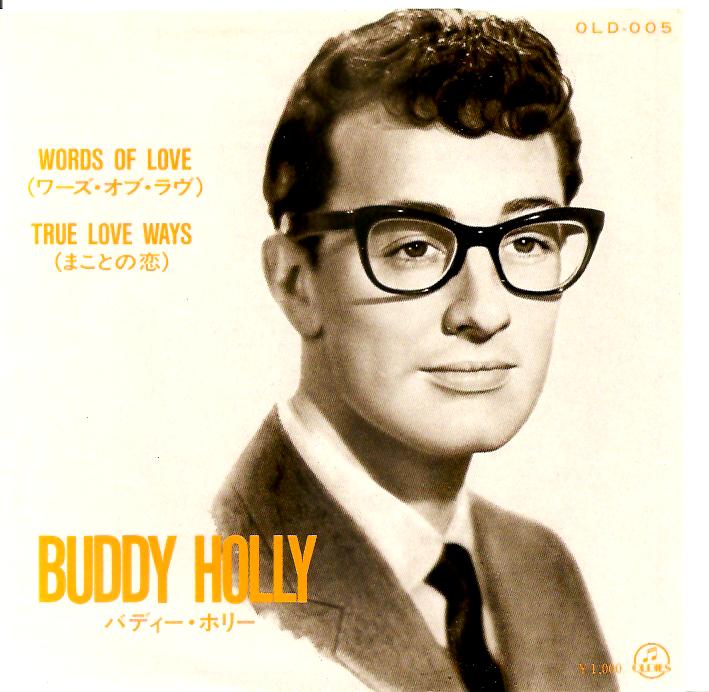
Buddy recorded and released this song in 1957. This was not one of Buddy’s biggest hits but a good song all the same. It was recorded on April 8th, 1957 and included a revolutionary gimmick for its time. He recorded his vocals twice and combined the results, thereby harmonizing with himself in the fashion of The Everly Brothers. This was one of the first released pop record to feature vocal overdubbing.
Canadian quartet The Diamonds as a successful follow-up to their #2 hit “Little Darlin’.” Their version of “Words Of Love” peaked at #13 in July of 1957.
I first heard this song by The Beatles. They had covered the song live between 1958-1962 and decided to record it for the Beatles for Sale album in 1964.
Paul McCartney about writing their own songs. “People these days take it for granted that you do, but nobody used to then. John and I started to write because of Buddy Holly. It was like, ‘Wow! He writes and is a musician.'” Paul McCartney purchased the publishing rights to Buddy Holly’s catalog in 1976.
John Lennon on Buddy Holly: “Buddy Holly was great and he wore glasses, which I liked,” “Buddy Holly was the first one that we were really aware of in England who could play and sing at the same time – not just strum, but actually play the licks.”
Words of Love
Hold me close and tell me how you feel Tell me love is real Words of love you whisper soft and true Darling I love you
Let me hear you say the words I long to hear Darling when you’re near Words of love you whisper soft and true Darling I love you
This song peaked at #51 on the Billboard 100 in 1986.
The two Davids were David Baerwald and David Ricketts. They broke up after their only studio album which really disappointed me because I was really looking forward to their next album. As I’ve said before there is hope…in 2016 it was reported that they are working on their second album…I have checked since then and have found nothing.
Ain’t So Easy
We can stay Or we can move along Either way don’t leave me all alone I’m sorry about your eye
I’ll find a way to make amends It’s only that sometimes I’ve got to break Before I bend
Come on, darling There’s a show downtown tonight Let’s go out dancing We can drink until the light
I know I’ve haven’t been everything A man should be But I promise I will change You just leave that up to me
And I’ll kiss your face, attend to your aches I swear that I can make you happy And you’ll rub my back, forget the past And baby, I know that that ain’t so easy
It ain’t too late To salvage all of this It ain’t too late we could Fix it with a kiss
All I want this one more chance So that we could have a home ‘Cause I would not stand a change If I had to make it on my own
Oh, let me kiss your face, attend to your aches I swear that I could make you happy And you’ll rub my back, forget the past And baby I know that that ain’t so easy
Maybe someday You will remember what I said to you today Maybe someday And where would you go anyway
Put that suitcase down Leave it for another day Stop this fooling around I could never let you get away
Let me kiss your face, attend to your aches I swear that I can make you happy And you’ll rub my back, forget the past And baby, I know that that ain’t so easy, please
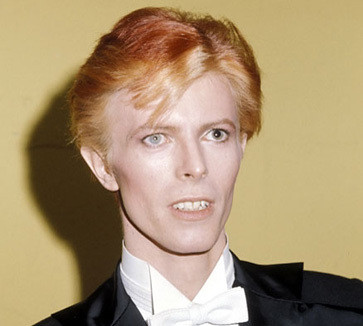
The song was written by David Bowie and Brian Eno and was on the Heroes album released in 1977. The song peaked at #24 in the UK Charts, #35 in New Zealand, and #11 in Australia in 1978. The song recharted again in 2016. The album peaked at #35 in the Billboard Album Charts, #3 in the UK, #15 in New Zealand, #6 in Australia, and #44 in Canada.
After burn out because of touring Bowie moved to Berlin and rented a cheap apartment above an auto-repair shop, which is where he wrote this album.
Bowie made a video for this song which aired on the Bing Crosby Christmas special. In 1977 Crosby recorded a Christmas special in London called Merrie Olde Christmas, playing the England theme to the hilt. Bowie agreed to sing a duet with Crosby, which became the famous “The Little Drummer Boy/Peace On Earth” mashup. Bowie’s “Heroes” video also aired on the show with an introduction by Crosby. The show aired in November 1977, about a month after Crosby died.
Bowie talked about the song:
“It’s a bitch to sing, ‘cos I really have to give it some towards the end. I pace myself throughout the show and often place it near to a point where I can take a vocal break afterward. As long as I’m touring I don’t see a time when I won’t be singing ‘Heroes.’ It’s a good one to belt out and I get a kick out of it every time.”
From Songfacts
This song tells the story of a German couple who are so determined to be together that they meet every day under a gun turret on The Berlin Wall. Bowie, who was living in Berlin at the time, was inspired by an affair between his producer Tony Visconti and backup singer Antonia Maass, who would kiss “by the wall” in front of Bowie as he looked out of the Hansa Studio window. Bowie didn’t mention Visconti’s role in inspiring this song until 2003, when he told Performing Songwriter magazine: “I’m allowed to talk about it now. I wasn’t at the time. I always said it was a couple of lovers by the Berlin Wall that prompted the idea. Actually, it was Tony Visconti and his girlfriend. Tony was married at the time. And I could never say who it was (laughs). But I can now say that the lovers were Tony and a German girl that he’d met whilst we were in Berlin. I did ask his permission if I could say that. I think possibly the marriage was in the last few months, and it was very touching because I could see that Tony was very much in love with this girl, and it was that relationship which sort of motivated the song.”
Robert Fripp, formerly of King Crimson, played guitar on this track. His band, King Crimson, performed the song at the Admiralspalast in Berlin on September 11, 2016 in celebration of Bowie. This version was released on an EP called Heroes in 2017.
Brian Eno, formerly of Roxy Music, helped Bowie write and produce this. Eno moved to Berlin with Bowie and worked on his albums Low, Heroes, and Lodger. These albums were much more experimental and less commercial than Bowie’s previous work, but they still sold well in England.
Co-writer Eno said of this in the April 2007 Q Magazine: “It’s a beautiful song. But incredibly melancholy at the same time. We can be heroes, but actually, we know that something’s missing, something’s lost.”
Bowie released versions of this song in English, German, and French. The German version is called “Helden”; the French is “Héros.”
Featured in this song are not only Brian Eno’s synthesizer and Robert Fripp’s guitar, but also producer Tony Visconti banging on a metal ashtray that was lying around the studio.
This song is featured in the films Christiane F (1981) and The Parole Officer (2001). It also ended up as a Microsoft commercial theme.
Bowie played this at Live Aid from Wembley Stadium, England in 1985, and also at the Berlin Wall in 1987. Regarding the later performance, Bowie said in his Performing Songwriter interview: “I’ll never forget that. It was one of the most emotional performances I’ve ever done. I was in tears. They’d backed up the stage to the wall itself so that the wall was acting as our backdrop. We kind of heard that a few of the East Berliners might actually get the chance to hear the thing, but we didn’t realize in what numbers they would. And there were thousands on the other side that had come close to the wall. So it was like a double concert where the wall was the division. And we would hear them cheering and singing along from the other side. God, even now I get choked up. It was breaking my heart. I’d never done anything like that in my life, and I guess I never will again. When we did ‘Heroes’ it really felt anthemic, almost like a prayer. However well we do it these days, it’s almost like walking through it compared to that night, because it meant so much more. That’s the town where it was written, and that’s the particular situation that it was written about. It was just extraordinary. We did it in Berlin last year as well – ‘Heroes’ – and there’s no other city I can do that song in now that comes close to how it’s received. This time, what was so fantastic is that the audience – it was the Max Schmeling Hall, which holds about 10-15,000 – half the audience had been in East Berlin that time way before. So now I was face-to-face with the people I had been singing it to all those years ago. And we were all singing it together. Again, it was powerful. Things like that really give you a sense of what performance can do. They happen so rarely at that kind of magnitude. Most nights I find very enjoyable. These days, I really enjoy performing. But something like that doesn’t come along very often, and when it does, you kind of think, ‘Well, if I never do anything again, it won’t matter.'”
The Wallflowers covered this in 1998. Their version was used on the soundtrack to the movie Godzilla.
The single version, which appears on the ChangesBowie album, is shortened, leaving out a good chunk of the first verse.
Bowie first performed this on a television show hosted by his friend Marc Bolan, who was the lead singer for T-Rex. A week later, Bolan died when his girlfriend crashed their car into a tree.
Bowie played this at the “Concert For New York.” Organized by Paul McCartney, it was a tribute to the police, firemen, and rescue workers involved in the 2001 World Trade Center attacks.
Blondie recorded a live cover on January 12, 1980 at The Hammersmith Odeon. It can be found on the disc Blondie and Beyond.
This was originally an instrumental composition, whose title was a reference to the 1975 track “Hero” by the German Krautrock band Neu!.
The finalists from the seventh series of The X Factor released a cover version in November 2010 in aid of armed forces charity Help For Heroes, which topped both the UK and Irish Singles Charts. The choice of song follows a trend as in 2008, the fifth series of X Factor finalists reached #1 with a cover of Mariah Carey’s “Hero.” Despite a plethora of cover versions from other acts over the years, the X Factor 2010 Finalists are the first act aside from Bowie ever to have a hit single with the song.
What became the “official” video for the song was shot later in September 1977 and directed by Nick Ferguson, a painter who also did set design and directed various film and TV projects.
Janelle Monae recorded a cover for a 2014 Pepsi football-based advertising campaign “Now Is What You Make It.” Asked by The Guardian if she needed Bowie’s permission to use his song, the R&B songstress replied: “Oh, he’s a fan. He’s aware of me. His wife Iman is a huge supporter and she has told me countless times what a big fan he is. So he had to clear me doing the song and I’m so grateful.”
This song is central in the 2012 film The Perks of Being a Wallflower, starring Logan Lerman and Emma Watson. You hear it more than once throughout the movie.
Something of an underachiever when originally released, “Heroes” peaked at a lowly #24 back in 1977 in the UK and failed to make the Hot 100. In the week after David Bowie’s death, the song finally made the Top 20 in the country of his birth, leaping into the chart at #12.
Album Version
Single Version
Heroes
I, I wish you could swim Like the dolphins Like dolphins can swim
Though nothing, nothing will keep us together We can beat them, forever and ever Oh, we can be heroes just for one day
I, I will be King And you, you will be Queen Though nothing will drive them away We can be heroes just for one day We can be us just for one day
I, I can remember (I remember) Standing by the wall (By the wall) And the guns, shot above our heads (Over our heads) And we kissed, as though nothing could fall (Nothing could fall)
And the shame, was on the other side Oh, we can beat them, forever and ever Then we could be heroes just for one day
We can be heroes We can be heroes We can be heroes just for one day We can be heroes
I watched this a some as a kid and enjoyed it. When I watched it as an adult I thought it was Jackie Mason and Dean Martin voicing the cartoon.
John Byner voiced the Ant and the Aardvark. He imitated Jackie Mason as the Aardvark and Dean Martin as the Ant.
The Ant and the Aardvark was a series of theatrical cartoons produced at DePatie-Freleng Enterprises from 1969 to 1971, about a blue aardvark always trying to catch a red ant named Charlie.
The series consisted of 17 cartoons that ran from 1969 to 1971. After its initial theatrical run, The Ant and the Aardvark later became a part of The Pink Panther Show, with all 17 episodes airing in reruns, with the characters themselves being integrated into later iterations of The Pink Panther itself.
When I watch the intro I can’t help but think Monsters Inc got a little inspiration from the beginning.
Some songs are so ingrained in our psyche that a cover version would not make us forget the original or improve it. Covering them in concert is one thing but remaking them is another. When you compete against a memory…the memory wins. I know some will disagree but there are songs that in my opinion that are untouchable. That doesn’t mean I want to hear these songs over and over…some are worn out. I’m not saying the cover version would be bad…but it would not replace the original.
These are in no order. There are many more…any suggestions?
Bohemian Rhapsody – Queen – I can’t even imagine someone seriously trying to pull this off…
I Am The Walrus – Beatles -This bizarre piece of music would be hard to duplicate.
Stairway to Heaven – Led Zeppelin – It’s been tried…even by Pat Boone…Mr Soul Sucker who can take the soul out of a room by simply walking in. Dolly Parton even took a stab at it.
Freebird – Lynyrd Skynryd – I don’t think anyone would want to try.
Won’t Get Fooled Again – How would you match the intensity and power of this recording?
Good Vibrations – Beach Boys – Todd Rundgren remade this and copied it almost exactly…but what was the point? He did a fine job of copying it.
Sympathy for the Devil – Rolling Stones – I don’t see anyone matching the Stones version.
Born To Run – Bruce Springsteen – Bruce layered so many guitars (I’ve read up to 24) to make his own wall of sound…I don’t see this being topped.
Band On The Run – This is basically three songs into one with McCartney’s style
Like A Rolling Stone – Bob Dylan – Maybe the best single ever released. Bob is one of the most covered artists but his voice just stings on this recording and it would be hard to match.
A few more I thought of… American Pie, A Day In The Life, Sounds of Silence
I can hear Needles and Pins by The Searchers slightly in this song and that just makes it better. Gene Clark of the Byrds wrote this song and also sang it. The song was the B side to All I Really Want to Do and it was released in 1965 and as a B side managed to peak at #103 on the Billboard charts.
Tom Petty did a great cover of this song on his Full Moon Fever album released in 1989. Tom was heavily influenced by the Byrds.
Gene Clark talked about the song:
“There was a girlfriend I had known at the time, when we were playing at Ciro’s. It was a weird time in my life because everything was changing so fast and I knew we were becoming popular. This girl was a funny girl, she was kind of a strange little girl and she started bothering me a lot. And I just wrote the song, ‘I’m gonna feel a whole lot better when you’re gone,’ and that’s all it was, but I wrote the whole song within a few minutes.”
I’ll Feel a Whole Lot Better
The reason why oh, I can’t say I have to let you go, baby and right away
After what you did I can’t stay now
And I’ll probably feel a whole lot better when you’re gone
Baby for a long time (baby for a long time) you had me believe (you had me believe)
That your love was all mine (that your love was all mine) and that’s the way it would be
But I didn’t know (but I didn’t know) that you were putting me on
And I’ll probably feel a whole lot better when you’re gone, when you’re gone
Now I gotta say (I gotta say) that it’s not like before (that it’s not like before)
And I’m not gonna play your games any more (and I’m not gonna play)
After what you did (after what you did)I can’t stay on
And I’ll probably feel a whole lot better when you’re gone
Oh, when you’re gone, oh when you gone,oh when you gone
This song wasn’t as popular with the masses as it was with me. From the 90s on this is in my top Tom Petty songs. Something about it resonated with me and I also saw Tom on this tour. The song was written by Tom Petty and his Traveling Wilburys bandmate Jeff Lynne.
The song peaked at #28 in the Billboard 100, #46 in Canada and #28 in New Zealand in 1991. The song was on the album “Into the Great Wide Open” that peaked at #13 in the Billboard album charts.
Petty got the idea for it when he saw a pilot being interviewed on TV during the Gulf War. The pilot said how it wasn’t hard learning to fly… the hardest part was coming down.
On October 21, 2017, Bob Dylan played “Learning to Fly” at First Bank Center in tribute to Tom who had just passed away a few weeks before. Bob told Rolling Stone Magazine: “It’s shocking, crushing news. I thought the world of Tom. He was a great performer, full of the light, a friend, and I ll never forget him.”
From Songfacts
The song was informed by the political events of the time, specifically the Gulf War, as well as the band dynamics – Into The Great Wide Open was a Tom Petty & the Heartbreakers album, whereas Petty’s previous album, Full Moon Fever, was a solo album (although guitarist Mike Campbell played on every song and helped produce it). “I wanted that song to be a kind of redemptive song, only in the vaguest way, certainly not literally,” he told Billboard.
It is based on only four simple chords: F, C, A minor, and G.
Julien Temple, who also did Petty’s “Free Fallin’,” directed the video, which shows a young boy in various key moments of adolescence, as he gets his wings.
Pink Floyd beat Petty to the title, releasing their “Learning To Fly” in 1987. Their song was also sparked by aviation argot – lead singer Dave Gilmour was taking flying lessons. Pink Floyd was moving forward after shedding their founding member, Roger Waters, so the song is a metaphor for finding their wings without him.
The country trio Lady Antebellum covered this on their seven-song acoustic EP iTunes Session.
Learning To Fly
Well I started out down a dirty road Started out all alone And the sun went down as I crossed the hill And the town lit up, the world got still
I’m learning to fly, but I ain’t got wings Coming down is the hardest thing
Well, the good ol’ days may not return And the rocks might melt and the sea may burn
I’m learning to fly (learning to fly) but I ain’t got wings (learning to fly) Coming down (learning to fly) is the hardest thing (learning to fly)
Well, some say life will beat you down Break your heart, steal your crown So I’ve started out for God-knows-where I guess I’ll know when I get there
I’m learning to fly, around the clouds But what goes up (learning to fly) must come down
I’m learning to fly (learning to fly), but I ain’t got wings Coming down is the hardest thing
I’m learning to fly (learning to fly), around the clouds But what goes up (learning to fly) must come down
I’m learning to fly (learning to fly) (Learning to fly) learning to fly (learning to fly) (learning to fly) (learning to fly) (learning to fly)
I did Part 1 over a year ago and it was a fun post. I’ve been meaning to do this again. I remembered some of the lyrics suggested by my friends hanspostcard and allthingsthriller on the last post…I have added those to list. Thanks to both of you.
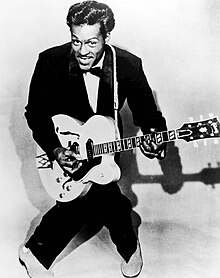
I saw her from the corner when she turned and doubled back, And started walkin toward a coffee colored Cadillac… Chuck Berry
Freedom’s just another word for nothin’ left to lose, And nothin’ ain’t worth nothin’ but it’s free… Janis Joplin/Kris Kristofferson
And I need you more than want you, And I want you for all time… Jimmy Webb
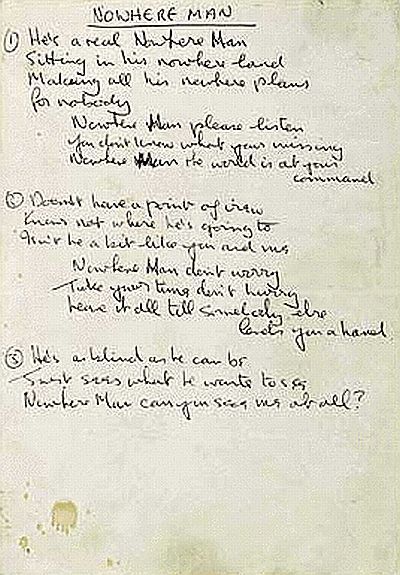
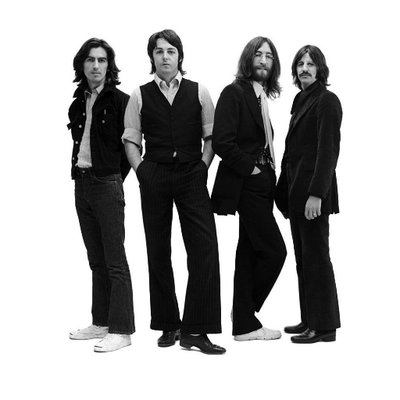
Doesn’t have a point of view / Knows not where he’s going to / Isn’t he a bit like you and me…The Beatles
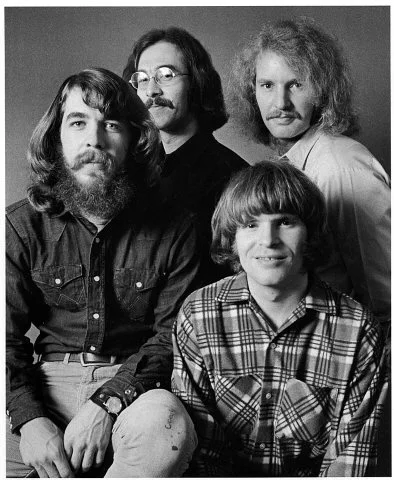
Met myself a coming county welfare line,I was feeling strung out, Hung out on the line…Creedence Clearwater Revival
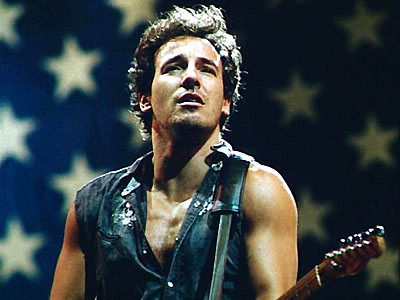
And you’ve got to learn to live with what you can’t rise above…Bruce Springsteen
He’d end up blowing all his wages for the week / All for a cuddle and a peck on the cheek…Kinks
Well it’s too late, tonight, To drag the past out into the light, We’re one, but we’re not the same, We get to carry each other, Carry each other…U2
You can blow out a candle but you can’t blow out a fire…Peter Gabriel
Living is easy with eyes closed,misunderstanding all you see…The Beatles
Where you drink champagne and it tastes just like cherry cola, C-O-L-A Cola…Kinks
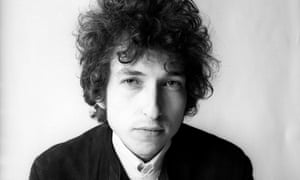
It was gravity which pulled us down and destiny which broke us apart…Bob Dylan
A drunkard’s dream if I ever did see one… The Band
And the sign said, The words of the prophets, are written on the subway walls, and tenement halls… Simon and Garfunkel
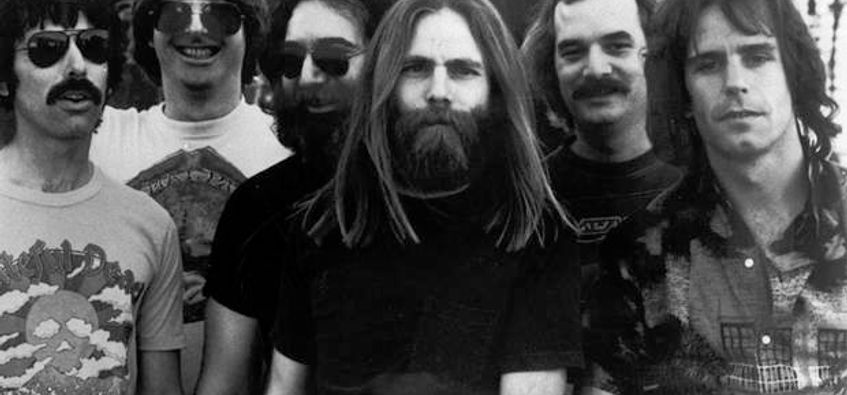
I lit up from Reno, I was trailed by twenty hounds, Didn’t get to sleep that night Till the morning came around…Grateful Dead
When I said that I was lying, I might have been lying…Elvis Costello
Though nothing will keep us together/We can be heroes/Just for one day…David Bowie
Lose your dreams and you. Will lose your mind…Rolling Stones
It’s a town full of losers, I’m pulling out of here to win…Bruce Springsteen
The motor cooled down, the heat went down, and that’s when I heard that highway sound…Chuck Berry
We were the first band to vomit at the bar, and find the distance to the stage too far…The Who
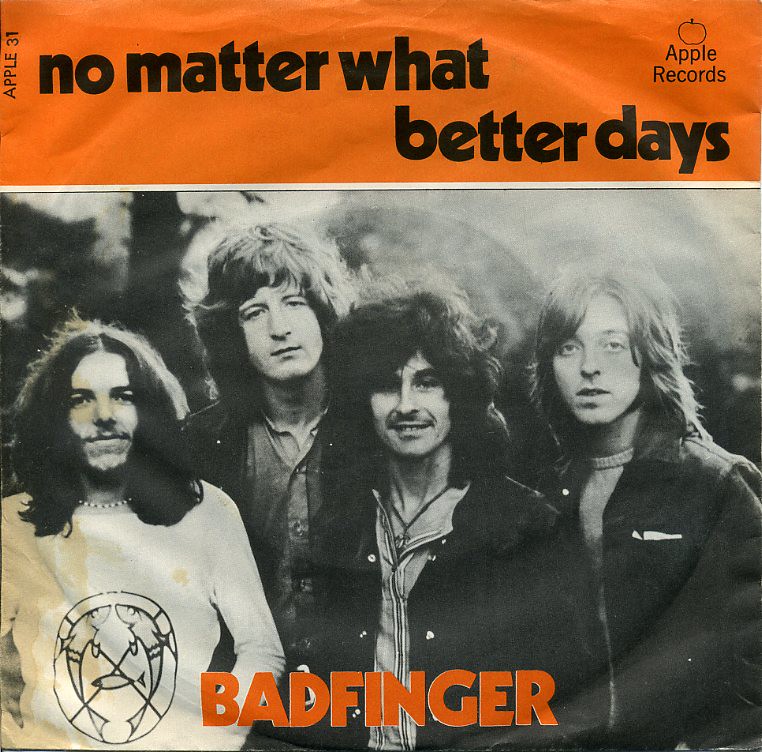
I like this band a little. This was Badfinger’s second big hit after Come and Get It. This one was written by Pete Ham. The song was released in 1970 just a few months after the Beatles had officially broken up. Some people thought that perhaps the Beatles had gotten together again and issued a new song after hearing this. It has a fantastic crunchy guitar opening the song up.
The producer of the song was Mal Evan…Beatles roadie and overall helper. The song peaked at #8 in the Billboard 100 and #5 in the UK in 1971. The song was on the album No Dice which peaked at #28 on the Billboard Album charts. Reviews of the album were mostly positive but they could not shake the Beatle comparisons. They tried to break it live by stretching songs out and playing long solos…becoming more of a jam band.
From Songfacts
Badfinger was signed to The Beatles label, Apple Records. Peter Ham used one of George Harrison’s Gibson guitars on this.
Many people thought this was The Beatles when they heard it. Badfinger was one of the first groups signed to The Beatles record label, Apple Records.
In 2001, The Gap wanted to use this in a commercial. Apple Records, which owns the rights to it, asked for an enormous sum of money and were turned down.
No Matter What
No matter what you are I will always be with you Doesn’t matter what you do girl, oh girl with you No matter what you do I will always be around
Won’t you tell me what you found girl, oh girl won’t you Knock down the old grey wall, and be a part of it all Nothing to say, nothing to see, nothing to do If you would give me all, as I would give it to you Nothing would be, nothing would be, nothing would be
No matter where you go There will always be a place Can’t you see in my face girl, oh girl don’t you
Knock down the old grey wall, and be a part of it all Nothing to say, nothing to see, nothing to do If you would give me all, as I would give it to you Nothing would be, nothing would be, nothing would be
No matter what you are I will always be with you Doesn’t matter what you do girl, oh girl want you Oh girl, you girl, want you Oh girl, you girl, want you
Emitt Rhoads is not a household name but he did have some very good powerpop songs and albums in his off and on career. The goal on every Friday is to shine some light on the less well-known songs and artists…at least one.
In 1969 Rhodes bought all of the equipment he needed when A&M Records refused to release his recordings and built a recording studio in his parents’ garage. Rhodes recorded his first album (Emitt Rhodes) in that studio. ABC/Dunhill Records signed him and they released his album as well as the next two albums he recorded
His first album was a critical success – Billboard called Rhodes “one of the finest artists on the music scene today” and later called his first album one of the “best albums of the decade“.
Fresh as a Daisy peaked at #54 in the Billboard 100 while his album Emitt Rhodes peaked at #29 in 1970.
Well, if you come from heaven You know that that’s ok. Just as long as you’re here to help me, It doesn’t matter how long you stay. Talkin’ ’bout you baby. Don’t you know you’re Fresh as a Daisy, as Fresh as a Daisy
Well tell me can you feel it, I’m feeling all right myself. I’m changing my old habits, And I found a new bit of health. Talkin’ ’bout you baby. Don’t you know you’re Fresh as a Daisy, as Fresh as a Daisy, As Fresh as a Daisy.
You do the things you do very well You make me feel the way I’ve never felt, You make me feel the way I’ve never felt.
Don’t know how I’ll feel tomorrow, Tomorrow’s another day. I like everything about you, What more is there to say.
Talkin’ ’bout you baby. Don’t you know you’re Fresh as a Daisy, as Fresh as a Daisy. Talkin’ ’bout you baby. Don’t you know you’re Fresh as a Daisy, as Fresh as a Daisy.
When I hear this I always remember Easy Rider …Peter Fonda pushing down bills into a tube that is to be pushed down in the teardrop gas tank. Hoyt Axton wrote this song after one of his friends died of a drug overdose. Axton wrote stongs for many artists, including Elvis Presley, The Byrds, and Three Dog Night.
Kay first performed the track with his previous band The Sparrow, in 1967. Their live version is available through the album, Early Steppenwolf, recorded at the Matrix in San Francisco. What I noticed about the song is the memorable guitar intro and John’s voice as commanding as always.
Steppenwolf had two songs on Easy Rider, this one and the classic Born to be Wild.
From Songfacts
This song is about a drug dealer. It is one of the first songs to deal with harsh realities of drug use, and condemns “the pusher” as a heartless criminal who is only after your money.
This was popularized by a Canadian group called The Sparrows, who played it as a long jam during their concerts. Steppenwolf recorded a much shorter, more radio-friendly version.
Along with Steppenwolf’s “Born To Be Wild,” this was featured in the 1969 movie Easy Rider, starring Peter Fonda and Dennis Hopper. The film is considered a landmark of ’60s counterculture, and using this song in the movie was important because it portrayed the downside of doing drugs.
The lyrics certainly “pushed” the limits as to what was acceptable for broadcast in 1968. It was far from the first song to make abundant and obvious drug references, but it was the first major release to include the phrase “God damn,” which appears in the line, “God damn the pusher man.” The following year, the Grateful Dead included the epithet in their song “Uncle John’s Band.”
The Pusher
You know I’ve smoked a lot of grass O’ Lord, I’ve popped a lot of pills But I never touched nothin’ That my spirit could kill You know, I’ve seen a lot of people walkin’ ’round With tombstones in their eyes But the pusher don’t care Ah, if you live or if you die
God damn, The Pusher God damn, I say The Pusher I said God damn, God damn The Pusher man
You know the dealer, the dealer is a man With the love grass in his hand Oh but the pusher is a monster Good God, he’s not a natural man The dealer for a nickel Lord, will sell you lots of sweet dreams Ah, but the pusher ruin your body Lord, he’ll leave your, he’ll leave your mind to scream
God damn, The Pusher God damn, God damn the Pusher I said God damn, God, God damn The Pusher man
Well, now if I were the president of this land You know, I’d declare total war on The Pusher man I’d cut him if he stands, and I’d shoot him if he’d run Yes I’d kill him with my Bible and my razor and my gun
God damn The Pusher Gad damn The Pusher I said God damn, God damn The Pusher man
I remember this song as a teenager and have never grown tired of it. It’s a salute to the unheralded songwriters. This song means a lot me because I have talked to a few songwriters that this song was about. Back in the 1980s, Nashville wasn’t the clean tourist spot that it has turned into now. I saw many songwriters trying to hawk their songs to anyone that would listen. Many did live out of their car (and still do) or with anyone who would take them. Many gambled their lives to achieve their dreams. Some made it but most had to find their way back home.
A songwriter by the name of Thom Schuyler wrote the song the same year he moved to Nashville. He knew a lot of the songwriters that were around and the song rang true to many of them.
Lacy J. Dalton was born in Bloomsburg, Pennsylvania and had several country hits in the 1980s. She’s one of the most instantly recognizable voices in country…People Magazine called Lacy “Country’s Bonnie Raitt.” In 1979 when she was awarded the Academy of Country Music’s Top New Female Vocalist of the Year. 16th Avenue became the Anthem for Nashville songwriters and was voted one of Country’s Top 100 Songs ever by Billboard Magazine. Lacy also appeared on shows with the likes of Neil Young, The Grateful Dead, Grace Slick, and the Jefferson Airplane.
The song peaked at #7 in the U.S. Billboard Hot Country Singles & Tracks and #13 in the Canadian RPM Country Tracks in 1983.
When asked about her influences…these impressed me… Bob Dylan, Joan Baez, Kris Kristofferson, Guy Clark, Waylon Jennings, Willie Nelson, Dolly Parton, Janis Joplin, Robert Johnson, Karen Dalton, Fred Koller, Big Mama Thornton, Billie Holiday, Hank Williams, Tammy Wynette and J.J. Cale.
Thom talking about what lead up to the song:
I was hired as a carpenter to remodel an old house on 16th Avenue that was purchased to house a music publishing owned by Eddie Rabbitt, Even Stevens and Jim and David Malloy. I was also to construct a recording studio within the remains of an old garage behind the property. Several weeks into the job I had made an appointment over my lunch hour to visit another publisher to play some of my songs. My reel-to-reel tape was laying on the kitchen table next to my lunch and the secretary/office manager–a young woman named Keni Wehrman–took it upon herself to listen to it. Unbeknownst to me she was impressed to the point of sharing it with Even and Jim that same day. Later that afternoon, while putting some shingles on the studio, Jim came out and said, “Thom, when you finish up there come and see me in my office.” He offered me a deal that afternoon. I stayed there for 5 years and it was my most fruitful deal.
As a songwriter, Thom Schuyler composed tunes recorded by over 200 different artists.
16th Avenue
From the corners of the country From the cities and the farms With years and years of living Tucked up underneath their arms
They walk away from everything Just to see a dream come true So God bless the boys who make the noise On 16th Avenue
With a million dollar spirit And an old flattop guitar They drive to town with all they own In a hundred dollar car
‘Cause one time someone told them About a friend of a friend they knew Who owns, you know, a studio On 16th Avenue
Now some were born to money They’ve never had to say “Survive” And others swing a 9 pound hammer Just to stay alive
There’s cowboys drunks and Christians Mostly white and black and blue They’ve all dialed the phone collect to home From 16th Avenue
Ah, but then one night in some empty room Where no curtains ever hung Like a miracle some golden words Rolled off of someone’s tongue
And after years of being nothing They’re all looking right at you And for a while they’ll go in style On 16th Avenue
It looked so uneventful So quiet and discreet But a lot of lives where changed Down on that little one way street
‘Cause they walk away from everything Just to see a dream come true So God bless the boys who make the noise On 16th Avenue
David John Harman (Dave Dee), Trevor Leonard Ward-Davies (Dozy), John Dymond (Beaky), Michael Wilson (Mick) and Ian Frederick Stephen Amey (Tich), who were childhood friends from Wiltshire formed a group in 1961. They were originally called Dave Dee and the Bostons. A few years later they changed their names to Dave Dee, Dozy, Beaky, Mick and Tich.
They never made it big in America but they were huge in the UK. They had 13 UK Top forty hits, 8 UK Top 10’s, and 13 UK top 75, and 1 Number 1…the number 1 was LEGEND OF XANADU.
Hold Tight peaked at #4 in the UK Charts, #27 in the Australian Charts, and #8 in the New Zealand Charts in 1966.
I heard them a bit through the 80s and 90s but not much. Quentin Tarantino must have liked them because he featured this song in his movie Death Proof during the infamous crash scene.
Hold Tight
Hold tight, count to three Gotta stay close by me And hold tight, sing and shout Just ride my round-about And hold tight, shut your eyes, girl You suit me for size Forget the other guys You’ll never fall, each time you call Hold tight, hold tight, hold tight
Hold tight, make me feel What you say is for real And hold tight, Carousel Girl you’ll soon ring my bell And hold tight, we will fly swinging low, swinging high We’re gonna make the sky You’ll never fall, each time you call Hold tight, hold tight, hold tight
Hold tight, count to three Gotta stay close by me And hold tight, sing and shout Just ride my round-about And hold tight, shut your eyes, girl You suit me for size Forget the other guys You’ll never fall, each time you call Hold tight, hold tight, hold tight
This song was released in 1966 and it appears on The Who’s debut album My Generation. The song peaked at #41 in the UK but didn’t make it into the top 100 in the US. This song, along with My Generation, became anthems for The Who, as well as for the Mod movement in England.
Pete Townshend said this about it in 2000: When I wrote this song I was nothing but a kid, trying to work out right and wrong through all the things I did. I was kind of practicing with my life. I was kind of taking chances in a marriage with my wife. I took some stuff and I drank some booze. There was almost nothing that I didn’t try to use. And somehow I’m alright
I first heard this on Meaty Beaty Big and Bouncy a compilation album of the band’s singles… In the UK it was more of a greatest hits LP…in America, while a few were known…most never charted.
One of my favorite albums by the Who.
From Songfacts
The song was written by Pete Townshend as a tribute to the Mods, who were trendy and often rebellious British youth.
Check out Keith Moon’s drumming on this song – he used his cymbals and toms to emphasize the vocal lines, crashing down at the end of lyrical lines. This was one of his innovations with The Who.
A 1979 rockumentary concerning the Who shares the same title.
This song has been covered by both Goldfinger and Green Day.
The Offspring song The Kids Aren’t Alright is a reference to this
The Kids Are Alright
I don’t mind other guys dancing with my girl That’s fine, I know them all pretty well But I know sometimes I must get out in the light Better leave her behind with the kids, they’re alright The kids are alright
Sometimes, I feel I gotta get away Bells chime, I know I gotta get away And I know if I don’t, I’ll go out of my mind Better leave her behind with the kids, they’re alright The kids are alright
I know if I go, things would be a lot better for her I had things planned, but her folks wouldn’t let her
I don’t mind other guys dancing with my girl That’s fine, I know them all pretty well But I know sometimes I must get out in the light Better leave her behind with the kids, they’re alright The kids are alright
Sometimes, I feel I gotta get away Bells chime, I know I gotta get away And I know if I don’t, I’ll go out of my mind Better leave her behind with the kids, they’re alright The kids are alright, the kids are alright, the kids are alright














 PowerPop... An Eclectic Collection of Pop Culture