Finally something “novel” that’s not a corona virus!
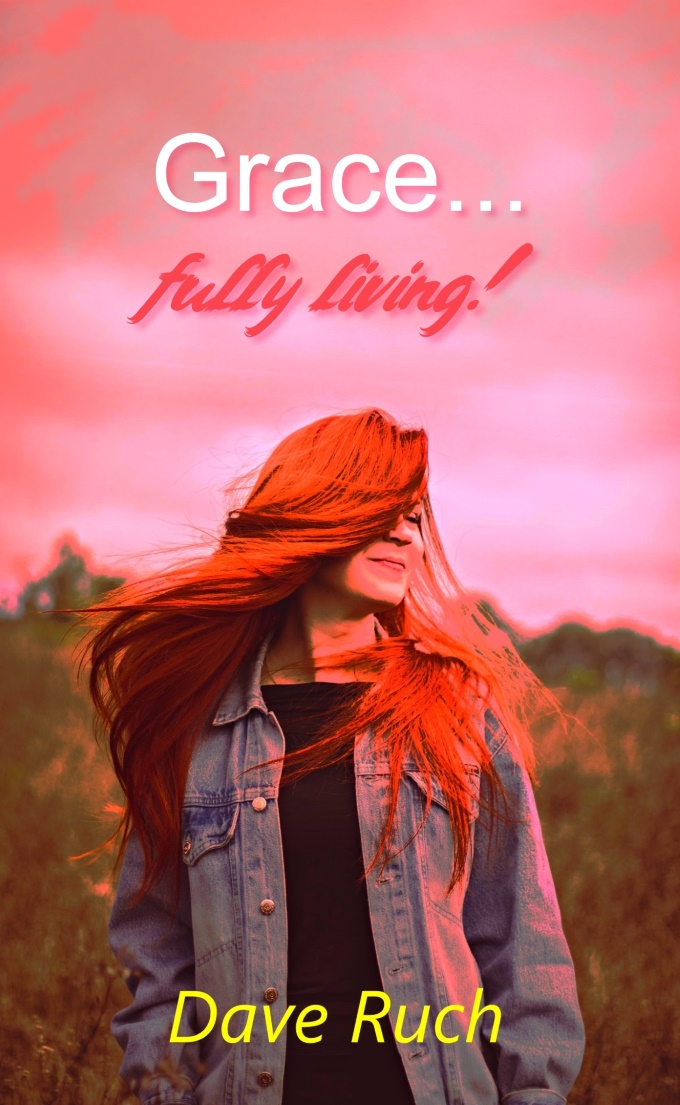
Time out here to blow my own horn a little. My first novel is now available in limited quantities as a softcover book and you can be one of the very first to get it. A perfect light read for the poolside or wherever else you might be spending the holidays!
Order your limited edition copy of Grace…fully living now through Etsy. Under $10 for this year’s hottest, funniest and most hapless new rom-com heroine in print. You’ll laugh, you’ll cry and you’ll feel good knowing your supporting independent artists like Dave.
Thank you and enjoy!
(PS- be watching for a new site soon featuring Grace…fully living discussions, pictures and more as well as other short stories and related pieces.)
Riders on the Storm sounds like a song some cool jazz midnight DJ (WKRP fans…think Venus Flytrap) would spin in the old days when they actually could pick what they played. It’s a song to chill out to and I’ve always liked it.
The song is off The Door’s last album with Jim Morrison…LA Woman. The song peaked at #14 in 1971 in the Billboard 100, #5 in Canada, and #22 in the UK.
This song evolved out of a jam session when the band was messing around with “Ghost Riders In the Sky.” It was Jim Morrison’s idea to alter the title to “Riders On The Storm.”
This would be the last song Jim Morrison recorded. He went to France and died a few weeks later.
Ray Manzarek: “There’s a whisper voice on ‘Riders on the Storm,’ if you listen closely, a whispered overdub that Jim adds beneath his vocal. That’s the last thing he ever did. An ephemeral, whispered overdub.”
From Songfacts
The song can be seen as an autobiographical account of Morrison’s life: he considered himself a “Rider on the storm.” The “killer on the road” is a reference to a screenplay he wrote called The Hitchhiker (An American Pastoral), where Morrison was going to play the part of a hitchhiker who goes on a murder spree. The lyrics, “Girl you gotta love your man” can be seen as a desperate plea to his long time girlfriend Pamela.
As it says in Jim Morrison: Life, Death, Legend by Stephen Davis, in 1962, while Jim was attending Florida State University in Tallahassee, he was seeing a girl named Mary Werbelow who lived in Clearwater, 280 miles away. Jim would oftentimes hitchhike to see her. “Those solitary journeys on hot and dusty Florida two-lane blacktop roads, with his thumb out and his imagination on fire with lust and poetry and Nietzsche and God knows what else – taking chances on redneck truckers, fugitive homos, and predatory cruisers – left an indelible psychic scar on Jimmy, whose notebooks began to obsessively feature scrawls and drawings of a lone hitchhiker, an existential traveler, faceless and dangerous, a drifting stranger with violent fantasies, a mystery tramp: the killer on the road.”
The Doors brought in bass players Marc Benno and Jerry Scheff to play on the album. Scheff came up with the distinctive bass line after Manzarek played him what he had in mind on his keyboard. It took a while to figure out, since it was much harder to play on a bass than a keyboard.
Ray Manzarek used a Fender Rhodes electric piano to create the effect of rain.
This was the last song on the last Doors album with Morrison. Fittingly, it ends with the storm fading slowly to silence. The remaining Doors released two more albums without Morrison before breaking up in 1972. In 2002, Kreiger and Manzarek reunited as “The Doors Of The 21st Century.” Densmore, who says he wasn’t invited to join them, went to court and eventually got a ruling preventing the group from using The Doors in its name, so they changed their name to “Riders On The Storm” after this song.
The single was shortened for radio play. Some of the piano solo was cut out.
In 2000, the surviving members of The Doors taped a VH1 Storytellers episode with guest vocalists filling in for Morrison. Scott Stapp from Creed sang on this track.
Creed contributed a version of this to the 2000 Doors tribute album Stoned Immaculate. Creed also performed it with Doors guitarist Robby Krieger at Woodstock ’99. Krieger sat in on Creed’s “What’s This Life For” during the set.
Doors drummer John Densmore wrote a book called Riders On The Storm about his life with Jim Morrison and The Doors.
Eric Red, the screenwriter of the 1986 film The Hitcher, has said that his screenplay was inspired by this song. He said in an interview with DVD Active: “I thought the elements of the song – a killer on the road in a storm plus the cinematic feel of the music – would make an terrific opening for a film. I started with that scene and went from there.”
When the 71-year-old Ray Manzarak was asked by the Somerville Journal in March 2010 if he turns up or turns off Doors music when he hears it on the radio. Manzarek said, “Oh, God, turn it up! Are you kidding? Living up in northern California, it rains a lot, so they play the heck out of ‘Riders on the Storm.’ And when that comes on, I crank that sucker, man.”
When he recorded this song, Jim Morrison had already decided that he was going to leave the band and go to Paris, where he would die. Some of the lyrics in this song (“girl, you gotta love your man…”) relate to his love for his girlfriend Pam Courson, who went with him to France.
At the end of this song, there are sound effects of thunder, and the faint voice of Jim Morrison whispering, “riders on the storm.” This was envisioned as his spirit whispering from the beyond.
Riders on the Storm
Riders on the storm Riders on the storm Into this house we’re born Into this world we’re thrown Like a dog without a bone An actor out on loan Riders on the storm.
There’s a killer on the road His brain is squirming like a toad Take a long holiday Let your children play If you give this man a ride Sweet family will die Killer on the road, yeah.
Girl you gotta love your man Girl you gotta love your man Take him by the hand Make him understand The world on you depends Our life will never end Gotta love your man, yeah.
Riders on the storm Riders on the storm Into this house we’re born Into this world we’re thrown Like a dog without a bone An actor out on loan Riders on the storm.
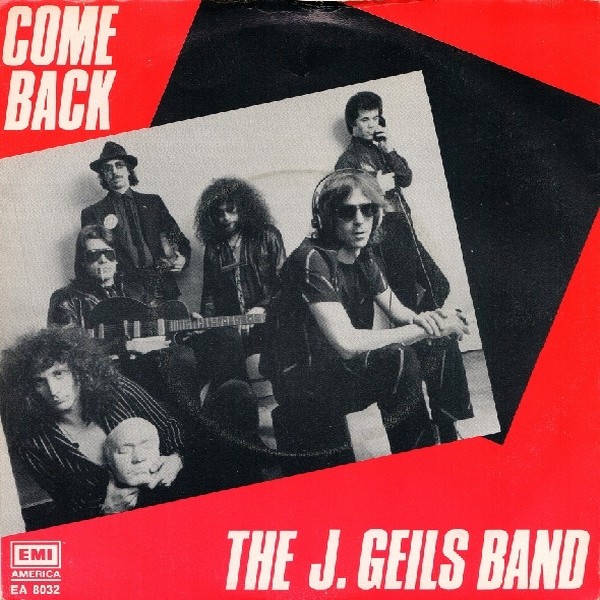
Peter Wolf was a great frontman for J Geils. Peter and keyboard Seth Justman wrote most of the songs for them. They hit big in 1982 with their more pop-oriented album Freeze Frame. Up until that time they were more R&B.
Come Back was included on the Love Stinks. With that album, the band began to update their sound for the new decade. This record setup Freeze Frame to be a huge hit.
Peter Wolf and Seth Justman wrote this song.
The song peaked at #32 in the Billboard 100 and #19 in Canada in 1980.
Come Back
When you left me all alone You left me cryin’ on my own Tell me, tell me, what you gonna do Tell me pretty baby ‘Cause I’m still in love with you
Come back (baby) Come back-won’t you come back to me Come back (baby) Come back-won’t you come back to me
Here I’m standin’ such a fool It’s not like you babe Oh, don’t be cruel Help me, help me ‘Cause you know I’m not that strong Help me, help me darlin’ I’ve been lonely for too long
Come back (baby) Come back-won’t you come back to me Come back (baby) Come back
Tell me, tell me, what you gonna do Tell me pretty baby ‘Cause I’m still in love with you
Come back (baby) Come back-won’t you come back to me Come back (baby) Come back-won’t you come back to me Come back (baby) Come back-please come back to me darlin’-aah Come back (baby) Come back-won’t you come back to me
This song has been covered by so many bar bands that the smell of beer comes with the song.
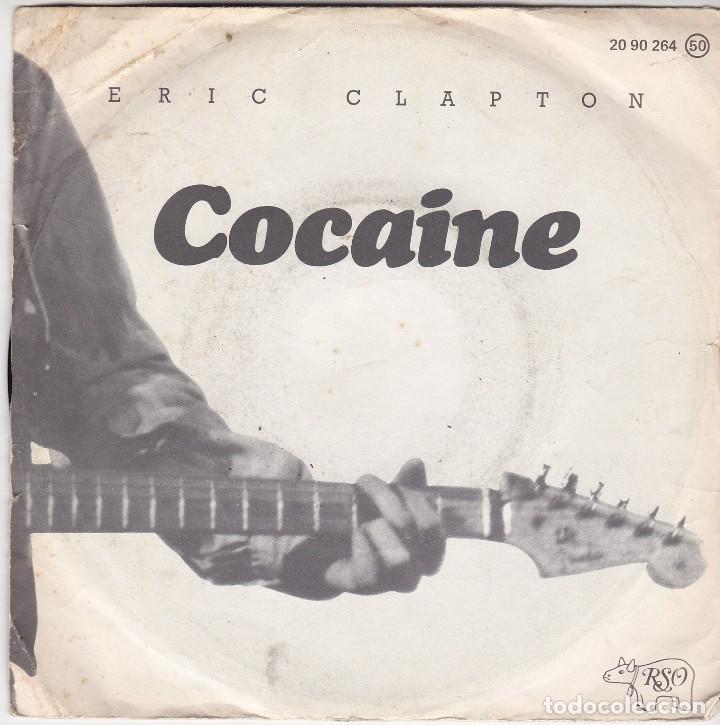
This was written and originally recorded by no other than J.J. Cale. Clapton gave Cale a huge boost he recorded Cale’s song “After Midnight” in 1970 and released it as his first solo single. This helped earn Cale a record deal.
This was on Clapton’s album Slowhand. The version that was a hit was the live version from Just One Night.
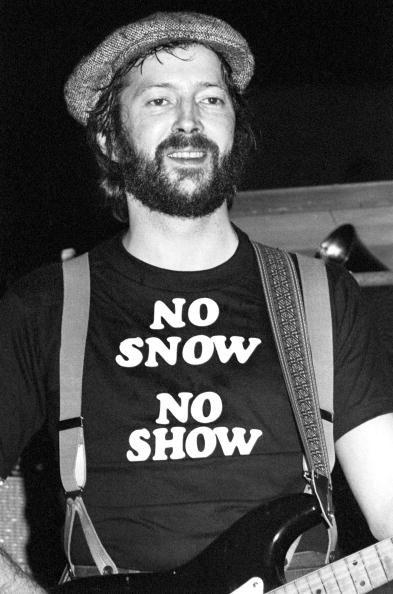
In his autobiography Clapton, Clapton said when he recorded this song he had kicked a serious heroin habit but was filling his body with cocaine and alcohol. His attitude at the time was that he could manage his addiction and quit at any time…he just didn’t want to; that’s why he could sing so objectively about a drug that was consuming him.
After he cleaned up, Clapton removed this song from his setlist because he thought it gave the wrong message about cocaine use. He started playing it again after he rearranged the song to include the line, “That dirty cocaine” into the choruses.
The song peaked at #30 in the Billboard 100 and #3 in Canada in 1980.
From Songfacts
When Clapton was looking for songs for his Slowhand album, he once again looked to Cale, and chose “Cocaine,” which became the first song on the set. Clapton would later cover Cale’s song “Travelin’ Light,” and in 2006, the pair teamed up to record an album together called The Road To Escondido.
The lyrics are about drug addiction, something Clapton knew quite well. As he When he finally did get off drugs and alcohol, he had to learn how to make music while sober, which was a big transition as everything sounded very rough to him. He also realized how damaging his addiction was to himself and others on a personal level, and became active in helping others get through their addictions; in 1998 he opened the Crossroads rehab center in Antigua, where clients go through a 29 day wellness-centered approach to treatment.
During the Slowhand sessions, Clapton and his band got to see a J.J. Cale concert, and Cale brought Clapton on stage to duet on this song.
This is one of Clapton’s most famous songs, but the studio version was never released as a single. Clapton included the song on his 1980 live album Just One Night (Live At Budokhan), and the version from this show was released as the B-side of “Tulsa Time,” which was also taken from the concert. This single charted at #30 in the US.
When J.J. Cale wrote this song, he envisioned it as a jazz number. His producer, Audie Ashworth, convinced him to make it a rocker, which required some overdubbing by Cale, since he played very simple guitar parts. Cale did three single-string overdubs of the riff. He played the bass himself, but had session pro Reggie Young play the guitar solo. Clapton’s version has a much more complex guitar line and vocals that are more prominent in the mix.
After Clapton recorded this song, J.J. Cale saw many new faces at his concerts, but many of them expected him to sound like Clapton. Cale didn’t conform, and took a more laid-back approach to his next album, 5, which was released in 1979. There were no hits on that one, although a Santana cover of one of the cuts, “The Sensitive Kind,” made #56 in 1981.
Cocaine
If you want to hang out, you’ve gotta take her out, cocaine If you want to get down, get down on the ground, cocaine
She don’t lie, she don’t lie, she don’t lie, Cocaine
If you got that lose, you want to kick them blues, cocaine When your day is done, and you want to ride on cocaine
She don’t lie, she don’t lie, she don’t lie, Cocaine
If your day is gone, and you want to ride on, cocaine Don’t forget this fact, you can’t get it back, cocaine
She don’t lie, she don’t lie, she don’t lie, Cocaine
She don’t lie, she don’t lie, she don’t lie, Cocaine
This is a perfect song for a slow Sunday…kick back and enjoy this 1971 classic song by the Stones.
Mick Jagger wrote the lyrics about his breakup with Marianne Faithfull.
Bobby Keys played the saxophone on this track and Jim Price, who also came up with the horn arrangements, played the trumpet. They both joined The Stones for their 1970 European tour. Billy Preston also played the gospel organ on this track.
Sticky Fingers was the first album The Stones recorded on their own label and the first in which Mick Taylor played guitar on nearly all the tracks. The album peaked at #1 in the Billboard Album Charts, and #1 in Canada, and the UK.
Many consider this and Exile on Mainstreet their best albums.
I’ve Got The Blues
As I stand by your flame I get burned once again Feelin’ low down, I’m blue
As I sit by the fire Of your warm desire I’ve got the blues for you, yeah
Every night you’ve been away I’ve sat down and I have prayed That you’re safe in the arms of a guy Who will bring you alive Won’t drag you down with abuse
In the silk sheet of time I will find peace of mind Love is a bed full of blues
And I’ve got the blues for you And I’ve got the blues for you And I’ll bust my brains out for you And I’ll tear my hair out I’m gonna tear my hair out just for you If you don’t believe what I’m singing At three o’clock in the morning, babe, well I’m singing my song for you
Curtis Loew is not the name of an actual person from Ronnie Van Zant’s life. Curtis Loew is a composite of different people, including Skynyrd lead guitarist Ricky Medlocke’s grandfather, Shorty Medlocke. Despite the song’s lyrics, Shorty was not black.
When Ed King was writing the liner notes for the Second Helping album, he decided to name the character after Loew’s Theater thus giving an old bluesman a Jewish name.
Personally, I think it’s one of their best songs. It has an old feel about it and the slide is perfect.
Many bands go into the studio without complete songs written and work on them in there. The two bands I’ve read about that were ready when they walked into a studio were this band and Creedence Clearwater Revival.
Ronnie Van Zant ran the band with an iron fist and they were rehearsed like crazy. If someone missed a note on stage…it would not be a happy time afterward.
This song was on their second album Second Helping. Their first two albums were great and the next few dipped a bit but they came back strong with their last studio album Street Survivors.
Since the song mentions a dobro…A dobro is a resonator guitar with a mechanical amplifier. It was originally released in 1927. Gibson now owns the rights to the dobro guitar.
They had many great album cuts and this is one of them. It never was released as a single but remains on the playlist of classic rock stations.
The Ballad of Curtis Loew
Well, I used to wake the mornin’ Before the rooster crowed Searchin’ for soda bottles To get myself some dough Brought ’em down to the corner Down to the country store Cash ’em in, and give my money To a man named Curtis Loew
Old Curt was a black man With white curly hair When he had a fifth of wine He did not have a care He used to own an old Dobro Used to play it ‘cross his knee I’d give old Curt my money He’d play all day for me
Play me a song Curtis Loew, Curtis Loew Well, I got your drinkin’ money Tune up your Dobro People said he was useless Them people all were fools ‘Cause Curtis Loew was the finest picker To ever play the blues
He looked to be sixty And maybe I was ten Mama used to whoop me But I’d go see him again I’d clap my hands, stomp my feet Try to stay in time He’d play me a song or two Then take another drink of wine
Play me a song Curtis Loew, Curtis Loew Well, I got your drinkin’ money Tune up your Dobro People said he was useless Them people all were fools ‘Cause Curtis Loew was the finest picker To ever play the blues
Yes, sir
On the day old Curtis died Nobody came to pray Ol’ preacher said some words And they chunked him in the clay Well, he lived a lifetime Playin’ the black man’s blues And on the day he lost his life That’s all he had to lose
Play me a song Curtis Loew, hey Curtis Loew I wish that you was here so Everyone would know People said he was useless Them people all were fools ‘Cause Curtis you’re the finest picker To ever play the blues
I liked every era of The Kinks but I first bought their current records in the late half of the 70s and early eighties. This song was on the album Low Budget released in 1978.
This song was written by Kinks singer/songwriter Ray Davies, he called this “a very political song about people going on strike.”
Clive Davis who ran Arista Records wanted the Kinks to do a club-friendly song.
The Kinks didn’t love disco but it was huge at the time. They found a groove they liked and infused it with their sound. Davies sings about how an ordinary person has to be Superman to survive in these difficult times…kinda applies today also.
Ray Davies: “It was kind of a joke, taking the piss out of Clive wanting us to do a club-friendly record.”
The song peaked at #41 in the Billboard 100 and #43 in Canada in 1978.
Dave Davies: “I think that one [‘Superman’] was, not the biggest mistake, but it could’ve been one of the biggest mistakes we made. I remember I had quite a difficult time with Ray while we were making the record, because I didn’t like the direction it was going. It was a strange time for music in general, anyway. The fact that it’s funny, that it was a humorous song, saved it. I don’t feel bad about that song at all, but it could have been a big mistake.”
The live version is a little more guitar based than the studio version.
(Wish I Could Fly Like) Superman
Woke up this morning, started to sneeze I had a cigarette and a cup of tea I looked in the mirror what did I see A nine stone weakling with knobbly knees I did my knees bend press ups touch my toes I had another sneeze and I blew my nose I looked in the mirror at my pigeon chest I had to put on my clothes because it made me depressed Surely there must be a way For me to change the shape I’m in Dissatisfied is what I am I want to be a better man
Superman superman wish I could fly like superman Superman superman I want to be like superman I want to be like superman Superman superman wish I could fly like superman
Woke up this morning, what did I see A big black cloud hanging over me I switched on the radio and nearly dropped dead The news was so bad that I fell out of bed There was a gas strike, oil strike, lorry strike, bread strike Got to be a superman to survive Gas bills, rent bills, tax bills, phone bills I’m such a wreck but I’m staying alive
(Look in the paper, what do I see, Robbery, violence, insanity.)
Hey girl we’ve got to get out of this place There’s got to be something better than this I need you, but I hate to see you this way If I were superman then we’d fly away I’d really like to change the world And save it from the mess it’s in I’m too weak, I’m so thin I’d like to fly but I can’t even swim
Superman superman I want to fly like superman Superman superman wish I could fly like superman Superman superman wish I could fly like superman Superman superman I want to be like superman Superman superman I want to fly like superman
But they can’t touch me now And you can’t touch me now They ain’t gonna do to me What I watched them do to you
Great song by Bruce Springsteen that was written and recorded in 1977 for the Darkness on the Edge of Town album…but Bruce later included it on The River. They Ain’t Gonna Do To Me What I Watched Them Do To You. Lines like this keep me coming back to Bruce. This is one of the strongest songs on that album and one of my favorites of Springsteen.
According to Bruce’s autobiography and his song introduction, this song is about Springsteen’s relationship with his dad. They didn’t get along, but later in life, Bruce realized his father worked very hard to support his family and came to appreciate his efforts. Bruce can also thank his dad for inspiring the rebellious spirit that led him to follow his dreams. Determined not to work a typical factory type job like his dad, Springsteen followed his dreams and made music for a living.
Bruce Springsteen: “I could never talk to my old man, he could never talk to me, my mother couldn’t talk to him. So I was glad when I finally got old enough and I started to live alone. Then for about ten years I never saw my folks that much. And just recently we came back from Europe and I got a phone call a night or two later that my father had gotten sick.
I went out to California where he was in the hospital there. I started thinkin’ on the way about all the things that I always wanted to say to him and I never said and I always figured, well, someday we’ll sit down and we’ll talk about why it was the way it was when I was young, talk about why he felt the way he did. But the years go by and it never comes up. I guess it feels like a dangerous subject or something. But he got sick and I realized that he was gettin’ old and that if I had somethin’ to say to him, I should say it now.”
Independence Day
Well Papa go to bed now it’s getting late Nothing we can say is gonna change anything now I’ll be leaving in the morning from Saint Mary’s Gate We wouldn’t change this thing even if we could somehow ‘Cause the darkness of this house has got the best of us There’s a darkness in this town that’s got us too But they can’t touch me now And you can’t touch me now They ain’t gonna do to me What I watched them do to you
So say goodbye it’s Independence Day It’s Independence Day All down the line Just say goodbye it’s Independence Day It’s Independence Day this time
Now I don’t know what it always was with us We chose the words, and yeah, we drew the lines There was just no way this house could hold the two of us I guess that we were just too much of the same kind
Well say goodbye it’s Independence Day It’s Independence Day all boys must run away So say goodbye it’s Independence Day All men must make their way come Independence Day
Now the rooms are all empty down at Frankie’s joint And the highway she’s deserted down to Breaker’s Point There’s a lot of people leaving town now Leaving their friends, their homes At night they walk that dark and dusty highway all alone
Well Papa go to bed now it’s getting late Nothing we can say can change anything now Because there’s just different people coming down here now And they see things in different ways And soon everything we’ve known will just be swept away
So say goodbye it’s Independence Day Papa now I know the things you wanted that you could not say But won’t you just say goodbye it’s Independence Day I swear I never meant to take those things away
The intro to this song is worth the price of admission. Van Morrison and guitar player Ron Elliot are trading guitar licks and then Lee Charlton joins with some great jazz-influenced drums. Van has said it was written in a stream of consciousness style. The recording was more of a jam than a thought out rehearsed process. It’s easy to get lost in this song.
Morrison released this song and album Saint Dominic’s Preview in 1972. I “found” Van in the 80s. I had heard Domino, Blue Money, and Wavelength (on SNL) when I was a kid but first heard “Brown Eyed Girl” when I was 18 years old. Why it took me so long I don’t know but after that, I had to know everything about him.
I was lucky to see him in concert in 2006 at the Ryman. If you ever get the chance to see him…don’t pass it up. His voice is even better in concert than on record and that is saying something.
Van Morrison:I picked up the phone and the operator said, “You have a phone call from Oregon. It’s Mister So-and-So.” It was a guy from the group Them. And then there was nobody on the other end. So out of that I started writing, “I can hear Them calling, ‘way from Oregon.” That’s where that came from.
Almost Independence Day
I can hear them calling way from Oregon I can hear them calling way from Oregon And it’s almost Independence Day
Me and my lady, we go steppin’ (we go steppin’) We go steppin’ way out on China town All to buy some Hong Kong silver And the wadin’ rushing river (we go steppin’) We go out on the, out on the town tonight
I can hear the fireworks I can hear the fireworks I can hear the fireworks Up and down the, up and down the San Francisco bay Up and down the, up and down the San Francisco bay I can hear them echoing I can hear, I can hear them echoing Up and down the, up and down the San Francisco bay
I can see the boats in the harbor (way across the harbor) Lights shining out (lights shining out) And a cool, cool night And a cool, cool night across the harbor I can hear the fireworks I can hear the people, people shouting out I can hear the people shouting out (up and down the line) And it’s almost Independence Day
I can see the lights way out in the harbor And the cool, and the cool, and the cool night And the cool, and the cool, and the cool night breeze And I feel the cool night breeze And I feel, feel, feel the cool night breeze And the boats go by And it’s almost Independence Day And it’s almost, and it’s almost Independence Day
Way up and down the line Way up and down the line…
To those that it applies…Happy Independence Day! I’ll have a couple of songs coming up related to Independence Day.
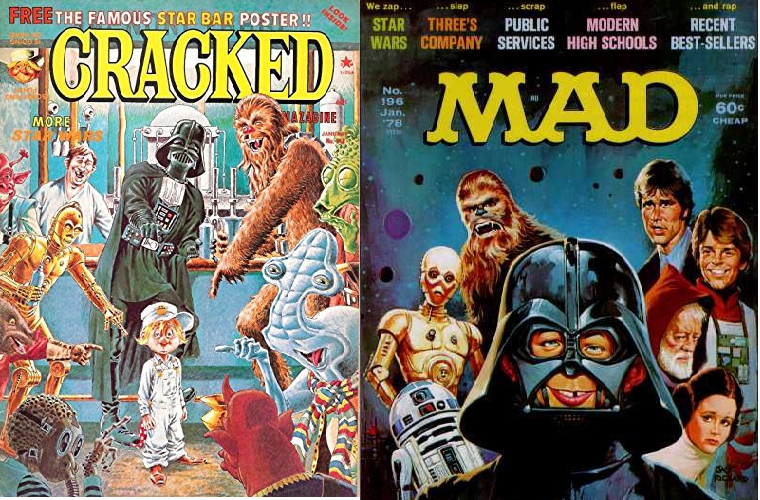
I never got into comic books like Marvel or DC…I would save up my allowance for Cracked and Mad magazine…and records of course. Mad Magazine was by far the most popular out of all of the satire comic magazines. William Gaines was the publisher of Mad magazine and was brilliant.
1952 – Present…now you an only get Mad from Comic Book Shops or order it. The new editions consist of mostly material from their archive.
Cracked was known as the poor man’s Mad but I still liked it and the magazines shared some writers and artists through the years. I bought my first Cracked Magazine when Mad was sold out but I never missed an issue after that.
1958-2007 Now the name is alive on a website but no longer a comic.
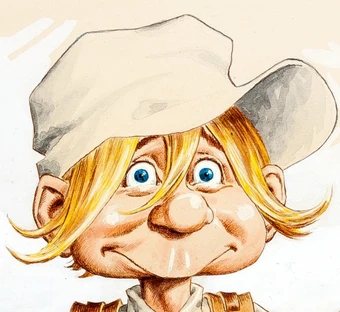
Alfred E Newman and Sylvester P. Smythe
Don Martin was my favorite artist. He was one of Mad’s most famous artists. He was there from 1956 to 1988. He was known as “Mads Maddest Artist” and then moved to Cracked and was jokingly known as “Cracked’s Crackedest Artist.”
Fellow Cracked artist Dan Clowes: “As far as I could tell, he was happy, don’t think he ever seemed to notice that Mad was respected, whereas Cracked was loathed.”
Happy Friday! This song will get it off to a…strange start. But strange is good.
Ok…there is NO one like Devo. No one before or after… they were one original band. They are the best at what they do because no one does what they do but them. Am I a big fan of Devo? No, but sometimes just to break the monotony, I play one…nothing breaks the monotony like Devo.
I’ve told this story before, but…I showed my son the SNL clip of Devo (De-Evolution) when he was around 10-12 years old and I looked around at his confused/scared look… his mouth was hung open. He asked me slowly…Dad, what was that? Son, that was Devo…it still works…whatever IT is.
The song was written by Mark Mothersbaugh and Gerald Casale. The song was produced by Roy Thomas Baker…the same producer who produced Queen, The Cars, Alice Cooper, and Cheap Trick to name a few.
It was on the album that peaked at #47 in the Billboard Charts and #10 in New Zealand. With this album, they moved away from guitars to all synthesizers, which angered some fans but the band had been saying that was their goal.
It was released in 1982 and peaked at #13 in the US Billboard Bubbling Under The Hot 100 Chart.
Peek-a-Boo!
Peekaboo I can see you And I know what you doSo put your hands on your face And cover up your eyes Don’t look until I signal PeekabooHa ha ha ha Ha ha ha ha Peekaboo
The way that we weren’t Is what we’ll become So please pay attention While I show you some Of what’s about to happen
Peekaboo I know what you do Cause I do it too
So put your hands on your face And cover up your eyes Don’t look until I signal Peekaboo
Ha ha ha ha Ha ha ha ha Peekaboo
Laugh if you want to or say you don’t care If you can not see it, you think it’s not there It doesn’t work that way
Peekaboo I can see you And I know what you do
So put your hands on your face And cover up your eyes Don’t look until I signal Peekaboo
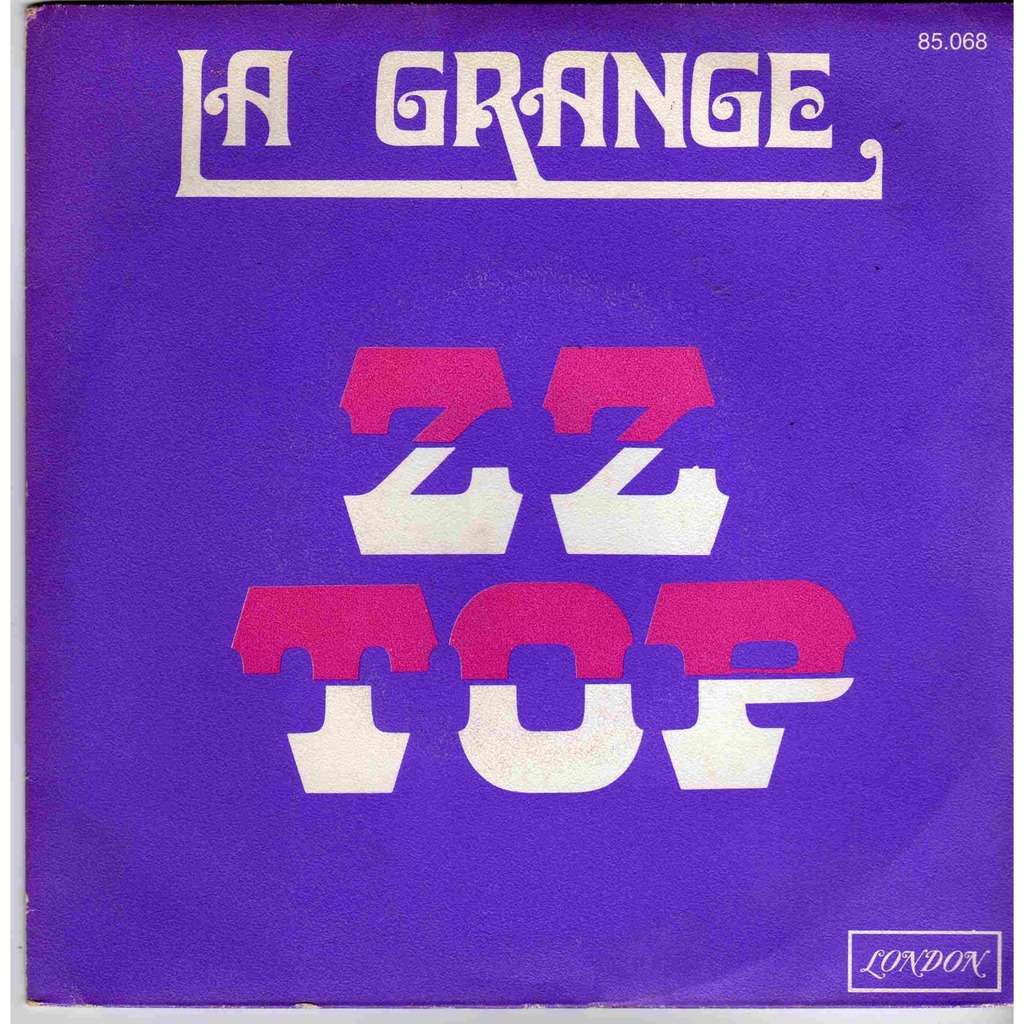
The dynamics of this song makes it. When La Grange kicks in…it kicks in with a vengeance. The song has an interesting back story.
This song is about a certain house of ill repute. It was called “The Chicken Ranch,” or Miss Edna’s Boarding House in La Grange Texas, it was probably the oldest establishment in Texas, catering to the oldest profession.
All good things must come to an end. In 1973 Marvin Zindler, a reporter from KTRK-TV in Houston decided to make a real name for himself and started bringing media attention to the Ranch. He claimed his motive for exposing the Ranch was for the Texas Department of Public Safety and local police to combat organized crime and corruption at the Ranch. Governor Dolph Briscoe was forced to close the establishment due to excessive media coverage.
A very successful musical was written about the Ranch. Edna herself had a silent role in the Broadway production which later turned into a movie, “The Best Little Whorehouse in Texas”.
A footnote to the story… Two lawyers from Houston bought the building and land and moved the main house to Dallas in 1977. It opened as The Chicken Ranch restaurant in September of 1977, with Miss Edna as the hostess. The building and furniture have since been auctioned off and the remainder of the original house has been left on the property in very poor condition. Edna later died in 2012 in Phoenix, AZ at the age 84.
The song peaked at #41 in the Billboard 100 and #34 in Canada in 1974. It was on the album Tres Hombres.
Billy Gibbons: “‘La Grange’ was one of the rites of passage for a young man. It was a cathouse, way back in the woods. The simplicity of that song was part of the magic – only two chords. And the break coming out of the solo – those notes are straight Robert Johnson. He did it as a shuffle. I just dissected the notes.”
ZZ Top bass player Dusty Hill: “Did you ever see the movie, The Best Little Whorehouse in Texas? That’s what it’s about. I went there when I was 13. A lot of boys in Texas, when it’s time to be a guy, went there and had it done. Fathers took their sons there.
You couldn’t cuss in there. You couldn’t drink. It had an air of respectability. Miss Edna wouldn’t stand for no bulls–t. That’s the woman that ran the place, and you know she didn’t look like Dolly Parton, either. I’ll tell you, she was a mean-looking woman. But oil field workers and senators would both be there. The place had been open for over 100 years, and then this a–hole decides he’s going to do an exposé and close it. And he stirred up so much s–t that it had to close.
La Grange is a little bitty town, and little towns in Texas are real conservative. But they fought against it. They didn’t want it closed, because it was like a landmark. It was on a little ranch outside of town, the Chicken Ranch. Anyway, we wrote this song and put it out, and it was out maybe three months before they closed it. It pissed me off. It was a whorehouse, but anything that lasts a hundred years, there’s got to be a reason.”
La Grange
Rumour spreadin’ ’round In that Texas town About that shack outside La Grange And you know what I’m talkin’ about Just let me know if you wanna go To that home out on the range They got a lot of nice girls
Have mercy A haw, haw, haw, haw, a haw A haw, haw, haw
Well, I hear it’s fine If you got the time And the ten to get yourself in A hmm, hmm And I hear it’s tight Most ev’ry night But now I might be mistaken Hmm, hmm, hmm
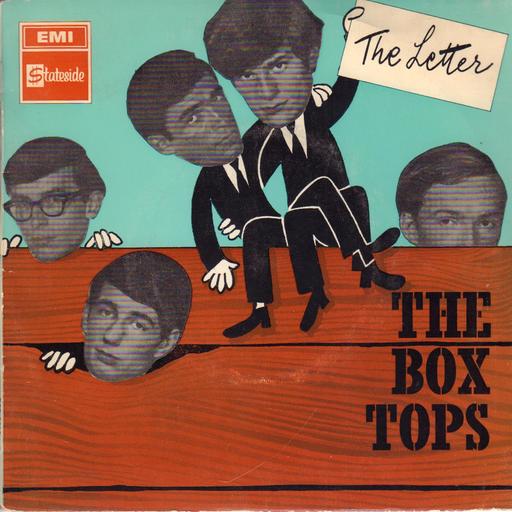
Alex Chilton was sixteen when he recorded this song for the Box Tops. The Box Tops formed in Memphis Tennessee in 1967. They would go to have seven top 40 hits. This one was their most successful single. It peaked at #1 in the Billboard 100, #1 in Canada, and #5 in the UK in 1967.
After the Box Tops, Alex Chilton would help form one of the best ever power pop bands of all time that no one ever heard of… Big Star. One of my all-time favorite bands.
Nashville songwriter Wayne Carson Thompson wrote the song after his father gave him the line, “Give me a ticket for an aeroplane.”
When the group recorded this they still did not have a name. One band member suggested…”Let’s have a contest and everybody can send in 50 cents and a box top.” Producer Dan Penn then dubbed them The Box Tops.
Rolling Stone magazine included the Box Tops original at number 372 on its list of the “500 Greatest Songs of All Time”
The band was known for this song, Cry Like A Baby, and my favorite Soul Deep.
From Songfacts
This song is about a guy who gets a letter from his former love telling him that she wants him back, and the guy wants to fly out and see her immediately.
Thompson gave the song to The Box Tops on the recommendation of his friend, Chips Moman, who ran ARS Studios and liked the sound of an unnamed band headed by then-16-year-old Alex Chilton, who auditioned for him in 1967.
Thompson played guitar on the recording. He didn’t like the singing, believing the lead vocal was too husky, and wasn’t fond of the production either. The addition of the jet sound “didn’t make sense” to him. When producer Dan Penn added the airplane sound to the recording, Wayne Carson Thompson clearly thought that Penn had lost his mind. He hadn’t – several weeks later it became one of the biggest records of the ’60s, and The Box Tops went on to score with a few other Thompson compositions, including their follow-up release, “Neon Rainbow” (#24, 1967), “Soul Deep” (a #18 hit in 1969) and “You Keep Tightening Up On Me” (their last chart hit, which peaked at #74 in 1970). A few years later, Thompson won a Grammy for cowriting the hit “Always On My Mind.”
At 1:58, the Box Tops’ version of this was the last #1 hit to be shorter than two minutes in length.
Cover versions were US hits for two other artists, The Arbors (#20 in 1969 – arrangement by Joe Scott) and Joe Cocker (#7 in 1970). Cocker’s version is a live recording featuring Leon Russell; a studio version appears on his album Mad Dogs & Englishmen.
The title is never sung in this song: his baby writes him “a letter.”
The Letter
[Chorus] Gimme a ticket for an aeroplane Ain’t got time to take a fast train Lonely days are gone, I’m a-goin’ home My baby, just-a wrote me a letter
I don’t care how much money I gotta spend Got to get back to baby again Lonely days are gone, I’m a-goin’ home My baby, just-a wrote me a letter
Well, she wrote me a letter Said she couldn’t live without me no more Listen mister, can’t you see I got to get back To my baby once-a more Anyway, yeah!
[Chorus]
Well, she wrote me a letter Said she couldn’t live without me no more Listen mister, can’t you see I got to get back To my baby once-a more Anyway, yeah!
I’ve always liked Lemmy Kilmister. He was a good bass player and very aggressive on vocals. He also gave some of the best interviews I’ve ever heard. He is best known for forming Motörhead in 1975. He joined Hawkwind in 1971.
He also was a roadie for Jimi Hendrix and went frequently to see the Beatles at the Cavern Club before they hit.
Hawkwind was a UK psychedelic heavy metal band…that often sang about science fiction. They were also called a Space Rock Band. They formed in London in 1969 as Group X. They changed their name shortly to Hawkwind Zoo and then Hawkwind. Although this was their only hit, their space-age rock albums sold consistently well throughout the ’70s.
This was by far the biggest hit for Hawkwind, peaking at #3 in the UK and getting played on the TV show Top Of The Pops. Hearing Hawkwind on BBC radio was very strange for many of their fans, as the group was far off-center and notoriously anti-establishment.
Kilmister is singing lead on this track. Lemmy wasn’t the group’s main singer…that was Bob Calvert. Calvert’s attempts to record the vocal didn’t quite make it, so Lemmy did the singing on this one.
A version of the band is still together with Dave Brock as the only original member.
From Songfacts
Hawkwind guitarist Dave Brock wrote the music to this track, and their frontman Bob Calvert composed the lyric. According to Mojo magazine September 2011, Calvert’s lyric was inspired by an Alfred Jarry short story called How To Construct A Time Machine. However, rather than writing about a “cosmic space travel machine” he made it about his new silver racing bike.
“Lemmy had a high voice but it was just very much more powerful, he had a gruffness with it, so we decided to use his vocal,” their manager Doug Smith explained. Calvert, who was hospitalized at the time for manic depression, didn’t find out that his vocal had been replaced until later. When he did, he was not pleased.
Released as a single, the song was recorded live from the Roundtree in London on February 13, 1972. The live performance had vocals by Bob Calvert, but they were replaced by Lemmy’s when the song was mixed and overdubbed at Morgan Studios.
When this song took off, the British music magazine NME put Lemmy on the cover with no sign of his bandmates. This gave the impression that he was the frontman and leader of the band, when really he rarely sang lead and had just joined the outfit.
A self-described “space rock” band from North Carolina named themselves Silver Machine after this song.
Silver Machine
I, I just took a ride in a silver machine And I’m still feeling mean
Do you want to ride See yourself going by The other side of the sky I’ve got a silver machine
It flies Sideways through time It’s an electric line To your zodiac sign
I’ve got a silver machine I’ve got a silver machine I’ve got a silver machine
It flies out of a dream It’s antiseptically clean You’re gonna know where I’ve been
Do you want to ride See yourself going by The other side of the sky I’ve got a silver machine
I said I just took a ride In a silver machine And I’m still feeling mean It flies Sideways through time It’s an electric line To your zodiac sign
I’ve got a silver machine I’ve got a silver machine I’ve got a silver machine I’ve got a silver machine I’ve got a silver machine I’ve got a silver machine I’ve got a silver machine I’ve got a silver machine I’ve got a silver machine I’ve got a silver machine
With ELO and Jeff Lynne, you knew you were getting a quality pop/rock song and it would be very catchy.
Strange Magic was written by ELO frontman Jeff Lynne, “Strange Magic” was on Electric Light Orchestra’s fifth studio album Face the Music.
By this time, the band had toned their orchestral sound to make it brighter and more radio-friendly. The strategy paid off, as this song and “Evil Woman” were both big hits.
The song peaked at #14 in the Billboard 100, #42 in Canada, and #38 in the UK in 1976. The album Face The Music peaked at #8 in the ===Billboard album charts and #35 in Canada.
Jeff wrote the song on various pianos in separate places while on tour in England with the band, presumably during the Eldorado tour.
From Songfacts
The song is about a captivating woman, but “Strange Magic” is also a good description for this song’s sonics. Compressed to a tight 3:27 for the single release (it runs 4:29 on the album), the song packs in an intriguing array of harmonies and hooks while integrating the famous ELO string section. The lyric is suitably trippy, and very repetitious, with the title appearing five times per chorus.
The weepy-sounding guitar lick is provided courtesy of Richard Tandy, who was somehow persuaded to take his hands off his various keyboards to pick up a guitar. Normally, Tandy’s array of Moog synth, clavinet, mellotron, and piano was so omnipresent that it led to the stereotype of prog-rock bands having a stack of keyboards onstage.
Some of you movie-music fans may cringe at this, but this song was also used in the 2007 stage production of Xanadu. Fear not, it was not part of the 1980 film soundtrack, although the soundtrack was the least of that film’s problems… or so we’re told.
The Pan-Pacific Auditorium in Los Angeles, California, doubled as the set of “Xanadu.”
Strange Magic
You’re sailing softly through the sun In a broken stone age dawn You fly so high
I get a strange magic Oh, what a strange magic Oh, it’s a strange magic Got a strange magic Got a strange magic
You’re walking meadows in my mind Making waves across my time Oh no, oh no
I get a strange magic Oh, what a strange magic Oh, it’s a strange magic Got a strange magic Got a strange magic
Oh, I’m never gonna be the same again Now I’ve seen the way it’s got to end Sweet dream, sweet dream
Strange magic Oh, what a strange magic Oh, it’s a strange magic Got a strange magic Got a strange magic
It’s magic, it’s magic, it’s magic Strange magic Oh, what a strange magic Oh, it’s a strange magic Got a strange magic Strange magic Oh, it’s a strange magic Oh, it’s a strange magic
Got a strange magic Strange magic Oh, what a strange magic Oh, it’s a strange magic
Got a strange magic Strange magic You know I got a strange magic Yeah I got a strange magic Strange magic












 PowerPop... An Eclectic Collection of Pop Culture