I remember being a kid and how ABC, which was our “channel 2,” never came in clearly. The picture was snowy, but I still recall catching glimpses of The Dick Cavett Show. Of course, I also remember Johnny Carson—he and Cavett were the two big talk show hosts of the time. While it might be sacrilegious to say, I always favored Cavett over Carson. Even as a kid, Cavett seemed more interesting.
The Dick Cavett Show on ABC was a smart alternative to The Tonight Show with Johnny Carson. Cavett frequently booked intellectuals and gave them time for extended, in-depth conversations. You truly got to know his guests—he took more than 10 minutes, unlike the rushed format of today. There were no distractions, no flashy sets, just meaningful conversations. That was the key: Cavett didn’t just interview his guests… he had real conversations with them. No gimmicky skits, just an authentic exchange.
Cavett had his critics. Some called him a snob, a name-dropper, or too controversial. All three were true—and I loved it. Yes, he went to Yale, and yes, he dropped names. But honestly, if I’d spent time with people like Groucho Marx, I’d name-drop too. Cavett’s guest list was legendary: John Lennon, Jimi Hendrix, Katharine Hepburn, Bette Davis, and so many more. He embraced the counterculture, but he also joked about the counterculture, staying balanced in his approach. In modern times, Conan O’Brien and David Letterman came closest to that spirit…and Charlie Rose as far as having conversations.
One of Cavett’s trademarks was his unique mix of guests. Where else would you see Janis Joplin, Raquel Welch, and Gloria Swanson sharing the same stage? His early 1970s ABC show was the pinnacle of his career. When he booked a rare or special guest, he often dedicated the entire episode to them. Bette Davis and Katharine Hepburn each had an entire show to themselves. Can you imagine that happening today? Is it because today’s stars aren’t as compelling, or has the audience’s attention span shrunk too much to appreciate such depth?
Cavett also thrived on risk. He hosted Norman Mailer and Gore Vidal, who famously clashed, and another episode featured Salvador Dalí, Lillian Gish, and Satchel Paige. These combinations were bold, and they worked. Even Johnny Carson admitted that Cavett was the only talk show host who could’ve seriously challenged him, though ABC’s third-place standing in the network race kept Cavett from overtaking Carson’s dominance.
This isn’t a knock on Johnny at all—his show set the blueprint for today’s talk shows. But Cavett offered something different: a smarter, more thoughtful experience. Watching his episodes now feels like opening a time capsule. While some moments are tied to their time, much of it remains timeless. Hearing from legends like Marlon Brando and Katharine Hepburn, who rarely did talk shows, is especially fascinating.
It wasn’t one of those “Hi, my name is Miss/Mr. So-and-So, my favorite color is blue, and goodbye until next time I have something to promote” situations. With Dick Cavett, you really got to know the person. He had a knack for drawing out something truly interesting. My favorite interview is the one with George Harrison. It didn’t seem promising at first—George wasn’t particularly eager to be on any show at the time—but Dick managed to get him to open up. You could see Cavett’s relief when George finally warmed up. This interview, which came right after John and Yoko’s appearance, turned out to be one of George’s best.
Here are some YouTube comments for these older talk shows:
I’m amazed when I go back and watch interviews from older talk shows, because it’s more quiet and the celebrity hosts and celebrity guests actually engage in authentic conversation with pure respect.
Jimmy Fallon should watch this video. No stupid laughing constantly, no sound effects and no fake laughter from the host. Just a meaningful conversation
Man no wonder podcasts have taken over. This interview was far more interesting and informative than any late night tv interview we get these days.
These are the kind of posts I like the most. They are fun to write.
Remember the SNL episode where Elvis Costello stopped playing a song and instead played a song Lorne Michaels did not want him to play? The song was Radio, Radio so Elvis defied Michaels and played it anyway. He banned Elvis from ever performing again on SNL. That was eventually lifted but that show is important and not only for that. The host of that show was special, to say the least.
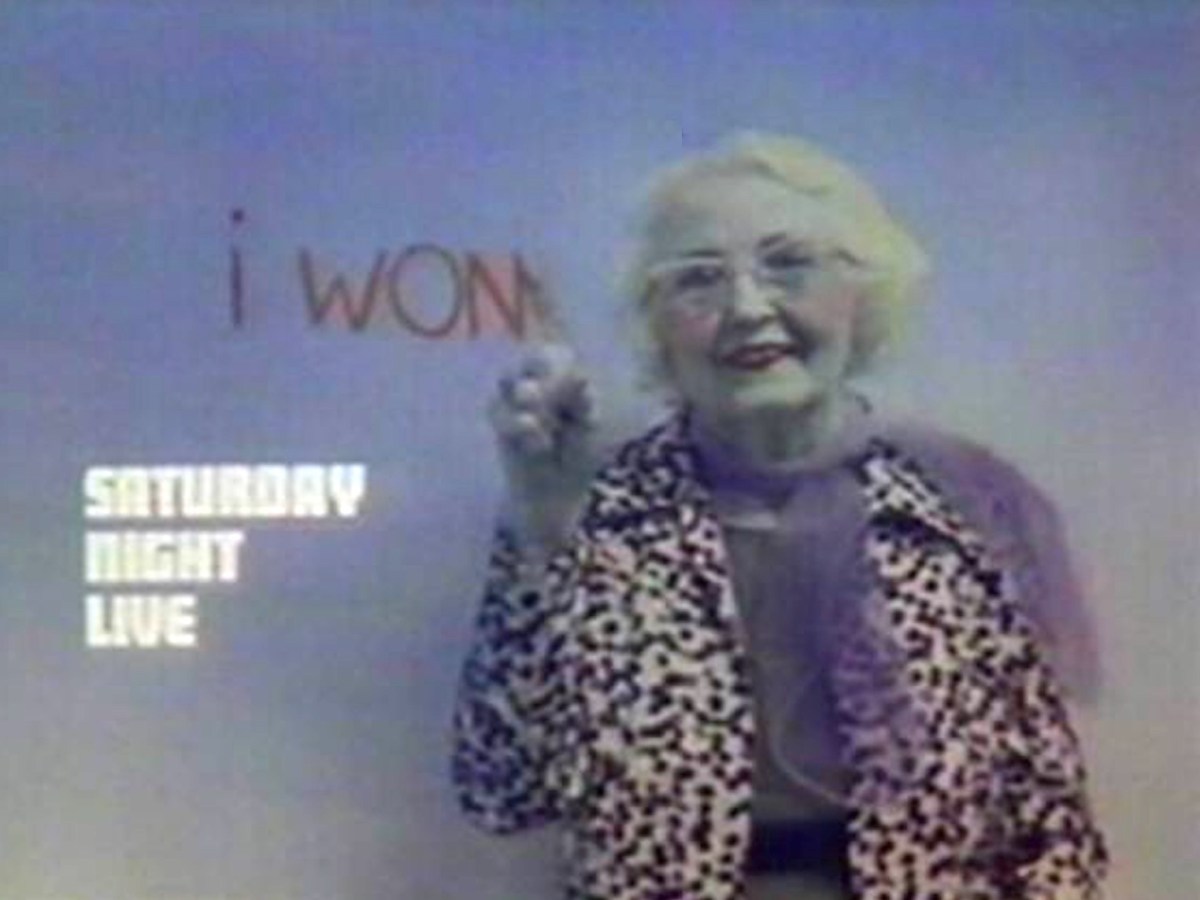
The person hosting that show was the only non-celebrity they ever had to host. At the time, she was the oldest person to host SNL at 80 years old. That record stood until 2010 when an 88-year-old Betty White hosted. Miskel Spillman won the “Anyone Can Host” contest that SNL had in 1977. The finalists were an unemployed Oregonian, a divorced mother of three, a freshman college student, the governor of South Dakota (Richard F. Kneip), and Miskel, an 80-year-old grandmother from New Orleans.
The official “Anyone Can Host” ballot from November 1977
The show got over 150,000 entries. They all had them on an earlier show with Buck Henry as the host. The opening skit had John Belushi, Loraine Newman, and Buck Henry talking about how out of it Miskel Spillman seemed. Belushi then said he shared a joint with her. He said: WE SMOKED A JOINT OF OAXACAN AND MAUI WOWIE, A LITTLE HASH OIL…IT CALMED HER RIGHT DOWN.
Miss Spillman did a great job on the show. They limited her to an extent but she did well considering she had no experience. During her hosting stint, Spillman participated in various sketches, including one where she played the elderly girlfriend of John Belushi’s character.Her appearance remains a unique moment in SNL history.
Lorne Michaels made the show to appeal to baby boomers with a touch of Avant-Garde and “guerrilla-style comedy.” It was a game-changer much like All In The Family was to sitcoms. Late night was never again a wasteland. This show helped open the doors for David Letterman and other shows to follow it.
It started out as “Saturday Night.” The Saturday Night Live title belonged to ABC for a show hosted by Howard Cosell who was out of his league. After Cosell’s show was canceled, ABC let Saturday Night have the “Live” part.
Who was the best cast through the years? This is a question that is debated over and over again. People argue and usually pick the cast they grew up with. I grew up in the Eddie Murphy and Joe Piscopo era. Personally, I always thought the original cast was the best era of the show. Yes, I thought the Murphy and Piscopo casts were very funny along with later casts that had Dana Carvey, Michael Myers, Chris Farley, Chris Rock, and many others that followed. The first five seasons had something extra that others would not and could not have. It had an underground feel that vanished after it became a pure comedy show. They had a massive amount of talent in that first class.
In the first 5 seasons, they tried things out, some failed some didn’t but they were going out on a limb and trying. The musical guests were also usually artists that didn’t appear on television at the time. If a guest host was too popular…Lorne would reject them. He would NEVER do that now.
Miskel would live a long life. She lived until she was 94 years old in 1992. She was one of only two hosts that were born in the 1800s. The other one was actress Ruth Gordon (She was a tad bit younger when she hosted). I would have loved to have met Miss Spillman…she looks like a lively fun lady. They did bring her up on the 50th anniversary.
Miskel Spillman: “I love everyone in the cast, I watch it every Saturday night, and I thought, as I am 80 years old, I want a lot of old old people all over the world to watch it and get the thrill that I have every Saturday night watching it.”
Most of us had favorite Christmas specials we would watch as kids. Mine was Rudolph, A Charlie Brown Christmas, The Grinch, and this one was fourth…Frosty The Snowman. These four would get me primed and ready for Christmas…as if I needed anything else.
“Frosty the Snowman,” debuted in 1969. It was by Rankin/Bass Productions, the same company that produced many holiday specials.
Narrated by the legend Jimmy Durante, the special involves a magic hat that transforms a snowman, Frosty, into a living being. The magician who owned the hat wanted it back now that he knew it contained actual magic, so the kids had to get together and find a way to bring Frosty to the North Pole to keep him from melting. However, once there, Frosty sacrifices himself to warm up the little girl, Karen, who took him to the North Pole. He melts, but Santa Claus explains that Frosty is made out of special Christmas snow and thus can never truly melt. Frosty then comes back to life and everyone has a Merry Christmas.
The song was written in 1950 by Walter “Jack” Rollins and Steve Nelson. They wrote it for Gene Autry, especially, after Autry had such a huge hit with “Rudolph the Red-Nosed Reindeer” the previous year. It was later recorded by Jimmy Durante as we hear in this wonderful cartoon.
This wasn’t the only animation of Frosty…
In 1954, United Productions of America (UPA) brought Frosty to life in a short cartoon that is little more than an animated music video for a jazzy version of the song. It introduced the characters mentioned in the lyrics visually, from Frosty himself to the traffic cop. The three-minute, black-and-white piece quickly became a holiday tradition in various markets, particularly in Chicago, where it’s been broadcast annually on WGN since 1955.
Thank you for dropping by. This is one of my favorite Christmas shows now and as a kid I loved it. There were three specials you didn’t miss…The Peanuts Christmas Show, The Grinch, and this one wasn’t just a show…it was an event.
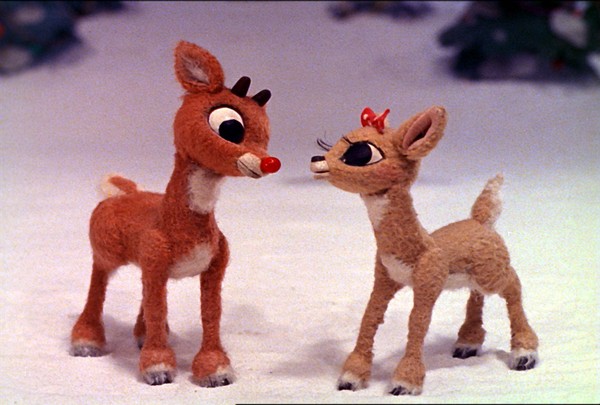
Watching Rudolph the Red-Nosed Reindeer every year is the same as setting up the tree. Every year I would look forward to seeing this along with the others but what a fantastic durable show this has been. When I hear Burl Ives in anything…I think of him as the narrator Sam the Snowman of this program. Plus the movie means a lot because my mom and I would watch it together and her name was Clarice like Rudolph’s girlfriend.
The characters are wonderful. Well except those other young reindeer who really come down on Rudolph when his nose lights up. There was absolutely NO need for that. cough coughvenisoncough. (just joking!)
Hermey the elf who wants to be a dentist Clarice – The reindeer who likes Rudolph just as he is red nose and all. Yukon Cornelius the prospector who loves silver and gold and has a tongue that can find his silver and gold. I love this guy…all he wants is a peppermint mine! Abominable Snowman – The bad guy of the show who only needs a dentist to make him a good guy. Head Elf – He leans on Hermey to get his elf self-act together and discourages him from being a dentist…I never liked him too much.
Throughout the special, Yukon Cornelius throws his pickaxe into the ground, taking it out and licking it. It turns out he is checking for neither gold nor silver… Yukon was searching for an elusive peppermint mine. In a scene right at the end of the special’s original broadcast, deleted the next year to make room for the Misfit Toys’ new scene, Cornelius pulled his pick from the ground, licked it, and said, “Peppermint! What I’ve been searching for all my life! I’ve struck it rich! I’ve got me a peppermint mine! Wahoo!” The scene was restored in 1998 and has been reinstated in all the subsequent home video releases except for the 2004 DVD release. However, this scene is still cut from recent televised airings.
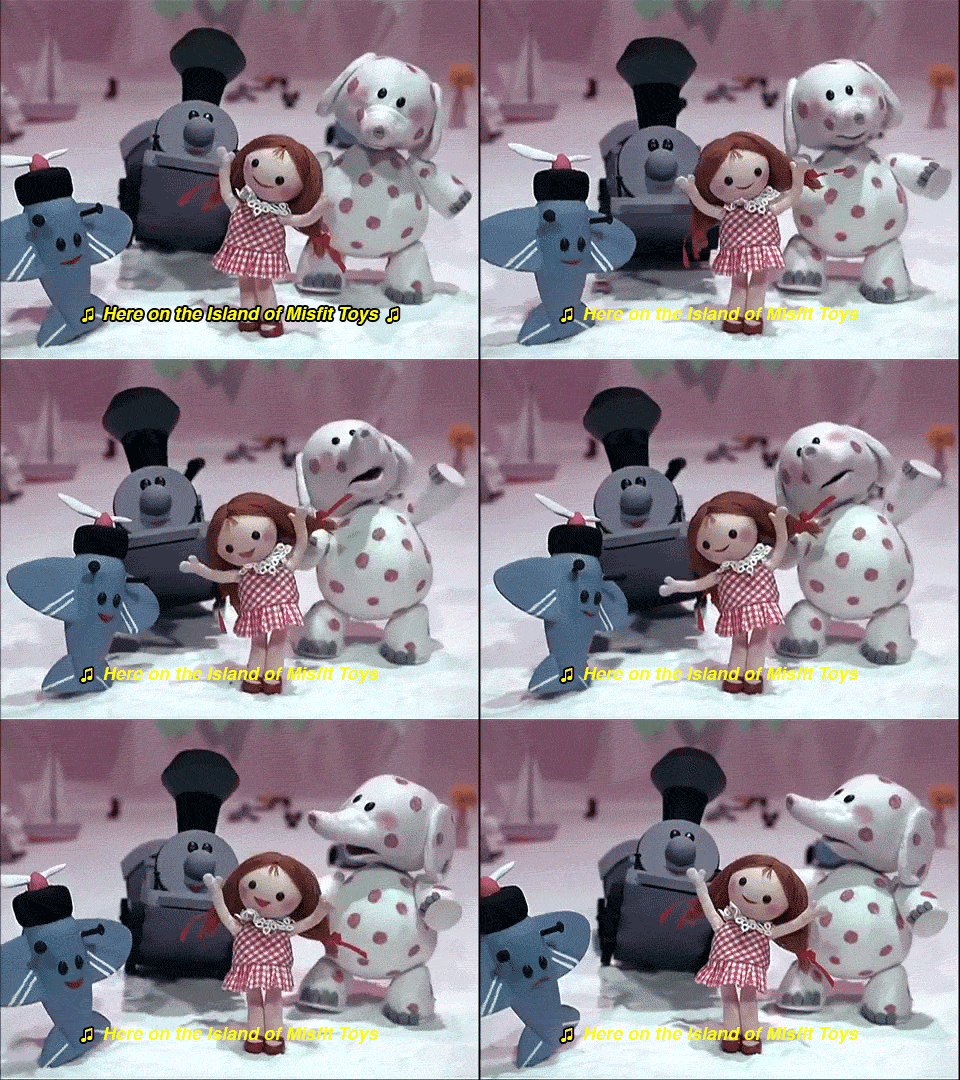
The Island of Misplaced Toys got to me when I was a kid. I really felt sorry for these lonely toys. King Moonracer was over the island and tried to convince Rudolph to tell Santa about them so he could pick them up and find kids who would play with them.
The original 1964 airing did not include the closing scene where Santa picks up the misfit toys. That scene was added in 1965, in response to complaints that Santa was not shown fulfilling his promise to include them in his annual delivery.
The stop animation in this works really well. I wish they would do more of it today. I truly like it better at times than CGI.
The songs are perfect. Silver and Gold, Holly Jolly Christmas, Jingle Jingle Jingle, We Are Santa’s Elves, There’s Always Tomorrow, We’re a Couple of Misfits and The Most Wonderful Day of the Year.
In the original TV version of the show, Rudolph, Hermey the elf, and Yukon Cornelius visit the Island of Misfit Toys and promise to help them, but the Misfits are never seen again, only mentioned as Santa’s first stop before he flies off in his sleigh. After it was shown, the producers were inundated with letters from children complaining that nothing had been done to help the Misfit Toys. In response, Rankin-Bass produced a new short scene at the end of the show in which Santa and his reindeer, led by Rudolph, land on the Island and pick up all the toys to find homes for them. This scene became a part of the standard version of the show run during the holidays.
Original puppets of Santa and young Rudolph from the 1964 production went on tour in November 2007. When purchased by their new owner, both were in poor condition – Santa had mold under his beard and half of his mustache was gone, while Rudolph’s nose was gone. The owner took them to stop-motion animation studio Screen Novelties International and restored them “as a labor of love” for expenses only — $4000. The puppets originally cost $5000 each in 1964 dollars.
I love unions like this…I will start to have some holiday posts mixed in on the way to Christmas as a second post like this one. In 1977 Bowie released his album Low at the beginning of the year and he toured as Iggy Pop’s keyboardist that year.
I know what I was doing on November 30, 1977. I was watching Merrie Olde Christmas special as a kid. I didn’t appreciate the weirdness of the combination of Bing Crosby and David Bowie at the time. Something that the seventies did well…was to intersect generations on variety shows. This one was a great combination.
This special had guest stars Twiggy, David Bowie, Ron Moody, Stanley Baxter, and The Trinity Boys Choir. It was the duet with Bing Crosby and David Bowie that has been remembered. I remember watching this knowing that Bing Crosby had died the month earlier. The duet was taped on September 11, 1977, and Crosby died on October 14, 1977.
David Bowie’s mother was a huge Bing Crosby fan and Bing Crosby’s children were big David Bowie fans…so the two agreed to sing together. It was questionable at first if it would work out.
Mary Crosby: “The doors opened and David walked in with his wife, They were both wearing full-length mink coats, they have matching full makeup and their hair was bright red. We were thinking, ‘Oh my god.'” Nathaniel Crosby, Bing’s son, added: “It almost didn’t happen. I think the producers told him to take the lipstick off and take the earring out. It was just incredible to see the contrast.”
Another possible hitch happened with Bowie. He didn’t like The Little Drummer Boy and refused to sing it. The writers then wrote a revised version of the song that he liked. They wrote a counterpart section for Bowie to sing. Crosby liked the challenge of his part. The rest is history and one of the most unusual pairings you will ever see…
One funny part is Bowie’s idea of “older fellas” at the time is John Lennon and Harry Nilsson.
Here is the complete show if you want to give it a try
The Little Drummer Boy (Peace On Earth)
Come they told me pa-rum-pum-pum-pum A newborn king to see pa-rum-pum-pum-pum Our finest gifts we bring pa-rum-pum-pum-pum Rum-pum-pum-pum, rum-pum-pum-pum
[Verse 2: Bowie and Crosby] Peace on Earth can it be? Come they told me pa-rum-pum-pum-pum Years from now, perhaps we’ll see? A newborn king to see pa-rum-pum-pum-pum See the day of glory Our finest gift we bring pa-rum-pum-pum-pum See the day, when men of good will To lay before the king pa-rum-pum-pum-pum Live in peace, live in peace again Rum-pum-pum-pum, Rum-pum-pum-pum Peace on Earth So to honour him pa-rum-pum-pum-pum Can it be When we come
[Bridge: Bowie and Crosby in unison] Every child must be made aware Every child must be made to care Care enough for his fellow man To give all the love that he can
[Verse 4: Bowie and Crosby] I pray my wish will come true Little baby pa-rum-pum-pum-pum For my child and your child too I stood beside him there pa-rum-pum-pum-pum He’ll see the day of glory I played my drum for him pa-rum-pum-pum-pum See the day when men of good will I played my best for him pa-rum-pum-pum-pum Live in peace, live in peace again Rum-pum-pum-pum, rum-pum-pum-pum Peace on Earth Me and my drum Can it be
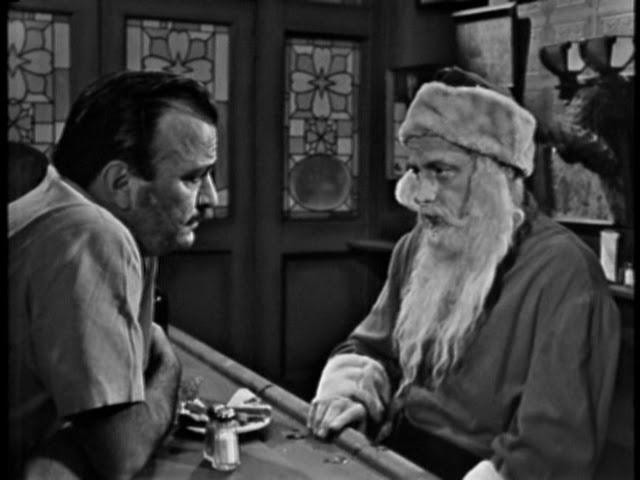
I haven’t re-run any of my Twilight Zone reviews but since it’s Christmas…I thought I would post this one. It’s a very touching episode and you get Art Carney and some great character actors in this one like John Fiedler, Robert P. Lieb, and Val Avery.
This one is a sentimental, touching, and timeless, episode of the Twilight Zone. I watch this every year around Christmas. One of the reasons Rod Serling wrote this episode is to see Art Carney play Santa Claus. This is a genuinely funny episode, with the humor feeling natural and enhancing the characters. There are no big laughs but rather many great moments.
John Fiedler plays Mr. Dundee does a great job and has good comedic moments with Robert P. Lieb who plays Flaherty. Fielder would appear on the Bob Newhart Show later on in the seventies. It was taped just three weeks before Christmas, it had a special effect on the cast and crew, and especially on the many children on the set. Production assistant Lillian Gallo later said more children were performing on that show as extras than on the other tape shows, and she remembers their excitement and their joy. Sometimes, it was difficult for them to contain themselves during the times that you had to be quiet during the show.
One sour viewer was so enraged at the blasphemy of presenting a drunk as Santa Claus that he sent outraged letters to Serling, the network, and several newspapers. Can’t Santa have a cheery night?
This show was written by Rod Serling
Rod Serling’s Opening Narration:
This is Mr. Henry Corwin, normally unemployed, who once a year takes the lead role in the uniquely popular American institution, that of the department-store Santa Claus in a road-company version of ‘The Night Before Christmas’. But in just a moment Mr. Henry Corwin, ersatz Santa Claus, will enter a strange kind of North Pole which is one part the wondrous spirit of Christmas and one part the magic that can only be found… in the Twilight Zone.
Summary
Henry Corwin is a down and outer who is normally unemployed and who definitely drinks too much. Every year he works as a department store Santa Claus. This year however, he’s spent just a little too much time in the bar and is quite drunk by the time he shows up for work. He’s fired of course and deeply regrets what he’s done. In fact, Henry has a big heart and worries not only about the children he’s disappointed at the store but about all of those children who will not get what they’ve asked for Christmas. When he comes across a large bag of gifts, everything changes for the kids and for himself as well.
Rod Serling’s Closing Narration:
A word to the wise to all the children of the twentieth century, whether their concern be pediatrics or geriatrics, whether they crawl on hands and knees and wear diapers or walk with a cane and comb their beards. There’s a wondrous magic to Christmas and there’s a special power reserved for little people. In short, there’s nothing mightier than the meek. And a Merry Christmas to each and all.
CAST
Rod Serling … Narrator / Self – Host (uncredited) Art Carney … Henry Corwin John Fiedler … Mr. Dundee Robert P. Lieb … Flaherty Val Avery … The Bartender Meg Wyllie … Sister Florence Kay Cousins Johnson … Irate Mother (as Kay Cousins) Burt Mustin … Old Man Steve Carruthers … Bar Patron (uncredited) Andrea Darvi … Kid with Santa (uncredited) Jimmy Garrett … Street Child (uncredited) Larrian Gillespie … Elf (uncredited) Jack Kenny … Man in Mission (uncredited) Caryl Lincoln … Store Customer (uncredited) Mathew McCue … Man in Mission (uncredited) Frank Mills … Man in Mission (uncredited) Mike Morelli … Man in Mission (uncredited) Nan Peterson … Blonde in Bar (uncredited) Ray Spiker … Man in Mission (uncredited) Glen Walters … Store Customer (uncredited)
You’re a mean one…Mr. Grinch. I first posted this in 2018…It’s not Christmas without the Grinch…
The cartoon was released in 1966 and has been shown every year since. This one along with Rudolph, Charlie Brown, and a few more were a part of Christmas. These specials would prime you for the big day.
One cool thing about the cartoon was that Boris Karloff was the narrator. Thurl Ravenscroft (voice of Tony the Tiger) sang the great song “You’re a Mean One Mr. Grinch. ”
The citizens of Whoville looked and acted like the others of Dr. Suess’s universe. They were all getting ready for Christmas while a certain someone…or thing looked down from Mt. Crumpit. The Grinch has hated Christmas for years and sees the Whovillians getting ready for Christmas and is determined once and for all to put an end to it.
He dresses up as Santa Clause and makes his poor dog Max act as a reindeer to swoop down and steal Christmas. The Grinch sleds down the hill almost killing Max and they soon reach Whoville. He is busted by one kid…Cindy Lou Who, who asks him questions as the Grinch took her family tree. He lies to her and sends her to bed.
In the morning after he has everything including “The Roast Beast,” he listens for the sorrow to begin.
You need to watch the rest or rewatch…
A live-action remake came out in 2000 but I still like this one the best. You cannot replicate Boris Karloff.
The Budget – Coming in at over $300,000, or $2.2 million in today’s dollars, the special’s budget was unheard of at the time for a 26-minute cartoon adaptation. For comparison’s sake, A Charlie Brown Christmas’s budget was reported as $96,000, or roughly $722,000 today (and this was after production had gone $20,000 over the original budget).
You’re a mean one Mr. Grinch The famous voice actor and singer, best known for providing the voice of Kellogg’s Tony the Tiger, wasn’t recognized for his work in How the Grinch Stole Christmas. Because of this, most viewers wrongly assumed that the narrator of the special, Boris Karloff, also sang the piece in question. Upset by this oversight, Geisel personally apologized to Ravenscroft and vowed to make amends. Geisel went on to pen a letter, urging all the major columnists that he knew to help him rectify the mistake by issuing a notice of correction in their publications.
Mr Grinch
You’re a mean one, Mr. Grinch You really are a heel You’re as cuddly as a cactus You’re as charming as an eel Mr. Grinch You’re a bad banana with a greasy black peel You’re a monster, Mr. Grinch Your heart’s an empty hole Your brain is full of spiders You’ve got garlic in your soul, Mr Grinch I wouldn’t touch you with a Thirty-nine and a half foot pole
You’re a vile one, Mr. Grinch You have termites in your smile You have all the tender sweetness of a seasick crocodile Mr Grinch Given the choice between the two of you I’d take the seasick crocodile
You’re a foul one, Mr. Grinch You’re a nasty wasty skunk Your heart is full of unwashed socks Your soul is full of gunk Mr Grinch
The three best words that best describe you Are as follows, and I quote” Stink Stank Stunk
You’re a rotter Mr Grinch You’re the king of sinful sots Your heart’s a dead tomato splotched with moldy purple spots Mr Grinch
Your soul is an appalling dump heap Overflowing with the most disgraceful Assortment of deplorable rubbish imaginable Mangled up in tangled up knots
You nauseate me, Mr Grinch With a nauseous super nos You’re a crooked jerky jockey and You drive a crooked horse Mr Grinch
You’re a three-decker sauerkraut And toadstool sandwich With arsenic sauce
Sometimes I watch a TV show and think…this is too good for Television. This is one of those shows. Great acting, writing, and production…the entire package.
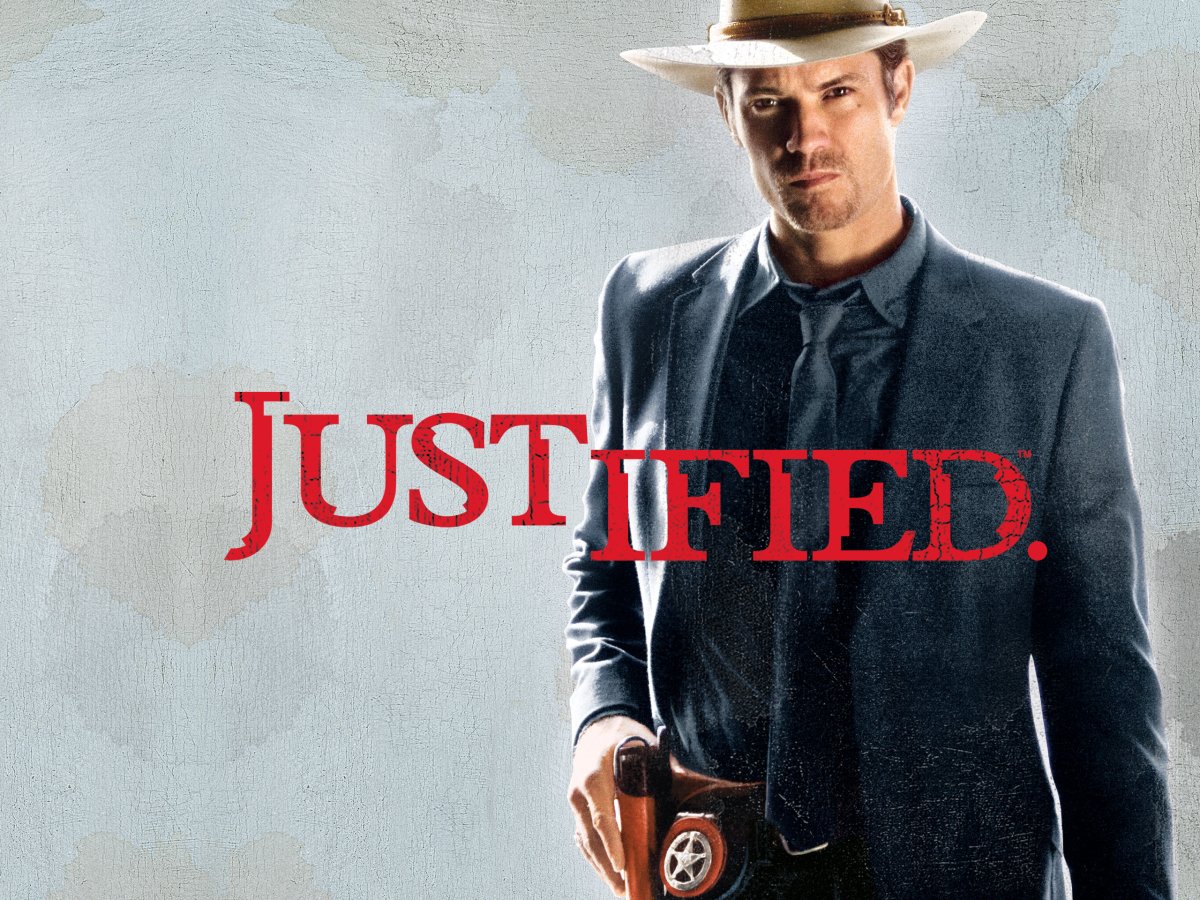
I watched this show a few years ago and now I’m watching it all over again. For me, it’s a Western set in modern times. Raylon Givens is a modern-day Matt Dillion. A US Marshall that gets his man or woman. Above all they got it from great source material and the writing for the show is excellent. People sometimes think living in the South that you would run into these bad guy characters every day. You don’t but yes I’ve known some of the bad guys on this show…or rather characters just like them as no matter where you live…you probably have also. It’s easy to relate to.
This was a TV series (2010-2015) based on Elmore Leonard’s short story “Fire in the Hole.” It follows Deputy U.S. Marshal Raylan Givens, a modern-day lawman with an Old West-style approach to the law. It’s almost like a modern Matt Dillion. He is played by Timothy Olyphant, Raylan is reassigned to his hometown of Harlan, Kentucky, after a controversial shooting incident in Miami. He is a great Marshall but not always following the book by any means. He tries to do the right thing. He is what I would call a man’s man. Men like him because he doesn’t mince his words and women like him because he looks like Timothy Olyphant. His character is stern at times and he means what he says…although all in all he is fair…just don’t push the man.
His target is Boyd Crowder who is a perfect villain. They knew each other while teenagers digging coal together. It’s almost a Batman-Joker relationship. It’s like they need each other. They could have killed the other many times but chose not to. Walter Goggins played Boyd and he was as close to perfect as you could get as a bad guy. He is not a slow-talking dumb Southerner…he is highly intelligent and manipulative and Raylan Givens matches him. It’s like a high-stress chess game with each other.
The character actors on this show are great as well. Joelle Carter as Ava Crowder, Natalie Zea as Raylan’s ex-wife Winona Hawkins, Erica Tazel as US Deputy Marshal Rachel Brooks, Sam Elliot as Avery Marham, Mykelti Williamson as Ellstin Limehouse, and…I could go on and on. The show has the Dixie Mafia and revolves around Harlan Counties love of “hillbilly heroin” which would be Oxycontin. Other cities come into play like Miami, Detroit, and other locations where drugs are either sold or smuggled from at the time.
The one thing that the show has is a GREAT sense of humor. It’s not remembered as much for that but it does have some funny and dark one-liners. The humor is one thing that keeps me coming back.
Watch this show…there were only 78 episodes and last year…8 years after it ended…they have brought back Raylan Givens for Justified: City Primeval.
Some quotes
Raylan Givens: I shot people I like more for less.
___________________________________
Raylan Givens: The answer is: me and dead owls don’t give a hoot.
___________________________________
Raylan Givens: I need to convince her to get out of Kentucky.
Winona Hawkins: And you think dumping her, handcuffed, at your ex-wife’s house is going to do the trick?
_____________________________________
Raylan Givens: Sometimes, we have to make deals with lowlifes because we have our sights set on life forms even somehow lower on the ladder of lowlife than they.
I will watch this show this week…it’s not Christmas without The Peanuts and watching them all dance to “Linus and Lucy.”
The Peanuts were my favorite cartoon growing up and I would never miss their Thanksgiving, Halloween, and Christmas specials. Everyone can relate to Charlie Brown because we all lose more than we win in life. He doesn’t get to kick that football, his dog has more things than he does, and he is forever trying to get the elusive little redhead girl to notice him.
The Peanuts inhabit a kid’s world where grownups are felt but not heard. At least not in English. I’ve said this before but… Charlie Brown, one day when you grow up… I hope you end up with the little red head girl that you like so much and win just for once…for all of us.
This 1965 special has everything good about them in one show.
The gang is skating and Charlie Brown is telling Linus that despite Christmas being a happy time he is depressed. Linus tells Charlie that is normal and Lucy pipes in with “Of all the Charlie Browns in the world, you’re the Charlie Browniest.” That sums it all up.
Charlie gets to direct the Christmas play and his main job was to get a spectacular Christmas tree under Lucy’s orders. …He picks the only real tree there…more like a branch but he is sure it will do the job. Most of the gang do not agree when he comes back with the tree but Charlie persists. Linus gets up and reads from the Bible and the inflection he lends to the reading is great.
After that, you will need to watch because it will be worth it.
Aluminum Christmas trees were marketed beginning in 1958 and enjoyed fairly strong sales by eliminating pesky needles and tree sap. But the annual airings of A Charlie Brown Christmas swayed public thinking: In the special, Charlie Brown refuses to get a fake tree. Viewers began to do the same, and the product was virtually phased out by 1969. The leftovers are now collector’s items.
Actors and Actresses The early Peanuts specials made use of both untrained kids and professional actors: Peter Robbins (Charlie Brown) and Christopher Shea (Linus) were working child performers, while the rest of the cast consisted of “regular” kids coached by Melendez in the studio. When Schulz told Melendez that Snoopy couldn’t have any lines in the show—he’s a dog, and Schulz’s dogs didn’t talk—the animator decided to bark and chuff into a microphone himself, then speed up the recording to give it a more emotive quality.
Some tv episodes are classic and will live on. When you tell someone you like a certain show, there is always that certain episode that many people will bring up that represents that show. I’ll go through a few random shows in the next few weeks and pick the one that I remember the most. They will be in no particular order.
” Those can’t be skydivers. I can’t tell just yet what they are but… Oh my God! They’re turkeys! Oh no! Johnny can you get this?”
” The Pinedale Shopping Mall has just been bombed with live turkeys. Film at eleven”
“I really don’t know how to describe it. It was like the turkeys mounted a counter-attack. It was almost as if they were… organized!”
“As God as my witness, I thought turkeys could fly”
WKRP IN CINCINNATI – Turkeys Away
When I talk to people about this show. This episode always comes to mind. The Characters are Bailey Quarters, Les Nessman, Mr. Carlson, Venus Flytrap, Dr. Johnny Fever, Herb Tarlek, Jennifer Marlowe and Andy Travis
Les’s play by play of the promotion is great. The complete episode is great but when Mr. Carlson says the closing line it turns into a classic episode.
It starts off with the big guy Mr. Carlson trying to act busy driving everyone crazy trying to be useful and probing the office to see what everyone was up to. He decided he would plan a promotion. He told the salesman Herb to get 20 turkeys ready for a Thanksgiving radio promotion.
Les is at the shopping center and Mr Carlson and Herb are up in a helicopter. He then notices a dark object being dropped from the helicopter, then a second one. Believing them to be skydivers, his tone becomes increasingly cautious when he sees no parachutes are opening. After a few more moments he realizes in horror that the objects are live turkeys. Continuing his broadcast (which bears a strong resemblance to the Hindenberg disaster) he says that the turkeys are hitting the ground and that the crowd has begun running away in panic. One turkey hits a parked car. Les continues, saying the turkeys are hitting the ground like “sacks of wet cement”. He tries to retreat to the store behind him but realizes he can’t after annoying the owner.
At the studio, the gang are listening, horrified themselves, when the broadcast is suddenly cut off. Johnny calmly tries to re-establish contact with Les, but hears only silence. Johnny thanks Les, telling his listeners that the shopping mall was just “bombed by live turkeys” and ends the broadcast.
At the end, Mr. Carlson says the phrase that elevates the episode to a classic. “As God as my witness, I thought turkeys could fly”
I will be reposting some of my Thanksgiving Posts along with some music until Thanksgiving. I’m so ready for Thanksgiving this year…we will be going over to a relative of mine and I get to see some family members I don’t get to see during the year.
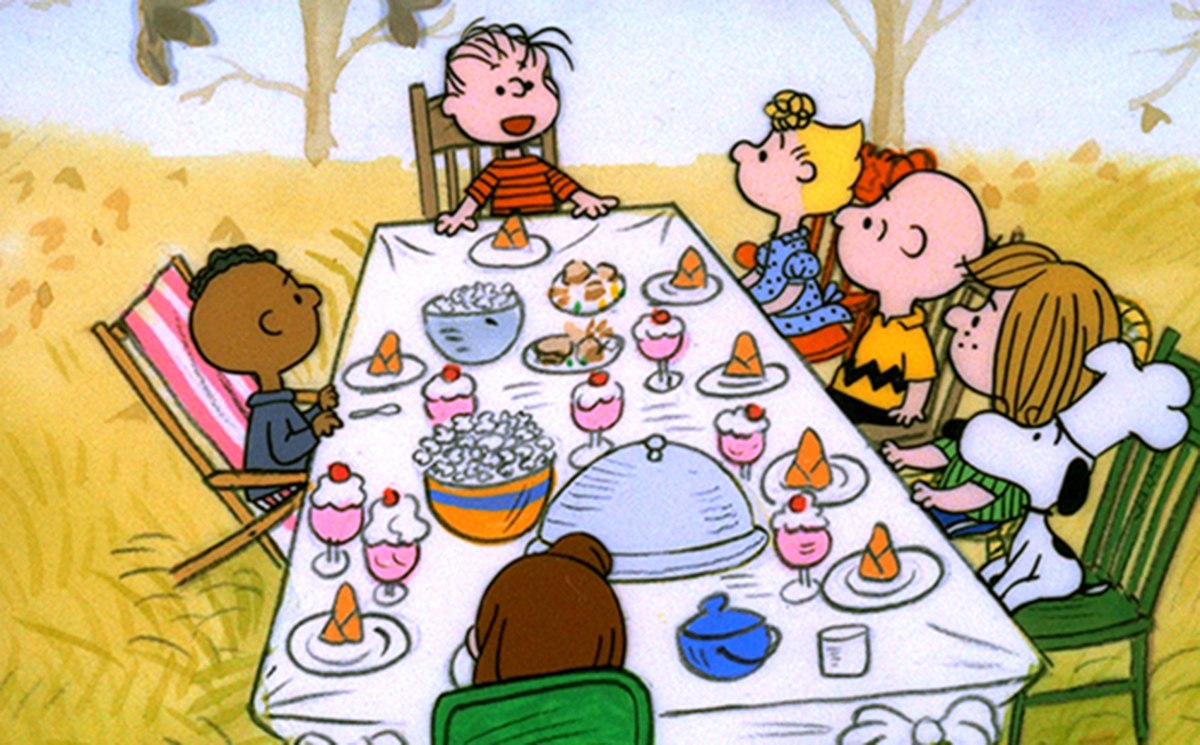
Happy Thanksgiving to everyone…we are only two days away for those who celebrate it. This special first premiered on November 20, 1973, on CBS and won an Emmy Award. Great Thanksgiving special as always with the earlier Peanuts.
The Halloween, Thanksgiving, and Christmas Peanuts specials I always looked forward to. The way their world was only for kids where grownups were heard but only as noise in the background. It starts off with Lucy tempting Charlie Brown with that football. Just one time I want to see Charlie kick the football…or Lucy.
It’s Thanksgiving and Peppermint Patty invites herself and Marcie over to Charlie Brown’s house but Charlie and Sally are ready to go to their grandmothers. Charlie talks to Linus and he suggests having two Thanksgiving dinners.
The only thing Charlie can come up with is feeding his friends toast and cold cereal which does not make Peppermint Patty happy whatsoever. She lets Charlie have it really bad until Marcie reminds her that she invited herself over.
Not going to give it away for those who have not seen this wonderful holiday cartoon. The music by Vince Guaraldi is excellent and makes every Peanuts cartoon special.
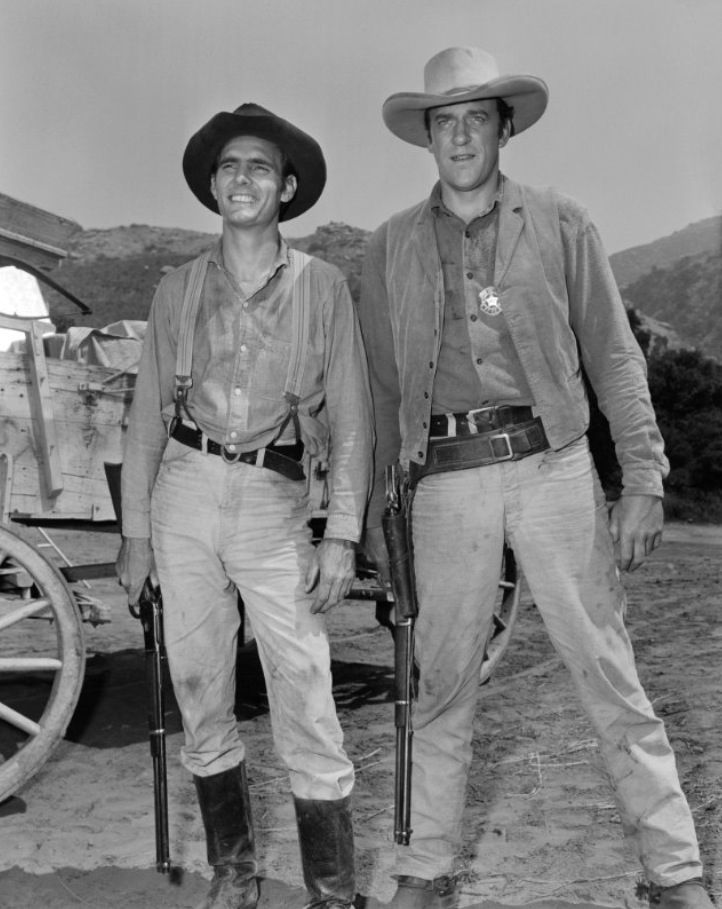
I’m reading a book on James Arness…or Matt Dillion from Gunsmoke. When you watch these beginning shows you see Arness turn into a fine actor. He was in many movies before Gunsmoke but he looked a little uncomfortable in the first season. By the second season, you could see a huge change. Arness said he wasn’t comfortable and he got an acting teacher to help refine his acting for television.
I liked the show because I grew up watching the hour-long color episodes (seasons 12-20) of Gunsmoke in reruns. The first 6 seasons were black and white and 30 minutes long. Seasons 7-11 were one-hour black and white shows. As I said seasons 12-20 were one-hour color shows.
Now I’m watching the first 6 seasons for about the 6th time… There is no Festus or Newly…we have Chester (Dennis Weaver), who is a refreshing character. They never played these episodes on television when I was younger. There still is Doc Adams (Milburn Stone)and the astonishing Kitty Russell (Amanda Blake).
These episodes dealt with murder, rape, human trafficking, and plenty of Matt Dillon (James Arness) decking bad guys with his fist or the butt of his gun. They are 30 minutes long which is great. They got to the point quickly. Some of the stories were grim but matched the look of the series. It was an adult show at this time.
I was surprised at how rough, violent, and authentic they were and that is not knocking the later episodes but there is a huge difference. The violence was toned down as the series continued. The later color episodes centered more around the guest stars and the old black and white ones centered more on the local residents of Dodge City. That was by design because of the hour format…and some shows had some filler in them in that format.
Have Gun Will Travel was also on CBS along with Gunsmoke. You will see some of the same character actors and sets. Some Have Gun Will Travel scenes were filmed in a redecorated Long Branch… Too bad there wasn’t a crossover at least once.
Chester…I’ve always liked Dennis Weaver as an actor…in McCloud, Duel, and anything he was in… He brings his character Chester alive as a real person. Chester had a limp on the show and Dennis Weaver said he would take yoga classes so he could do things like putting on a boot to look believable with a bad leg…he also put a pebble in his boot on his right foot so he would not forget which leg was lame. He said it took him months after Gunsmoke not to use the limp on camera because he was so used to it.
Chester could be lazy but he was invaluable and loyal to a fault to Matt Dillon. Dennis Weaver left the show after the 9th season with no explanation on what happened to Chester as was the way back then with TV shows. He was mentioned one time in the 20th season. Burt Reynolds joined the show for two years in seasons 8 and 9. He said it was his best experience in entertainment. The cast was extremely close.
If you are a fan and have seen only the later episodes…check these out. It puts a new light on the show. Unlike other Westerns, Native Americans were not usually the bad guys in Gunsmoke. Matt Dillion was a good friend to many of them.
Here is a badly recorded clip of Matt Dillion, Chester, and Ken Curtis who would later take Chester’s place in the show and play Festus.
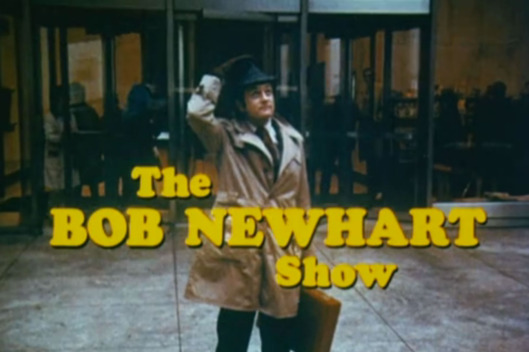
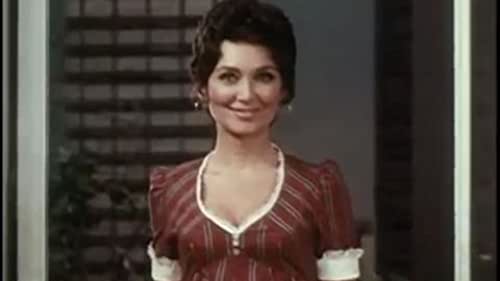
I found out yesterday that one of my comedy heroes died…Bob Newhart. I watched him as a small kid and didn’t always understand the adult humor at the time but I loved it. He delivered it in a way that you could understand. I wrote this back in 2018 or so but I wanted to repost it. Also…having a crush on Suzanne Pleshette didn’t hurt either.
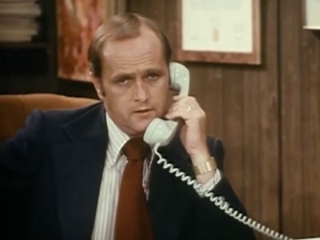
If you don’t like a dry sense of humor…Bob was NOT for you. Bob Newhart excelled in dry humor…and talking on the telephone, a part of his long history in standup.
One of my personal favorite sitcoms of the seventies. It would never be rated as the best by many people or critics…I just like Newhart’s dry sense of humor. Bob Newhart also was in a sitcom in the 1980s called “Newhart” that was set in Vermont which sometimes people confuse with this show. That one was good but this one was more believable to me…although Newhart had the best last episode ever.
This show was set in Chicago with Bob playing psychologist Bob Hartley. He lived with his wife Emily Hartley in an apartment complex. He worked in an office building with a receptionist named Carol and an Orthodontist name Jerry. There is also a neighbor named Howard Borden…who sometimes can be just a little too out there (or dumb) but he is more like Bob and Emily’s child at times. Speaking of Emily…I was around 9 years old when I started to watch this…Suzanne Pleshette was one of my first of many crushes growing up.
The show ran from 1972 to 1978 with 142 episodes. It was never a Nielson Rating giant despite following the Mary Tyler Moore Show but it was in the top 20 in its first few years.
A college drinking game originated from this show. Every time you heard “Hi Bob” you would consume alcohol…sounds like a better time than Yahtzee or Monopoly!
The show’s plot takes place usually in three different locations. Bob is at home with Emily, Bob with his patients, and Bob with Carol and Jerry. Elliot Carlin was a patient of Bob’s and the most pessimistic character I ever saw on a sitcom. He thought the worst of people and himself and often would puncture Bob’s optimism.
This show was part of CBS’s Super Saturday night lineup that featured All In The Family, The Jeffersons, The Mary Tyler Moore Show, The Bob Newhart Show, and then The Carol Burnett Show. All of those shows are remembered today.
It is a smartly written sitcom…the two episodes I would recommend is “Motel” in season 2 episode 2 and the classic episode “Over the River and Through the Woods” season 4 episode 11…a great one to watch at Thanksgiving.
If you like a dry sense of humor this show is for you. Some trivia about the show, the bedspread, and sheets in Bob and Emily’s bedroom were designed by Suzanne Pleshette. She designed bedding for JP Stevens Utica brand.
The Bob Newhart Show might be the driest American sitcom to ever attain anything like major success. While the show was buoyed by running after The Mary Tyler Moore Show for much of its run, making it more of a beneficiary of a good time slot than a breakout hit, in some ways, Bob Newhart has aged even better than that series. Mary Tyler Moore was more historically important, but the center of the show is the uneasy tension arising from the increased entry of women into the workplace in the ’60s and ’70s, which gives the series a certain quaintness in 2014. Bob Newhart—produced by MTM Enterprises, the studio behind Mary Tyler Moore—is about the perils of trying to lead a mentally sound and fulfilling life in the morass of modern society. It’s a subject that will never go out of fashion—even if the series’ ’70s trappings and outfits seem occasionally ridiculous.
The Bob Newhart Show has gotten even more modern in tone with the passage of time, an unusual trick for a TV show. The complete series, collected on DVD for the first time by Shout Factory recently, centers on the home and work lives of Dr. Bob Hartley (Newhart), a Chicago psychologist whose life is rigidly defined by dealing with his patients—both individually and in the group therapy sessions that became a famous source of jokes for the show. The personalities at his office—orthodontist Jerry (Peter Bonerz) and their receptionist, Carol (Marcia Wallace)—are rarely the draw for the show, but they’re perfectly fine as foils both for Bob and his patients.
It’s on the other side of the series that the show crackles to life. When Bob goes home, he arrives to his wife, Emily (Suzanne Pleshette), and the relationship between the two is the thing about the show that most feels like something no network executive would ever greenlight today. The two are deeply in love, and reading between the lines of their dialogue also reveals they’re having lots of sex. But the show codes their conversation as their sex, taking a tip from the great screwball comedies of the ’30s and ’40s. There’s nothing they love so much as ribbing each other with jokes that would be acidic in lesser hands but feel affectionate coming from the mouths of Newhart and Pleshette. What’s more, the two don’t have children and rarely discuss having them. This was because Newhart didn’t want the show to turn into one where he played off of cute kids, but it played as quietly revolutionary at the time and even more so now. The Hartleys are eternally childless, finding their fulfillment in their professional lives and each other, building a marriage that’s more about finding a solid partner to navigate life with than anything else.
The Bob Newhart Show is also notable for breaking down into three rough eras of two seasons each. Where many other sitcoms of this era (the best ever for American sitcoms) were shepherded by a handful of the same producers from start to finish, Bob Newhart began life as a sort of drier, chillier riff on Mary Tyler Moore, under the tutelage of Lorenzo Music and David Davis. This version of the show, its weakest but still an enjoyable one, ran for the first two years, before spending the next two seasons with Tom Patchett and Jay Tarses working first as head writers, then as showrunners. Tarses’ darkly misanthropic streak and lack of love for the sitcom form blended well with a show about psychoanalysis, and the series became one of the darker sitcoms in TV history. By its fifth (and best) season, it was practically death-obsessed, with frequent riffs on suicide and serious psychological conditions. Yet these final two seasons (which gave some of the best TV writers in history their big break) also up an absurdist quality that was already in the show to quantities that hadn’t been seen in the sitcom since the heyday of Green Acres.
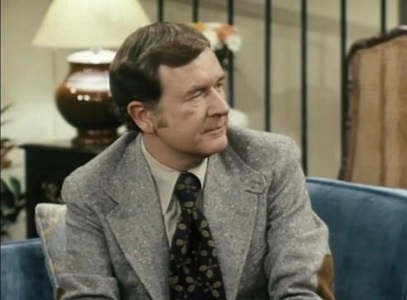
That absurdism also taught future writers who would work on shows starring Newhart a valuable lesson: Newhart, in and of himself, is not the driver of the story. He is, instead, the reactor, the modern man trapped in an absurd system and forced to remark quietly on how bizarre it is. Despite being deliberately low-concept, The Bob Newhart Show is one of the weirdest sitcoms in history, especially as it goes on. Even the characters who seem to be the most traditional sitcom types, like Bill Daily’s Howard Borden, go beyond what they initially seem to be (in Howard’s case, a generic dumb guy) and take on a specificity that other shows would avoid. Howard, for instance, is a navigator for an airline, who has terrible luck in love and a tendency to spiral blame for things he’s done wrong outward at others. What seemed like a generic riff on Mary’s Ted Baxter early in the show’s run becomes something else entirely—not a buffoon but, rather, a man limited by his own perceptions.
All of this reaches its apex in the show’s best character, Jack Riley’s Elliot Carlin, one of Bob’s patients and an almost perfect foil for Dr. Hartley, his dark, dour demeanor acting like a funhouse-mirror version of his therapist. The scenes between the two can feel like minimalist one-act plays at times, with Newhart and Riley bouncing off of each other in barely varying monotones that take on the vibe of complex business negotiations disguised as therapy sessions. In Carlin and Hartley, the show found two very similar men who looked at the dehumanizing state of American society of the ’70s and chose wildly different reactions. Hartley, an optimist, chose to believe people could improve themselves; Carlin, a pessimist, was pretty sure they never would. The genius of The Bob Newhart Show was how it knew Carlin was right but admired Bob Hartley for trying anyway.
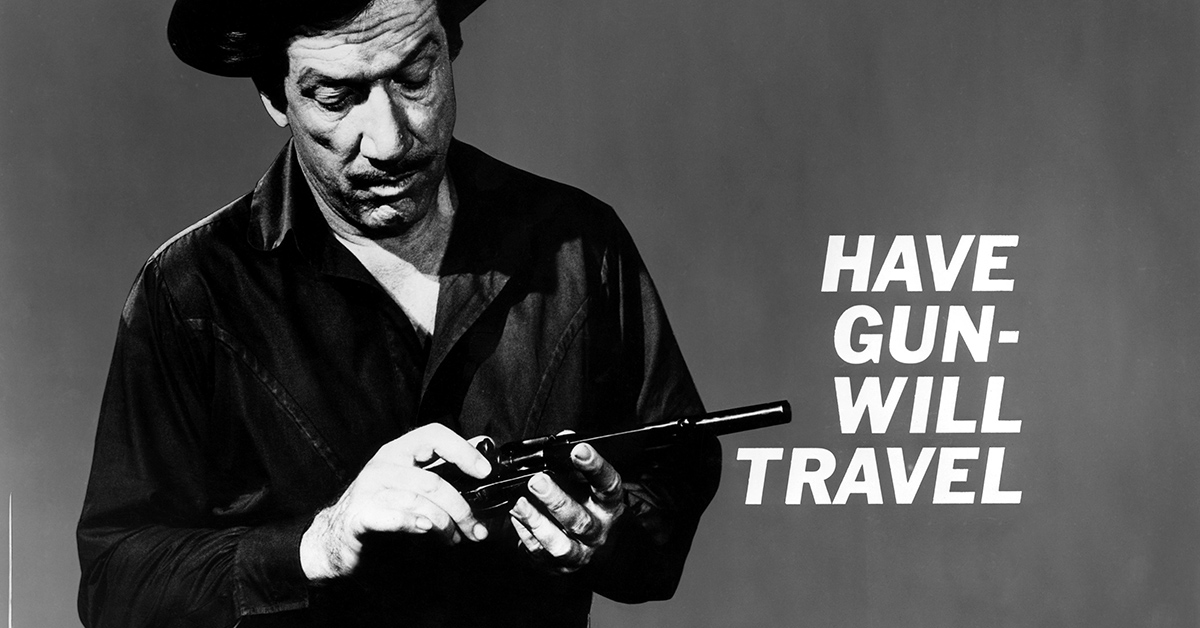
I never got into TV westerns very much but this one was different. It was on for 6 seasons from 1957 – 1963 that featured very different leading man type… Richard Boone. Boone was the perfect to play Paladin and I always liked him in his movies.
24 episodes were written by Gene Roddenberry before he tackled Star Trek. The writing and the stories set this show apart from Bonanza and many other Westerns from this period. That is not a knock on the other Westerns but this one was unique.
A rich sophisticated gunslinger (that goes by the name Paladin)…with morals…. lives in an 1880s hotel in San Francisco. Anyone in trouble can hire him at his normal fee of 1000 dollars (if the cause is good….he sometimes doesn’t charge)… He is a problem solver and only kills if he has to. Paladin never reveals his real name but during each episode, he will flash his business card to a prospective client, and then Paladin changes from socialite clothing to an all-black outfit. He is a man’s man who is a fast draw and quotes Shakespeare, Homer, Oscar Wilde, and many more… Not your average Western gunslinger…
Guest stars included Charles Bronson, Jack Lord, Buddy Ebsen, Harry Morgan, Dan Blocker, DeForest Kelley, Ken Curtis, Lon Chaney Jr., John Carradine and many more.
I’m surprised it lasted as long as it did because they did not dumb it down like so many shows did then and especially now.
If you decide to give this series a try…watch the 1st episode of the 6th season (Genesis) first… because it explains where Paladin got his name…but still never gives his real name.
If you ever watch something I recommend…please give this short one-hour film a chance. Someone brought a DVD of this for me to watch around 7 years ago. I thought it was going to be boring. I ended up watching it twice in one sitting. It will draw you in. I watch it at least once every year or two.
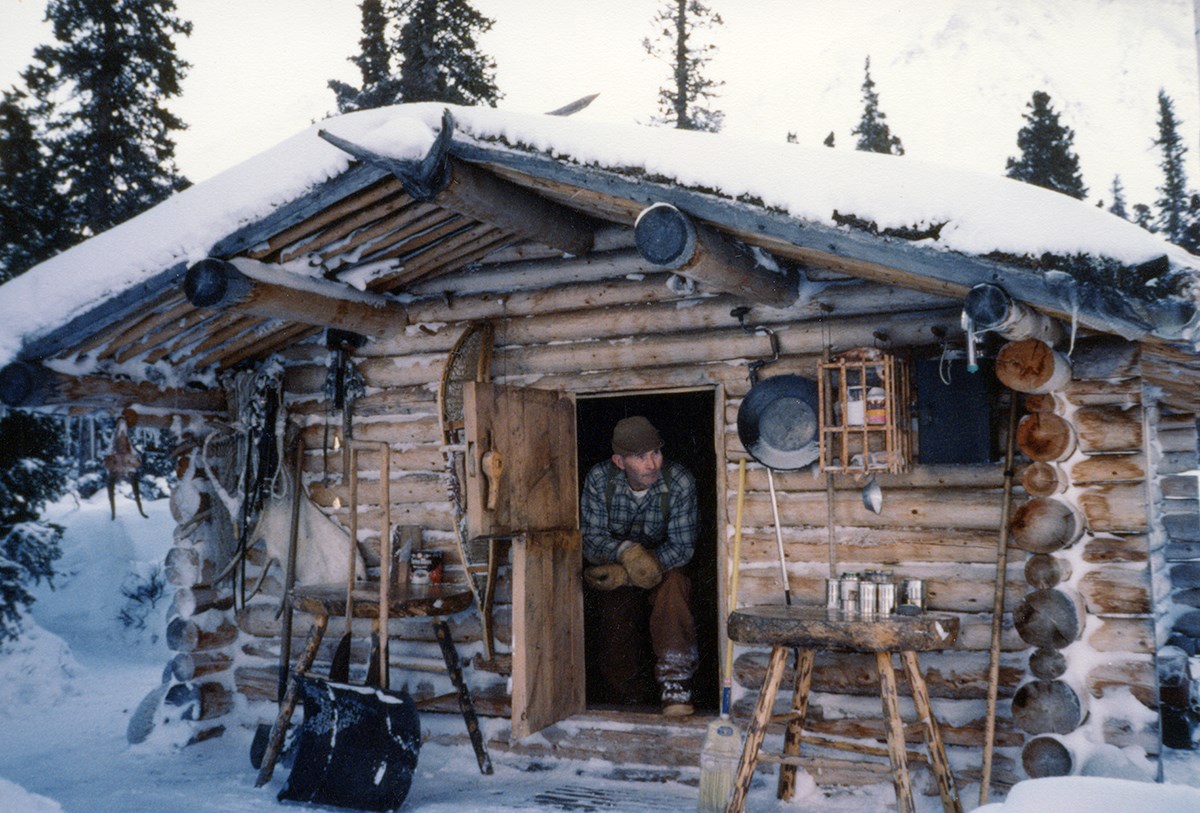
A 50-year-old man named Dick Proenneke is in Twin Lakes Alaska in 1968 and films himself building a retirement cabin. He starts out by staying in a friend’s cabin. He starts gathering wood and making some of the tools he uses as he goes. This man…is a real man. if he needs a spoon…he starts carving himself out one. He builds this cabin and makes everything including wood hinges for the door. He also made hinges out of his tin containers. He gathers rocks from somewhere down the lake and brings them back… then he starts building his chimney.
He is by himself and sets up the camera everywhere he goes. He goes out fishing when he is hungry and hunting for meat for the winter only taking what he needs. He uses just what he needs and doesn’t take more from nature than he could use. He makes almost everything from scratch. He uses his tin canisters for different things. He buries one and covers for a refrigerator. The only help he receives is a pilot friend who lands every now and again to deliver supplies. He was a master craftsman, to say the least.
He also filmed all the wildlife around. Rams, wolves, bears, birds, and Caribou. He also gets some great shots of the area around Twin Lakes. The snowy mountains were breathtaking.
It doesn’t sound that special but I have watched it at least 6 more times since the night I watched it twice… sometimes showing it to other people. He makes it look so easy. He filmed enough to have a few more short documentaries which were released but nothing matches that first one. This man made me feel like a mouse, a kid, a beginner, a slouch. He is so talented and tough.
He ended up staying there until 1999 alone and then left to live with his brother at age 82. Dick passed away at 86 in 2003. The cabin is still there and is on the National Register of Historic Places. People come from all over the world to visit it.
I wish YouTube had the complete documentary but they don’t. I watch modern YouTube videos of people visiting the cabin now. They see his cache in the back, his sled, and all the cabin parts. You see him in 1968 building those items. Like I said earlier, there are more documentaries on him but start with this one. This one is great. I’ve never had someone tell me they were disappointed in it.











 PowerPop... An Eclectic Collection of Pop Culture